This morning Barbara and I woke up to an outside temperature of 38 degrees. Due to this I had to break out my “Big Boy Pants”. I believe this is the first time this year I have had to wear long pants. This past winter we were in Florida where the temperatures ranged from 70 to 77 degrees night to day. And this past summer we were exploring the New England states, so there was no need for long pants.
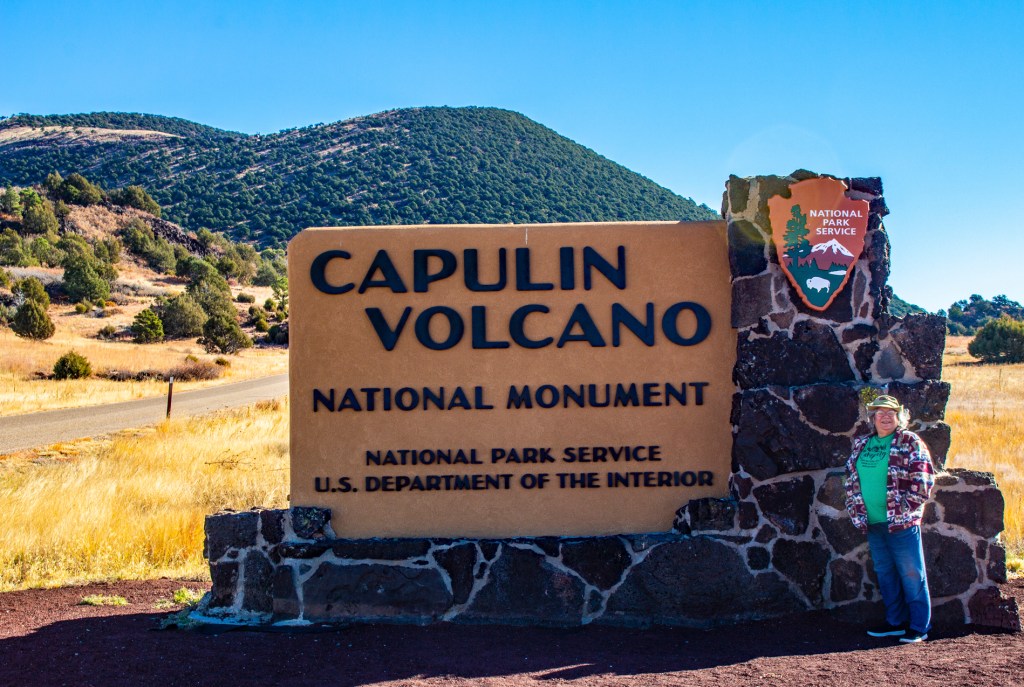
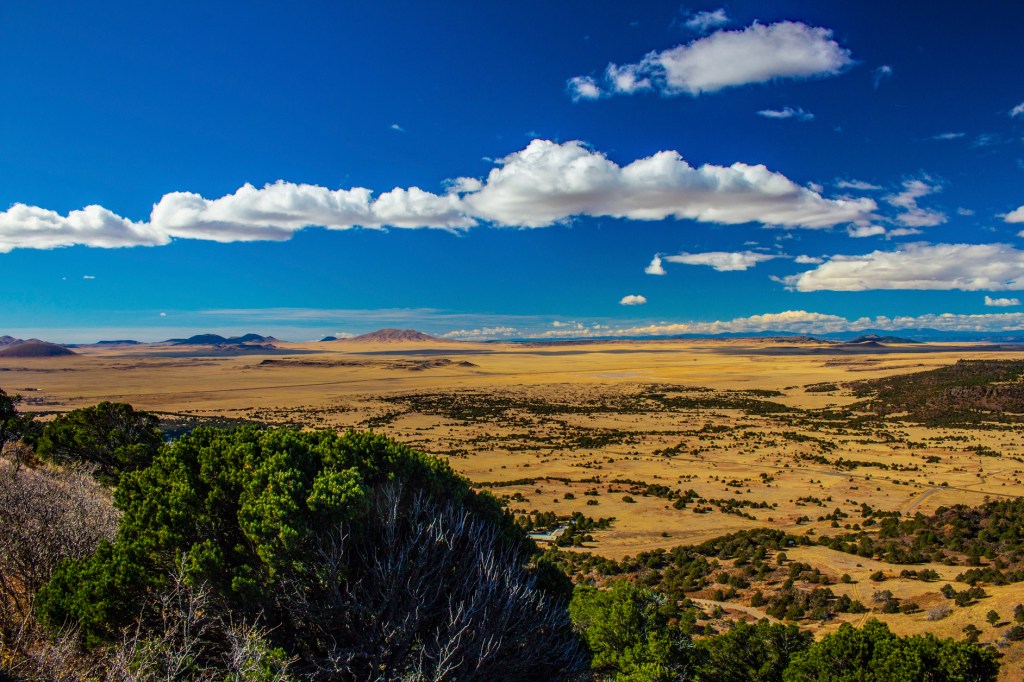
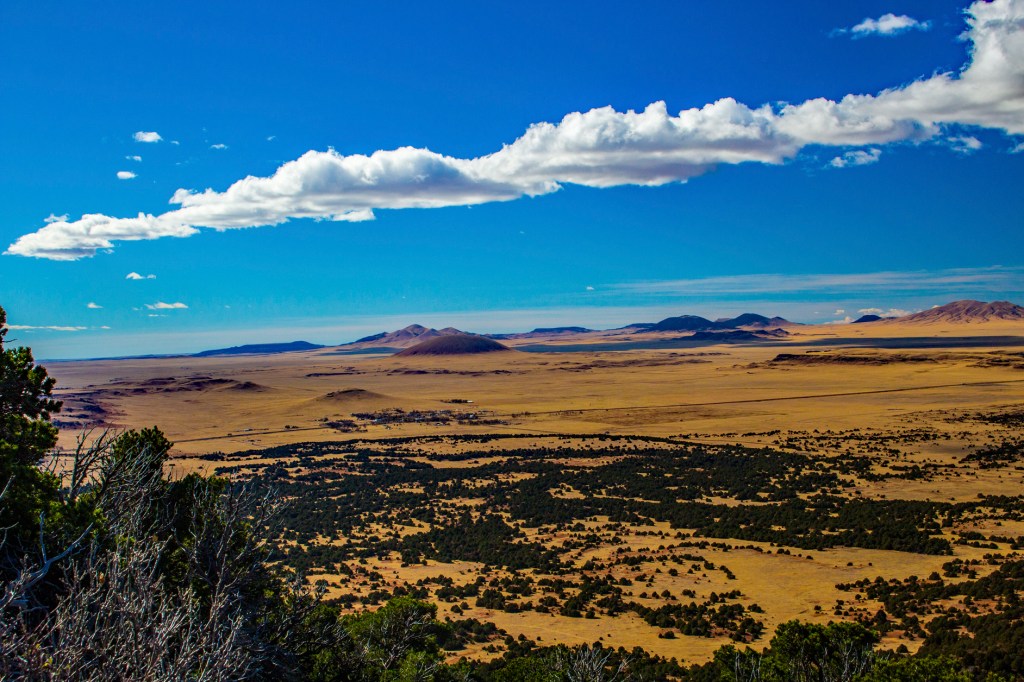
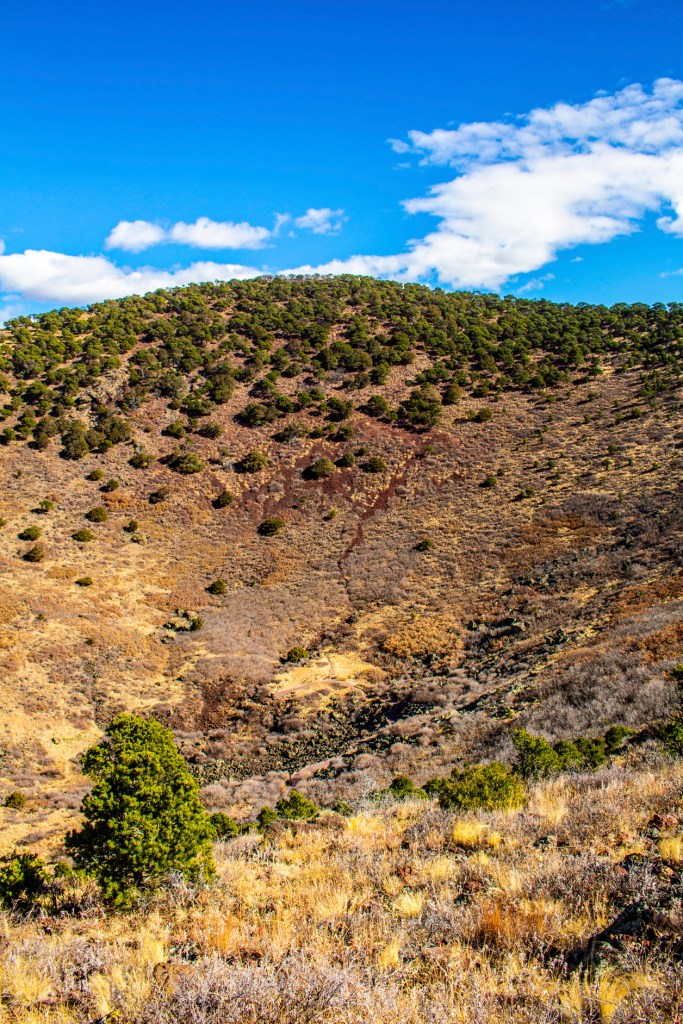
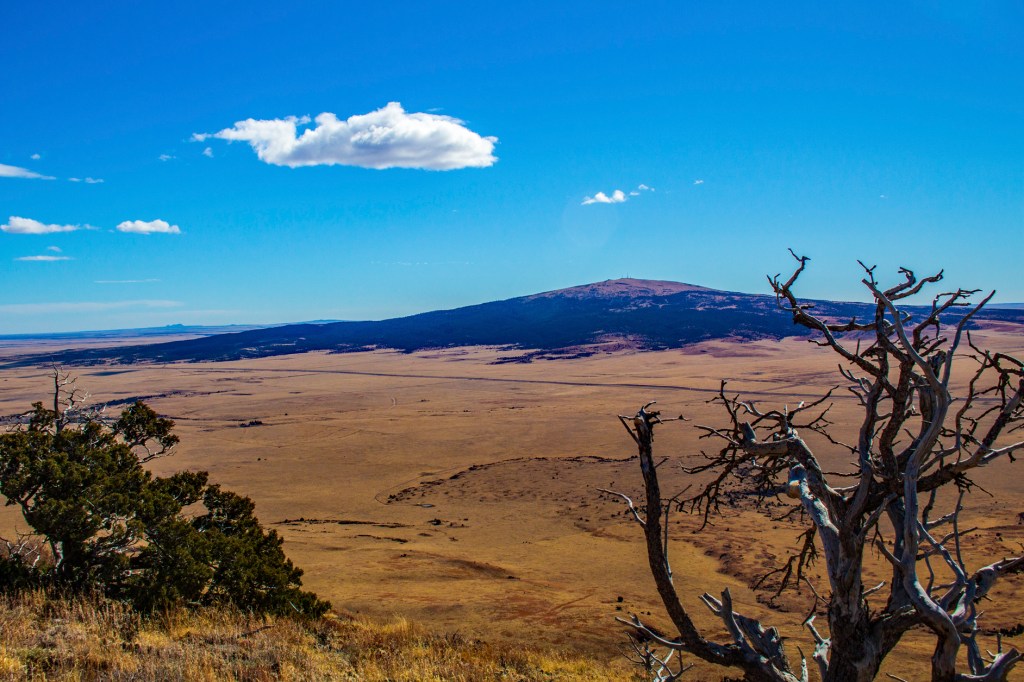
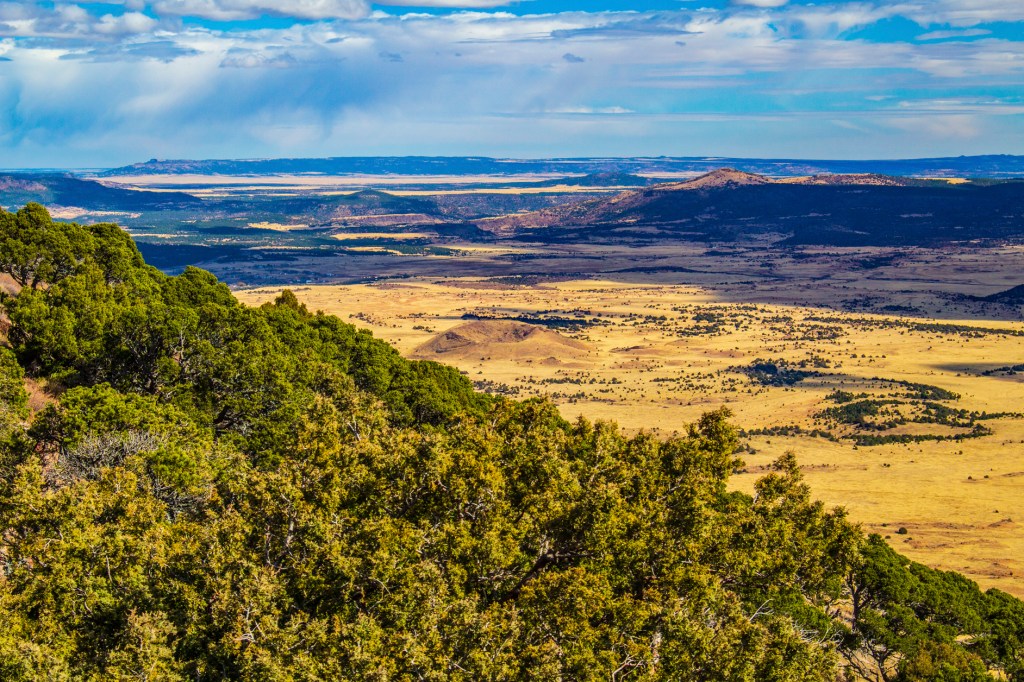
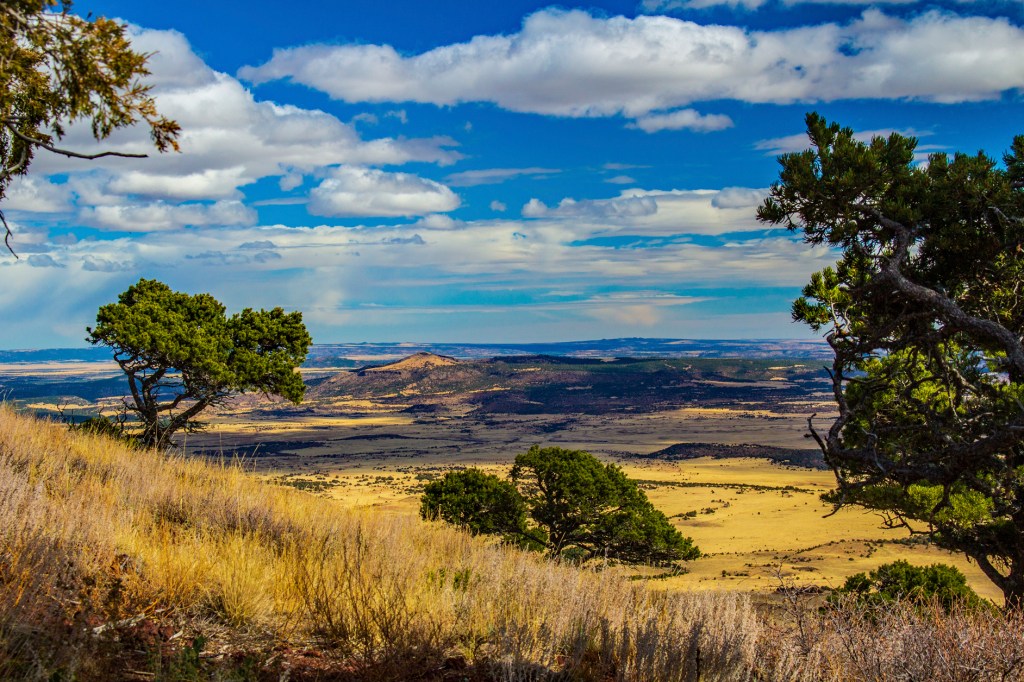
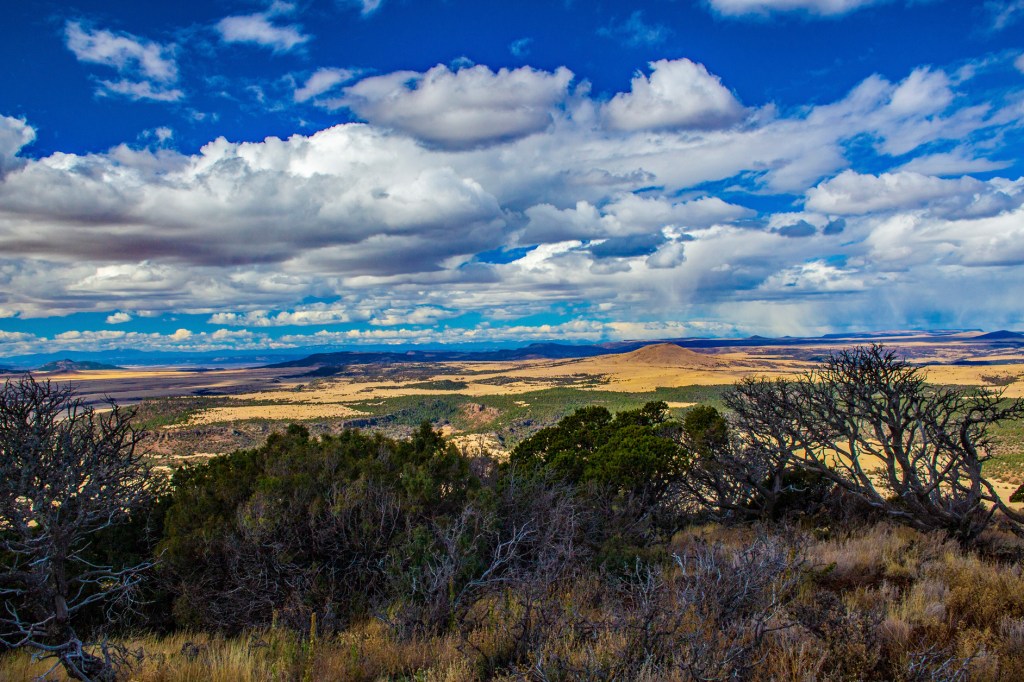
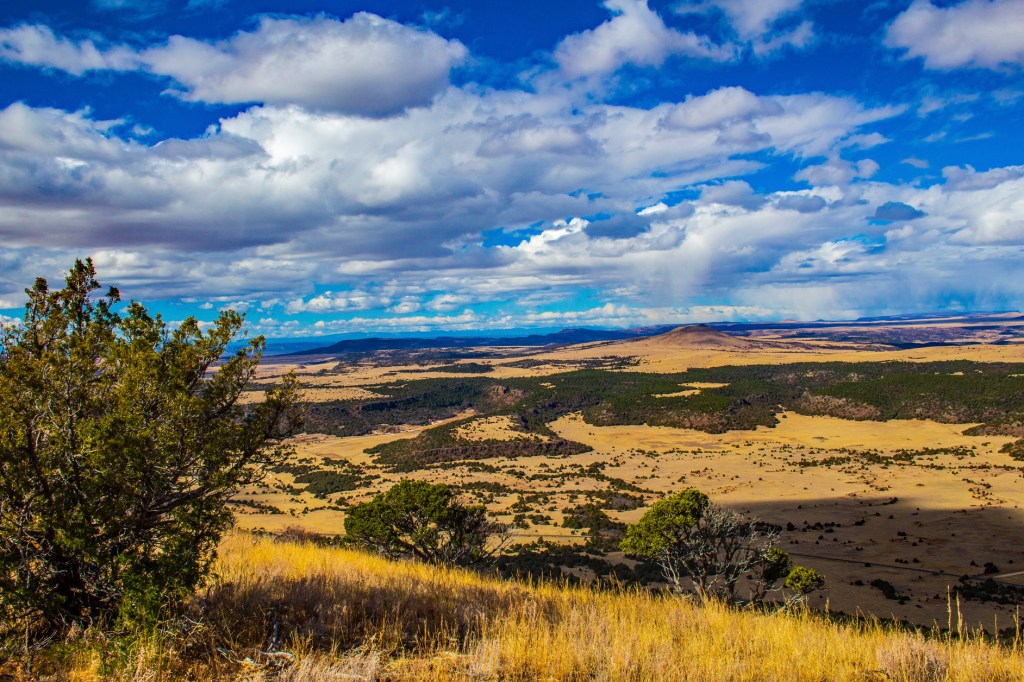
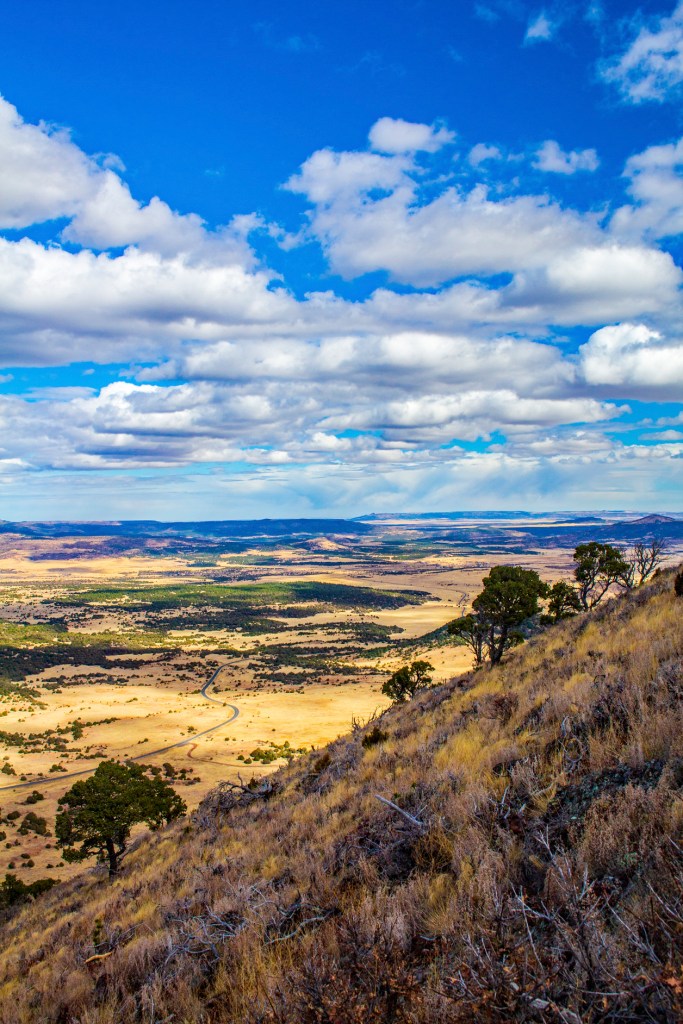
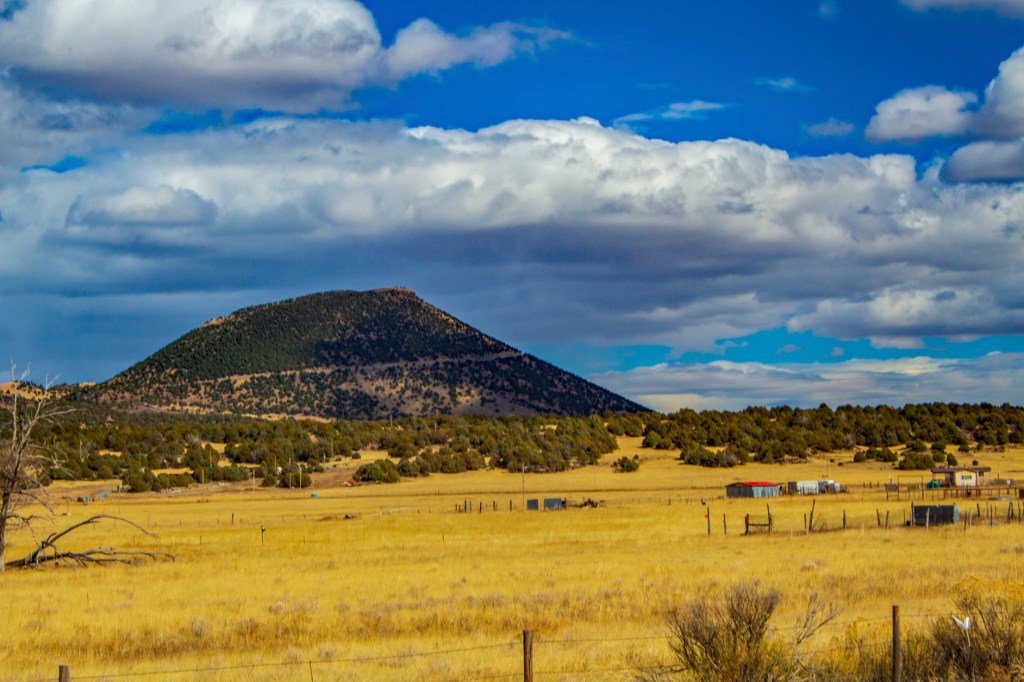
Well after breakfast we headed east to the Capulin Volcano National Monument in northern New Mexico. After visiting the visitors’ center and a short drive to the observation deck, Barbara waited patiently in the truck while I hiked to the summit of the Capulin Volcano and all around the ridge of its cone. Capulin’s cone rises 1,300 feet above the surrounding plains and tops out at 8,182 feet above msl.
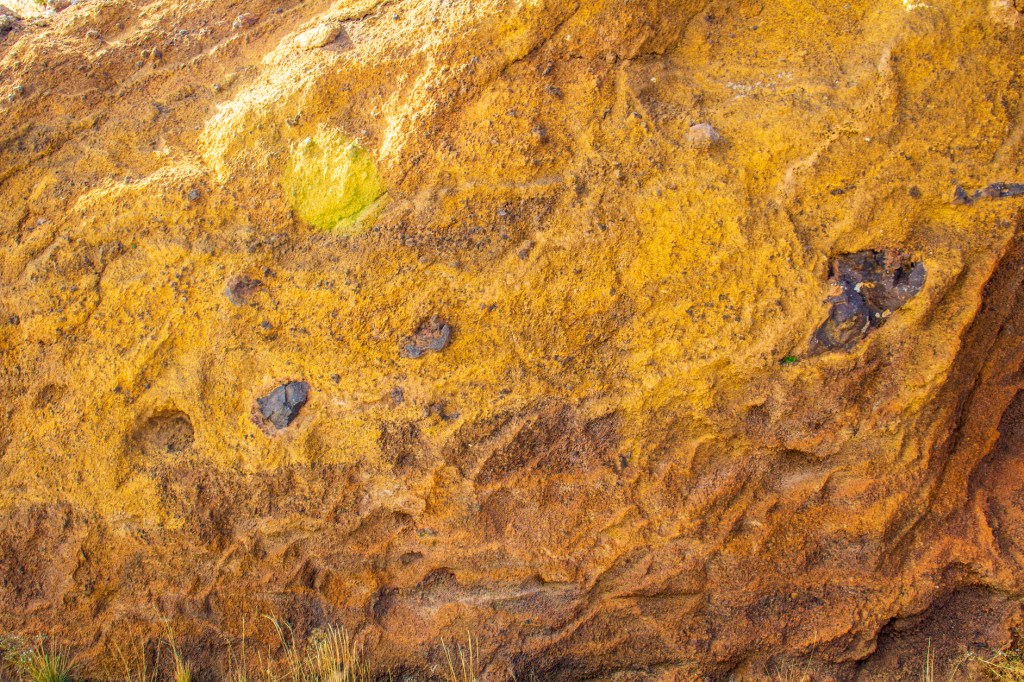
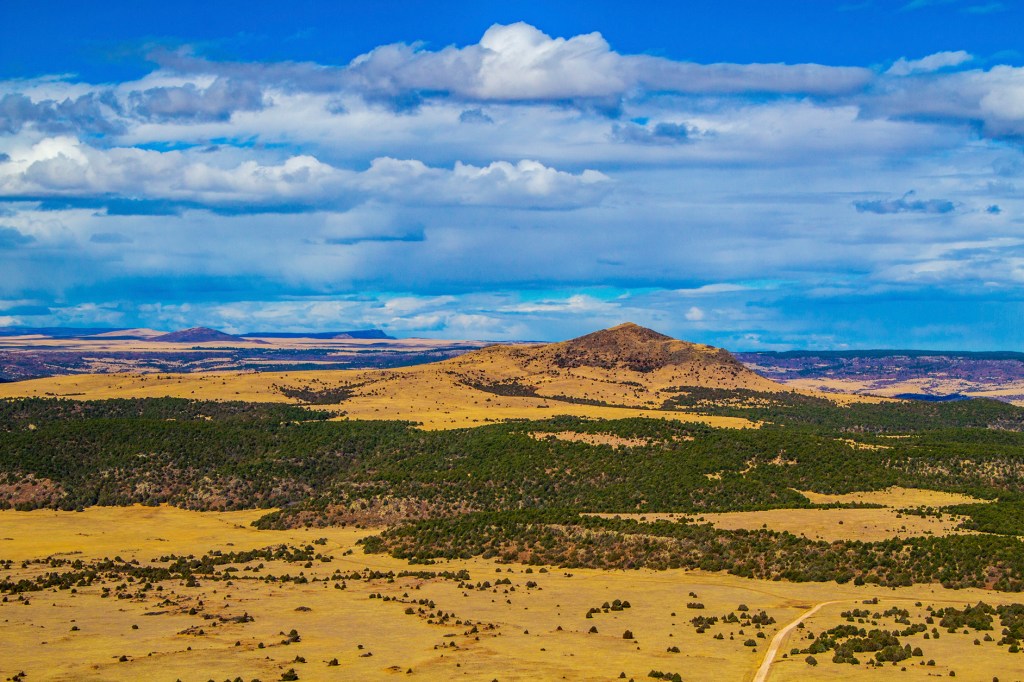
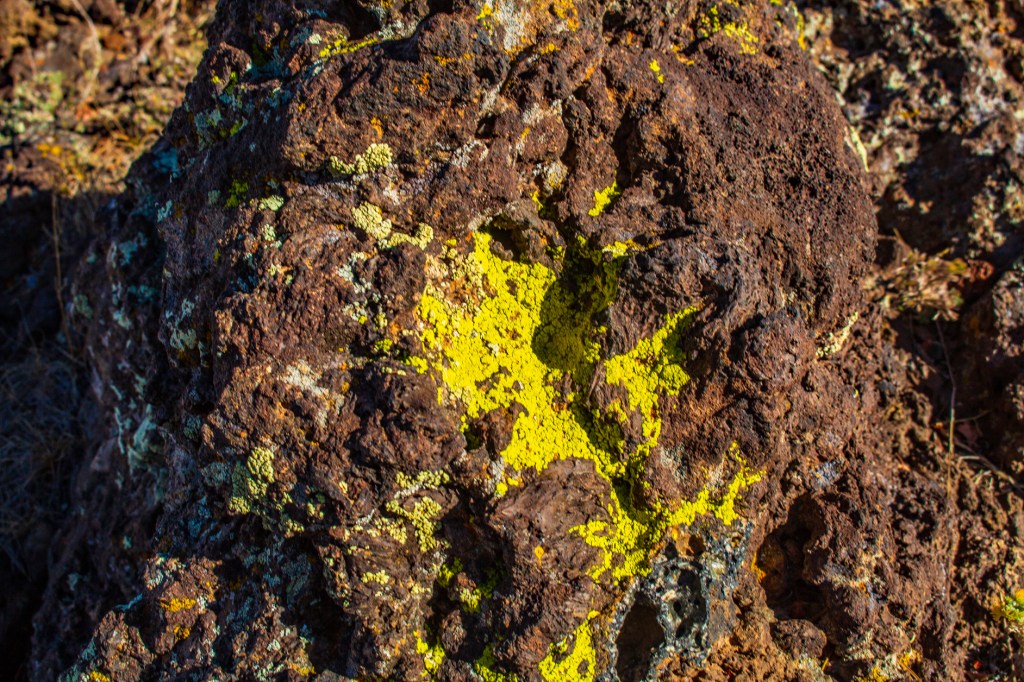
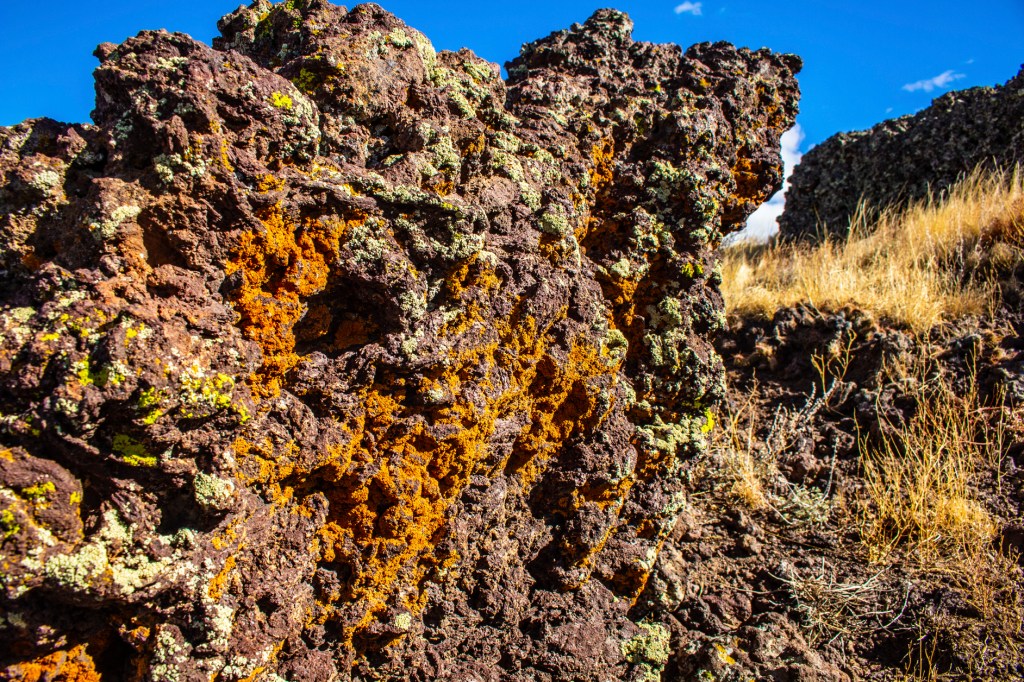
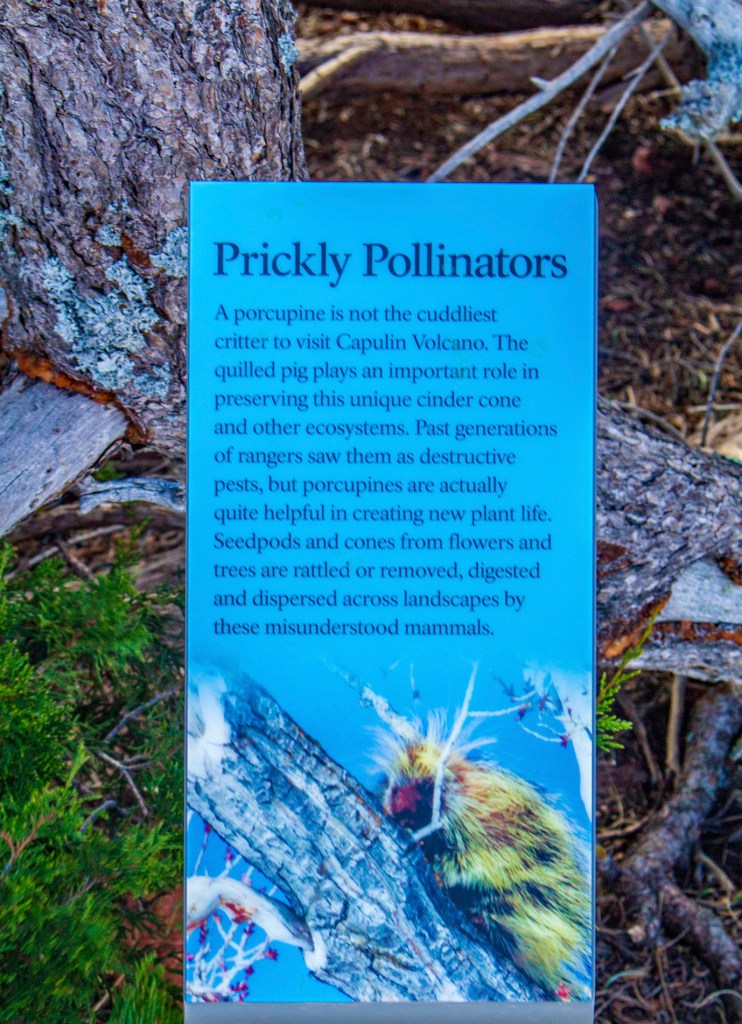
The Capulin Volcano is a cinder cone made up of unconsolidated volcanic rock. During the eruption, the Capulin Volcanoes magma contained a lot of trapped gases which is the reason for its explosive nature. Once the gas rich magma had been depleted the subsequent eruptions were nonexplosive, emanating from the base of the volcano. This is a common occurrence of cinder cones. There were four known lava flows emanating from the base of the Capulin Volcano. The Capulin Volcano is the center piece of the 8,000-square-mile Raton-Clayton Volcanic Field. The volcanism here began approximately 9 million years ago when crustal extension created cracks in the earth’s crust, which allowed the magma to rise to the surface. By comparison the Capulin Volcano is only 60,000 years old. In that 60,000 years weathering and breakdown of the rock by organisms like lichen have created enough soil for plant, and subsequently, animal life to thrive here. Take a look!

 RV There Yet?
Good stuff! Gotta love the Lapilli Tuff! I don’t think I’ve got to use the word lapilli since college 🙂
LikeLike