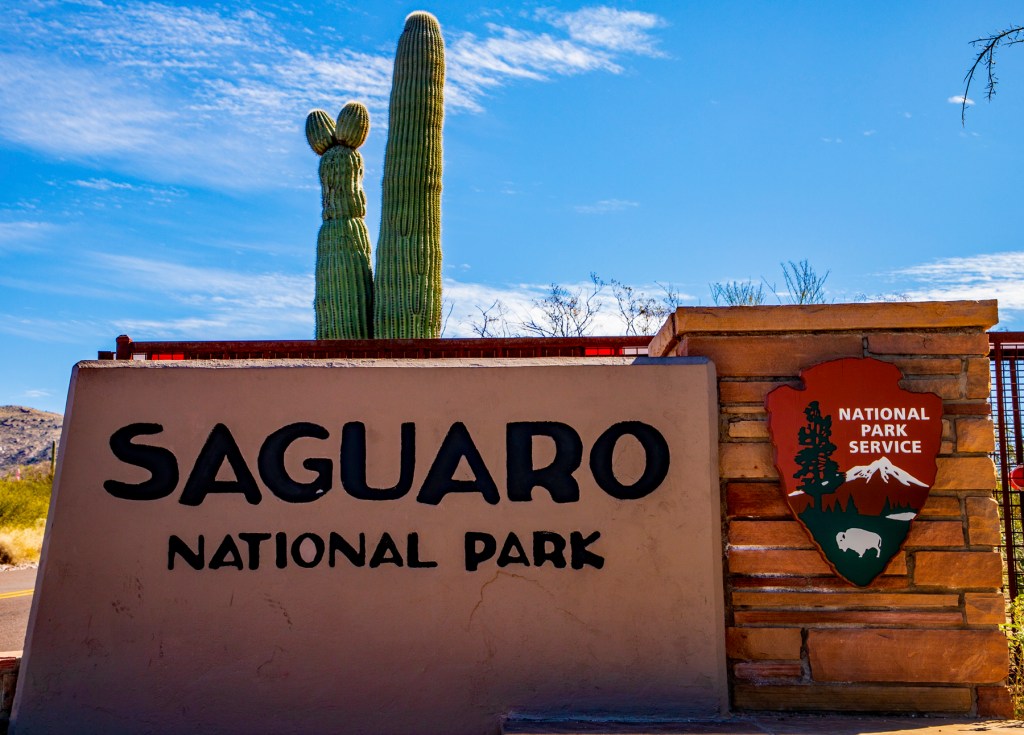
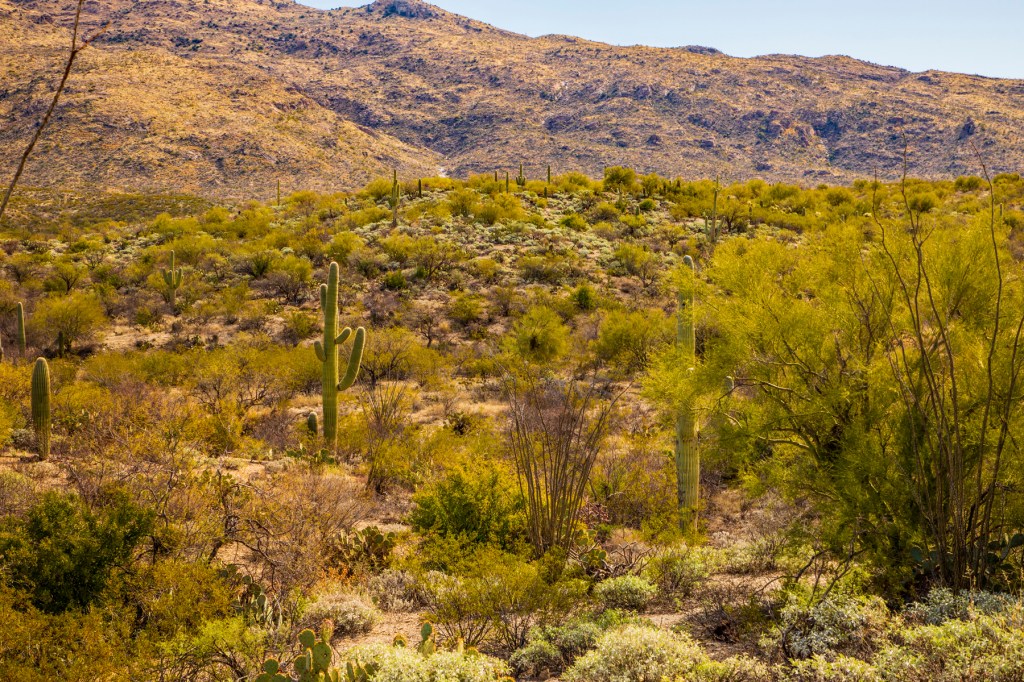
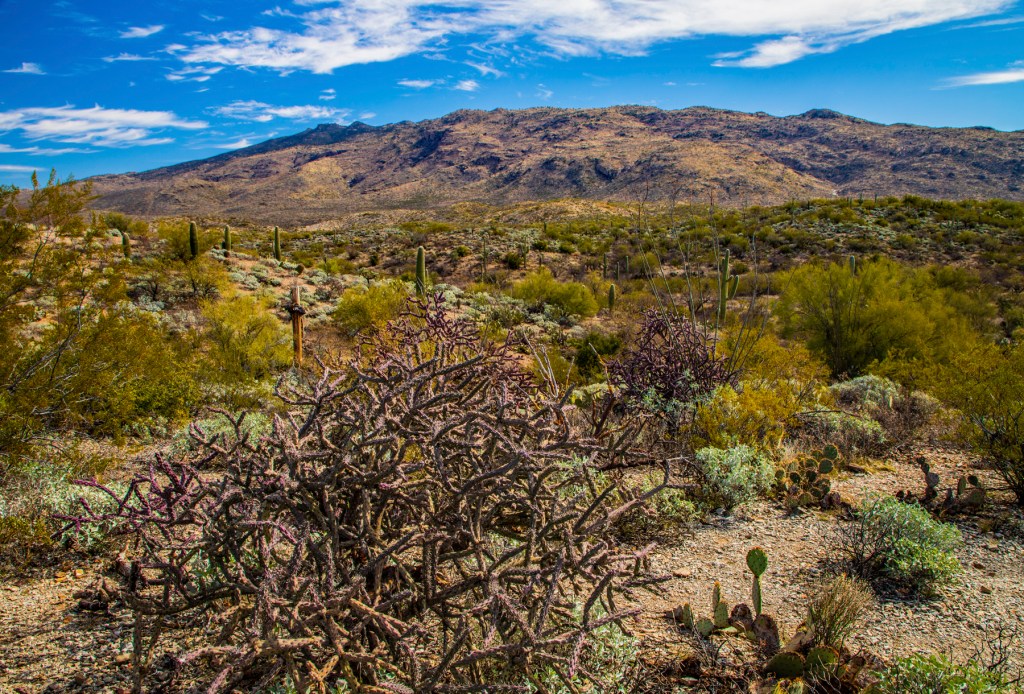
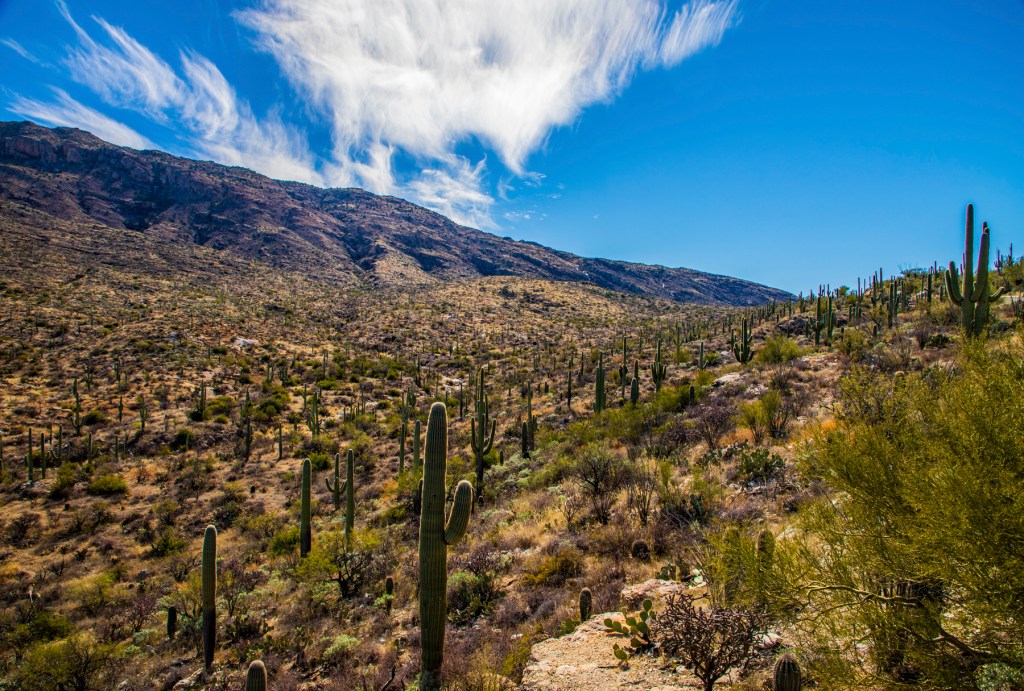
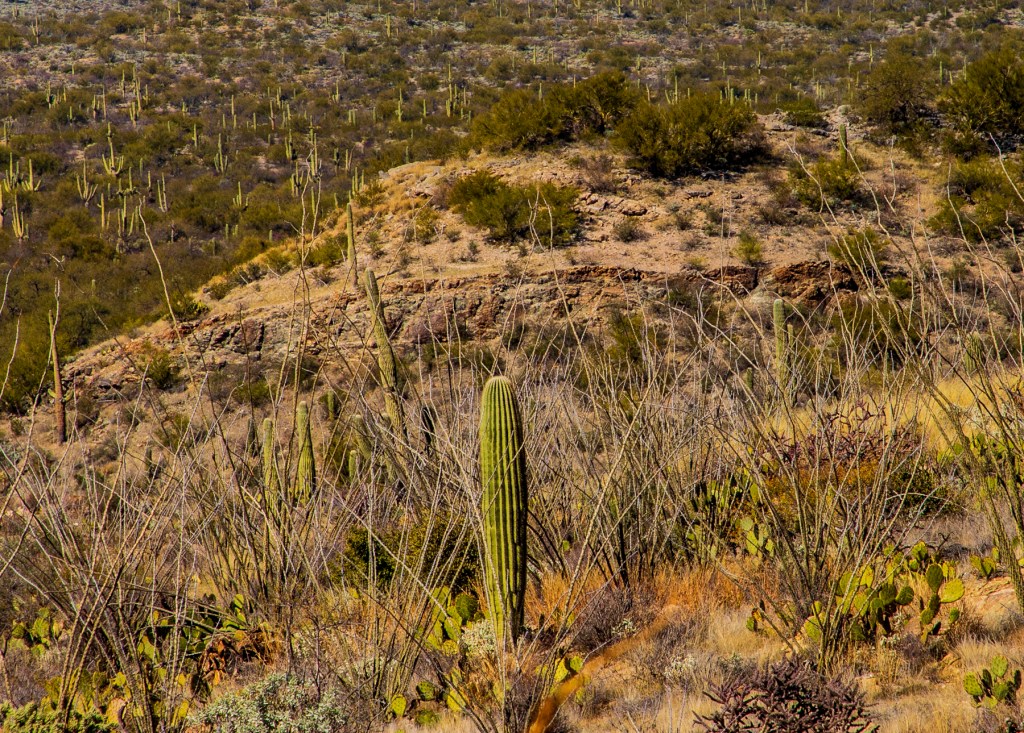
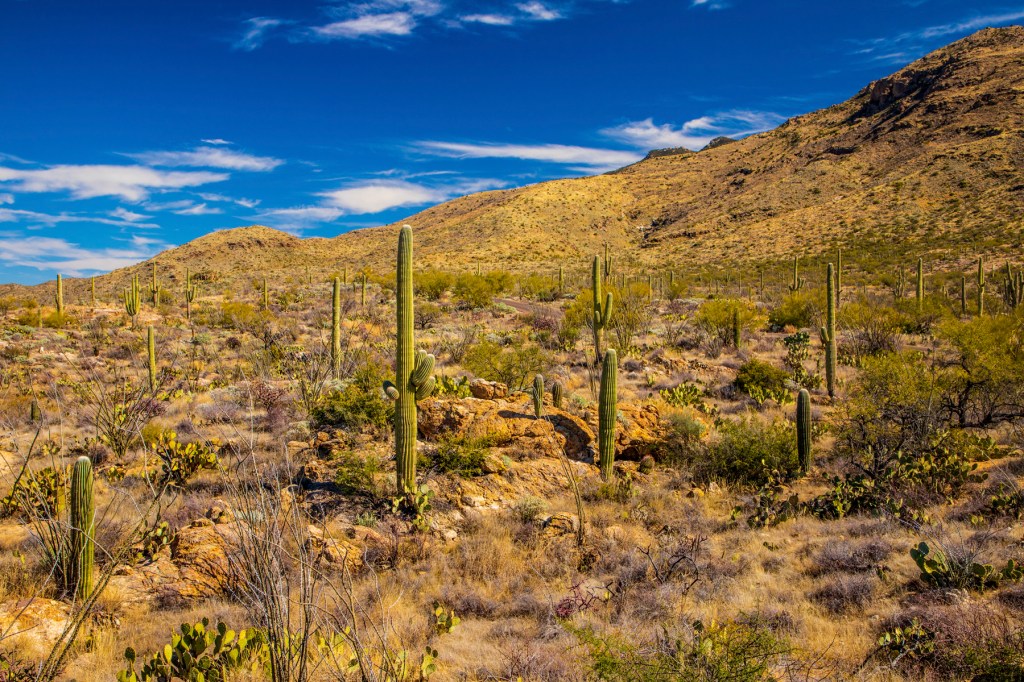
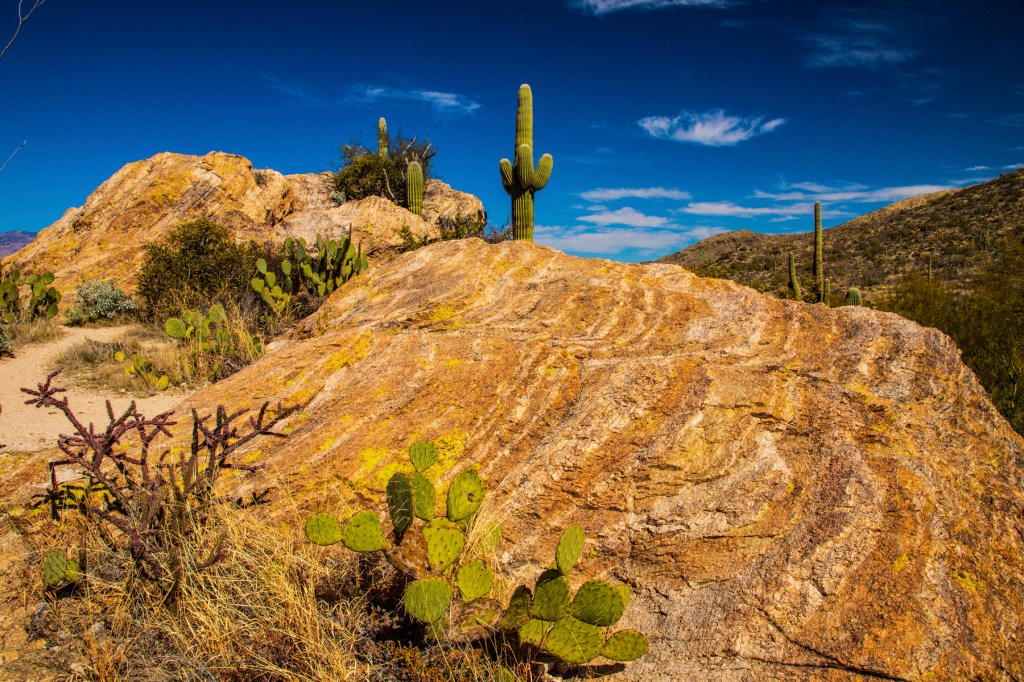
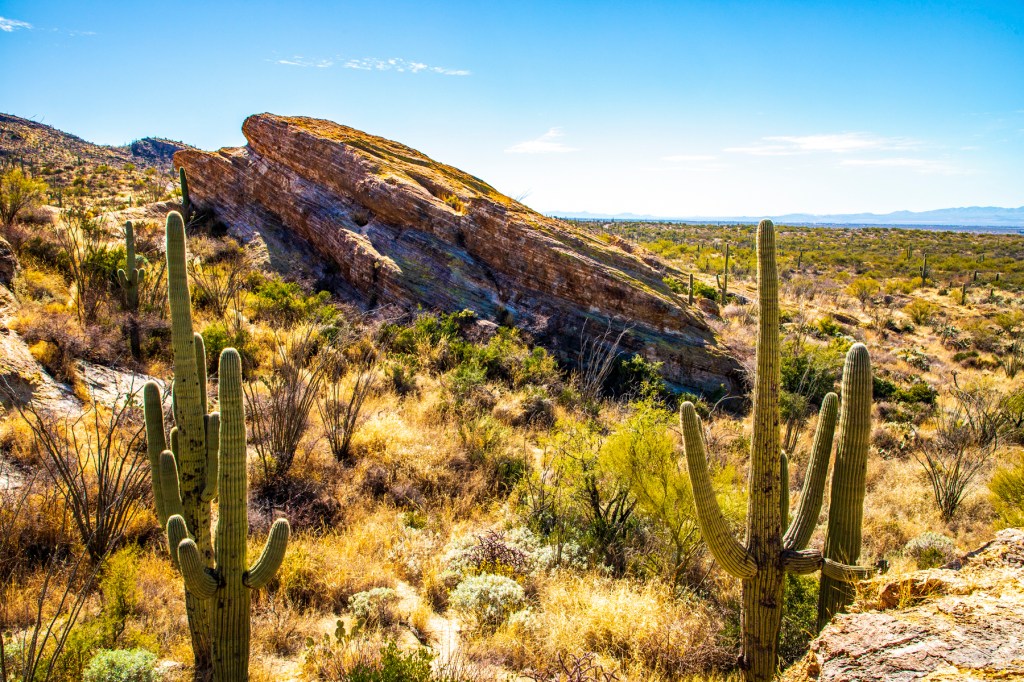
This past Wednesday Barbara and I visited the Saguaro National Park (NP) in southern Arizona. This park is divided into two parts, the east side and the west side with the city of Tucson in between. On Wednesday we visited the east side. As far as national parks go it’s not one of the more scenic parks, but the east side contains some rare geology that geologist from all over the world come to see.
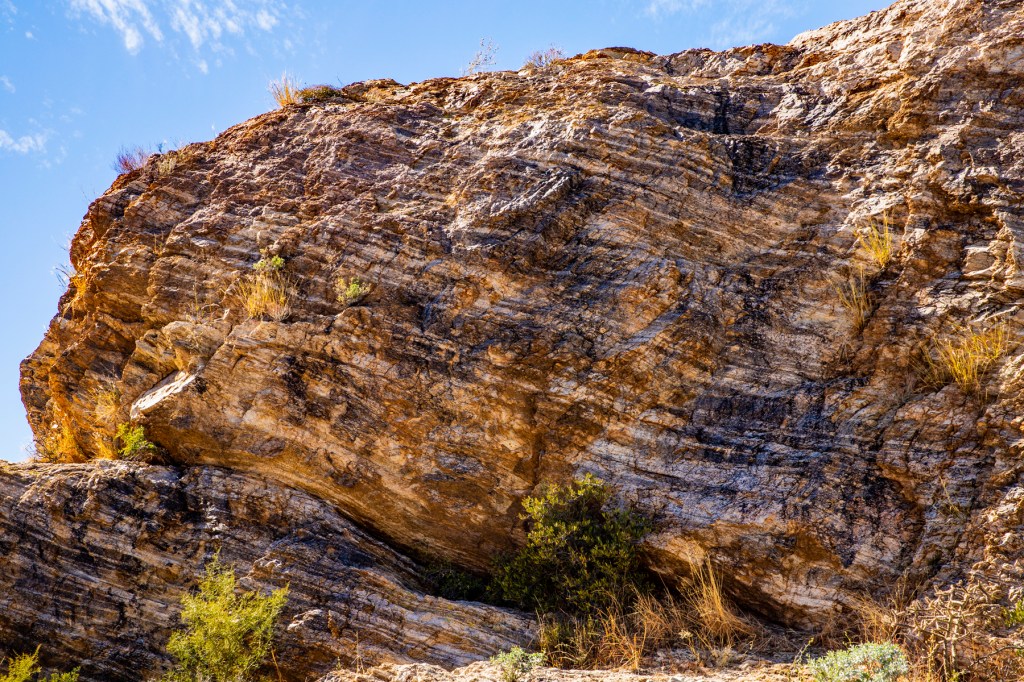
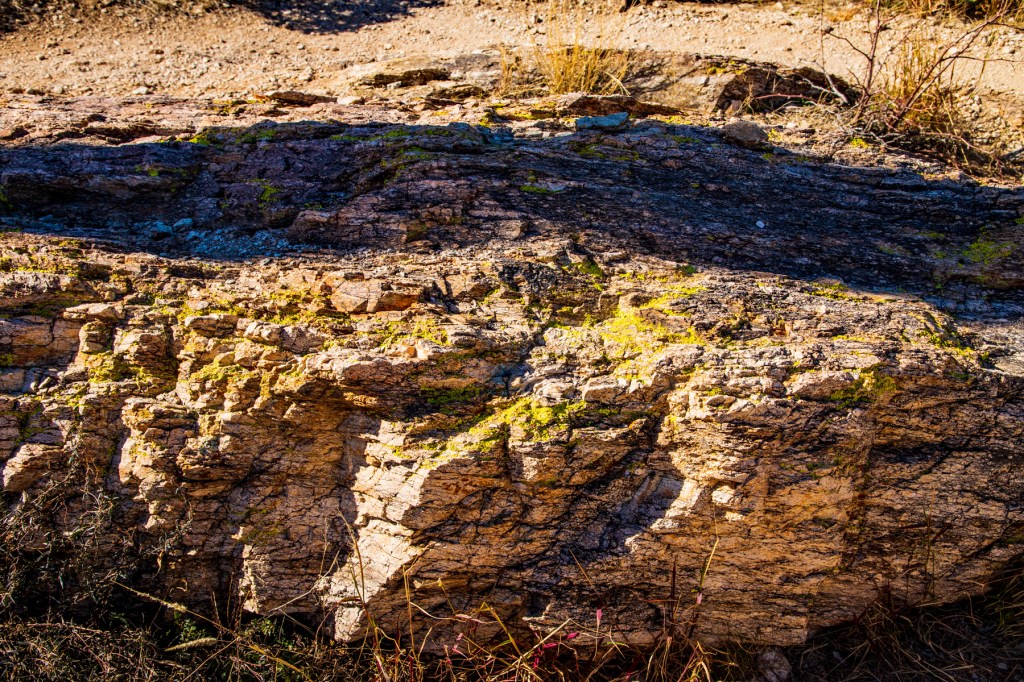
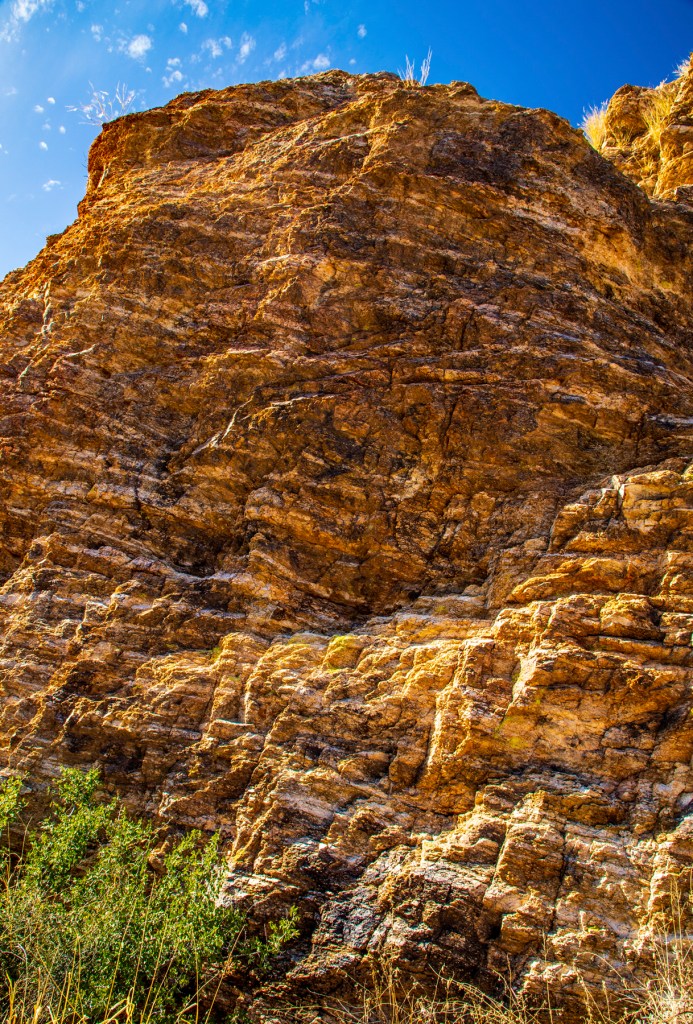
Approximately 20 to 30 million years ago the earths crust in this area began to stretch. This stretching caused the rocks to thin and elongate, transforming the granitic rock in the area into mylonitic gneiss and the sedimentary rock above into cataclasite. But the most interesting part of this deformation was the formation of detachment faults and at Saguaro NP one of these detachment faults is on display for everyone to see. At Saguaro NP the sedimentary rocks originally laid down on top of the granitic rock have detached and moved to the west of the location from where they were deposited. So, geologically speaking, Saguaro West was once east and Saguaro east was once west. In addition, in Saguaro east you can see the oldest and youngest rocks in the park lying side by side. The oldest rocks, the Pinal Schist, are 1.6 billion years old while the youngest rocks, alluvium, were created literally yesterday. (15)

 RV There Yet?