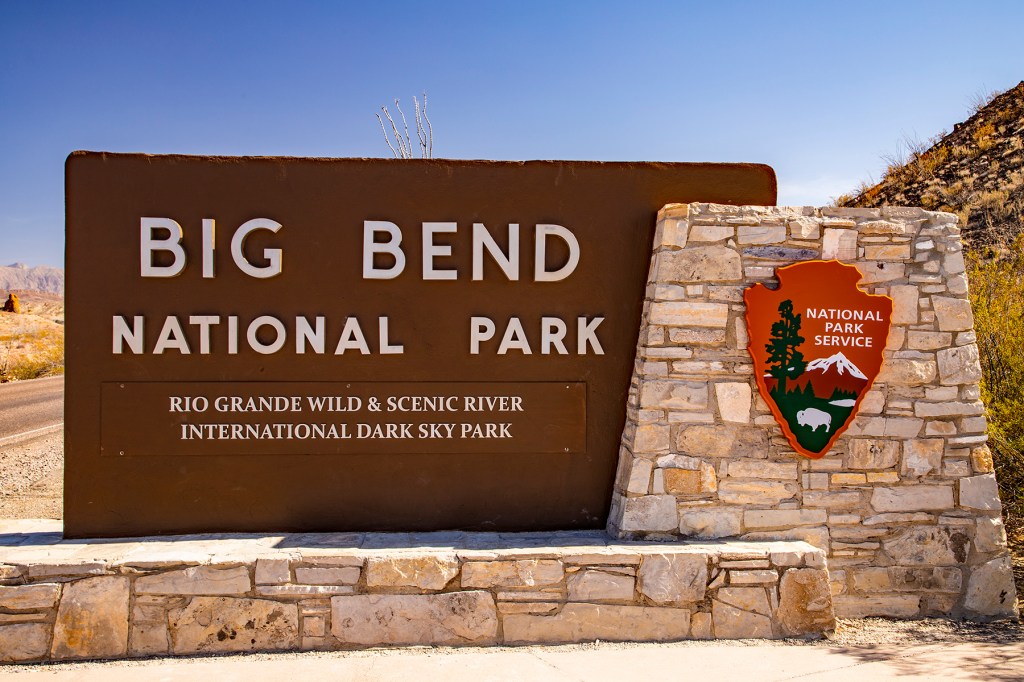
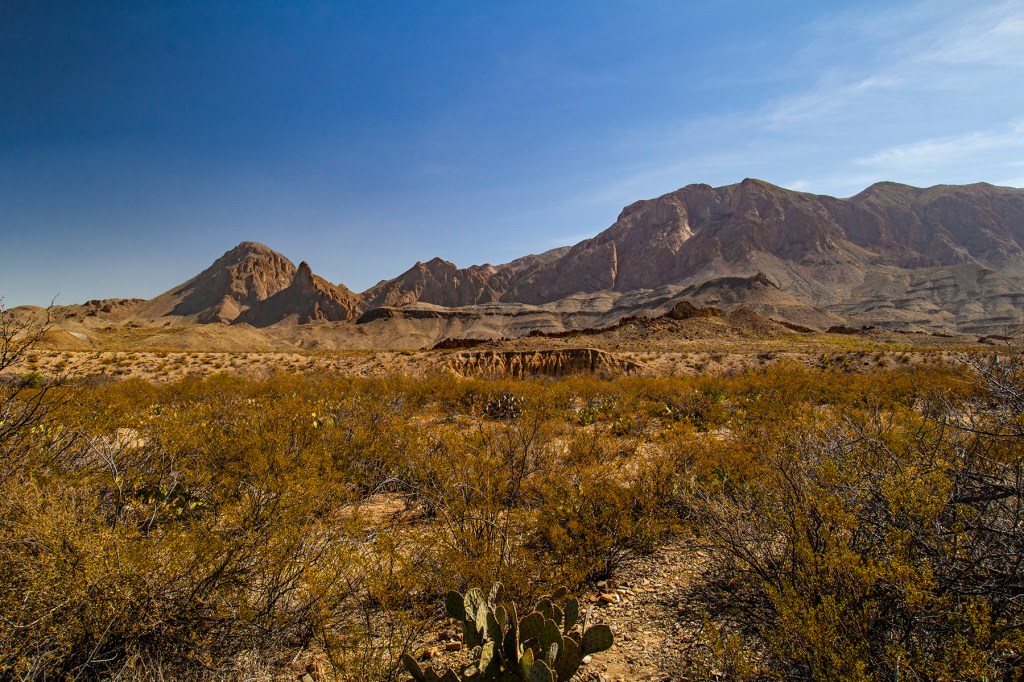
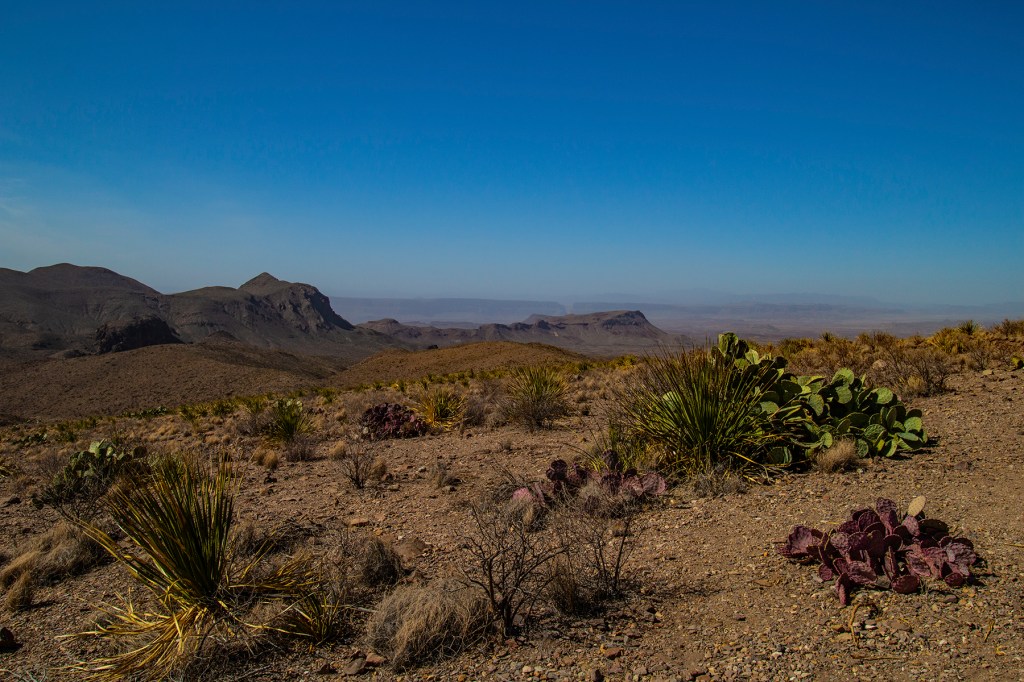
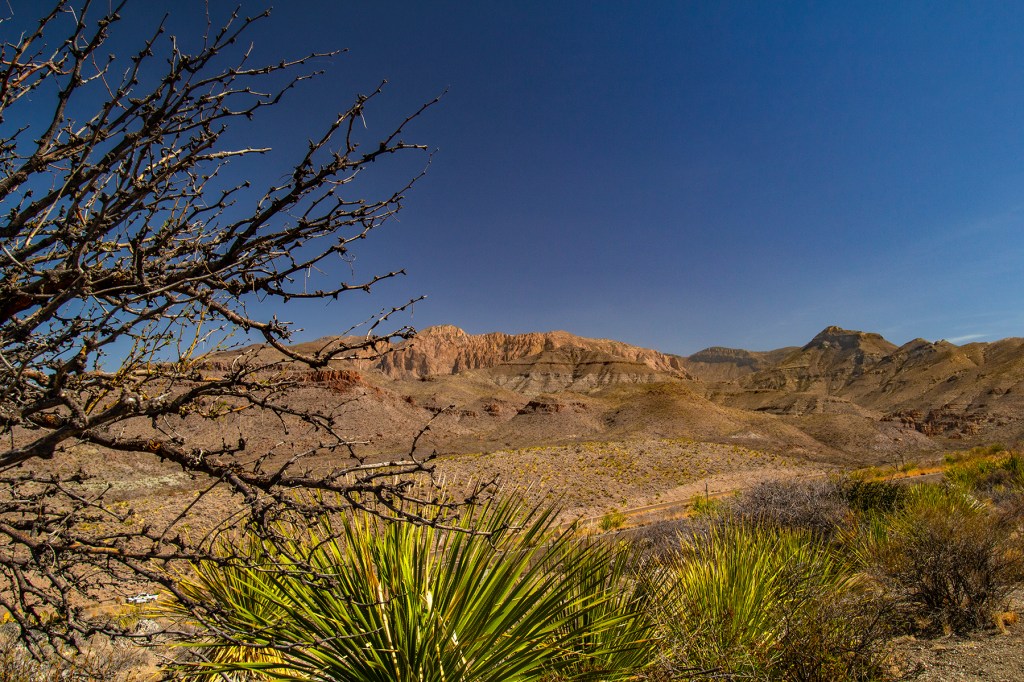
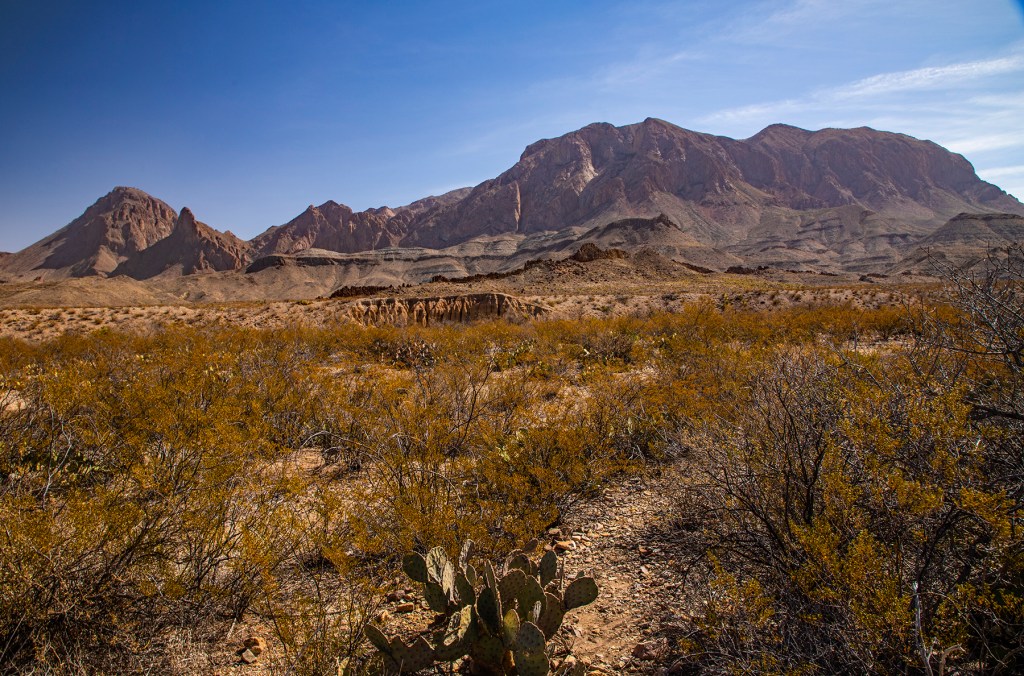
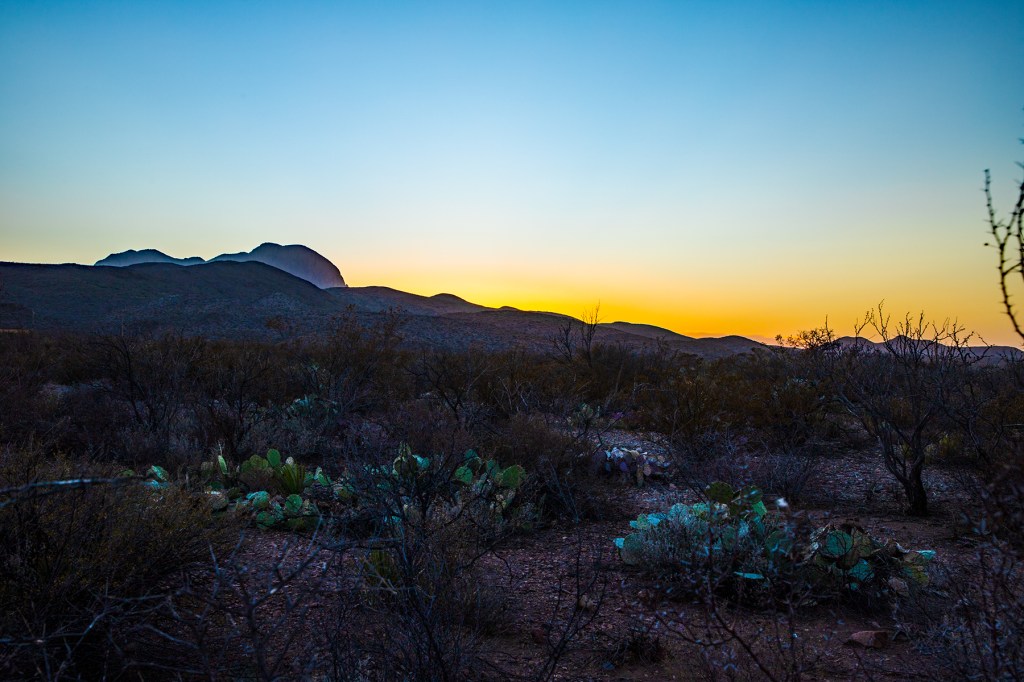
Yesterday, Barbara, Ellie, and I visited Big Bend National Park (NP) in southwest Texas. Big Bend gets its name from the big bend the Rio Grande River makes here, changing course from east-southeast to northeast. Now Big Bend doesn’t have the majestic vistas that Yosemite and Yellowstone have but it does have a natural beauty that I believe most people can appreciate. My wonderful wife Barbara can find beauty in just about anything and yesterday she frequently commented on the beauty of this park.
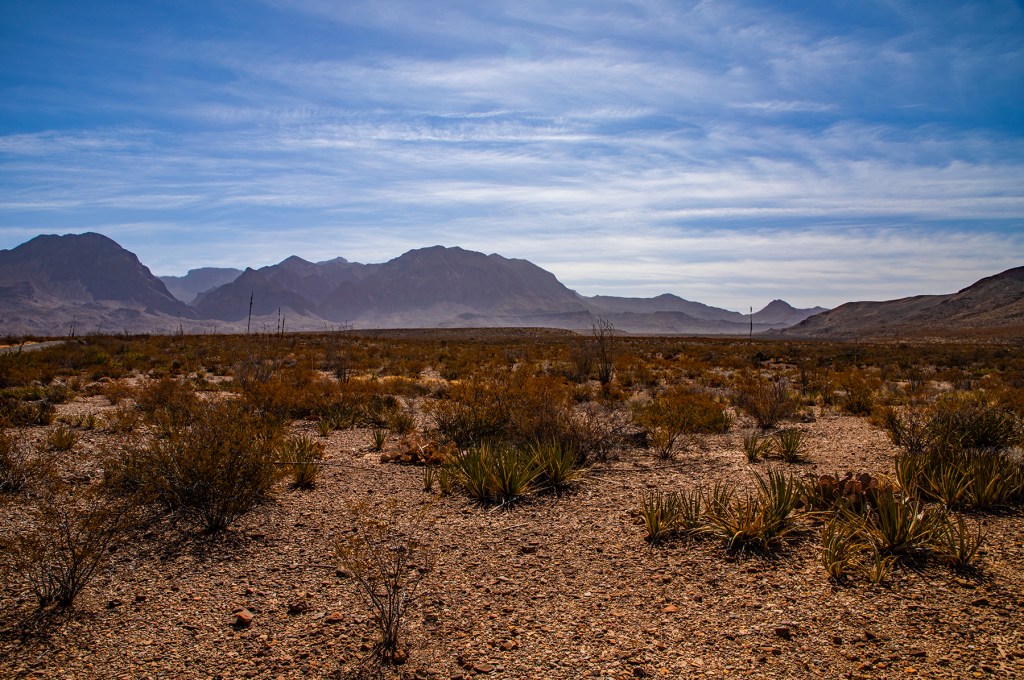
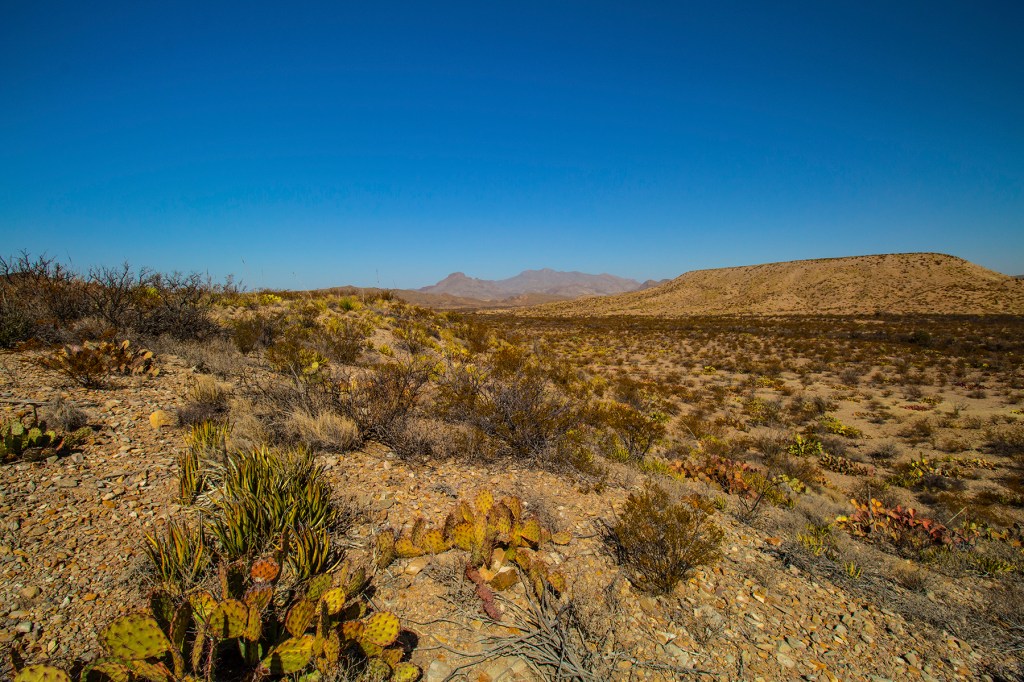
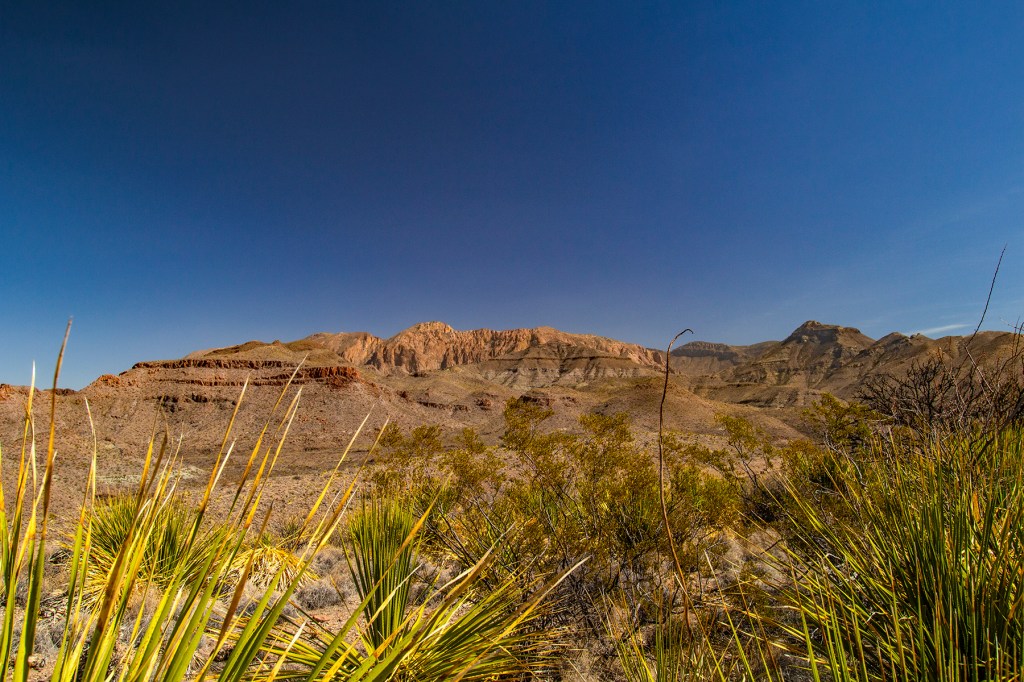
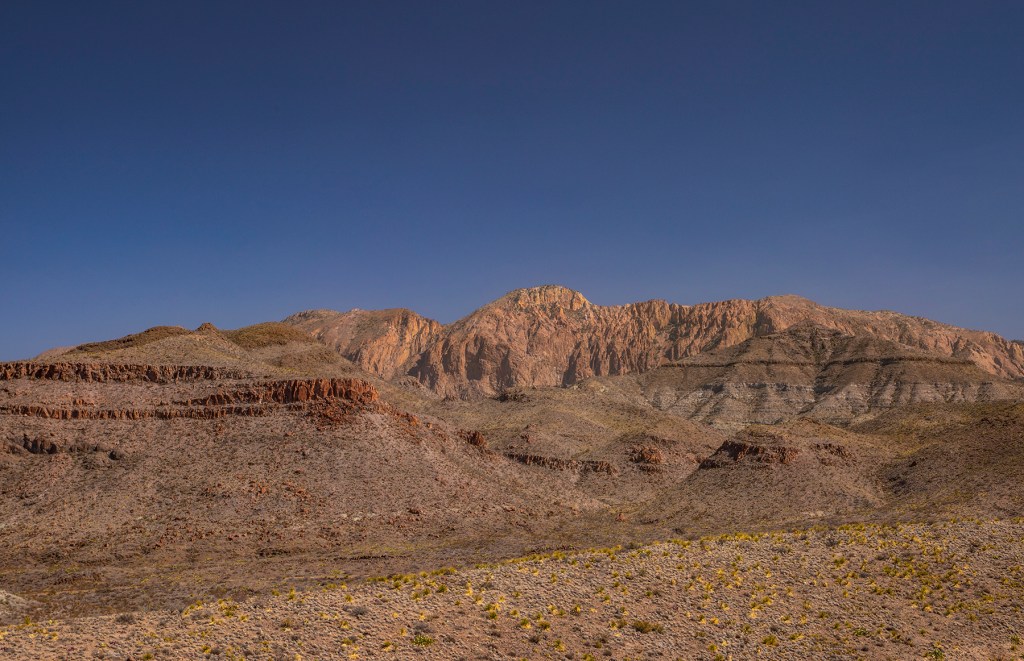
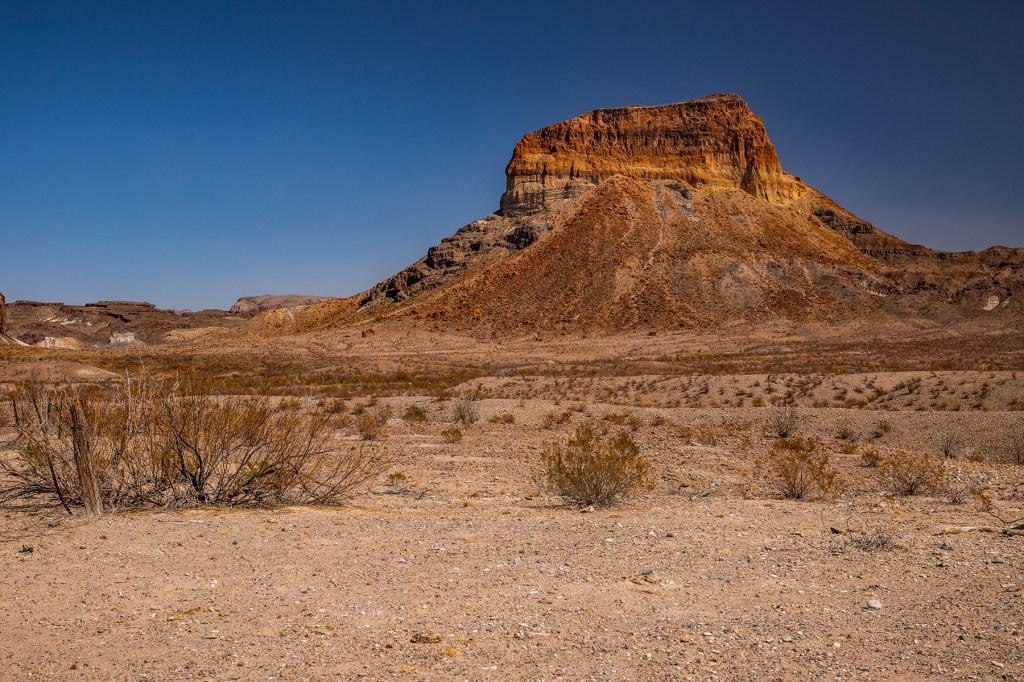
This park sits where the Chihuahuan Desert and the southern end of the Rocky Mountains overlap. The park sits where a shallow sea once resided. Then a few million years later the Rocky Mountains rose up from below and created the mountains seen here. This also gave rise to intrusive and extrusive igneous rocks making their presence known. In addition, faulting changed the landscape as the Rio Grande River cut its way through rocks that now sit more than 1,000 feet above the river below.
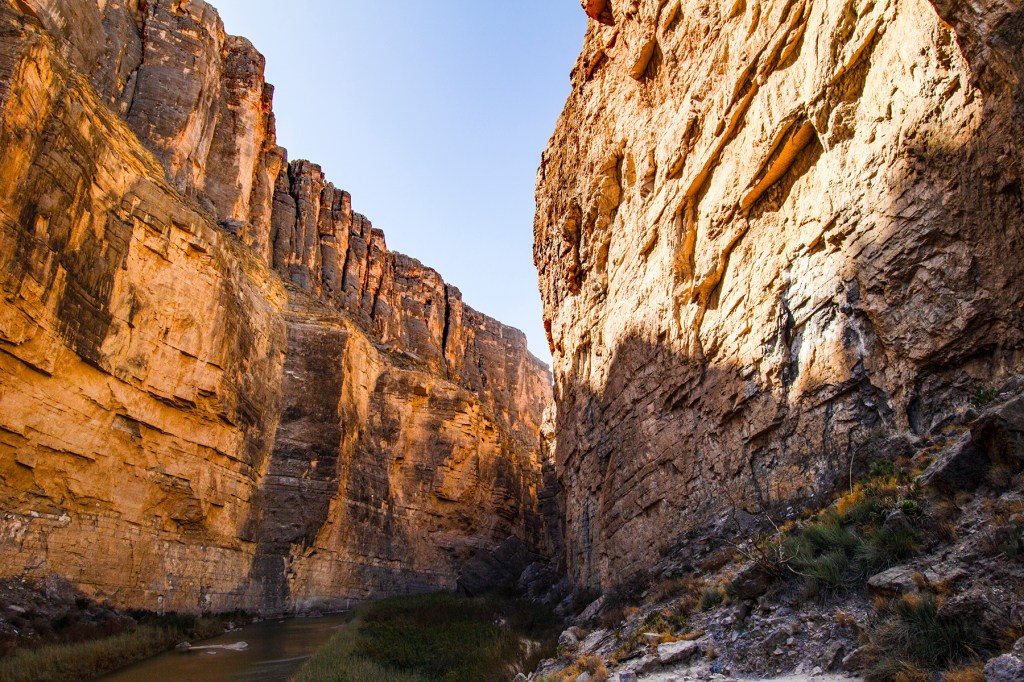
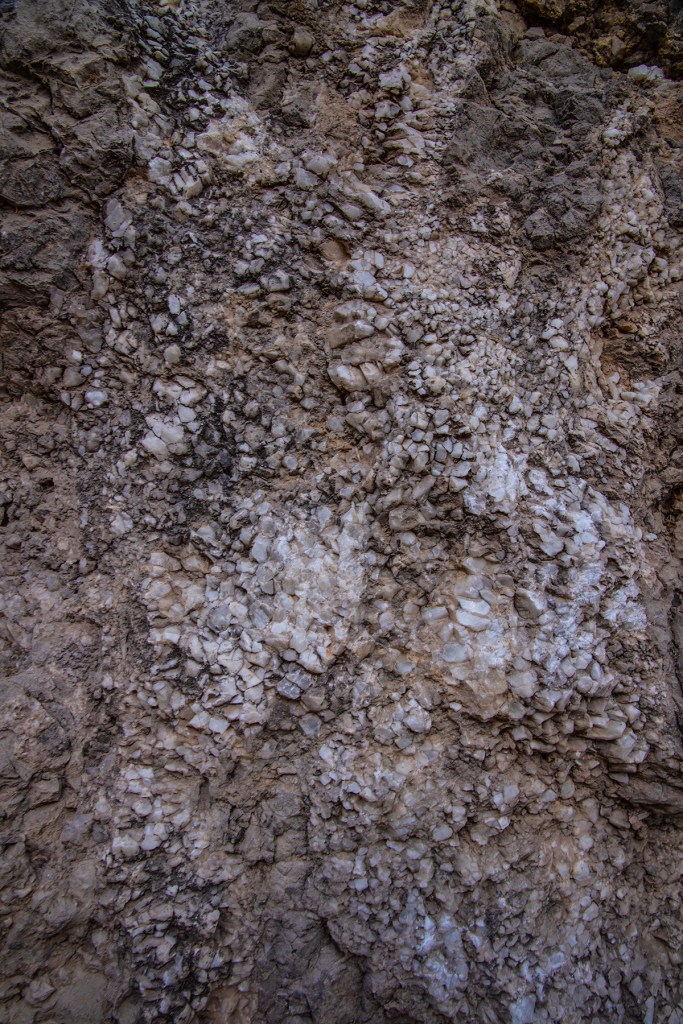
After the breakup of the Super Continent Pangaea, approximately 300 million years ago, most of what is today’s Big Bend NP was flooded and became a shallow sea. This can be seen in the rocks in Santa Elena Canyon. These rocks are made up of mostly limestone (CaCO3), which contain both calcite crystals and shells from bi-valves, cephalopods and pelecypods, the ancestors of todays clams.
Later, as the mountain building processes began here, magma from below began intruding the existing rocks. This can be seen near Mule Ears Peaks and Goat Mountain in the form of dikes that rose up through fissures in the parent rock and then solidified. Further, southwest along the Ross Maxwell Scenic Drive, in Tuff Canyon, tuffs formed from the pulverized rock (volcanic ash) created during volcanic eruptions can be seen along with lava flows from the volcanic vents in the area.
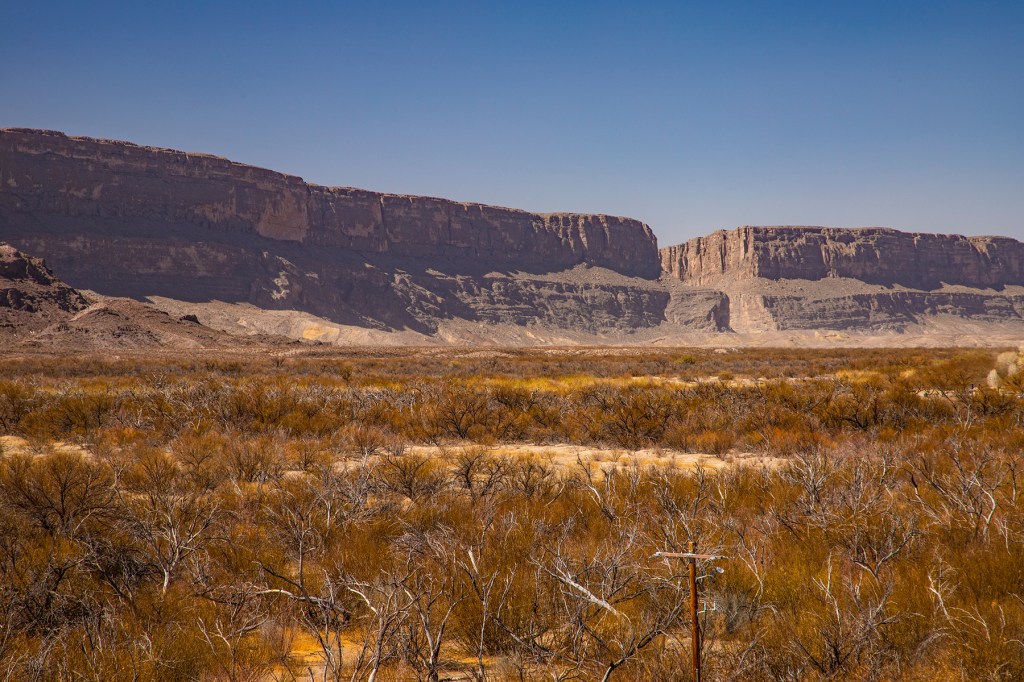
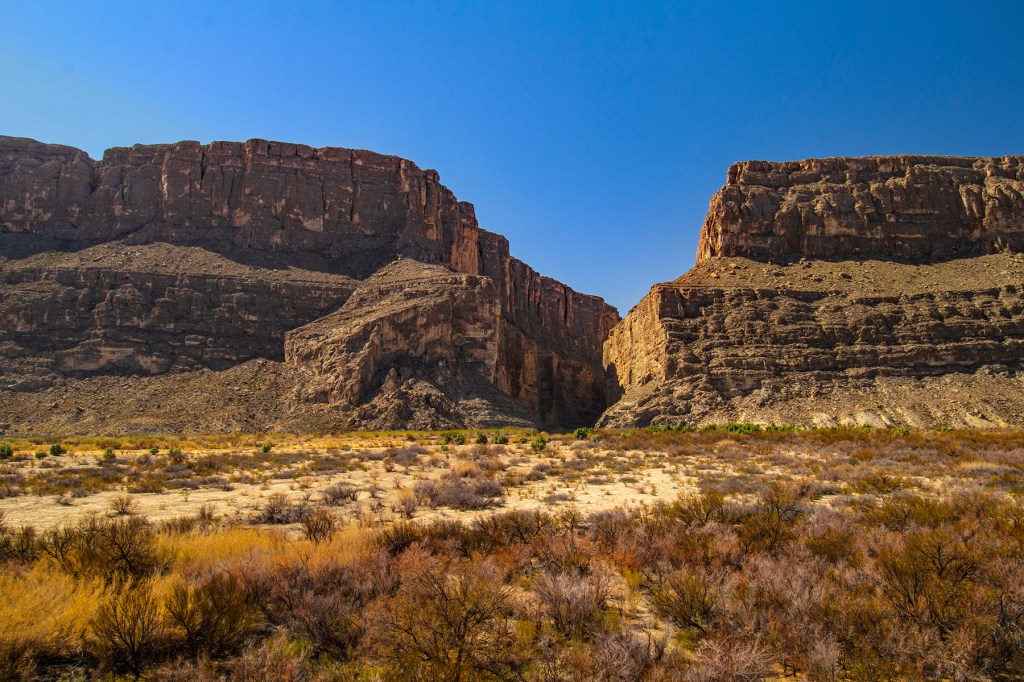
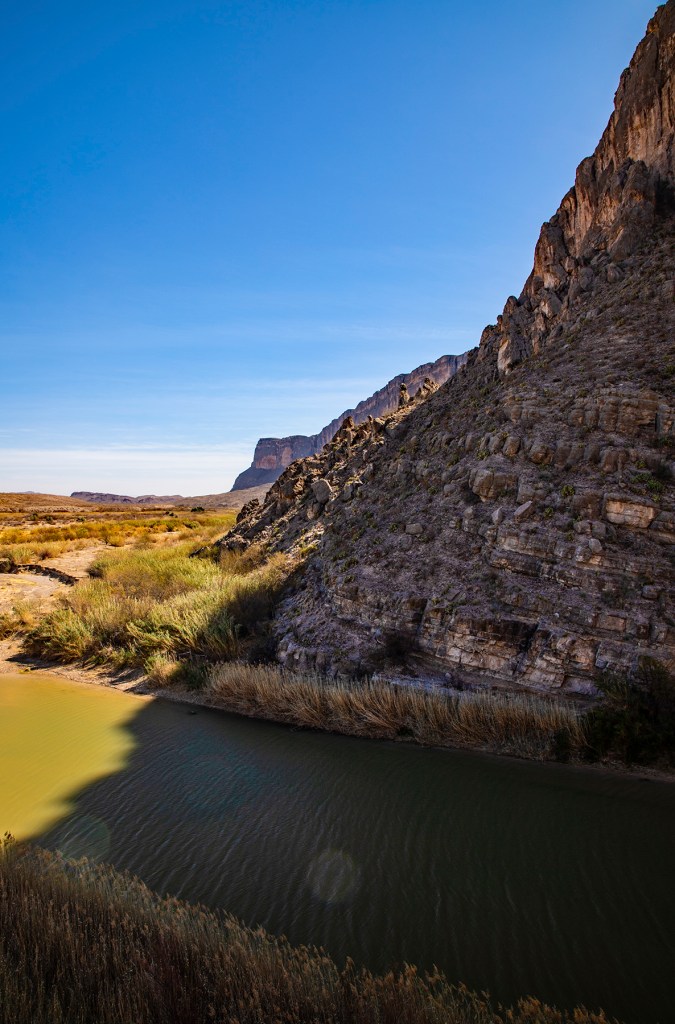
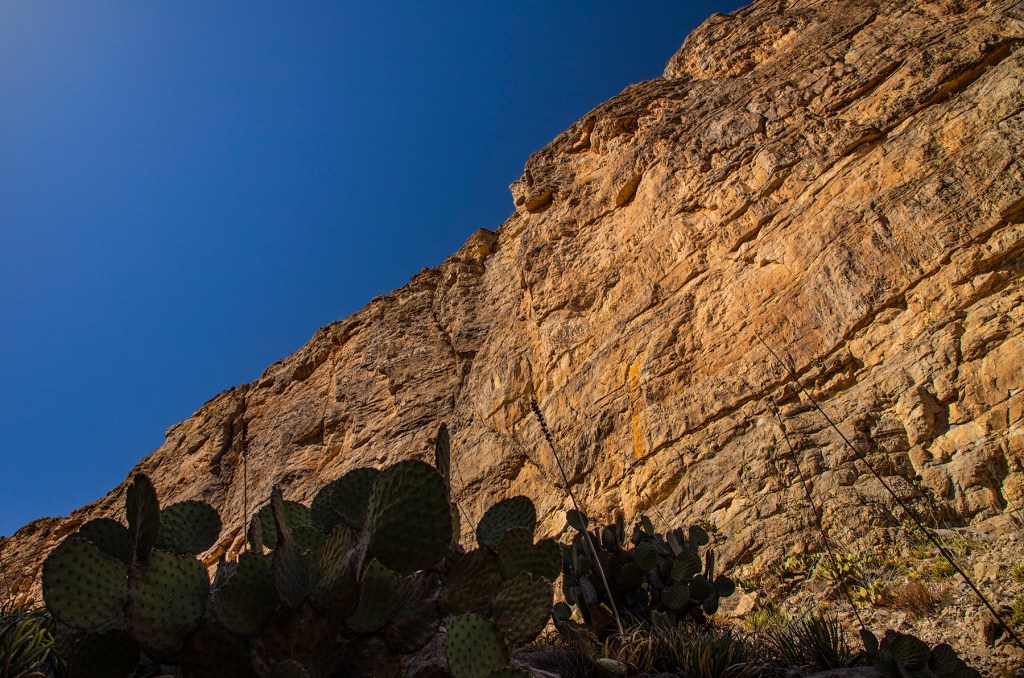
Near the end of the Ross Maxwell Scenic Drive, as you approach the Rio Grande River, a long mesa can be seen in the distance with a distinctive notch (Santa Elena Canyon) cut through the mesa. At the beginning of the Santa Elena Canyon Trail, you are hiking on rock that once was at the same elevation as the rocks in front of you and across the river that are now more than 1,000 feet above you. The rock face that you are looking at in front of you is a fault scarp. Here the rock that you are standing on dropped down in relation to the rocks on the other side of the Rio Grande River, the top of the mesa. These rocks once sat at the same elevation. And while all of this was going on, the Rio Grande River cut its way through the rocks to create the Santa Elena Canyon in the mesa.
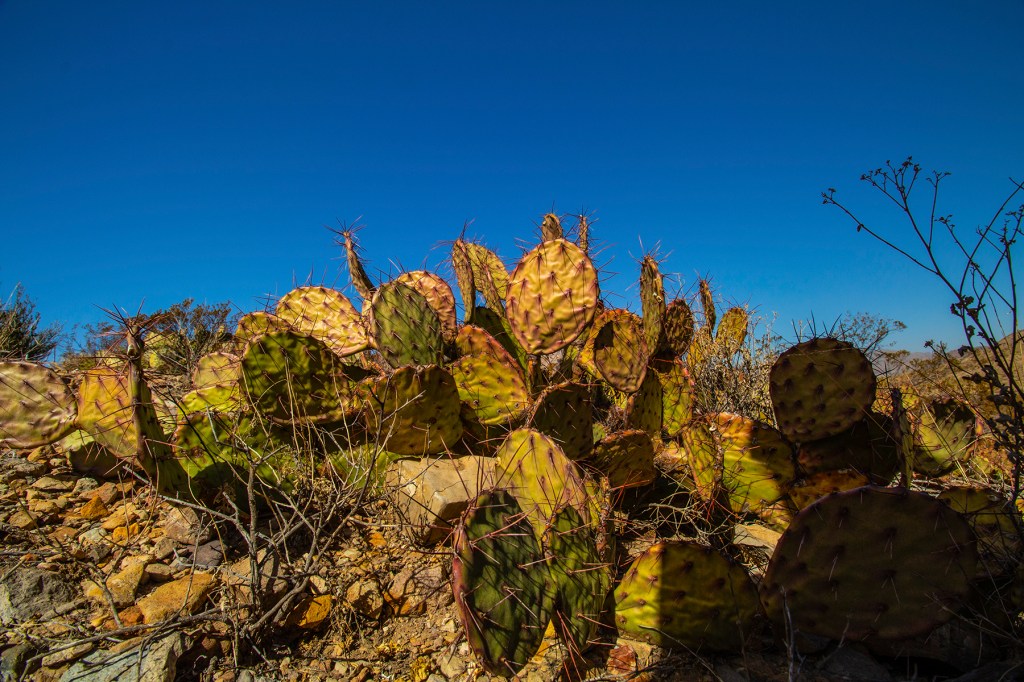
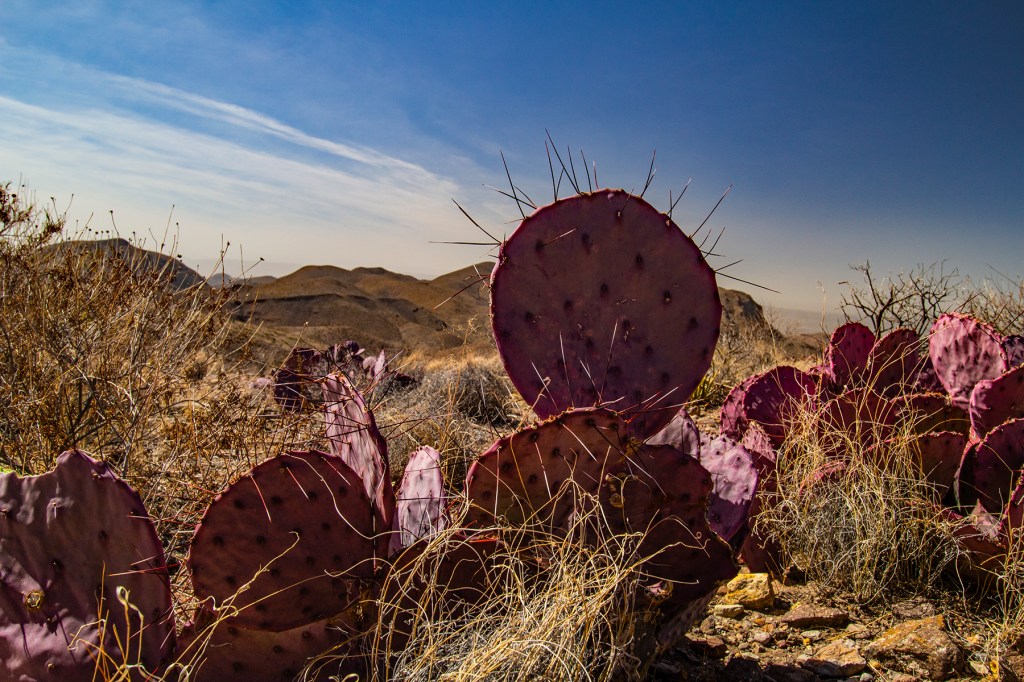
Big Bend NP is known as a geologist’s playground and I know that most people don’t get as excited as I do about geology or my love of sharing my knowledge with others and photography, but I hope my description above and photos below help you appreciate the natural beauty of this park.







 RV There Yet?
so beautiful! I can’t wait until we get out there! Thank you for all the great info!
LikeLike