A couple of days ago, Barbara, Ellie, and I took a short drive to the Lava Cast Forest. The Lava Cast Forest is located at the end of a nine mile, mostly gravel road, east of highway 97 in central Oregon, just south of Bend.
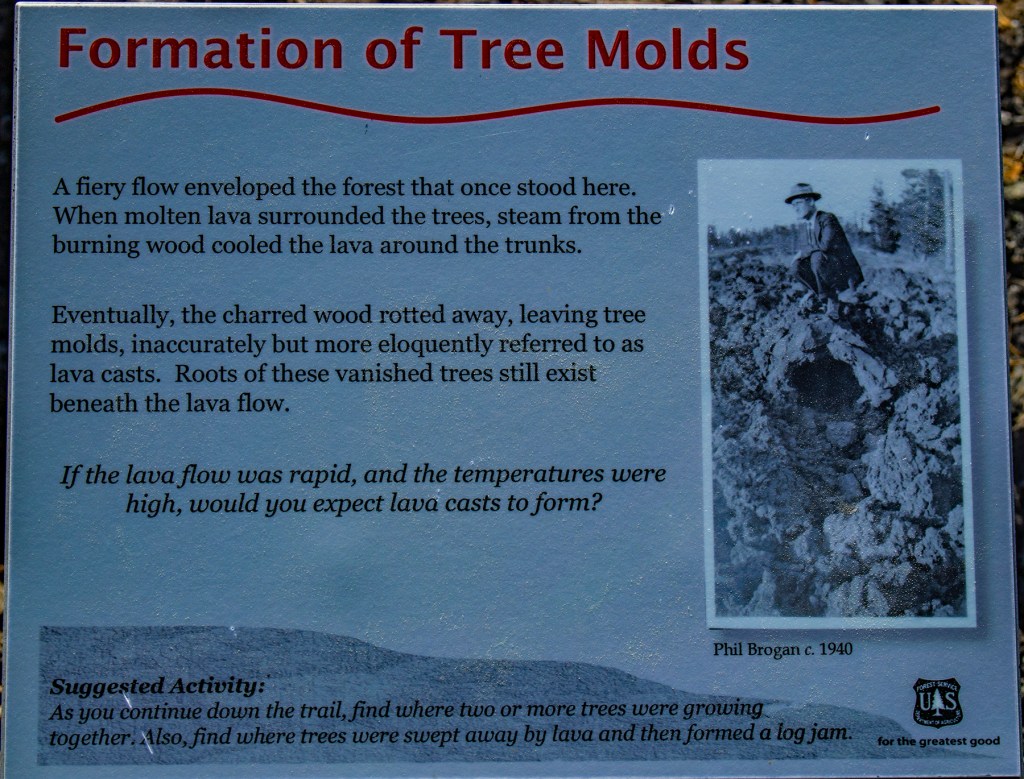
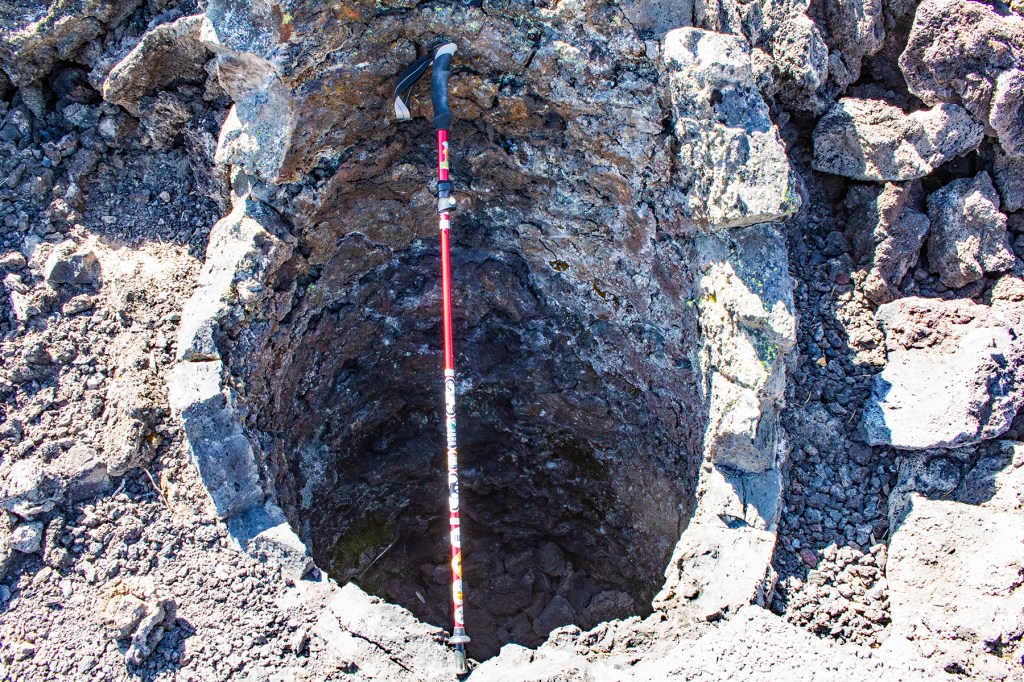
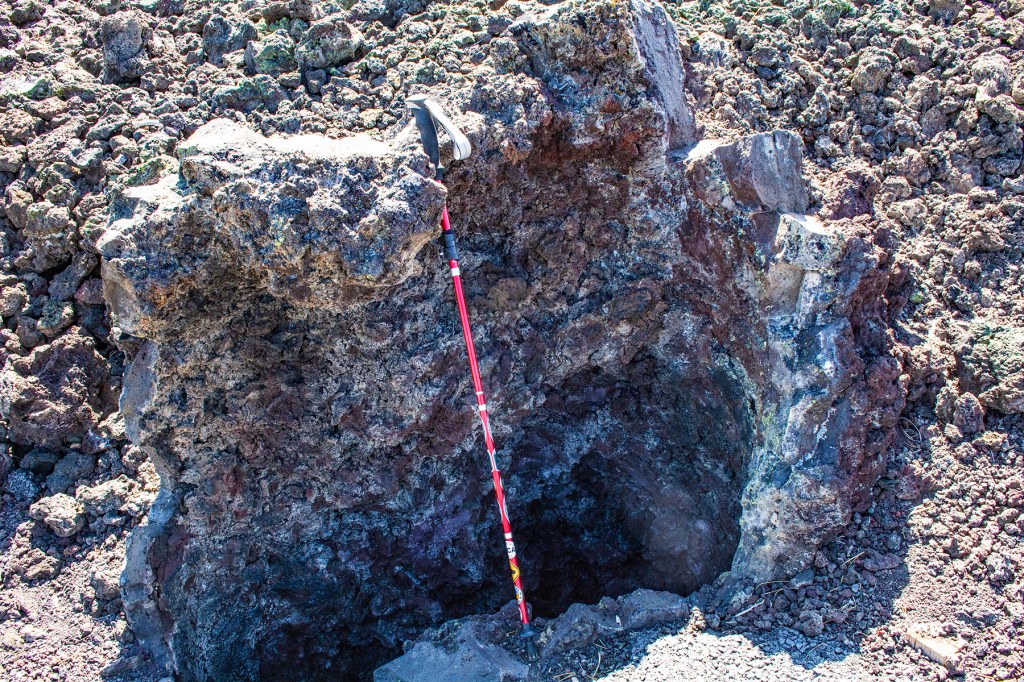
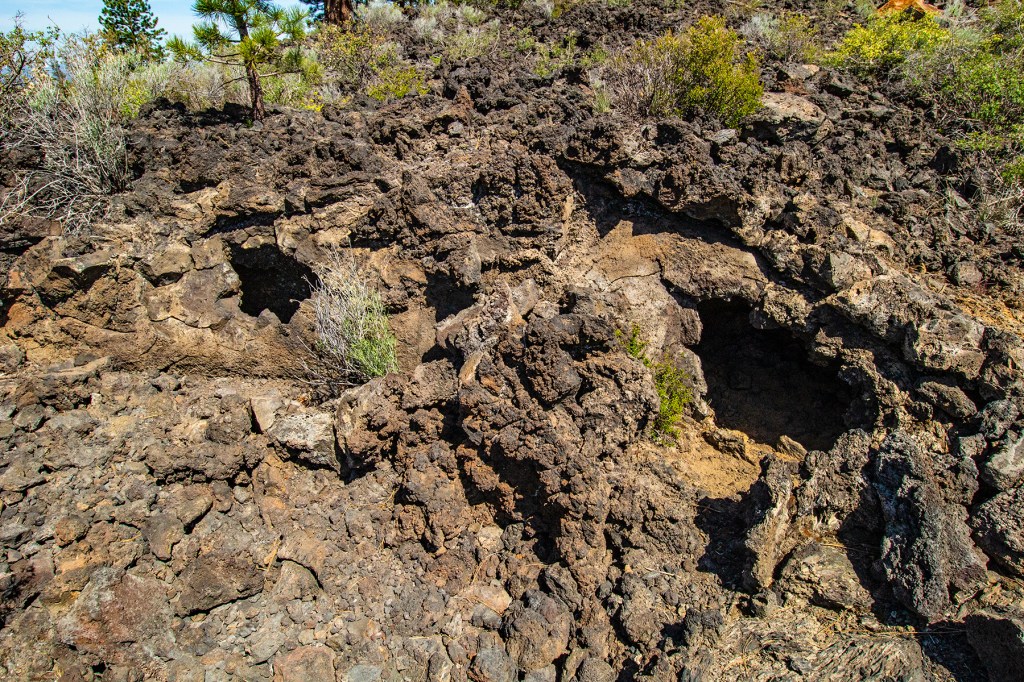
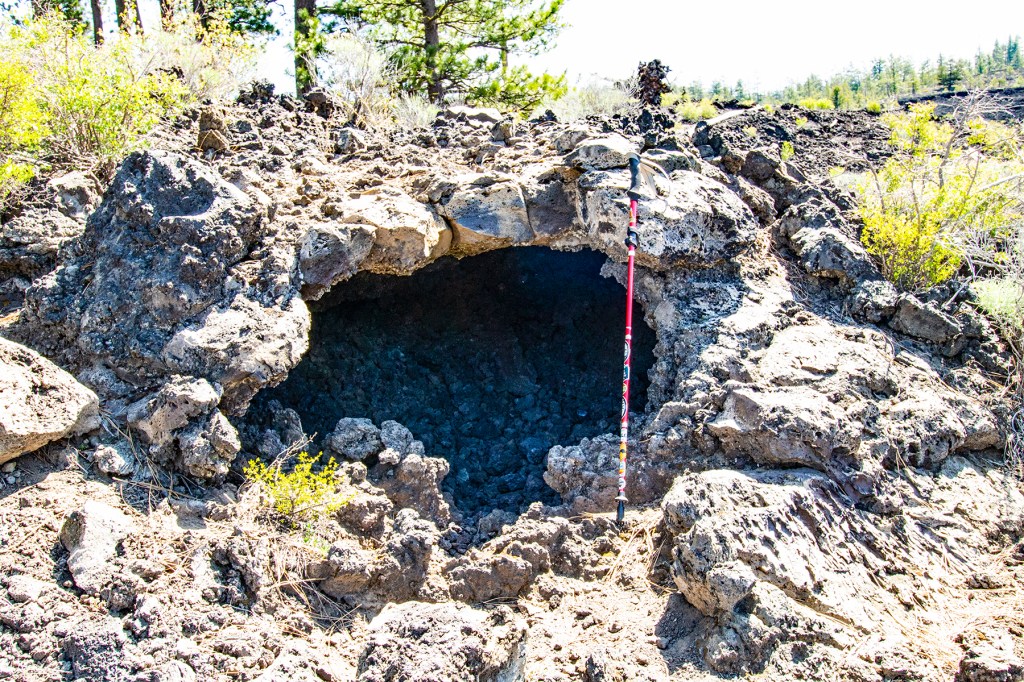
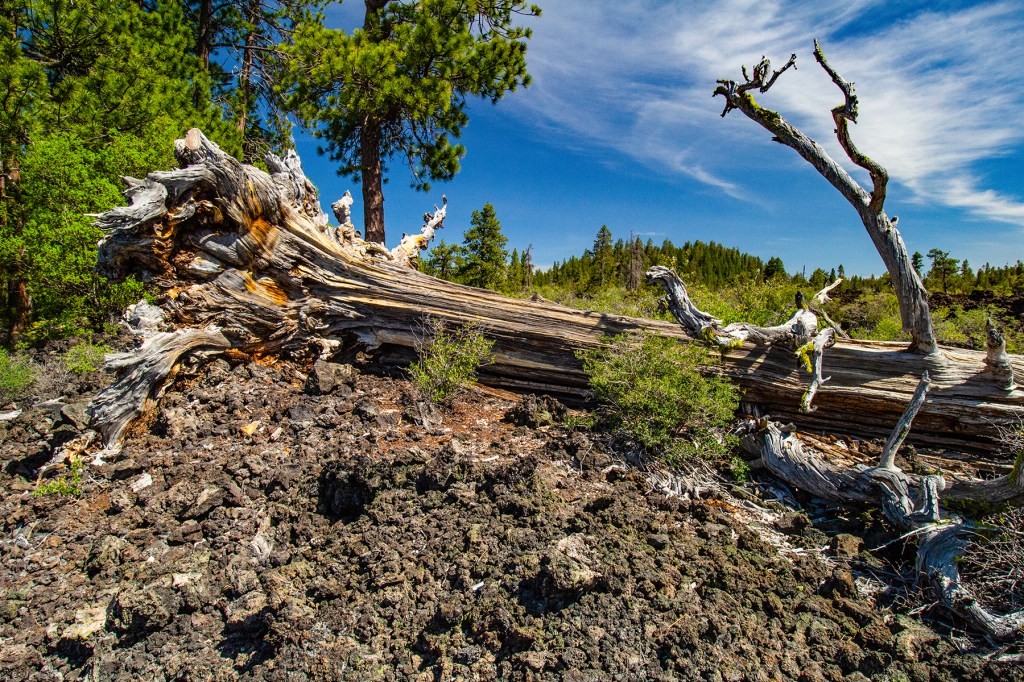
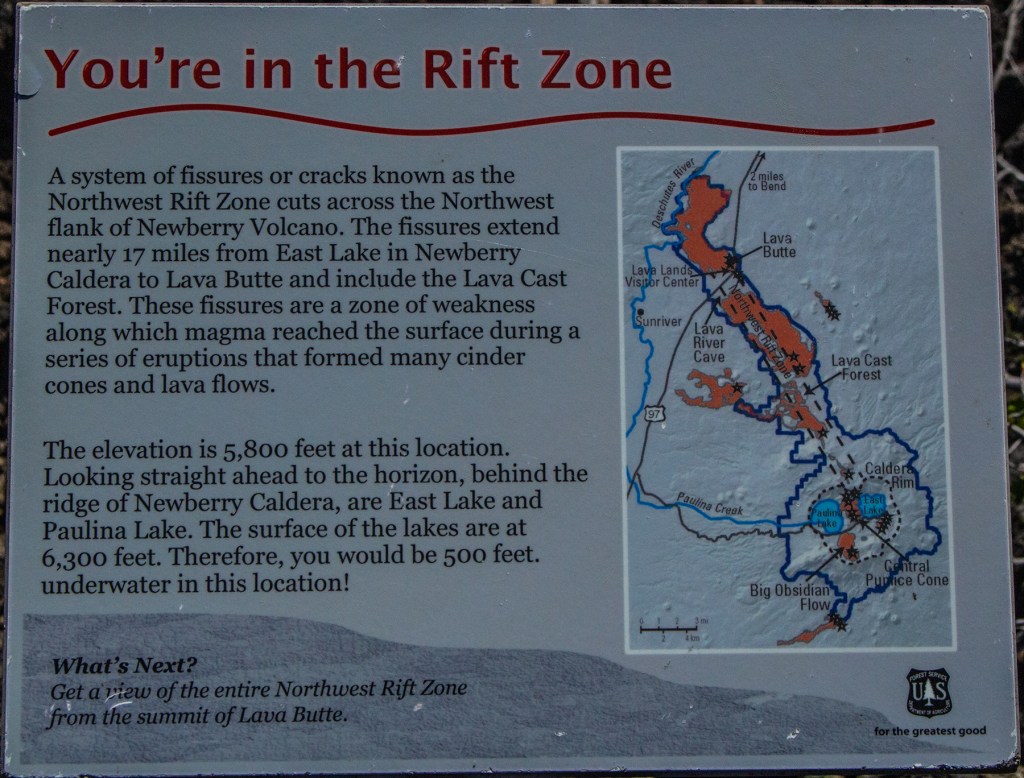
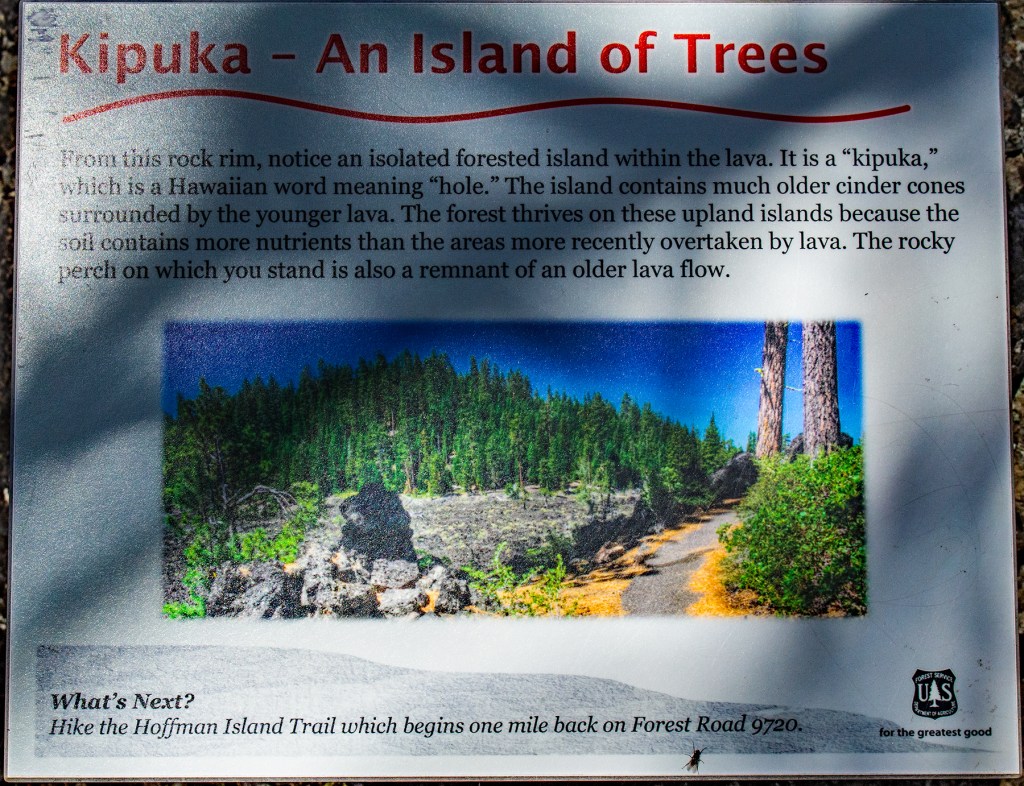
The Lava Cast Forest was formed approximately 7,000 years ago when an eruption, from the Northwest Rift Zone that stretches from East Lake within the Newberry Caldera to Lava Butte, 17 miles away. The lava flowed down the northwest flank of the Newberry Caldera through a conifer forest, consisting of mostly Ponderosa and Lodgepole pine trees. As the lava flowed along the ground it surrounded many of the trees and hardened. Due to the heat from the lava, the trees were burned away leaving the cast where trees once stood. As I walked along the one-mile trail, I came across numerous lava casts where trees stood over 7,000 years ago. In addition, there are also many downed trees that left a cast in the lava after it cooled and solidified.
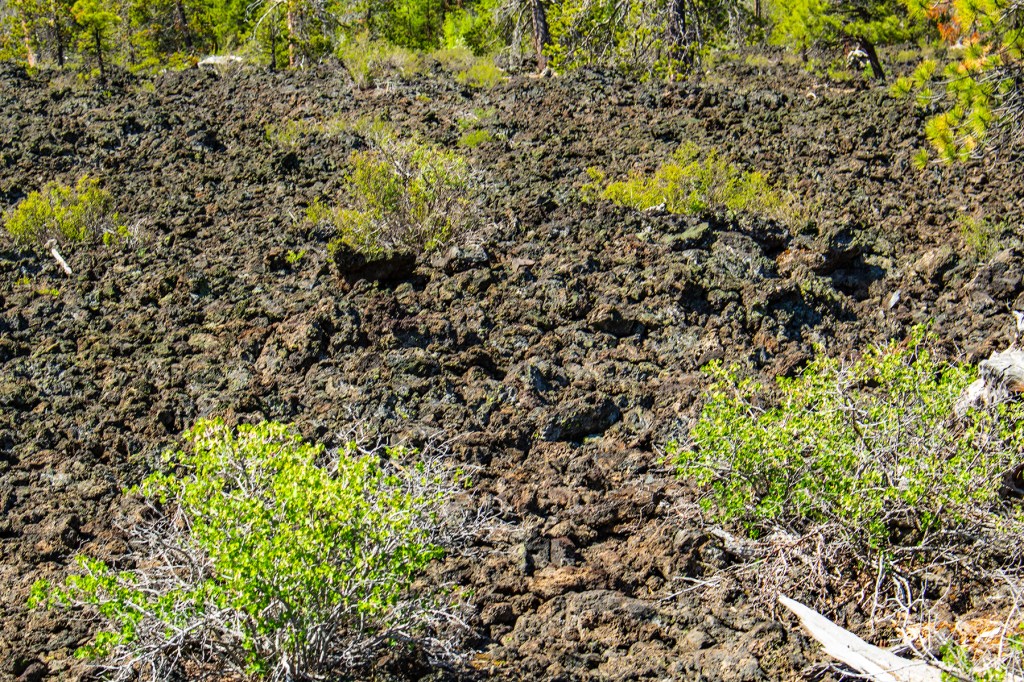
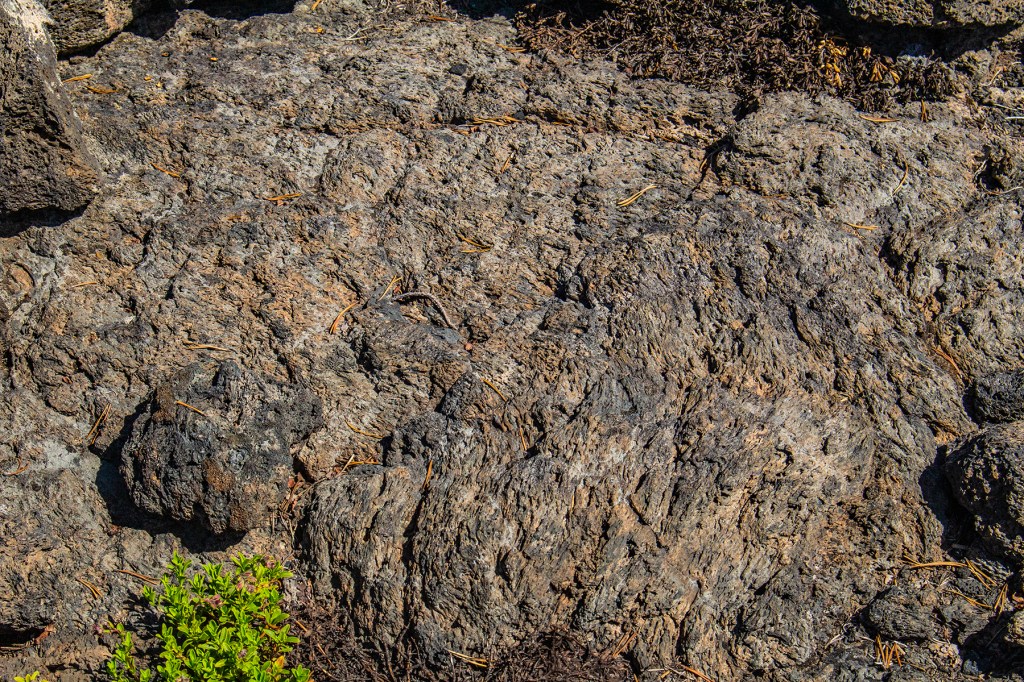
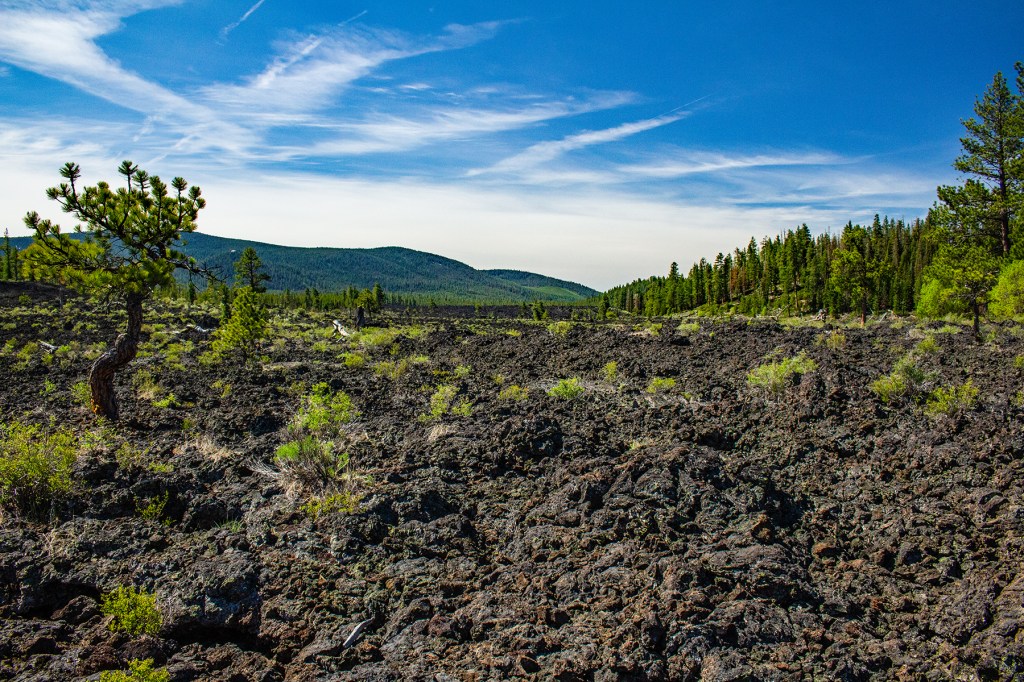
Lava flows have different characteristics based on their chemical composition. The more silica the lava contains the more viscous the lava. Basaltic lava, as scene here, generally contains between 45% and 52% silica. Based on the silica composition there are two types of lava, Pahoehoe and ‘A’a, both Hawaiian names. ‘A’a lava is the most viscous and has a blocky texture while Pahoehoe lava is less viscous with a ropey texture. I have posted photos of both below.
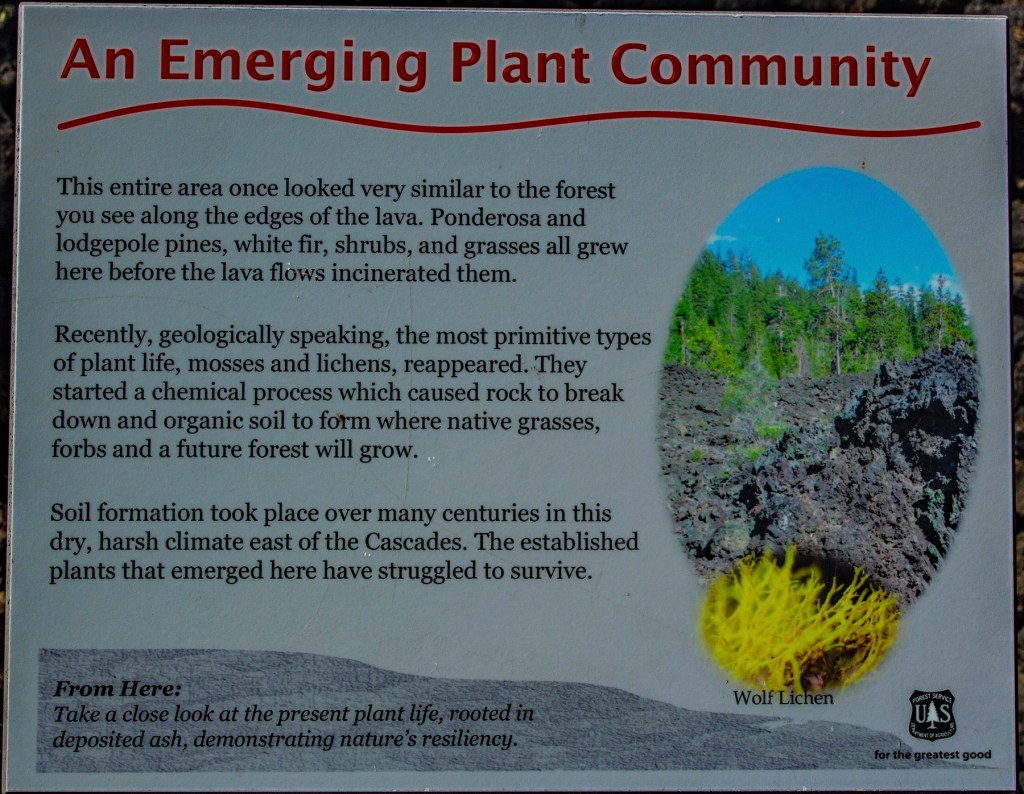
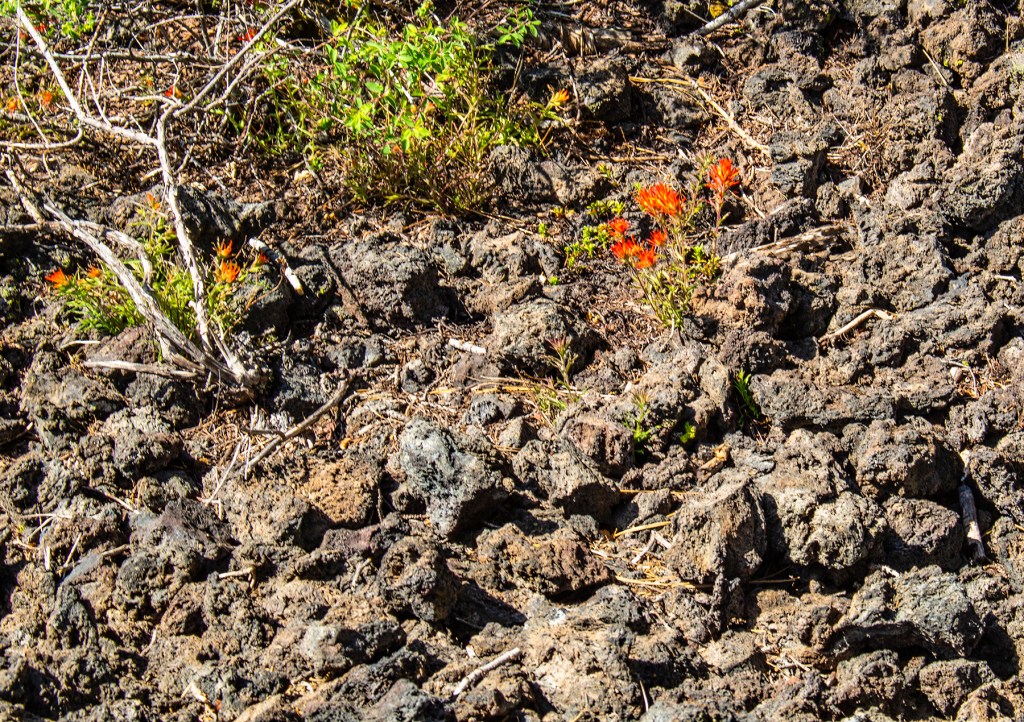
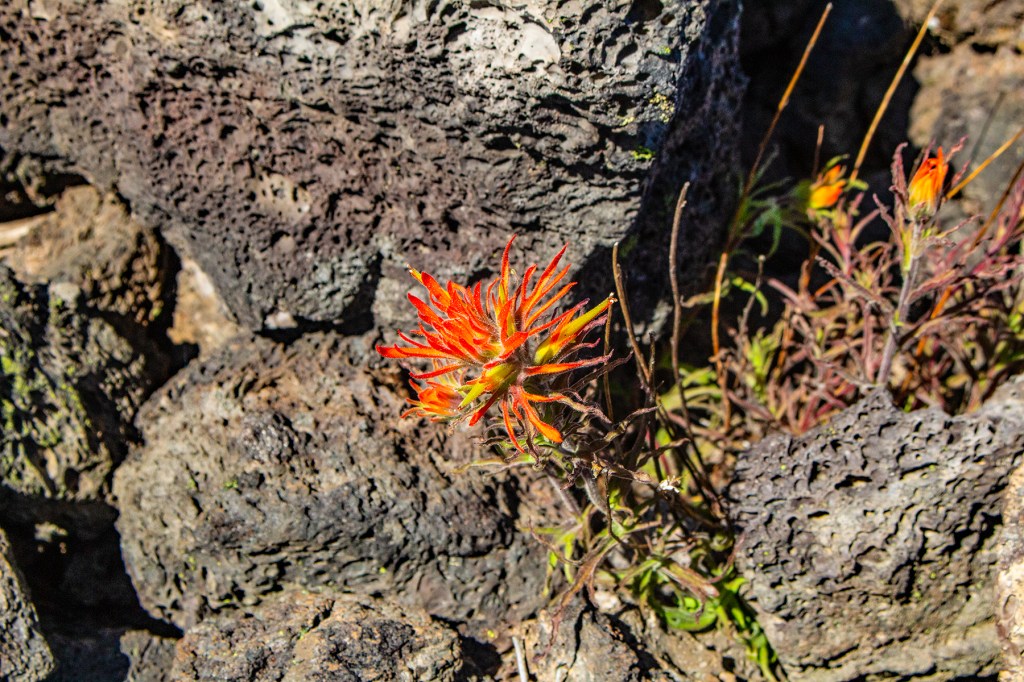
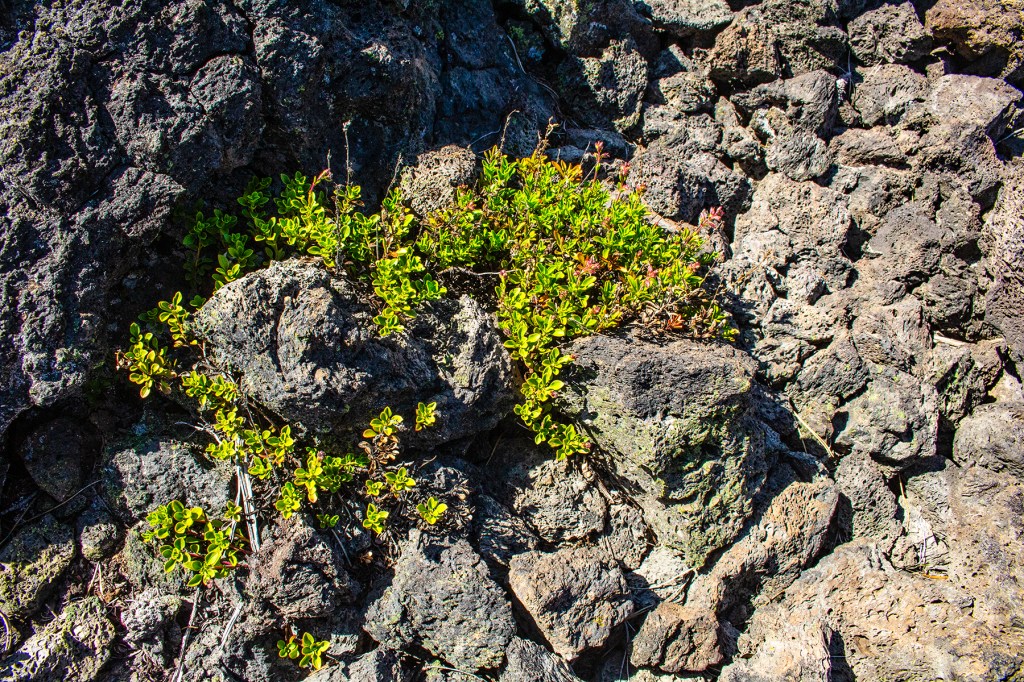
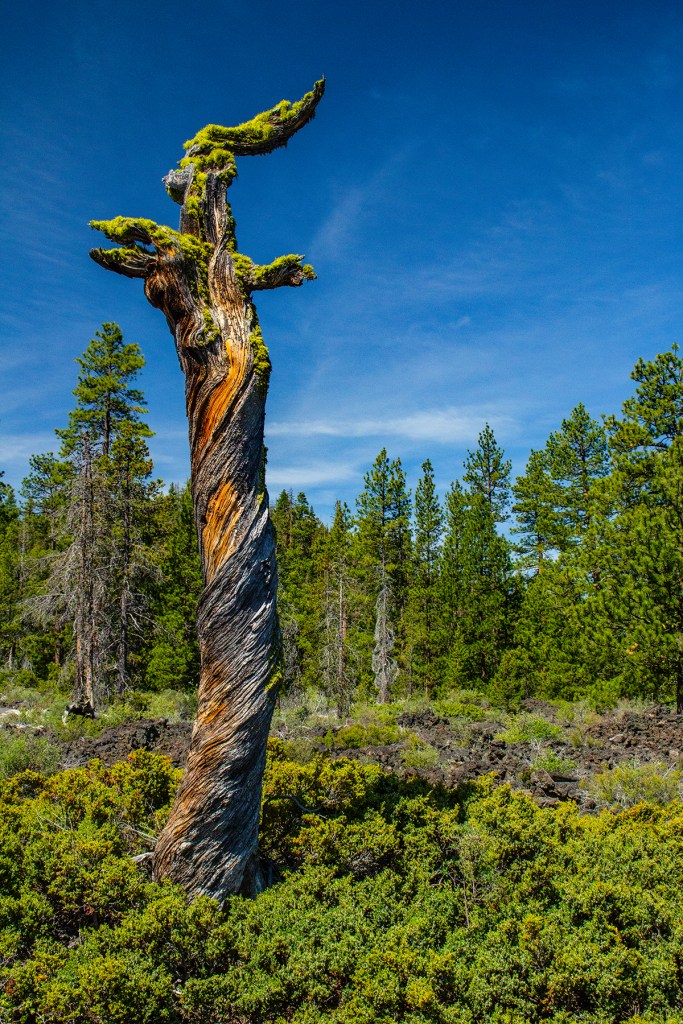
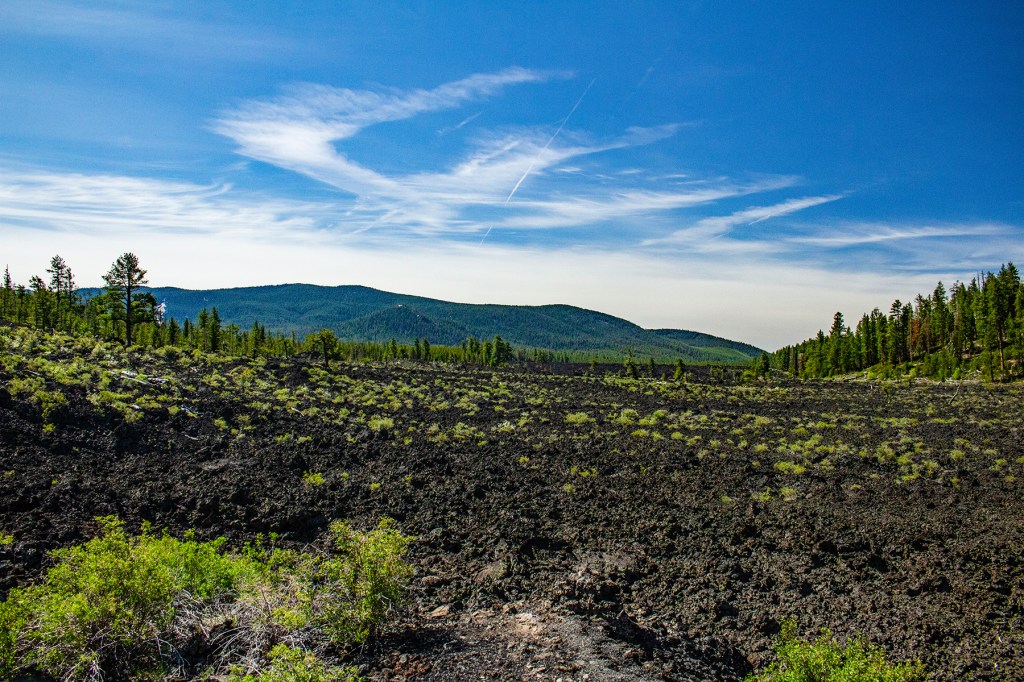
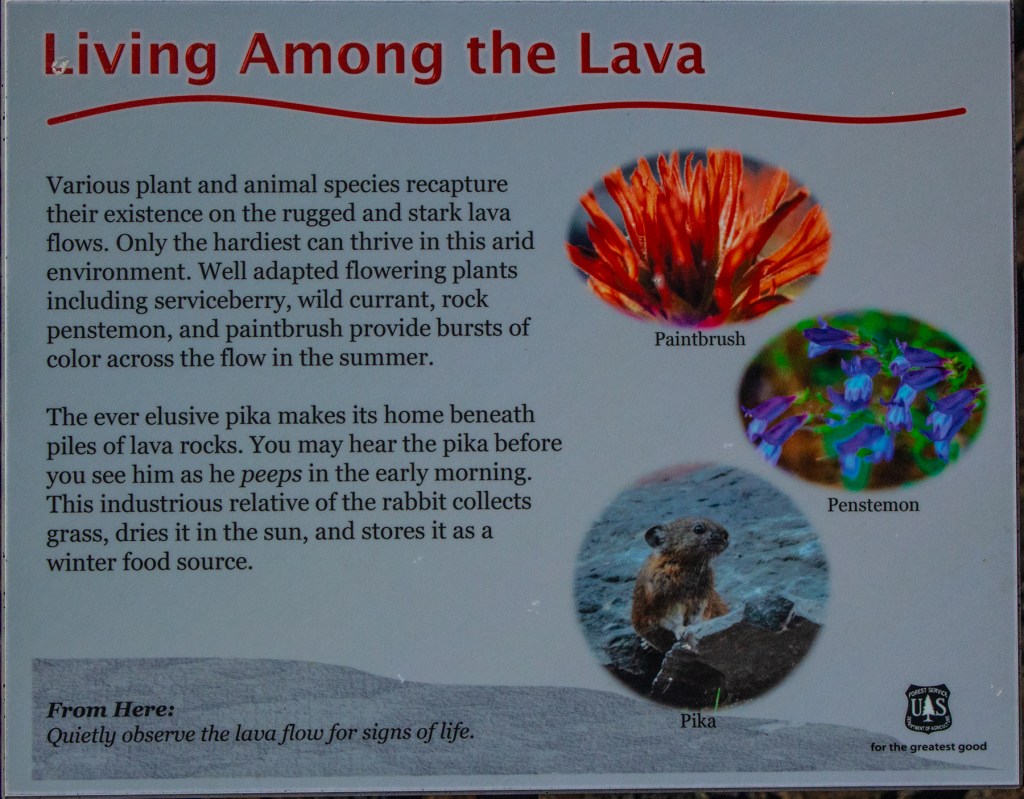
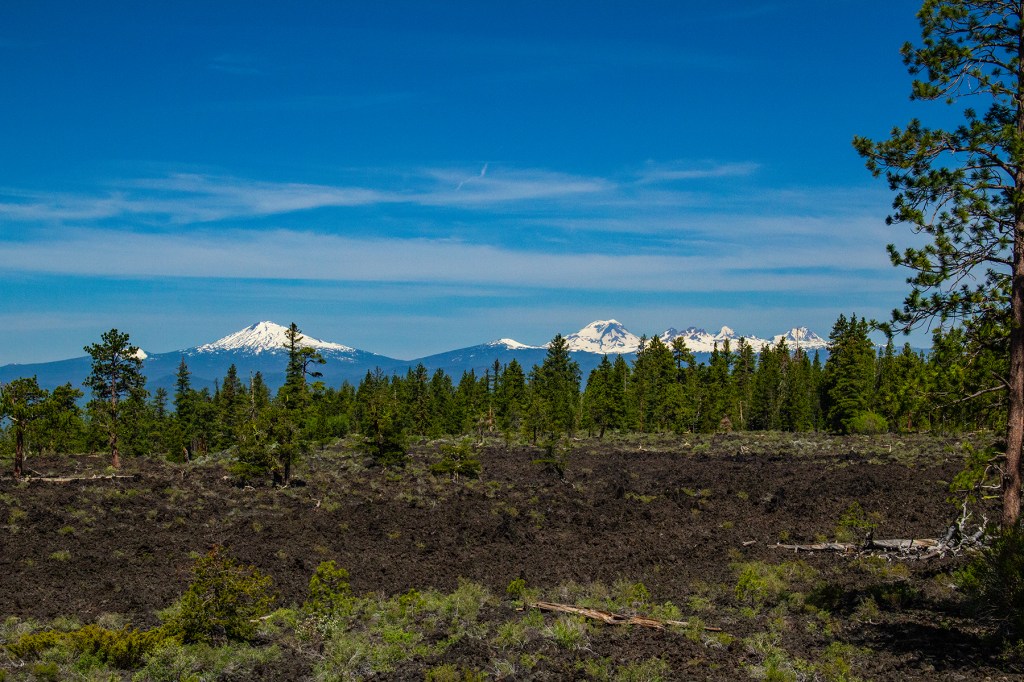
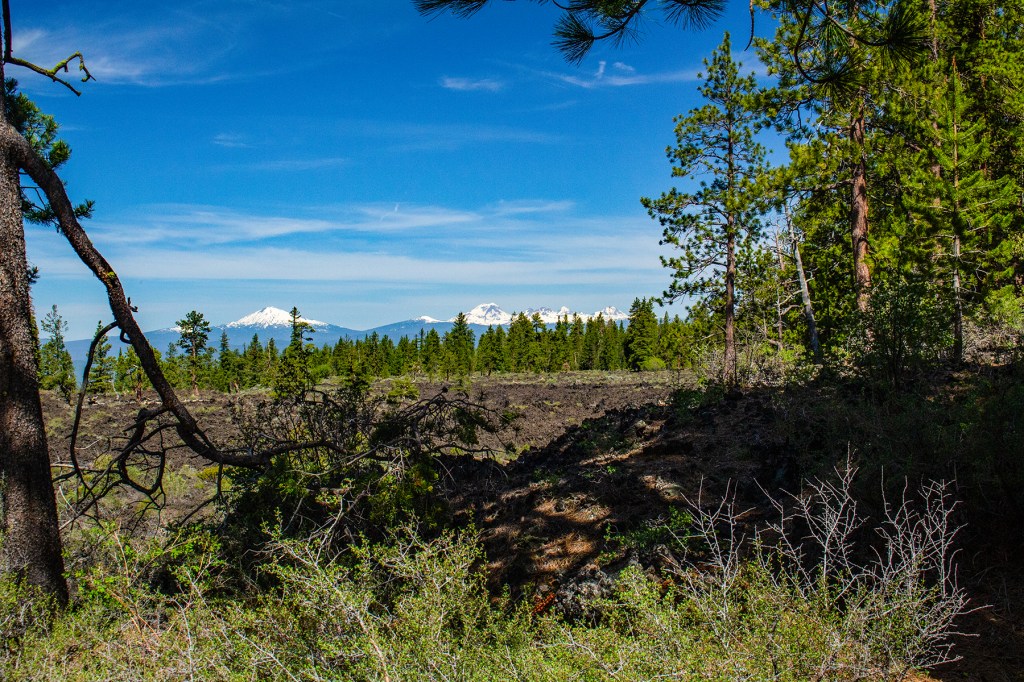
Even though this lava flow happened approximately 7,000 years ago, very little vegetation has returned here. As you’ll see from my photos, there are trees and various plant life making a comeback. When you look at the photos think about the moon. The moon is made up of mostly basalt but the textures on the moon are much different due to the numerous meteorites that have slammed into its surface over millions of years.





 RV There Yet?