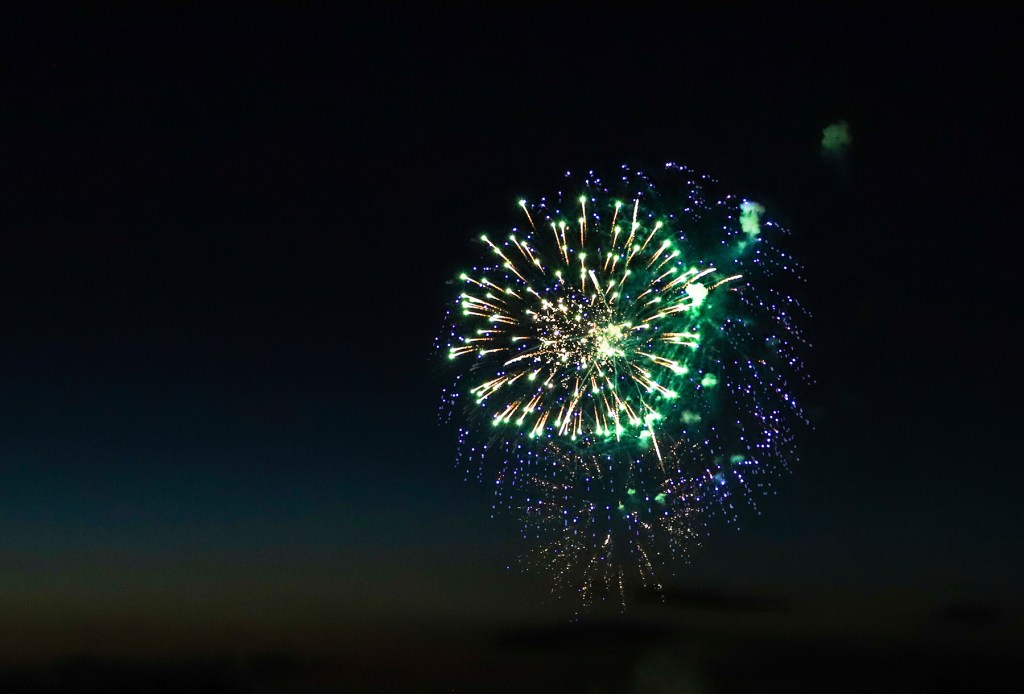
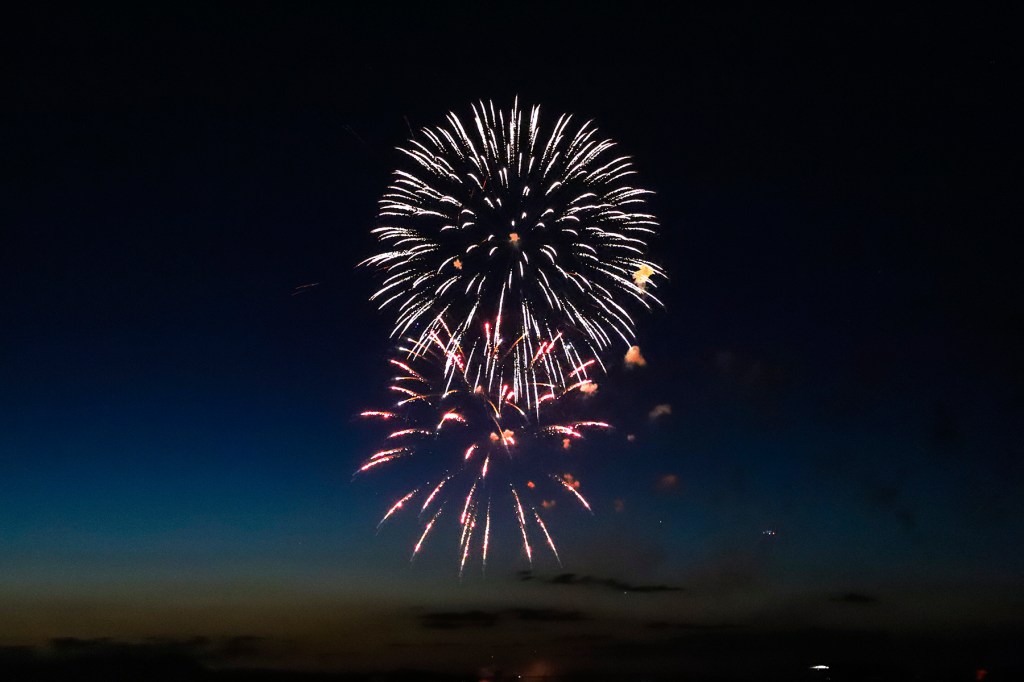
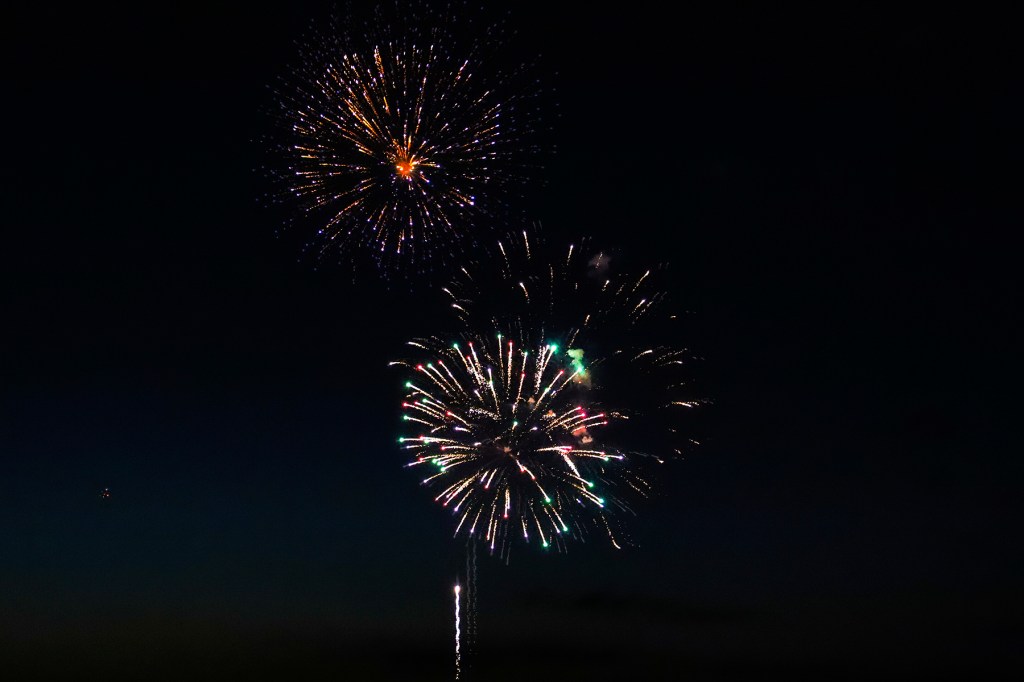
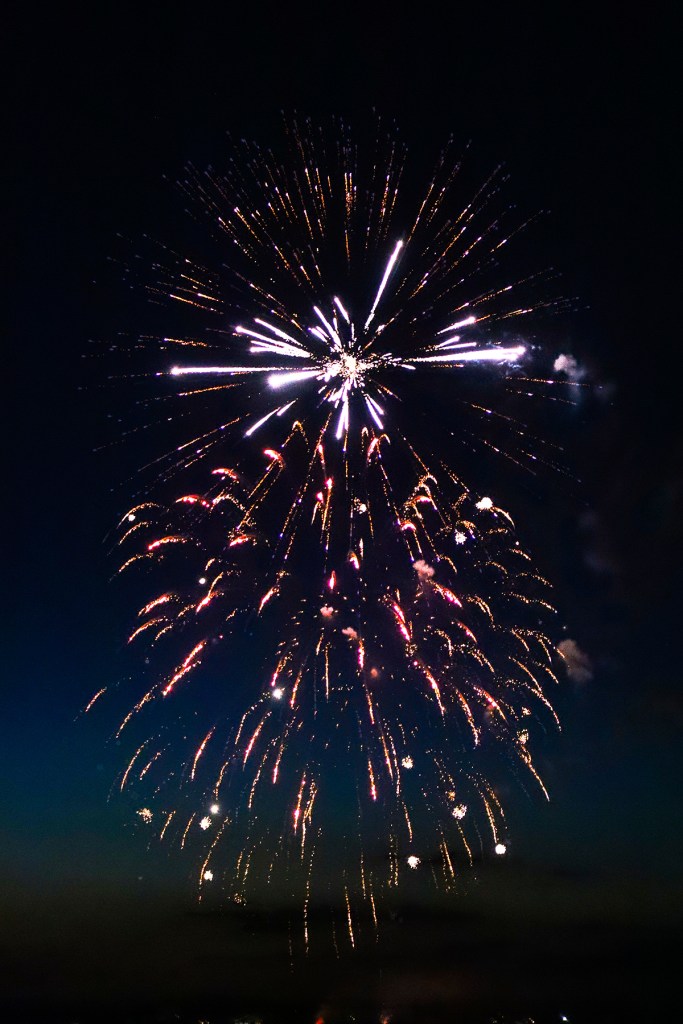
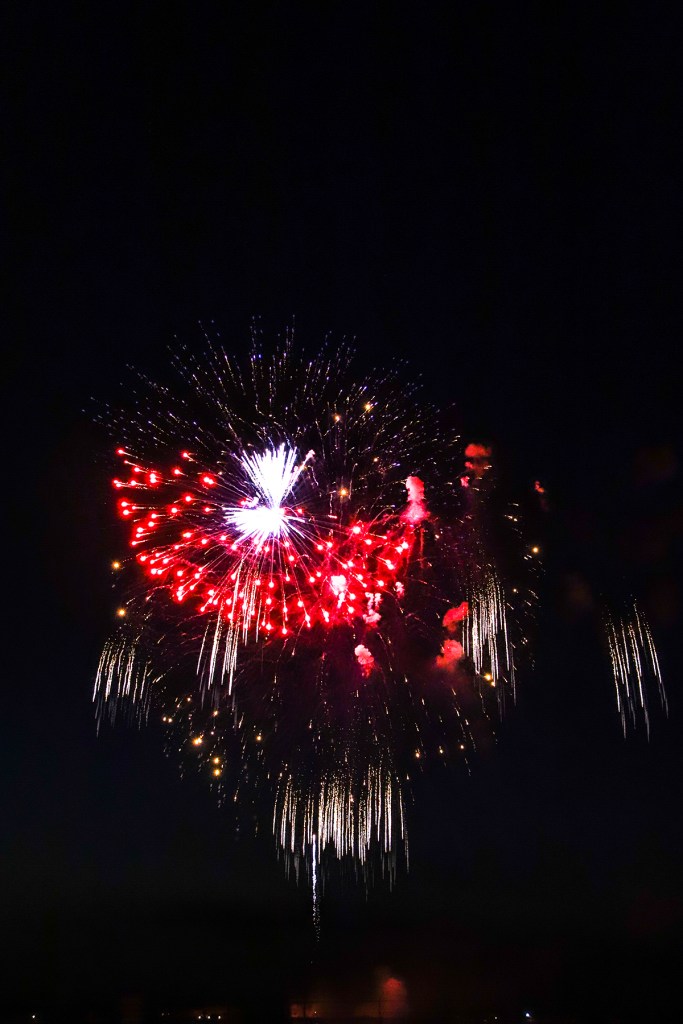
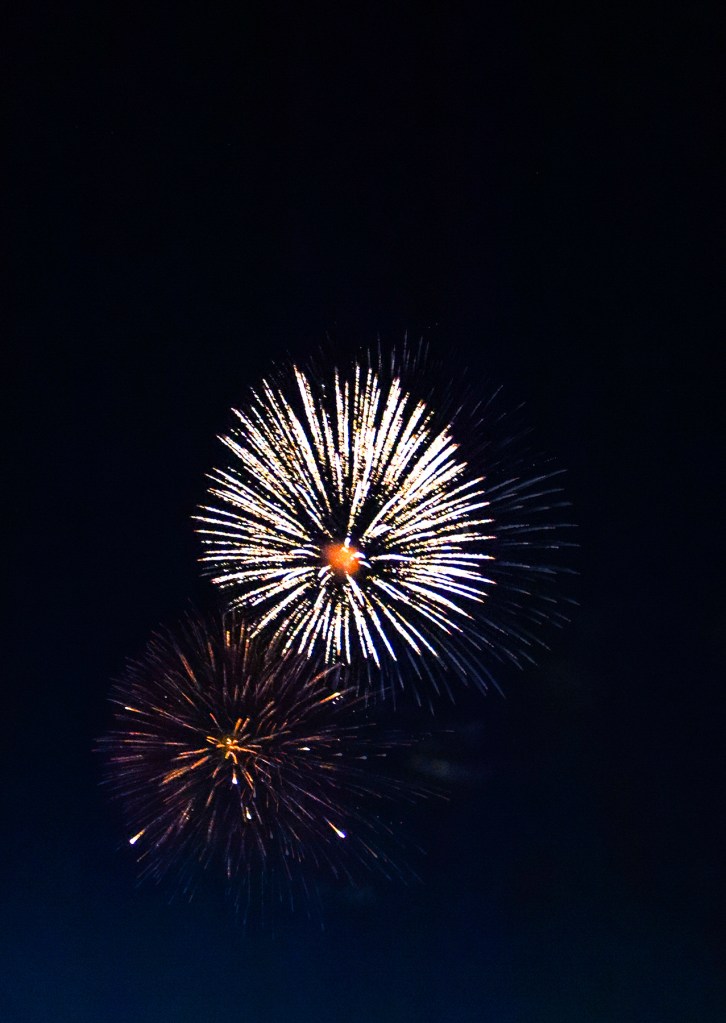
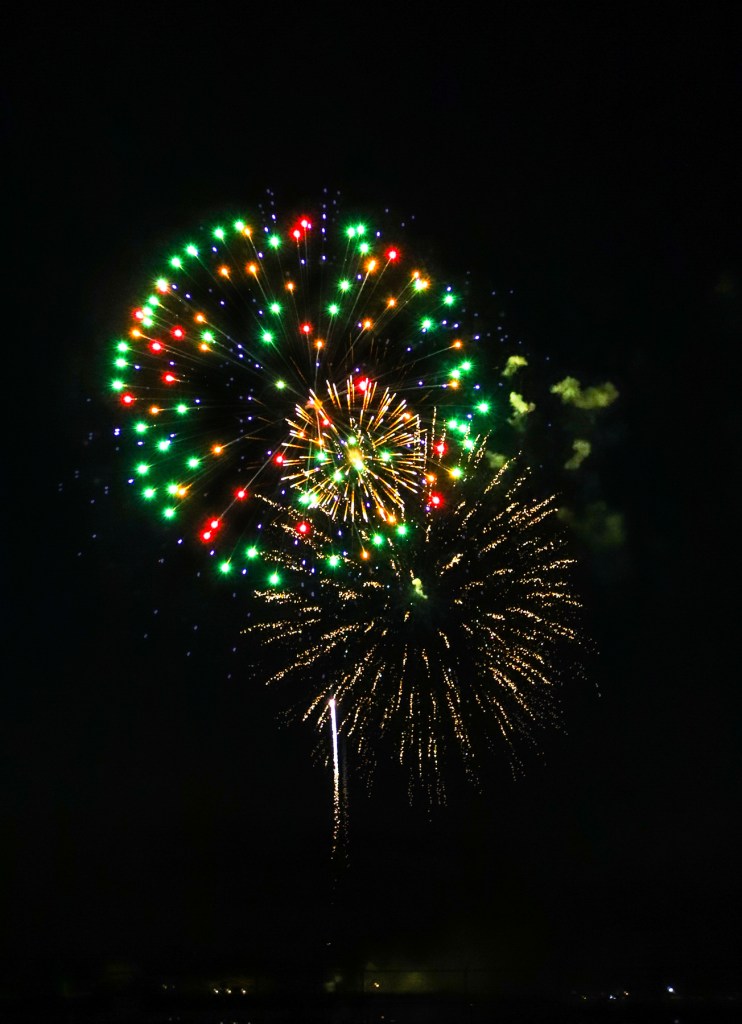
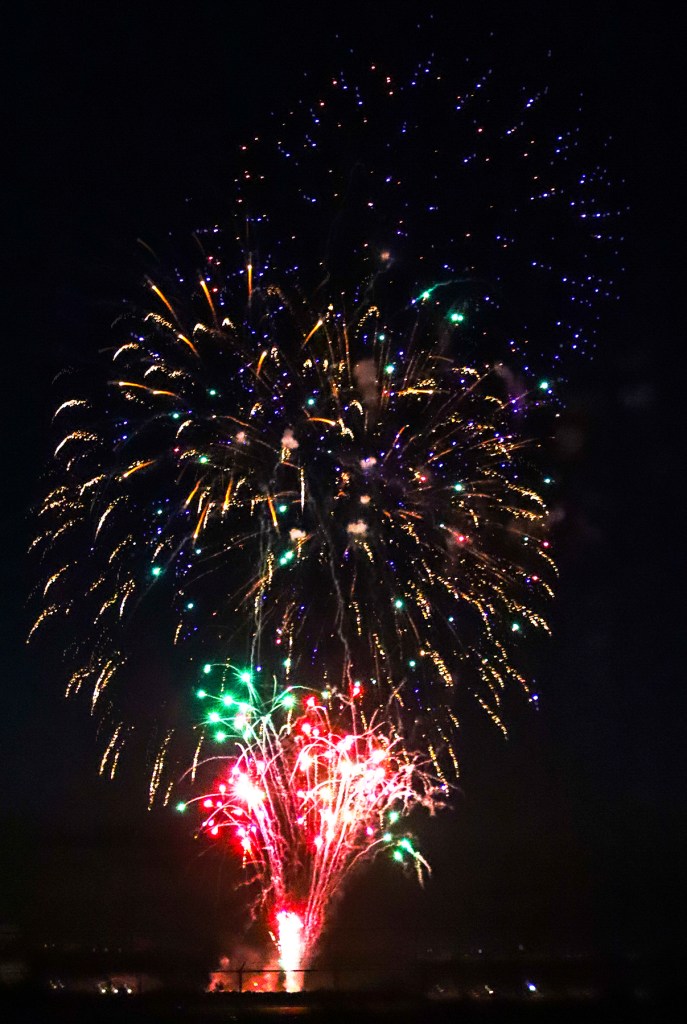
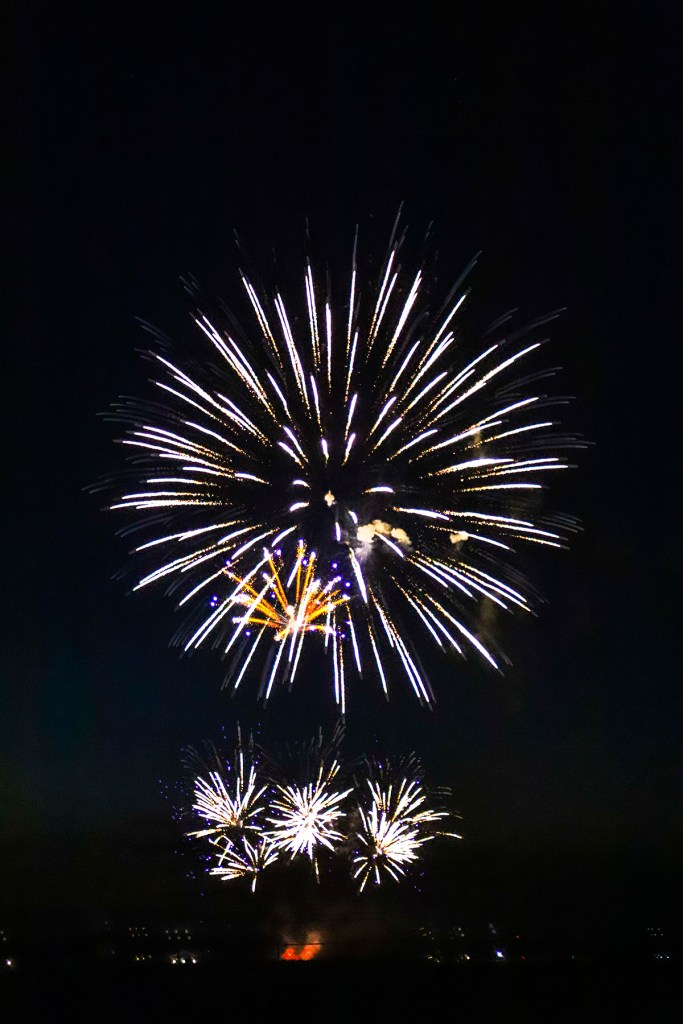
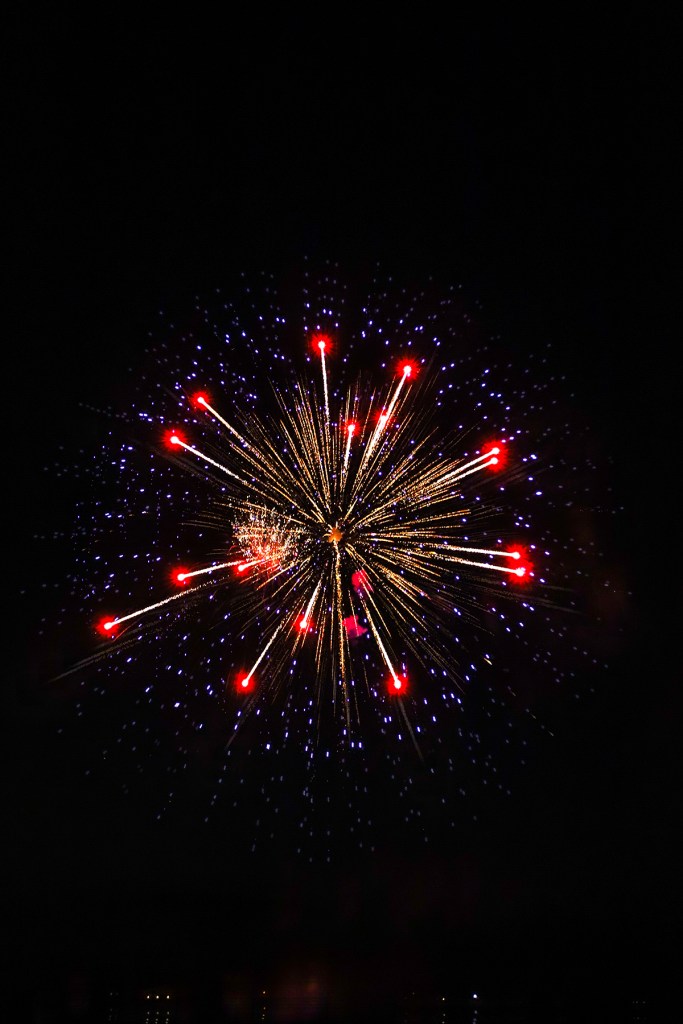
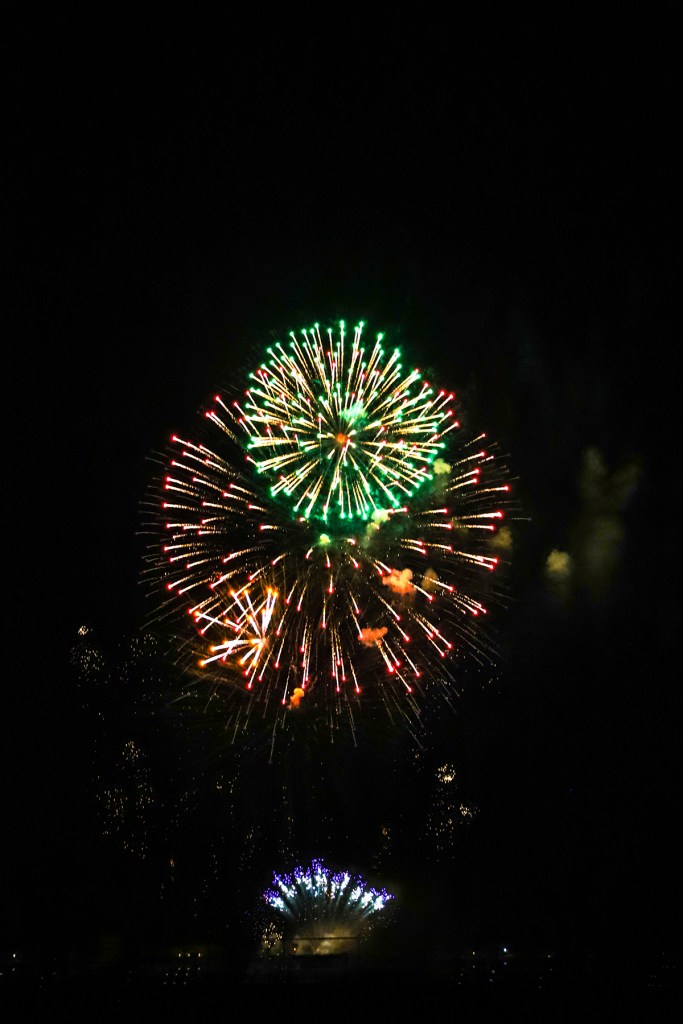
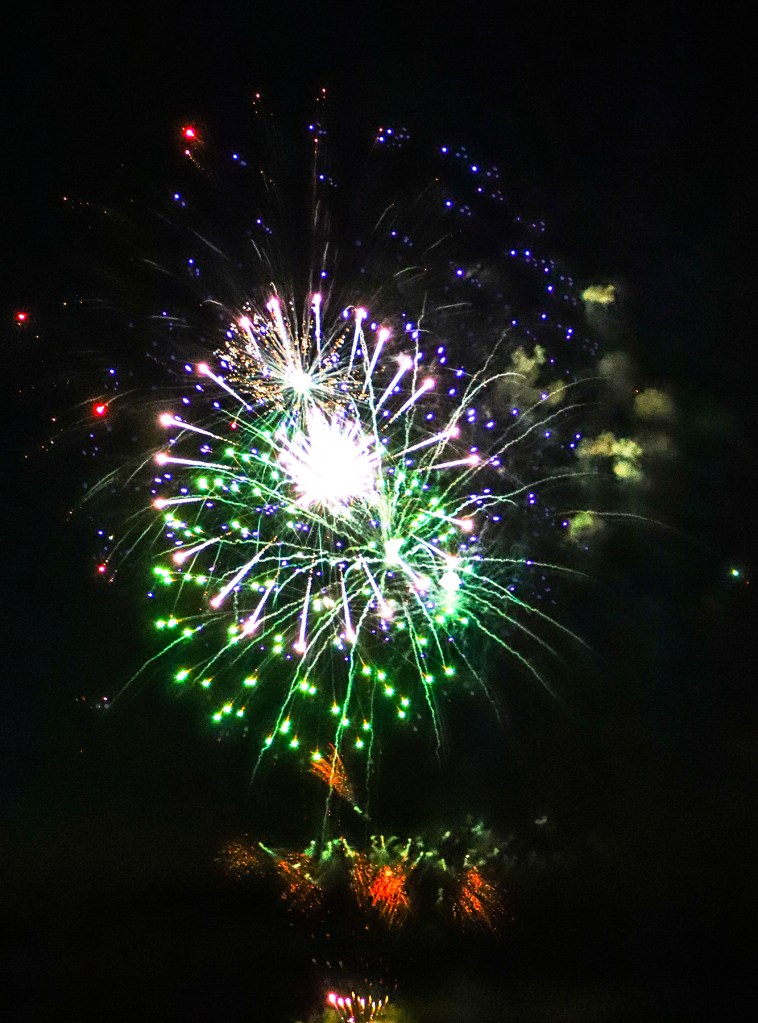
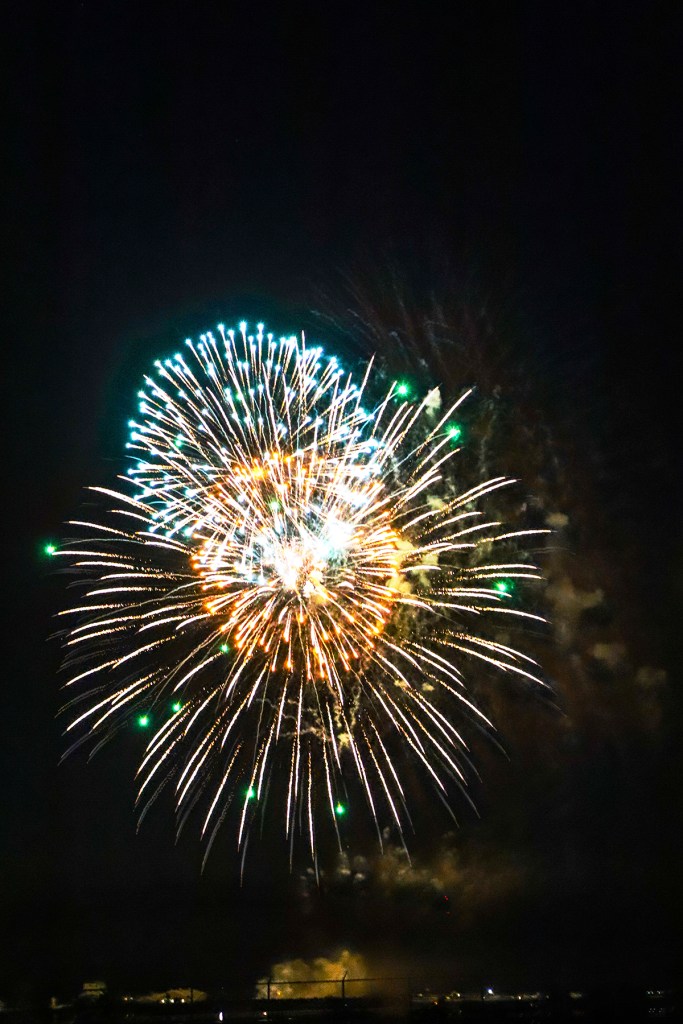
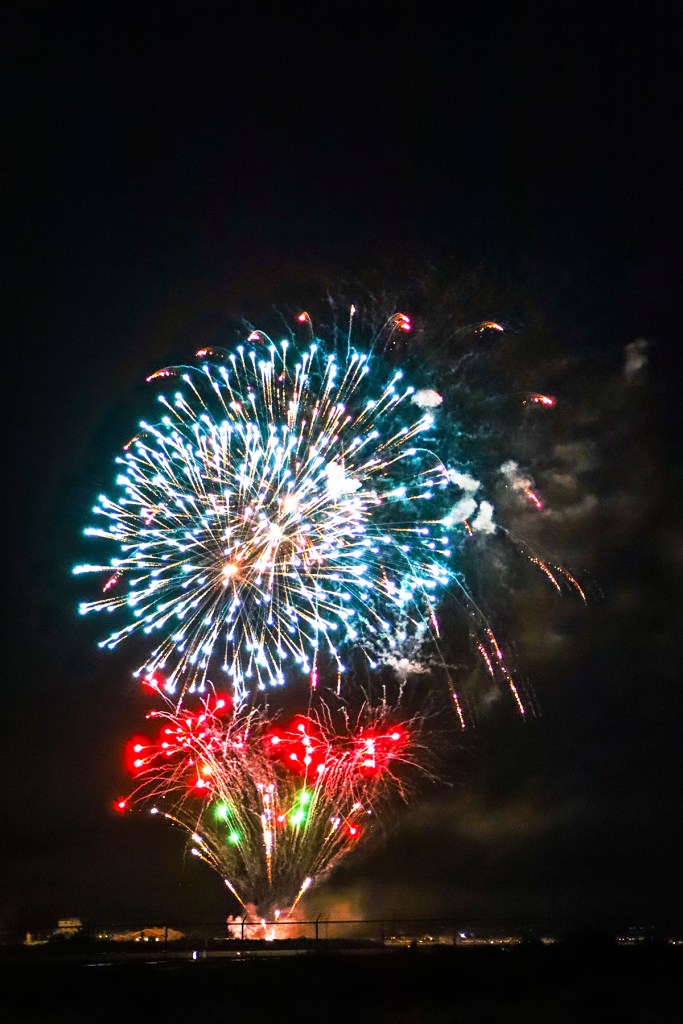
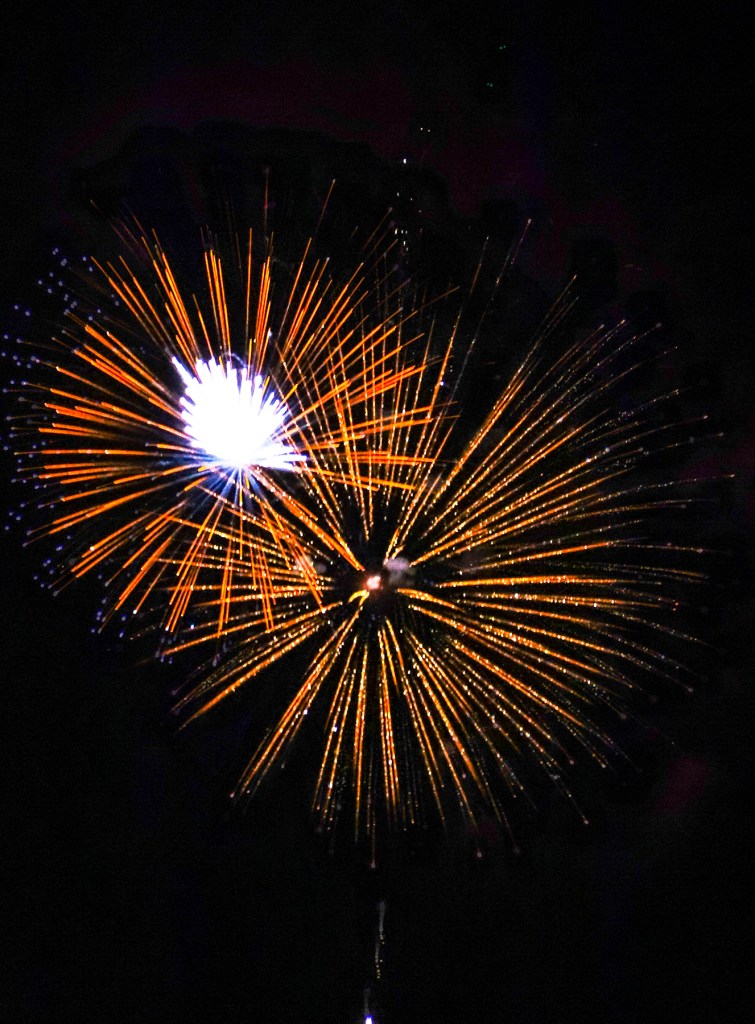
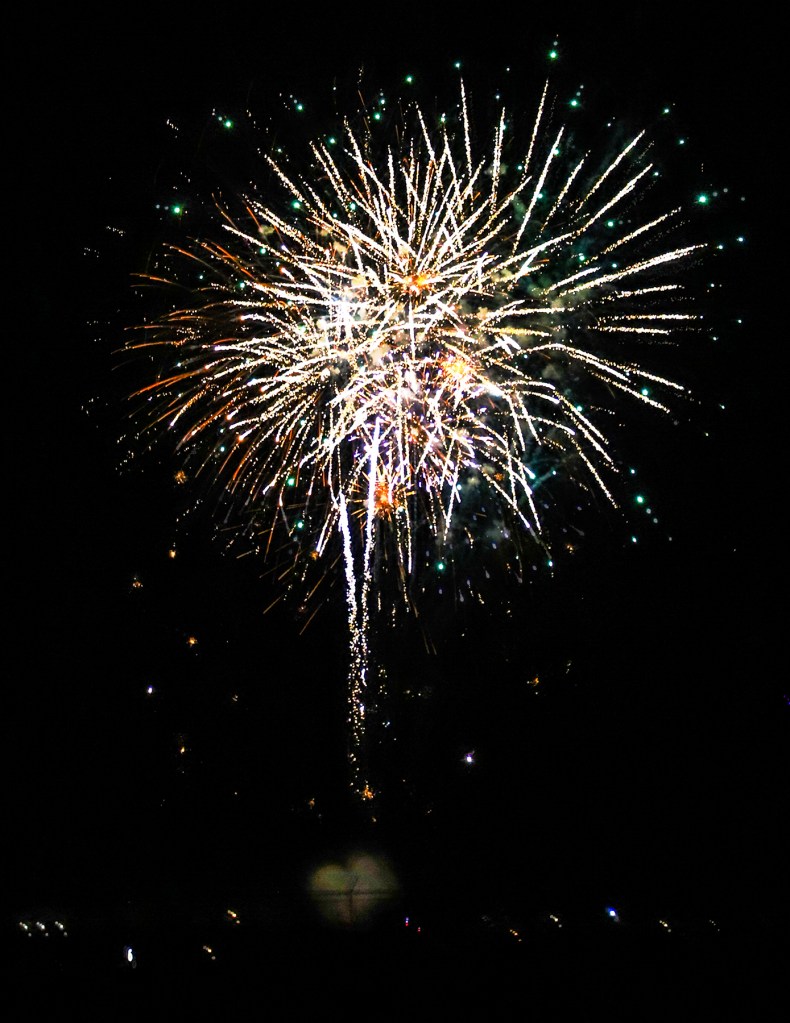
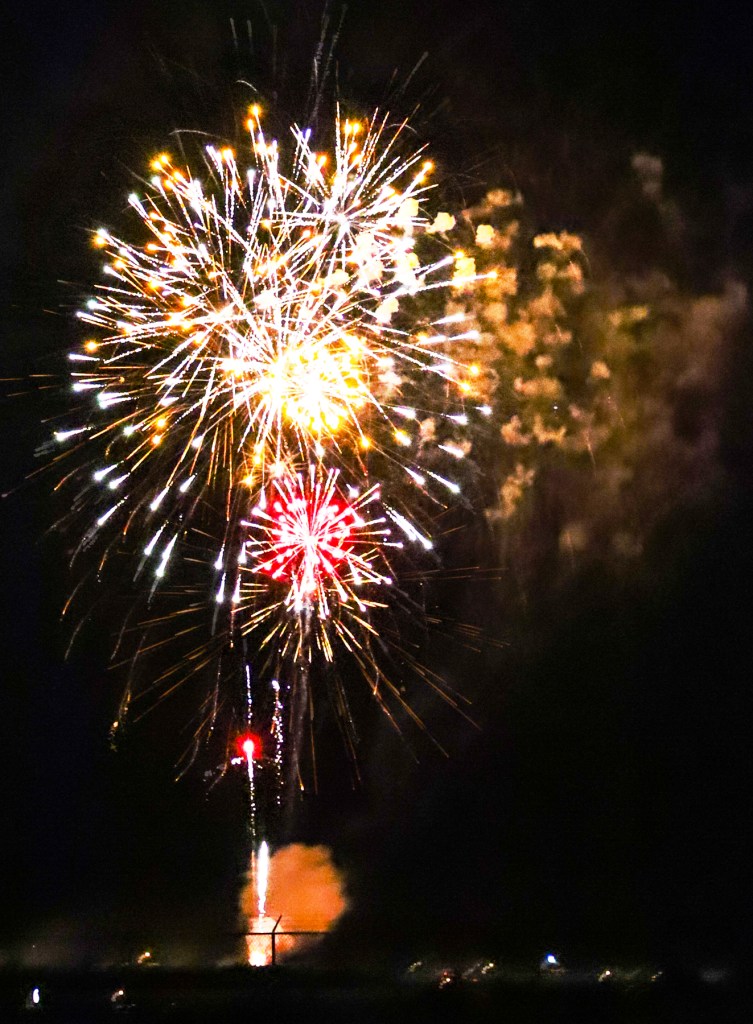
Last night Barbara, Toby, our good friend Kathy and I met at the airport in Cedar City, UT for their annual July 4th fireworks display. We have seen it before and they always put on a good display. Toby didn’t care for it to much due to the noise, but as long as Barbara or I was holding him and he was wrapped up in his blanket he was content.
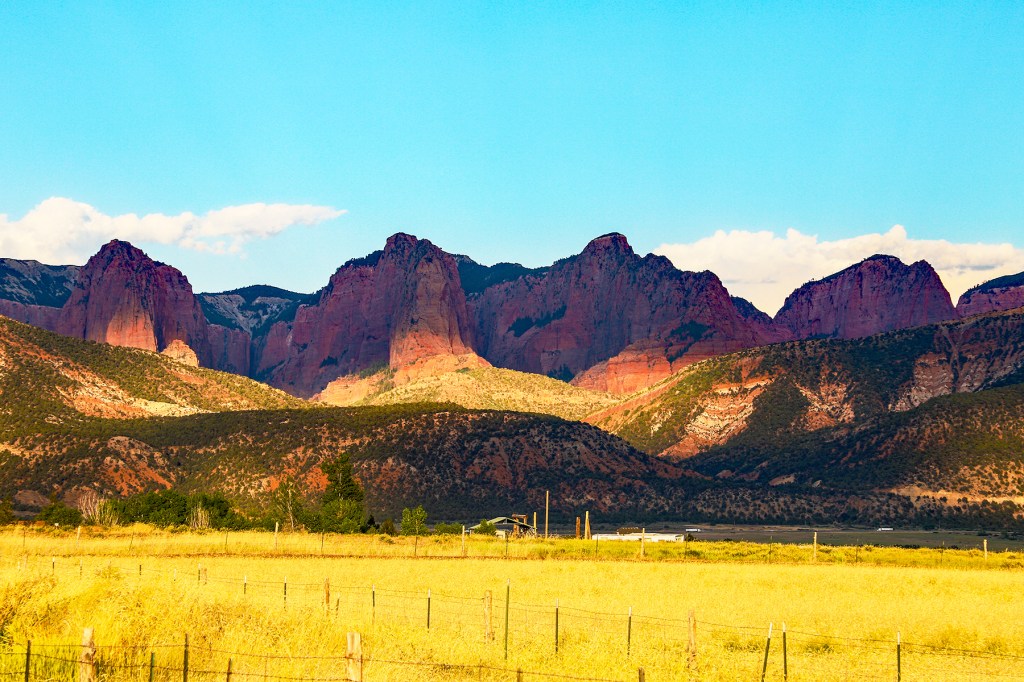
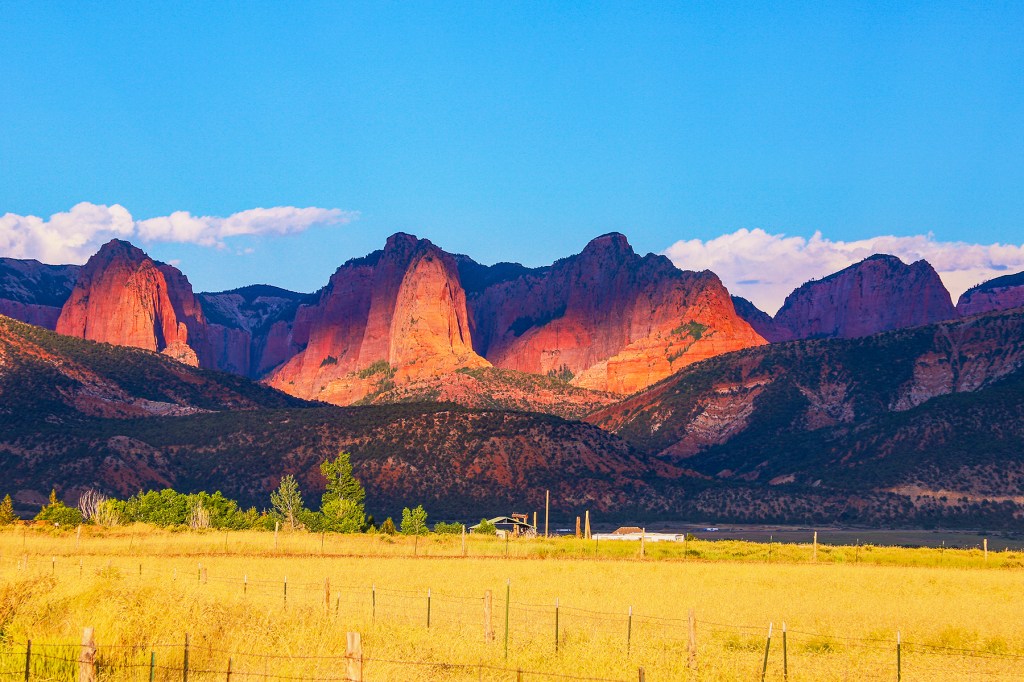
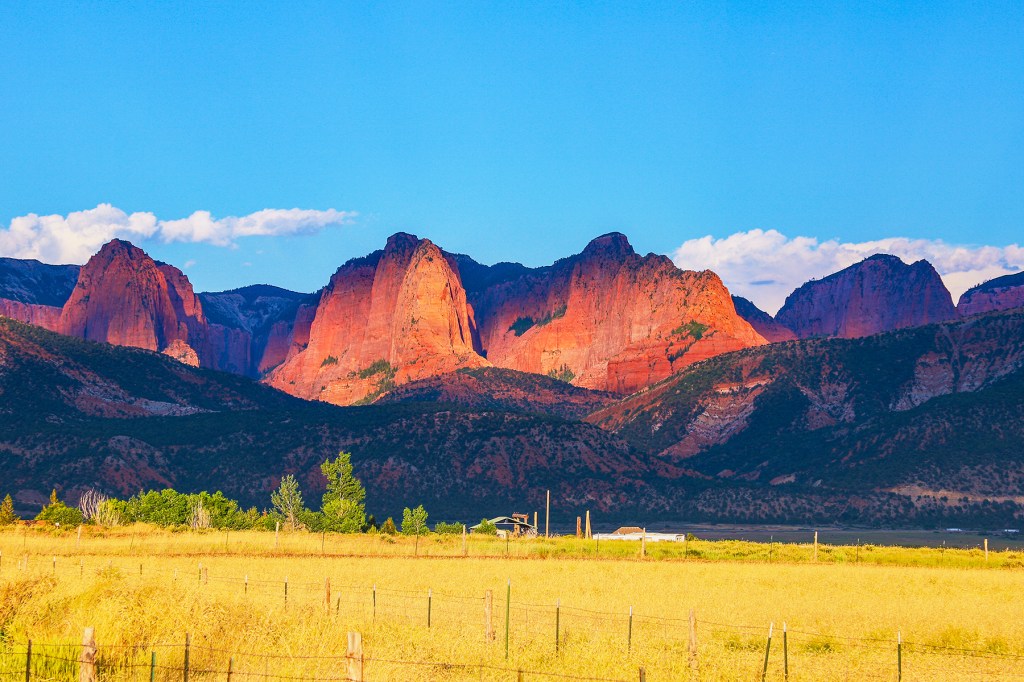
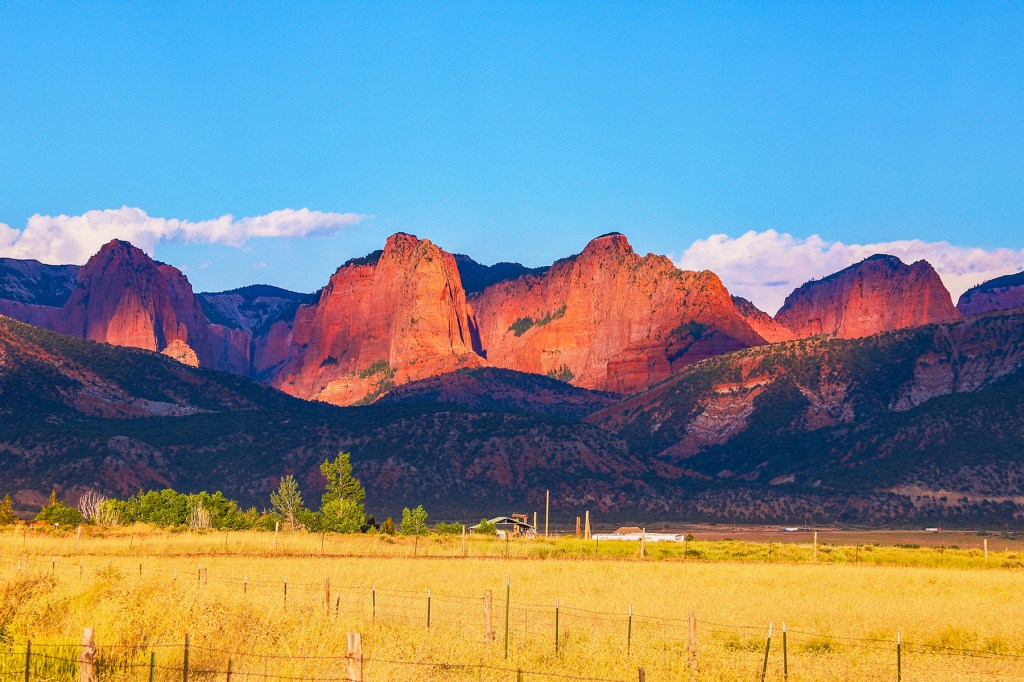
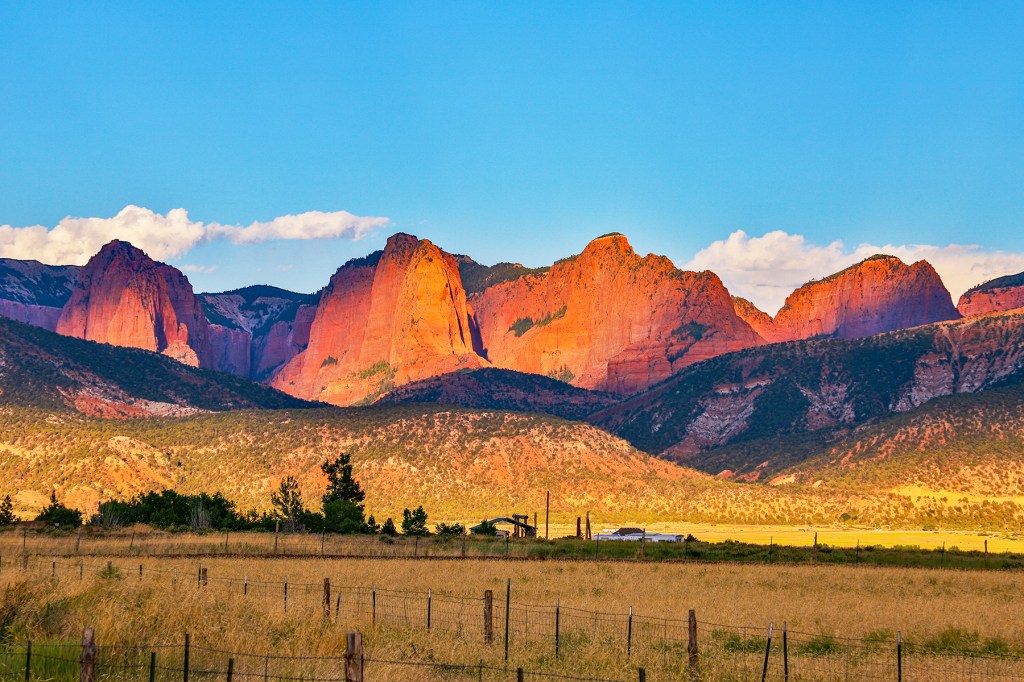
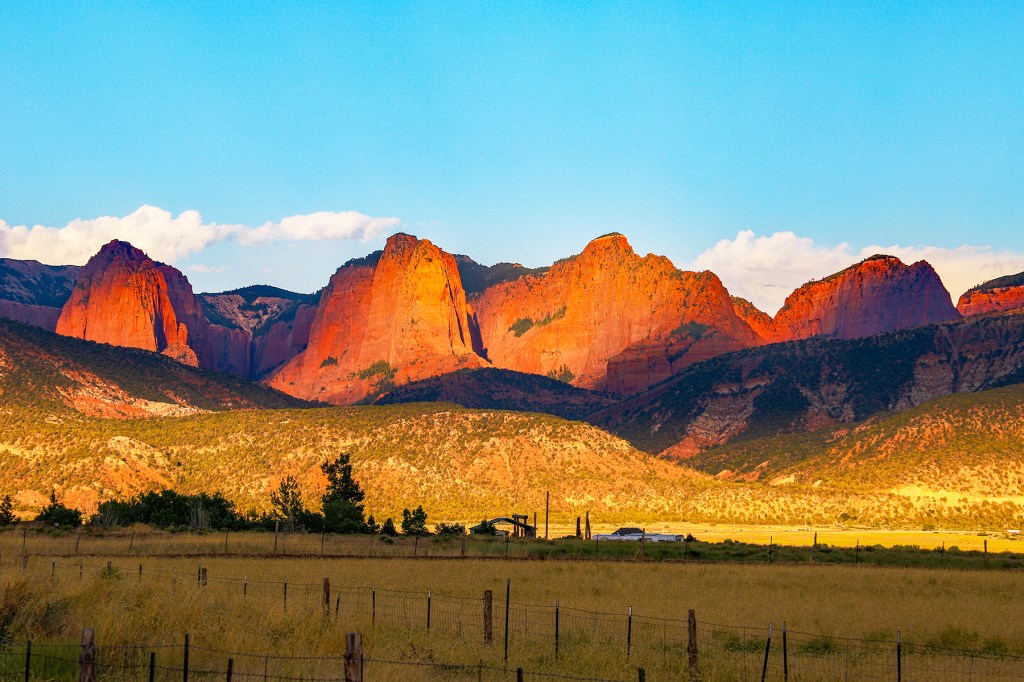
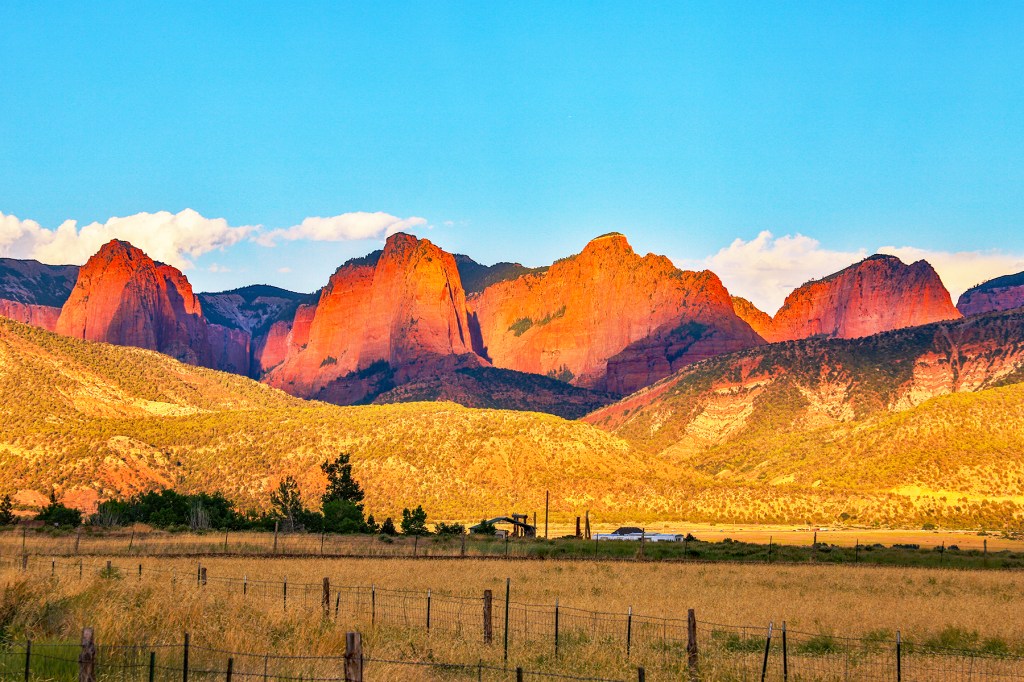
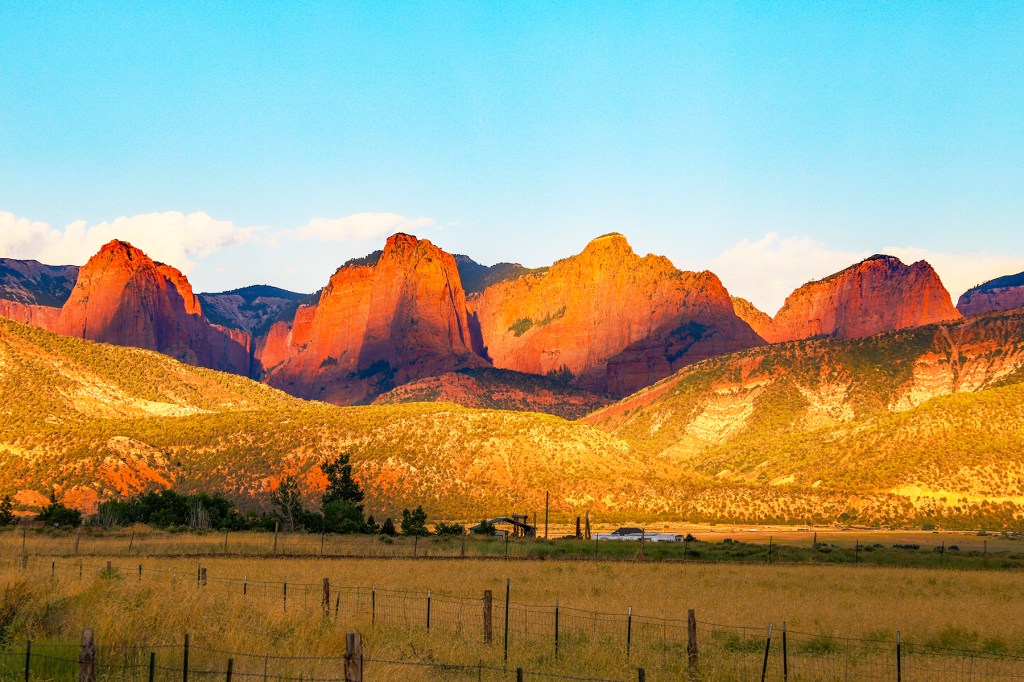
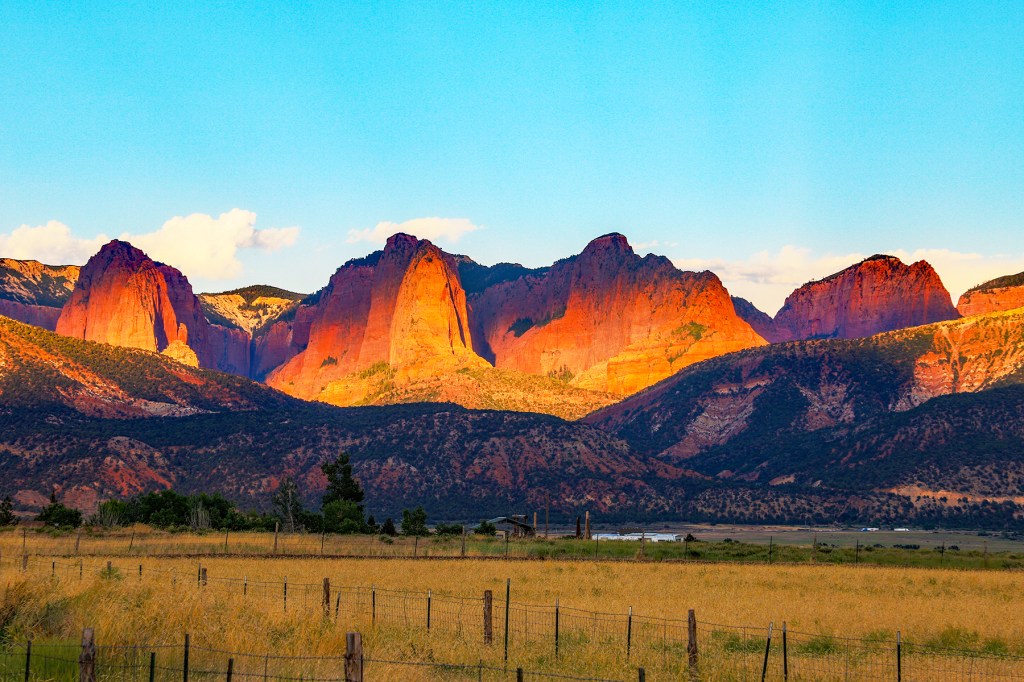
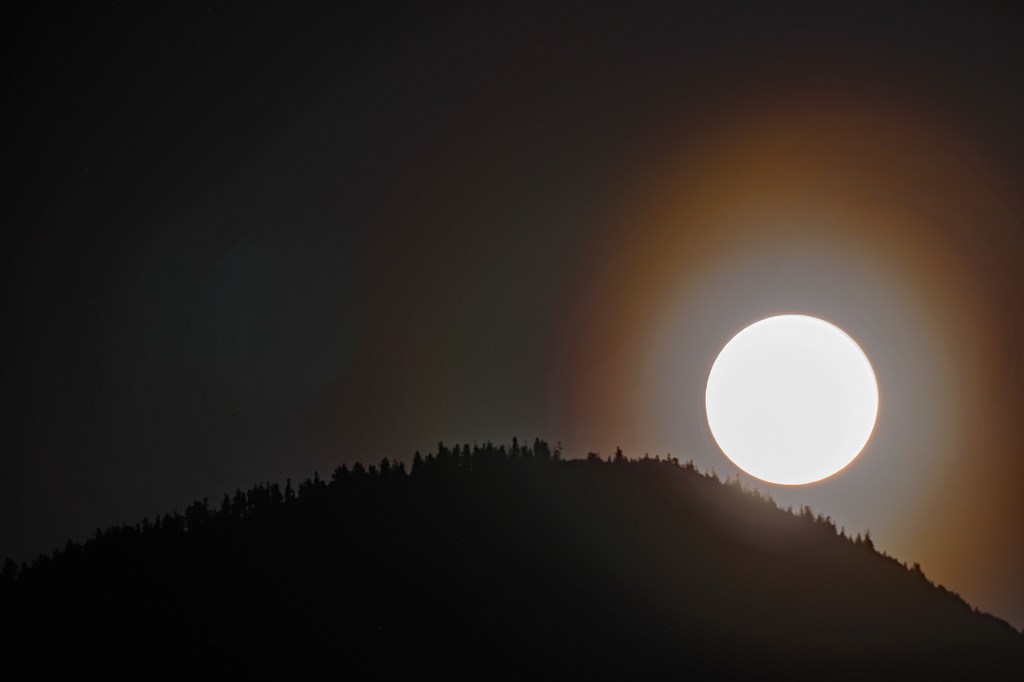
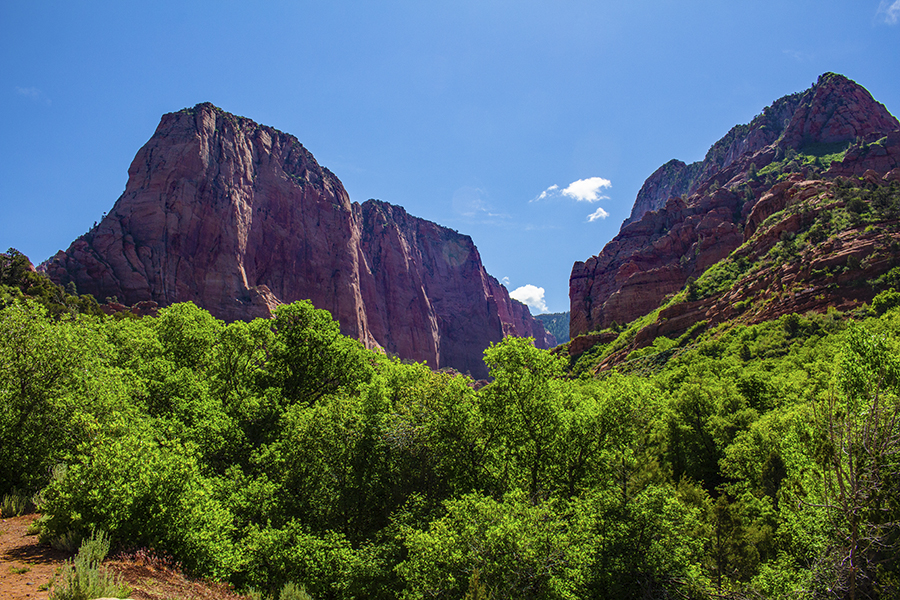
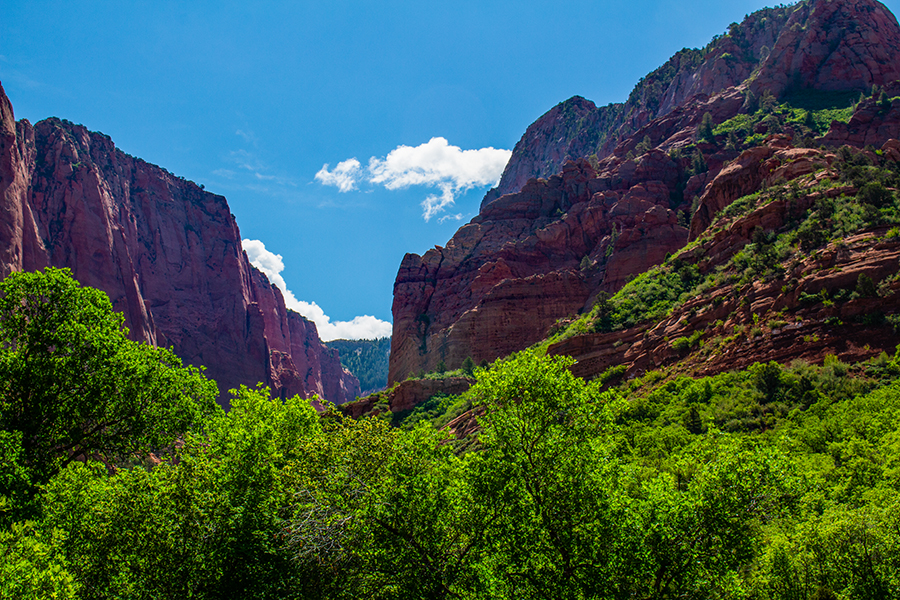
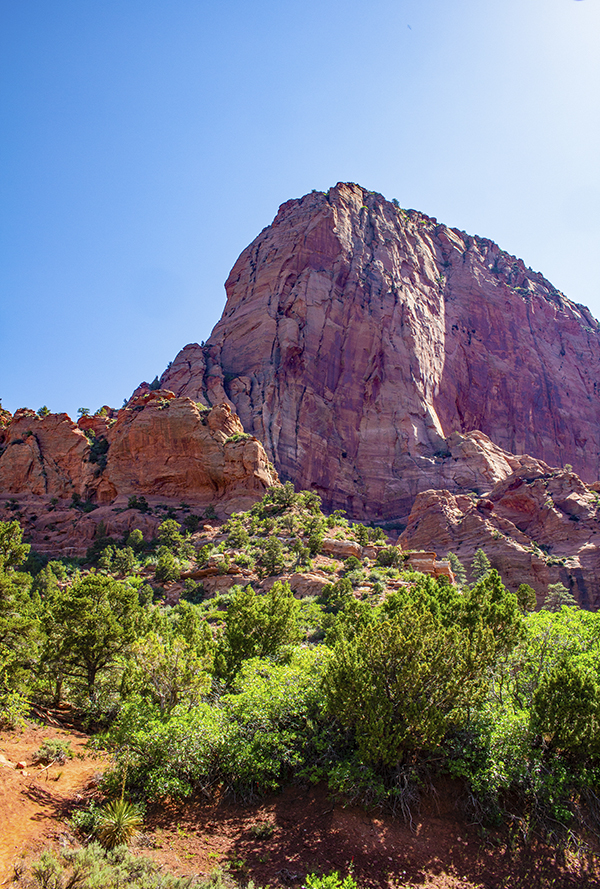
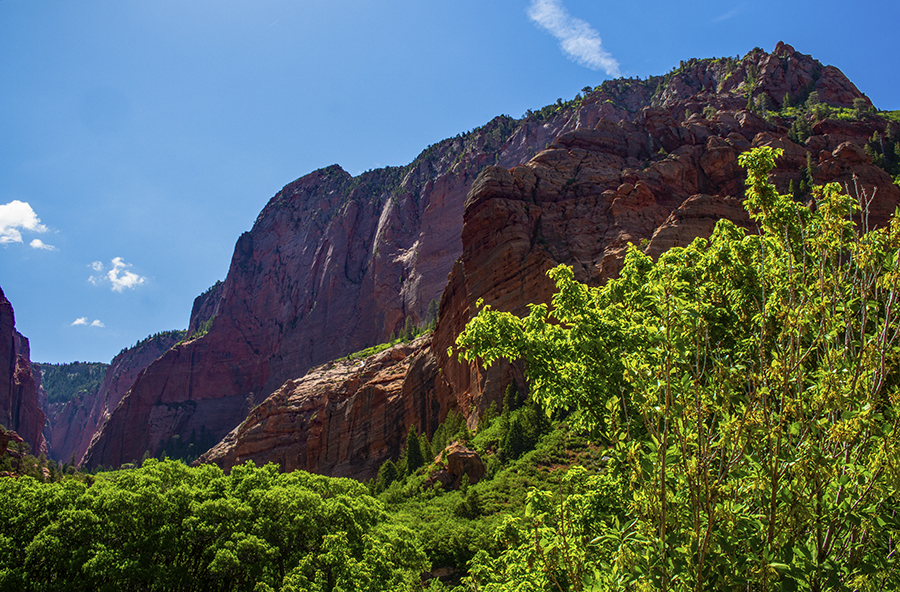
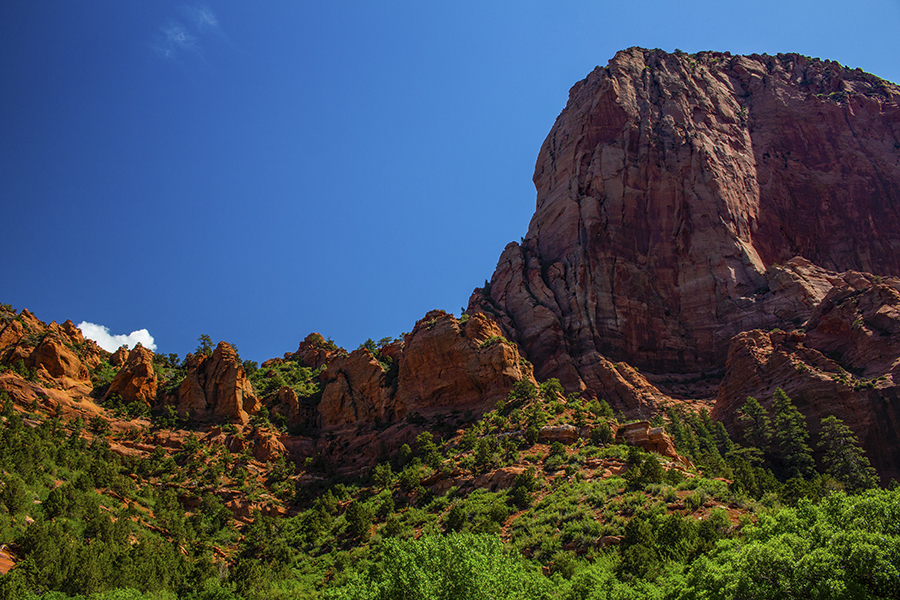
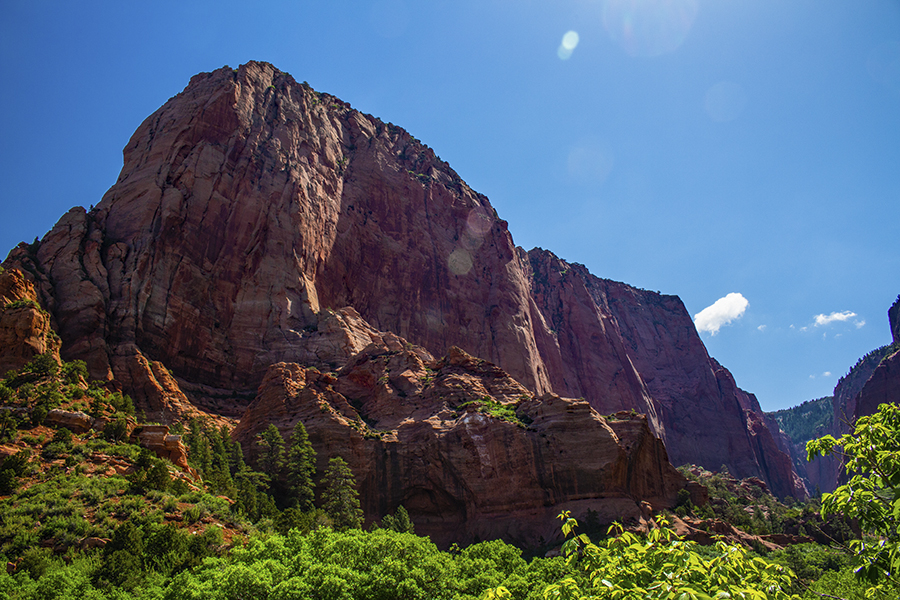
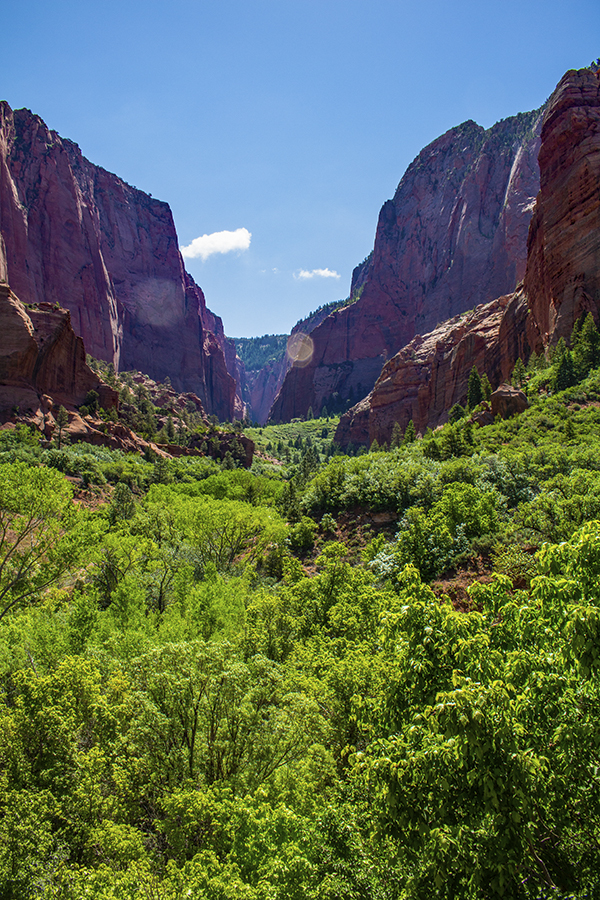
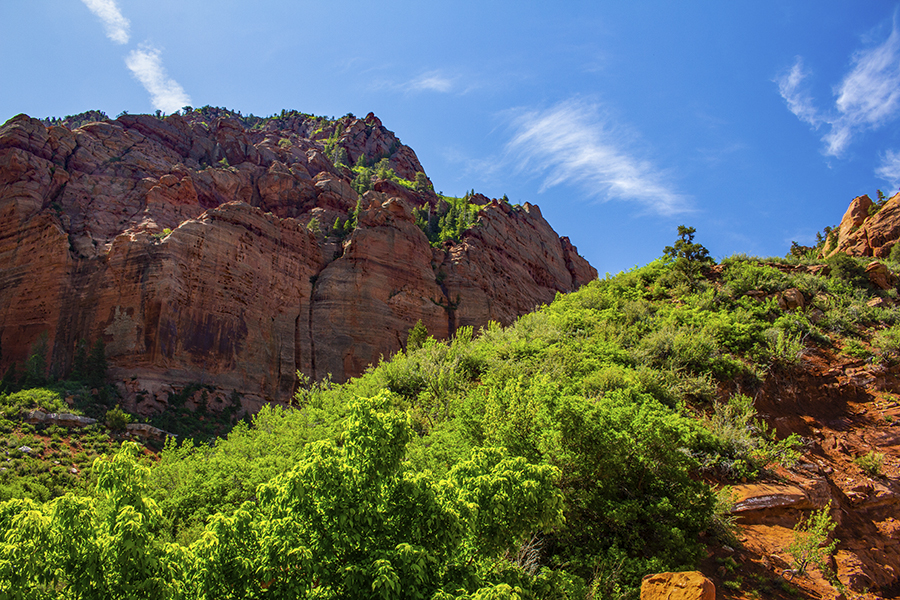
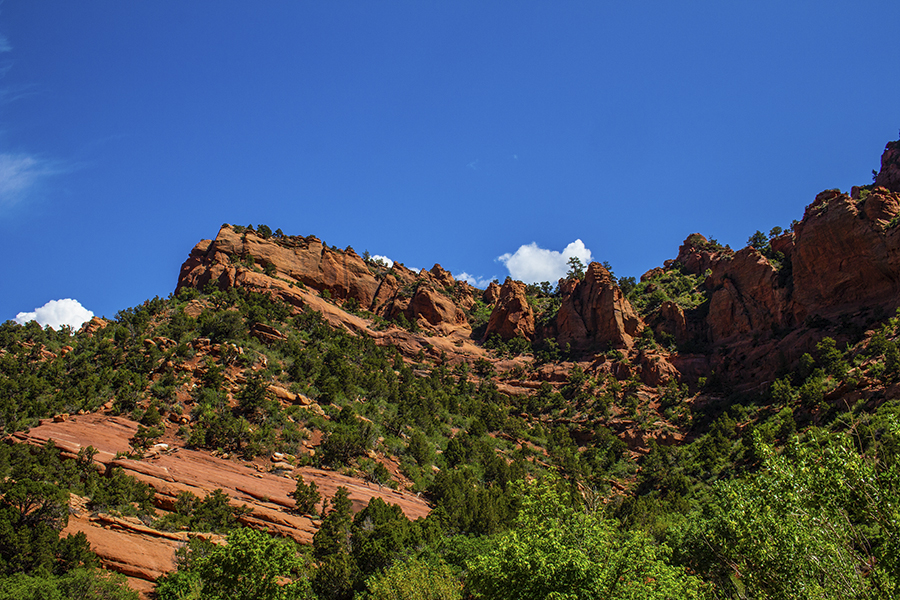
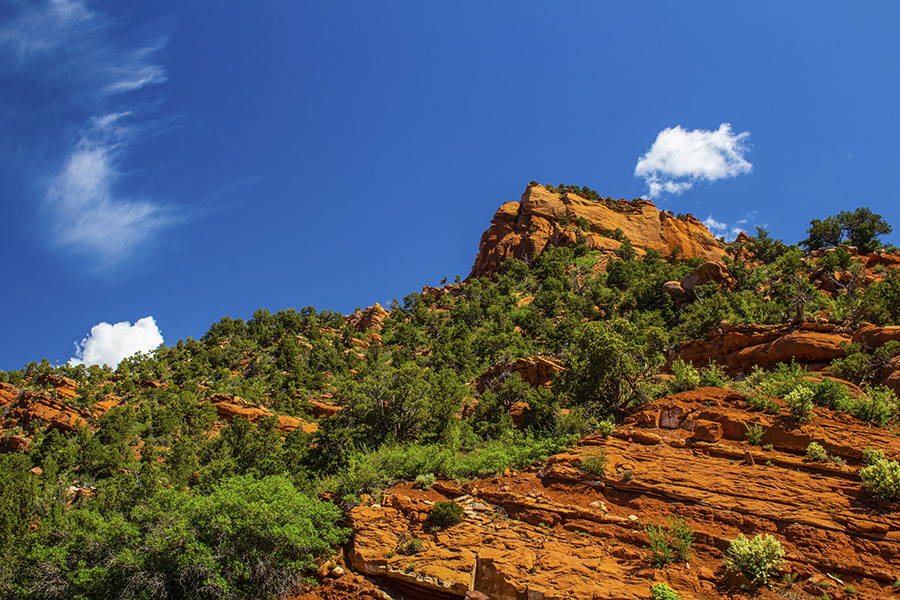
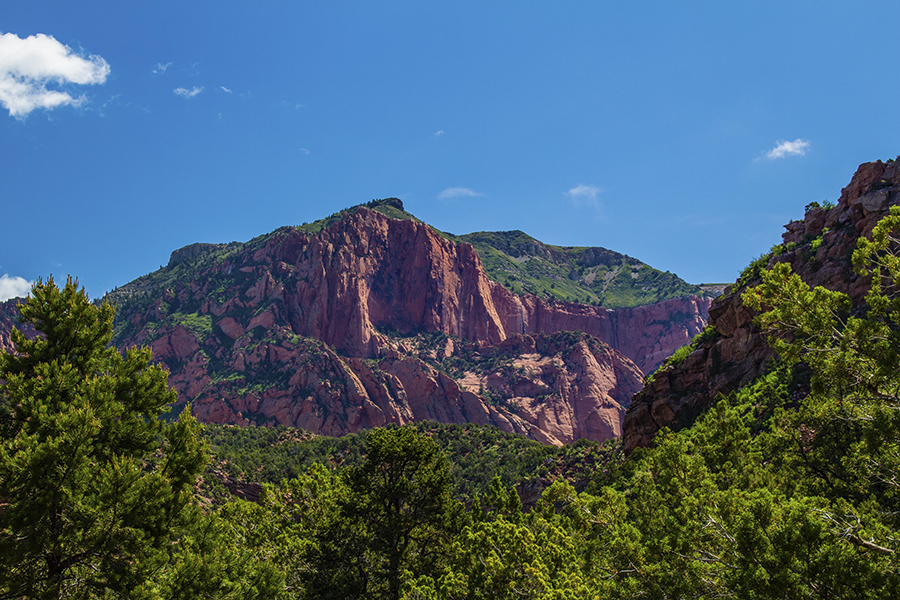
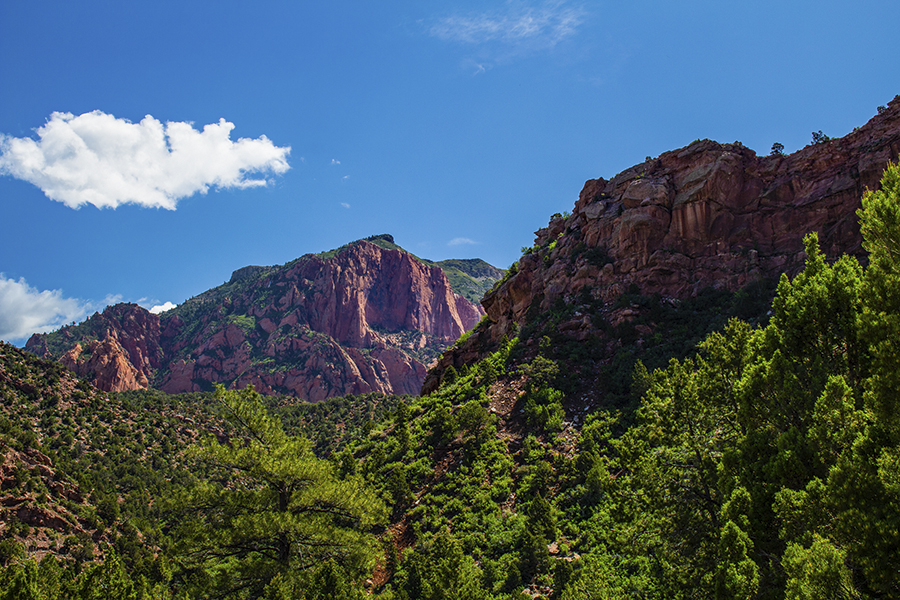
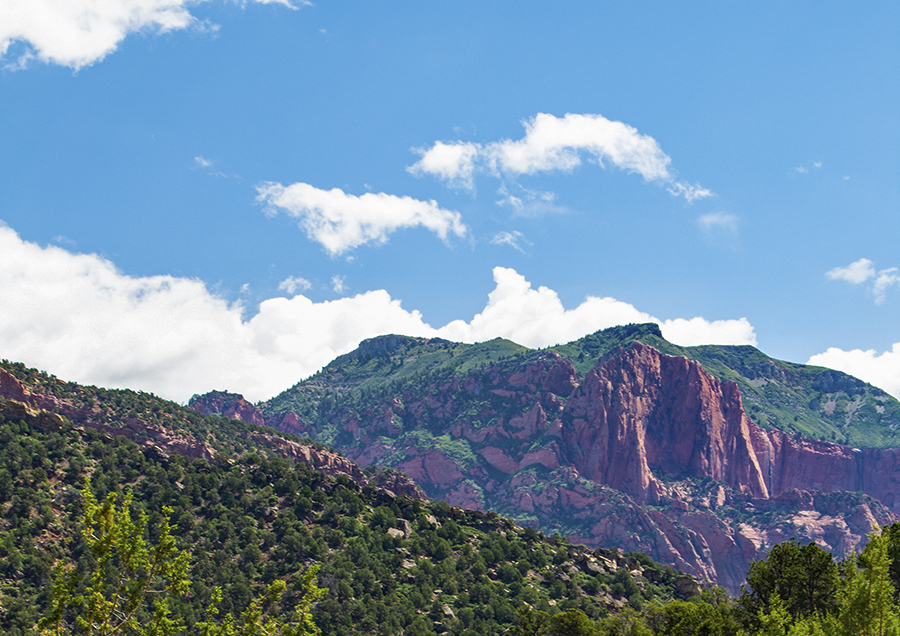
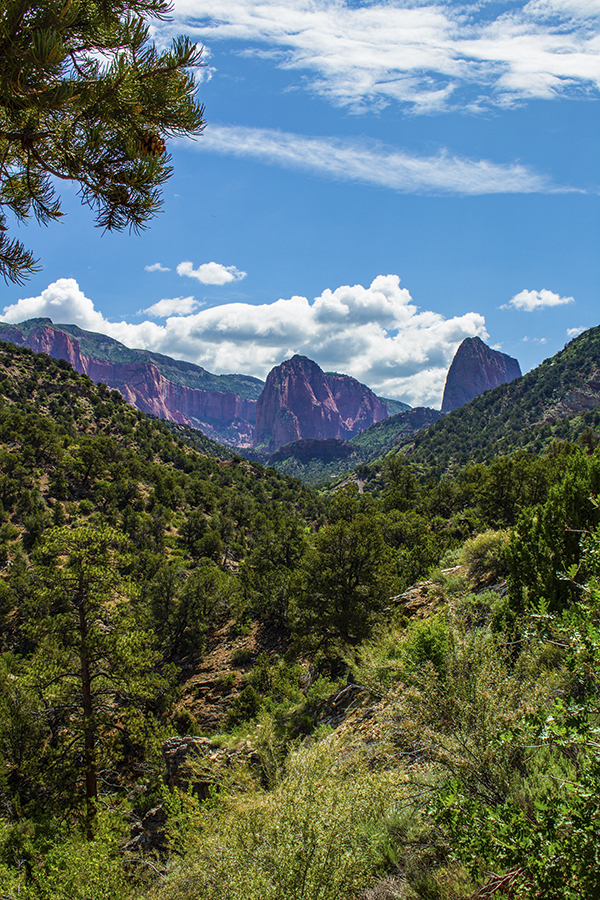
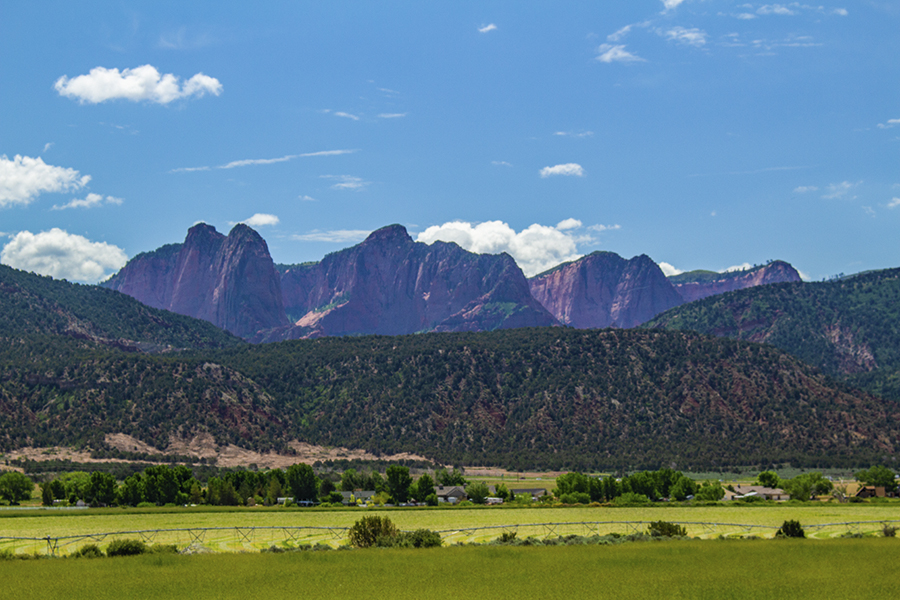
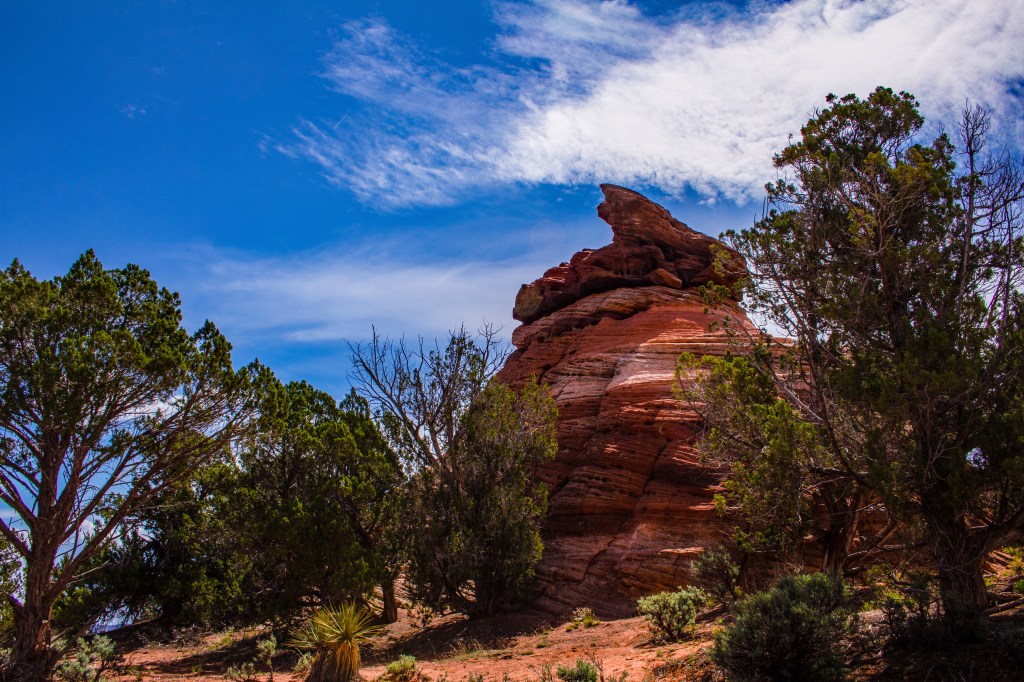
Yesterday I tried a feature on my camera that I have not used before. It’s called high dynamic range. It is supposed to reduce the dark and light areas of the photo so that all features of the photo are clearly visible. I wanted a good subject, so I drove south to the town of New Harmony and took some photos of the rocks of Kolob Canyon. I had to be patient because there were clouds to the west of me blocking the direct sunlight. But my patients were rewarded when the sun finally broke through the clouds. In addition, I took one photo of the moonrise. I’m not sure what to think of the results, but I am going to keep trying, using different settings.
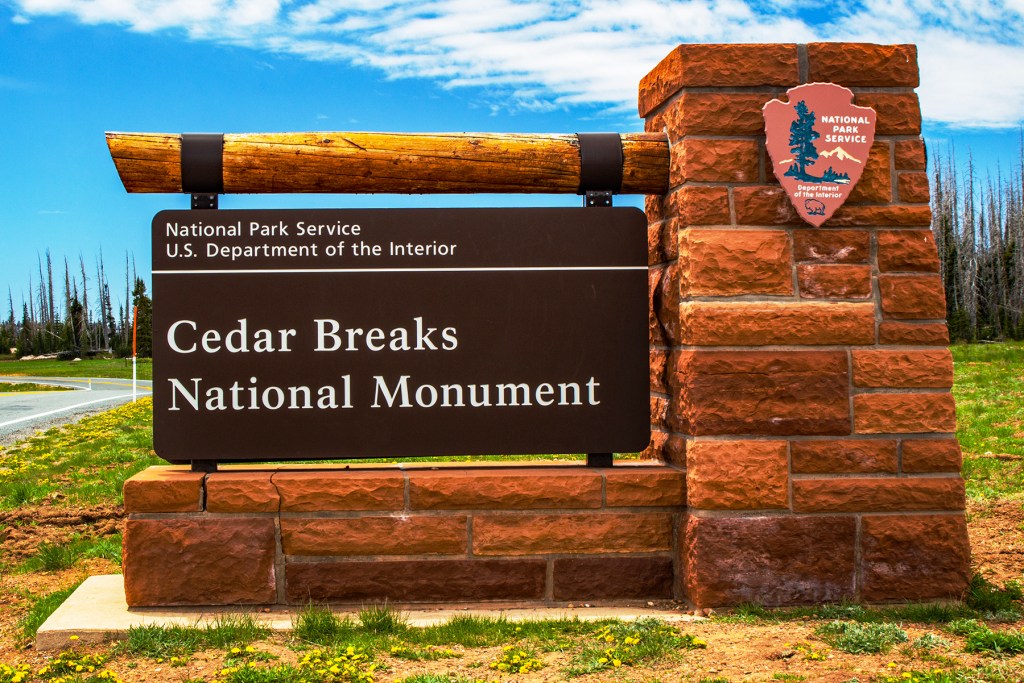
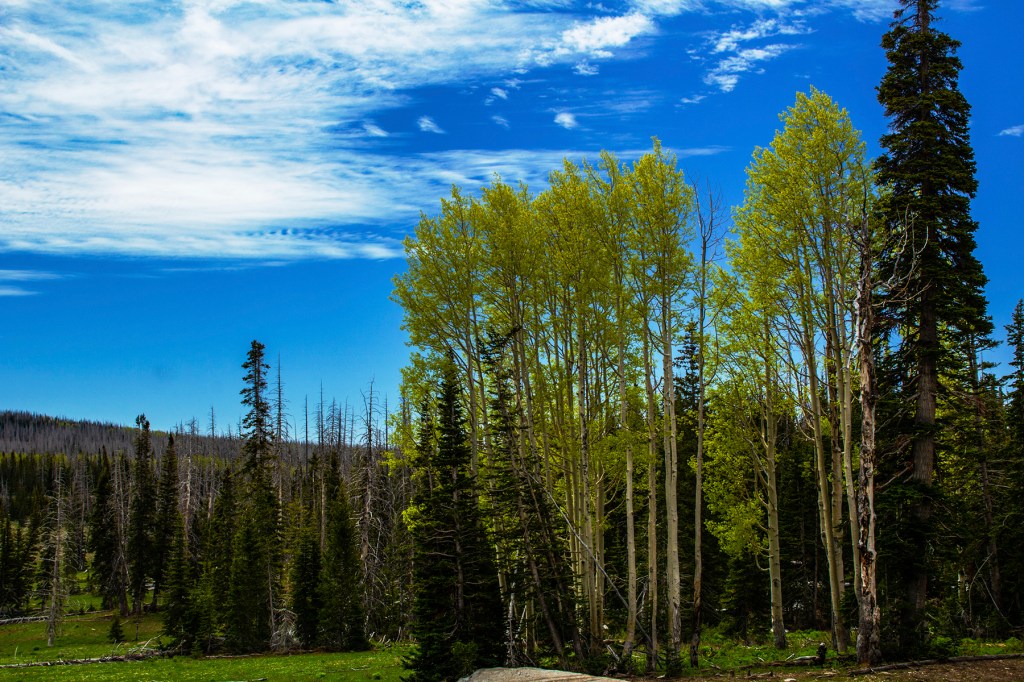
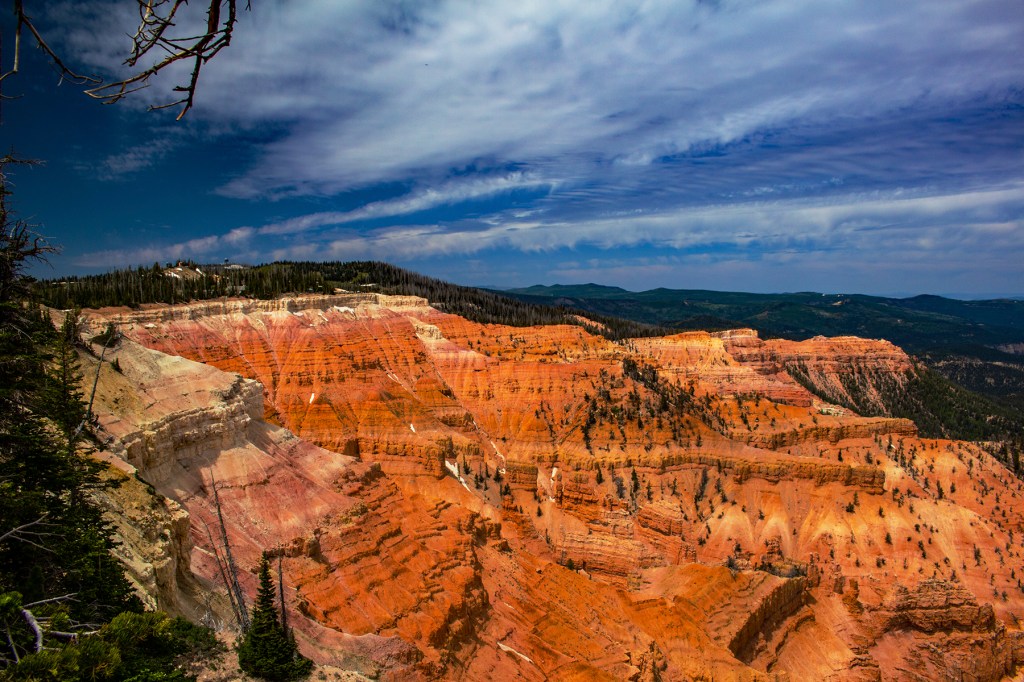
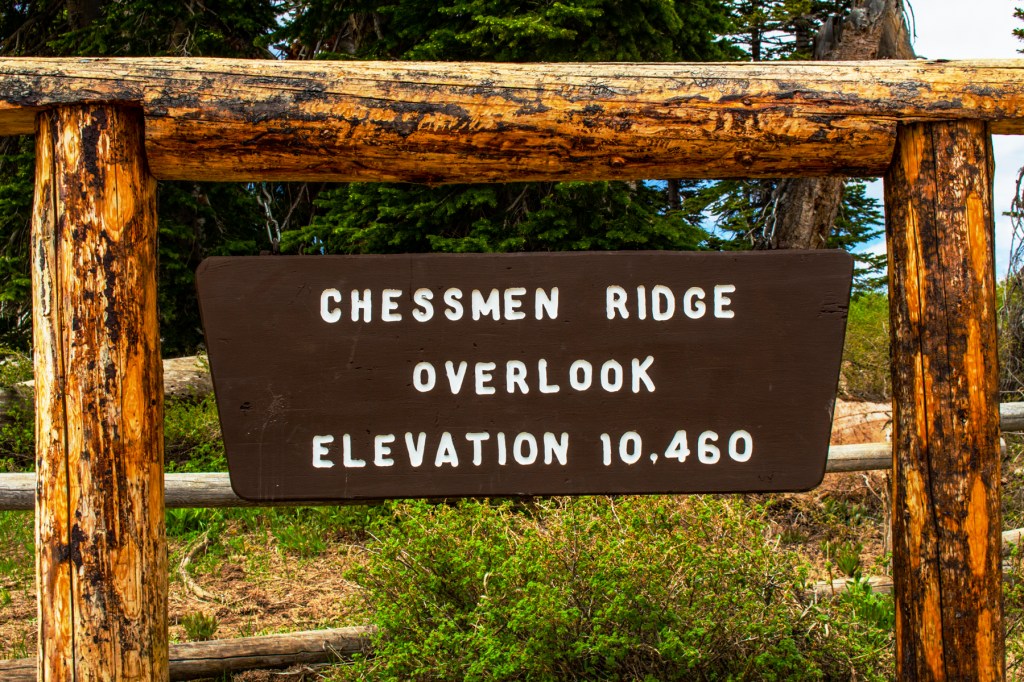
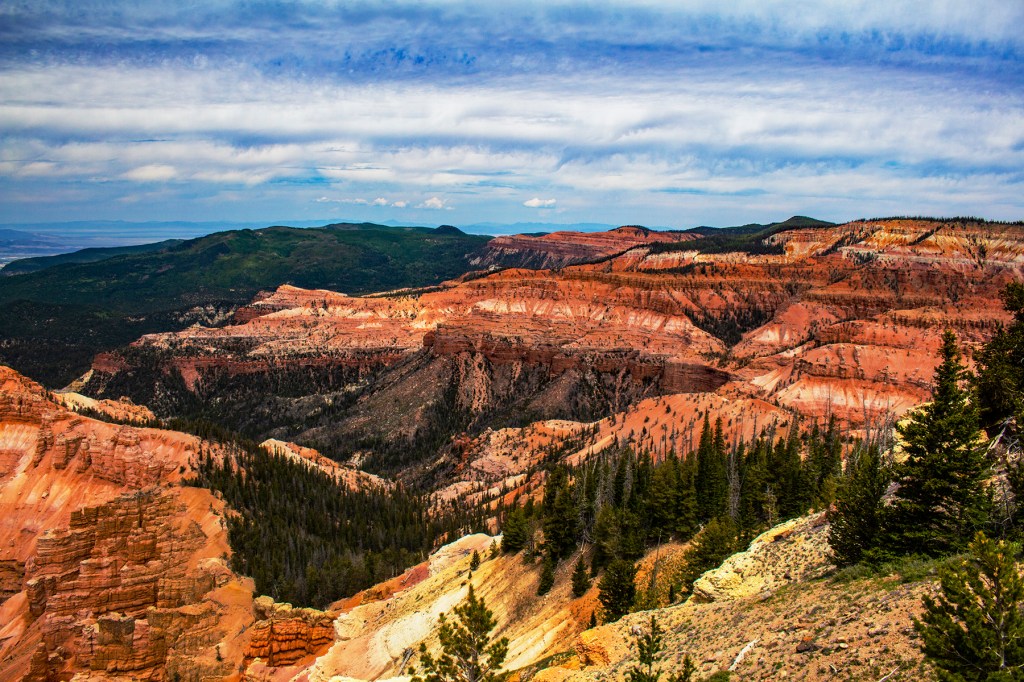
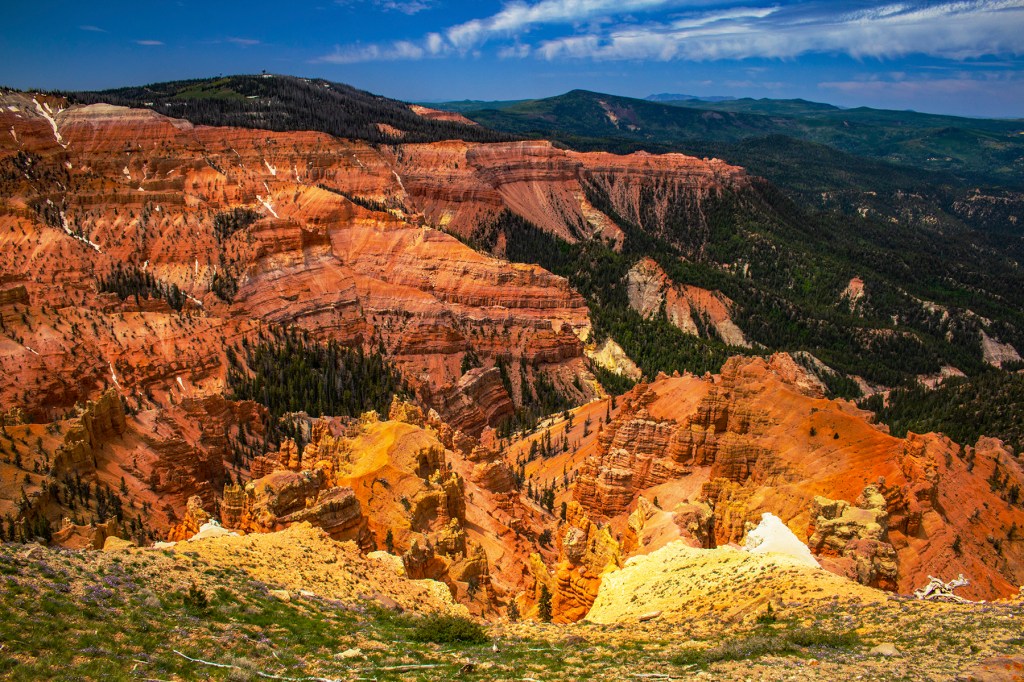
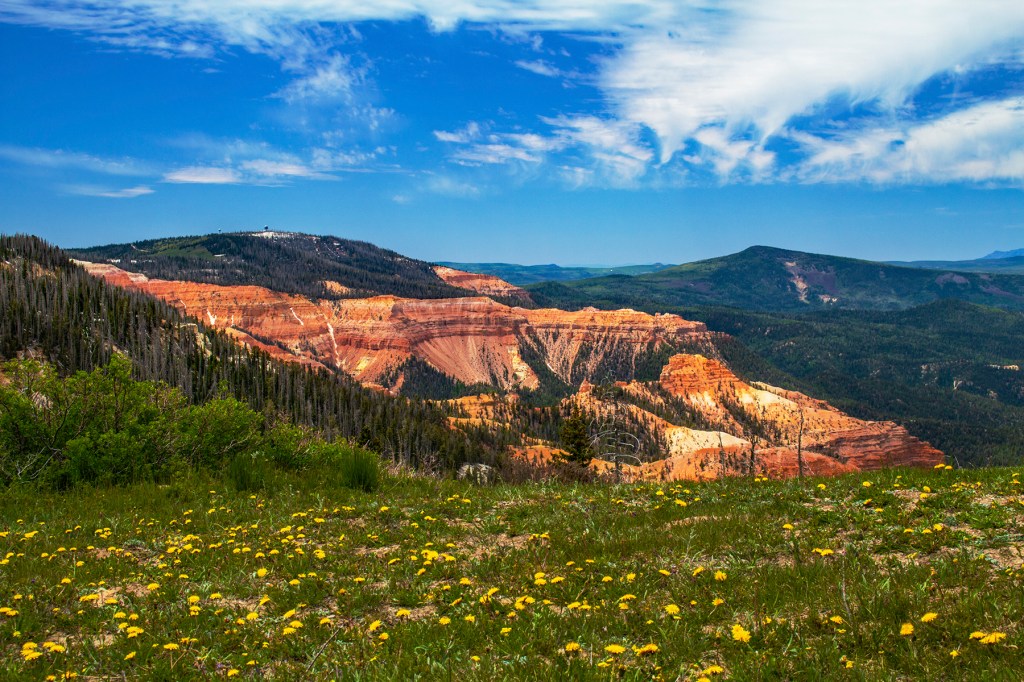
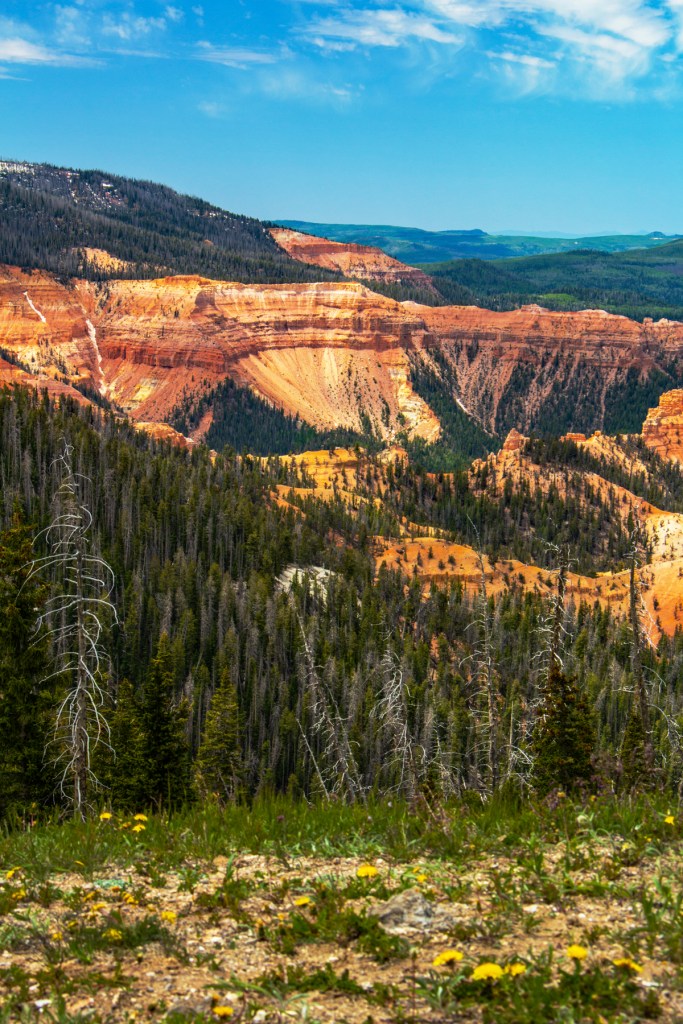
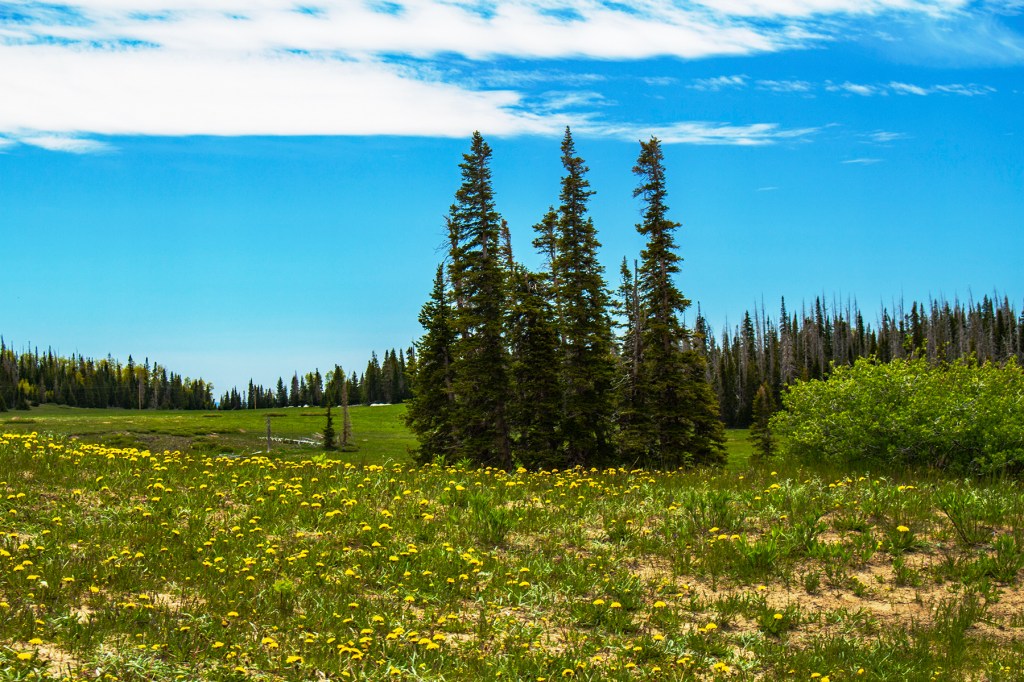
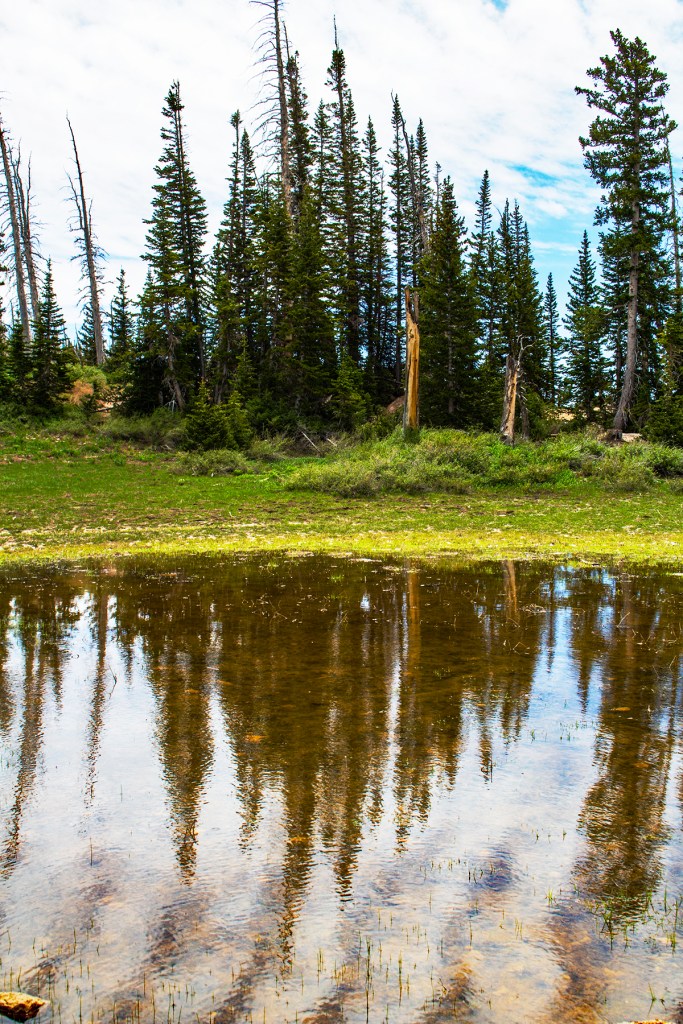
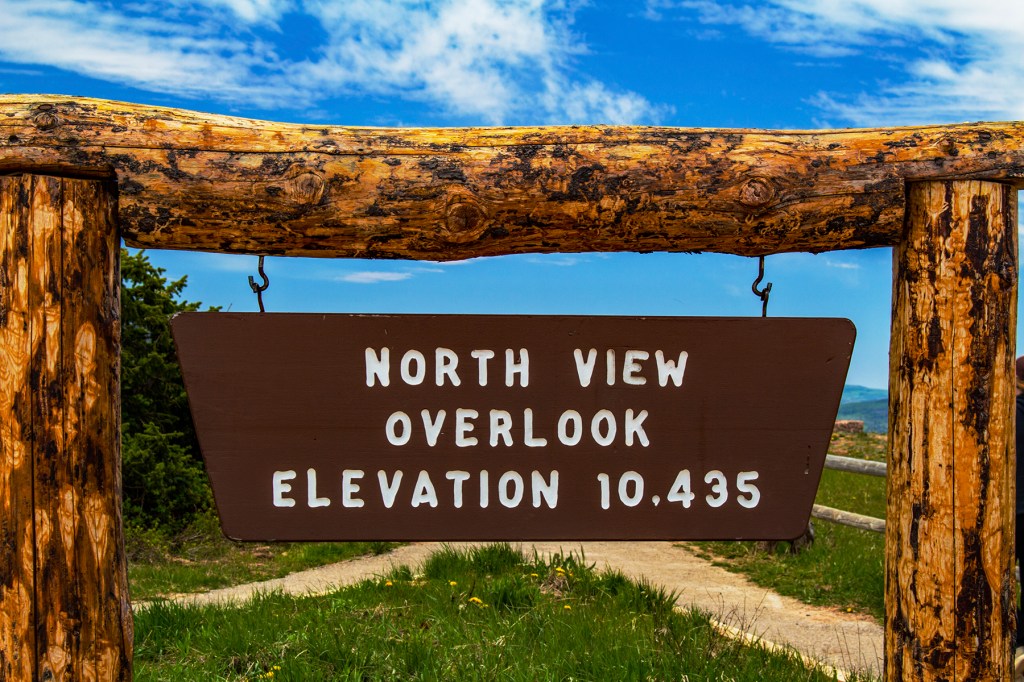
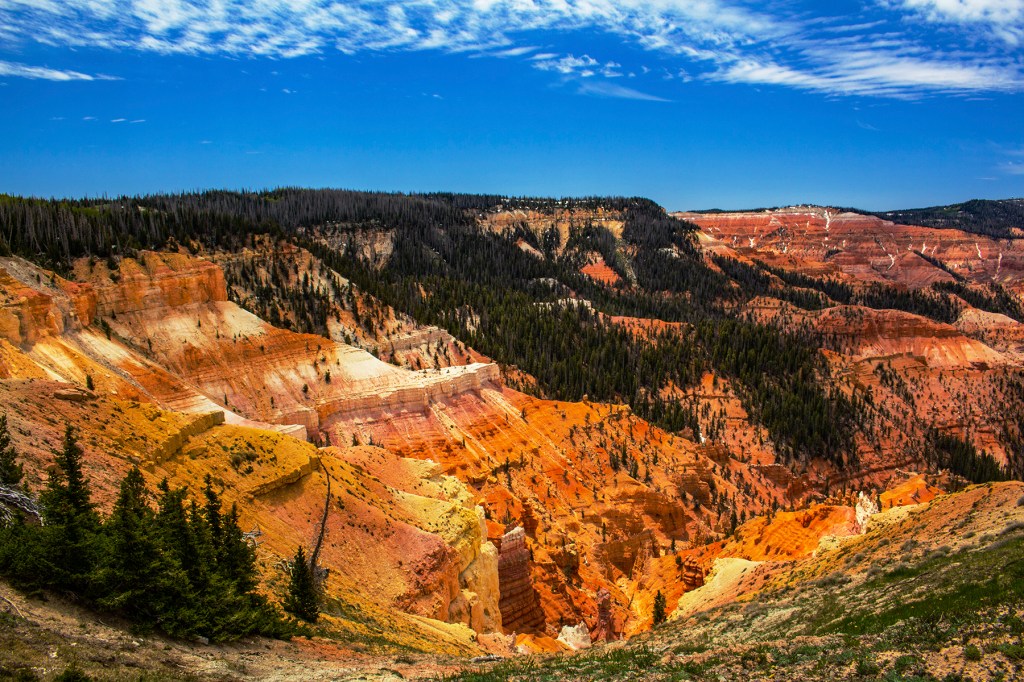
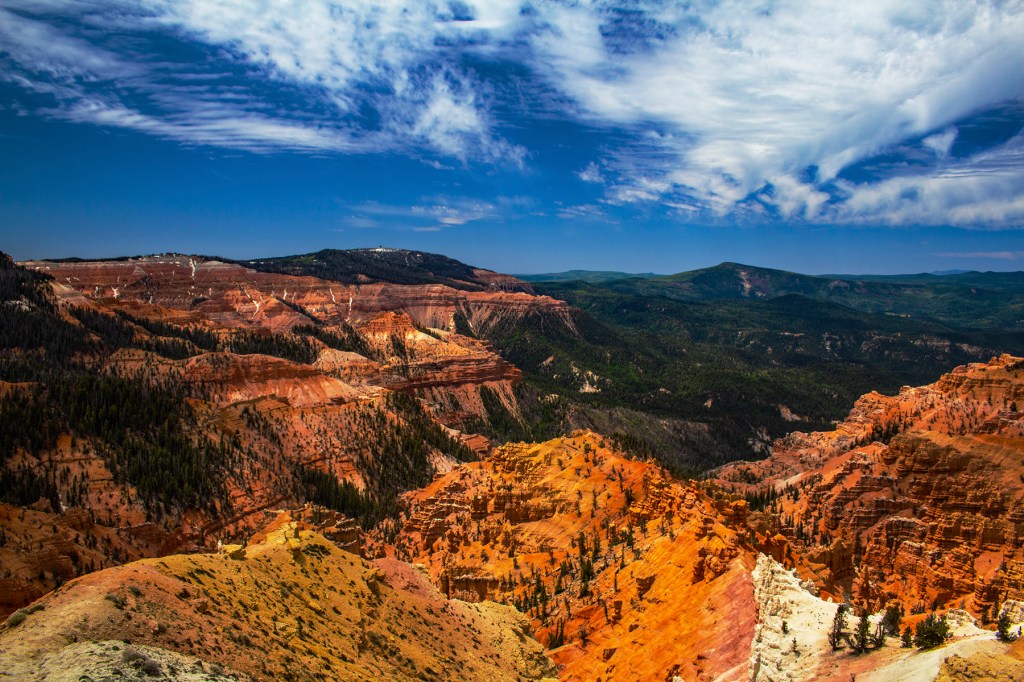
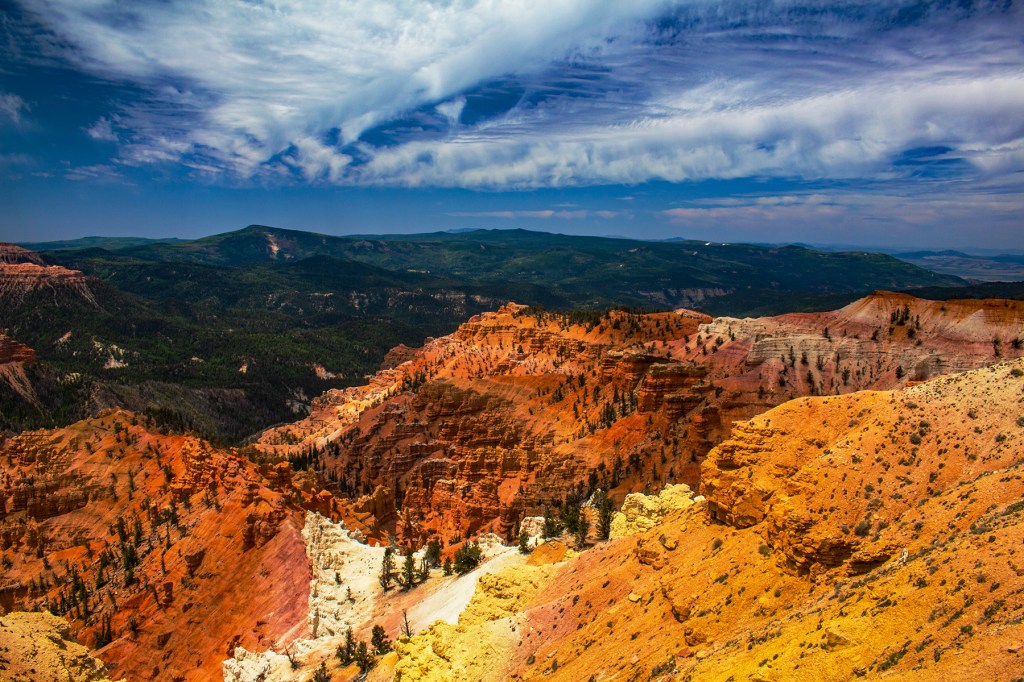
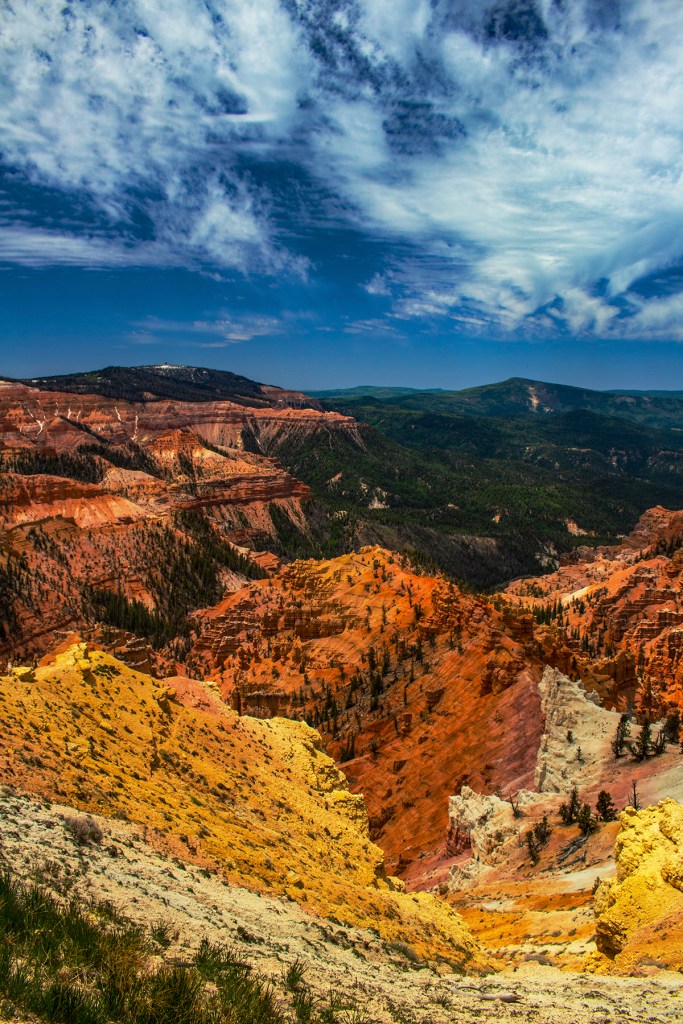
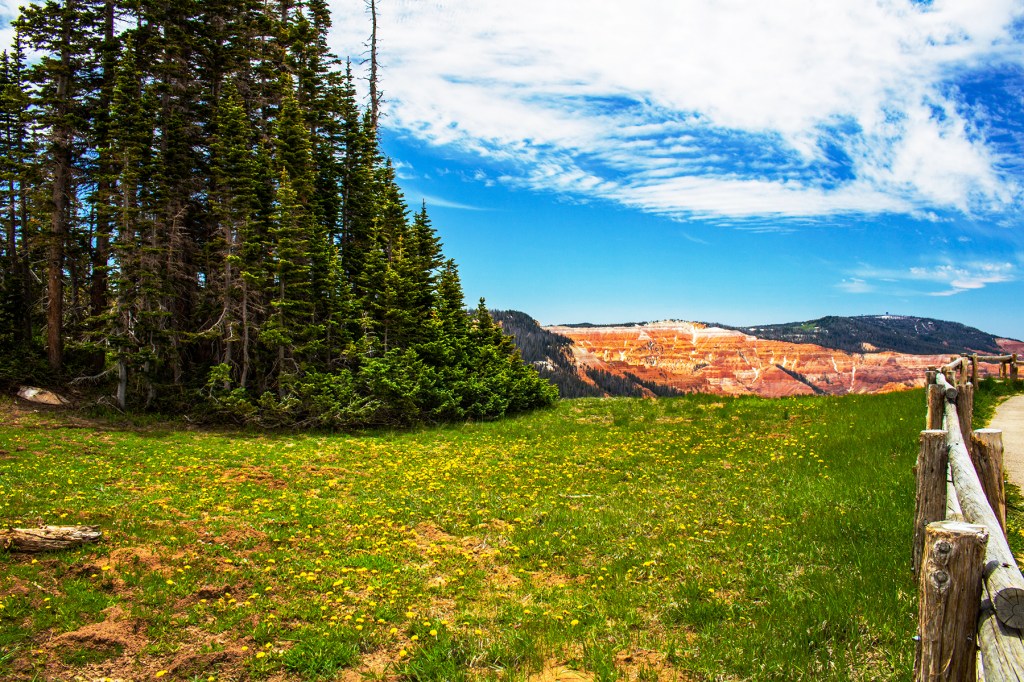
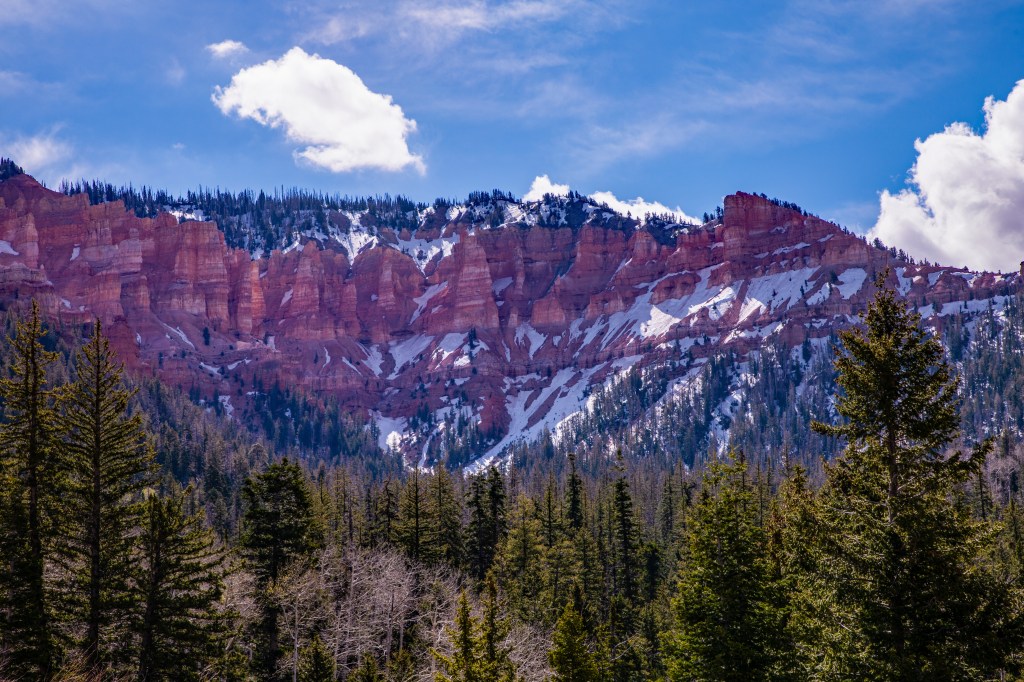
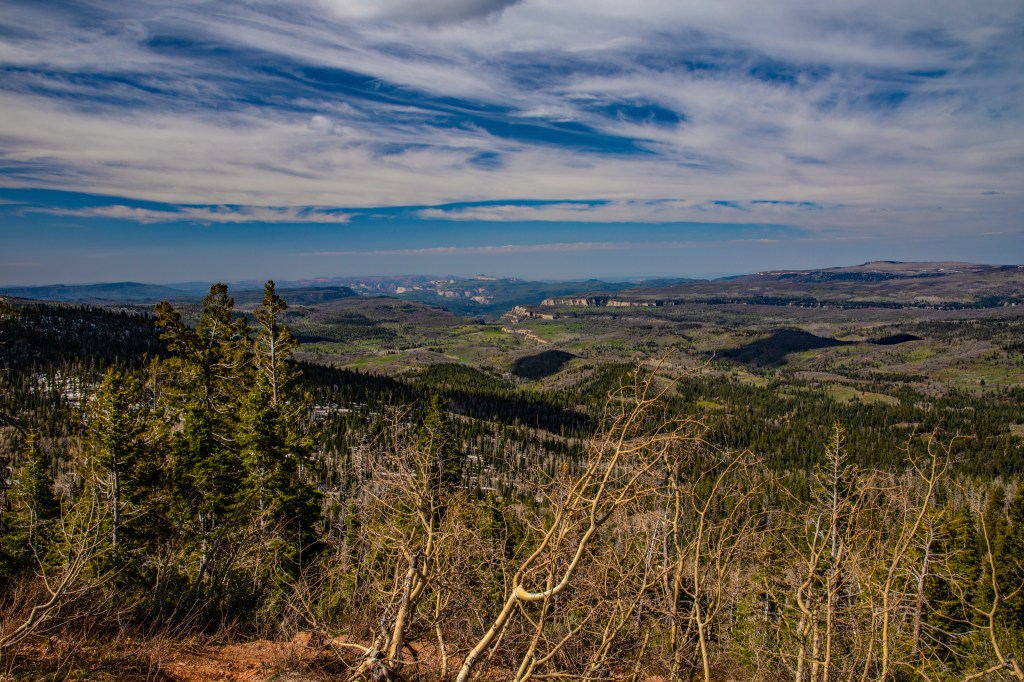
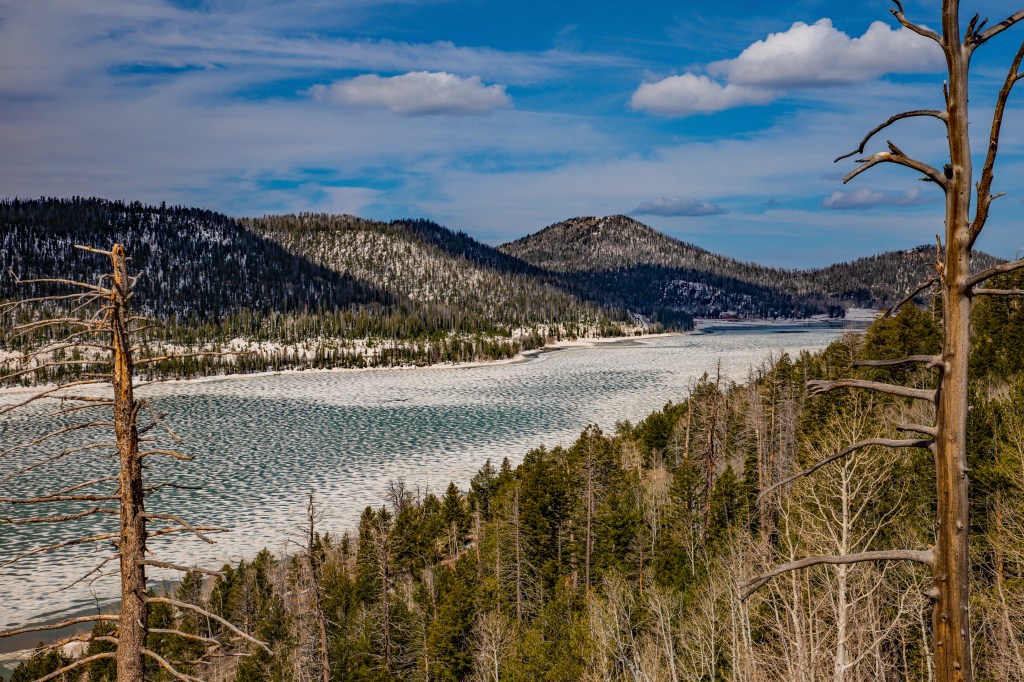
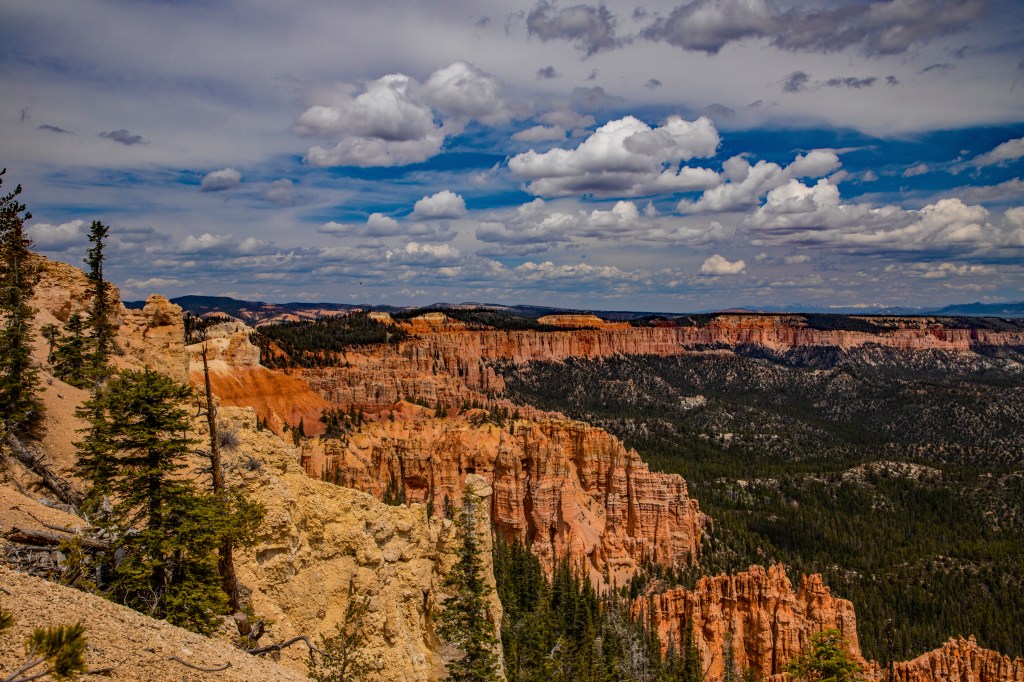
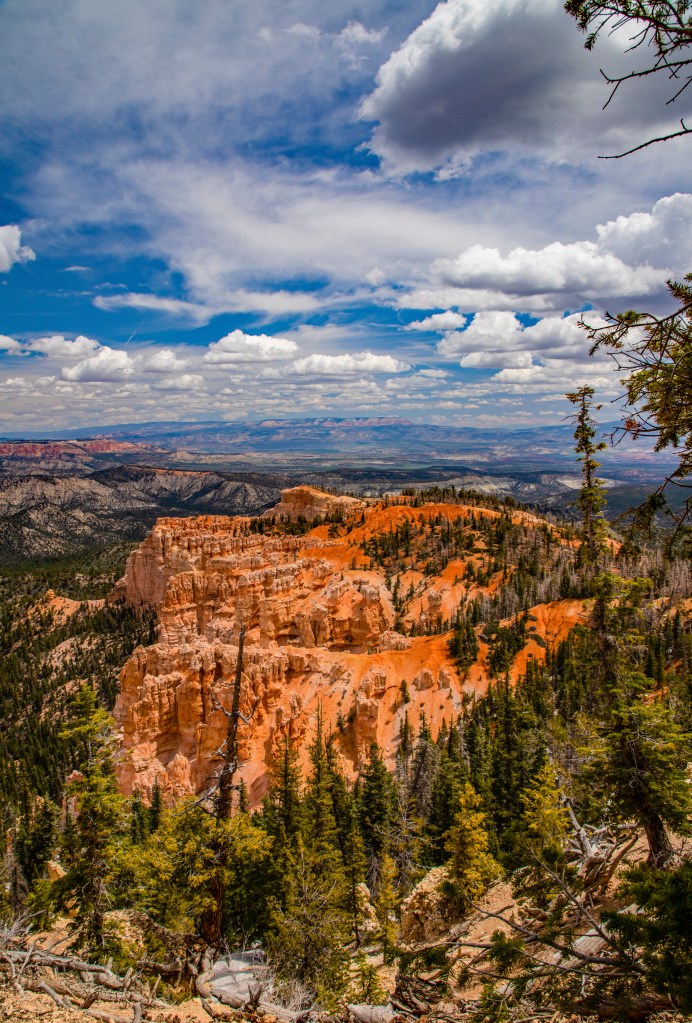
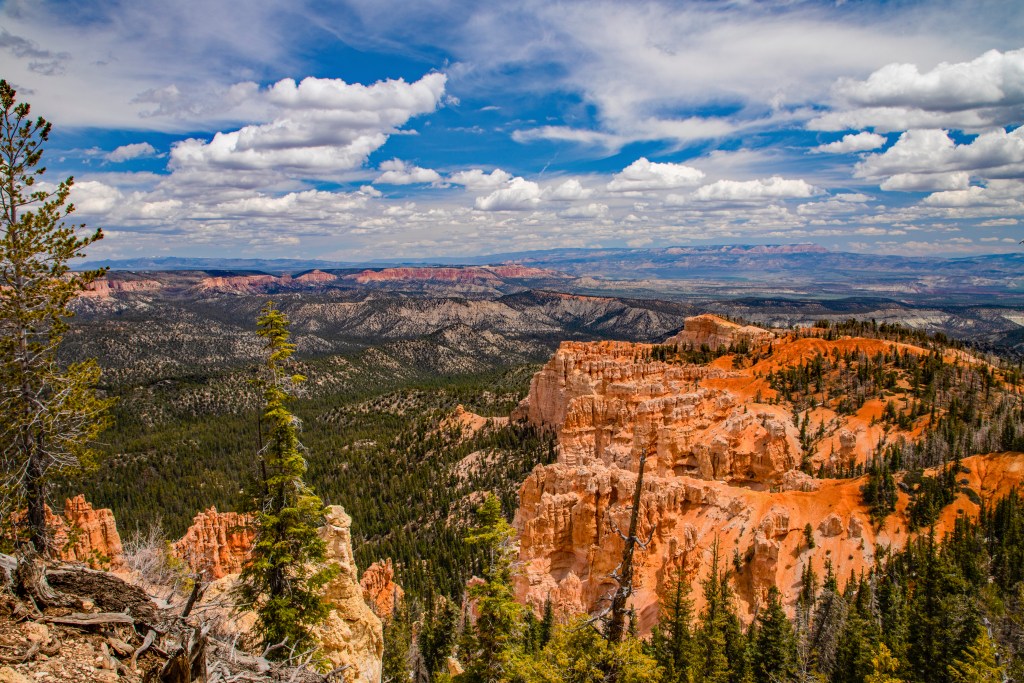
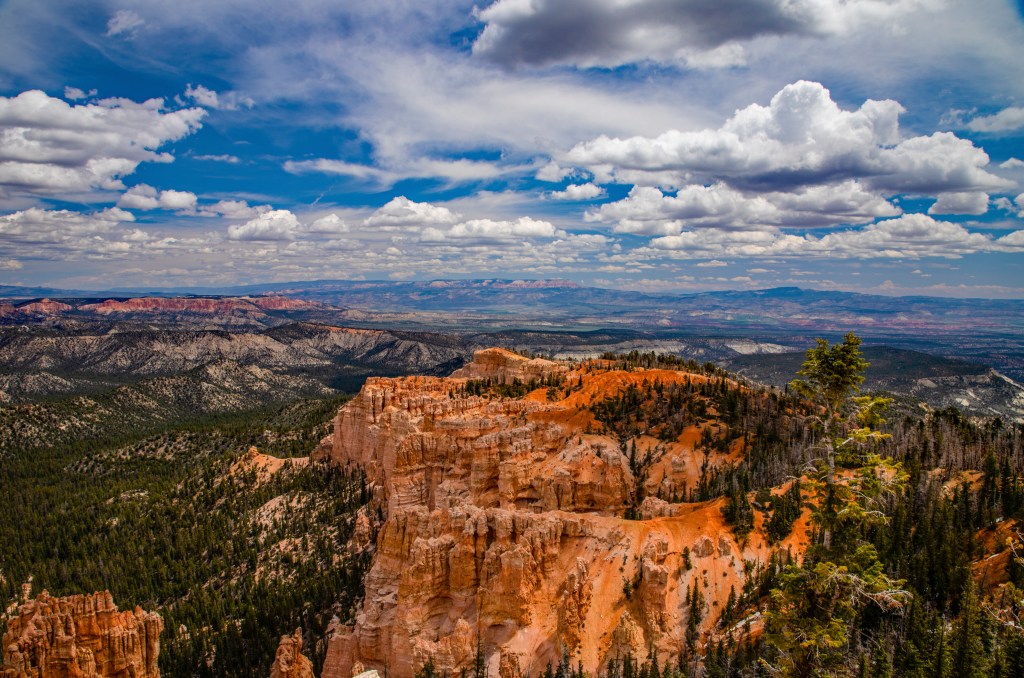
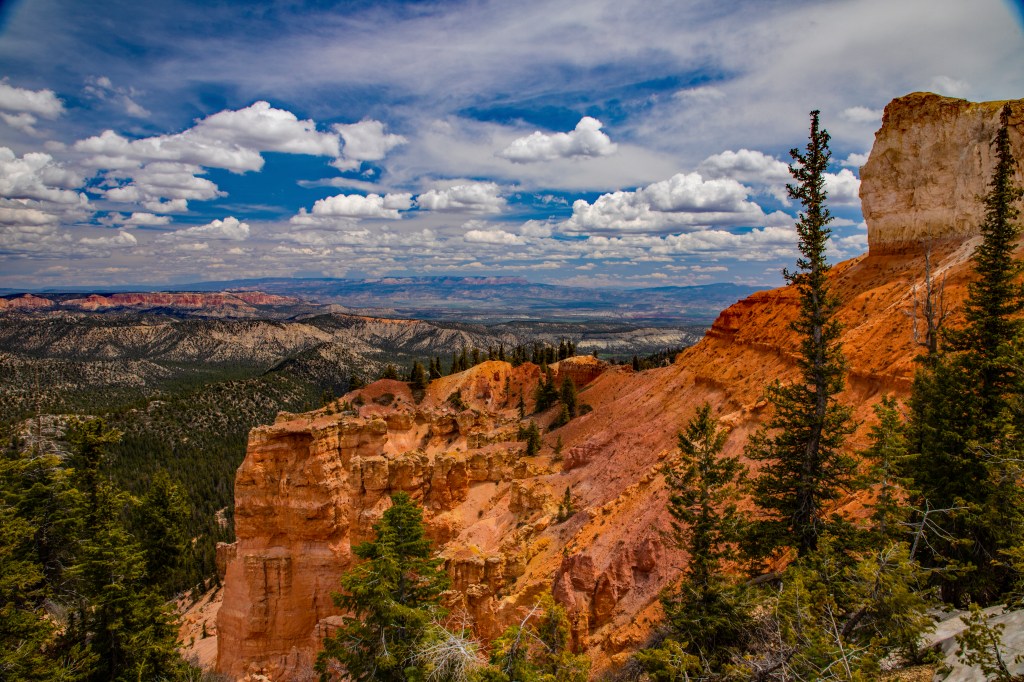
Yesterday Barbara, Toby and I took the short drive, east, to the Cedar Breaks National Monument. This is a small but beautiful park. We didn’t get to see a lot of the park because, unfortunately, most of the hiking trails are still covered with snow. It is comprised of the same rock formation, the Claron Formation, as Bryce Canyon National Park. It’s just a smaller, but in some cases a more colorful, version of Bryce Canyon. If you are ever in the vicinity of Cedar City, Utah take the short drive to Cedar Breaks, you won’t be disappointed. Take a look!
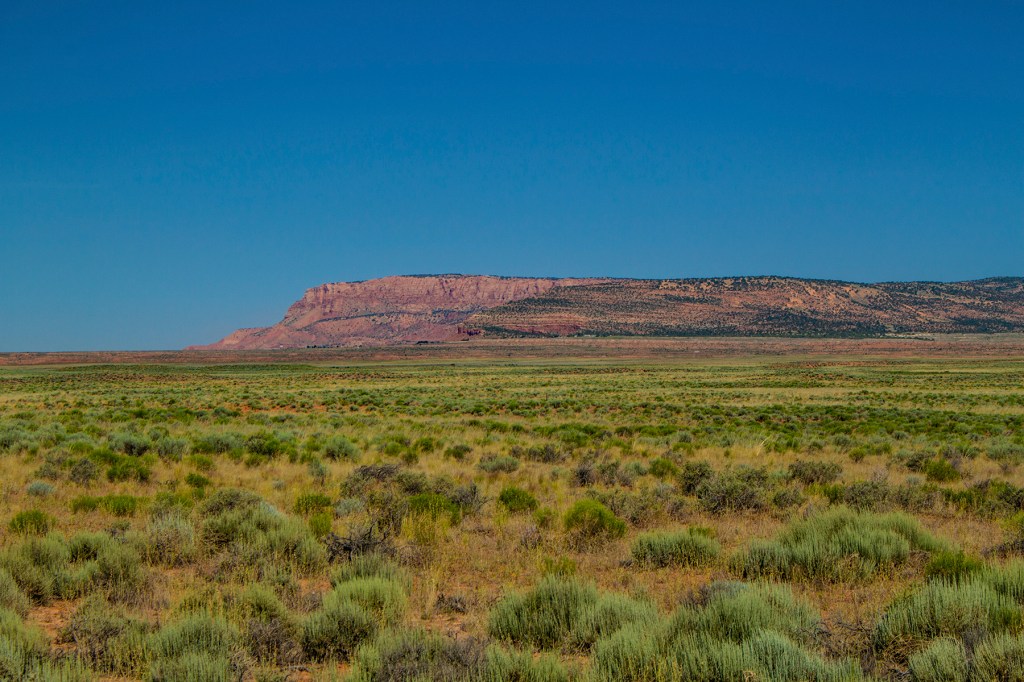
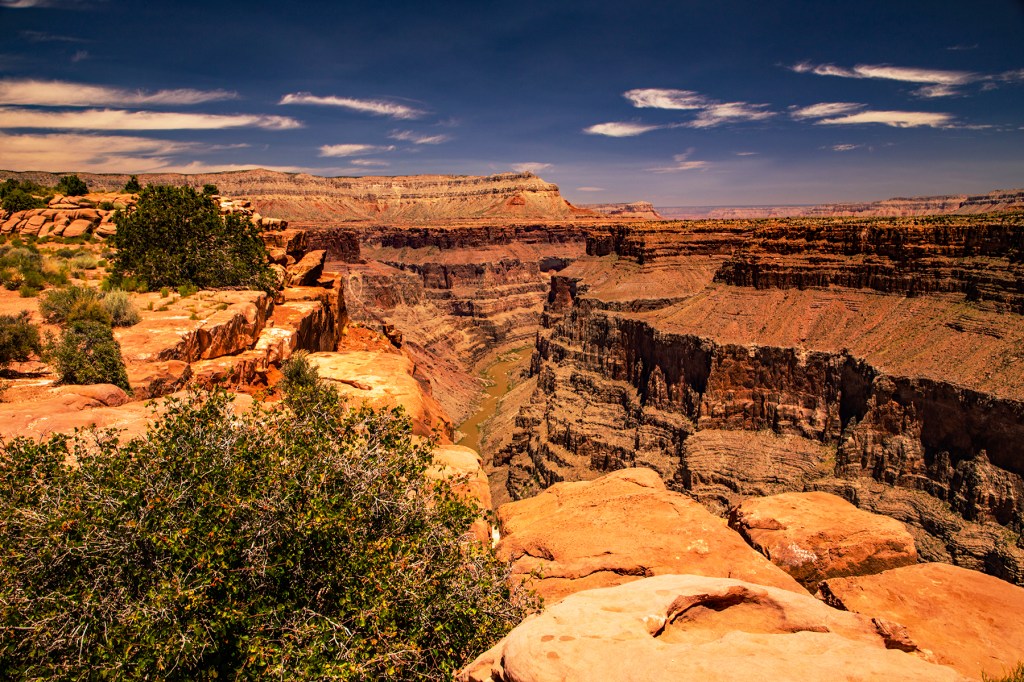
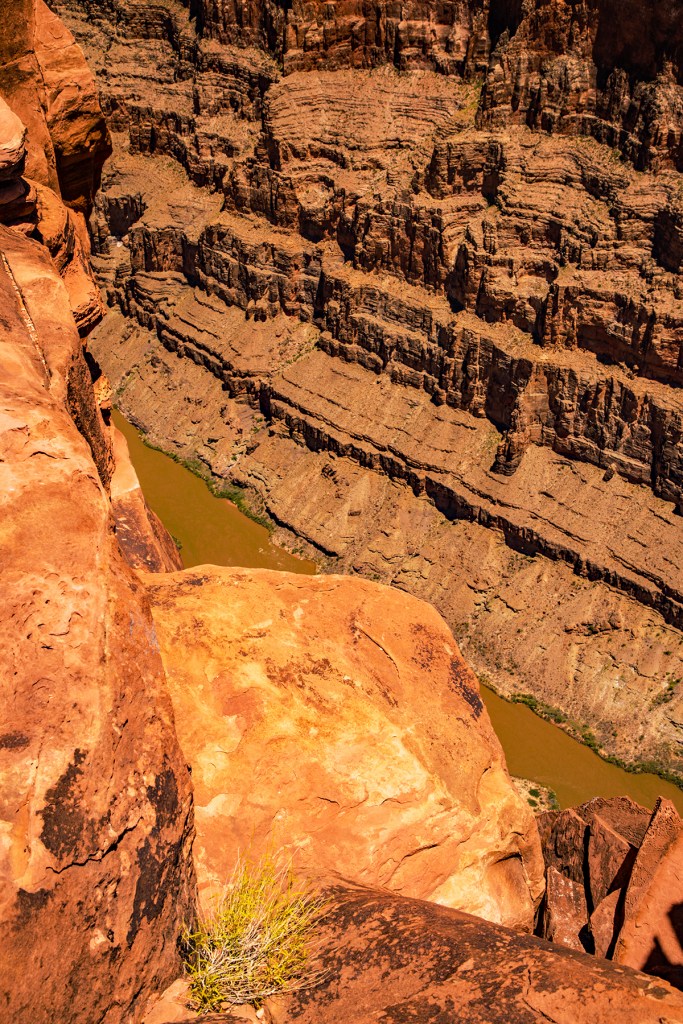
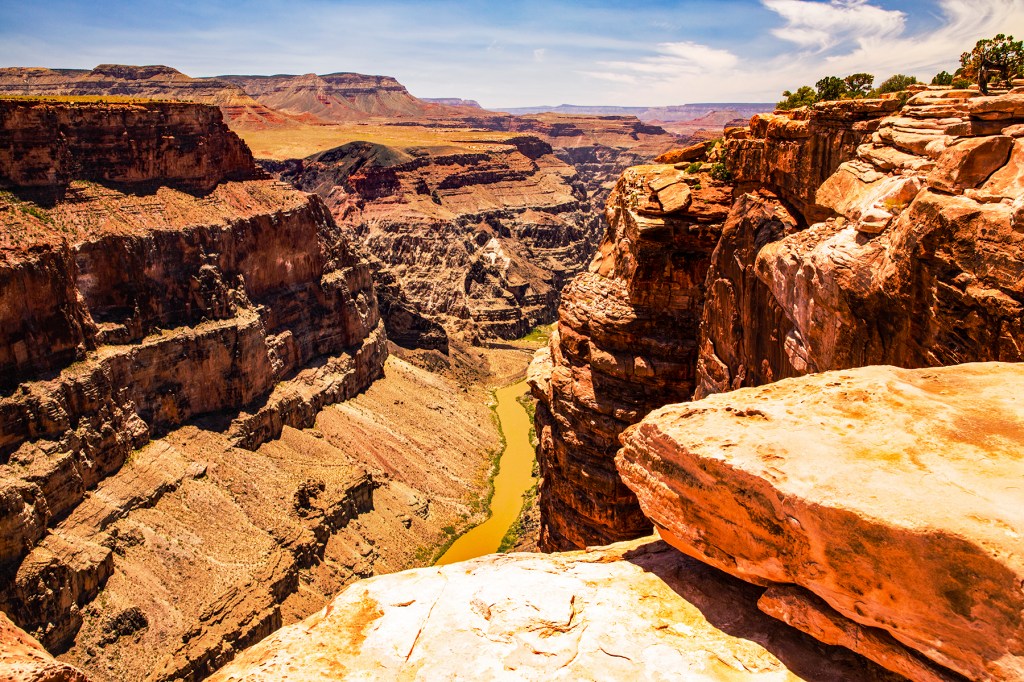
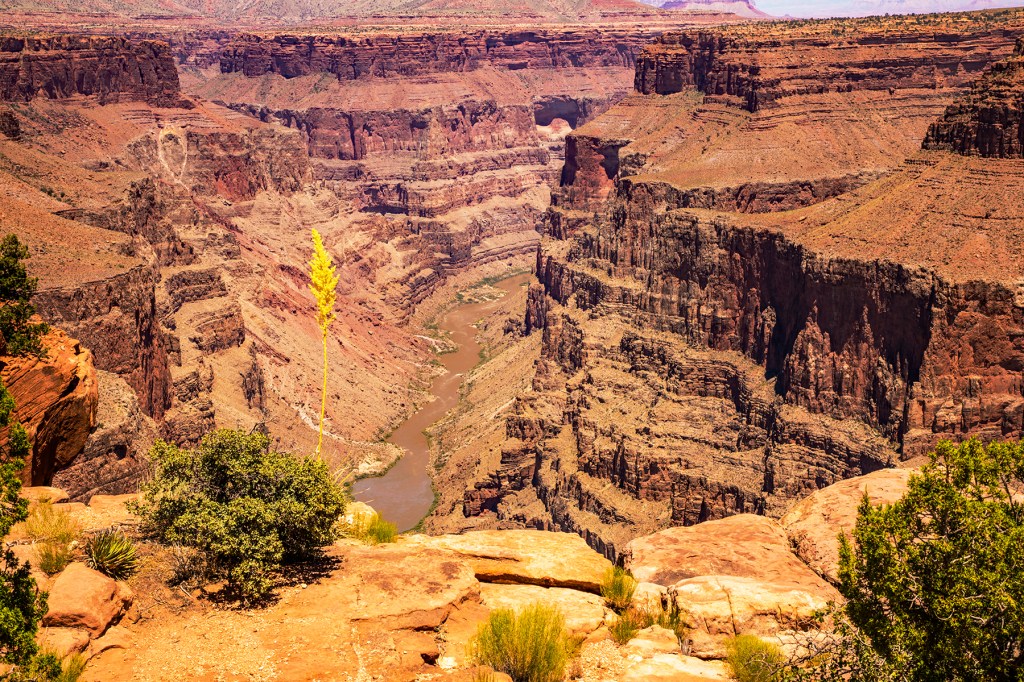
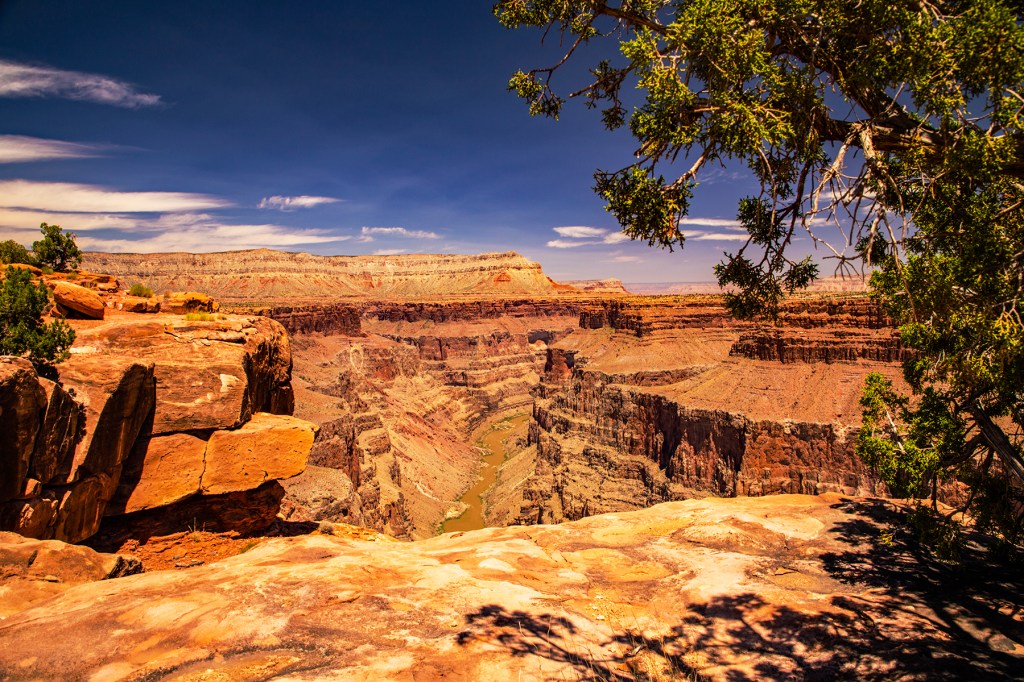
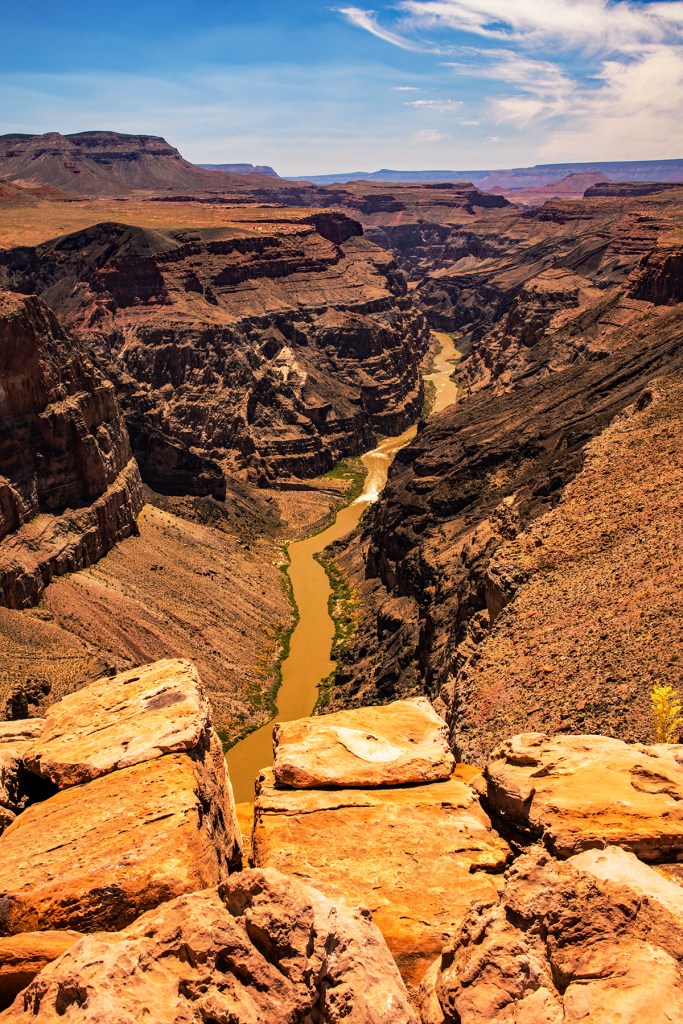
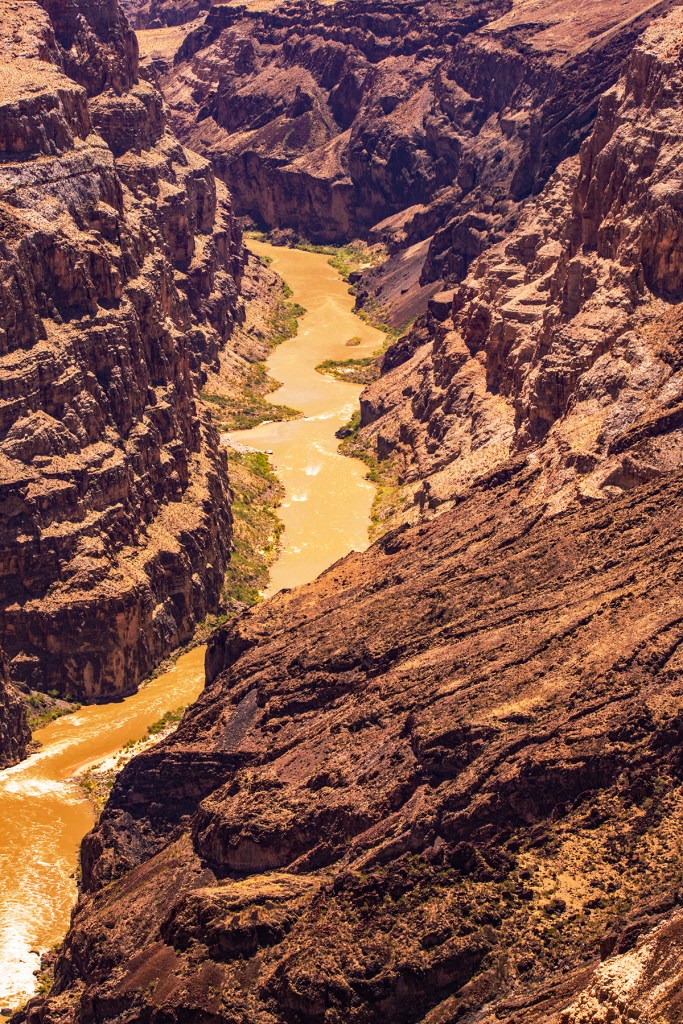
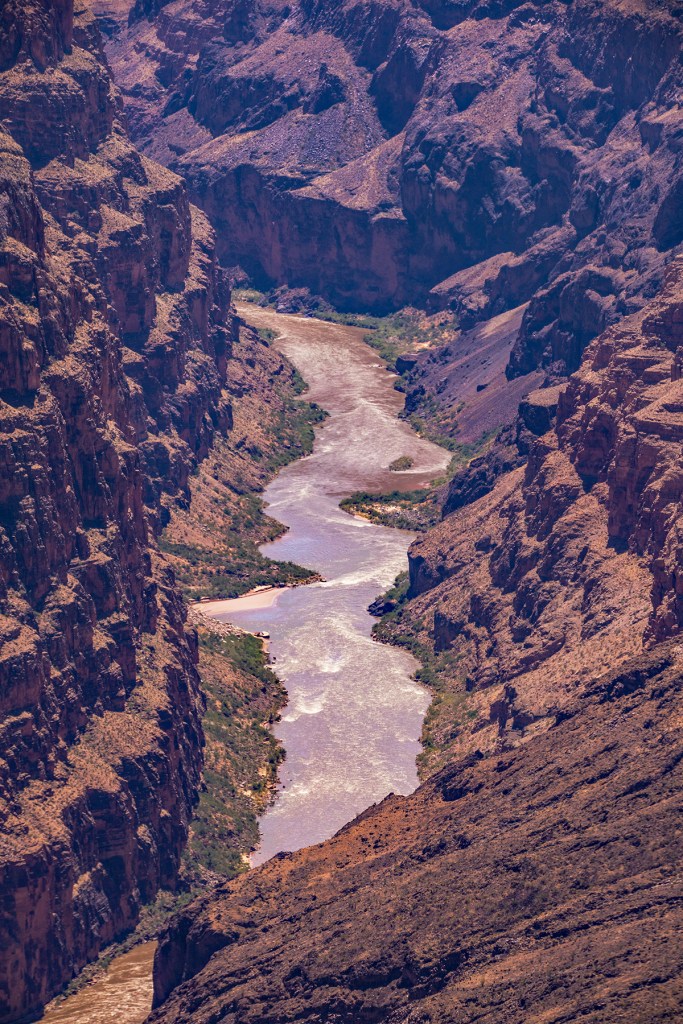
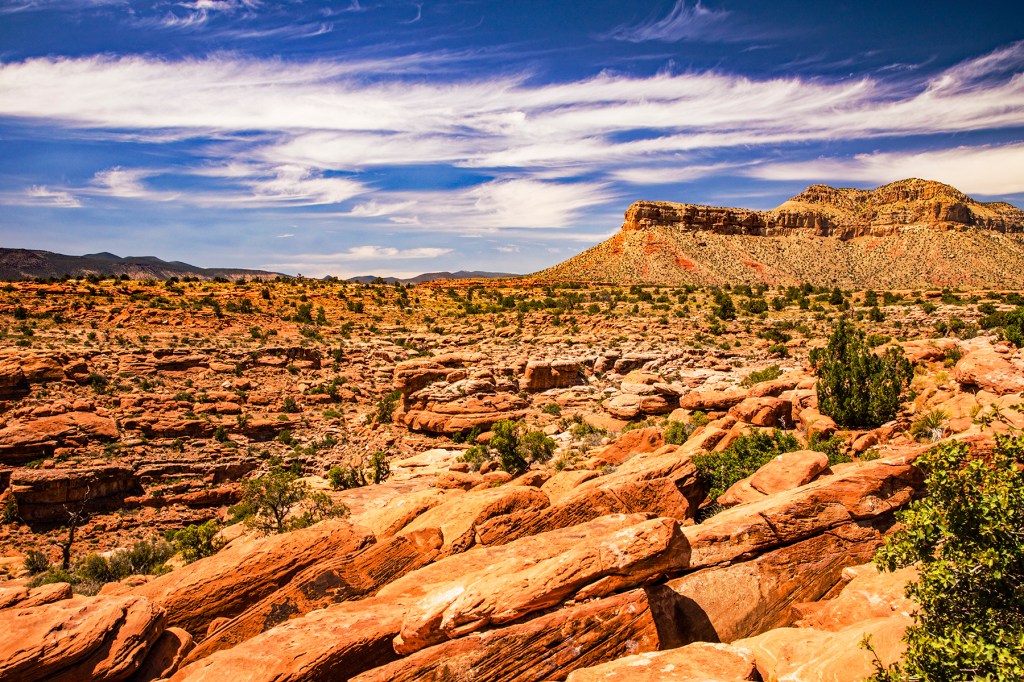
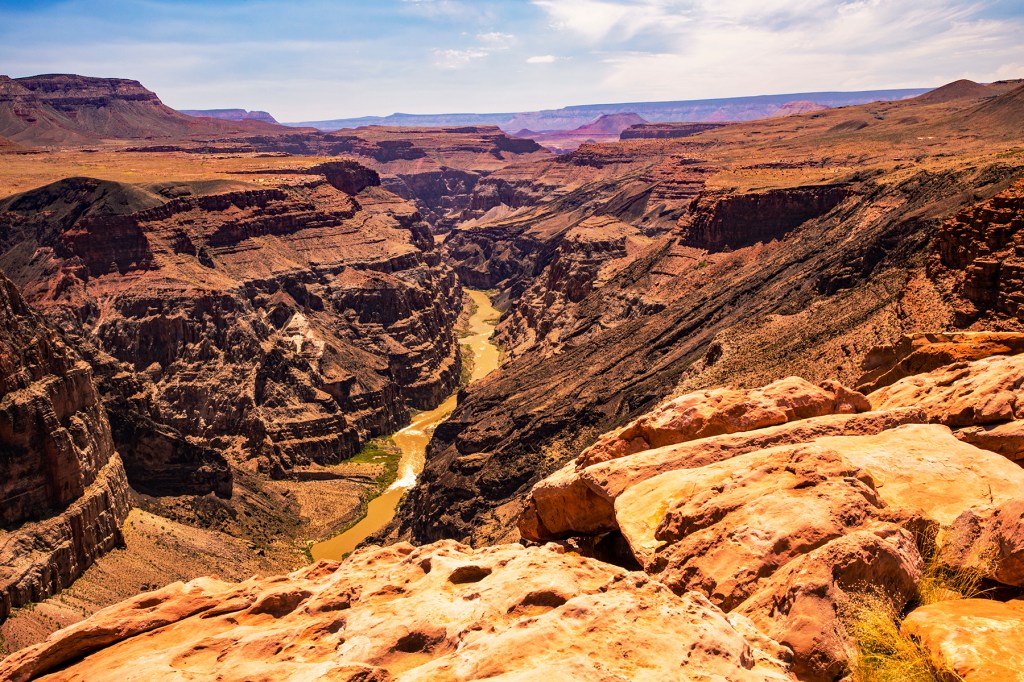
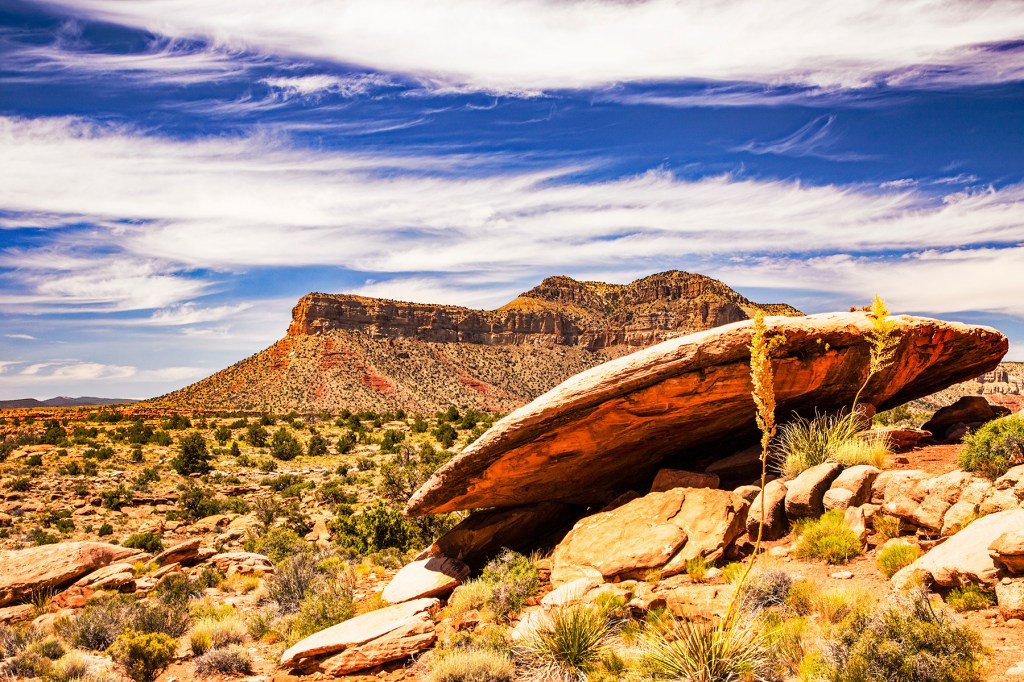
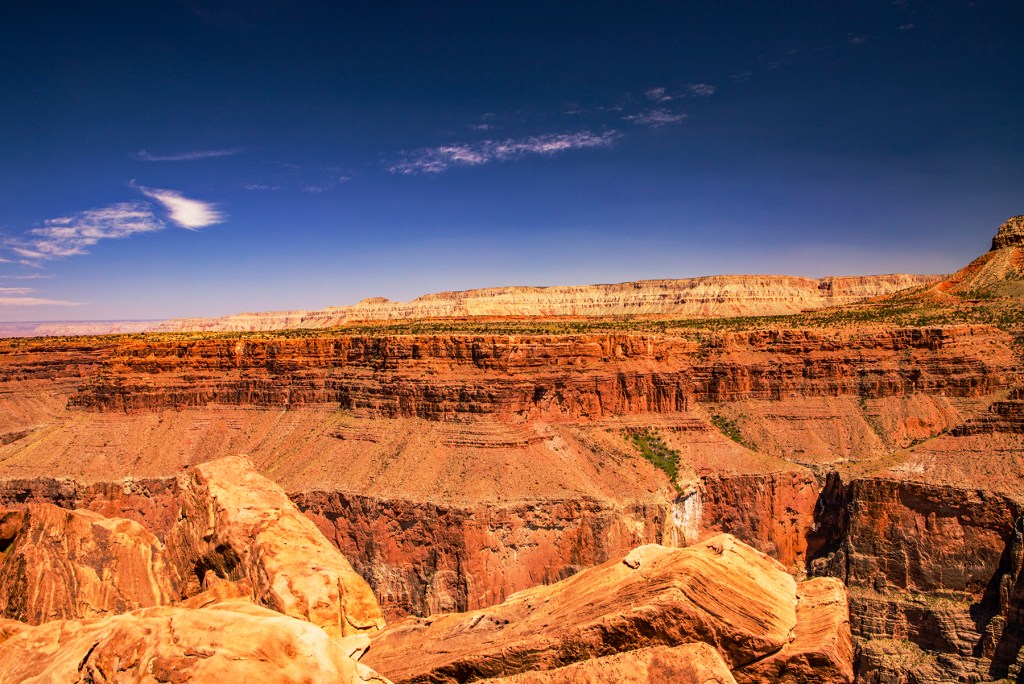
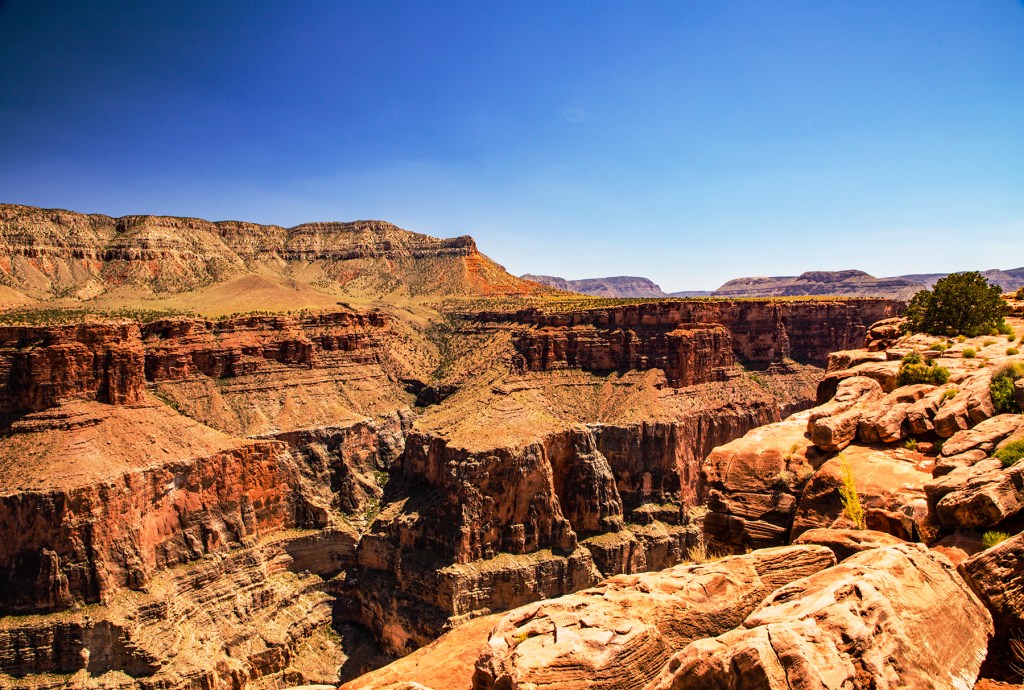
Yesterday our good friends Kathy and Shane took Barbara and I to the Toroweap overlook on the north rim of the Grand Canyon. This is not and easy vantage point to get to. There are only three roads you can take to get there and all of them are unpaved and require four wheel drive the last 2.7 miles. The road we took is 61 miles one way. We weren’t disappointed. The vistas are amazing. I have wanted to visit this place ever since my first river trip in 2010. From the Toroweap overlook you can look straight down on the Colorado River below and see Lava Falls, just to the west, the largest rapids in north America. I am blessed to be able to say I have been able to traverse these, adrenaline rush rapids twice, both times successfully.
On our way to Toroweap we saw a badger, approximately 30 Quail, mostly babies, a red tail hawk and a fast moving coyote. The badger turned and appear to want to charge our vehicle, but thought better of it and ran off. We also rescued a hiker and his dog who got turned around and were heading away from where they wanted to go. We also saw some amazing geology. At Toroweap you can see the volcanic field that created Lava Falls. Before Lava Falls was created lava flowed into the river channel, damming the Colorado River and backing the water up hundreds of miles to the town of Moab, Utah. But as the water backed up behind this lava dam it eventually over topped it and created what is known today as Lava Falls. This process repeated itself several times until the lava ceased flowing into the river channel. You can still see remnants of these lava dams. Lava Falls is the only rapid in the Grand Canyon that wasn’t created by debris flows aka landslides.
The trip was an amazing adventure that I believe all of us enjoyed, even our wiener dog Toby.
On the road to Toroweap.My first view of the Colorado River from the Toroweap overlook.Looking down on the Colorado River below.Looking down stream (west). Note the cinder cone across the river.Lava Falls in the center and the amazing lava flows to the right that created it.A closeup of one of the lava flows and the river channel.Looking north in the direction which we came.
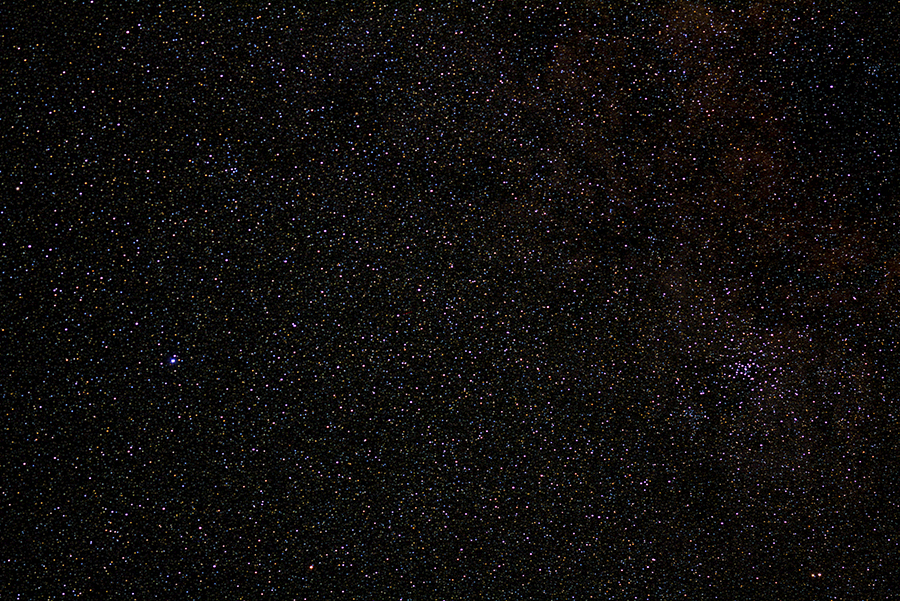
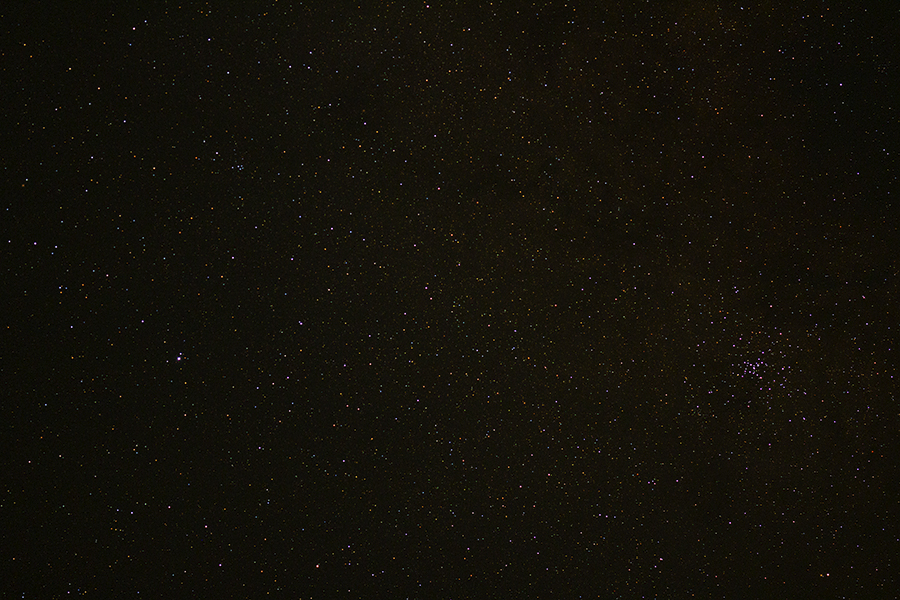
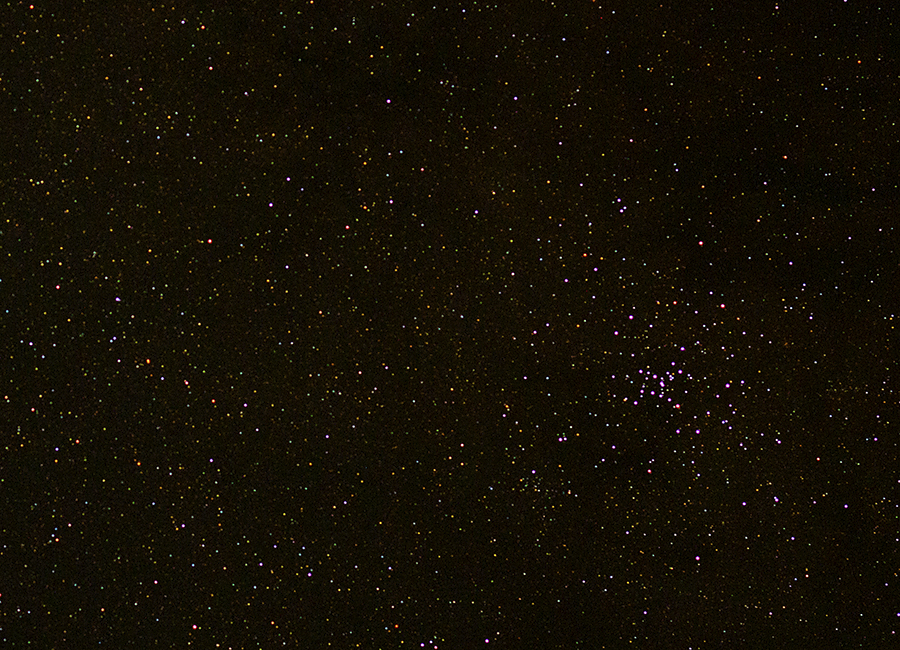
Two nights ago I got up at 1:30am to try my hand at capturing the Milky Way. With the first lens I tried I was unable to get a clear focus, so I switched lenses. With my second lens I was able to get a clear focus, but since it was a telephoto lens I was only able to capture a small portion of my target. I was able to get a nice photo of Messier 7 AKA the Ptolemy Cluster named after the second century Greek-Roman astronomer who initially described it as a nebula. It is actually a star cluster made up of approximately 30 stars.
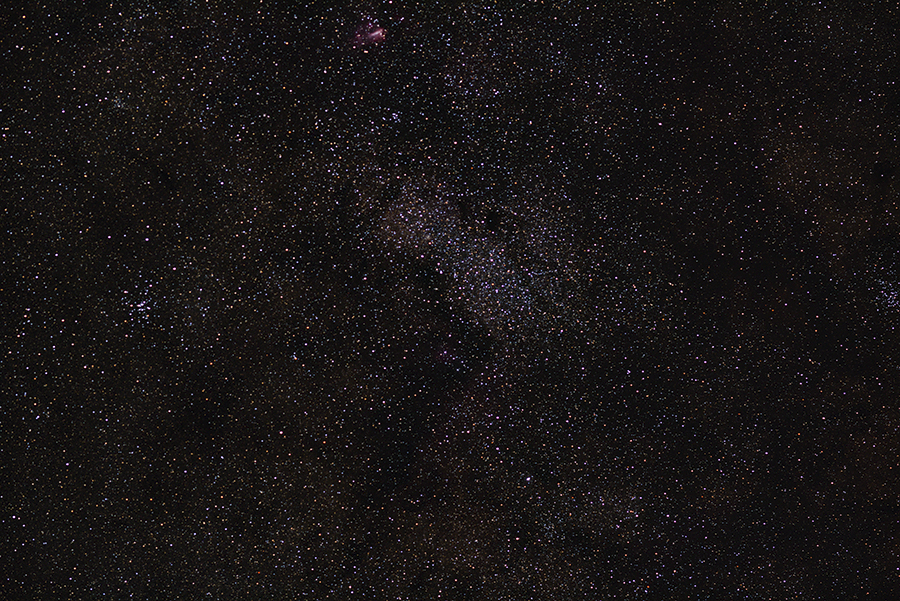
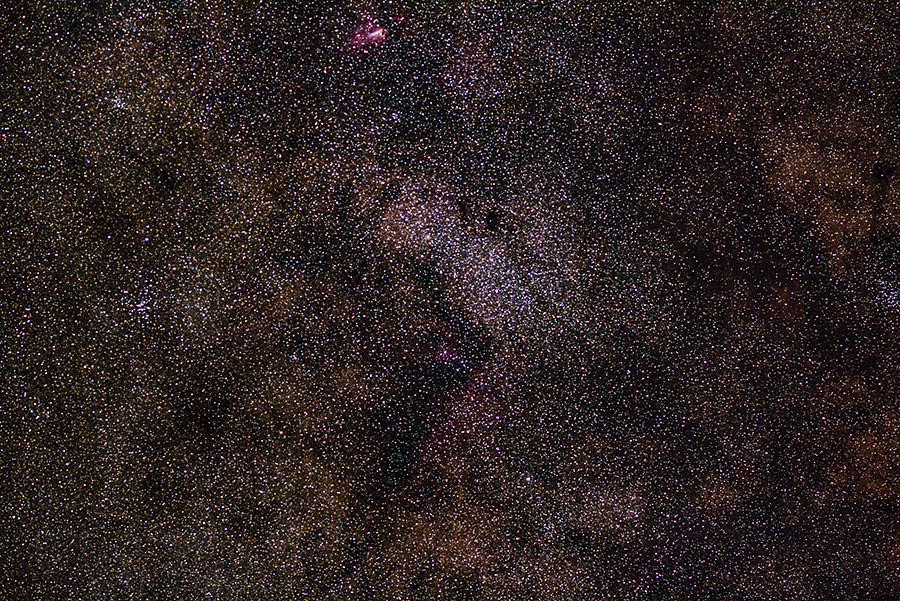
My night photography is definitely a work in progress. It is difficult to find the perfect conditions; no city or moon light and good weather. In my past attempts I have struggled with star trails, but it appears, in these photos, that star trails were not an issue. I’m going to try again later this week, with a different lens, to capture photos of a large portion of the Milky Way. Wish me luck. I would appreciate any constructive comments on my photos below. TYIA!
The Messier 7 cluster is located along the lower right side.A close up of Messier 7.A ten second exposure of the Milky Way.A thirty second exposure of the Milky Way.
This morning Barbara, Toby and I visited nearby Kolob Canyon. Kolob Canyon is part of Zion National Park (NP). This is a beautiful but small park that most people who visit it can see the entire area in about an hour. It’s scenic drive is only five miles long. But if you really want to see this area you need to get out of your vehicle and hike the numerous trails. I have done this several times in Zion NP. However, at my age I still love to go hiking, but it is difficult to find anyone who I can go hiking with. So I take the scenic drives with Barbara and Toby, hike as much as I can while they wait in the truck. But it’s not fair to them waiting while I go hiking.
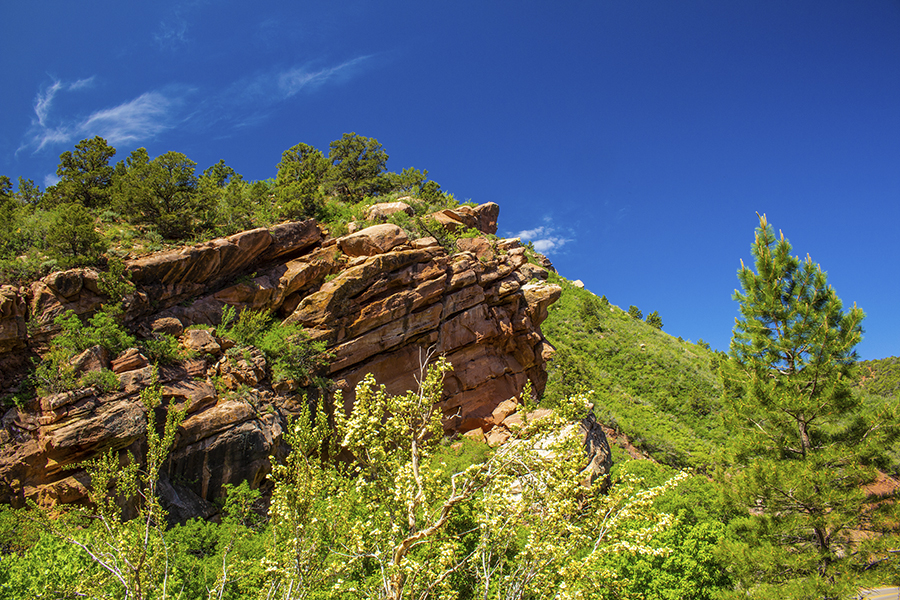
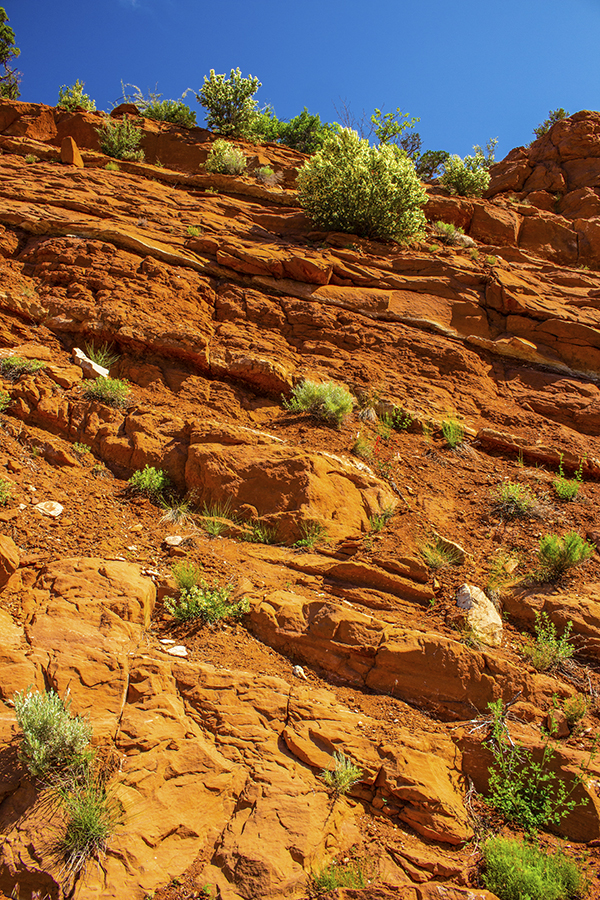
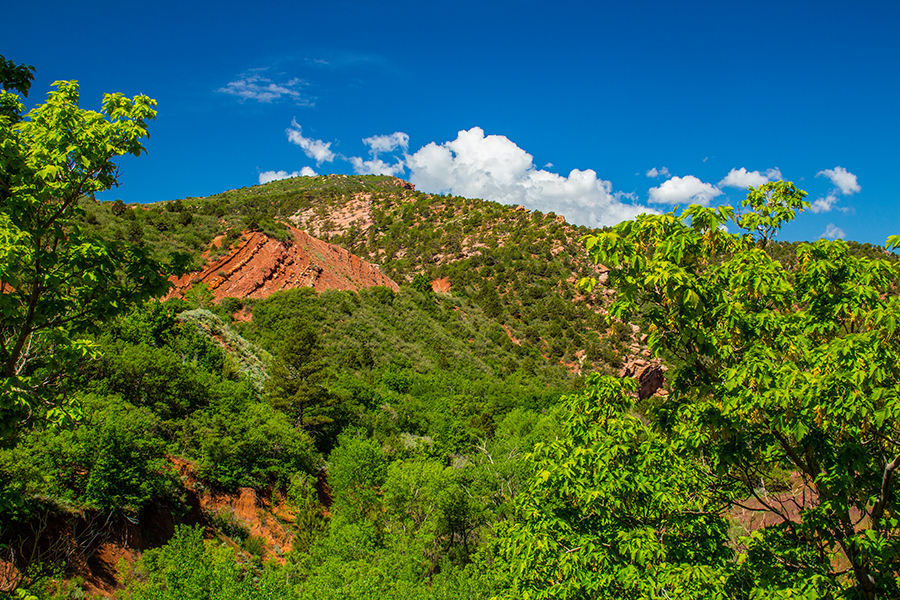
Kolob Canyon, like the RV park where we’re staying, sits right on the Hurricane fault that separates the Colorado Plateau and the Basin and Range geomorphic provenances. This faulting while the Colorado Plateau rose also folded the rocks along the fault in the Basin and Range geomorphic provenance. You will see this in some of the photos below.
A closeup of tilted sandstone rocks pushed up during the rise of the Colorado Plateau.More tilted sandstone rocks pushed up during the rise of the Colorado Plateau.Looking west from Kolob Canyon towards New Harmony, Utah.Three miles west of Kolob Canyon looking back at the sandstone rocks rising above the valley below.
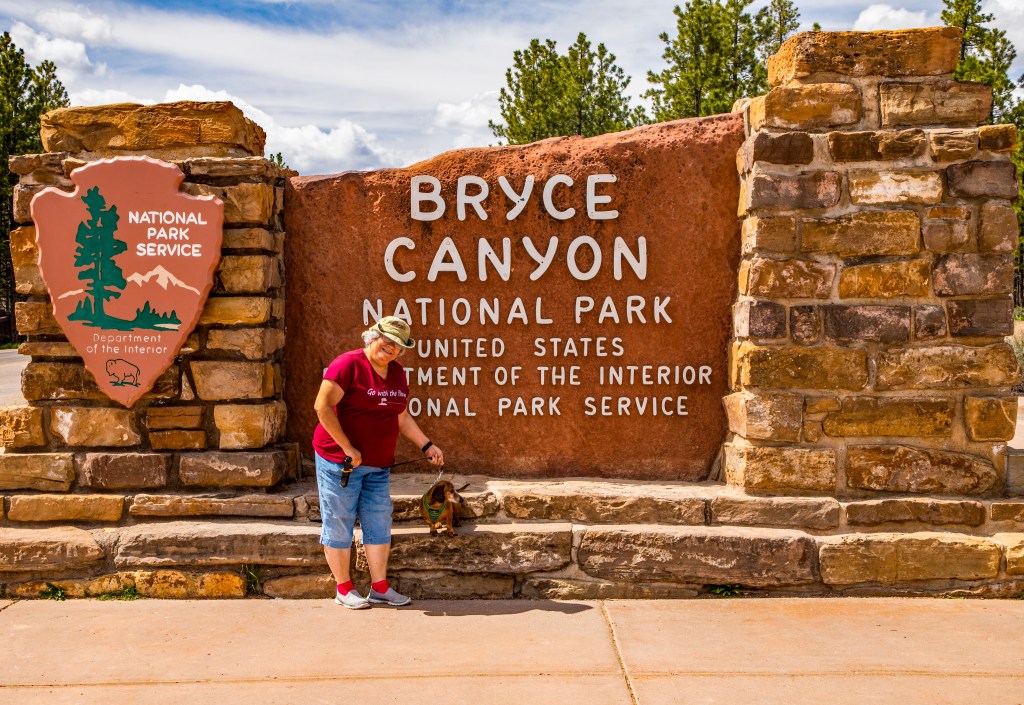
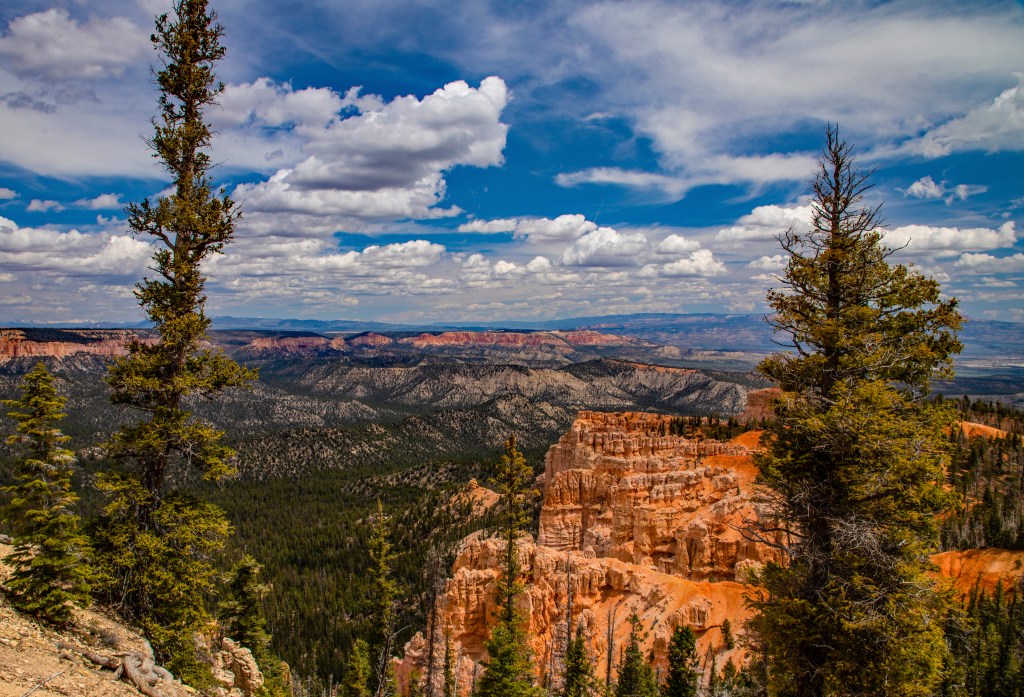
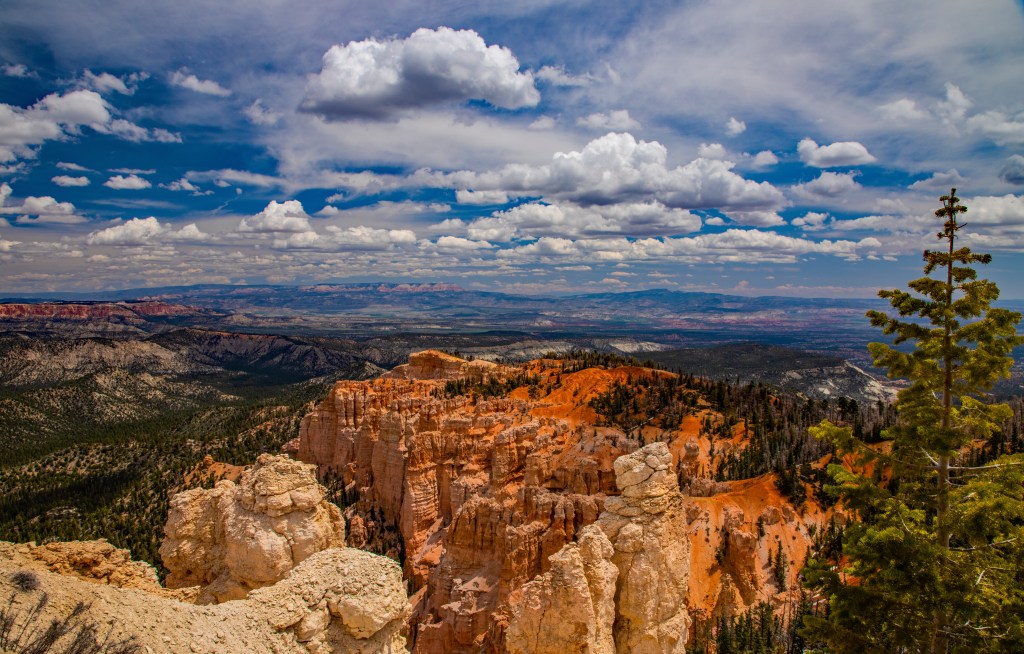
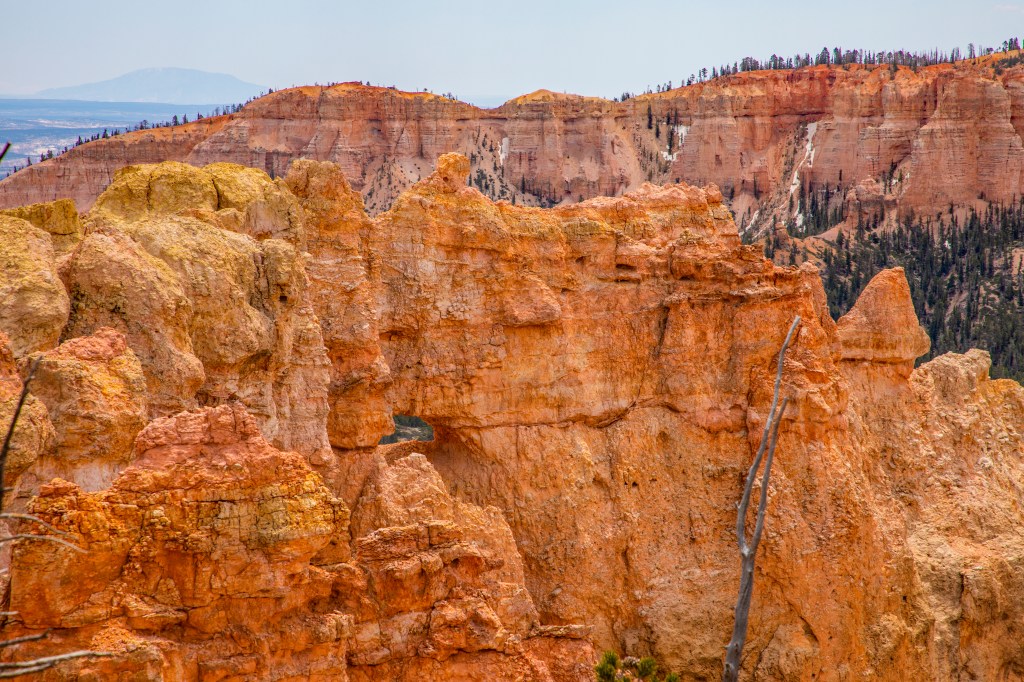
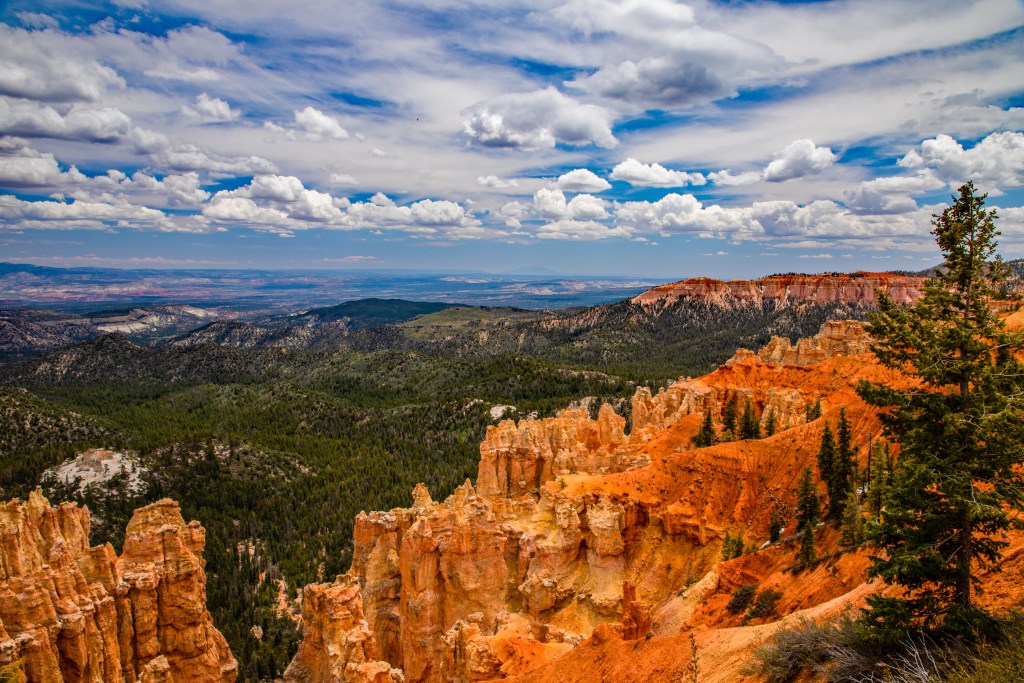
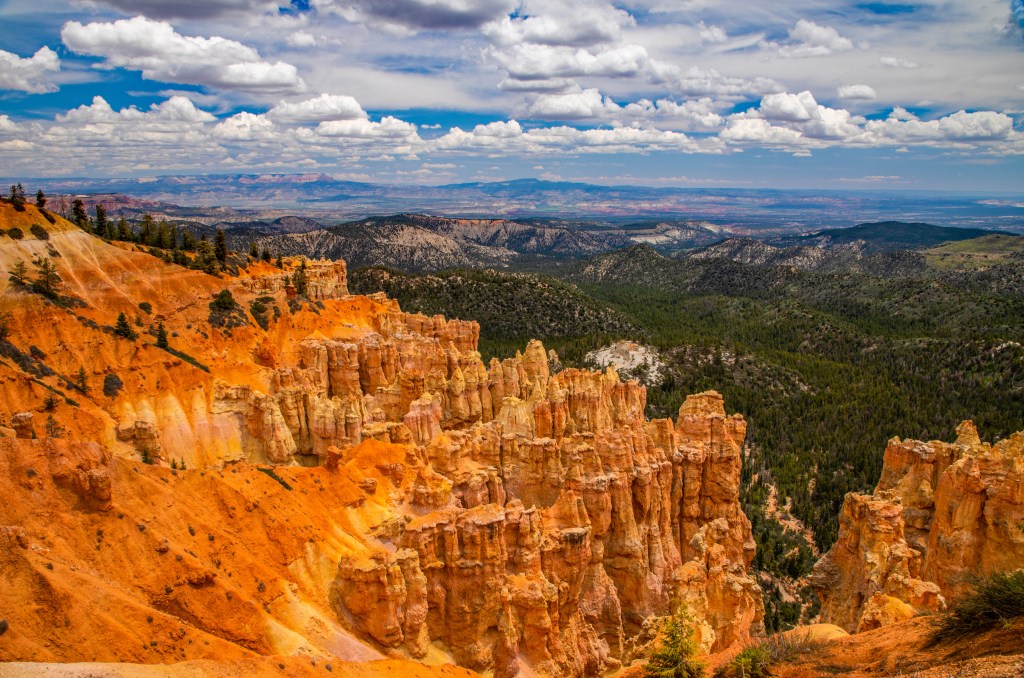
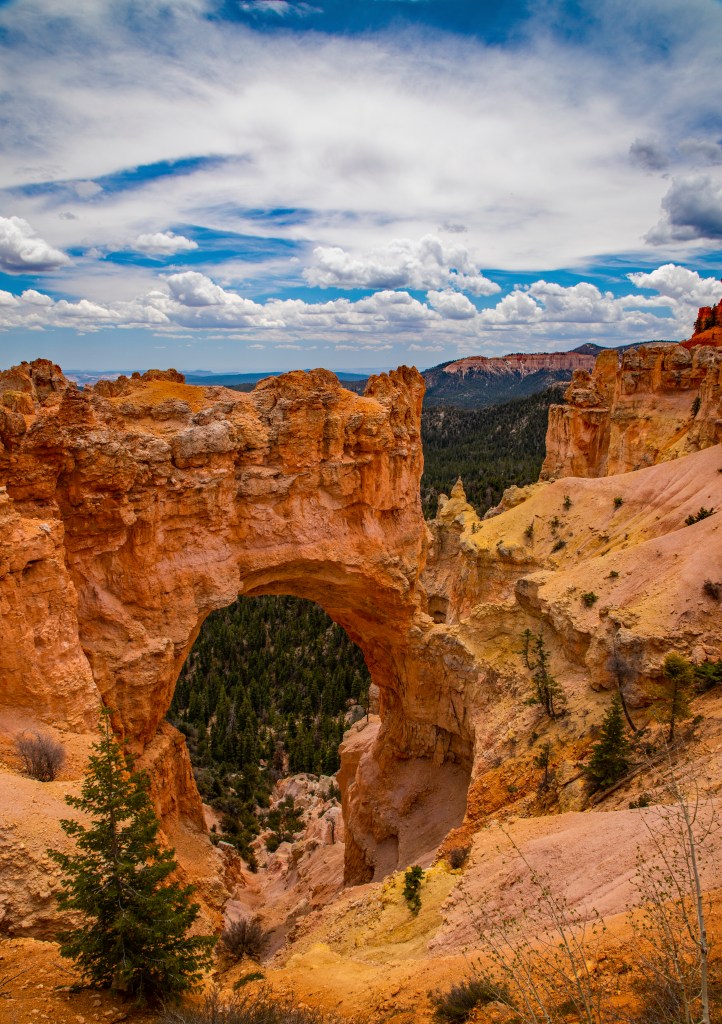
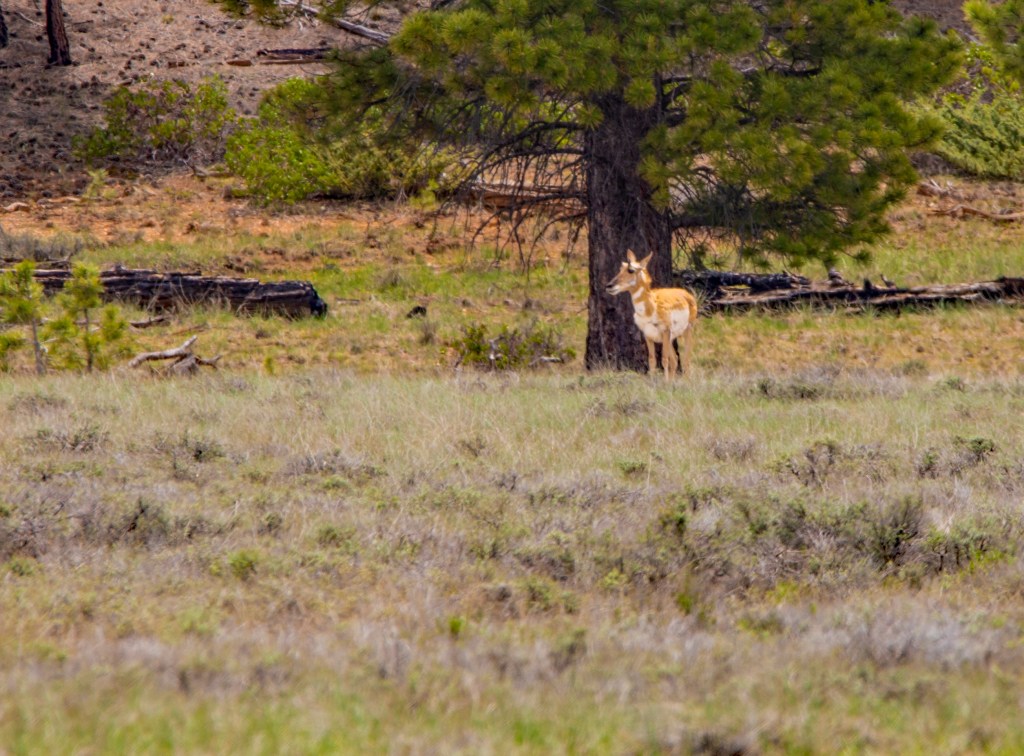
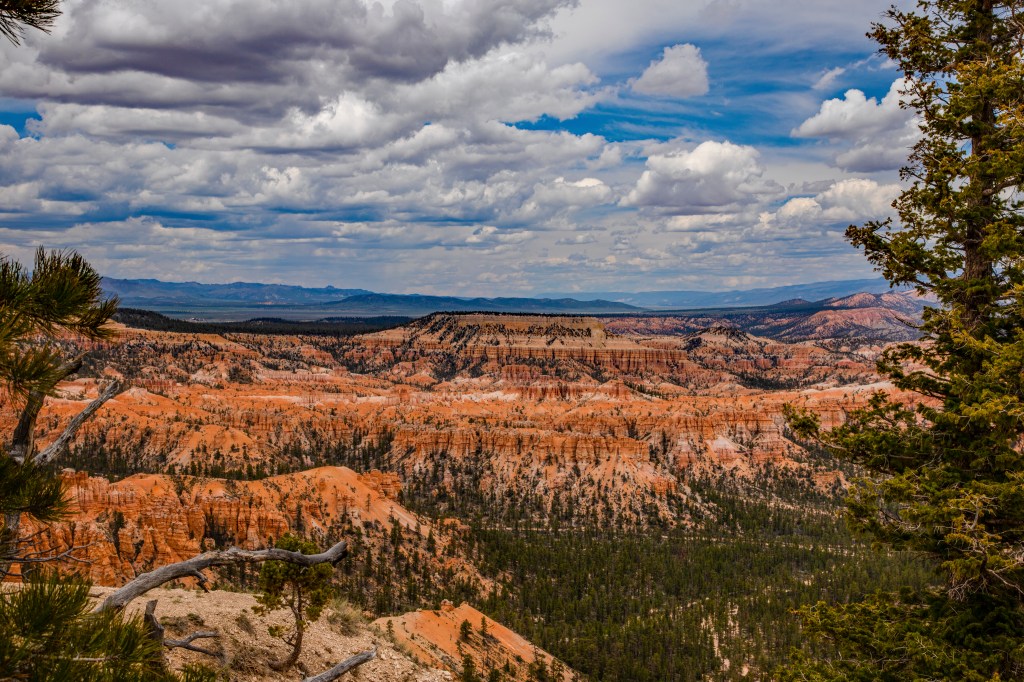
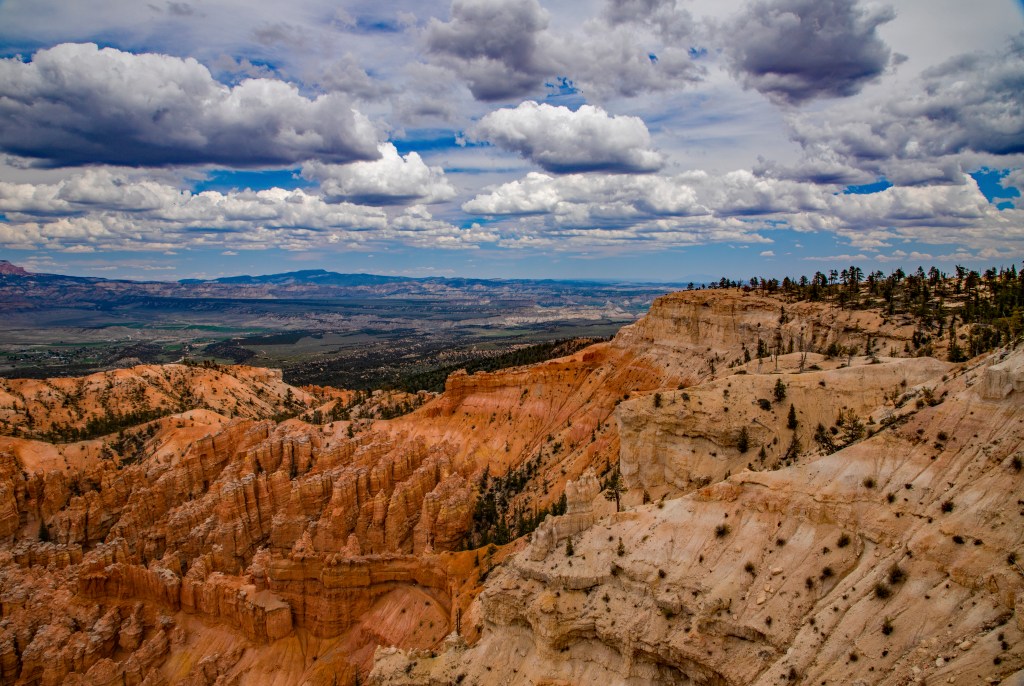
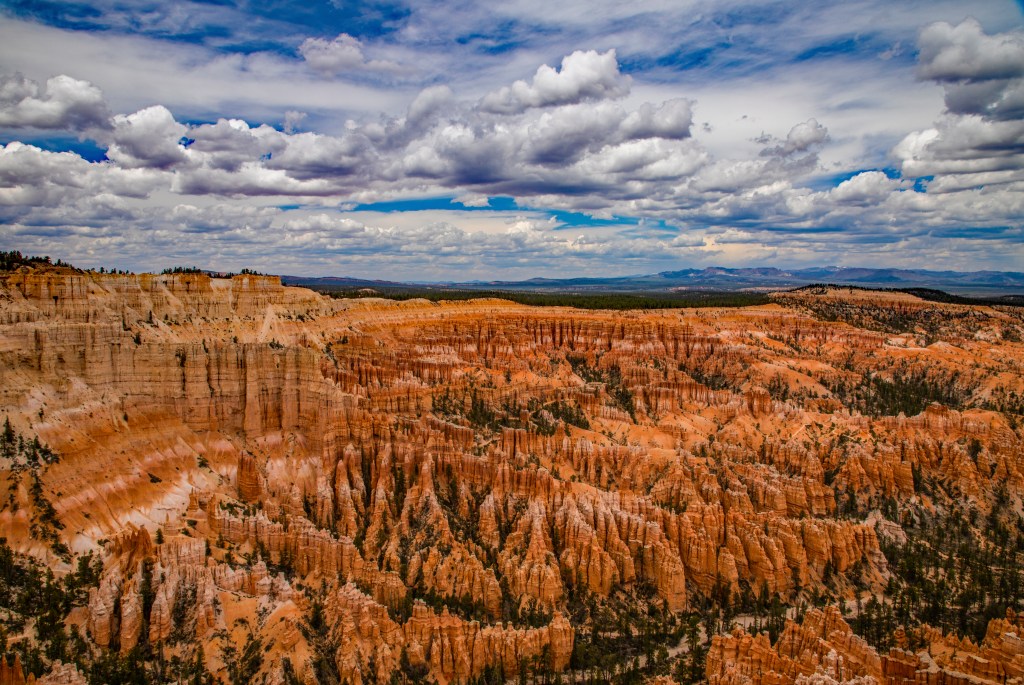
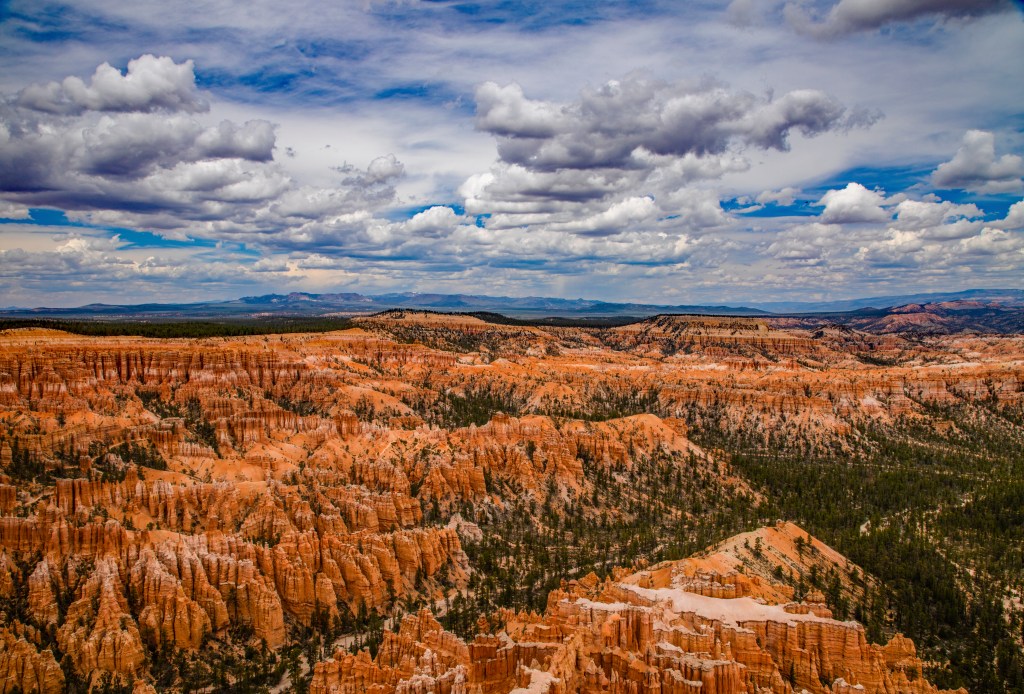
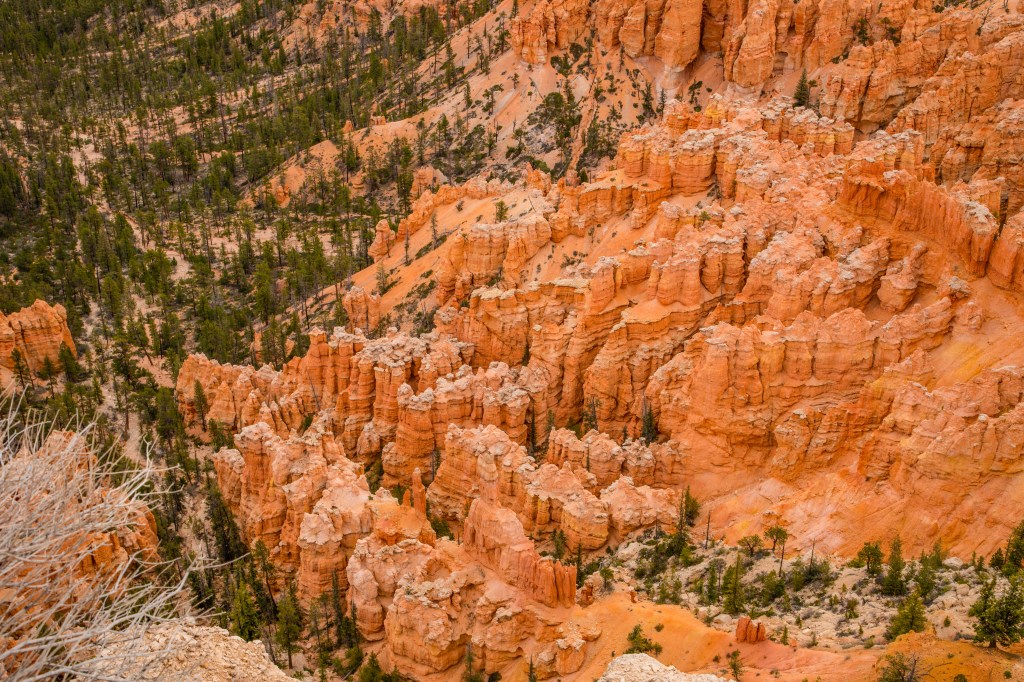
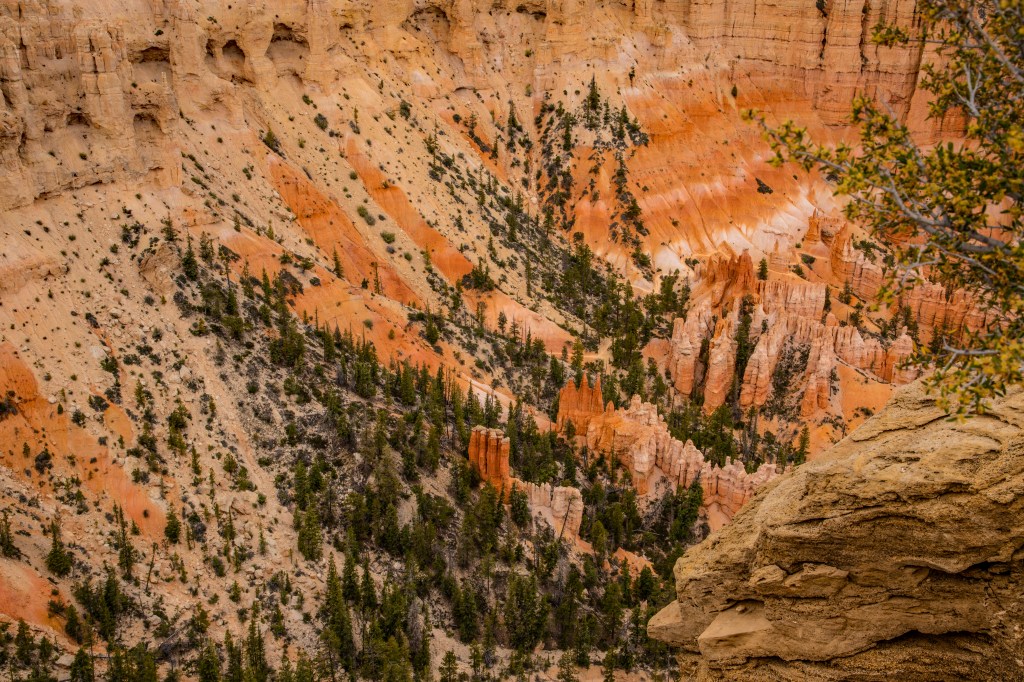
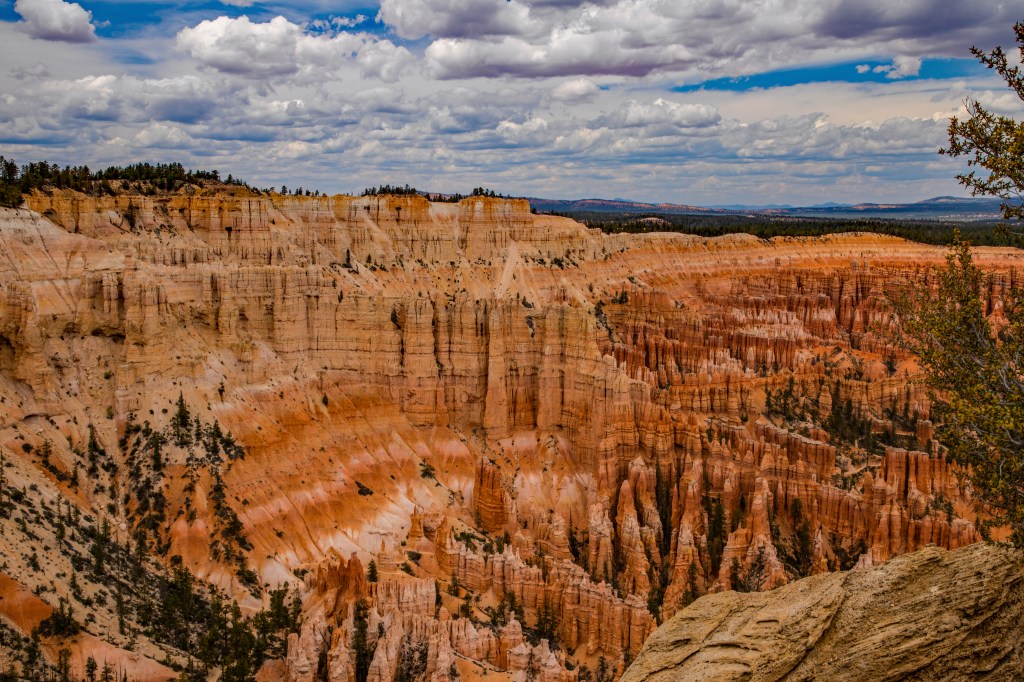
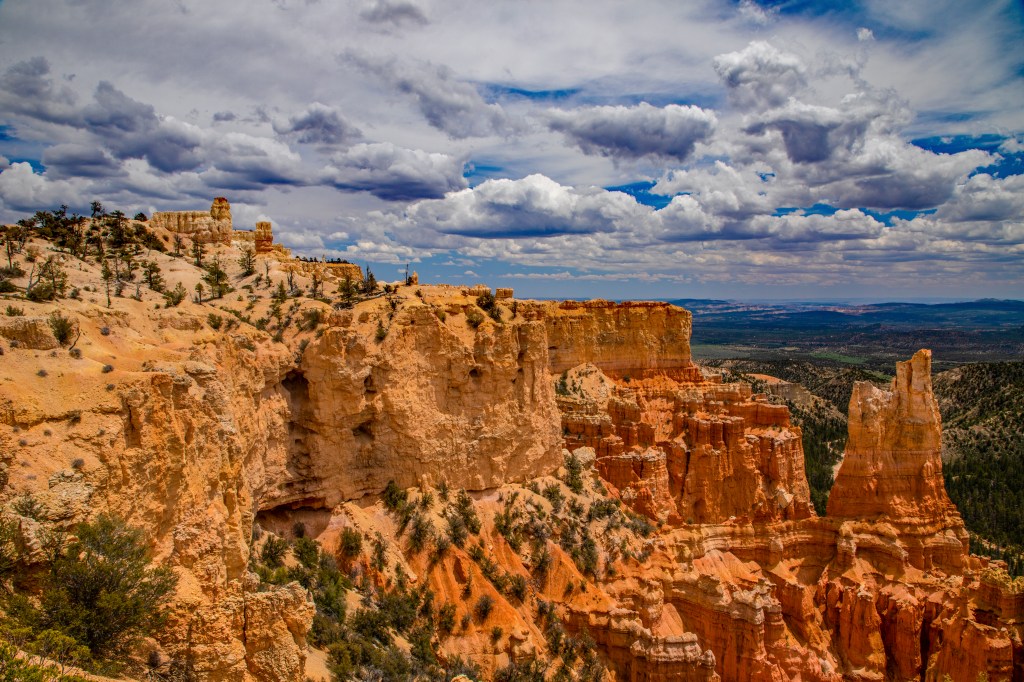
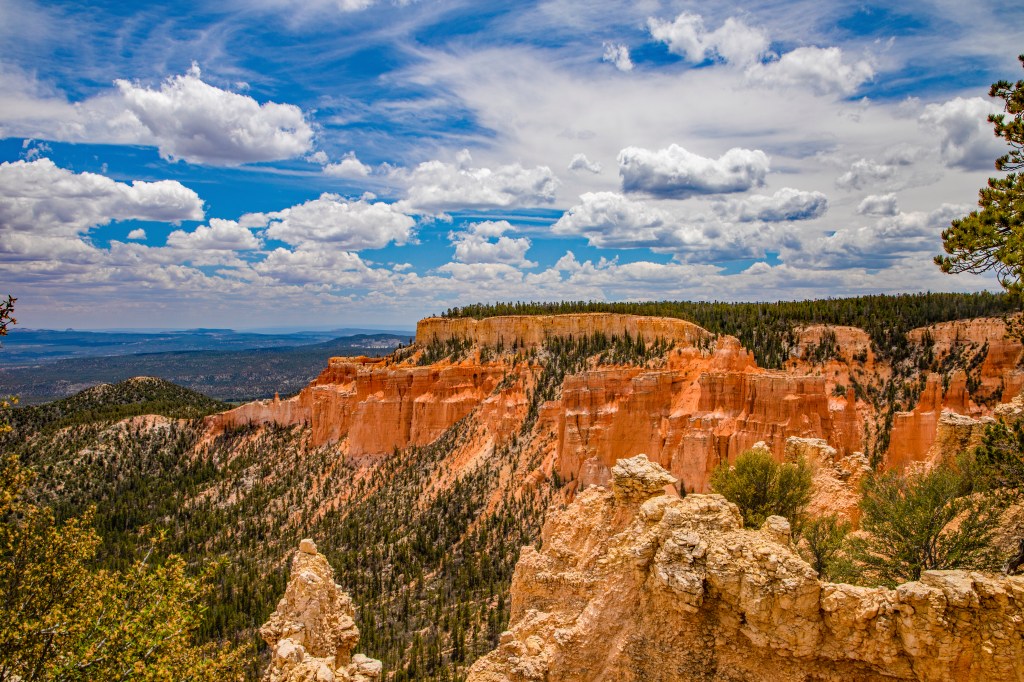
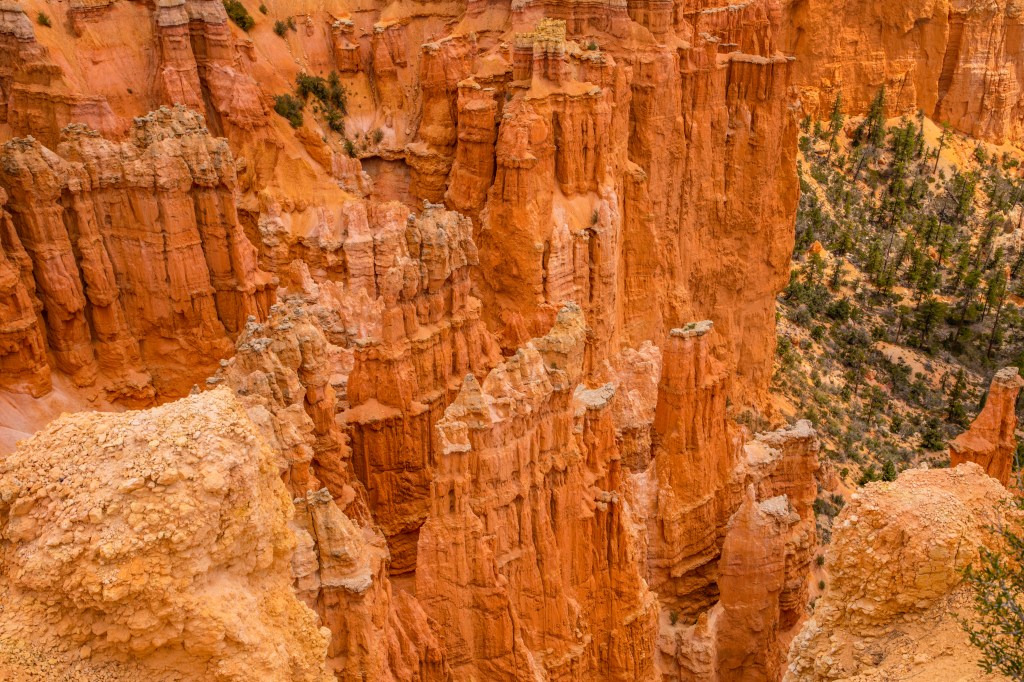
Recently, Barbara, Toby and I visited Bryce Canyon National Park. This is a beautiful park with its multicolored rock, hoodoo’s, canyon walls, windows and stunning vistas. The rocks, the Clarion Formation, that make up Bryce Canyon were formed approximately 50 million years ago in shallow lakes that covered the region. When the Colorado Plateau began rising approximately 16 million years ago the area that makes up todays Bryce Canyon rose to an elevation of approximately 7,900 feet mean sea level. Bryce Canyon makes up the top step of the Escalante Grand Staircase National Monument.
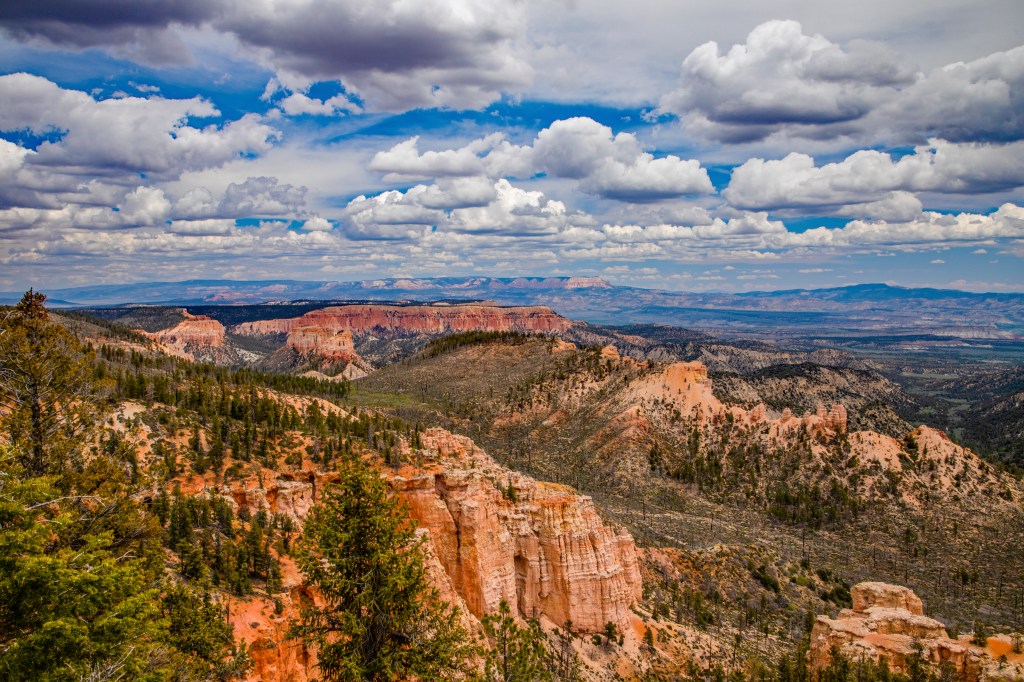
This is Cedar Breaks National Monument, a smaller version of Bryce Canyon.The crack in the rock in the distance is Zion National Park.A partially frozen Navajo Lake.This is a good photo of a wall with a window.A sea of hoodoo’s.More hoodoo’s.
Currently Barbara and I are staying at the Indian Peaks RV park just south of Cedar City, Utah. This is a no frills park, located on Cedar Band Tribal land, with great views of the surrounding areas, hiking trails and is not far from two national parks and two national monuments, Bryce Canyon, Zion, Cedar Breaks and Escalante Grand Staircase, respectively. So with the national parks and the amazing geology in the area coupled with a lot of places to go hiking I’m enjoying myself here.
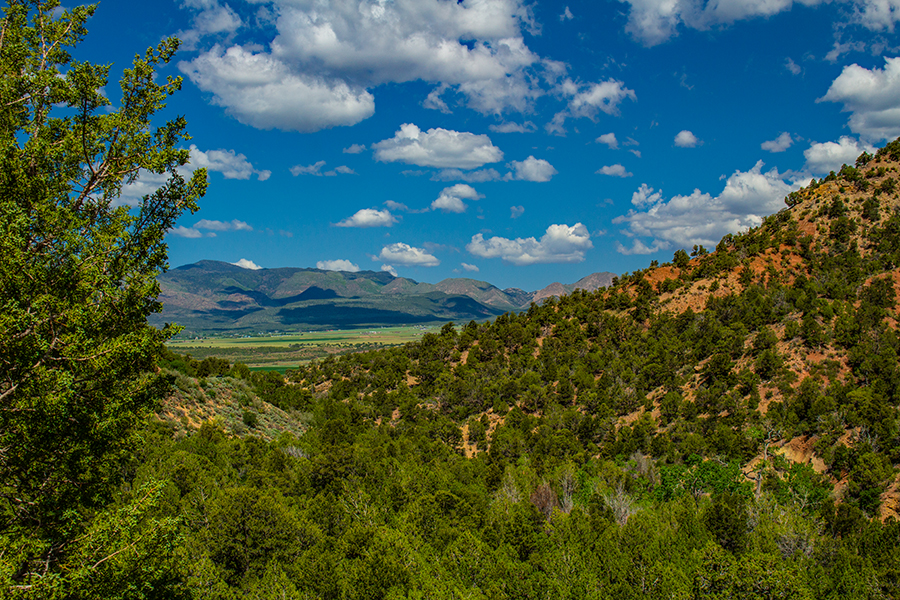
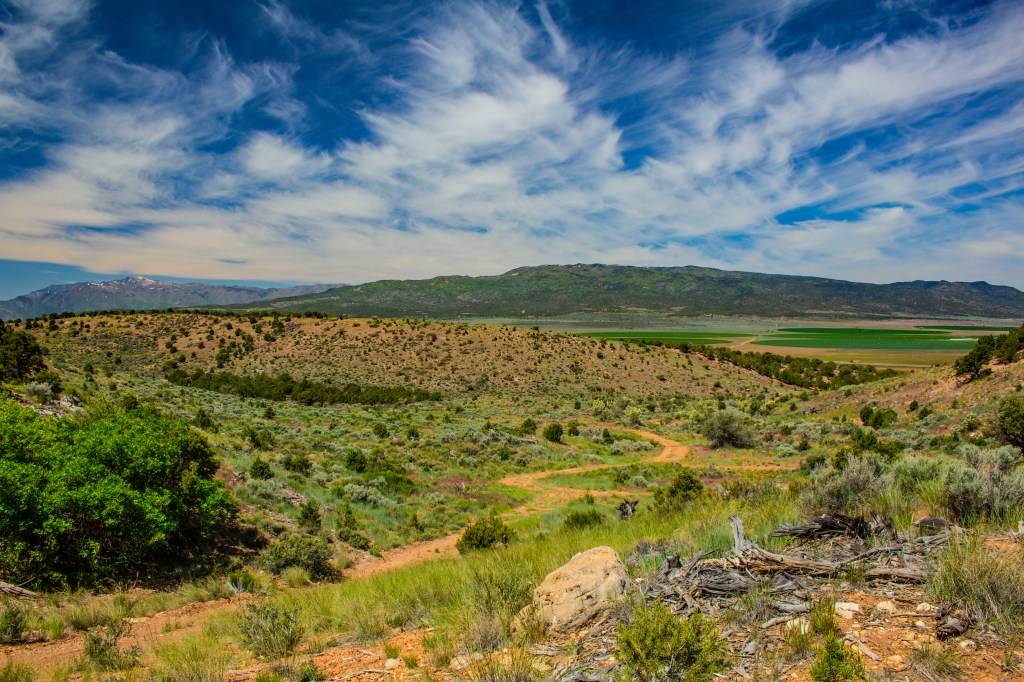
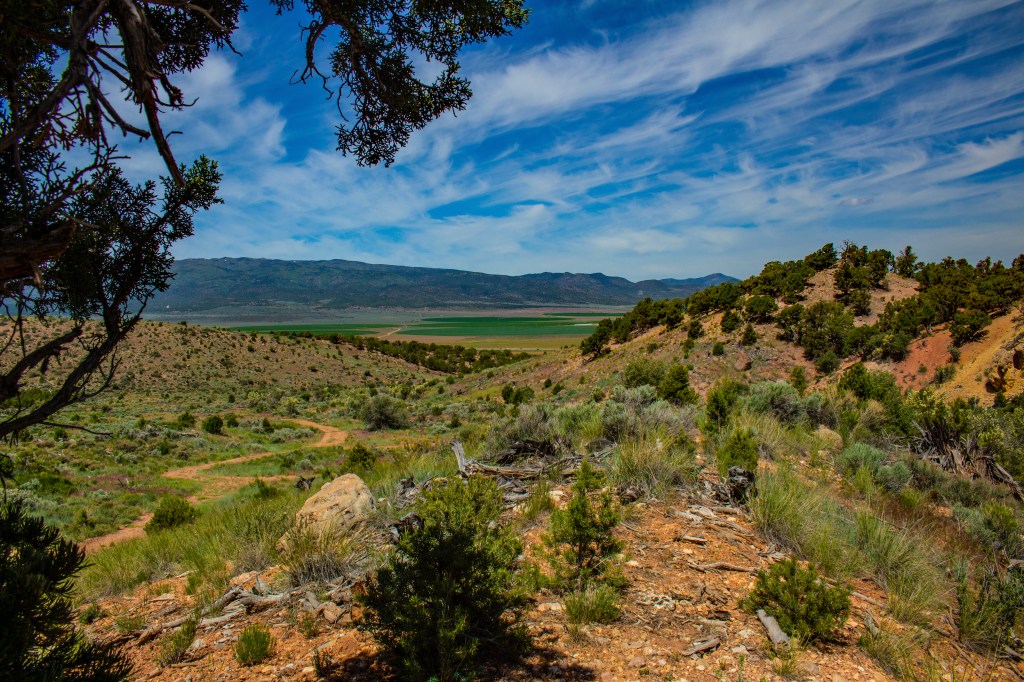
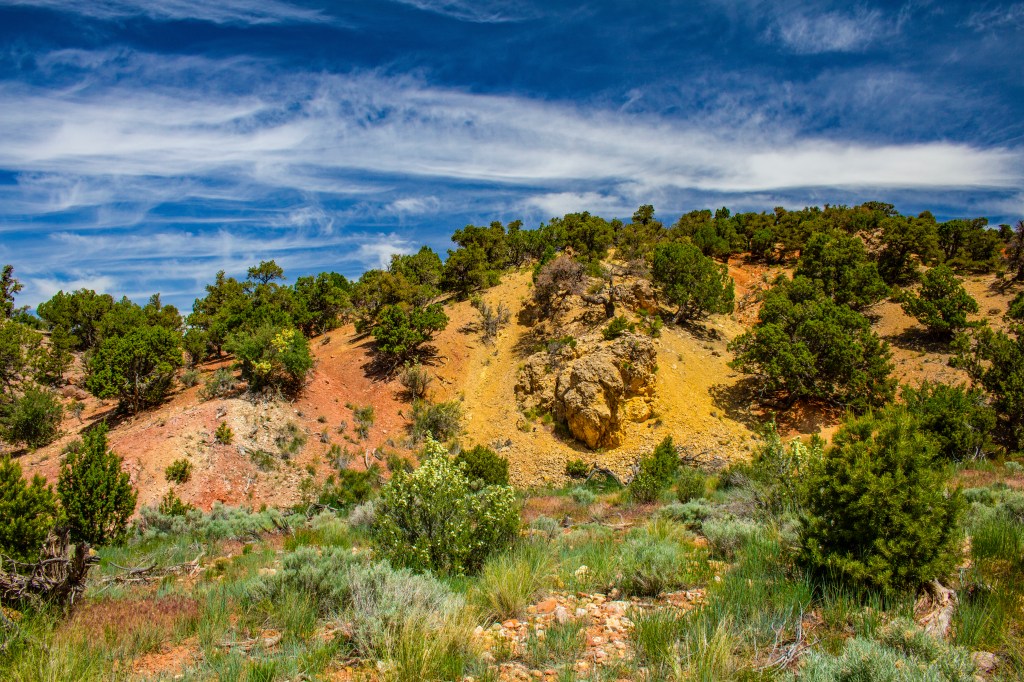
Where we are staying currently is adjacent to and active fault that separates the Basin and Range and the Colorado Plateau geomorphic provenances. This morning I took a hike to an area that shows some of the transition between these two provenances. As the rocks that make up the Colorado Plateau rose approximately 70 million years ago they caused the adjacent rocks in the Basin and Range to bend (fold) upward. These sedimentary rocks were laid down horizontally but are now standing straight up as you will see in one of the photos below.
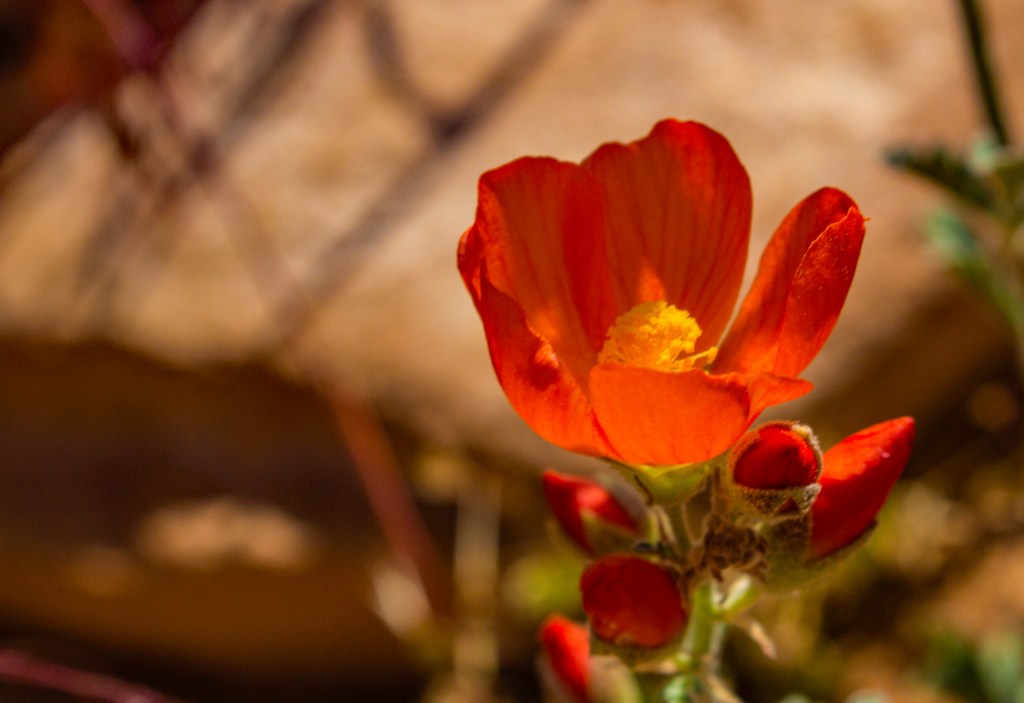
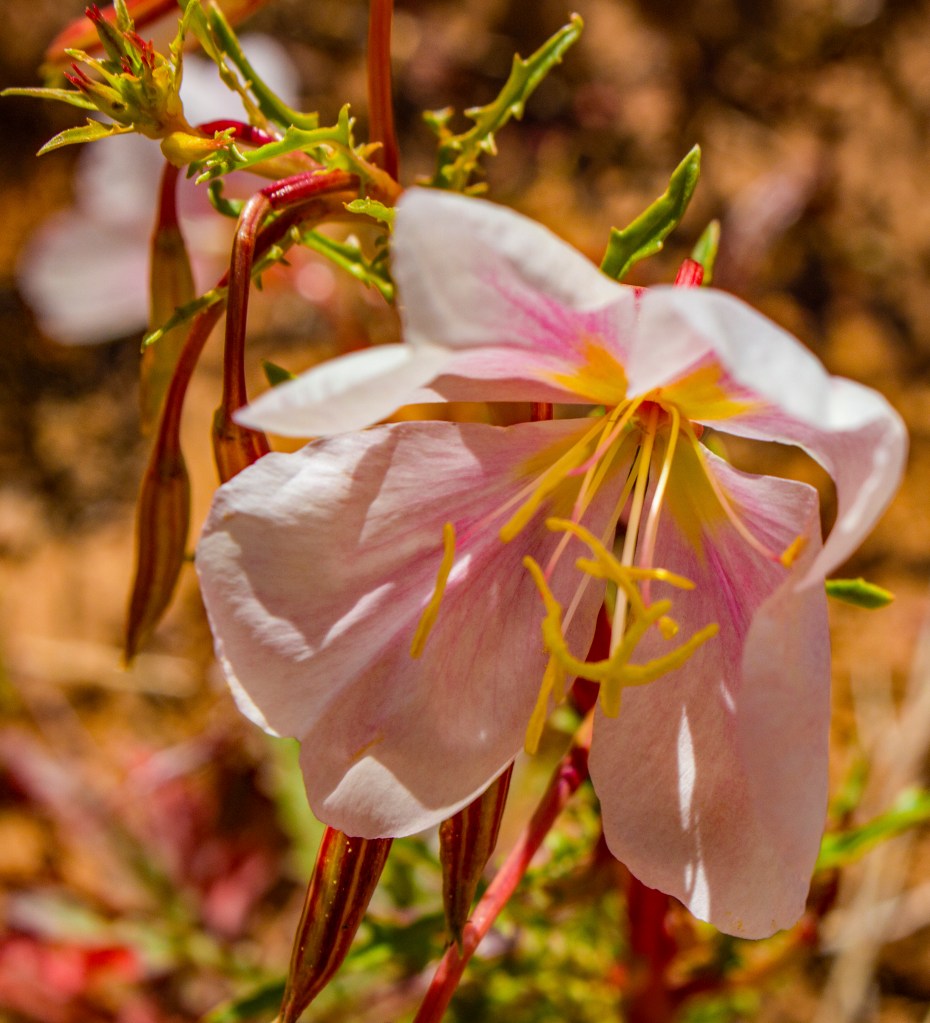
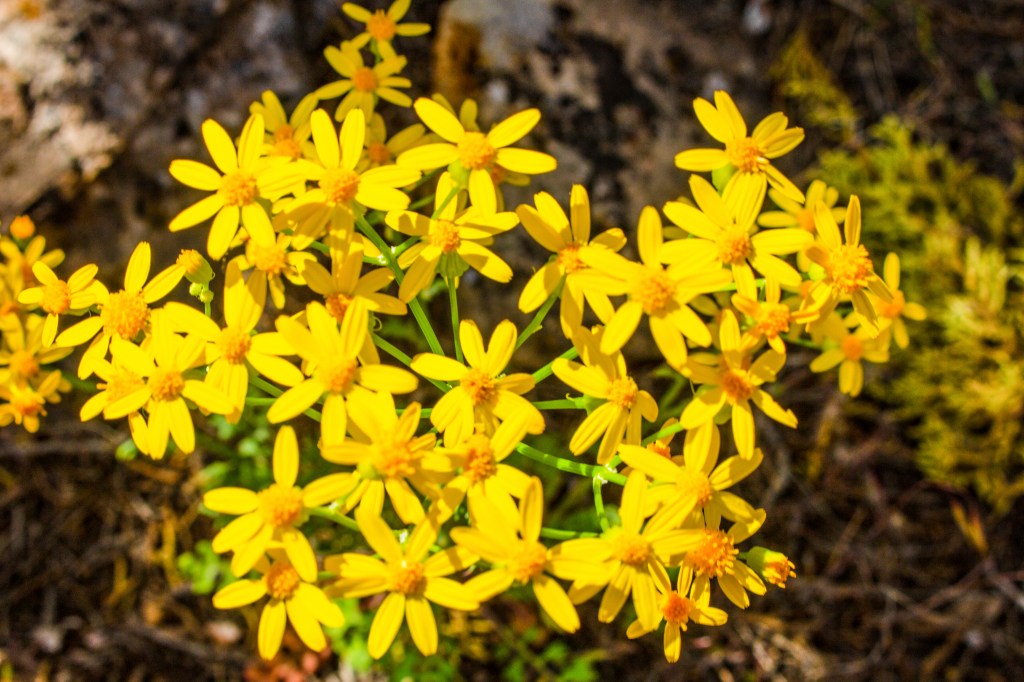
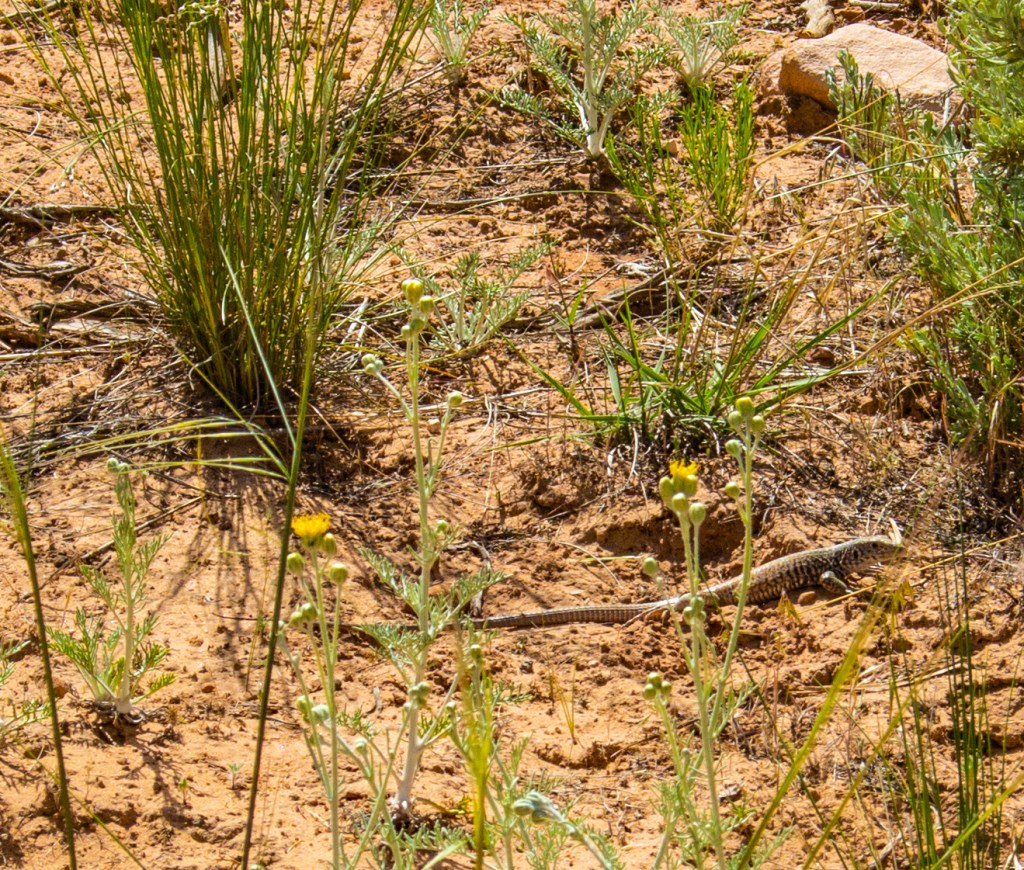
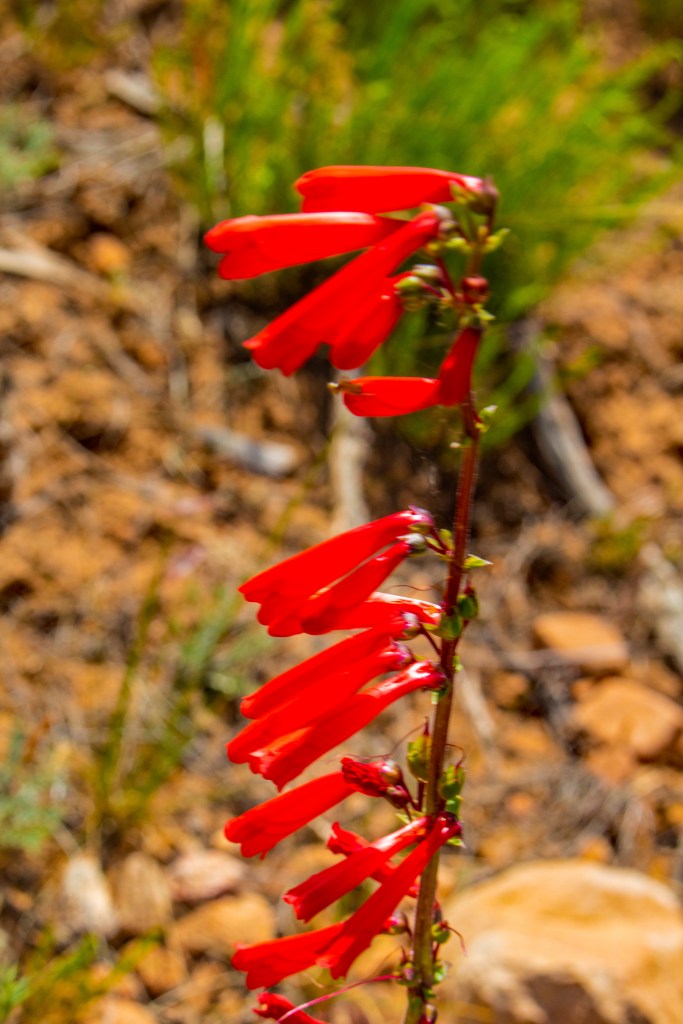
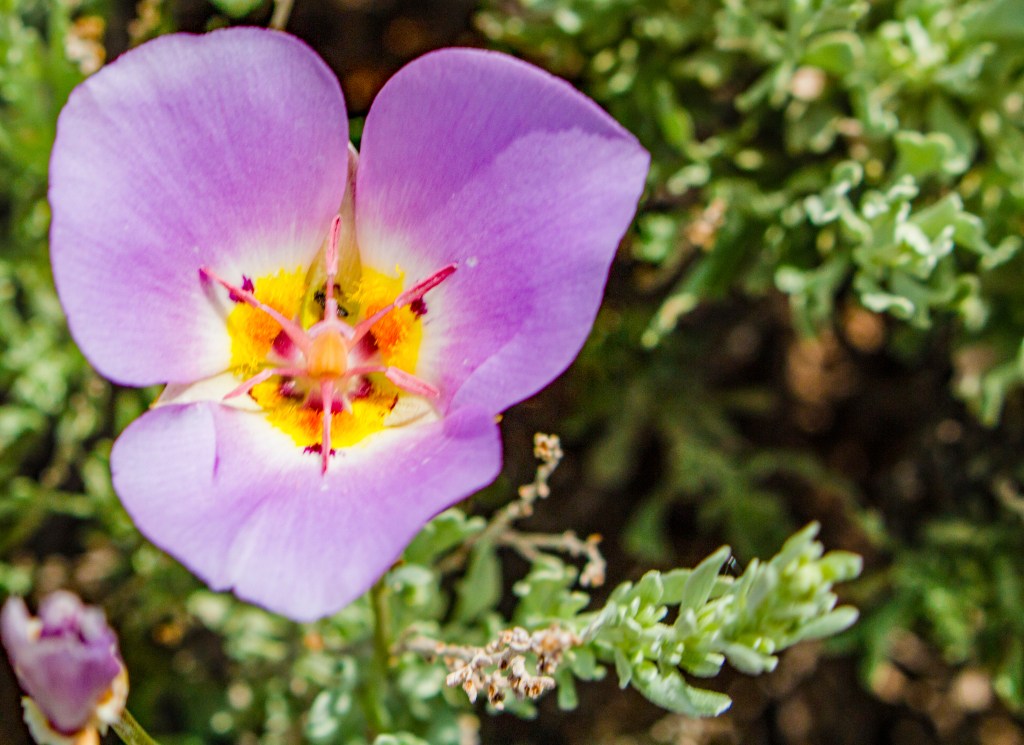
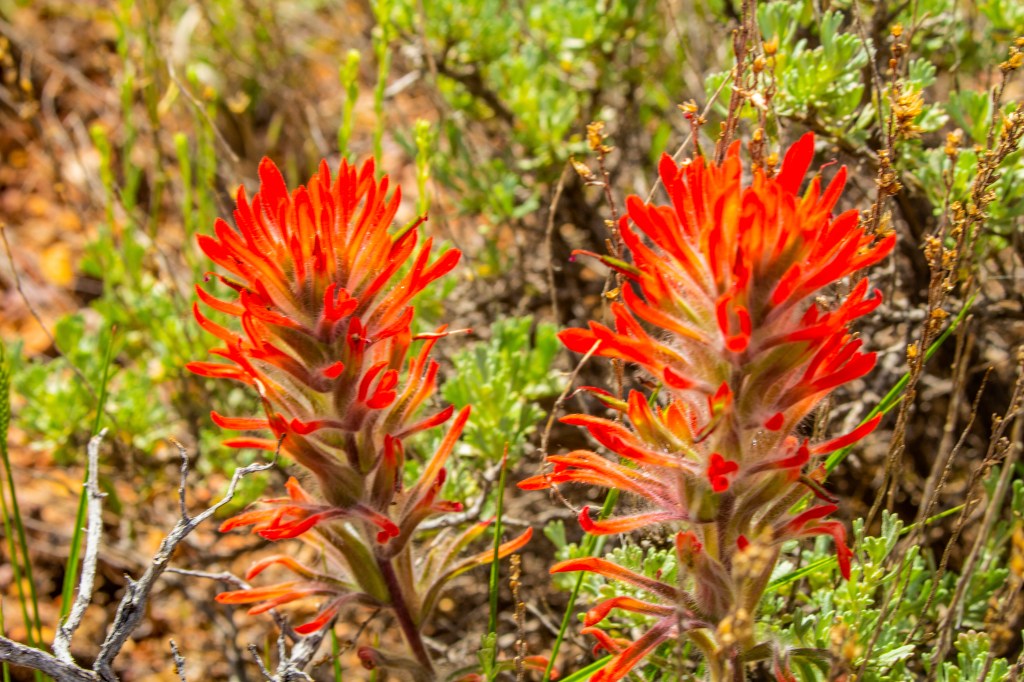
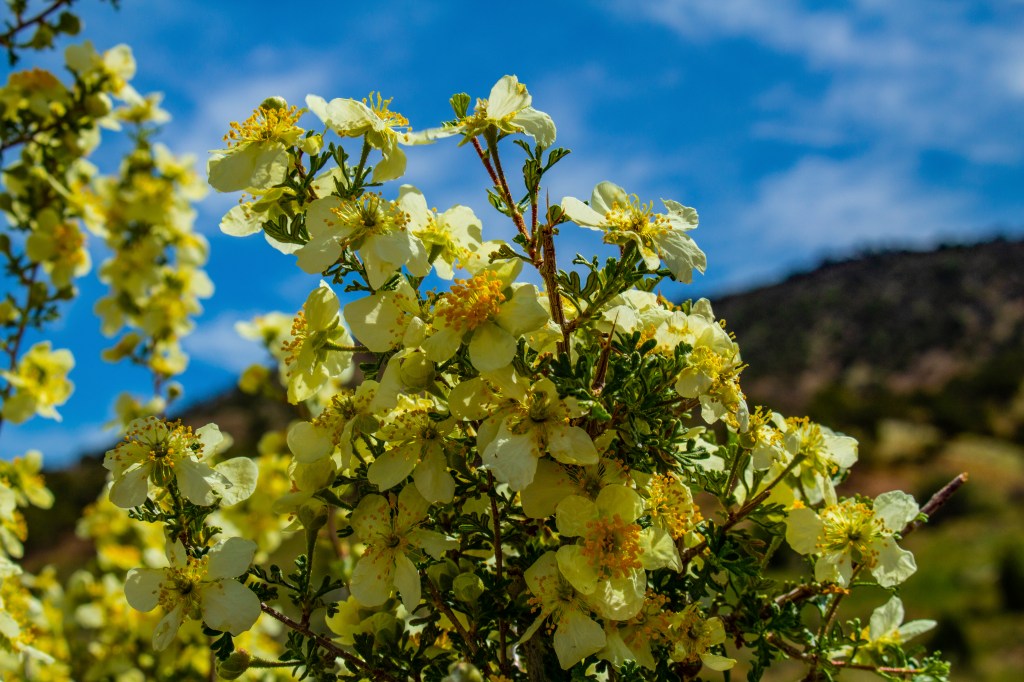
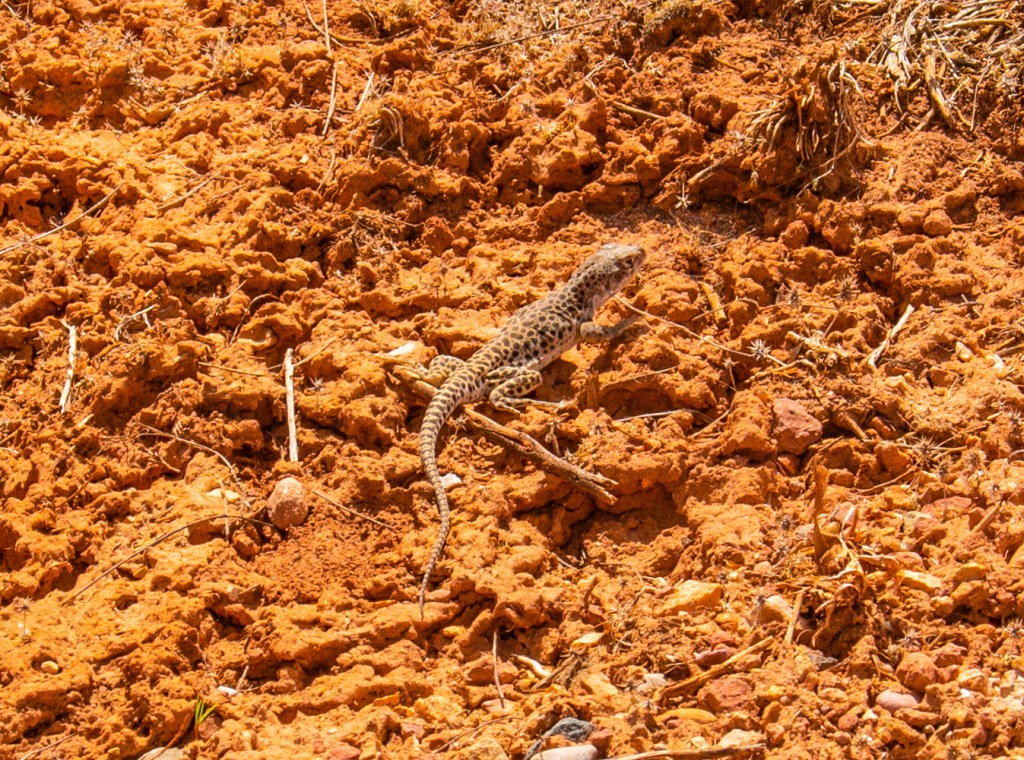
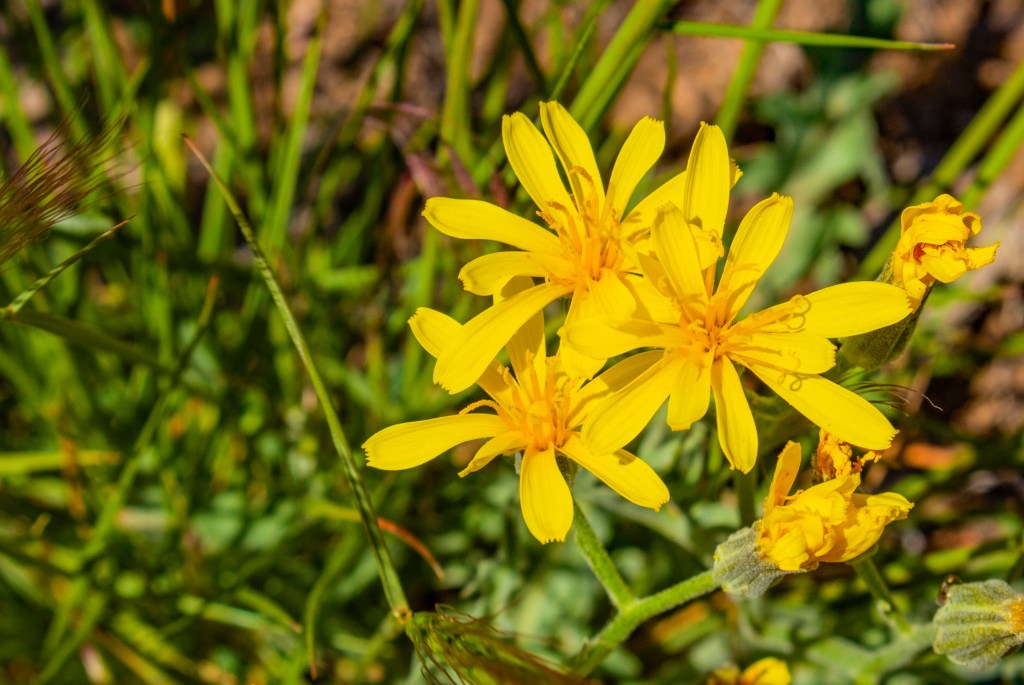
Just like the area that Barbara and I visited the other day with our friends Kathy and Shane, this area received abundant precipitation this past winter and spring, so there are a lot of wildflowers to see and enjoy. In addition, lizards are coming out and I saw several along the trail. I even some scat from a carnivore. I didn’t take a photo but it contained a lot of grey fur.
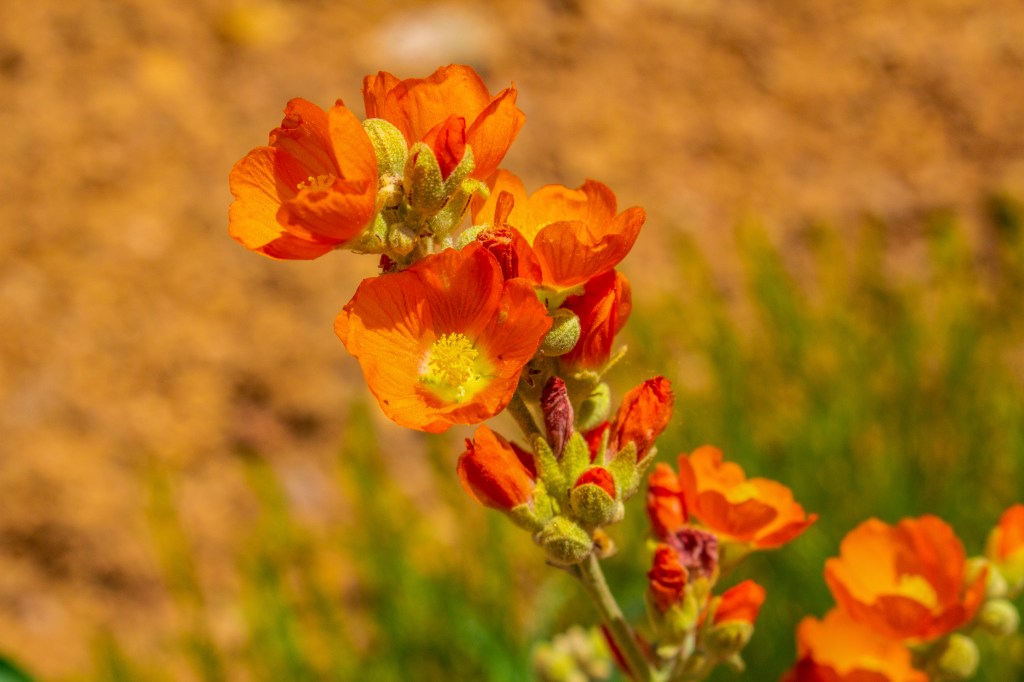
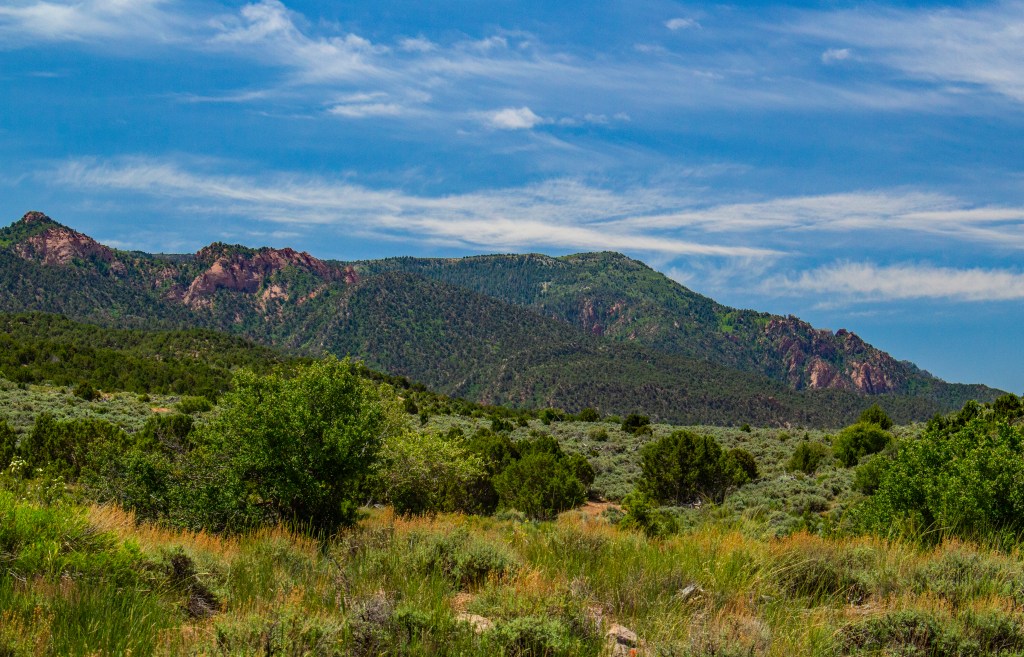
Our view across I-15.Morning GloryIndian Paintbrush
As I stated above, these rocks were laid down horizontally but have been folded up and are now standing on edge. The red rock (left) is the youngest, the yellow rock (center) is older and the brown rock (right) is the oldest of the three shown in this photograph.The red rocks seen in this photo are the sandstone rocks seen in Kolob Canyon part of Zion National Park.
Yesterday our friends Kathy and Shane took Barbara and me on a tour of the countryside west of Cedar City, Utah. Shane has spent most of his life in southern Utah so he knows the area and its history well.
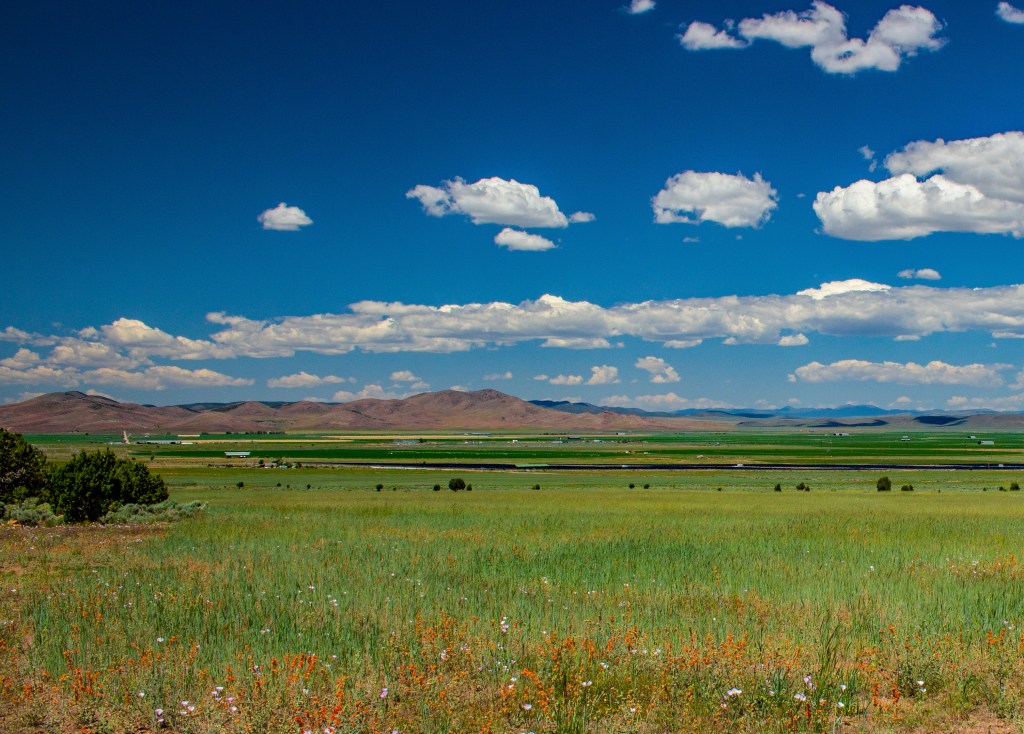
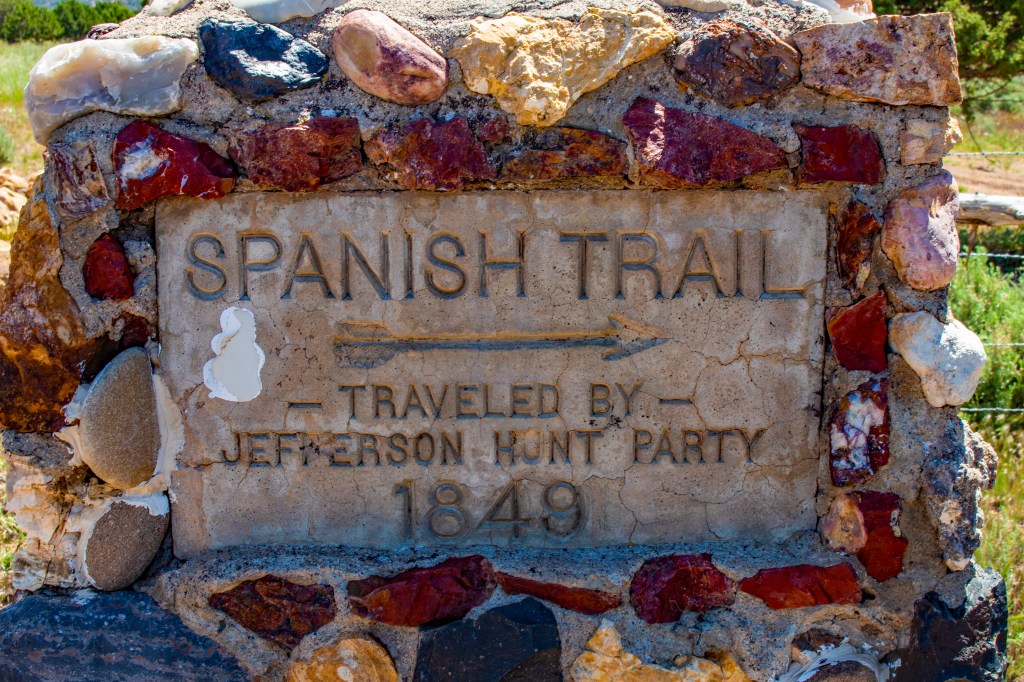
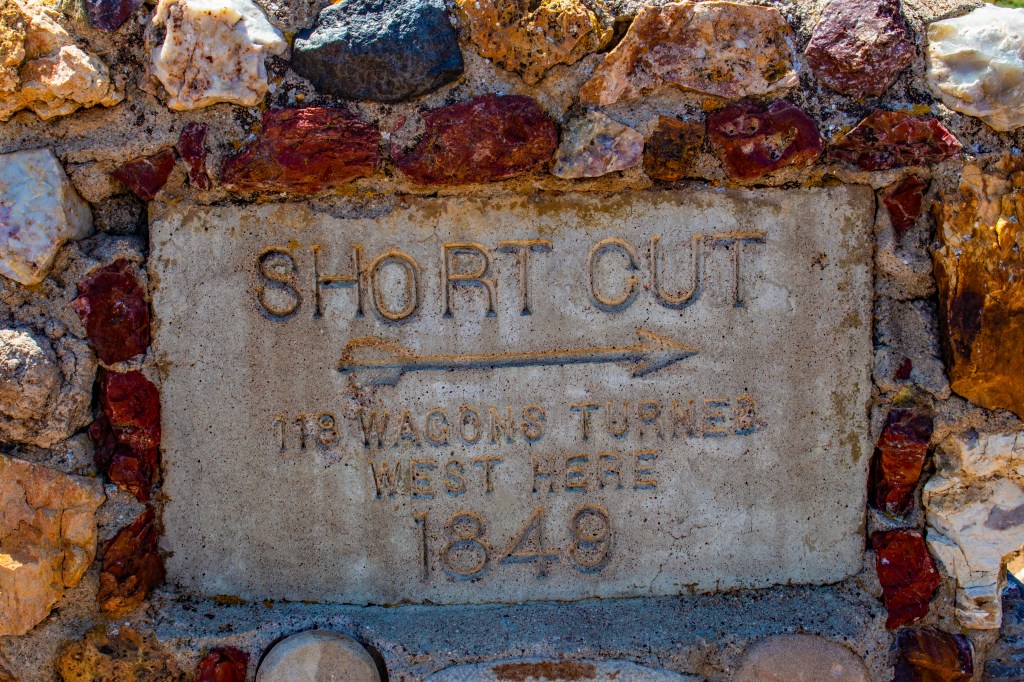
As most of us know, the western portion of the US received abundant precipitation this winter and spring so the wildflowers are plentiful and absolutely beautiful. Besides enjoying the wildflowers we learned a little about the local history while visiting a portion of the famous Spanish Trail. We also visited a couple of nearby reservoirs. The Memorial weekend campers were out in force there. While there I was able to give Kathy and Shane a short geology lesson on the rocks surrounding the lakes. I always enjoy sharing my knowledge of geology with others. It makes me feel good that I can still use what I have learned even though I am retired.
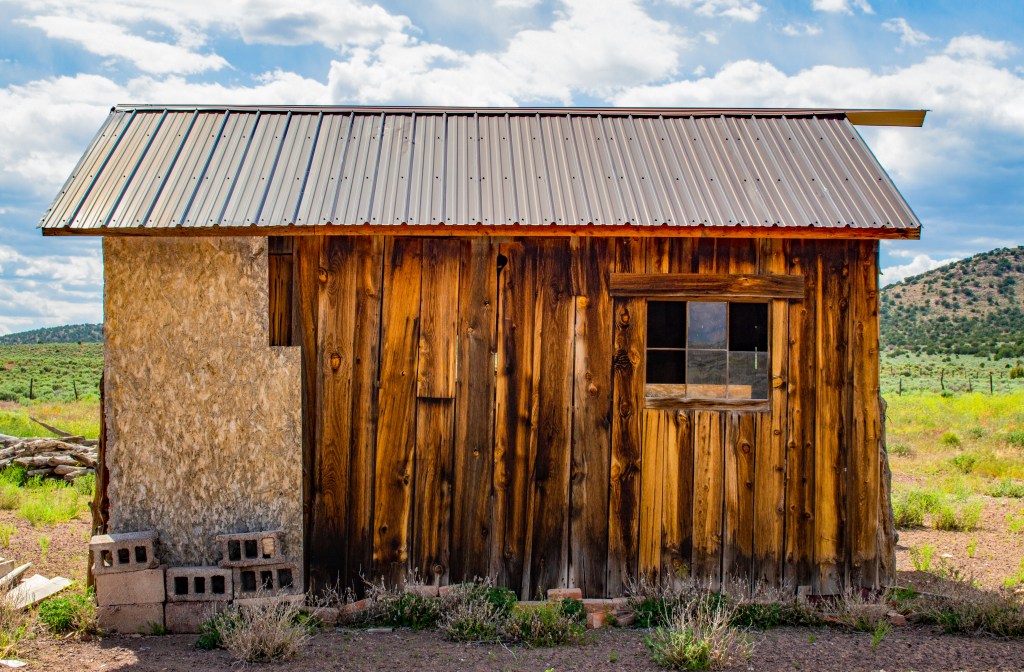
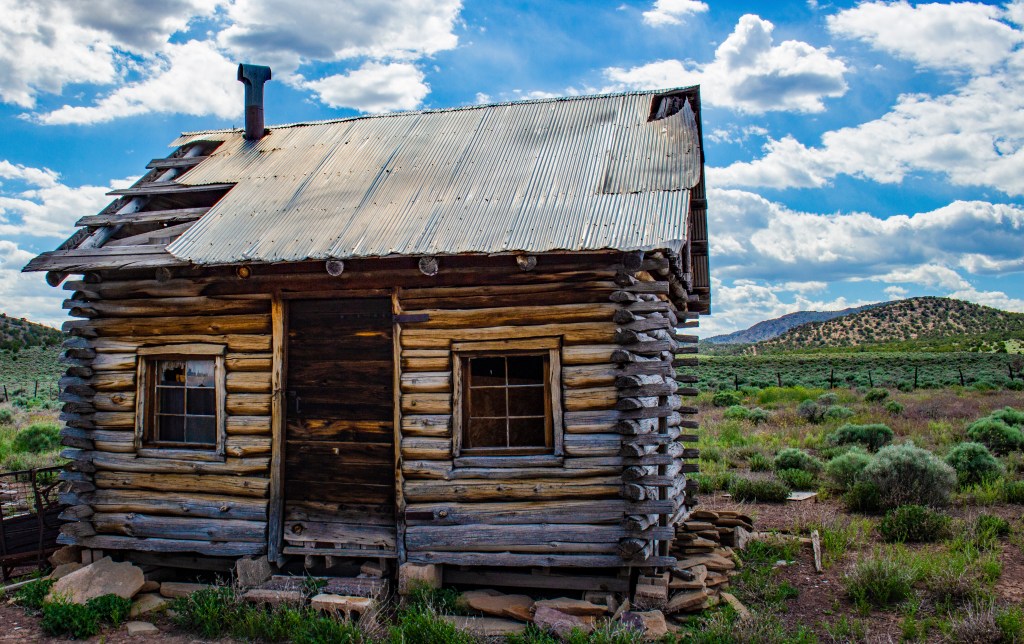
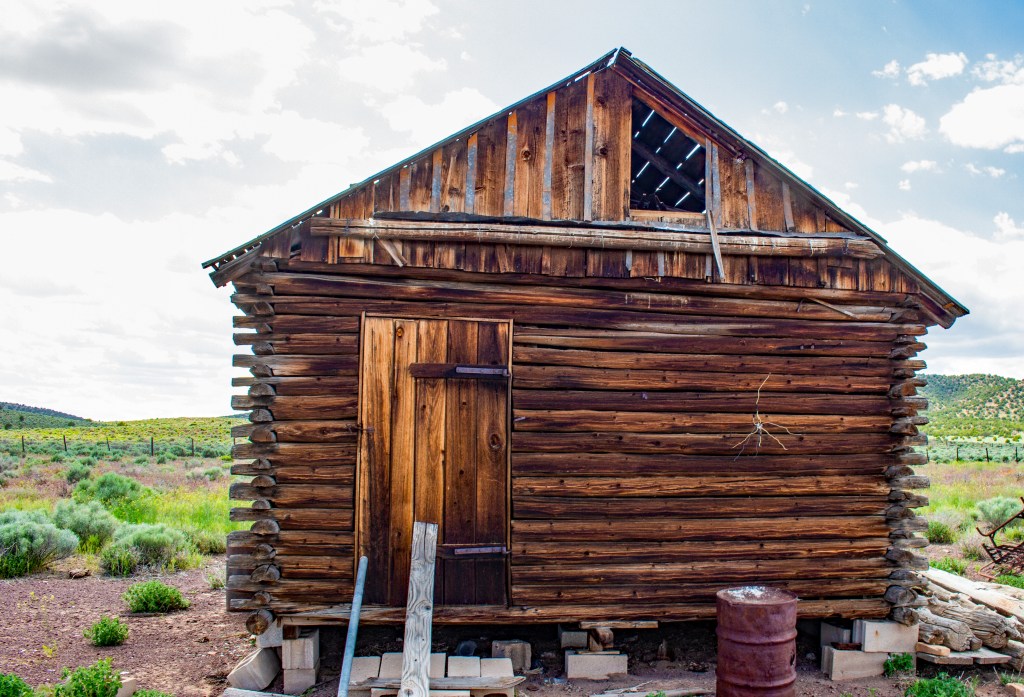
Shane also took us to a plot of land that his family use to own that is home to three cabins his grandfather built during the mid 1900’s. As you might guess they are no longer in pristine condition but they are still standing. Two of these cabins were originally built in Cedar City and later moved to this location, one made of aspen and the other pine.
I really love countryside like we saw yesterday, just being out there where everything is peaceful and quiet. About the only sounds to be heard are the wind and an occasional bird. I hope that when my time comes that I can go in a place as peaceful as this. God’s Country!
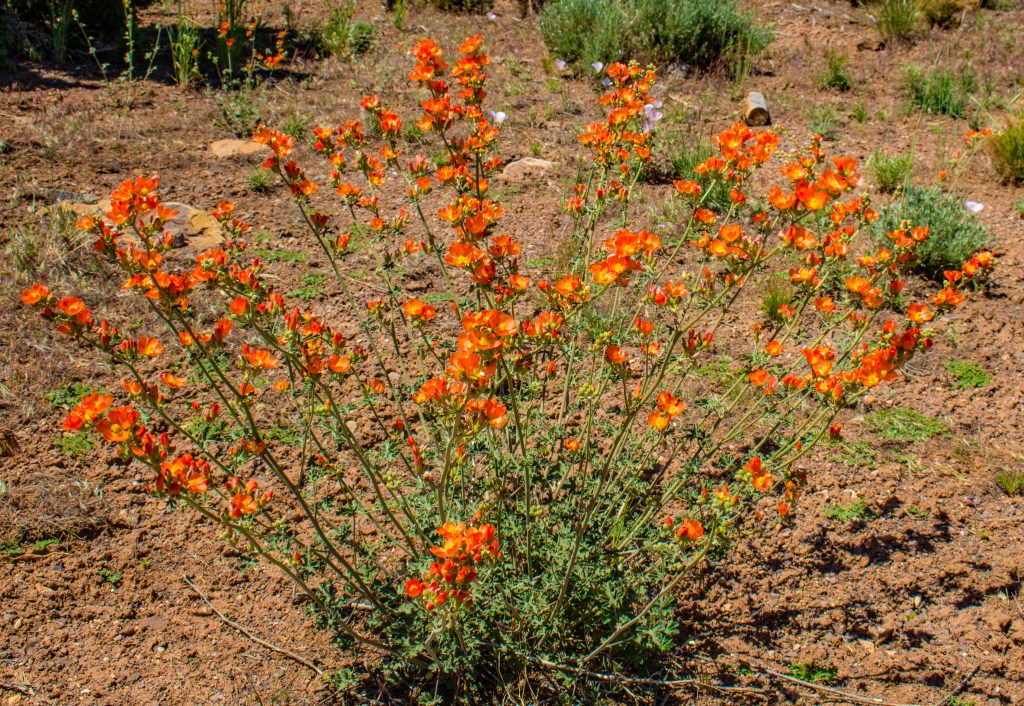
Indian PaintbrushMorning Glory’sBuilt in Cedar City of aspen and moved here later.Built in Cedar City of pine and moved here later.God’s Country!
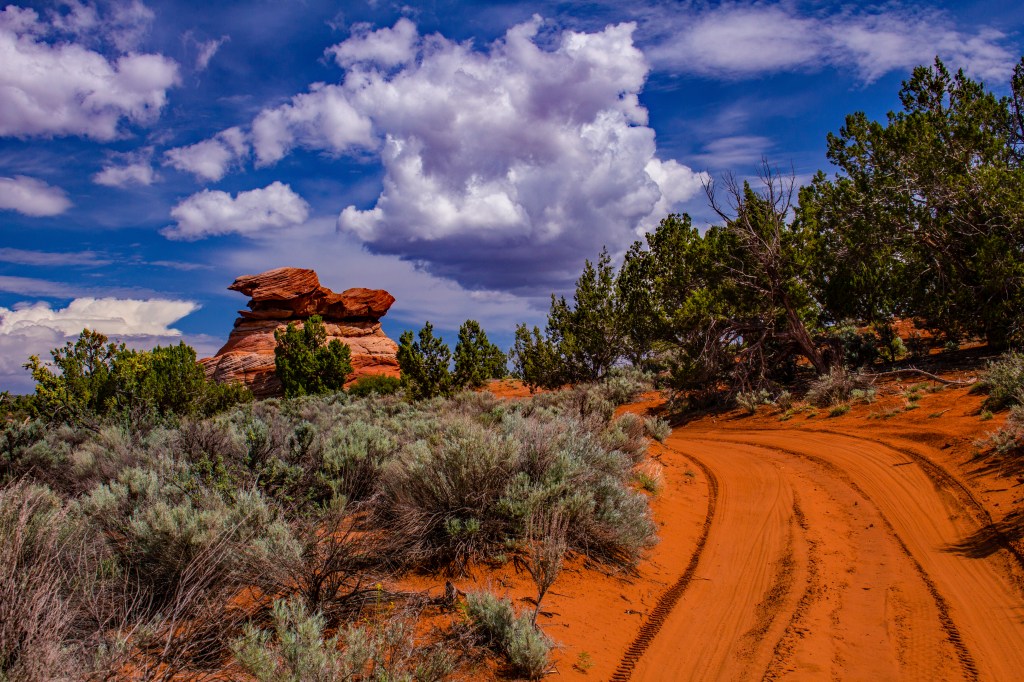
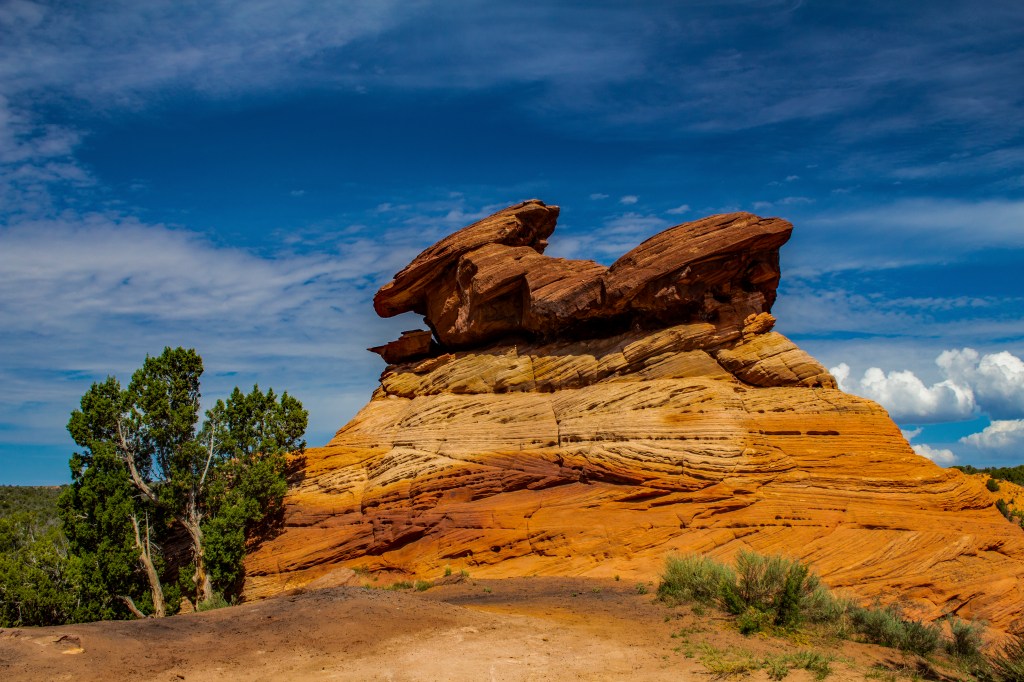
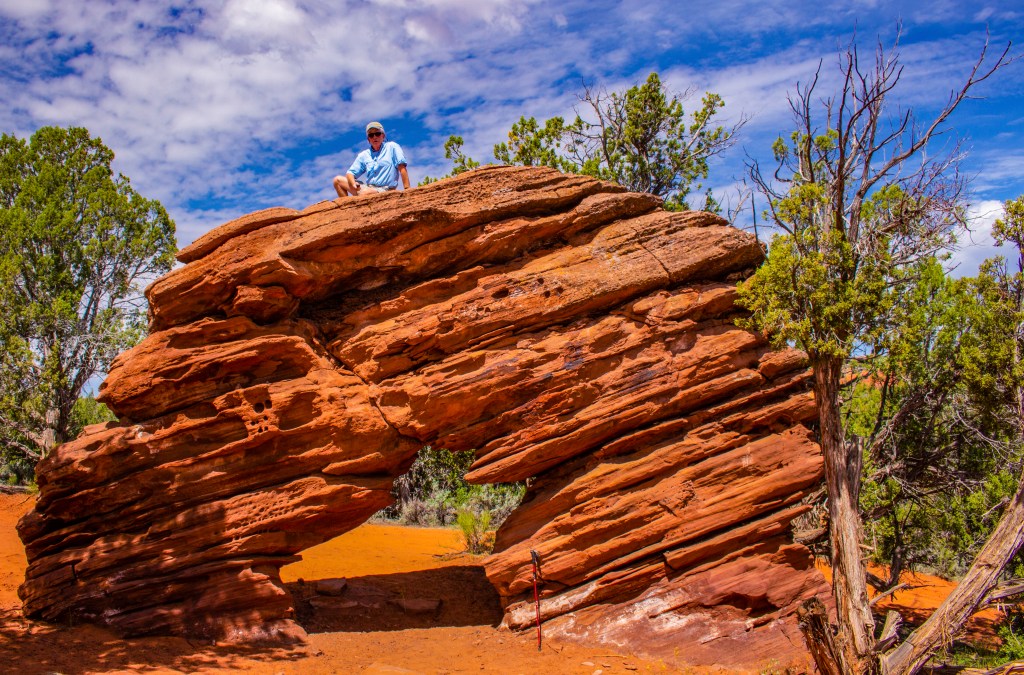
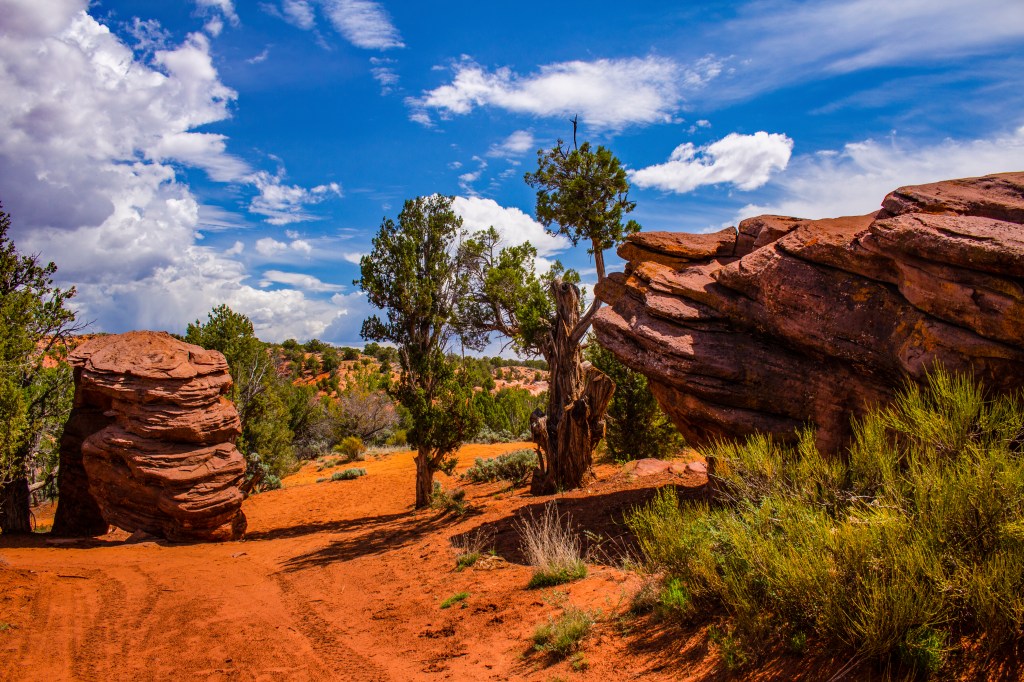
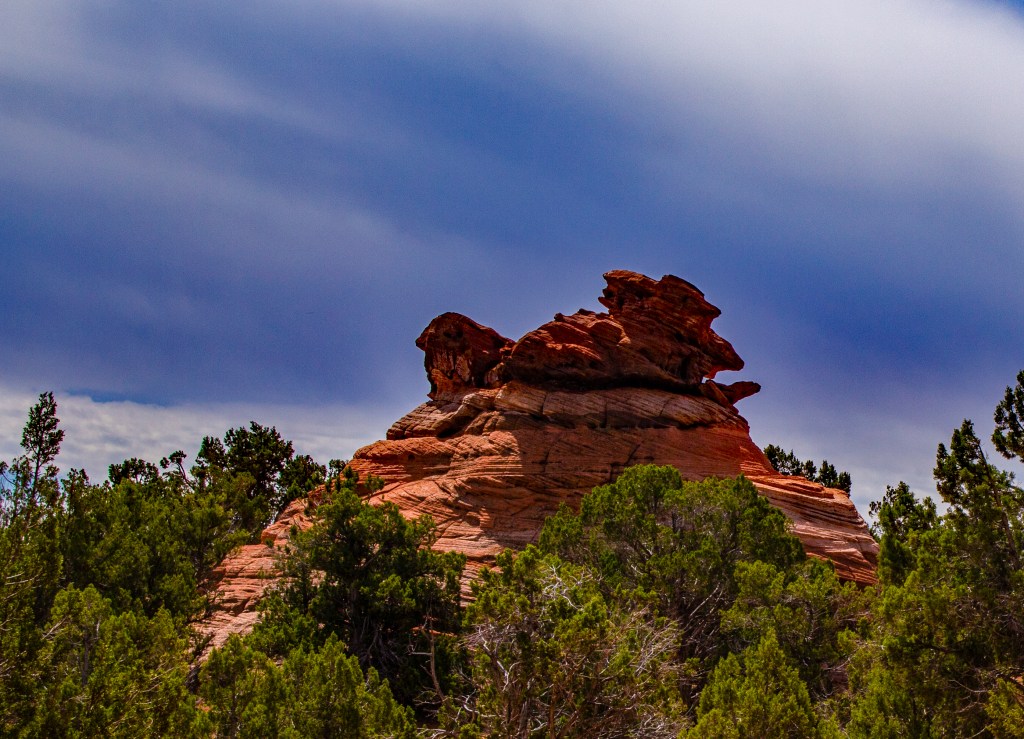
Today I finally got a chance to get out and stretch my legs a little, explore the area and take some photos. I took a short drive from the RV park to the Coral Pink Sand Dunes State Park. In the park I was able to take the truck on a short but enjoyable 4WD ride. From where I parked it was a short hike to the Sand Dune Arch. I parked near Party Rock, as it is called. I could tell why, because it appears that people like to come to this location and enjoy campfires, among other things.
Sand Dune Arch is a very small part of the Navajo Sandstone which makes up most of the rocks in nearby Zion National Park. I was reading yesterday that the Navajo Sandstone covers more than 100,000 square miles of land surface in four states. Geologists believe that approximately 170 to 200 million years ago the Navajo Sandstone was the largest sand dune ever to cover the earths surface.
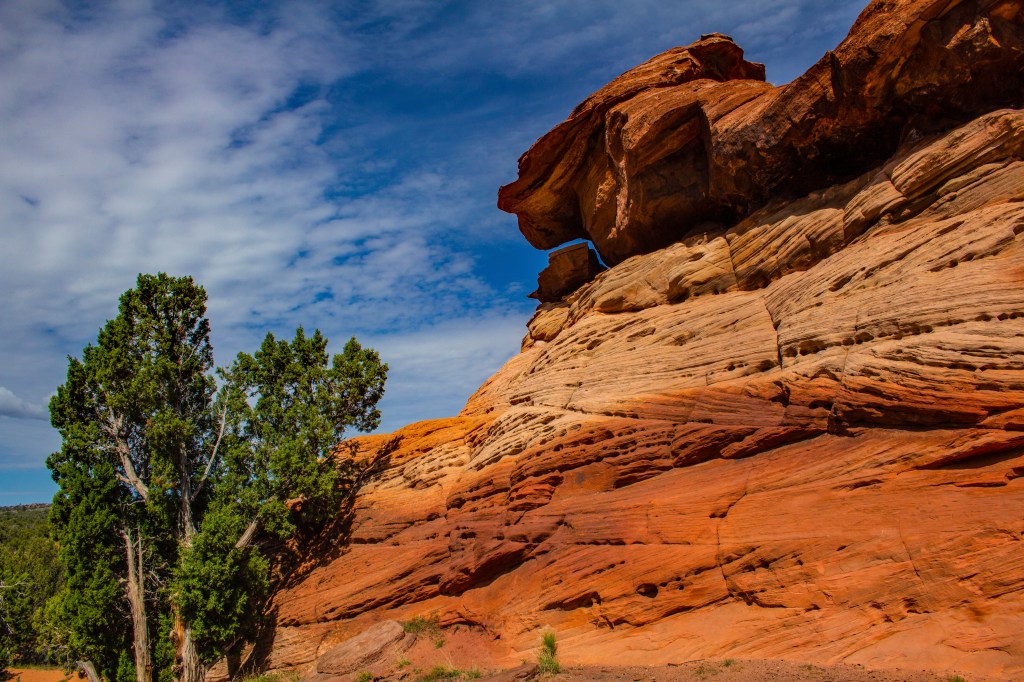
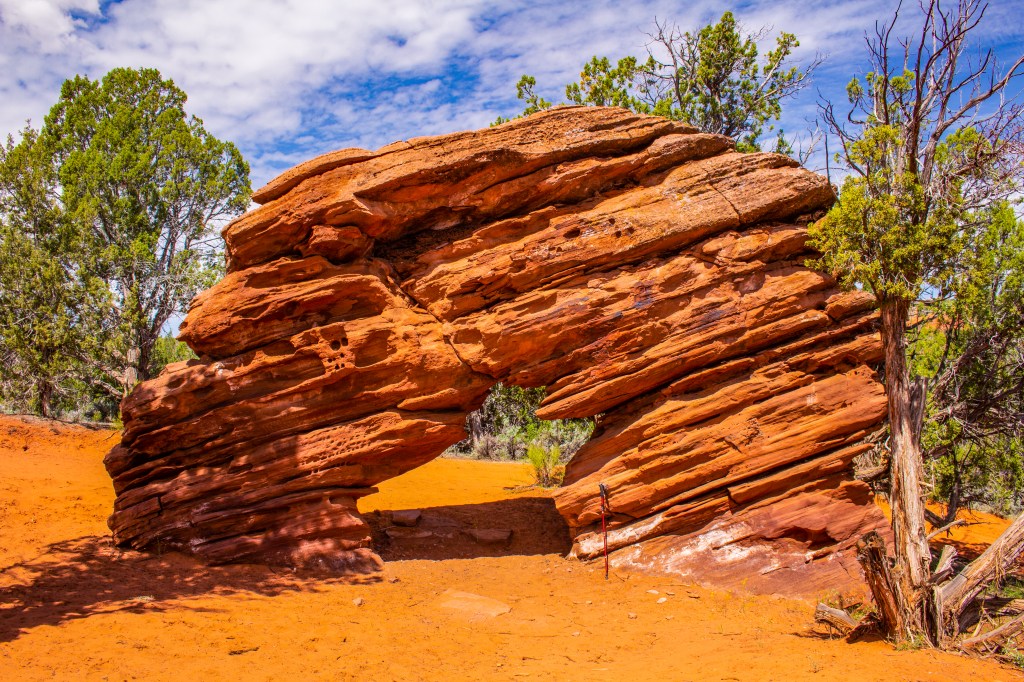
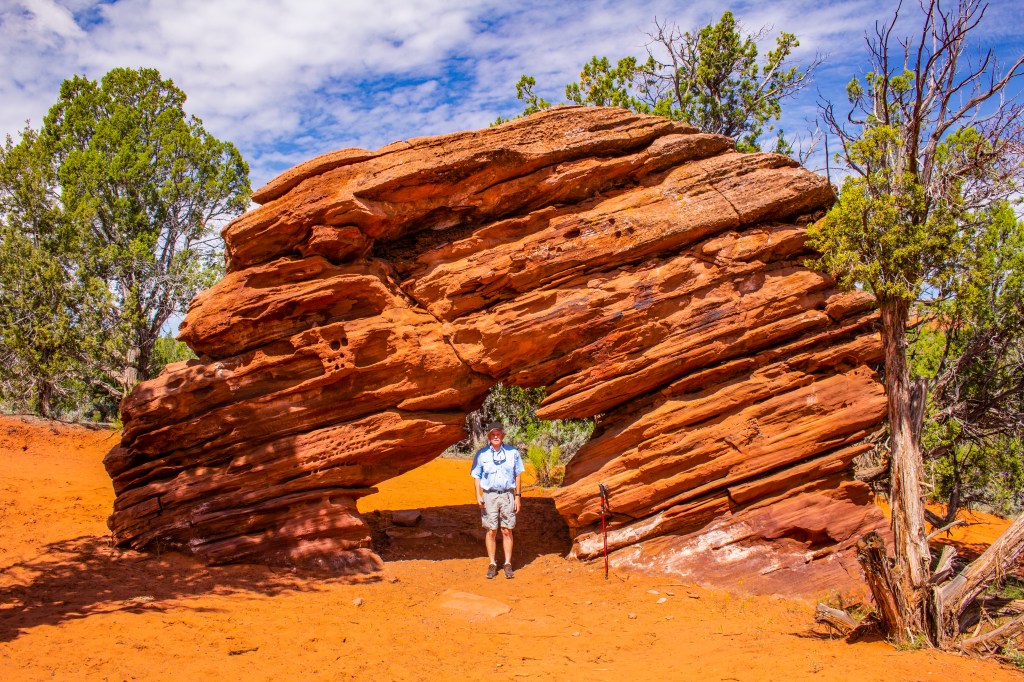
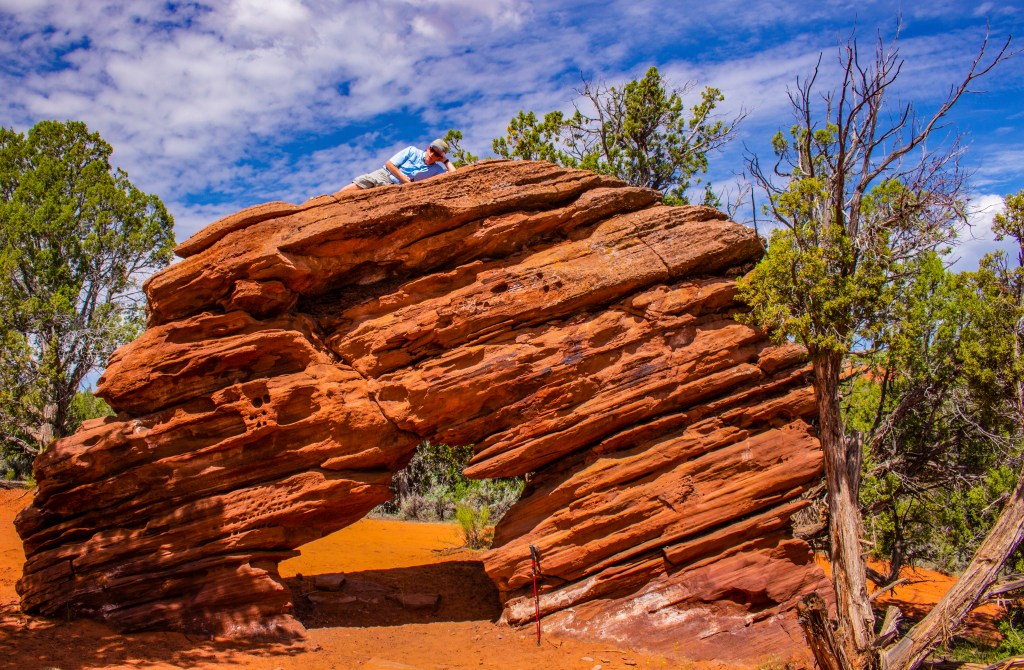
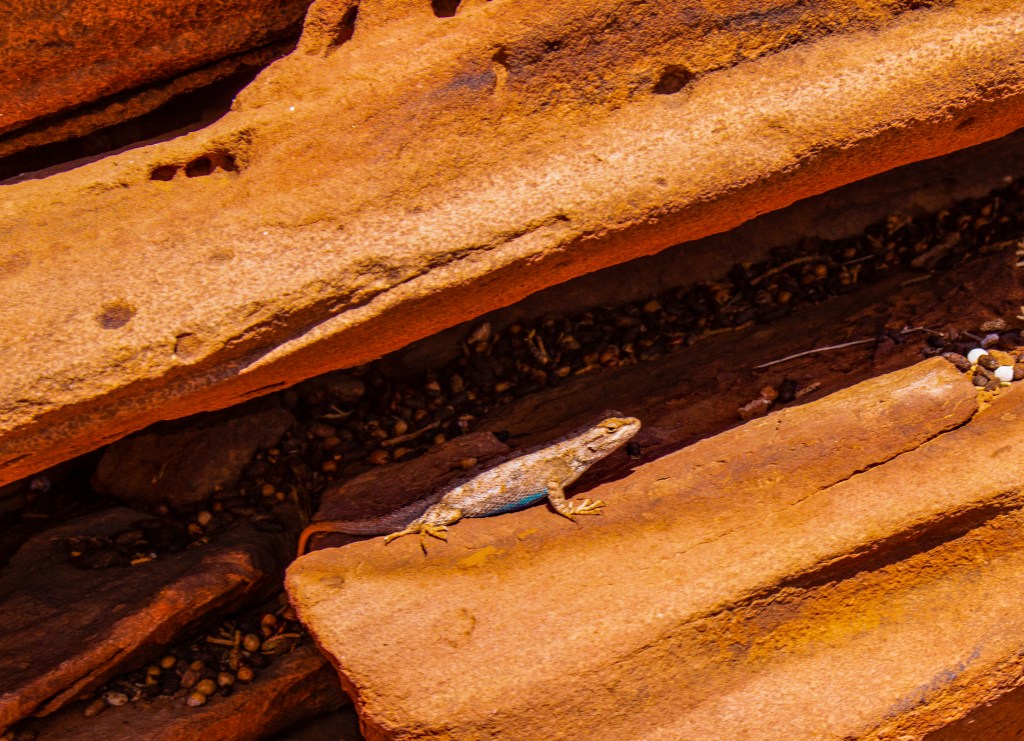
The white rock in the distance is the third of five steps that make up the Grand Staircase.Road to Party Rock.Party RockClose up view of Party Rock.Sand Dune ArchI used the “Old Man” for scale.I like to get on top of things, especially rocks.This little guy was keeping a watchful eye on me.The backside of Party Rock.









 RV There Yet?