Last Tuesday my puppy woke me up early because he needed to go out. While outside with him I noticed the colorful sunrise, so I grabbed my camera and took a few photos of the colorful sky above the Columbia River. Take a look!
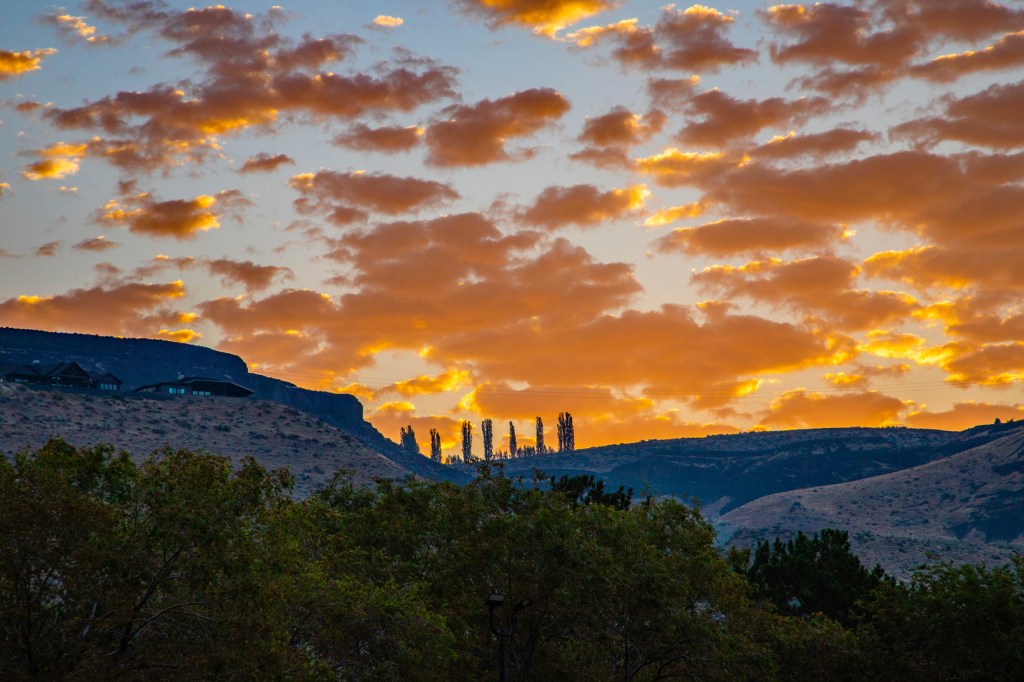
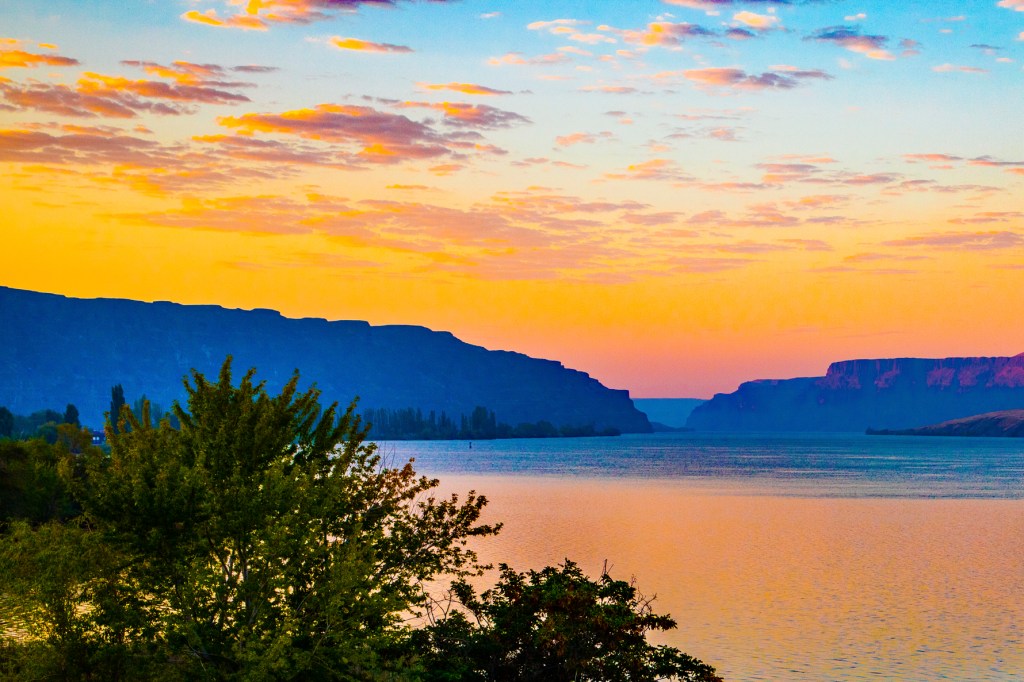
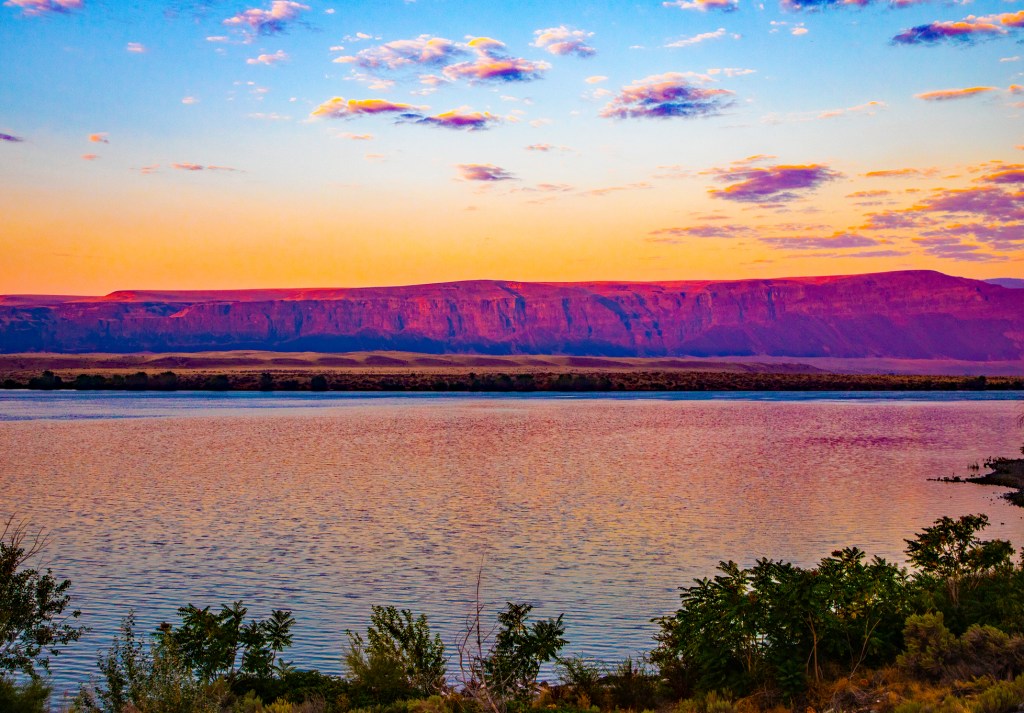
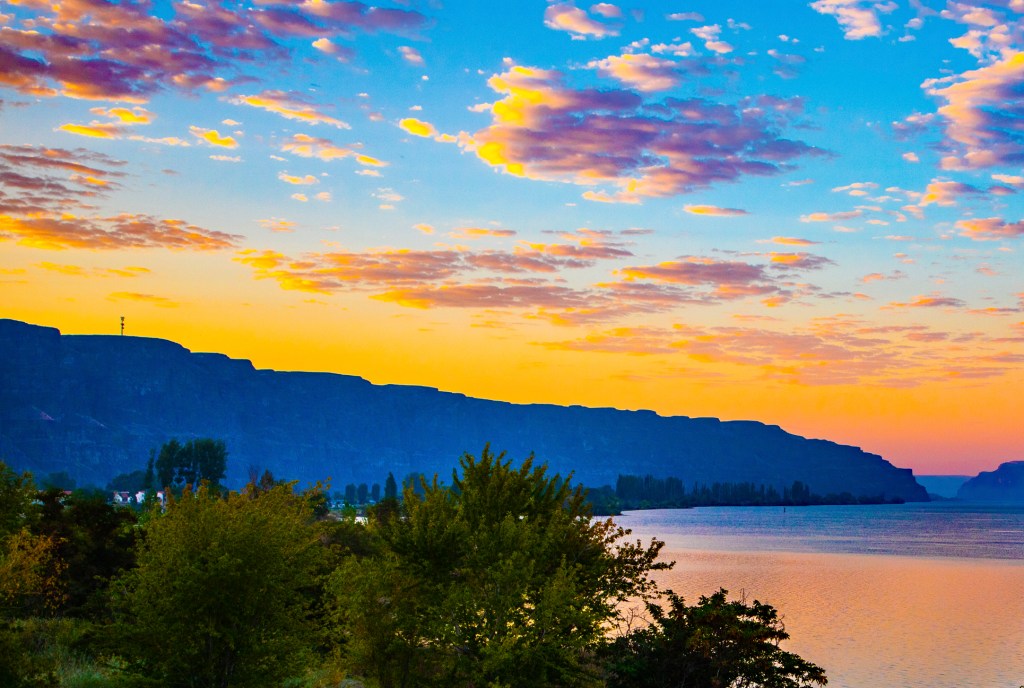
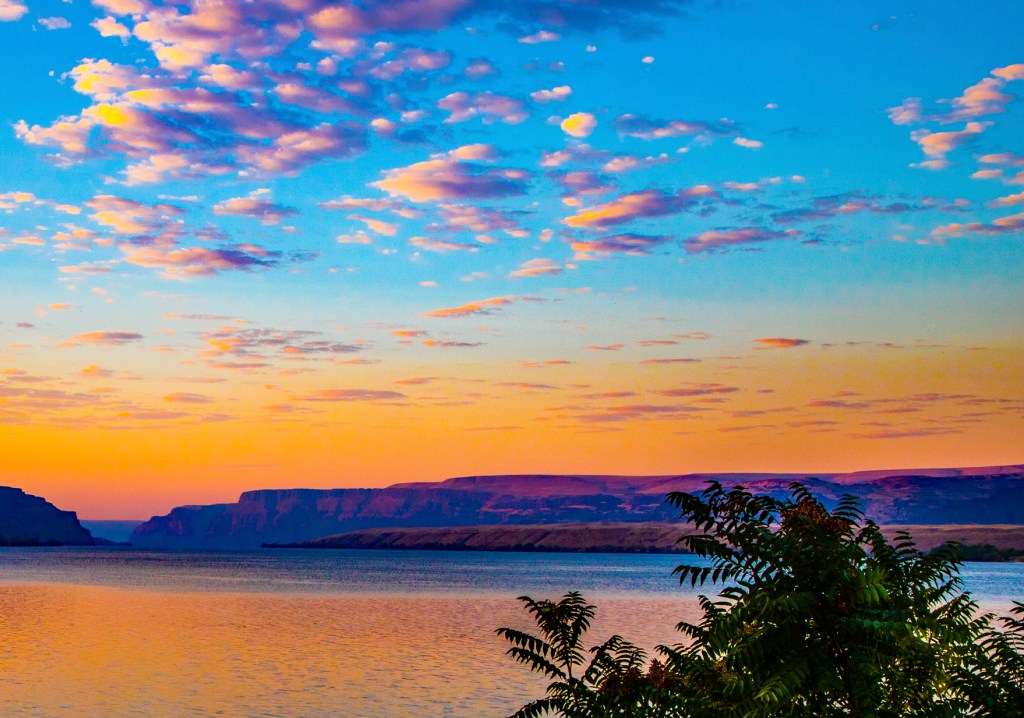
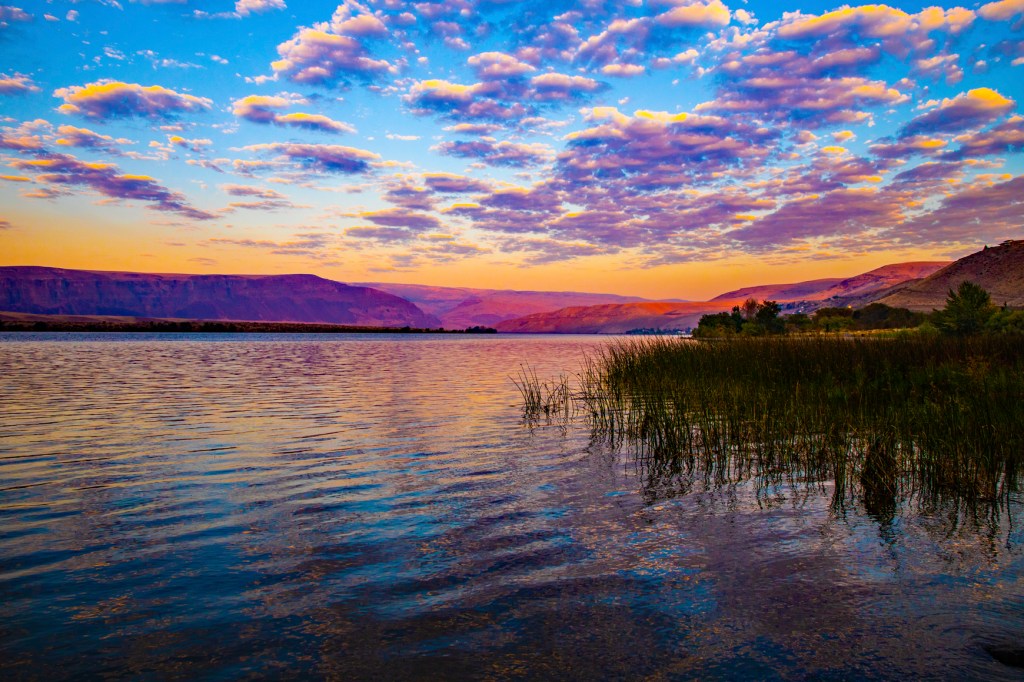
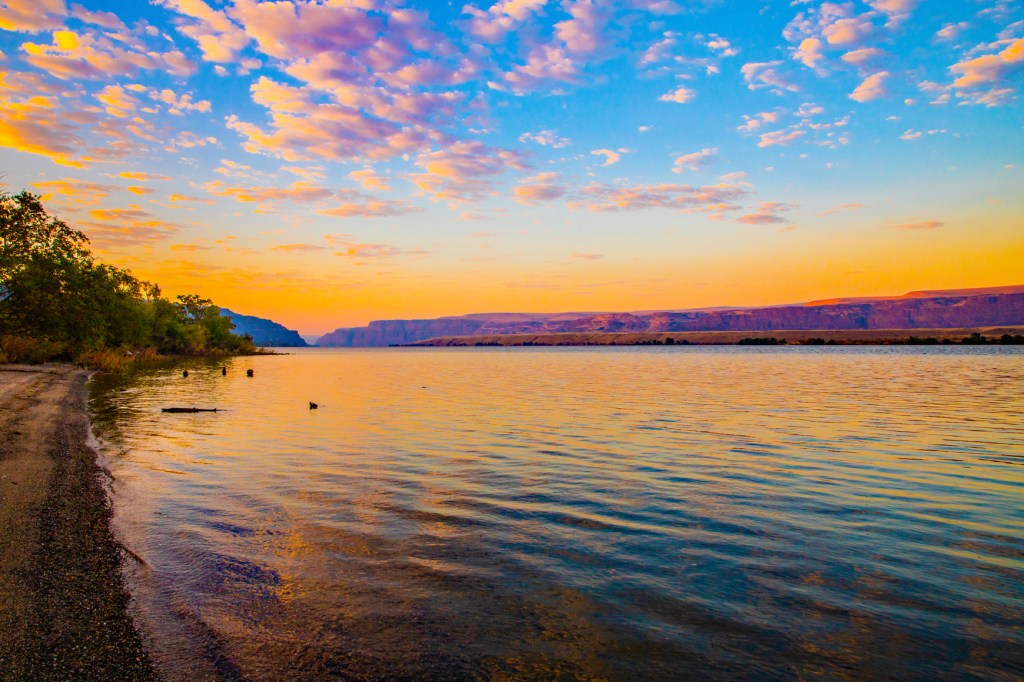
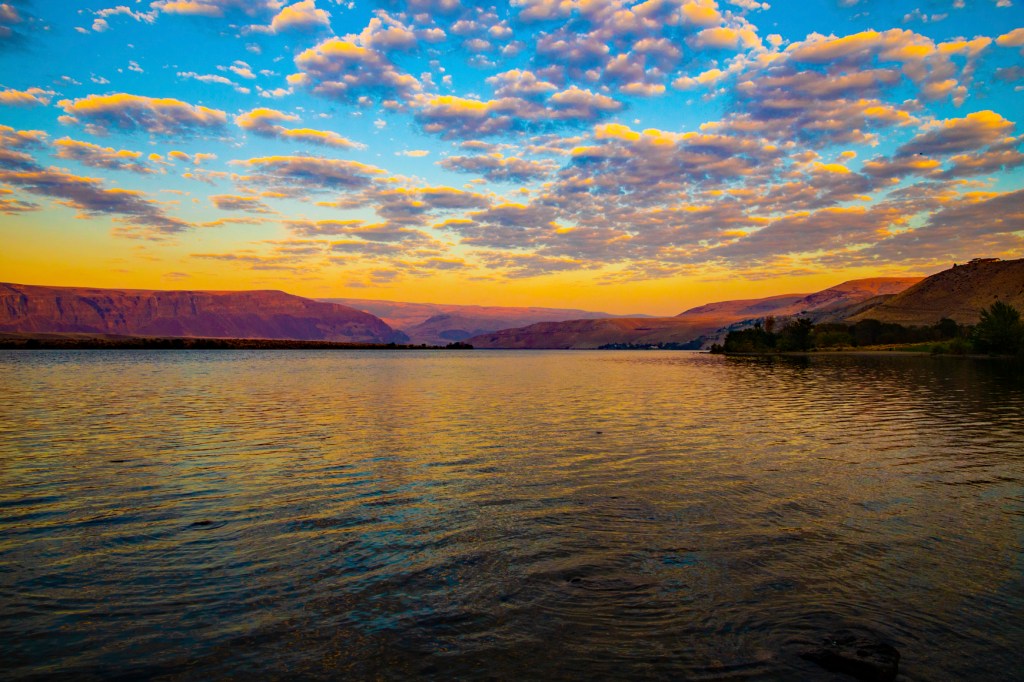
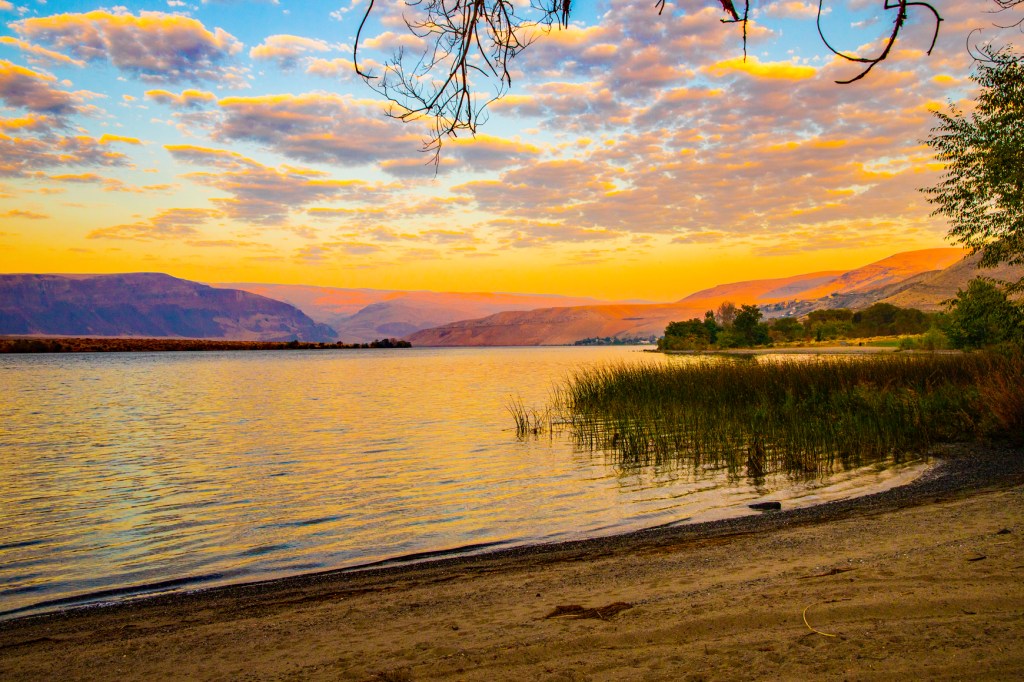
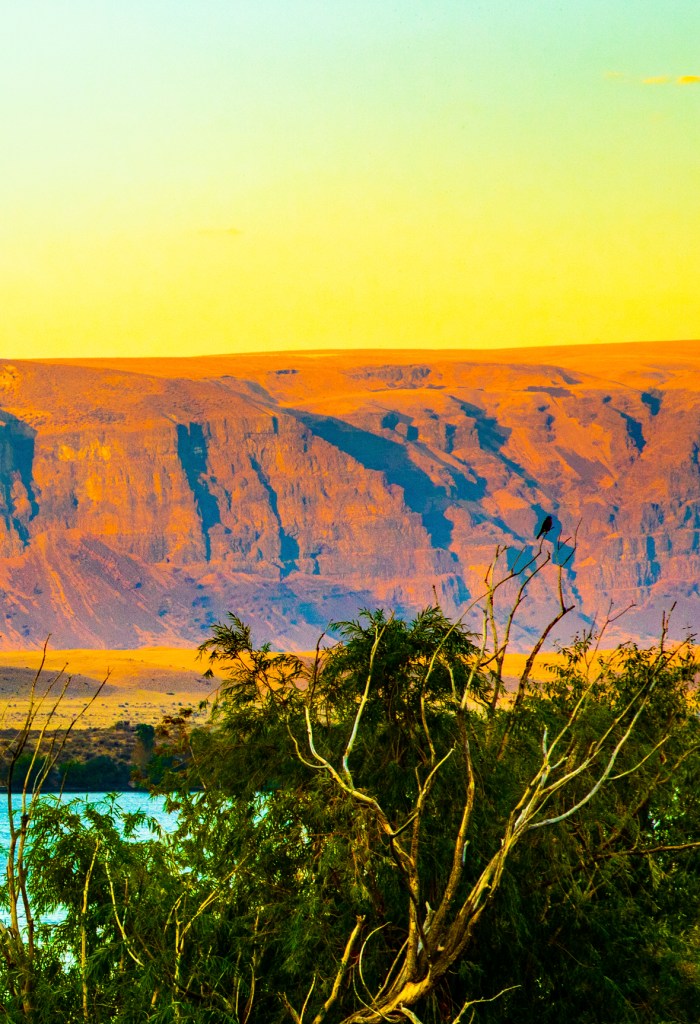
Last Tuesday my puppy woke me up early because he needed to go out. While outside with him I noticed the colorful sunrise, so I grabbed my camera and took a few photos of the colorful sky above the Columbia River. Take a look!
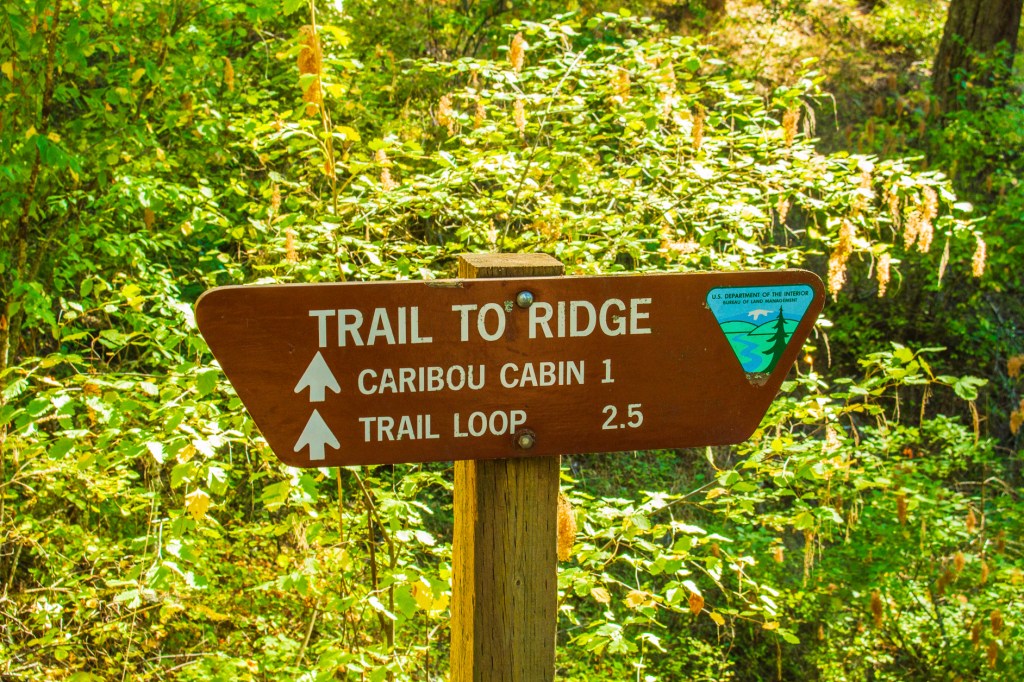
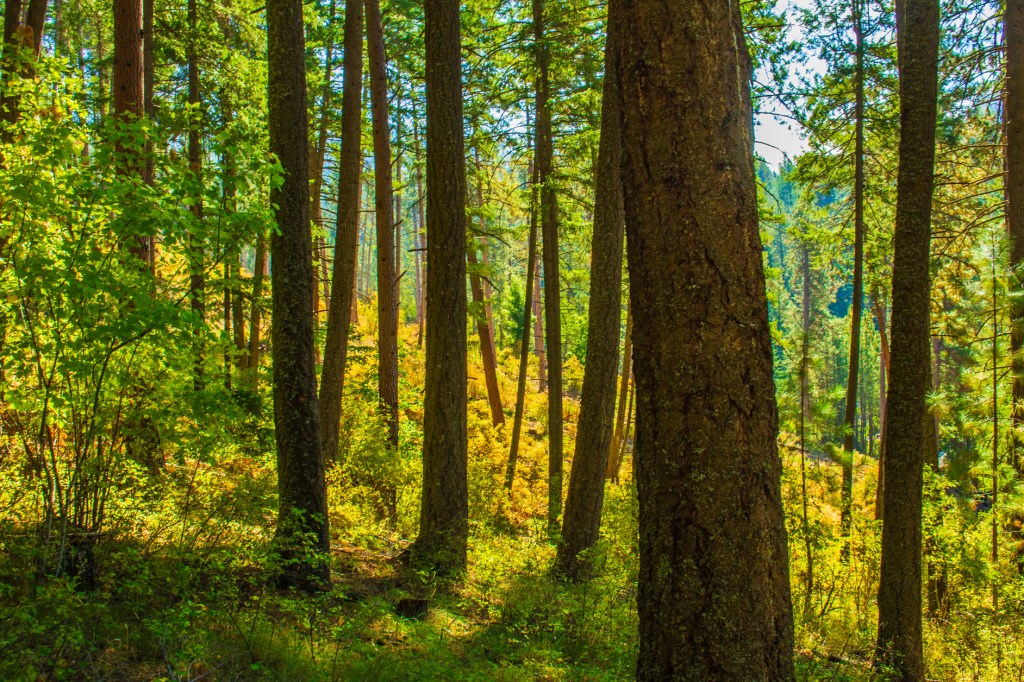
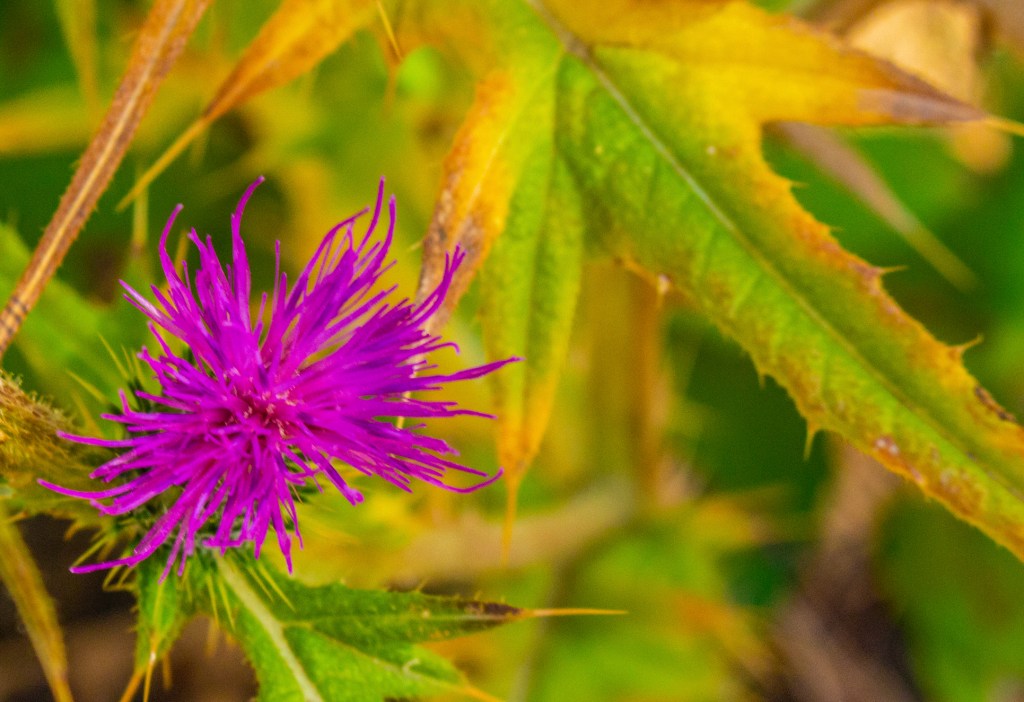
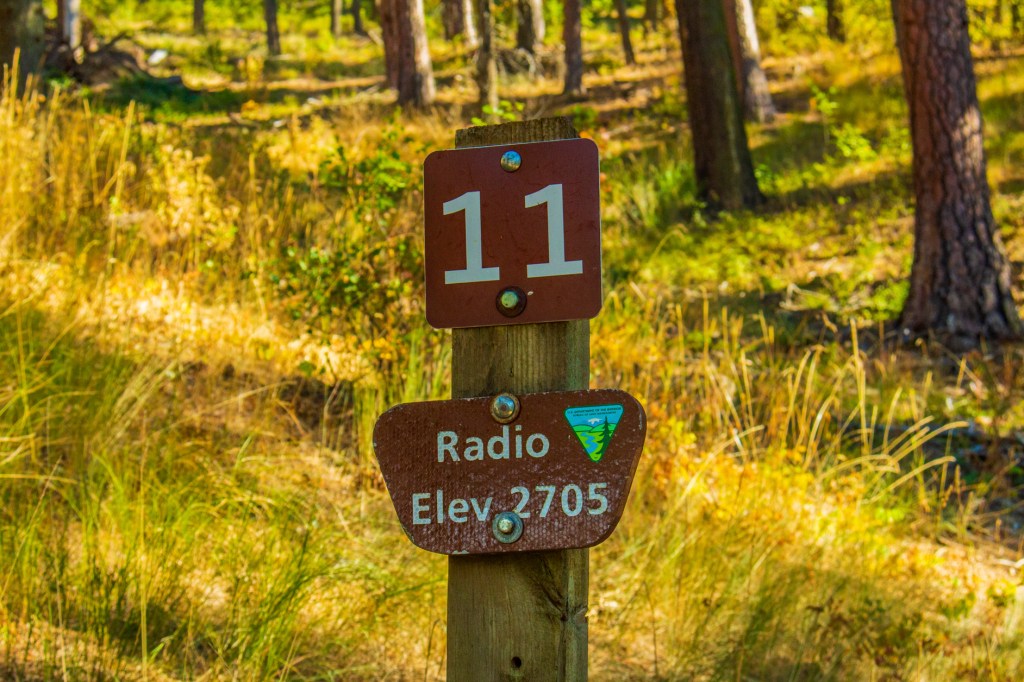
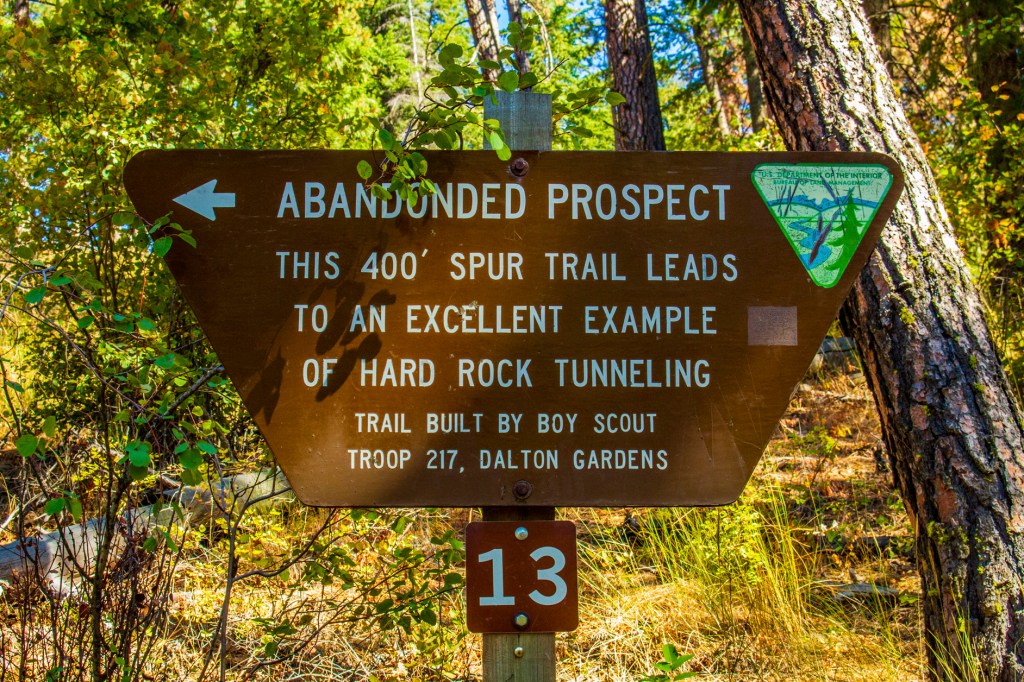
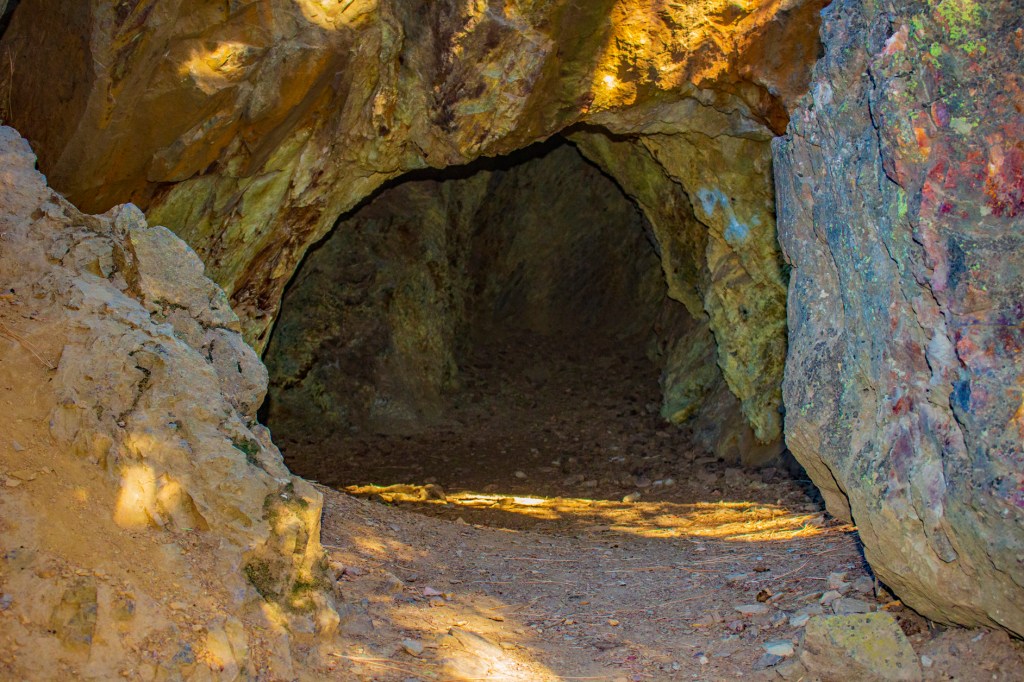
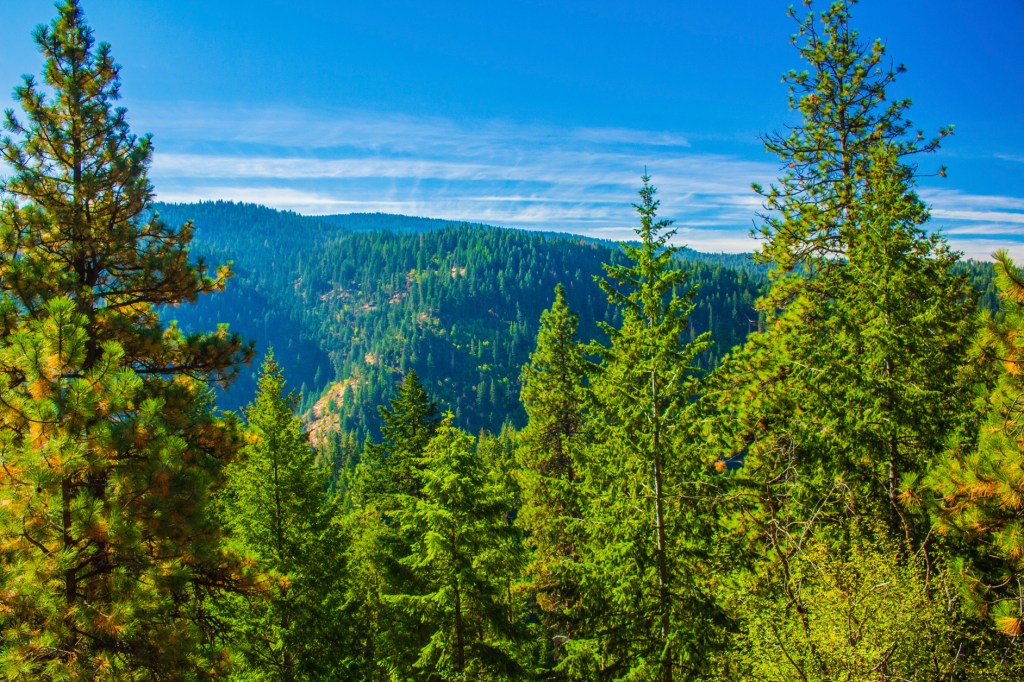
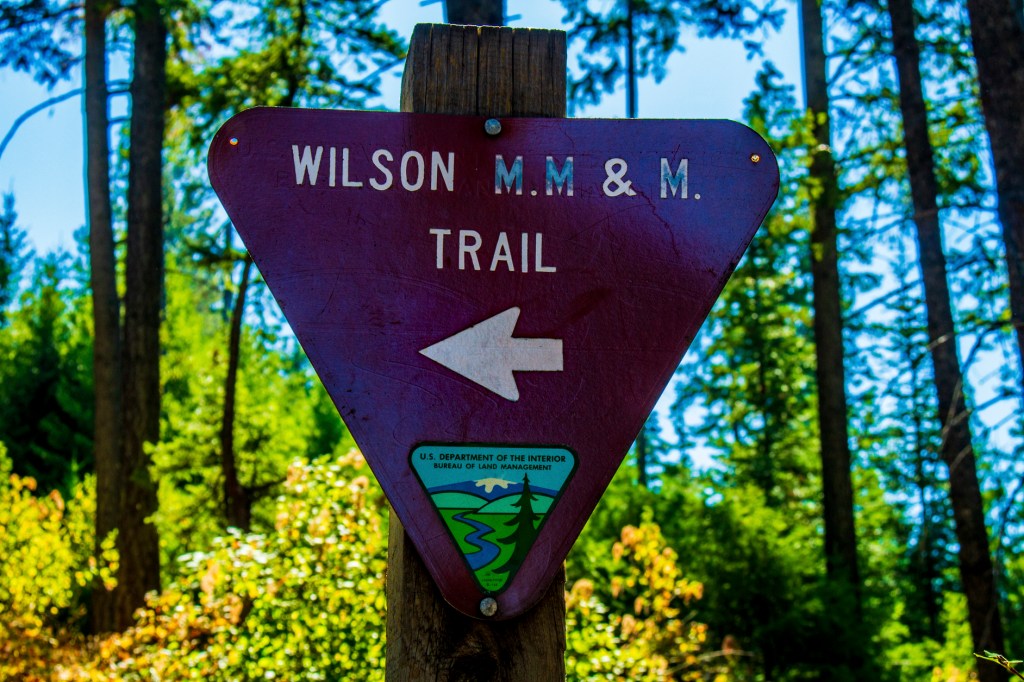
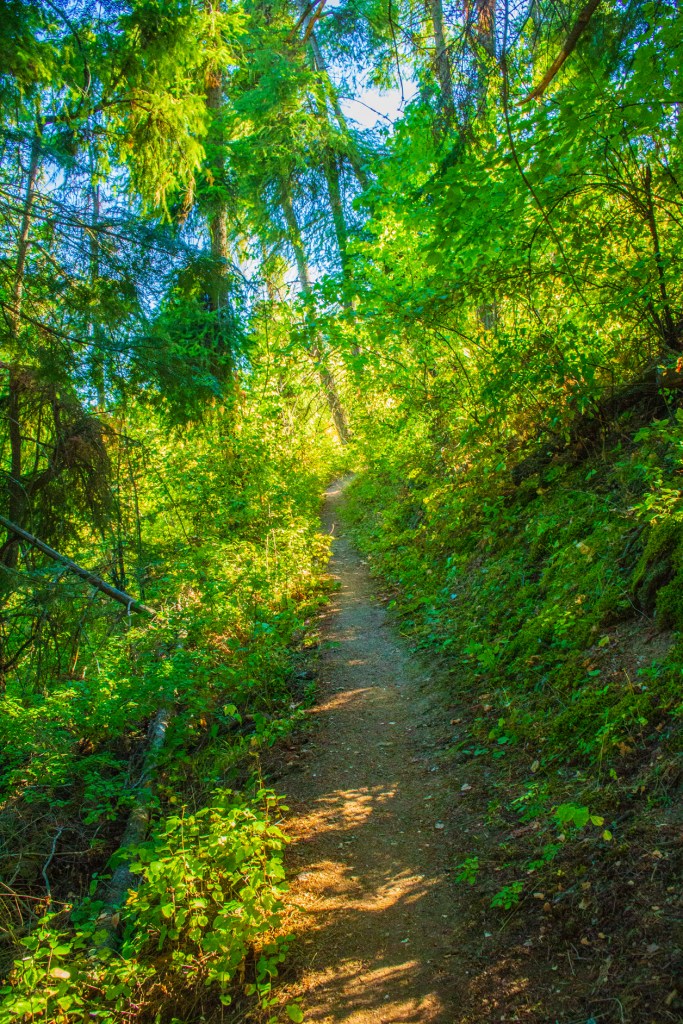
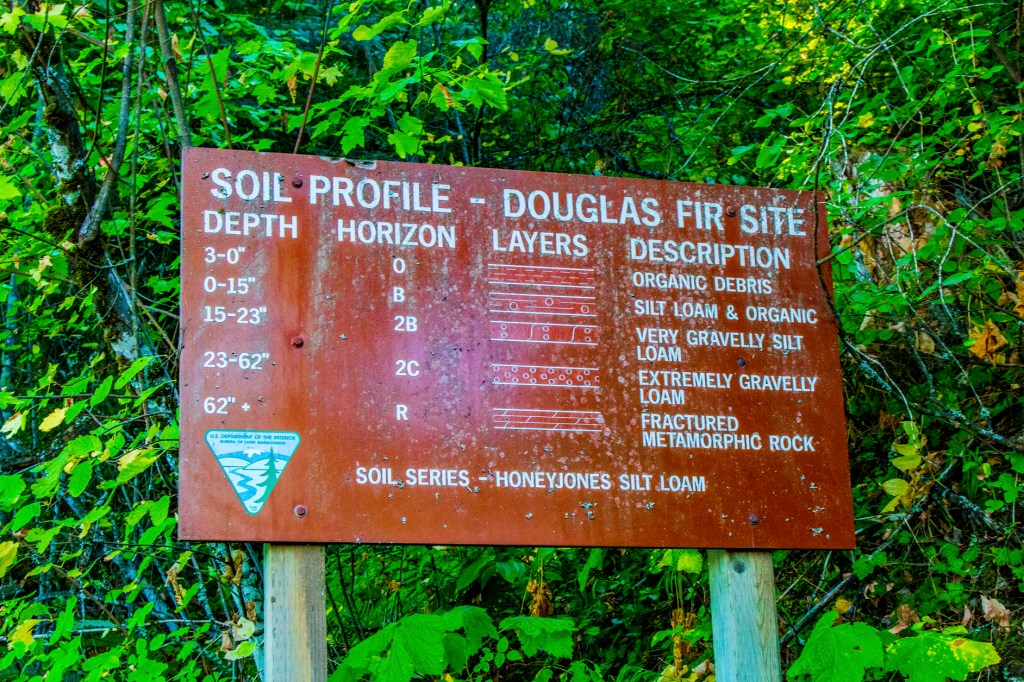
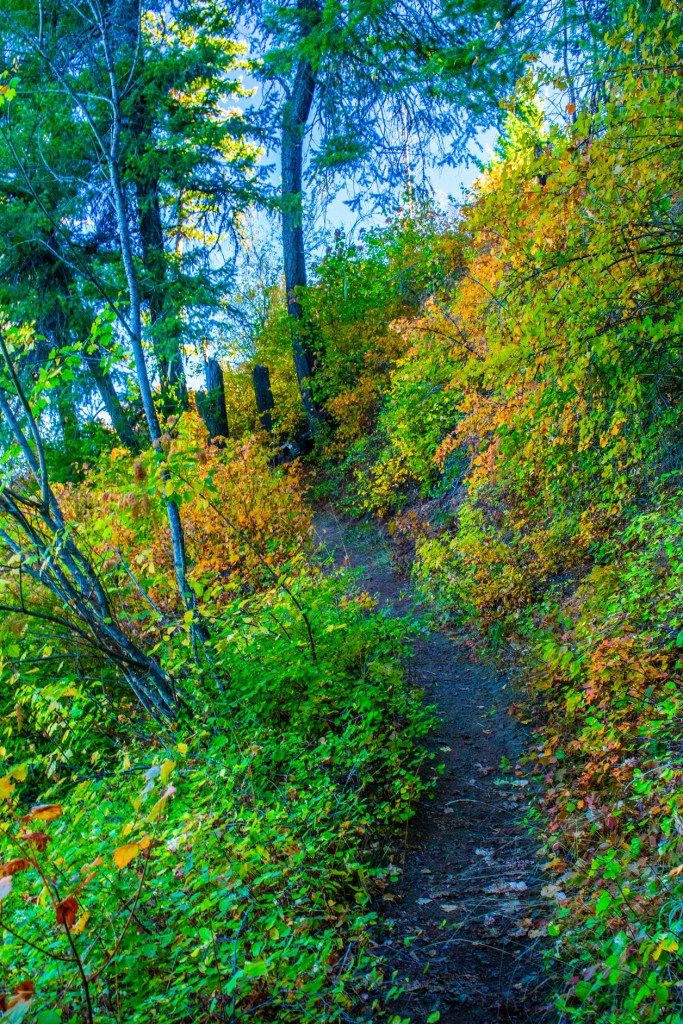
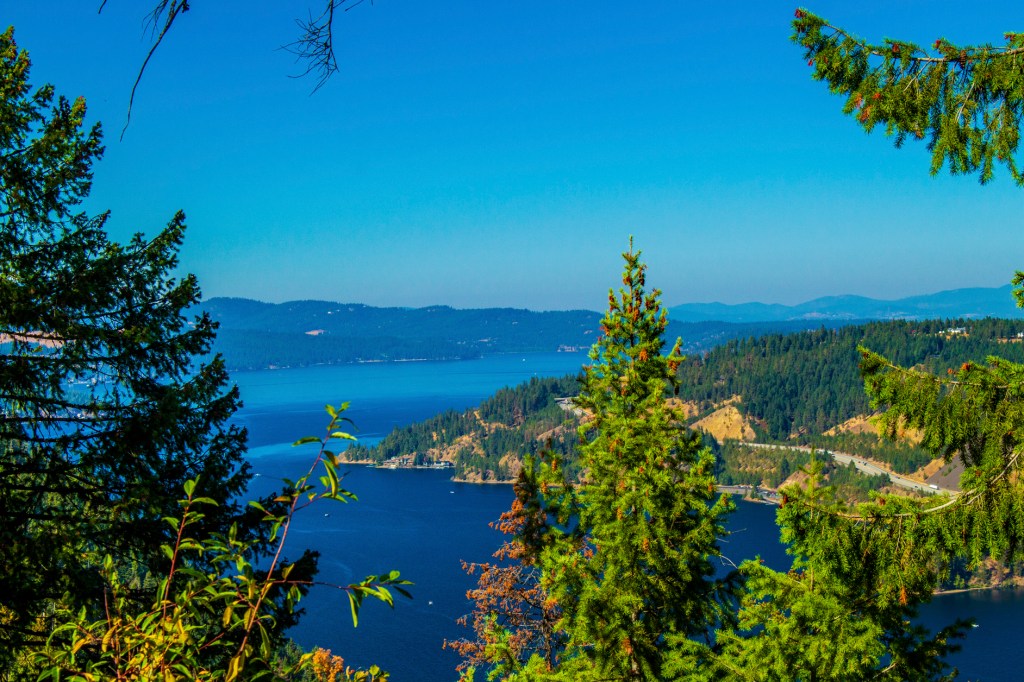
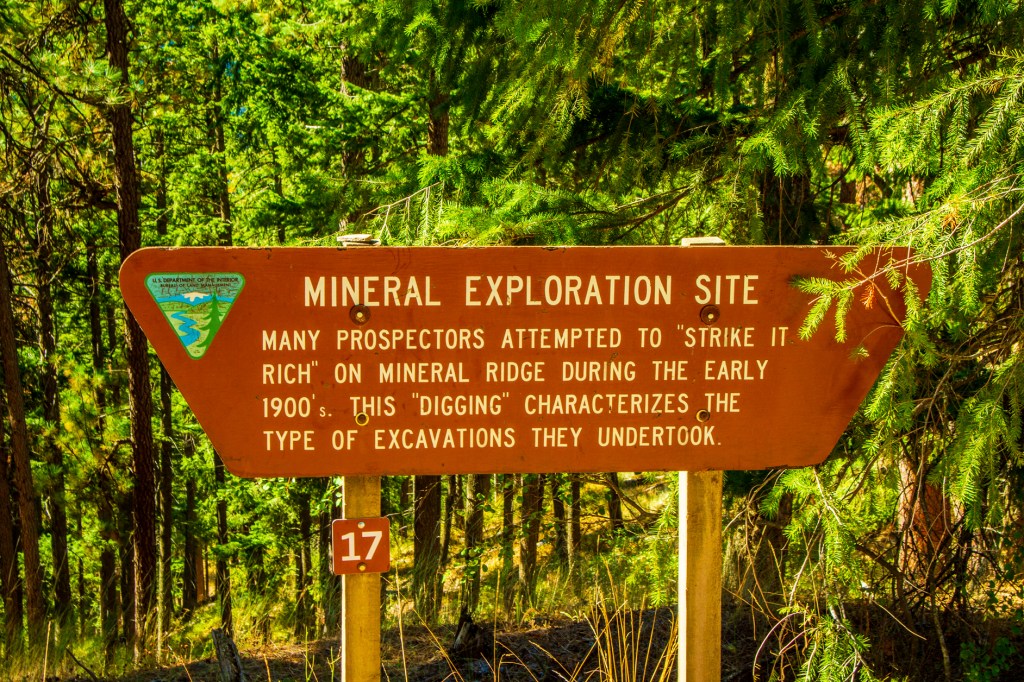
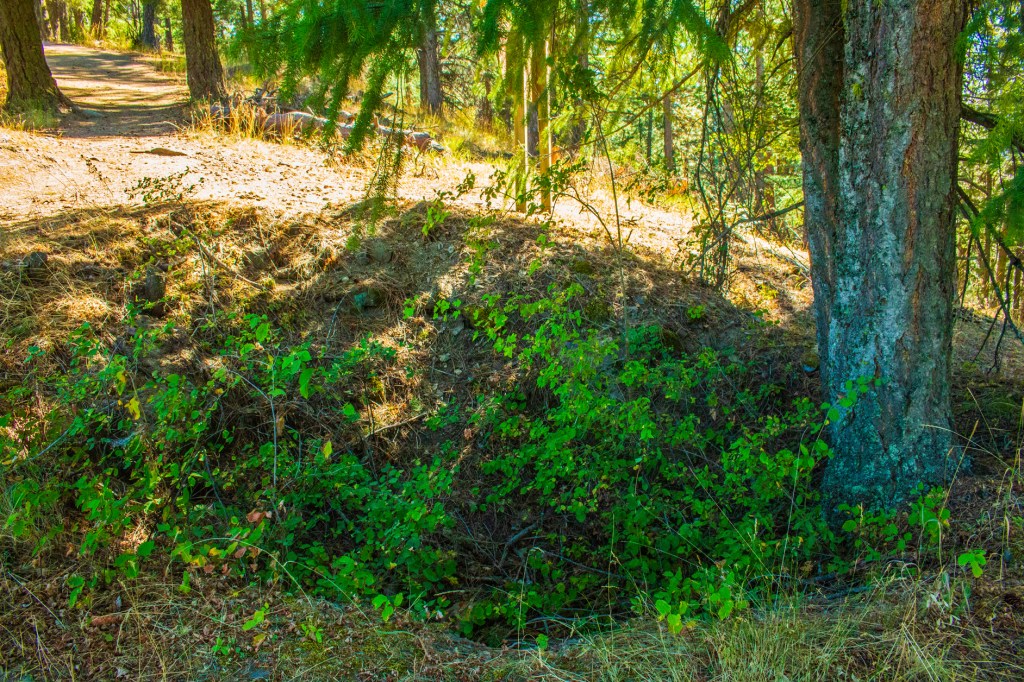
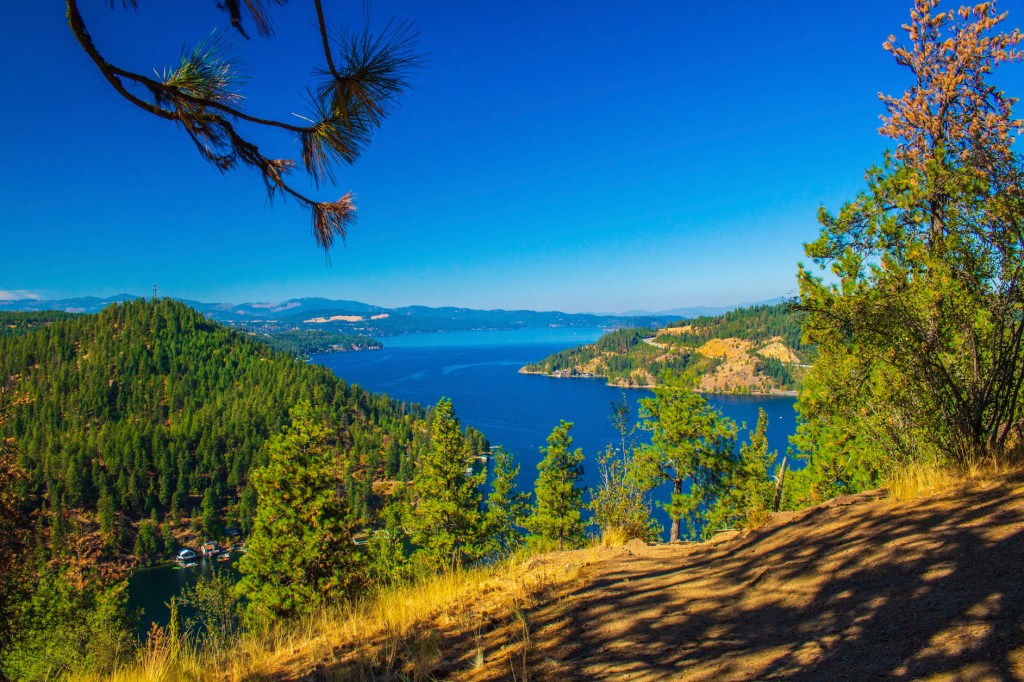
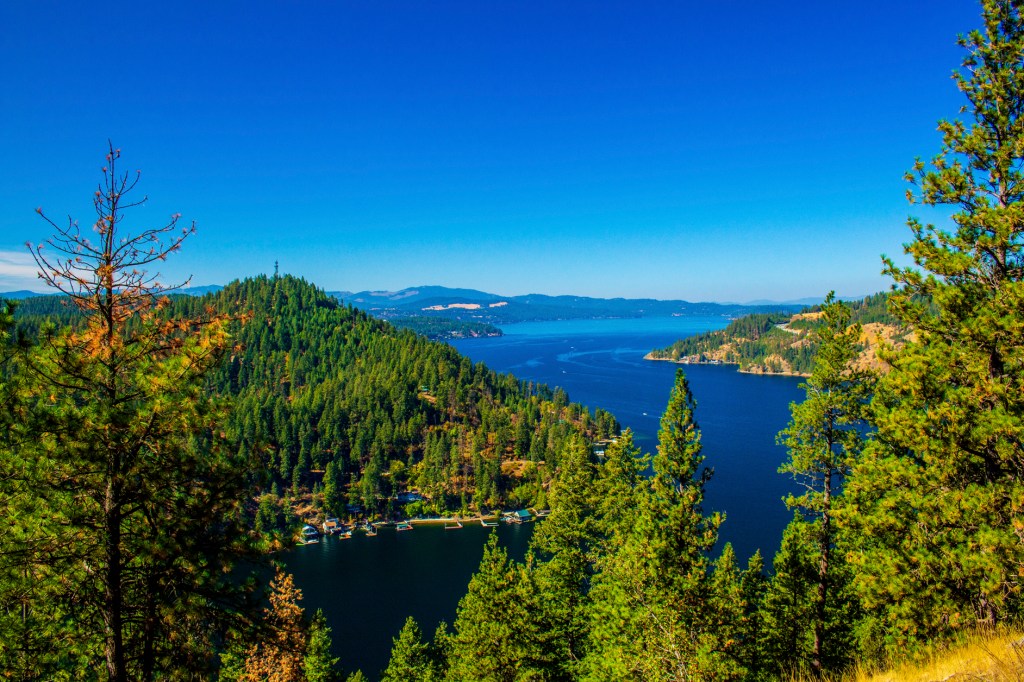
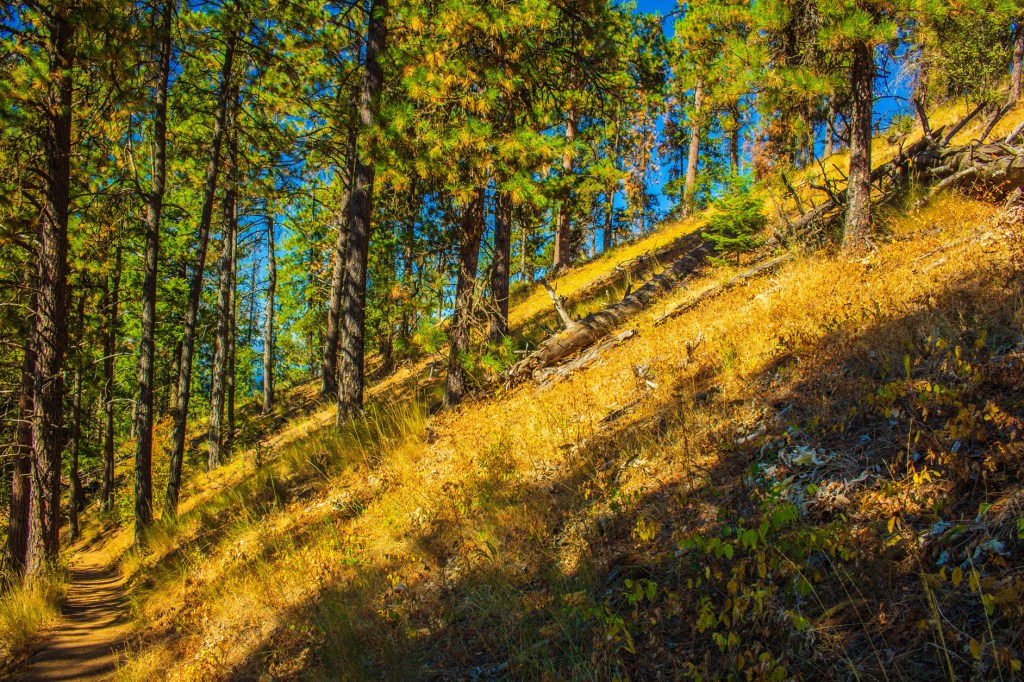
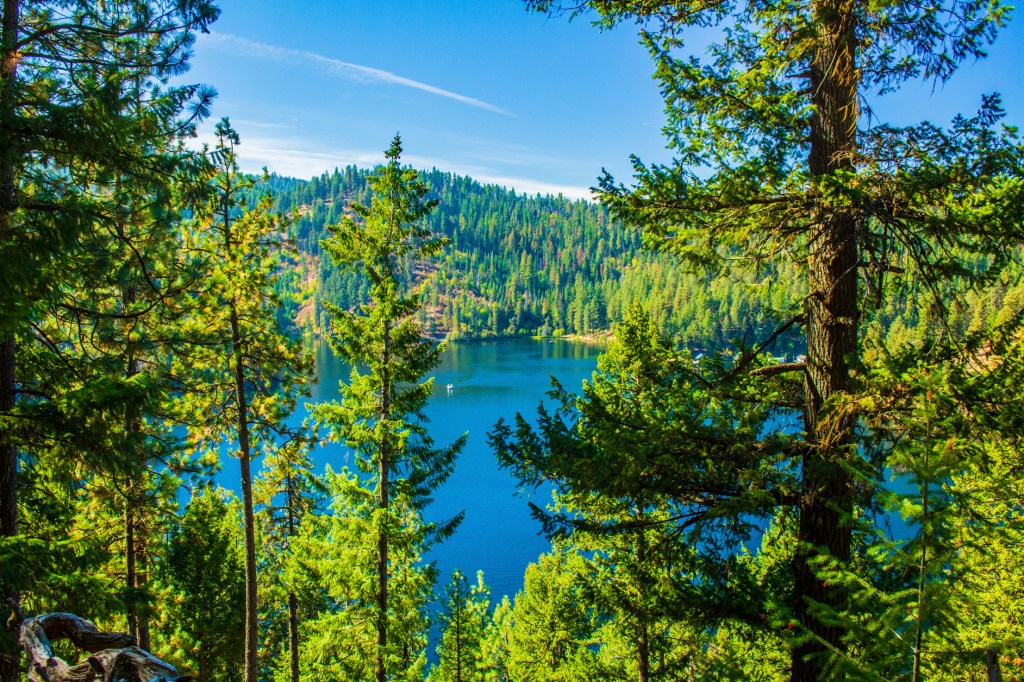
This past Sunday Barbara, Hopper and I travelled to the east end of Lake Coeur d’Alene to the Mineral Ridge Recreation Area. While Barbara and Hopper enjoyed the fresh air at the picnic area I took a hike to stretch my legs and lungs to the top of Mineral Ridge. The sign indicated that the trail is 2.5 miles long, but as usual I took a couple of side trails and extended my adventure by another 2.5 miles. This is a beautiful and in places a difficult hike, but I thoroughly enjoyed the chance to get out in nature, the fresh air and the much needed exercise. Back in the early 1900’s prospectors tried mineral exploration in the area, thus the name, but could never make it profitable.




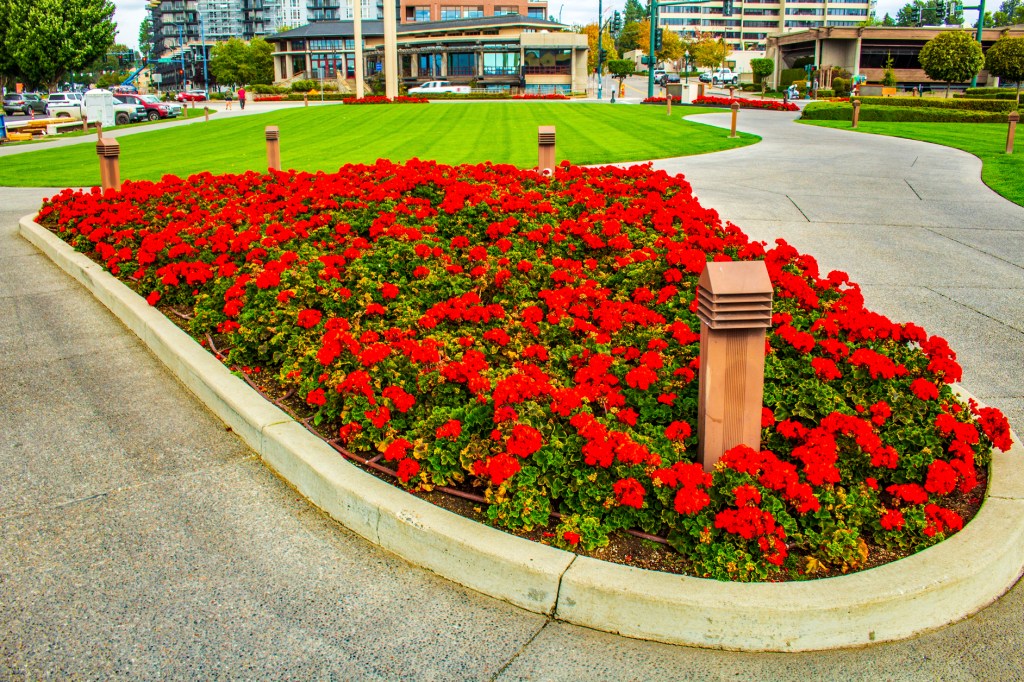
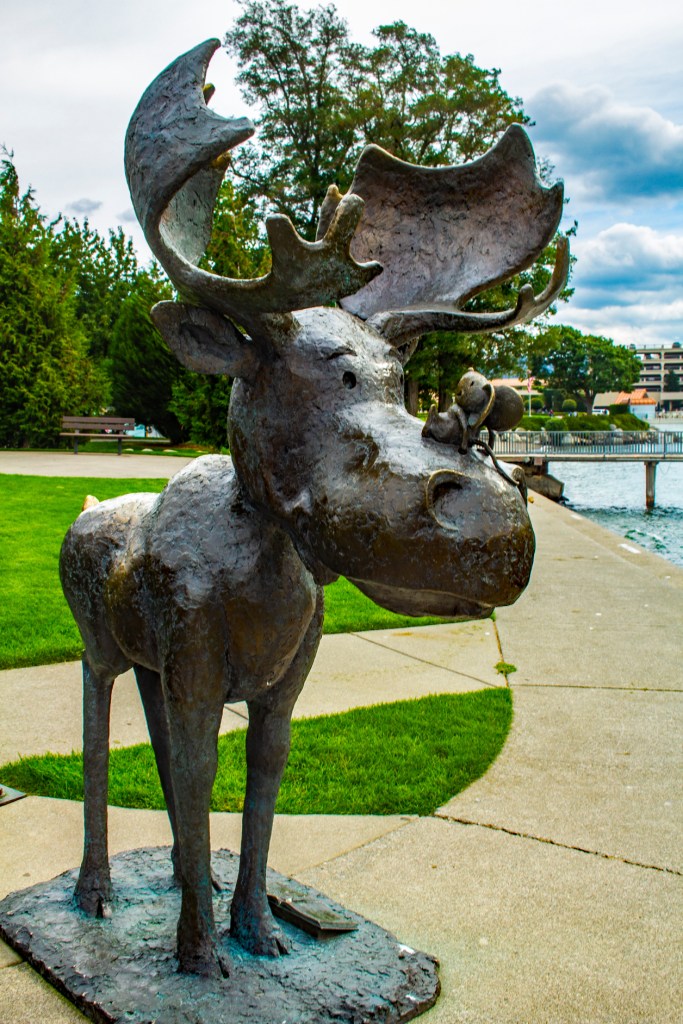
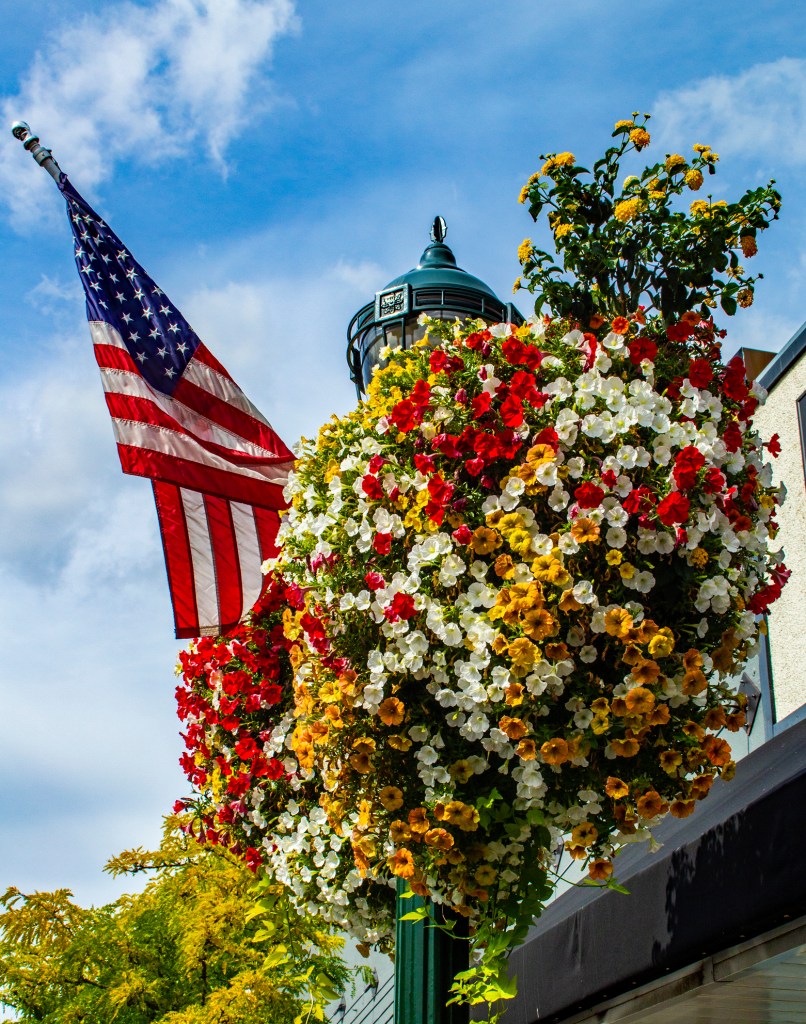
In downtown Coeur d’Alene, along the waters edge, is beautiful McKuen Park. Barbara and I along with our good friends Linda and Dale took a few hours last week to explore this park. We explored, had lunch and the ladies did some shopping.
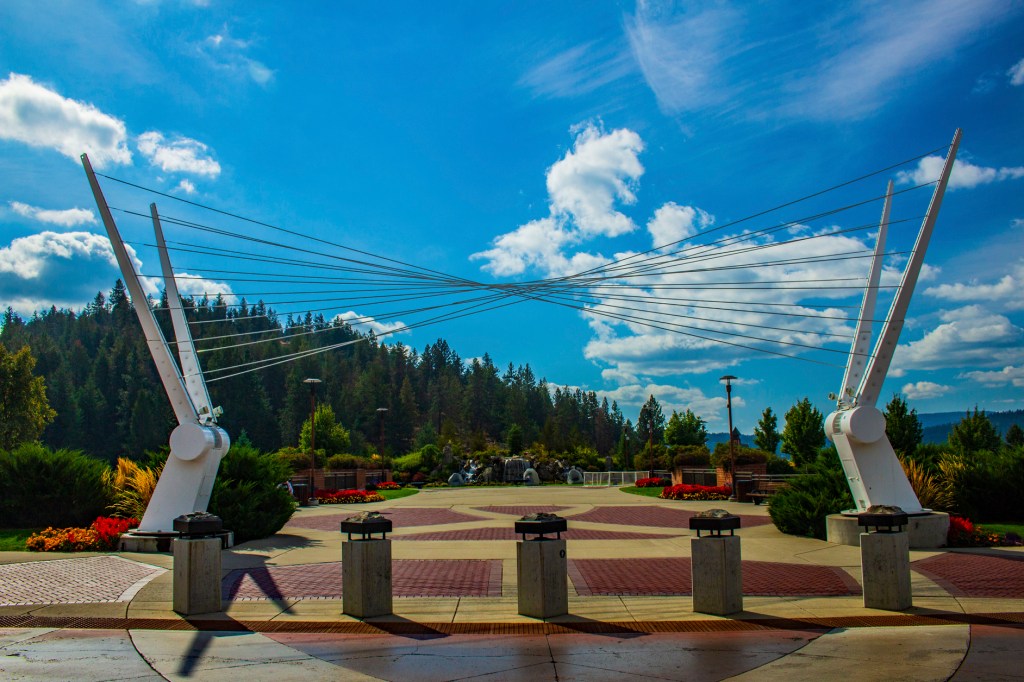
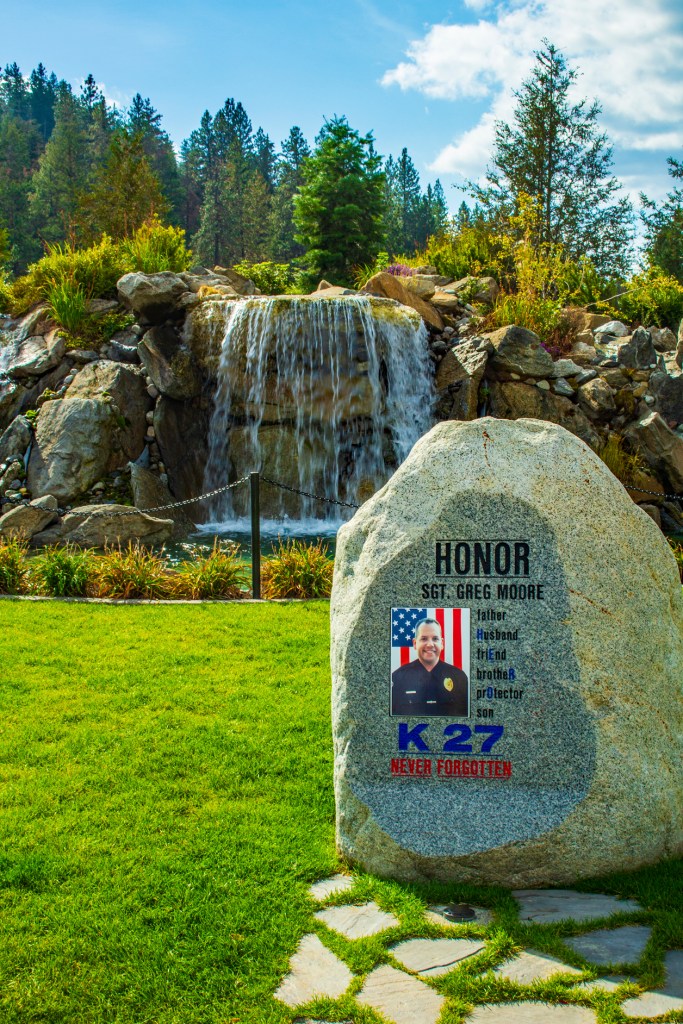
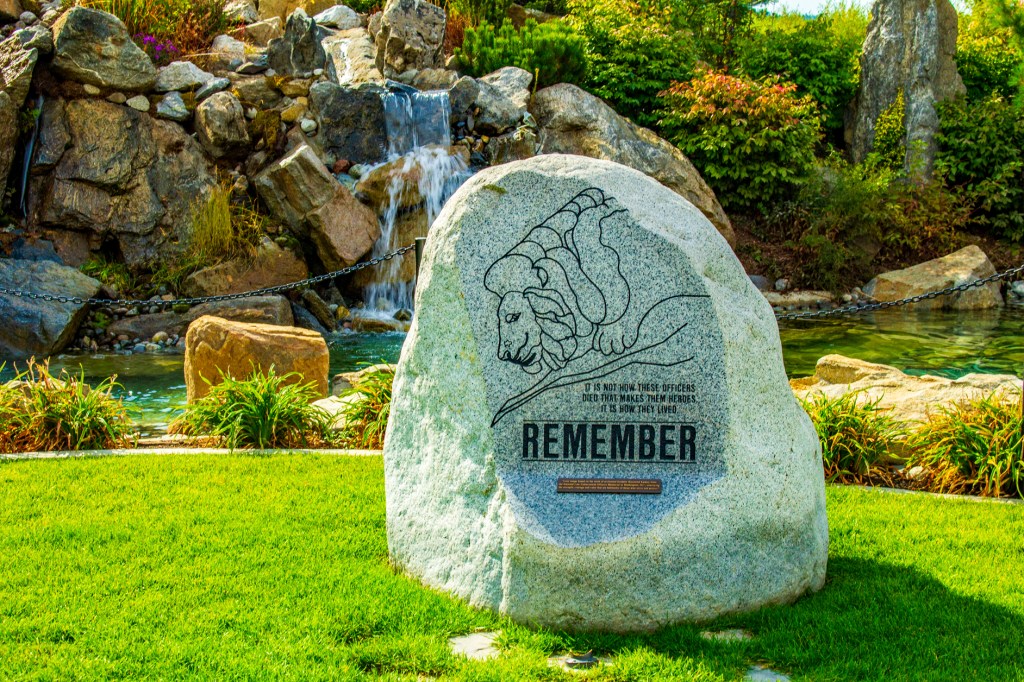
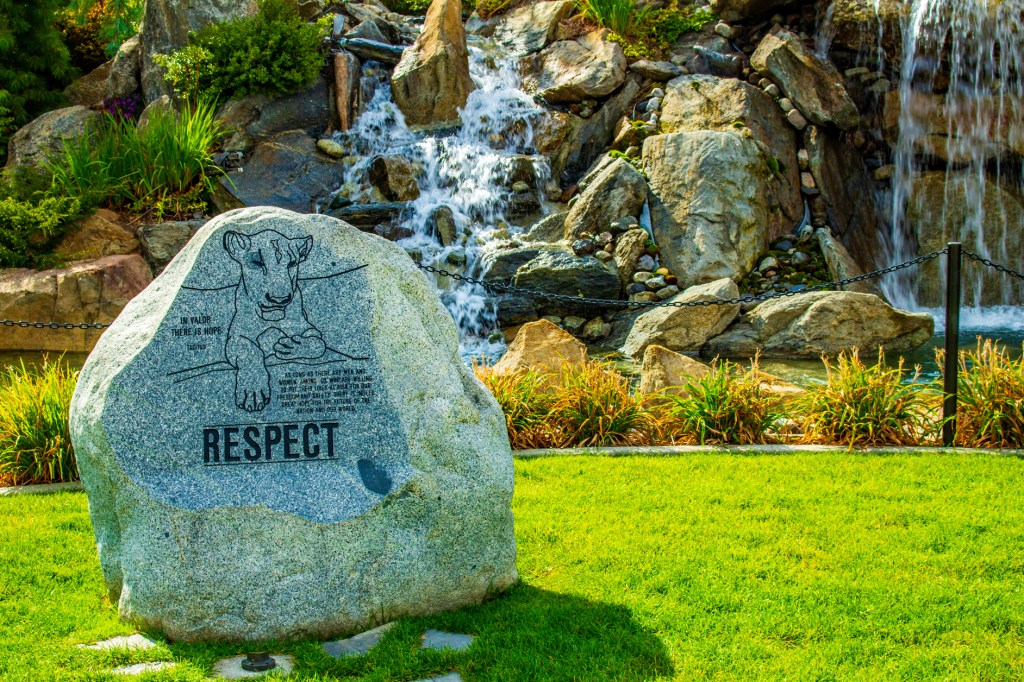
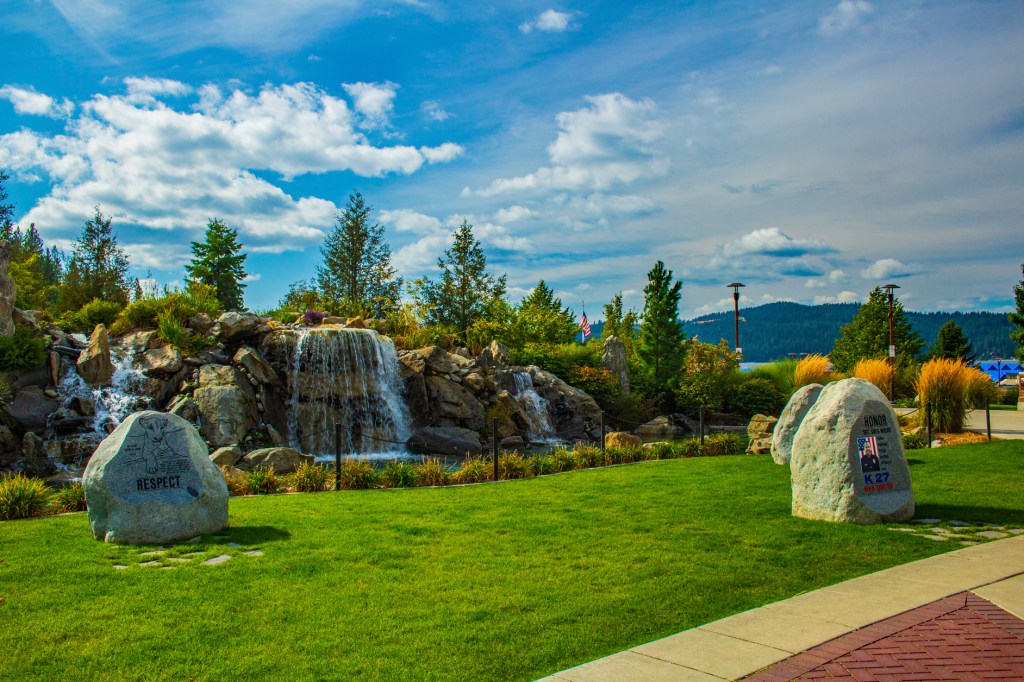
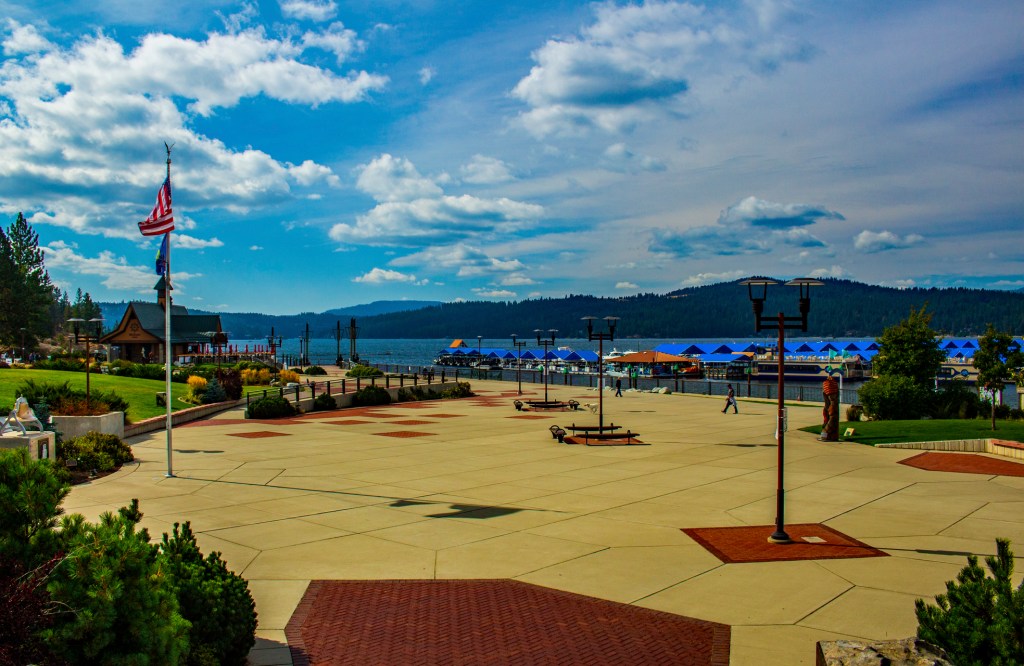
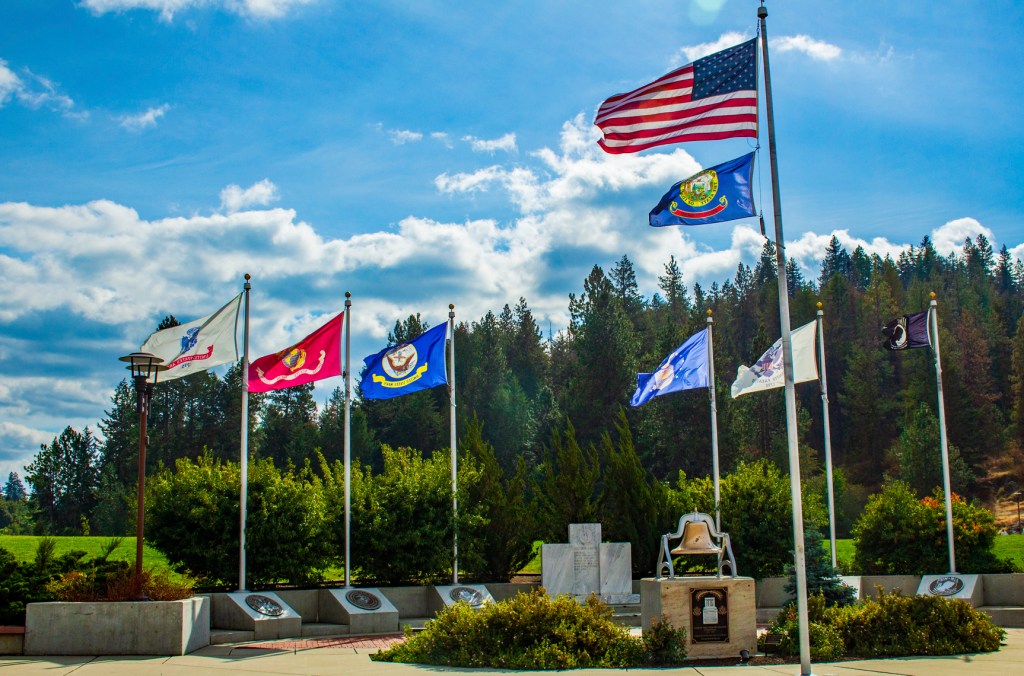
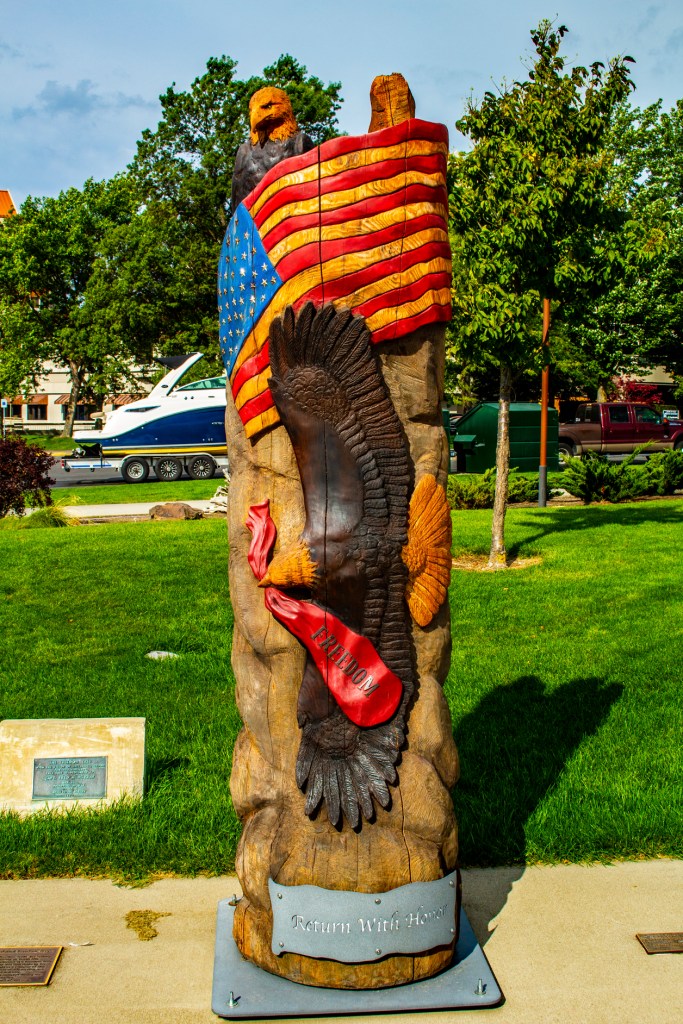
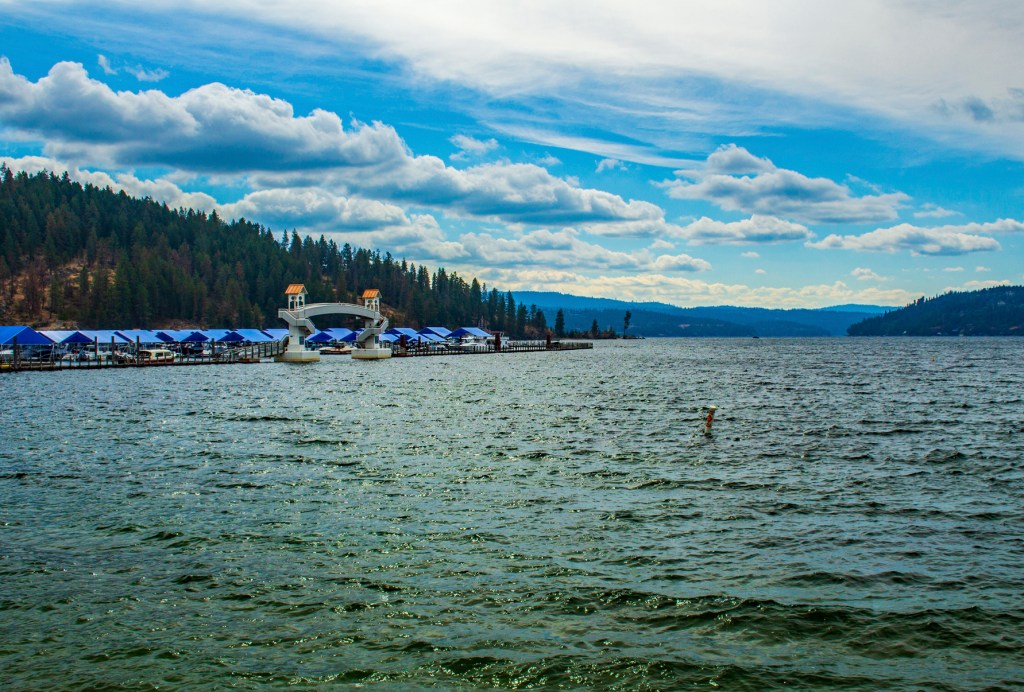
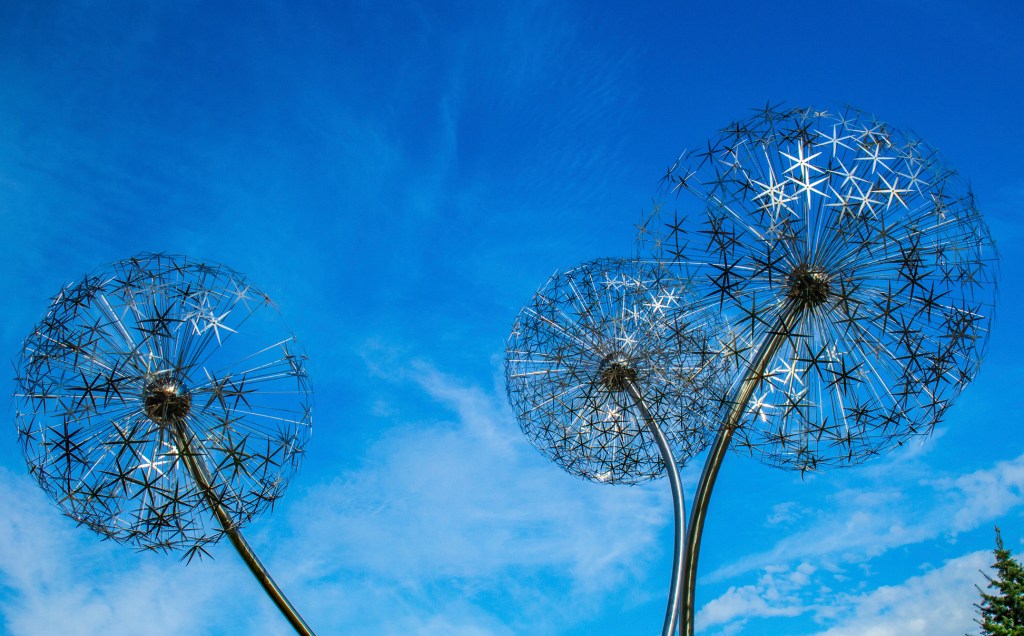
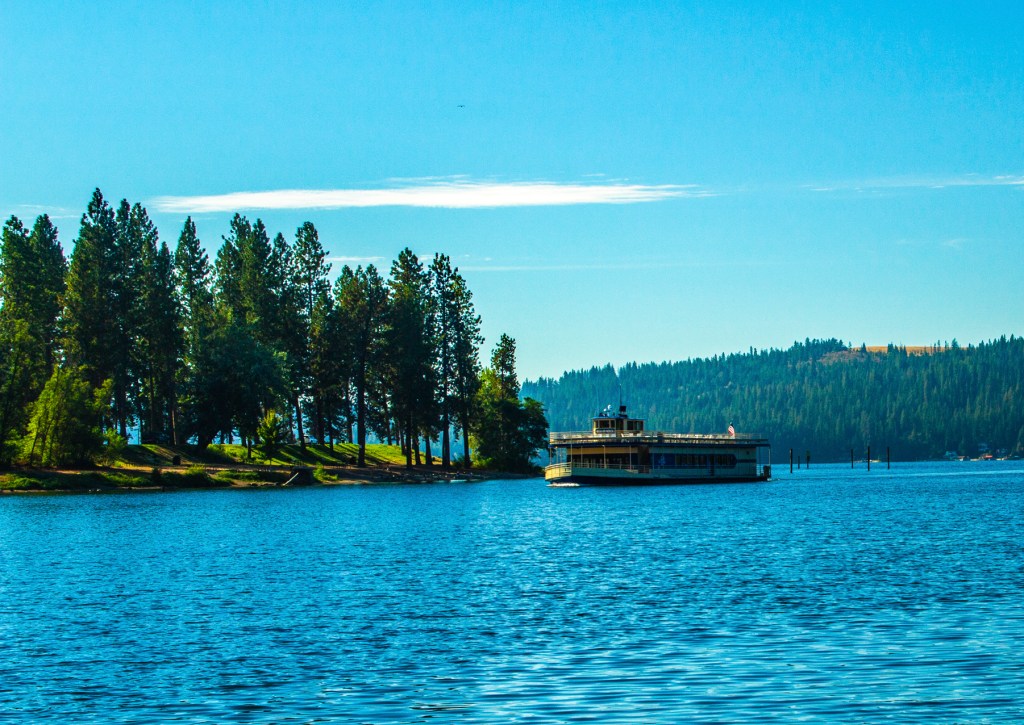
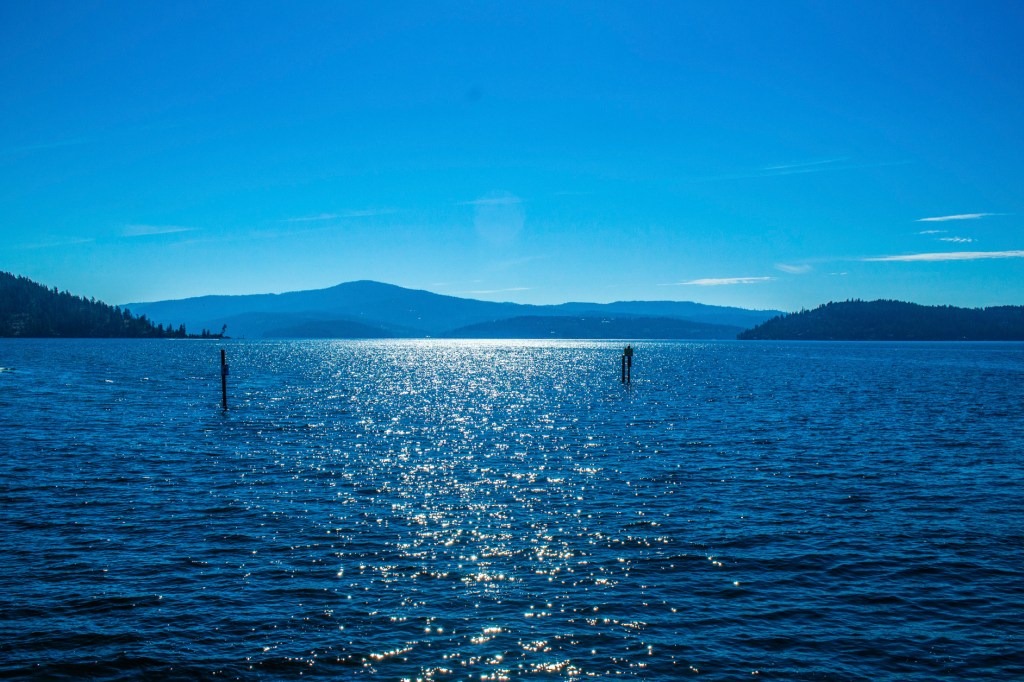
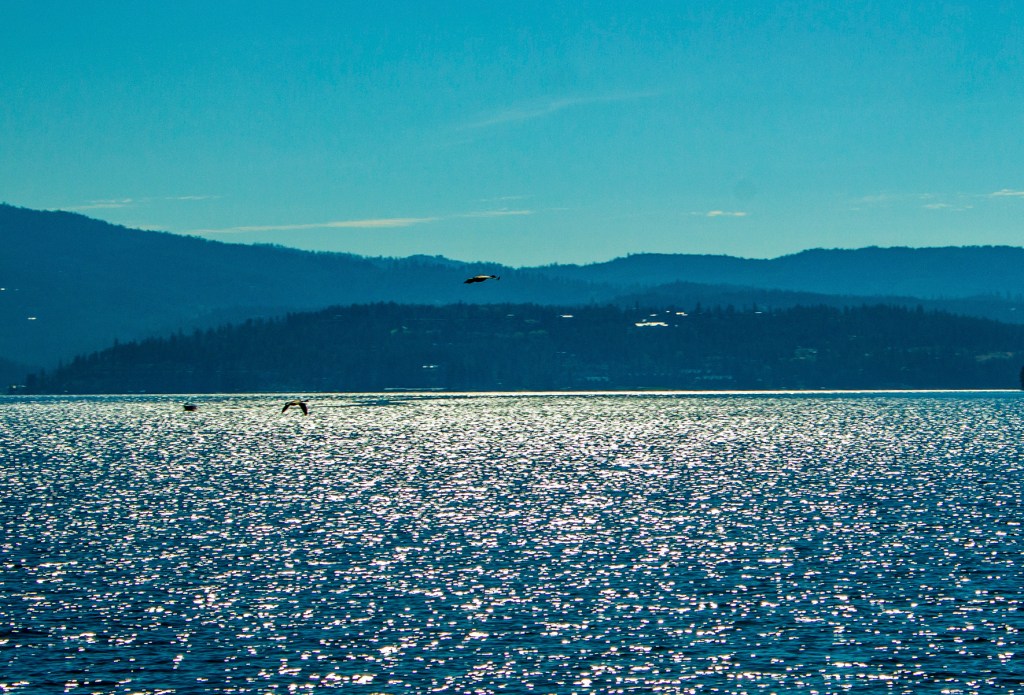
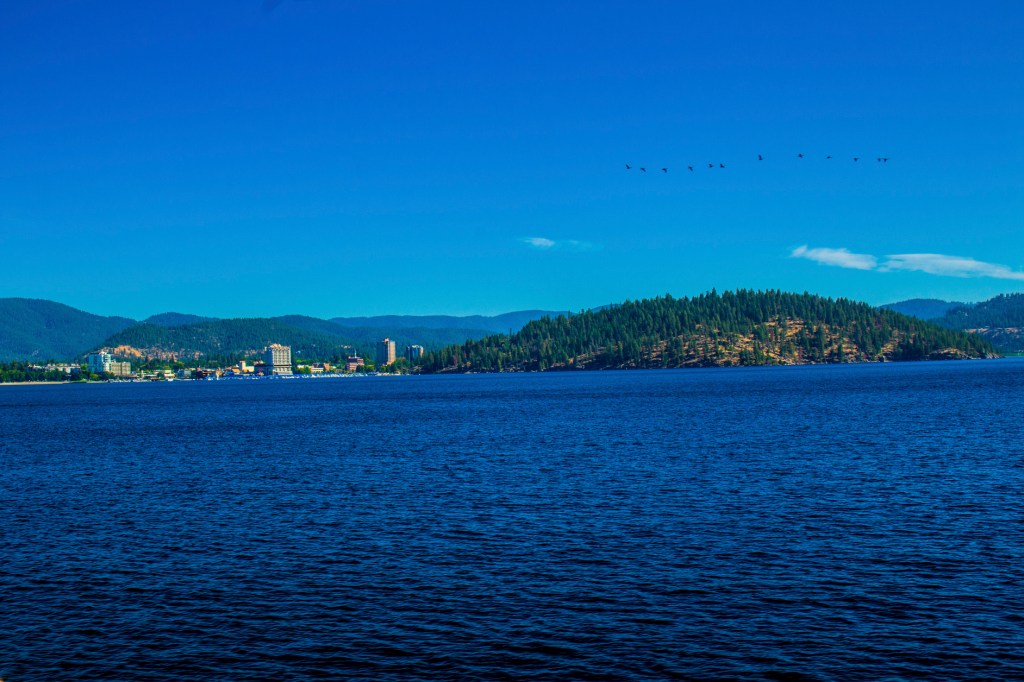
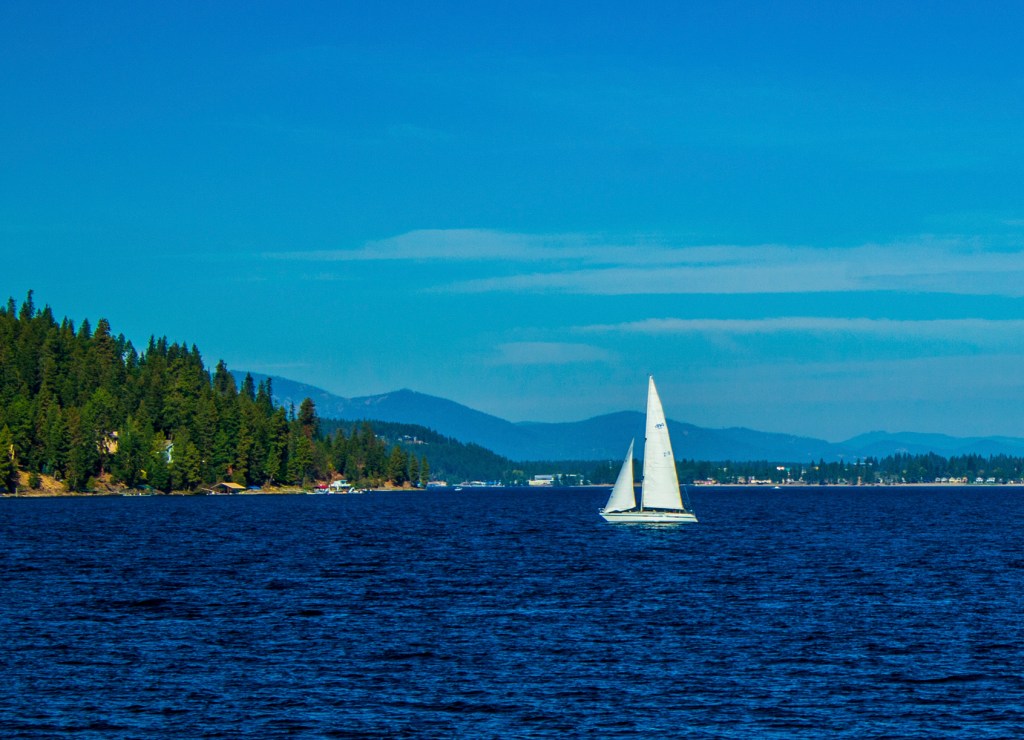
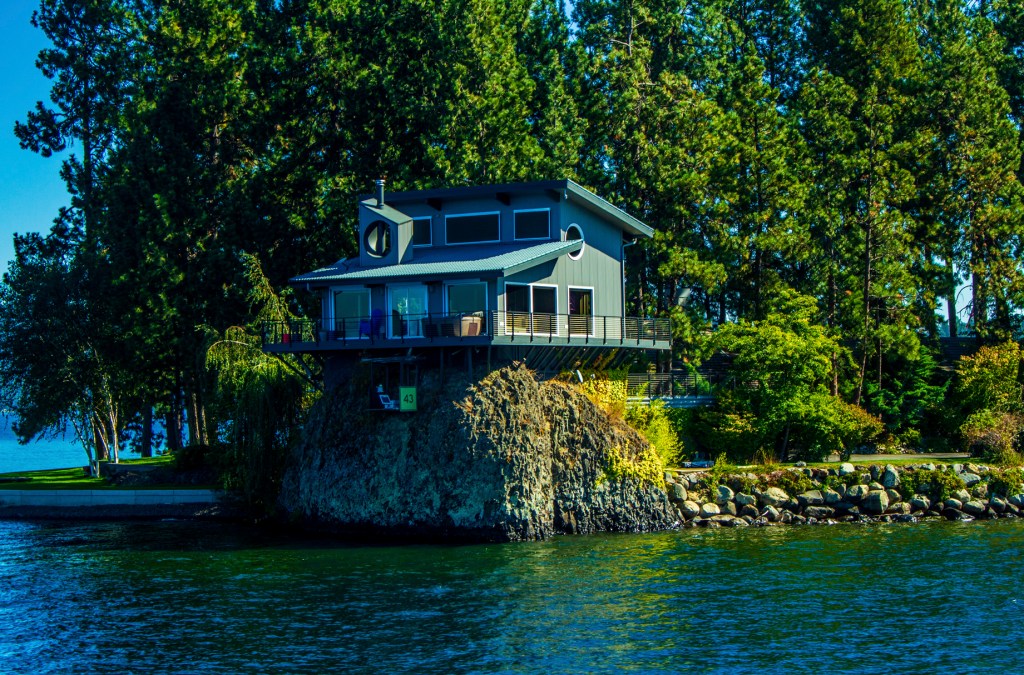
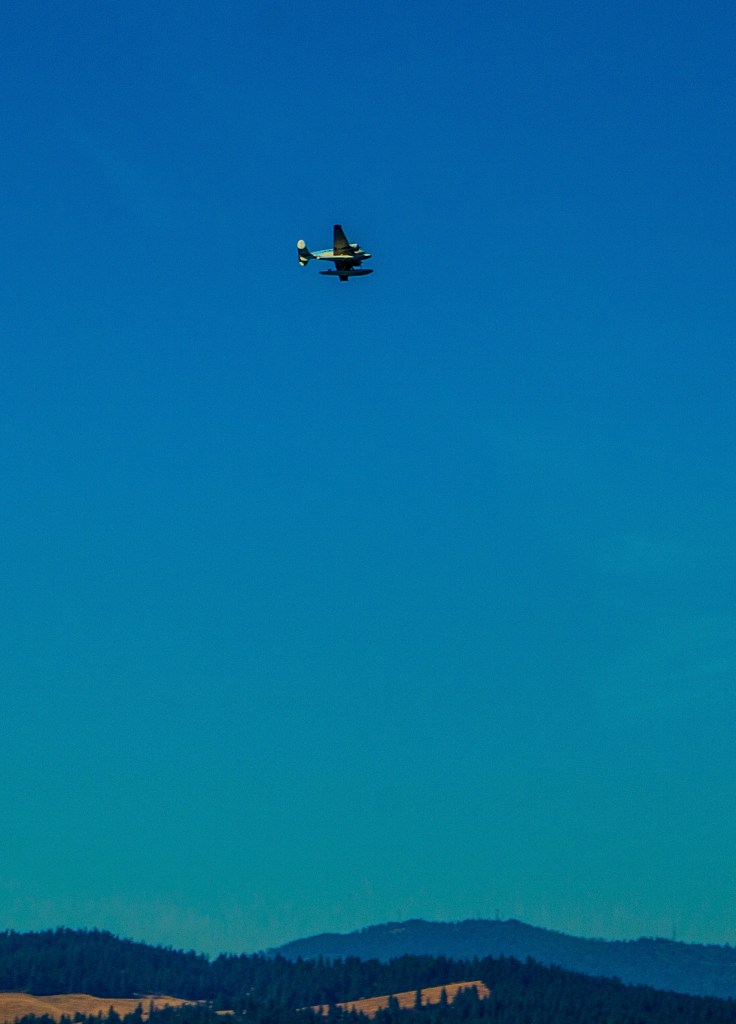
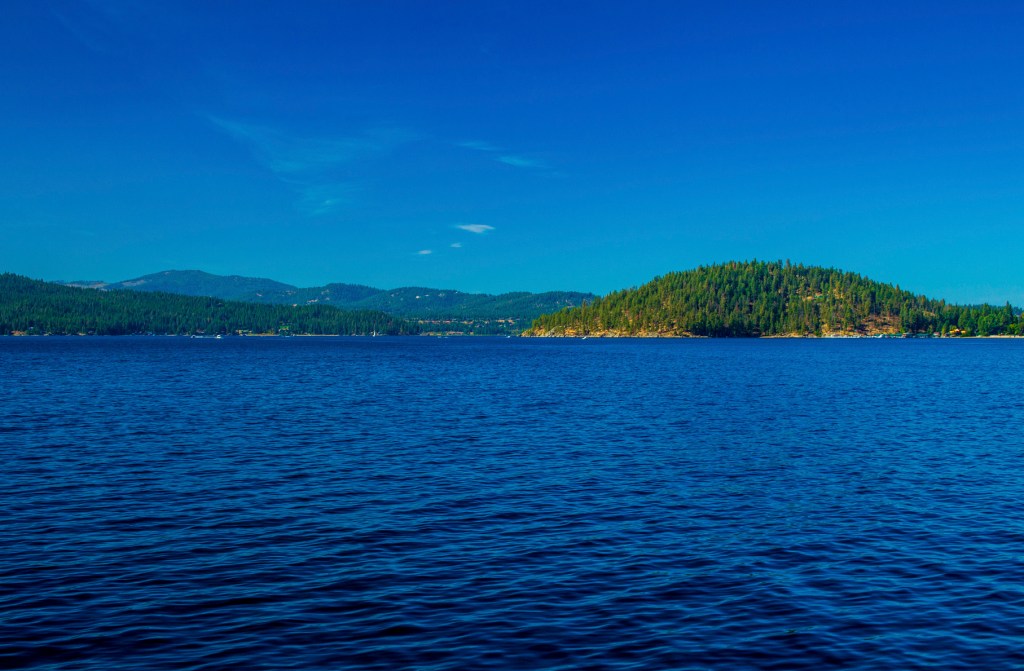
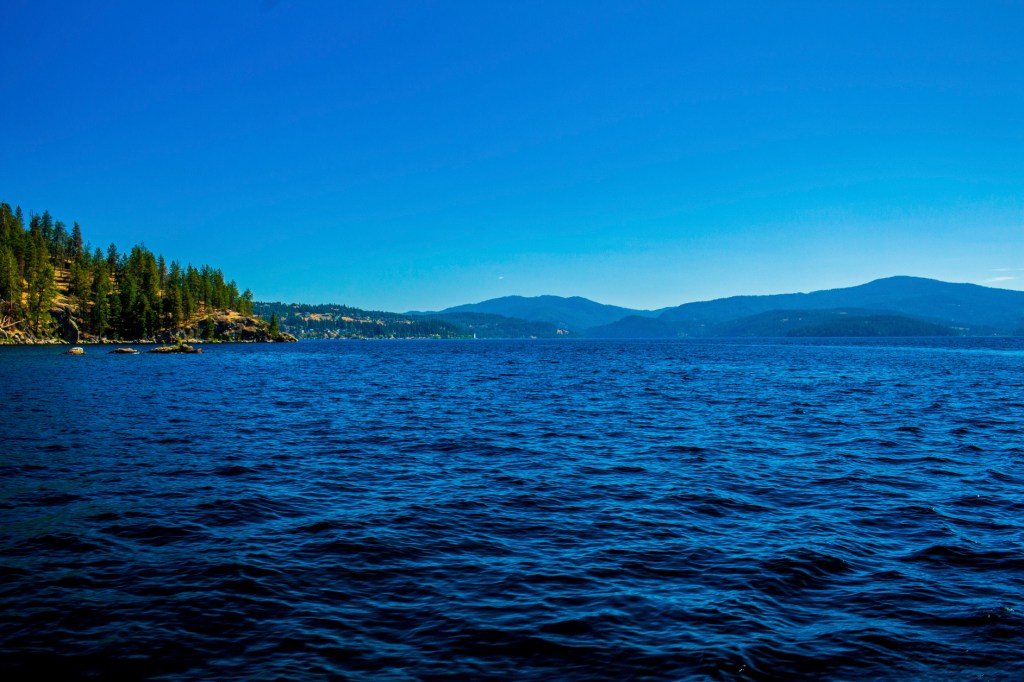
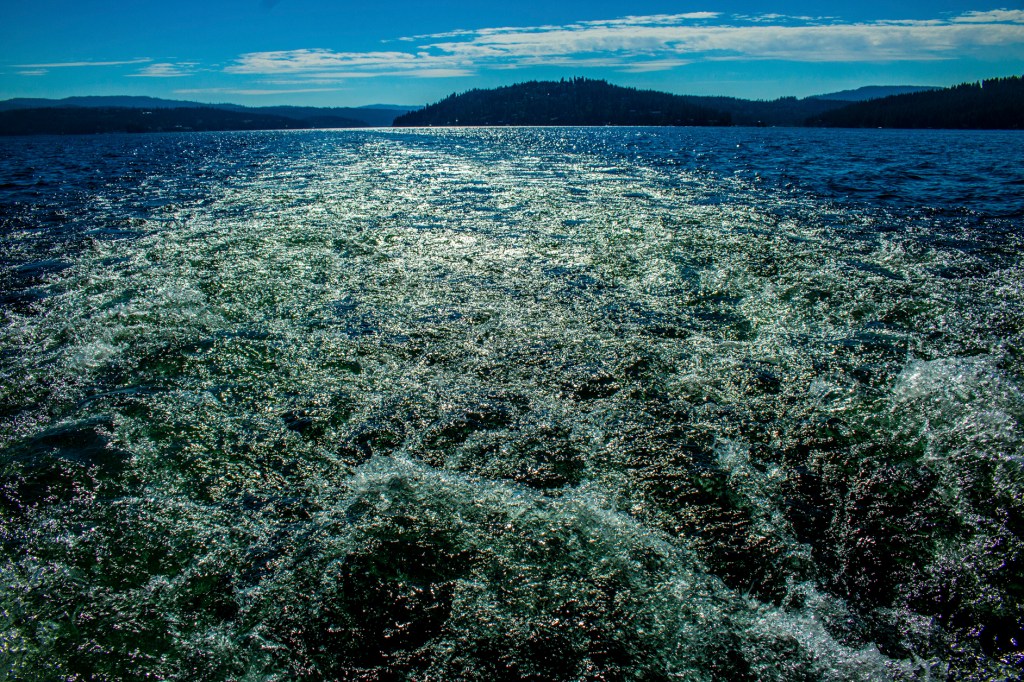
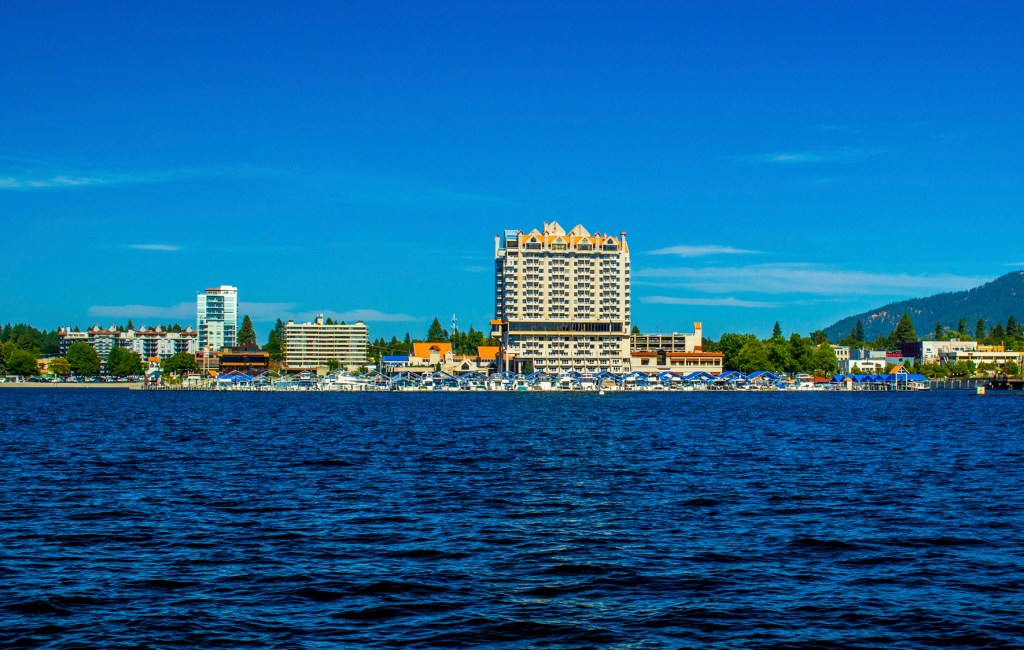
Sorry I haven’t posted in a while, but Barbara and I have been so busy. Last week Barbara and I, along with a bunch of fun loving Grand Design owners, took a boat ride on Lake Coeur d’Alene in northern Idaho. If you have never been to Coeur d’Alene Idaho, you need to go. I first visited this place in 1967 when my dad took the family to the Boy Scout World Jamboree in nearby Farragut State Park. Years later I had the pleasure of coming here for business meetings on a boat on Lake Coeur d’Alene. I don’t recall getting a lot of work done, but we had a good time and usually too much to drink. While on the lake I took several photos of the area. Take a look!



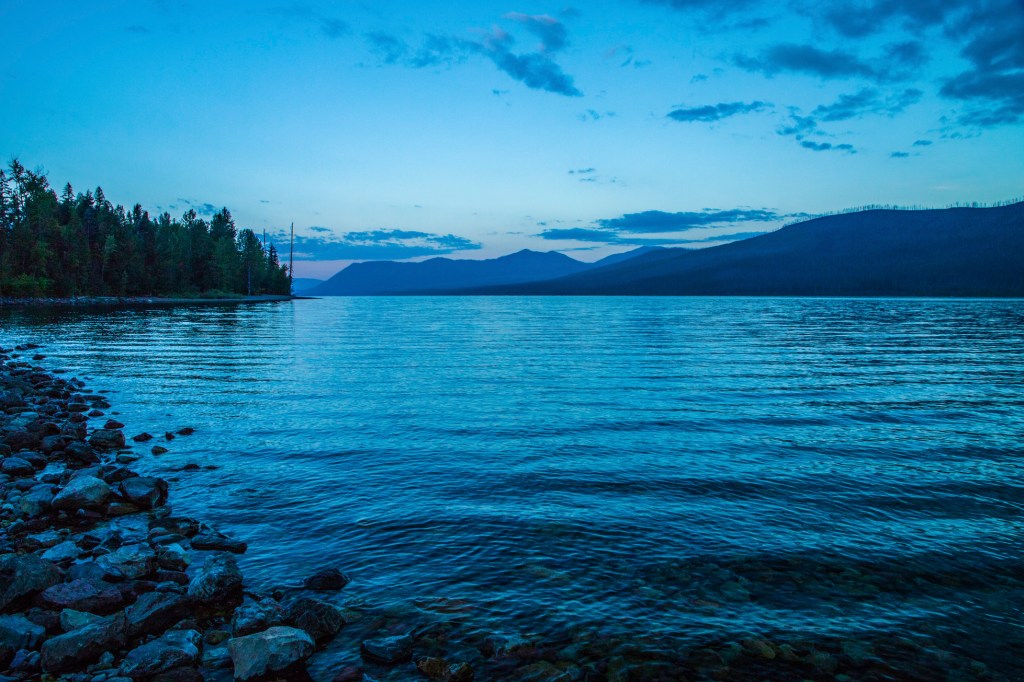
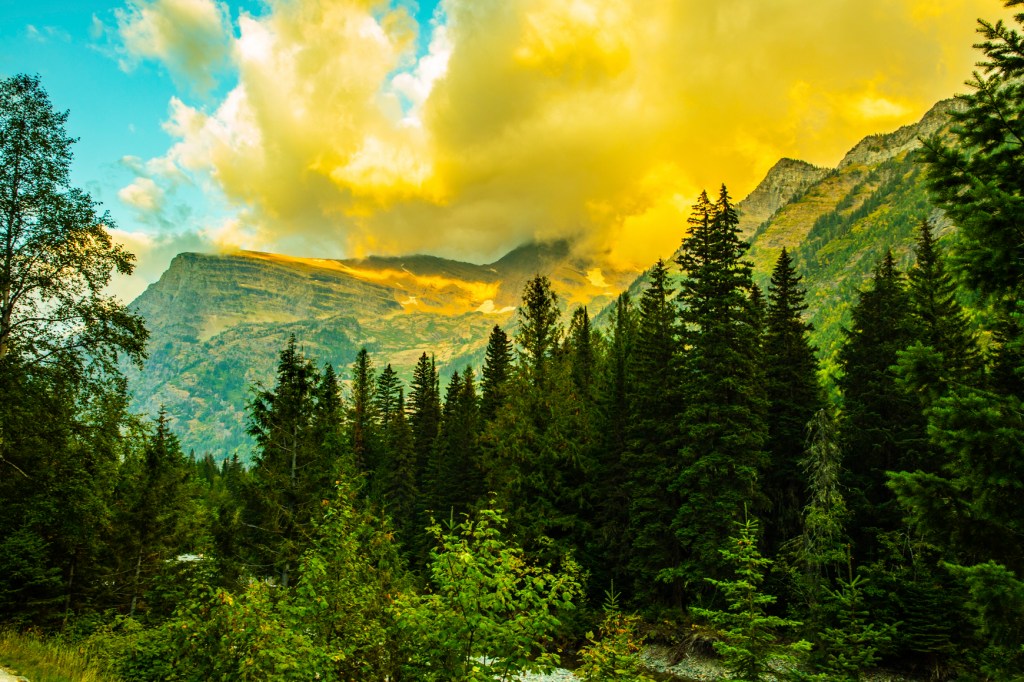
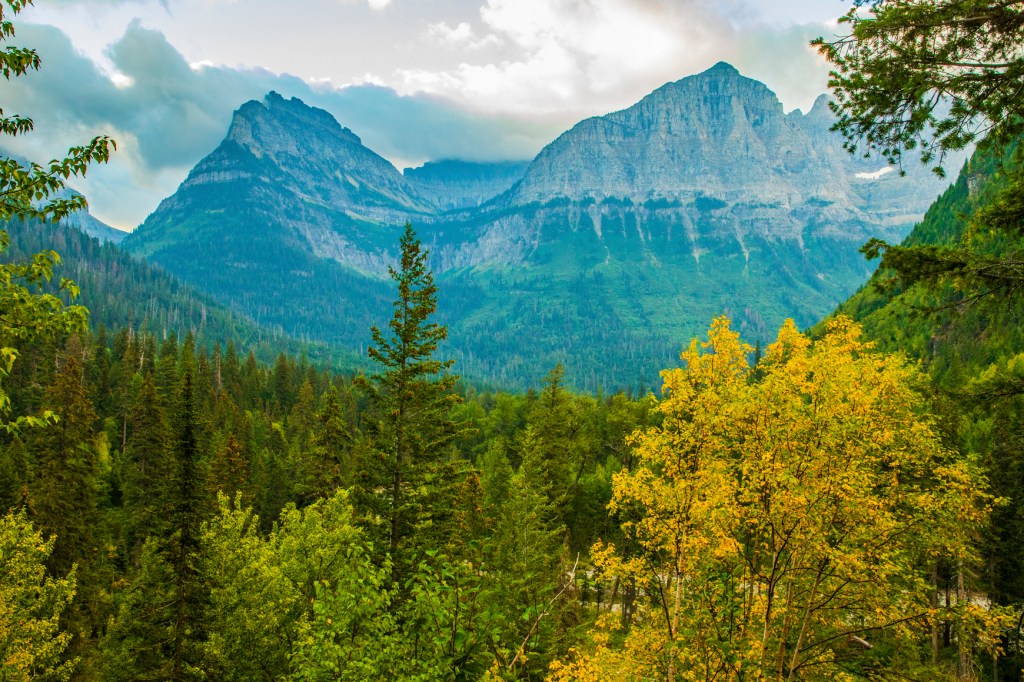
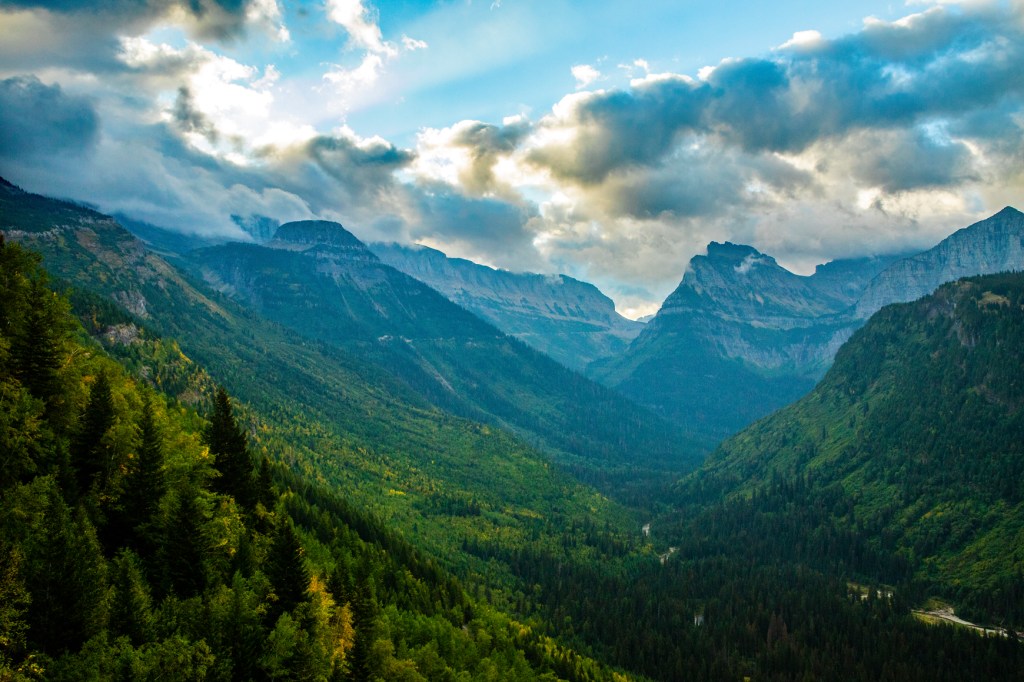
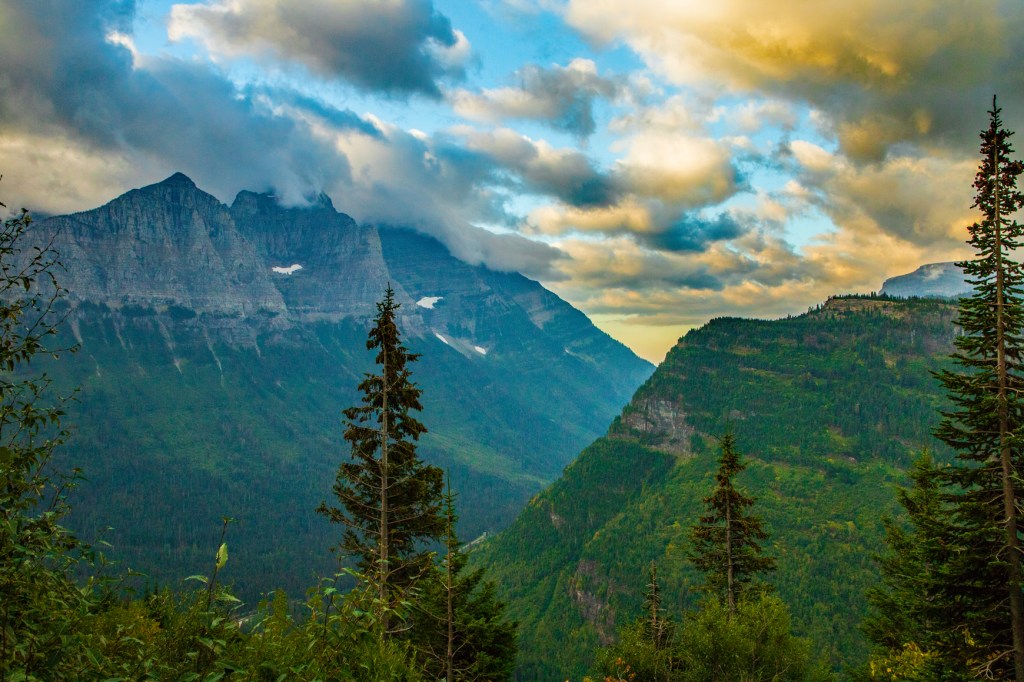
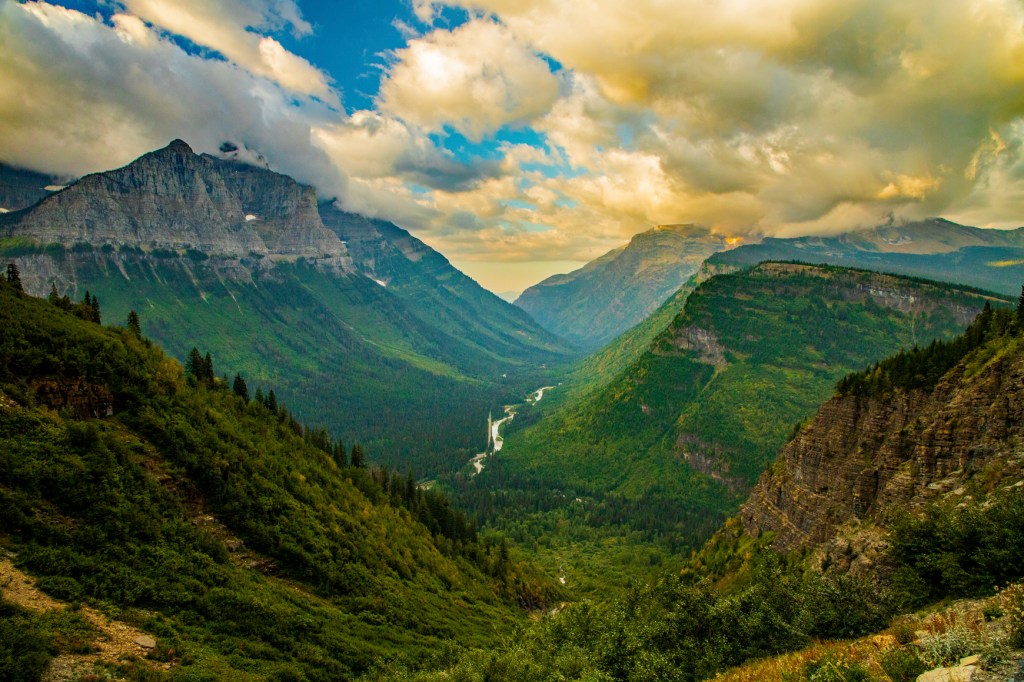
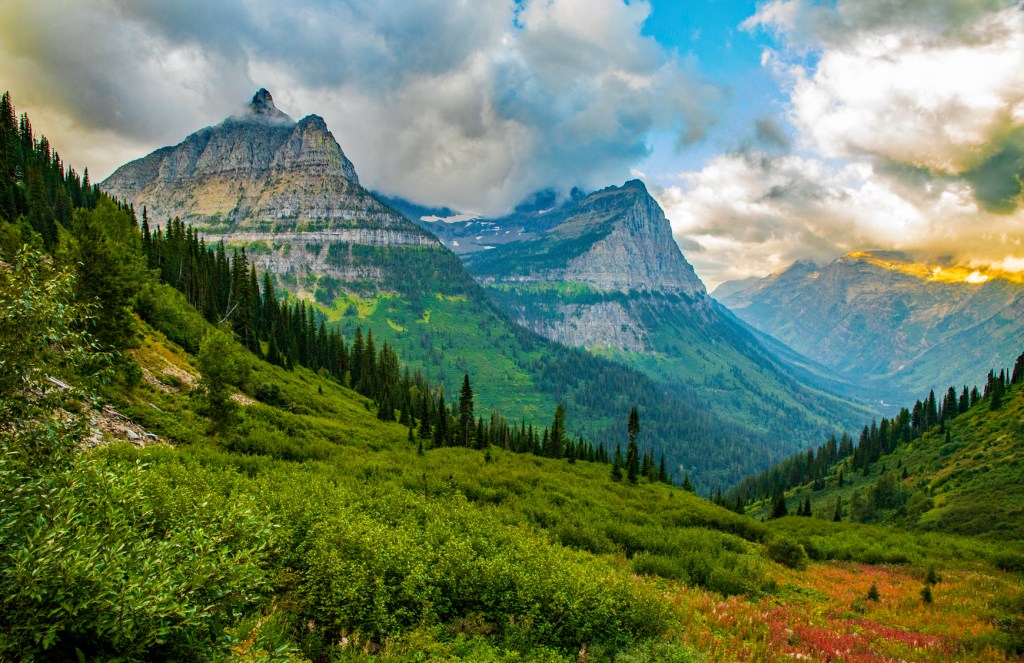
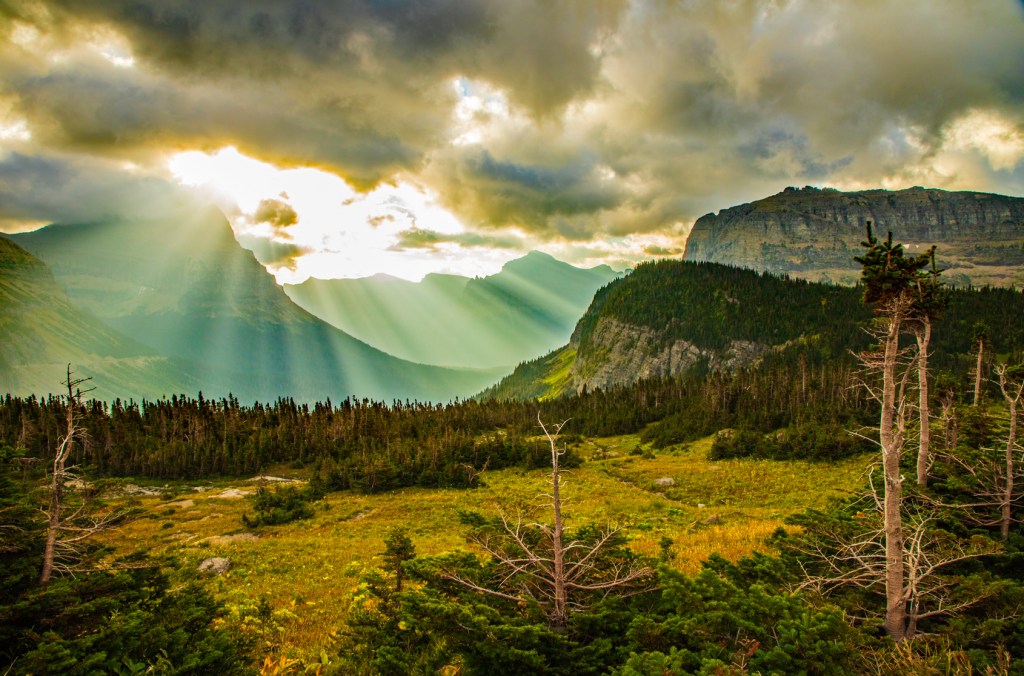
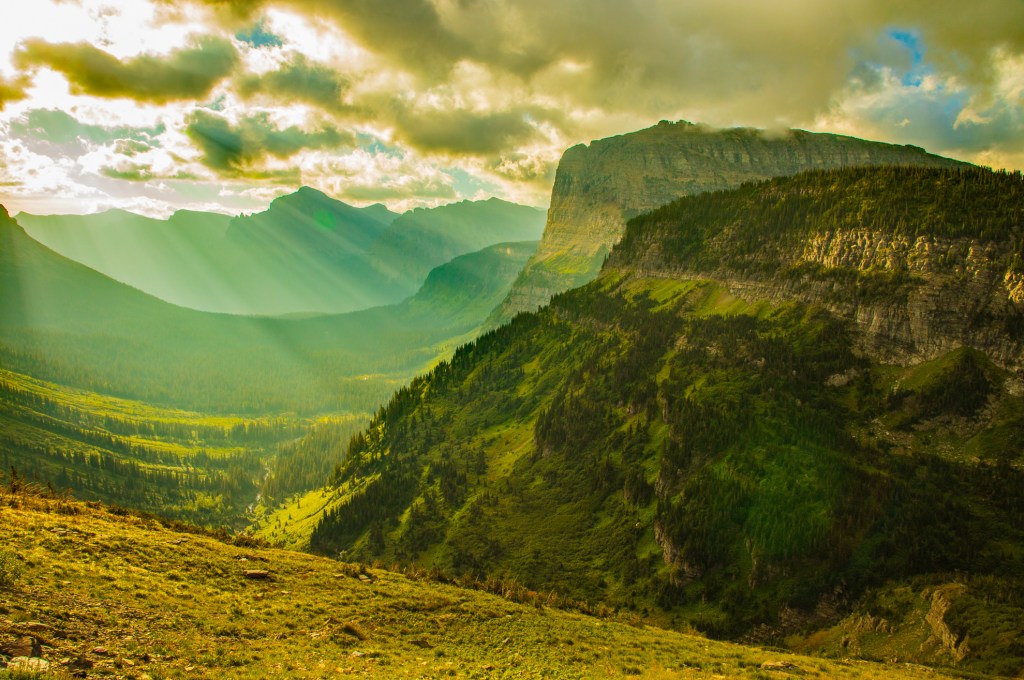
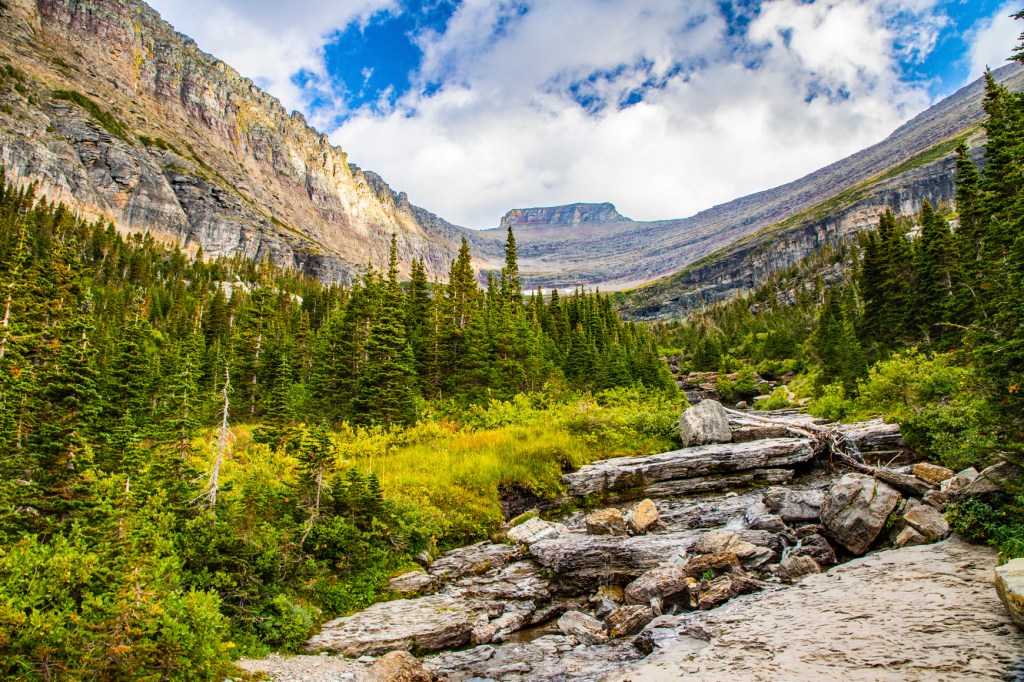
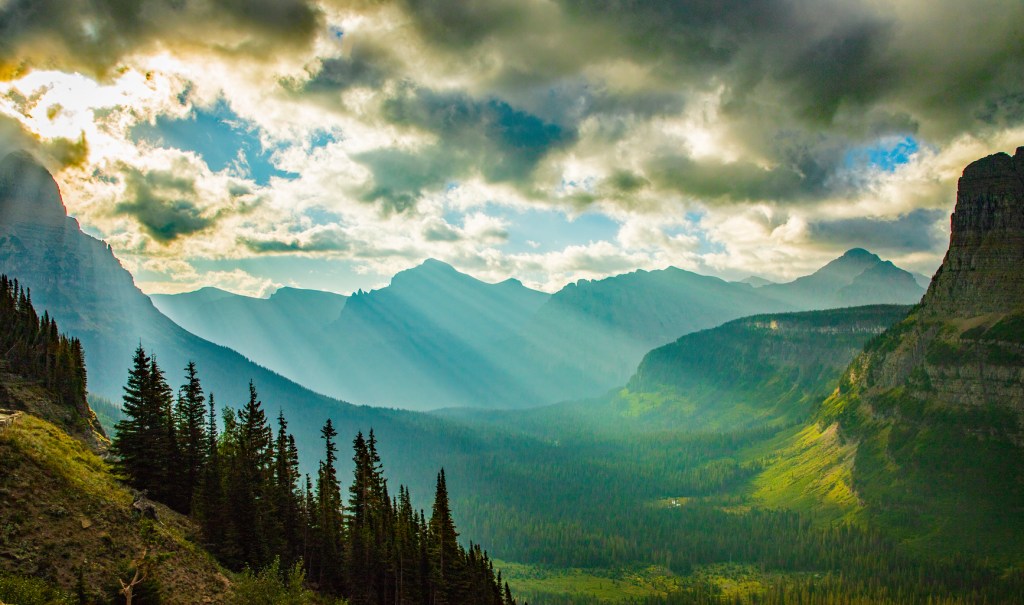
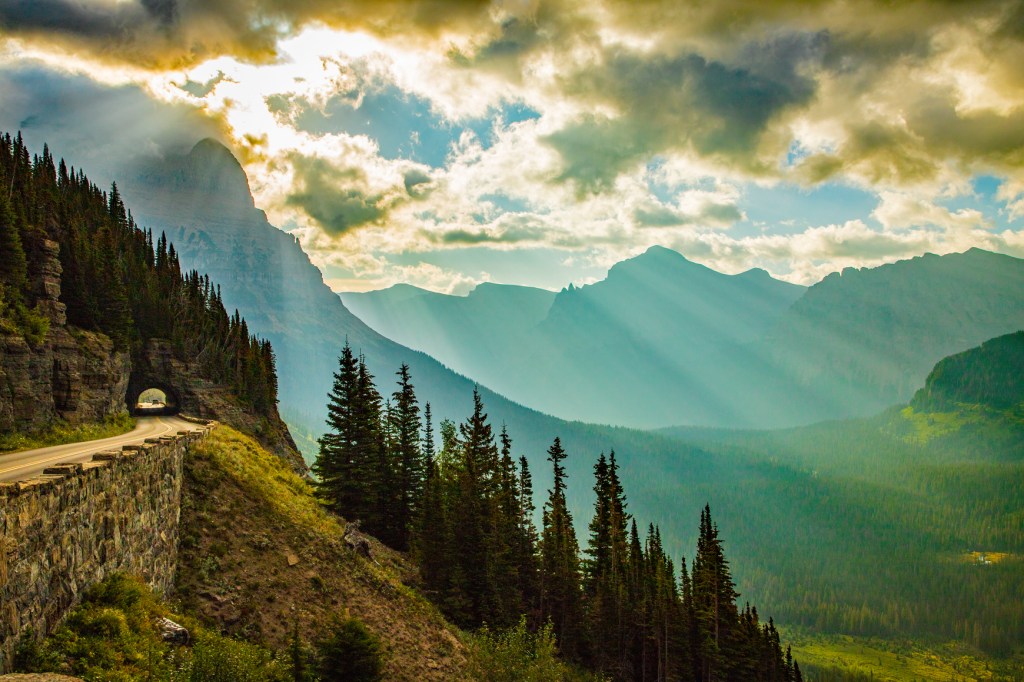
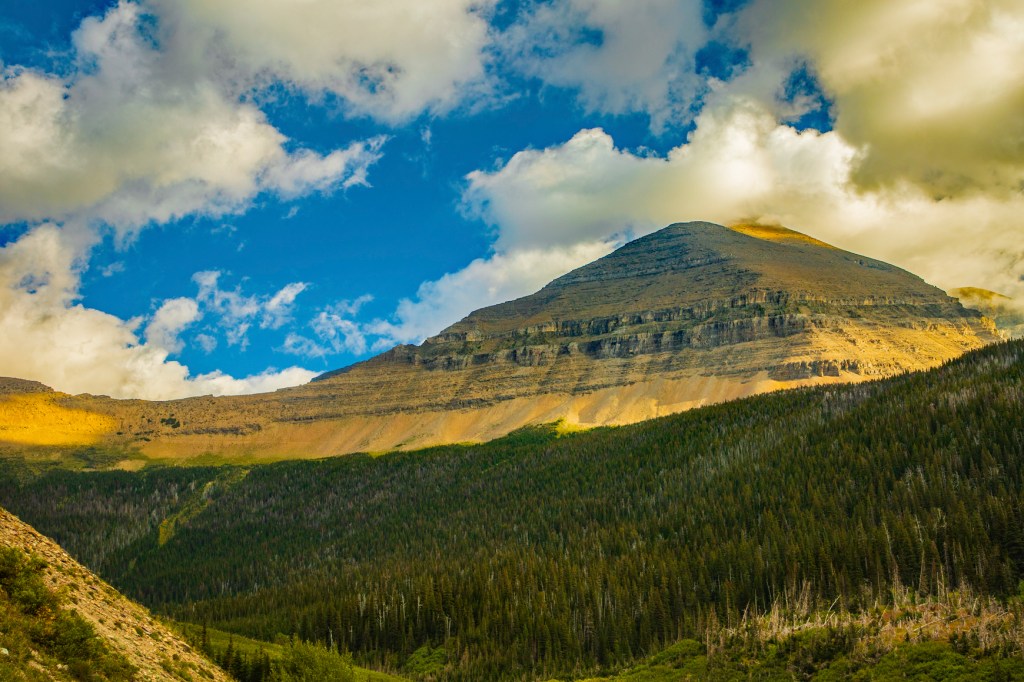
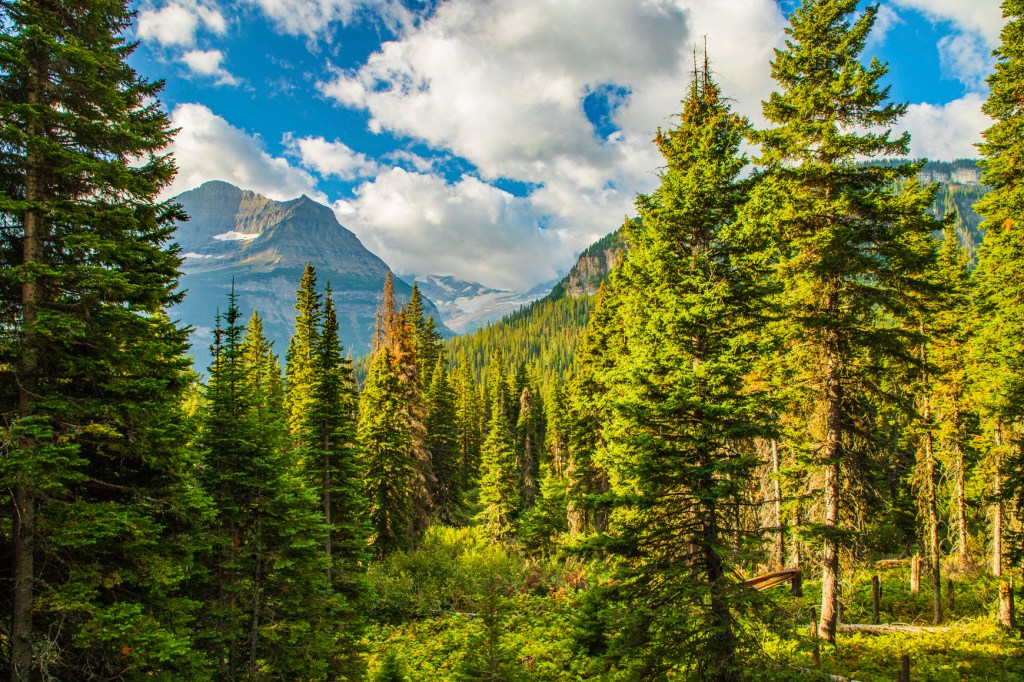
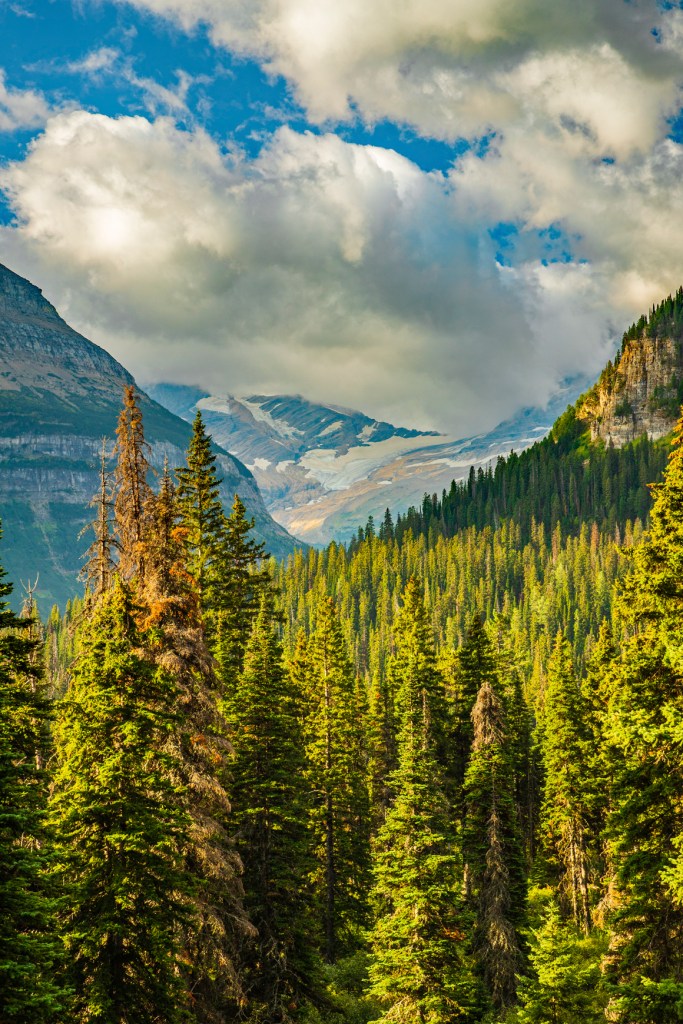
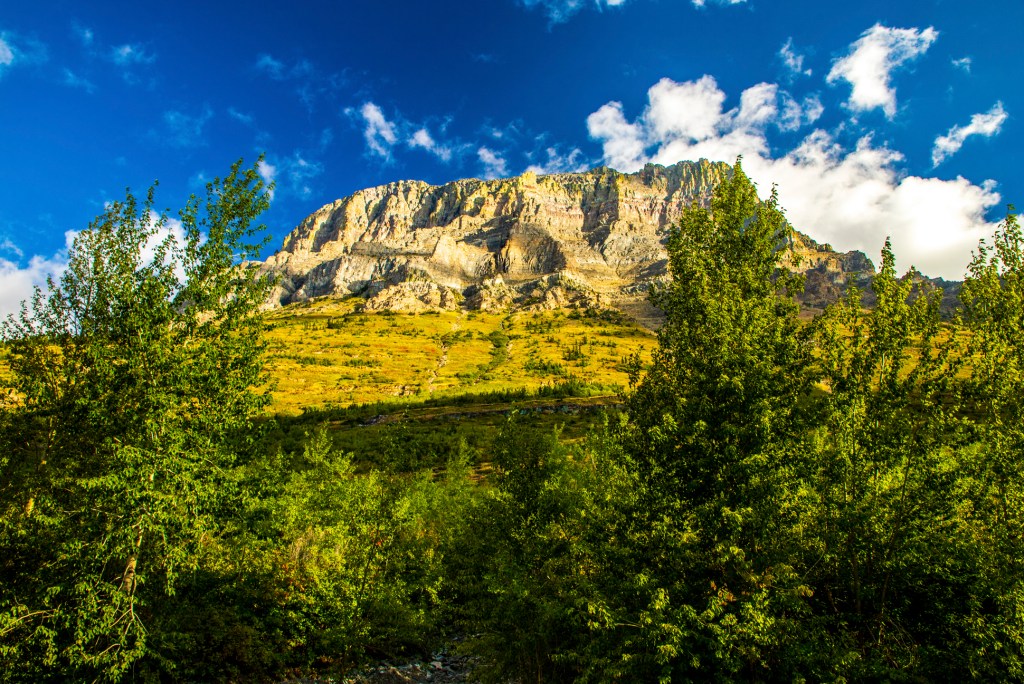
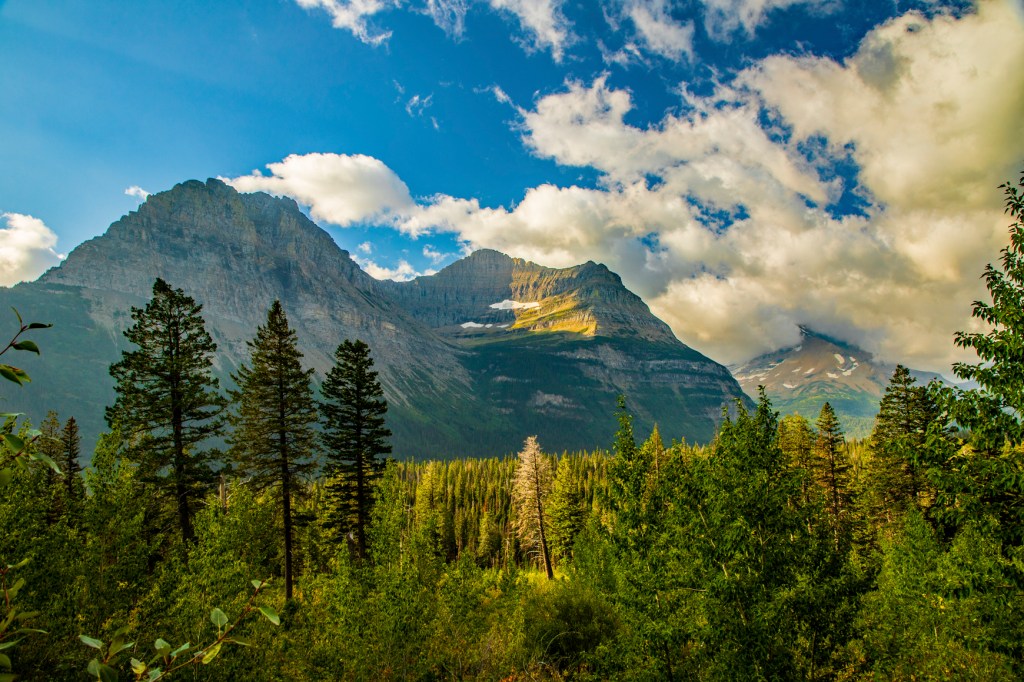
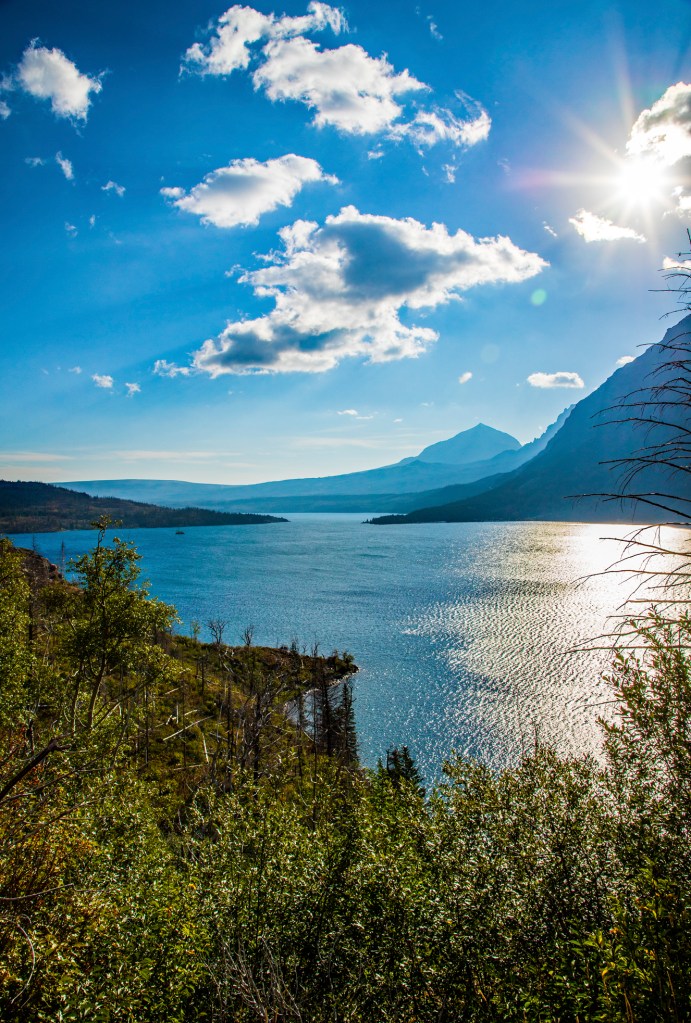
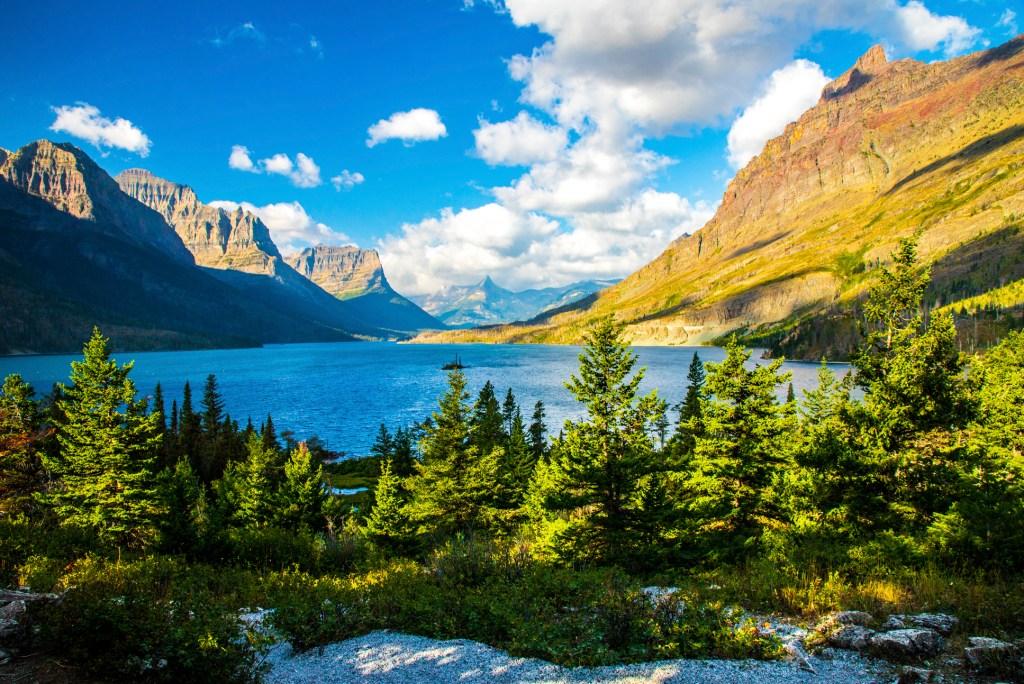
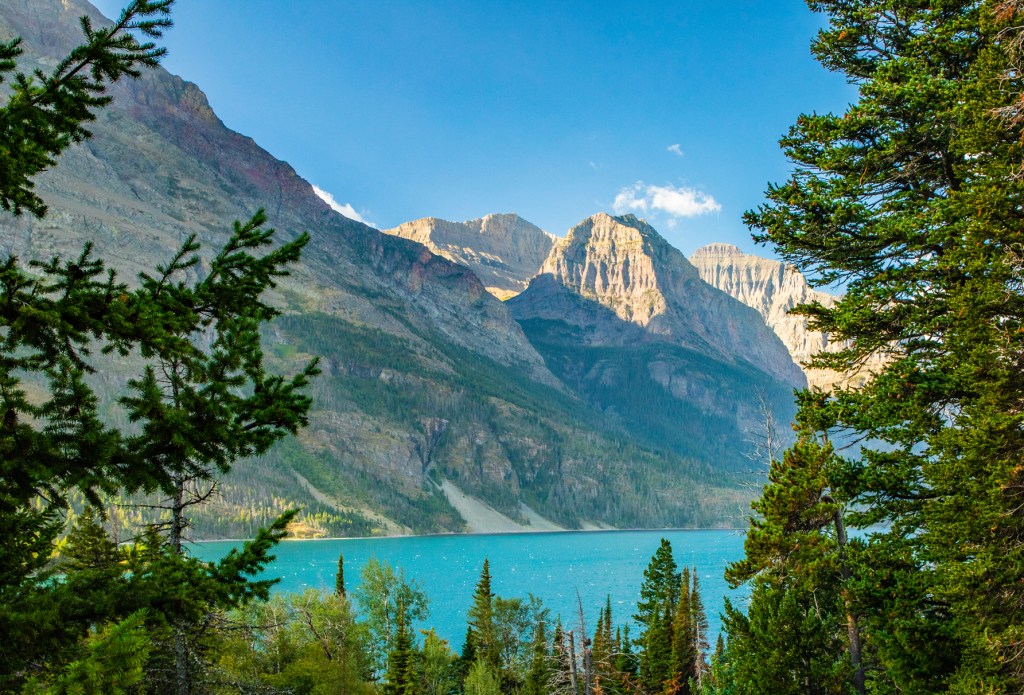
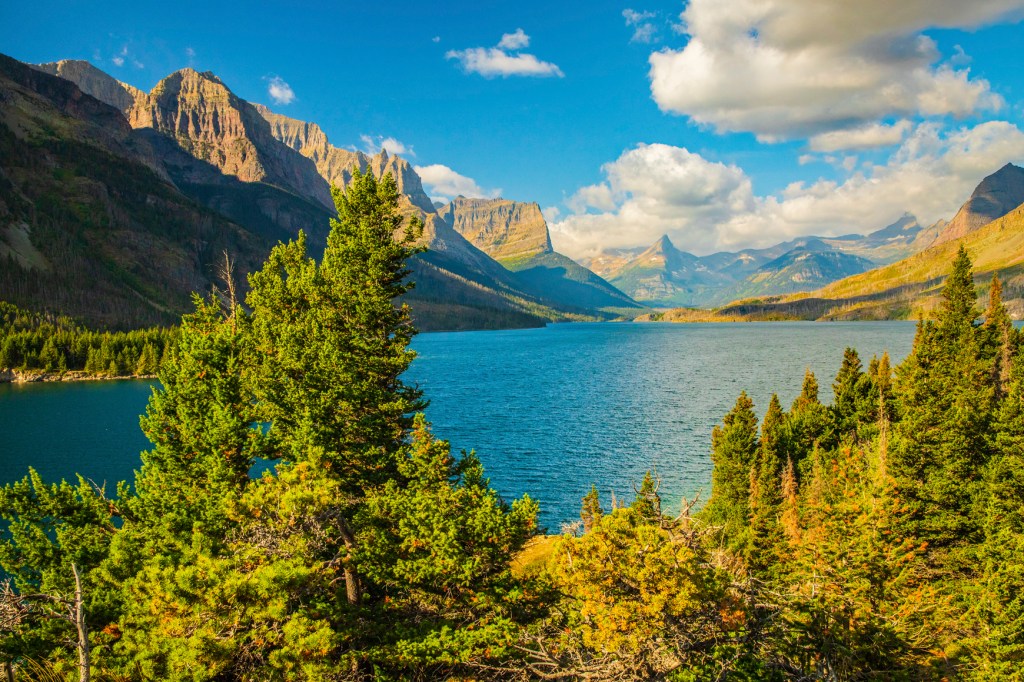
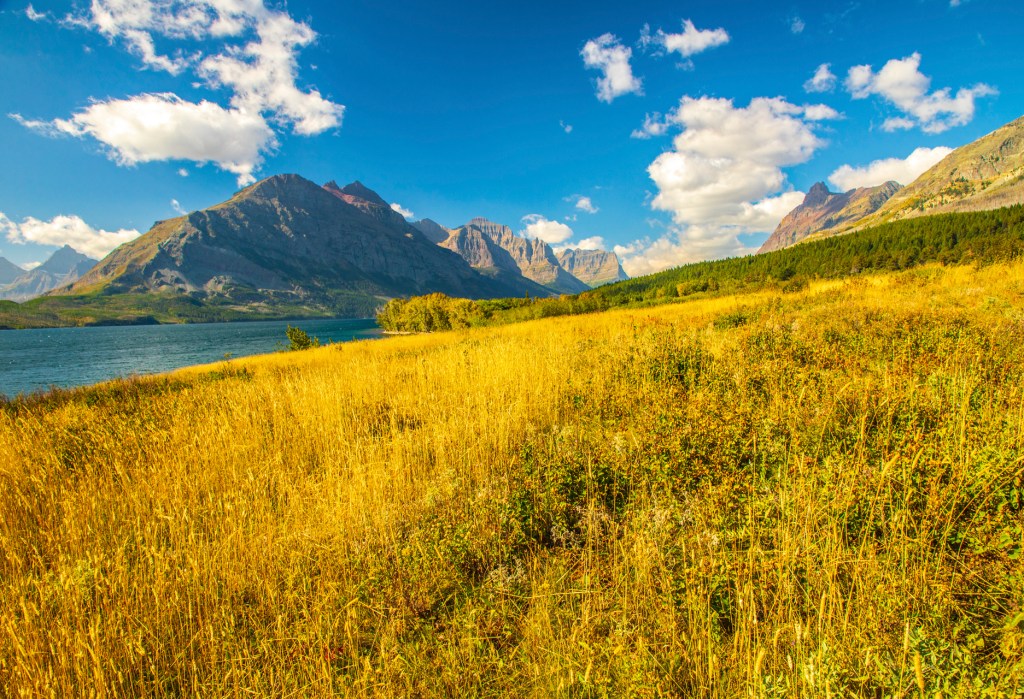
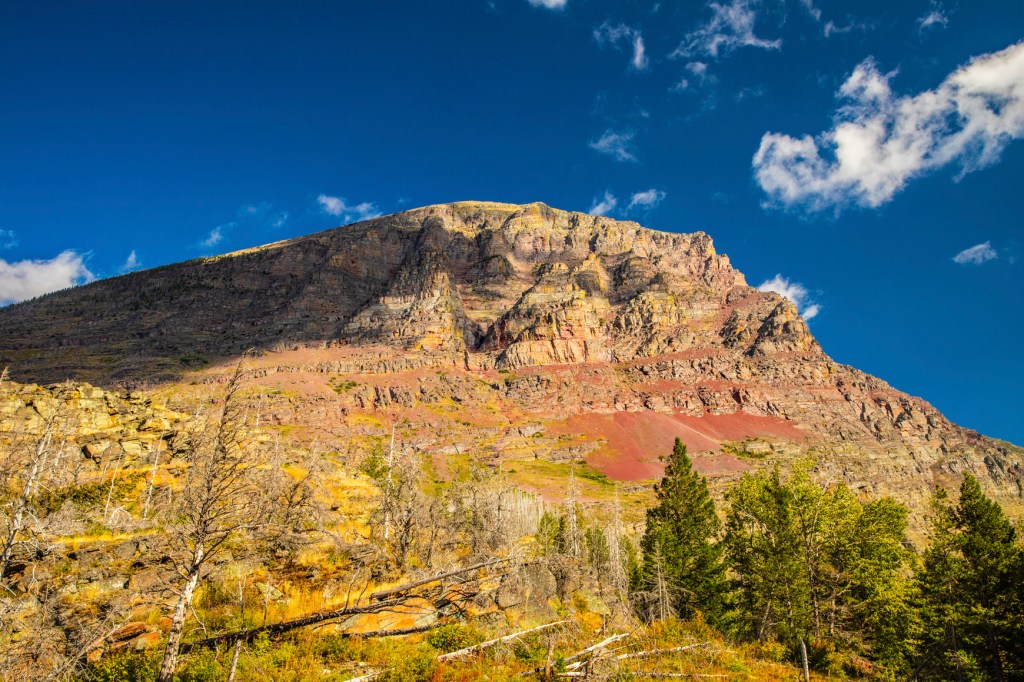
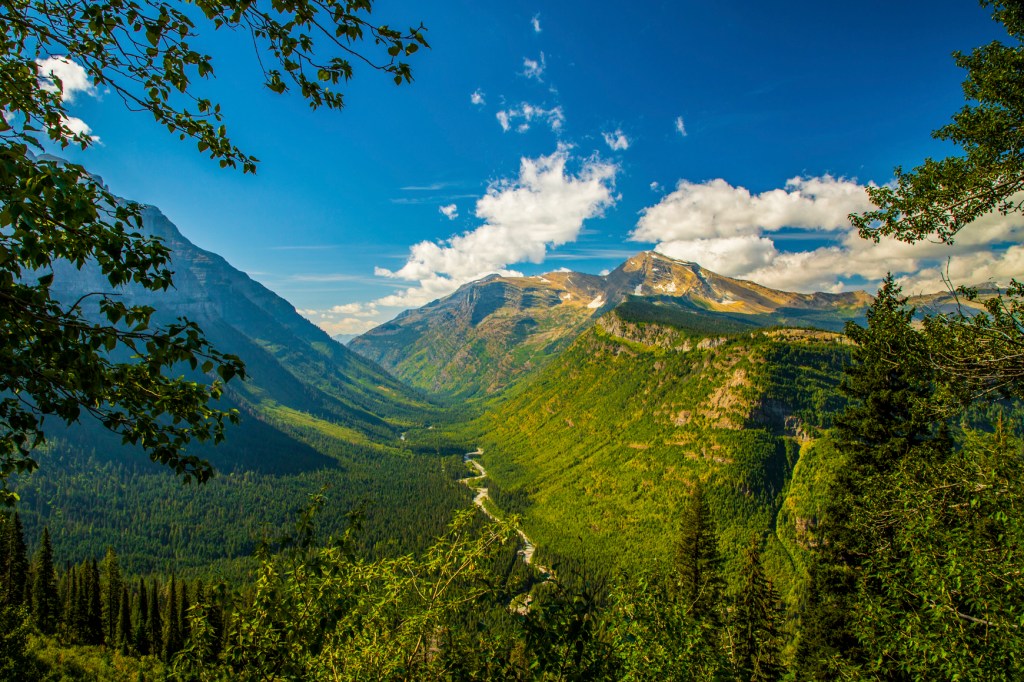
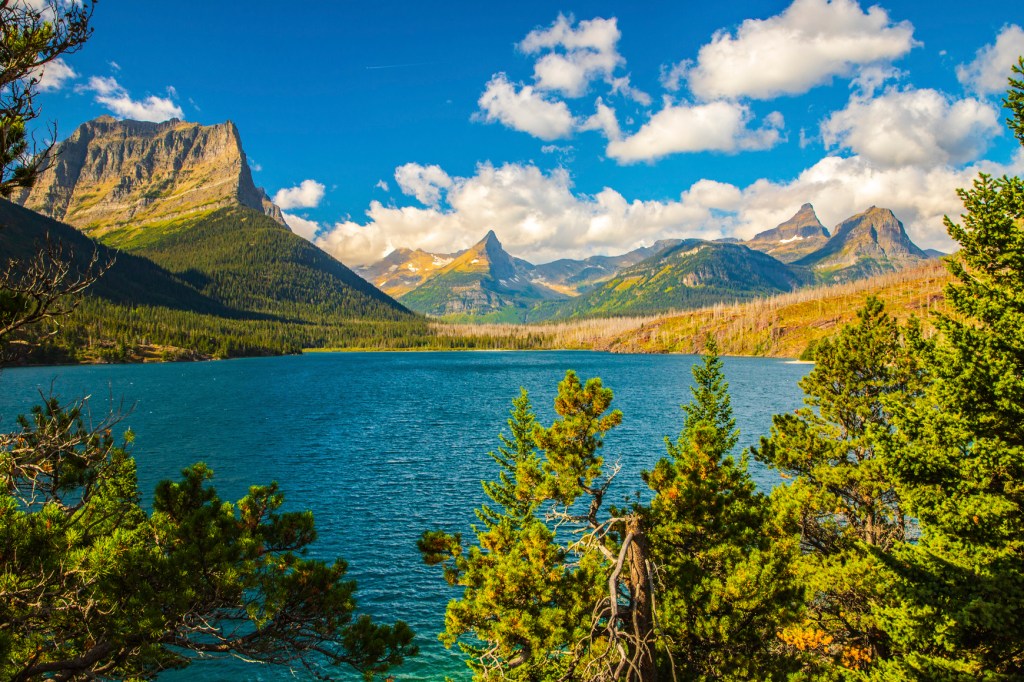
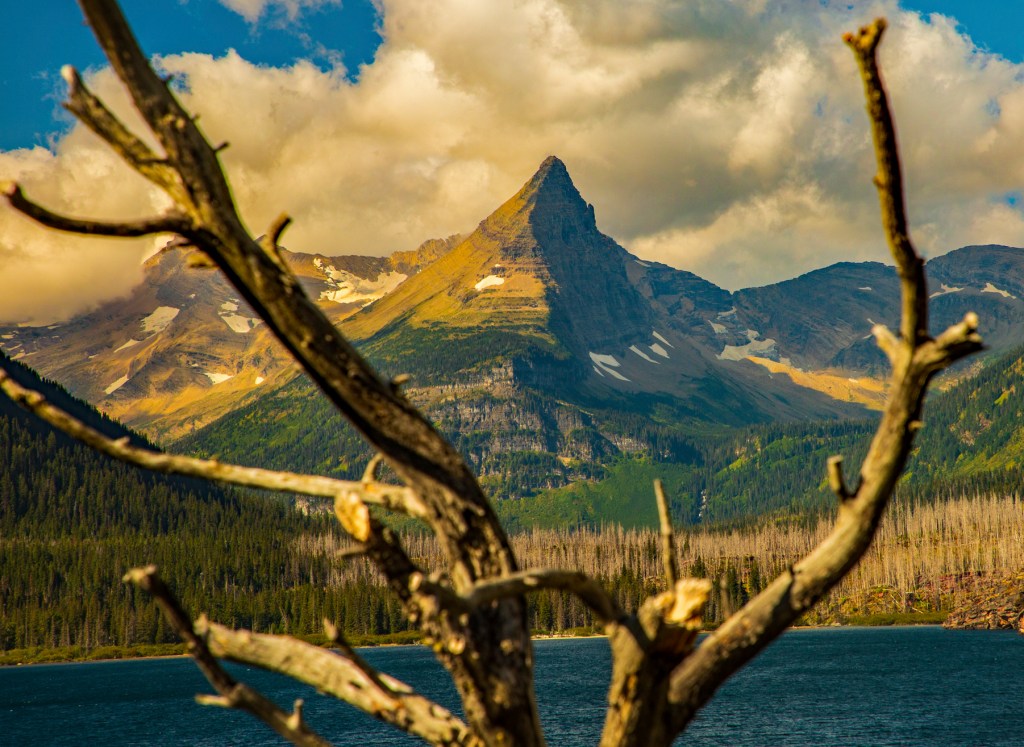
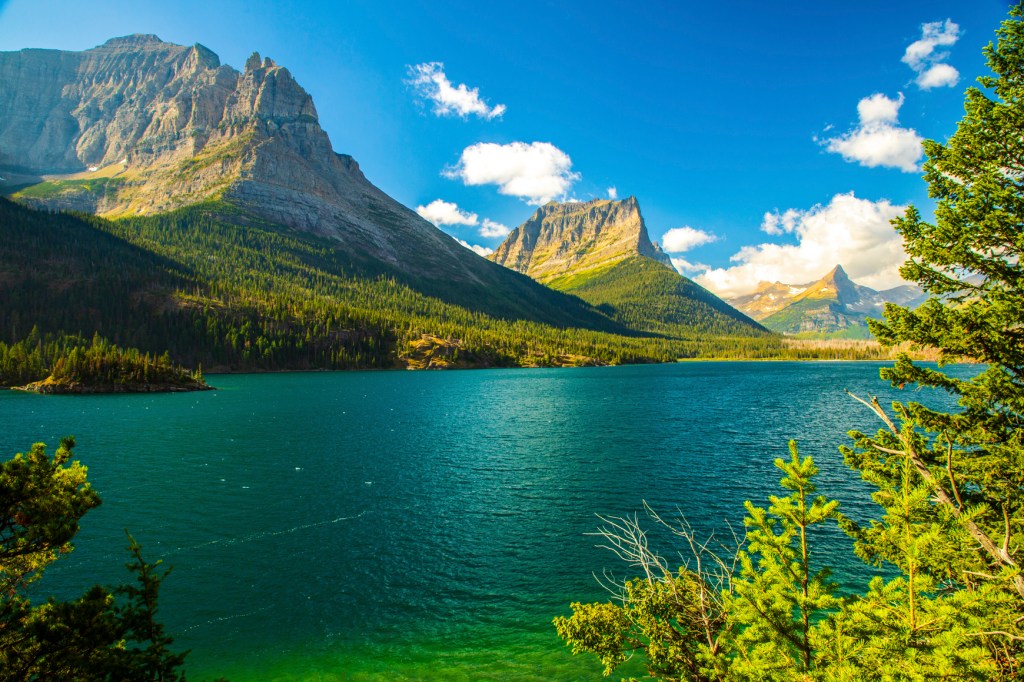
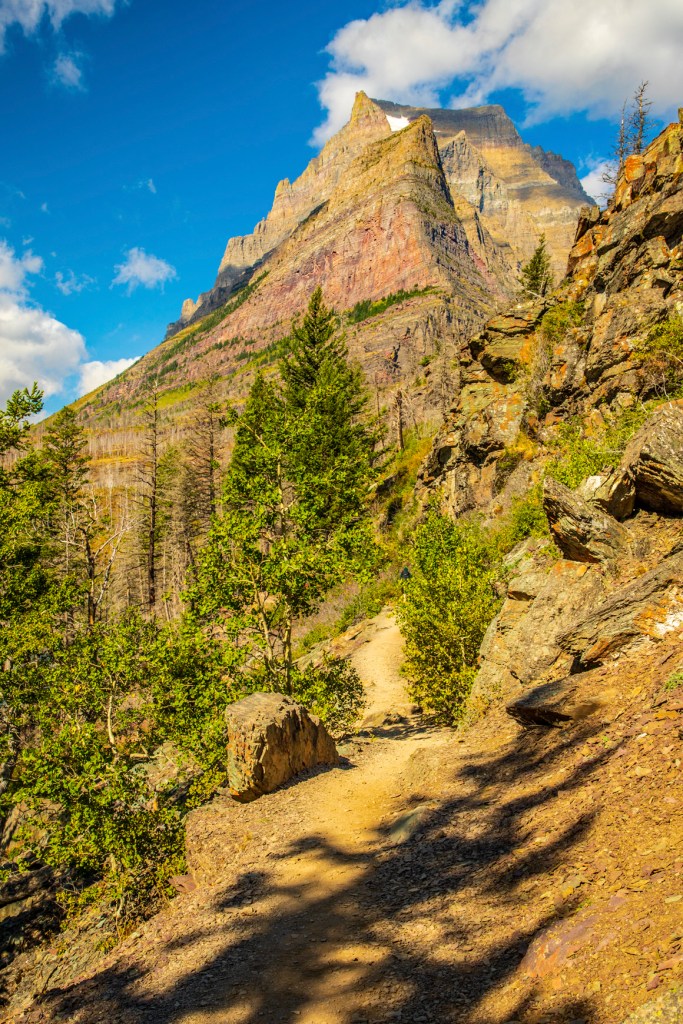
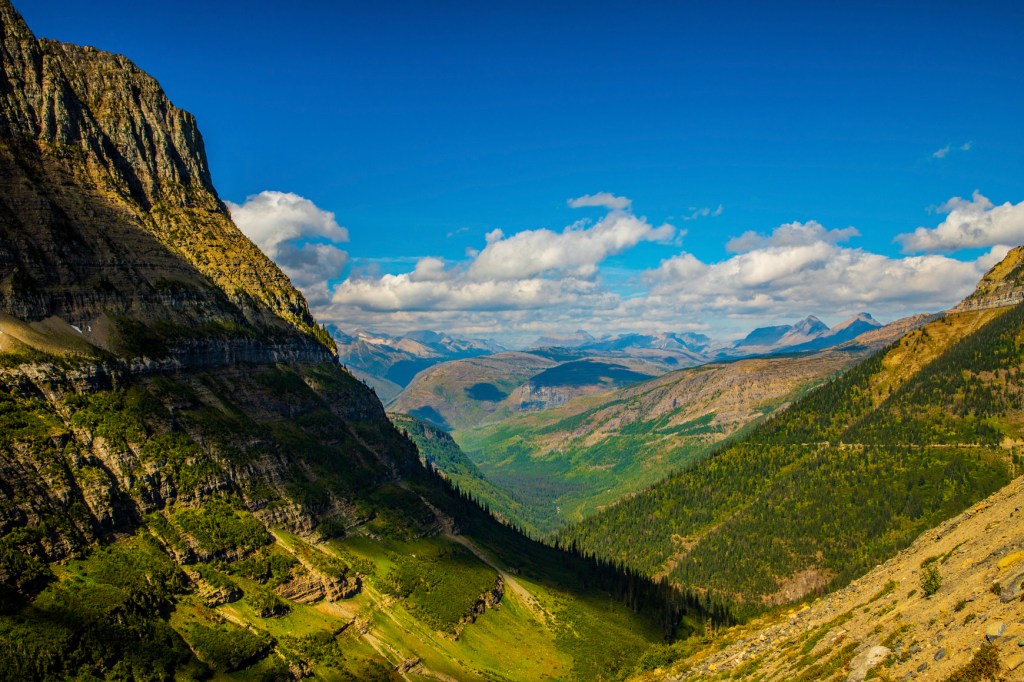
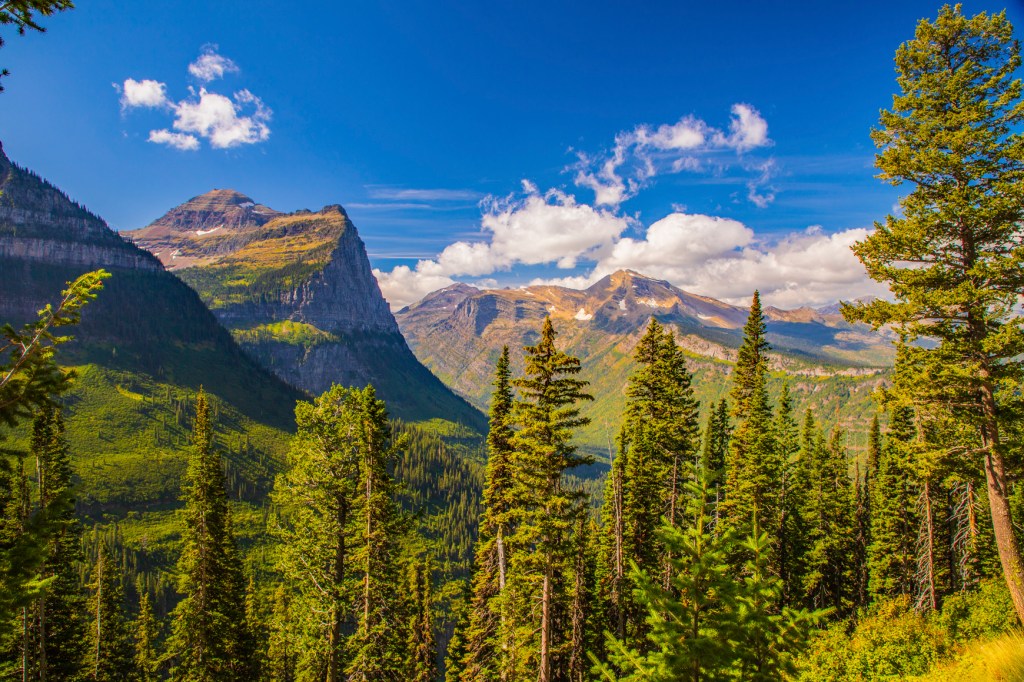
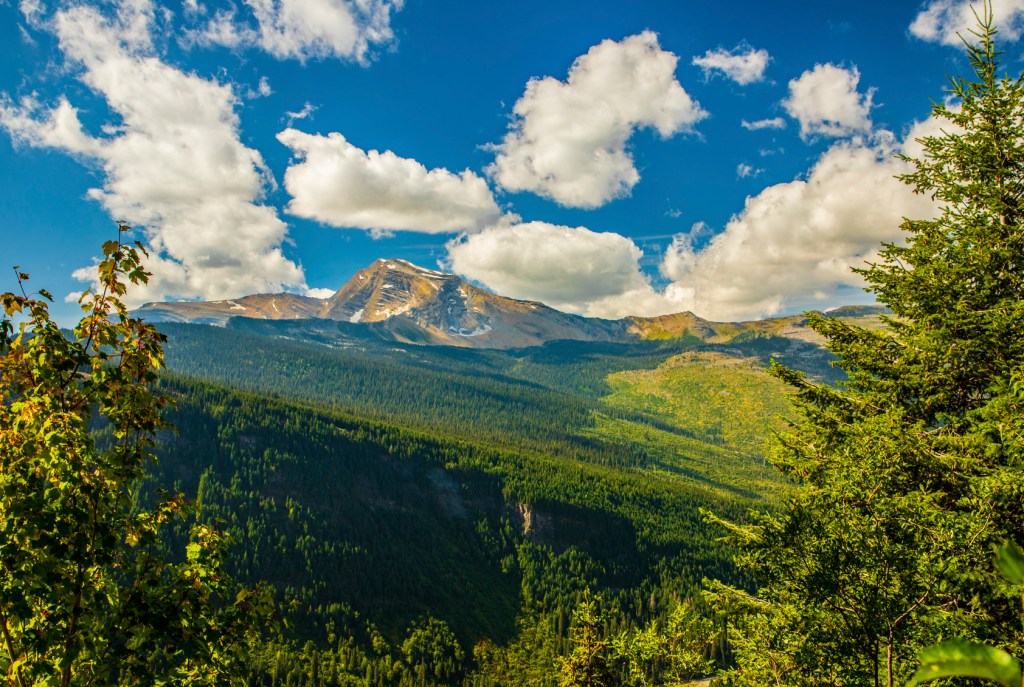
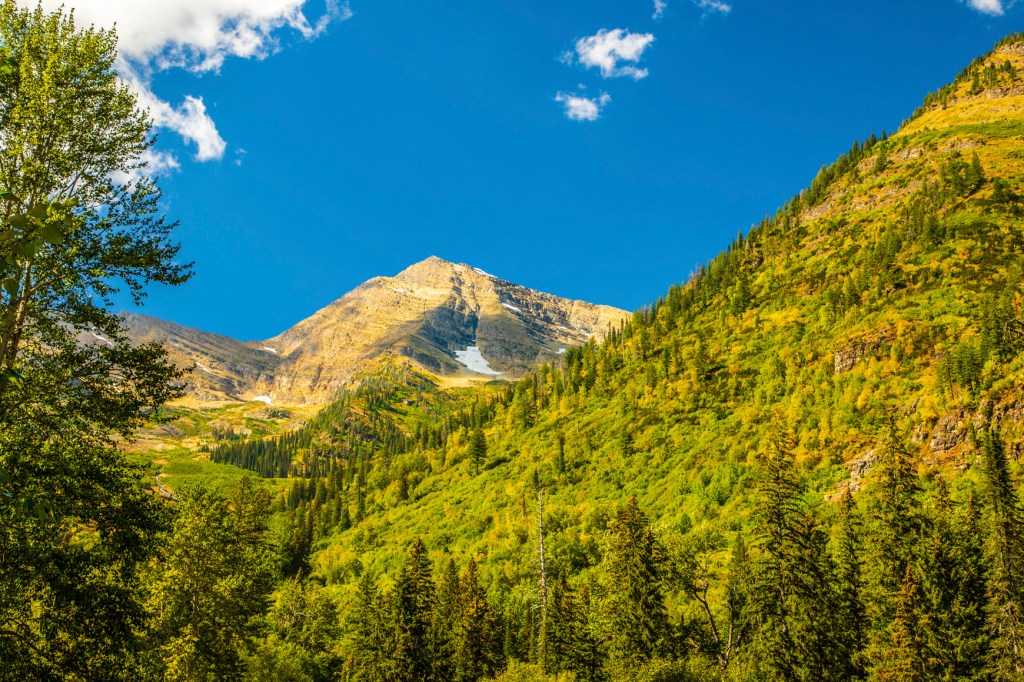
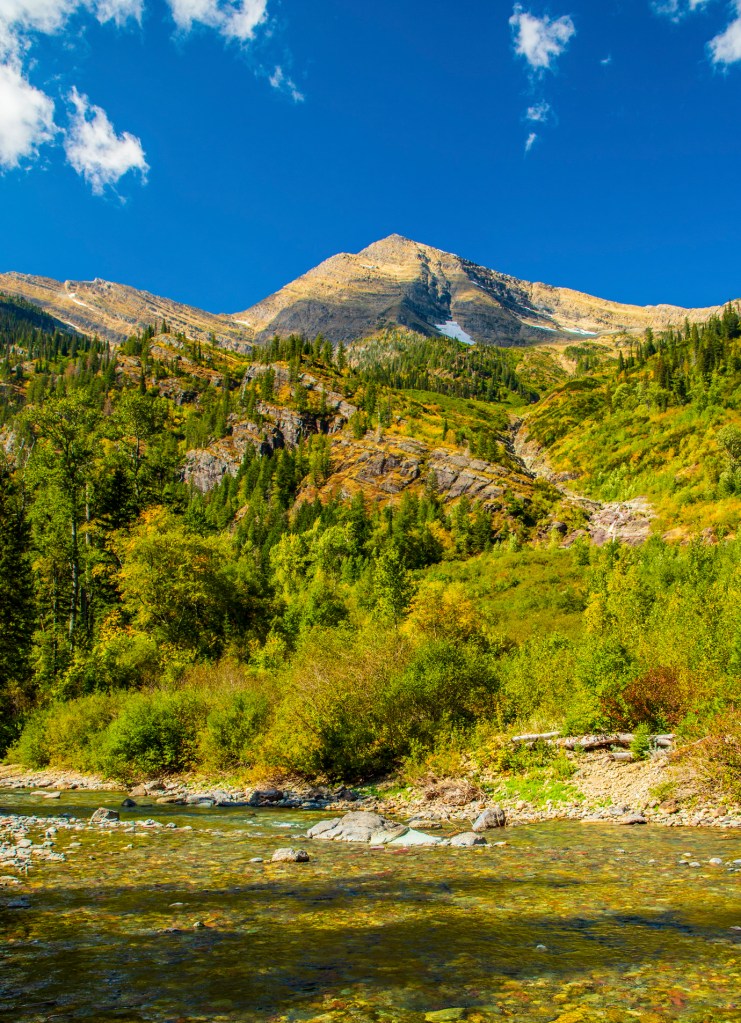
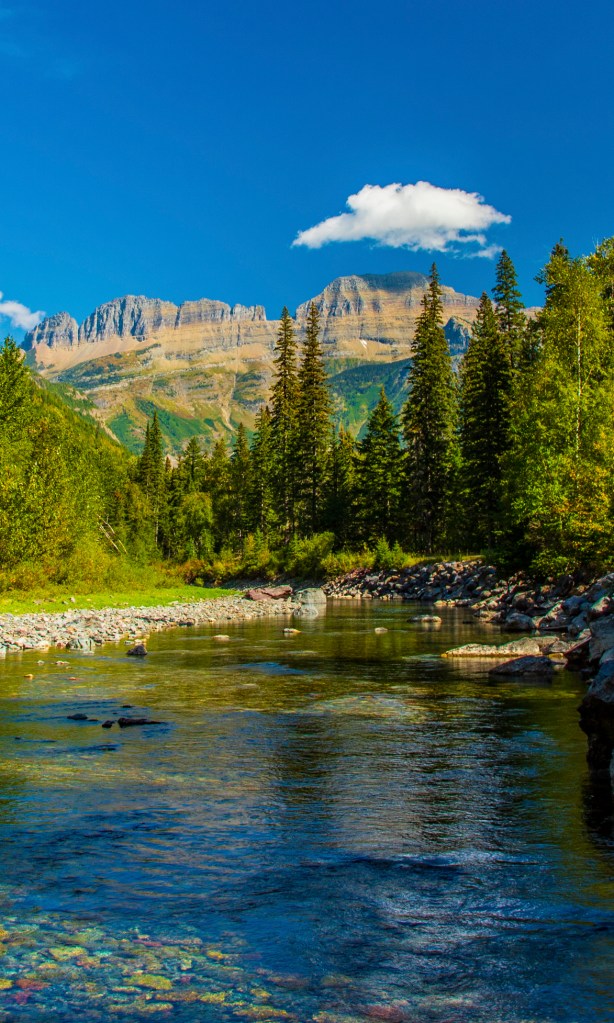
Yesterday Barbara and I got up early and drove into Glacier National Park for the day. The last time we were here, almost 14 years ago, the Road to the Sun was closed due to road construction. This time road construction is being conducted at night, so the road was open. In my opinion, this is one of the most beautiful national parks in North America. To top it off we were able to view the park during the blue hour, one hour before sunrise, the golden hour, one hour after sunrise and then watched the changes in cloud cover as the day progressed. Add this to being in one of the most beautiful places around, this is a photographers dream.
When we reached the summit of the Road to the Sun, at Logan Pass, we saw a grizzly bear walking through the woods. Unfortunately, he or she disappeared before I could grab my camera.
The rocks found in the park are primarily sedimentary rocks of the Belt Supergroup. They were deposited in shallow seas over 1.6 billion to 800 million years ago. During the formation of the Rocky Mountains 170 million years ago, one region of rocks now known as the Lewis Overthrust was forced eastward 50 miles. This overthrust was several miles thick and hundreds of miles long. This resulted in older rocks being displaced over younger ones, so the overlying Proterozoic rocks are between 1.4 and 1.5 billion years older than Cretaceous age rocks they rest on.
One of the most dramatic evidences of this overthrust is visible in the form of Chief Mountain, an isolated peak on the edge of the eastern boundary of the park rising 2,500 feet above the Great Plains. There are six mountains in the park over 10,000 feet in elevation, with Mount Cleveland at 10,466 feet being the tallest. Appropriately named Triple Divide Peak sends waters towards the Pacific Ocean, Hudson Bay, and Gulf of Mexico watersheds. This peak can effectively be considered to be the apex of the North American continent, although the mountain is only 8,020 feet above sea level.
The rocks in Glacier National Park are the best preserved Proterozoic sedimentary rocks in the world, with some of the world’s most fruitful sources for records of early life. Sedimentary rocks of similar age located in other regions have been greatly altered by mountain building and other metamorphic changes; consequently, fossils are less common and more difficult to observe. The rocks in the park preserve such features as millimeter-scale lamination, ripple marks, mud cracks, salt-crystal casts, raindrop impressions, oolites, and other sedimentary structures. Six fossilized species of stromatolites, early organisms consisting of primarily blue-green algae, have been documented and dated at about 1 billion years. The discovery of the Appekunny Formation, a well-preserved rock stratum in the park, pushed back the established date for the origination of animal life a billion years. This rock formation has bedding structures which are believed to be the remains of the earliest identified metazoan (animal) life on Earth.
Glacier National Park is dominated by mountains which were carved into their present shapes by the huge glaciers of the last ice age. These glaciers have largely disappeared over the last 12,000 years. Evidence of widespread glacial action is found throughout the park in the form of U-shaped valleys, cirques, arêtes, and large outflow lakes radiating like fingers from the base of the highest peaks. Since the end of the ice ages, various warming and cooling trends have occurred. The last recent cooling trend was during the Little Ice Age, which took place approximately between 1550 and 1850. During the Little Ice Age, the glaciers in the park expanded and advanced, although to nowhere near as great an extent as they had during the Ice Age.

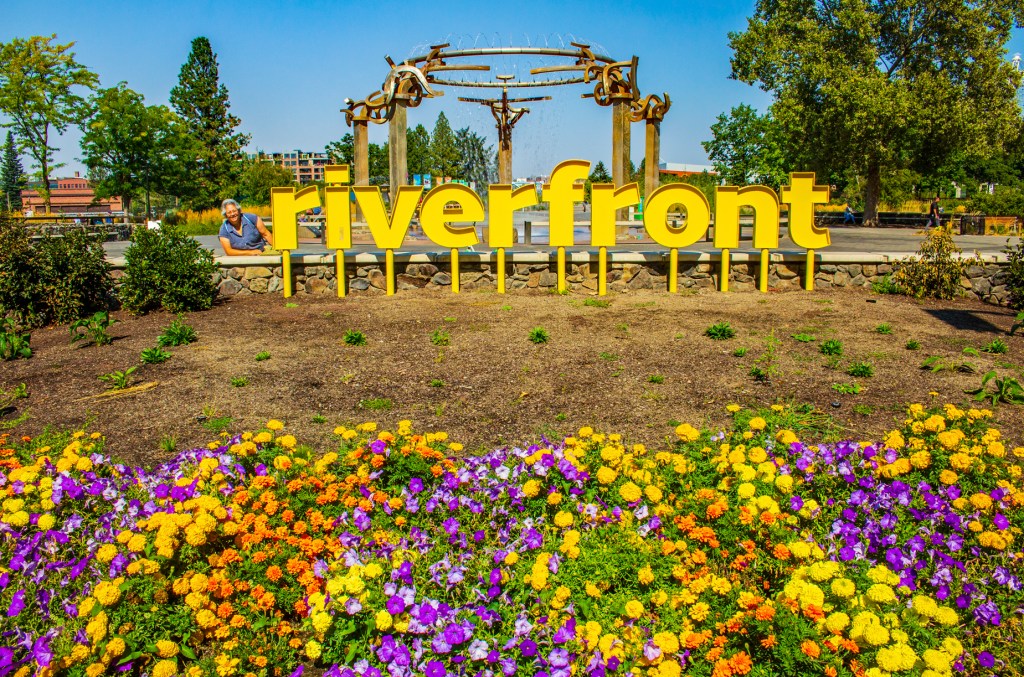
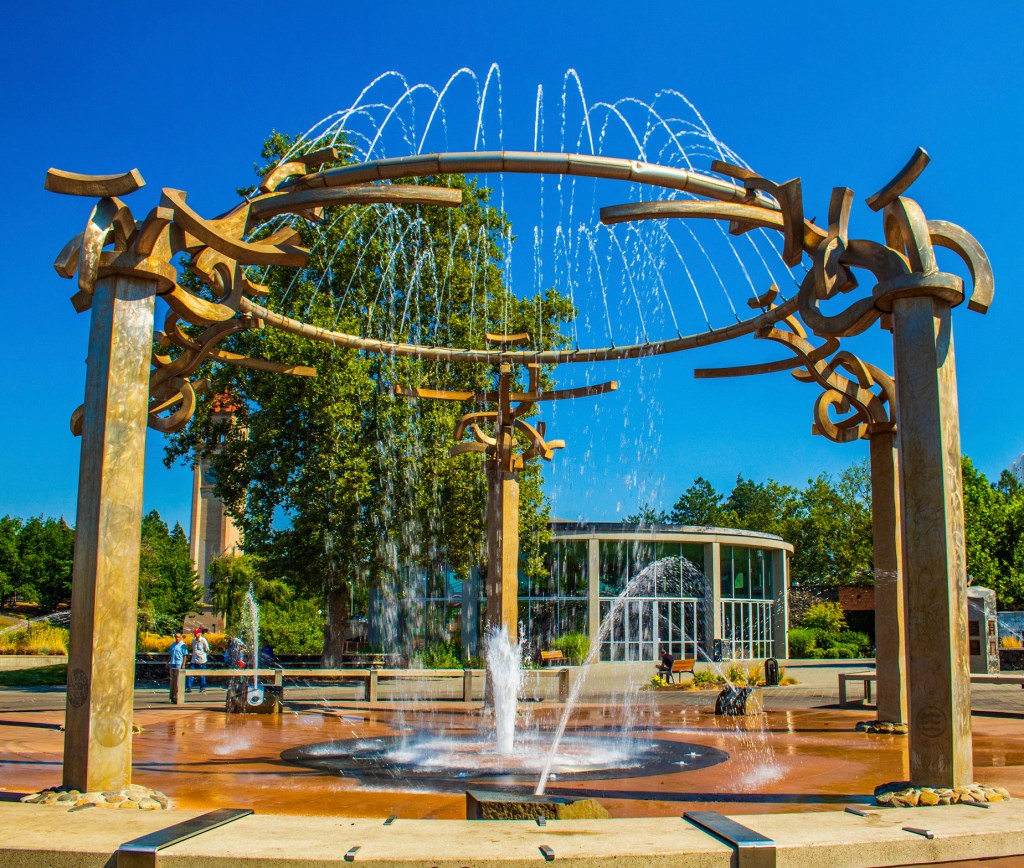
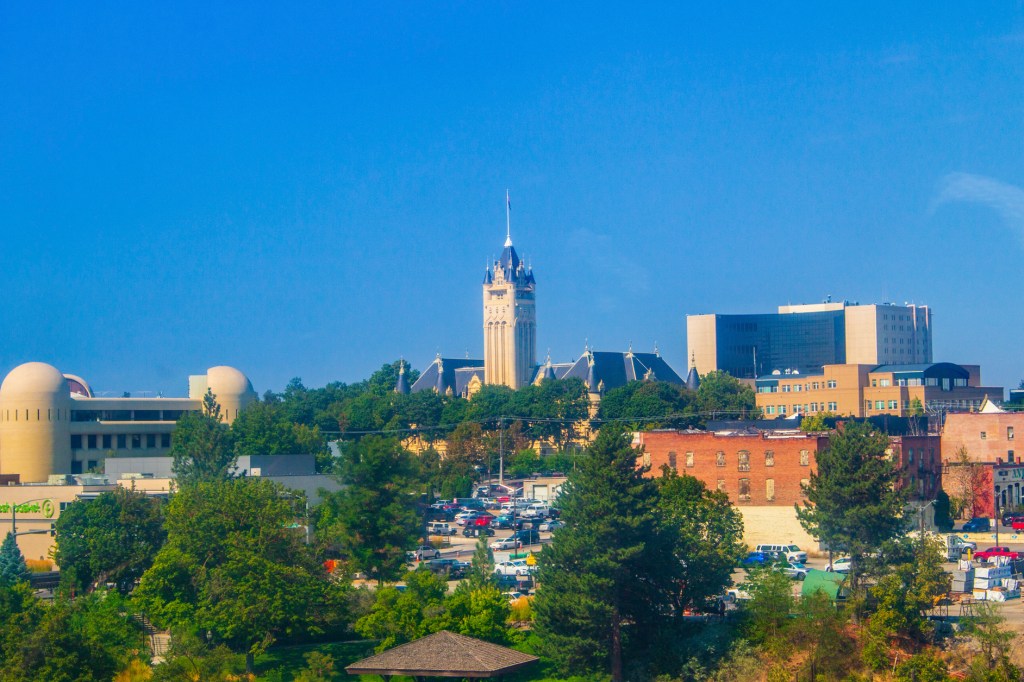
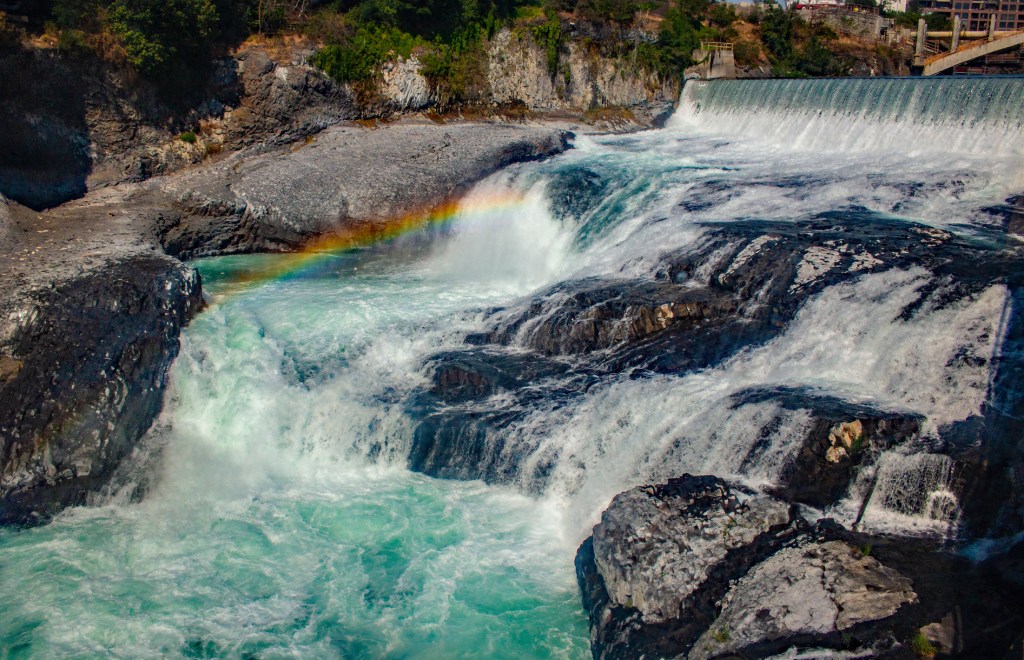
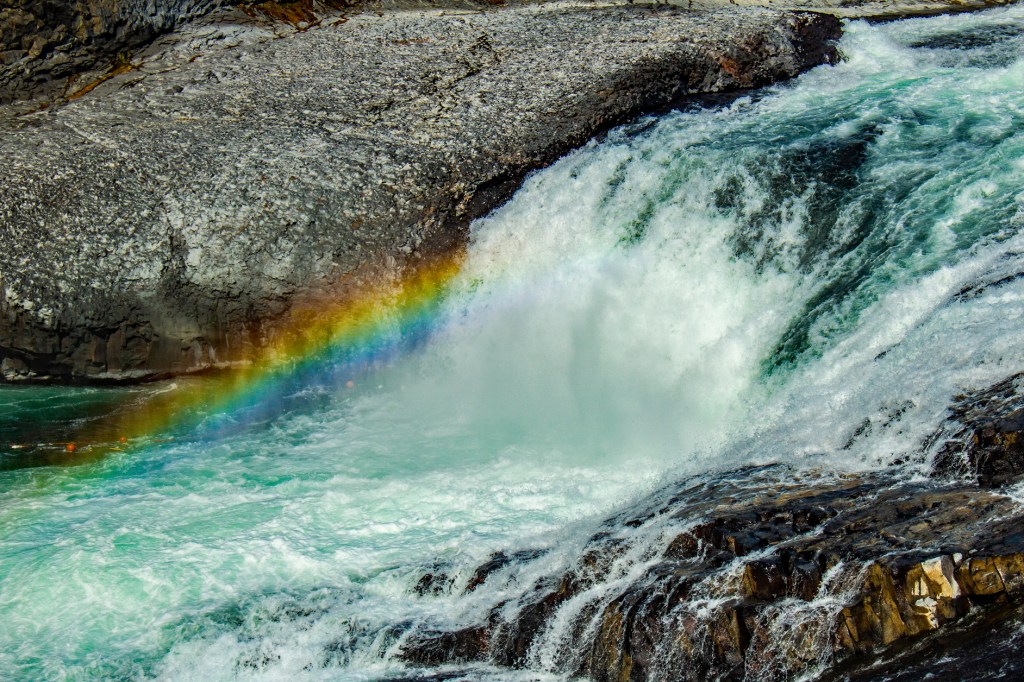
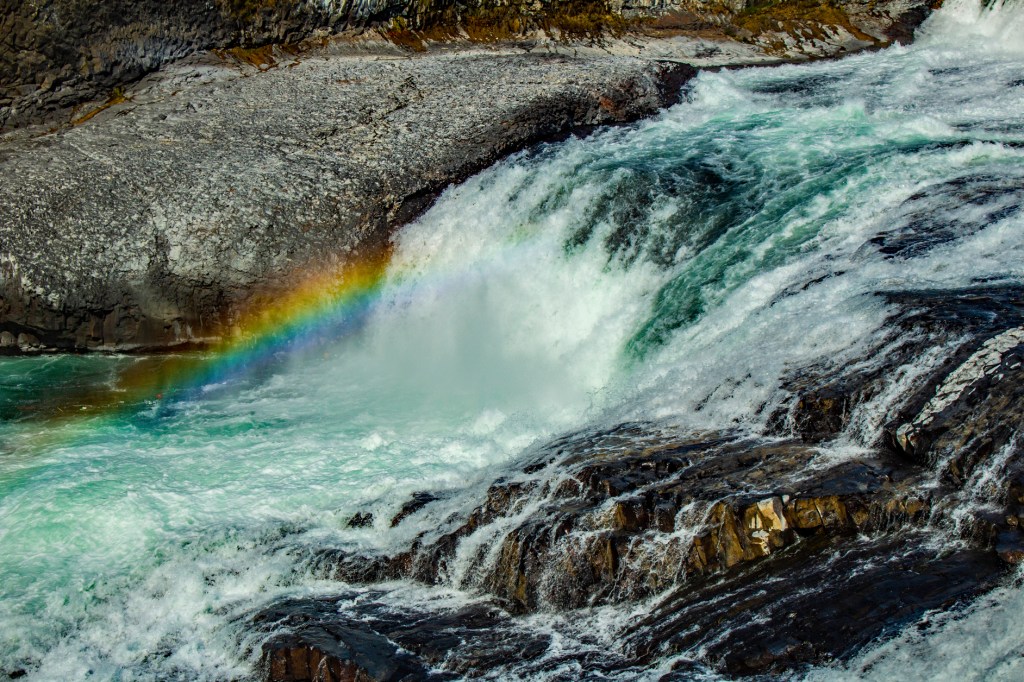
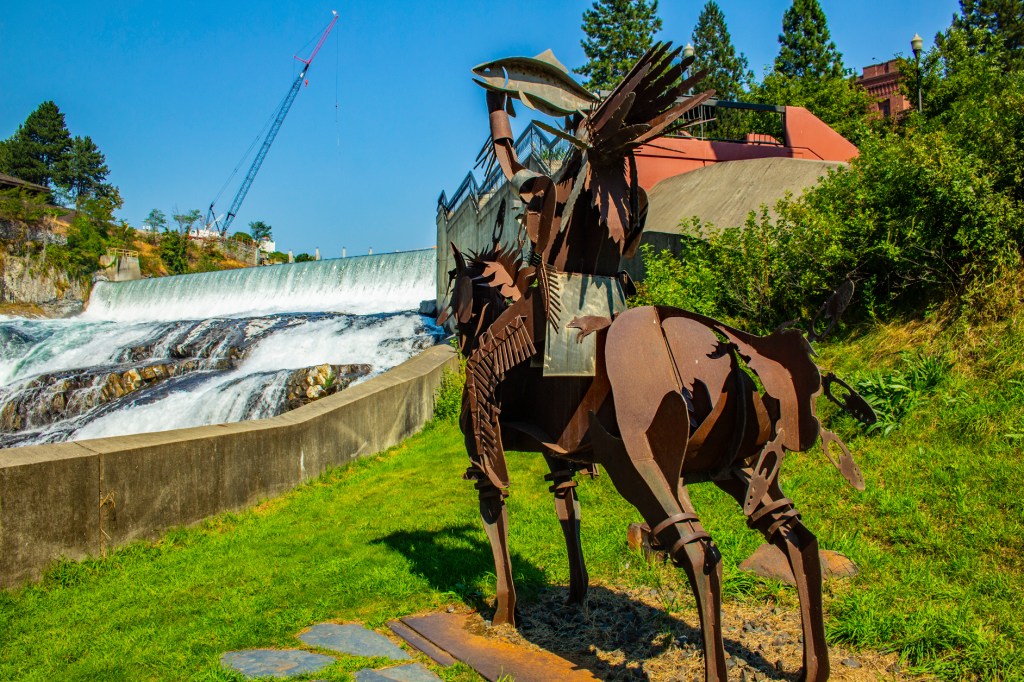
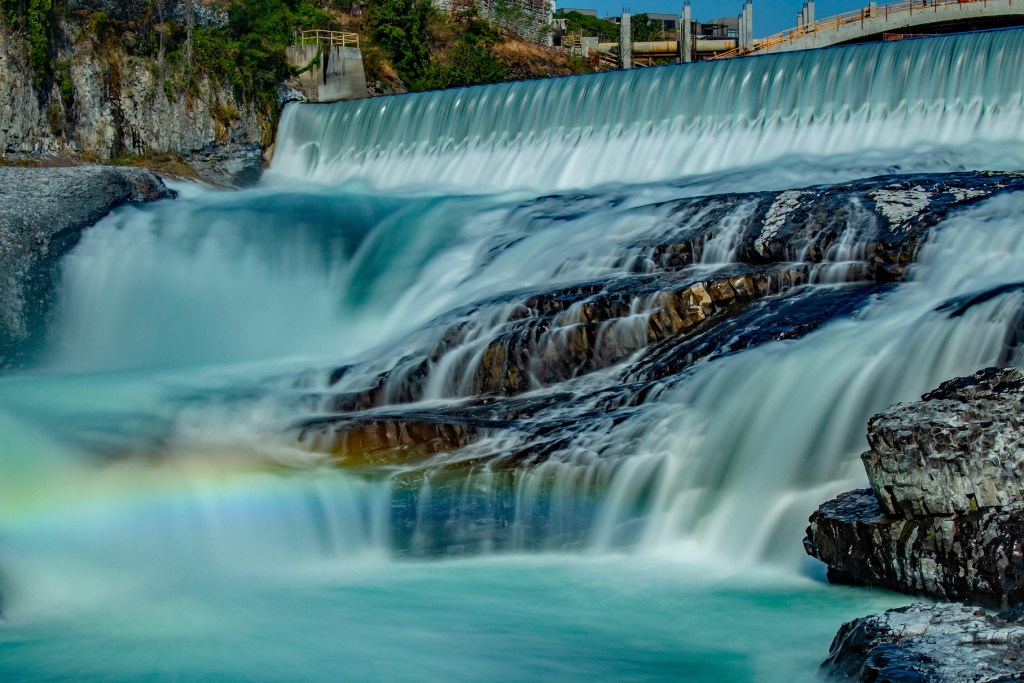
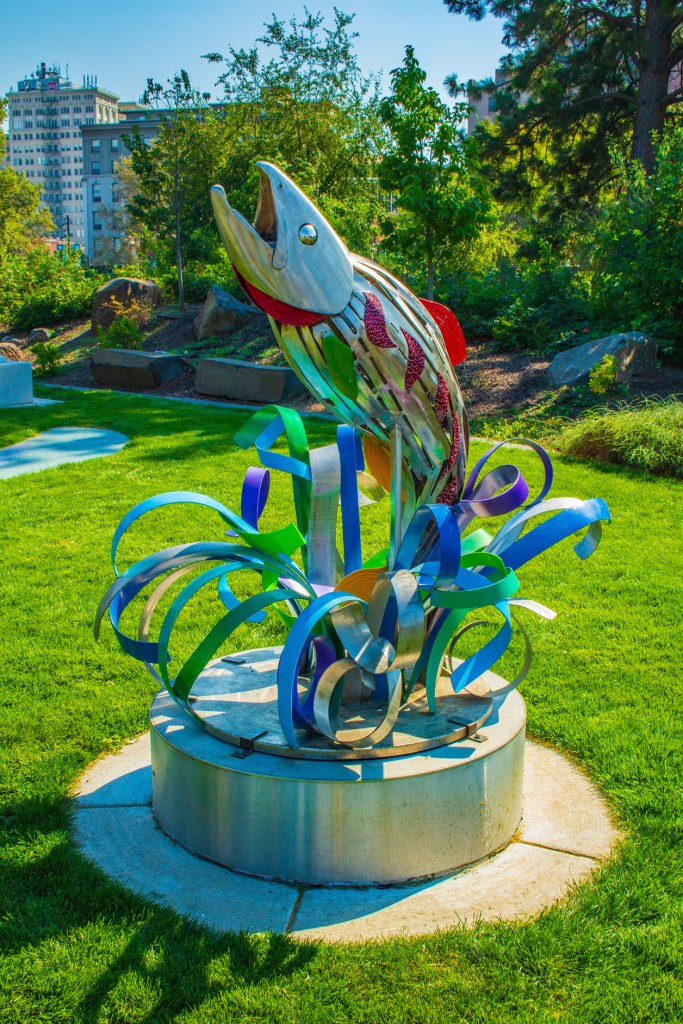
Yesterday Barbara and I traveled back to Spokane to the site of the 1974 Worlds Fair, Riverfront park. Do they even do world fairs anymore? This is a nice park with a lot to do for the entire family. When we arrived the first thing we did was take the aerial tram to get a good view of the park. We only stayed for about an hour and a half due to the heat. In addition, in order to get a good view of the waterfall, on the Spokane River, you have go down and then back up over 100 stairs.
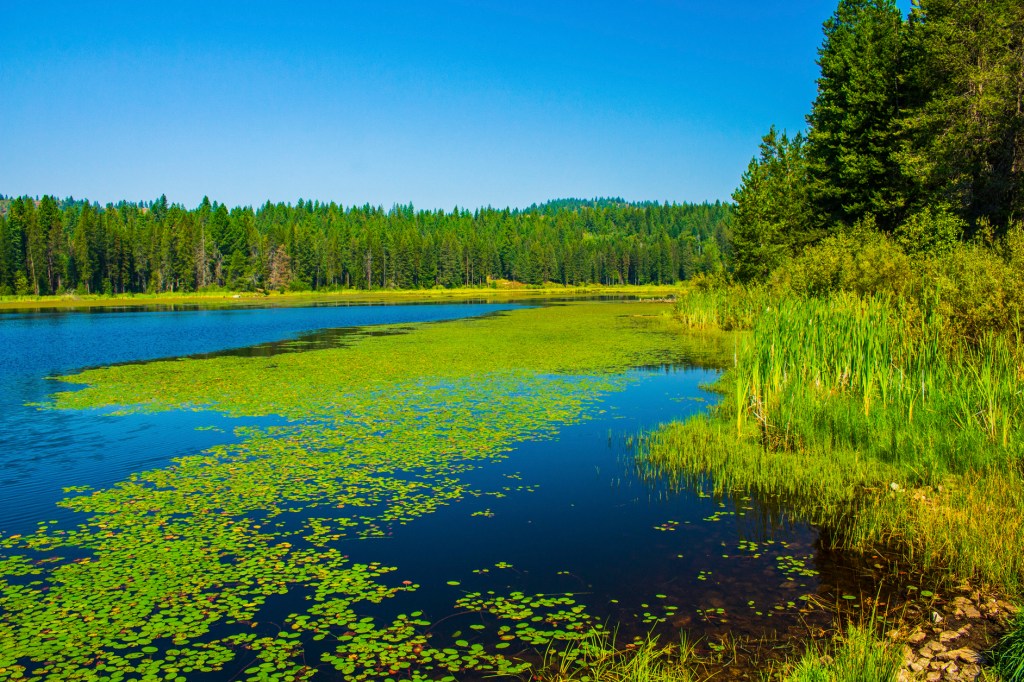
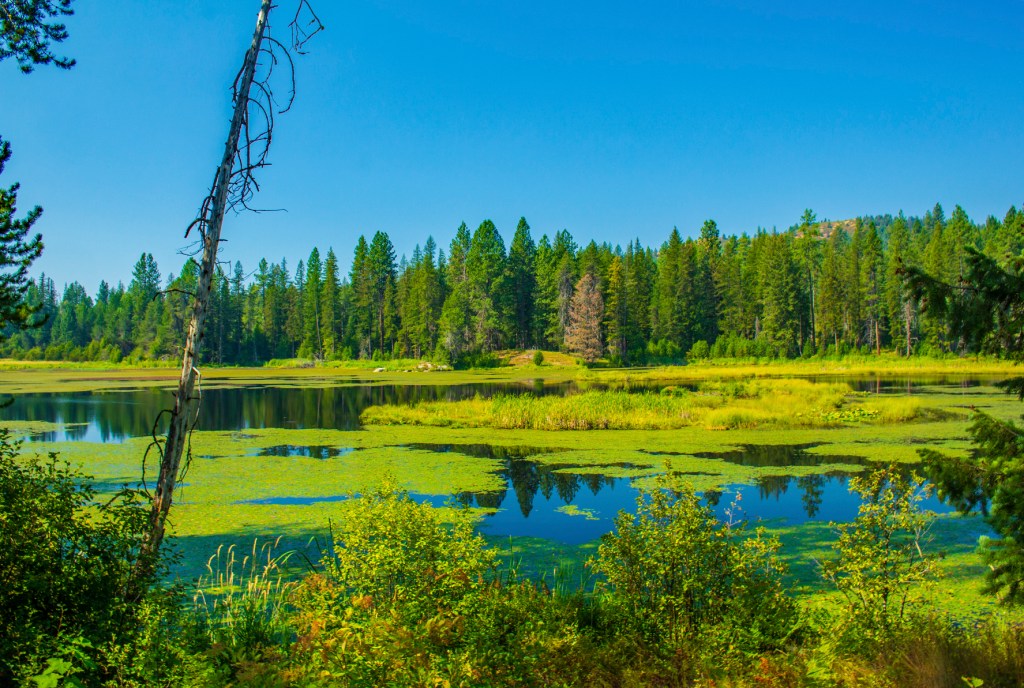
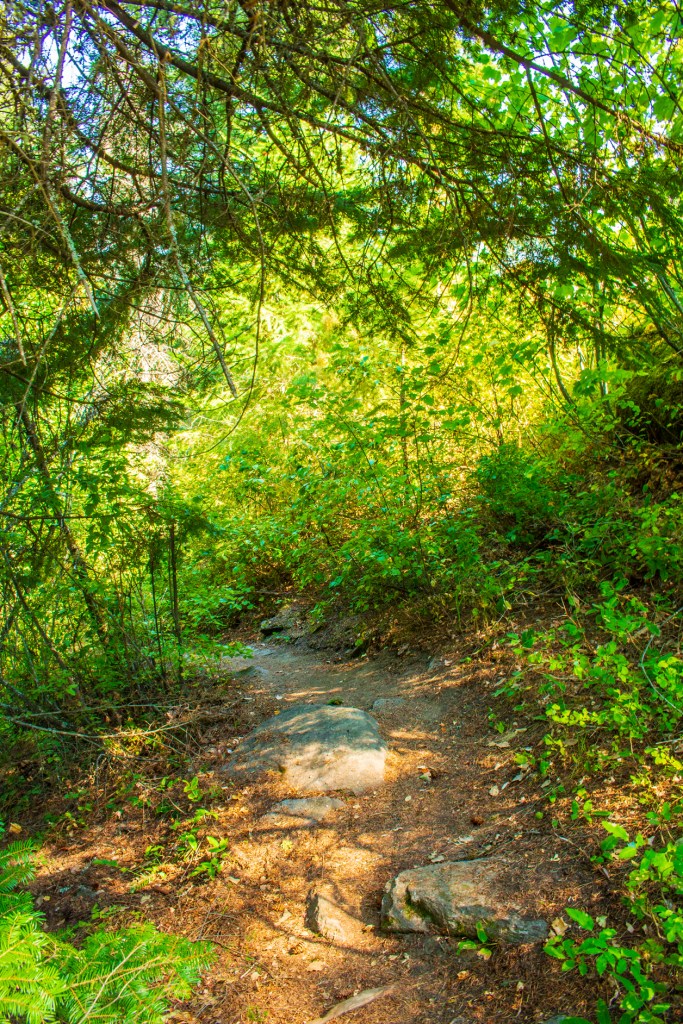
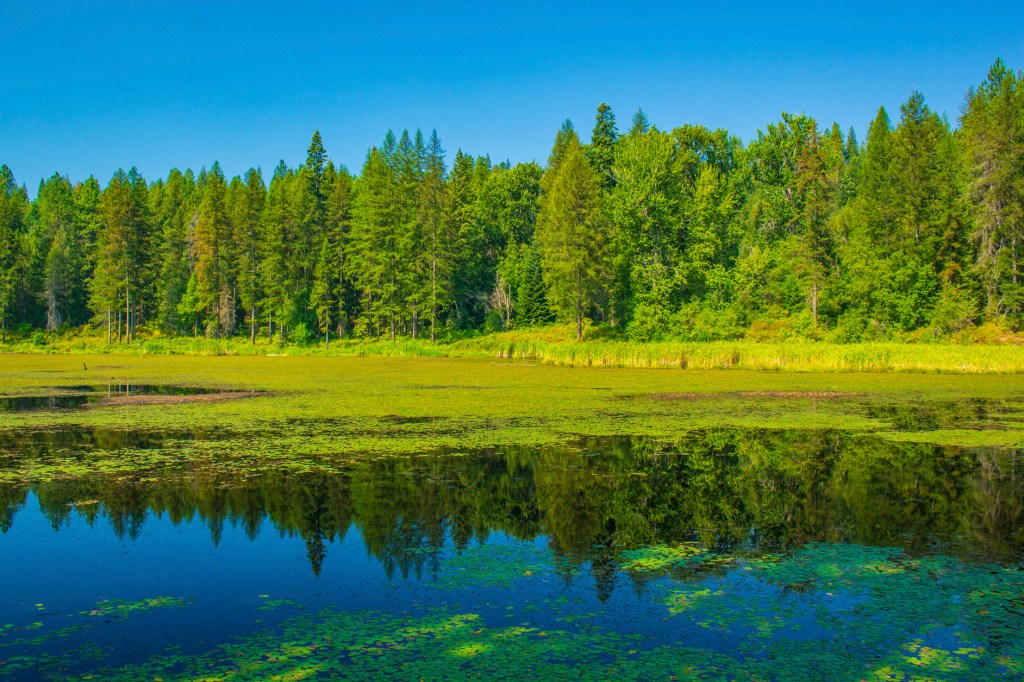
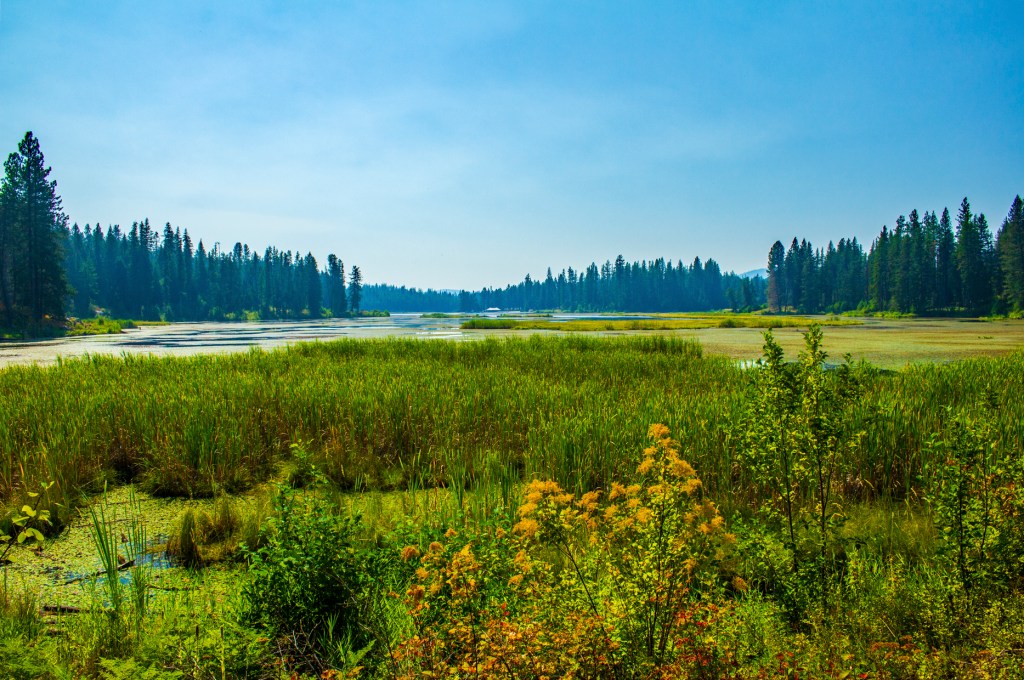
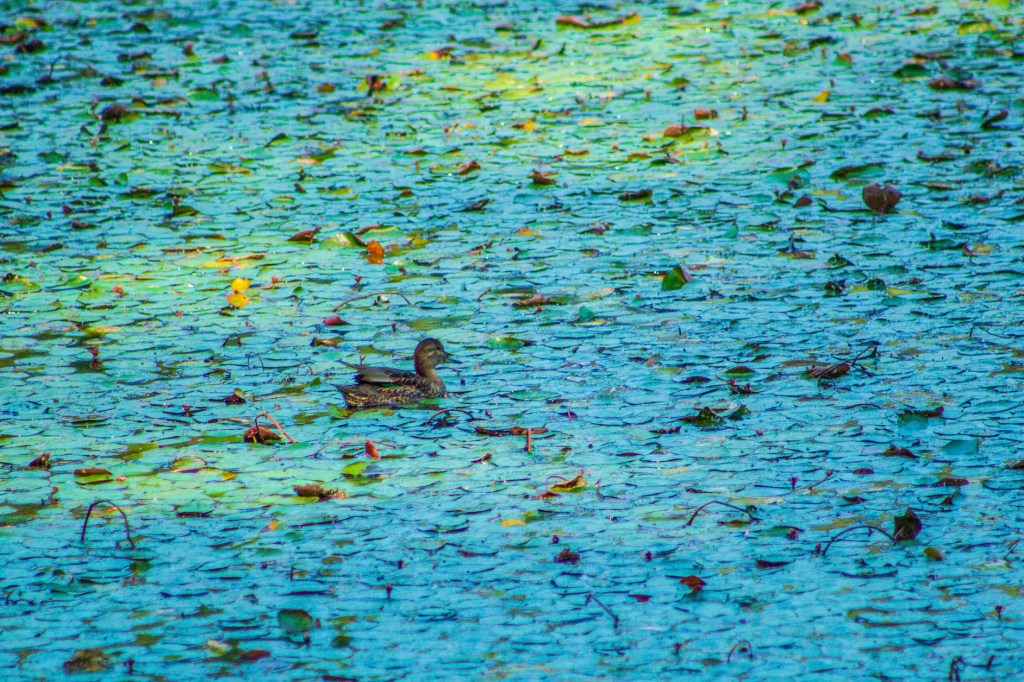
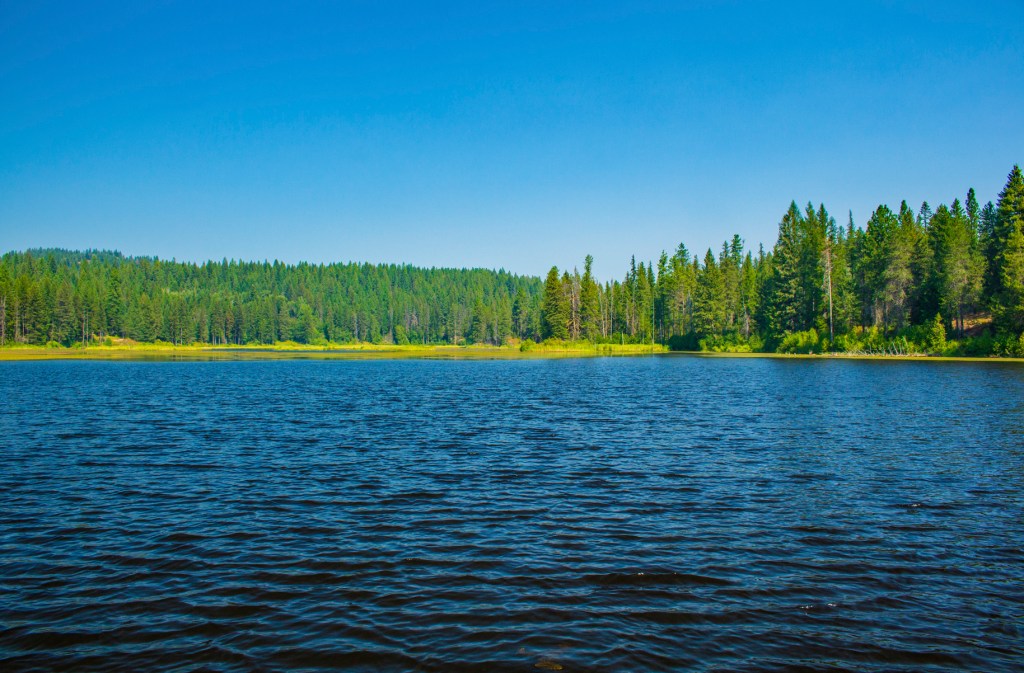
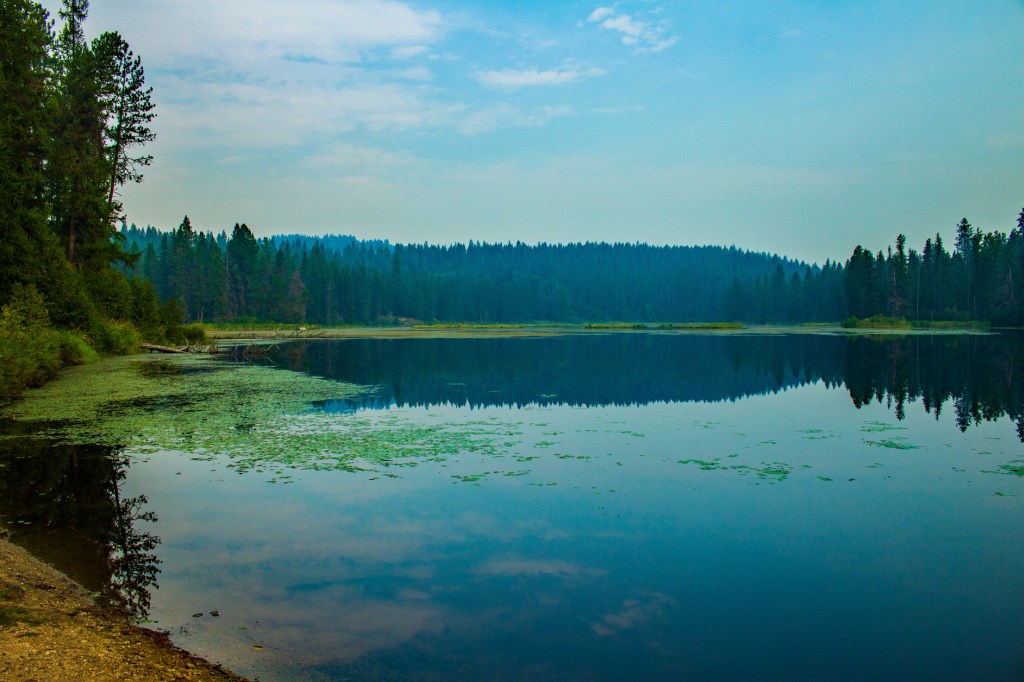
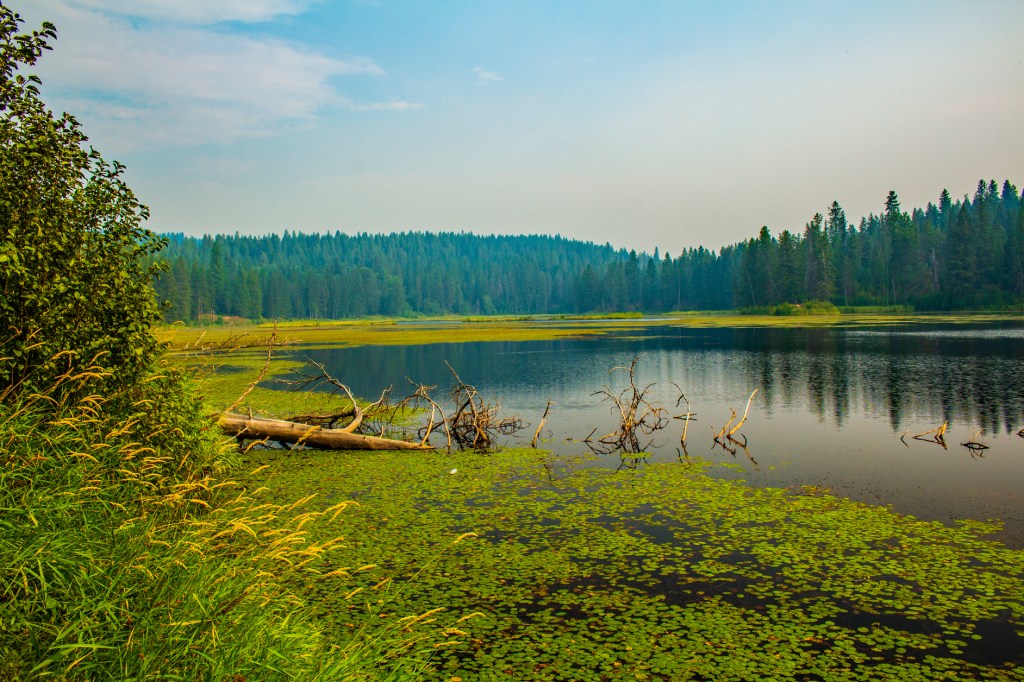
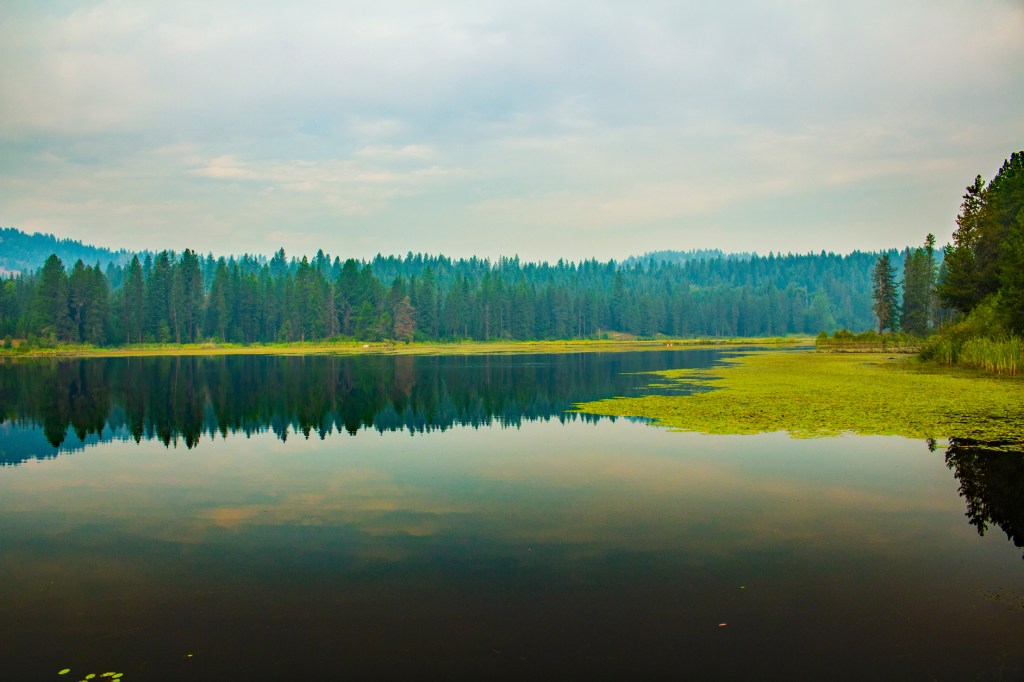
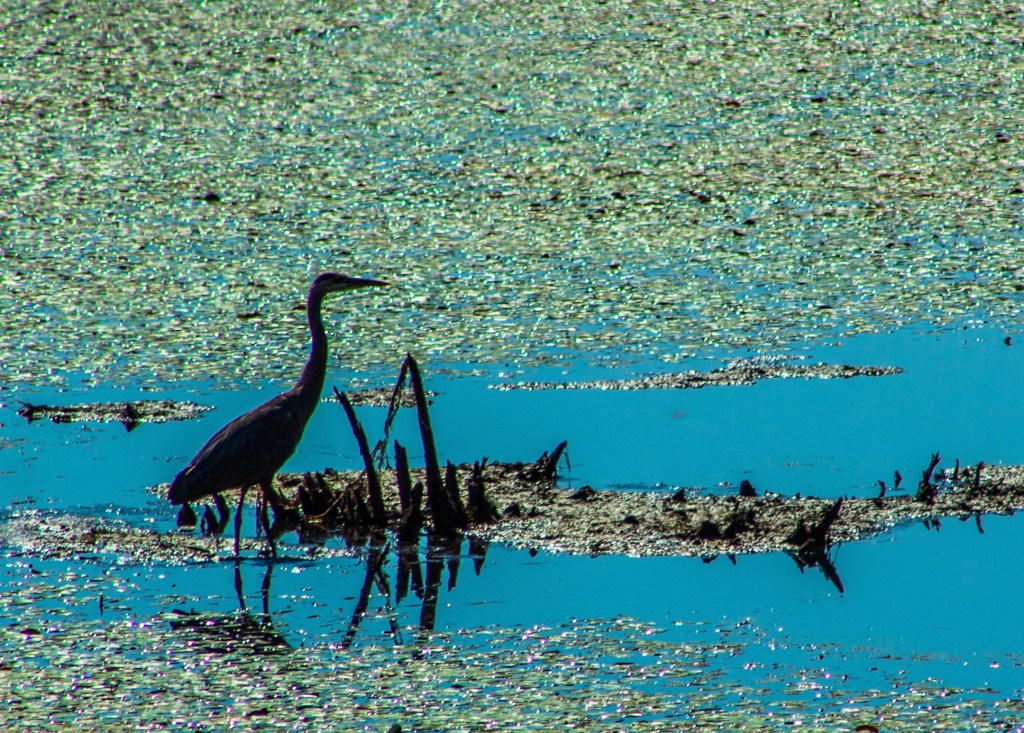
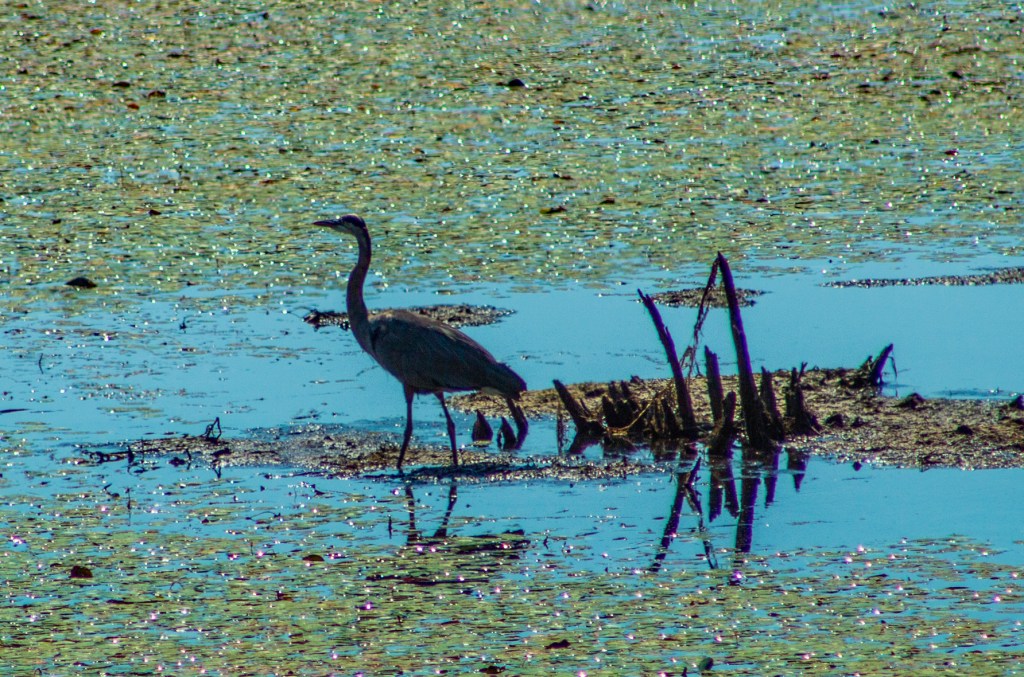
Barbara and I have been staying at the Little Diamond RV park for a week now and have really enjoyed ourselves. I have hiked around the Little Diamond lake three times and I was able to take my paddleboard out yesterday to enjoy the view from the water. It’s a nice three mile hike from our camp around the lake and back. A great way to stretch my legs. I really like the wildlife here, but like most wild animals they don’t stay in one place for very long, especially when humans are around. I’ve seen Osprey, Blue Heron’s and assorted waterfowl. Yesterday while I was paddling around the lake I was able to get close to some young Mallard ducks, but they didn’t stay long. The only bad things about this RV park are there is a fire burning north of here and most days there is smoke in the air. In addition, there are a lot of bees and flies here. Oh well, we have to take the good with the bad.
Recently I have been doing a lot of thinking about my life and my many blessings now and over the years. At the age of 64 most people would be looking for ways to slow down, but not me. Not many people my age would have asked for a paddleboard for their birthday to take up a new sport, but that’s exactly what I did. I’ve never been one to be able to sit still for very long.
After having a rather rocky start I have been able to accomplish a lot of things I never dreamed possible. The day I was born I was given my last rights by a Catholic Priest before I was able to take my first breath on my own. But somehow I survived and this was only the beginning. Unfortunately, due to my premature birth I was born with hearing difficulties that, for the most part, I have been able to overcome. In addition, I had nine broken bones before the age of 15, usually spent at least one day in the hospital each summer and lost my father at the age of 15.
I was able to make it through those early years and graduated from high school and college even though I was told by several educators that I would never do either. I was even able to pay back my student loans.
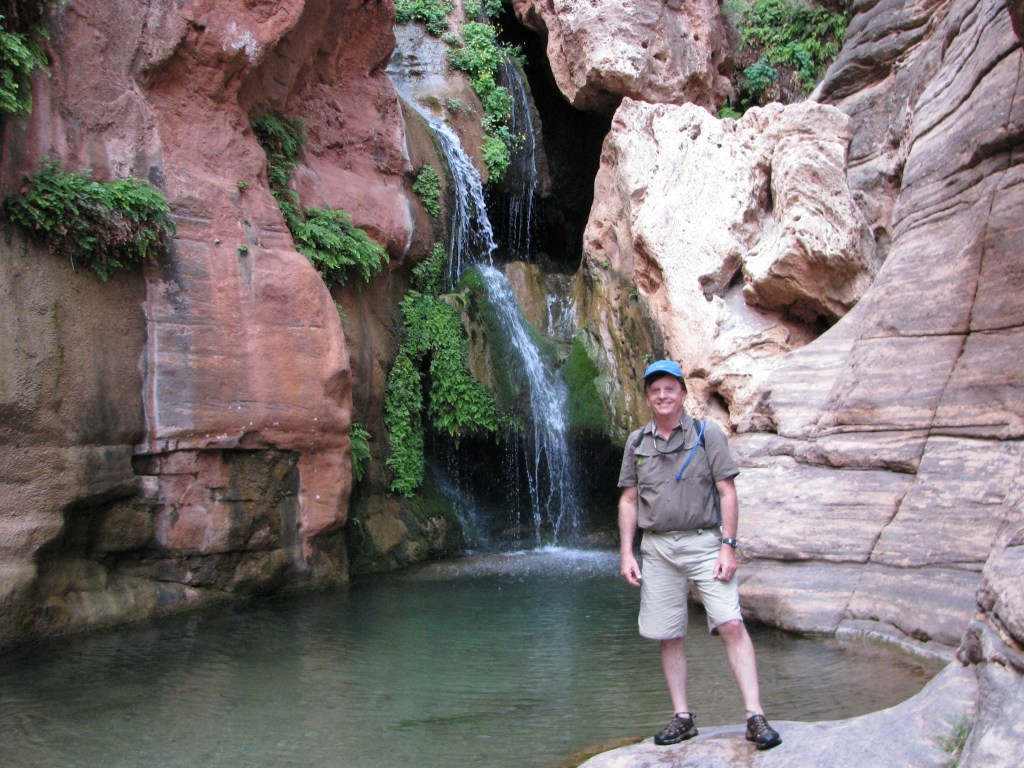
I have climbed to the top of some of the tallest mountains in the lower 48 states as well as some not so tall mountains and explored the depths of the Grand Canyon. I have spent a couple of days and nights in the deepest part of Hells Canyon, which is thousands of feet deeper than the Grand Canyon, and have been to the lowest point in the United States, Badwater in Death Valley National Park. I have logged hundreds of hours of flight time as a pilot and witnessed the birth of my son Nicholas. I was even the first person in the family to get to hold this miracle.
Due to my education, I have been able to learn a lot about the processes of our planet Earth and the universe around us and have been able to experience many of these for myself. I spent my career as a geologist cleaning up the environment. I have touched some of the oldest and youngest rocks on the planet. I have spoken to fish in the stream, wild and domesticated animals, even though I usually do most of the talking. I’ve swam with dolphins and surfed with sea lions. I have spent countless hours sleeping under the stars, looking up and wondering if there is life out there. I have experienced the adrenalin rush of floating the largest rapids in North America as well as rappelling down the canyon walls in Zion National Park. I have gone parasailing, zip-lining and even ice-skated on frozen ponds in California and Wyoming. Due to my unending curiosity I have been able to research and learn things beyond what college could have taught me on subjects like climate change, politics, racism and even gender dysphoria.
I have been fortunate enough to be healthy and able to give to gift of life to others in the form of the 700+ units of blood I have given over the years.
I realize that some people may think that I am just bragging, but that couldn’t be further from the truth. I had a very difficult beginning and I am very grateful for the life that I have been given.
I know that I am not a saint, far from it, but I believe that Heavenly Father had a plan for me, from the beginning, and has been watching over me and has given me this Wonderful Life that I have experienced and the health that I have enjoyed.
But with all of the blessings that I have enjoyed the one blessing that I cherish more than all of the others is spending my retirement years with my Wonderful wife Barbara and our quirky dog Hopper.
If I was to die tomorrow, my only regret would be that my Wonderful life ended too soon because there is so much more that I would like to experience.
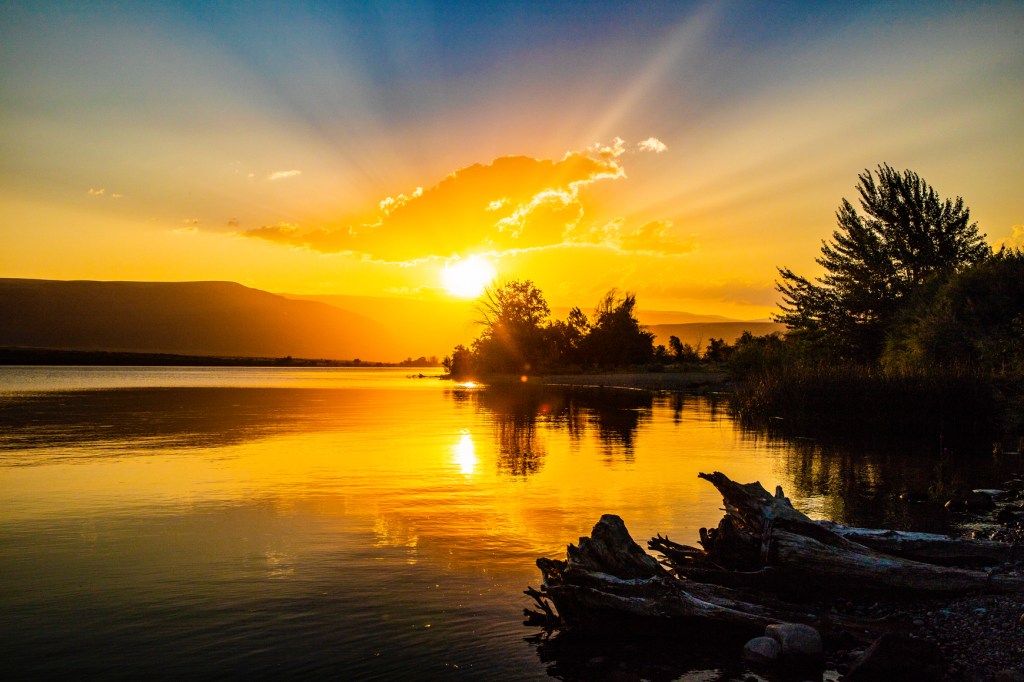
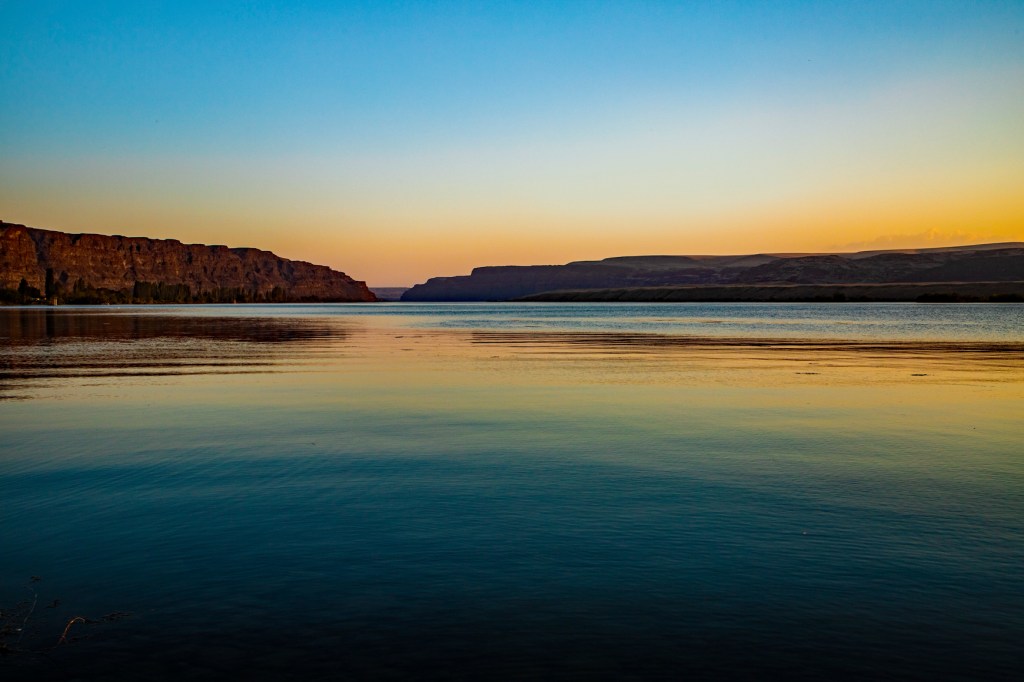
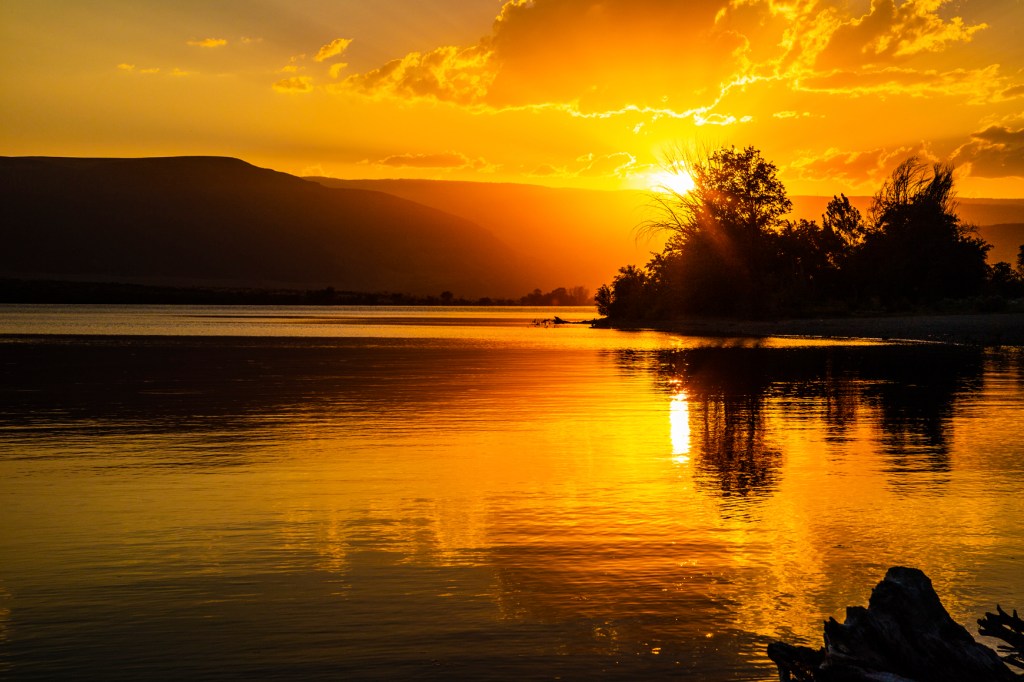
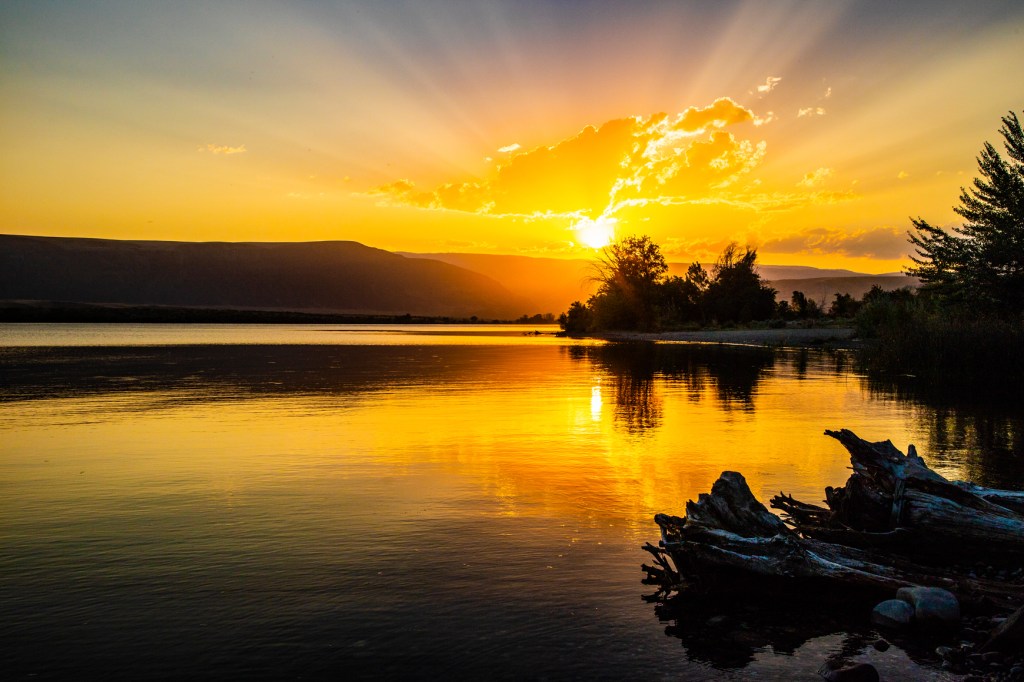
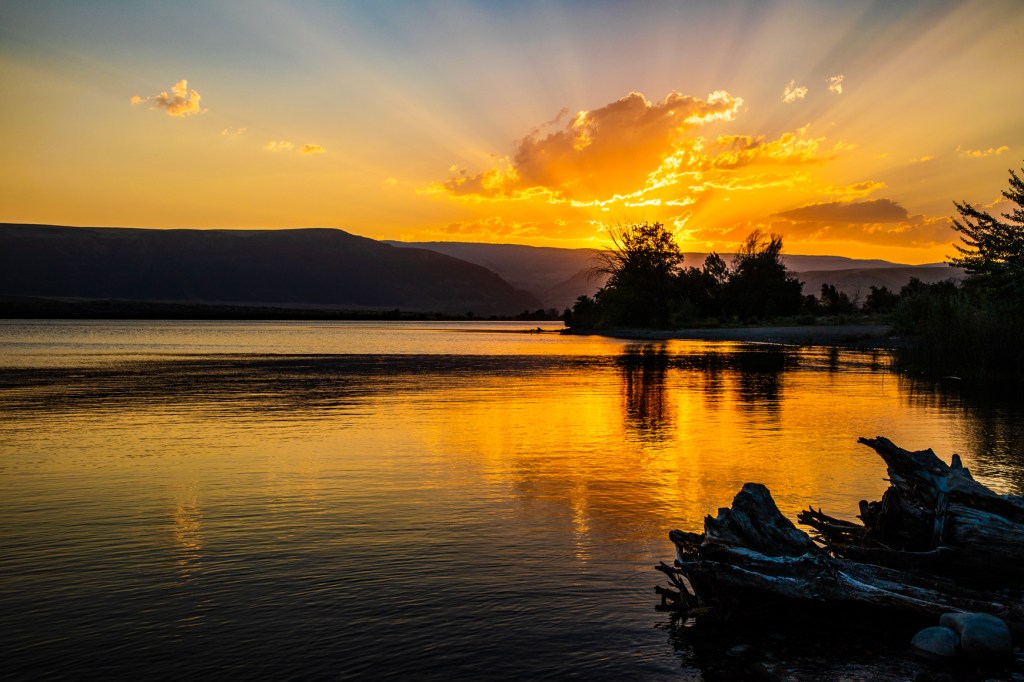
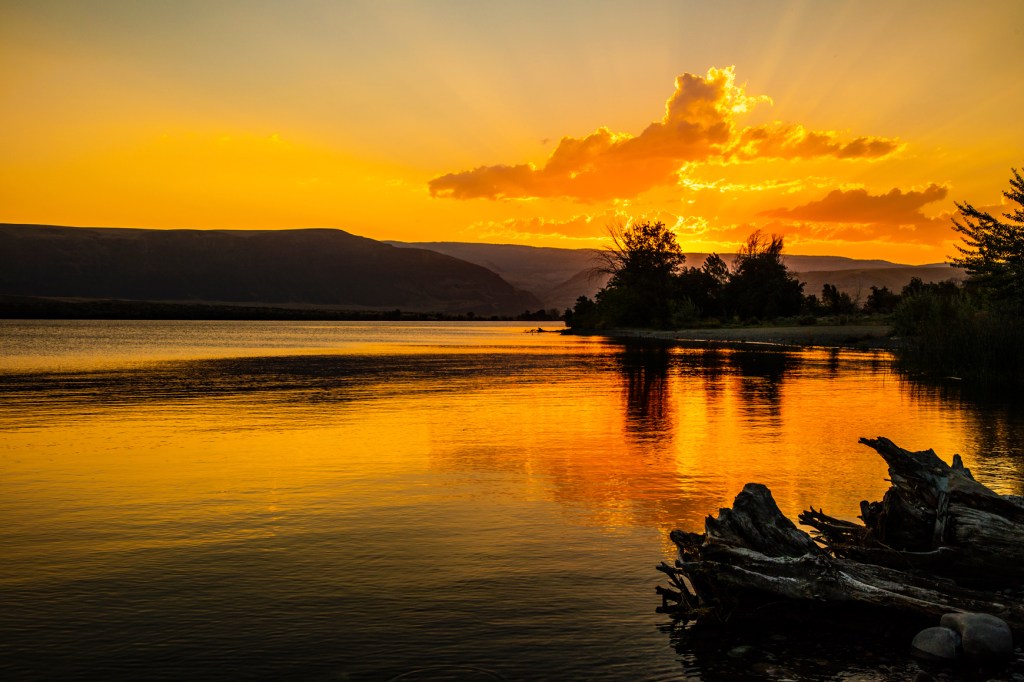
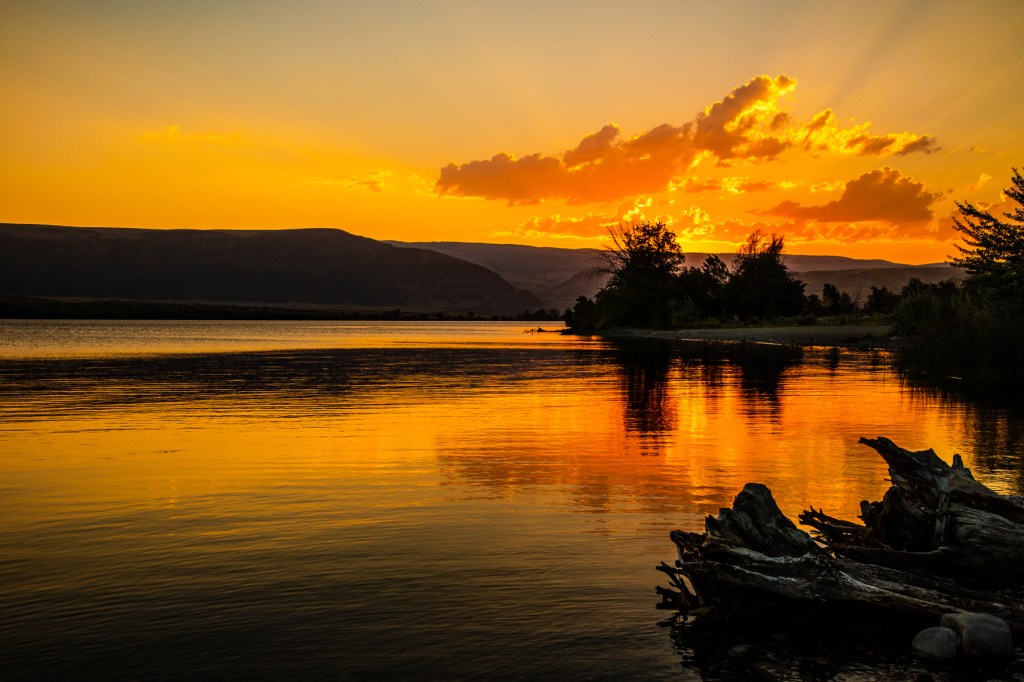
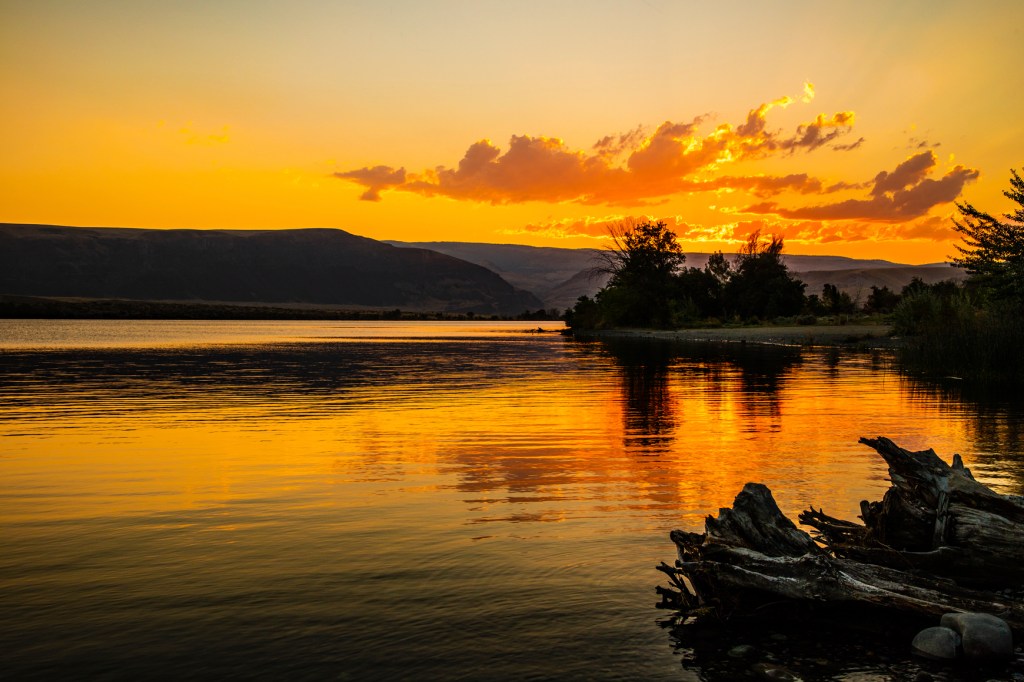
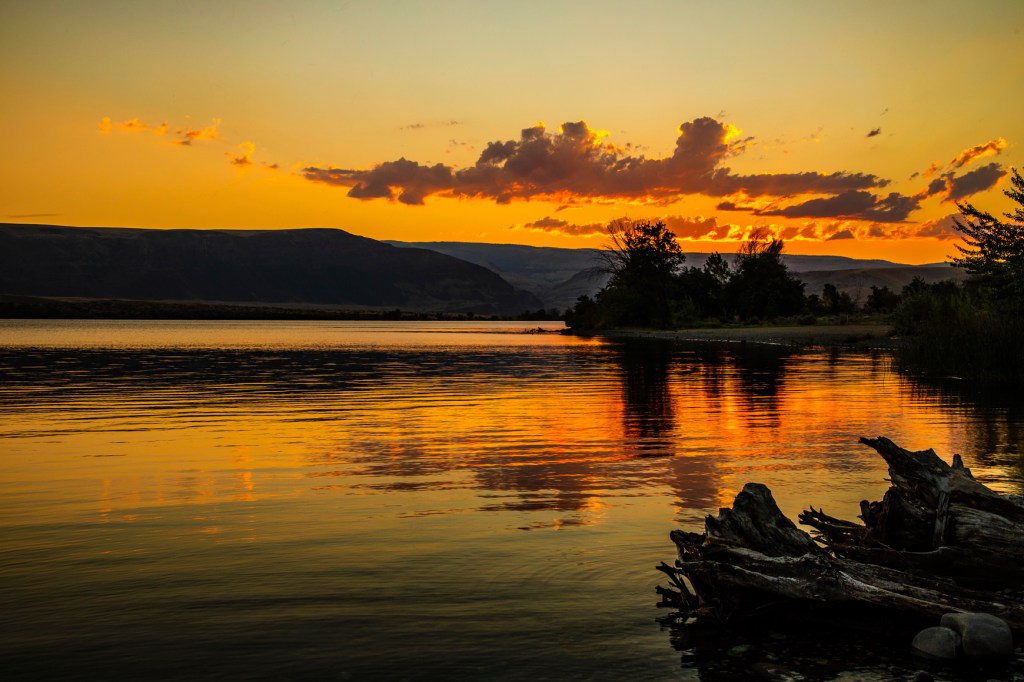
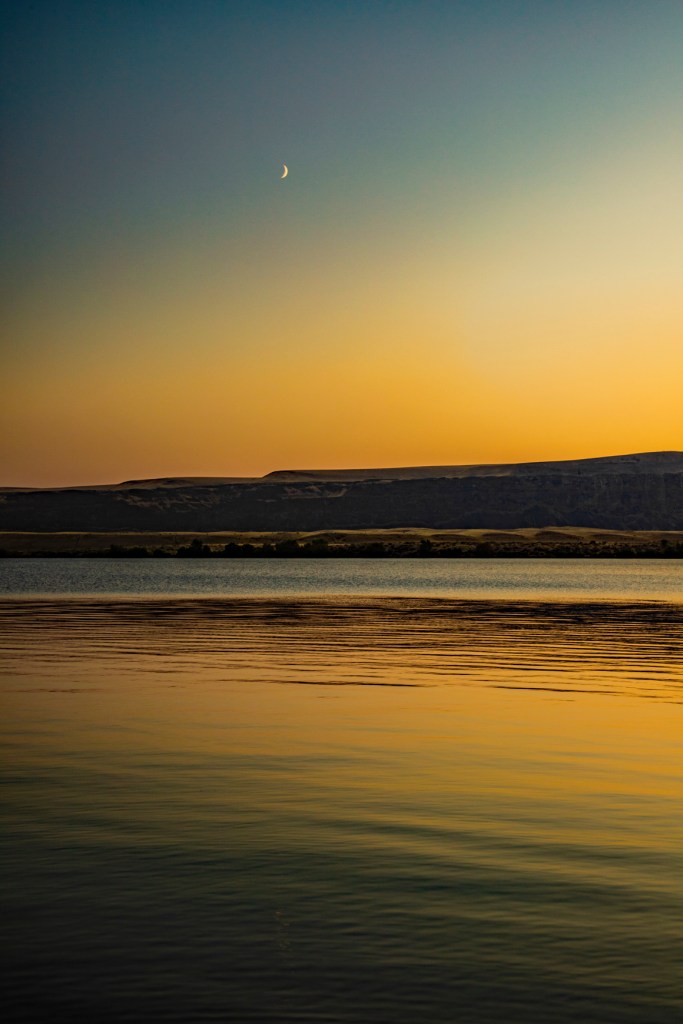
This past Wednesday Barbara and I traveled from the Washington coast at Birch Bay to Crescent Bar on the Columbia River in east central Washington. This area has a real interesting geologic history, but I’ll leave that for another day. That evening I strolled down to the river’s edge to capture an amazing sunset. Take a look!
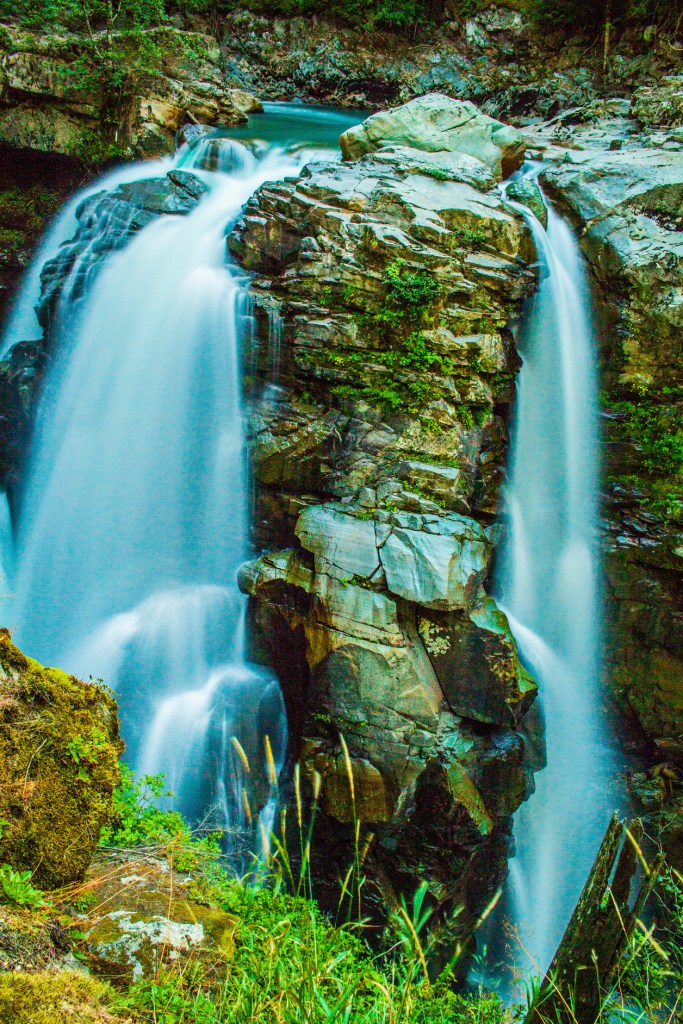
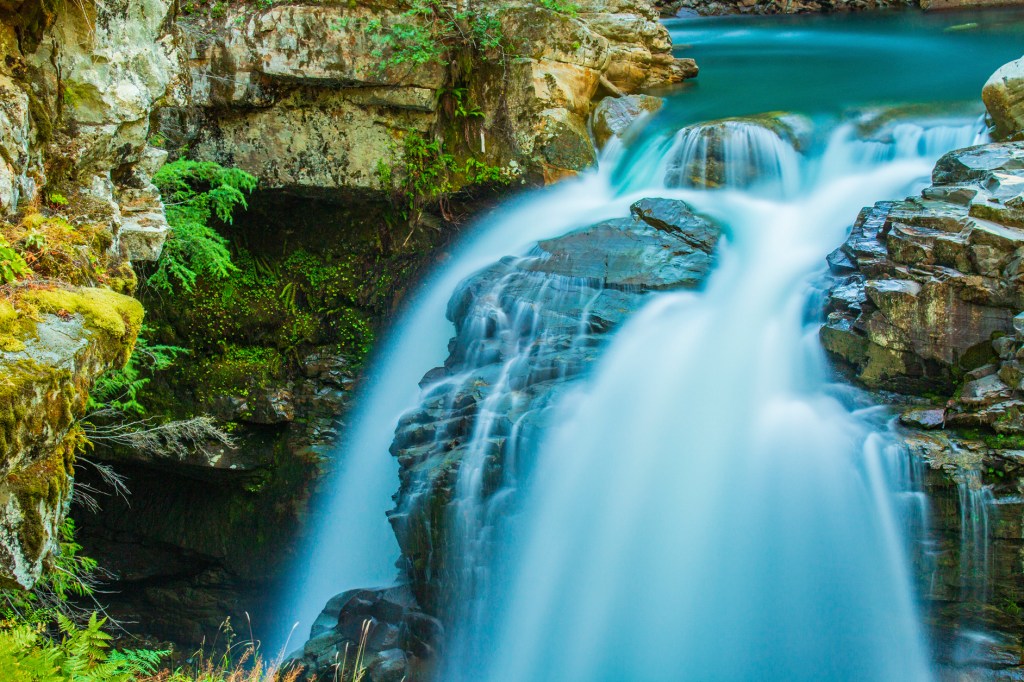
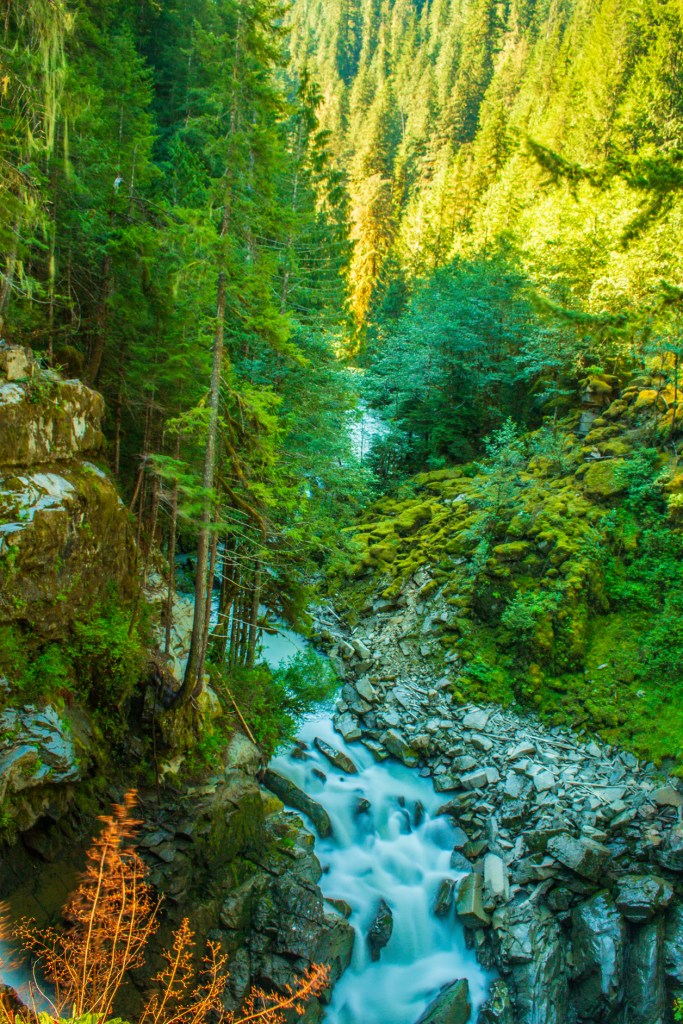
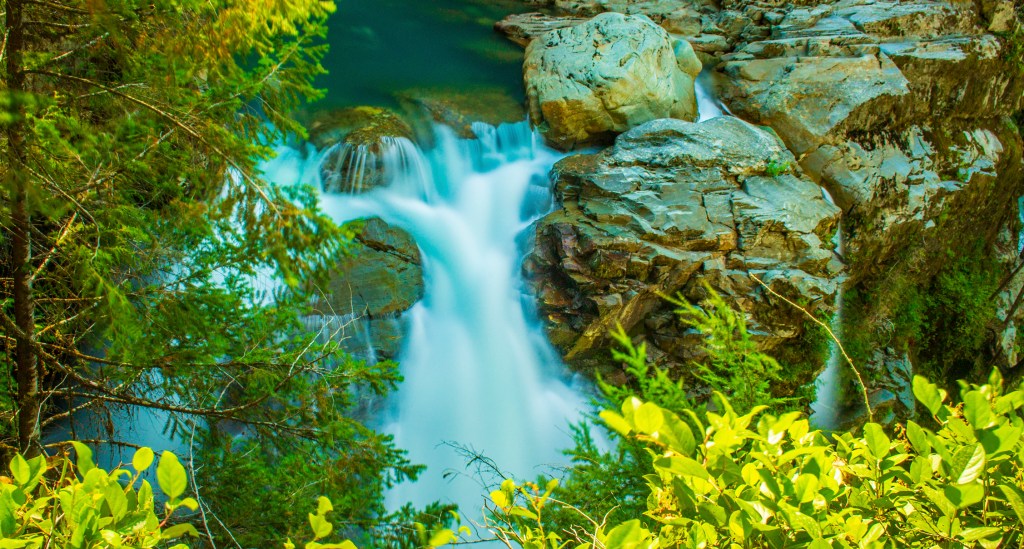
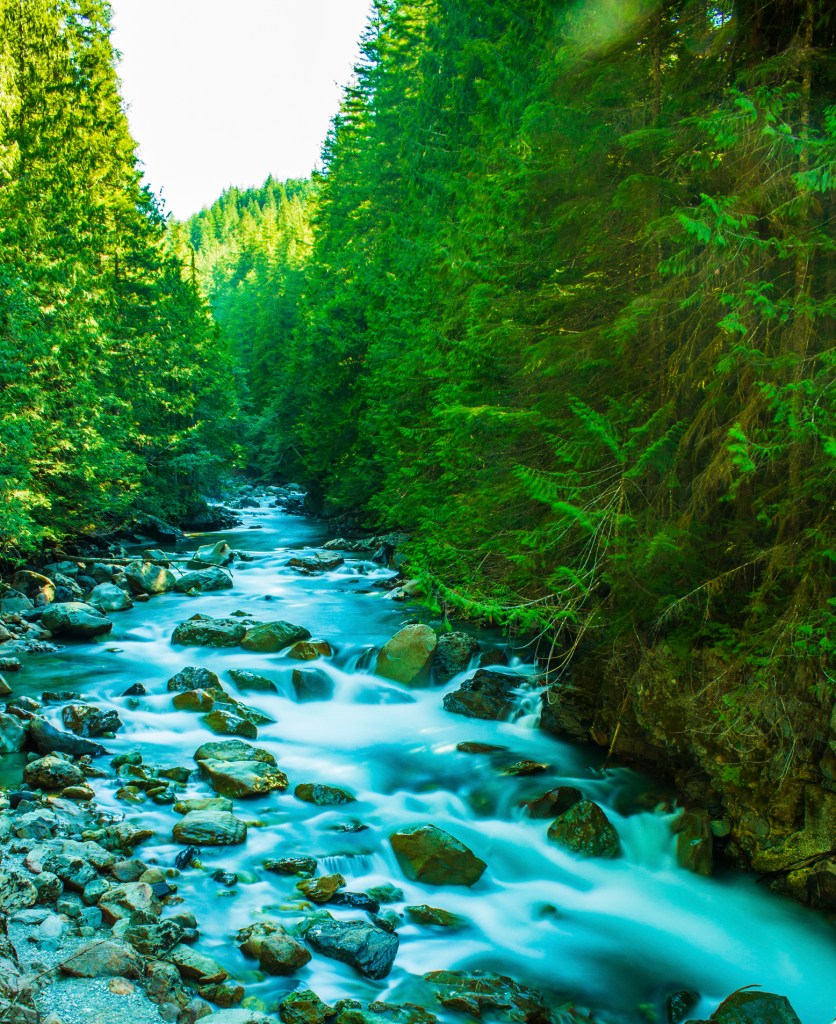
On Tuesday as Barbara and I traveled the Mount Baker Scenic Highway we made a couple of stops along the way. On the way to Mount Baker we stopped at Nooksack Falls on the Nooksack River. This is a nice waterfall, but because it is in a deep and narrow gorge trying to get a good view of the falls is difficult. In addition, the falls gets no direct sunlight so in order to get a decent photo I had to take four minute exposures in most cases.
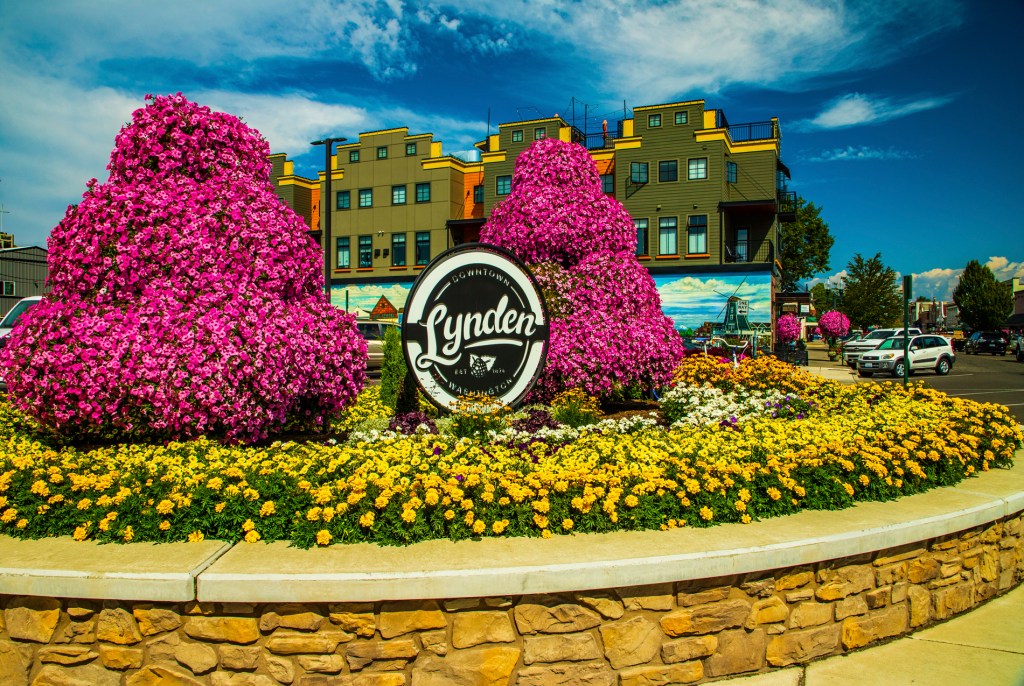
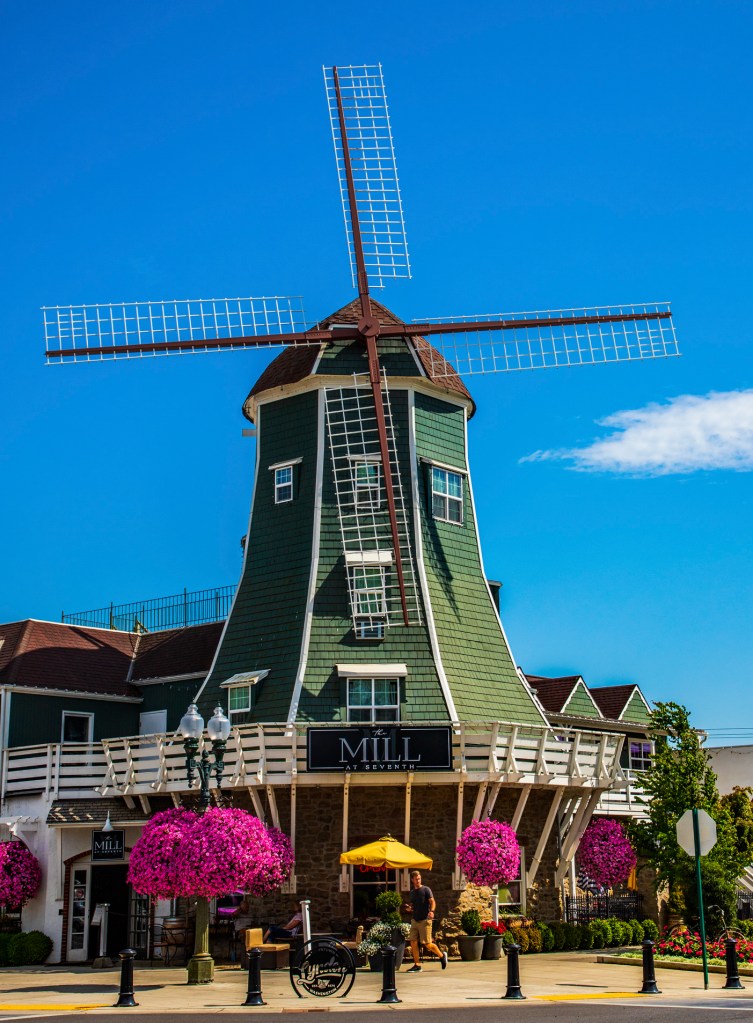
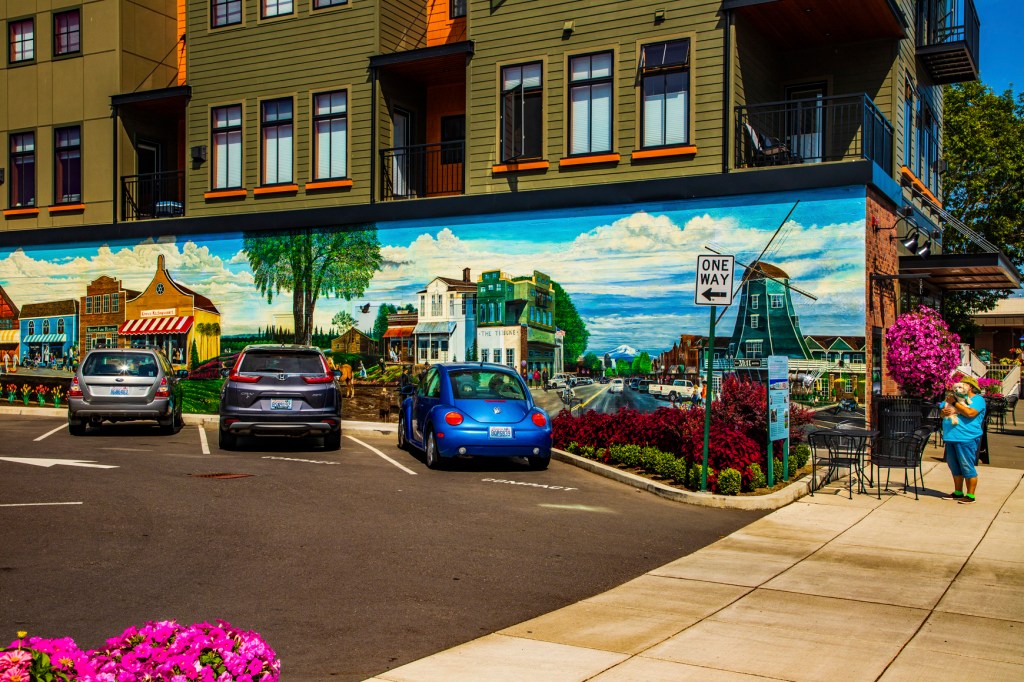
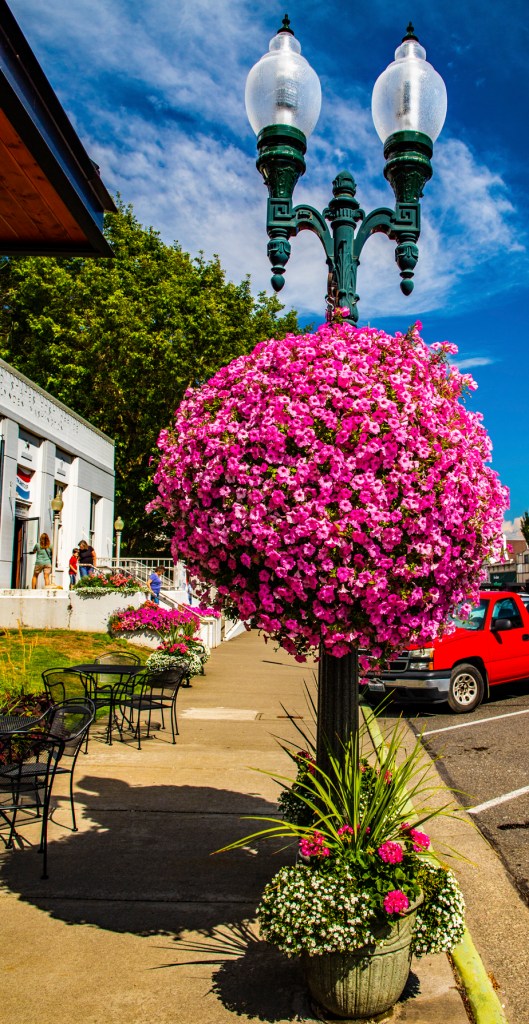
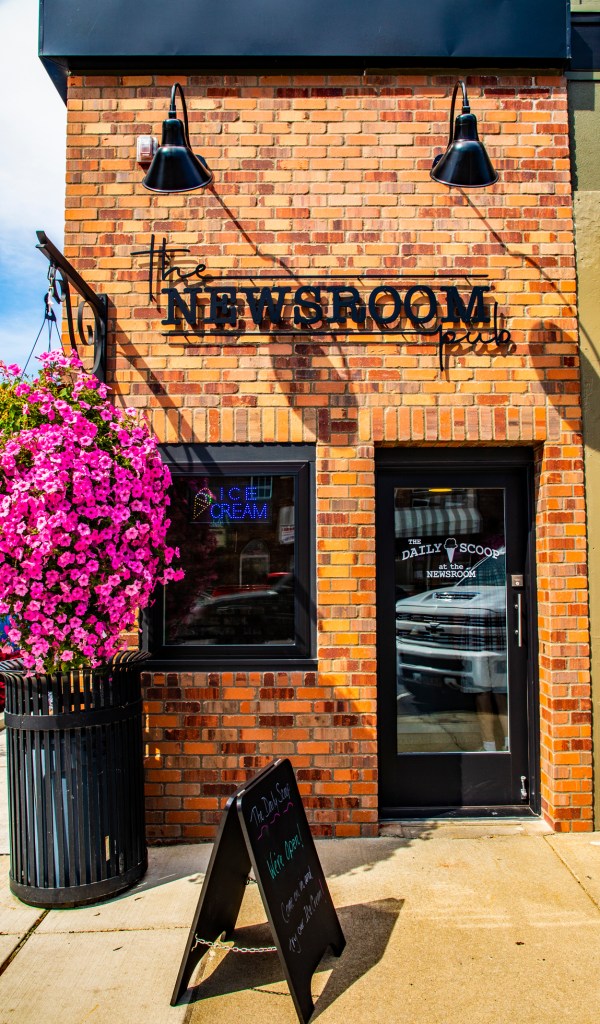
Along our travels to and from Mount Baker we passed through the town of Lynden, Washington. Now Lynden has a large Dutch population that migrated to Lynden in the 1880’s. The Dutch area of Lynden is beautiful and we could tell that these people care about their community because the area is well taken care of including the residential neighborhoods which appear to be older yet well maintained. So on our way back to our trailer we stopped in Lynden, I took some photos and then we grabbed some ice cream cones from the Daily Scoop at the Newsroom Pub ice cream shop. Yum!
 RV There Yet?