Mount Baker

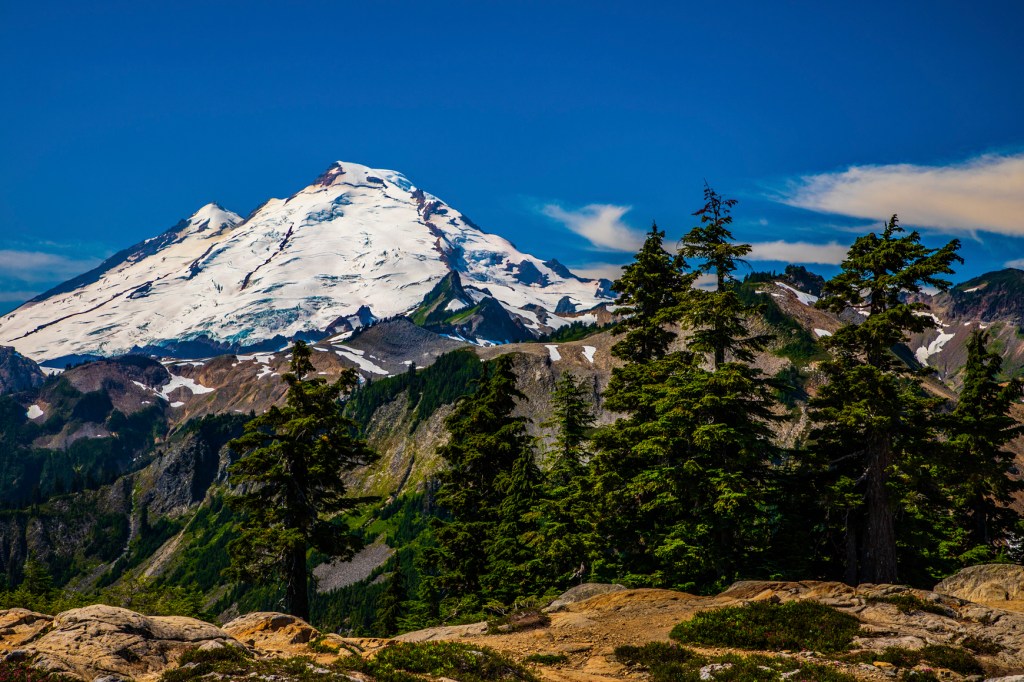
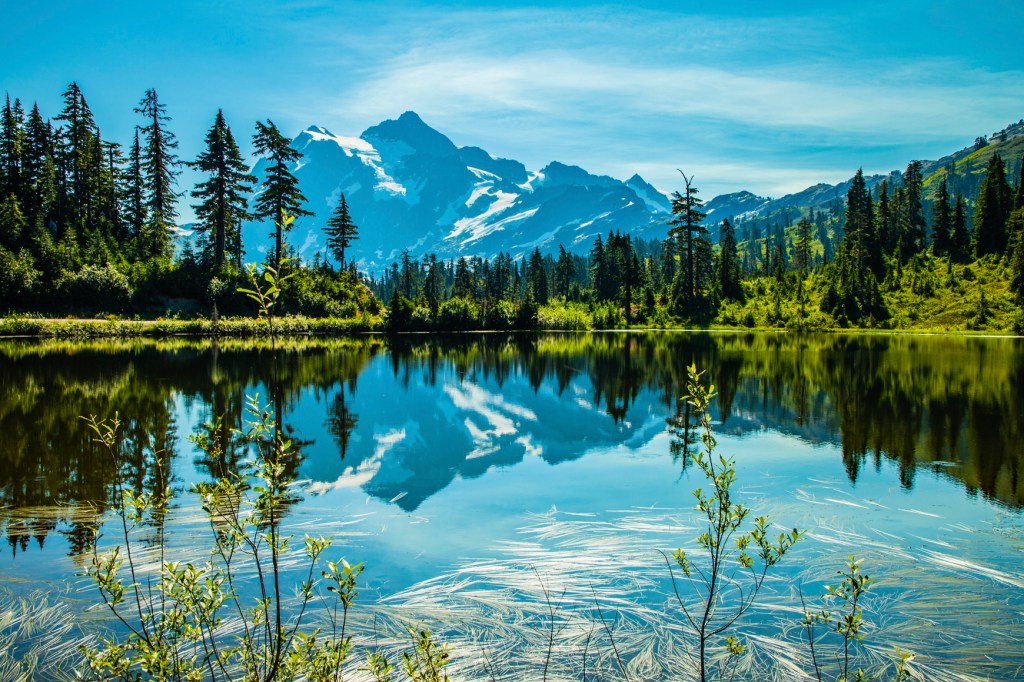
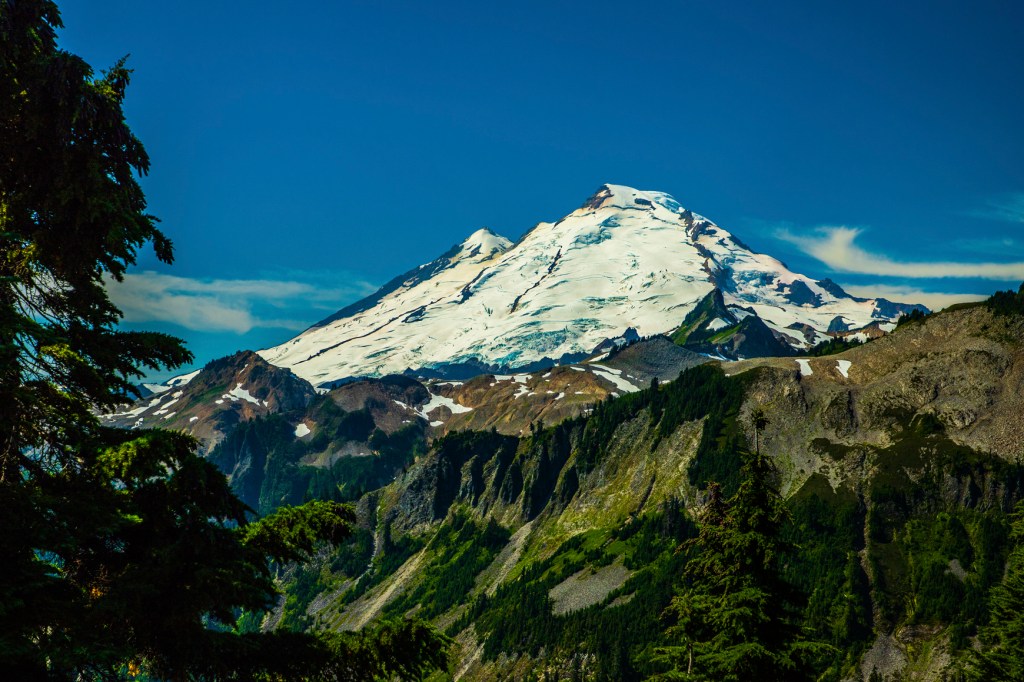
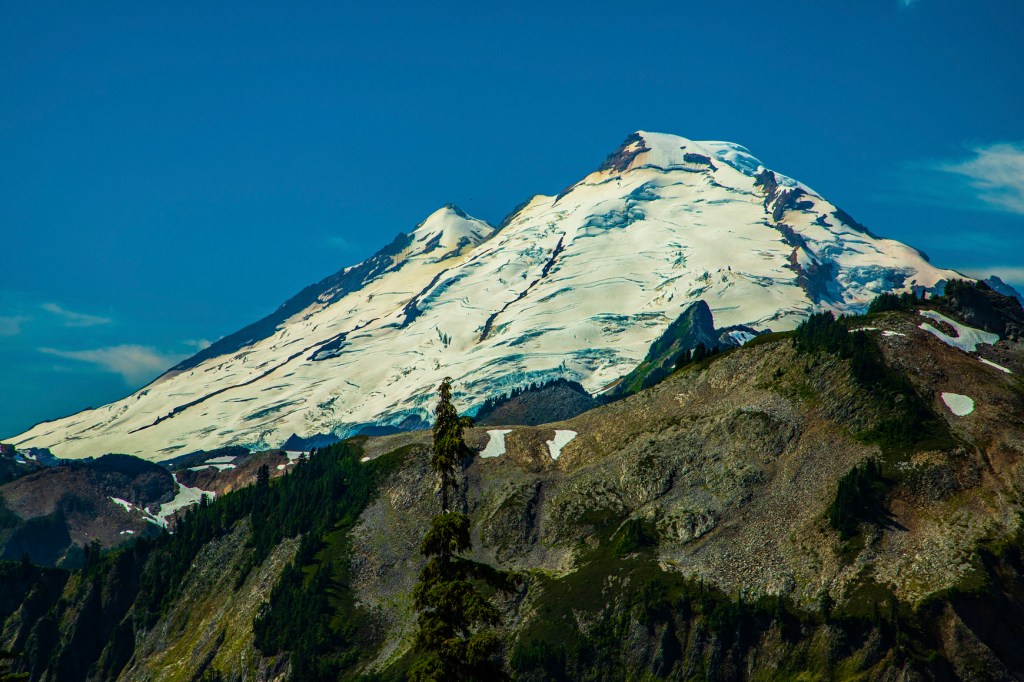
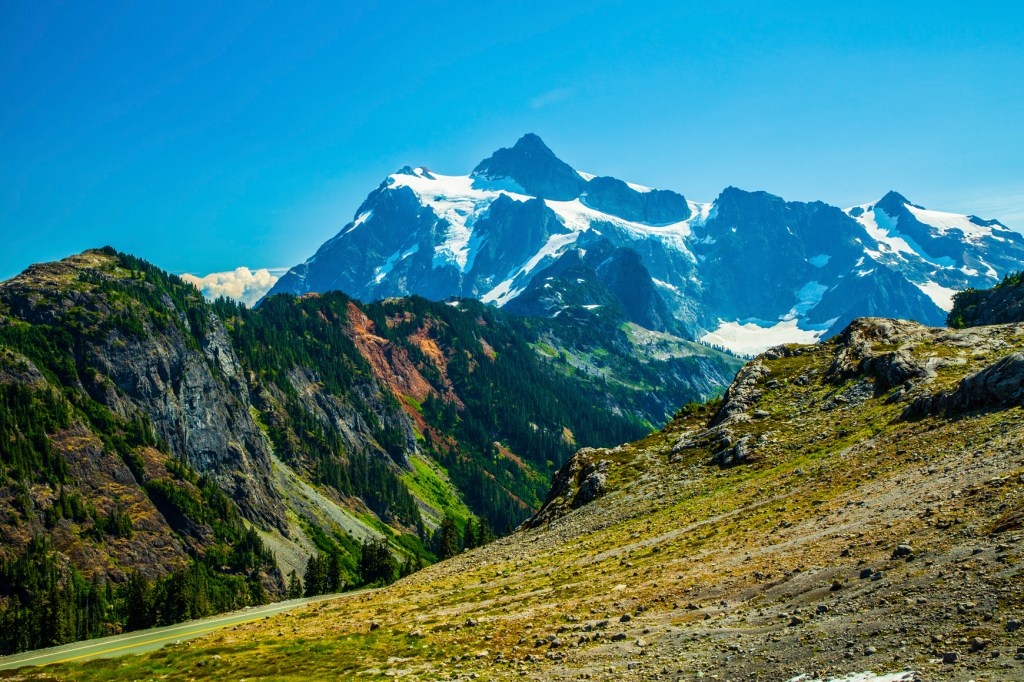
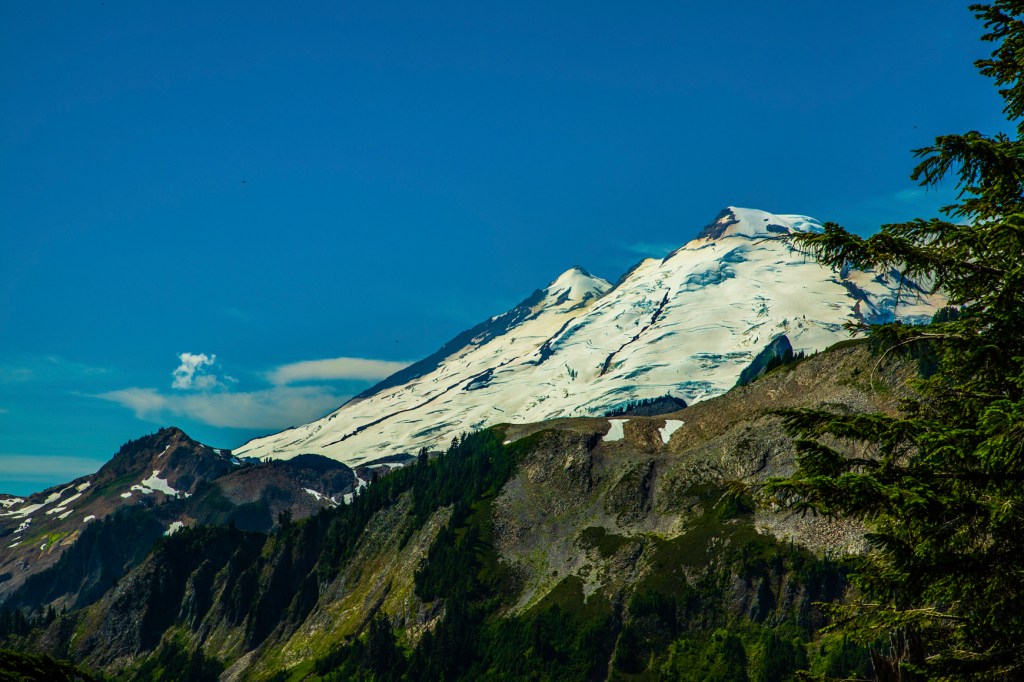
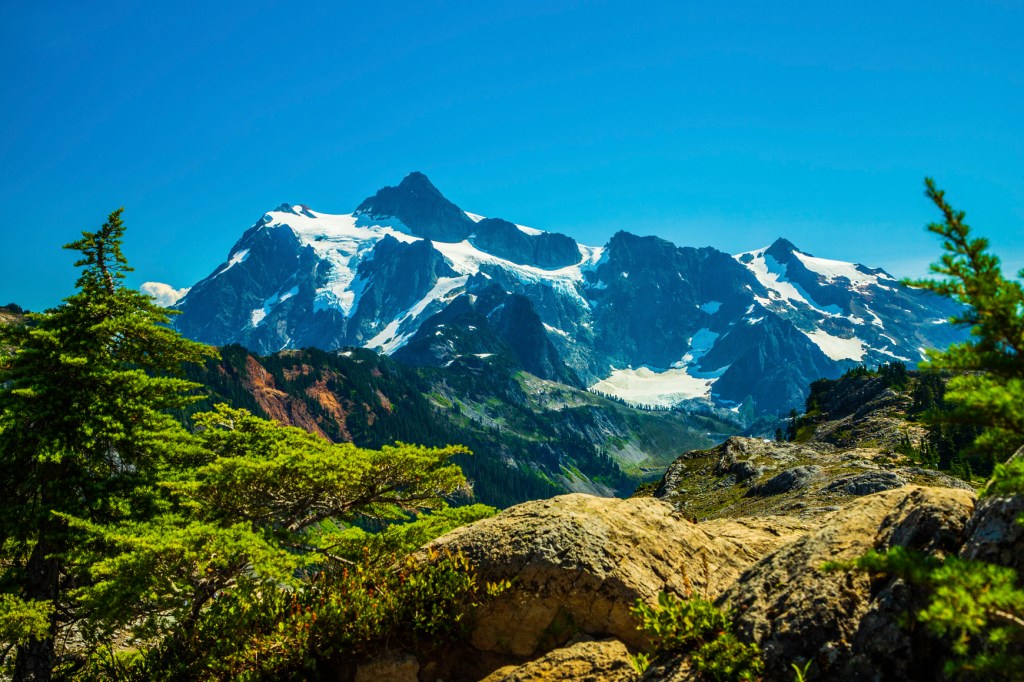
Yesterday Barbara and I traveled east along the Mount Baker Scenic Highway to Mount Baker at Artist Point. This is a 70 mile very scenic drive and the vistas at the end of the road are awesome. Also here is 9,127 foot tall Mount Shuksan to the east. Mount Shuksan is not a Cascade volcano like its neighbor to the west, Mount Baker, the mountain is composed of Shuksan greenschist, oceanic basalt that was metamorphosed when the Easton terrane collided with the west coast of North America, approximately 120 million years ago. As you can see from my photos it is heavily glaciated.

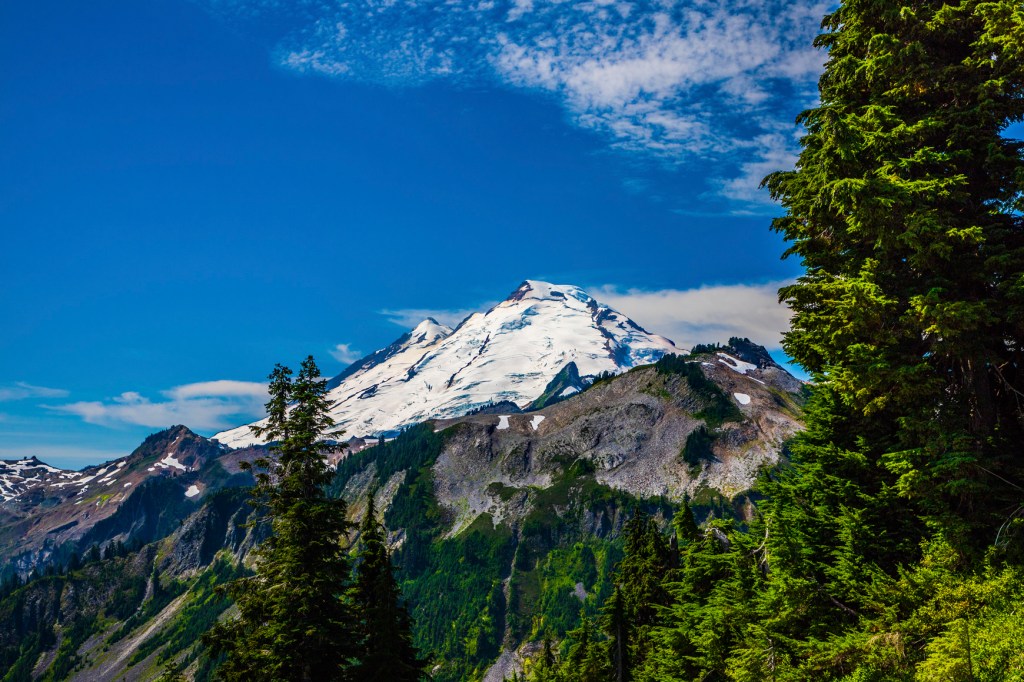
Mount Baker is a 10,781 foot tall active glacier covered andesitic stratovolcano in the Cascade Volcanic Arc and the North Cascades of Washington. Mount Baker has the second-most thermally active crater in the Cascade Range after Mount Saint Helens. About 30 miles east of the city of Bellingham, Washington, Mount Baker is the youngest volcano in the Mount Baker volcanic field. While volcanism has persisted here for some 1.5 million years, the current volcanic cone is likely no more than 140,000 years old, and possibly no older than 80,000 to 90,000 years. Older volcanic vents in the Mount Baker Volcanic Field have mostly eroded away due to glaciation.

After Mount Rainier, Mount Baker has the heaviest glacier cover of the Cascade Range volcanoes. The volume of snow and ice on Mount Baker, 0.43 cubic miles is greater than that of all the other Cascades volcanoes, except Rainier, combined. It is also one of the snowiest places in the world. In 1999, the Mount Baker Ski Area, located 9 mi to the northeast, set the world record for recorded snowfall in a single season at 1,140 inches (95 feet). 
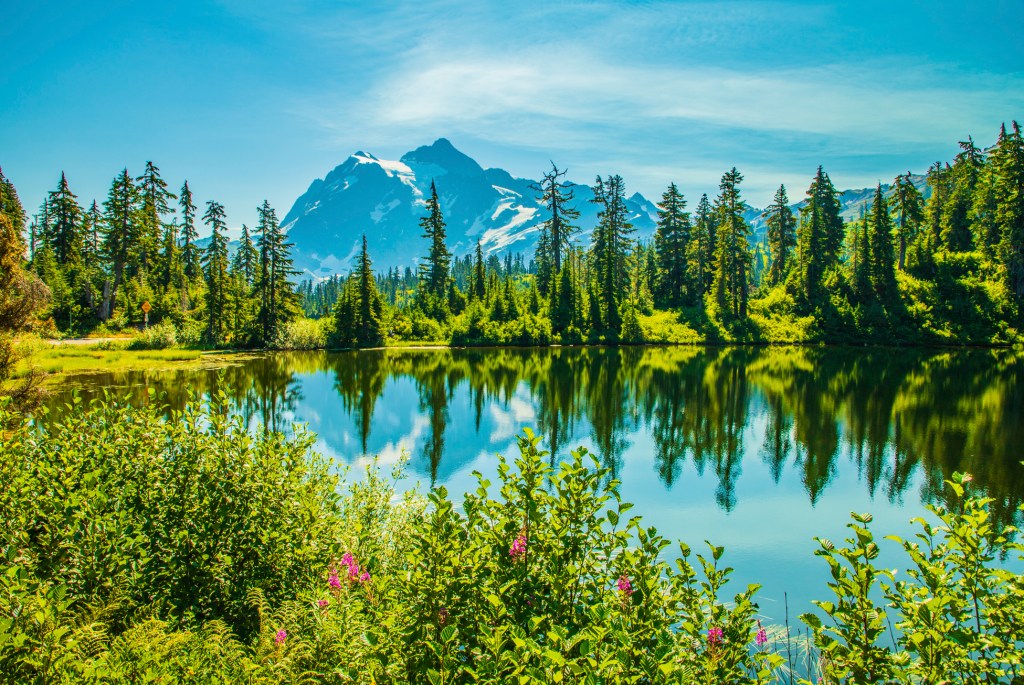
Mount Shuksan
Mount Baker
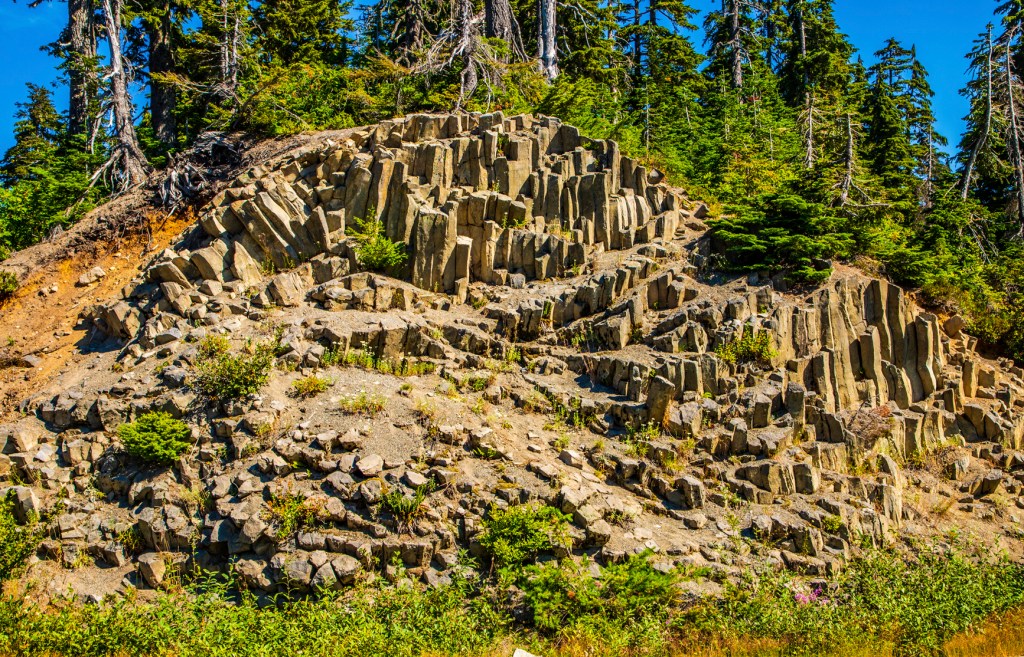
Columnar Basalts.
Mount Baker.
Mount Shuksan.
Mount Baker.
Mount Shuksan.
Mount Baker.
Mount Shuksan.
Mount Baker.
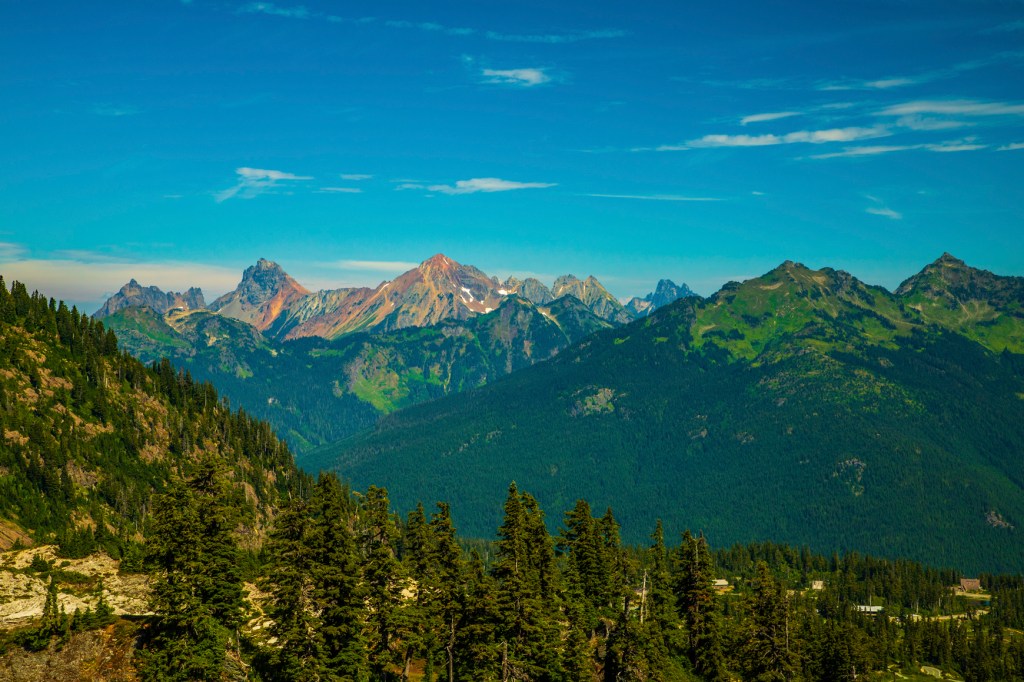
Border Peak, left center, sits on the US/Canadian border. The Mount Baker ski resort is seen in the lower right.
Mount Shuksan.
Mount Baker.

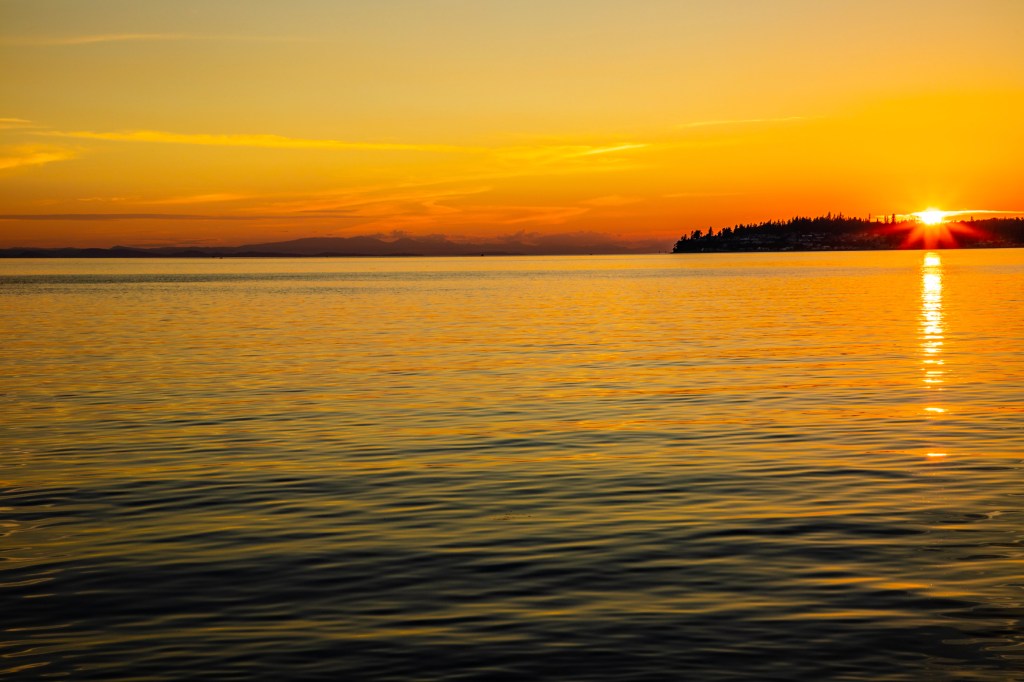
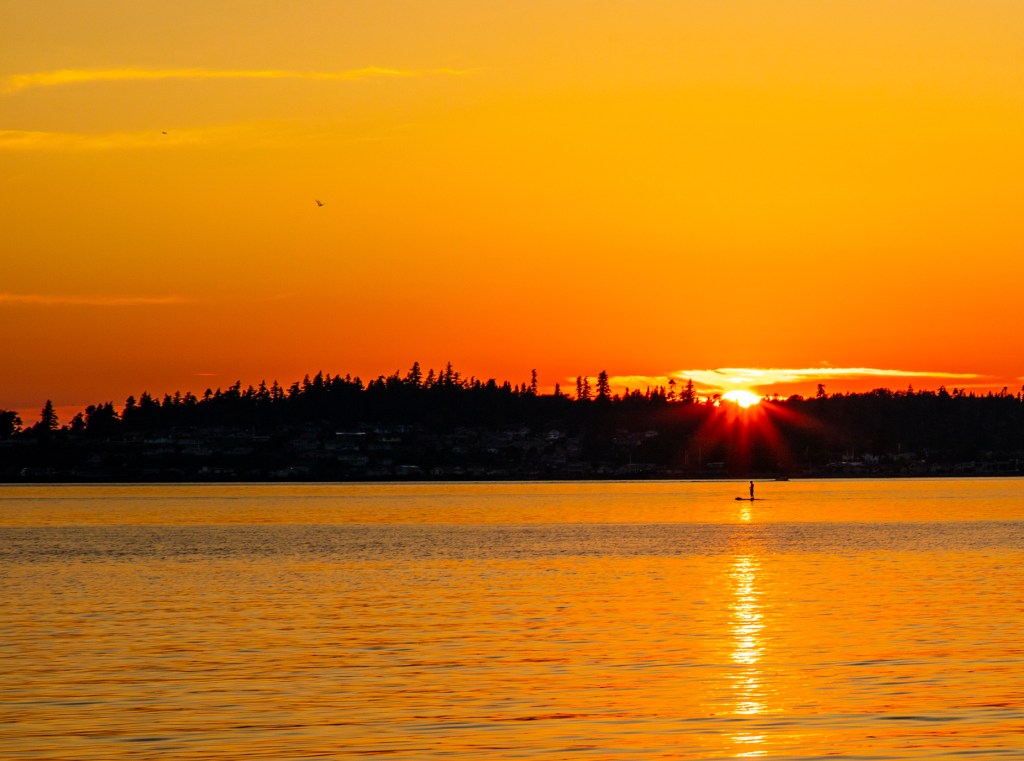
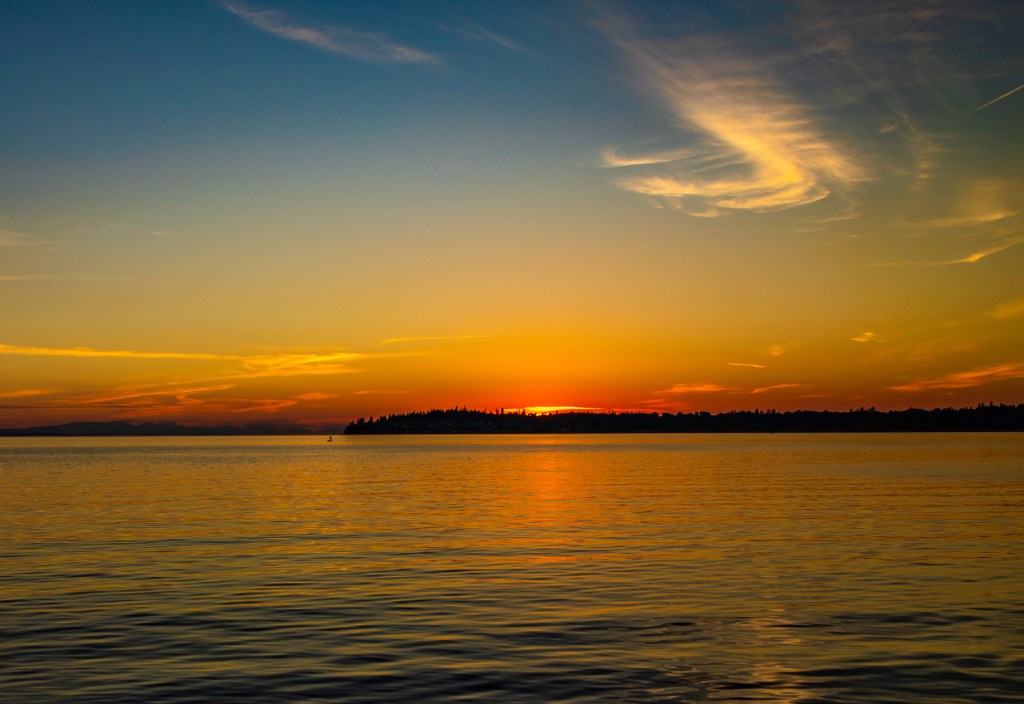
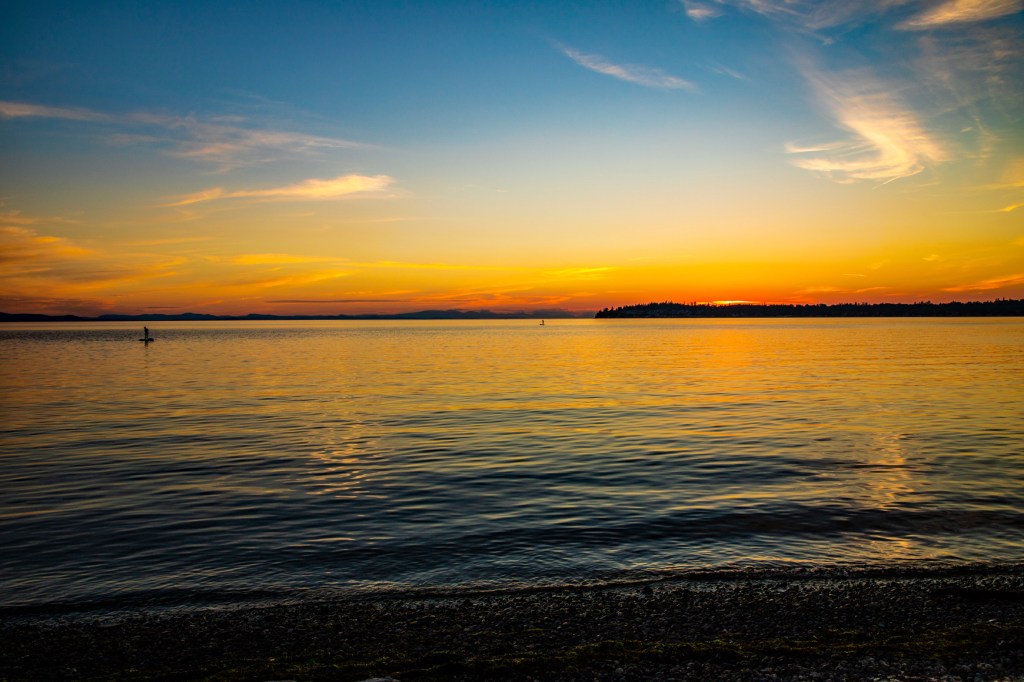
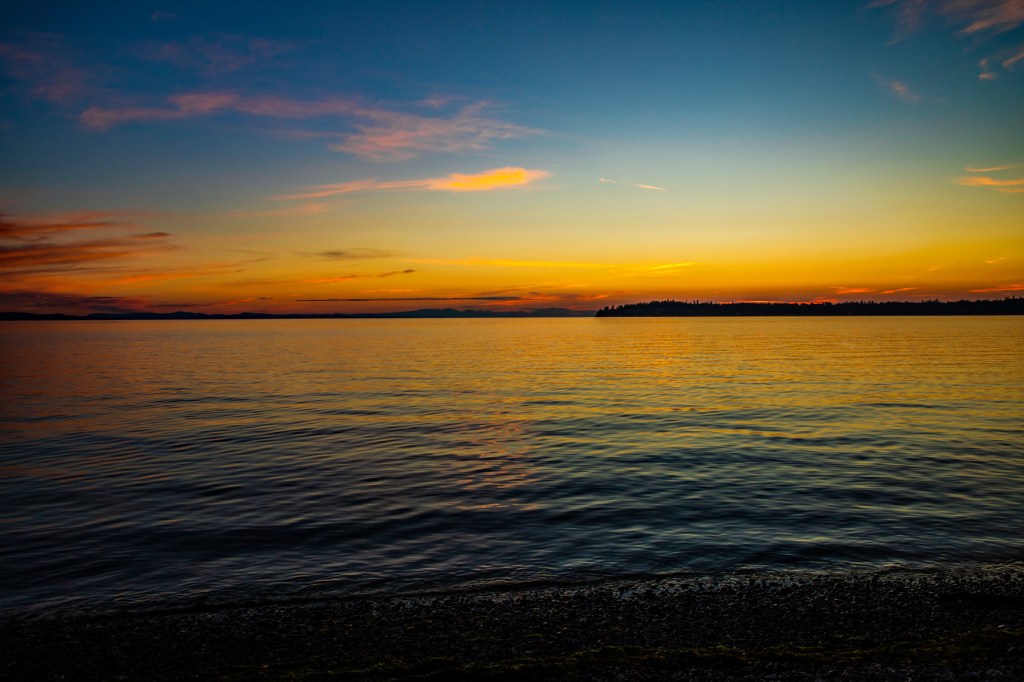
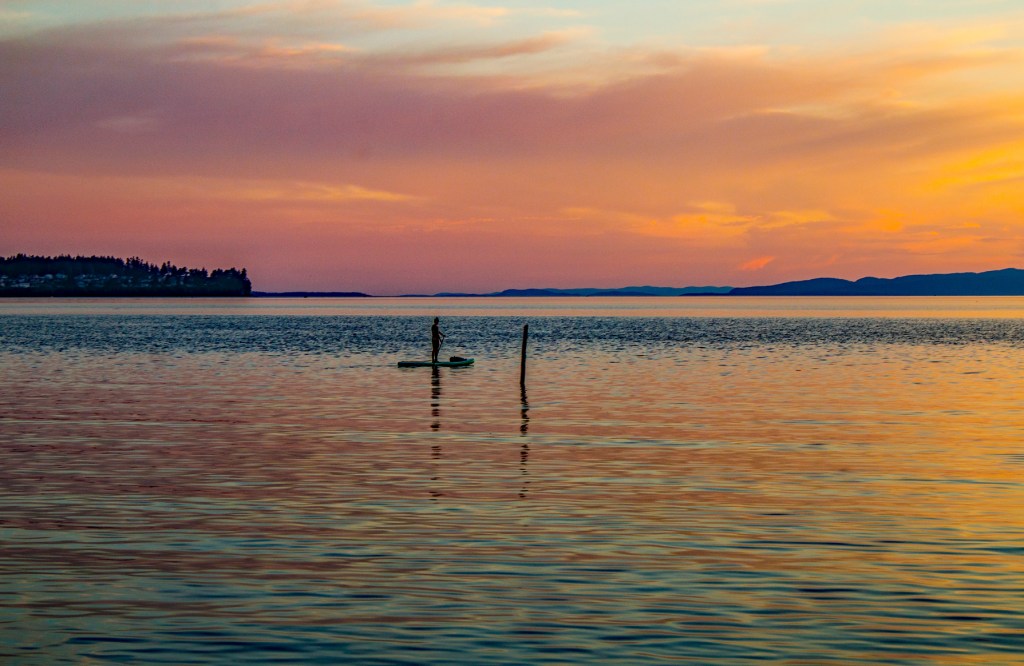
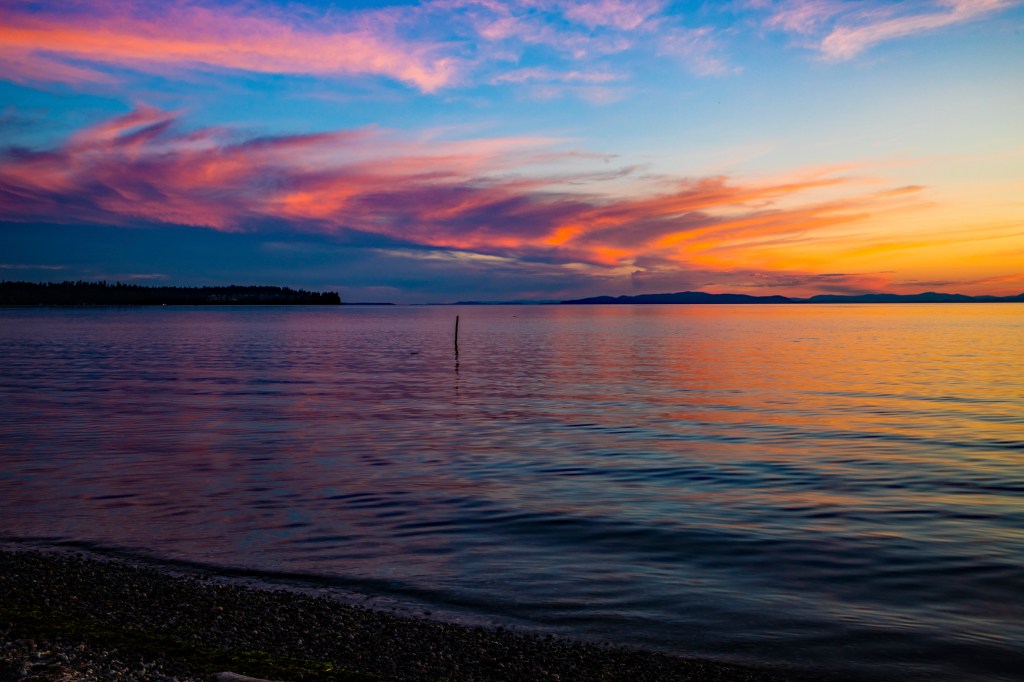
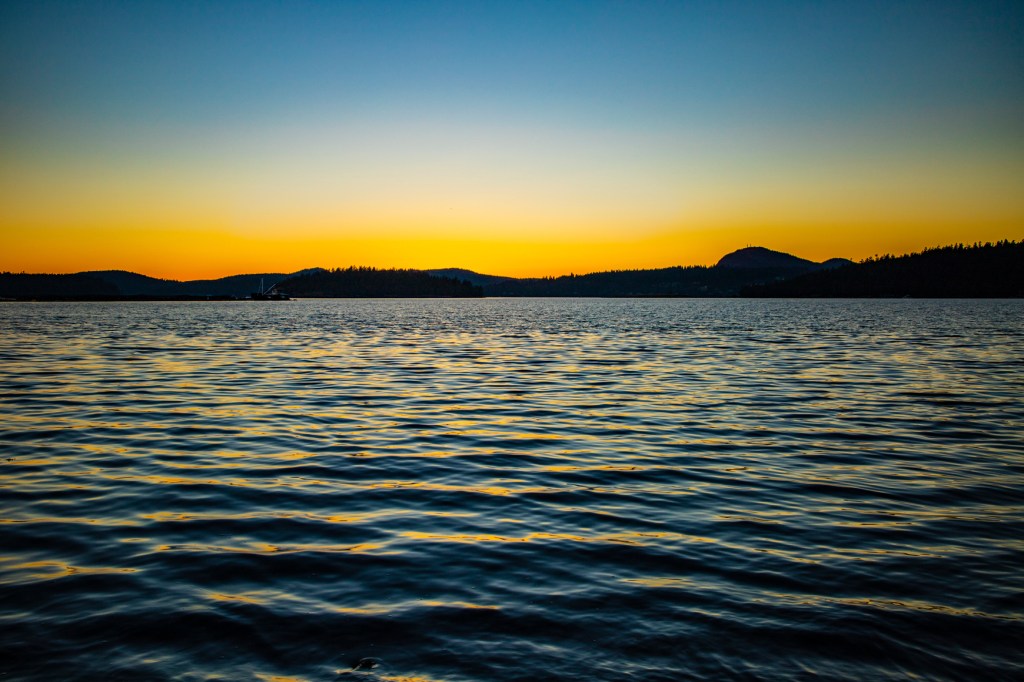
Birch Bay Sunset

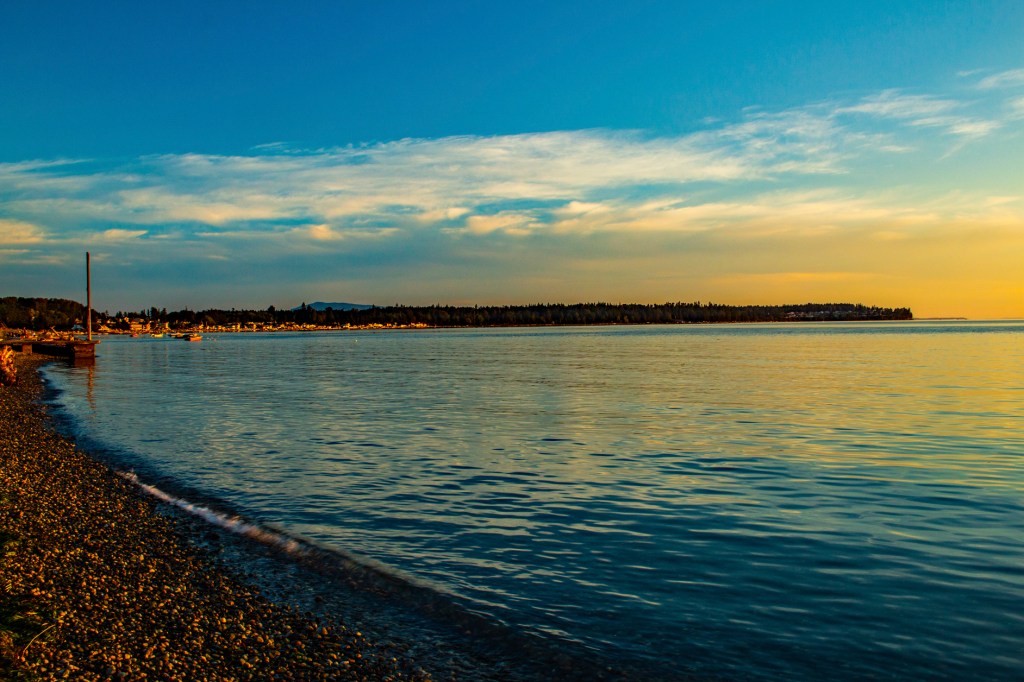
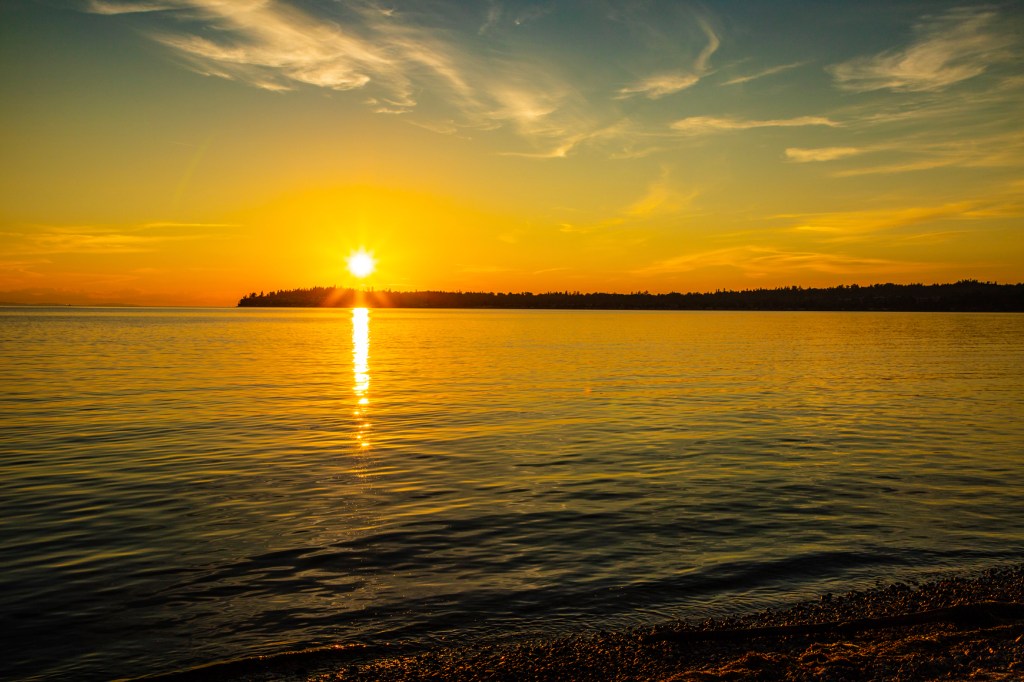
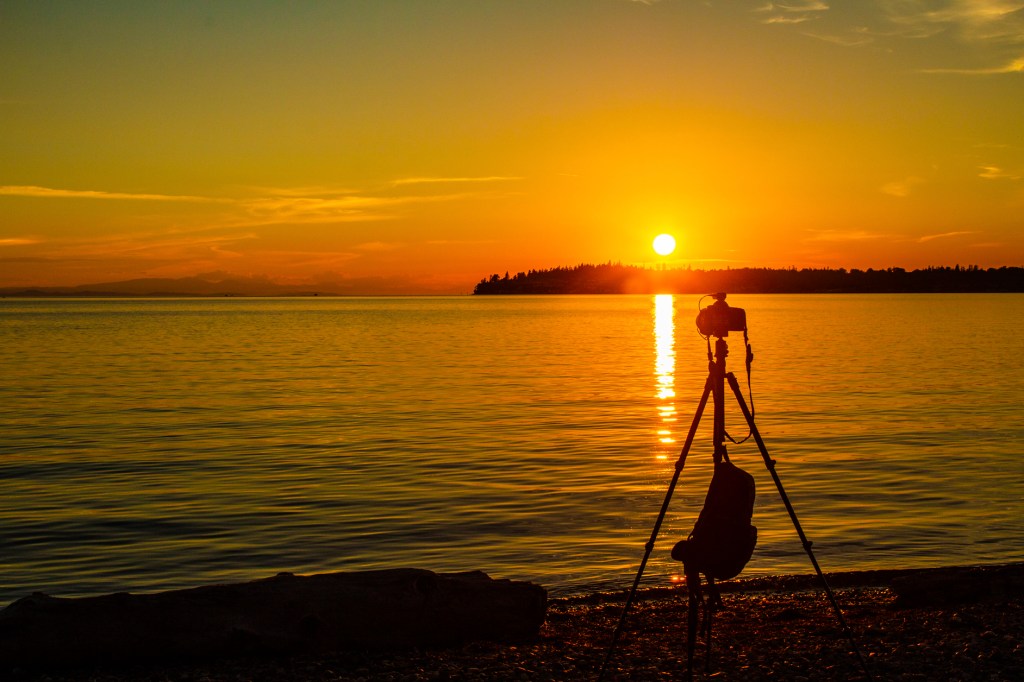
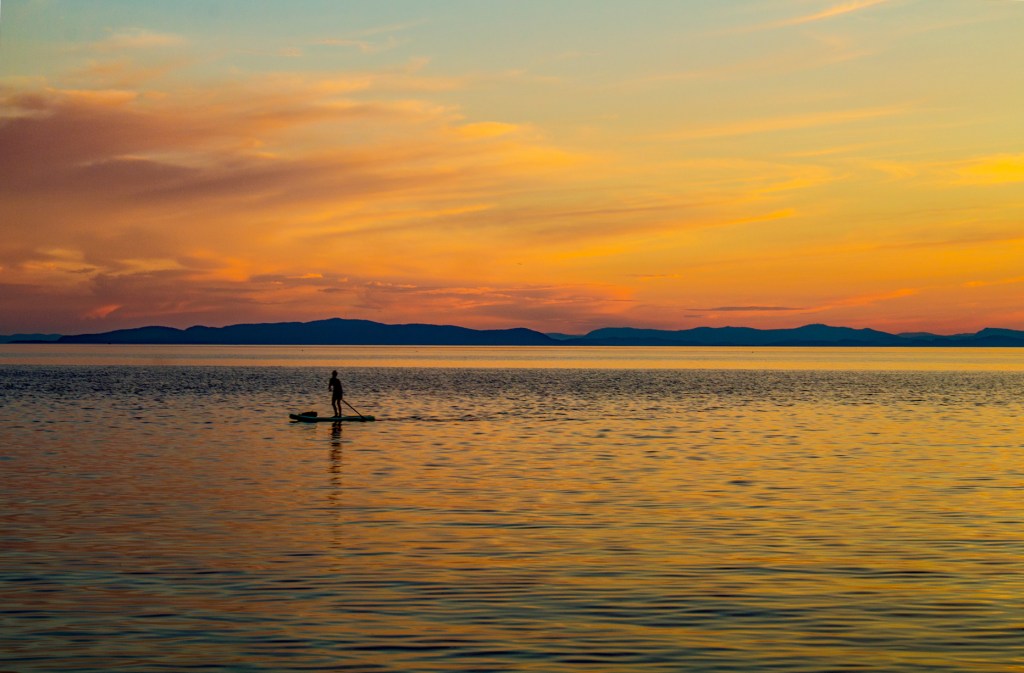
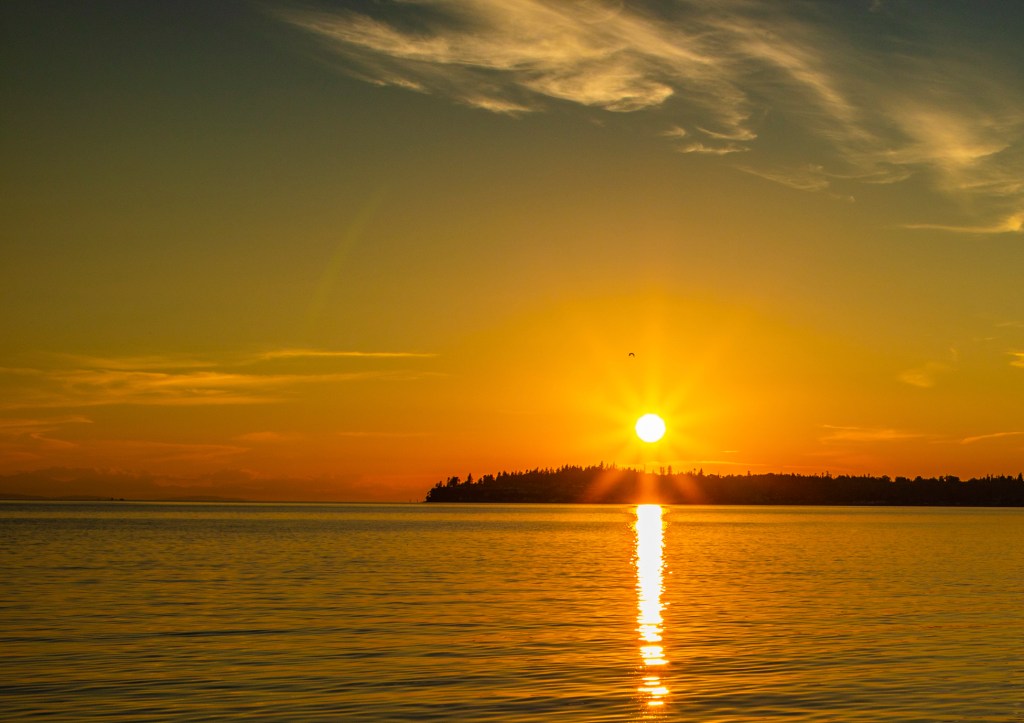
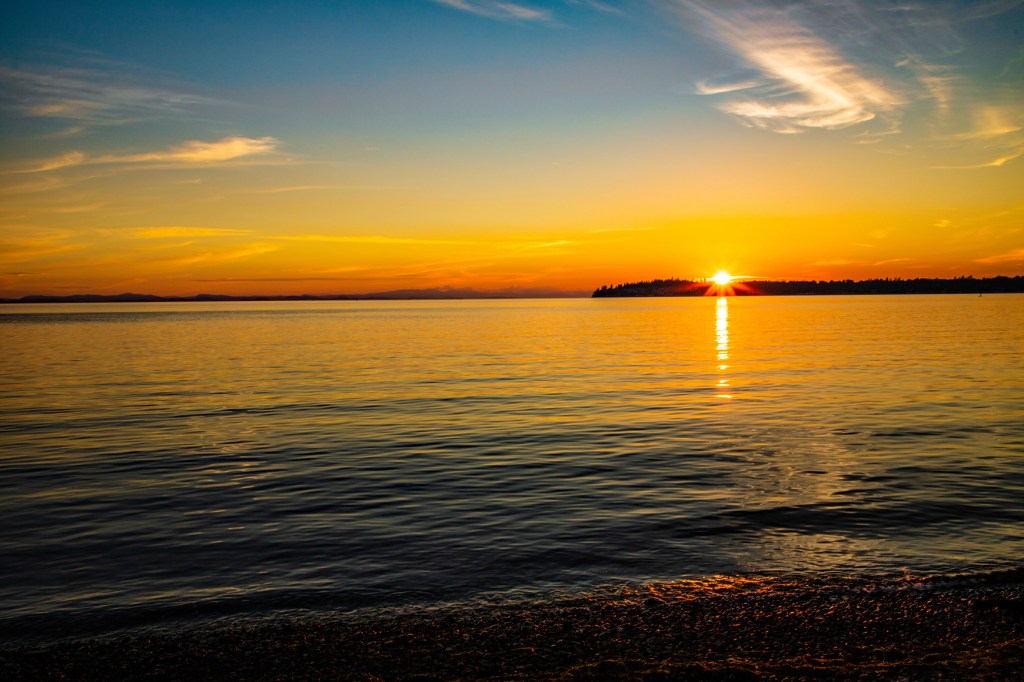
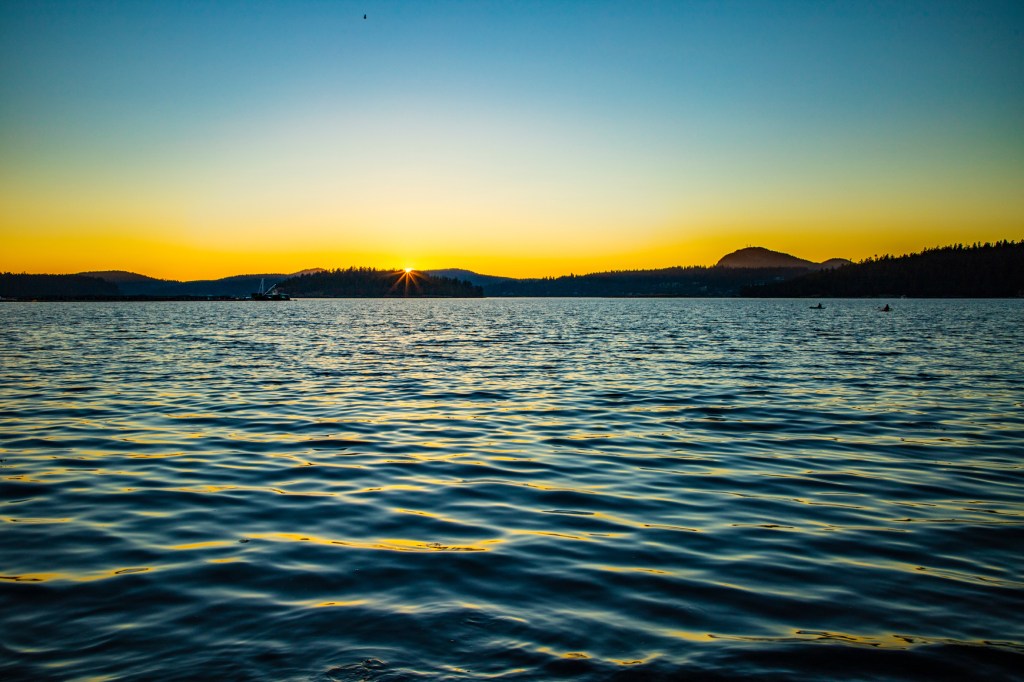
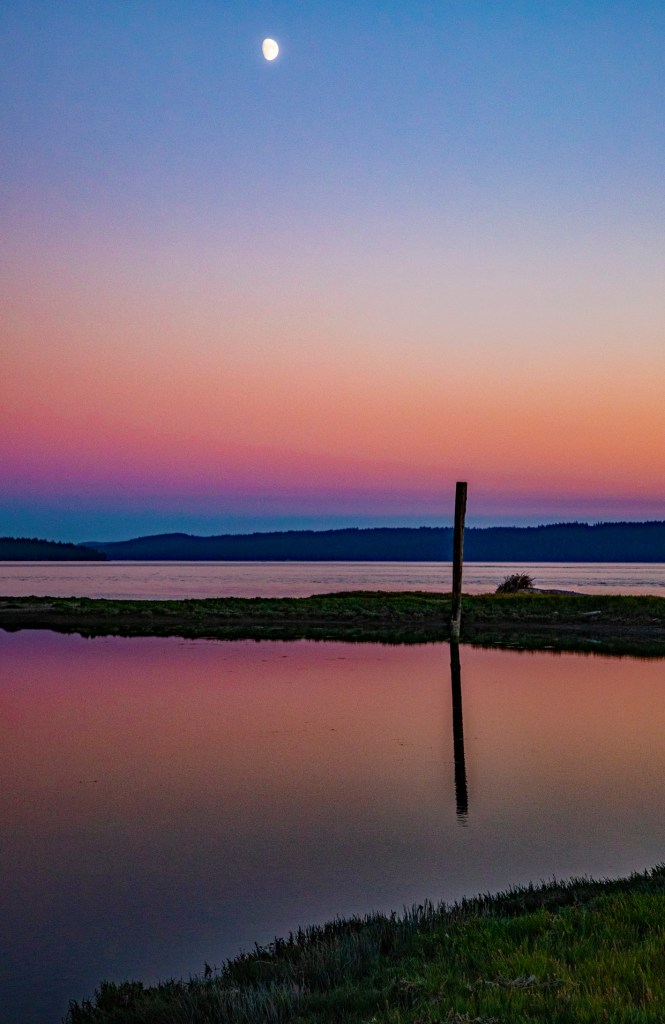
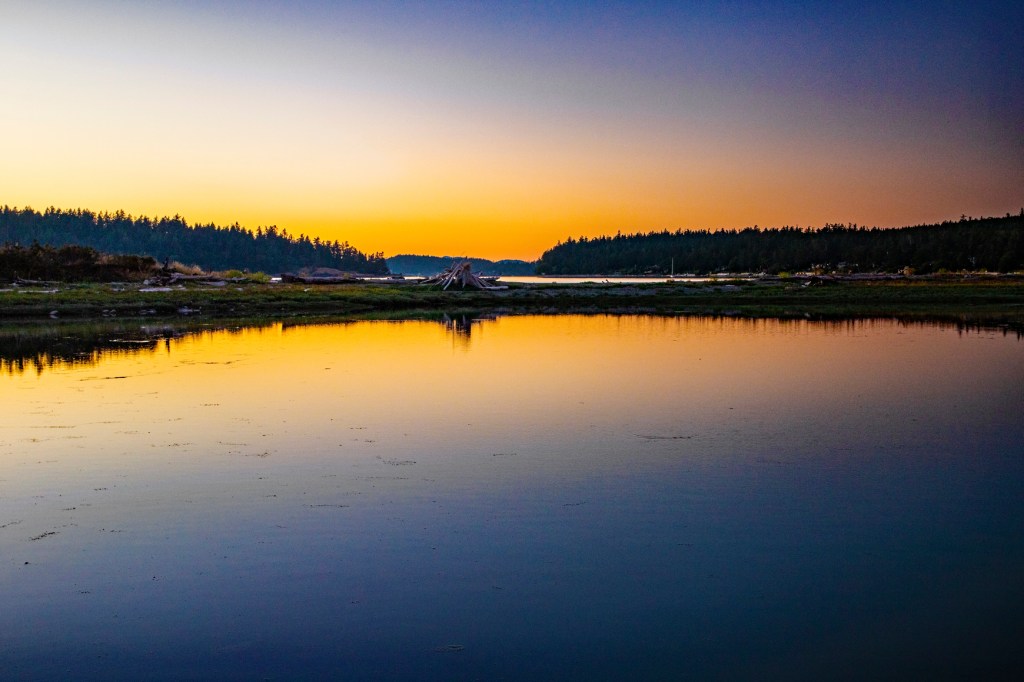
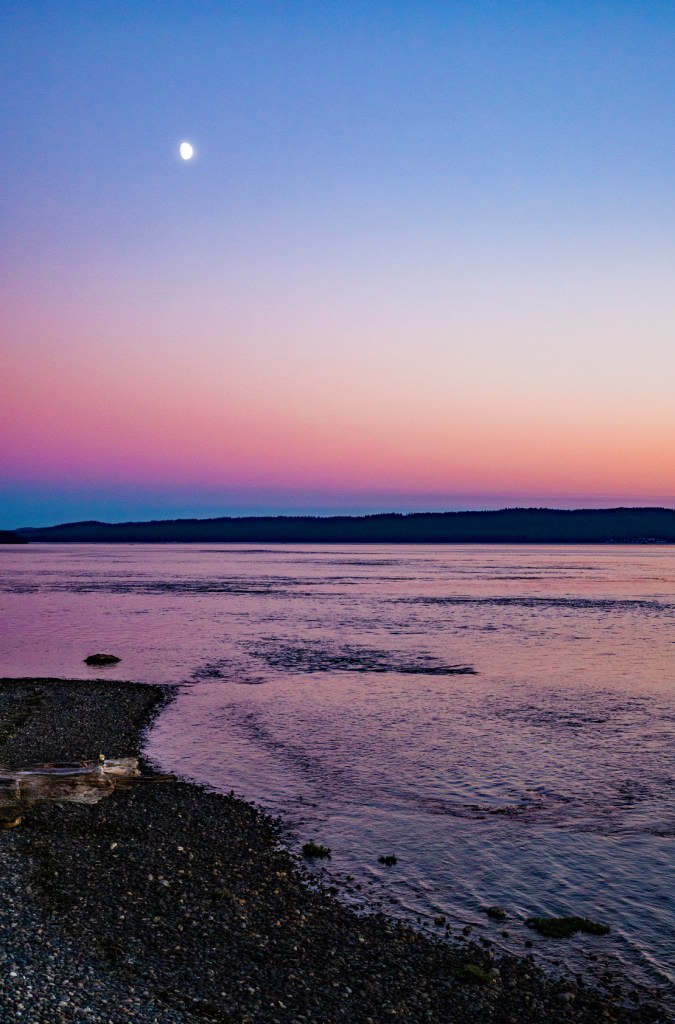
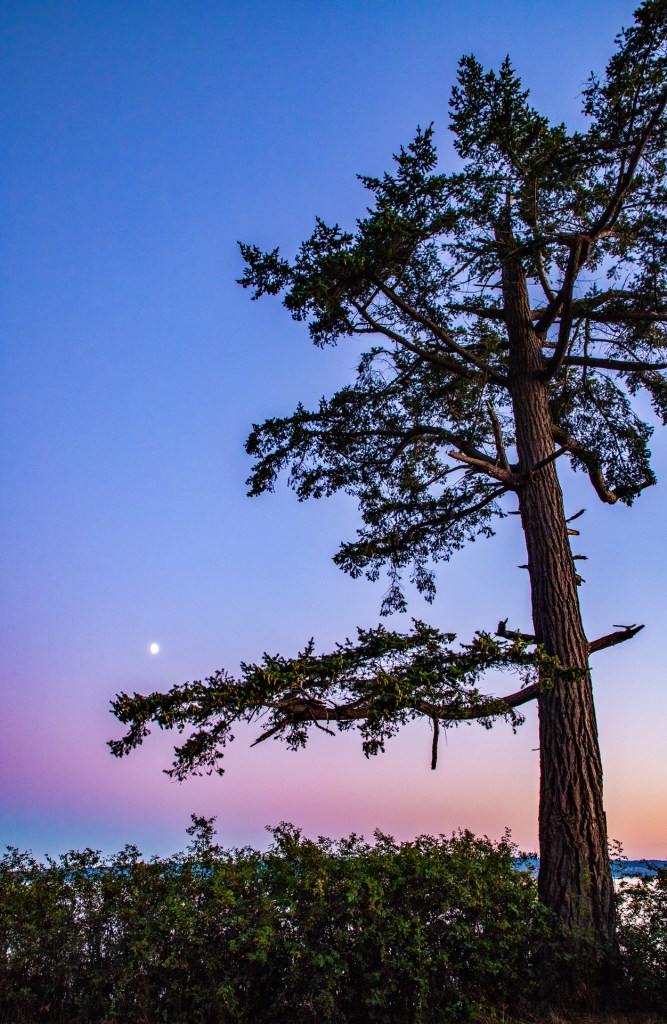
Last evening I drove down to the water in hopes of catching a colorful sunset. Birch Bay in the evening is an amazing place. People come out to enjoy the sunset, the water, live music and fires on the beach. There were several fires on the beach, I could hear music behind me while I was taking photos and there were people everywhere. The place really comes alive. I really enjoyed watching the paddleboarders gliding effortlessly across the water. This makes me want to get out my board and try it out. Hopefully, later in the week.

The sunset didn’t disappoint. It was very colorful. But I have to wonder if some or most of the color came from a nearby fire or maybe smog from Vancouver, Canada, to the north. It just appeared to me that there were horizontal bands of something in the air. I didn’t smell any smoke except for an occasional bit of smoke from the beach campfires, which leads me to believe what I was seeing is air pollution from nearby Vancouver. Or maybe I’m over thinking it. That’s a possibility.

Birch Bay

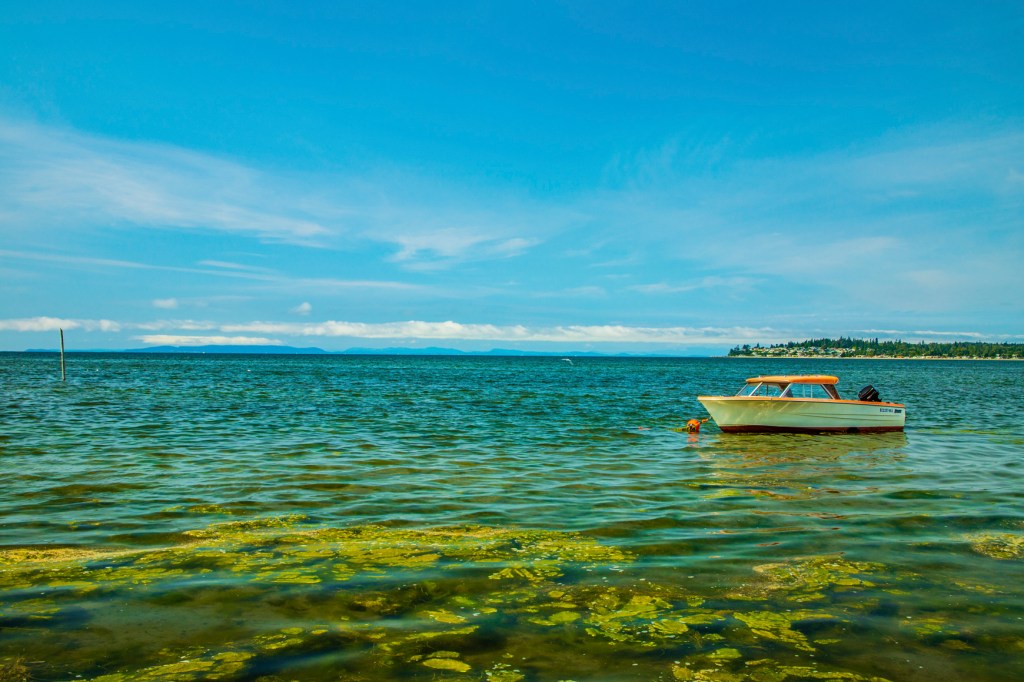
On August 11th, Barbara and I moved north to Birch Bay, Washington. Currently, we are only about five miles from the Canadian border. In fact a lot of the over the air TV stations we get are from Canada. Until yesterday I haven’t been able to get out and take any photos. We have had visits to the dog groomer, Costco for hearing-aids, and yesterday we had to buy a new battery for the truck because it wouldn’t start. I went down to the bay yesterday afternoon and took a few photos. I am going back this evening to try and get a few nice sunset photos. On Tuesday we are going to travel around the north side of Mt. Baker to Artist Point. I’m hoping for some good shots then.

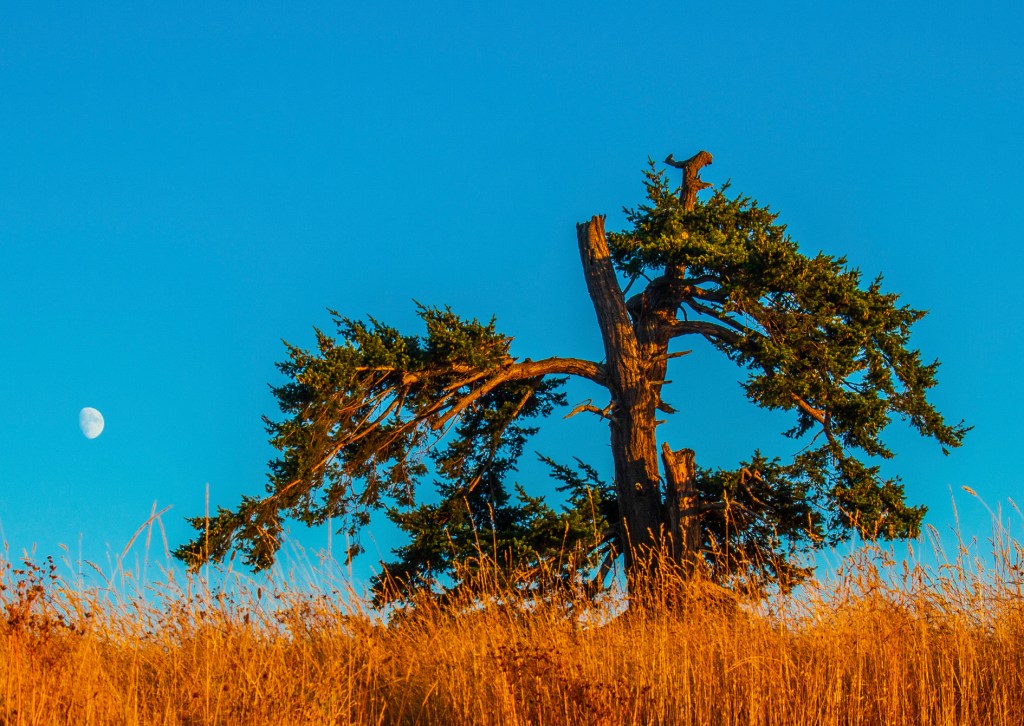
Creating Composition

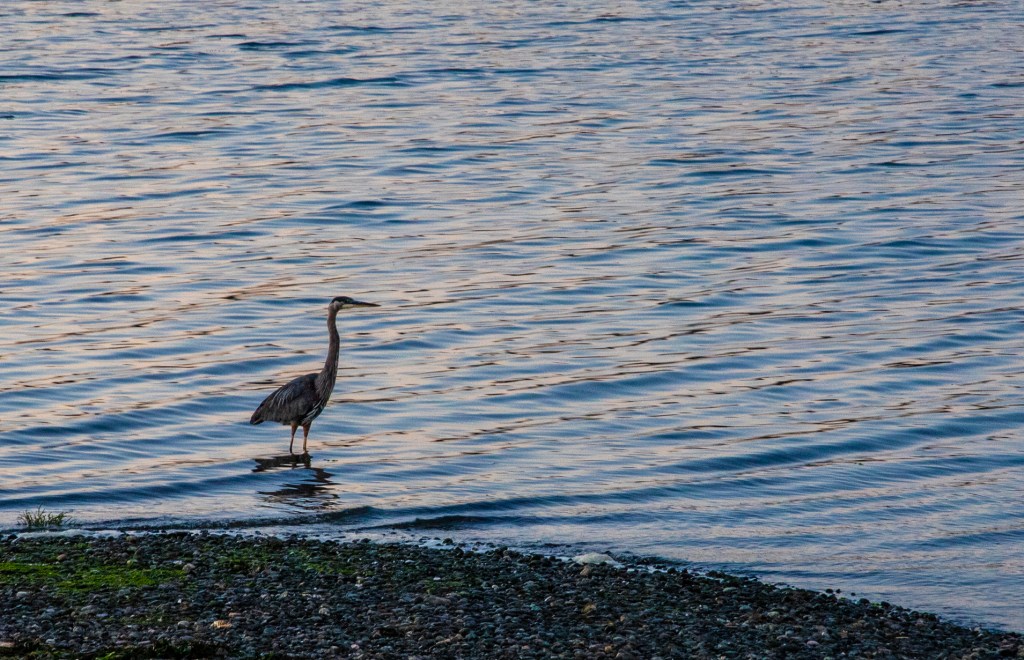
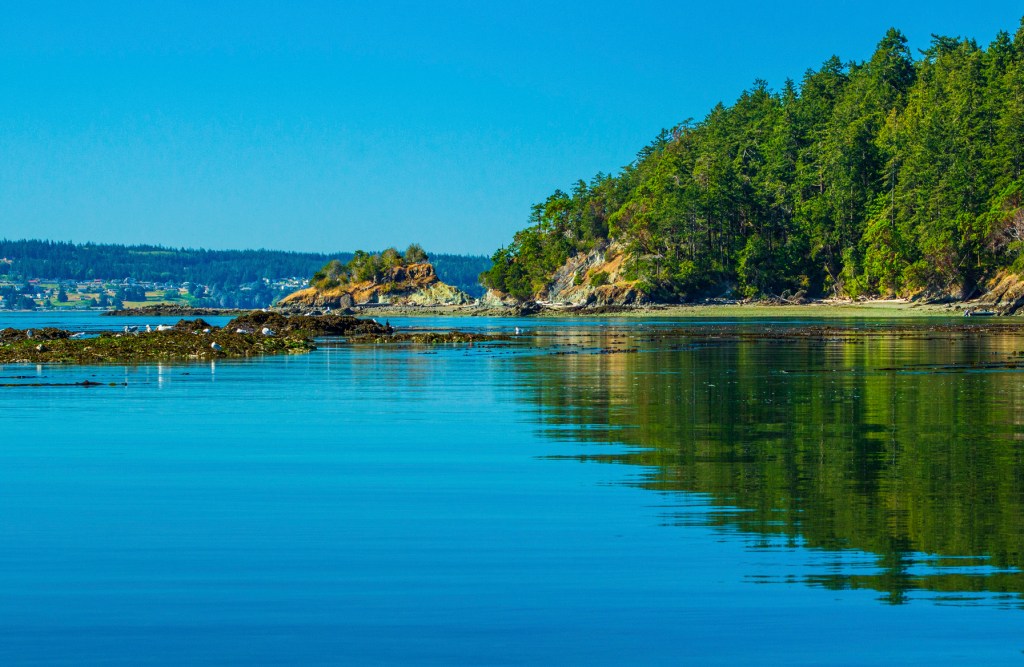
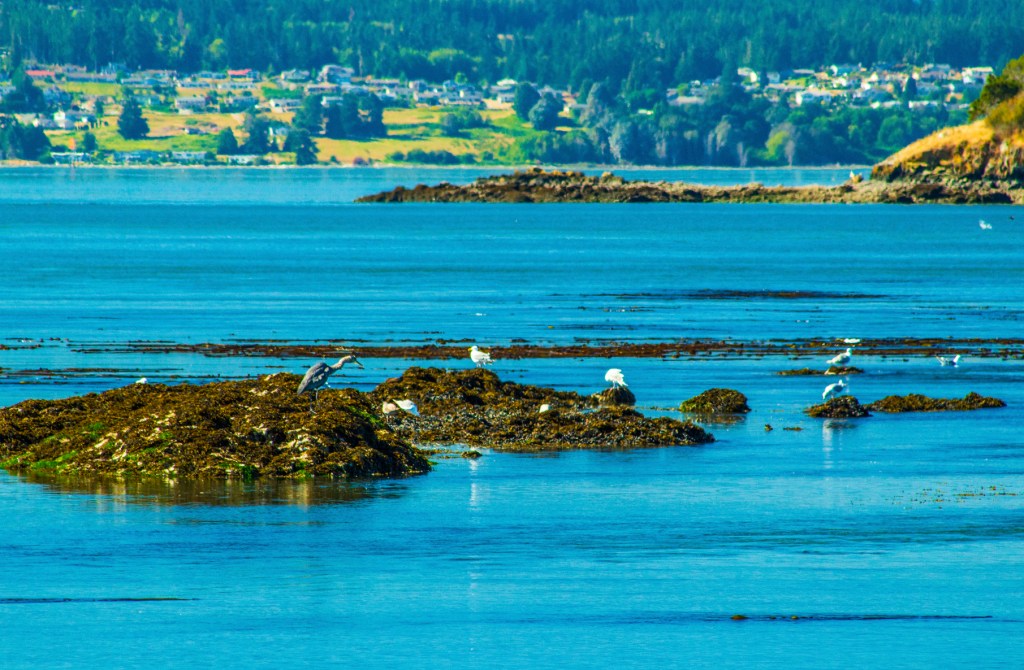
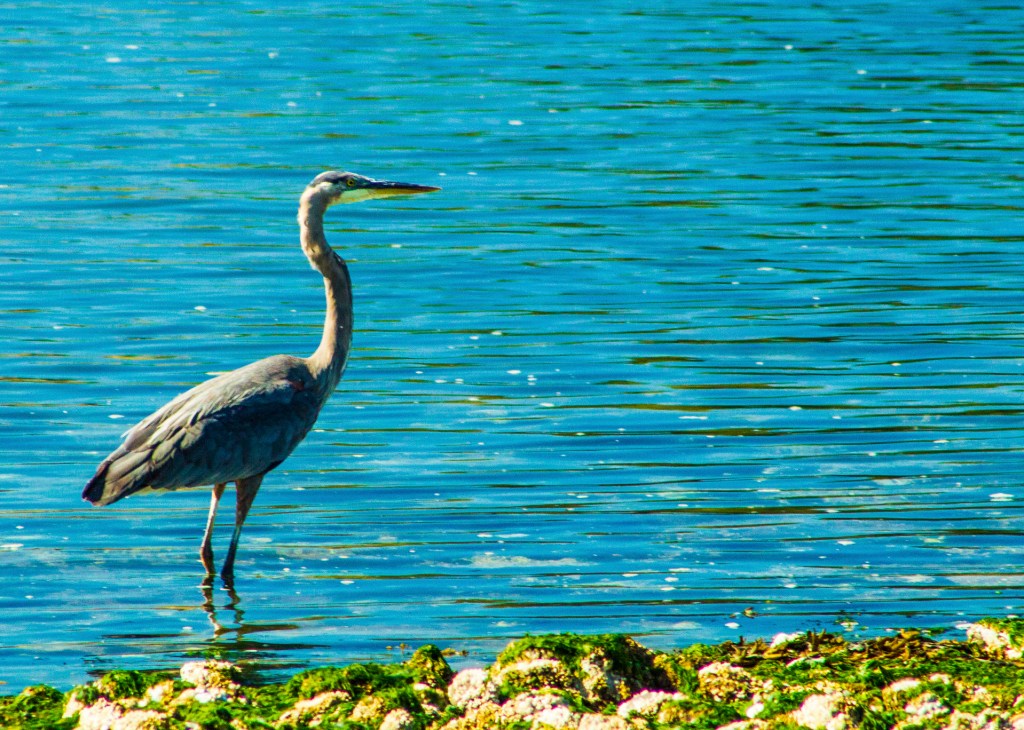
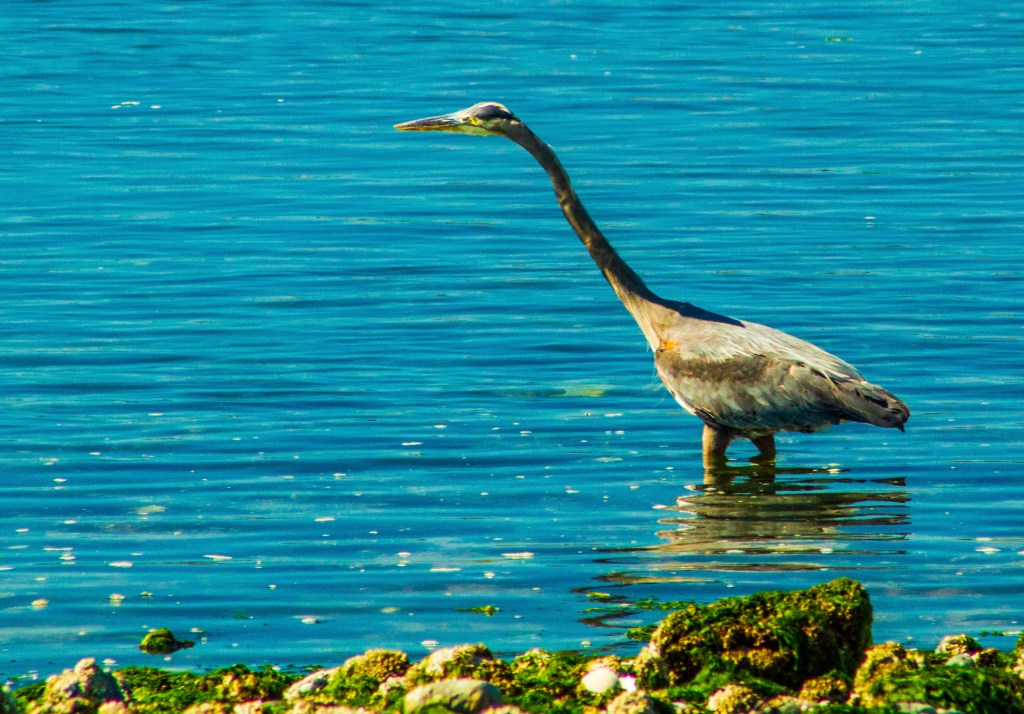
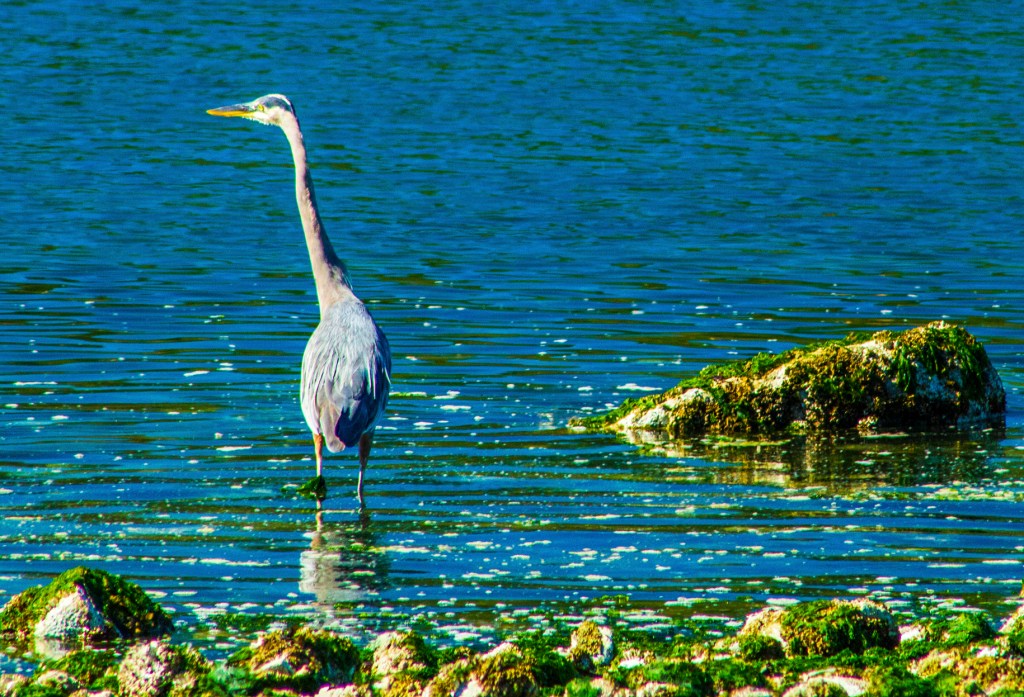
Last evening I hiked down to the shoreline in hopes of catching another colorful sunset. However, last evenings sunset didn’t live up to expectations. I did however have an enjoyable evening with the local wildlife. While I was taking photos of the sunset I noticed just off shore there was a sealion closely watching me. It stayed there for a few minutes and then disappeared. A few minutes later it reappeared, just a little further out in the water. It stayed there until I picked up my camera and headed back to camp. Also while I was taking photos my friend, the Great Blue Heron, flew in front of me and landed off in the distance behind me. Later, as I turned to begin my hike back to camp I noticed it was standing in the water just a few feet to my right. I guess he or she is getting use to me because the first day we arrived at La Conner I chased this bird up and down the shoreline trying to get a photo.

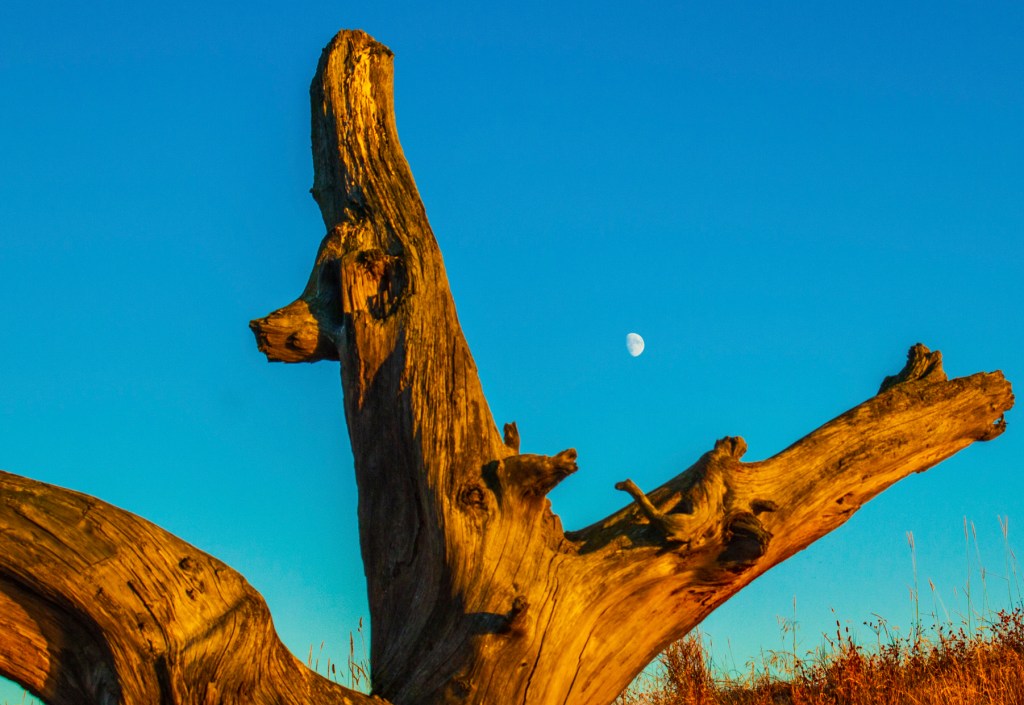
Often times when taking photos, the opportunities I was hoping for, for good photos, don’t present themselves, like this evenings sunset. In cases like this I don’t want my time to go to waste so I start looking around to see if there are other subjects that may lend themselves to providing nice compositions. So as I hiked back to camp last evening I took several photos that I believe came out much better than my lackluster sunset. Take a look and let me know what you think.

Connecting with Nature

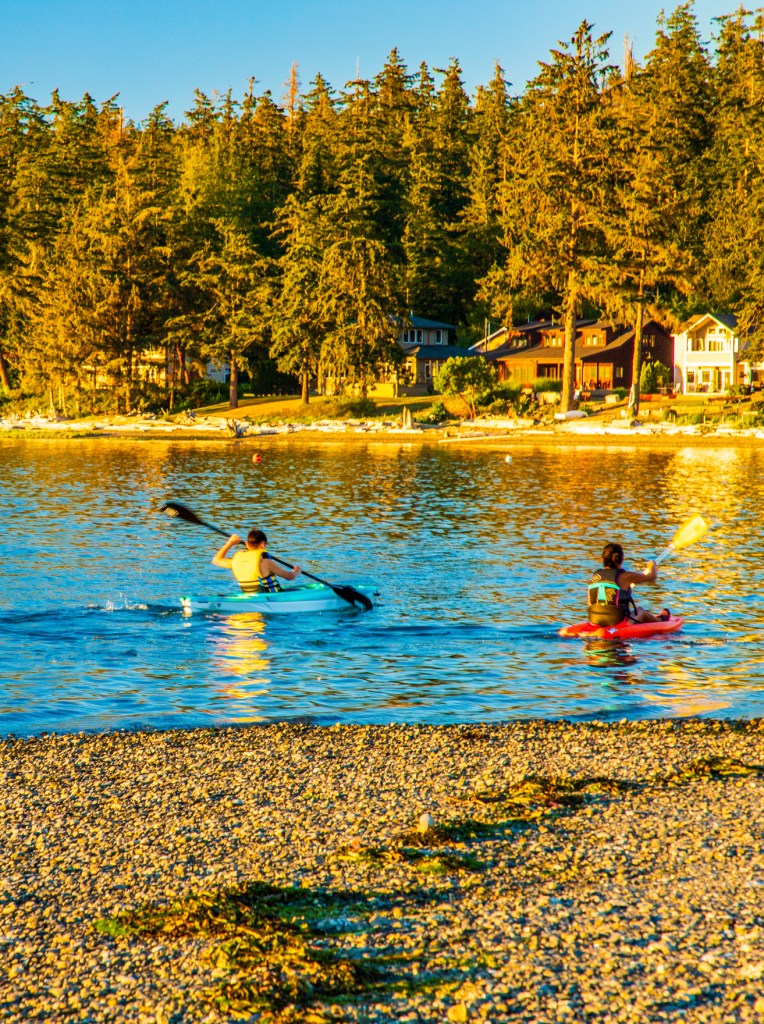
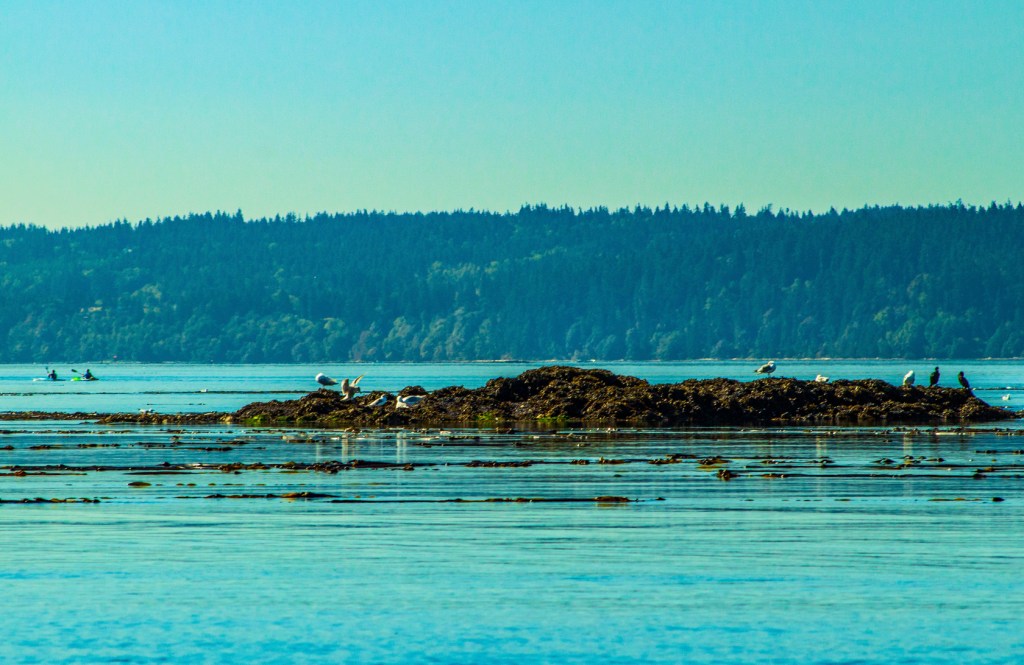
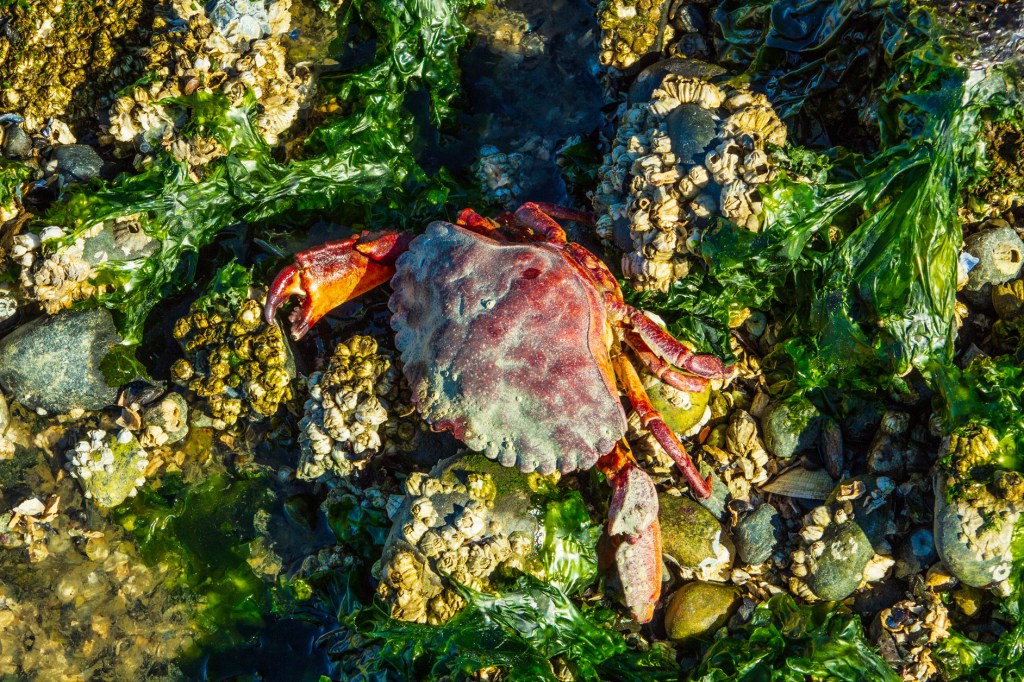
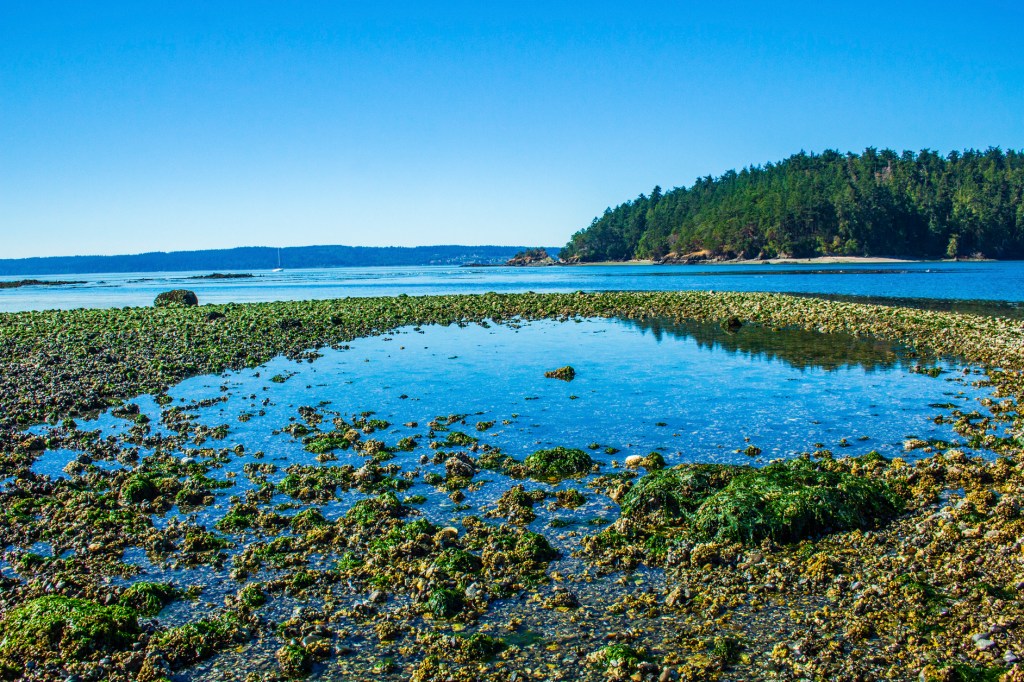
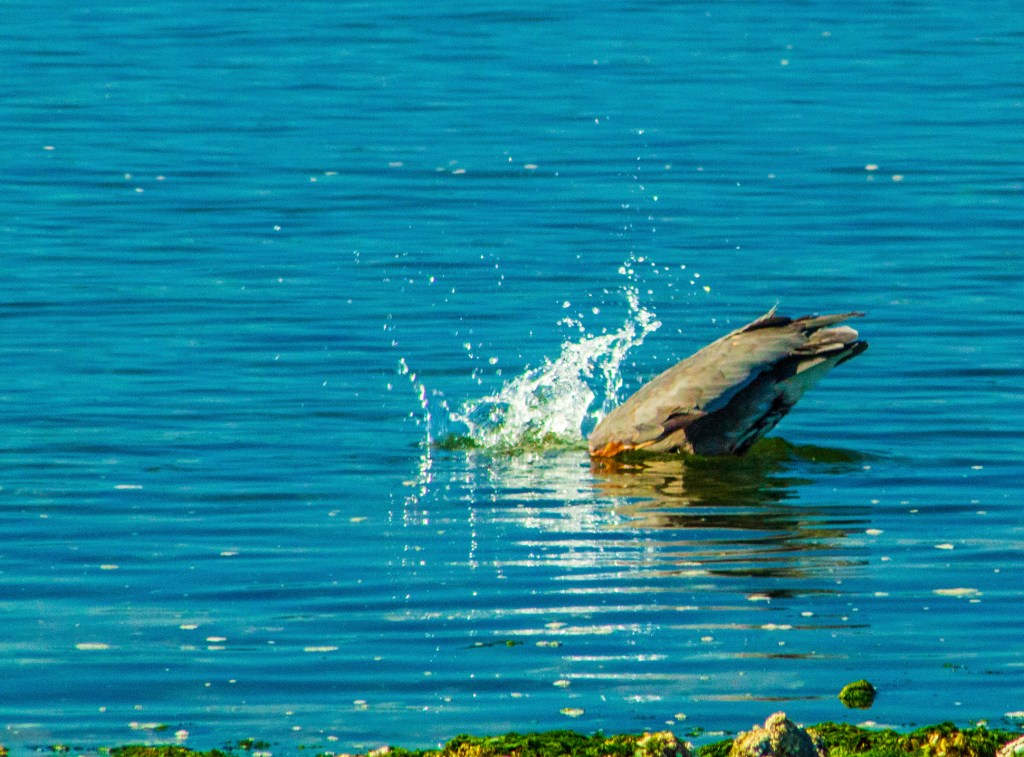
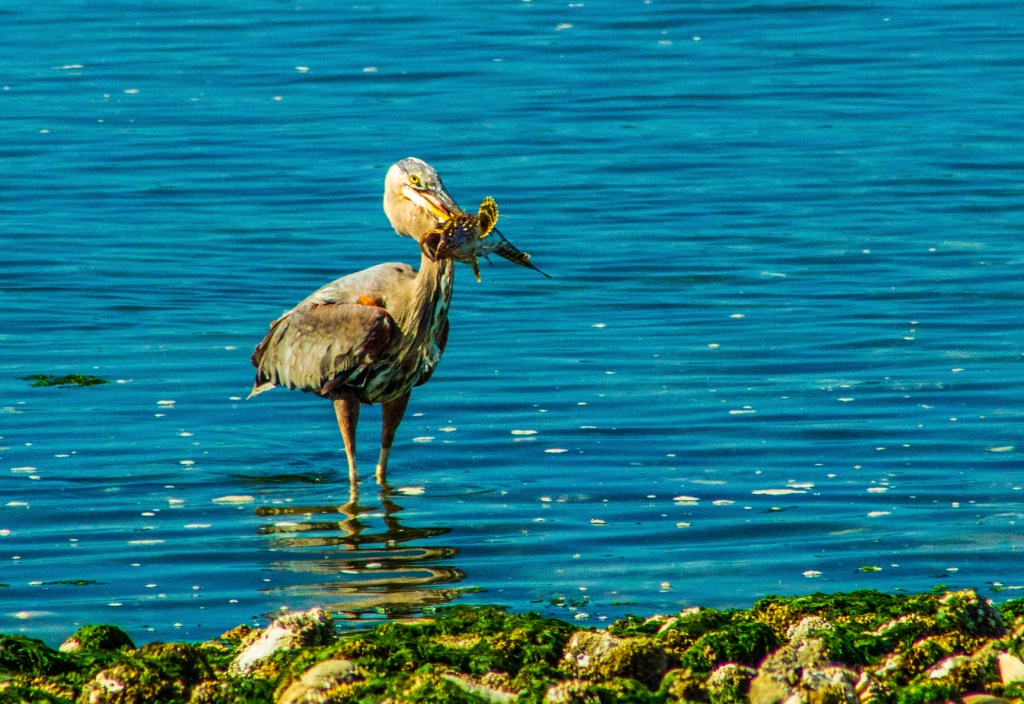
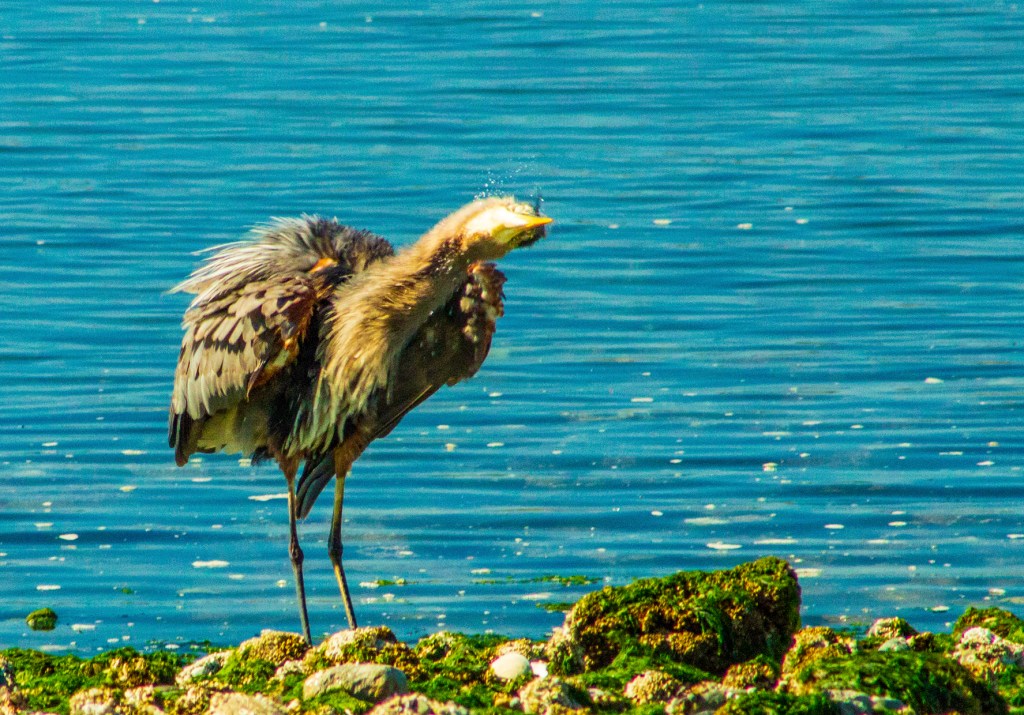
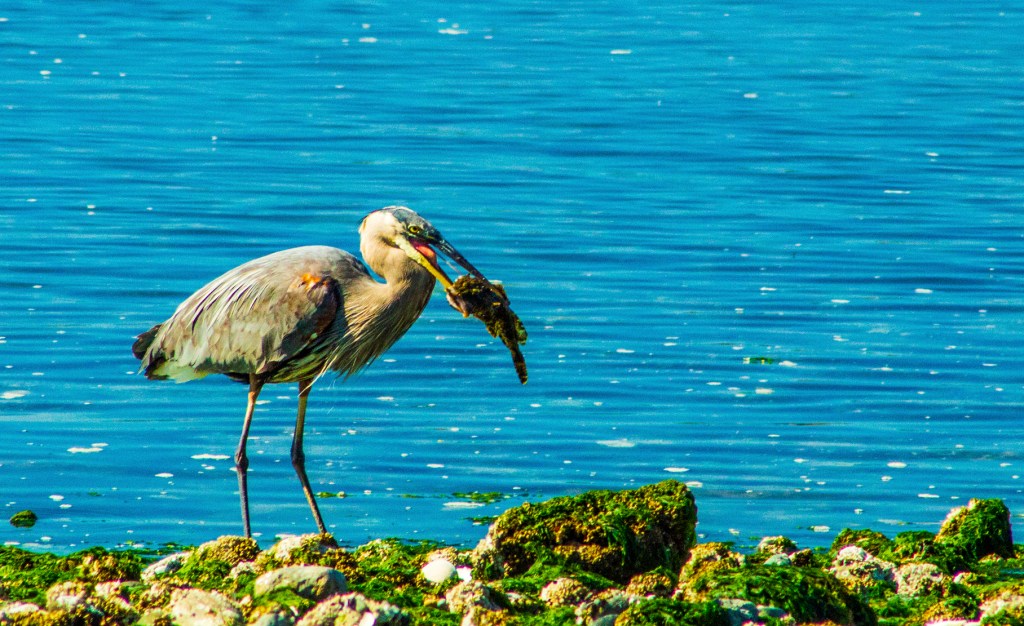
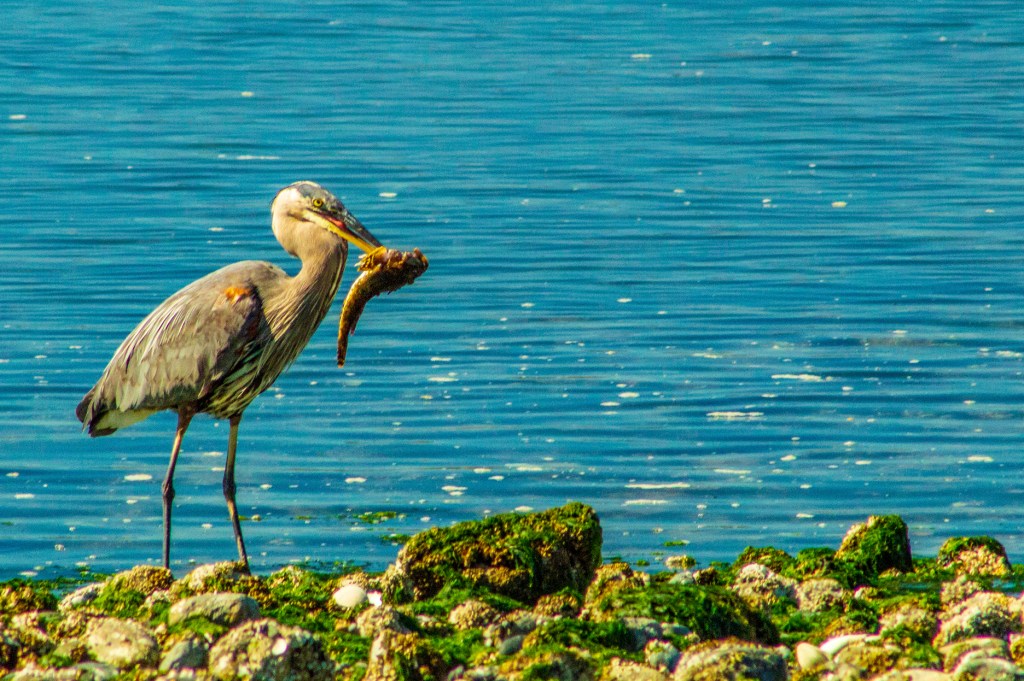
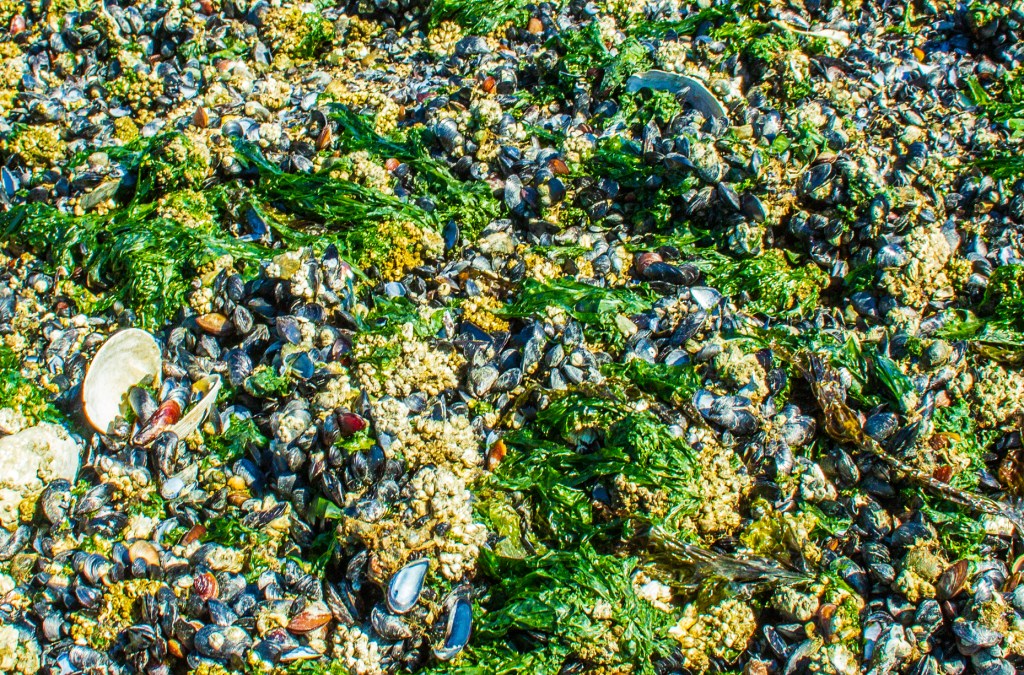
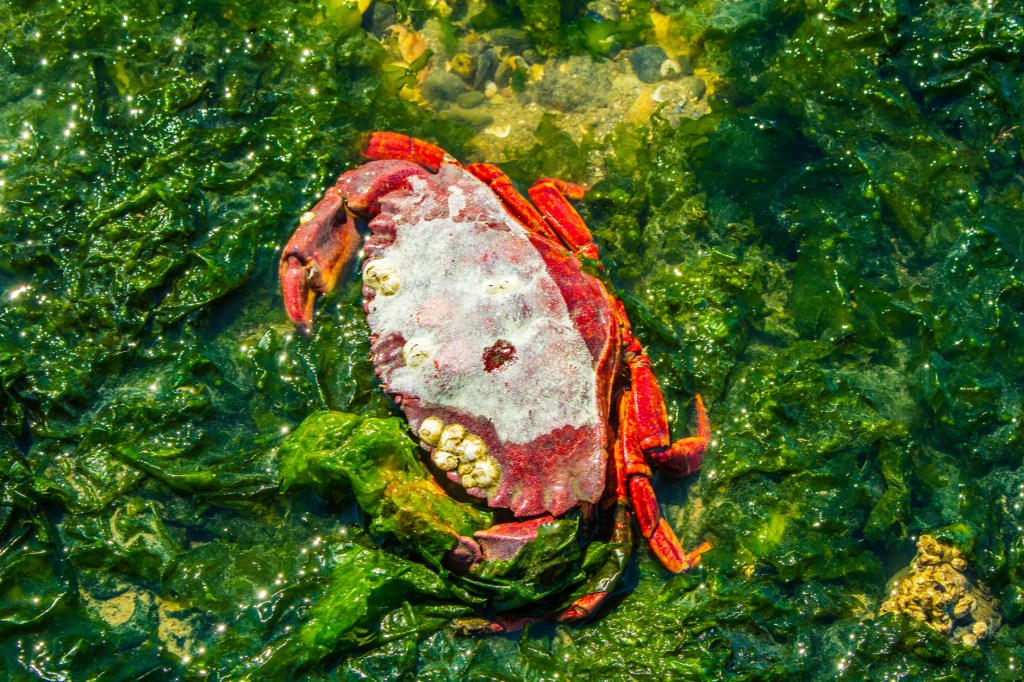
This morning I took a walk along the shoreline during low tide. As I walked I was enjoying watching crabs walking along the sea floor looking for their next meal. I explored the tide pools with their abundant sea life. I watched a couple paddle their kayaks across the quiet bay. Afterwards I took a seat on a fallen tree just to relax and take it all in. While I was sitting, a Great Blue Heron flew over my left shoulder and landed on a small island approximately 100 feet offshore. After about 10 minutes of looking for something to eat and not finding anything, it took off and flew right towards me. It landed approximately 50 feet in front of me. A couple of minutes later it went fishing and I was able to catch the action with my camera.

Tide pool.
It sees something.
Going fishing.
Got it!
Need to wash up before breakfast.
Looking for more.

North Cascades National Park

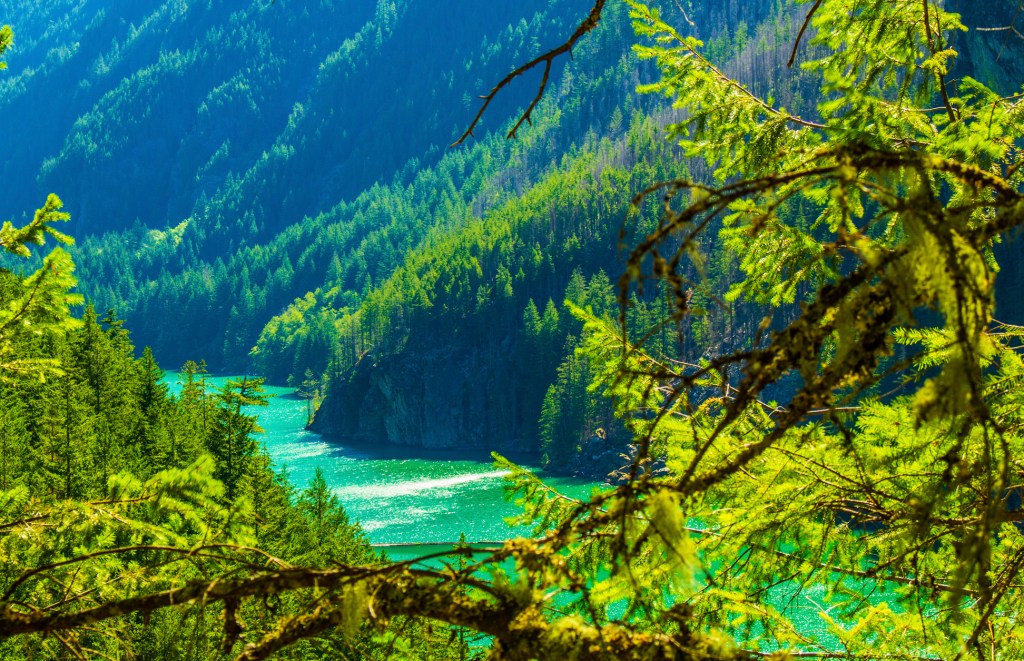
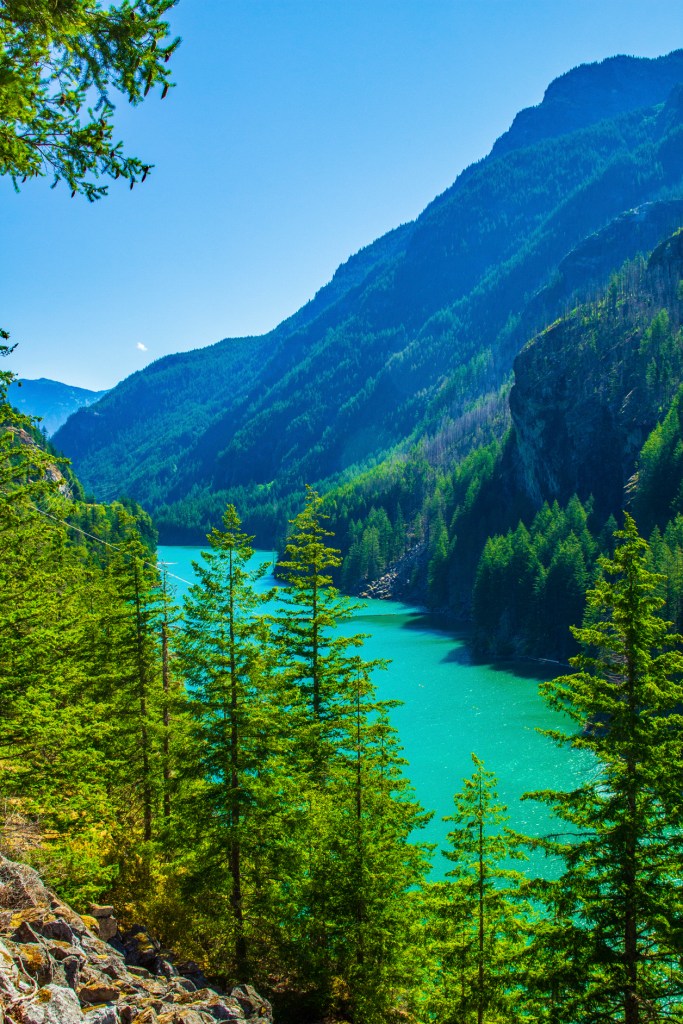
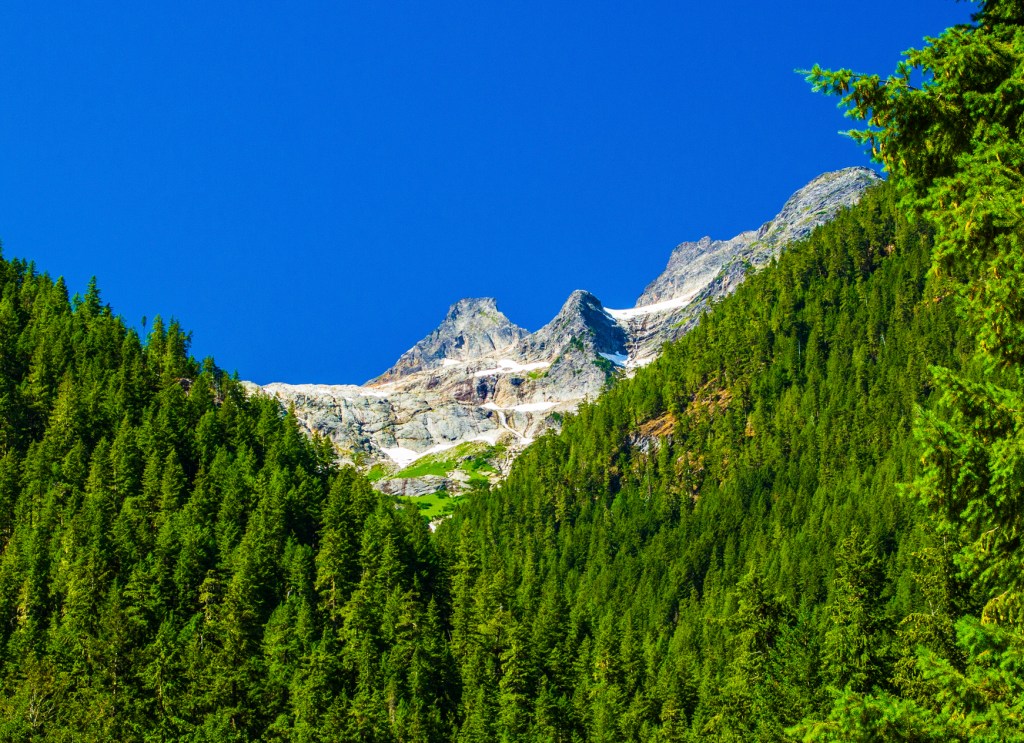
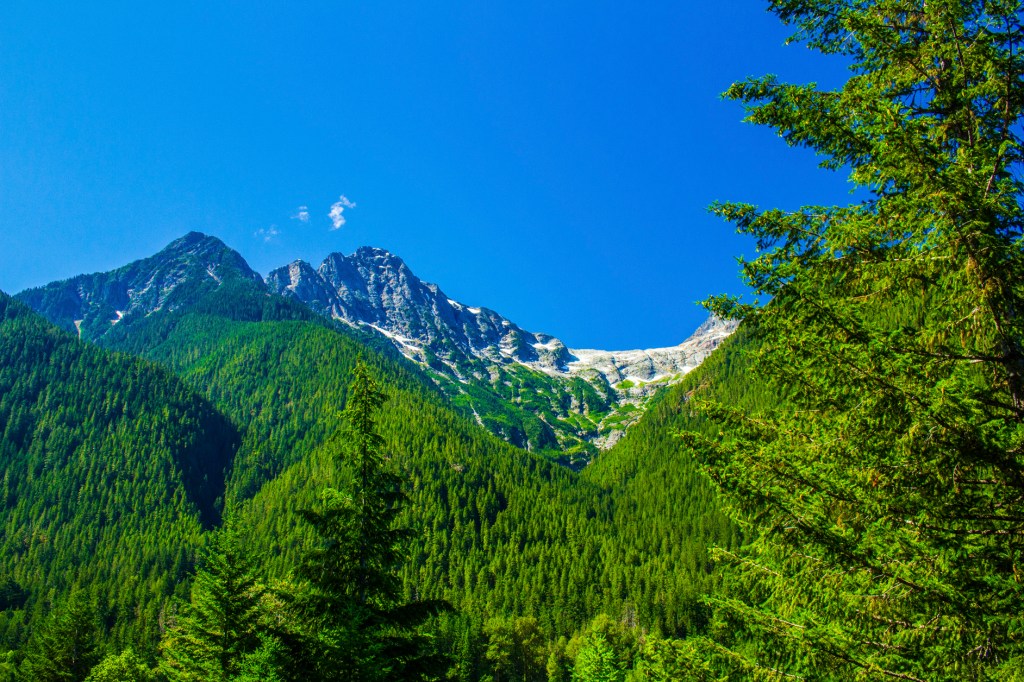
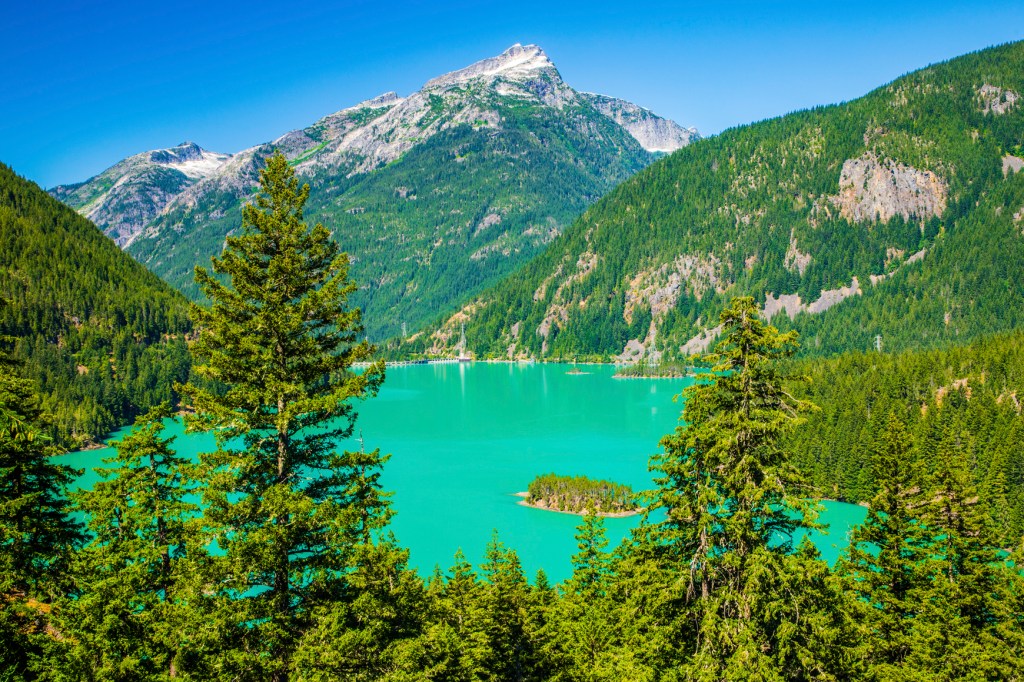
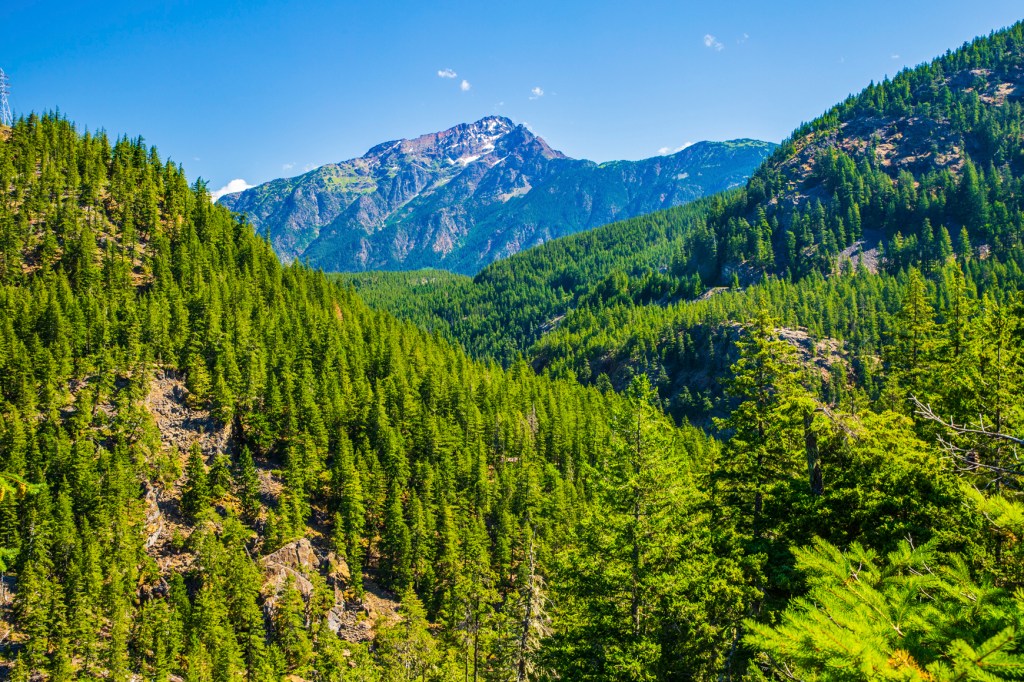
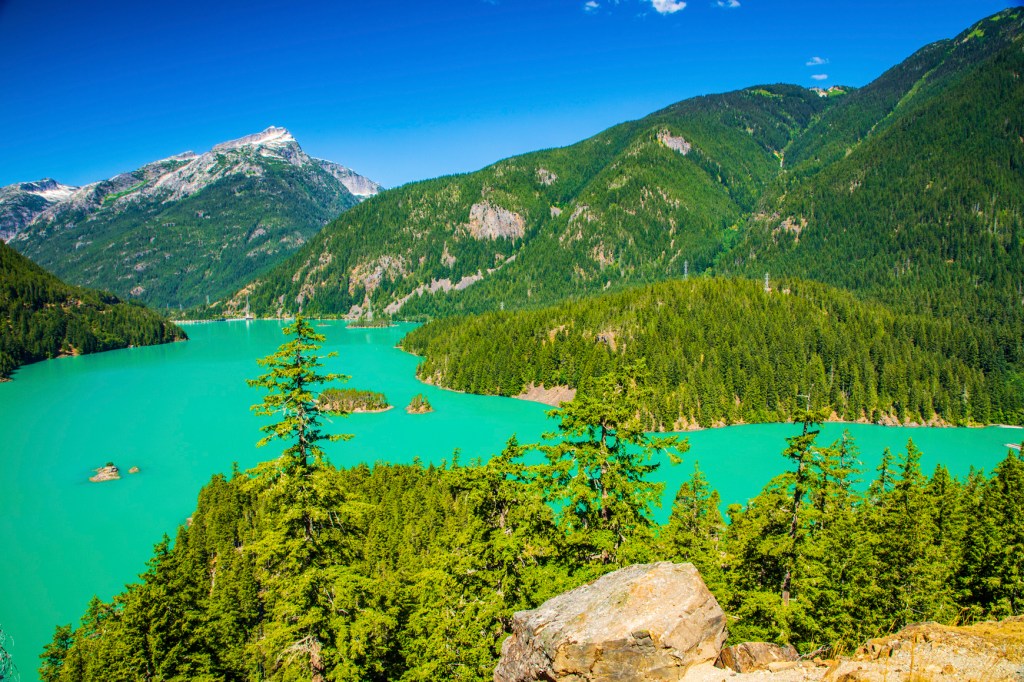
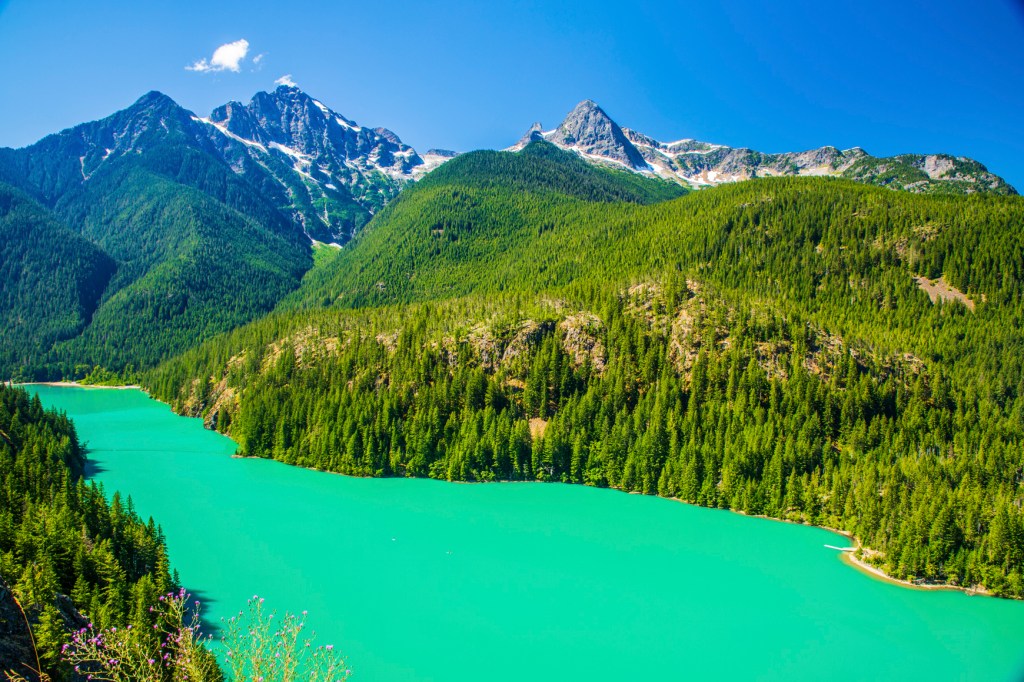
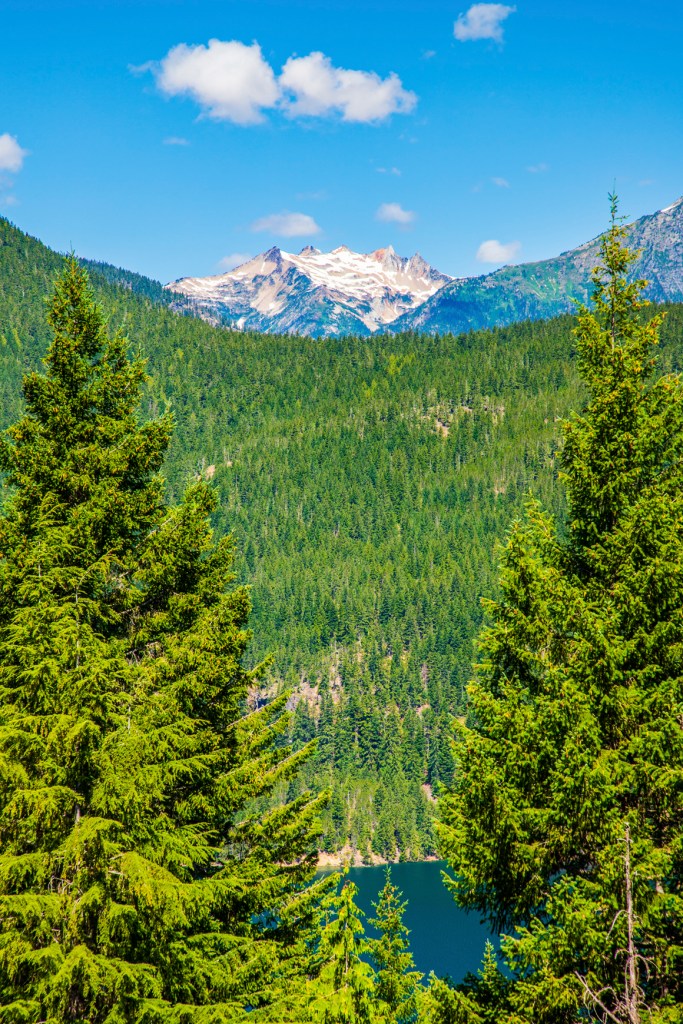
This morning Barbara and I headed east to North Cascades National Park. Even though the park is named North Cascades National Park none of the many peaks within the park are Cascade volcanoes. This is a beautiful park with its jagged peaks, forest land, and many lakes and rivers.

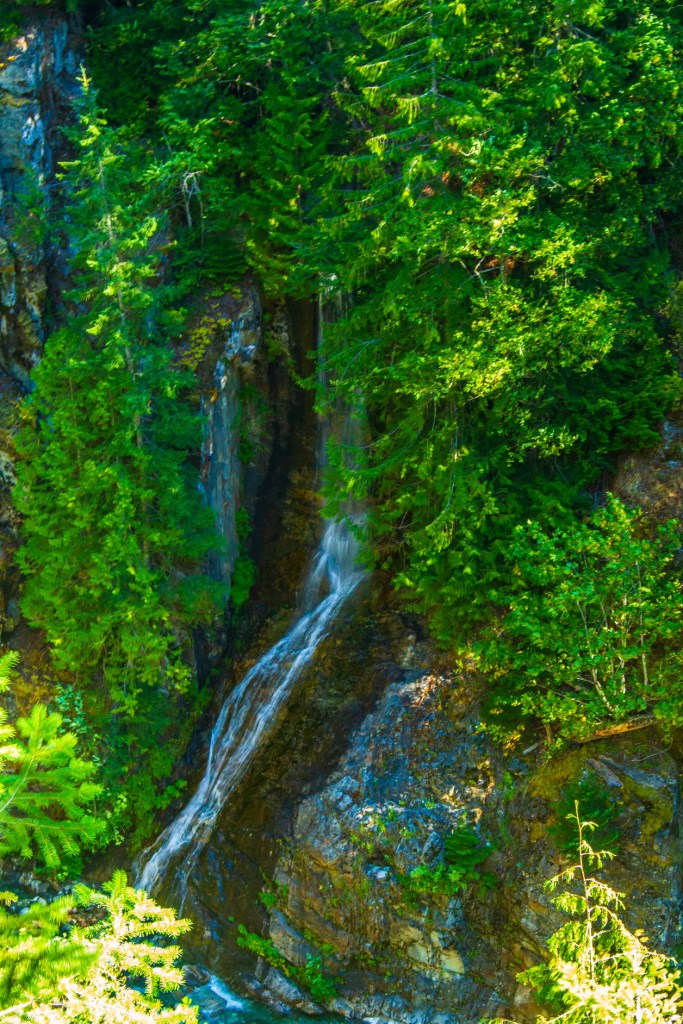
The geologic story of the park is anything but simple. However, there is one driver that is responsible for most of the parks amazing geology. As the Pacific plate slides beneath the North American plate, just off shore of Washington state, pieces of granite, seafloor basalts, seafloor sediments, ancient volcanic islands and fractured slabs of broken continent are deposited along the leading, western, edge of the North American plate. In addition, as the Pacific plate melts beneath the North American plate it reappears in the form of the two Cascade volcanoes that sit just outside the parks boundary; Mount Baker and Glacier Peak. This process has been going on for millions of years and continues today. Glaciation within the park reached its peak during the Pleistocene Epoch, aka the Ice Ages, but continues today. North Cascades Nation Park is home to the most active glaciers in the US outside of Alaska. There are more than 300 active glaciers within the park. It is this glaciation that helped sculpt the many jagged peaks and create the many river valleys and the over 300 lakes seen today within the park today.

Gorge Lake
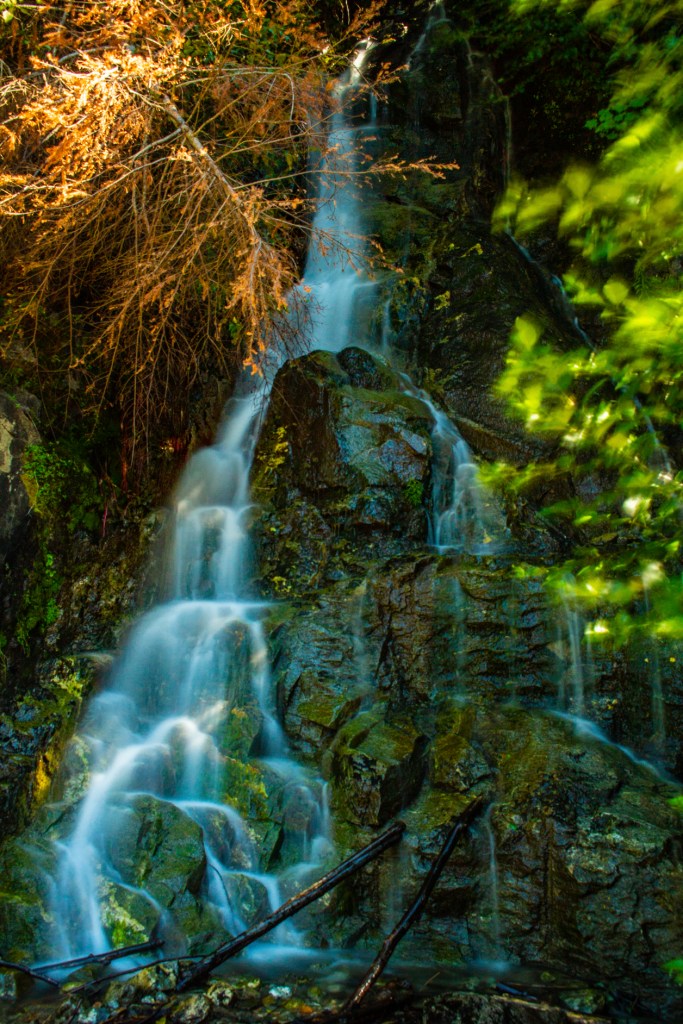
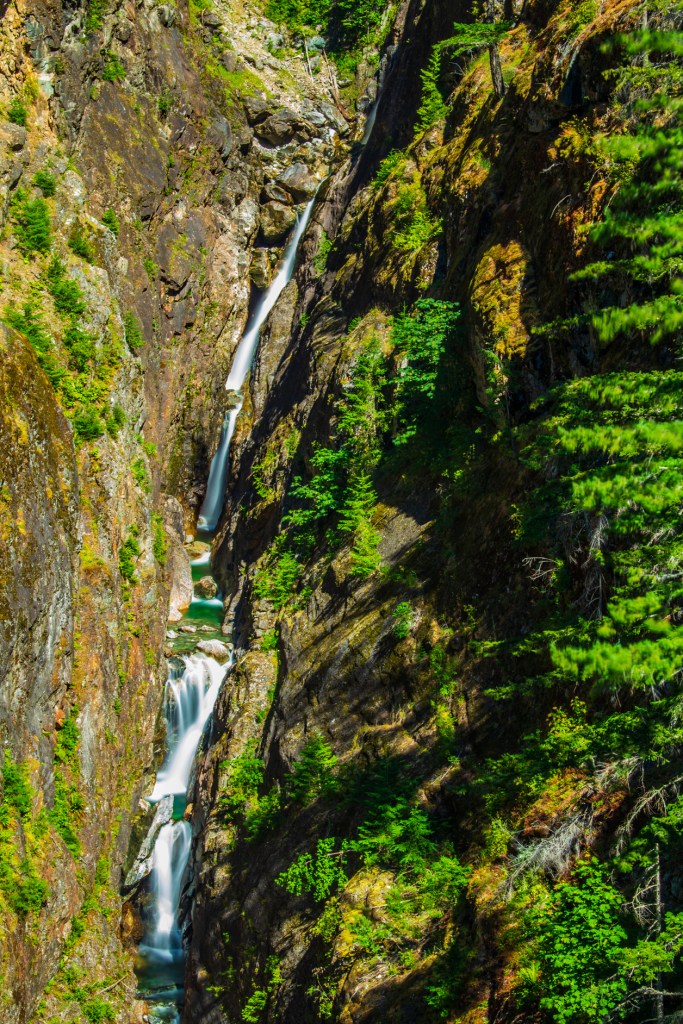
Gorge Falls
Diablo Lake
Ross Lake
Ross Lake
The Ruby Arm of Ross Lake.

Flying Friends

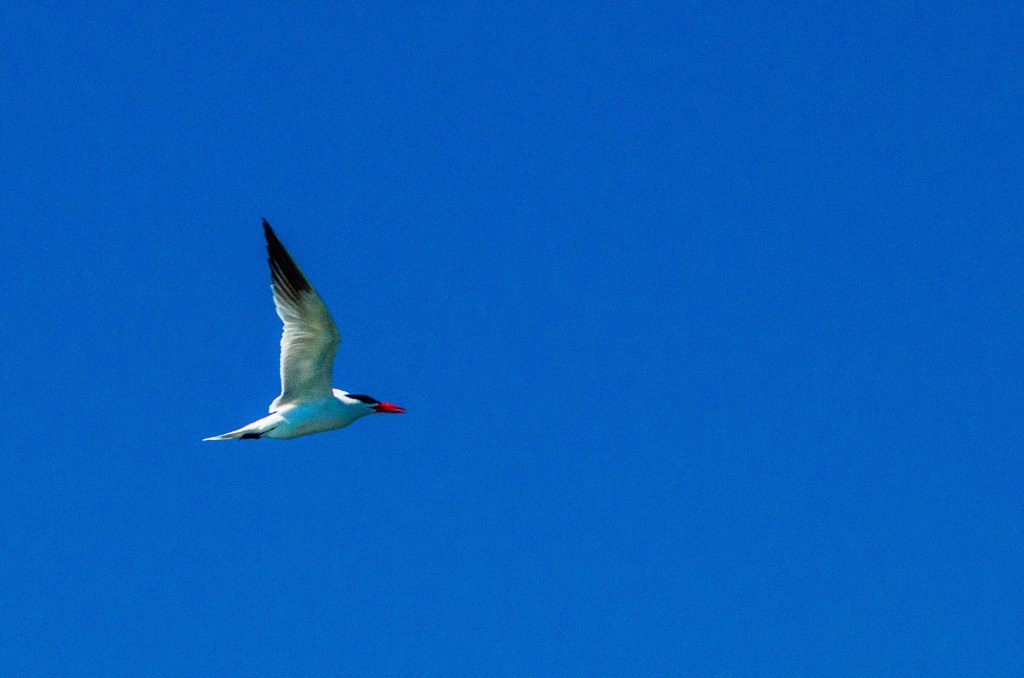
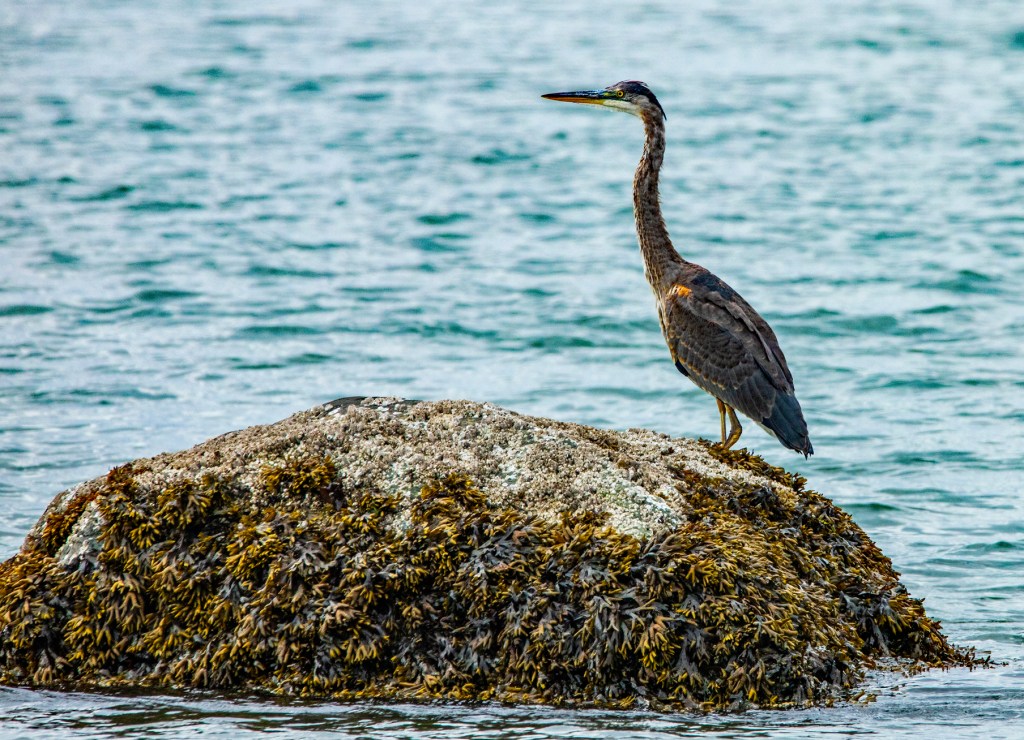
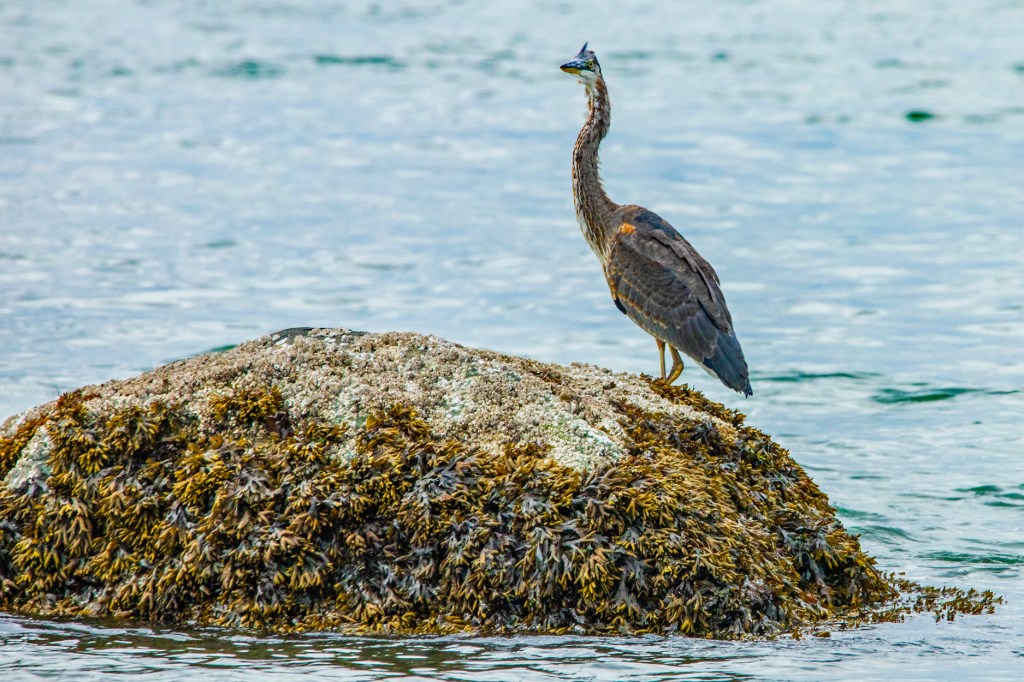
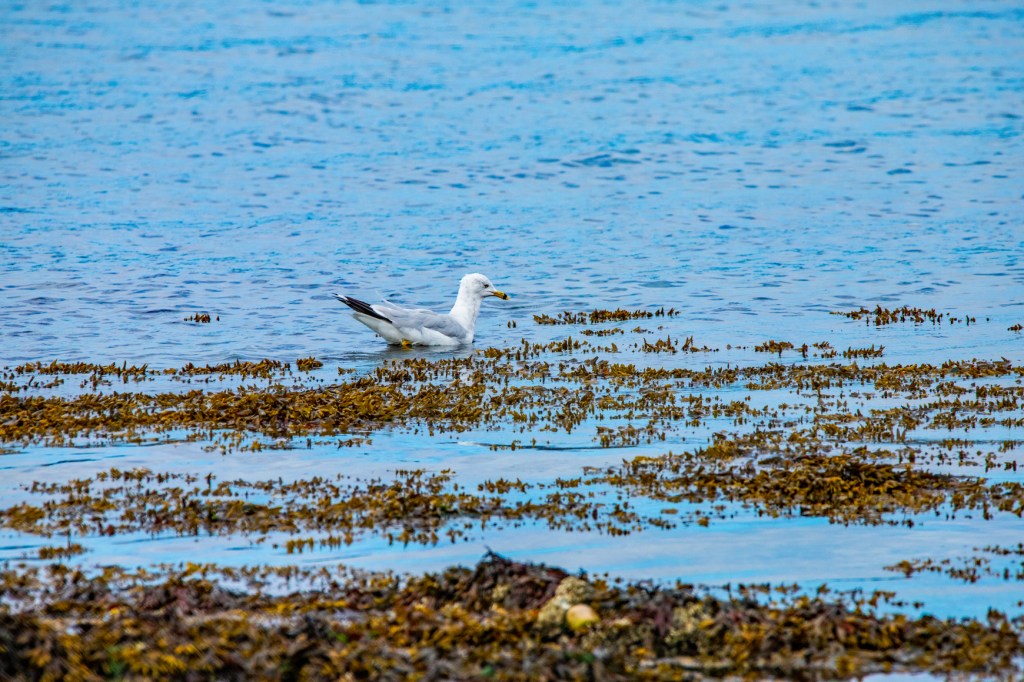
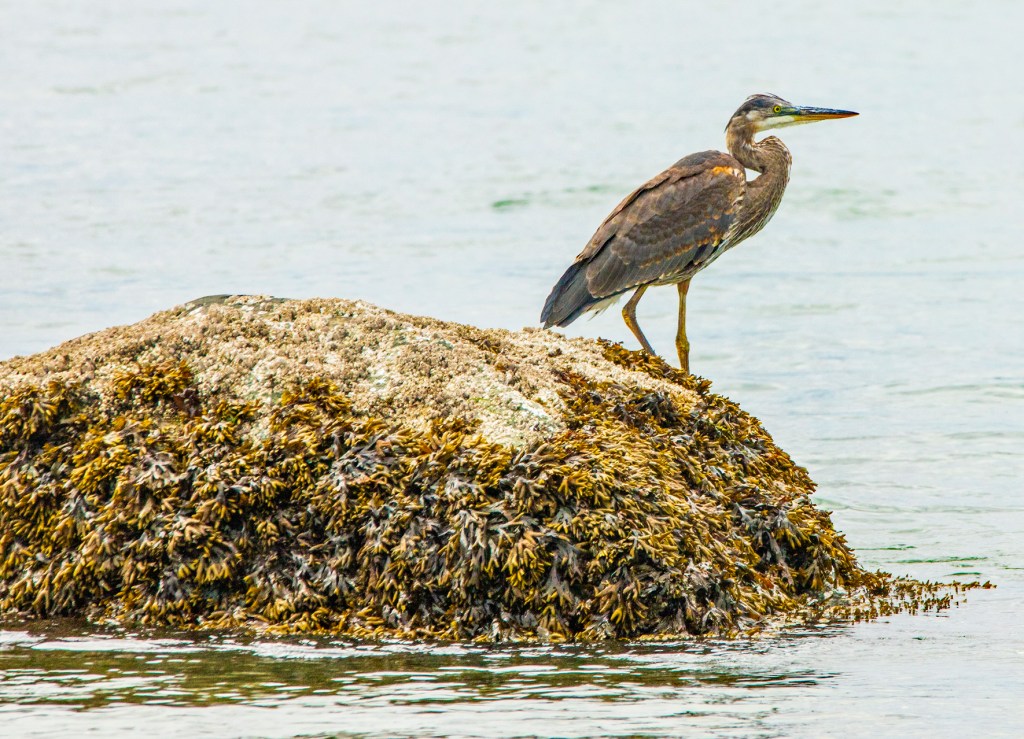
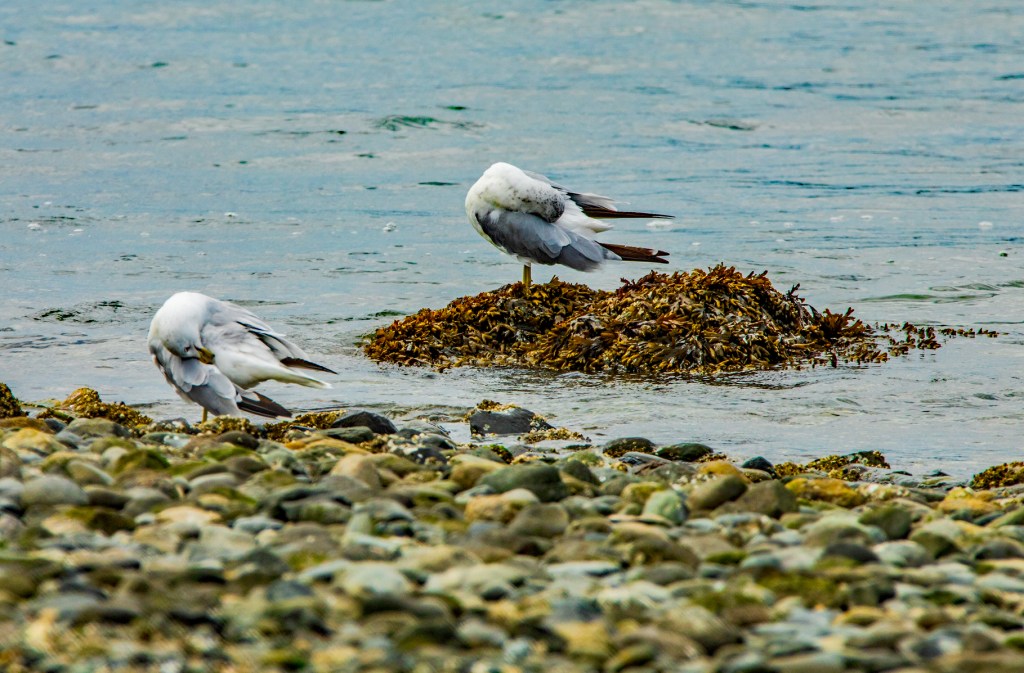
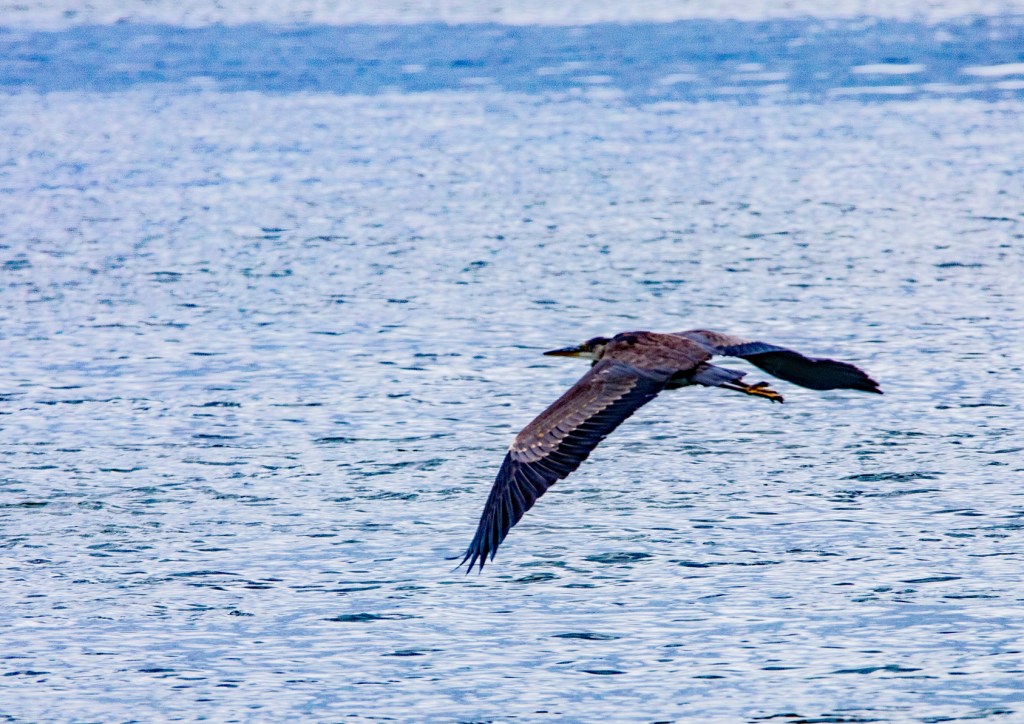
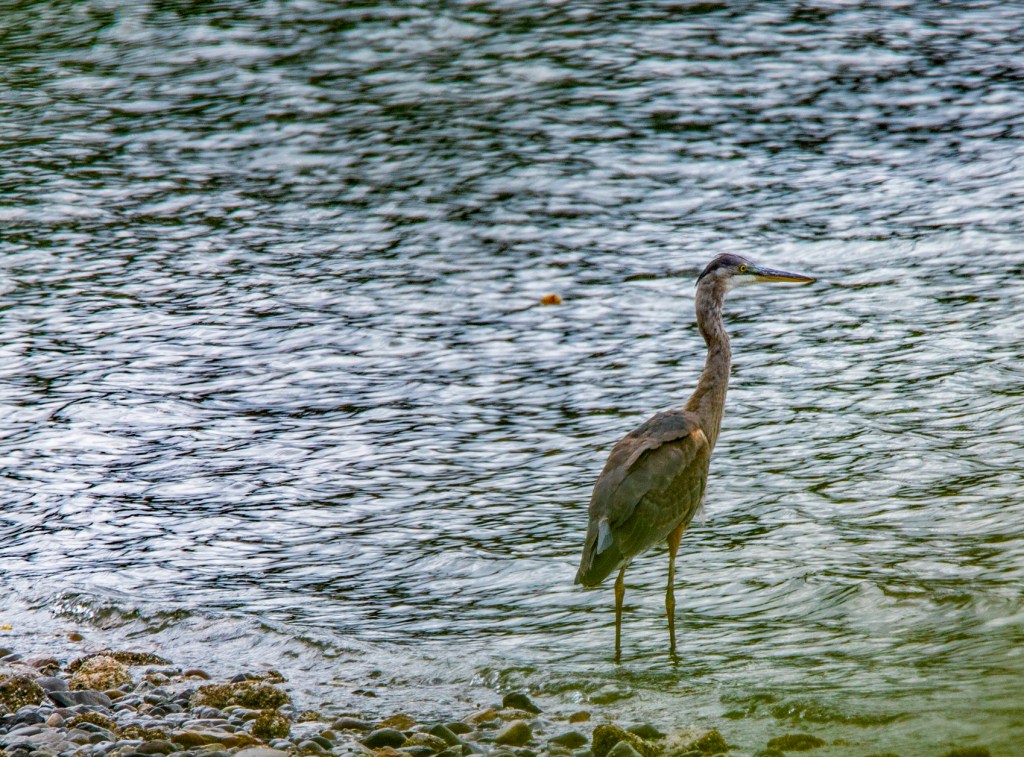
Last night it rained and so as the skies began to clear this morning I wandered down to the water to see if there were any changes. Today the tide was way up so the small island, just off shore was submerged. This made it so the birds that like to inhabit the island had to move onshore. This made it easier for me to photograph them. All except the Great Blue Heron, who kept moving from place to place along the shore. However, I was able to get some good photos of it. Take a look!

Fly By?
Camera shy?

Bee Watching

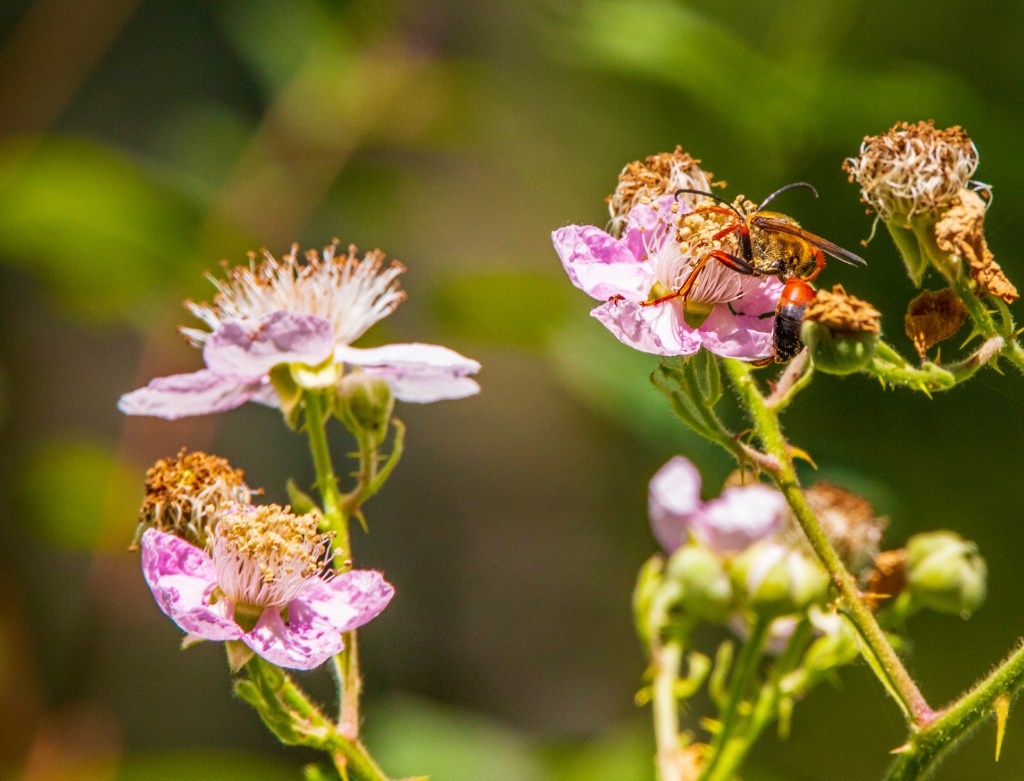
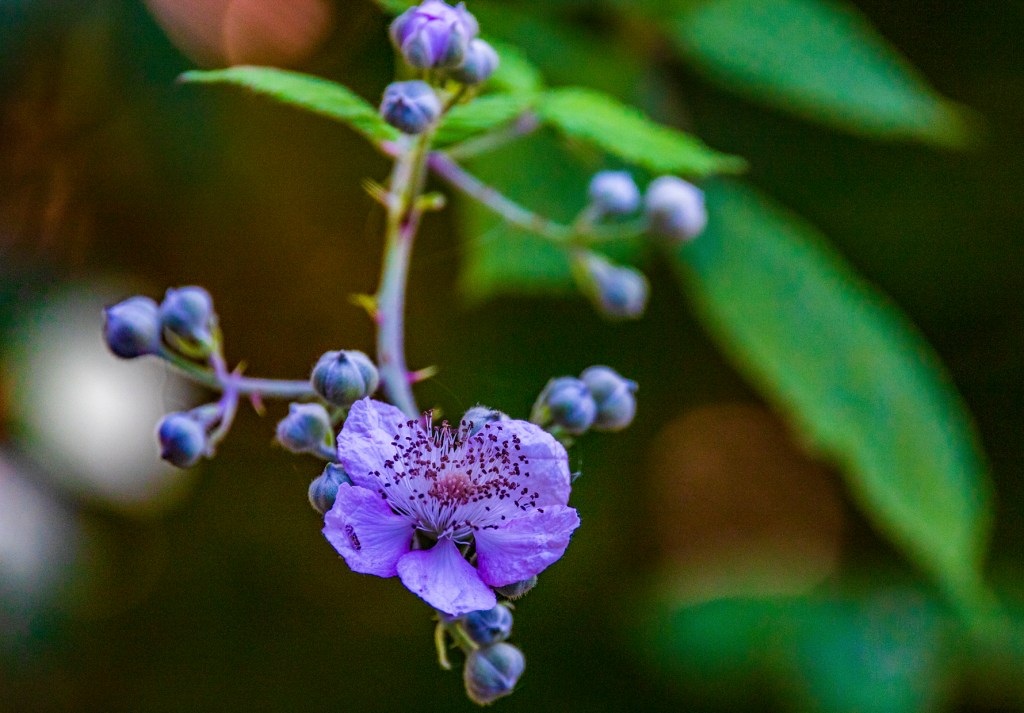
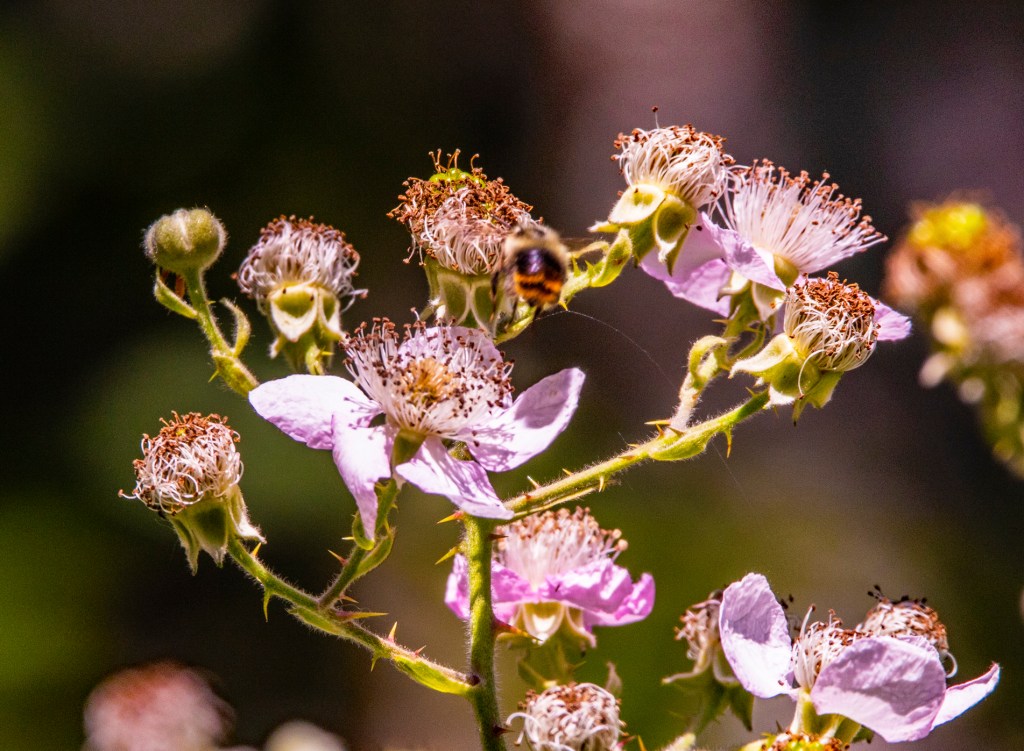
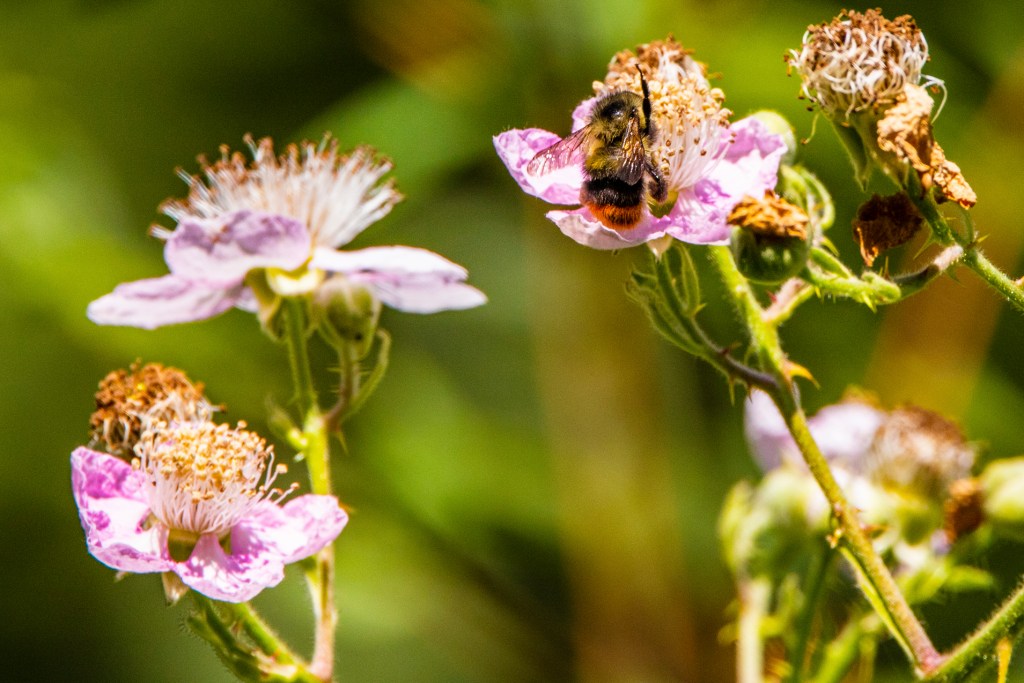
Today Barbara and I decided to stay in camp and just relax. Our campsite is surrounded by blackberry bushes and right now there are bees all over them doing what bees do best. So I decided to try and get some photos of them in action. Now since I am highly allergic to bee stings I need to keep my distance, so I got out the biggest lens I have, my 150mm to 600mm zoom, to see what I could capture. It’s amazing how different things look up close. Take a look!

La Conner

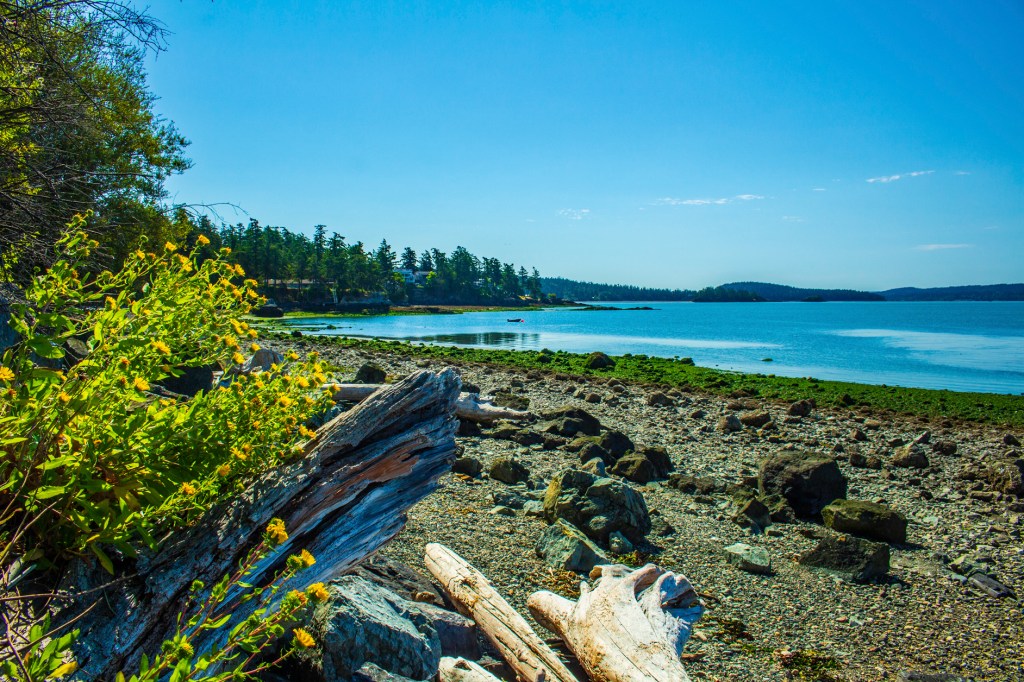
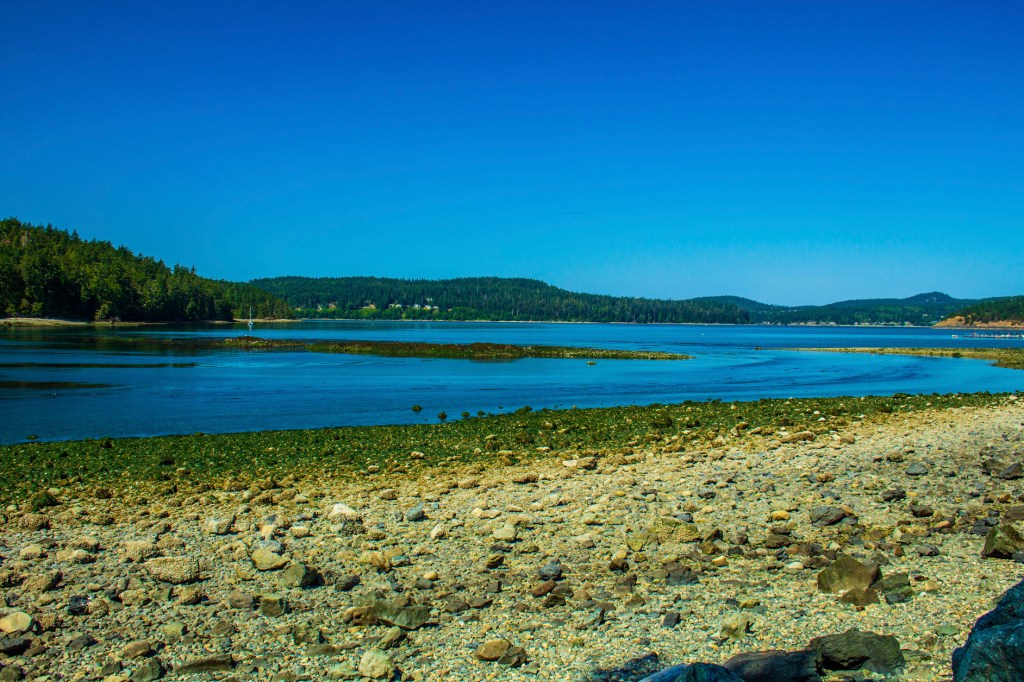
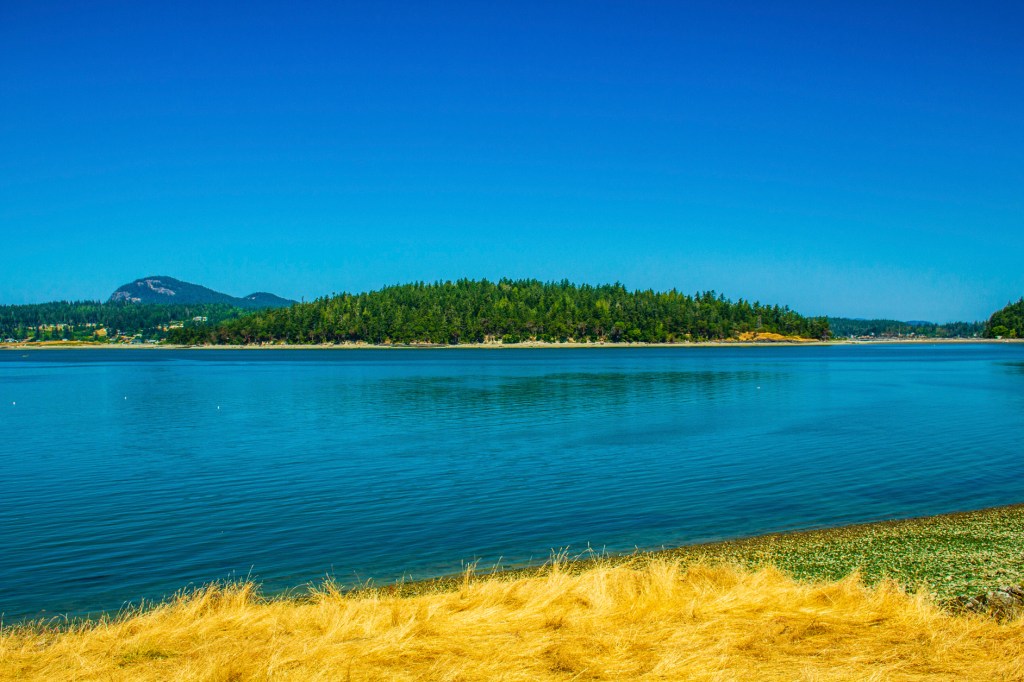
Yesterday Barbara and I headed north to an RV park near the small fishing village of La Conner, Washington. We’ll be here for two weeks. This morning while Barbara was catching up on her soaps, I took a hike along the waters edge. La Conner is located on Skagit Bay in Puget Sound, north of Seattle. To the east is Mount Baker, the northern most of the Cascade Volcanoes inside the US. This is a beautiful area. While I was exploring the shoreline, I wandered down to the tide pools to see what I could find as it was low tide. While I was looking at one of the tide pools I turned around and standing behind me was a game warden. Nice guy! I asked him if it was okay for me to be there and he said, “no problem”. We talked for about 45 minutes and then he went back to work and I continued my exploration. Tomorrow I’m going to continue exploring the area.

Oregon Coast Aquarium

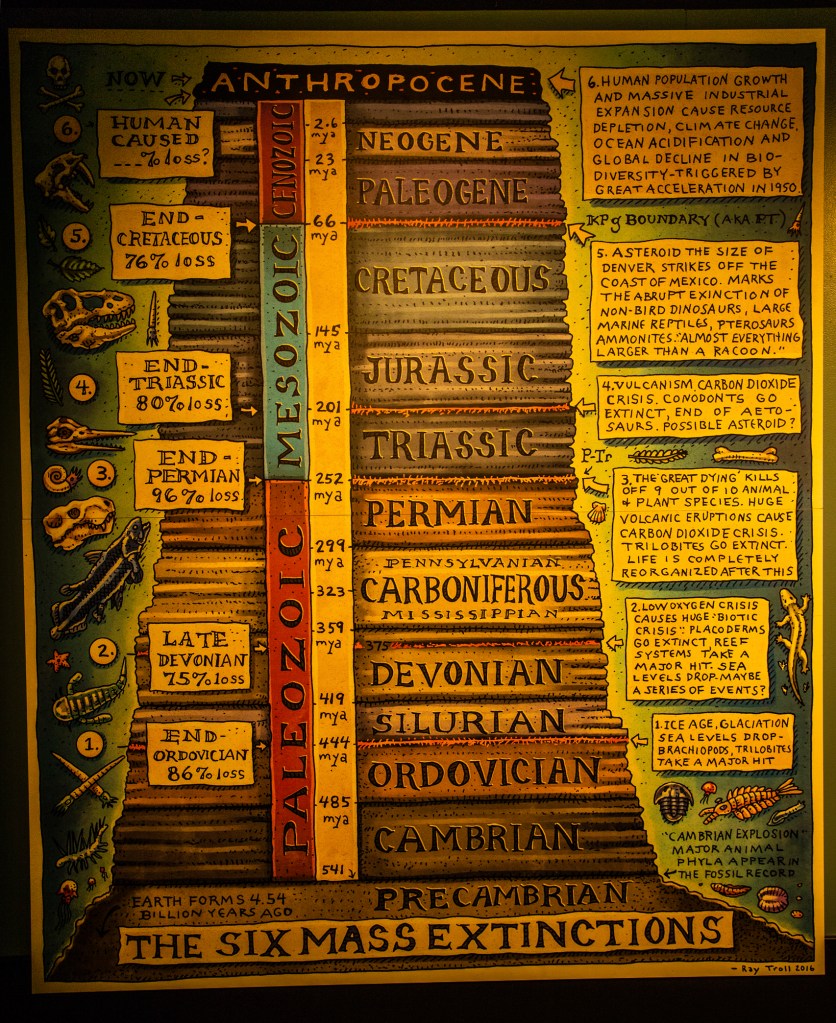
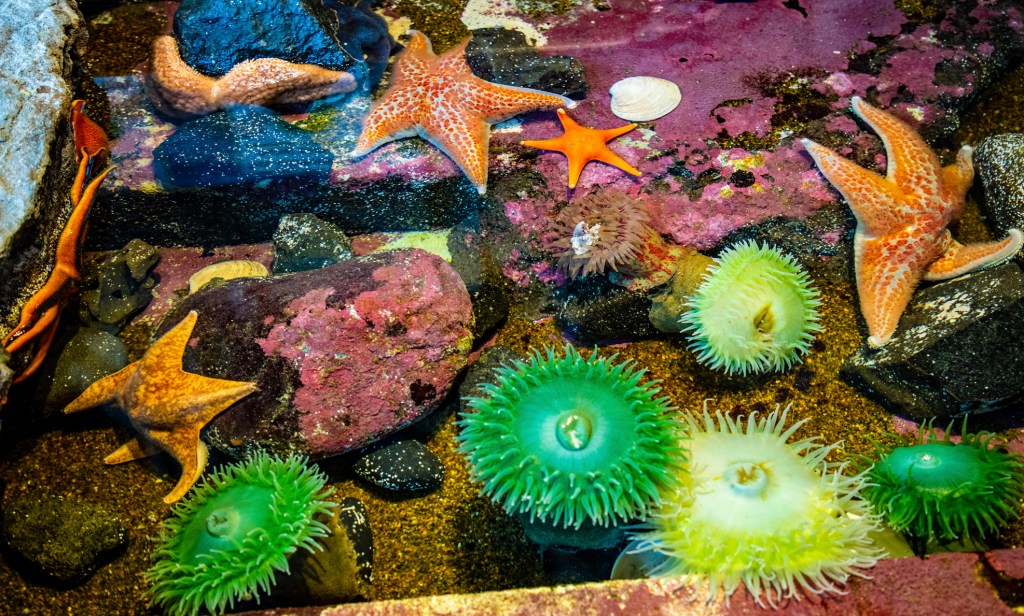
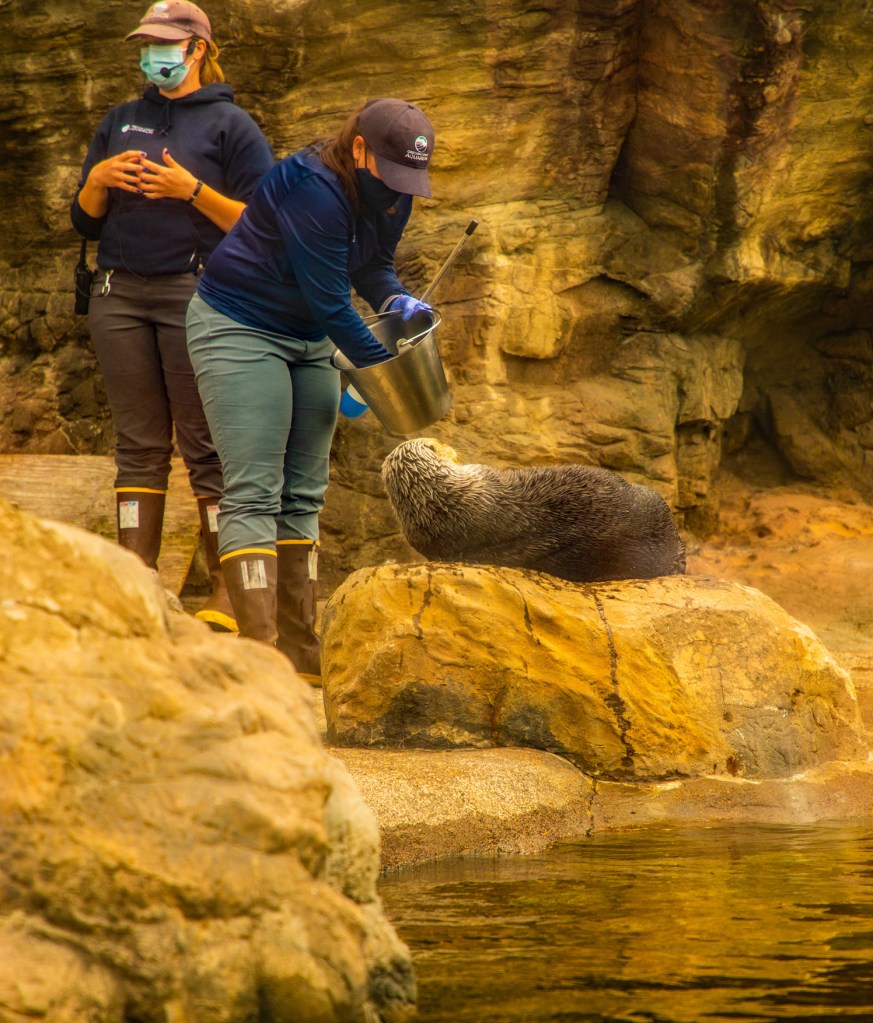
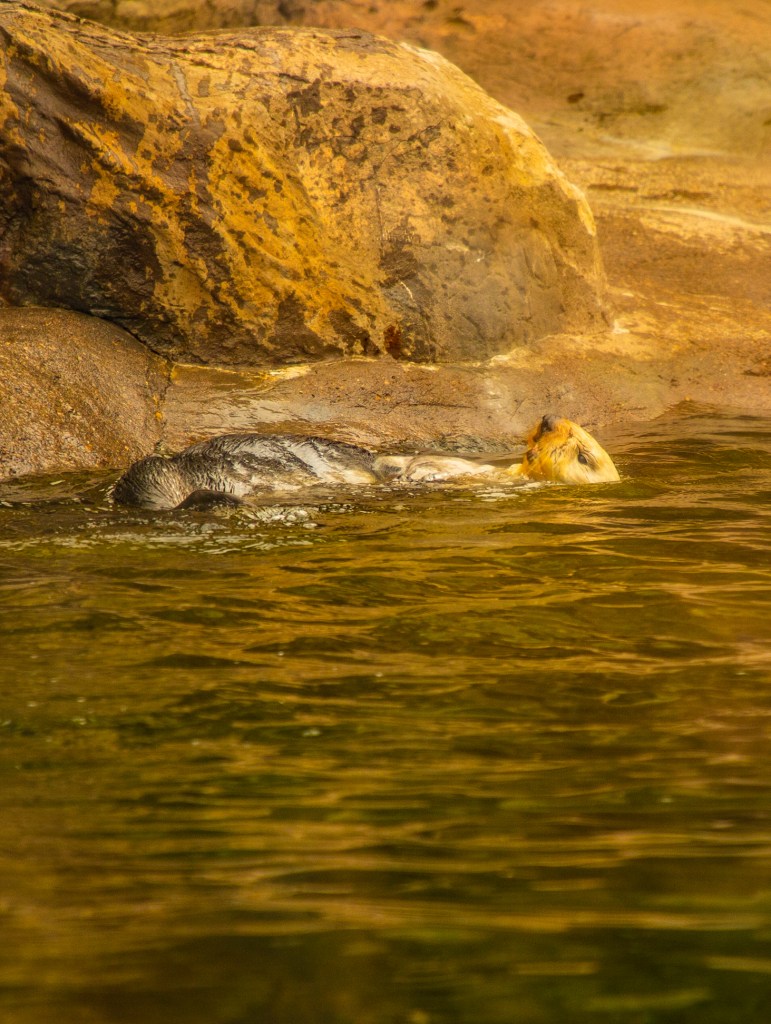
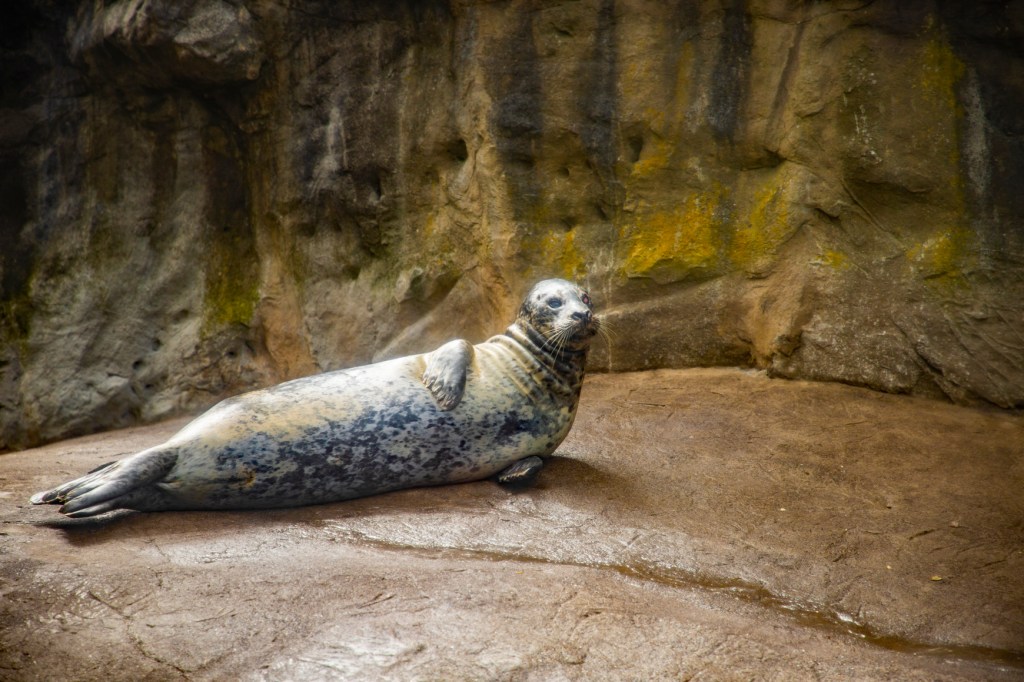
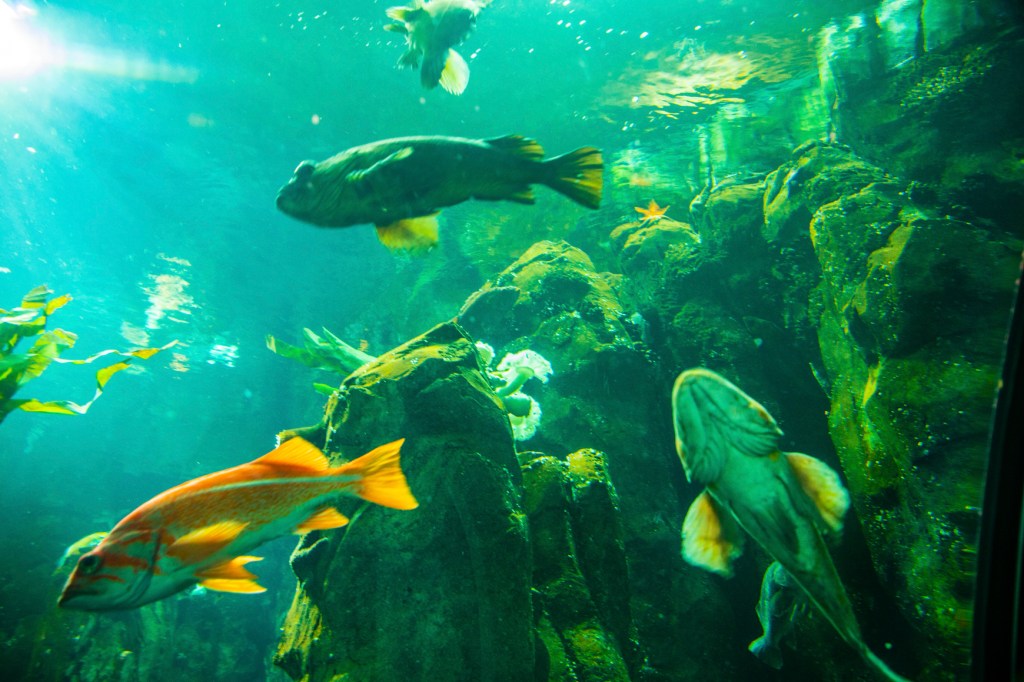
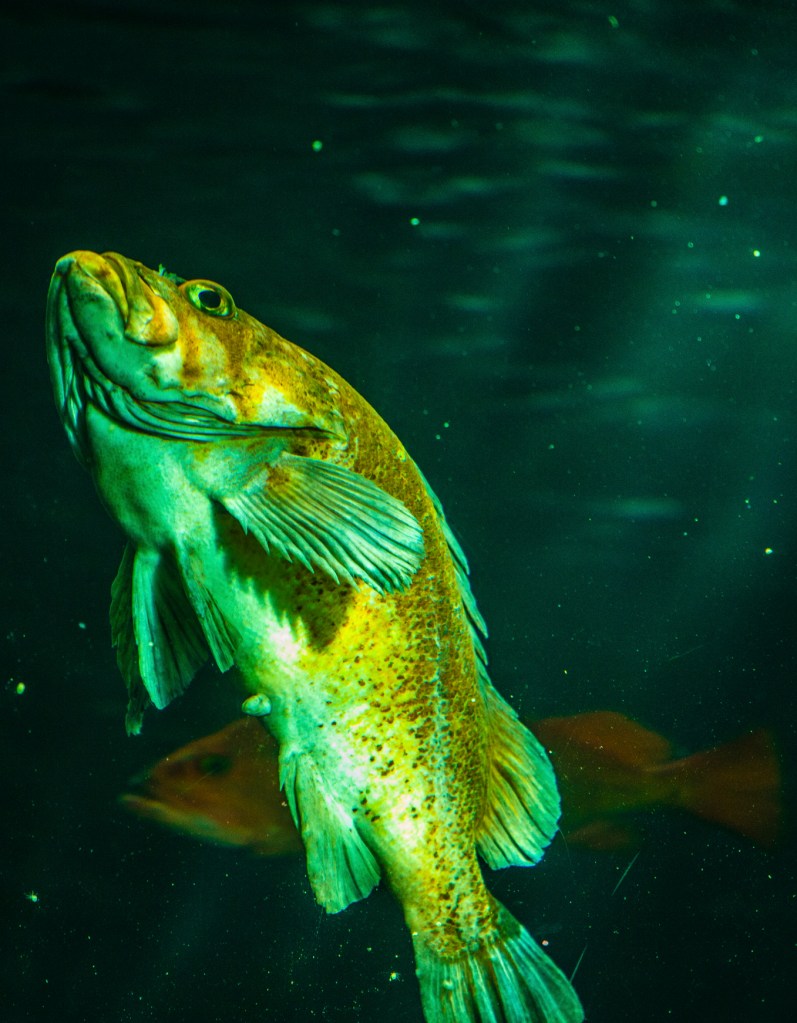
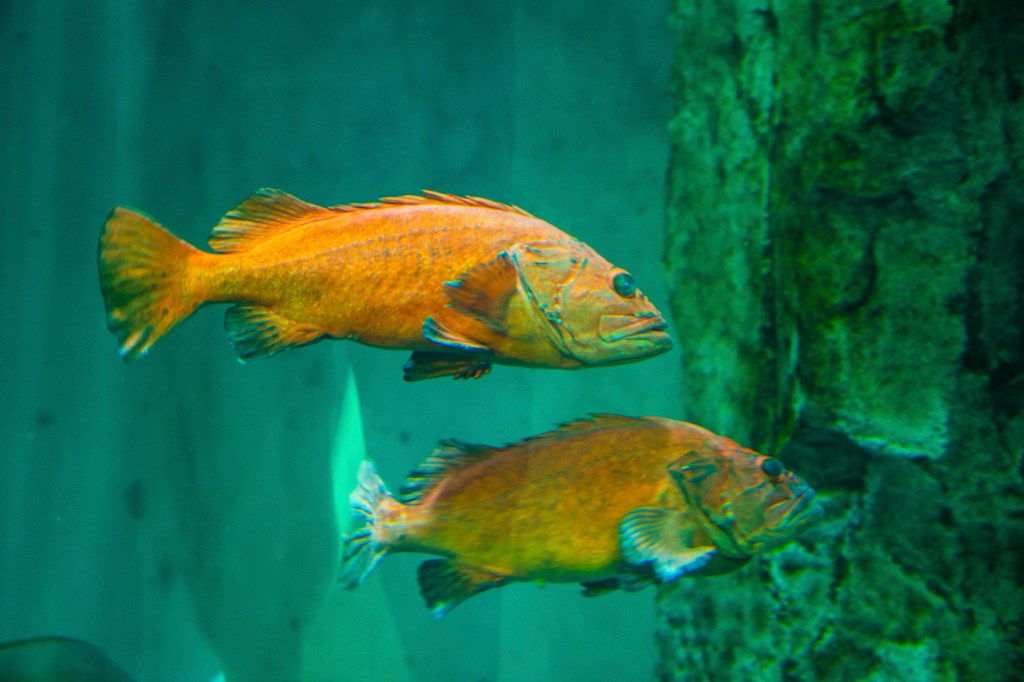
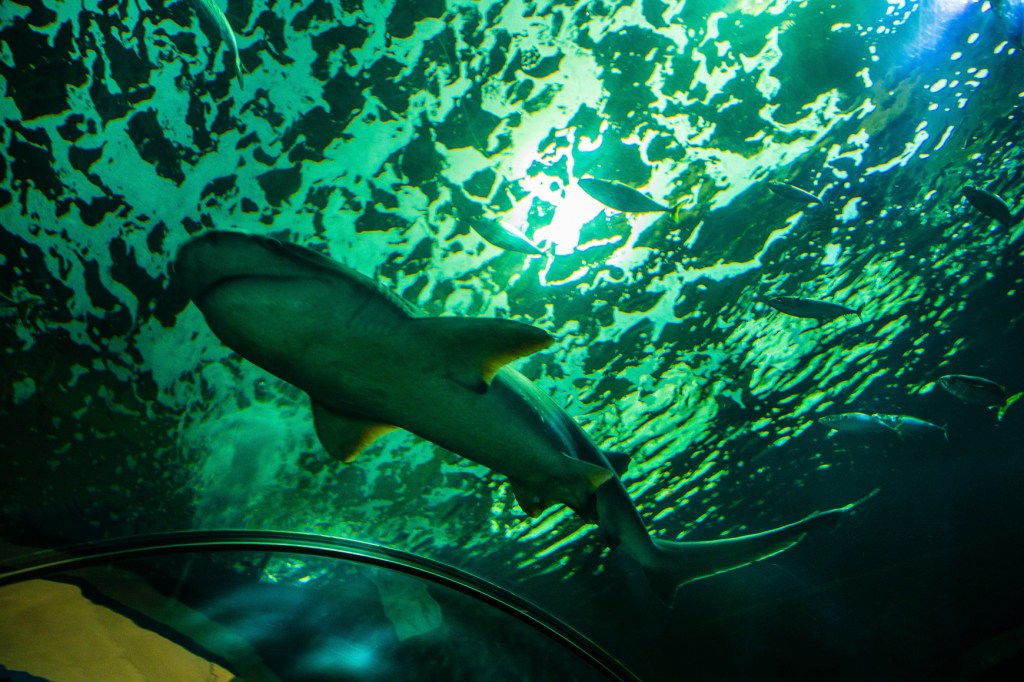
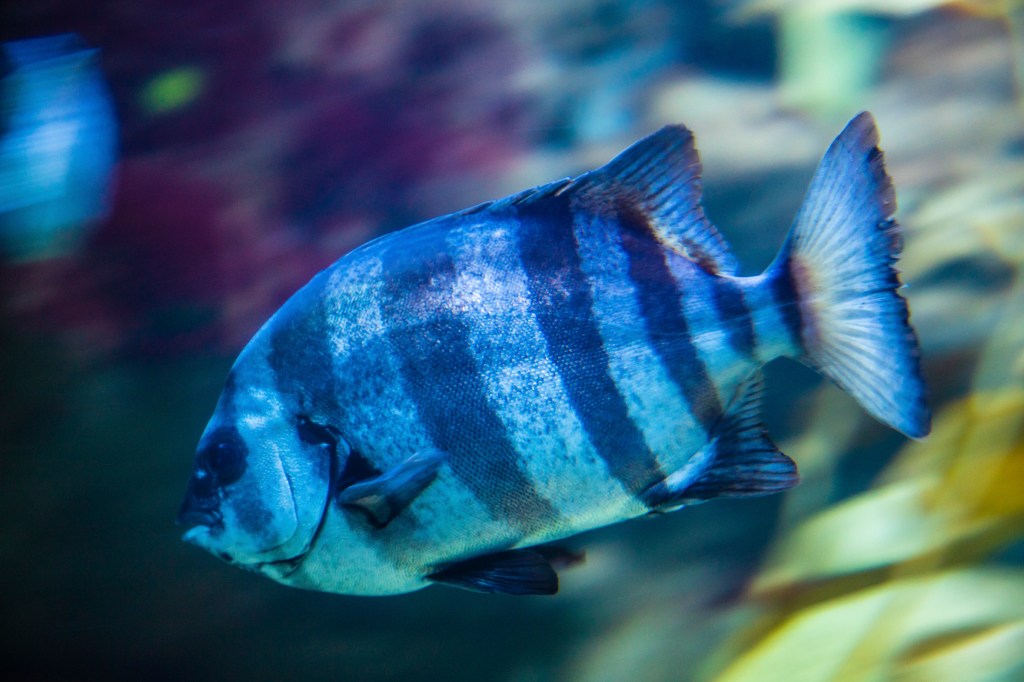
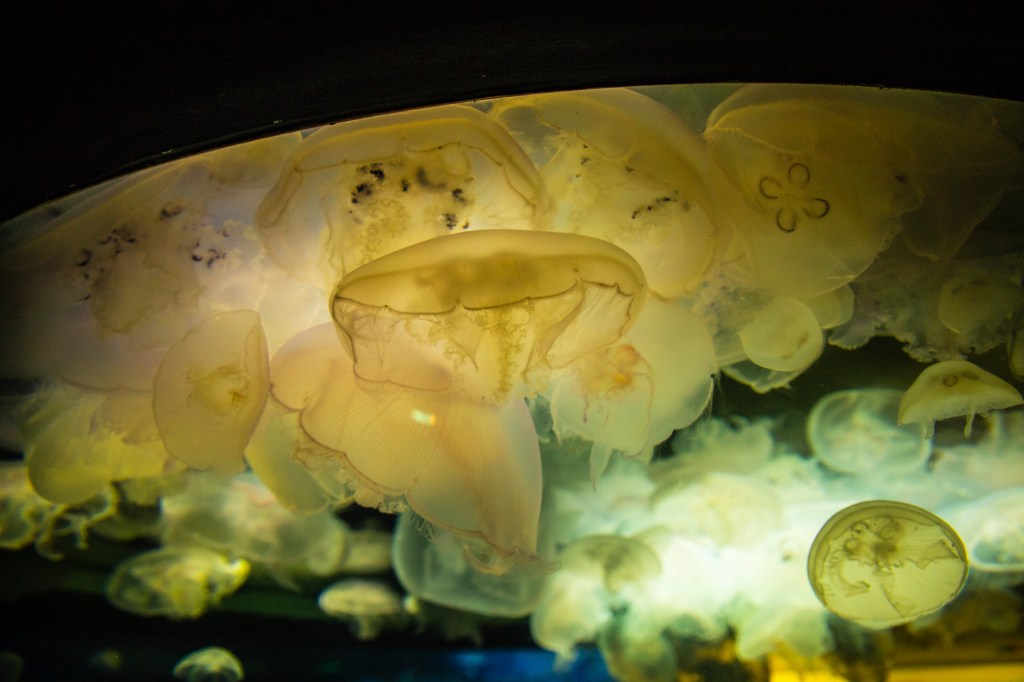
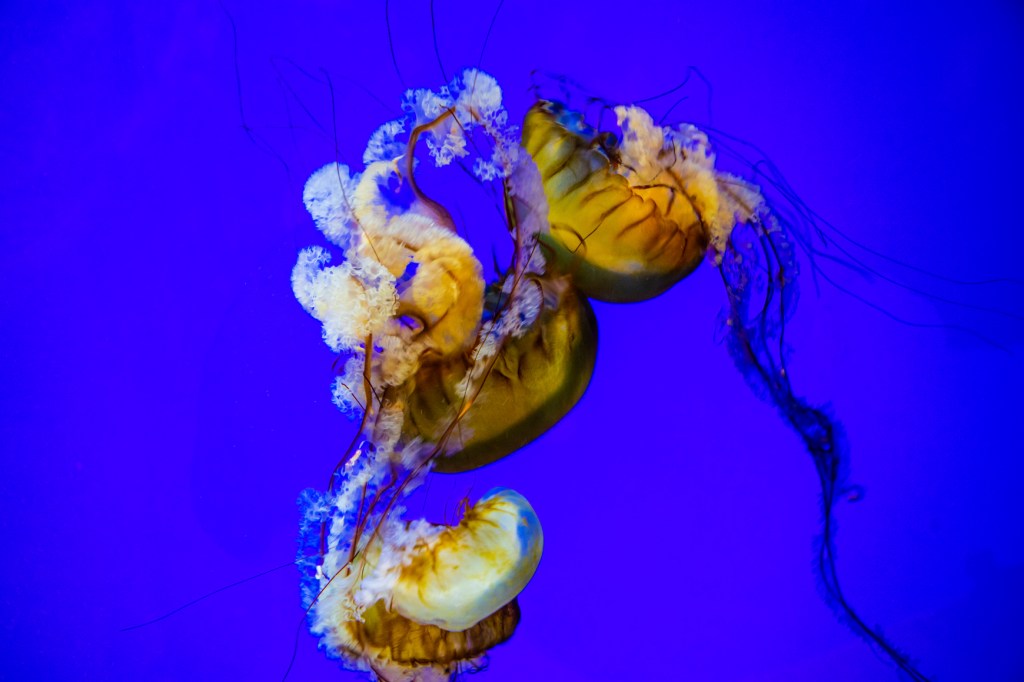
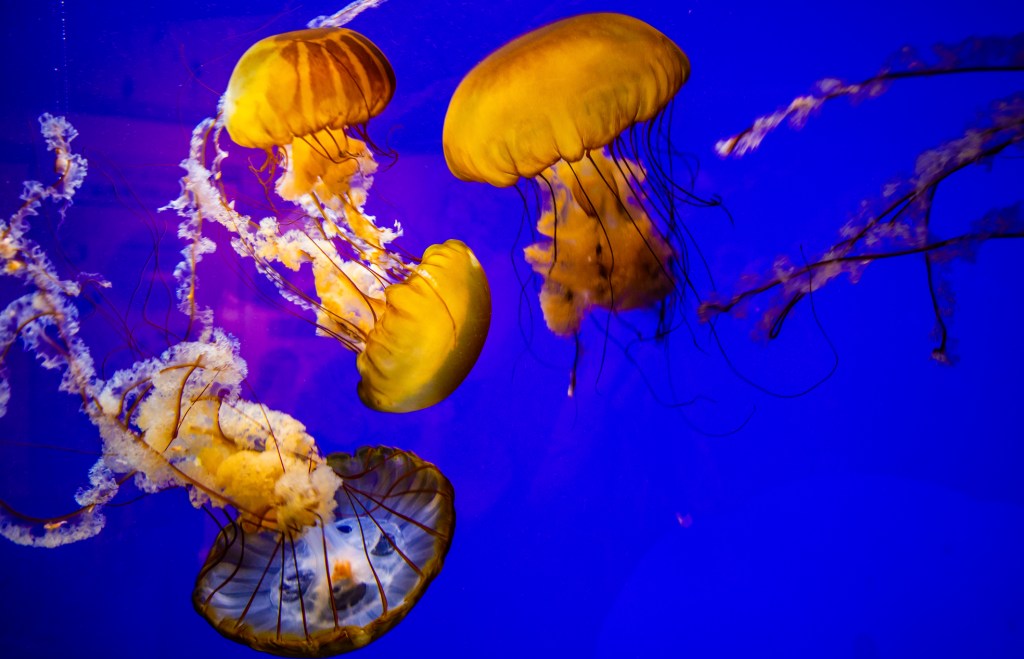
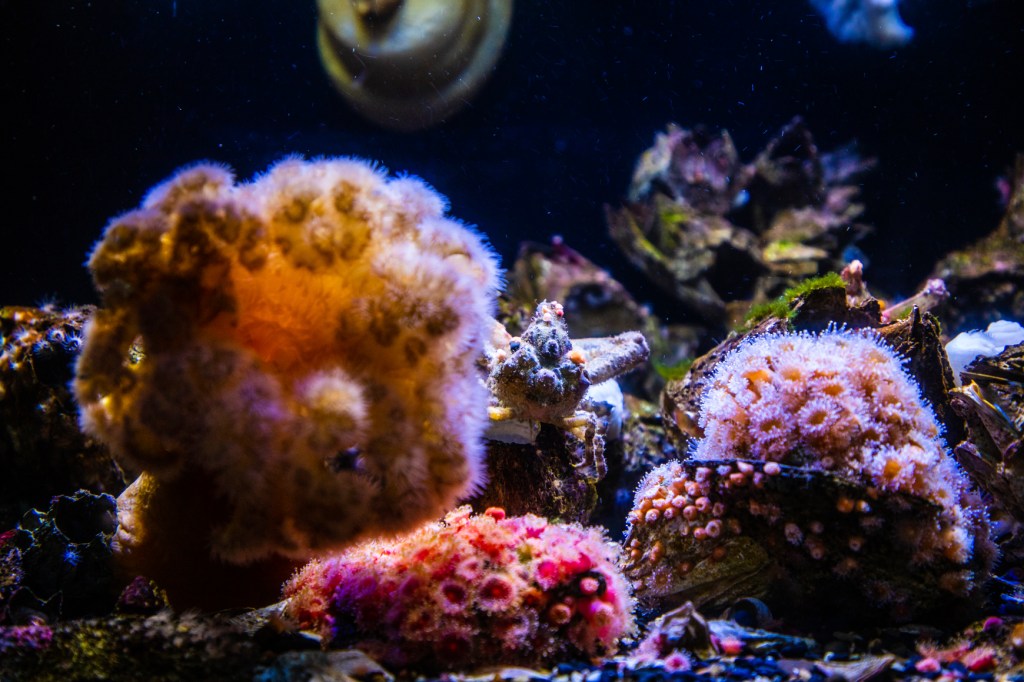
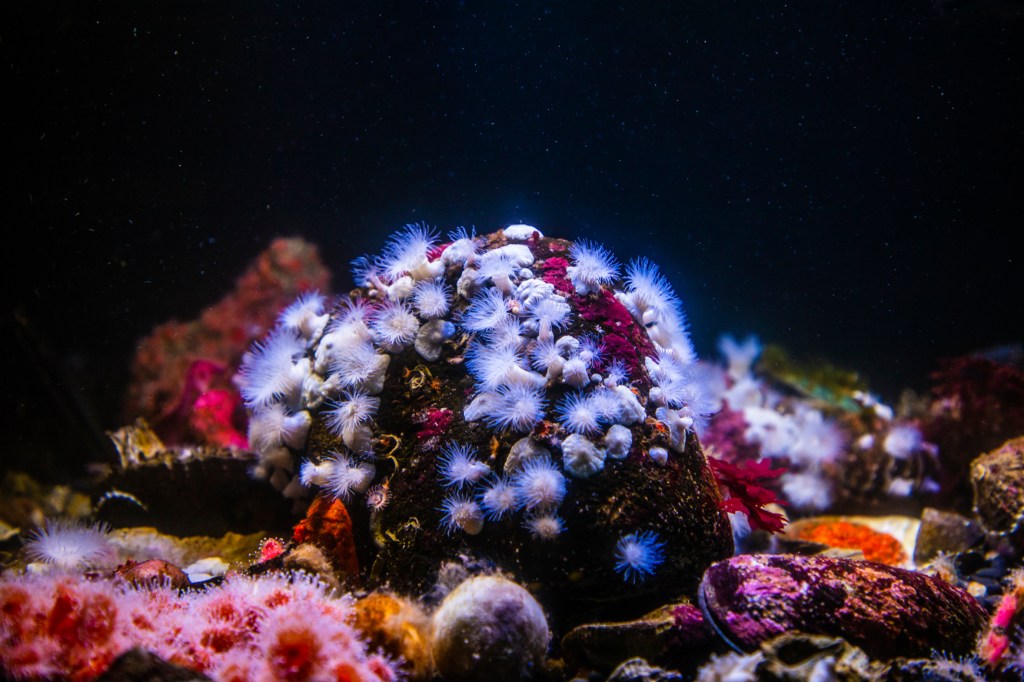
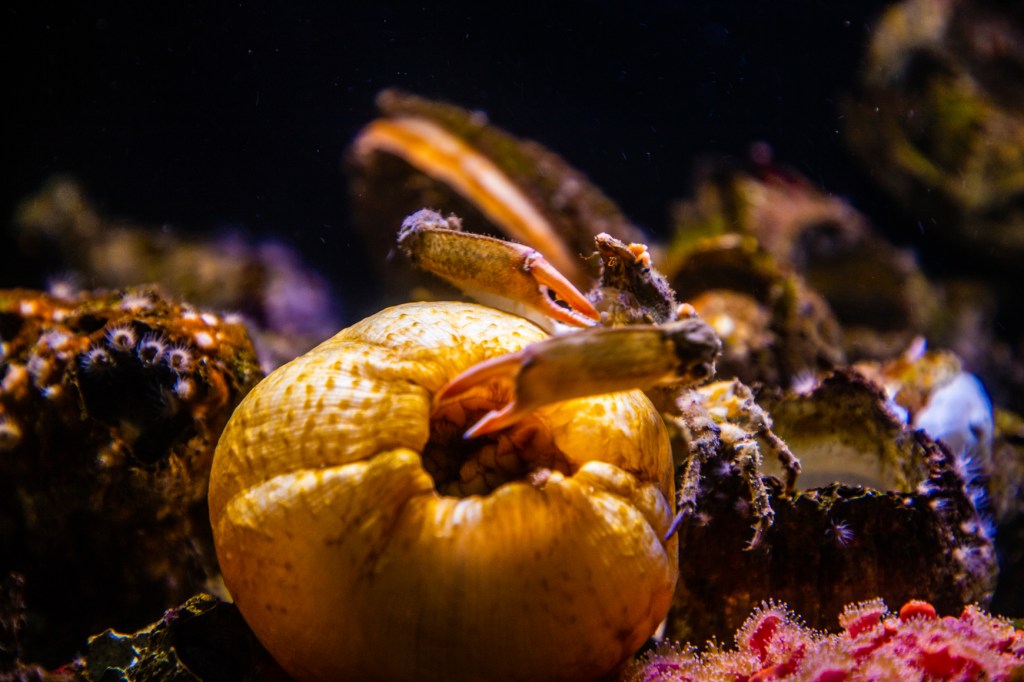
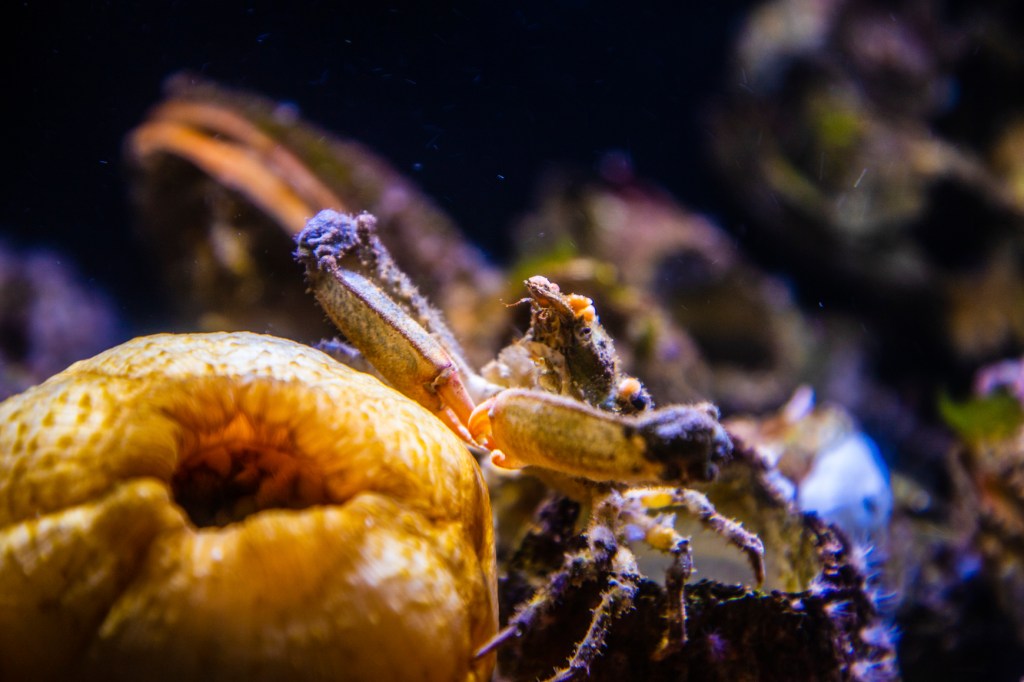
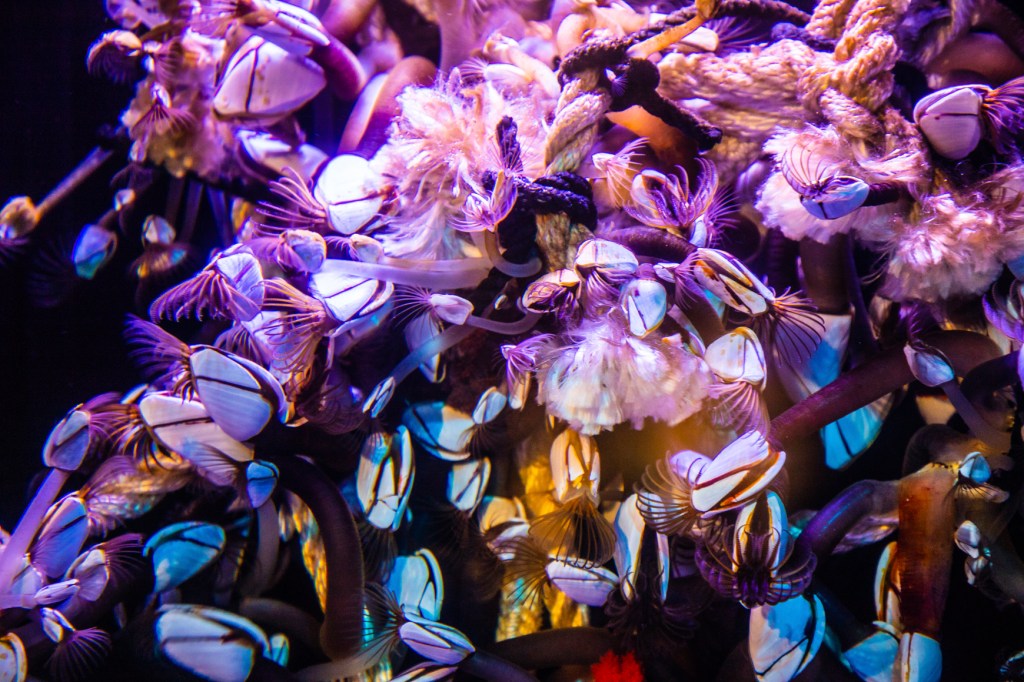
This past Thursday Barbara and I visited the Oregon Coastal Aquarium in nearby Newport. This is a nice aquarium. They have managed to put a lot in a small space. Barbara and I always enjoy going to places like this where we can learn more about the world around us. Most of what man has learned about the animal kingdom comes from research conducted at aquariums and zoos. My only complaint is all of them keep pushing the “Climate Change” narrative. I usually try and keep politics out of my posts, but I believe I need to say something here. The Climate Change Narrative has to be the biggest lie ever pushed on the people of the world by the propaganda media and our elected officials. Now I’m not saying that man hasn’t done damage to the environment, he most definitely has. And as someone who spent his career working in the environmental field and cleaning up mans messes I have seen the damage man has caused first hand. But the people who work and manage these places, aquariums, zoos, etc. should stick to the facts supported by science and leave their opinions out of it. We enjoyed or visit here and fortunately for me I am able separate the facts from their fiction.