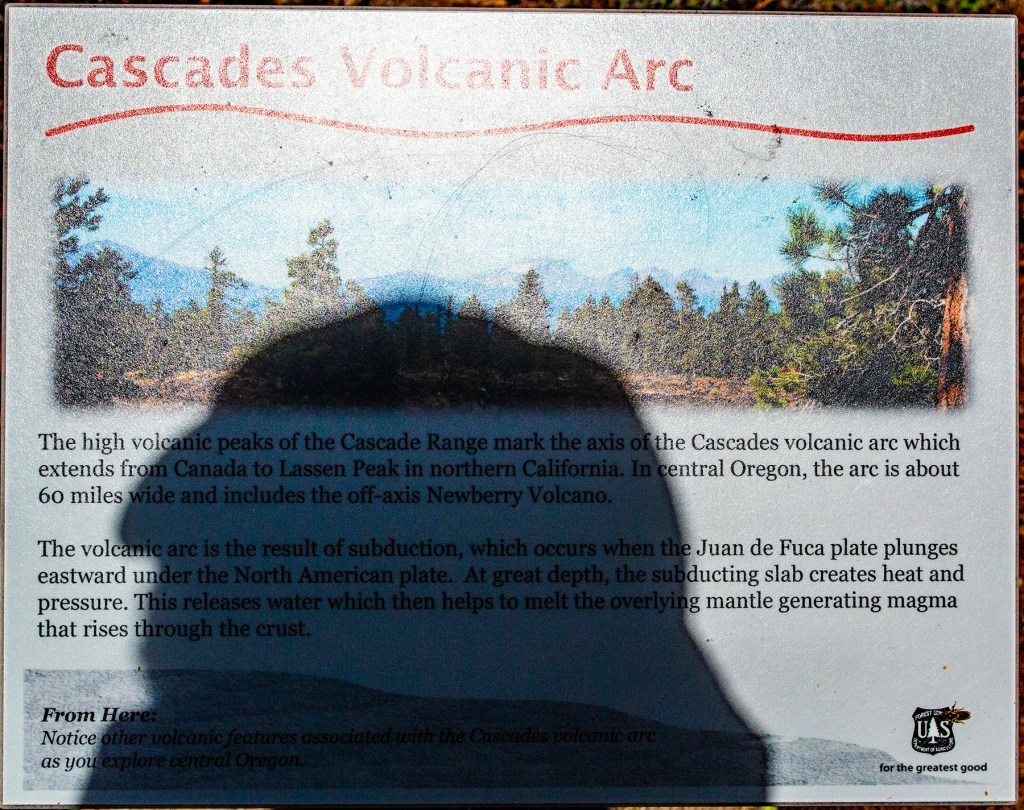
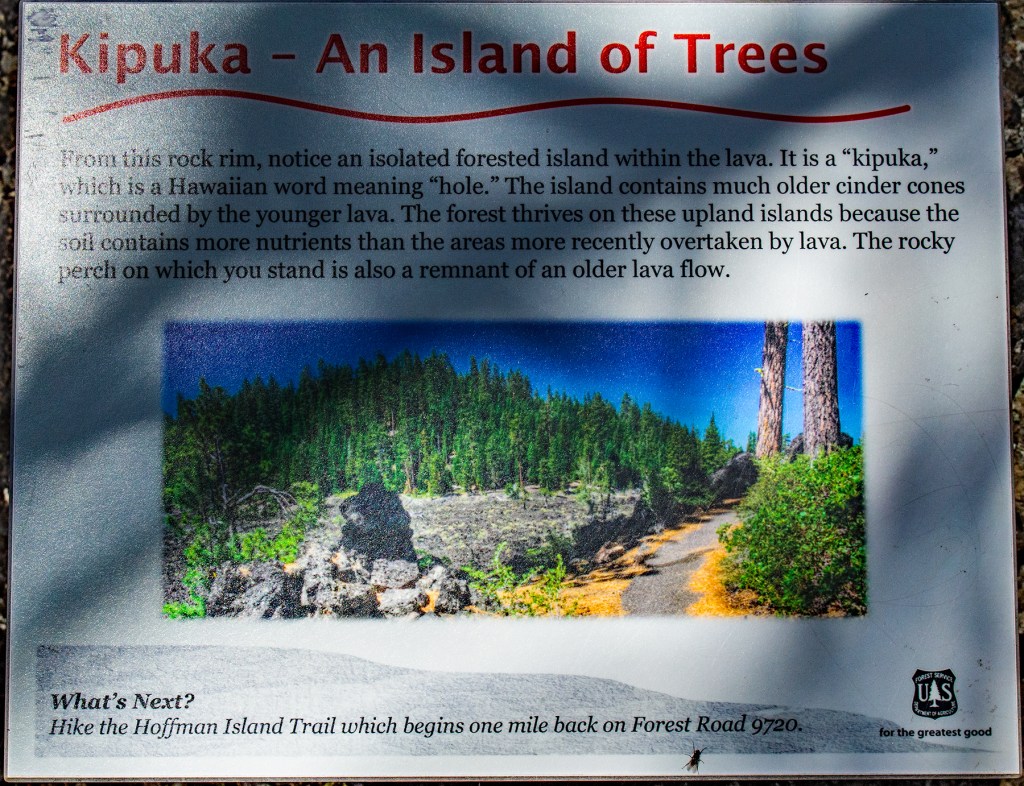
Newberry National Volcanic Monument

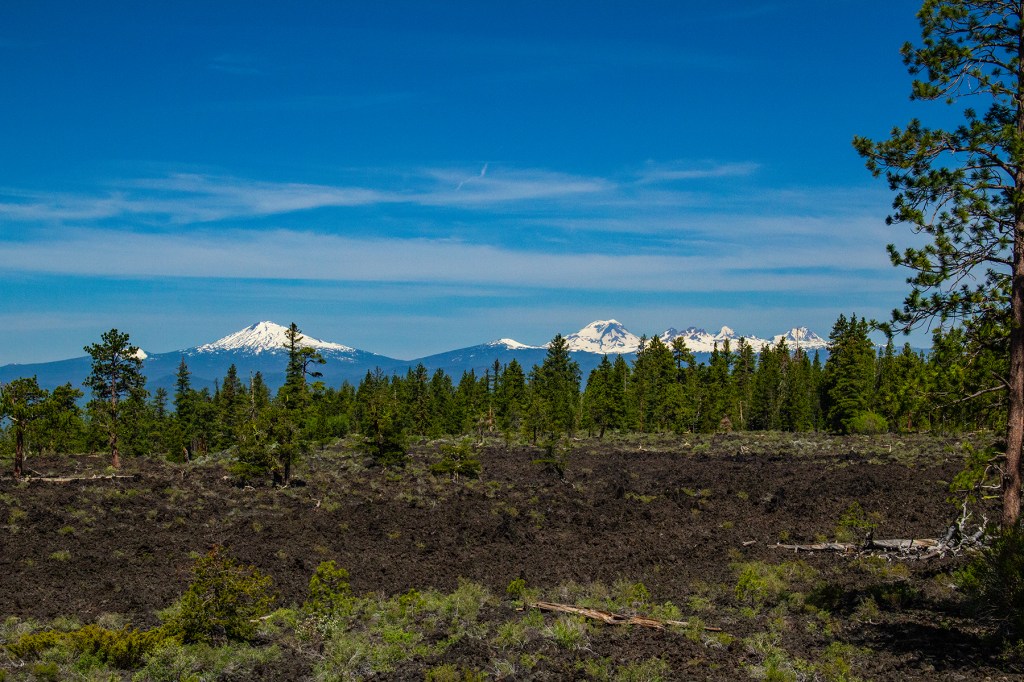
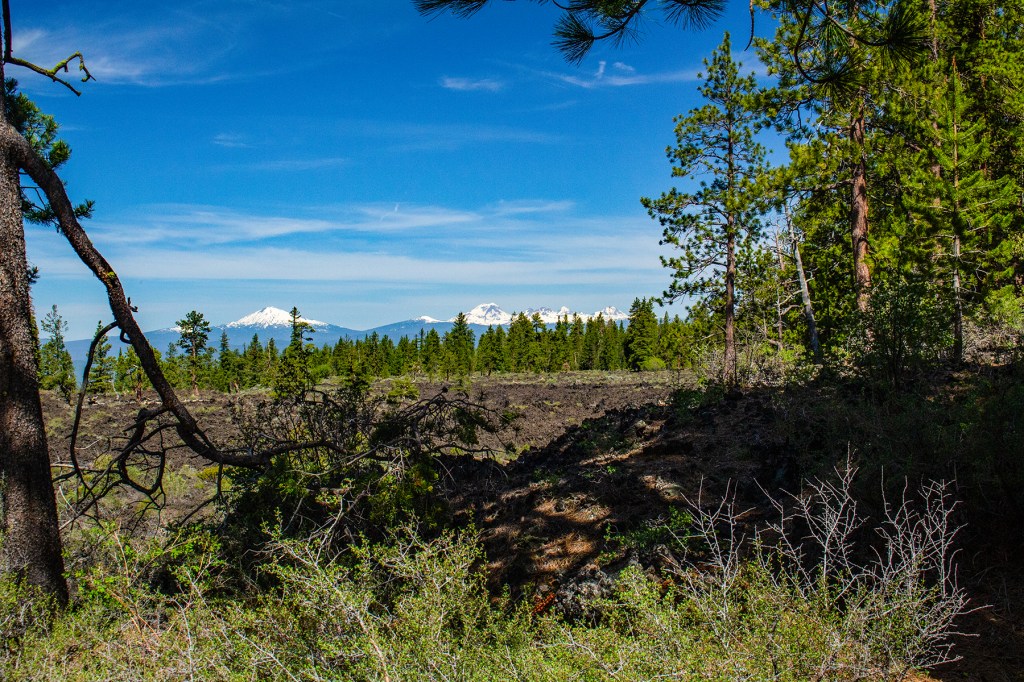
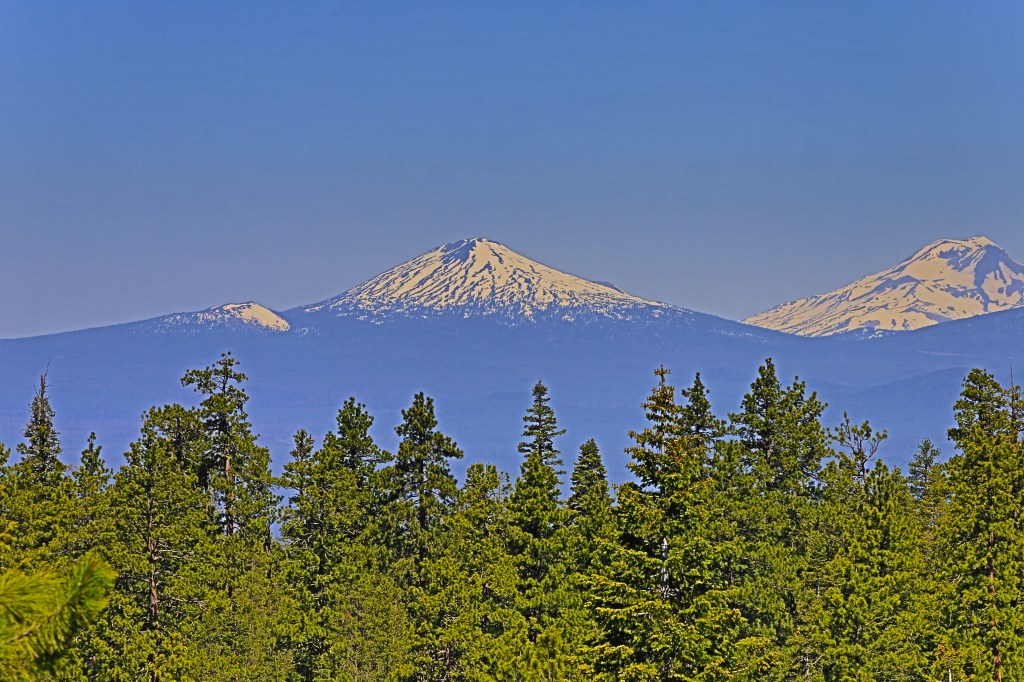
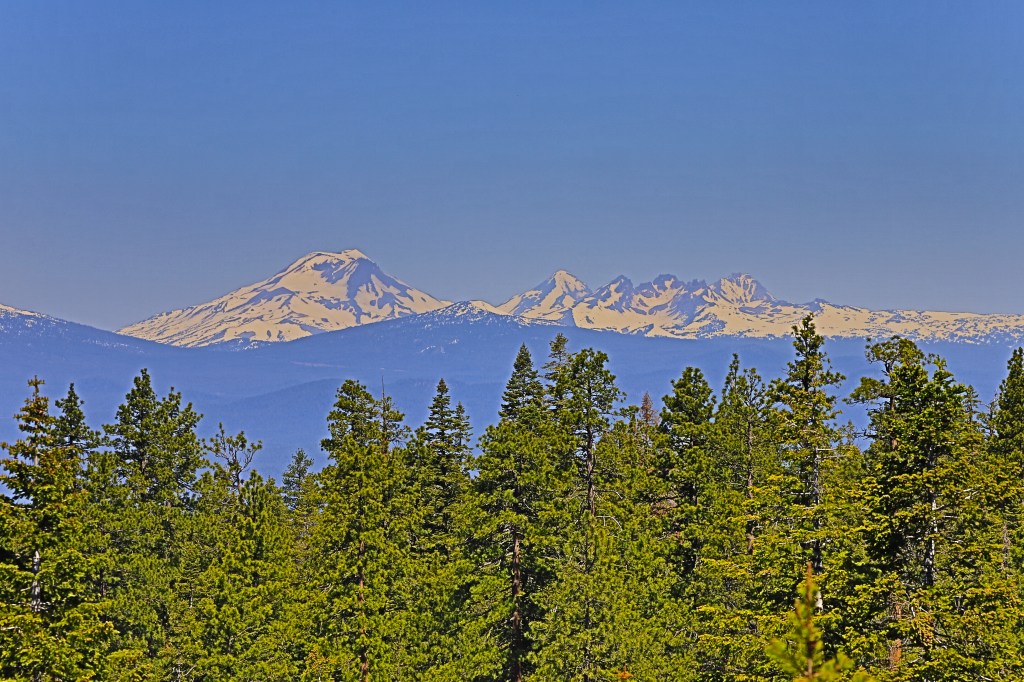
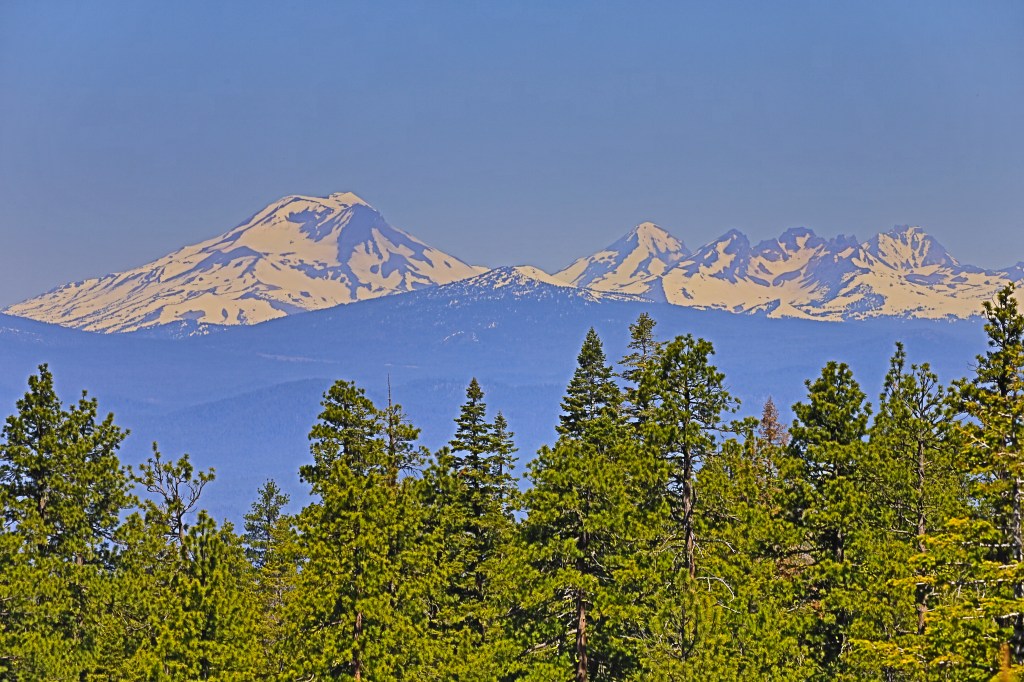
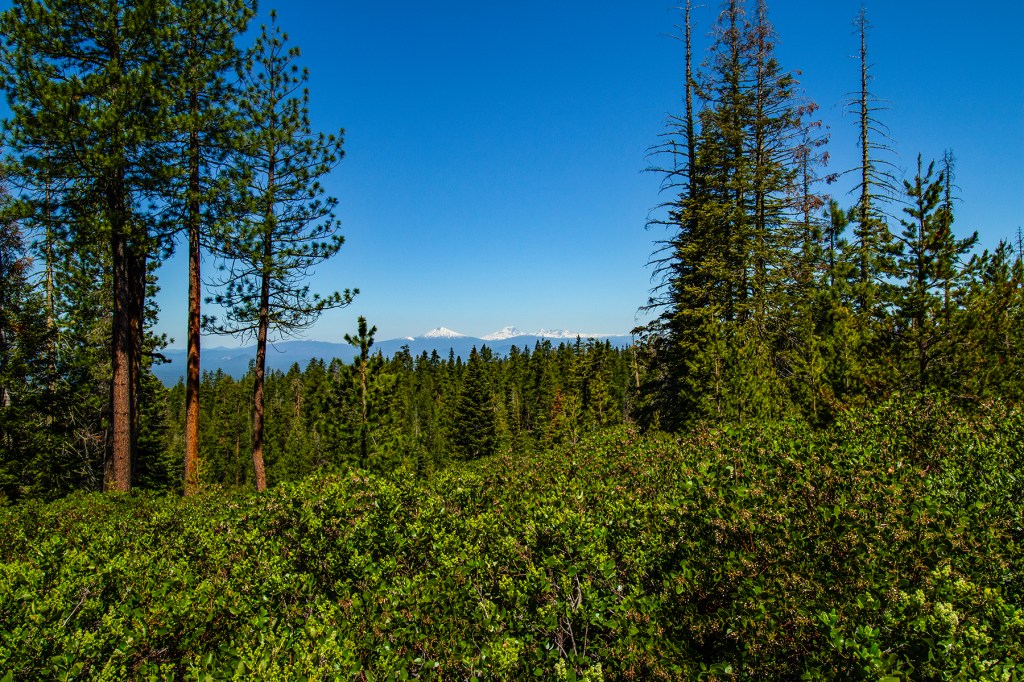
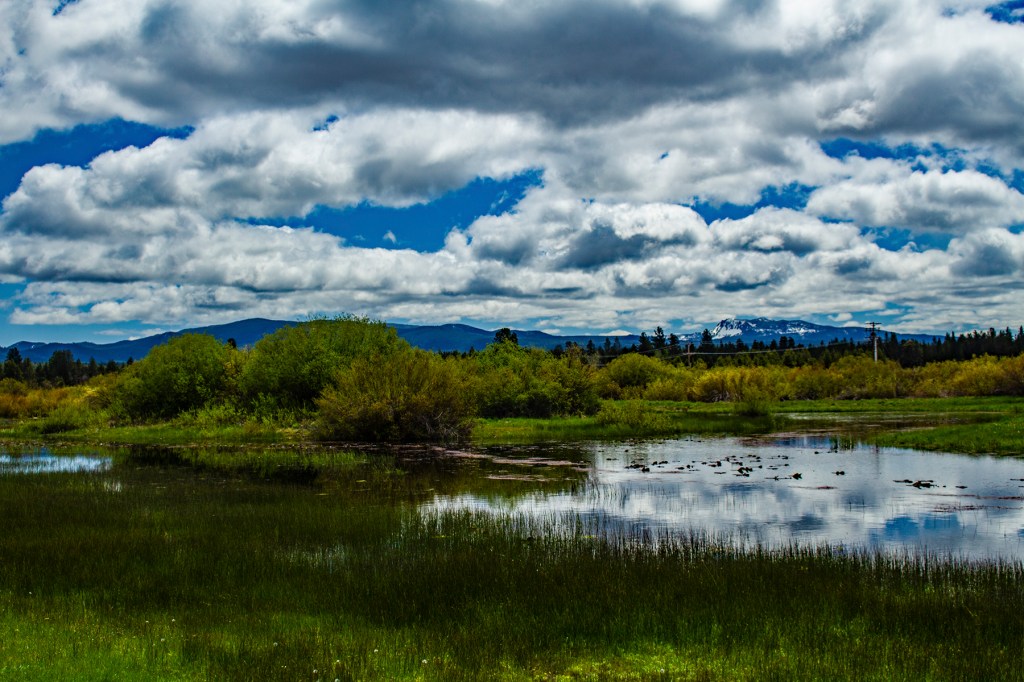
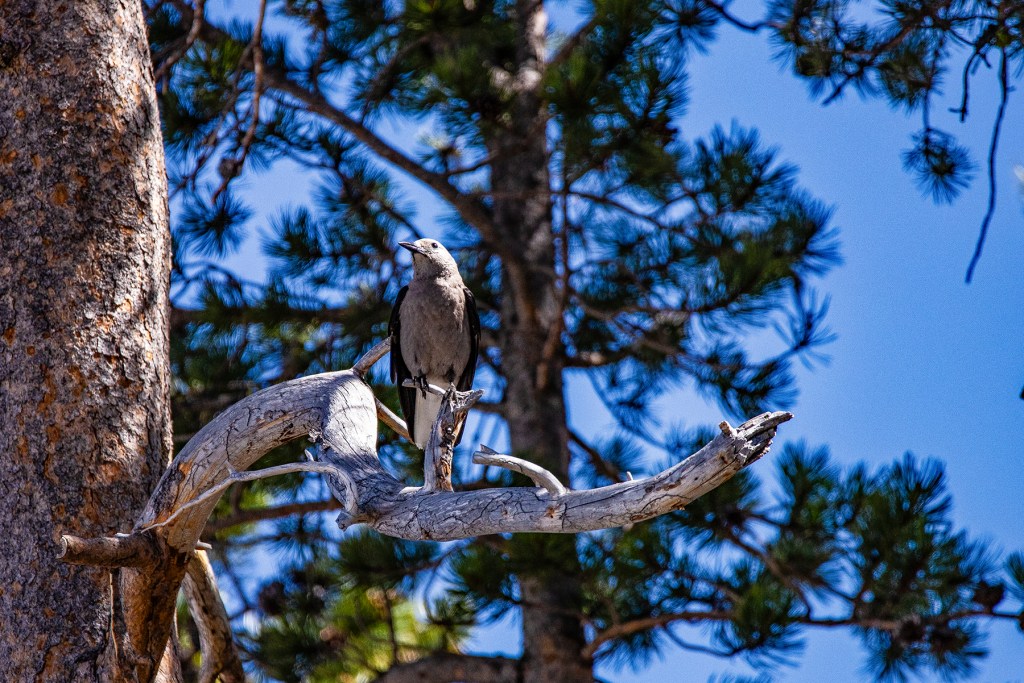
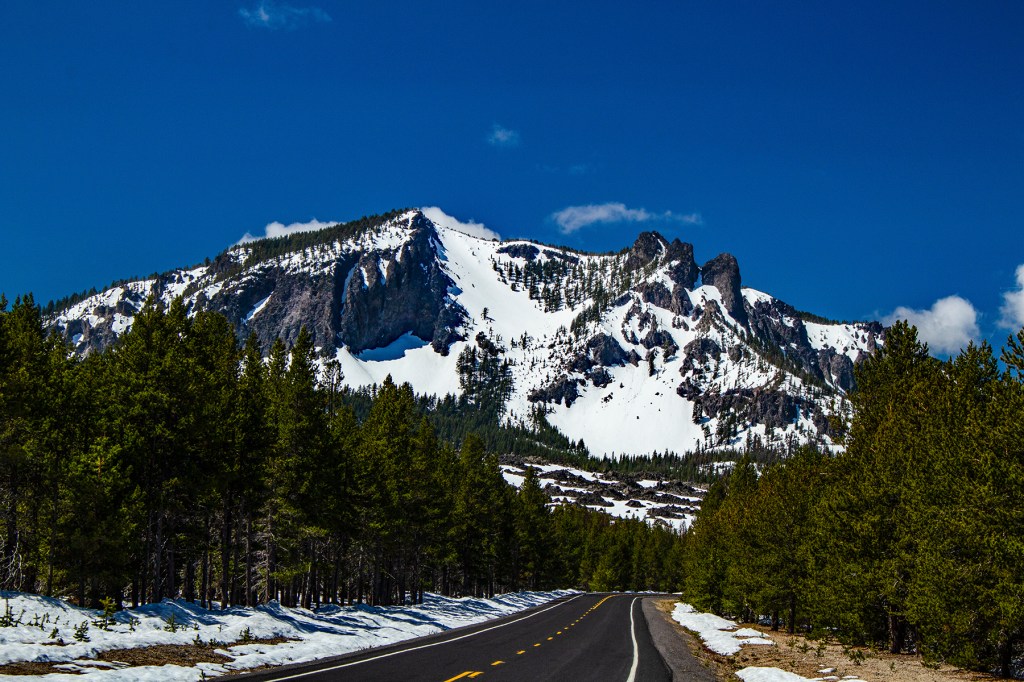
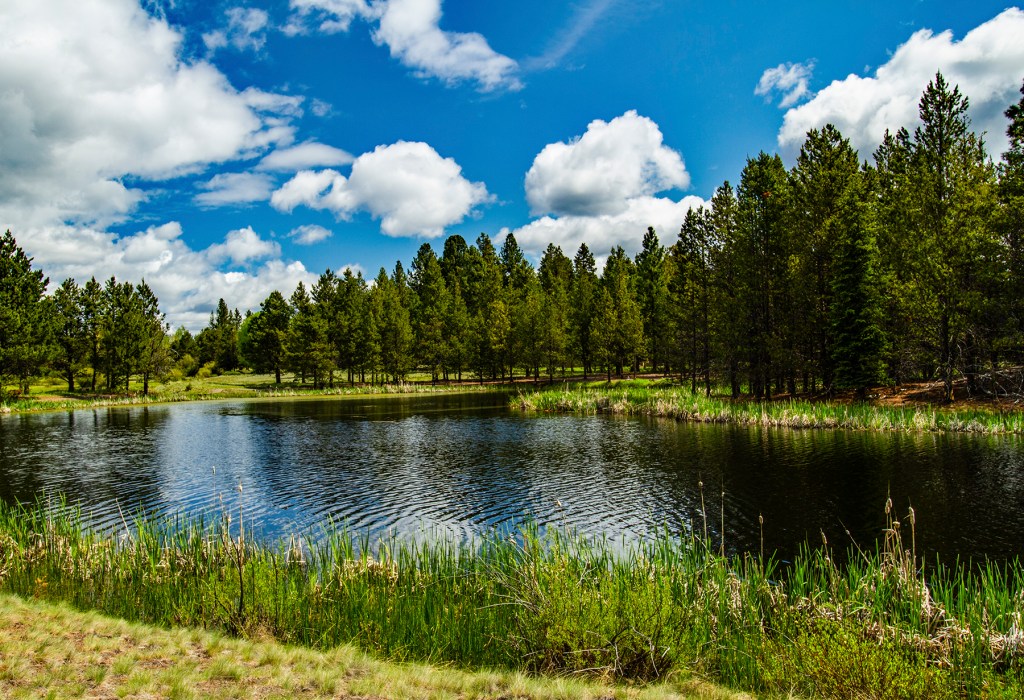
A few days ago, Barbara, Ellie, and I took the short drive to the nearby Newberry National Volcanic Monument. Due to the amount of snow on the ground most of the park was closed, meaning you can visit but all of the shops and attractions were still closed. So we drove through the park, I took some photos and left.

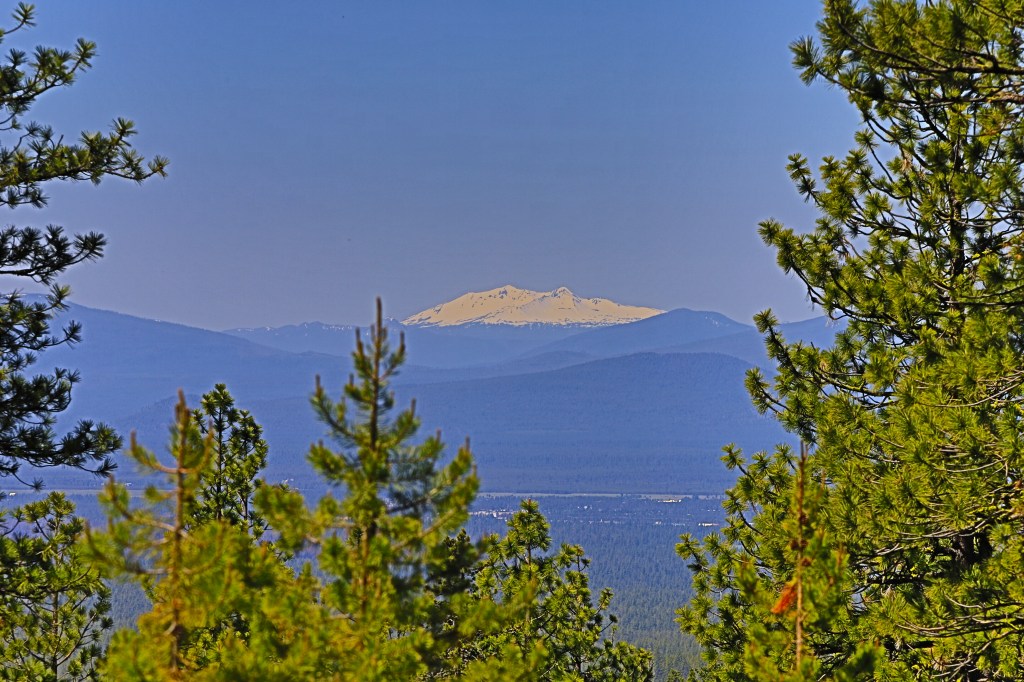
Paulina Peak, right of center, covered in snow in the distance.
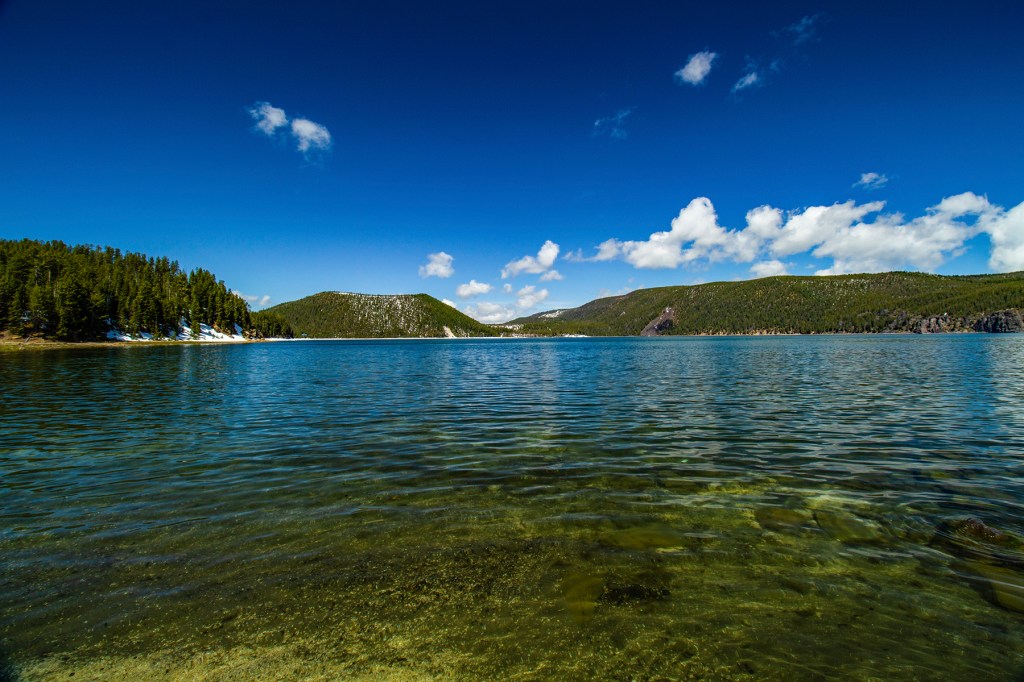
East Lake, located inside the Newberry caldera.
A closer photo of Paulina Peak.

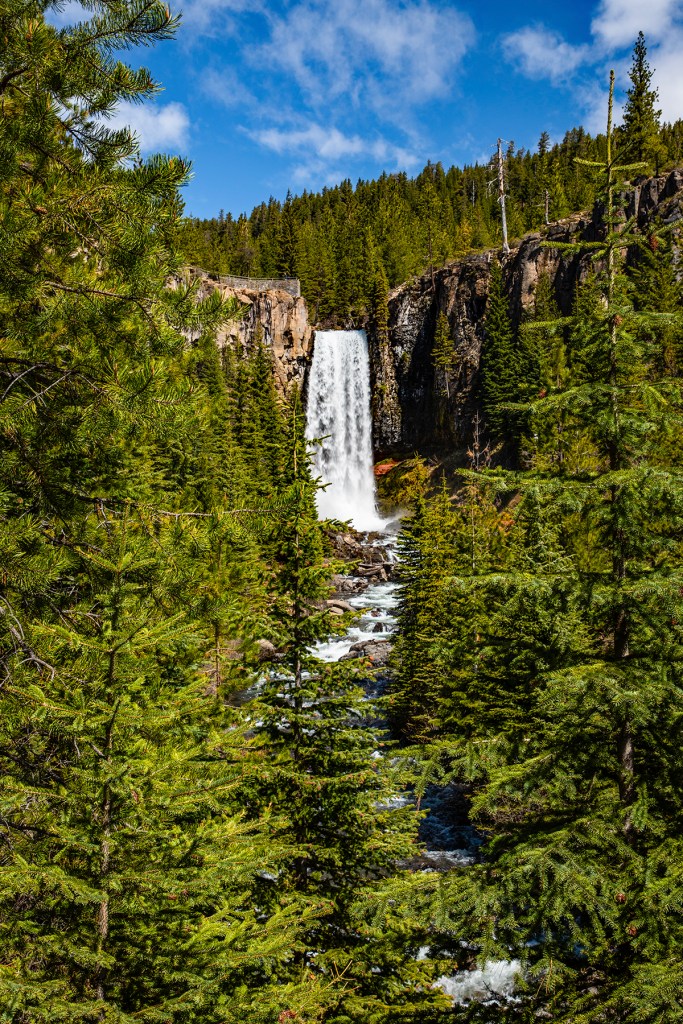
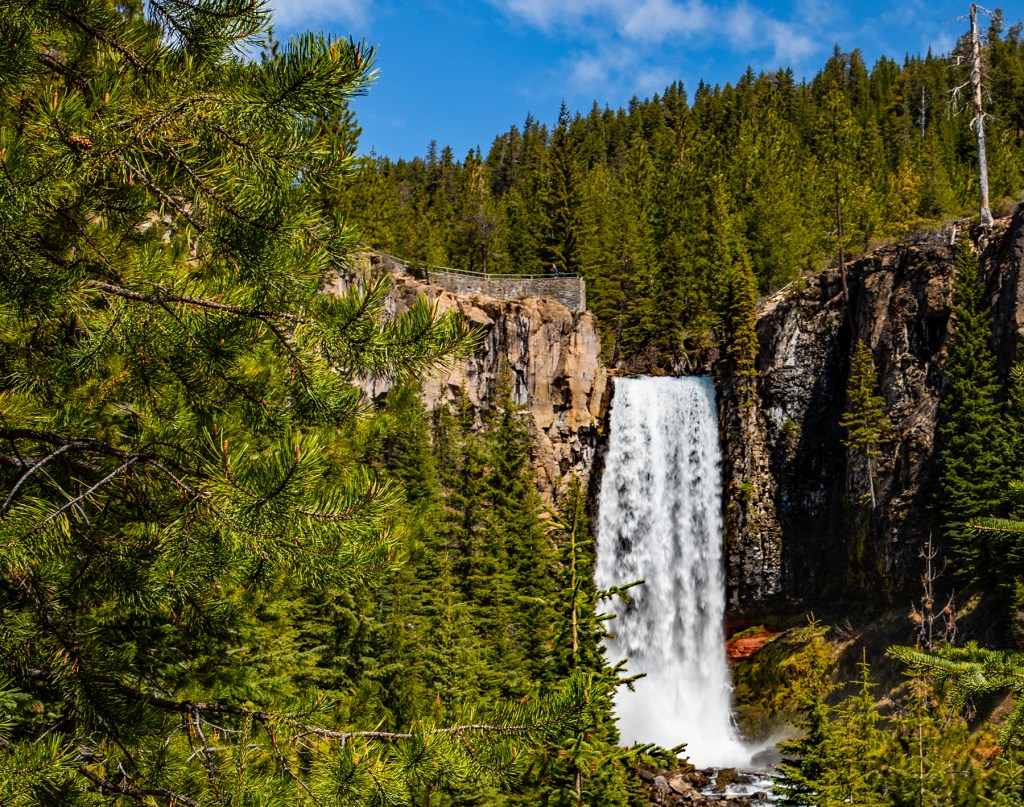
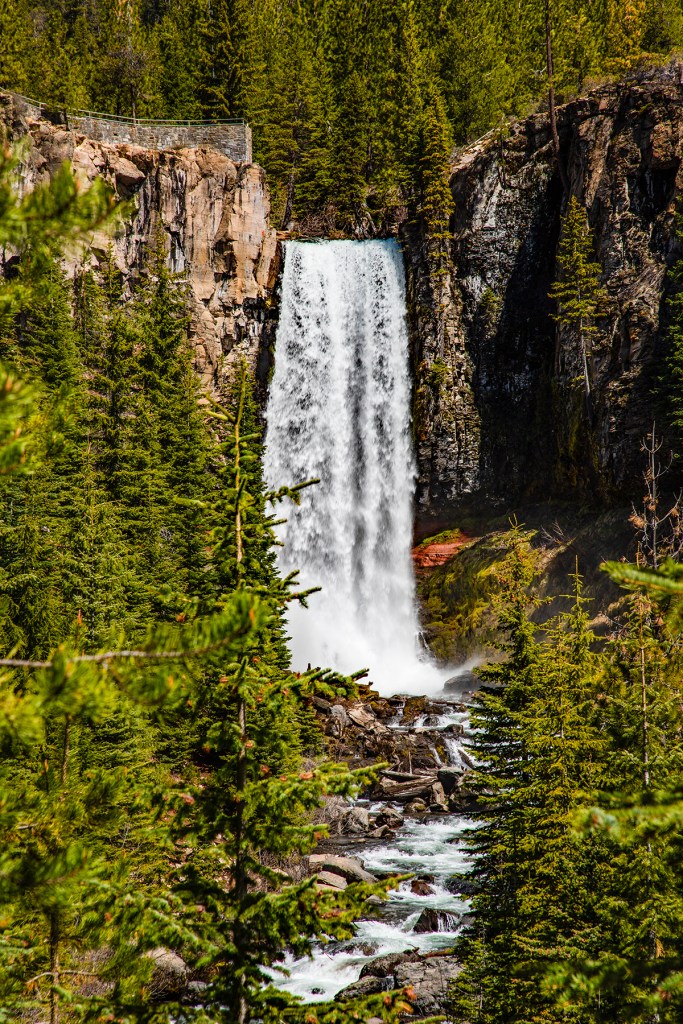
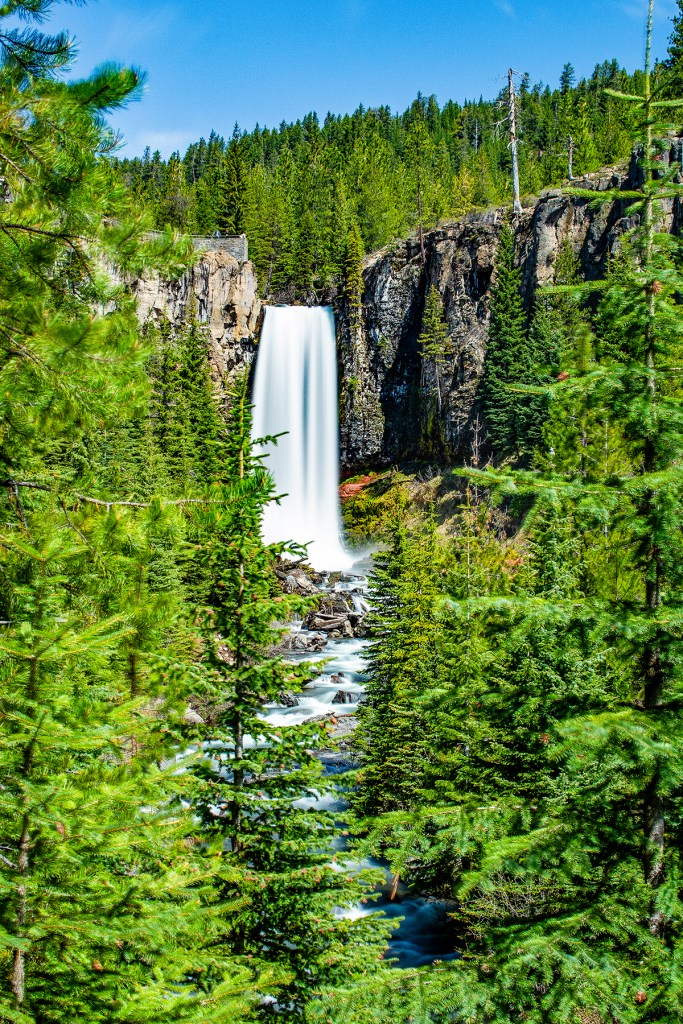
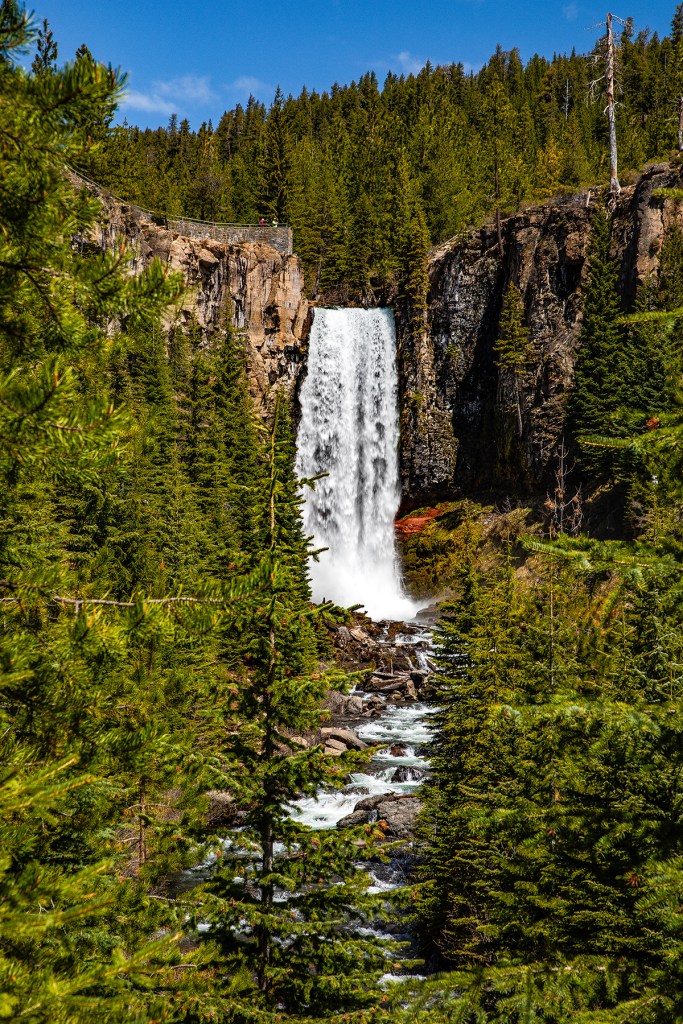
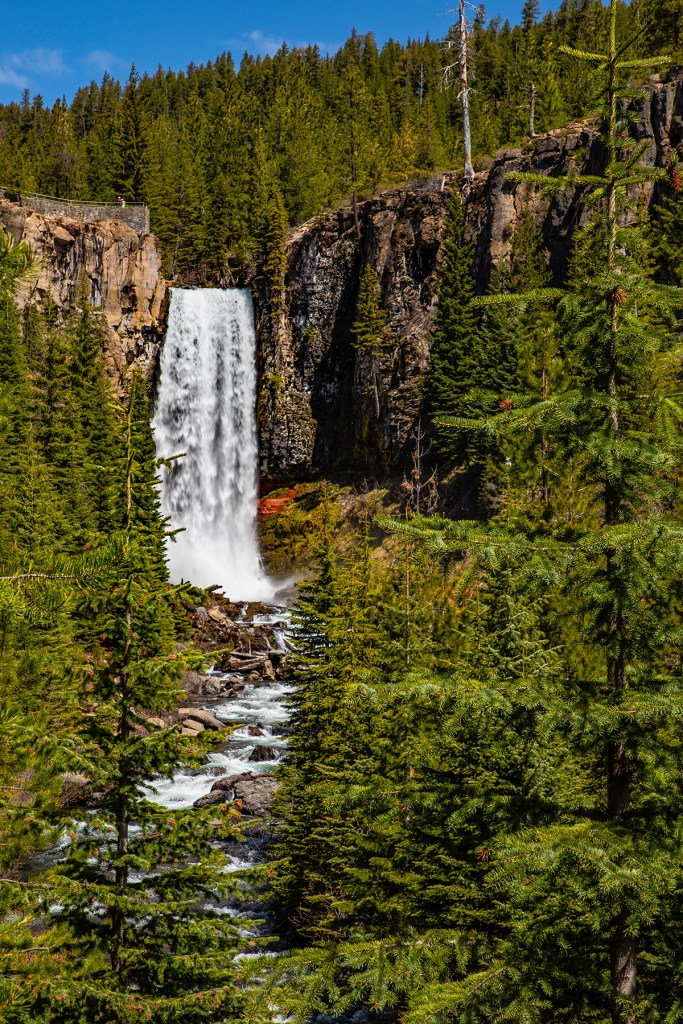
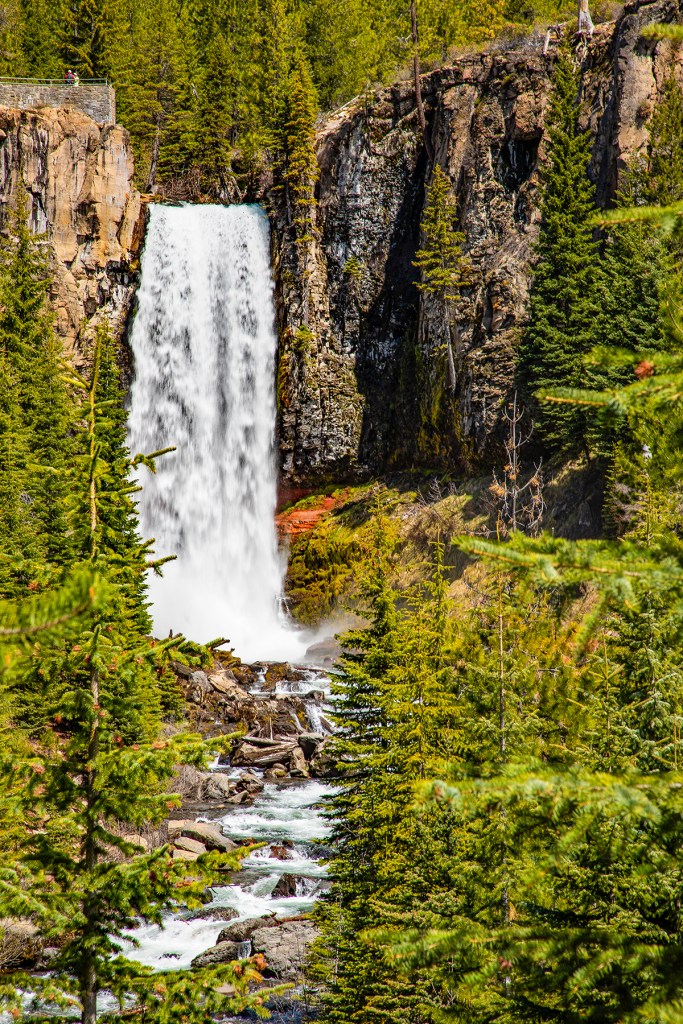
Tumalo Falls

The weather forecast for today was rain all day, but when we got up this morning the sun was shining. Clearly, being a meteorologist is one of those jobs where you can be wrong most of the time and still keep your job. So, we decided to do some sight-seeing. Barbara, Ellie, and I headed west of Bend, Oregon for what we believed was going to be a short hike to see Tumalo Falls. When we arrived, the gate was closed so we squeezed into a parking space and headed off towards the falls. After a short time, Barbara turned back with Ellie as I proceeded on to the falls. So, what we believed to be a short hike turn into five miles round trip. Due to the terrain, there are only two places where the falls can be reasonably seen. One is straight on and the other is above the falls looking almost straight down. Due to this, all of my photos were taken from straight on. We never did see any rain until on the ride home and it only rained for a short time. Well, I made it and I hope you enjoy the photos.

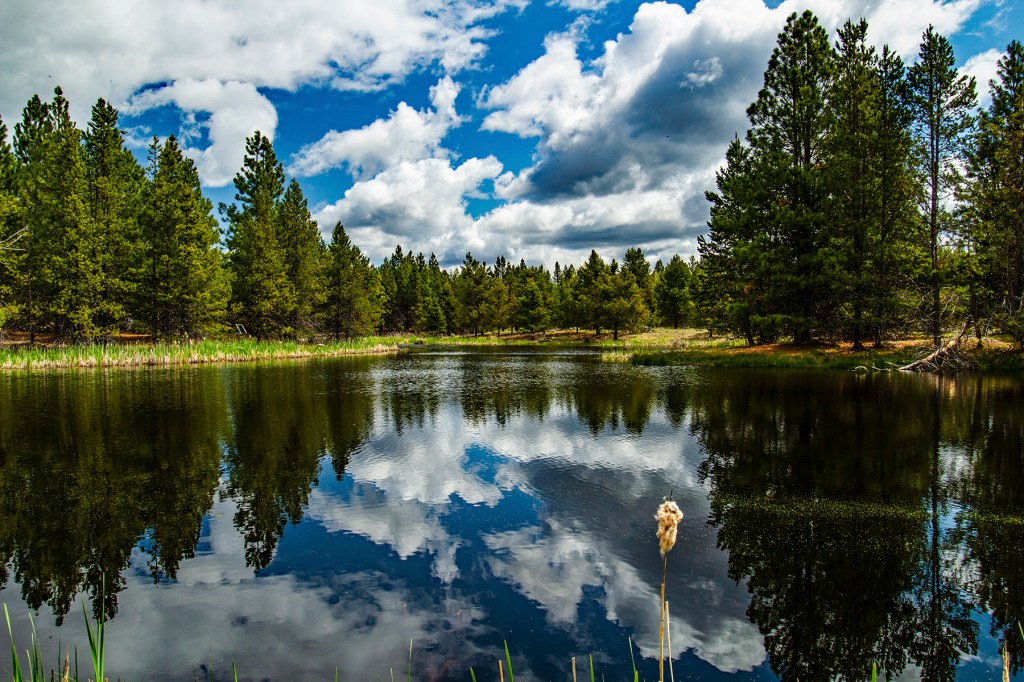
Sunriver Nature Center

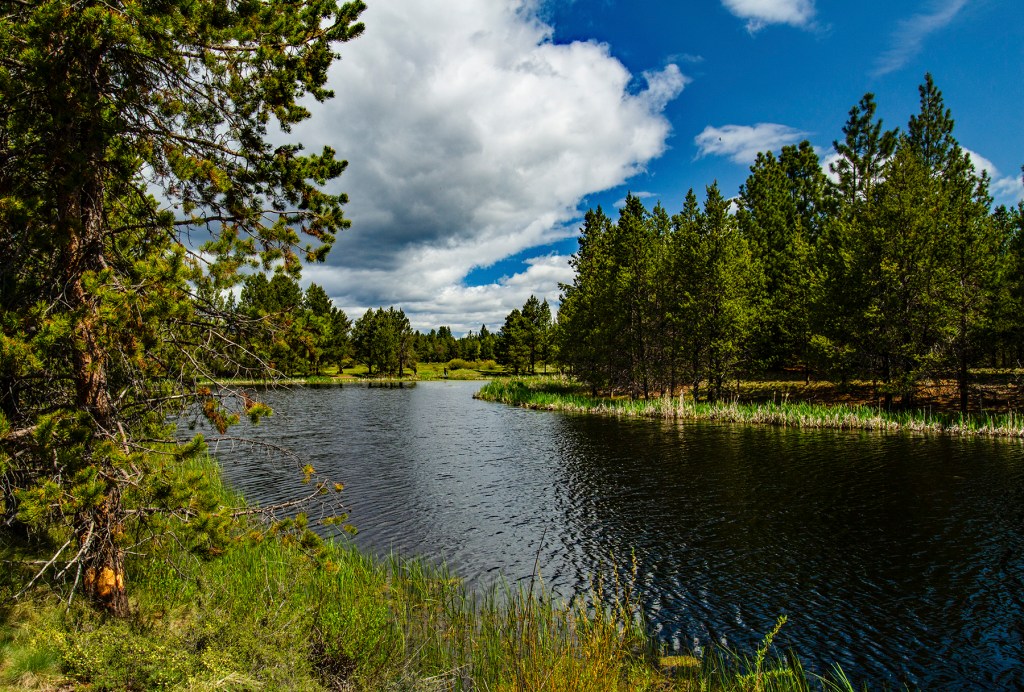
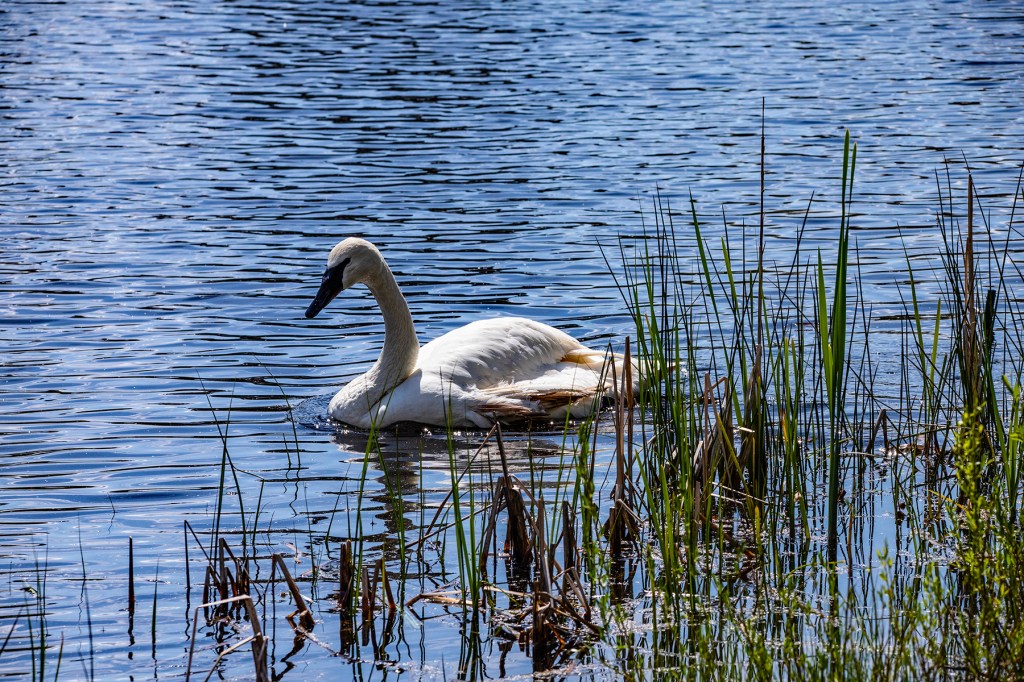
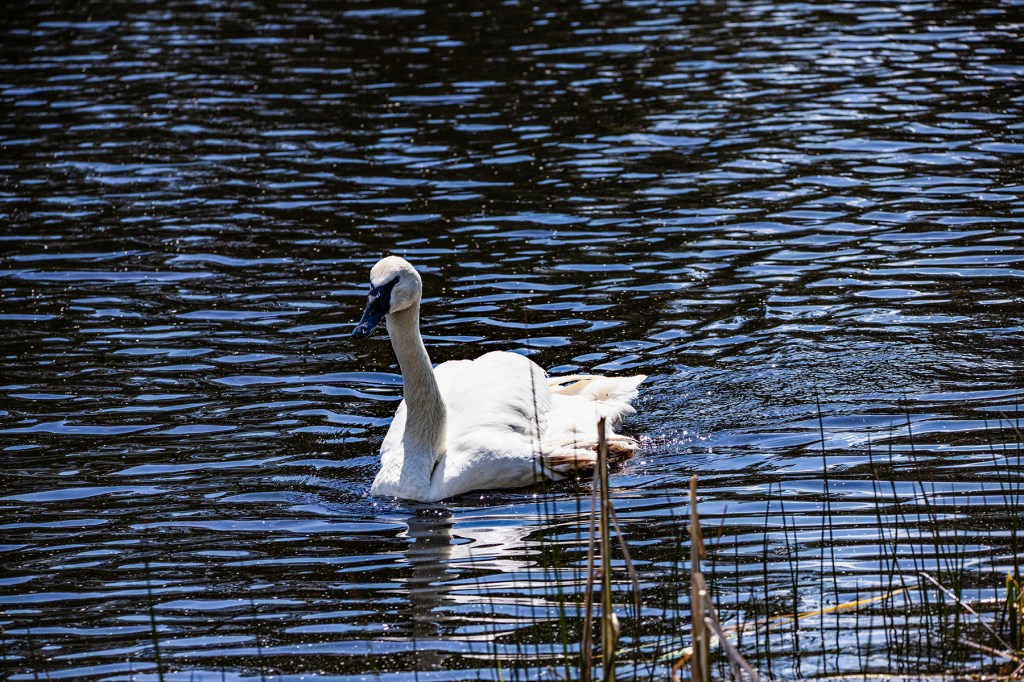
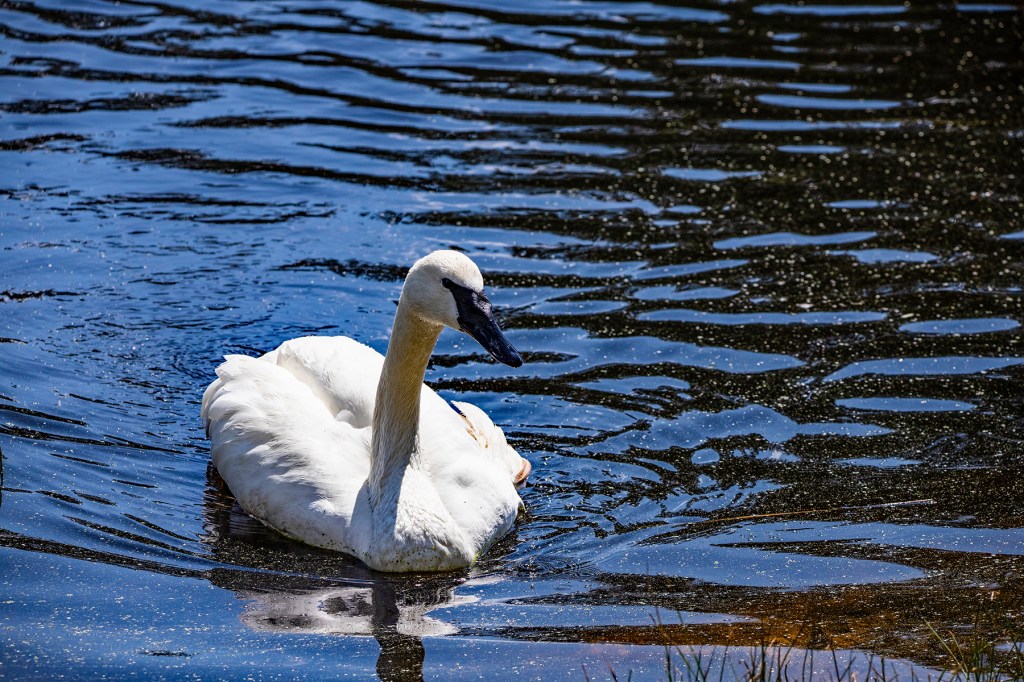
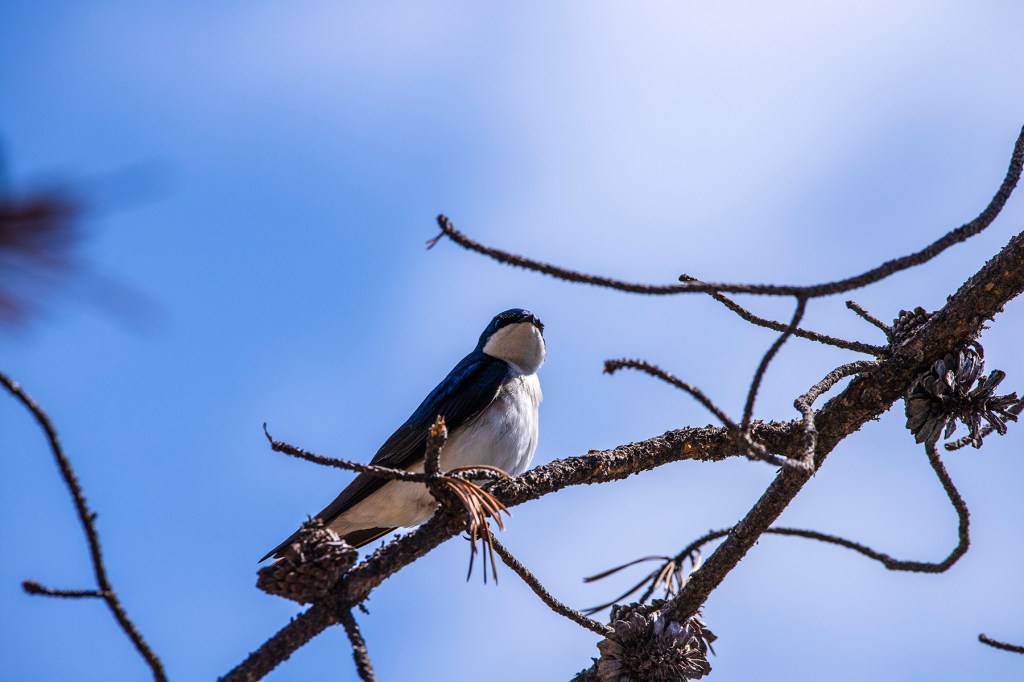
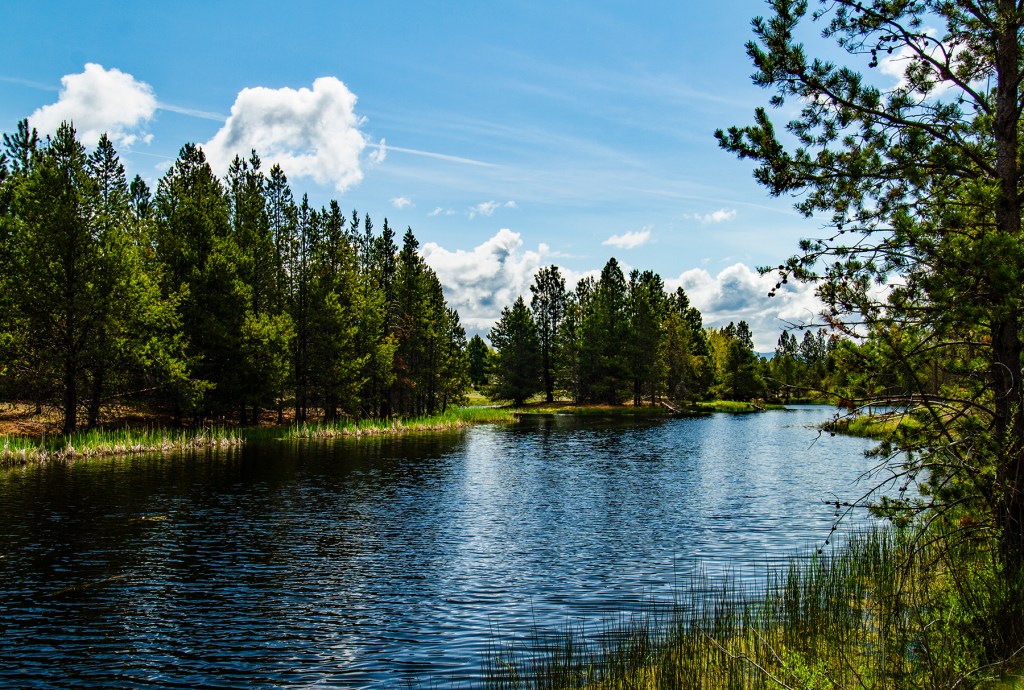
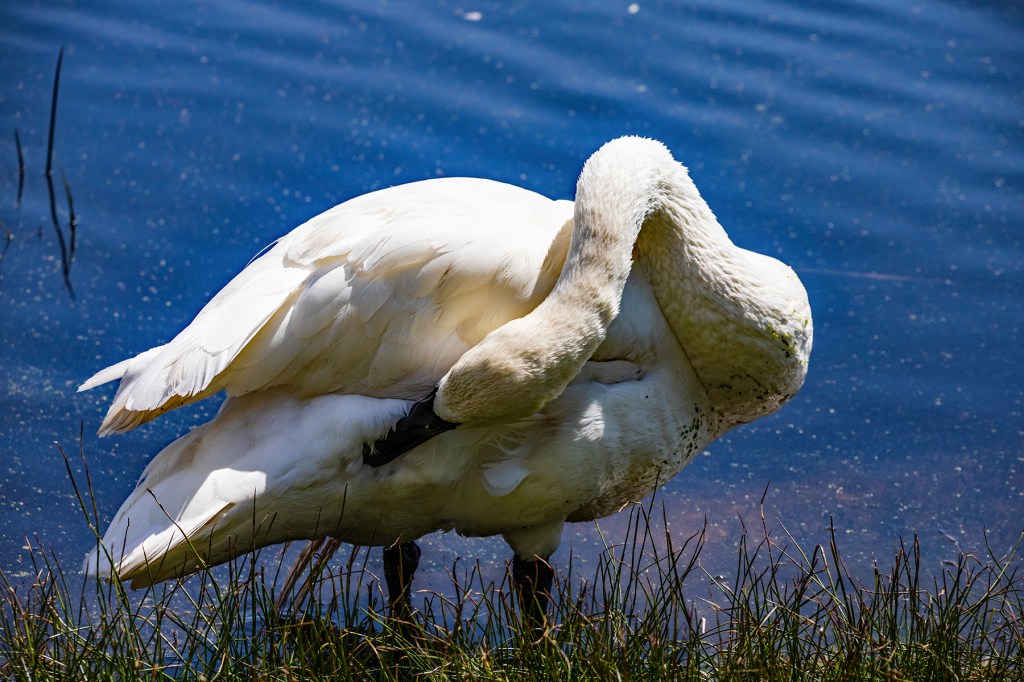
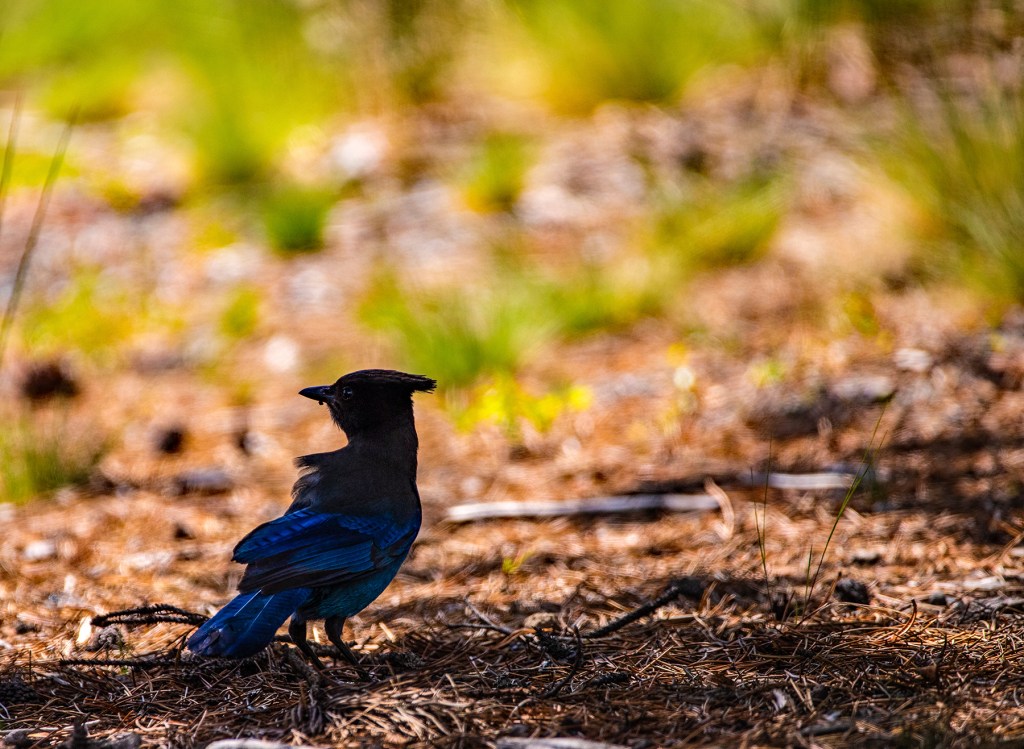
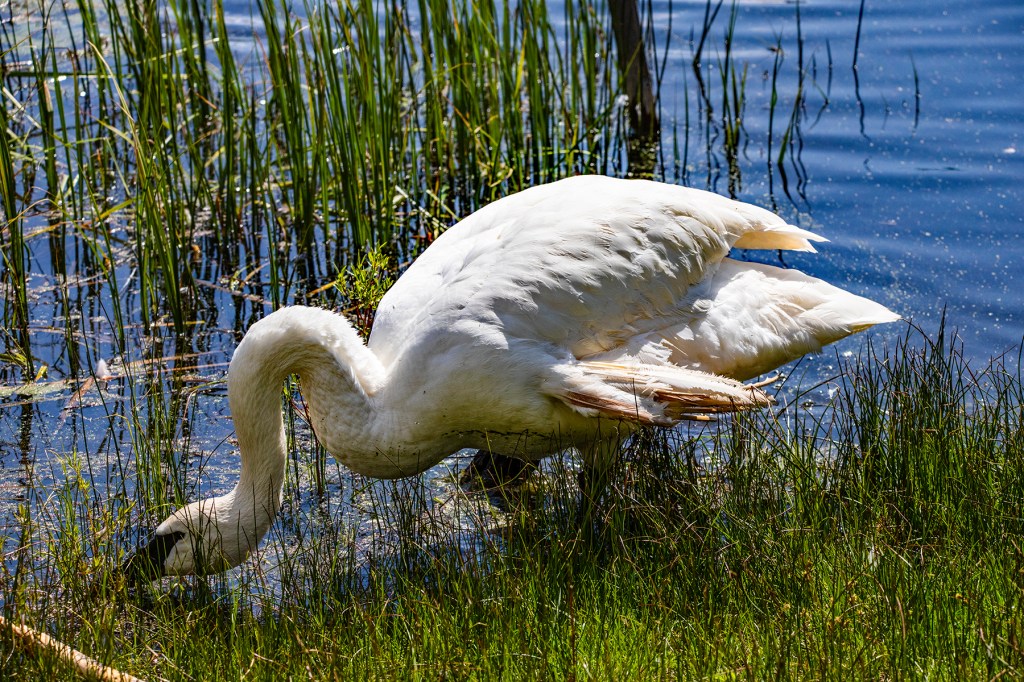
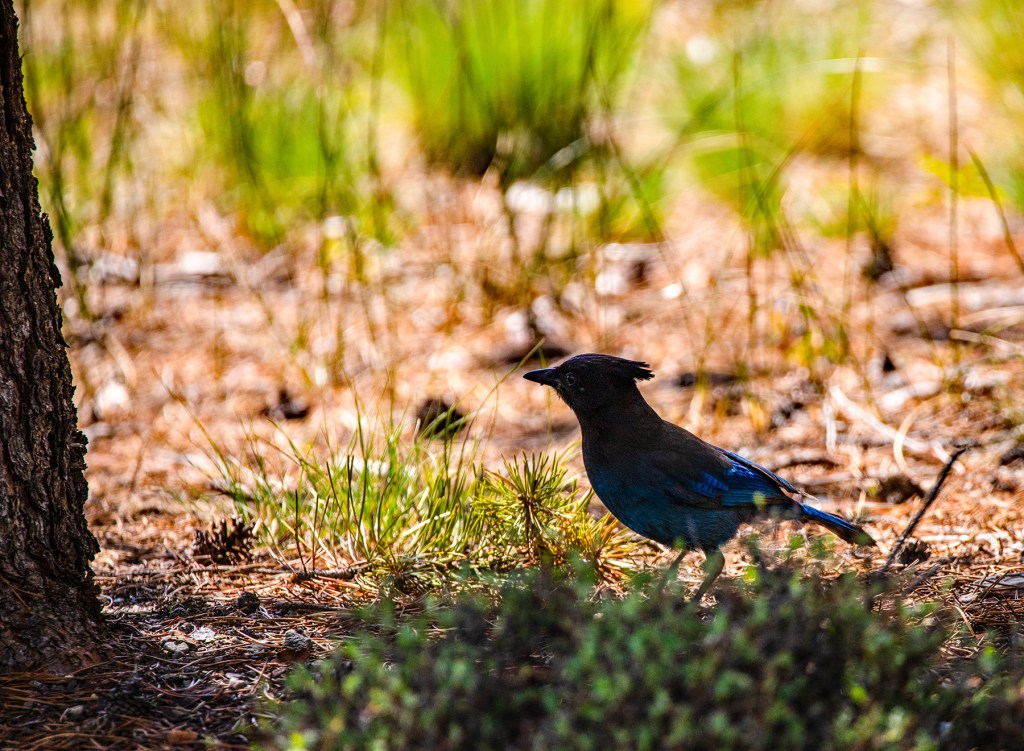
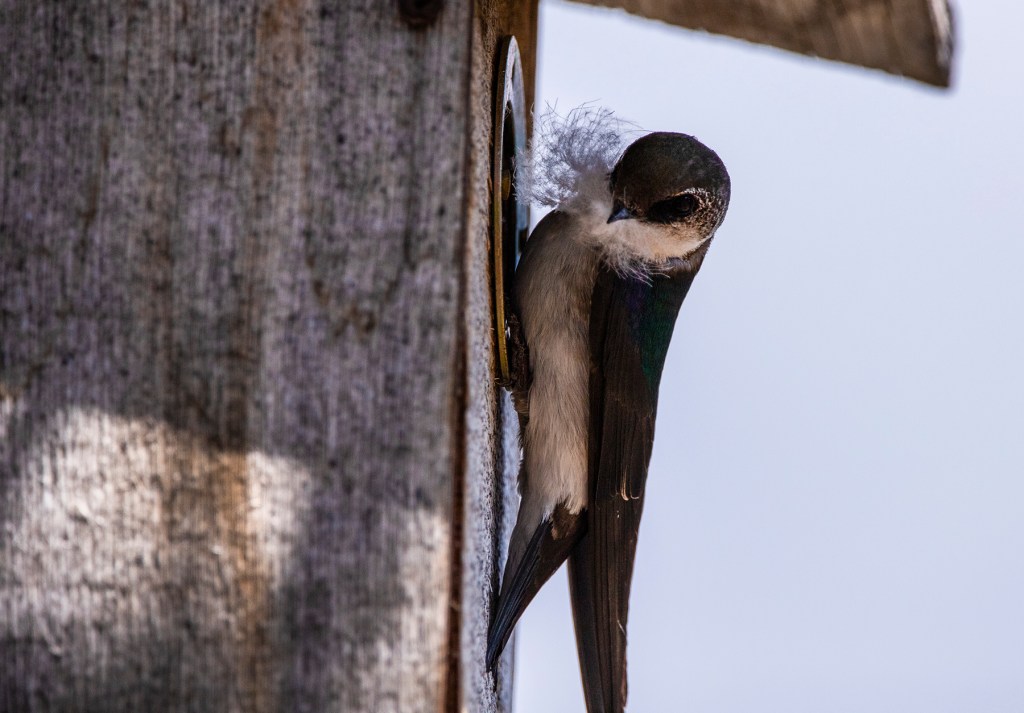
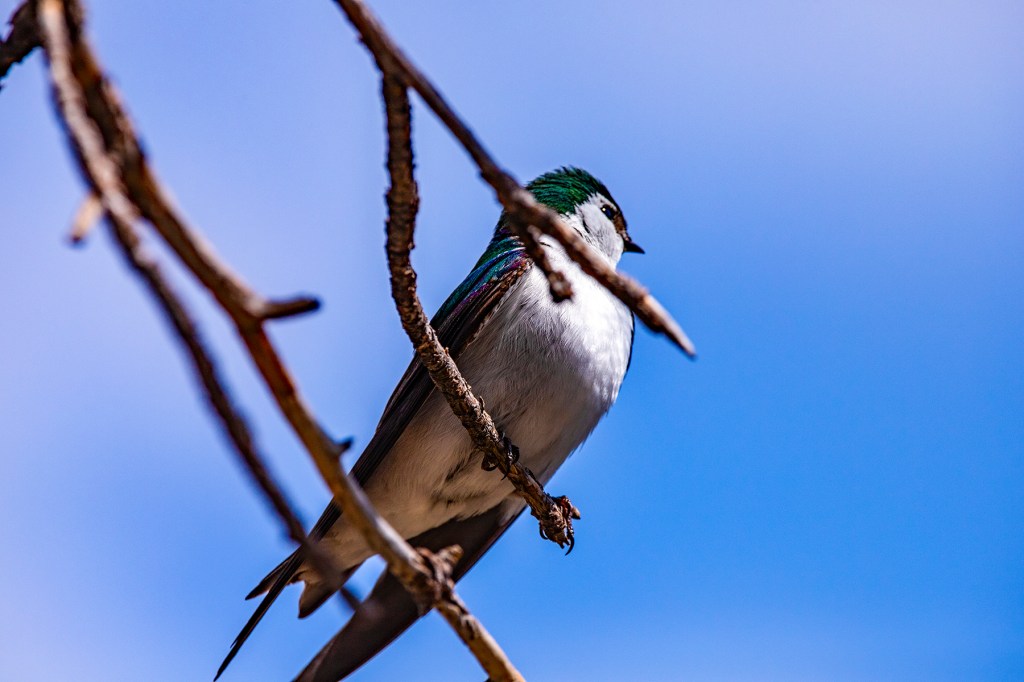
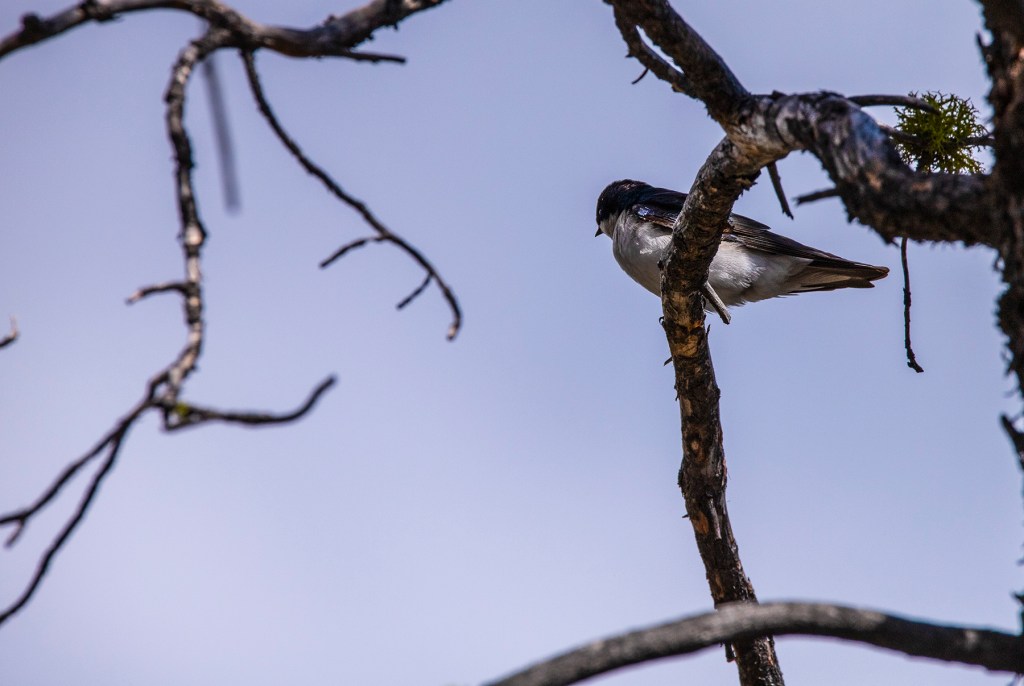
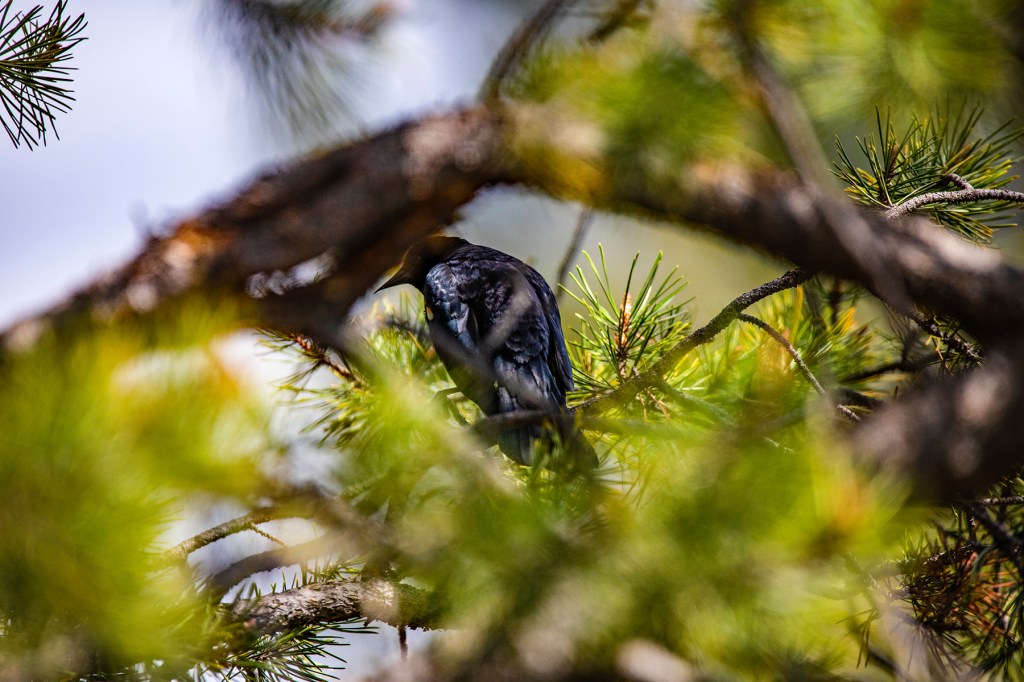
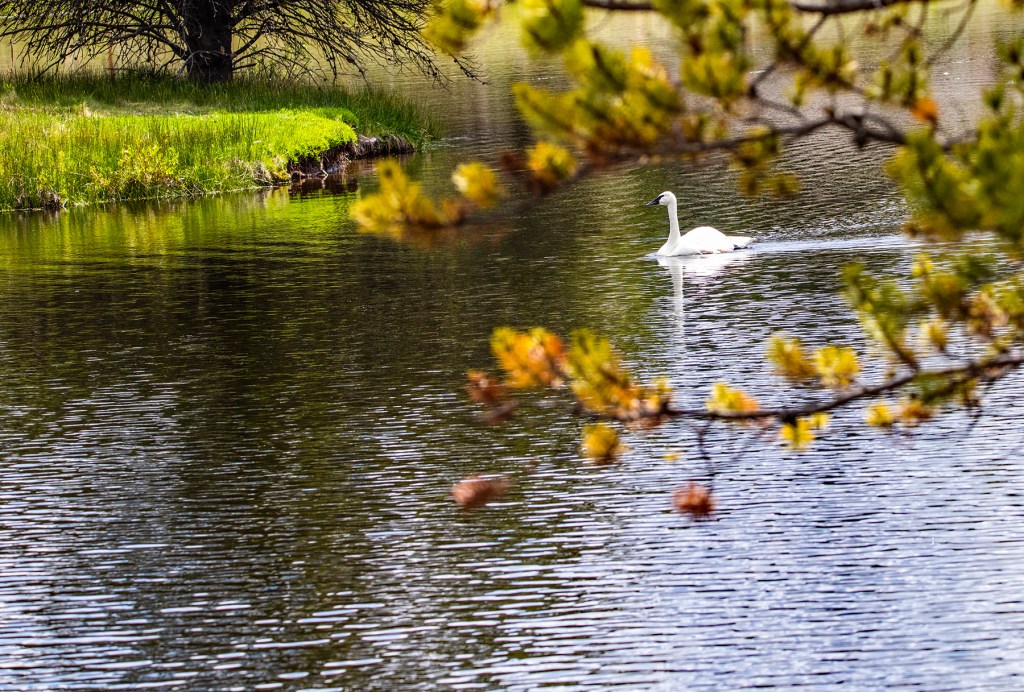
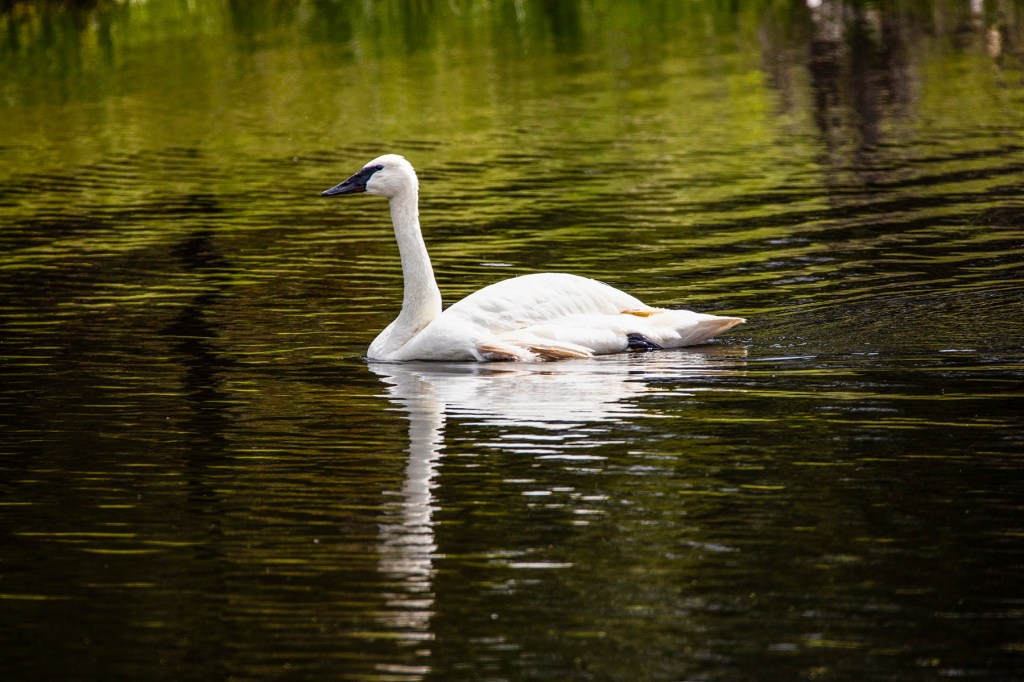
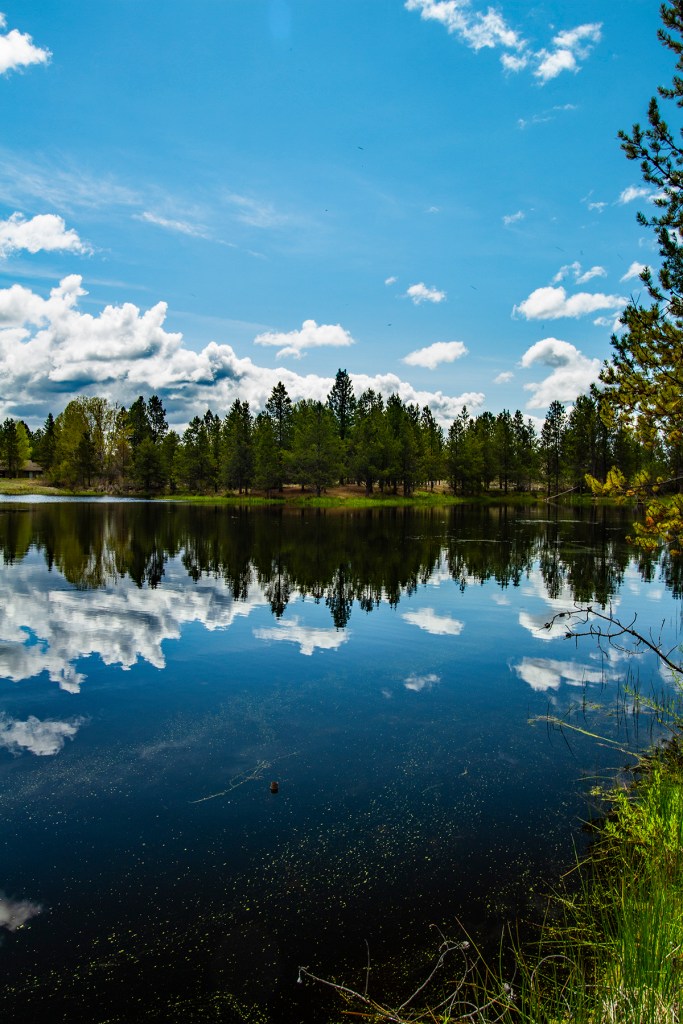
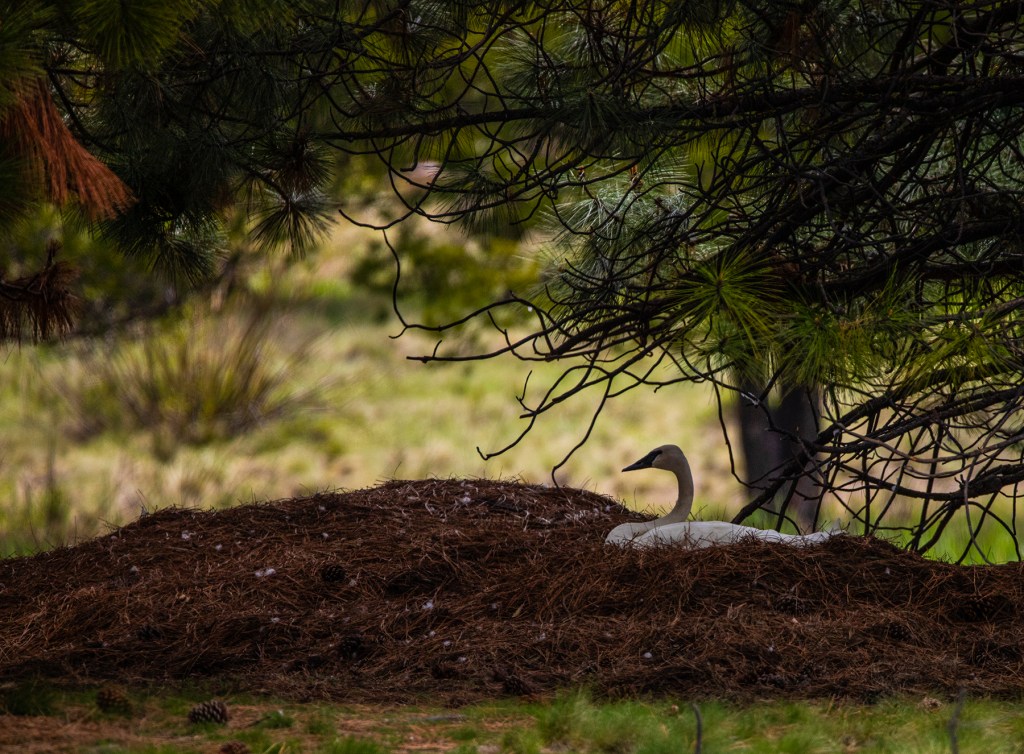
Yesterday, Barbara and I visited the nearby Sunriver Nature Center. They have a nature area with hiking trails and hundreds of song birds, a mating pair of trumpeter swans, and a few large pens with different birds that were found injured and have been rehabilitated, but are unable to survive in the wild so they live here. Currently, they have a hawk, a falcon, some owls, ducks and quail in these pens. In addition, they have a visitor’s center and an observatory.

After enjoying the nature area, we visited the observatory where the two young men allowed us to look through their two infrared telescopes at the sun. We were able to see sun spots and solar flares. After talking with the two nice gentlemen about astronomy for awhile we headed home. In the nature area, I took several photos of the grounds, several song birds and the swans. If you’re ever in the Bend-Sunriver area be sure to check out the Sunriver Nature Center.

Stonehenge

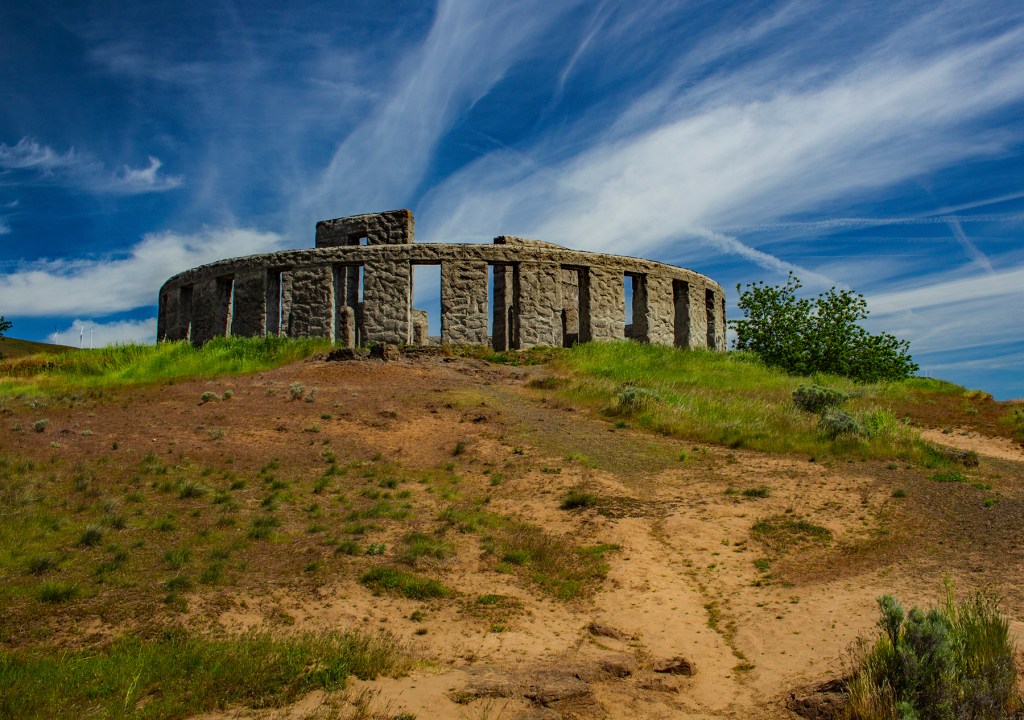
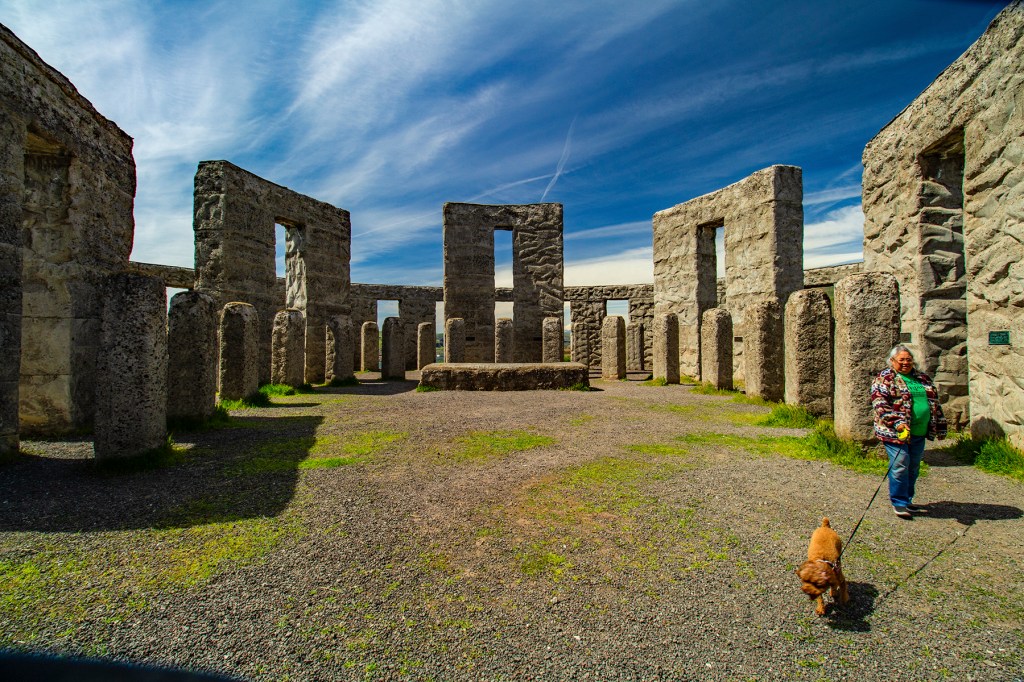
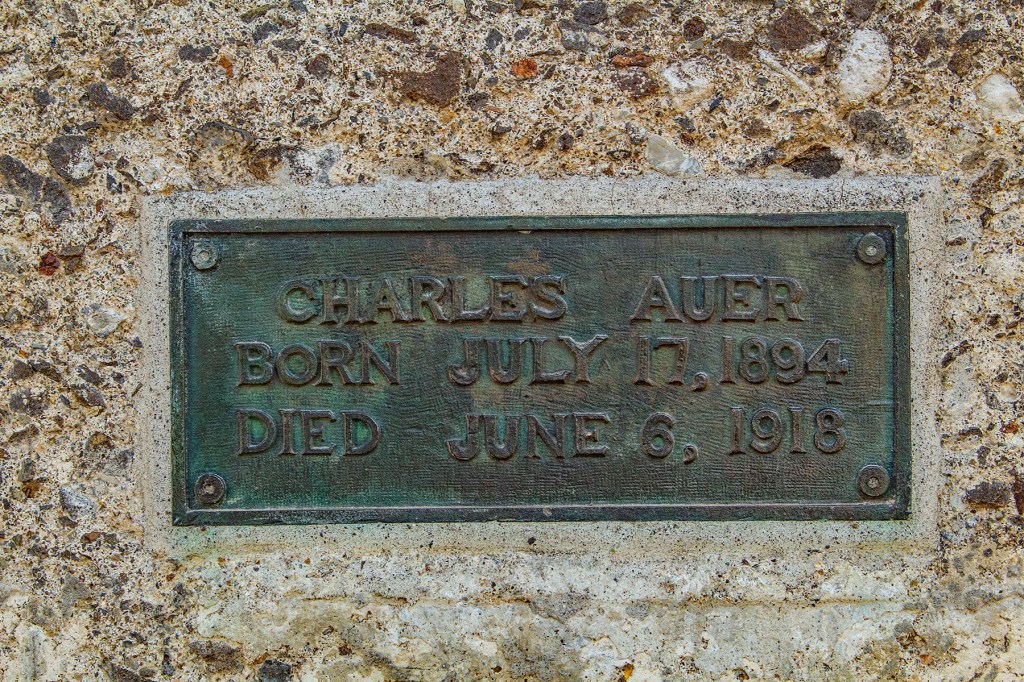
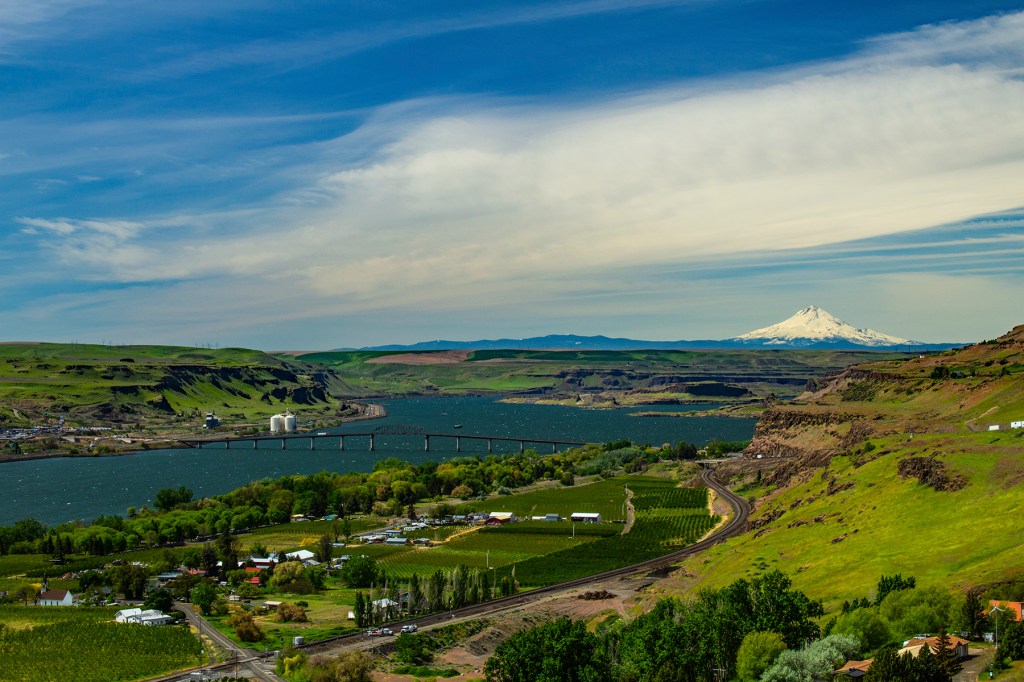
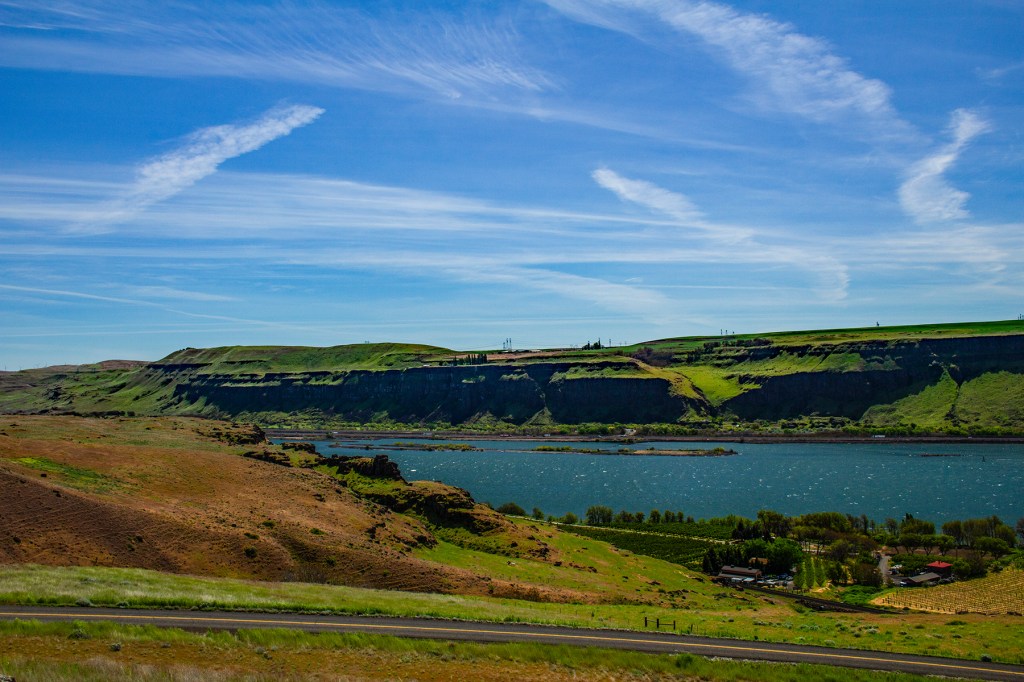
Recently, Barbara, Ellie, and I were staying on the shore of the Columbia River and visited the nearby Stonehenge Memorial. This monument was the first in the nation dedicated to those who lost their lives in World War I. It was created to the same size and configuration as the famous Stonehenge in the United Kingdom. The 13 men who are memorialized here are all from Klickitat County, Washington and all were between the ages of 18 to 30 when they gave their lives on the battlefield. Sad!

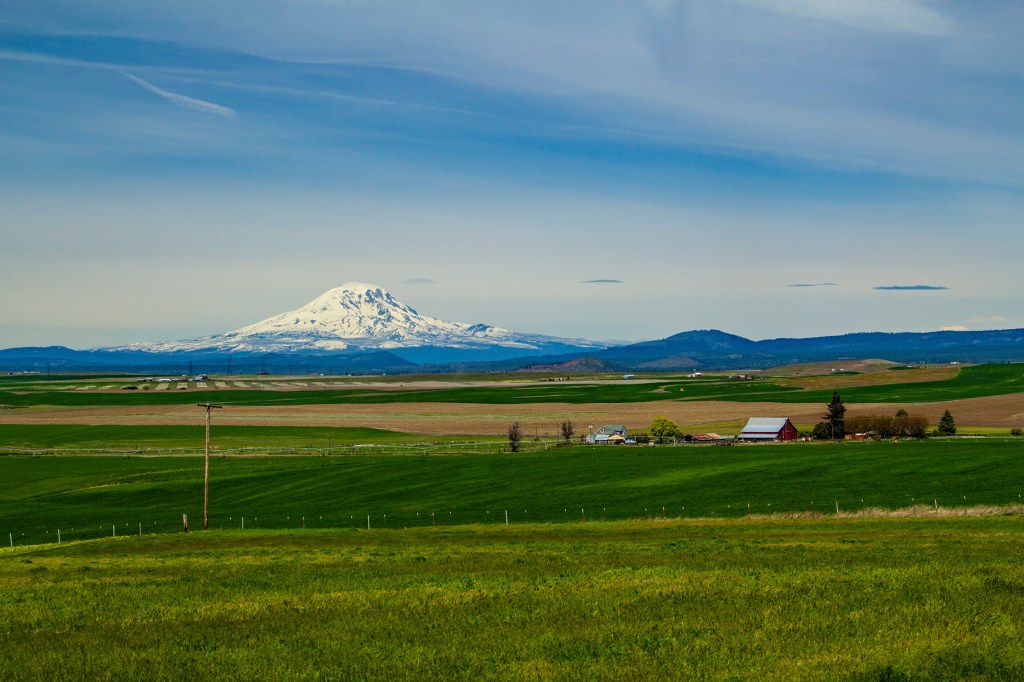
After visiting Stonehenge we drove around the countryside enjoying the vistas and the fresh air. Take a look!

The Columbia River in the foreground and Mt. Hood in the distance.
Mt. Adams across the valley.

Black Canyon Reservoir

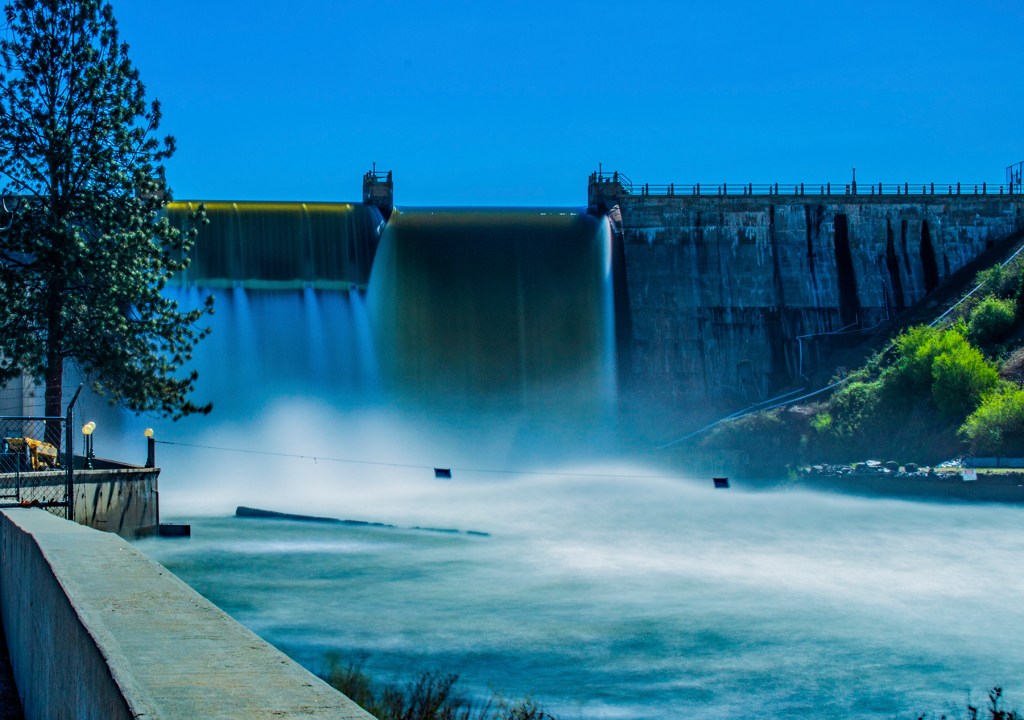
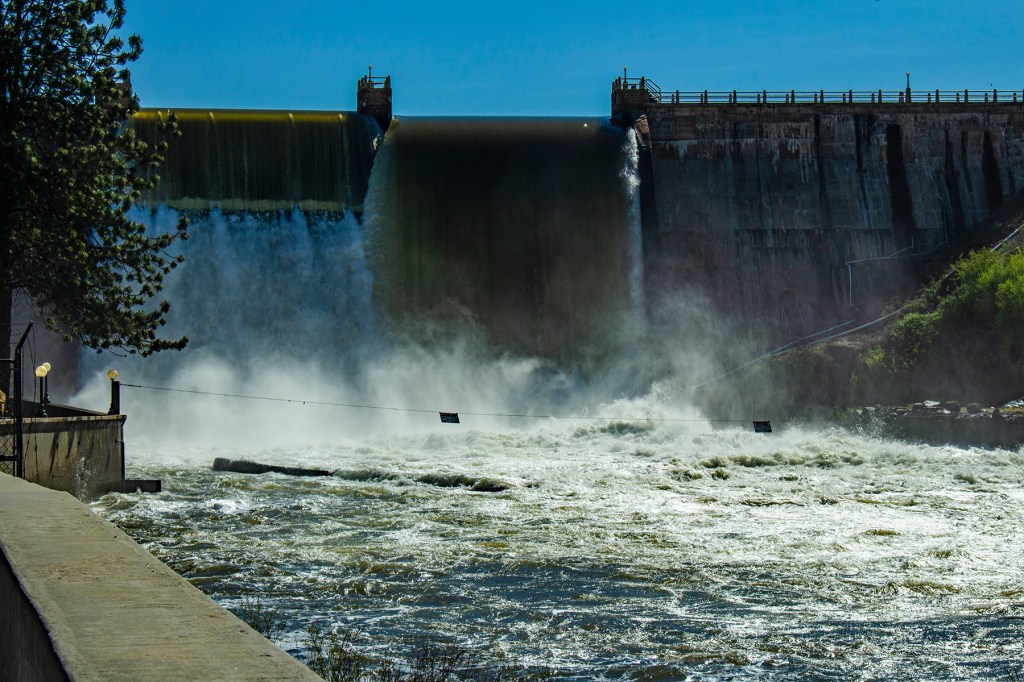
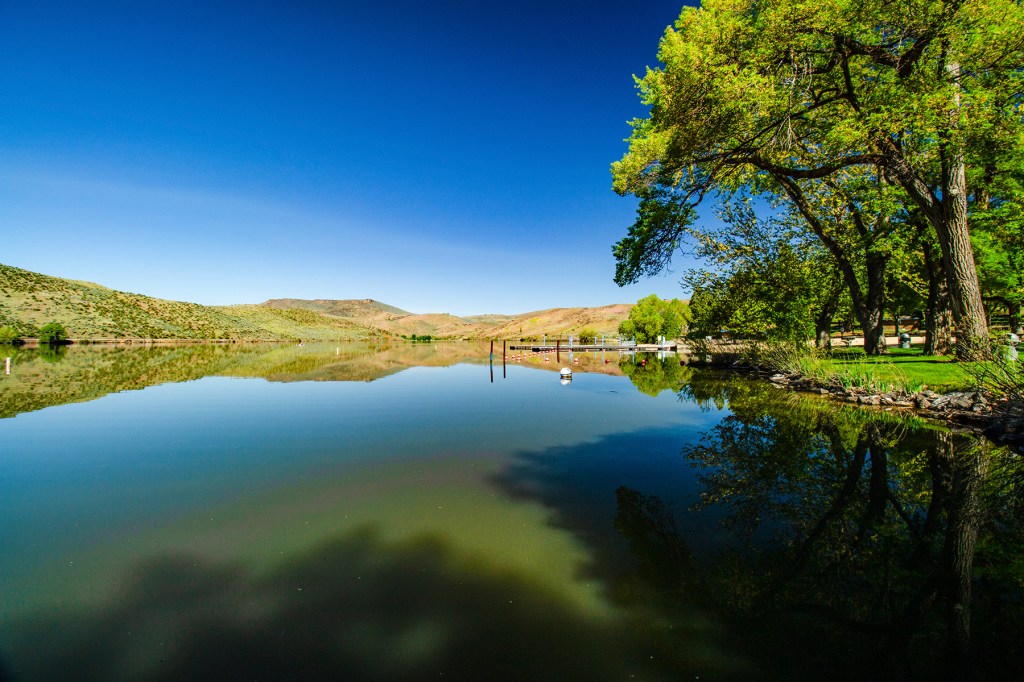
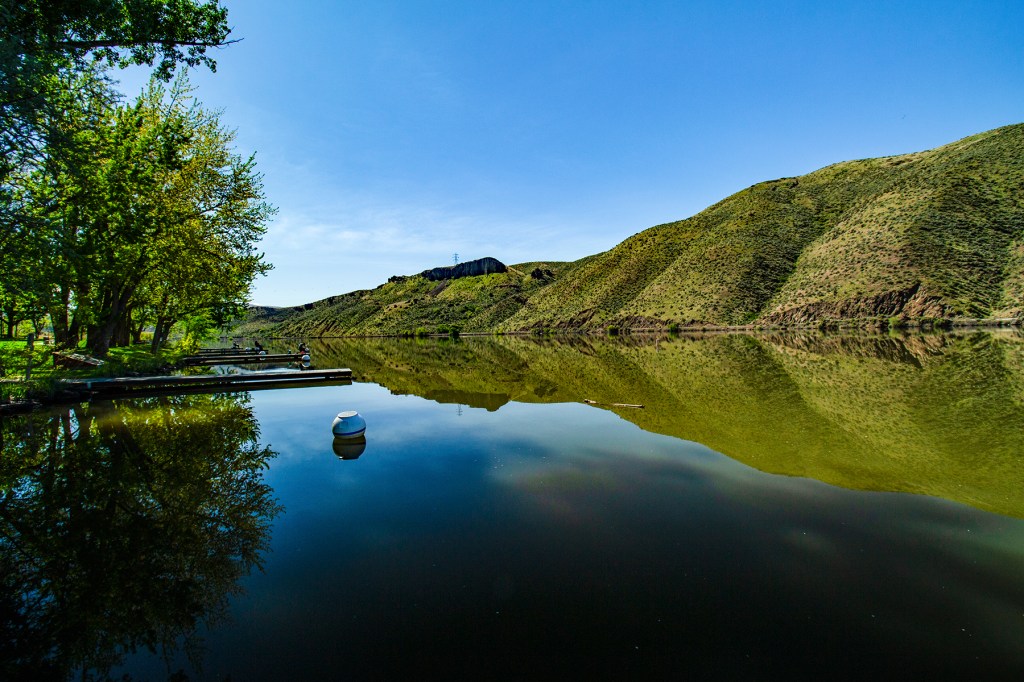
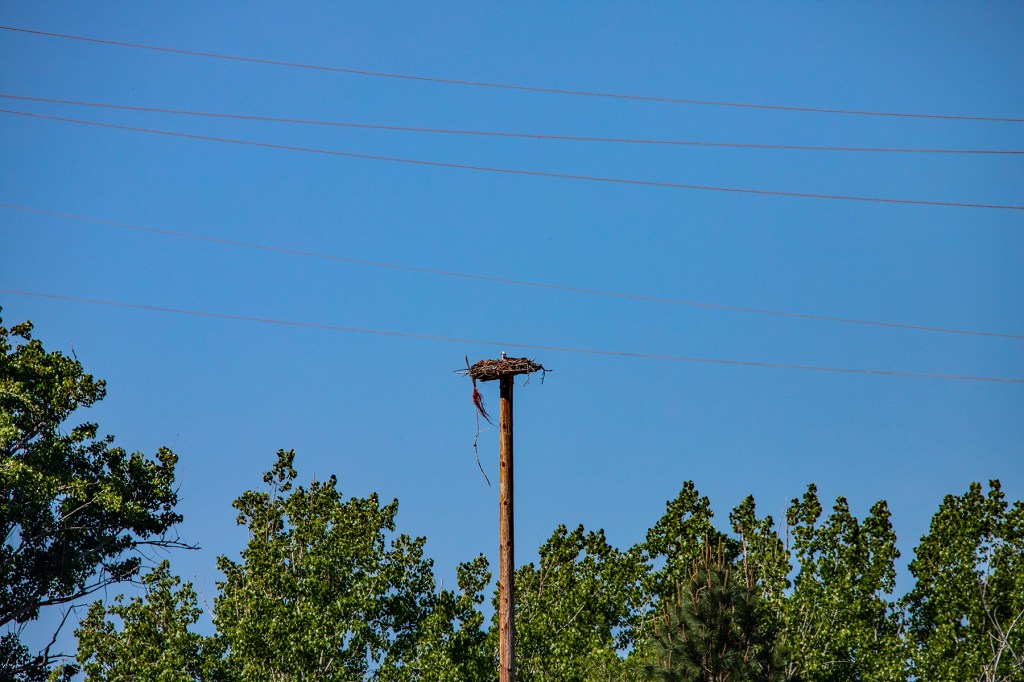
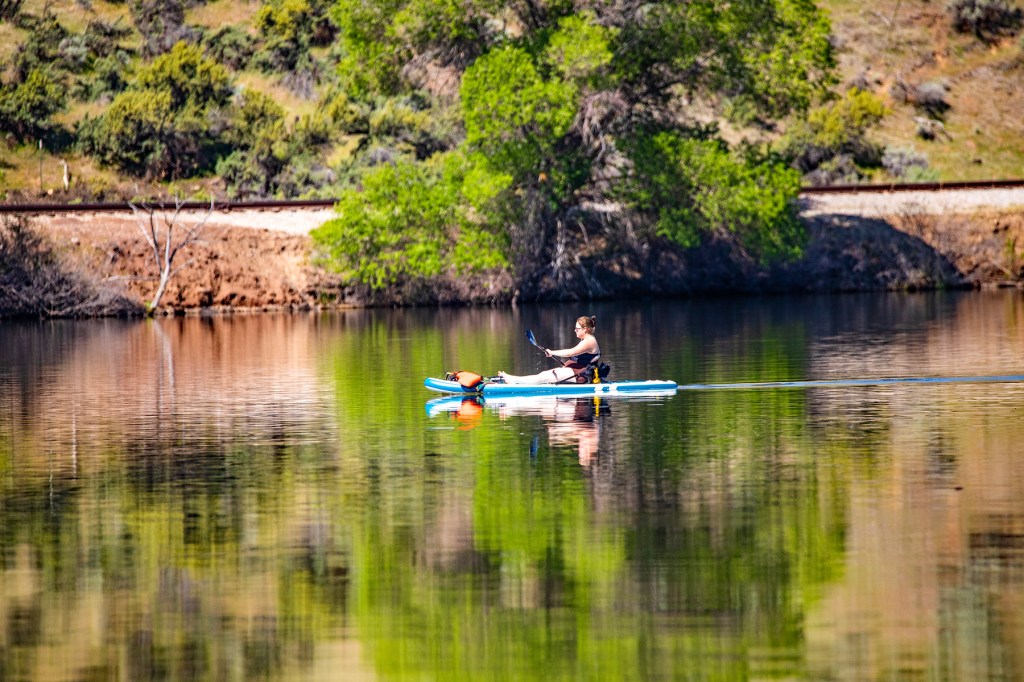
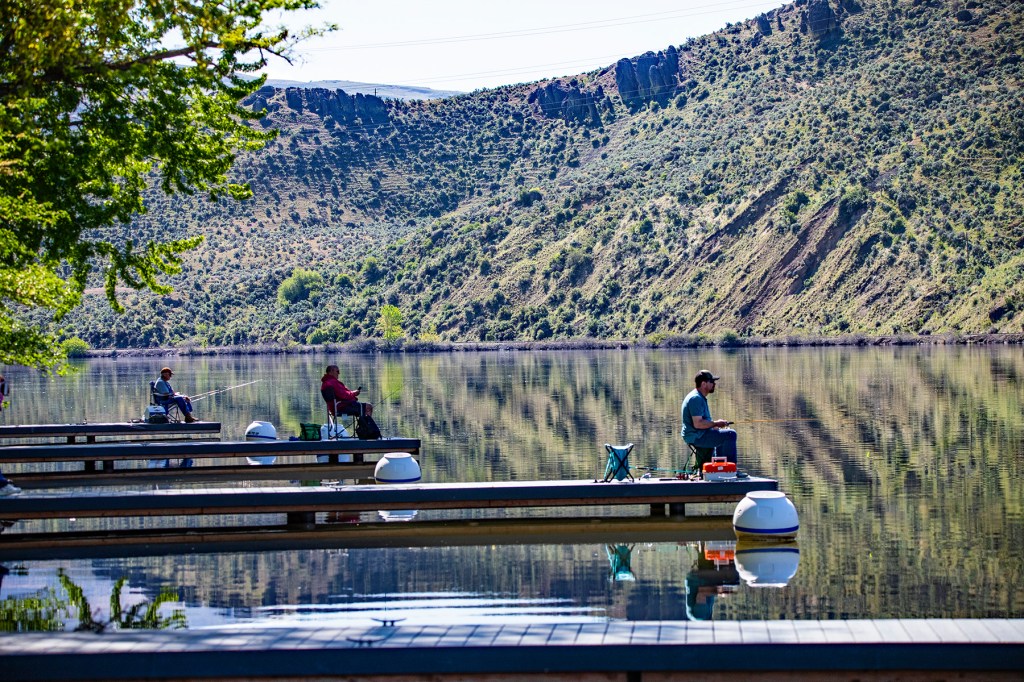
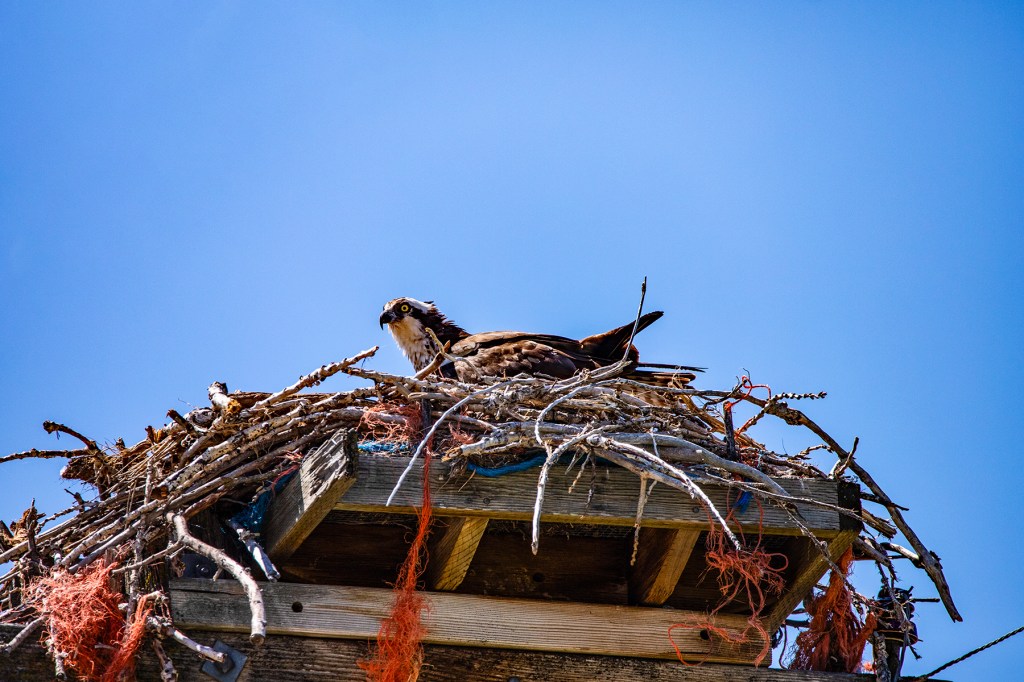
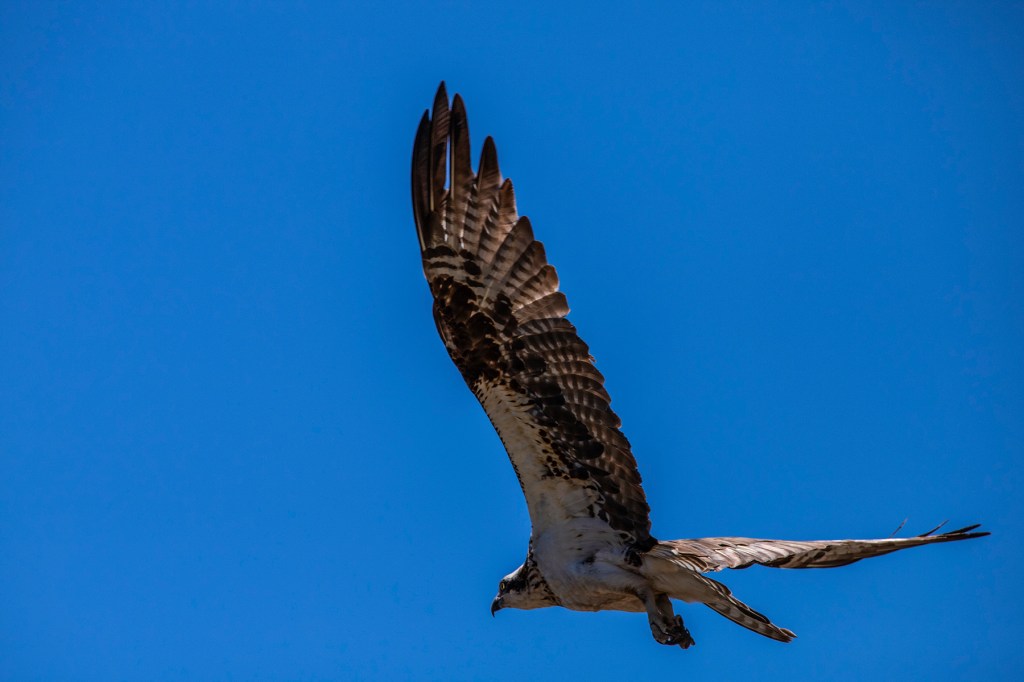
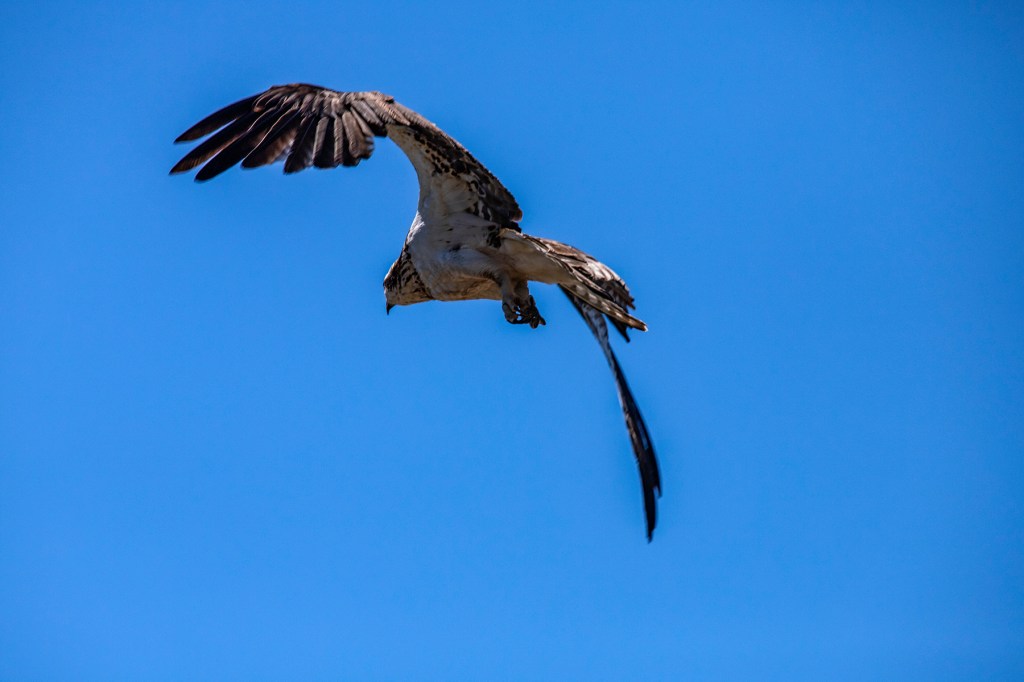
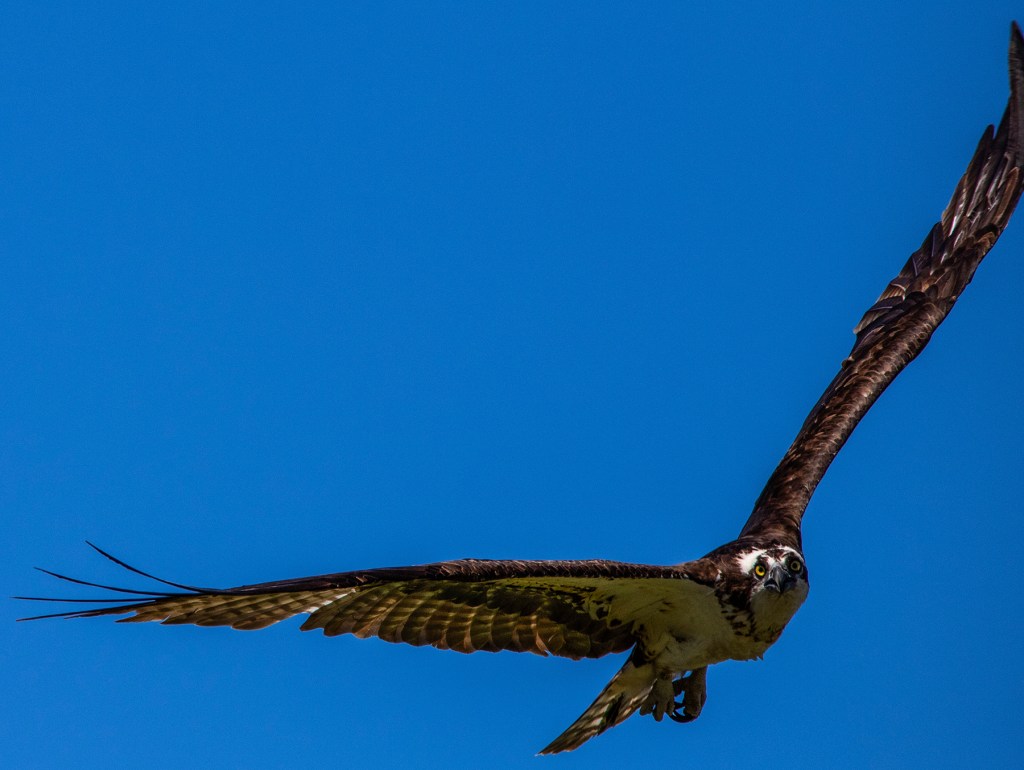
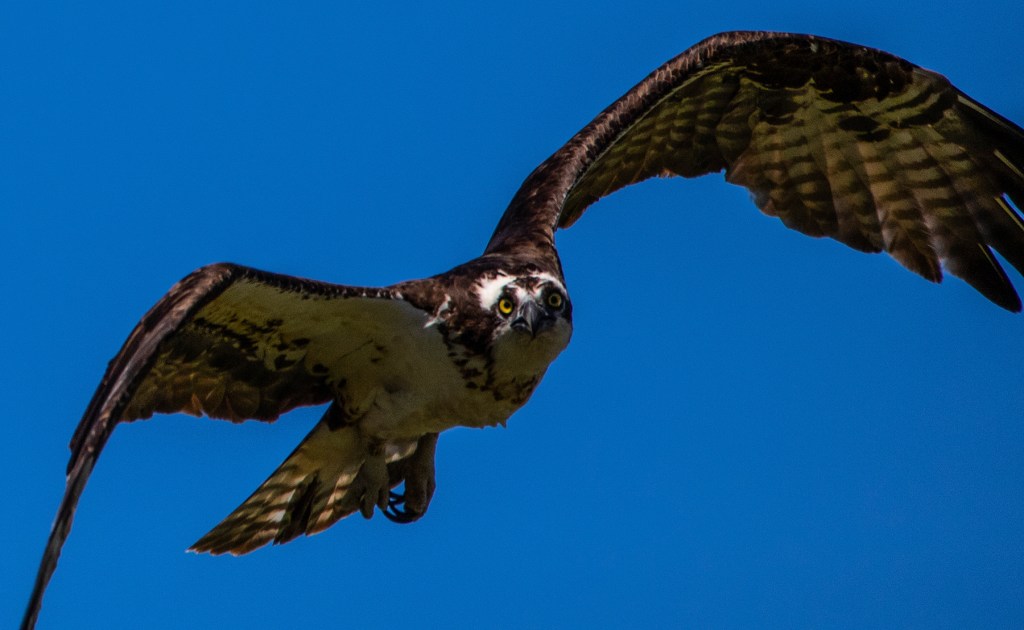
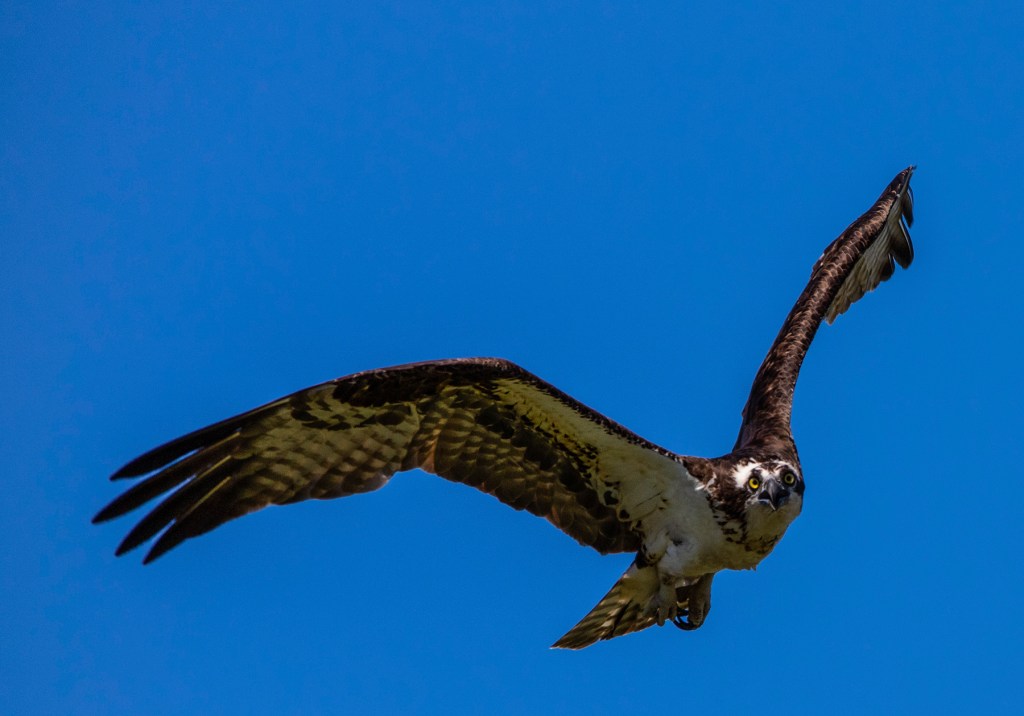
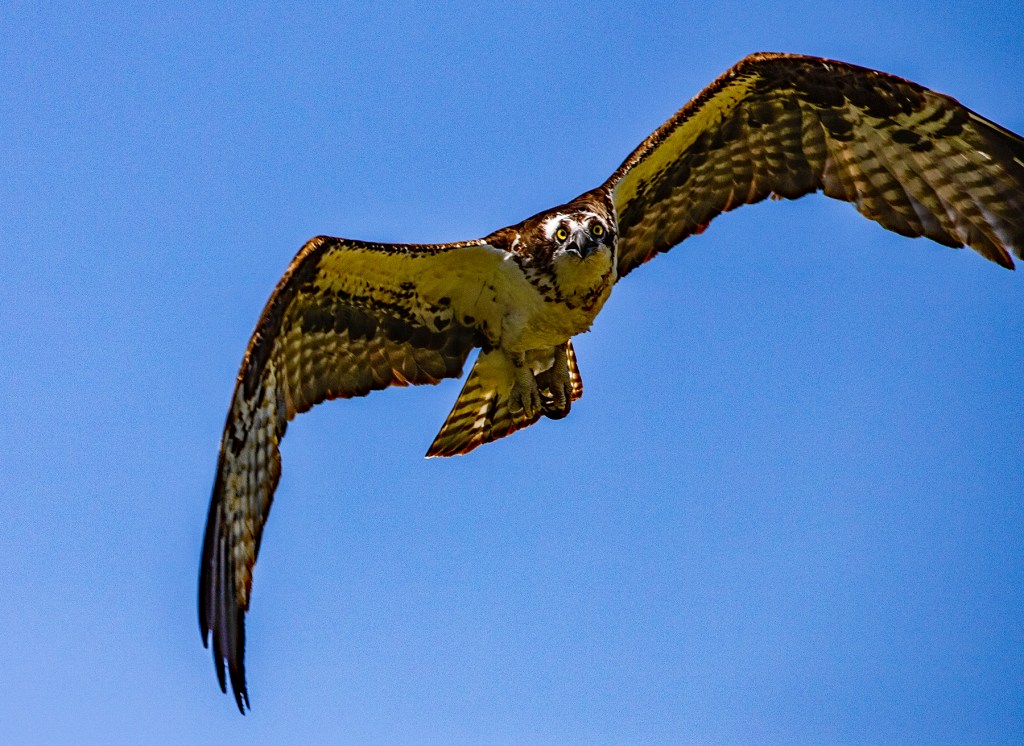
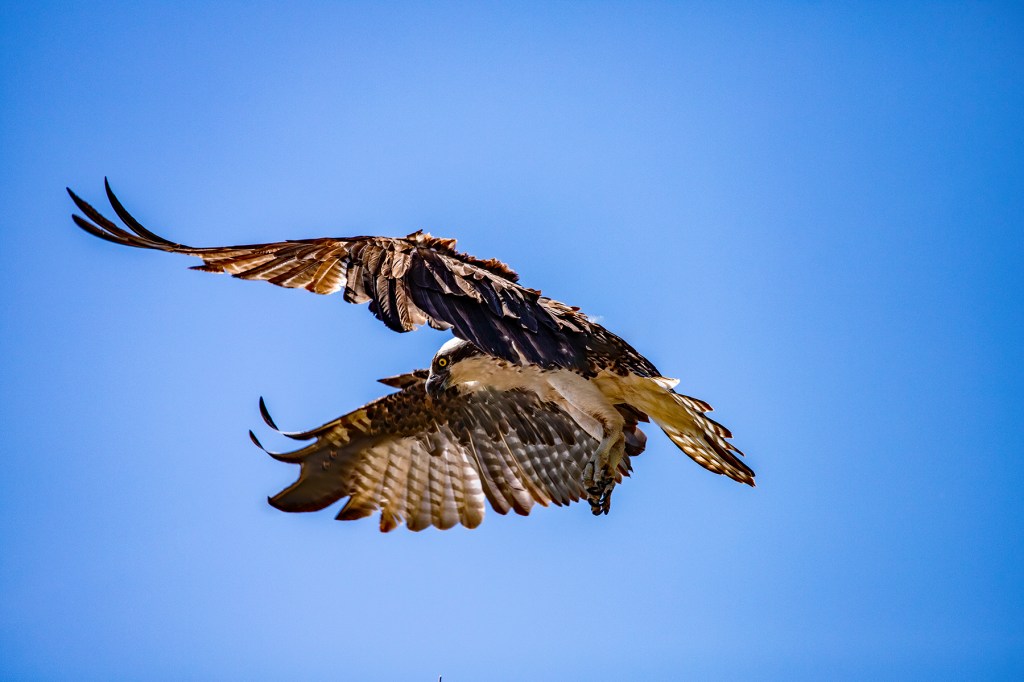
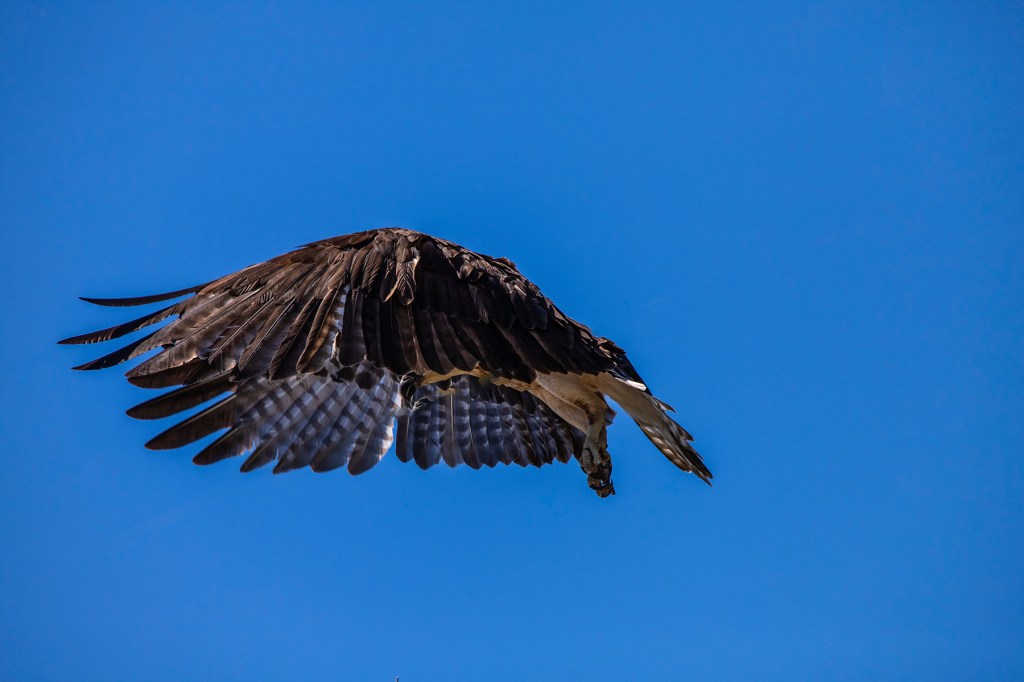
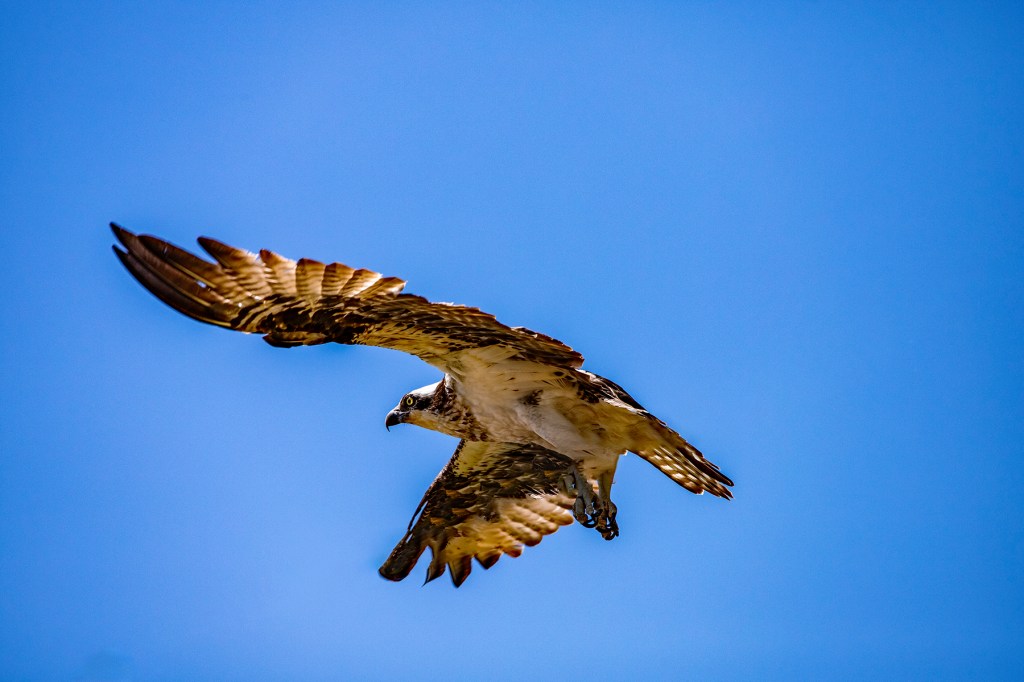
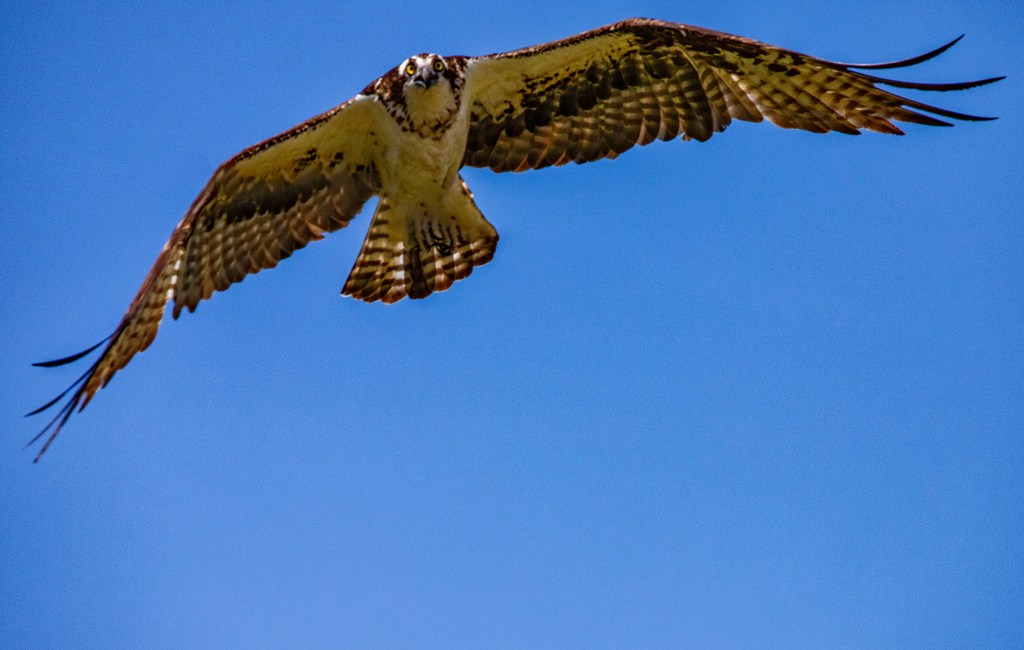
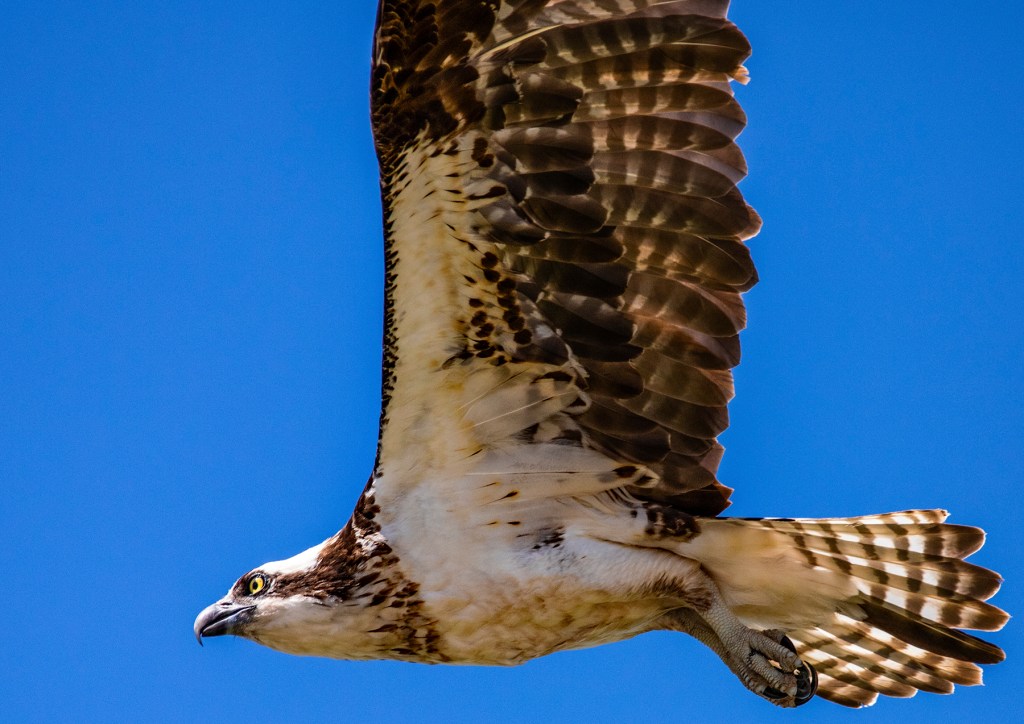
This morning, our good friends Linda and Dale took Barbara and I sight-seeing east of Fruitland, Idaho to Black Canyon Reservoir. Idaho received 110% of normal precipitation this year and with the spring temperatures rising, the snow is melting and the Payette River is running high over the spillway at Black Canyon Dam. After observing the dam and the snow melt running over the spillway, we headed upstream to checkout the reservoir. This is beautiful area with people fishing, paddle-boarding and us sight-seeing and taking photos. This would be a great place to take a picnic lunch. From there we headed back towards Fruitland where we stopped for lunch at a hole-in-the-wall diner. It doesn’t look like much from the outside, but the service and the food were excellent. On our way back Linda stopped near an osprey nest and I got out to try my luck at getting some good osprey photos. The osprey didn’t appear to appreciate my presence and kept a close eye on me while I took photos. All-in-all a great day spent with good friends.

An osprey nest across the reservoir.
A young woman enjoying a ride on a paddleboard.
Fishermen drowning some worms.
An osprey in its nest.
And we’re off.

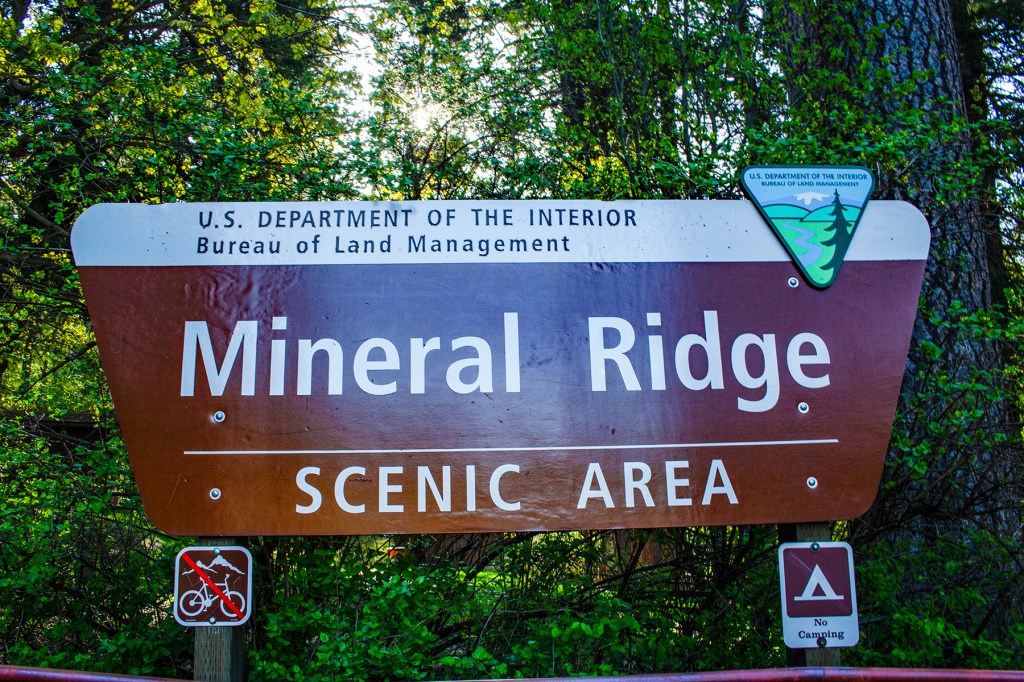
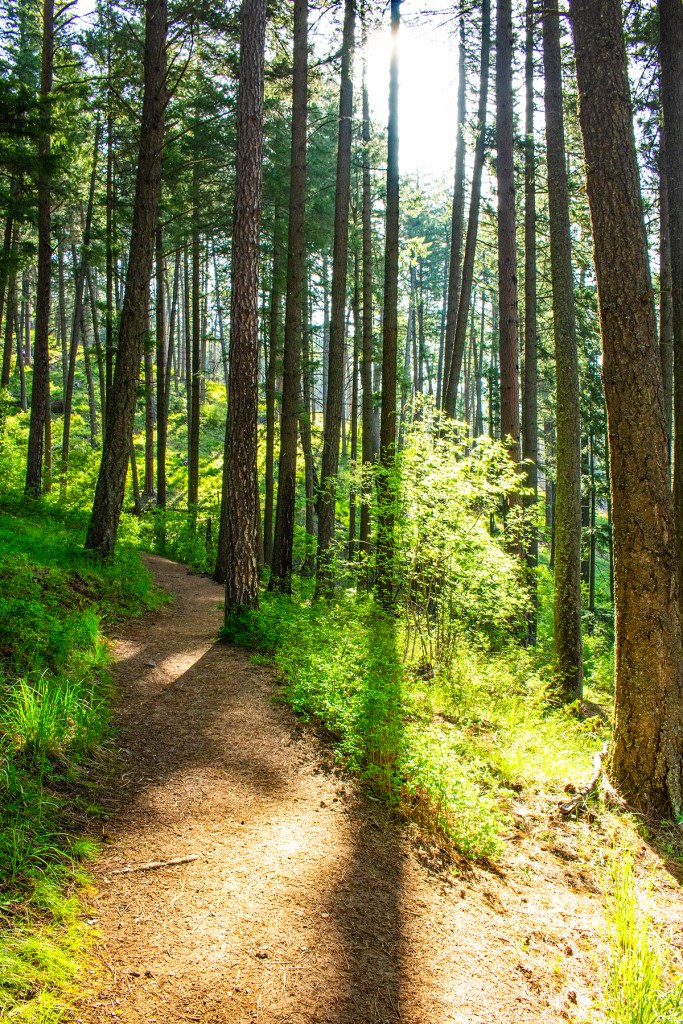
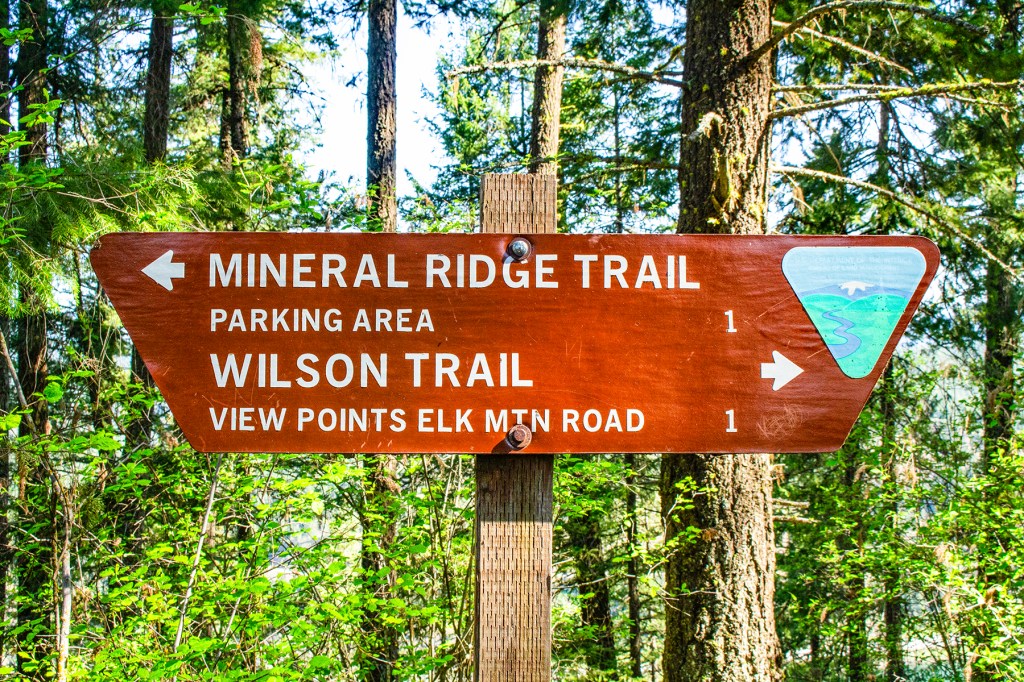
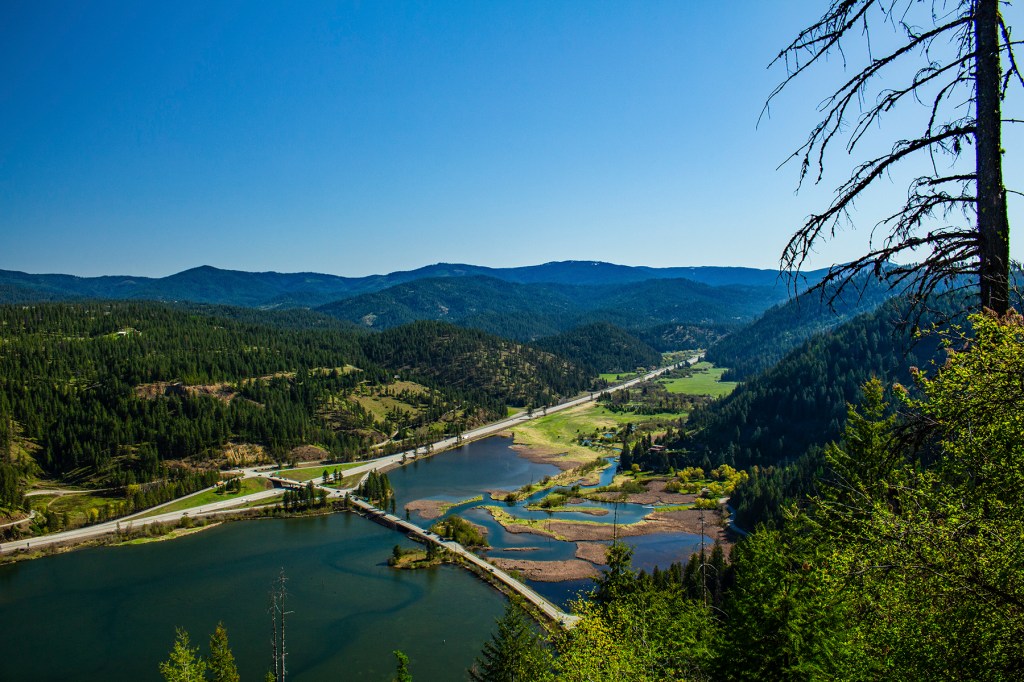
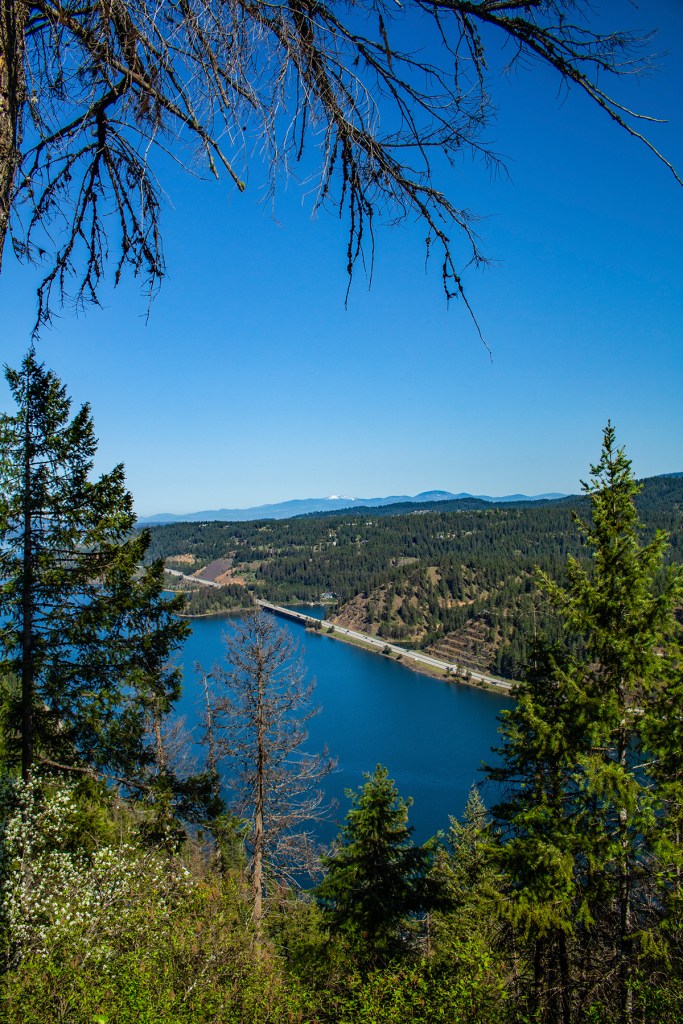
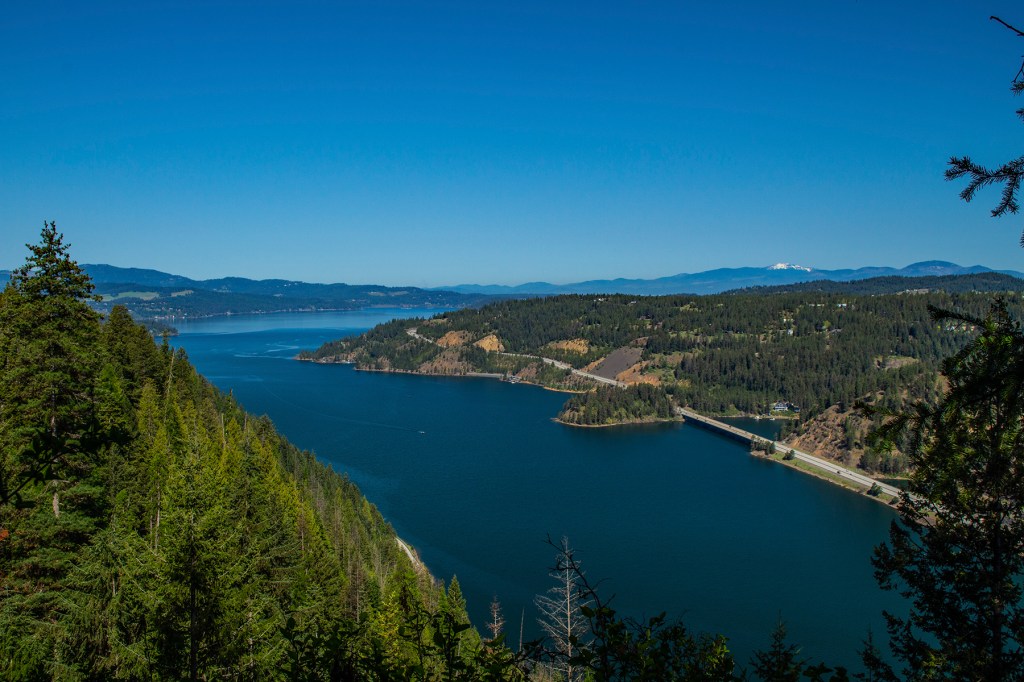
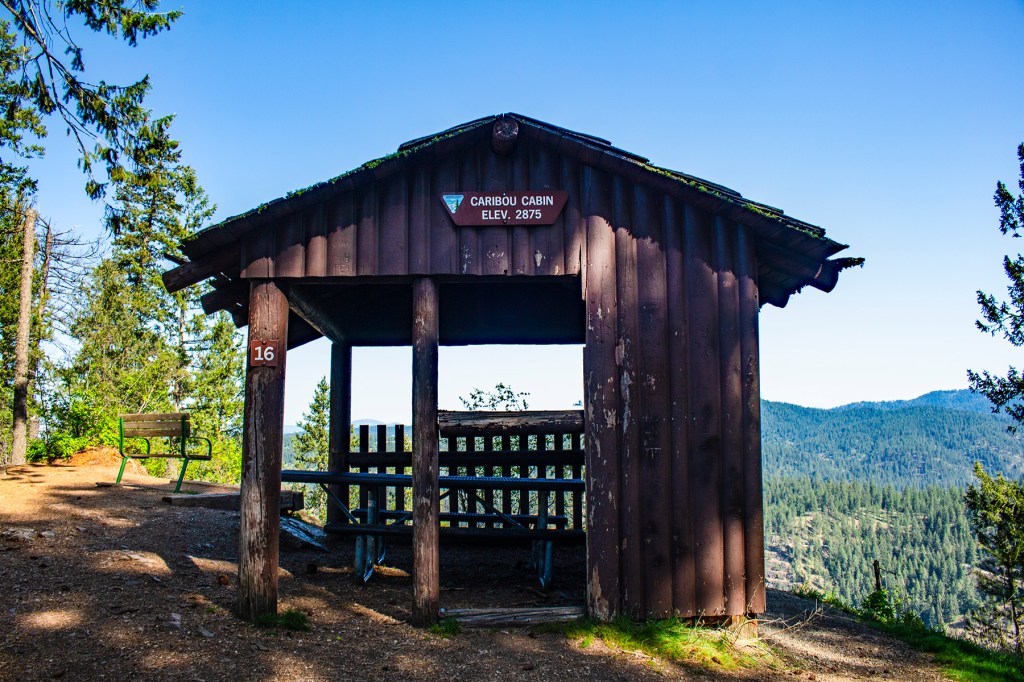
Mineral Ridge Scenic Trail

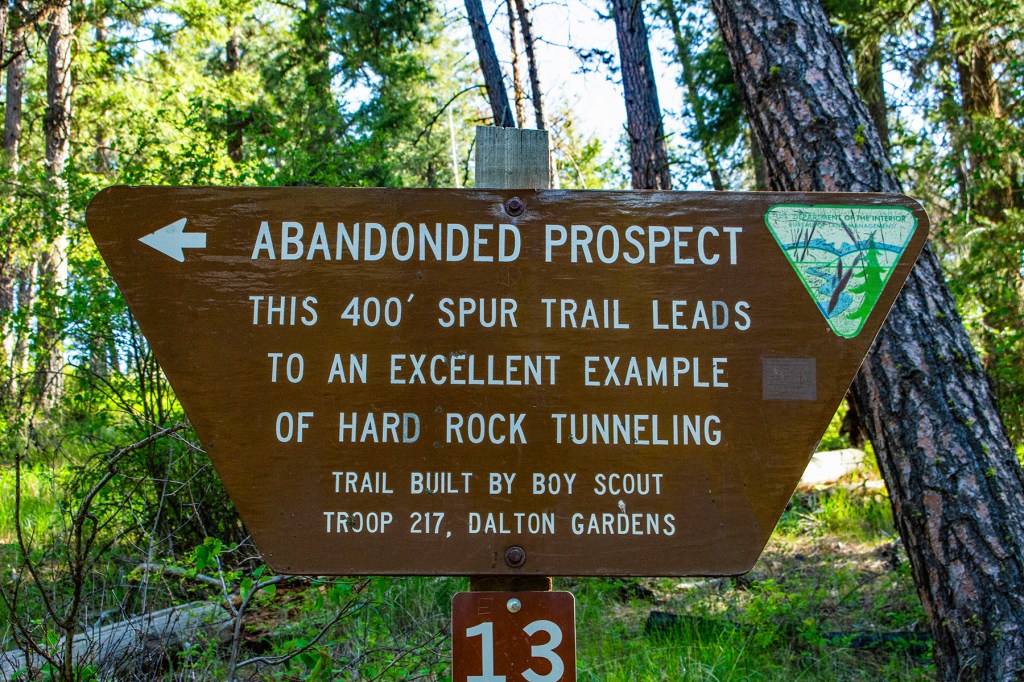
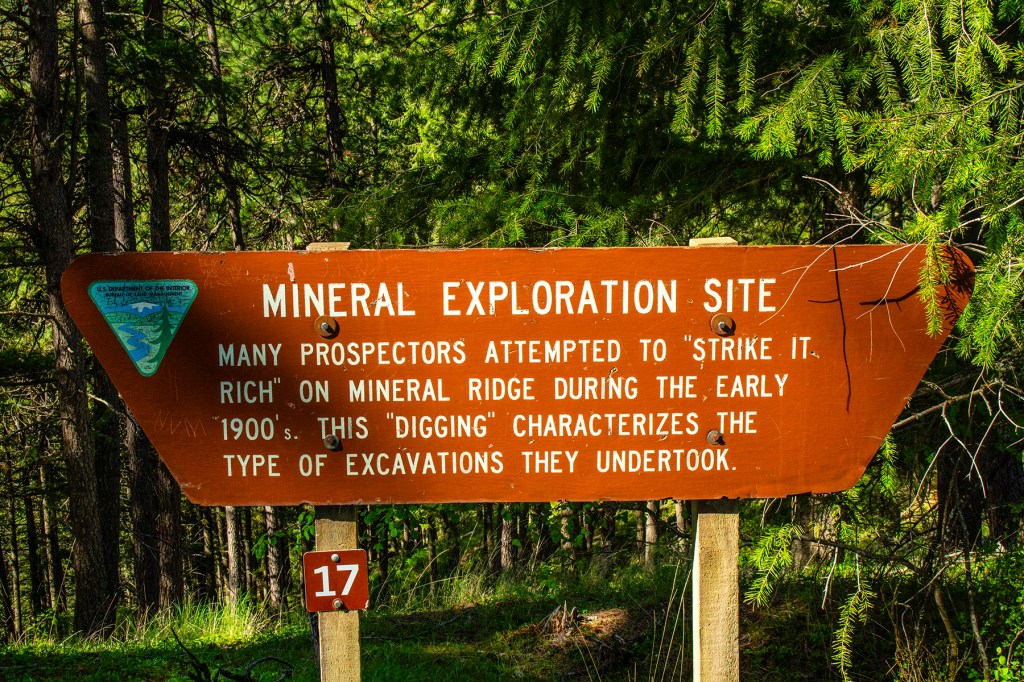
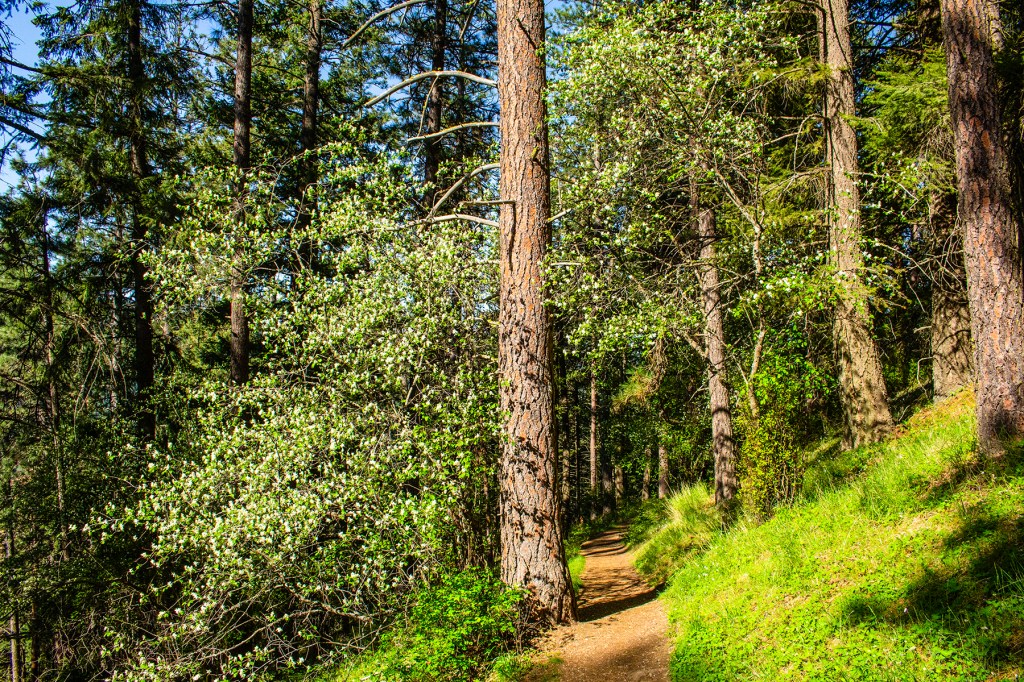
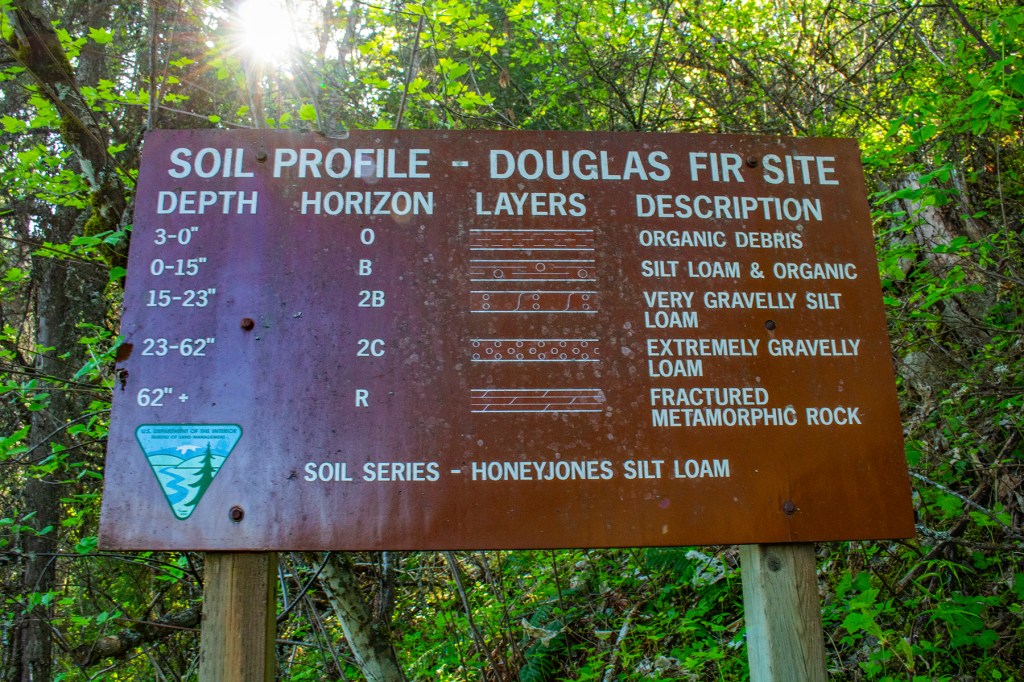
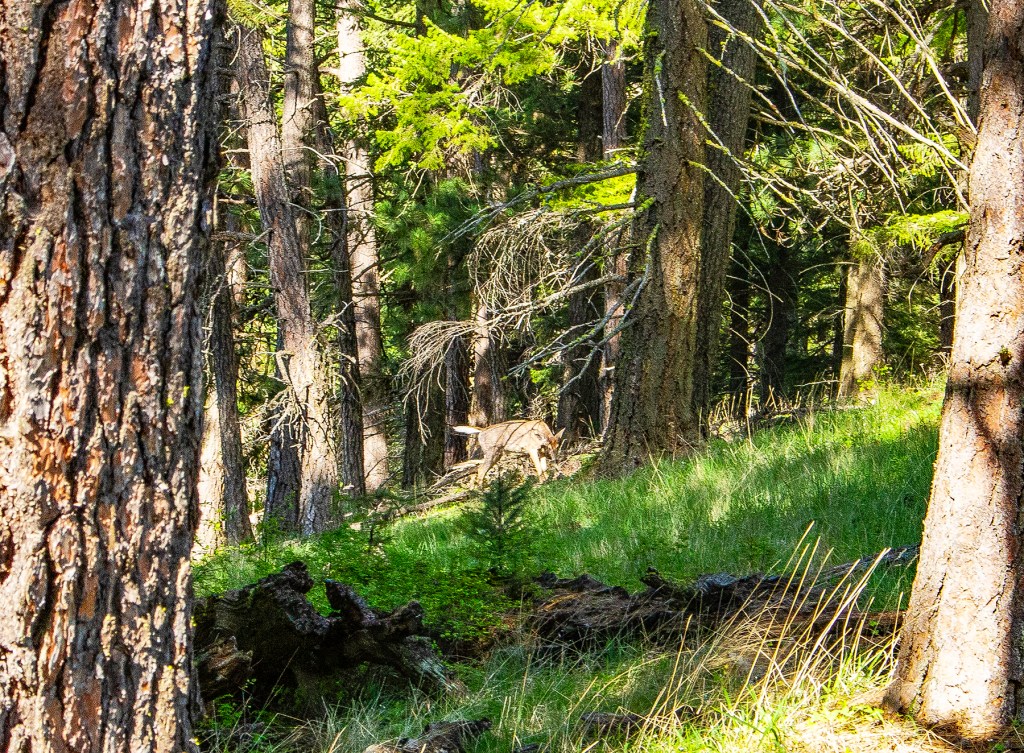
I always enjoy hiking this trail. It’s a good workout, the air is always clean and fresh, and the scenery is amazing. The hike is only 3.36 miles, but as I indicated, it is a good workout. It is always so quiet here. On this hike, I only encountered four people, all woman, two squirrels and one deer. I tried to get close enough to the deer for a good photo, but I stepped on a pinecone, which sent it running. I could spend an entire day here, but because I went by myself, I needed to get back so Barbara wouldn’t worry. I hope you enjoy the photos.

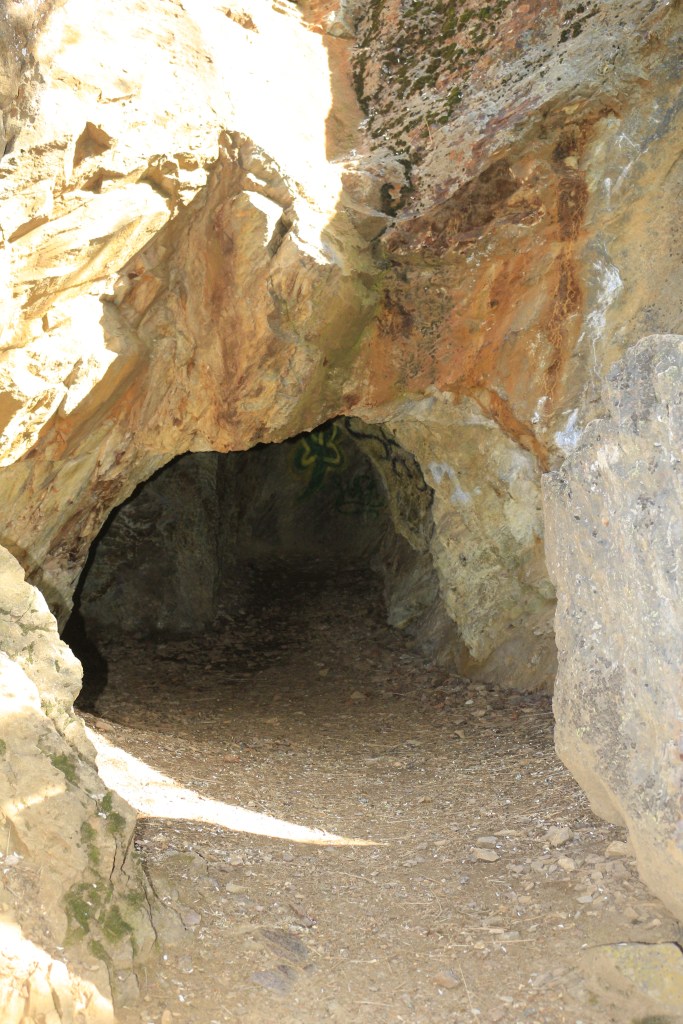
Unfortunately, some ignorant people sprayed graffiti inside this mining excavation.
This is as close as I was able to get to the deer before it ran away.
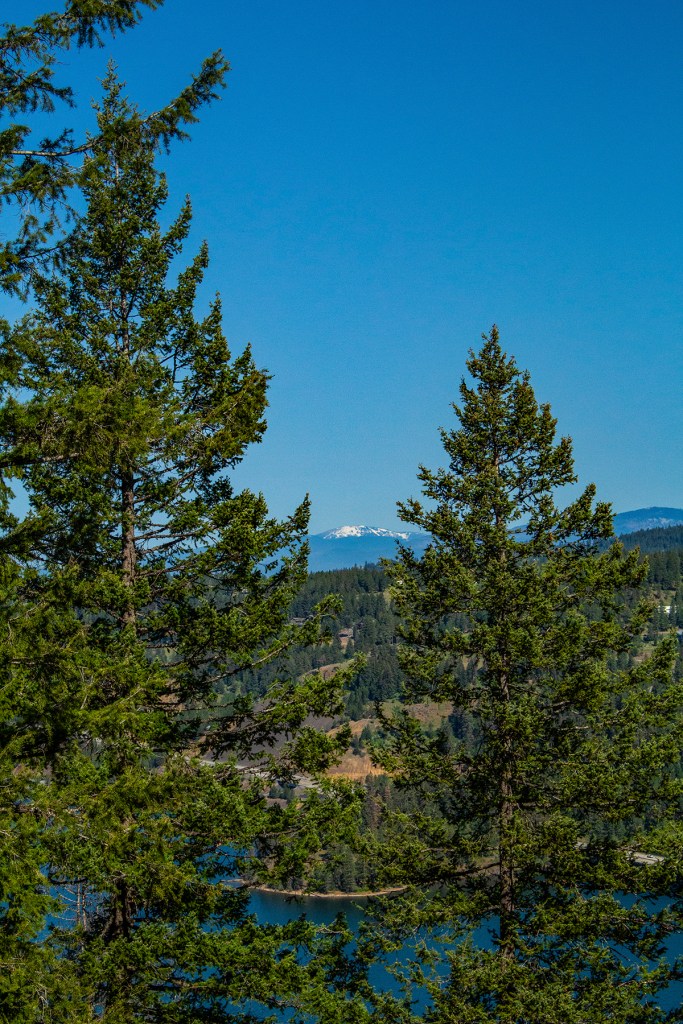
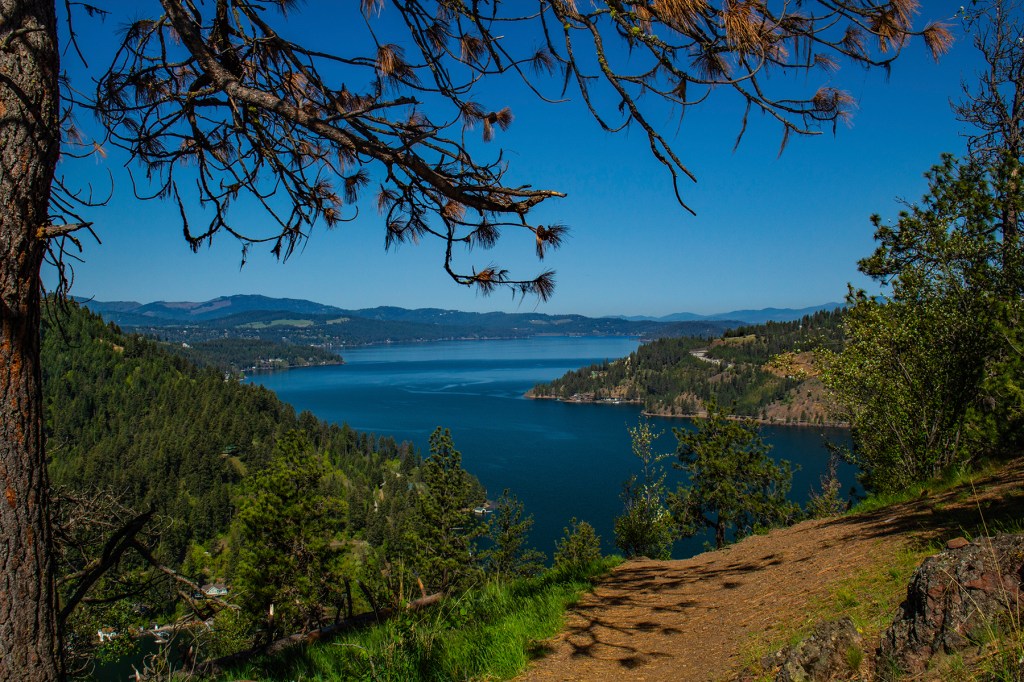
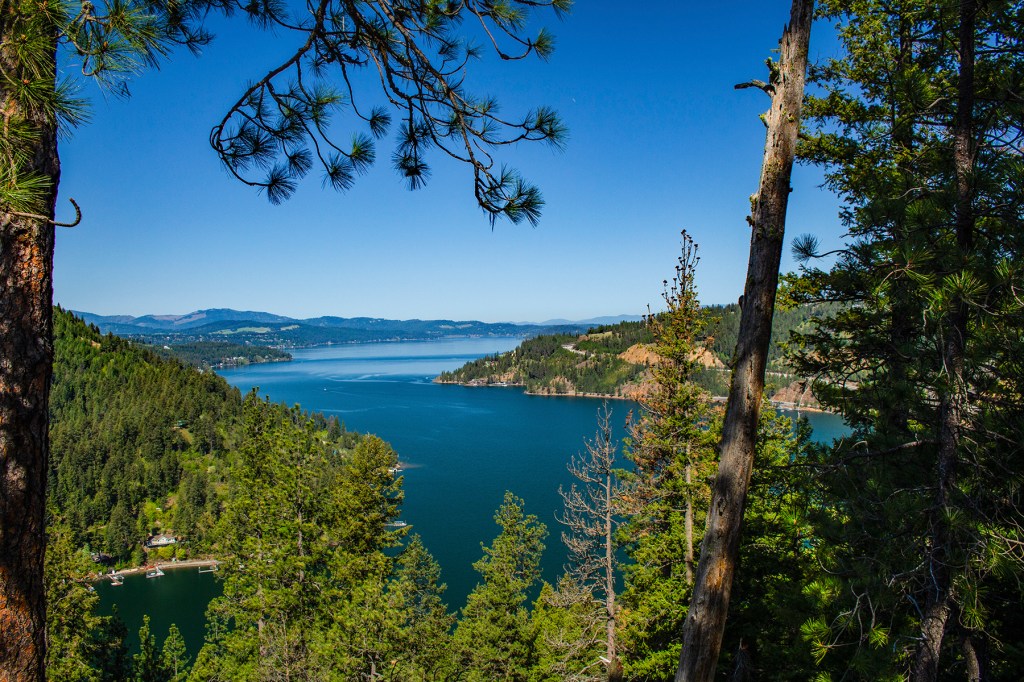
Lake Coeur d’Alene

Recent Travels

Lake Tawakoni
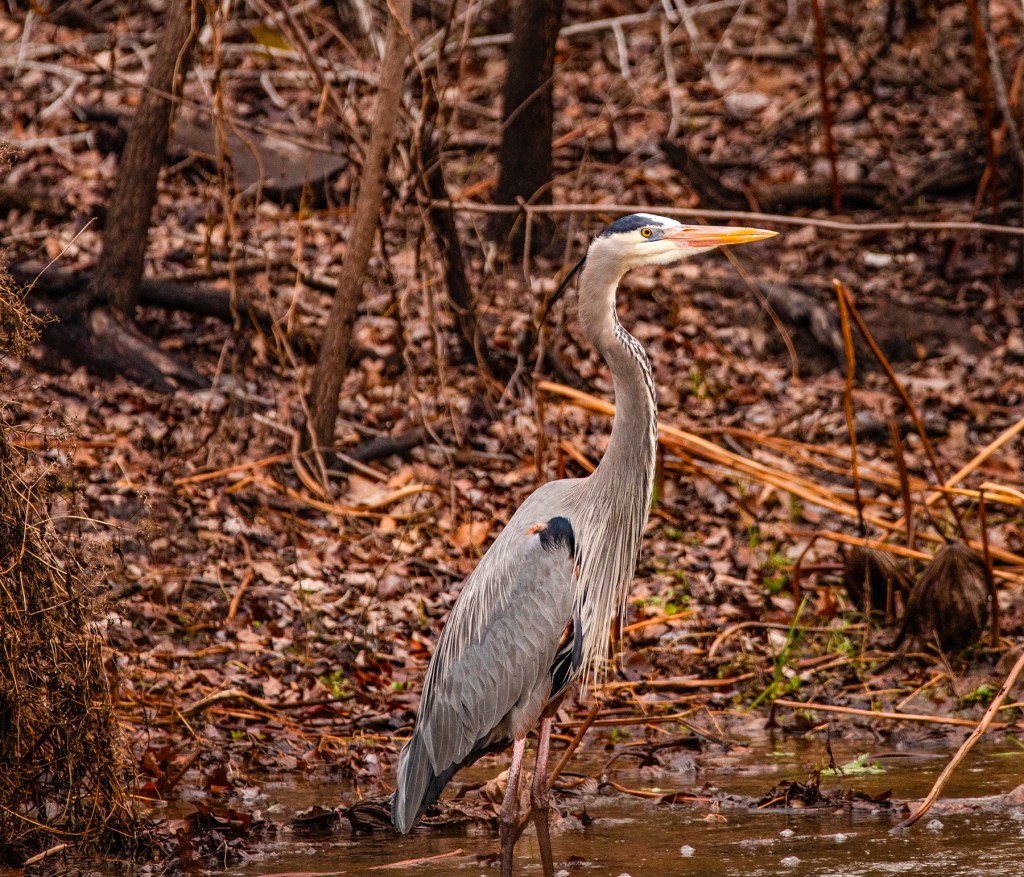
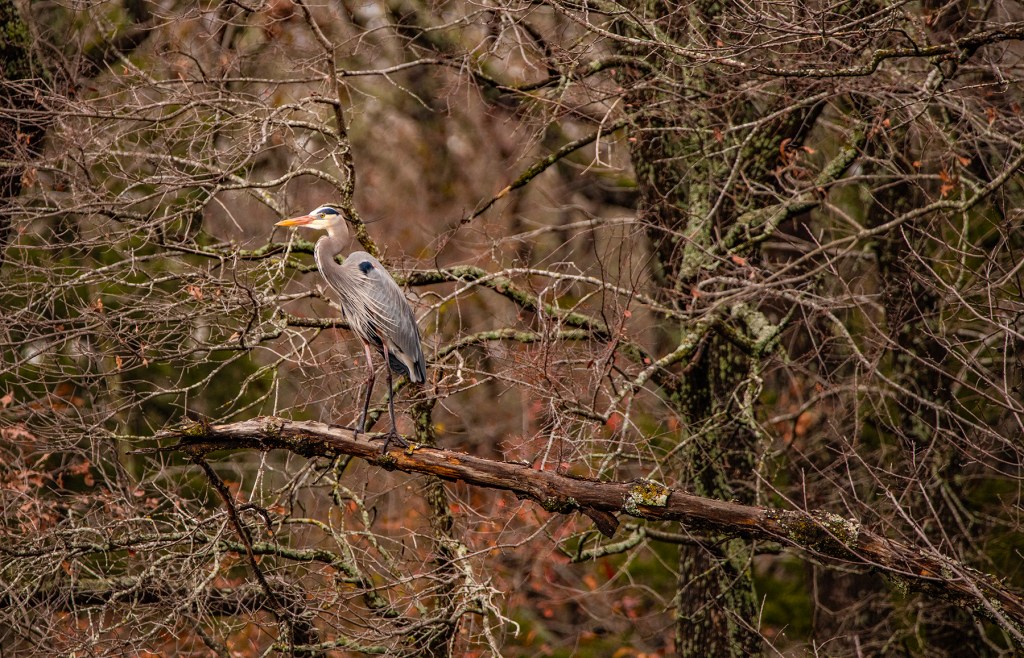
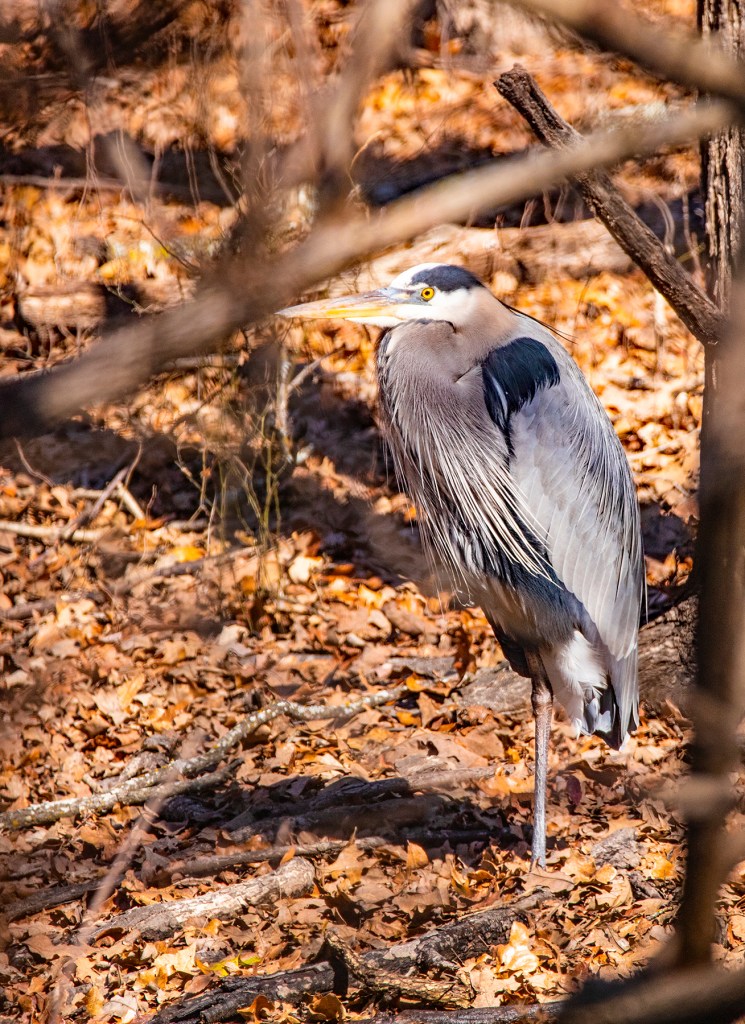
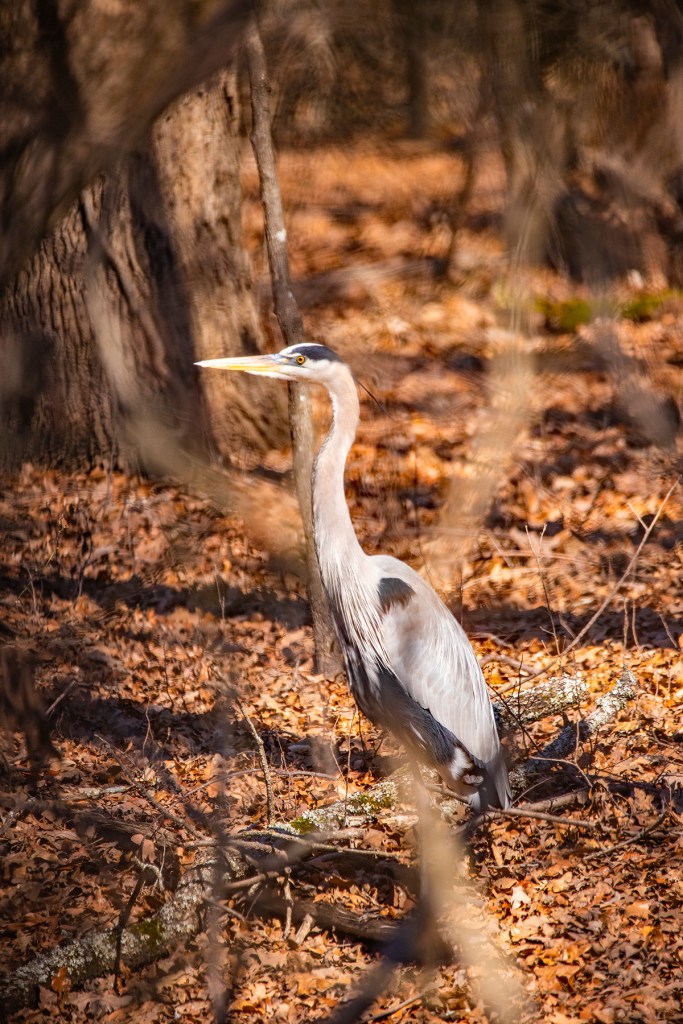
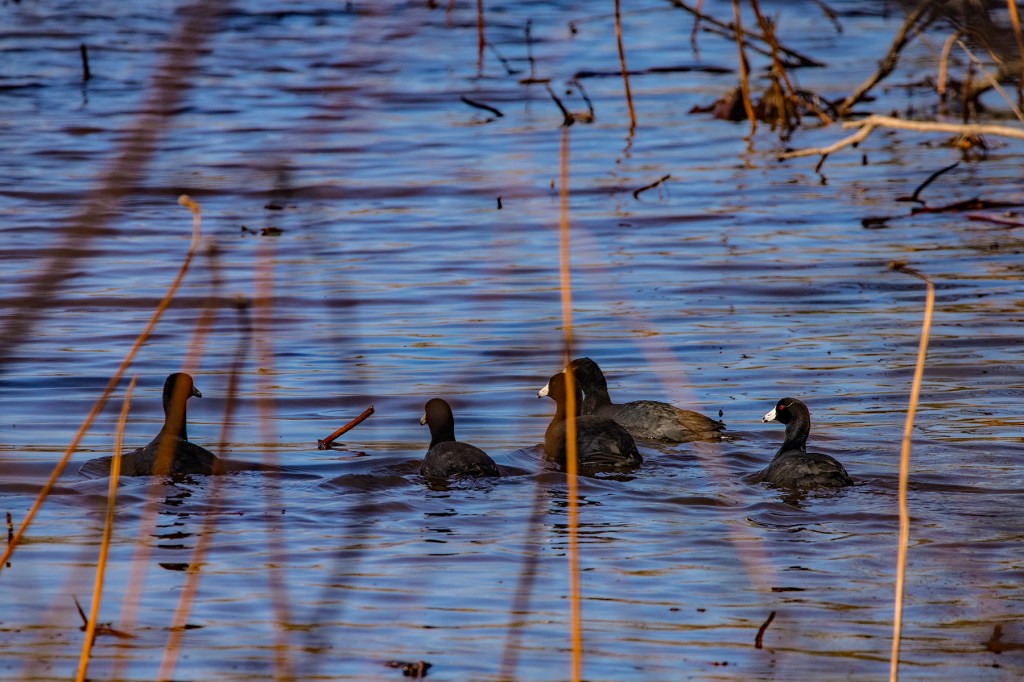
At the end of January, we were staying at an RV park, approximately 50 miles east of Dallas Texas, called Lake Tawakoni. One night while we were there it rained all night and when we woke, the small creek behind our trailer had turned into a raging stream. There was a Great Blue Heron who liked to search for food here, but wasn’t very trusting when it came to humans. Each time I attempted to get close enough to get some good photos, it flew away. This was compounded by the fact that the ground was covered in leaves that would crackle as I tried to approach its location. I was able to get a few photos, using my large zoom lens, but not as many as I had hoped. I was also able to get one photo of some Grebes in the lake. Take a look!

Cedar City
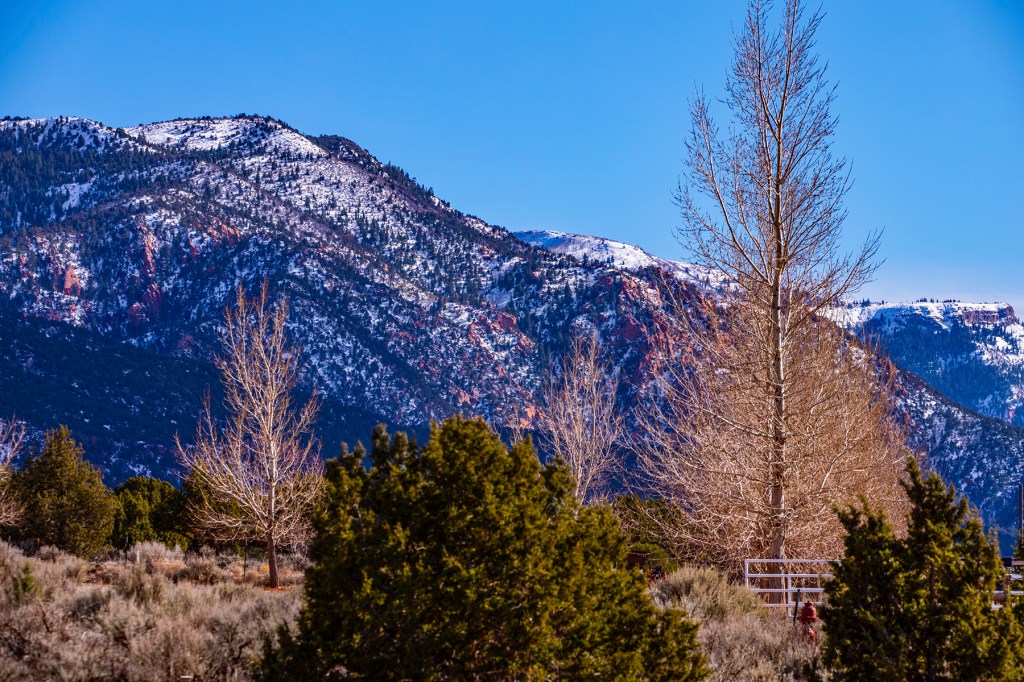
After leaving Lake Tawakoni we traveled across Texas, New Mexico, and Arizona to Cedar City Utah. The first night in Cedar City, strong winds blew until one in the morning and when we woke up there was approximately four inches of snow on the ground. Most of it was gone by the next day, but the mountains surrounding Cedar City were still covered in a blanket of the white stuff. Take a look!

Great Basin National Park
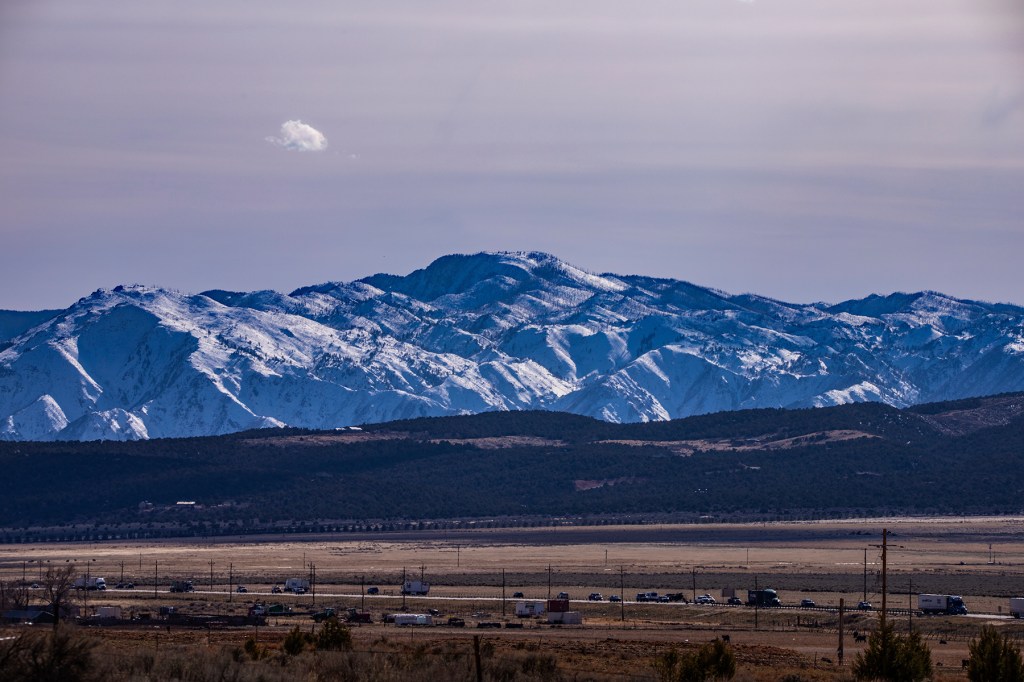
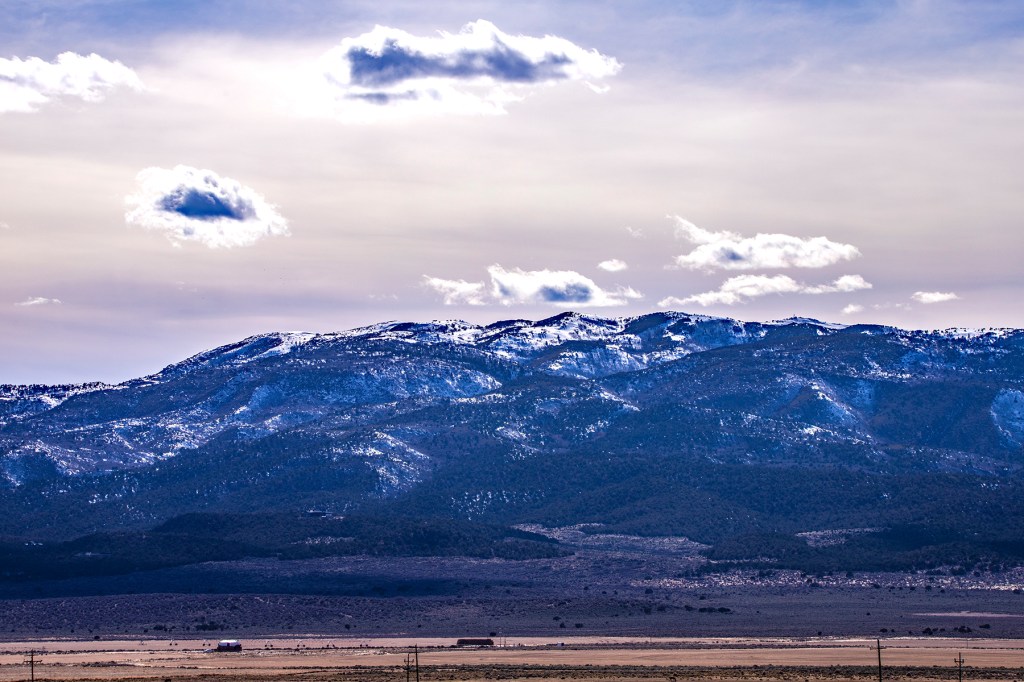
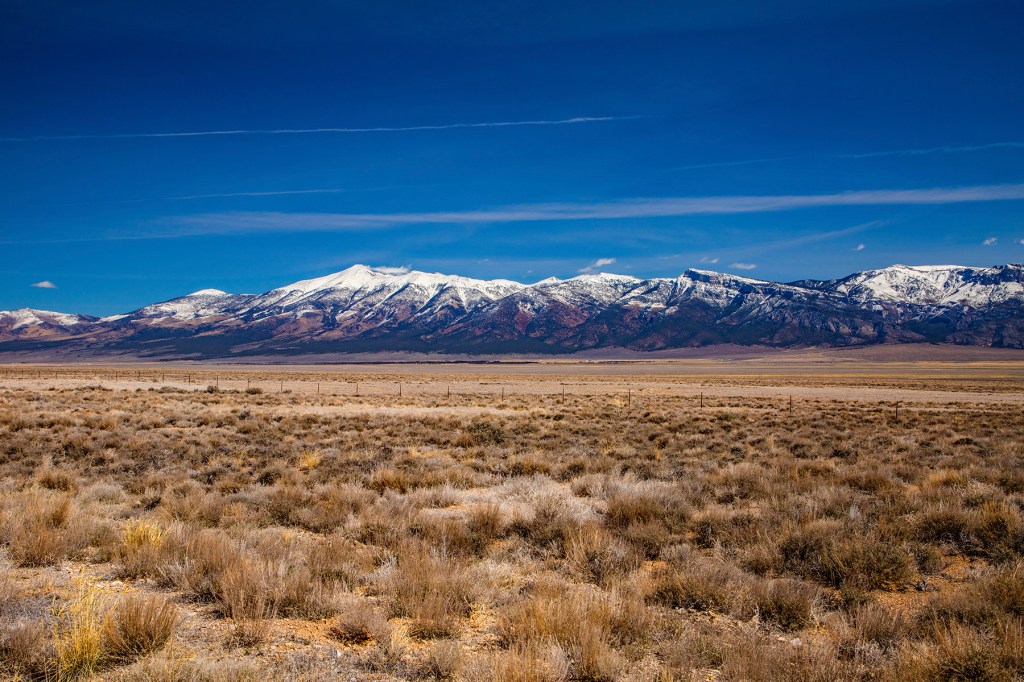
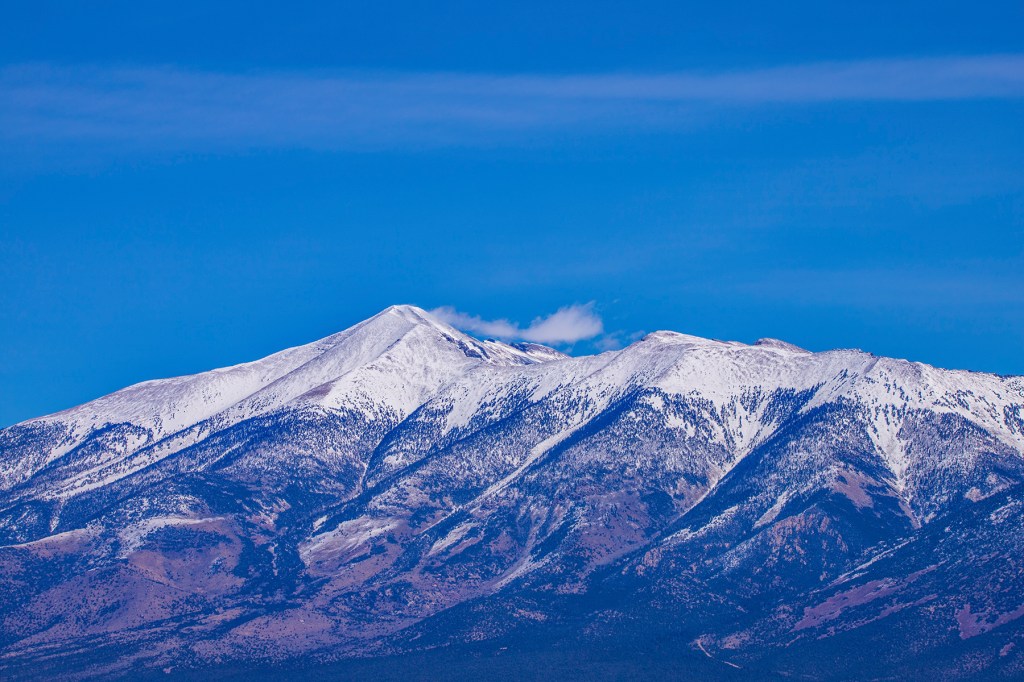
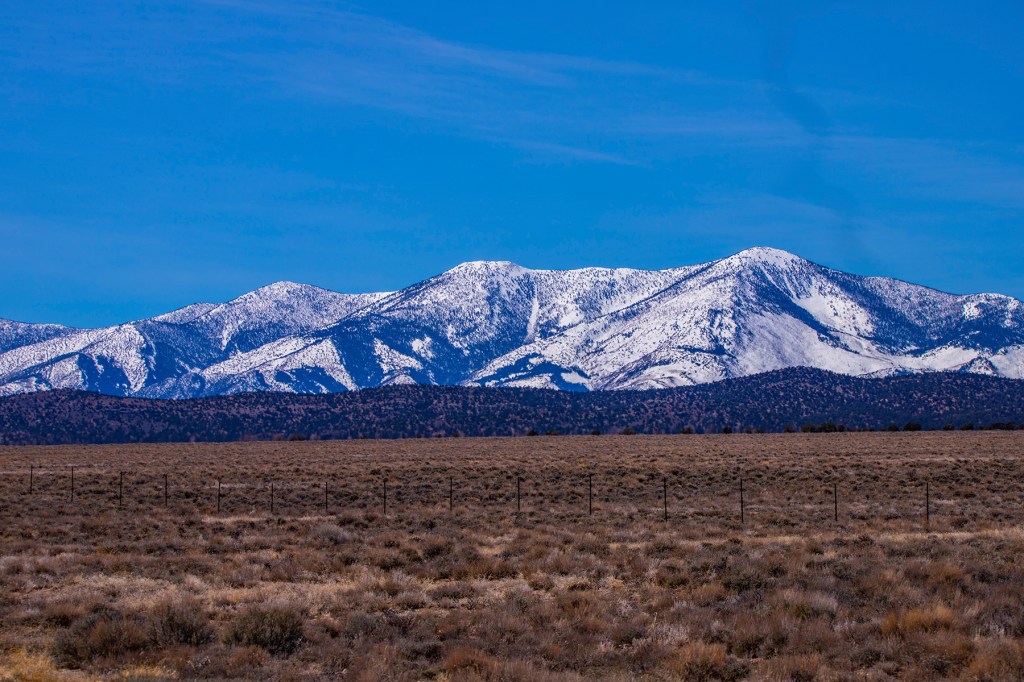
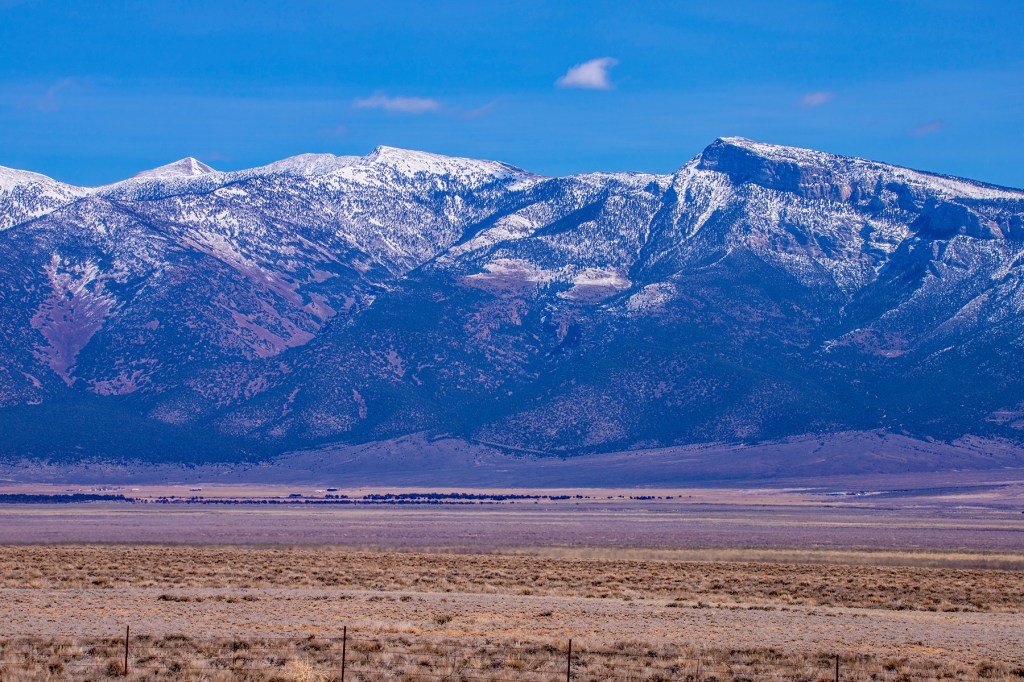
After leaving Cedar City, we traveled across Utah and Nevada. While traveling through Nevada we passed just west of Great Basin National Park (NP). While navigating highway 93, we passed by Wheeler Peak in the Snake Range of Nevada. Wheeler Peak is the second highest peak in Nevada rising to an elevation of 13,065 mean sea level (msl). The Snake Range is also home to one of the oldest living things on Earth, the Bristle Cone Pine. Nevada and Great Basin NP aren’t the most beautiful places I have ever seen, but they do have a natural beauty all their own. Take a look!

The Snake Range with Wheeler Peak.
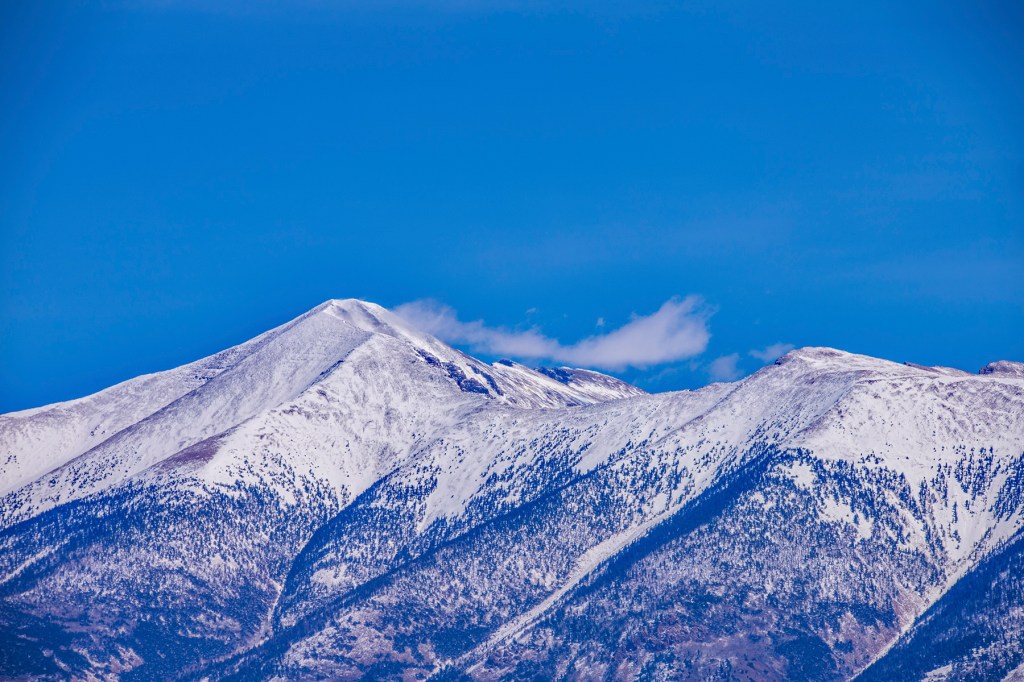
A close up of Wheeler Peak.

Big Bend National Park

Yesterday, Barbara, Ellie, and I visited Big Bend National Park (NP) in southwest Texas. Big Bend gets its name from the big bend the Rio Grande River makes here, changing course from east-southeast to northeast. Now Big Bend doesn’t have the majestic vistas that Yosemite and Yellowstone have but it does have a natural beauty that I believe most people can appreciate. My wonderful wife Barbara can find beauty in just about anything and yesterday she frequently commented on the beauty of this park.

This park sits where the Chihuahuan Desert and the southern end of the Rocky Mountains overlap. The park sits where a shallow sea once resided. Then a few million years later the Rocky Mountains rose up from below and created the mountains seen here. This also gave rise to intrusive and extrusive igneous rocks making their presence known. In addition, faulting changed the landscape as the Rio Grande River cut its way through rocks that now sit more than 1,000 feet above the river below.

After the breakup of the Super Continent Pangaea, approximately 300 million years ago, most of what is today’s Big Bend NP was flooded and became a shallow sea. This can be seen in the rocks in Santa Elena Canyon. These rocks are made up of mostly limestone (CaCO3), which contain both calcite crystals and shells from bi-valves, cephalopods and pelecypods, the ancestors of todays clams.

Later, as the mountain building processes began here, magma from below began intruding the existing rocks. This can be seen near Mule Ears Peaks and Goat Mountain in the form of dikes that rose up through fissures in the parent rock and then solidified. Further, southwest along the Ross Maxwell Scenic Drive, in Tuff Canyon, tuffs formed from the pulverized rock (volcanic ash) created during volcanic eruptions can be seen along with lava flows from the volcanic vents in the area.

Near the end of the Ross Maxwell Scenic Drive, as you approach the Rio Grande River, a long mesa can be seen in the distance with a distinctive notch (Santa Elena Canyon) cut through the mesa. At the beginning of the Santa Elena Canyon Trail, you are hiking on rock that once was at the same elevation as the rocks in front of you and across the river that are now more than 1,000 feet above you. The rock face that you are looking at in front of you is a fault scarp. Here the rock that you are standing on dropped down in relation to the rocks on the other side of the Rio Grande River, the top of the mesa. These rocks once sat at the same elevation. And while all of this was going on, the Rio Grande River cut its way through the rocks to create the Santa Elena Canyon in the mesa.

Big Bend NP is known as a geologist’s playground and I know that most people don’t get as excited as I do about geology or my love of sharing my knowledge with others and photography, but I hope my description above and photos below help you appreciate the natural beauty of this park.

Here you can see two dikes that intruded into fissures in the parent rock. They are seen as the dark rock rising above the surrounding rock in the central portion of the photo.
In this photo you can see the volcanic ash (tuff), the light color rock on the slopes and the solidified lava, the dark colored rock.
Mule Ears Peaks.
This photo was taken from the down drop block that once was at the same elevation as the top of the mesa in the distance. The face of the mesa is a fault scarp. The notch (Santa Elena Canyon) in the center of the photo was carved out by the Rio Grande River.
The Rio Grande River in the foreground. Looking at the face of the fault scarp in the distance.
The Rio Grande River in the notch (Santa Elena Canyon) in the rock that it carved over millions of years.
Calcite crystals in limestone.
The Rio Grande River from the Santa Elena Canyon Trail.
Sunset

Providence Canyon State Park

Recently, Barbara, Ellie and I traveled to Providence Canyon State Park (SP) in southwest Georgia. The park contains Providence Canyon, which is sometimes called Georgia’s “Little Grand Canyon”. It is considered one of the Seven Natural Wonders of Georgia. It is not as spectacular as the Grand Canyon in Arizonia, but it has a natural beauty all its own. It was cold on the day we were there, but it was well worth the drive. The sky contained some high Cirrus clouds which made for a nice contrast. Here, as at F.D. Roosevelt SP, I enjoyed using my new 10 to 18mm lens.
One of the more unusual attractions of the state park is an abandoned homestead including nearly a dozen rusty, 1950s-era cars and trucks. Due to the environmental damage that removing the vehicles would cause, park officials have decided to leave them alone.
Providence Canyon is not actually a purely natural feature as many of the massive gullies, the deepest of which is more than 150 feet are the result of erosion due to poor farming practices by settlers in the 19th century.

This story of the origin of the canyons has been commonplace since the 1940s, but the formations in the canyons are at least partially natural. Although there were probably a few early arrivals before 1825, the first heavy influx of settlers in Stewart County only came after the Treaty of Indian Springs (1825), by which the Creek Indians were forced to cede all their lands east of the Chattahoochee River. Evidence of the existence of the canyons at this time includes their mention in a deed by James S. Lunsford to William Tatam from 1836.

The park lies on marine sediments, usually loam or clay, with small areas of sand. Loamy sand topsoils overlie subsoils of sandy clay loam, sandy clay, or clay in most of the uneroded sections. Nankin, Cowarts, Mobila, and Orangeburg are the most prominent soil series. The canyons have significant exposure to clay, over which water often seeps. Water is mobile in this well-drained area.
If you are ever in southwest Georgia, be sure to visit Providence Canyon SP. I don’t believe you will be disappointed.