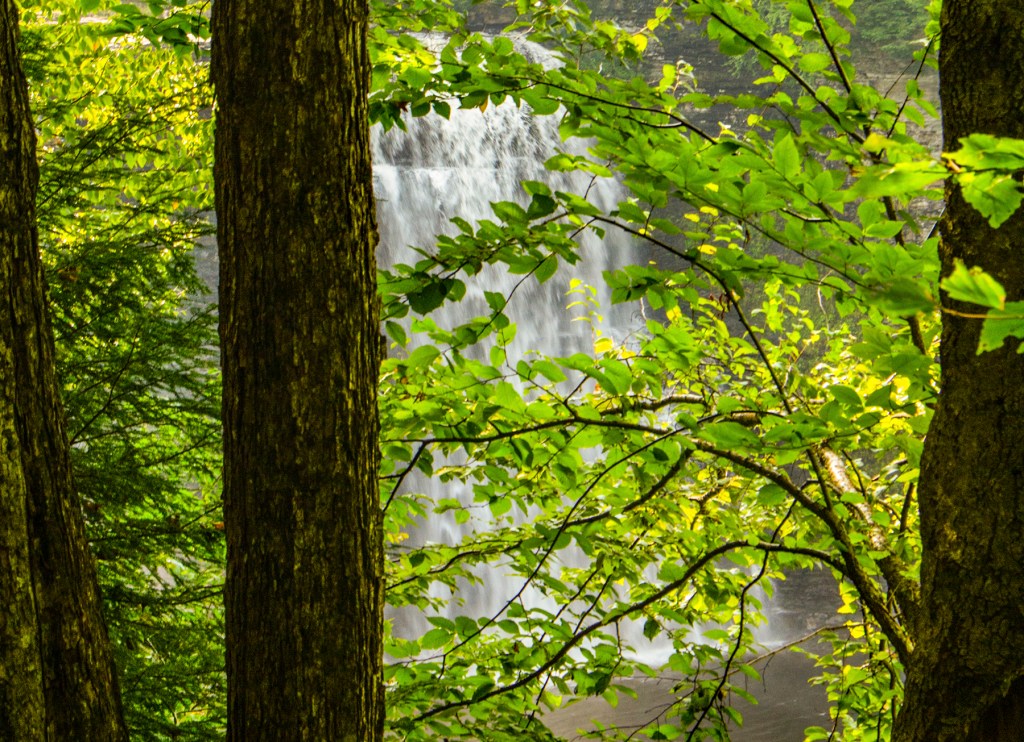
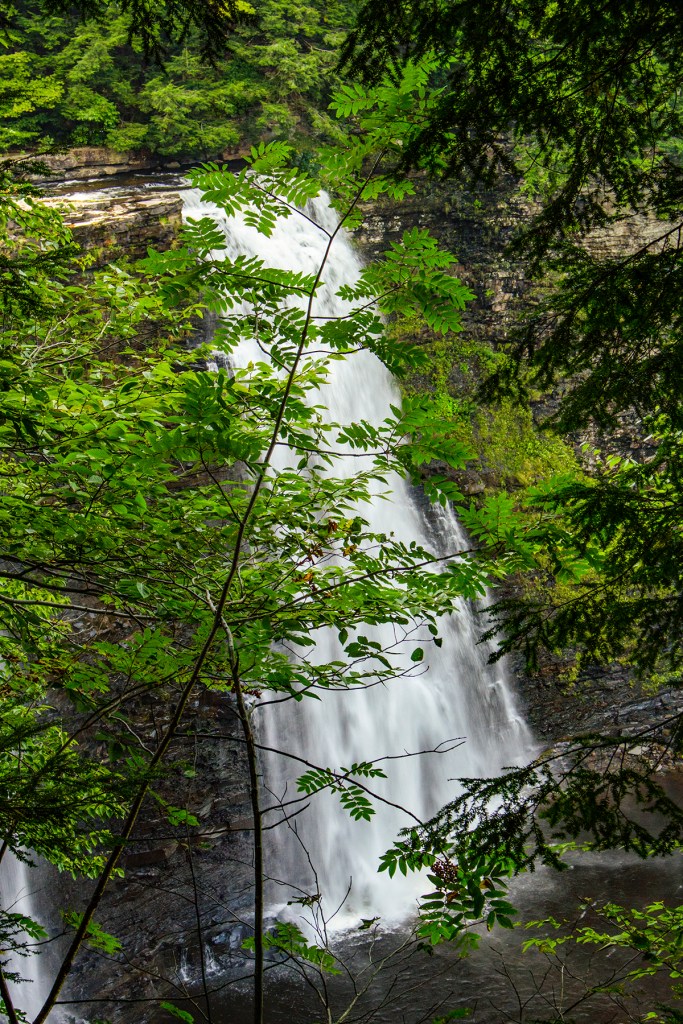
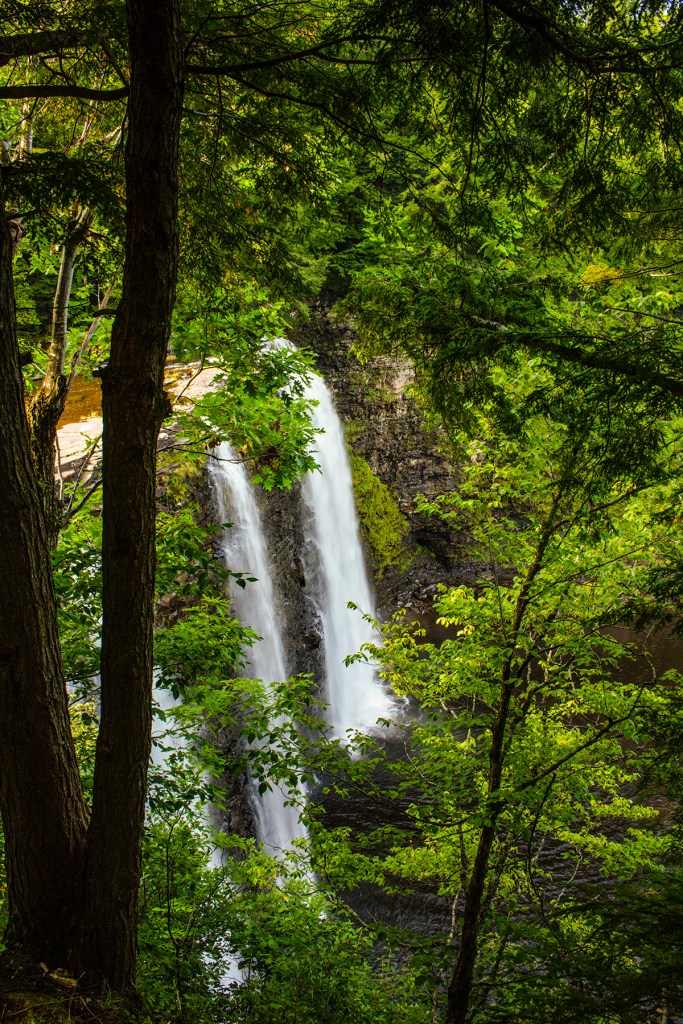
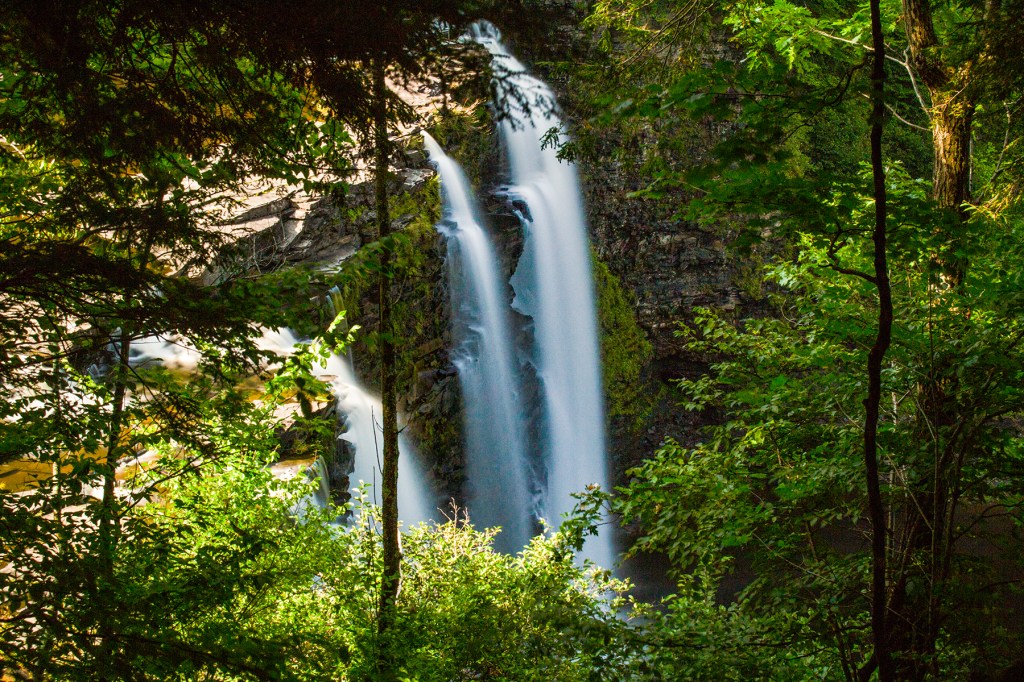
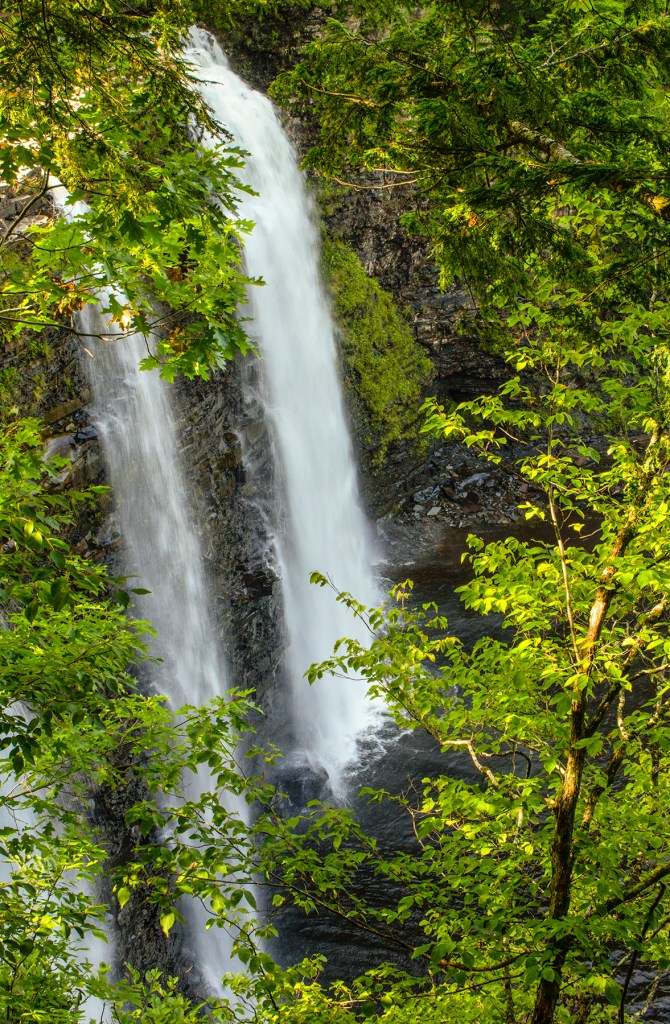
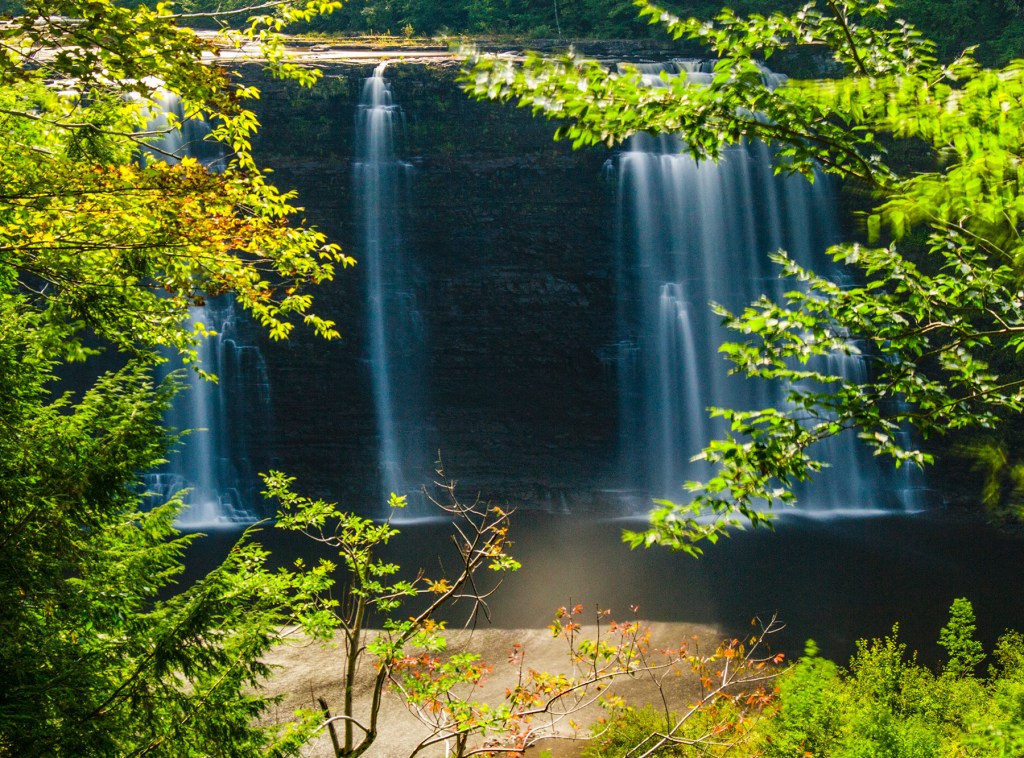
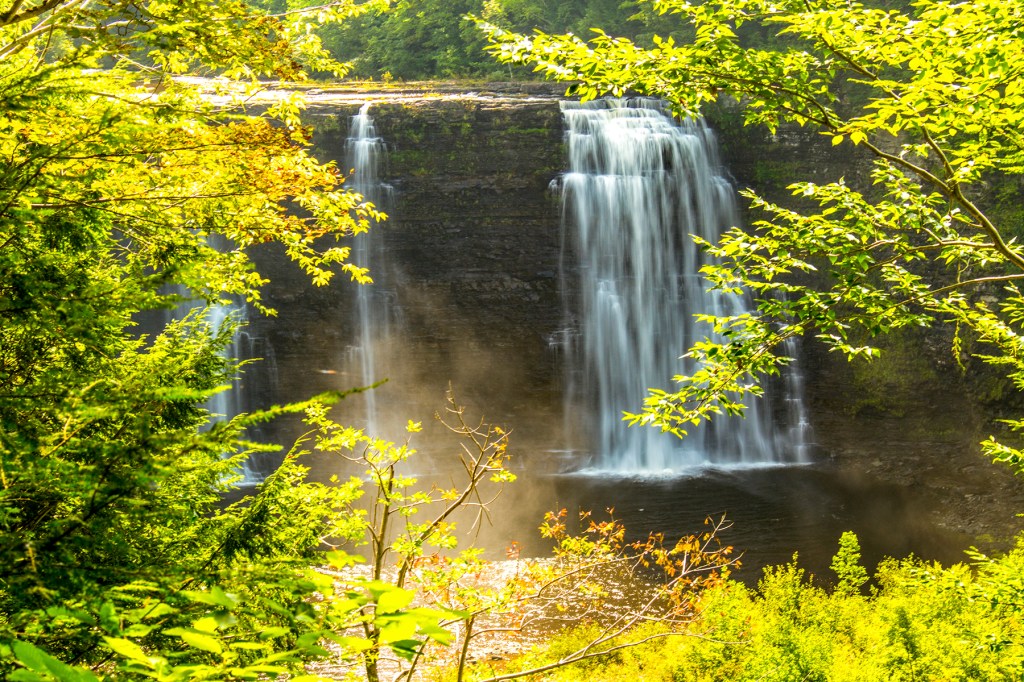
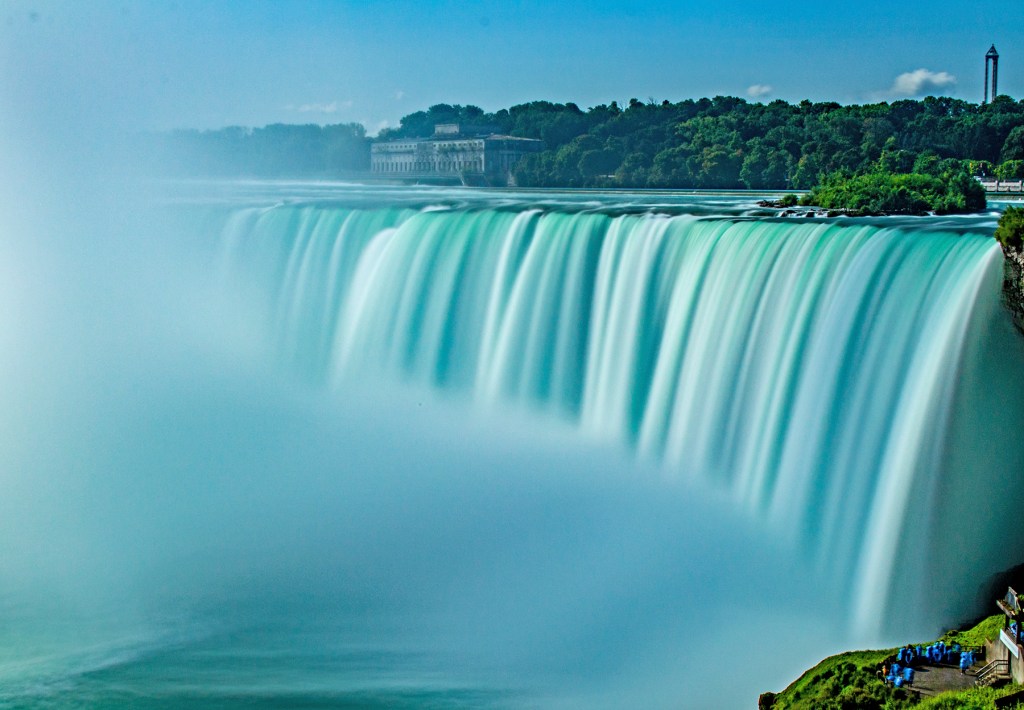
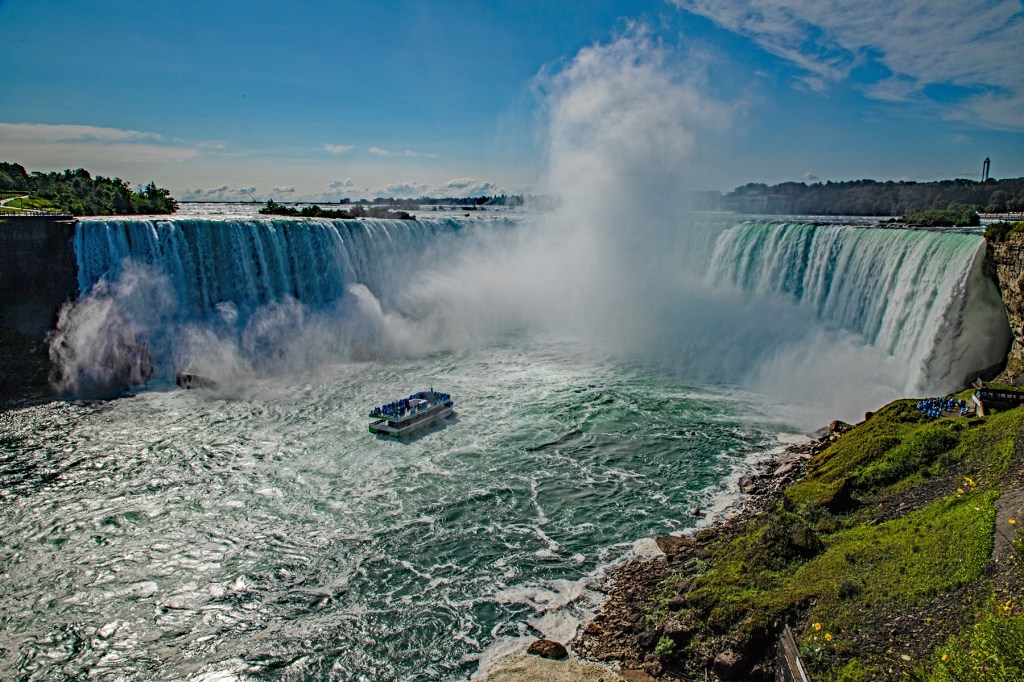
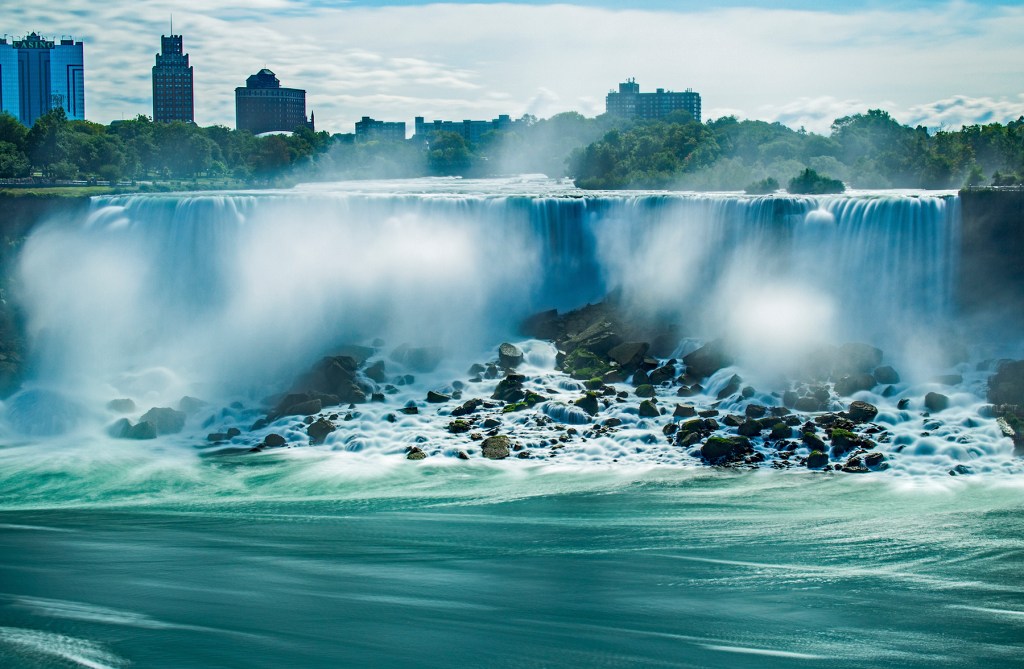
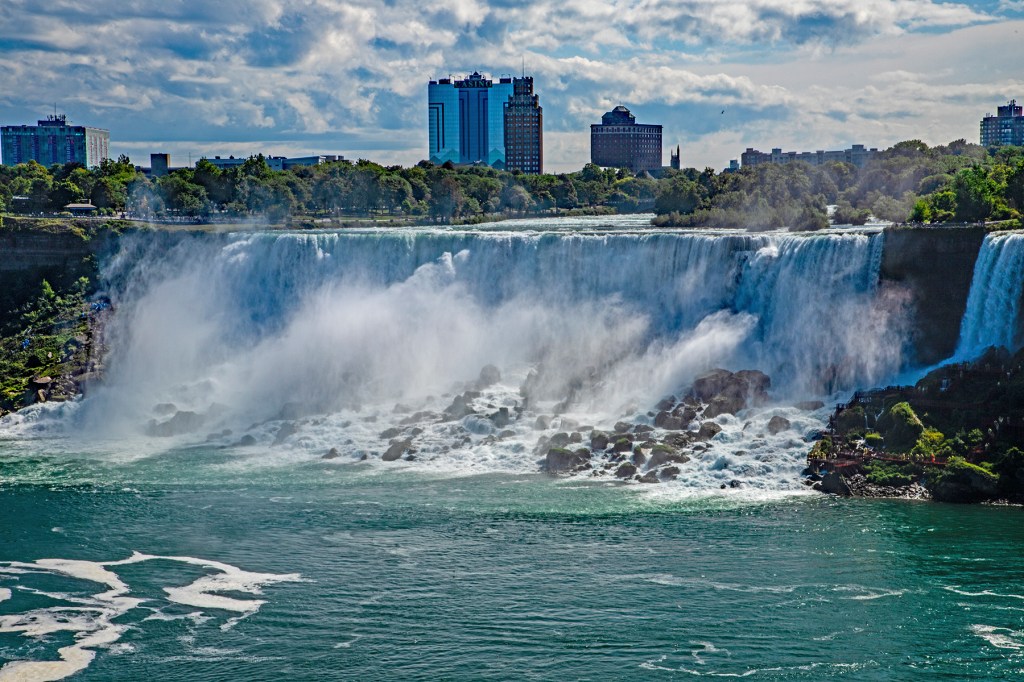
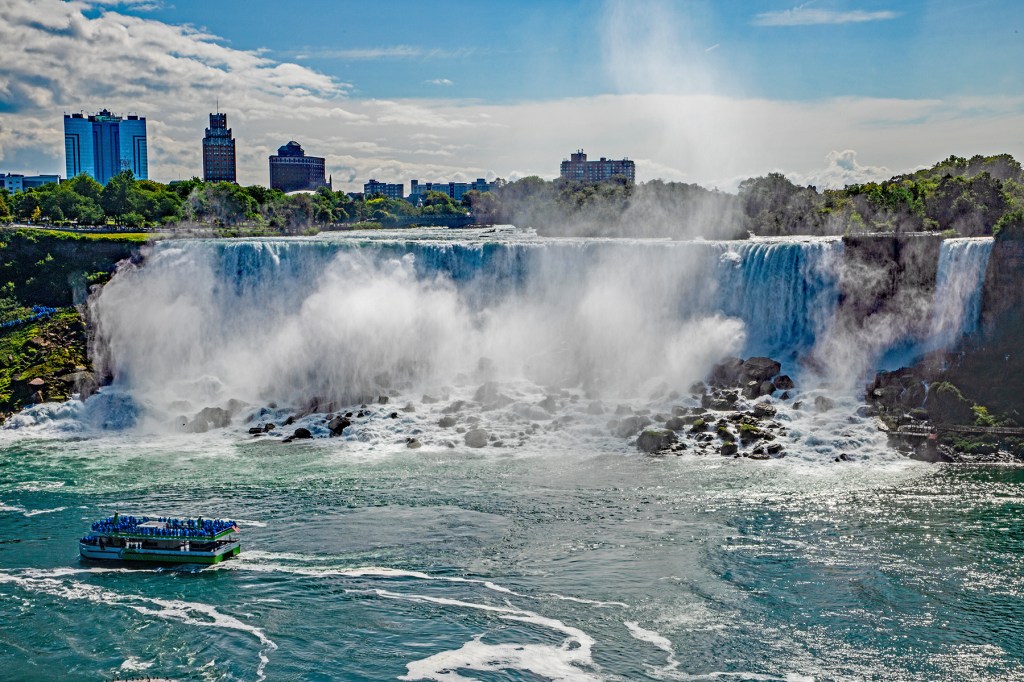
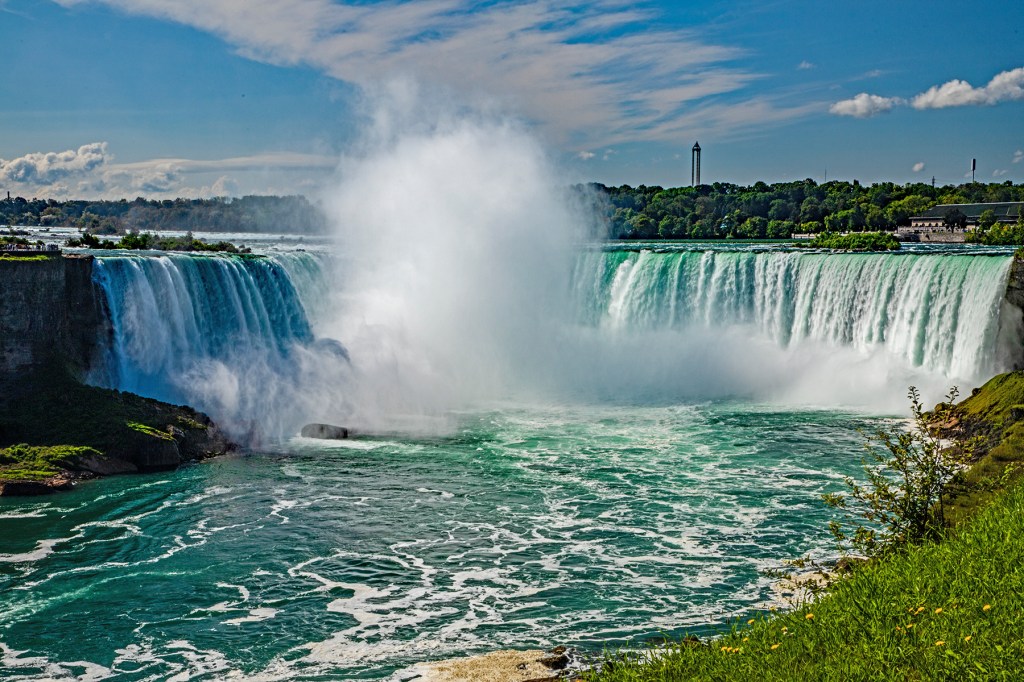
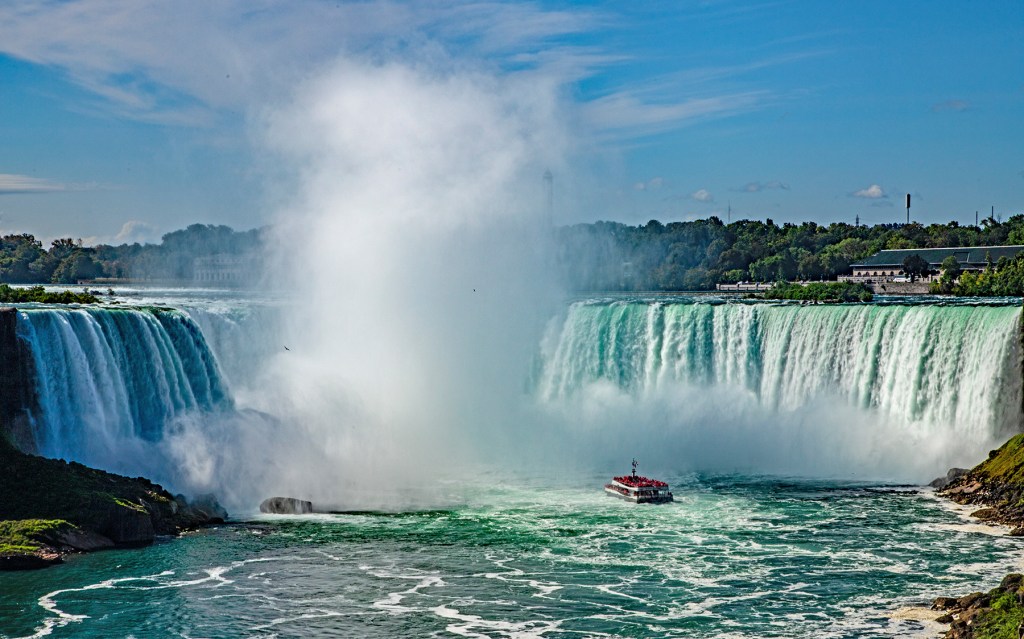
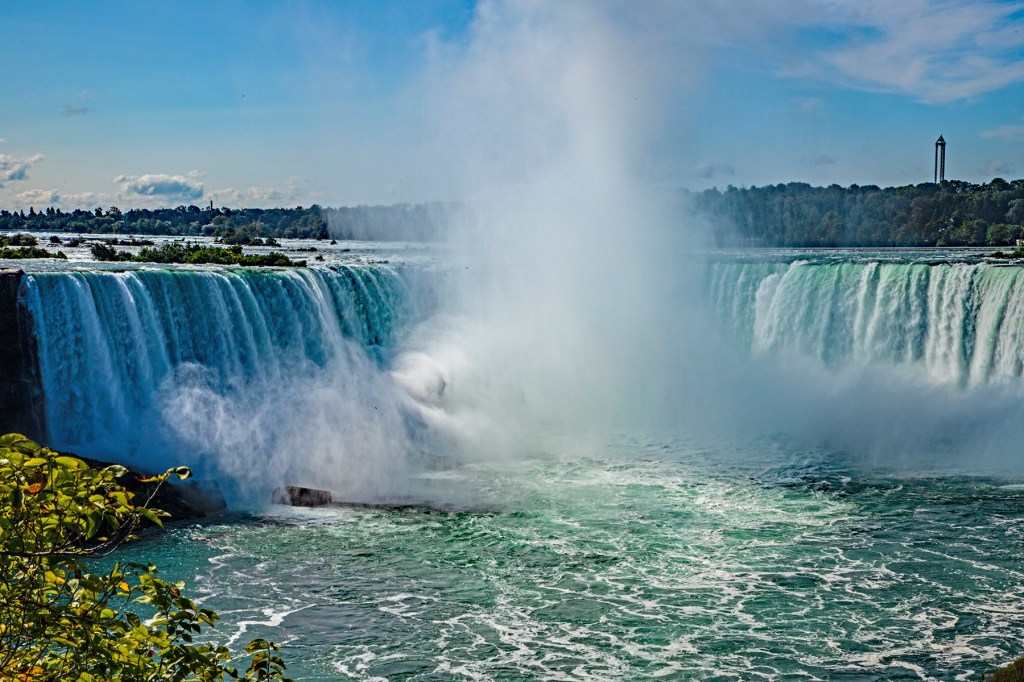
Niagara Falls

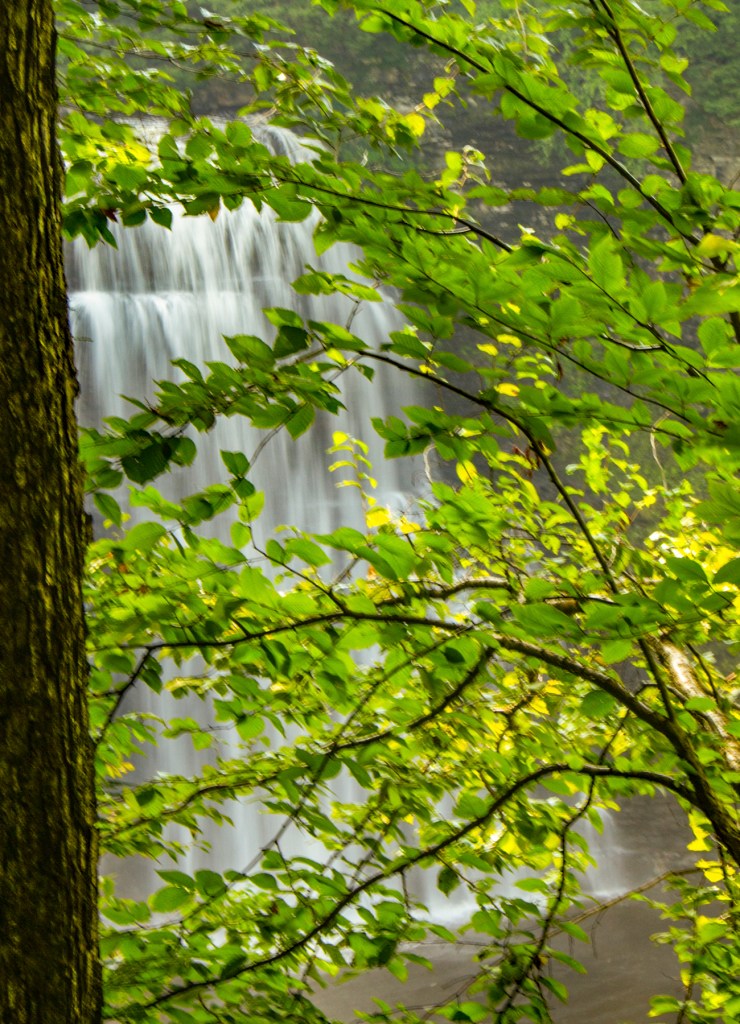
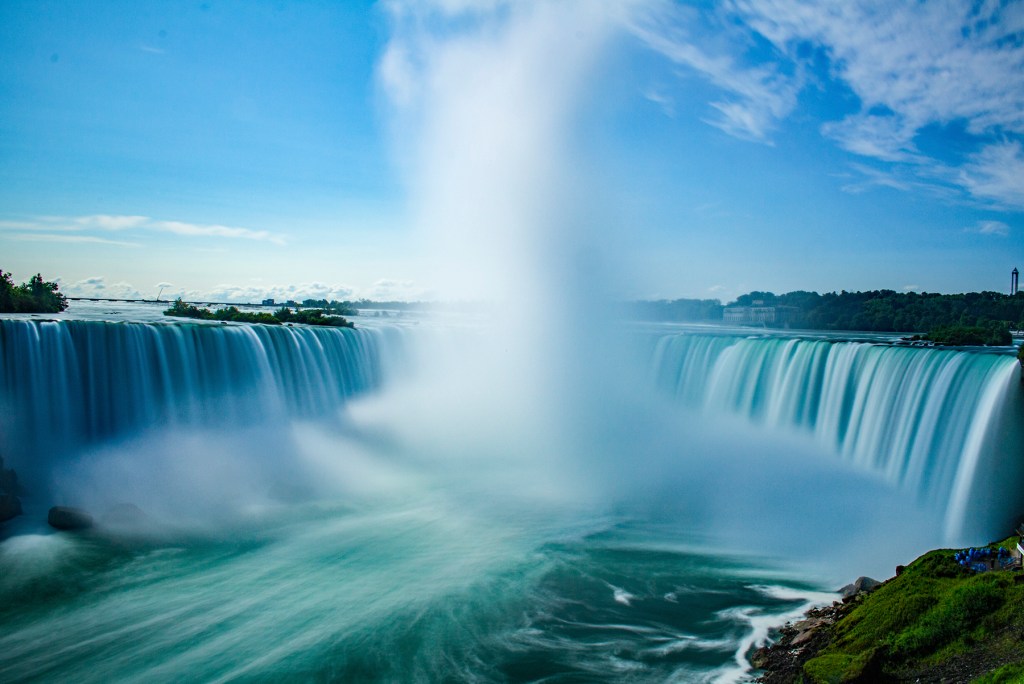
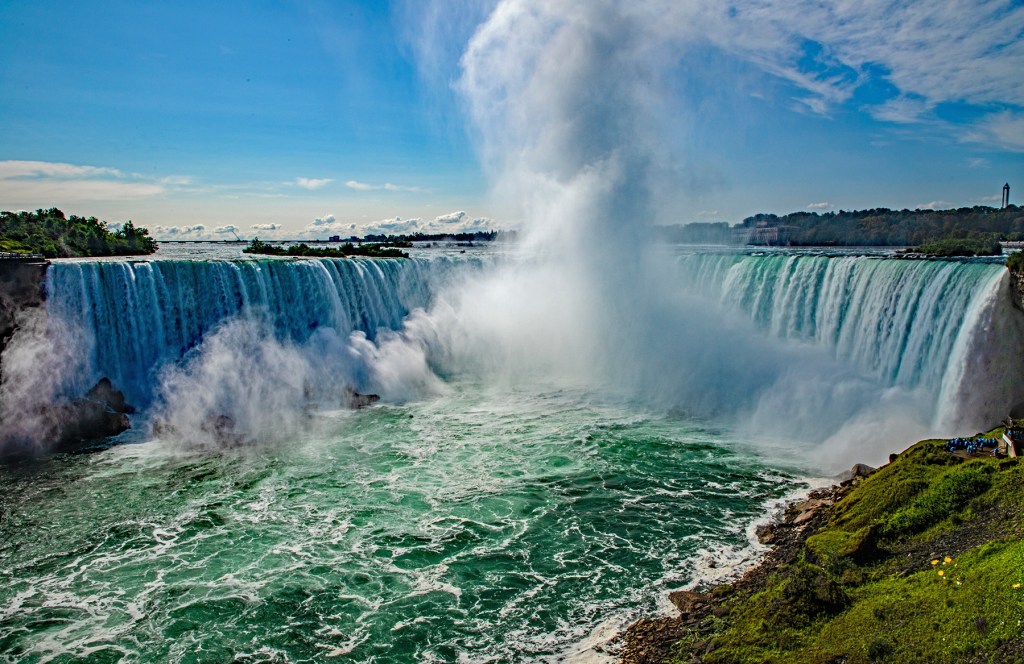
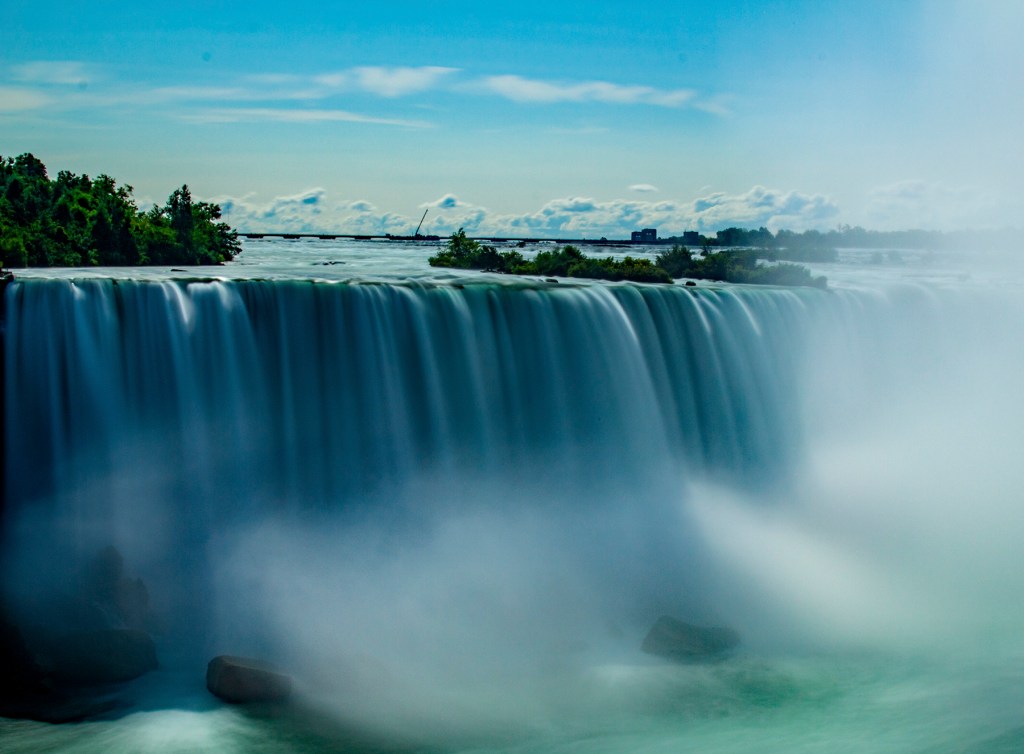
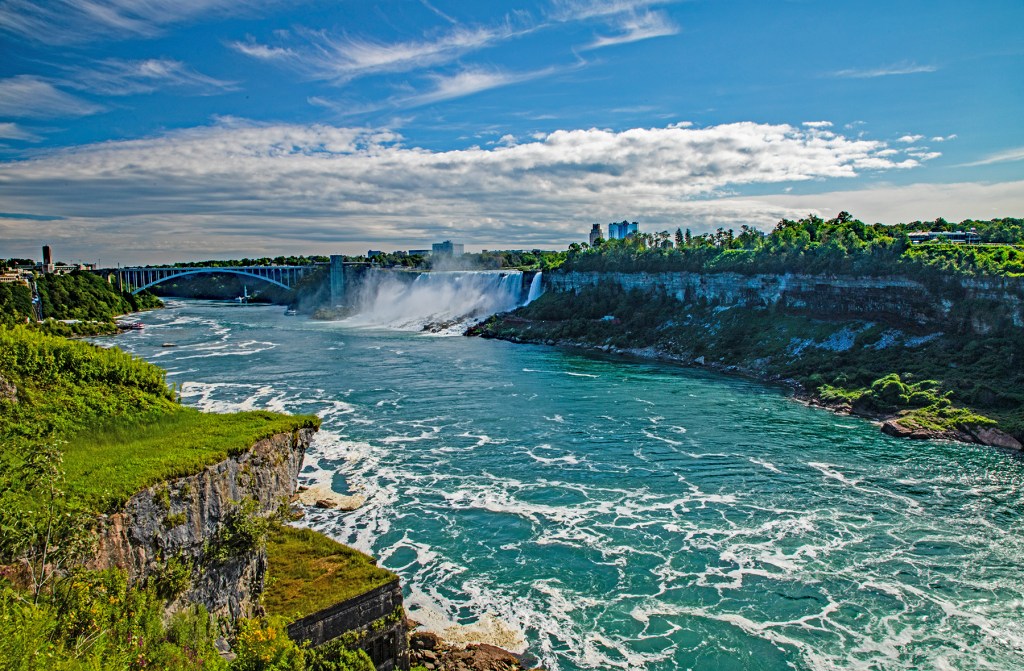
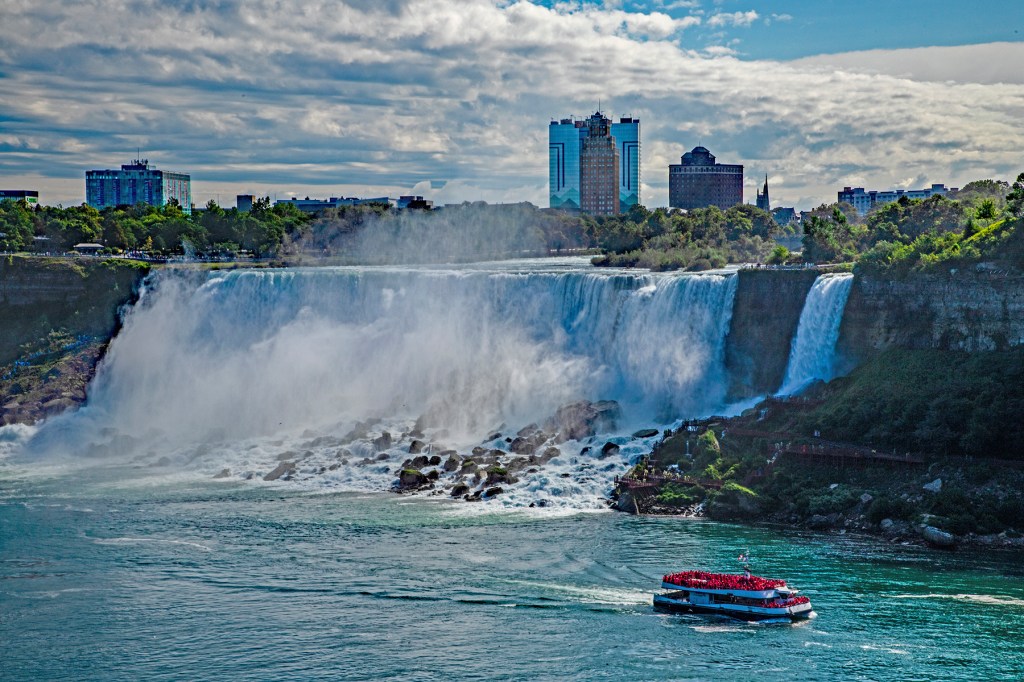
This morning, Barbara, Ellie, and I traveled back into Canada to get, likely our last look, of Niagara Falls. This time we wanted to see it from the Canadian side, because in my opinion, this is the best vantage point of both the American and the Canadian Falls. This time there was no Covid-19 restrictions, so we cruised over the border and back without issue.
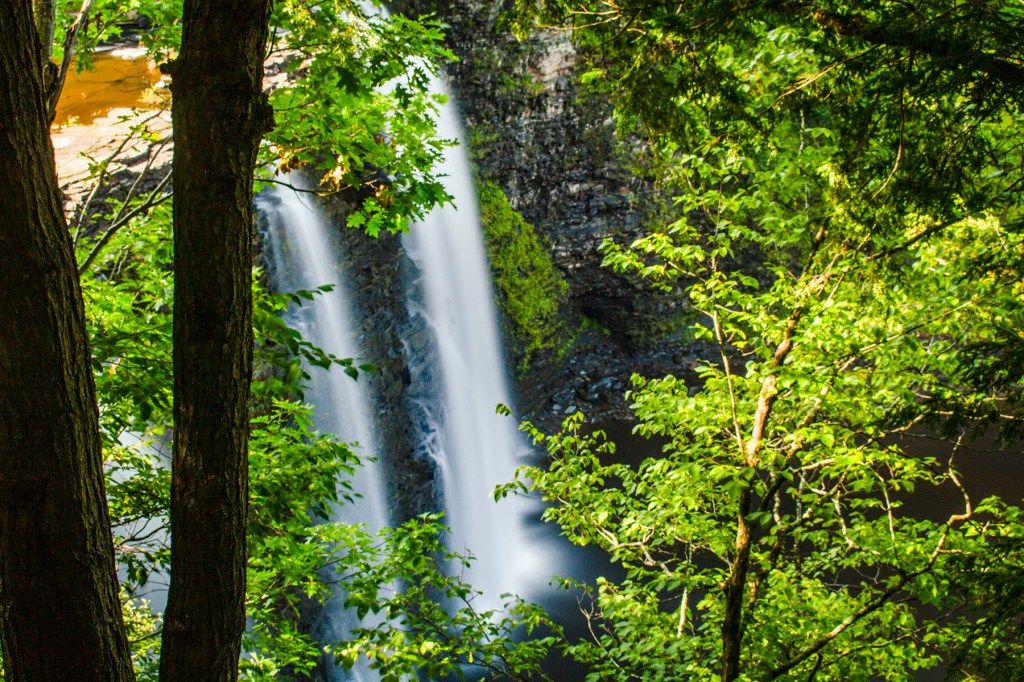
I took photos as I usually do, but this time I took both standard photos and time exposures. I hope you like them.

Louisville Slugger Museum and Factory

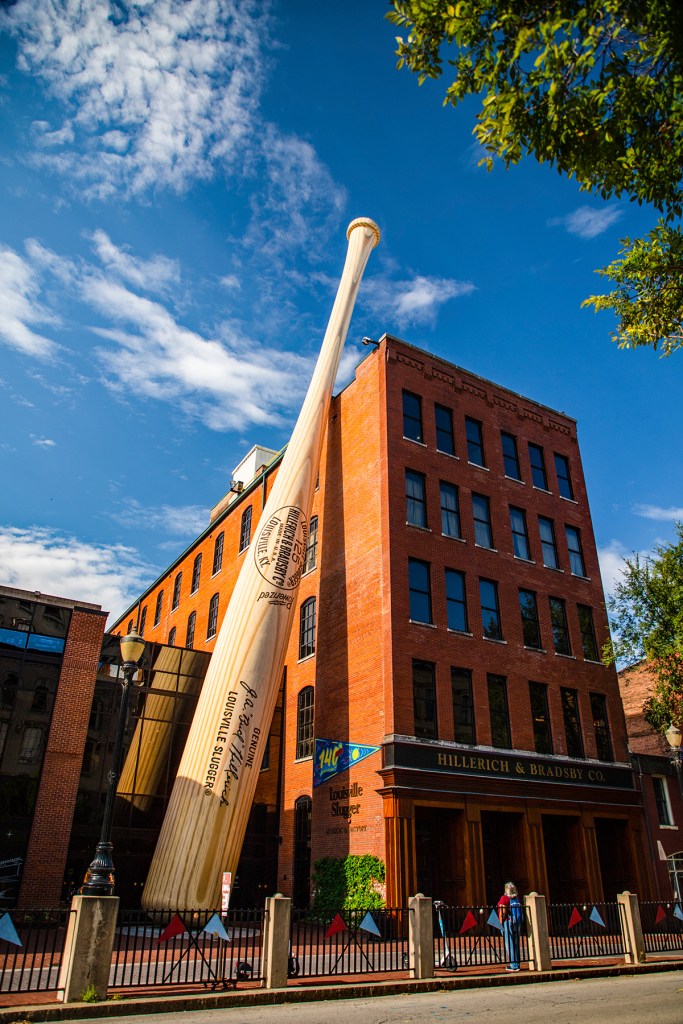
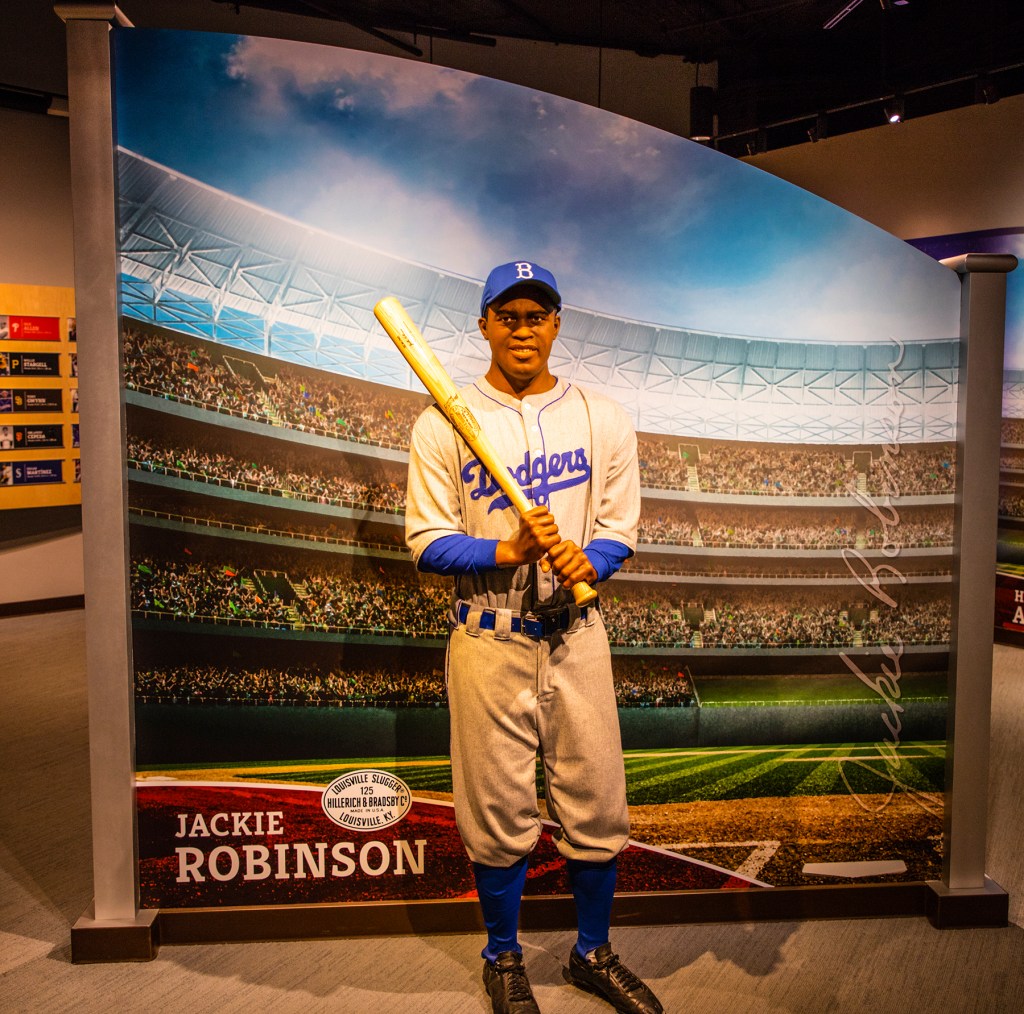
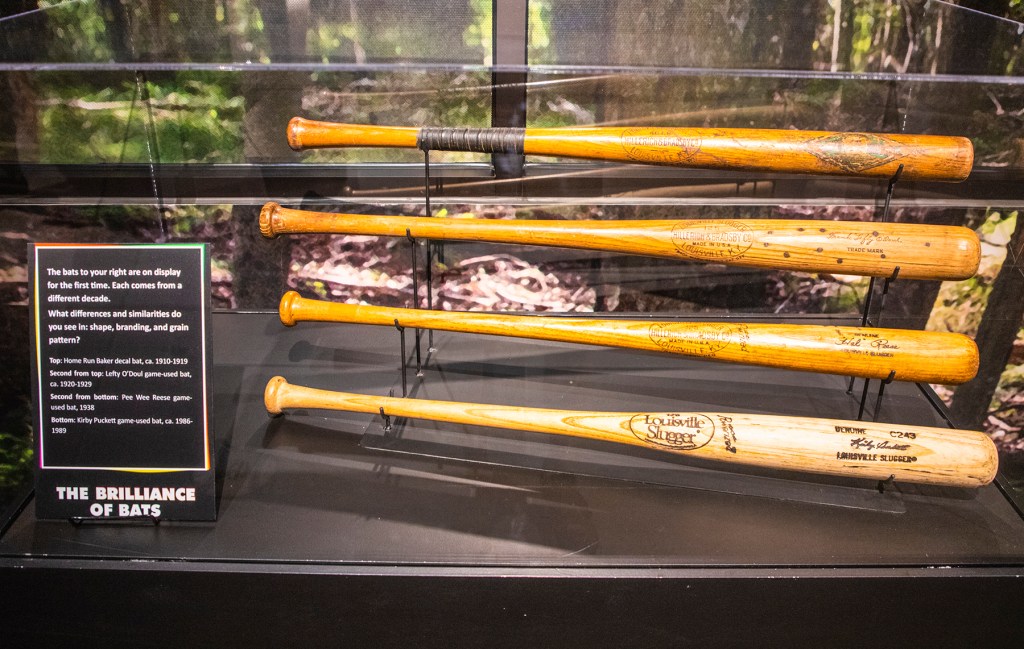
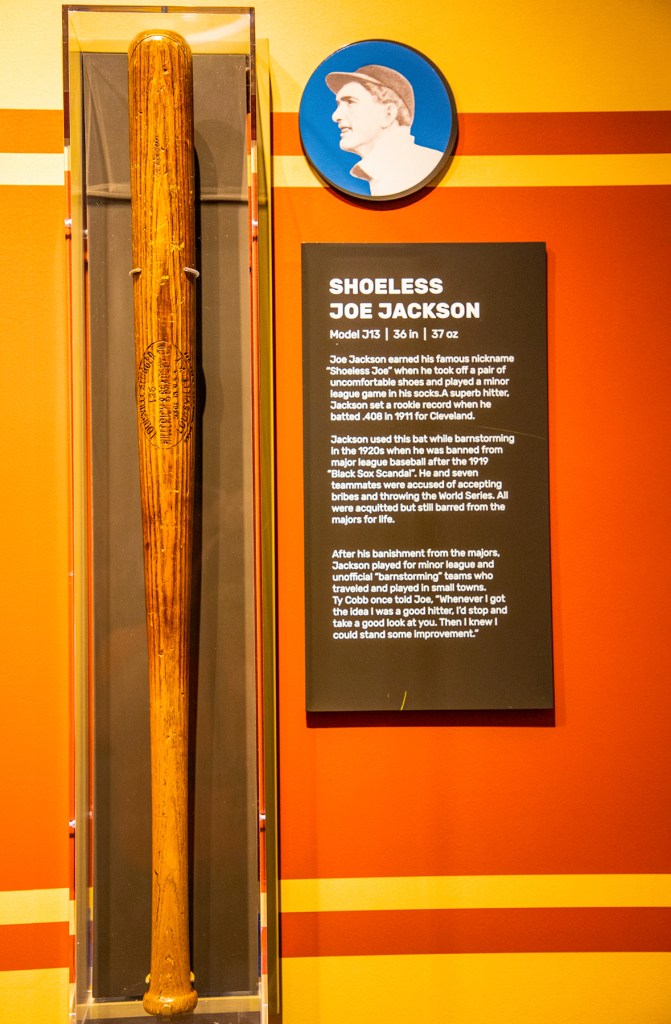
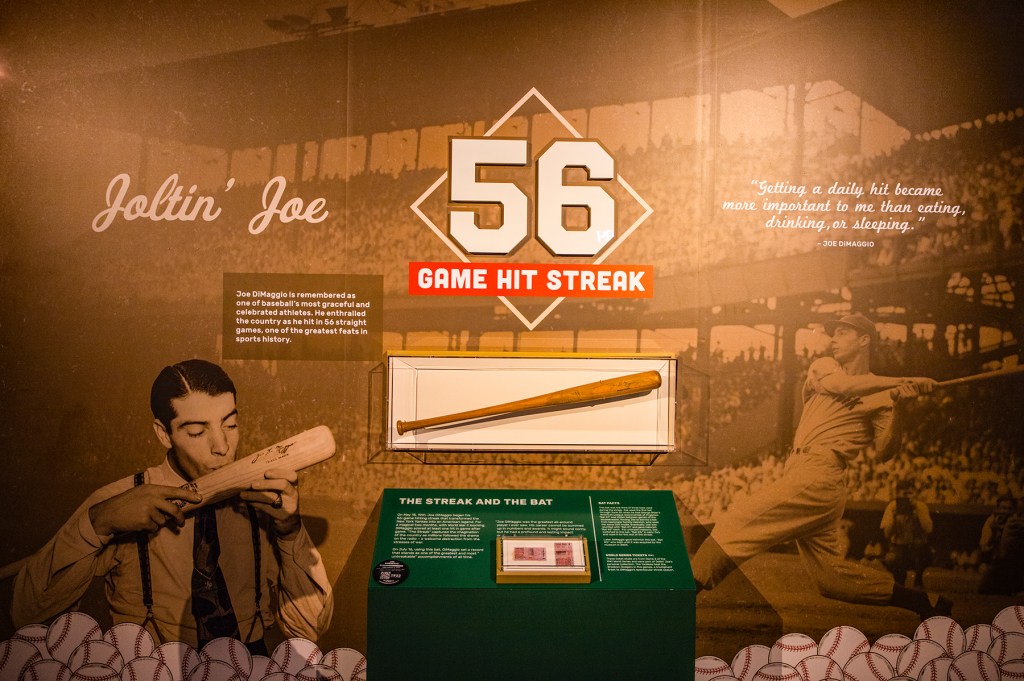
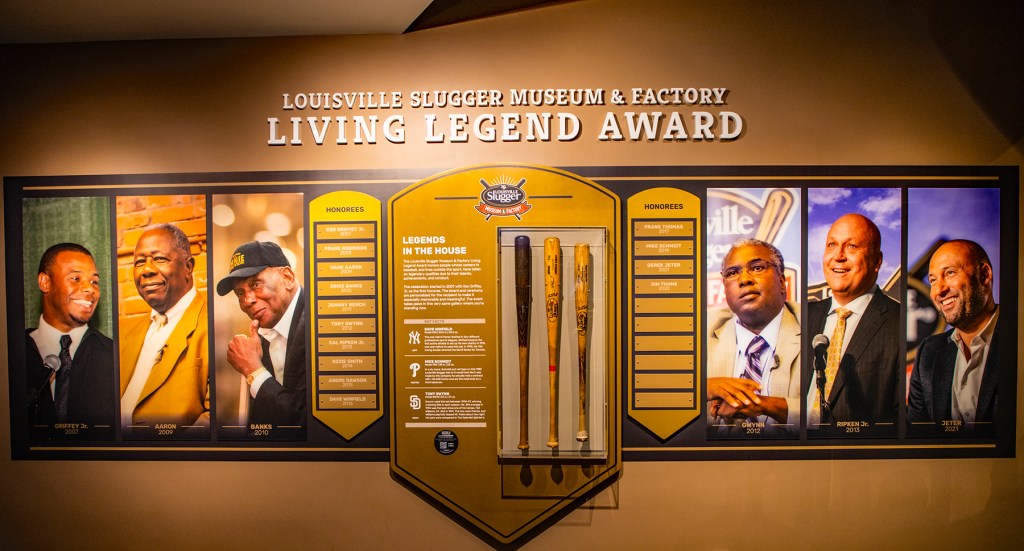
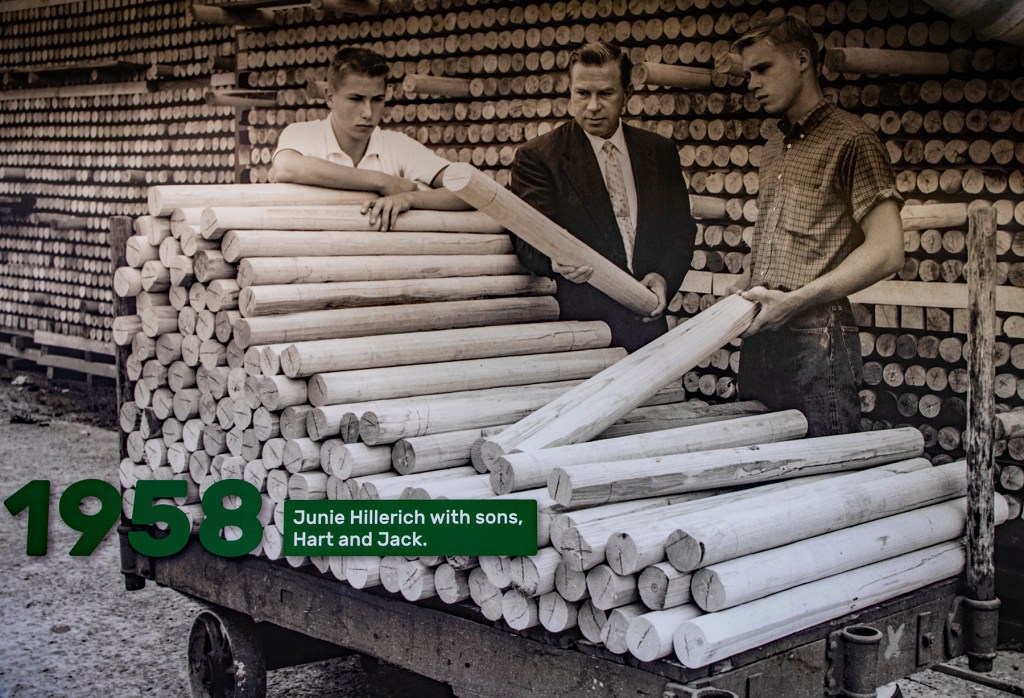
Recently, Barbara and I visited the Louisville Slugger Museum and Factory in Louisville, Kentucky. John A. “Bud” Hillerich was just 17 years old when he made the very first, what would be later be known as the Louisville Slugger Baseball Bat, in his father’s workshop, for Pete Browning in 1884. Mr. Browning, at that time, was known to fans as the Louisville Slugger. In 1916 the Hillerich and Bradsby Co. was born. Years later the name was changed to Louisville Slugger.

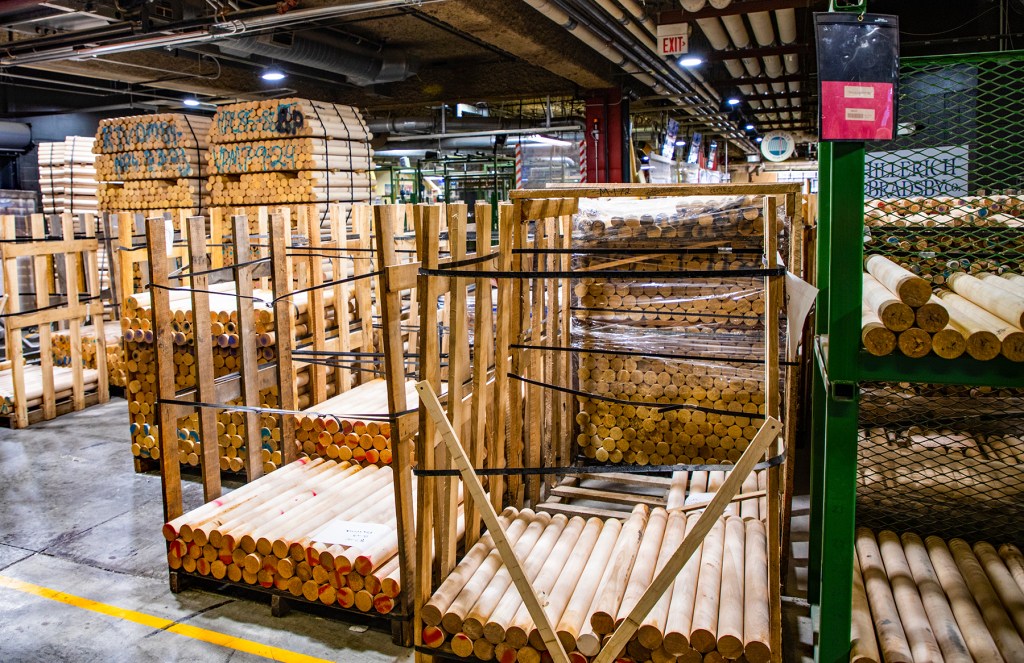
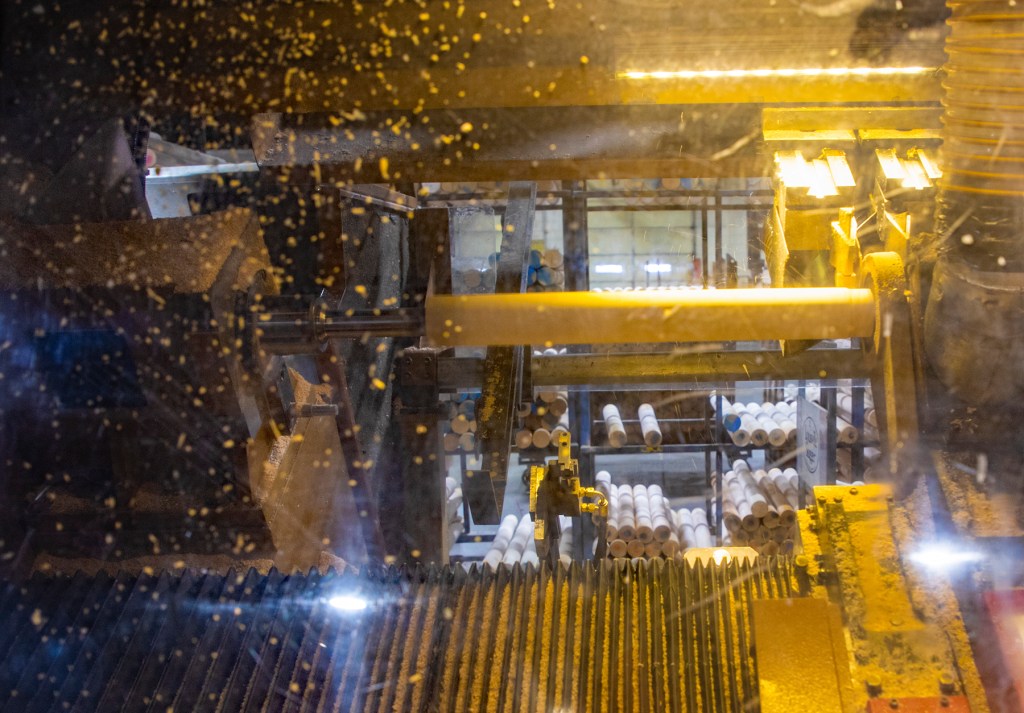
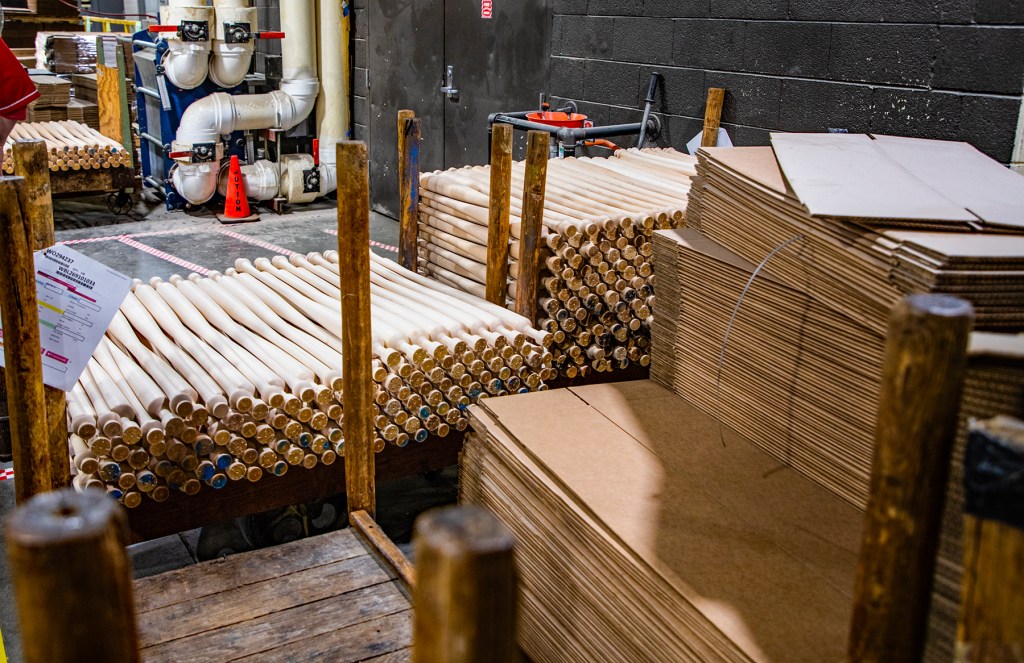
All of the wood, maple, birch and hickory used in making baseball bats come from the forests in northern Pennsylvania and southern New York, but only 15% of the wood harvested from the forest make it to Louisville. All of the major league bats are made in Louisville. The rest of the wood is used for little league and minor league bats and made elsewhere. The wood headed for Louisville is made into 37 inch billets from maple and birch. Once these billets arrive in Louisville, they are transported to a lathe that is set, by computer, to specifications requested by a major league player, for turning. All of the sawdust created during turning of the baseball bat, is vacuumed up and transported to turkey farms and used for their bedding. After the bats are created, they are loaded on the original “Batmobile” for transport for further finishing: the nubs on each end are cut off, the bat is sanded, and the bats are branded and painted matching the specifications of the major league player.

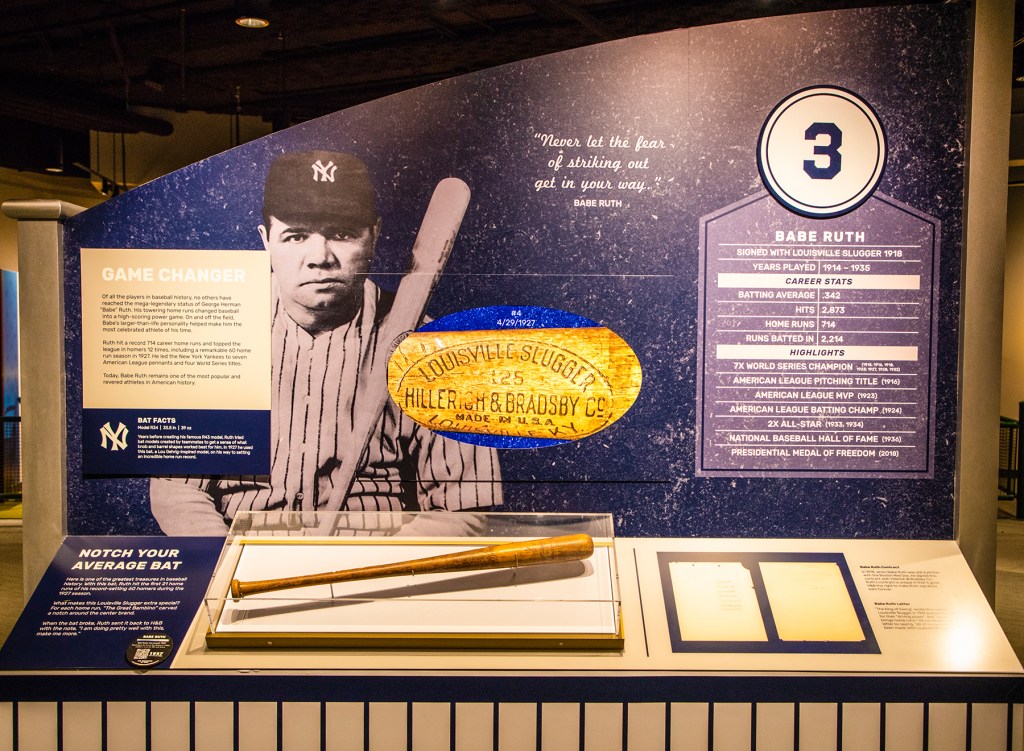
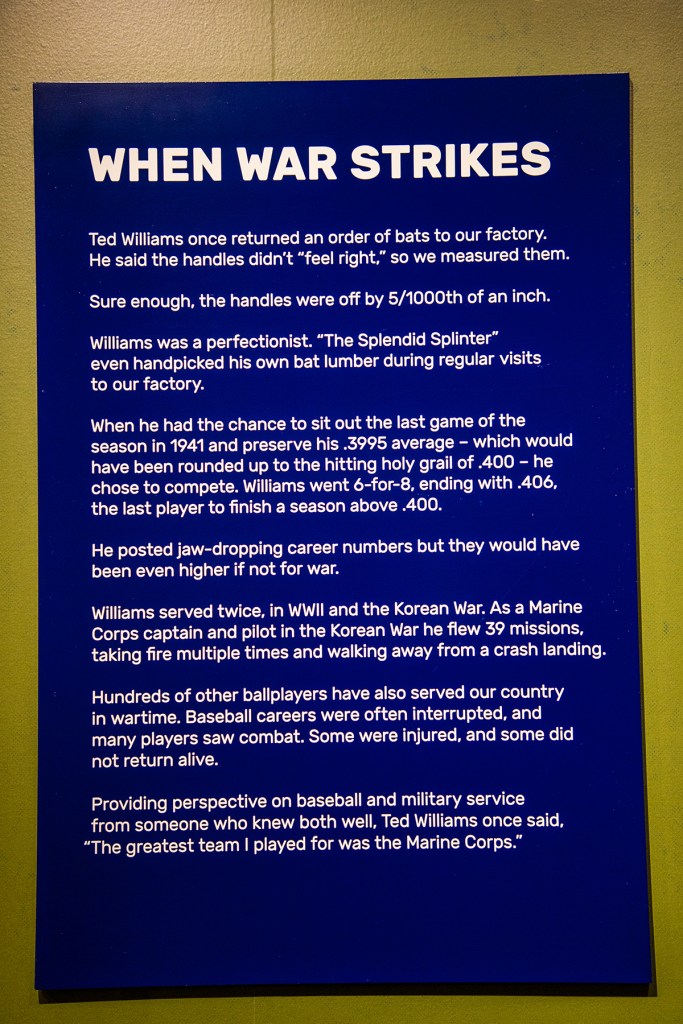
The museum highlights some of the history of baseball and the greats we all know, Ruth, Aaron, and Williams, to name a few. So if you’re ever in Louisville, Kentucky, be sure to stop by the Louisville Slugger Museum and Factory, it is a fun place.

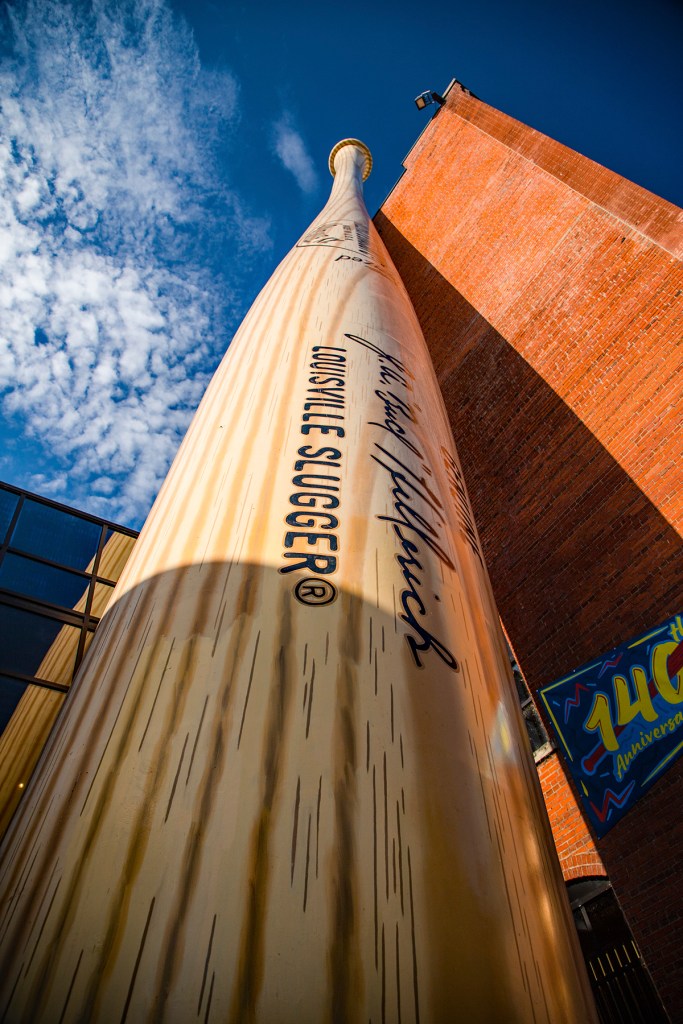
This bat is not made of wood.
The lathe turning out a bat.
Recently turned baseball bats lying on the original Batmobiles.

Fort Gratiot Lighthouse

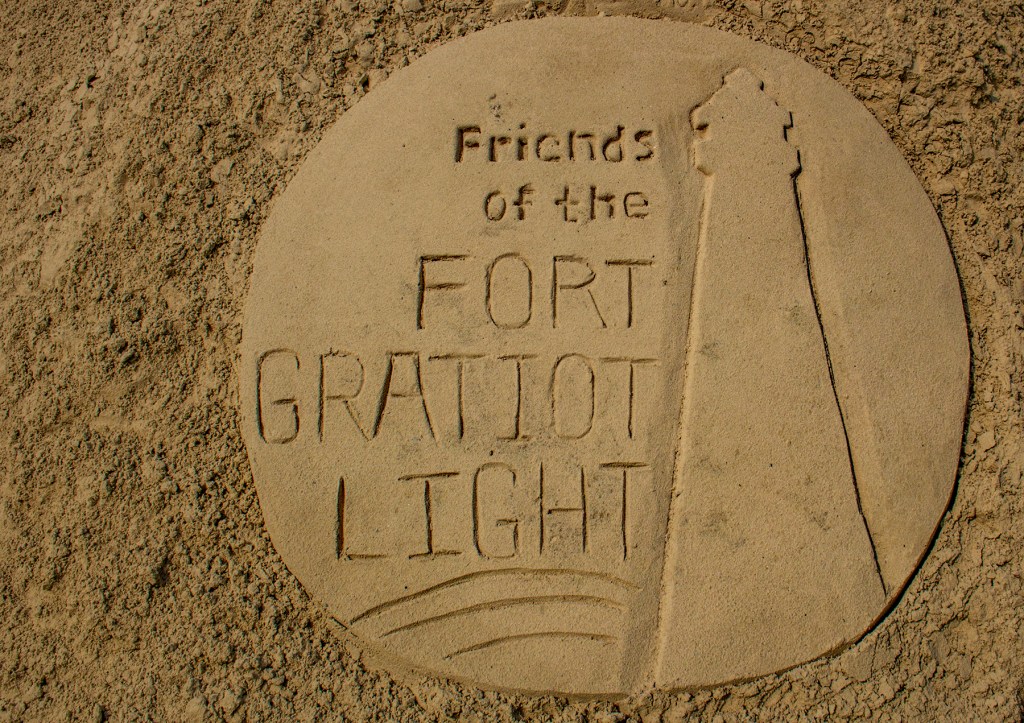
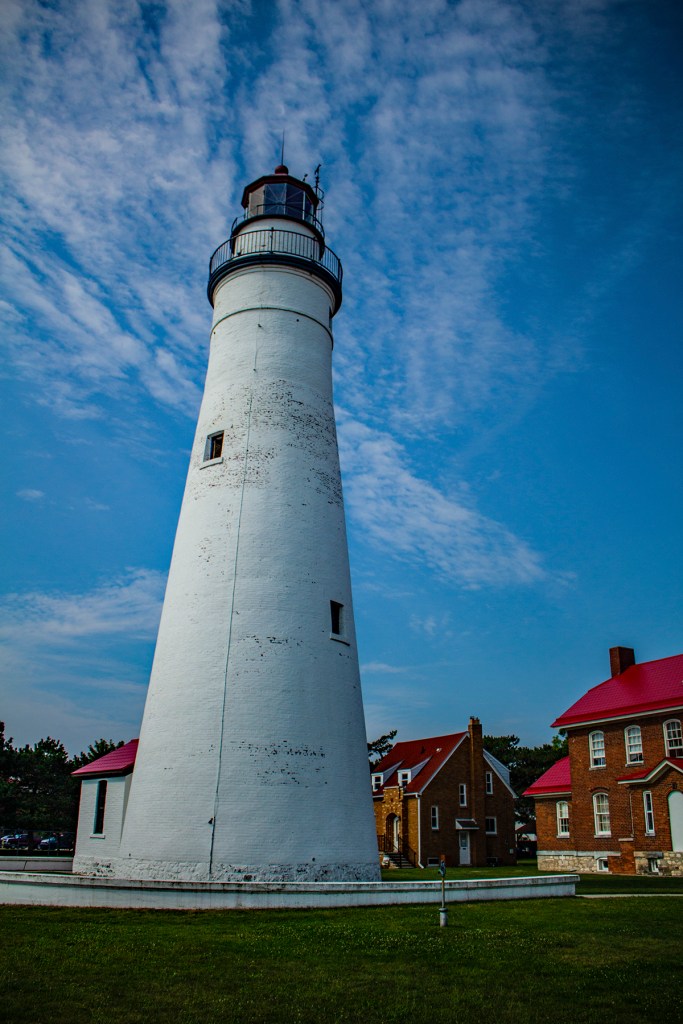
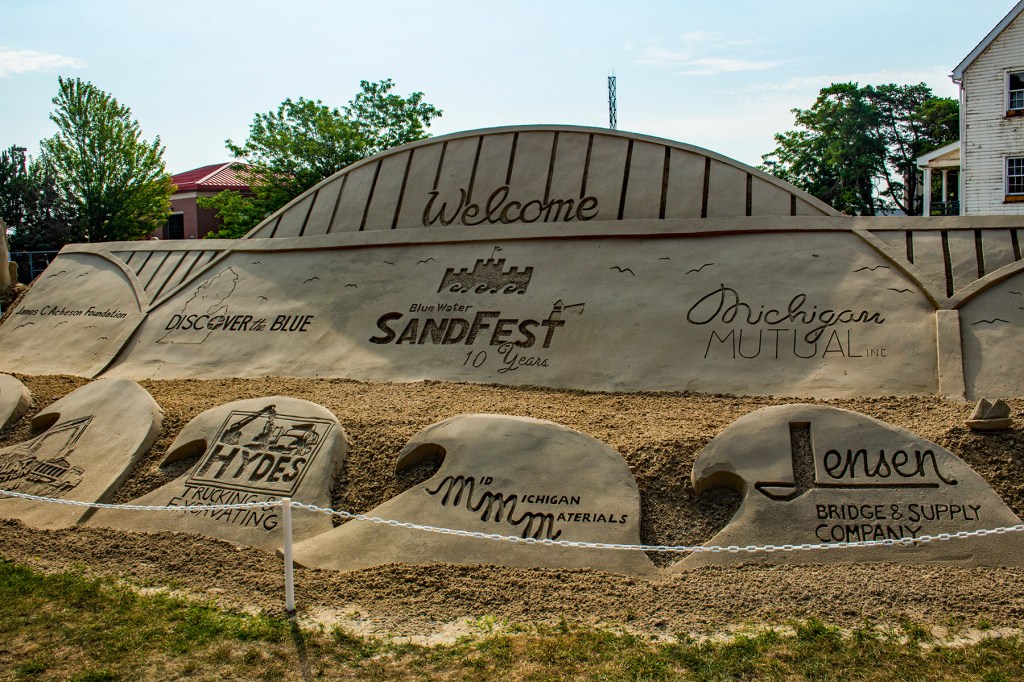
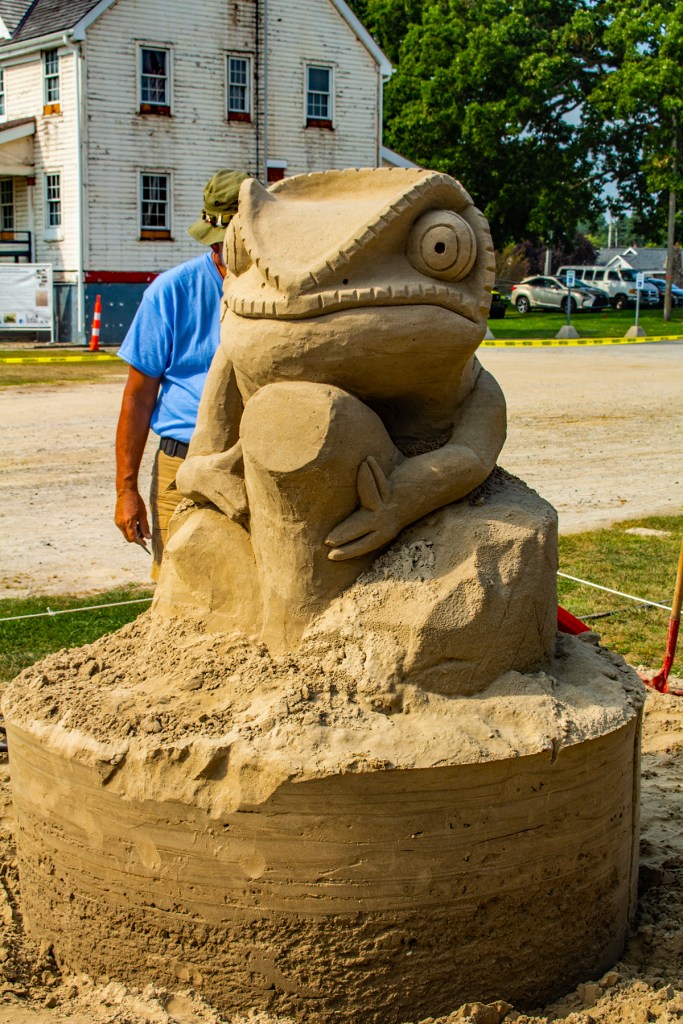
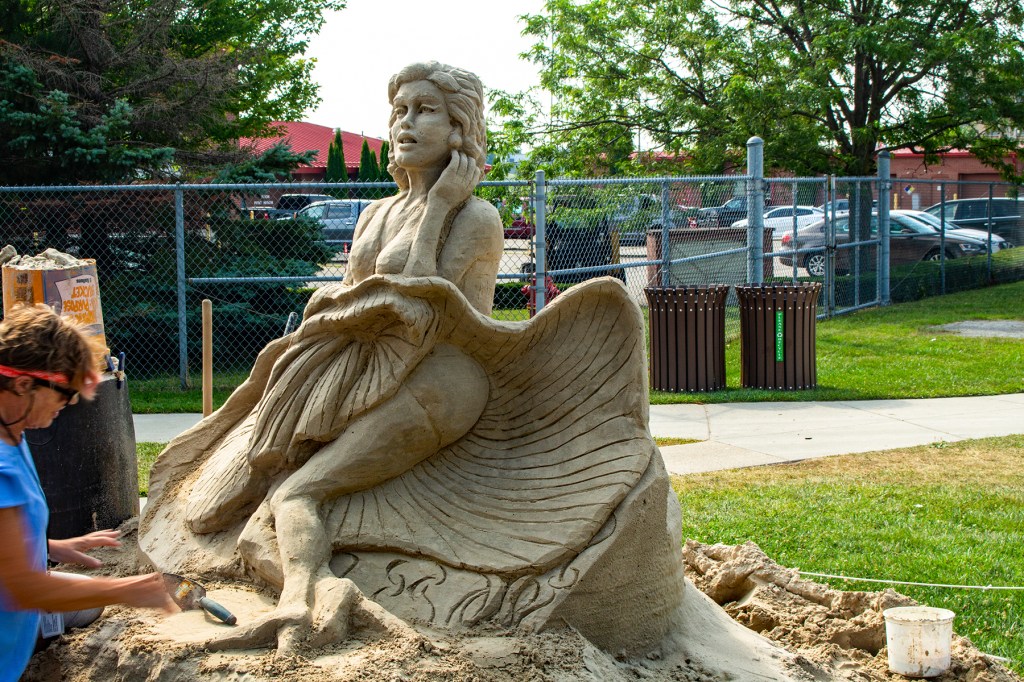
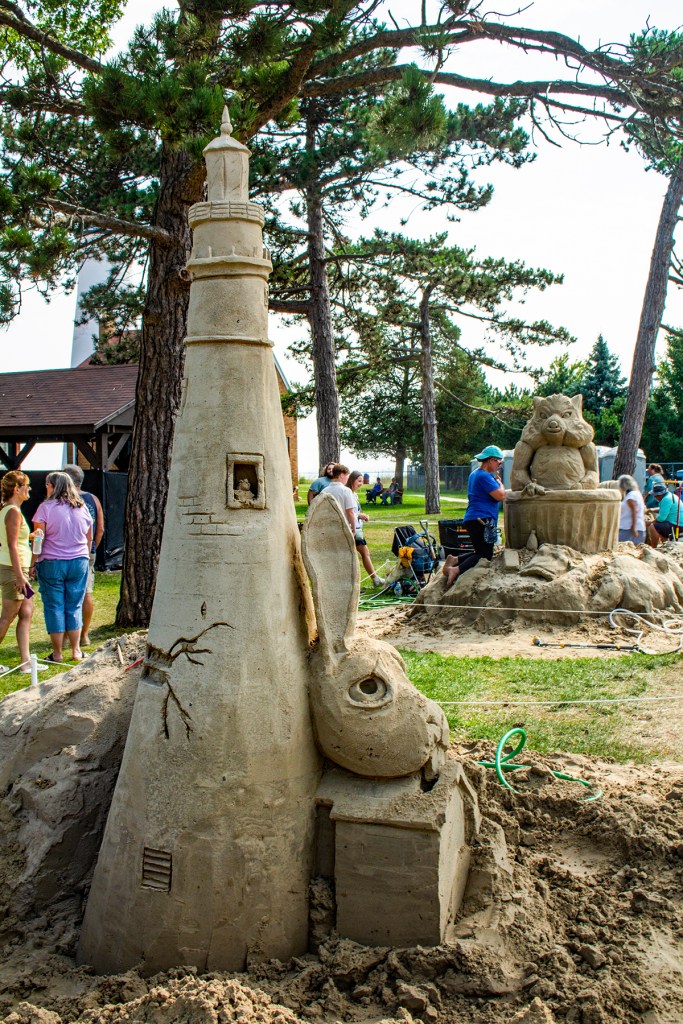
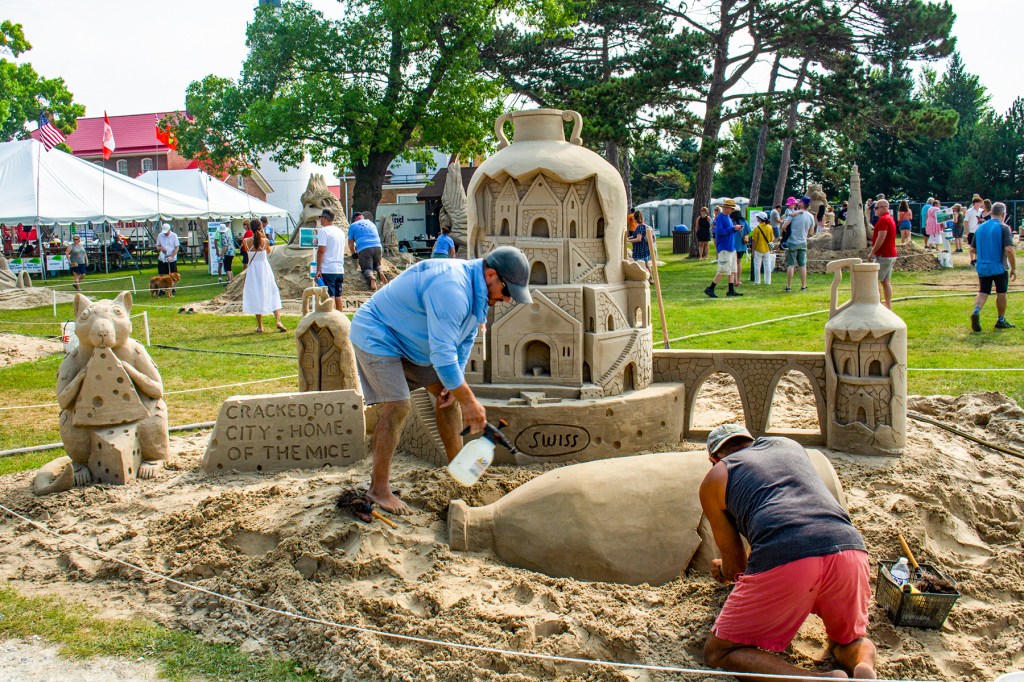
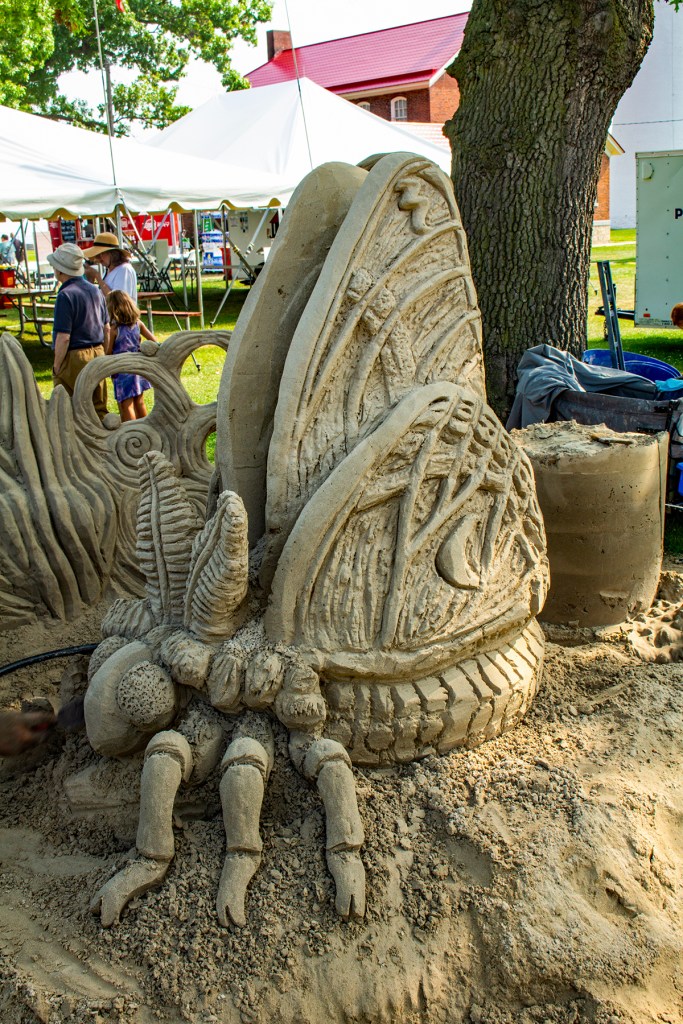
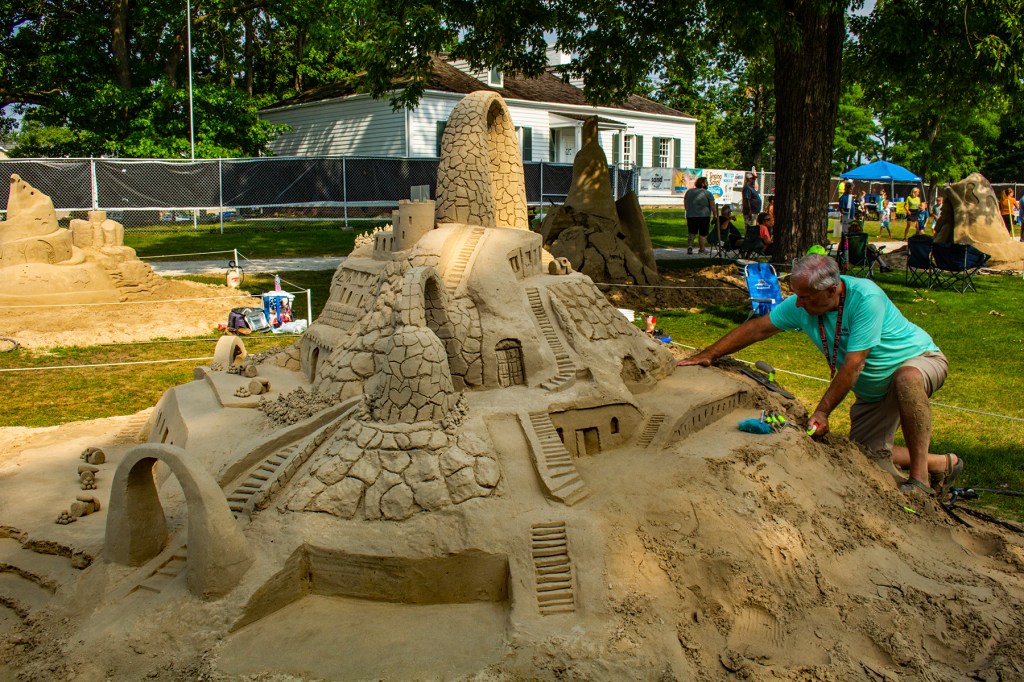
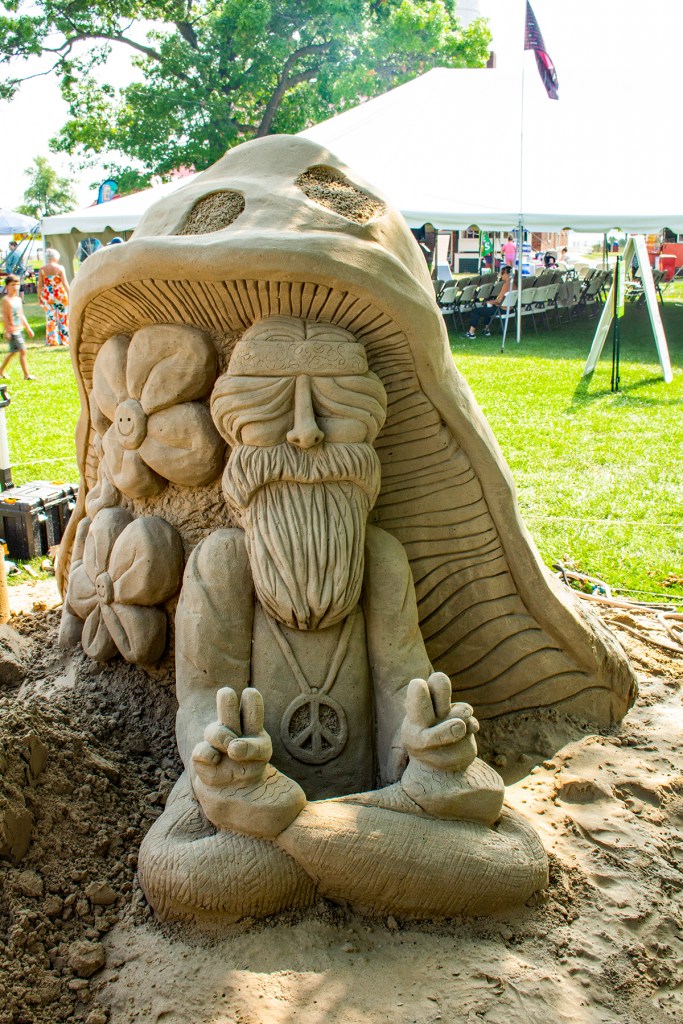
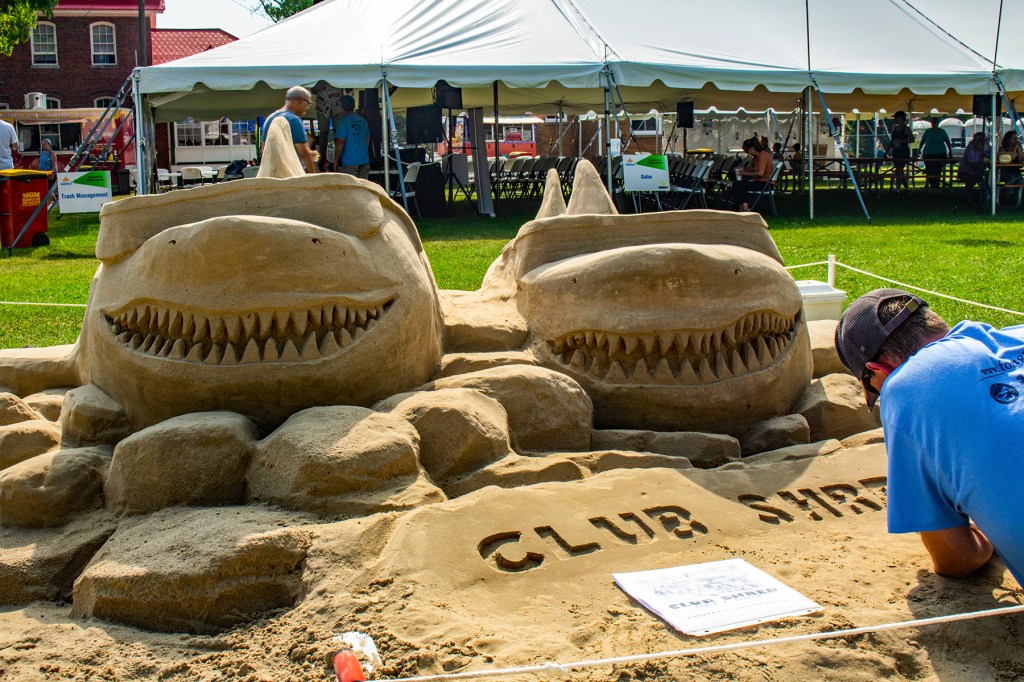
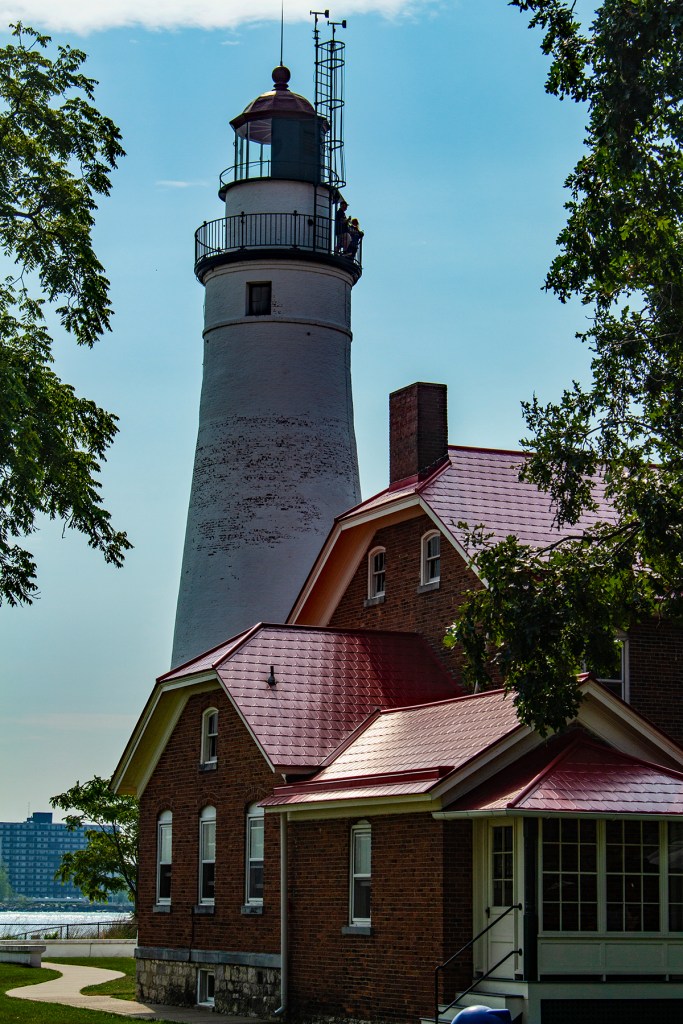
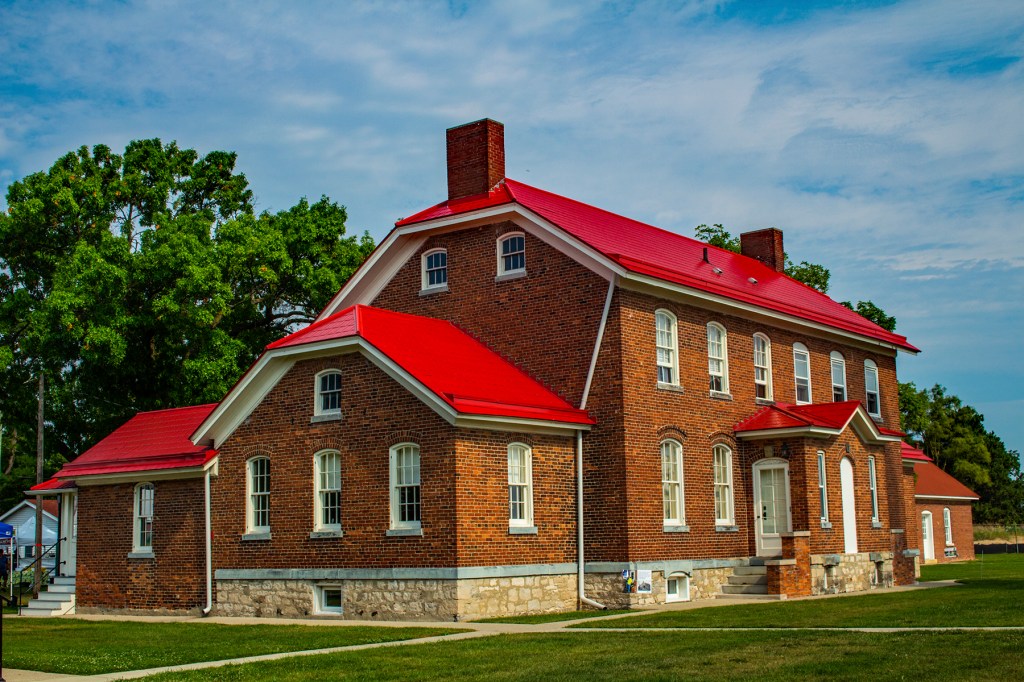
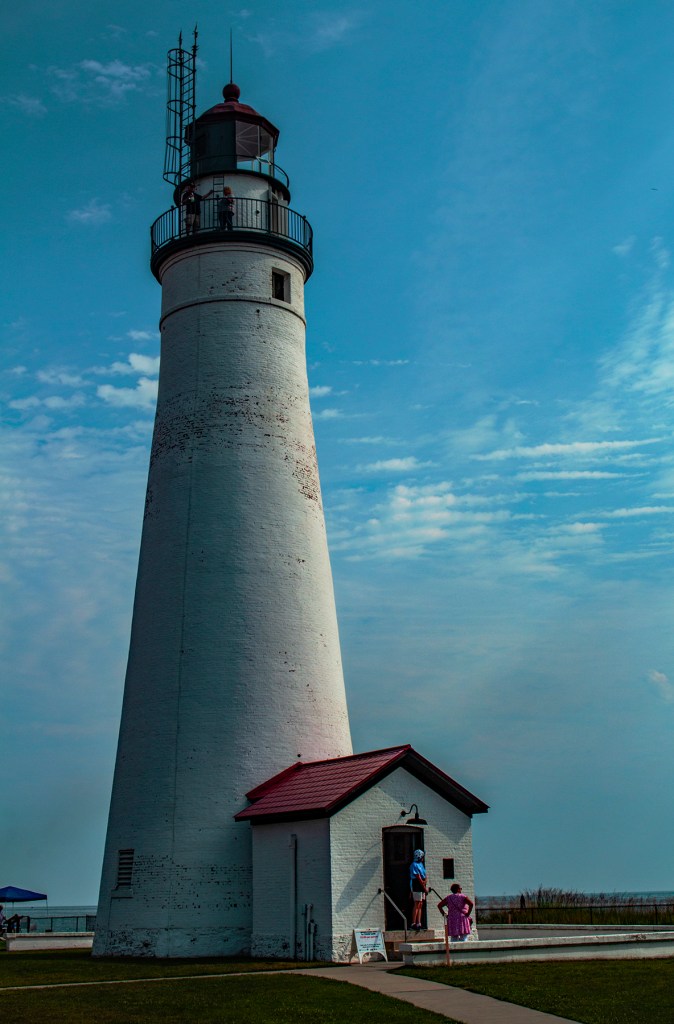
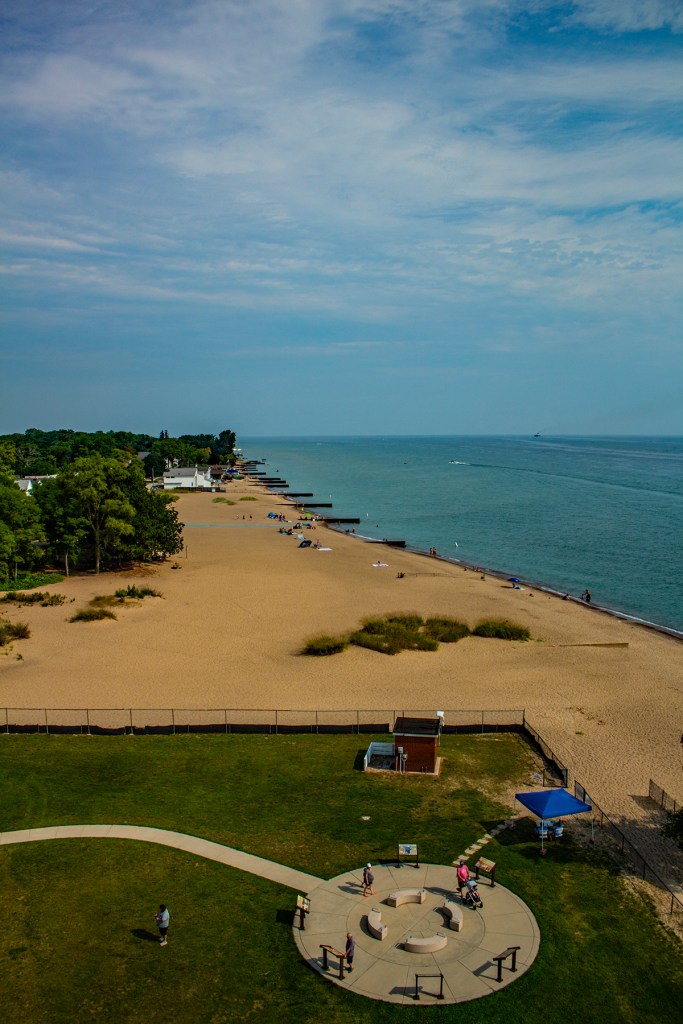
Before we left Michigan, we visited the Fort Gratiot Lighthouse in Port Huron, Michigan. On the day we visited the lighthouse they were having their 10th Annual Sand Fest. All of the money needed to maintain the lighthouse comes from donations, gift shop sales, entrance and parking fees, and the money generated from the Sand Fest. This is a beautiful lighthouse on the southern tip of Lake Huron. I enjoyed it even more because I was able photograph and watch the artists working on their sand sculptures. These artists really take pride in their work, as you can see from the photos below.

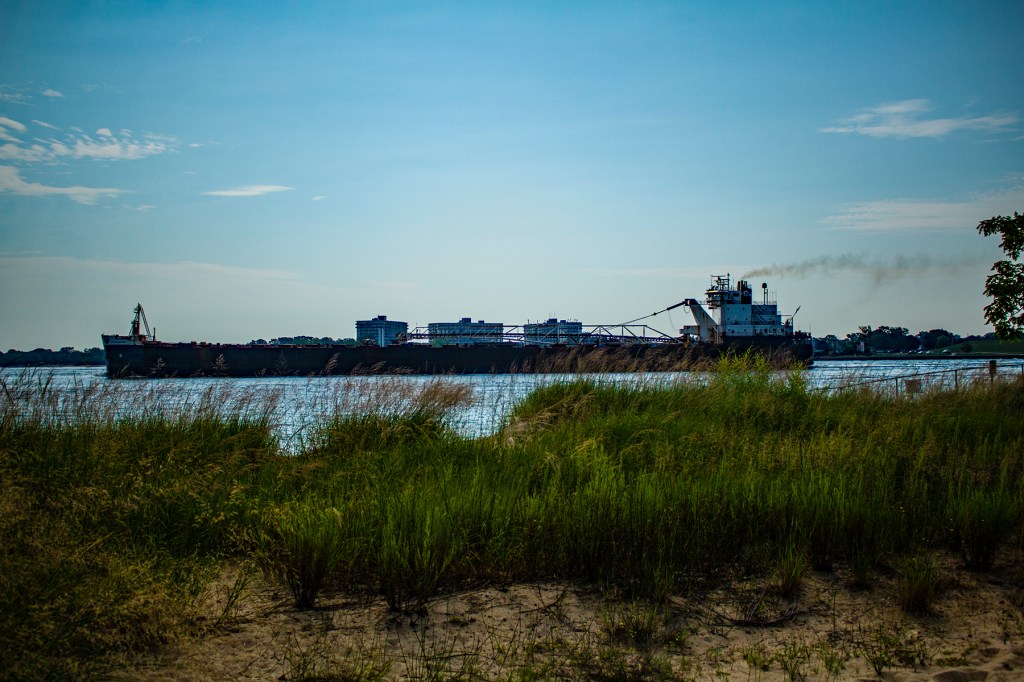
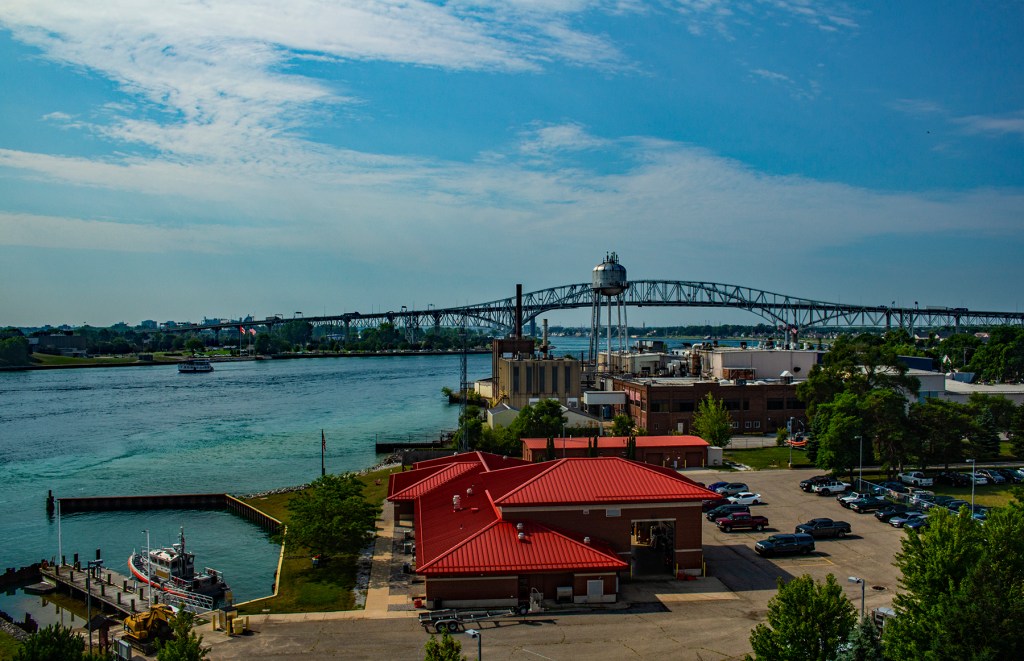
Just south of the lighthouse is the Blue Water Bridge that connects the US to Canada. It is one of the busiest bridges connecting the two countries. I got a good photo of this bridge, taken from the top of the lighthouse.

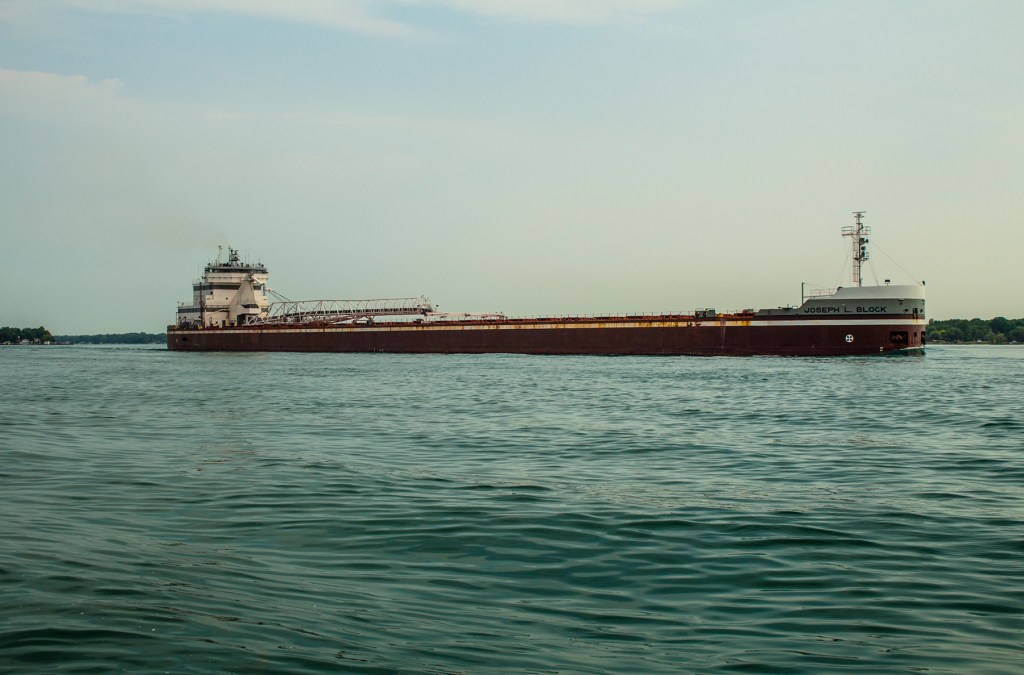
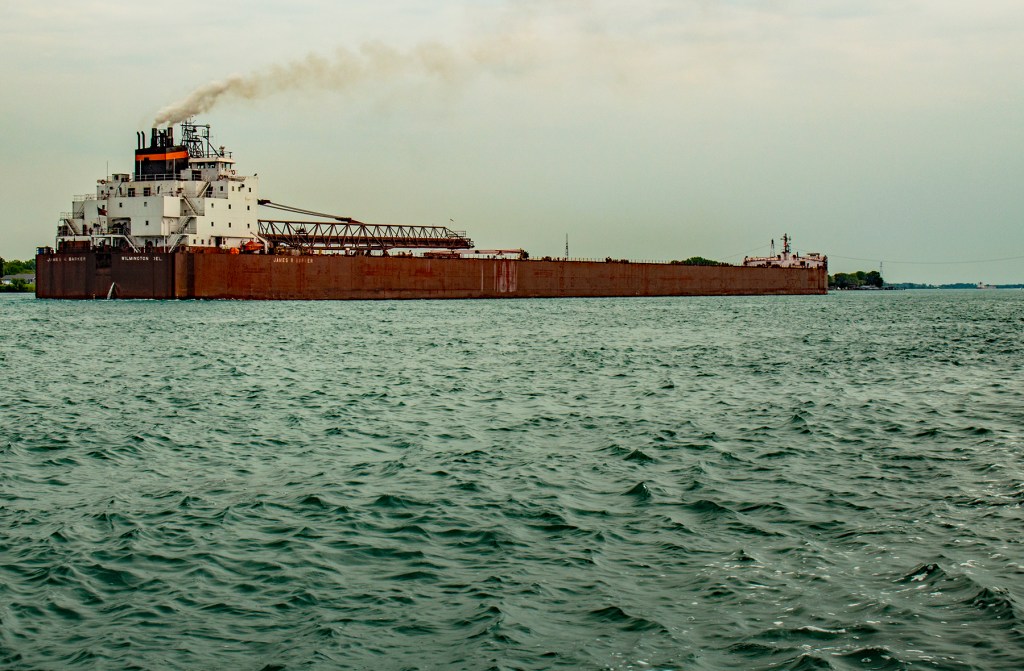
Also, before we left Michigan, we got to visit Palmer Park in St. Clair, one more time. This is one of our favorite places in Michigan. It is right on the St. Clair River and boasts the longest boardwalk in the state of Michigan. We have visited this park several times over the years. We like to take a picnic lunch, some folding chairs, and sit and relax while we watch the big ships go by.

The last two photos in this post are of the Ohio River from Charlestown State Park in Indiana.

The Blue Water Bridge in the distance with Canada on the left and the US on the right.
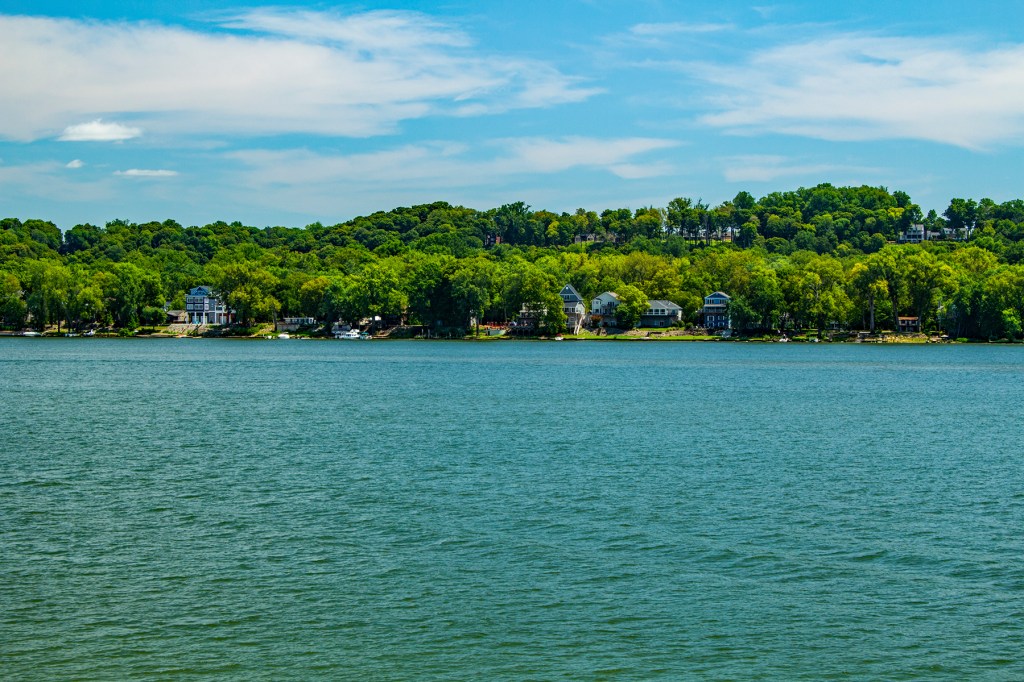
The Ohio River from Charlestown State Park in Indiana.

Lake Michigan Adventures

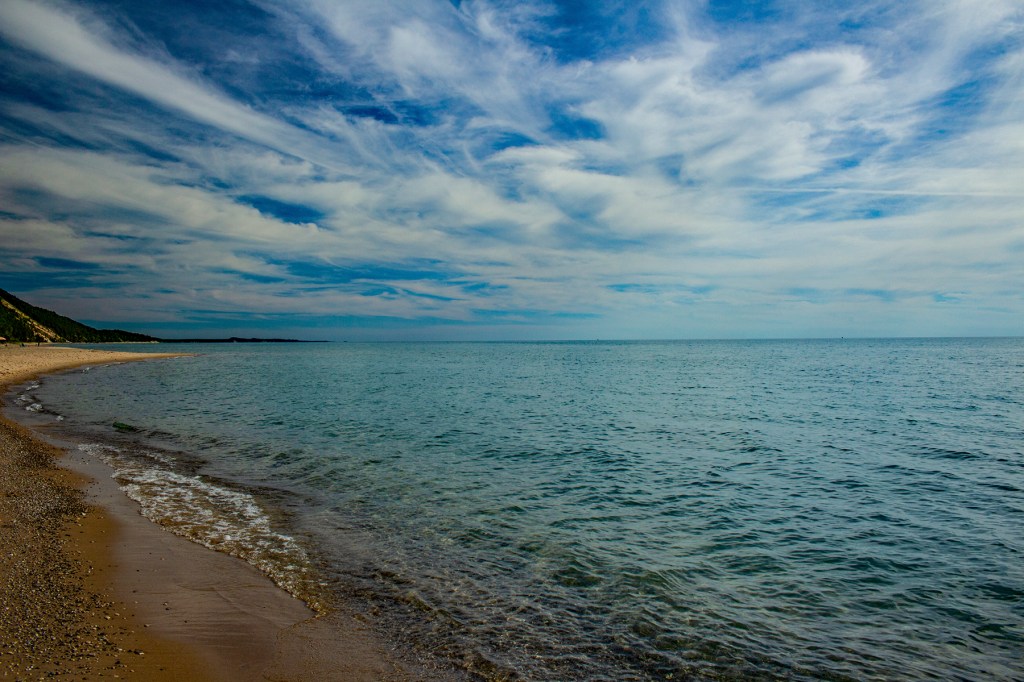
Recently, while staying in western Michigan, near Bear Lake with our good friends Glen and Kathleen, they showed us the fun and interesting places in the area.  They took us to see a couple of lighthouses on the eastern shore of Lake Michigan, Sleeping Bear Dunes National Lakeshore, and an artesian well known as Old Facefull.  Not sure Old Facefull fits the definition of an artesian well, but I don’t want to spoil the fun for the locals.    

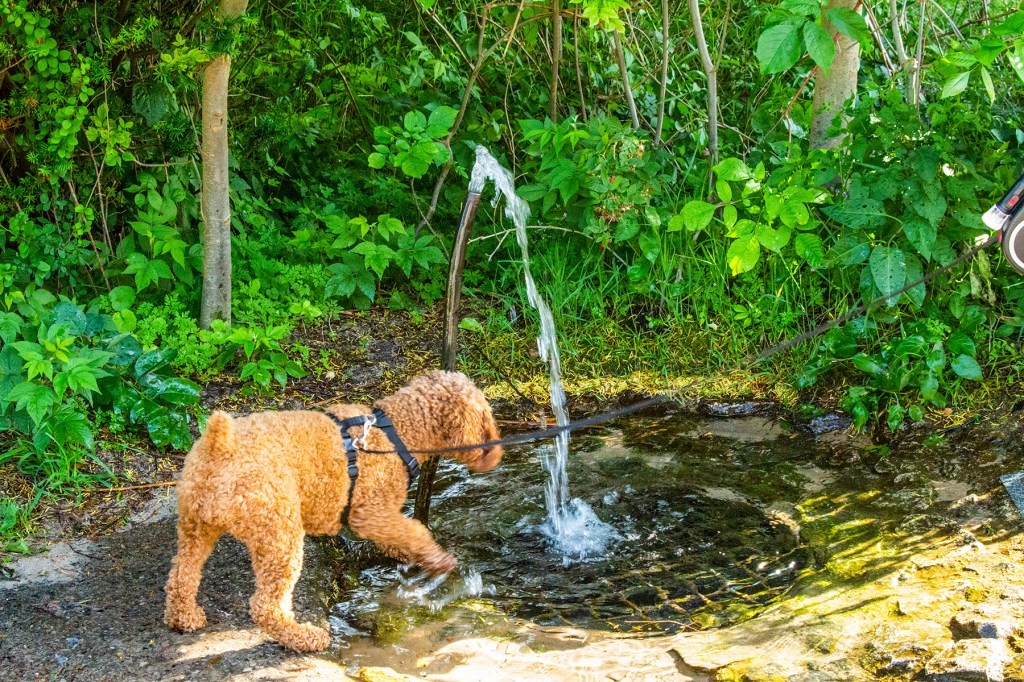
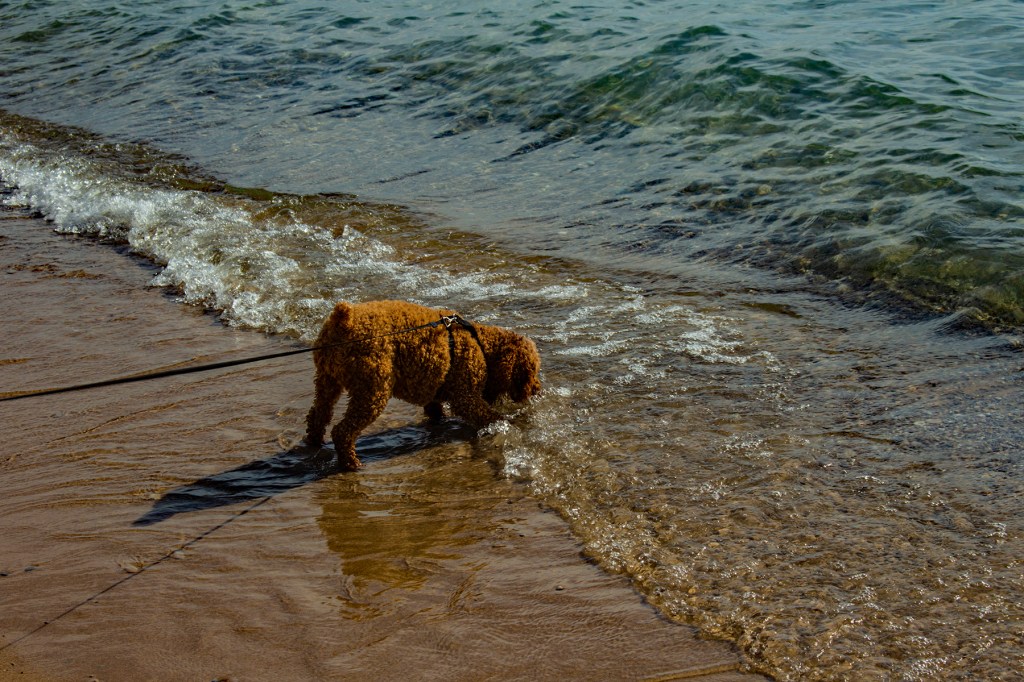
First we visited Old Facefull.  Ellie didn’t waste any time getting a drink of water.  From there we walked down to the shore of Lake Michigan where Ellie went right straight into the water.  I was not aware that Poodles were water dogs, but she really seemed to enjoy it.

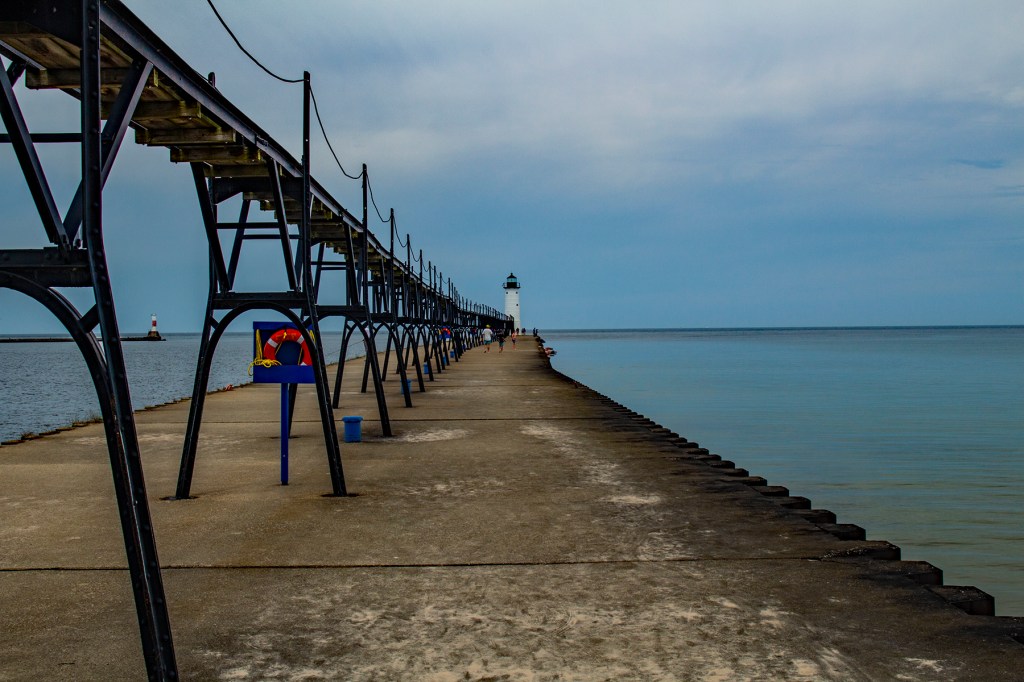
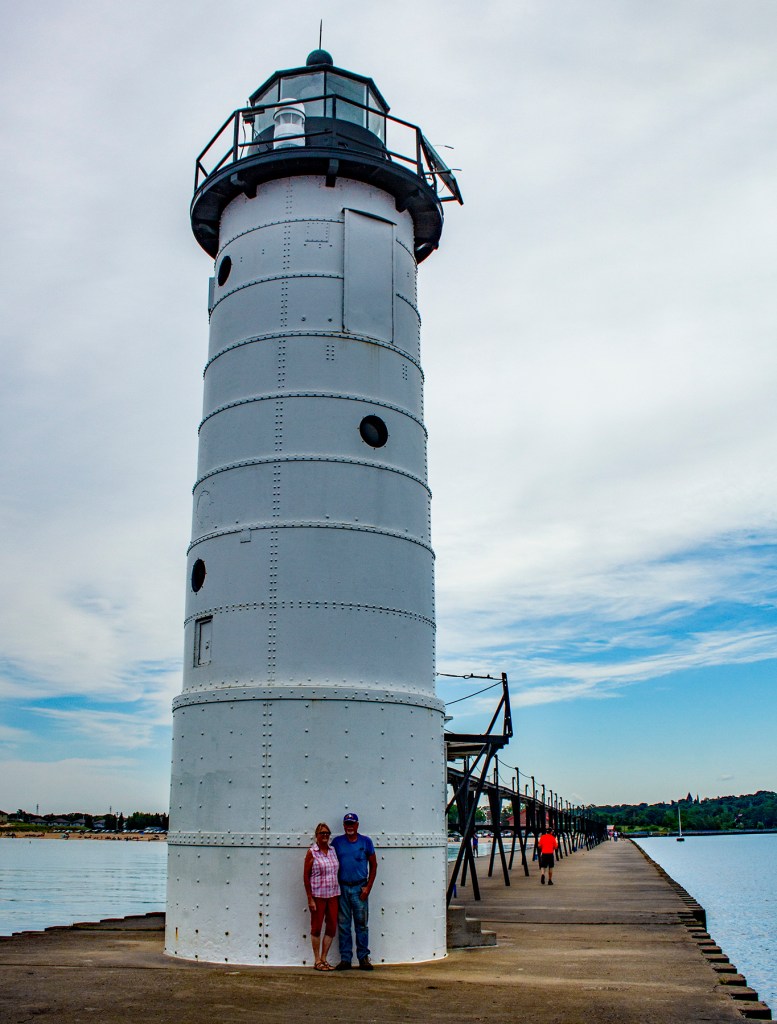
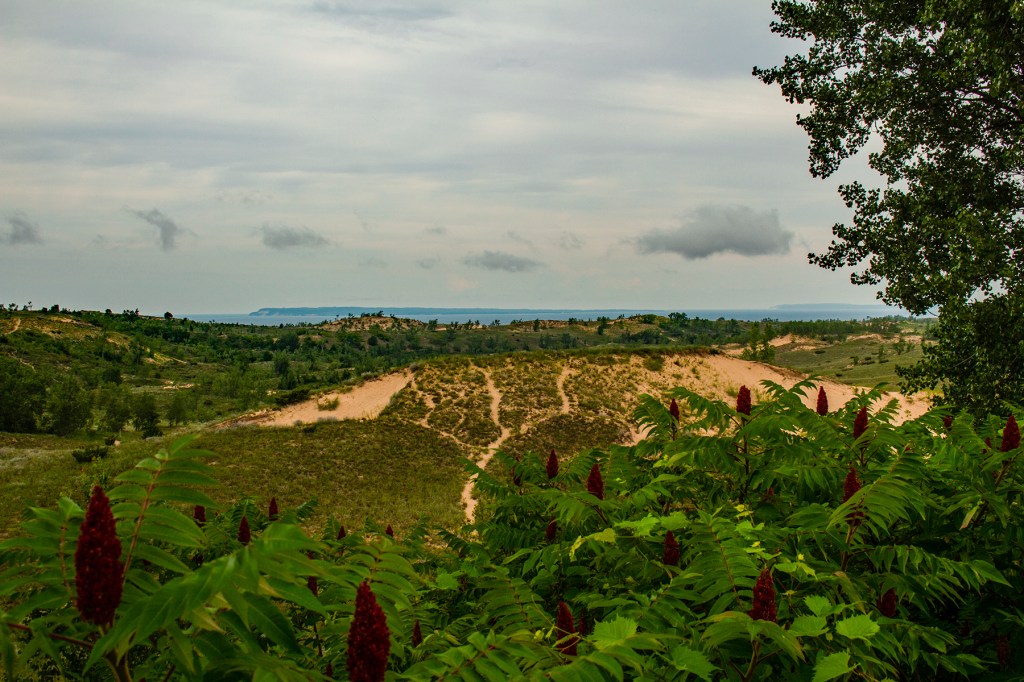
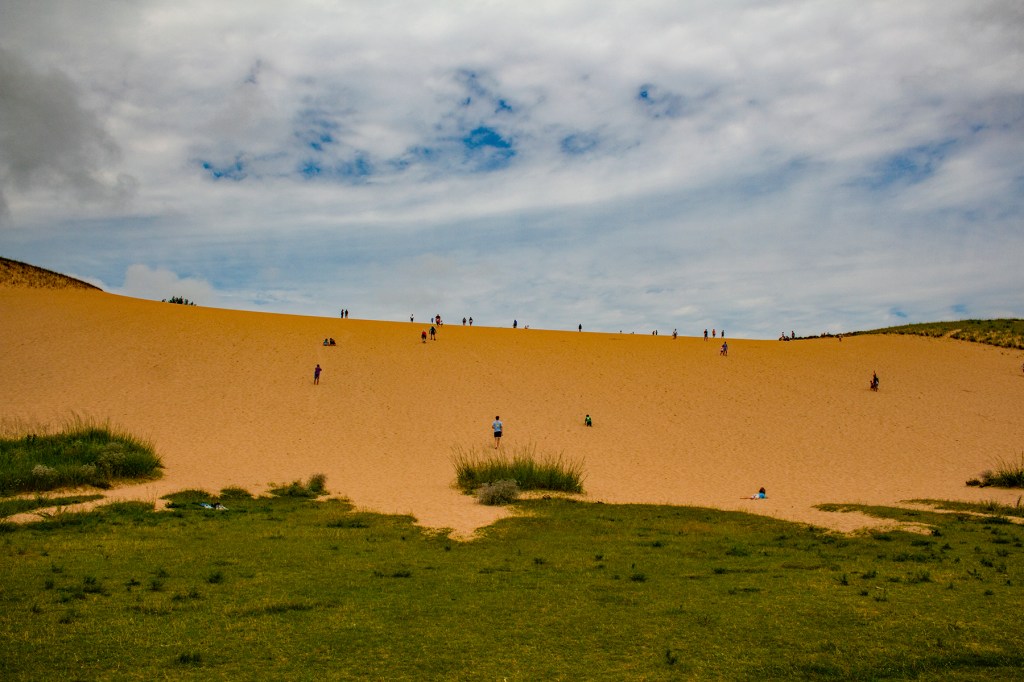
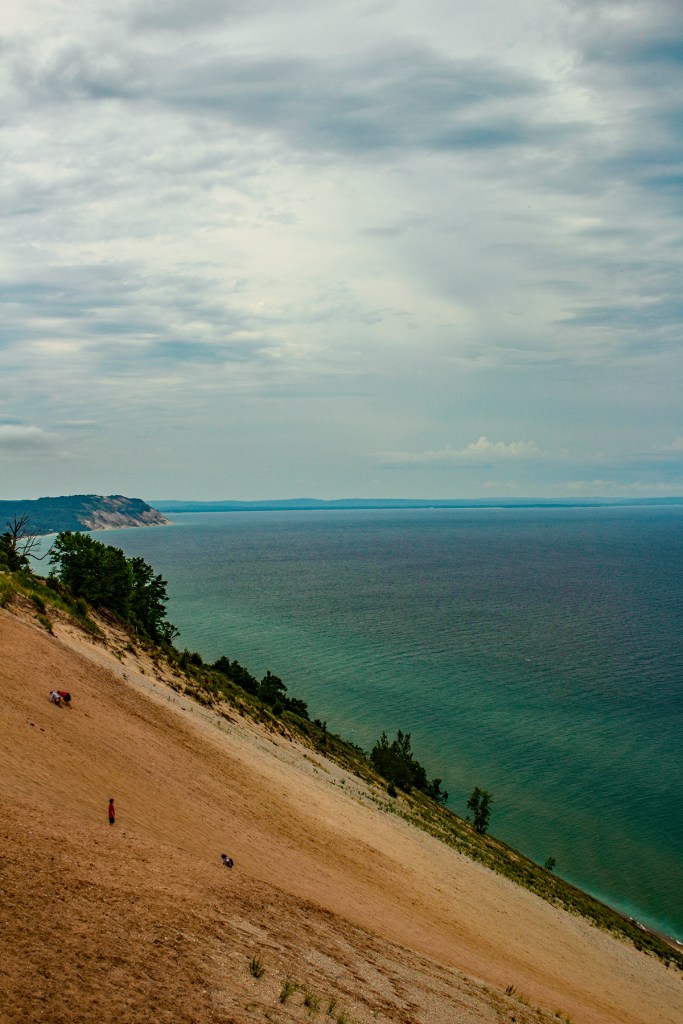
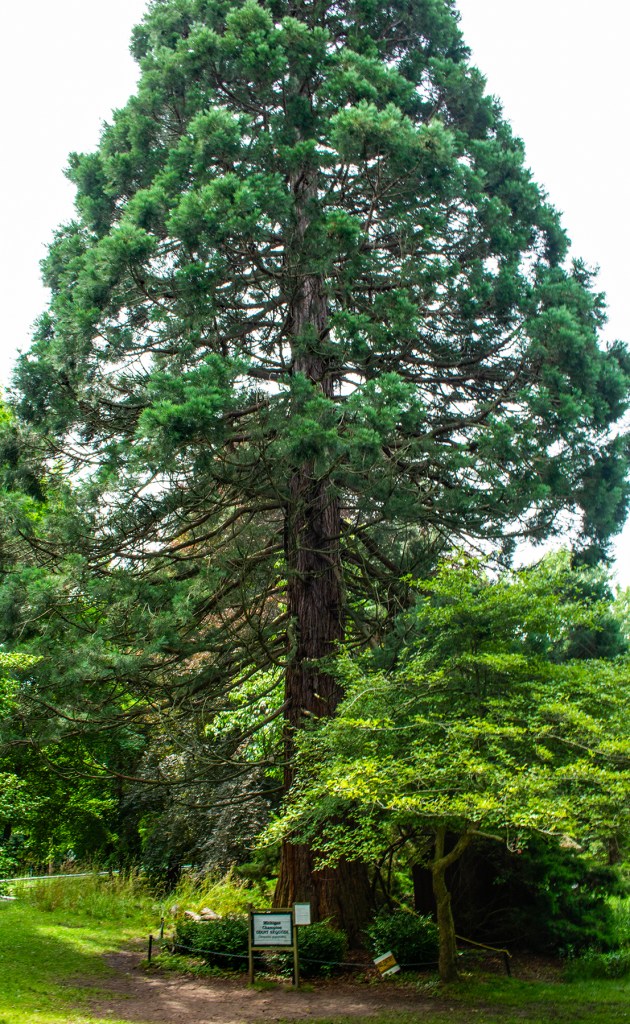
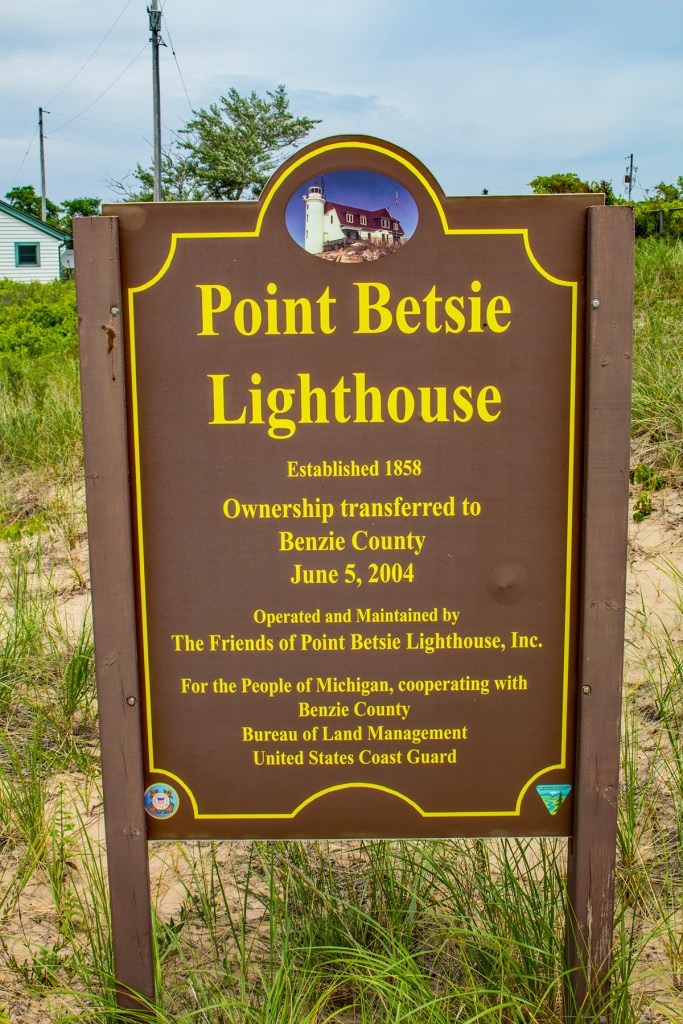
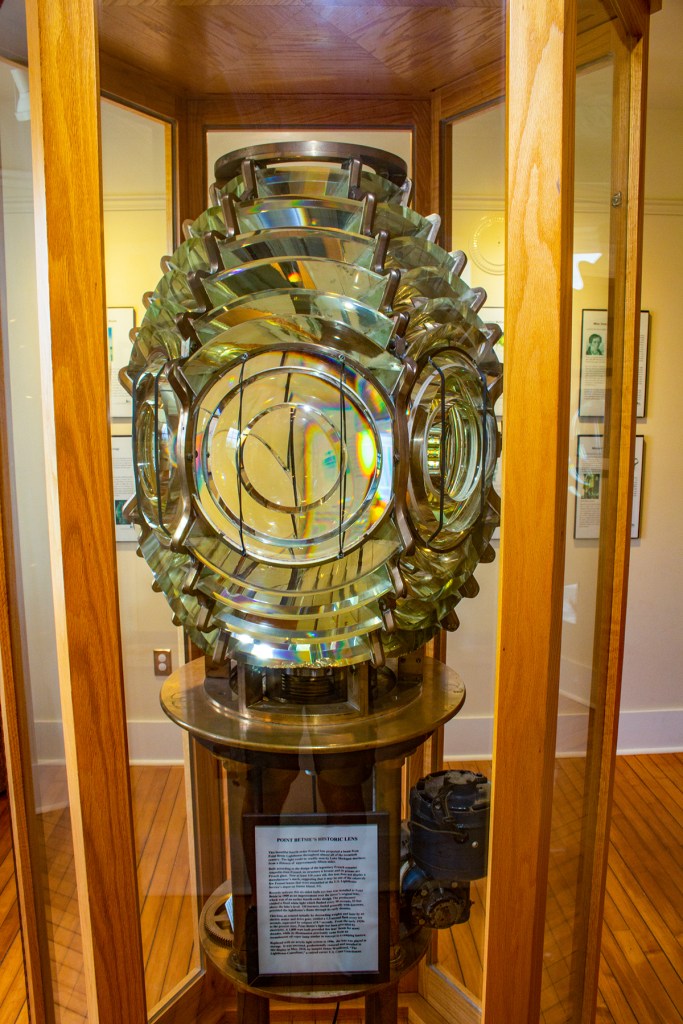
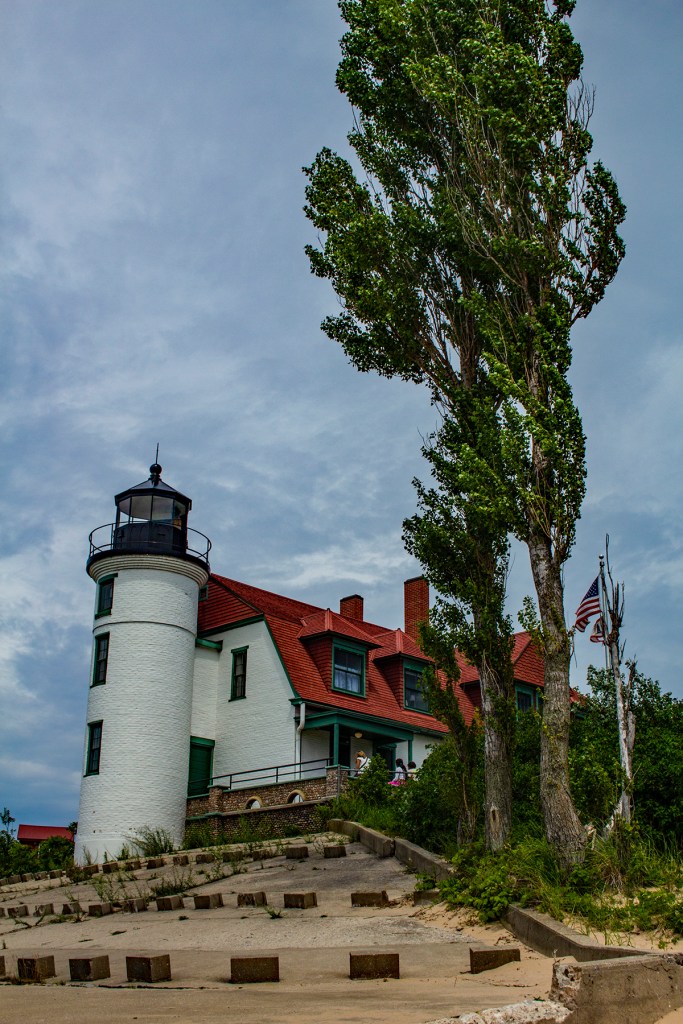
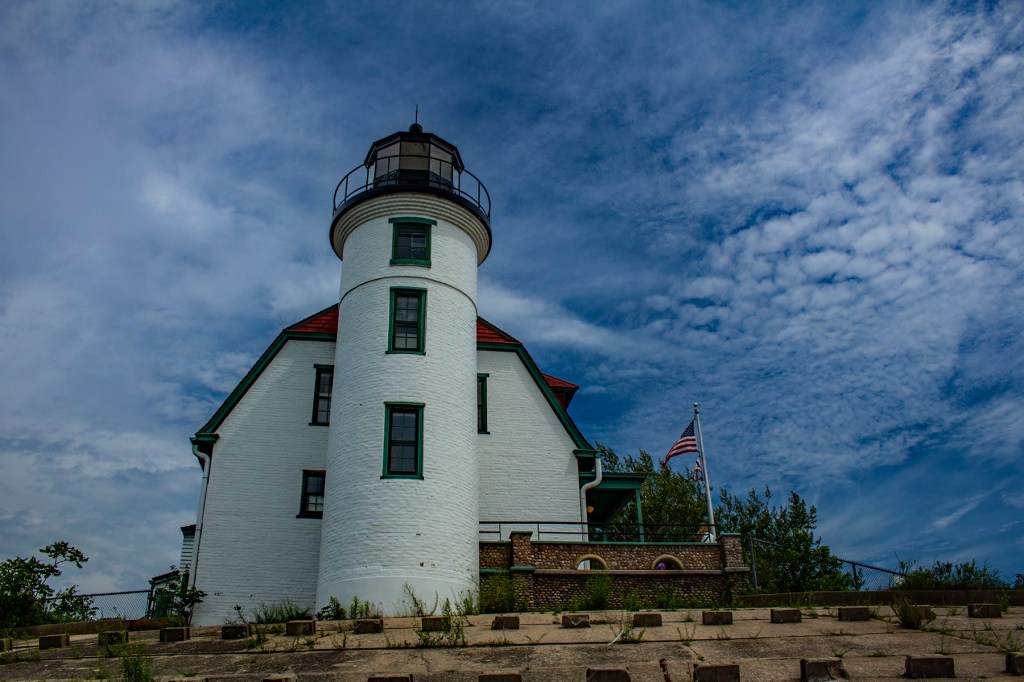
A couple of days later, we headed northwest to Sleeping Bear Dunes National Lakeshore and the Point Betsie Lighthouse.  The geology of Sleeping Bear Dunes is interesting to me.  The sand that has accumulated here was carried by the wind from Wisconsin and Illinois, more than 100 miles away and deposited on top of a glacial moraine that was left behind as the glaciers retreated more than 11,000 years ago, at the end of the last ice age.  From Sleeping Bear Dunes, we headed a little further north to the Point Betsie Lighthouse.  Barbara and I always enjoy visiting lighthouses, and Michigan has more lighthouses than any other state in the US.  On the way to the Point Betsie Lighthouse, we visited a small grove of giant sequoia trees that were planted along the eastern shore of Lake Michigan in 1948.  Originally, six trees were planted, of which only four remain today.  They’re not as big as the giant sequoias in California, but they’re not as old either.  They are, however, just as beautiful as the trees in California. 

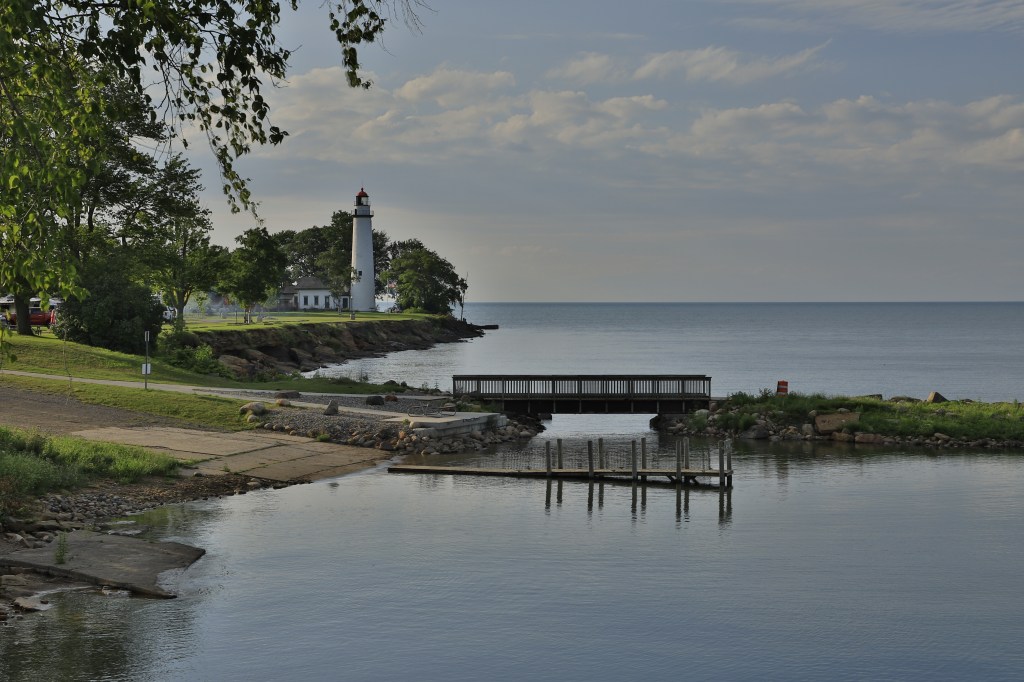
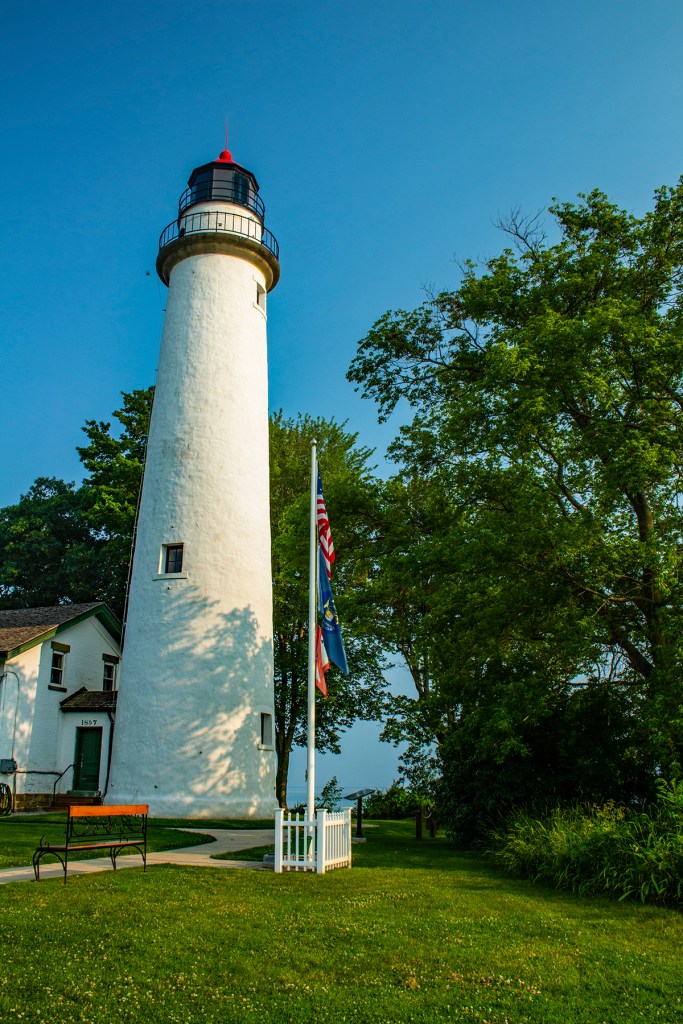
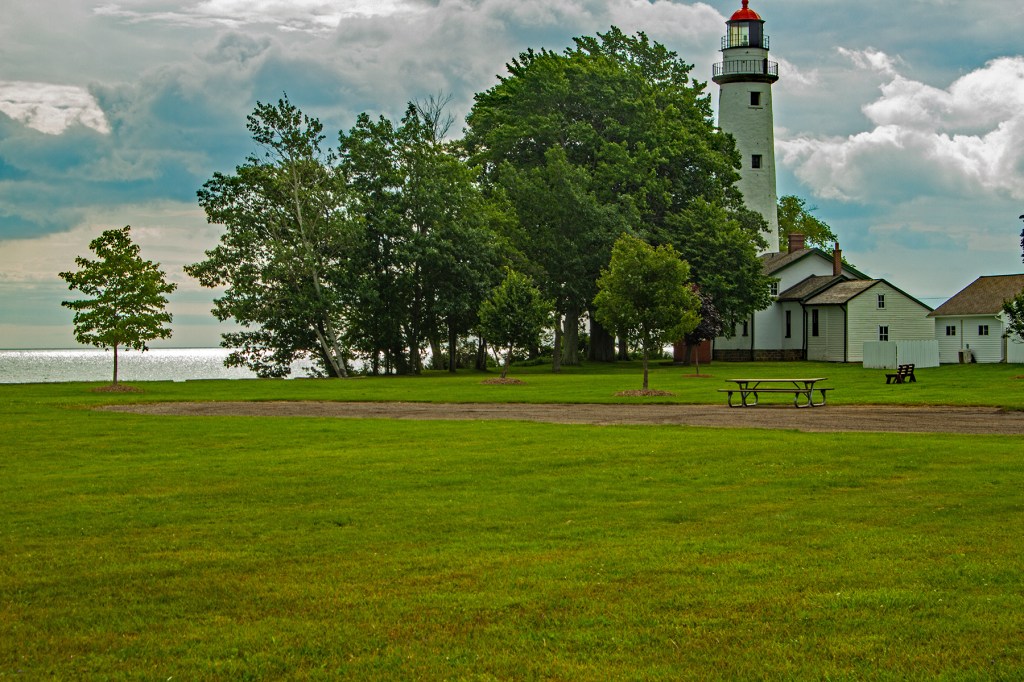
Pointe Aux Barques Lighthouse

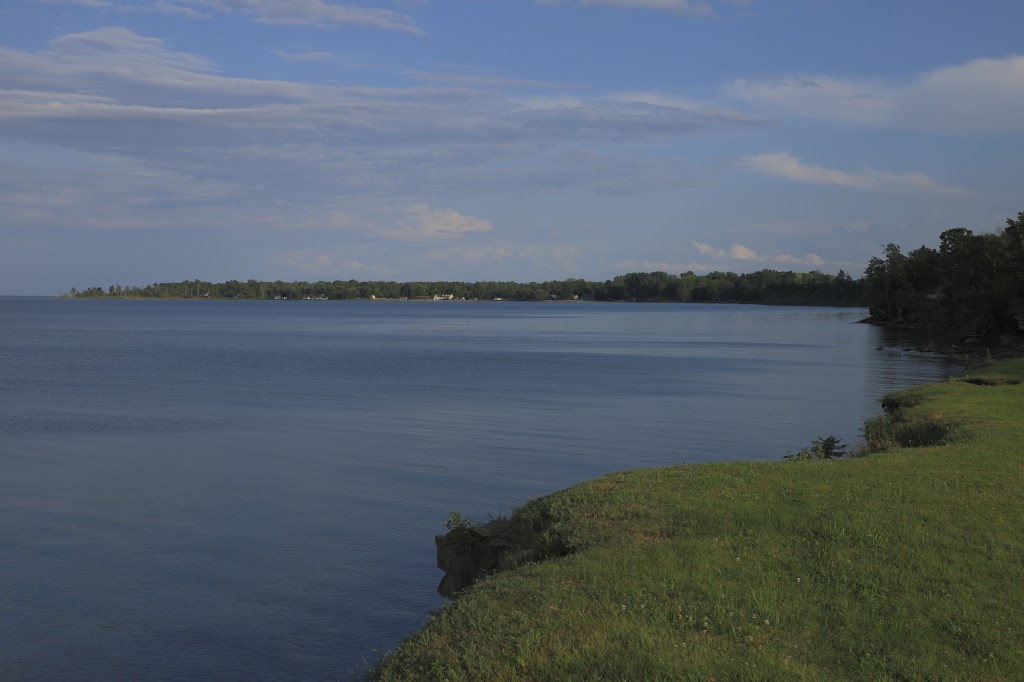
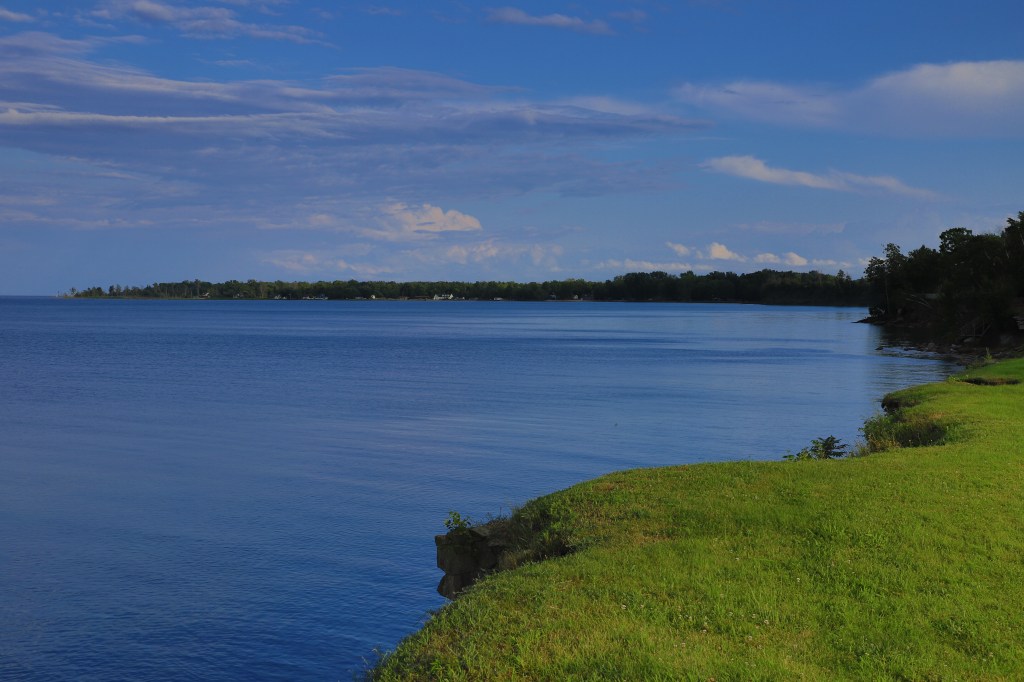
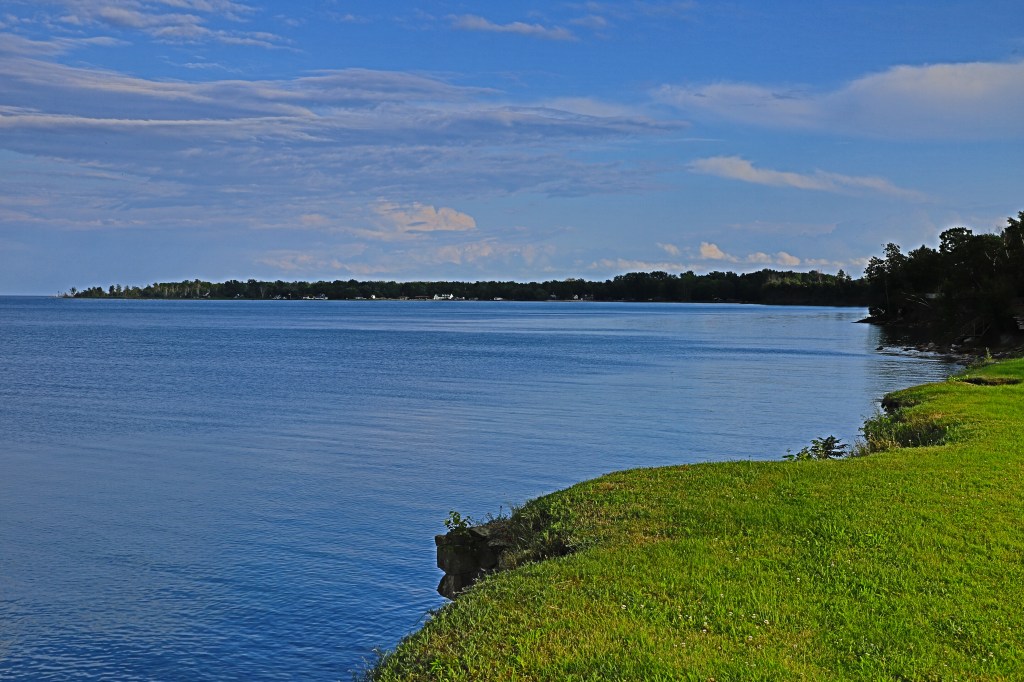
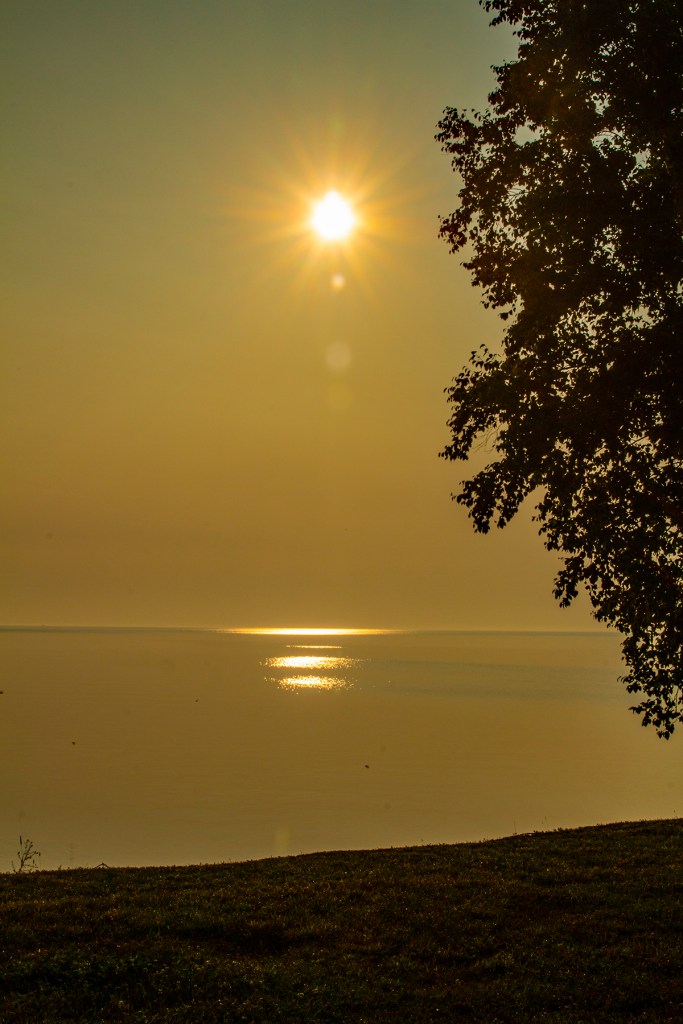
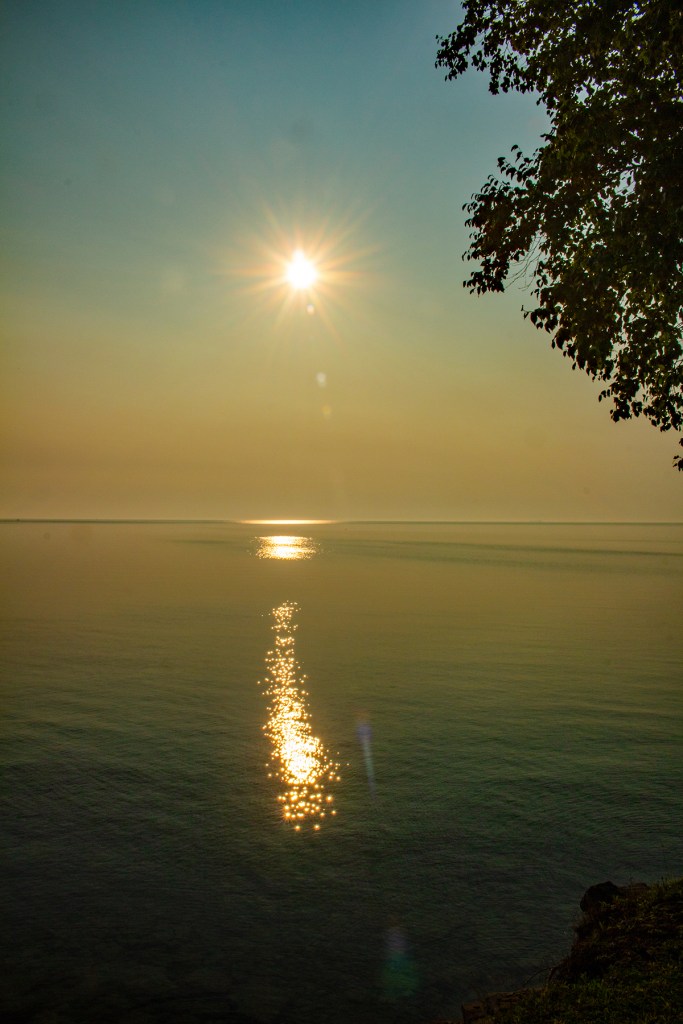
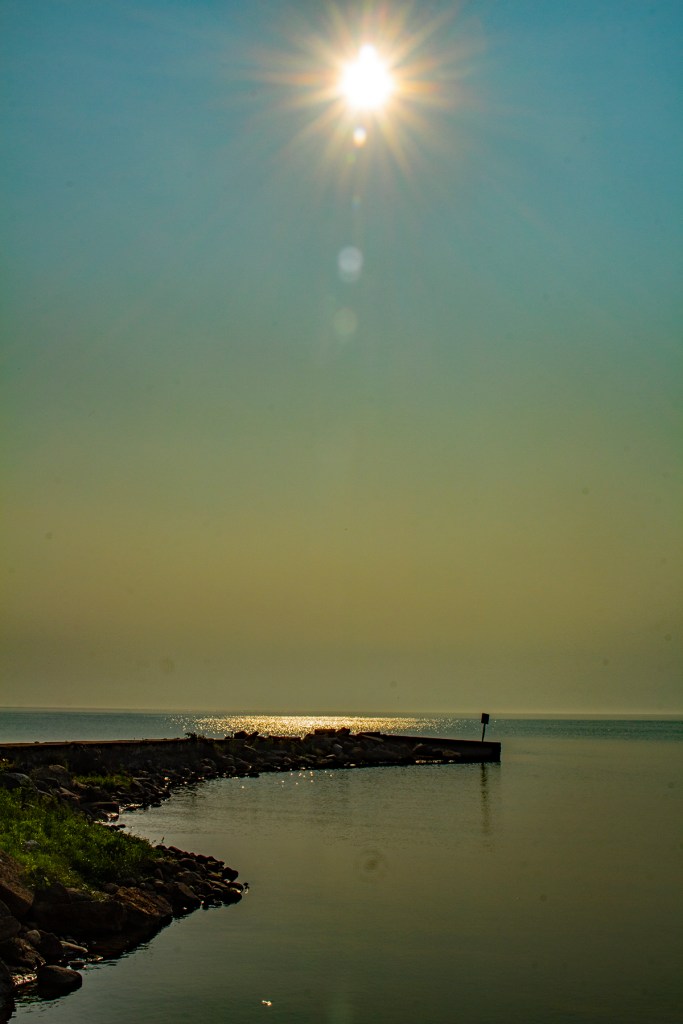
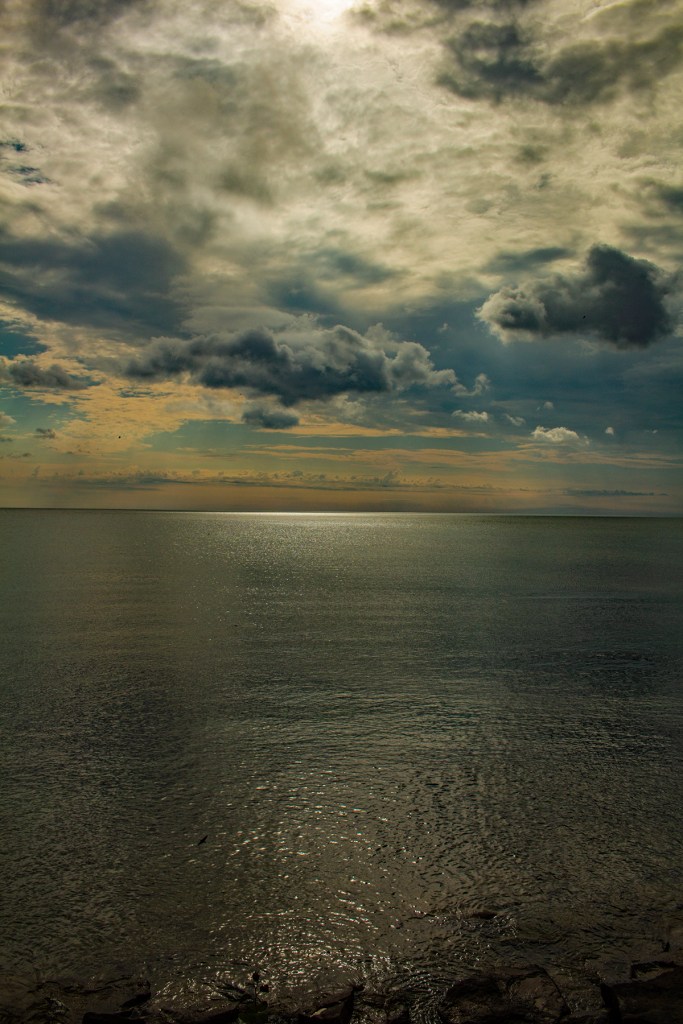
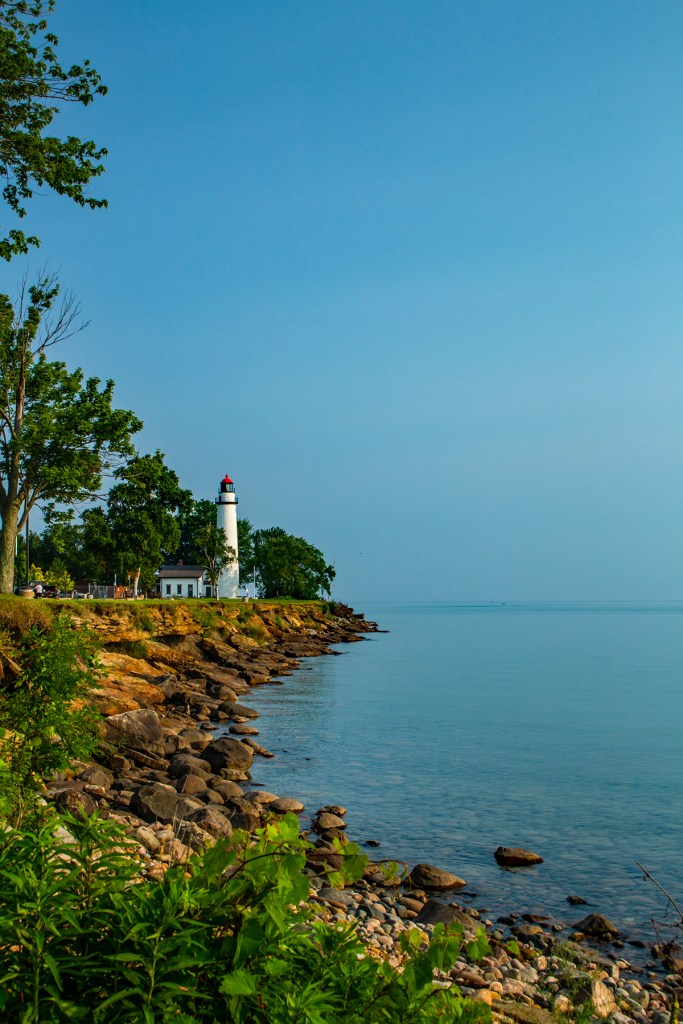
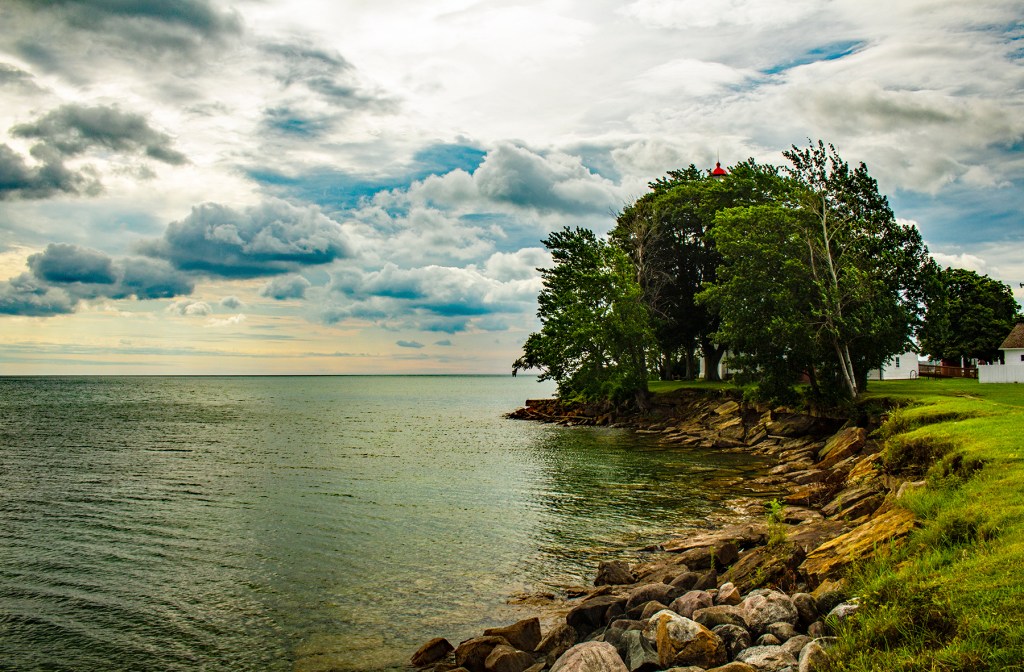
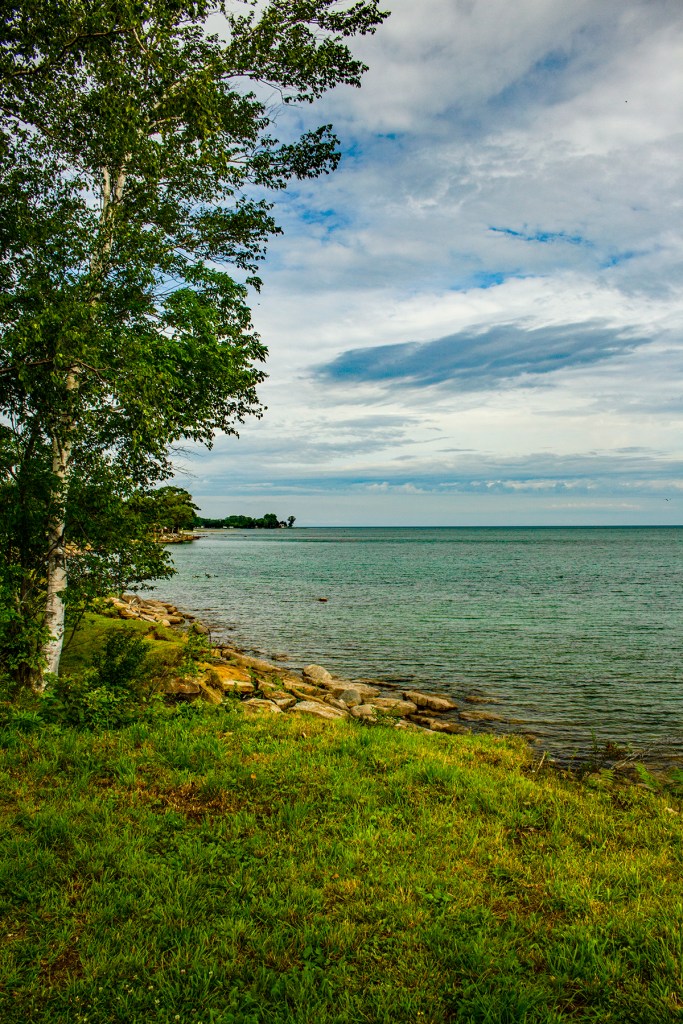
We stayed at this RV Park, on the shores of Lake Huron, six years ago, just a couple of months after we hit the road. This is such a nice place. It’s quiet, there are a lot of hiking trails for Ellie and me to explore, but best of all the view is amazing. When we stayed here last time it only cost us $17/night for full hookups. Now, it is almost three times as much, but still worth it. I’d rather pay $47/night here than $60/night for a KOA. The last time we were here, the Perseids Meteor Shower was happening, so one night I got up at 3am, laid down on a bench near the lakeshore, and watched the show. It was truly amazing.

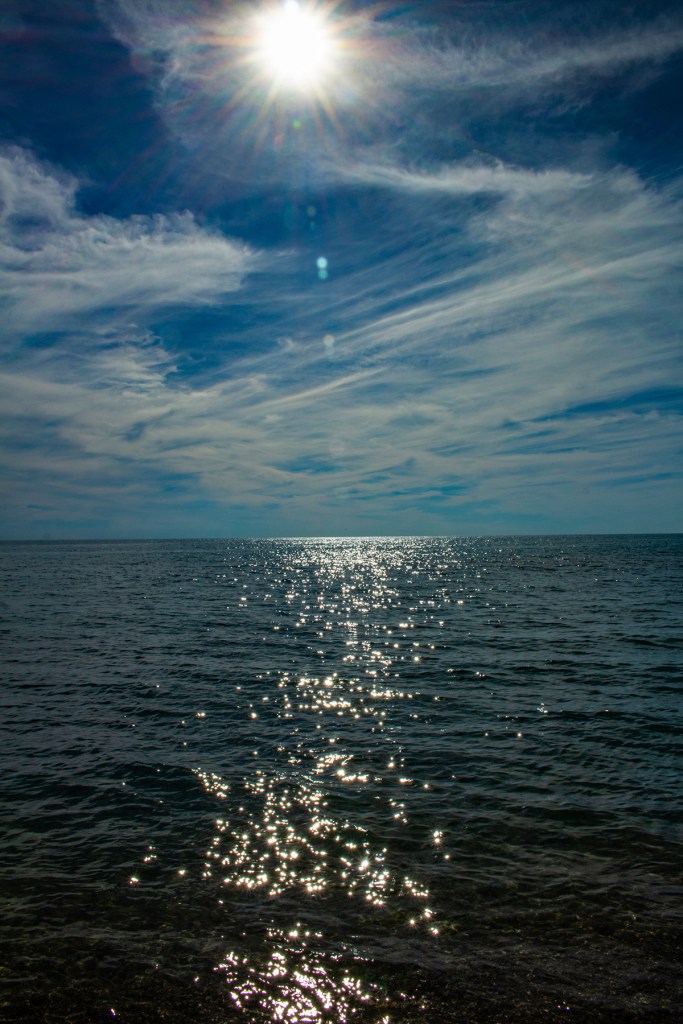
Canada is out there somewhere.

Mackinac Island

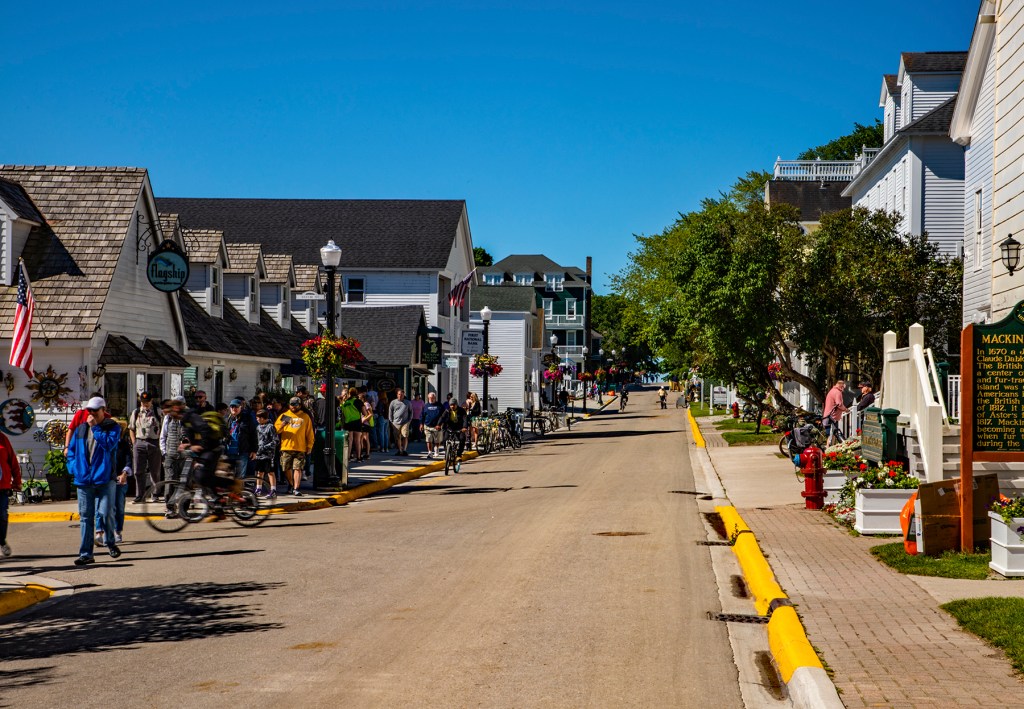
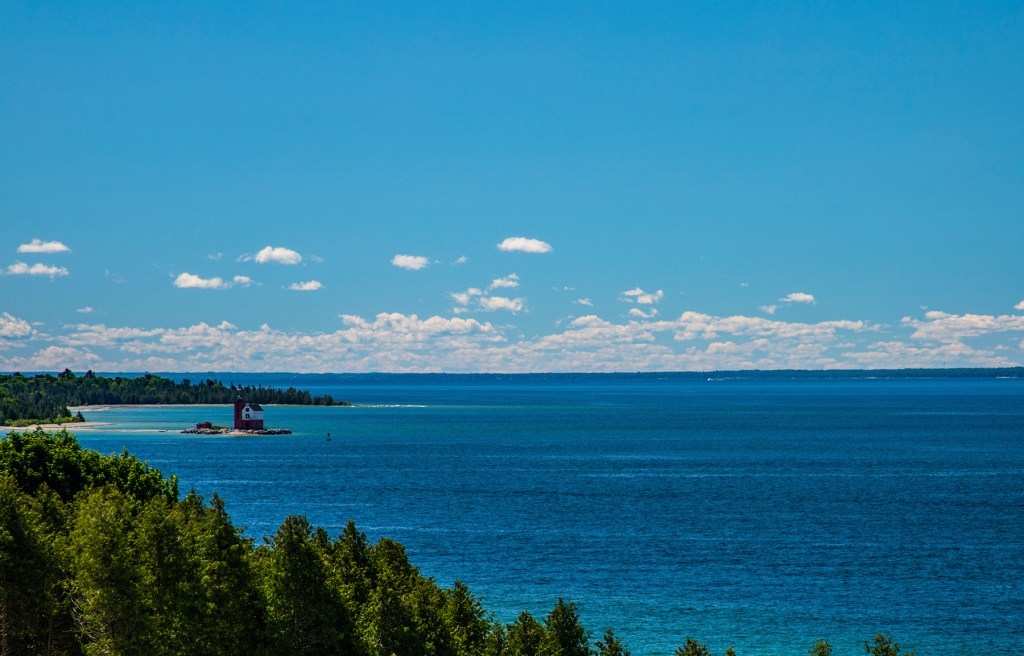
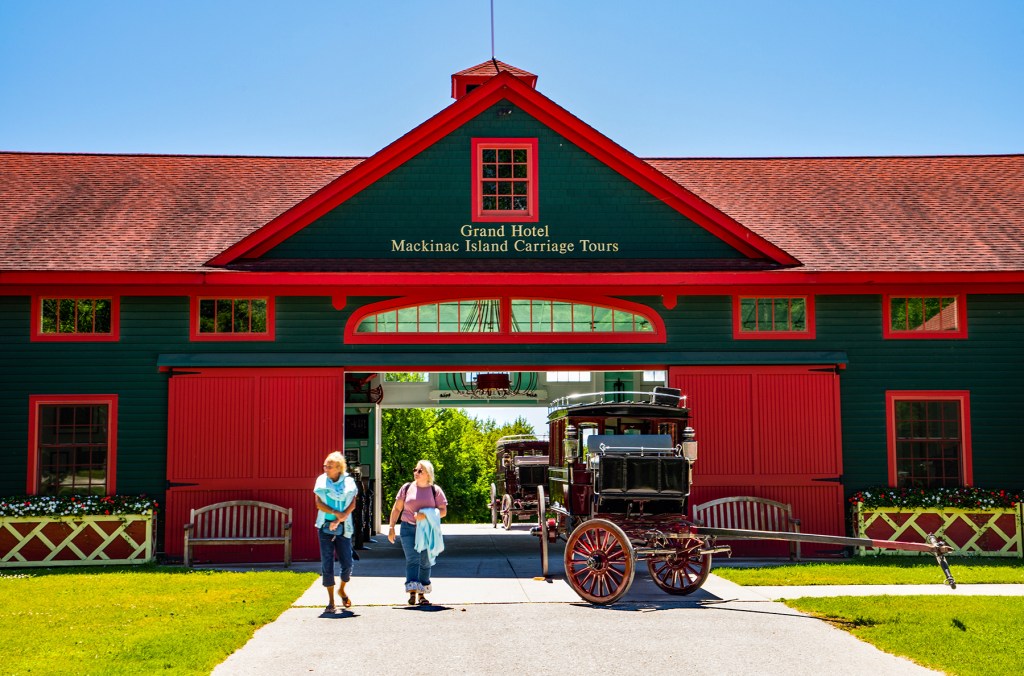
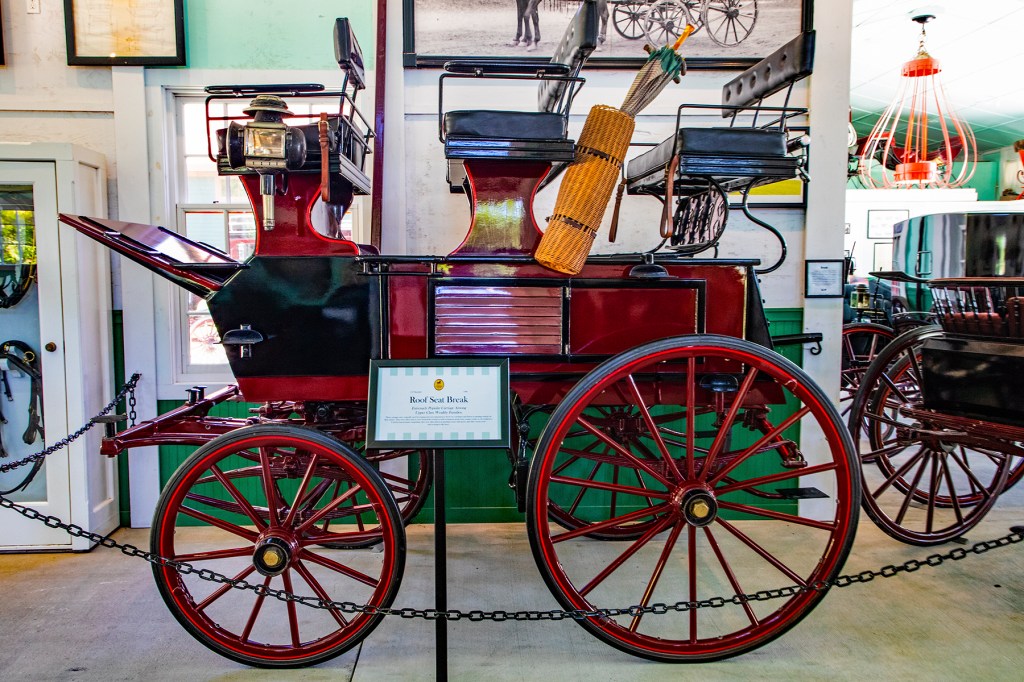
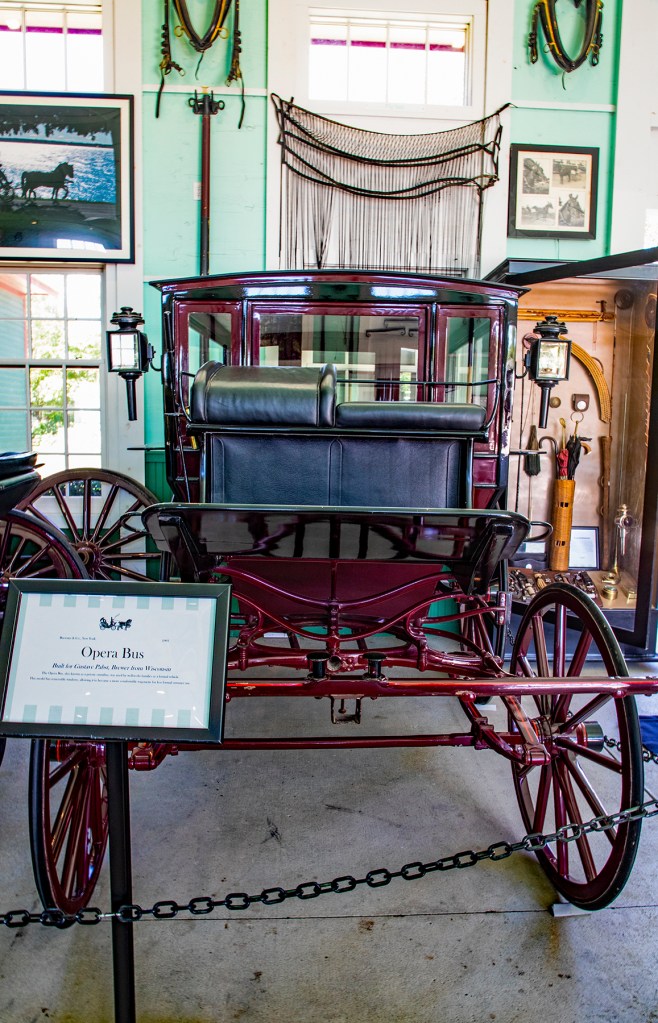
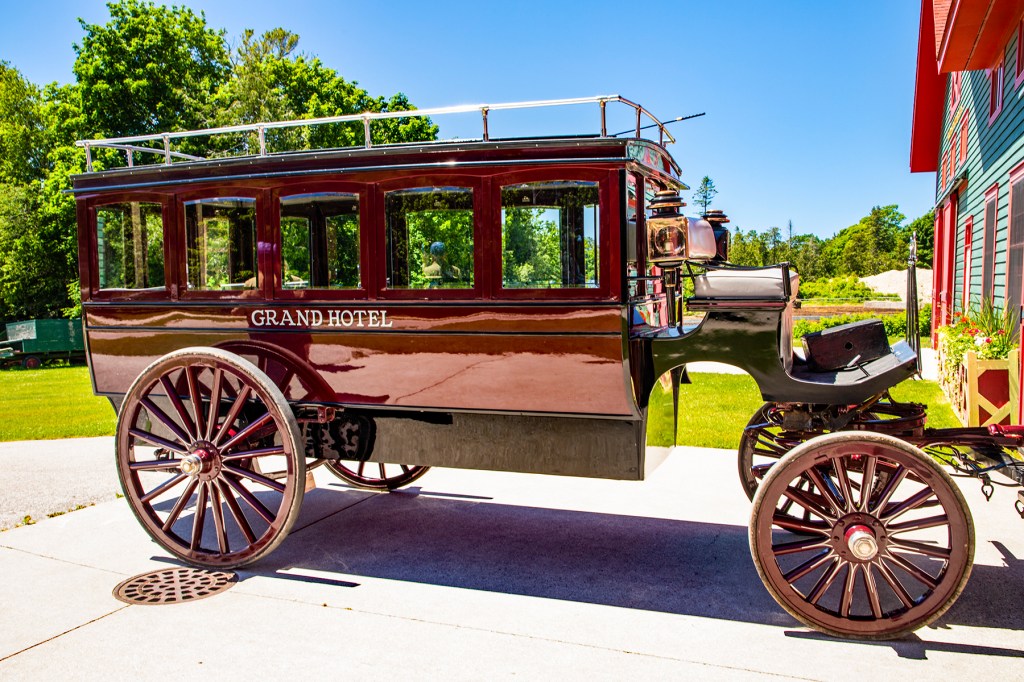
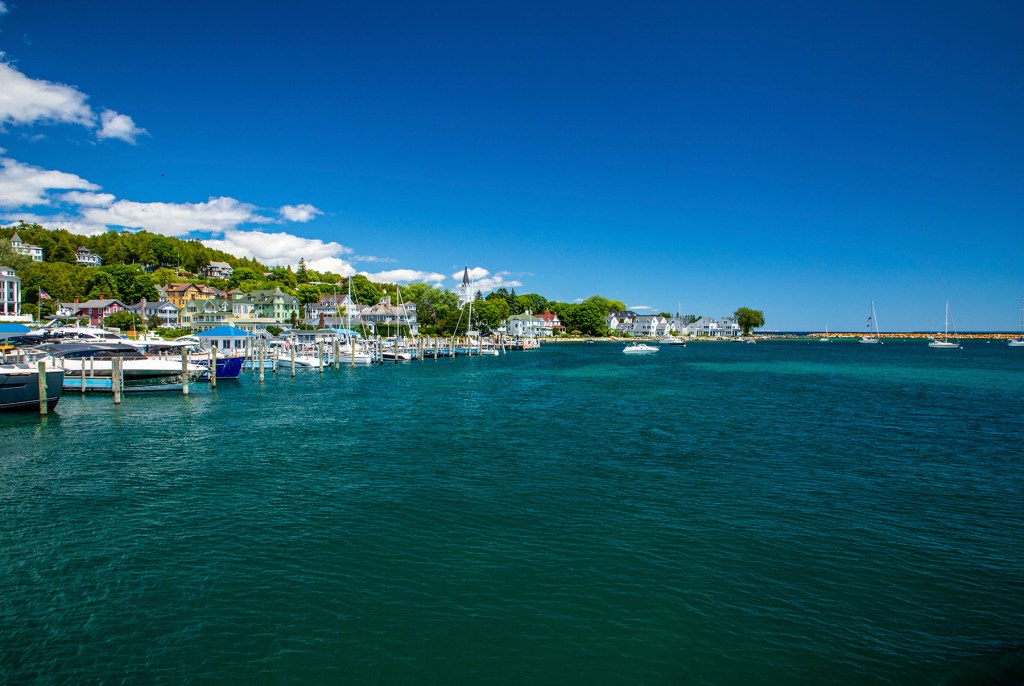
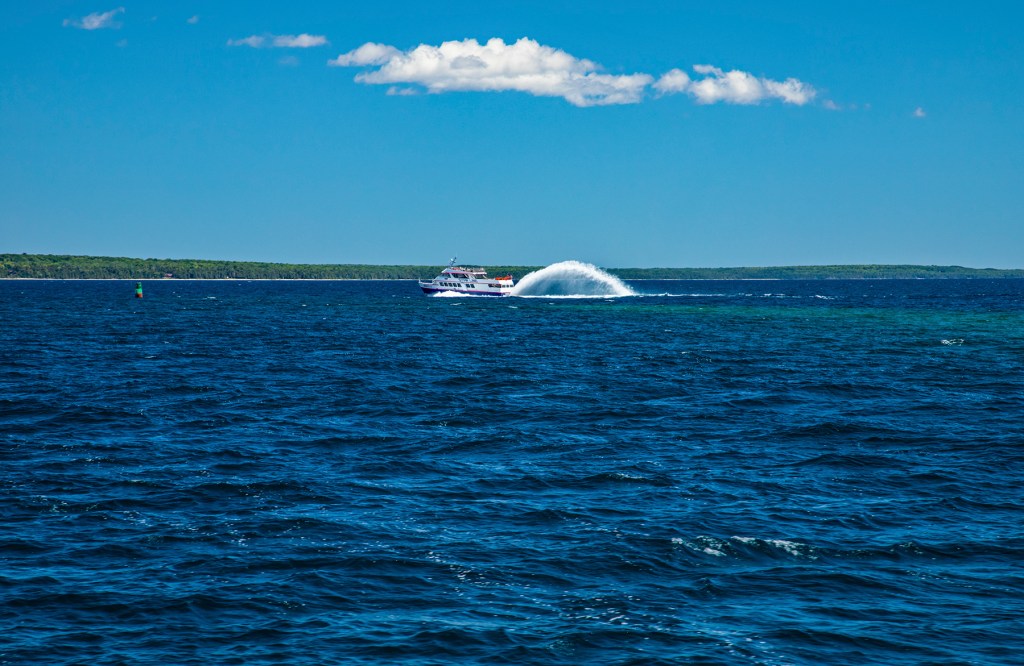
On June 27th, Barbara, Ellie and I along with our friends Glen and Kathy took a ferry from Mackinac City to Mackinac Island. I don’t believe Ellie liked the ferry ride over to the island, but seemed to enjoy the rest of our adventure that day. She spent most of the day looking out of her doggy backpack, but did get to get out and stretch her legs a few times and even enjoyed a ride in a horse drawn carriage. On Mackinac Island the only motorized vehicles belong to the fire department. Even the police are on bicycles. Your choices for transportation on the island are foot, bicycle or horse drawn carriages.

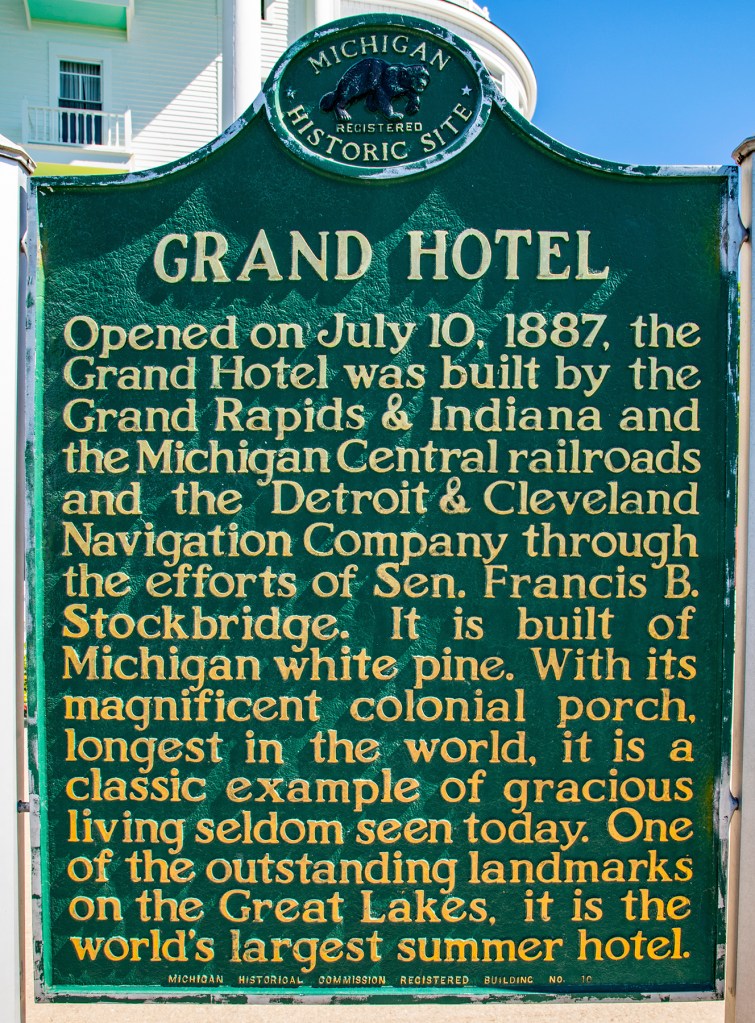
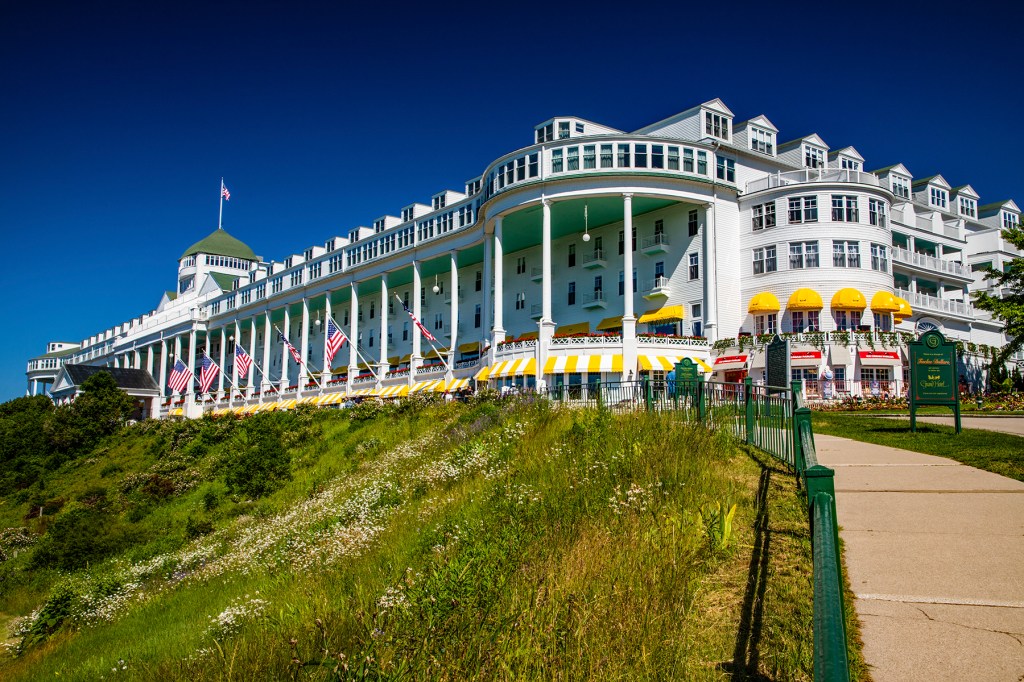
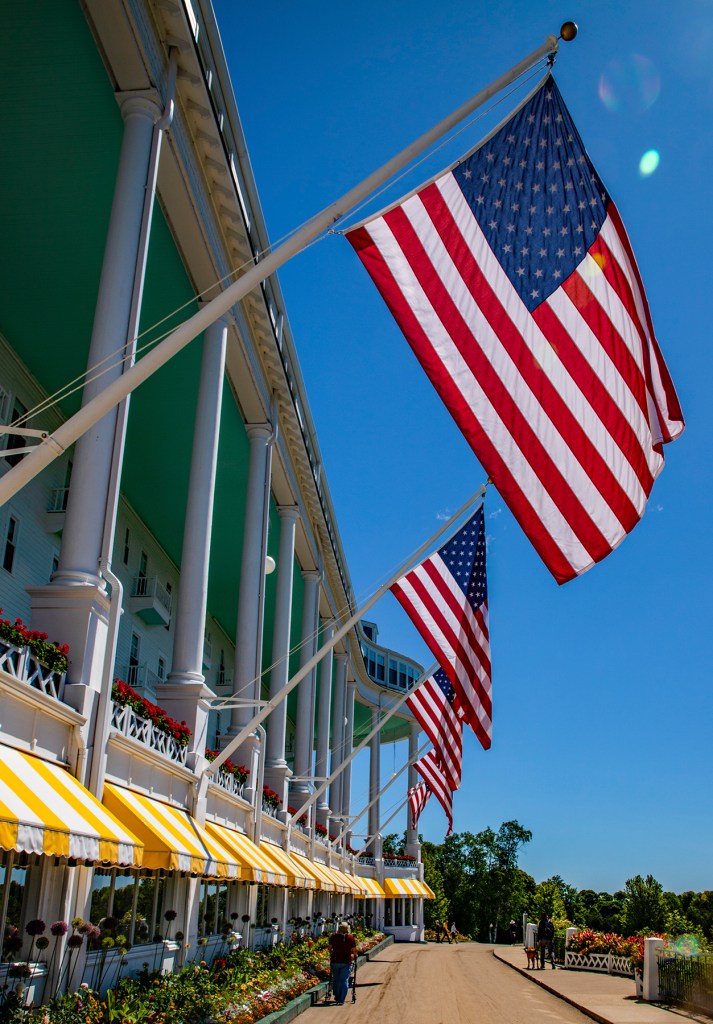
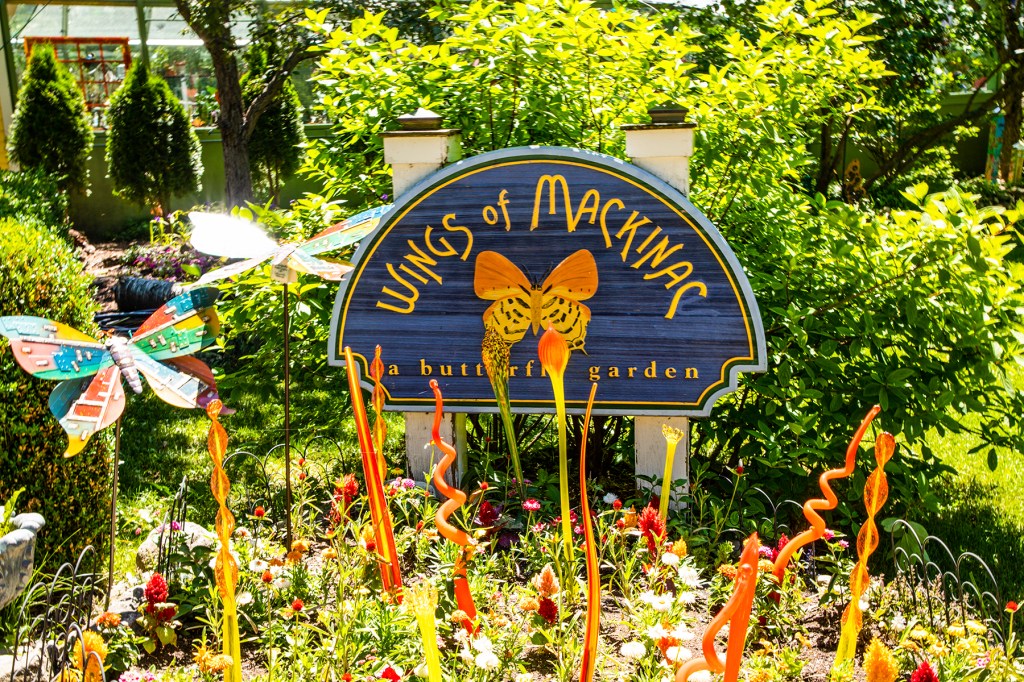
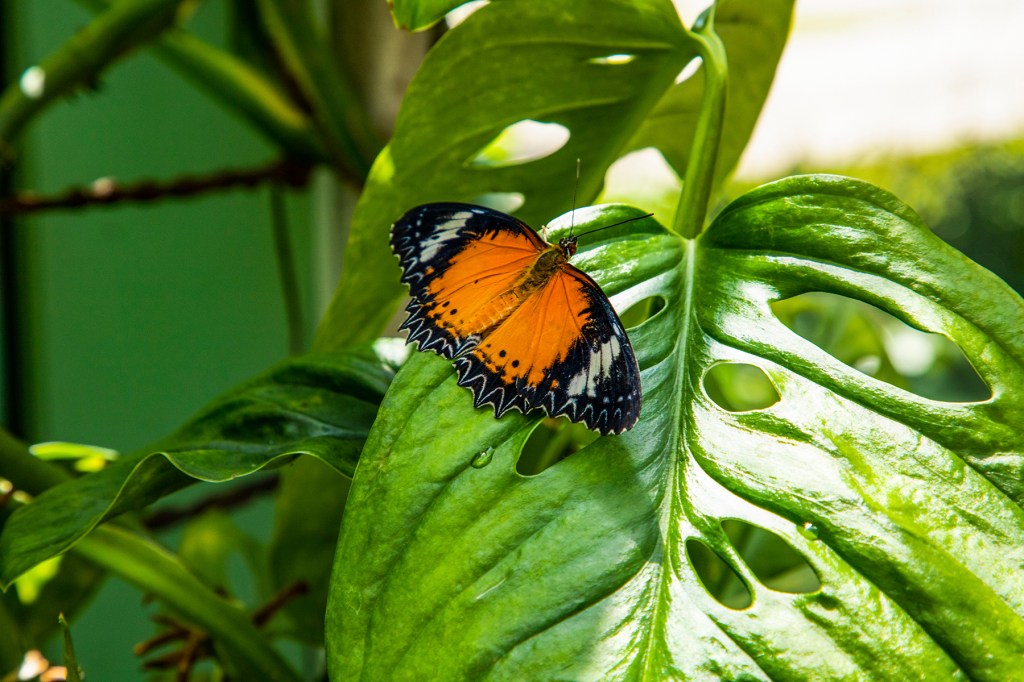
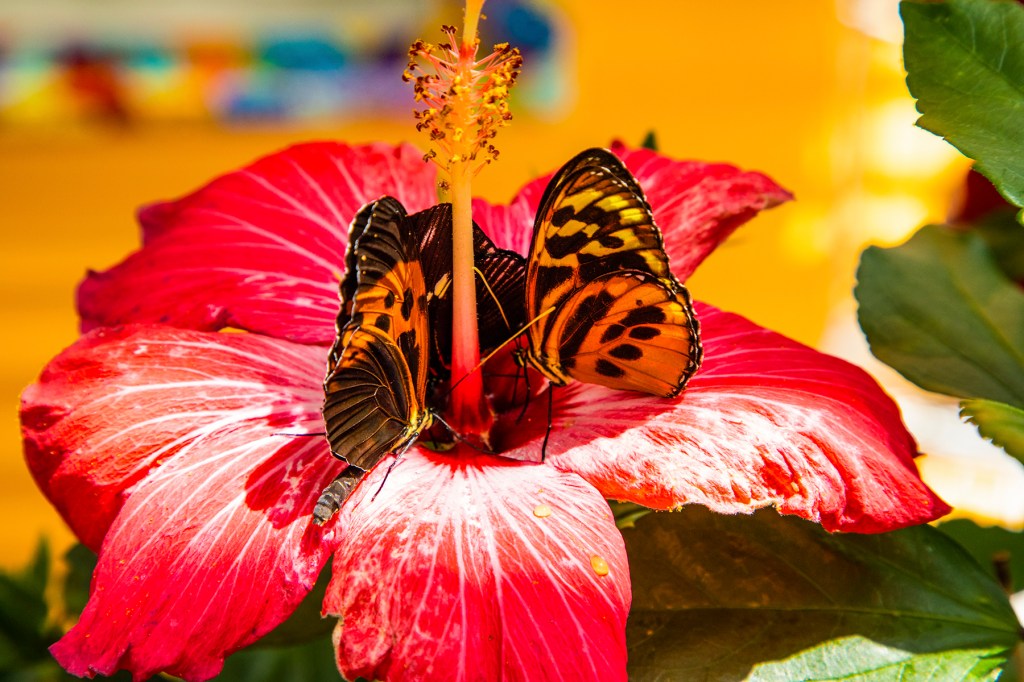
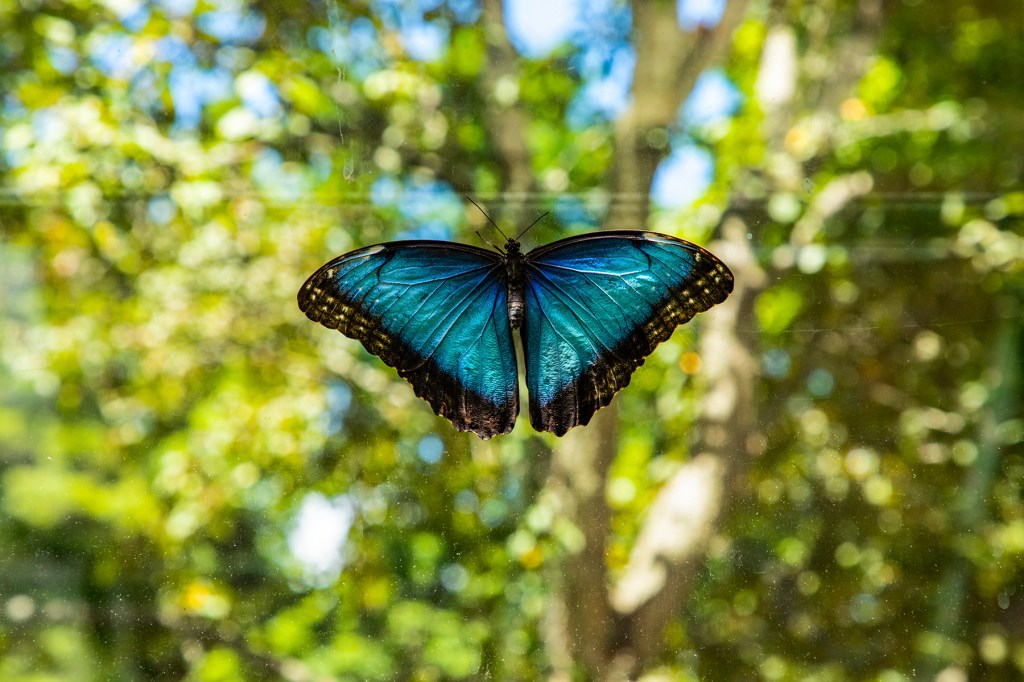
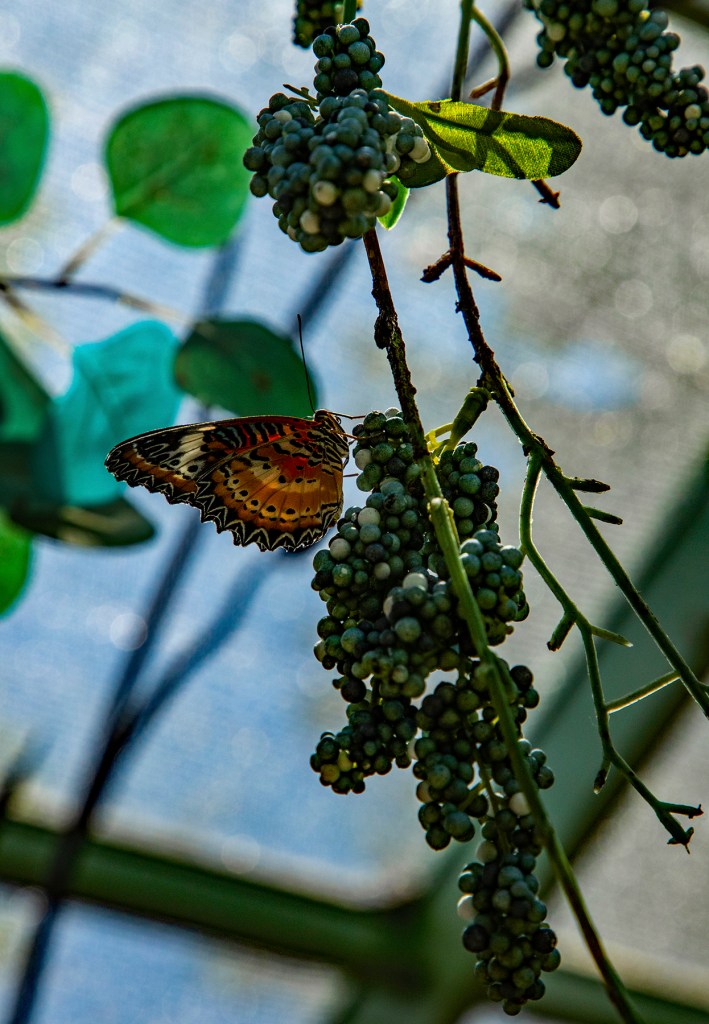
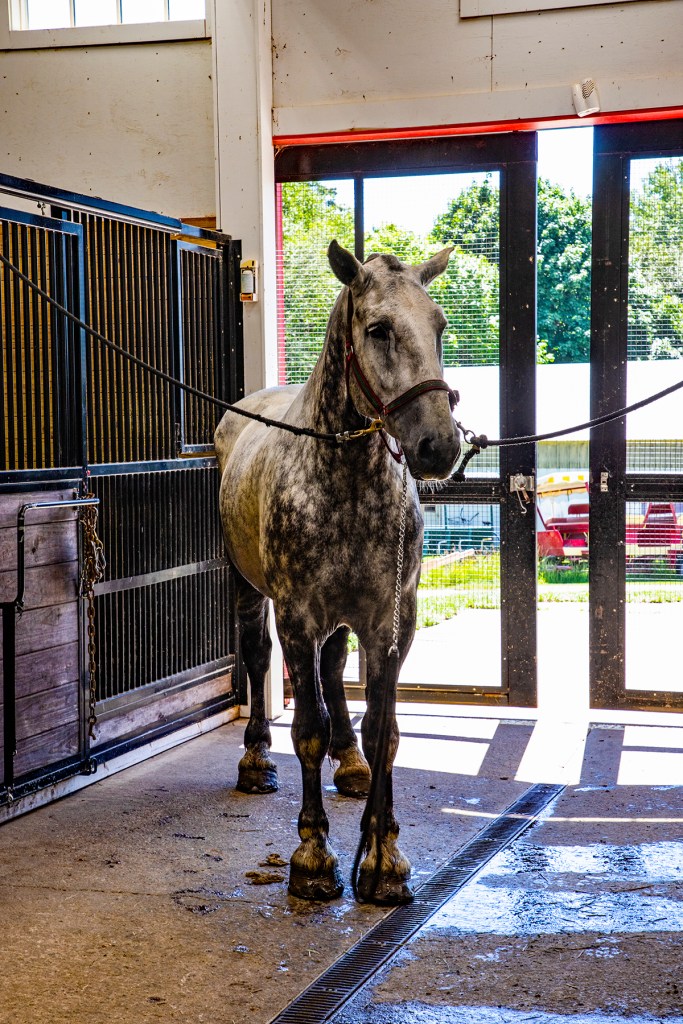
We visited the famous Grand Hotel, the horse stables, The Wings of Mackinac Butterfly Garden and even enjoyed some ice cream. While we were visiting the butterfly garden I had butterflies land on my arm, my hat and on my camera. The one on my arm stayed around for some time. I think she wanted to come home with me, but the young lady at the door would not allow her to leave.

On this day, I think Glen and Kathy were trying to kill Barbara. They had her walk uphill to the Grand Hotel, the butterfly garden and horse stables, but called for a horse drawn carriage for the ride back to the docks to catch the ferry. But Barbara was a trooper, as she made it without complaints.

If you’re ever in northern Michigan, be sure to visit Mackinac Island. It makes for a fun day. But if you plan on staying the night, bring a lot of cash as you’re going to need it.

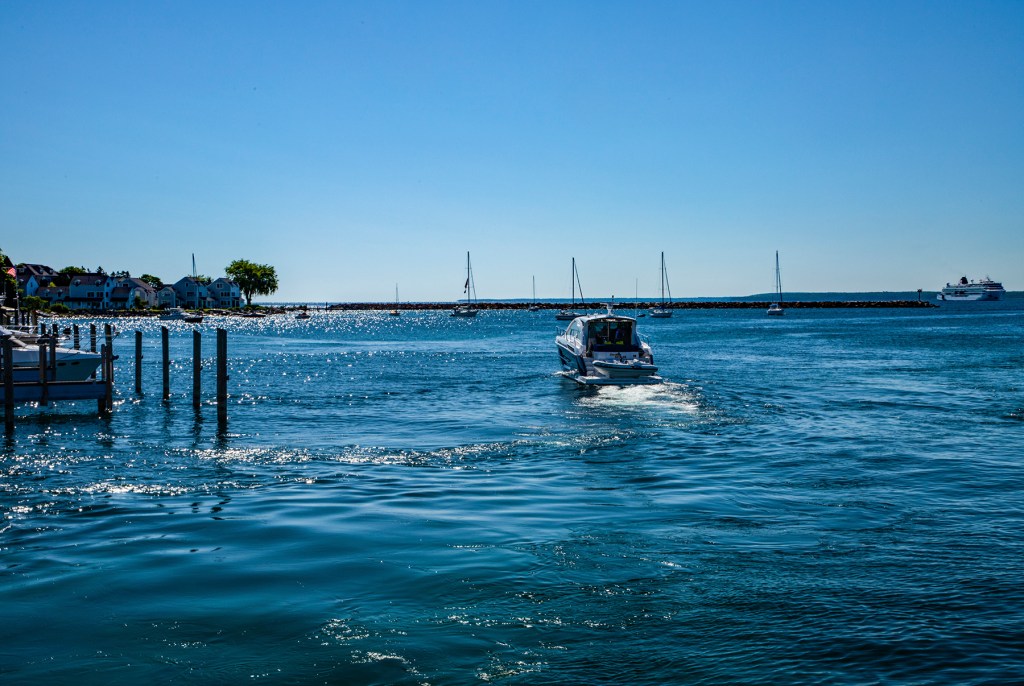
Mackinac Island harbor.
The Grand Hotel
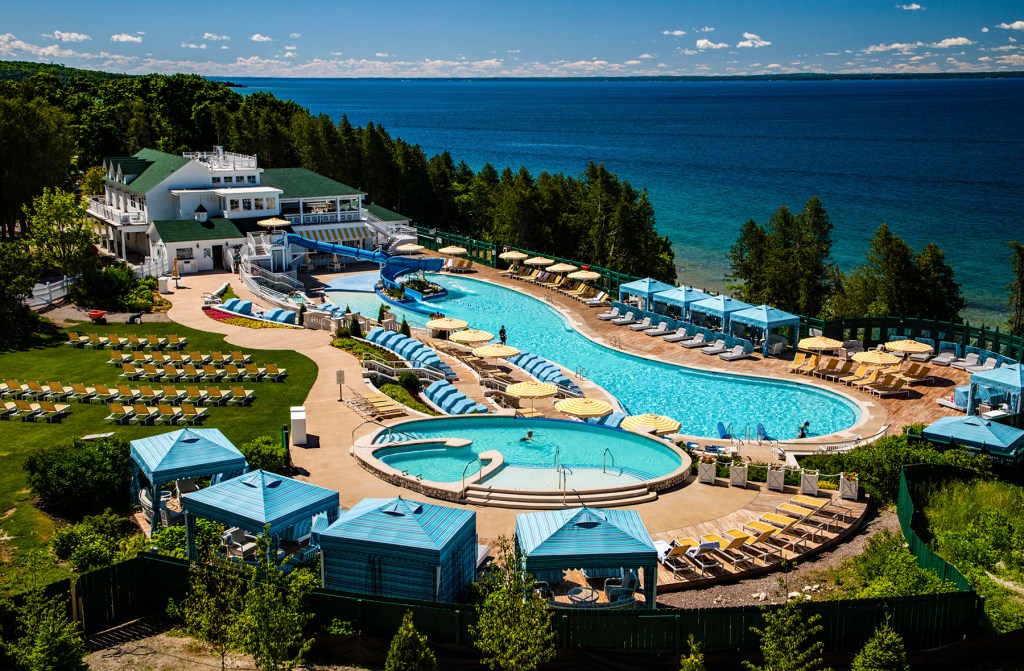
The hotel swimming pool.
Lake Huron
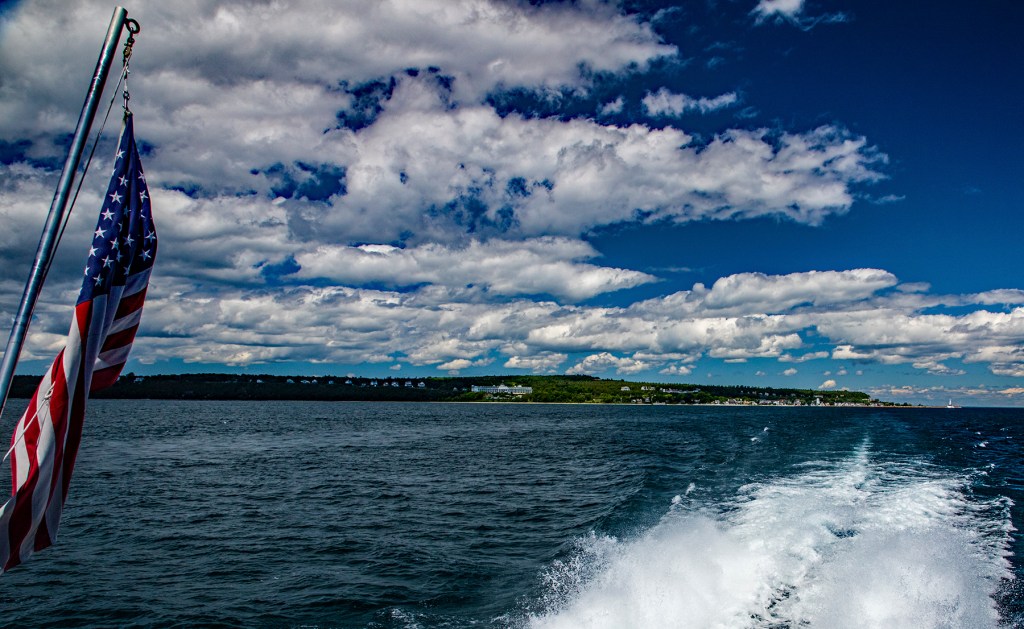
The ferry ride back to Mackinac City.

Mackinac Bridge Sunset

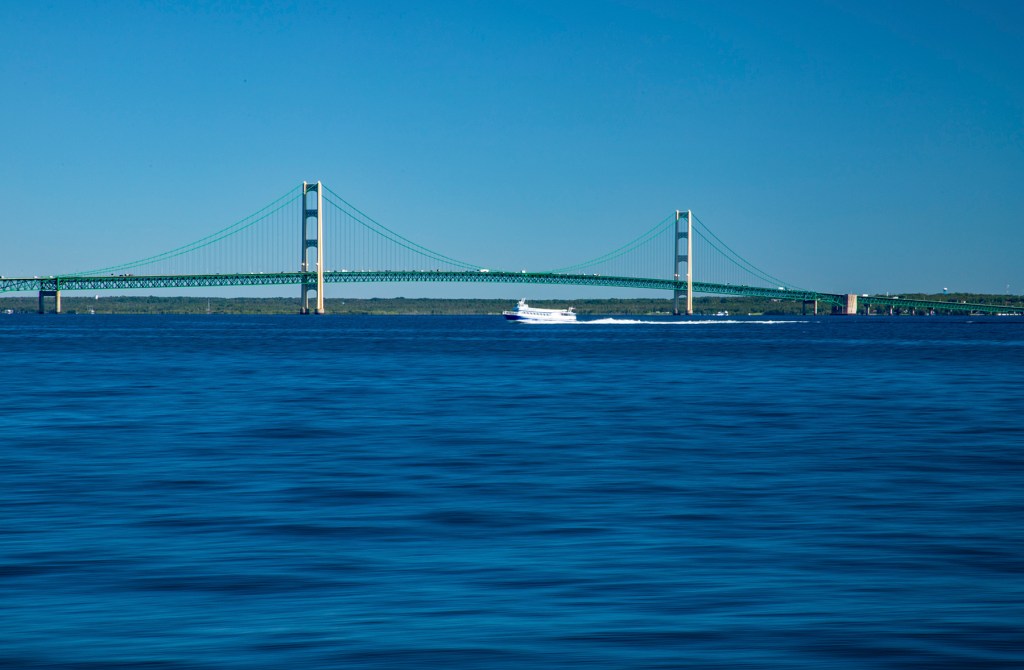
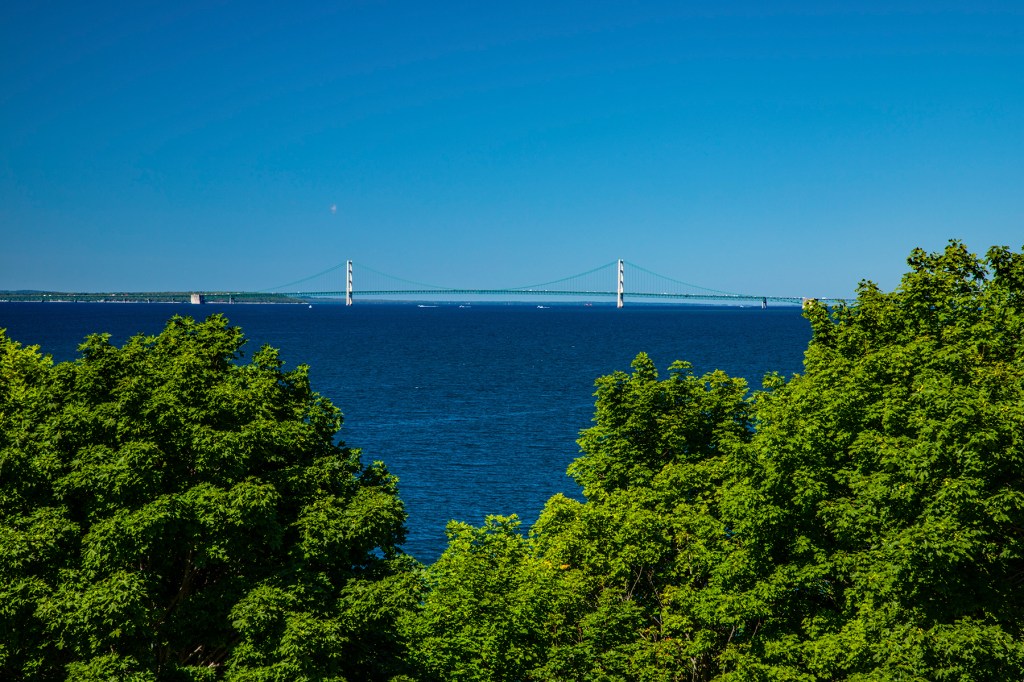
On June 25th, while staying at the Mackinaw, Mill Creek Campground, Glen and I hiked down the shore of Lake Huron to watch the water and the sunset near the Mighty Mackinac Bridge. The Mackinac Bridge crosses the Mackinac Straits which separates Lake Michigan from Lake Huron. Take a look!

The “Might Mac” crossing the Mackinac Straits.
Lake Huron in the foreground with Mackinac City in the background.

Soo Locks

On June 26th, Barbara, Ellie and I along with our friends Glen and Kathy traveled to the town of Sault Ste. Marie to see the Soo Locks. Soo Locks is locate on the St. Marys River that flows from Lake Superior to Lake Huron. The locks were originally constructed between 1914 and 1919 and Poe Lock, the larger of the two locks, was reconstructed in 1968 to accommodate todays larger ships. A third lock is currently under construction to allow more ship traffic through the locks. Ships passing through the locks transport nearly 86 million tons of cargo annually, including 95% of the United States iron ore.

On the day we visited the locks, a freighter carrying iron ore passed through. It was fun watching the process of the ship moving into Poe Lock, the gates close, the ship lower by approximately 16 feet, the gates reopen and the ship slowly move out of the lock on its journey to Lake Huron and beyond.

A ship moving into the locks.
Note the elevation difference of the ship’s deck in this photo and the subsequent photo.