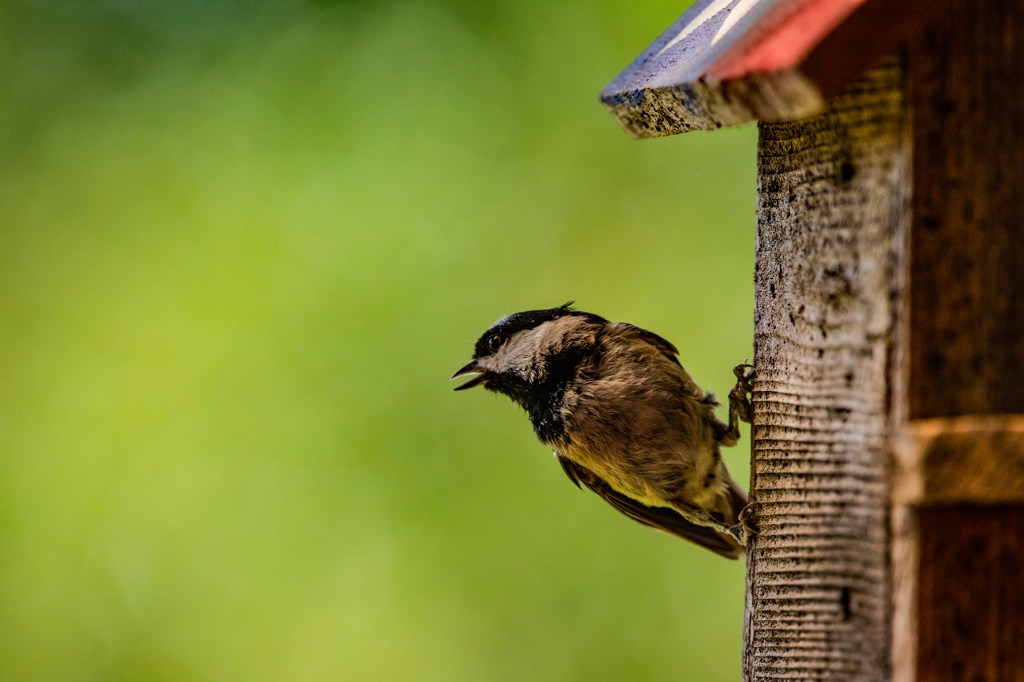
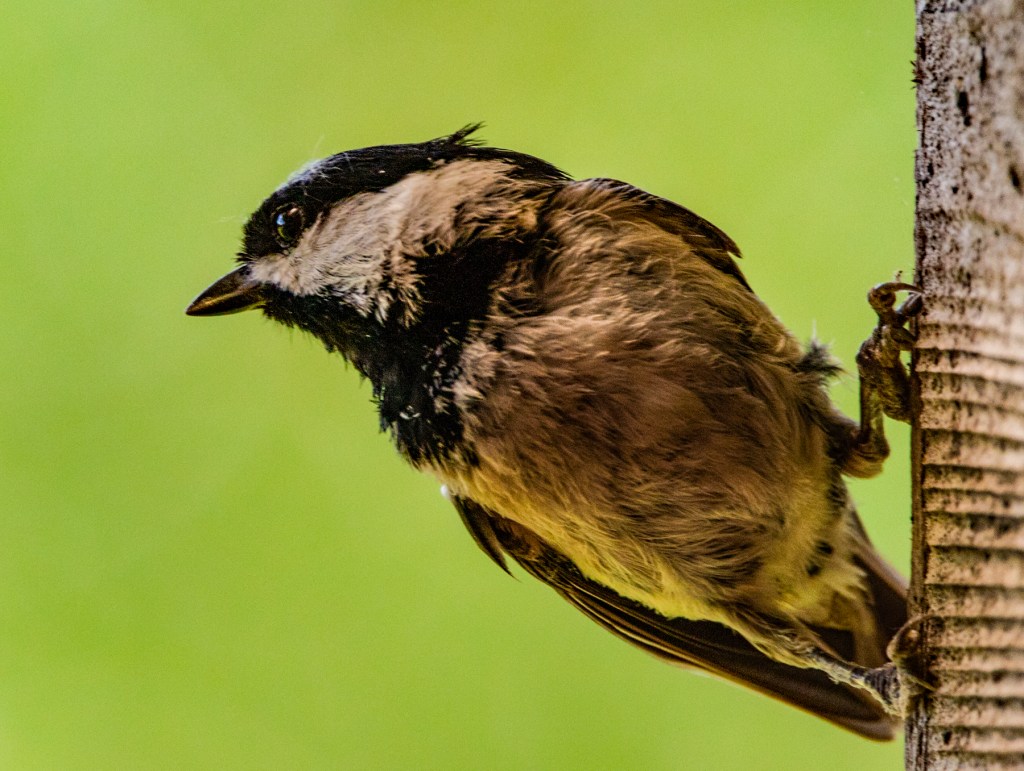
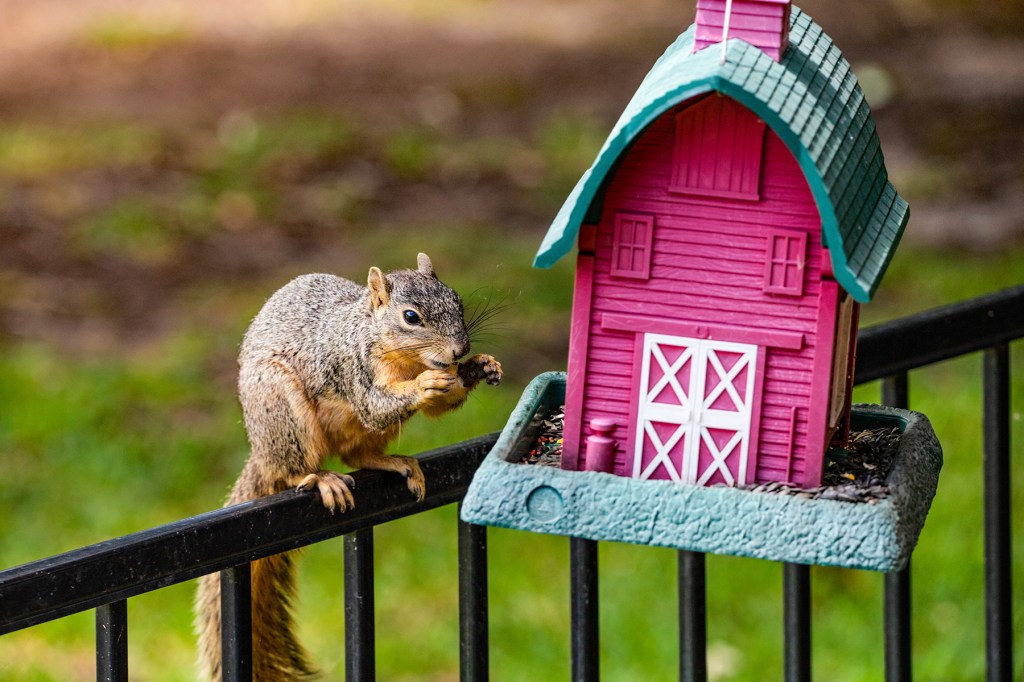
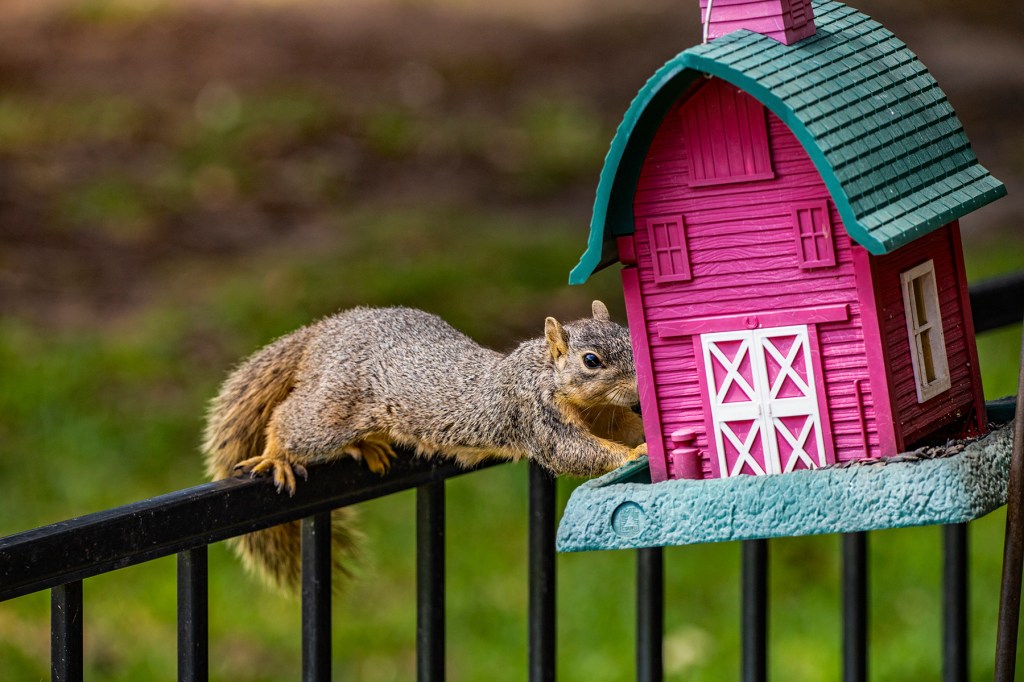
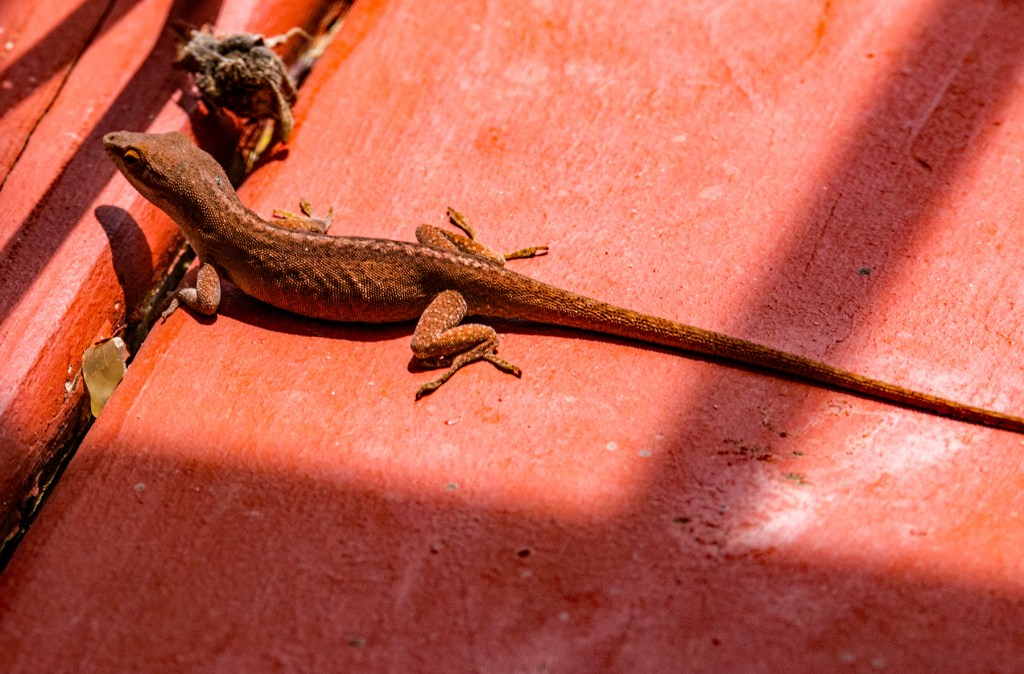
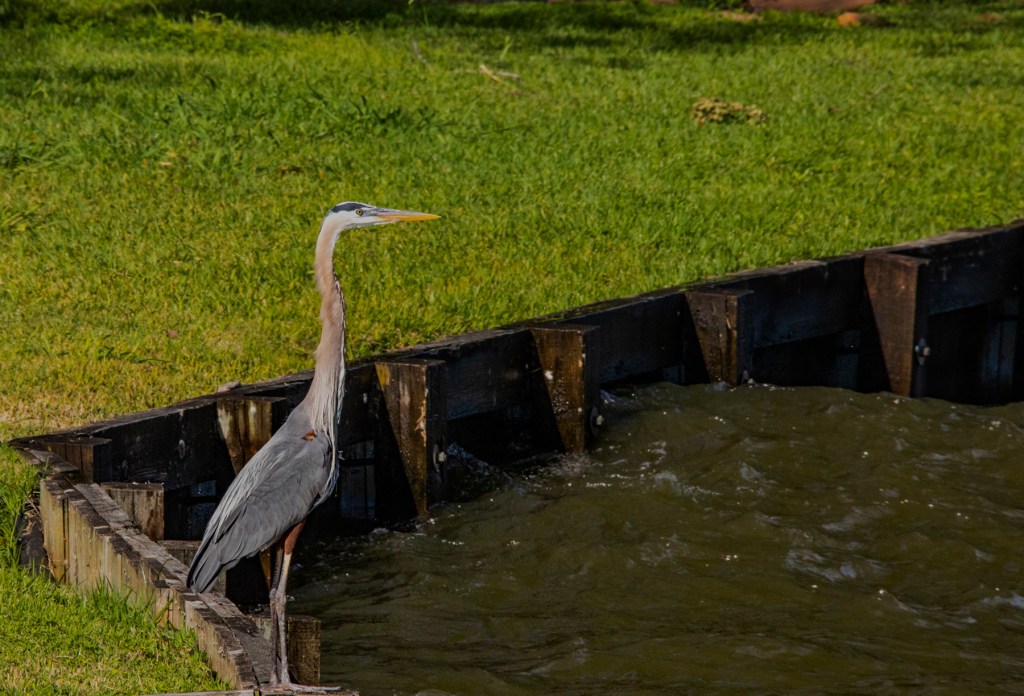
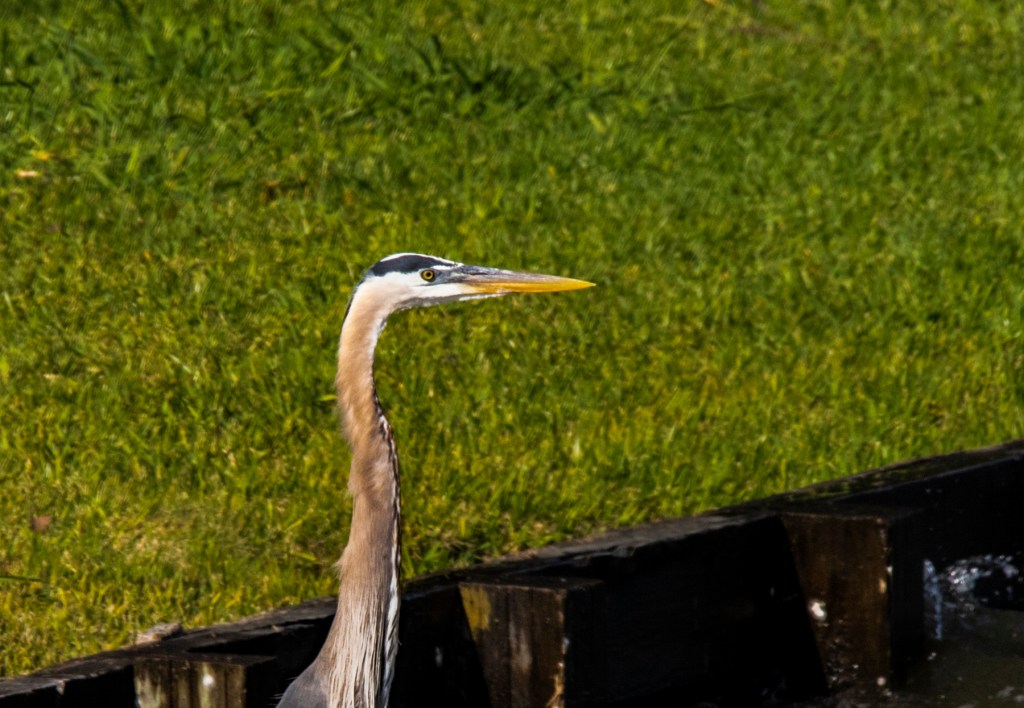
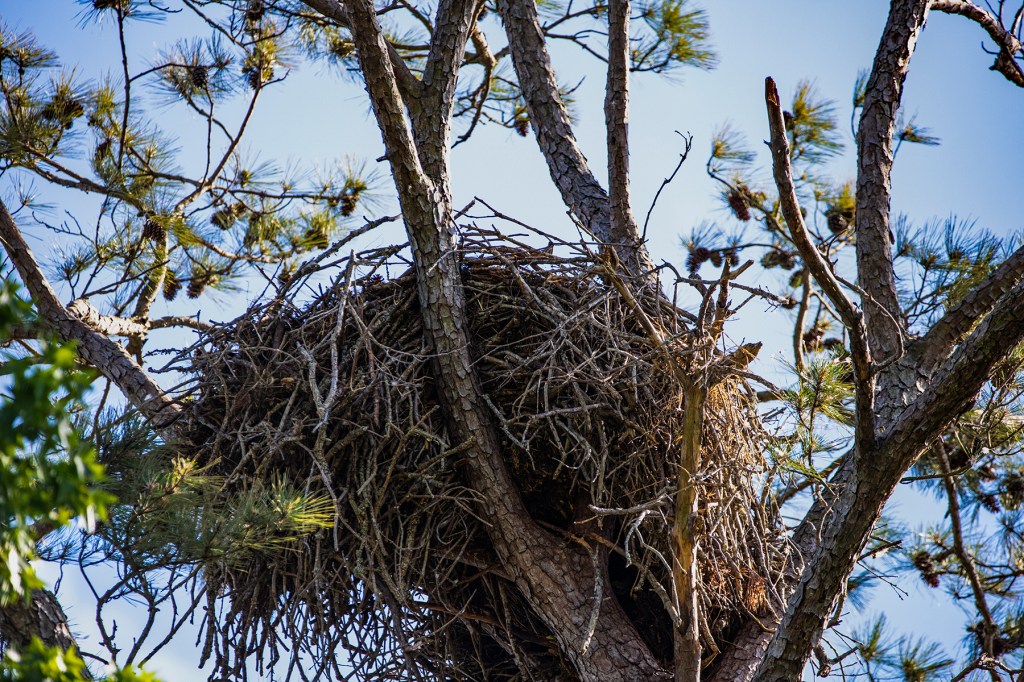
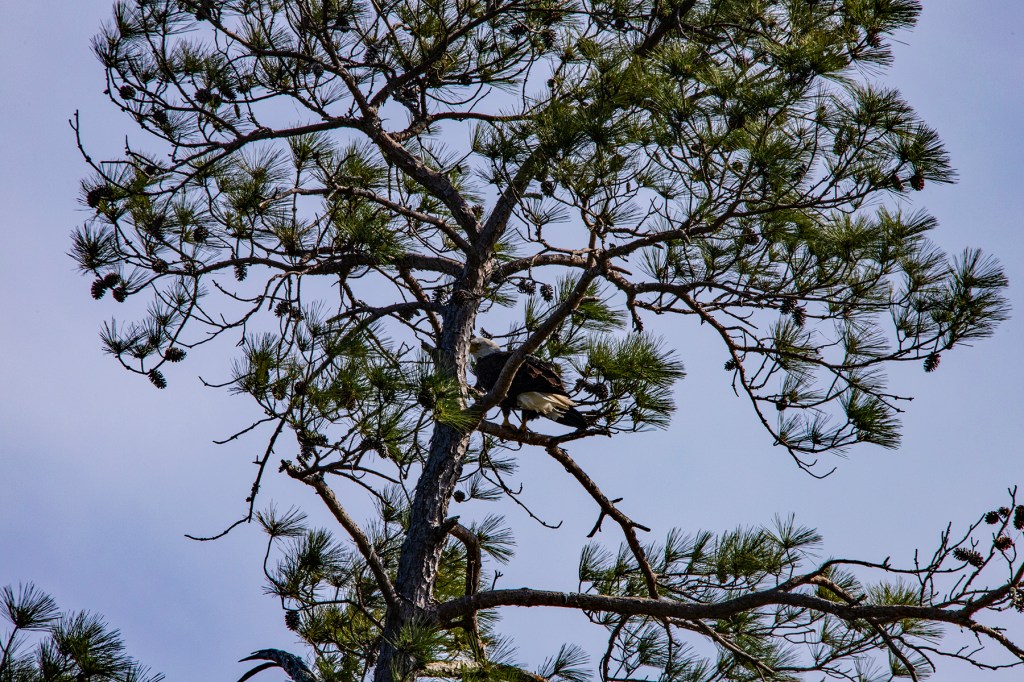
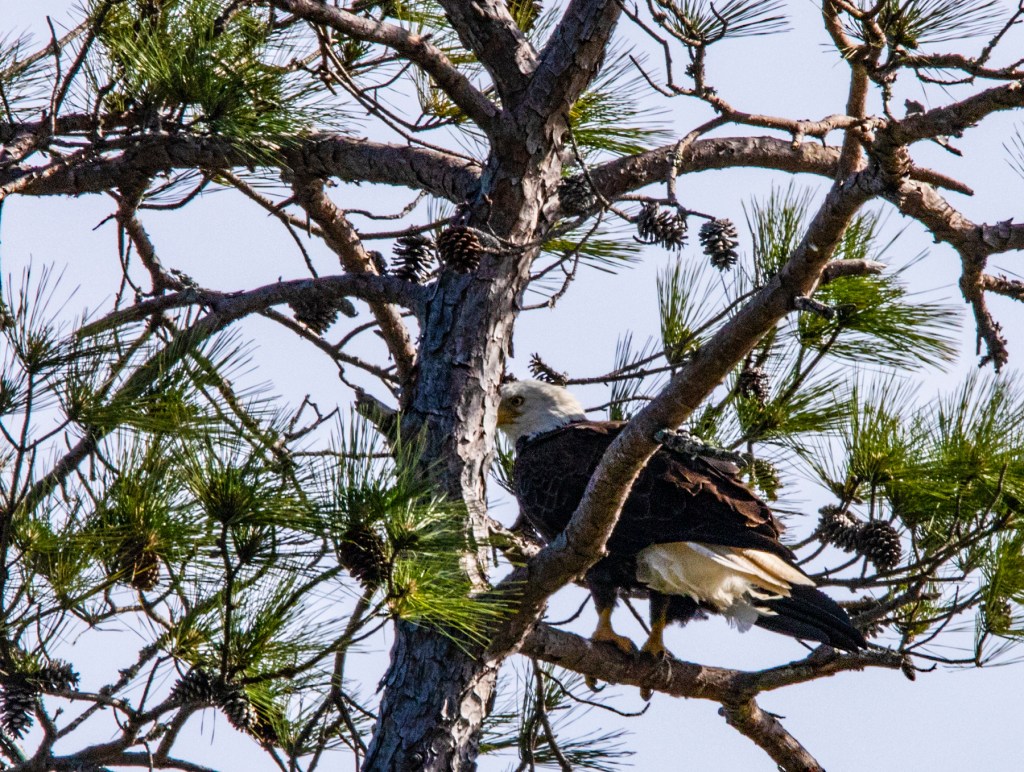
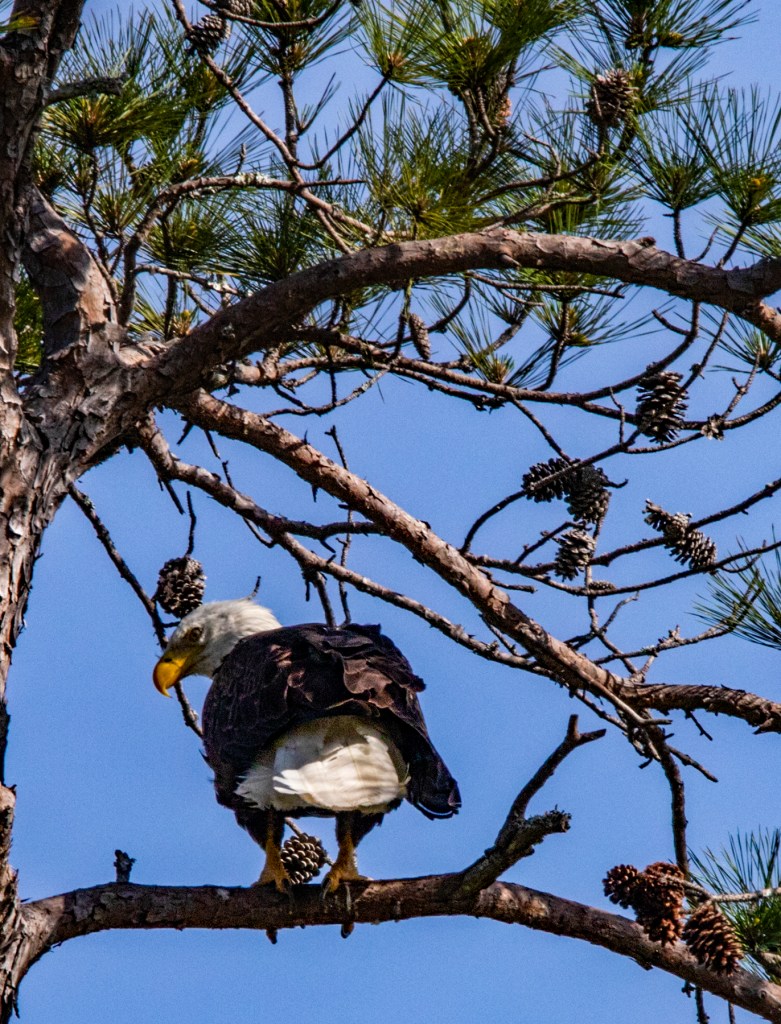
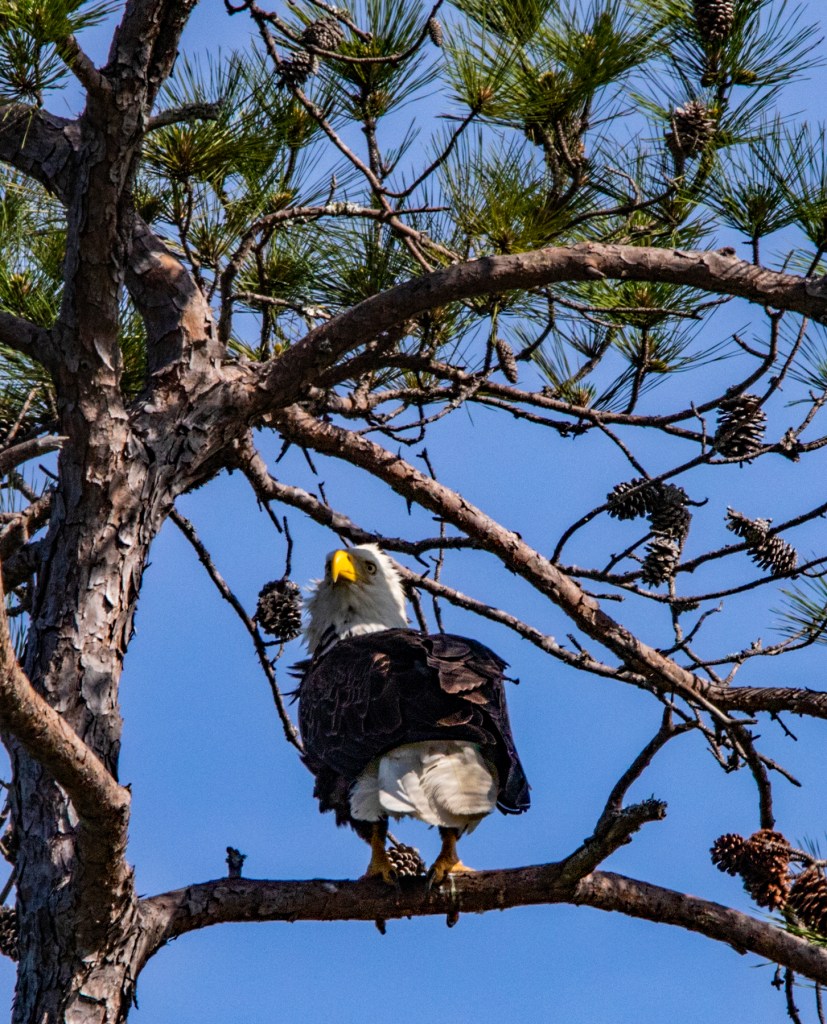
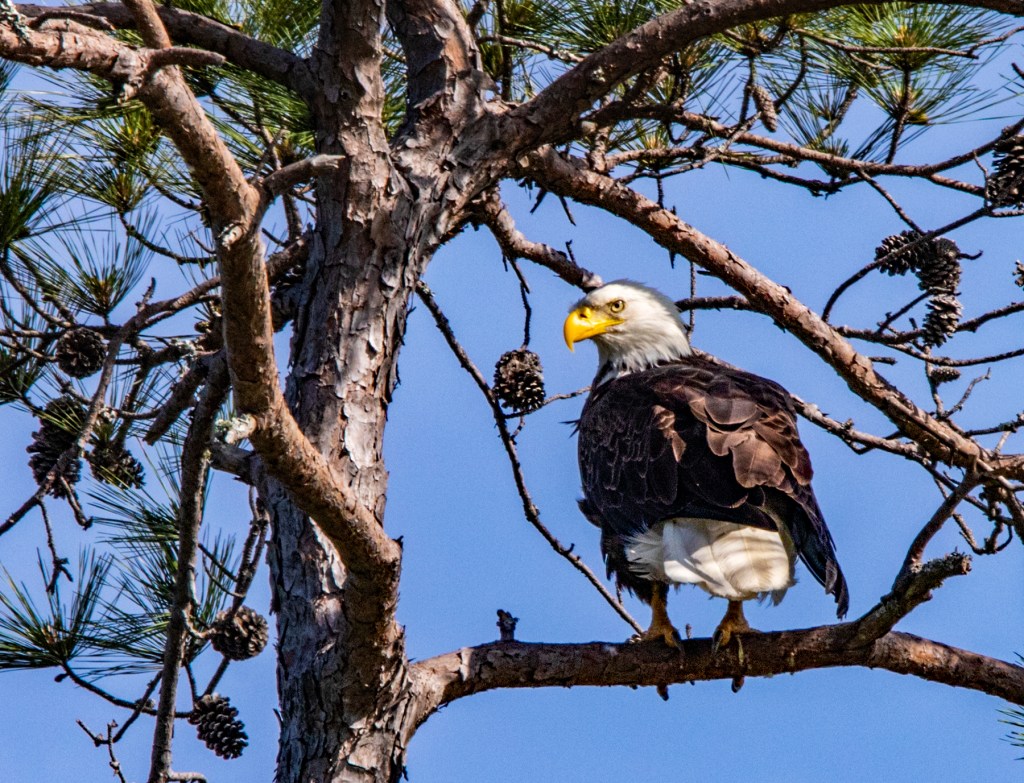
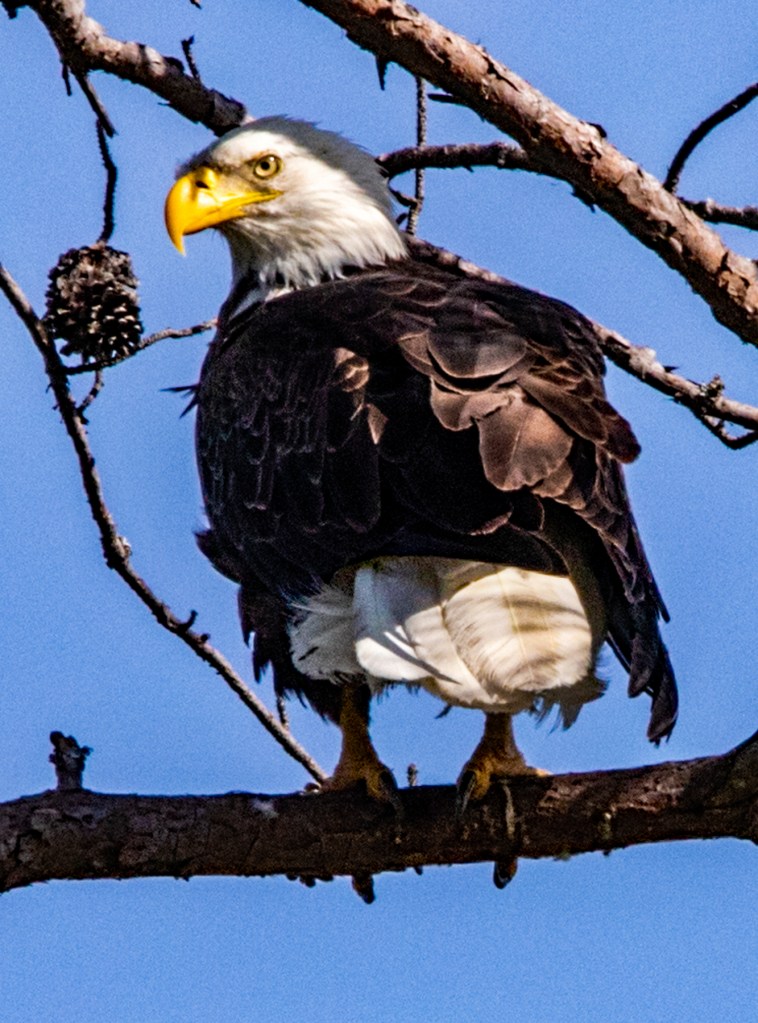
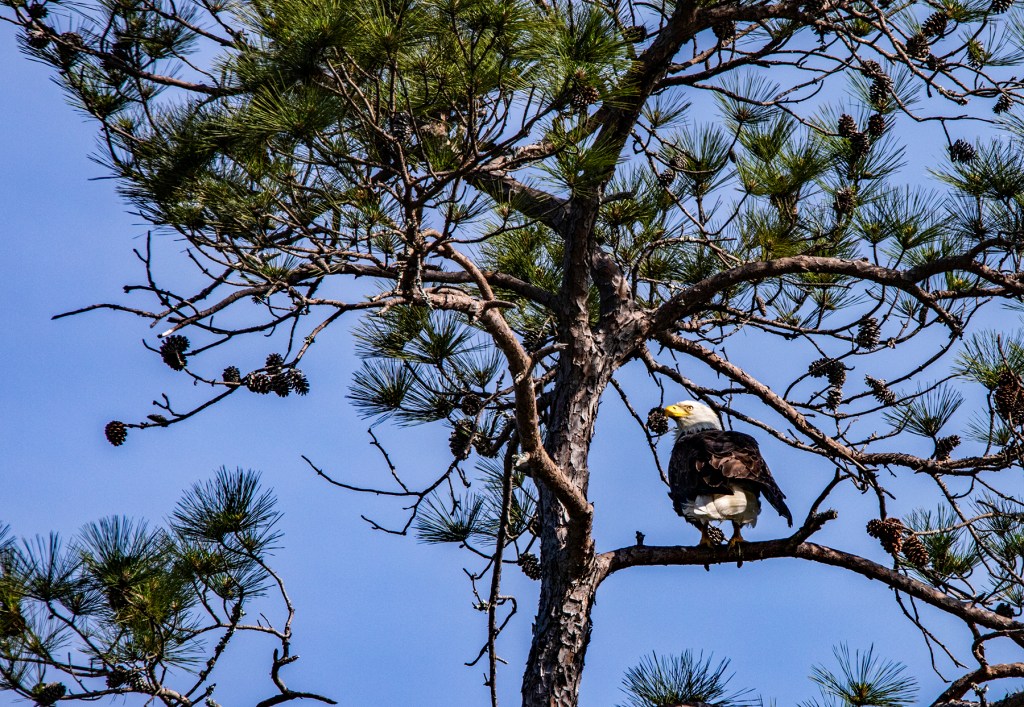
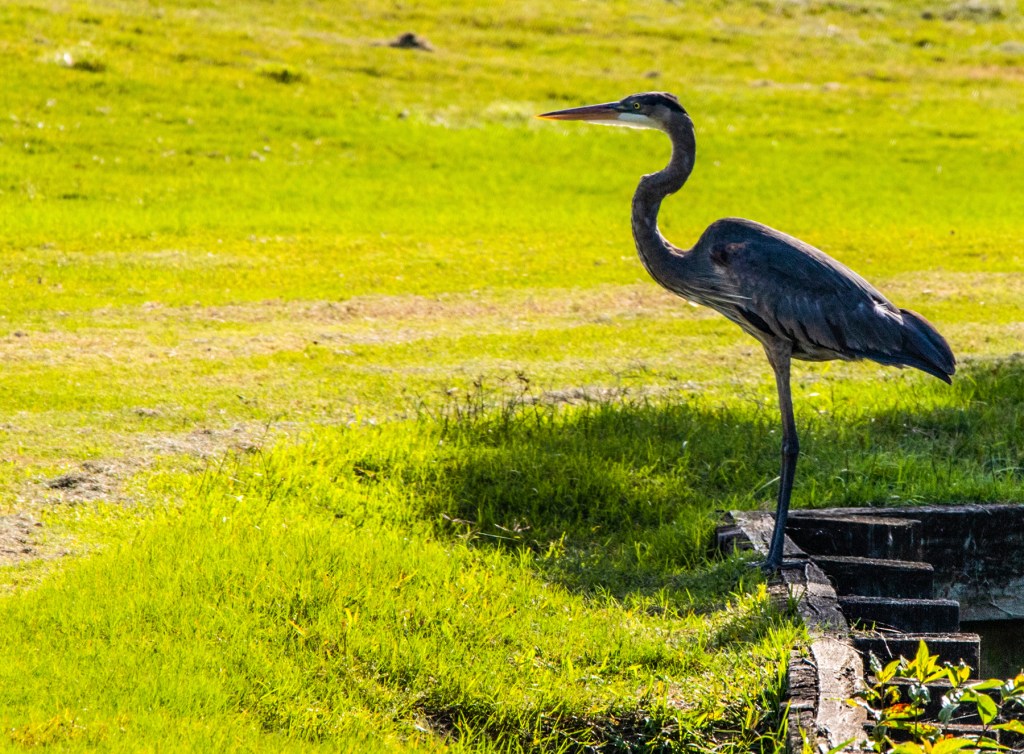
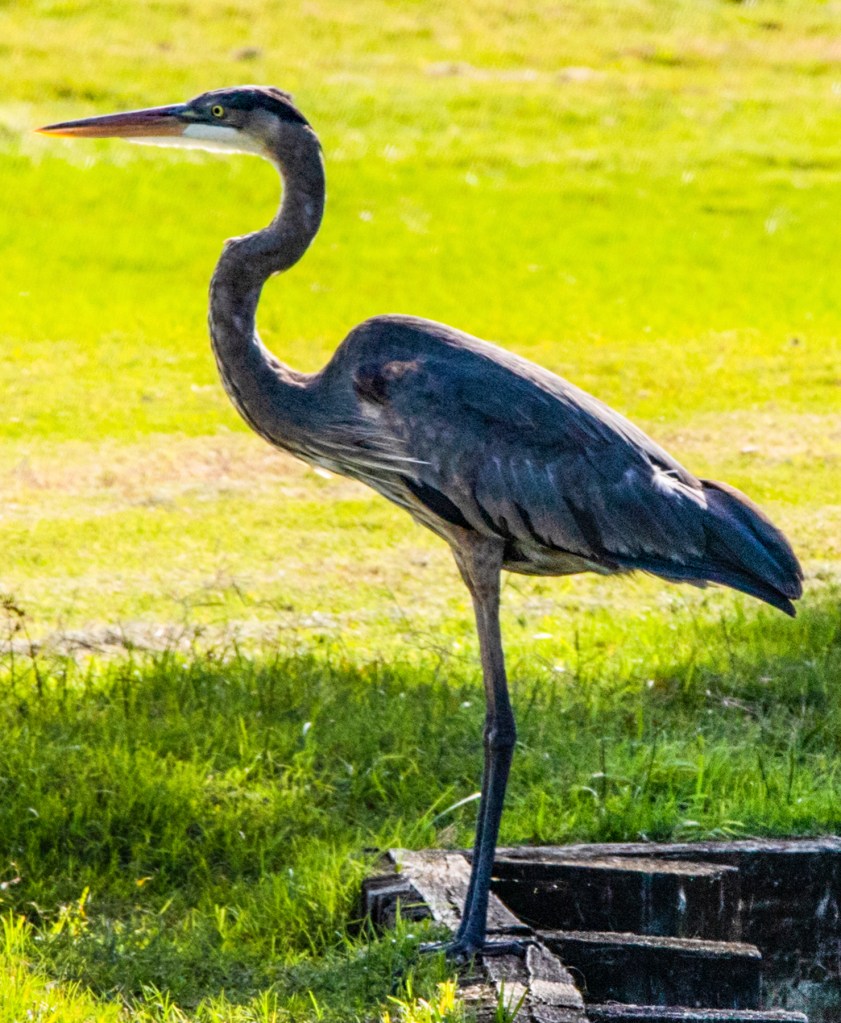
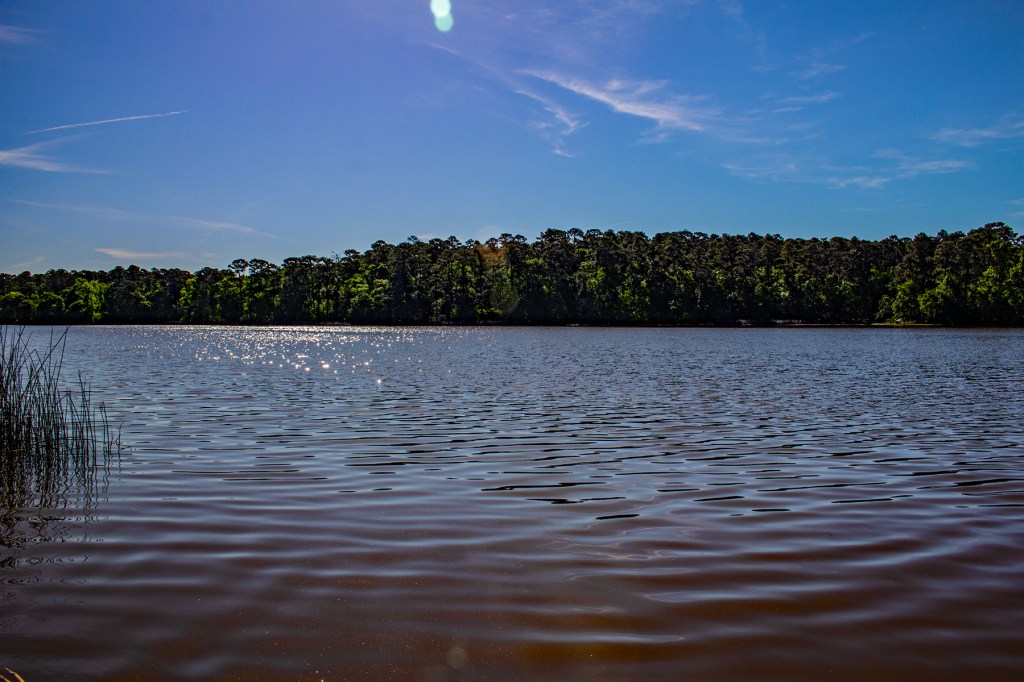
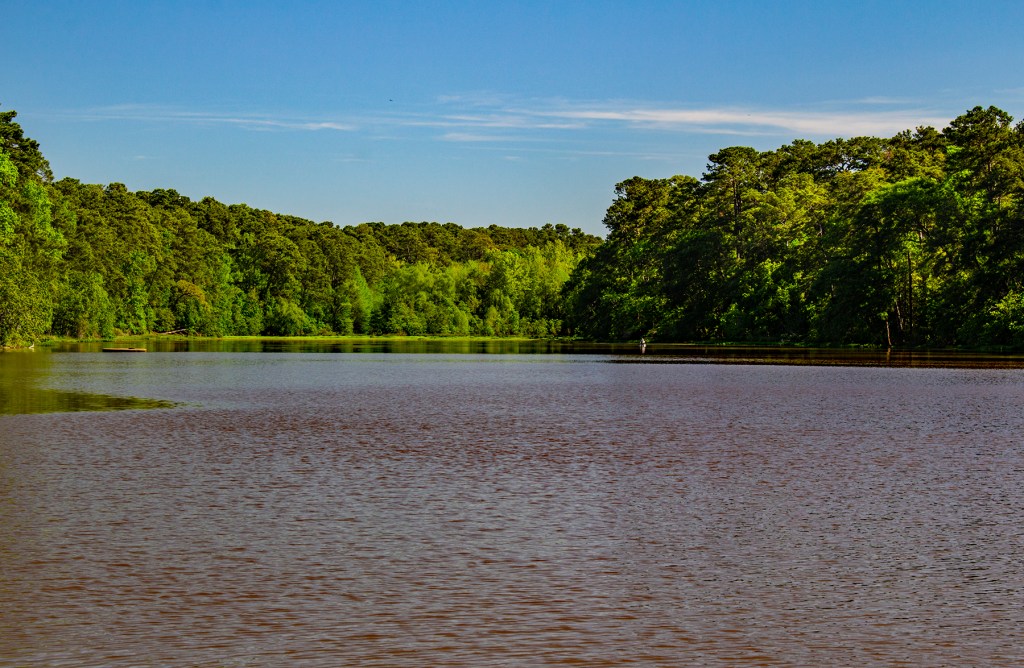
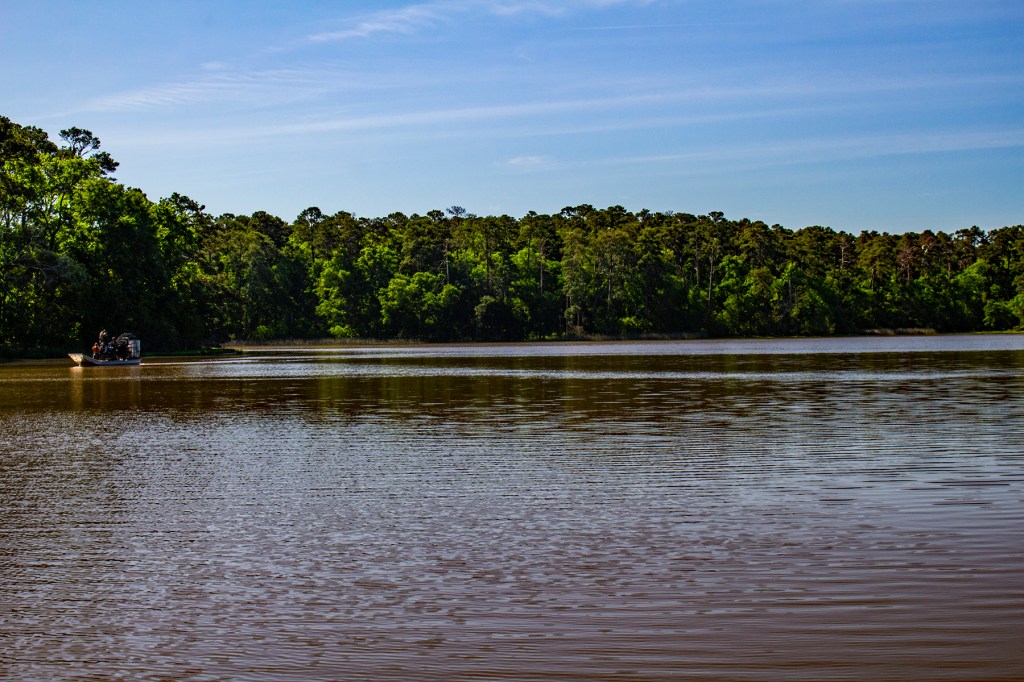
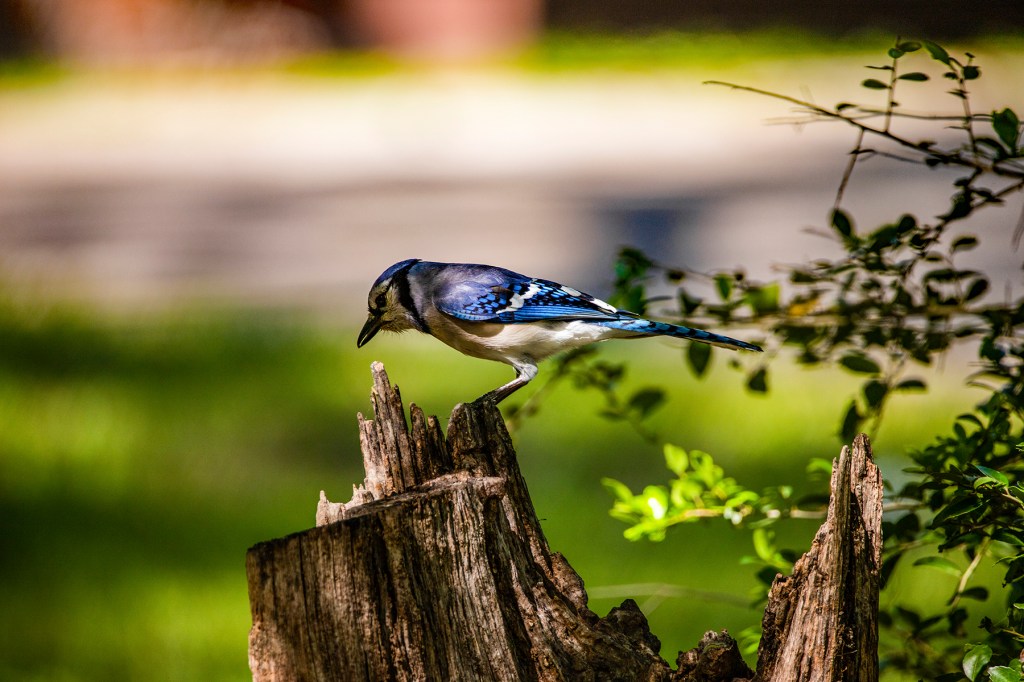
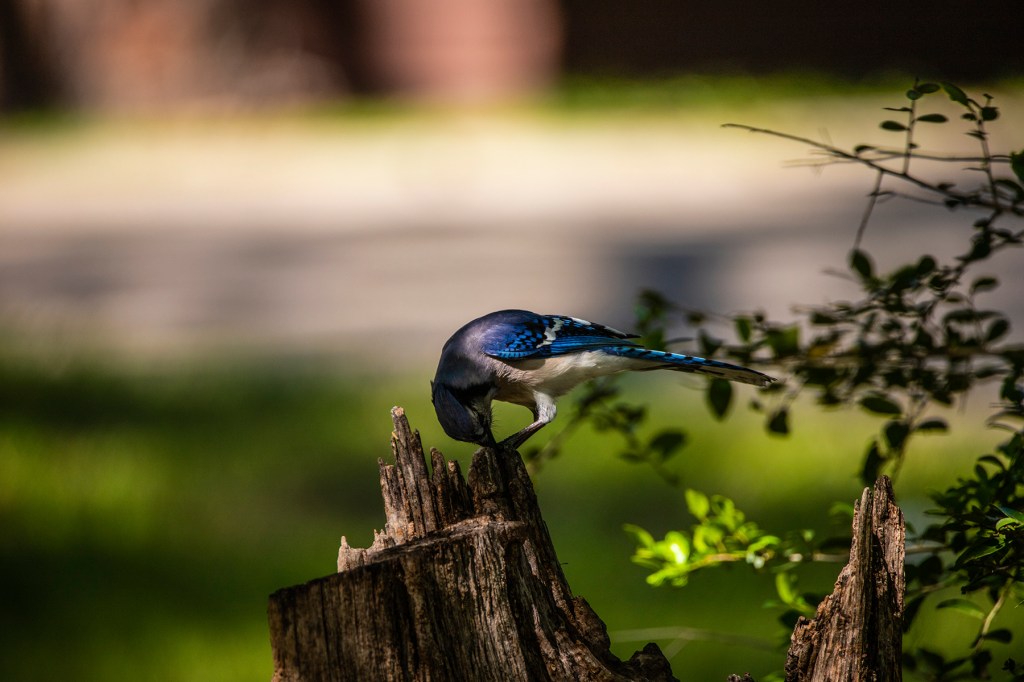
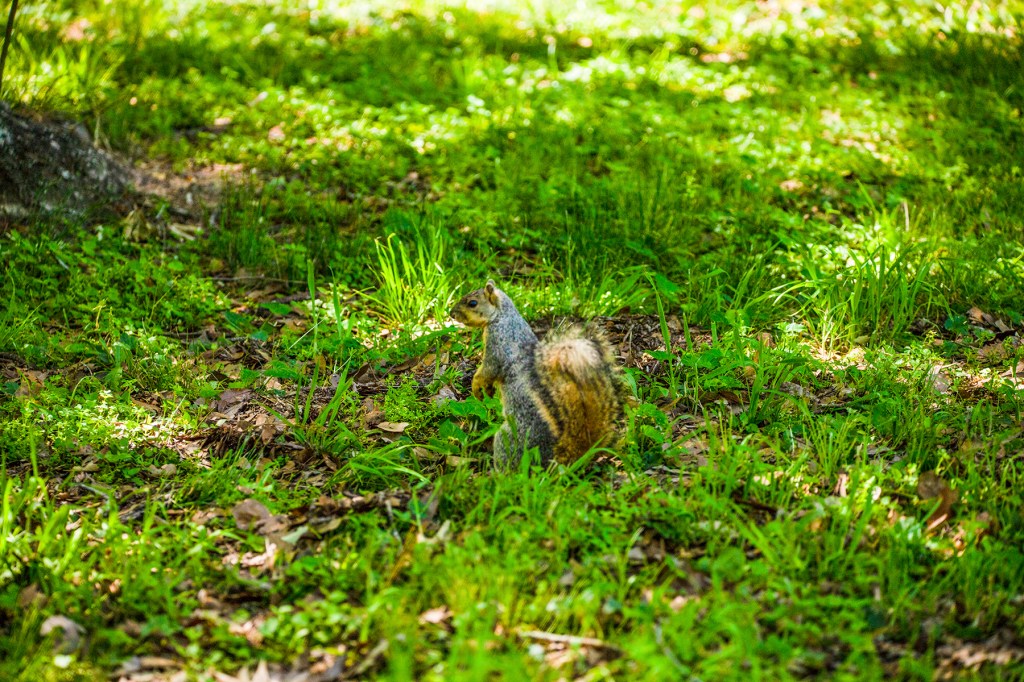
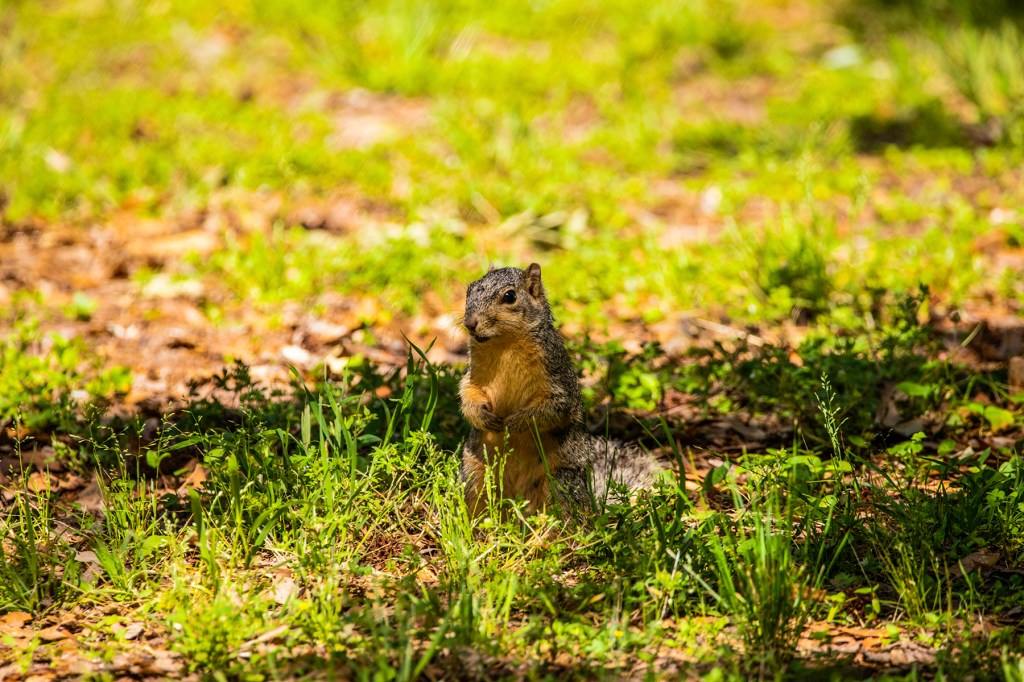
Our cousins Susie and Raul have a beautiful home near the shore of Lake Conroe, Texas. Their back deck looks over a nice golf course which is home to song birds, squirrels, lizards, blue herons and some bald eagles, to name a few. Yesterday, while spending time with family on the deck, I took some photos of a little song bird who frequently sang to us, a squirrel who was stealing from one of Susie’s numerous bird feeders and a lizard that walked quietly across the deck. During the afternoon Raul and I slipped away to see if the bald eagles were hanging out near their nest. One of them was there. In addition, we came across a couple of blue heron. Take a look at the photos I took of this assortment of wildlife.
Look what I found.Going in!The eagles nest.We’re being watched?
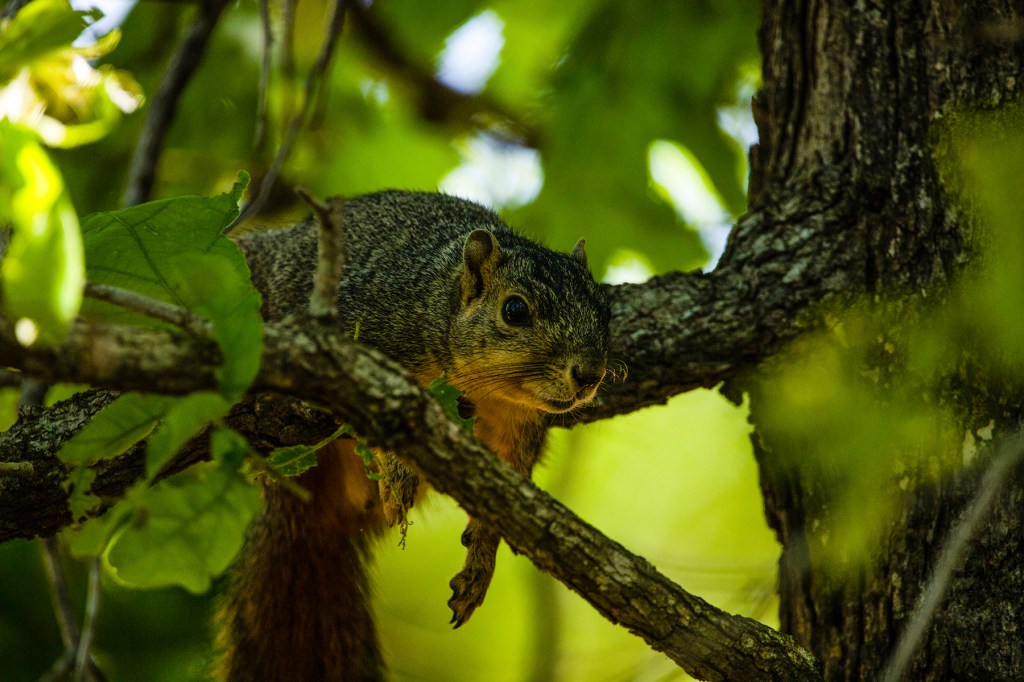
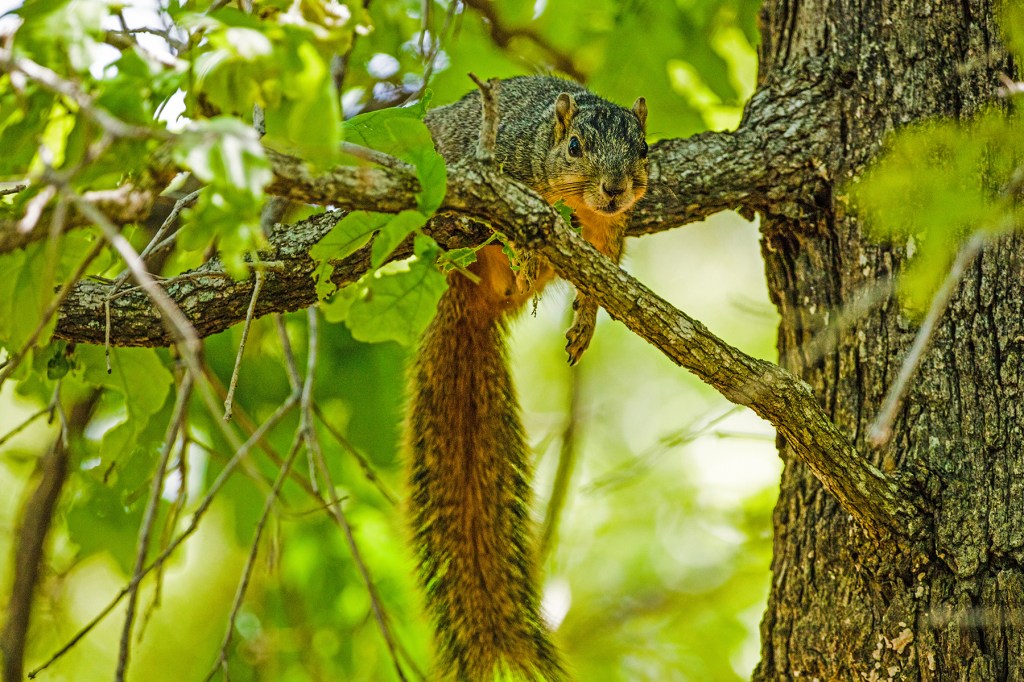
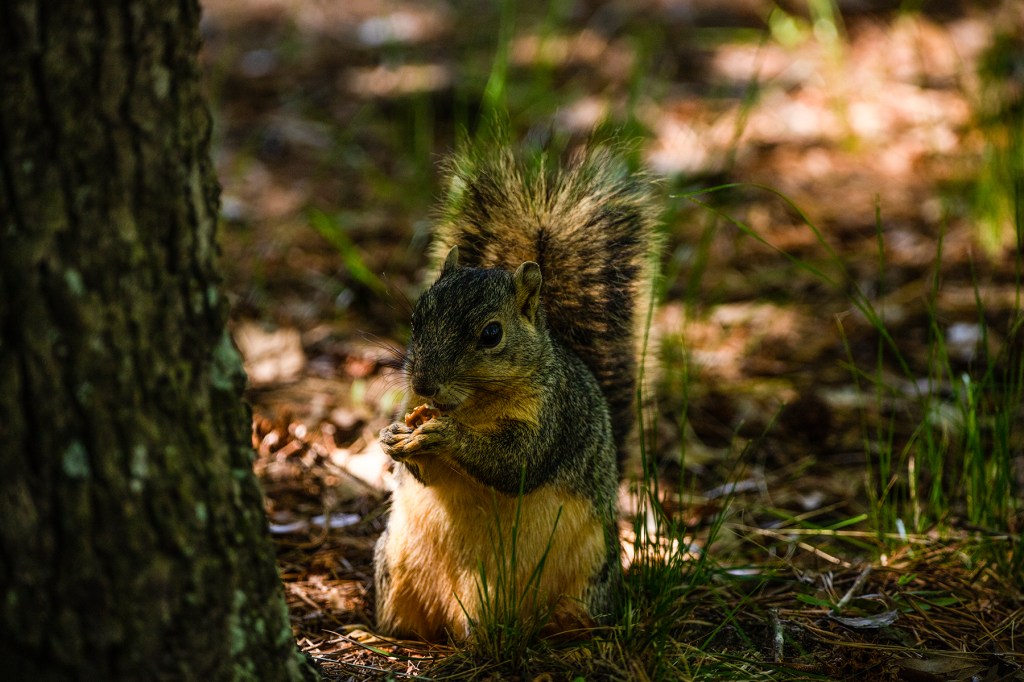
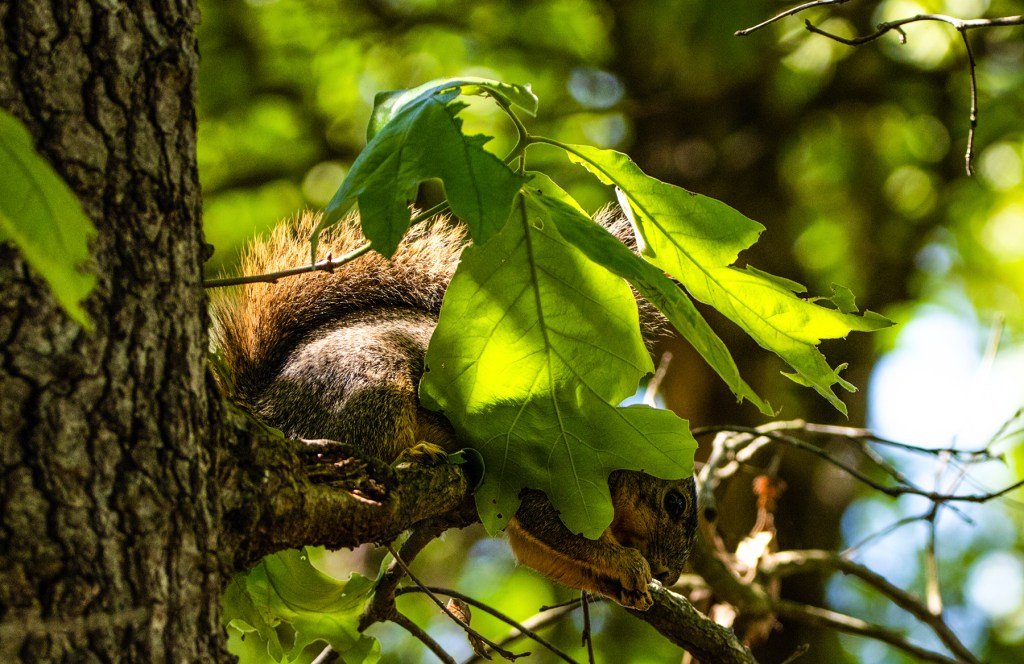
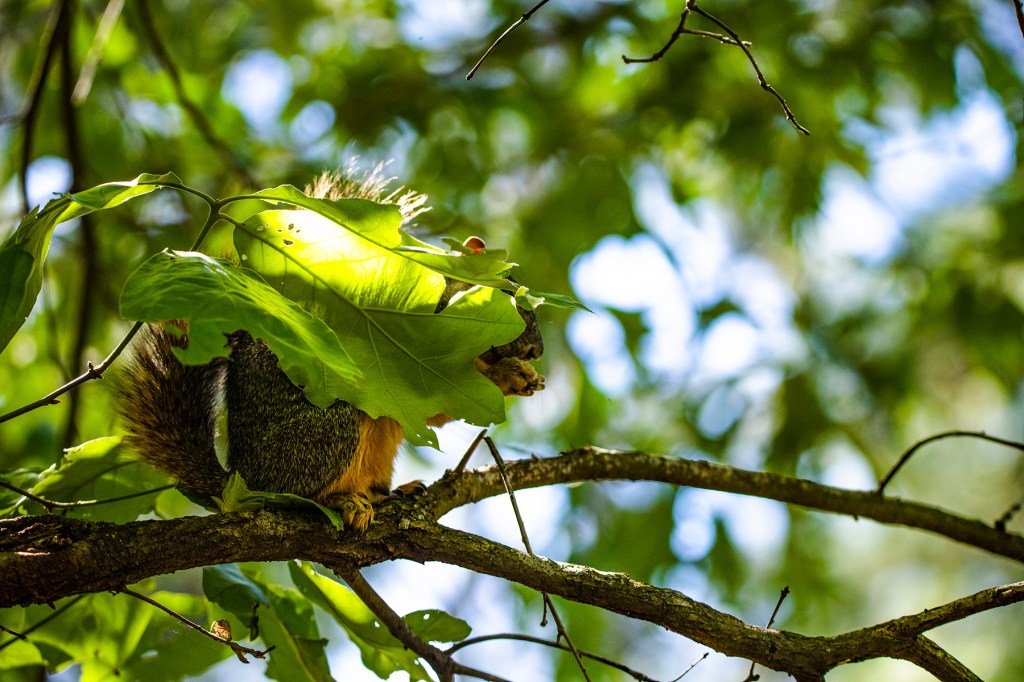
On Friday, Barbara, Toby and I along with our tour guides (cousins), Susie and Raul visited Huntsville State Park in Texas. This is a beautiful park with lots of wildlife, wild flowers and hiking trails. Toby really enjoyed it because there were plenty of squirrels to chase. Actually, he only went after one squirrel, but went after it several times. He was having fun. I got lots of photos of Toby’s squirrel friend along with a couple of others.
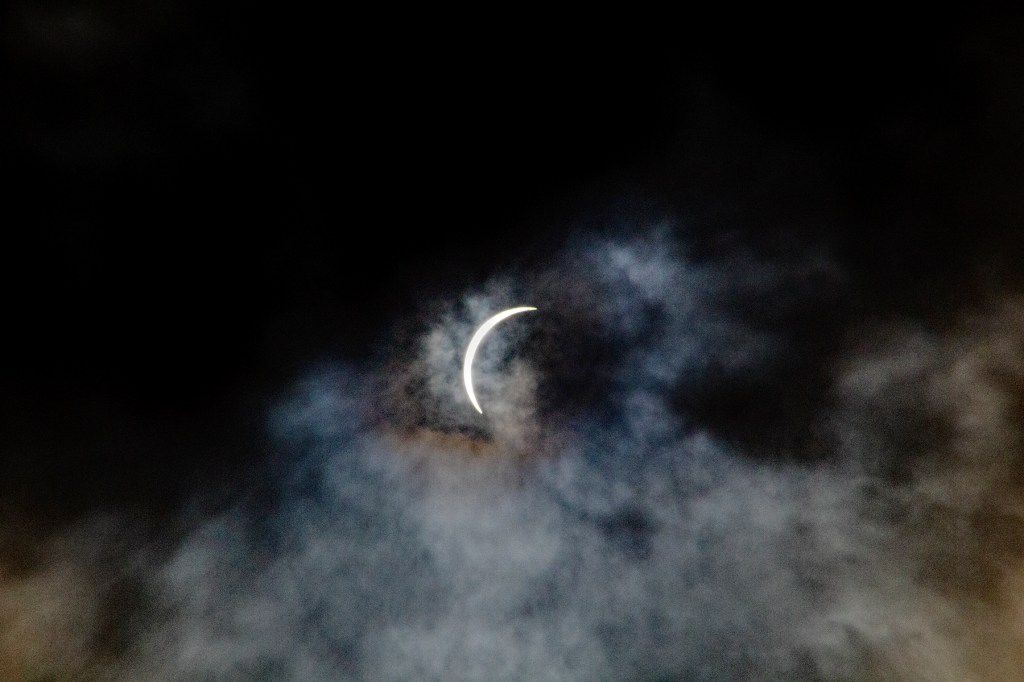
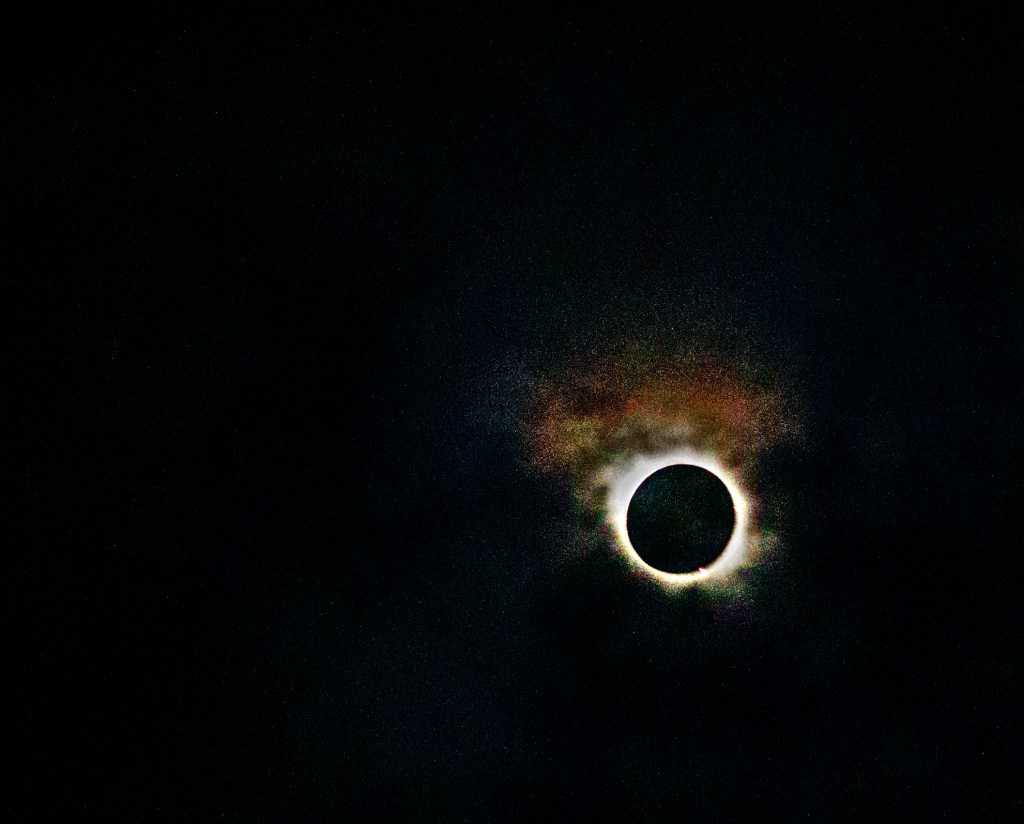
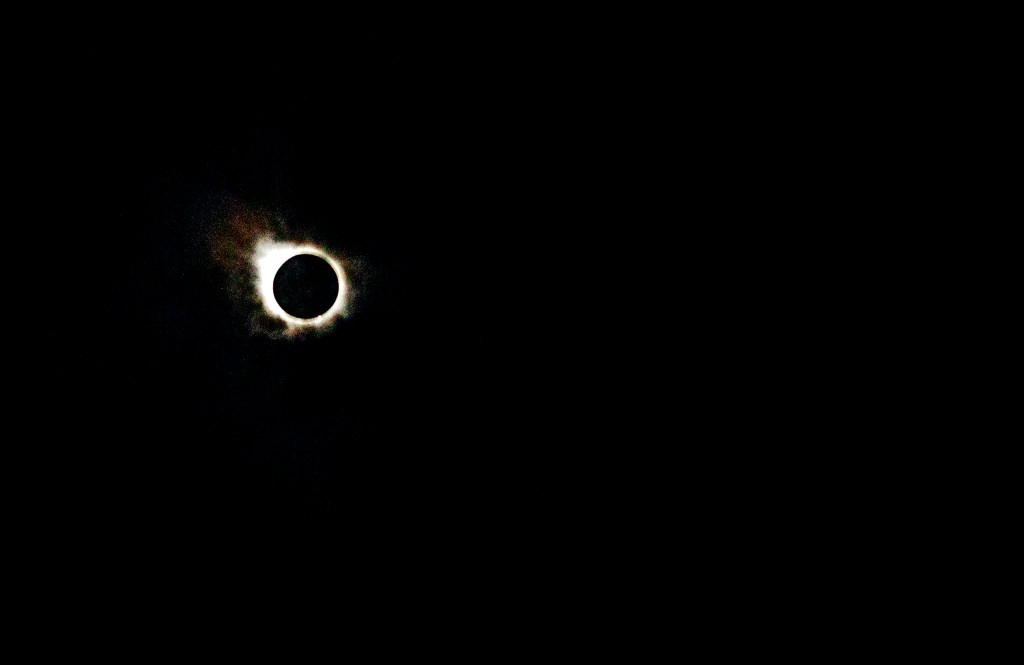
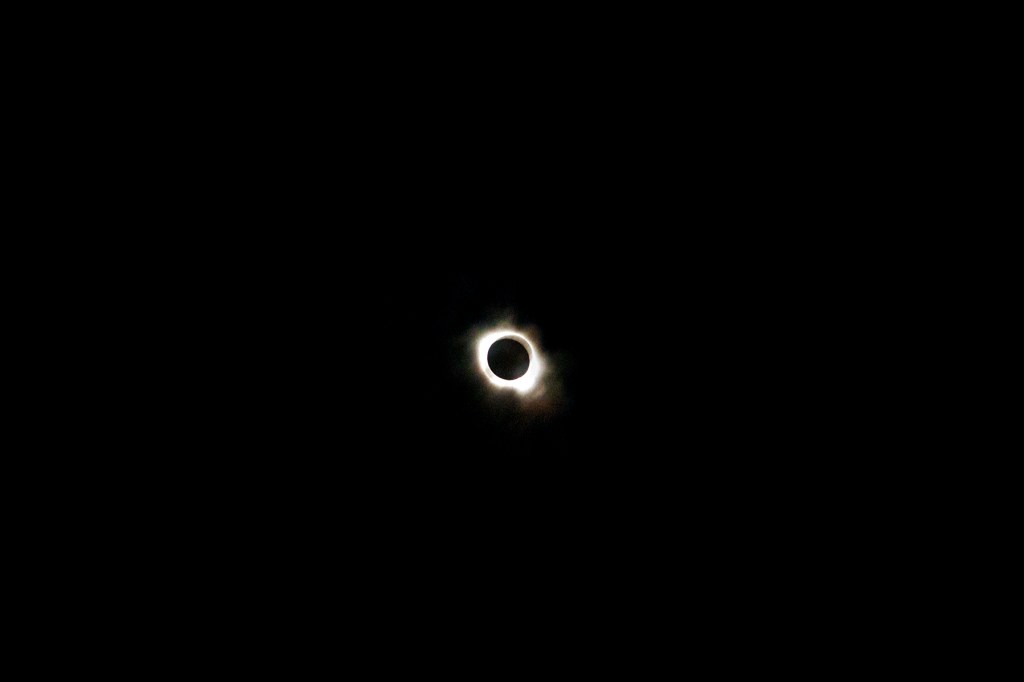
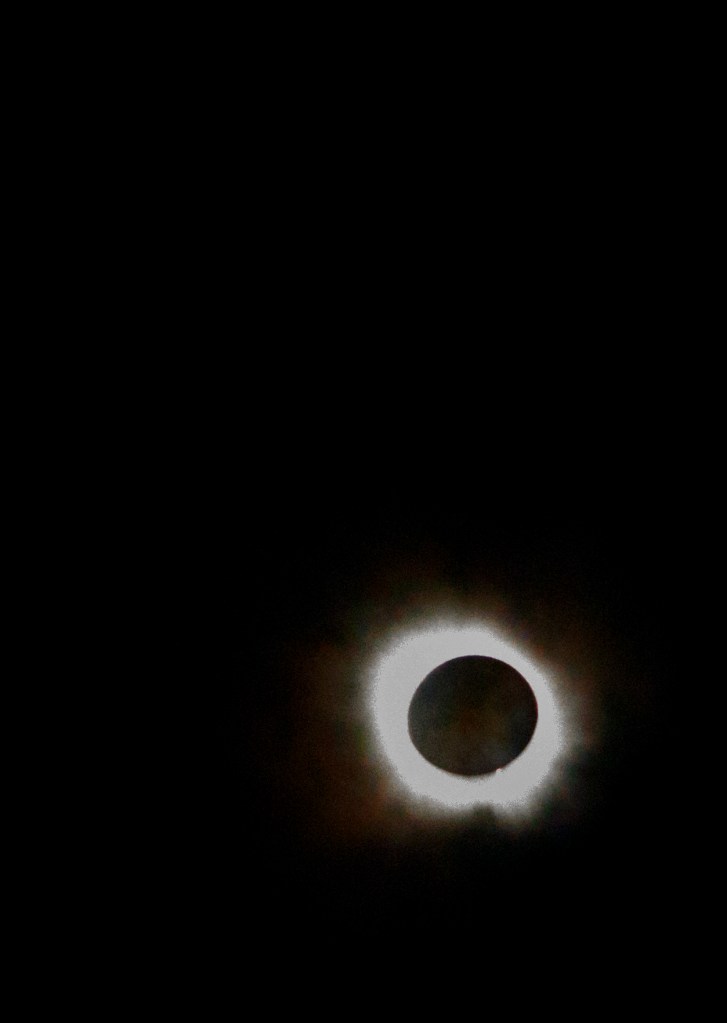
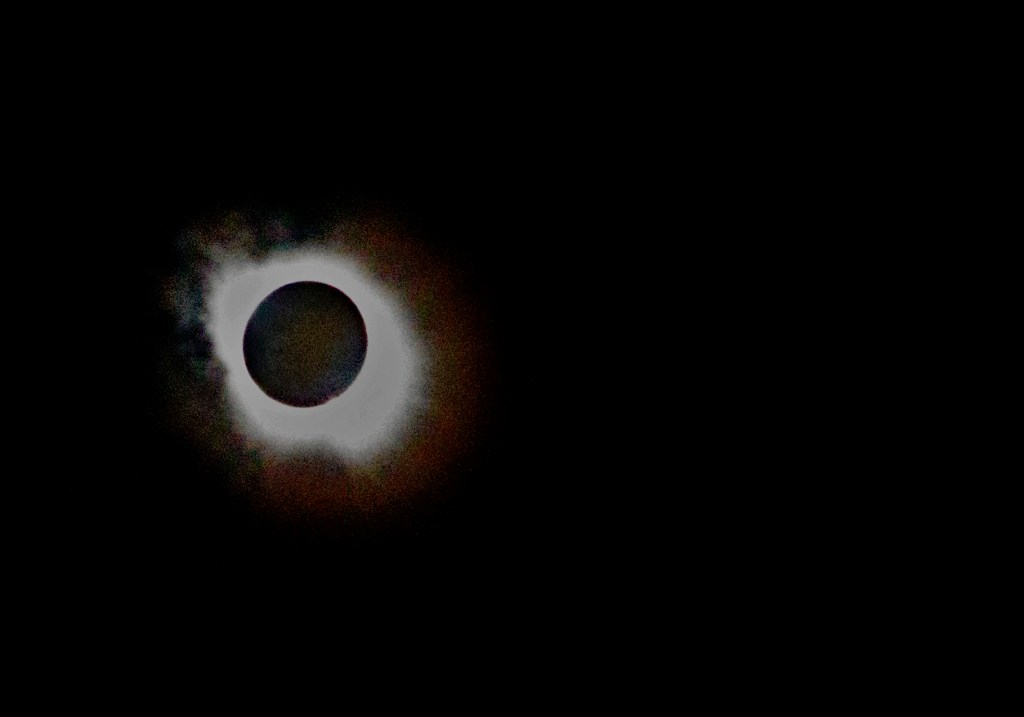
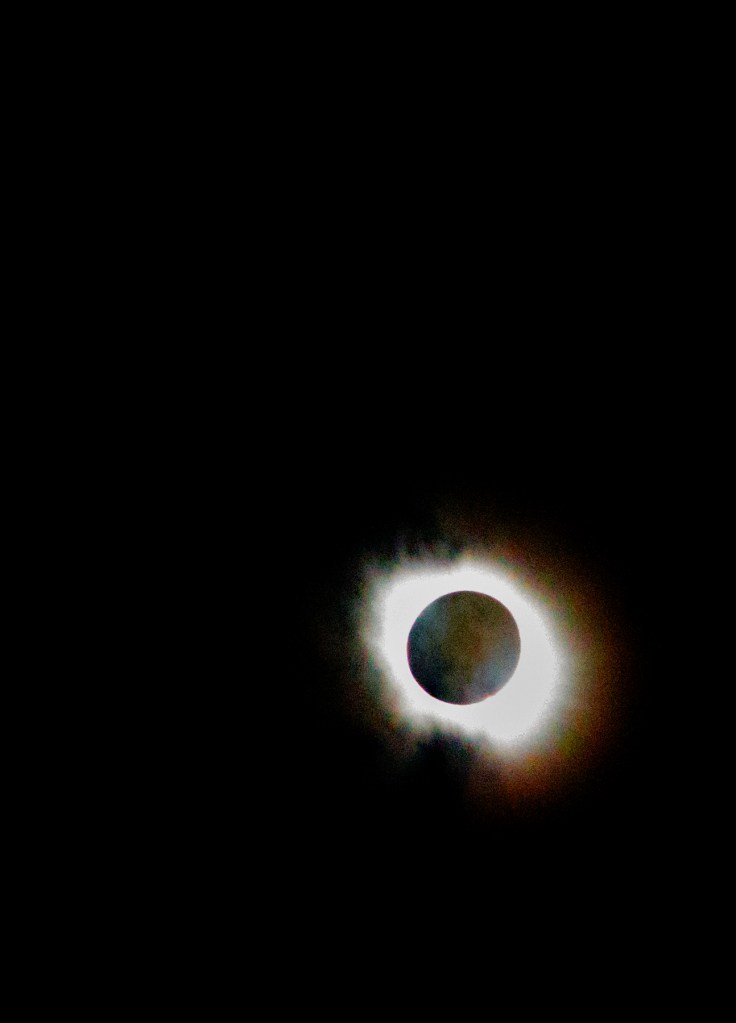
Today, along with millions of other people, Barbara and I were fortunate enough to witness a total solar eclipse in Waco, Texas. This to me, was an extraordinary experience. In fact, after the eclipse completed its totality, I continued to watch this amazing event, while those around me went on their way. It’s things like this that make me love science so much and if I am lucky I will be fortunate to witness the next total eclipse in north America just one week before my 86th birthday.
Take a look below at my eclipse photos. Keep in mind there were a lot of clouds rolling through the area today so there was a lot of moisture reflecting the light. I hope you like them.
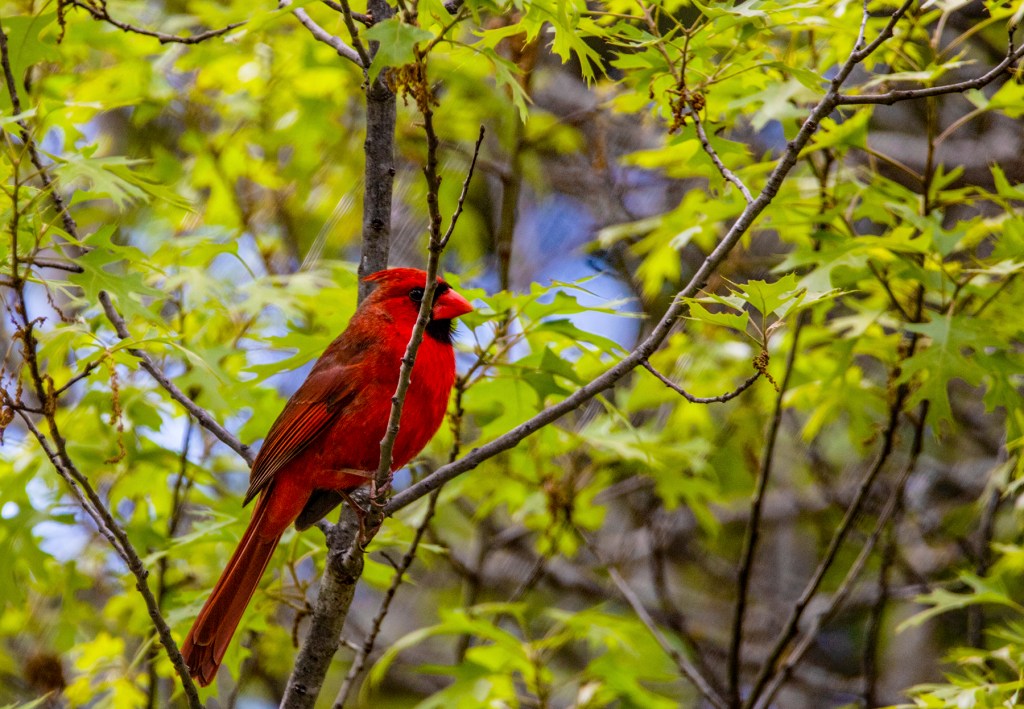
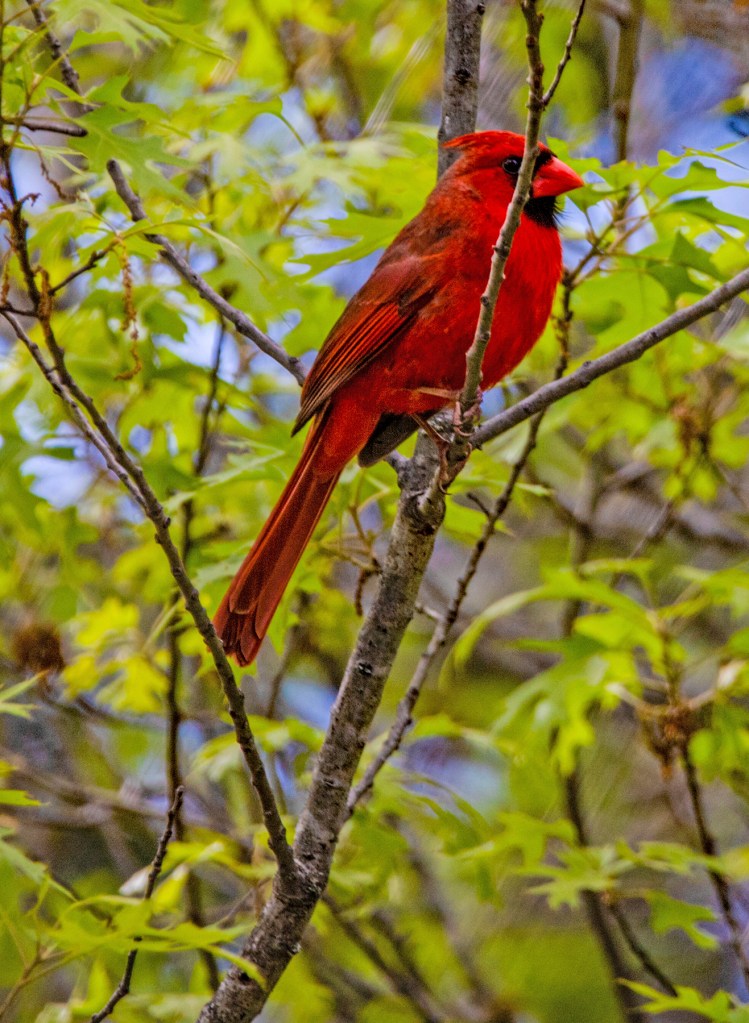
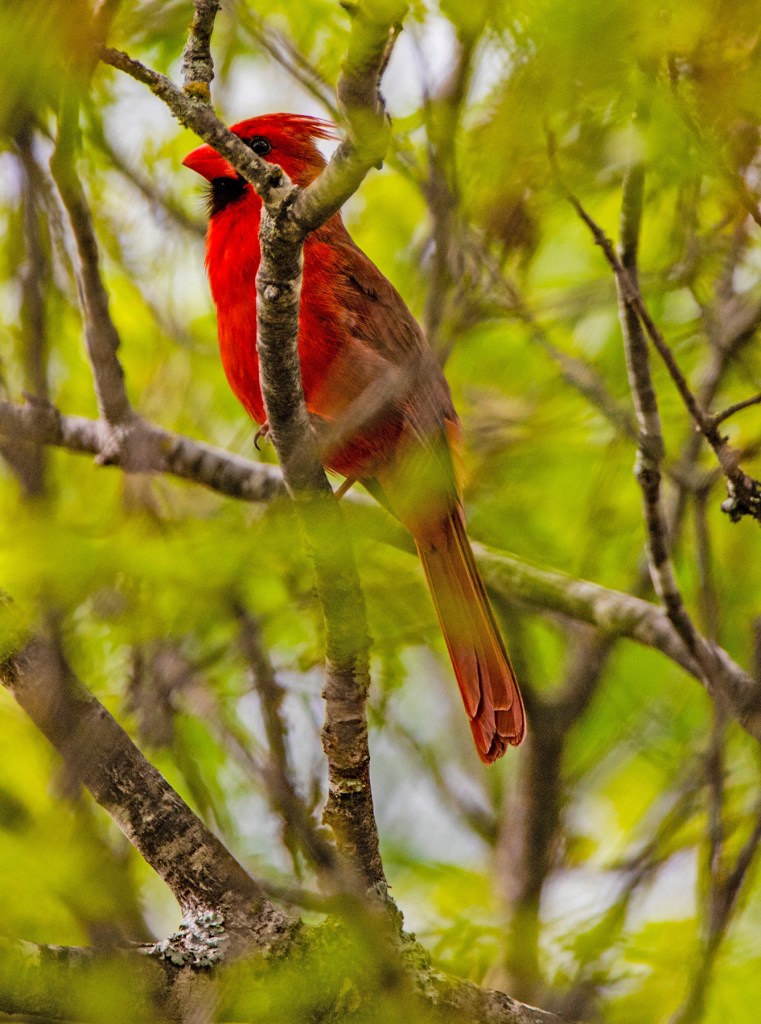
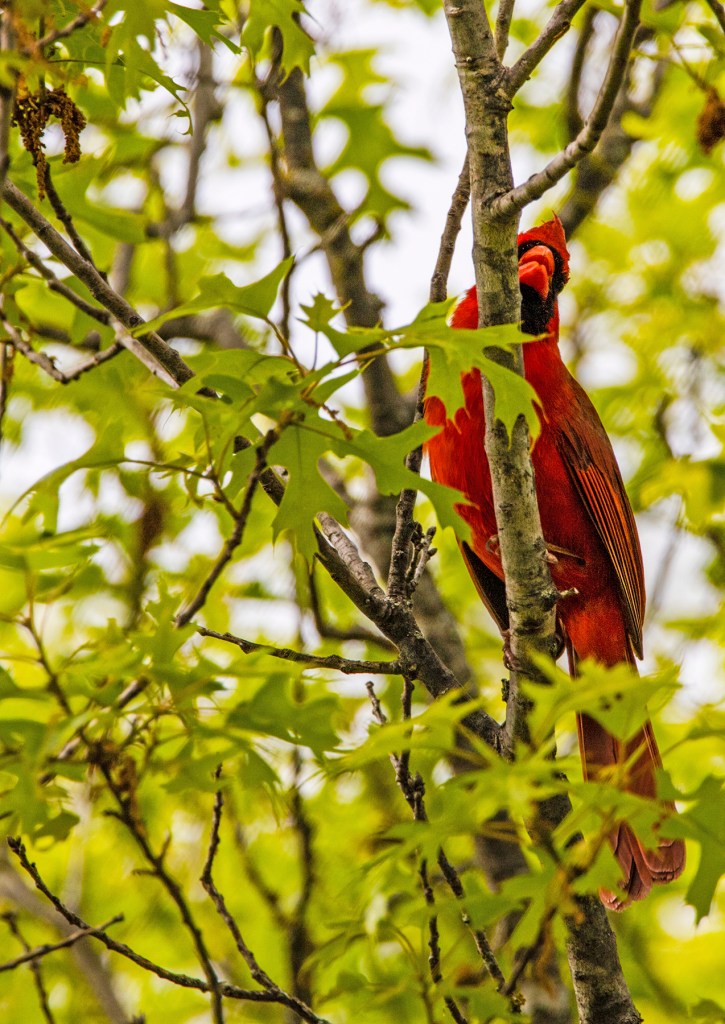
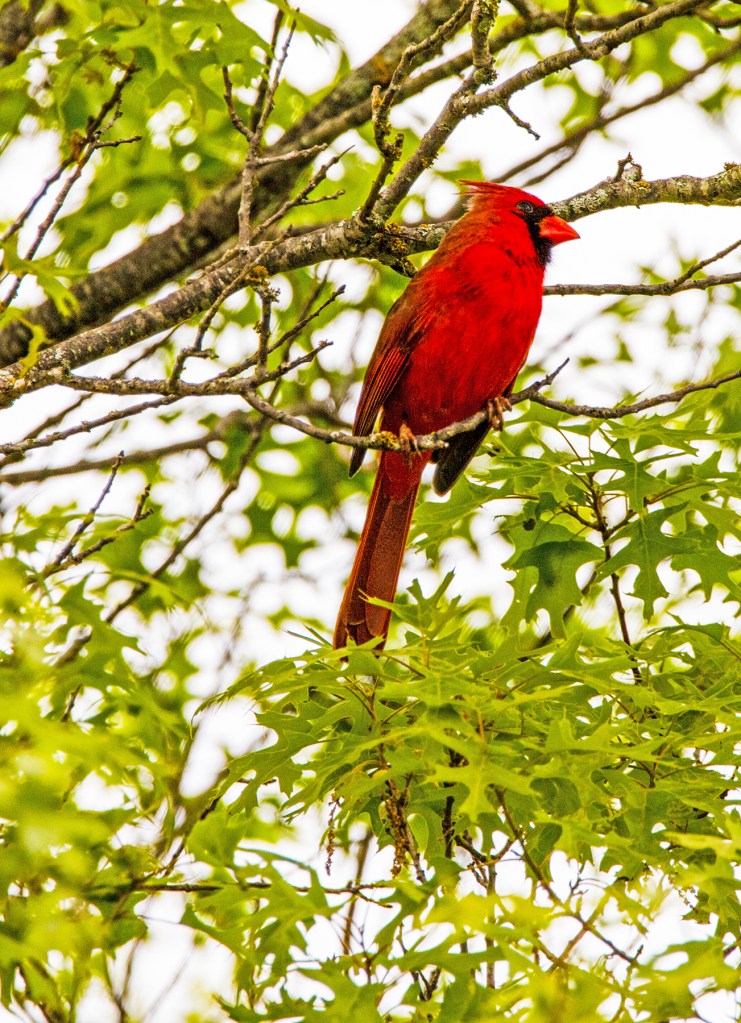
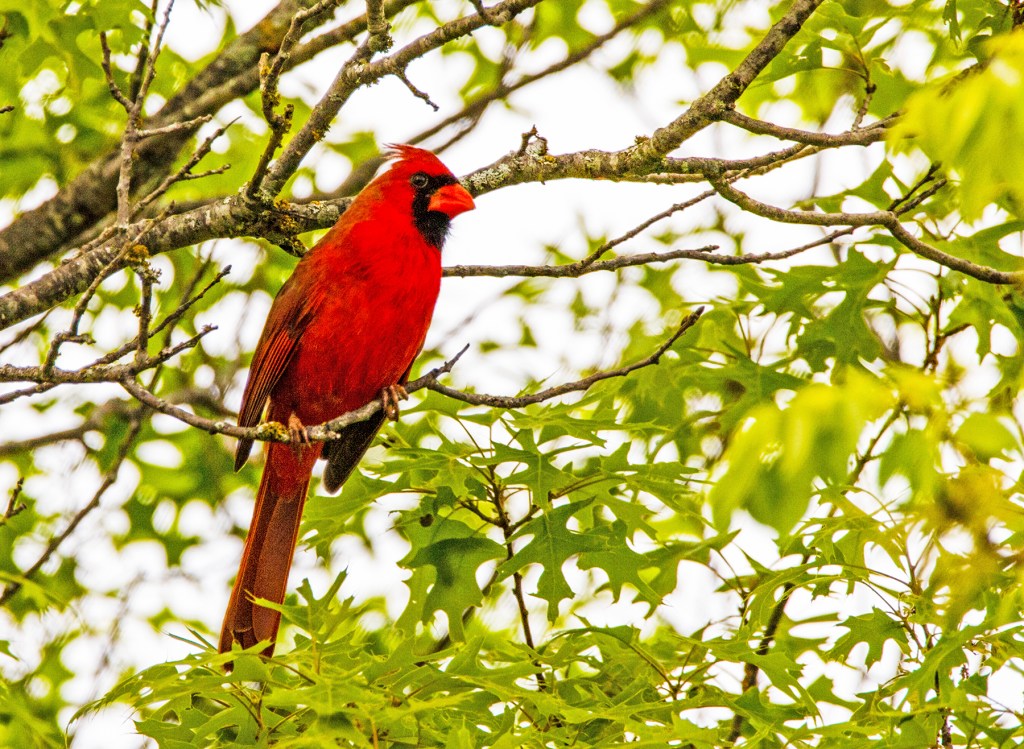
While here at Lake Whitney, Texas we have seen several of the bright red male cardinals. Now Barbara and I lived most of our lives in northern California where there are no Cardinals to be found, so when we see them elsewhere, it is a treat. I tried numerous times last week to get photos of one but every time I got my camera out it would disappear. But perseverance paid off, and finally, a couple of days ago, I was able to get some nice photos of one of these beautiful, elusive birds. Take a look!
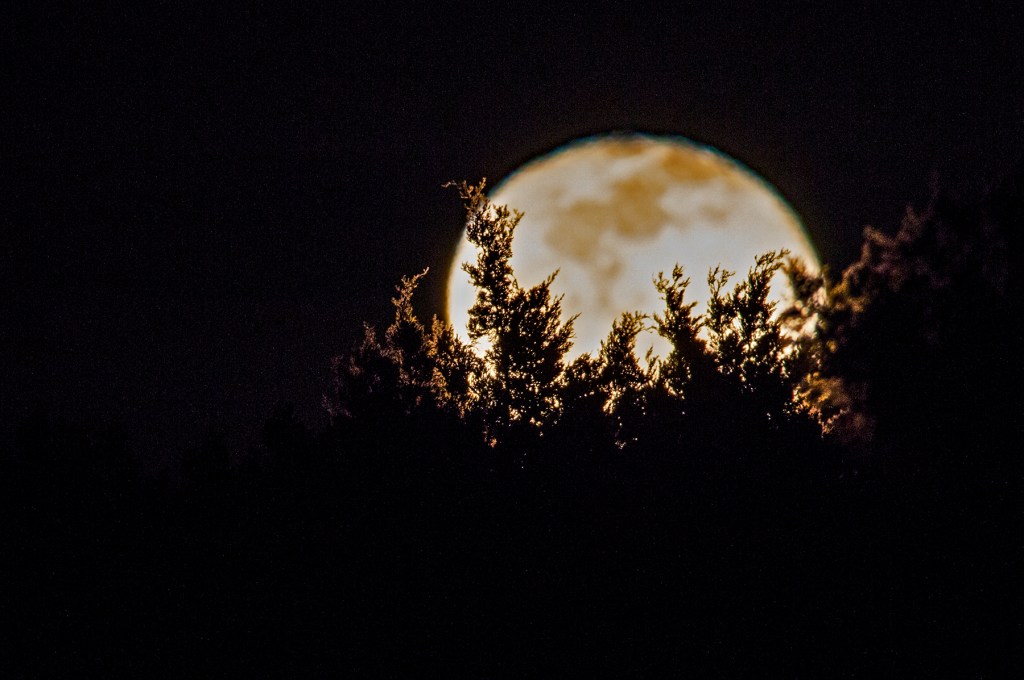
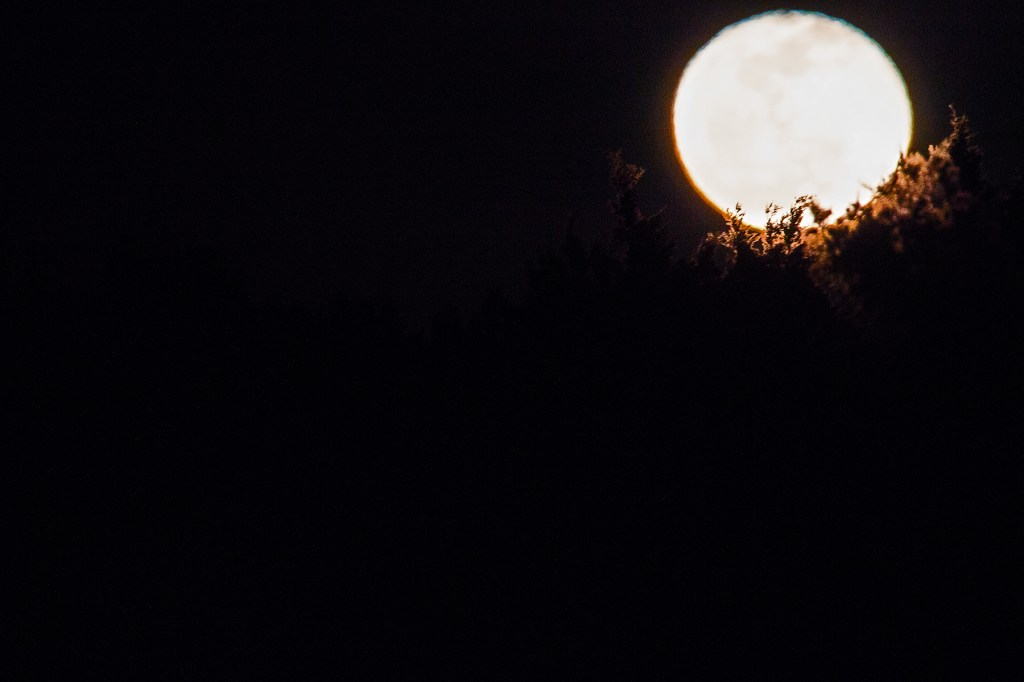
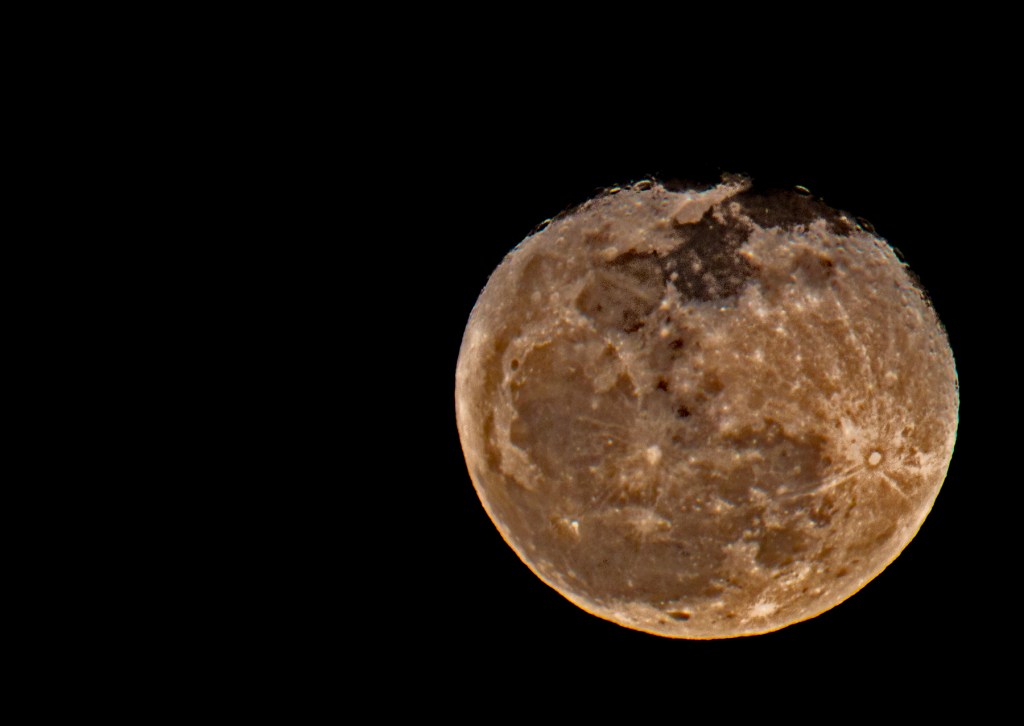
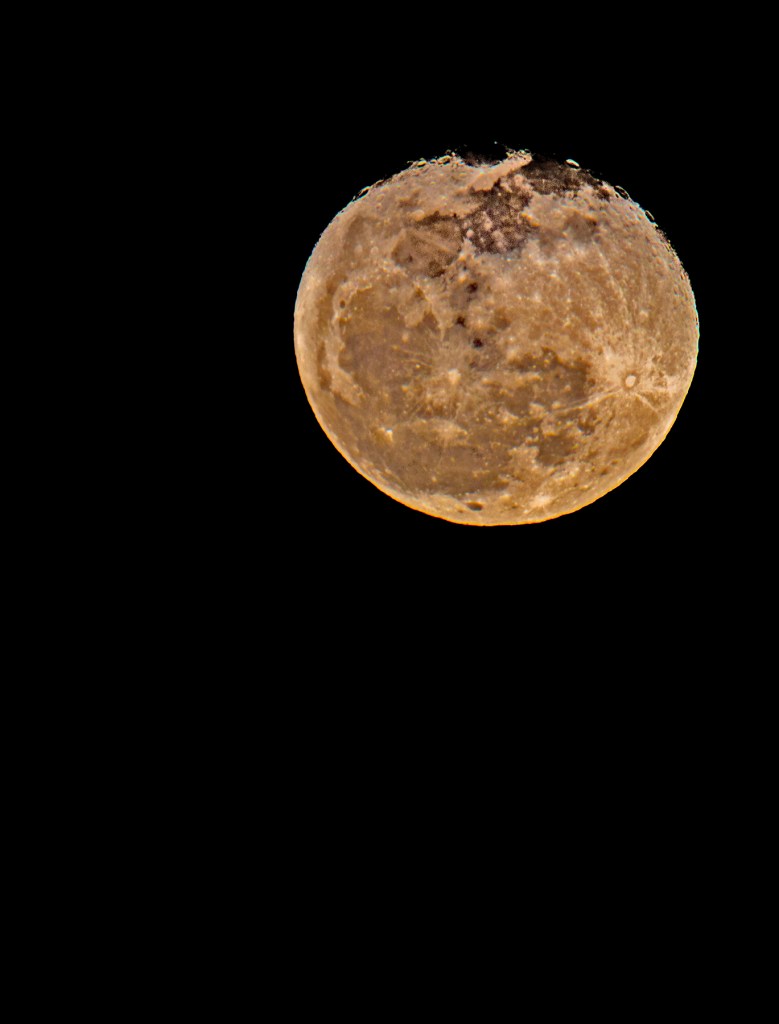
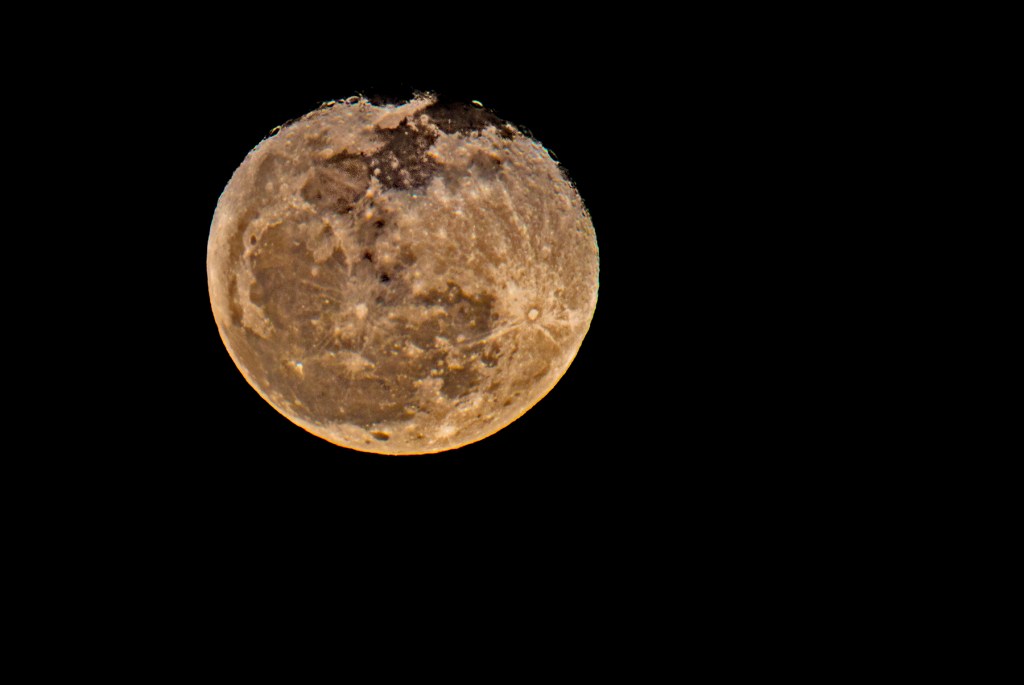
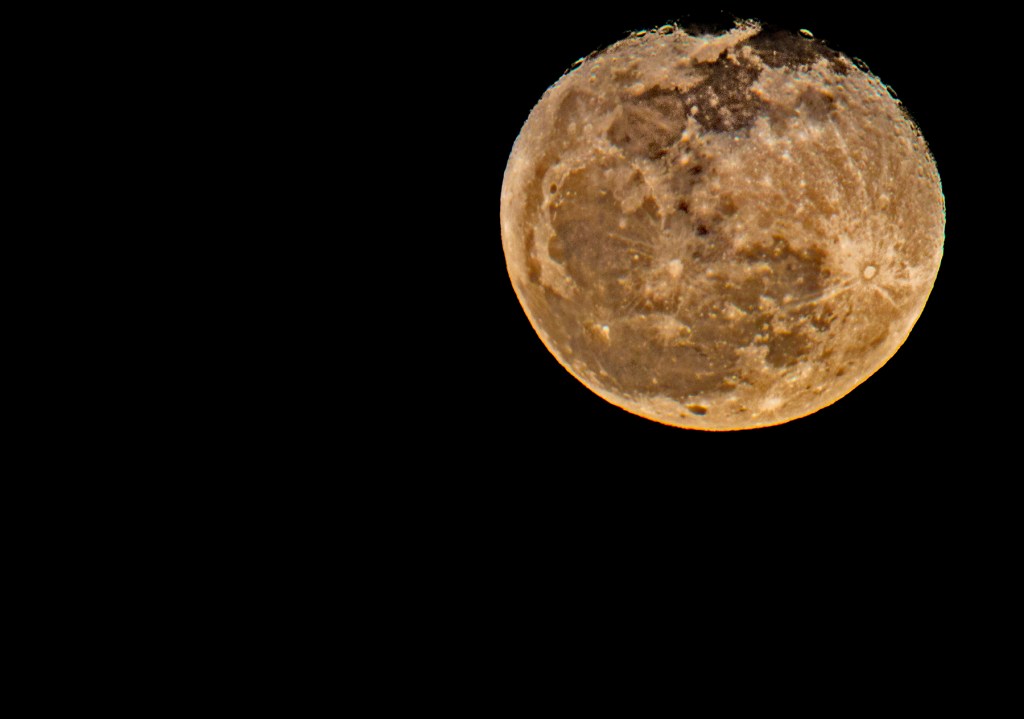
Last evening I took photos of our closest neighbor, the moon, as it rose above the trees in the east. I always enjoy looking up at the moon and thinking of the places that we have visited and named over the years. Below I have listed a handful of these places. So the next time you look up at the moon you will be able to name some of these landmarks.
In the lower right hand portion of the moon is a crater that looks like there was a large explosion there. This is Tyco.
The dark spot at what would be the North Pole on earth is named the Sea of Cold.
The dark spot just to the right of the Sea of Cold with the large crater (Plato) in it, is known as the Sea of Showers.
Just south of the Sea of Cold is the Sea of Serenity.
Adjacent to the Sea of Serenity, to the left, is the Sea of Tranquility. Apollo 17 landed between the Sea of Serenity and the Sea of Tranquility. Apollo 11 landed on the southern edge of the Sea of Tranquility.
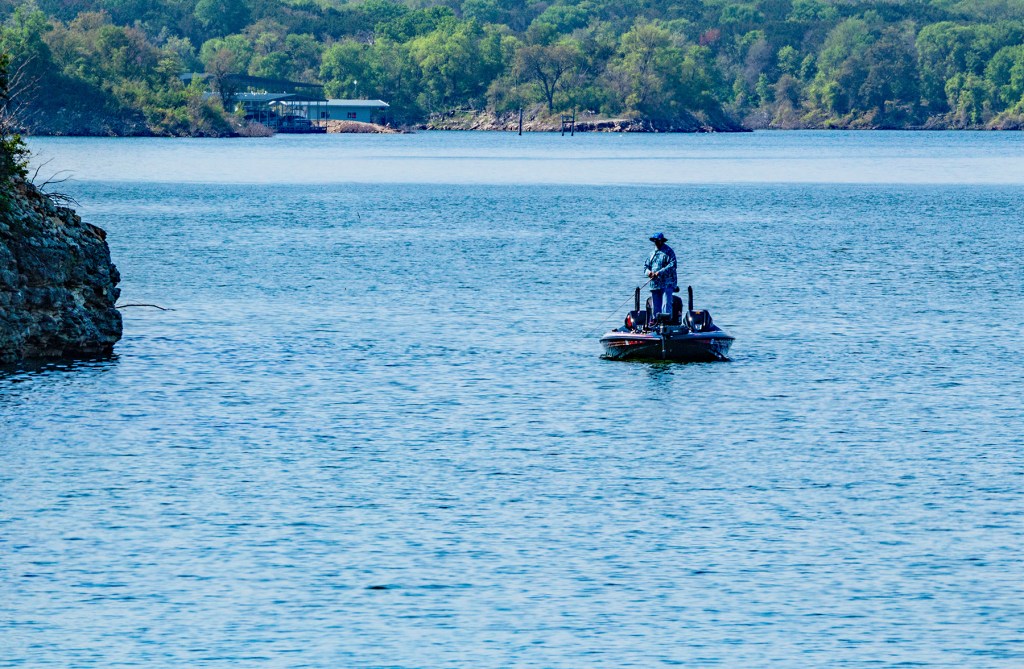
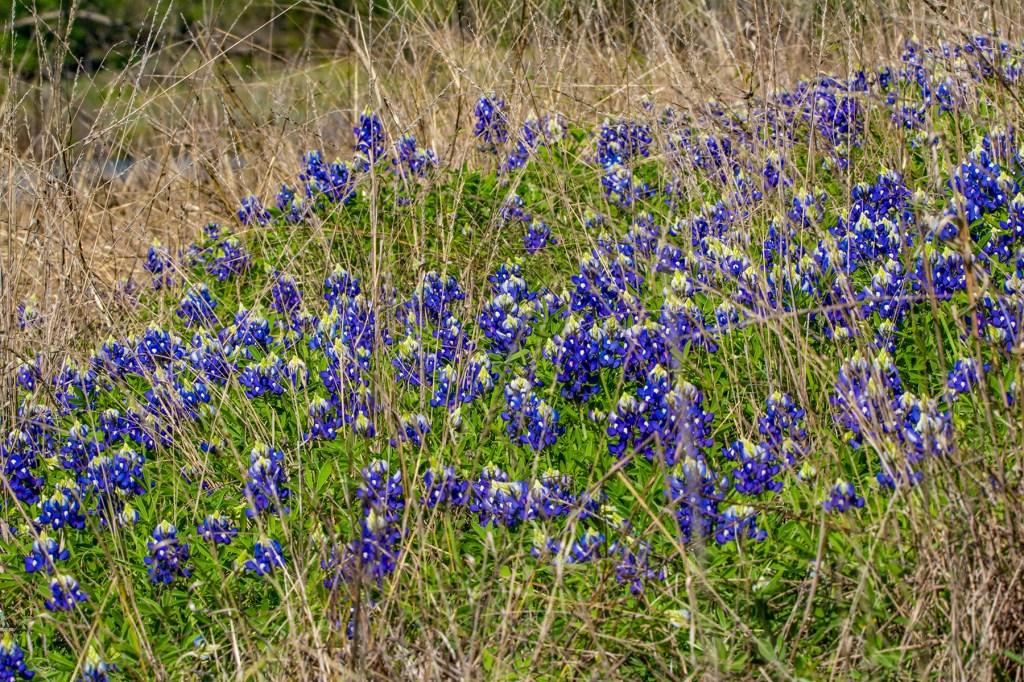
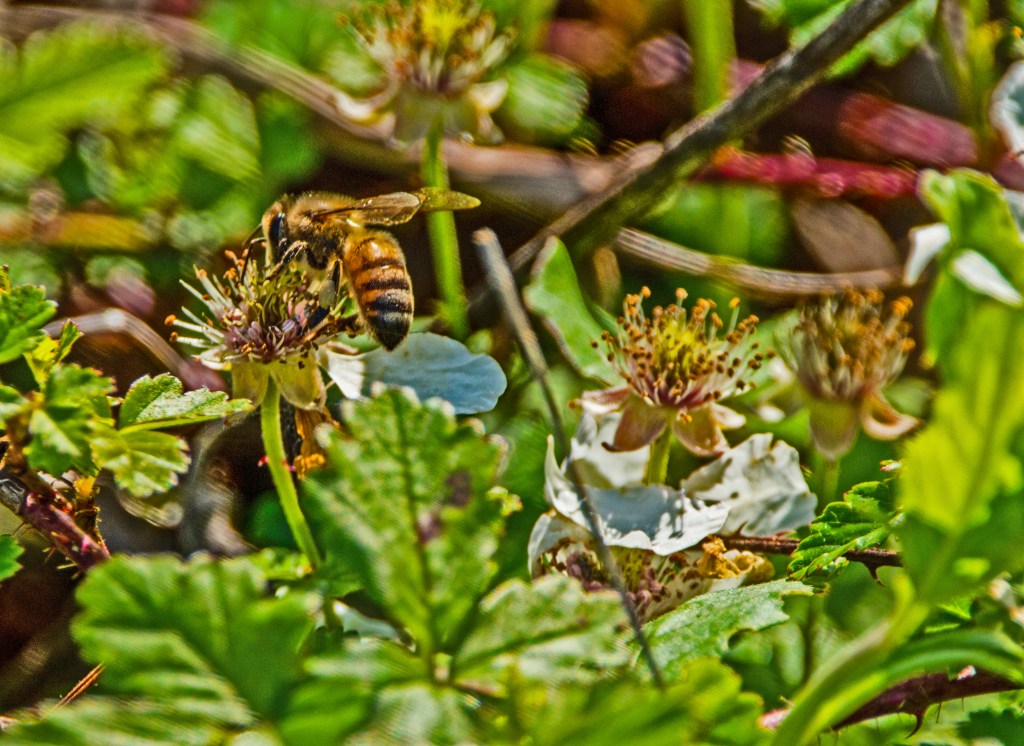
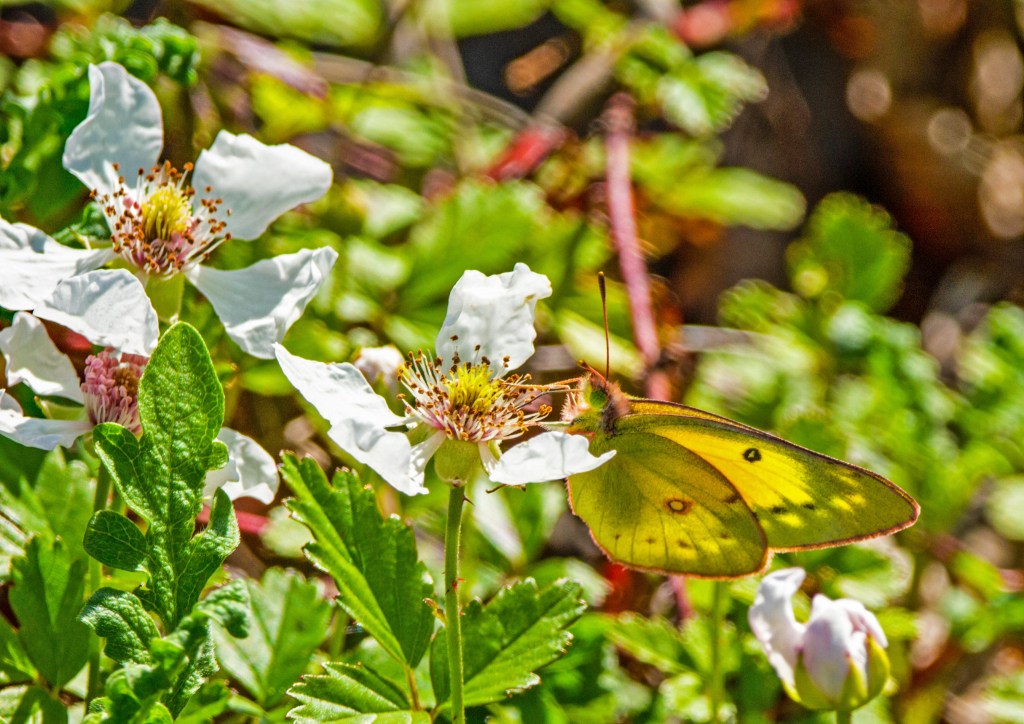
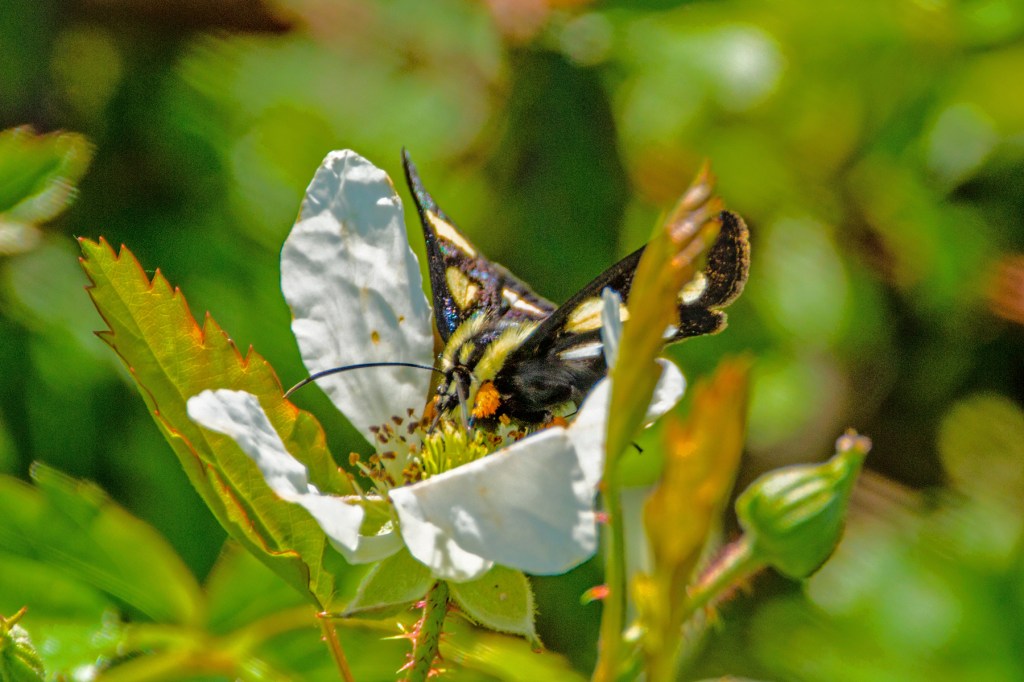
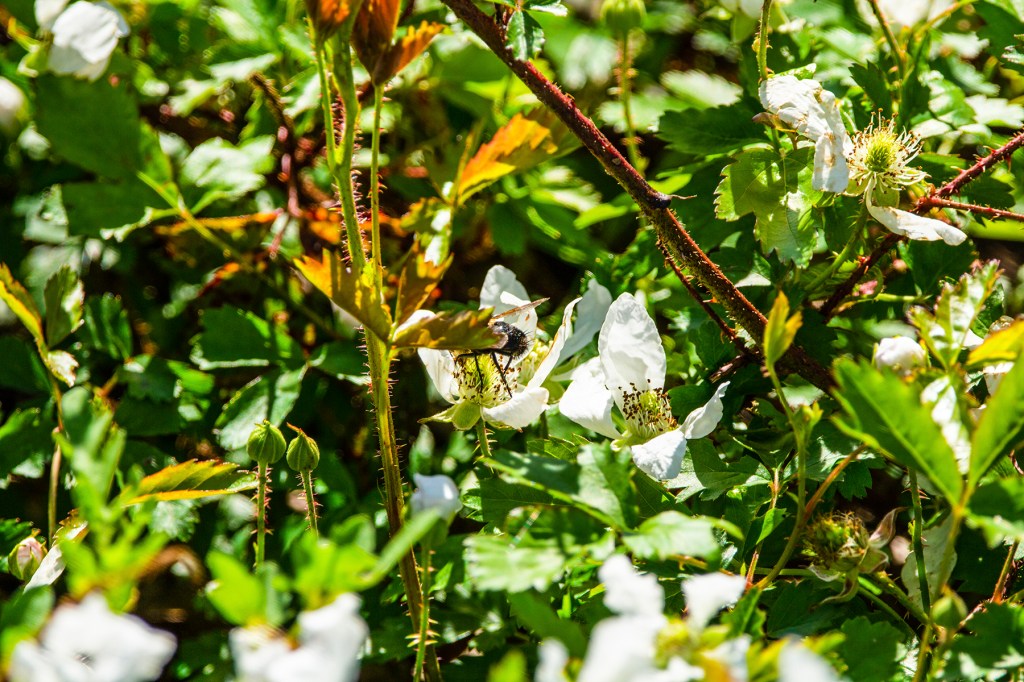
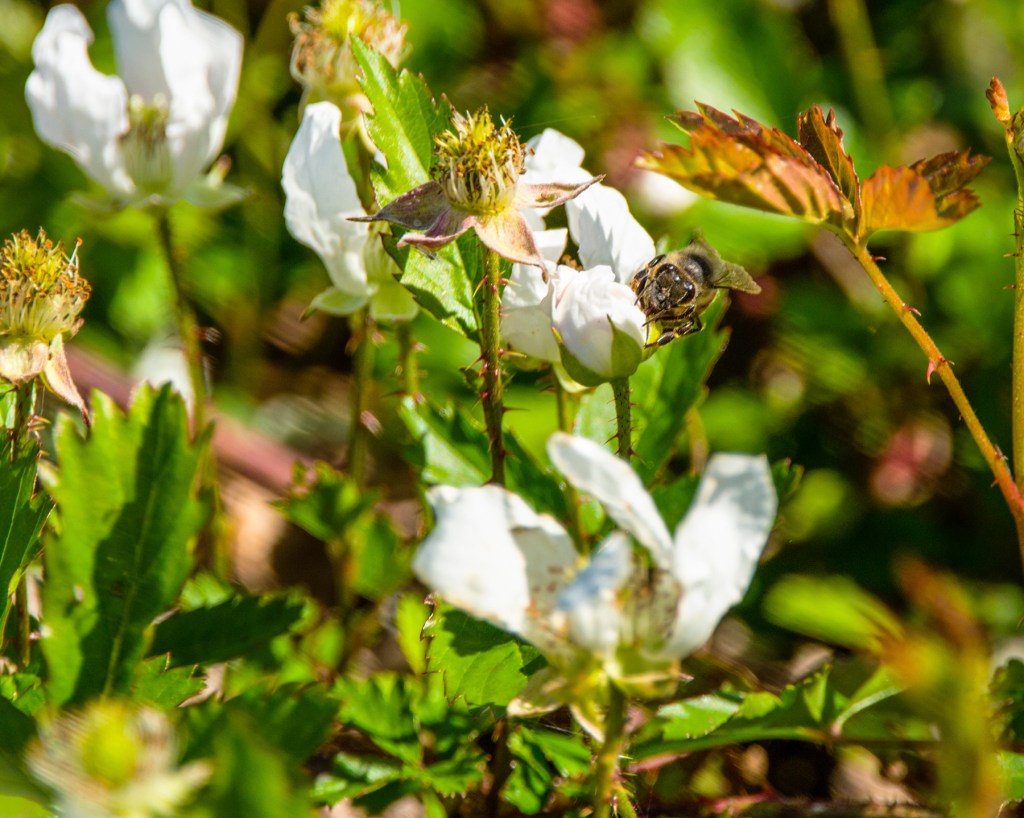
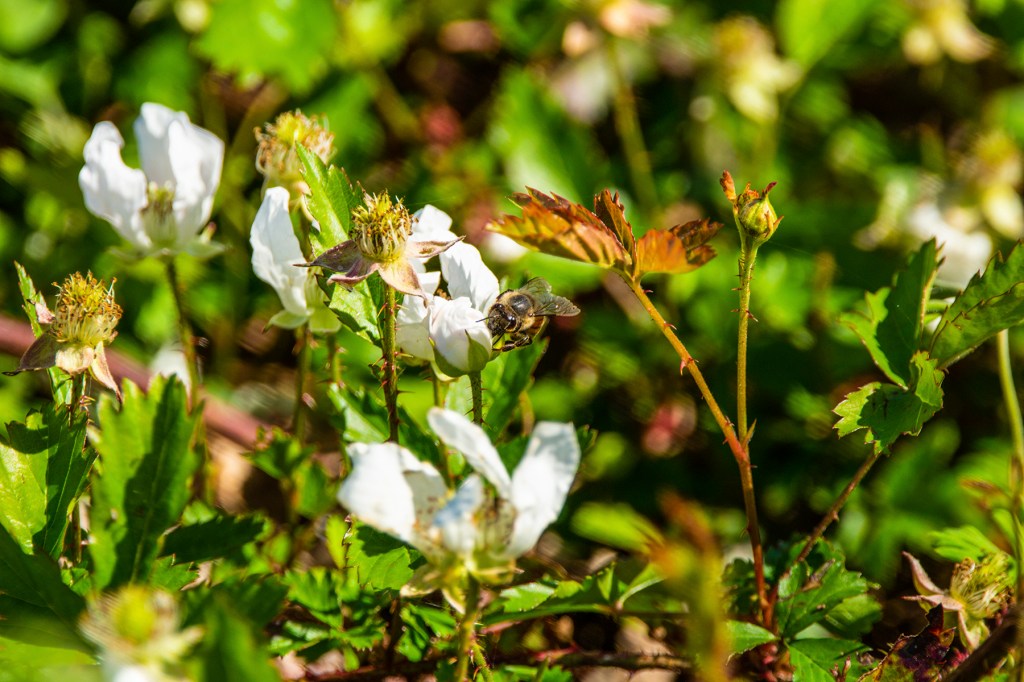
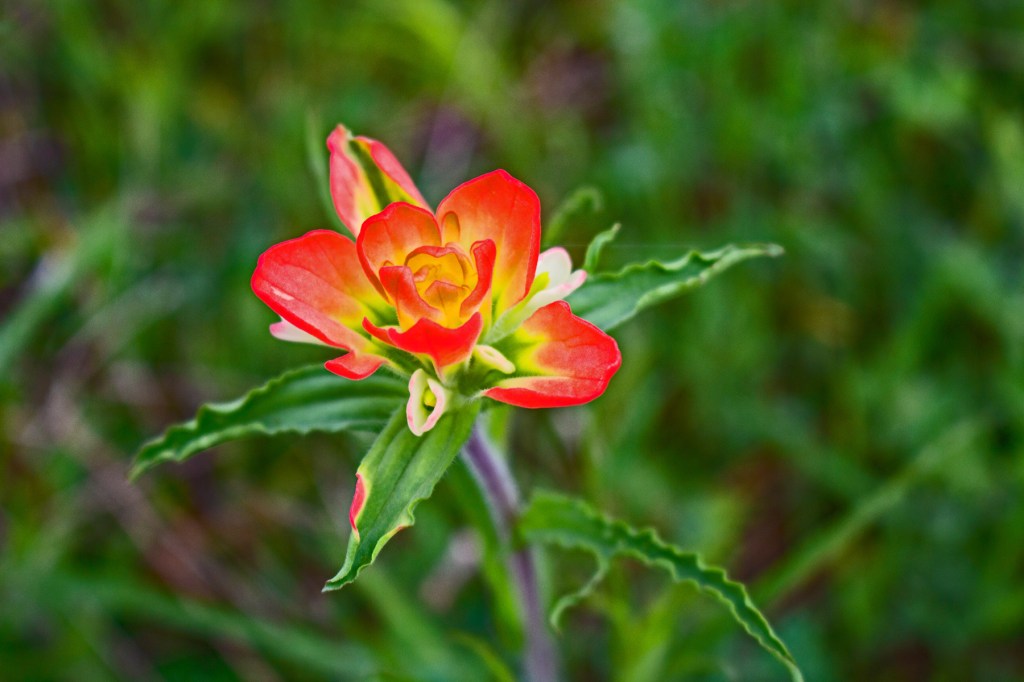
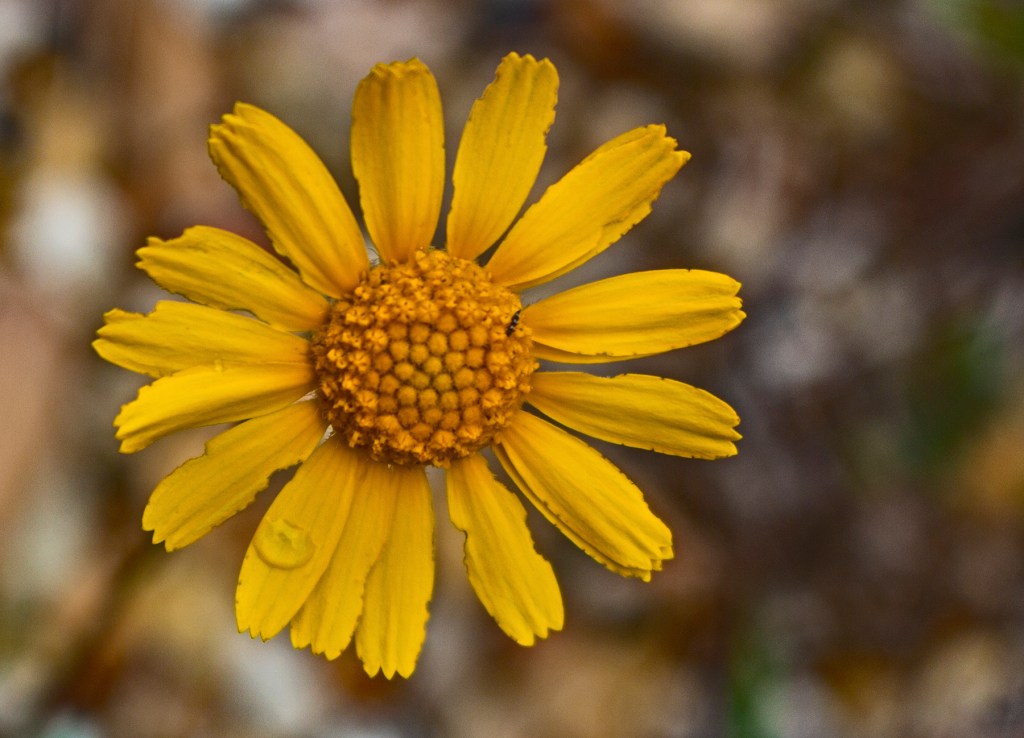
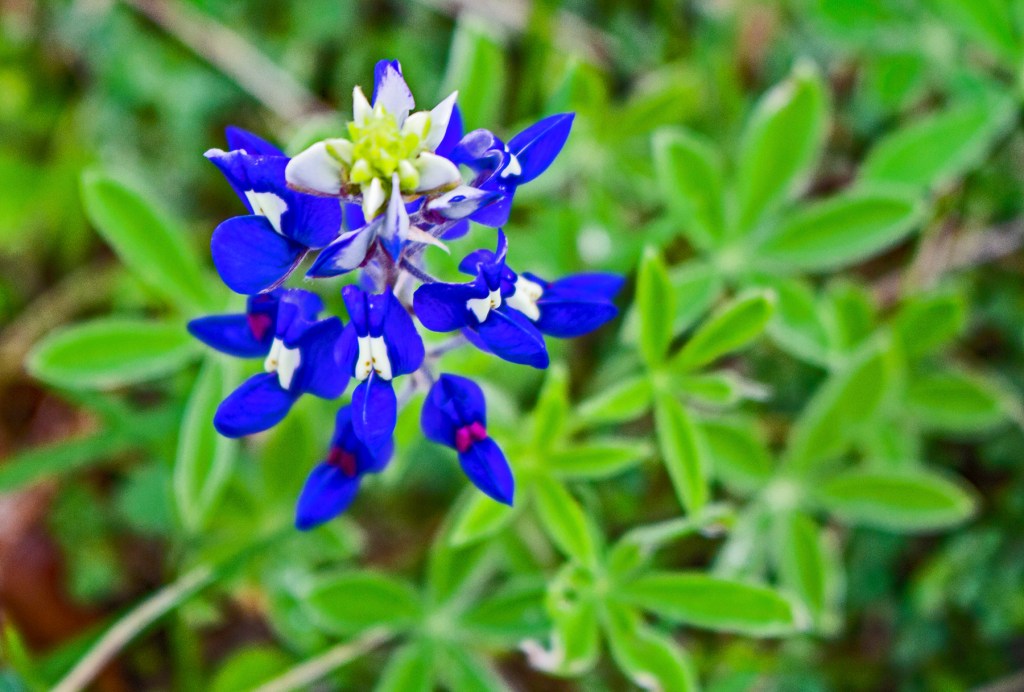
This morning, after breakfast, I decided to check out some of the five miles of hiking trails here at the RV Park. It didn’t take long for me to discover that the trails have not been maintained for some time. In order to hike these trails one needs a chainsaw. So I decided to hike down to the lake and see if there was anything going on there. It was pretty quiet. There were a couple fishermen out on the lake, but that was about it. So I decided to head back to camp. On my way back I came across a bunch of wild flowers with bees, butterflies and moths on them. So I tried to capture some photos of these pollinators, which isn’t easy, as they don’t stay on one flower for very long.
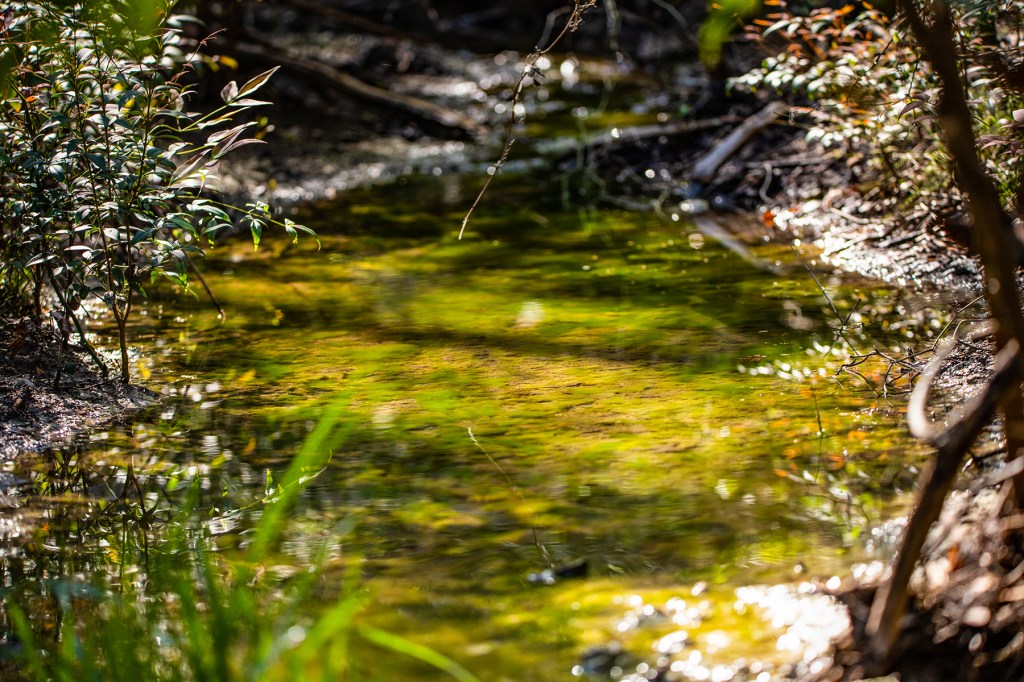
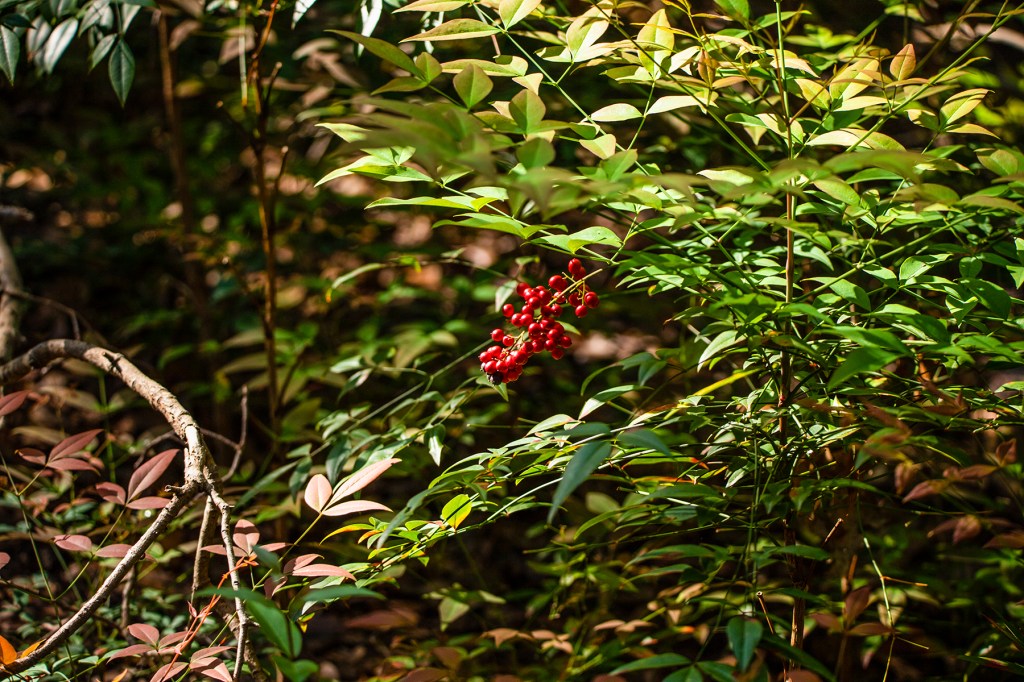
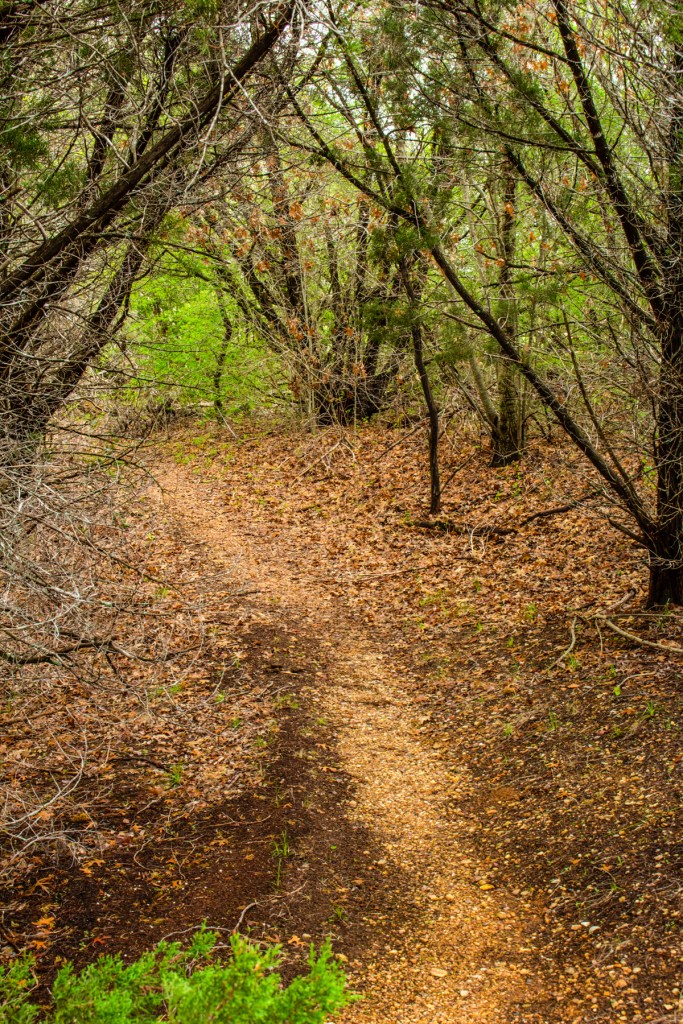
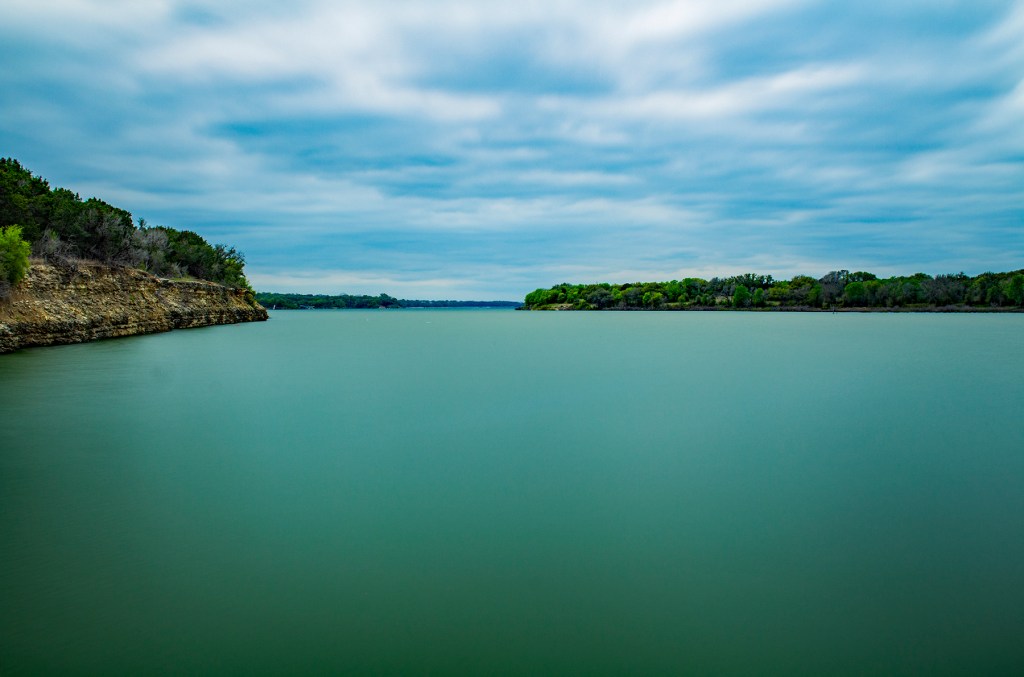
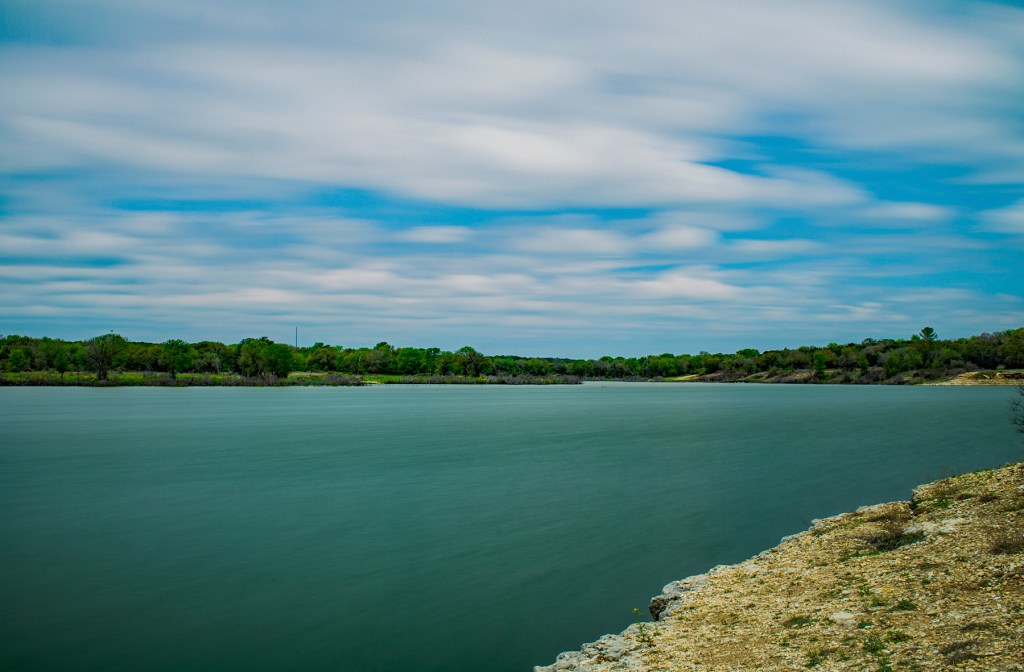
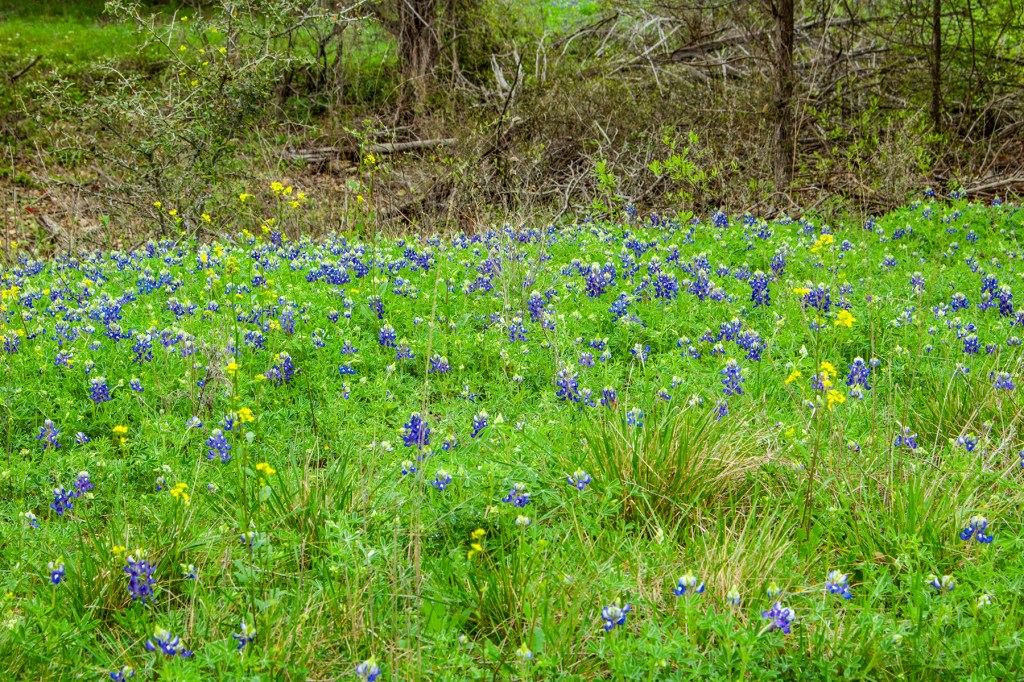
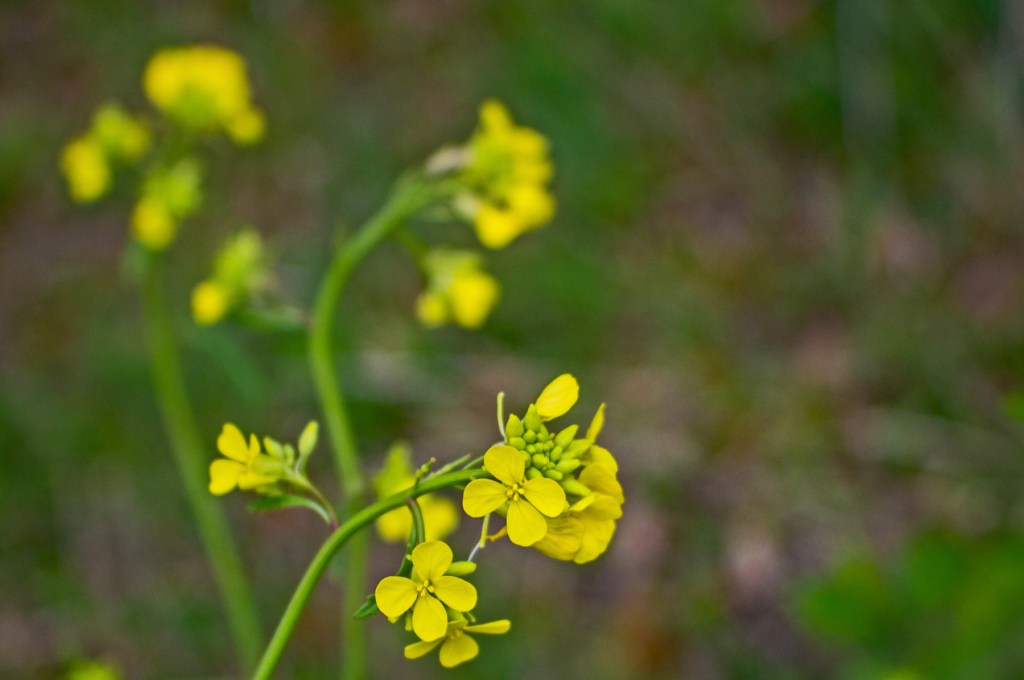
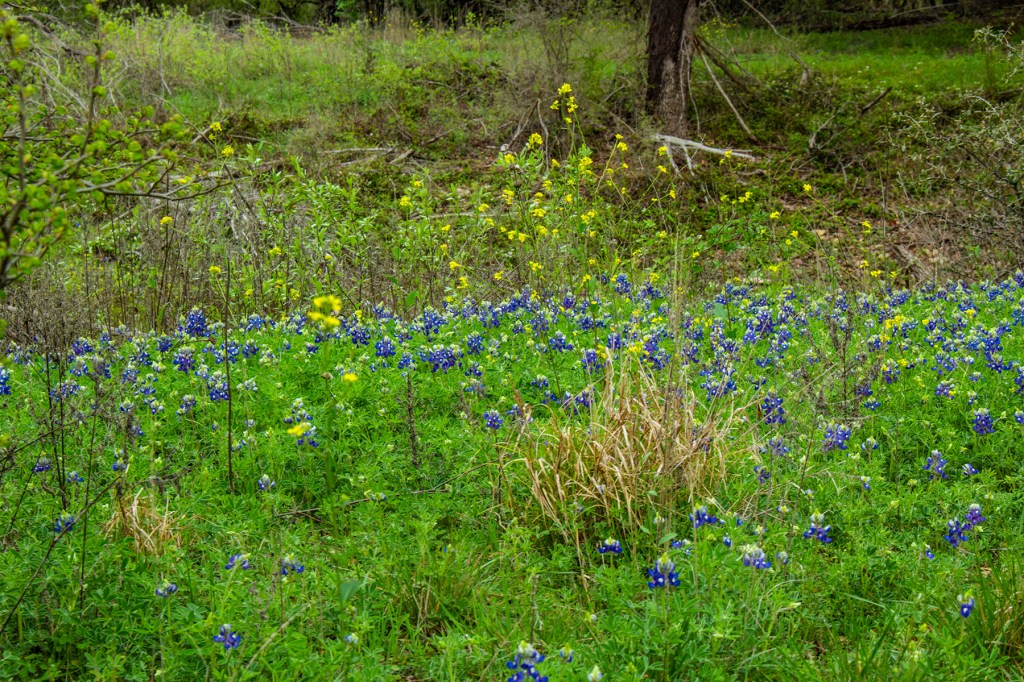
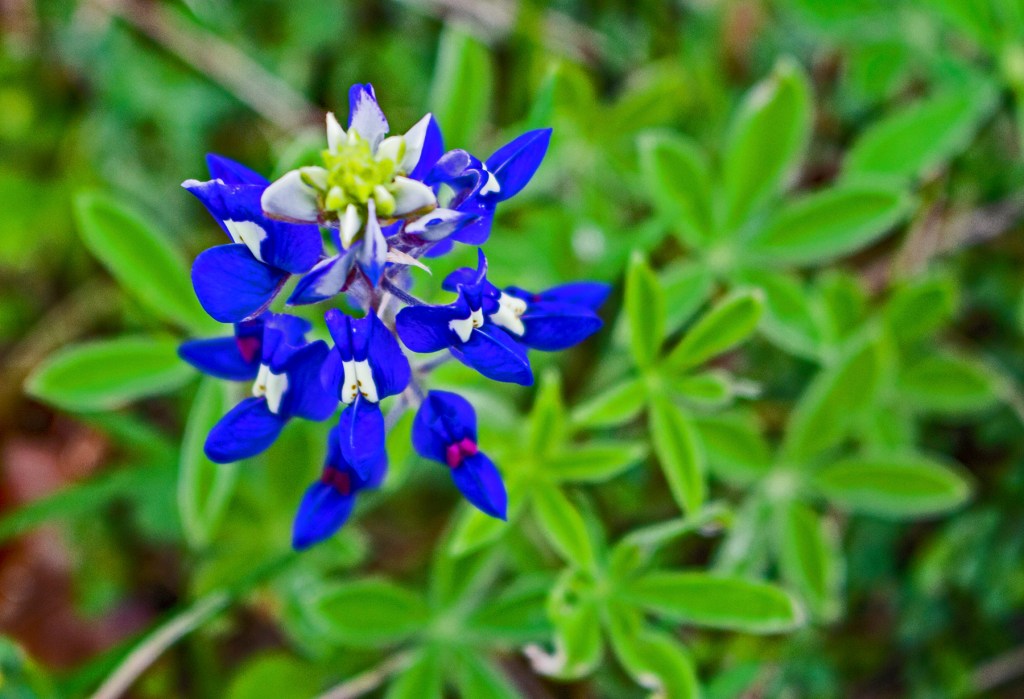
We have been at Lake Whitney, Texas for three days and yesterday the rain stopped, the sun came out and I was able to take a hike to the lake. When I started my hike the sky was clear, the sun was shinning but in the short time it took me to get to the lake, the sky turn overcast again. So I hiked along the shore for a short time, took a couple of photos of the lake, numerous wildflowers and then hiked back to camp. It was a short hike back, but in the short time it took me to return to camp the sky cleared again. Figures! Oh well, it was a nice hike and it felt good to get out and stretch my legs a little. Below are the photos I took. I hope you like them.
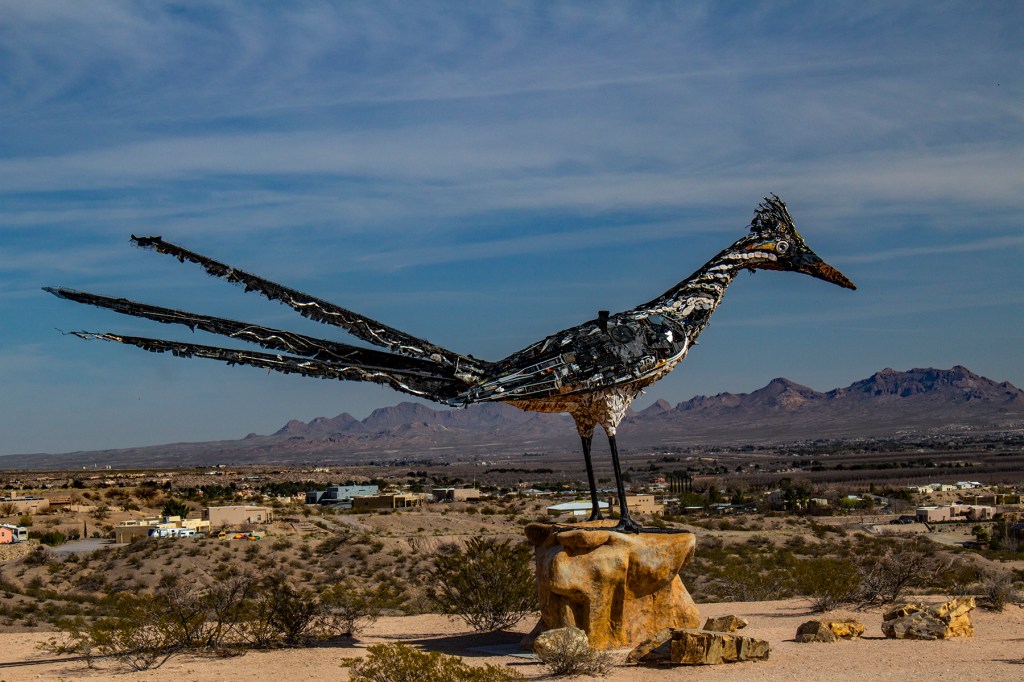
The trail!Lake WhitneyThis photo of “Big Bird” aka a roadrunner was actually taken at a rest stop outside of Las Cruces, New Mexico but I included it here.
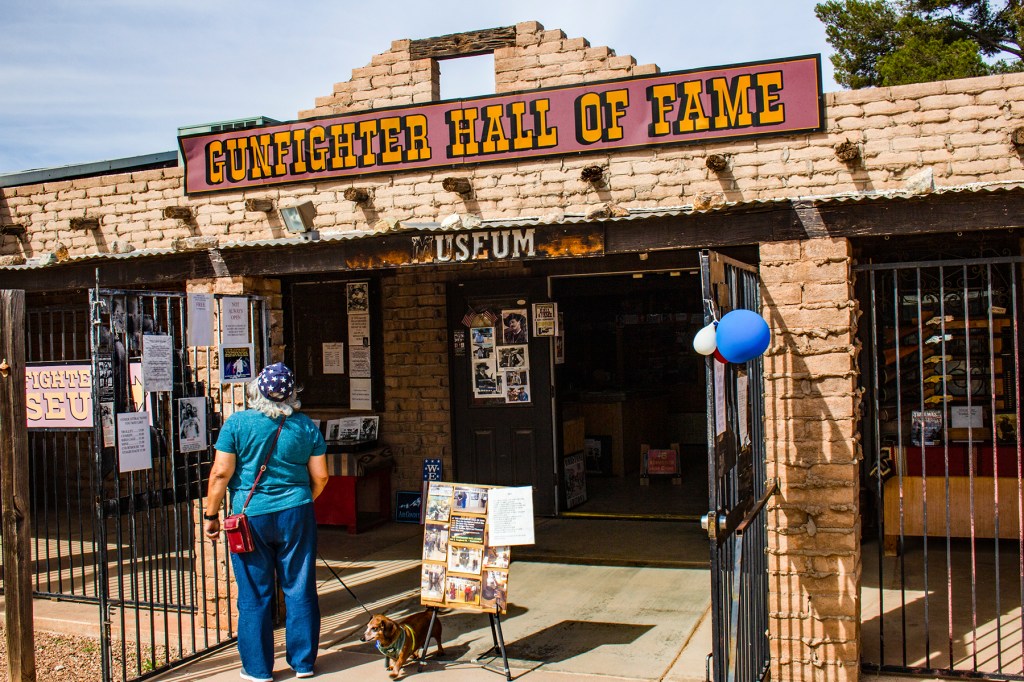
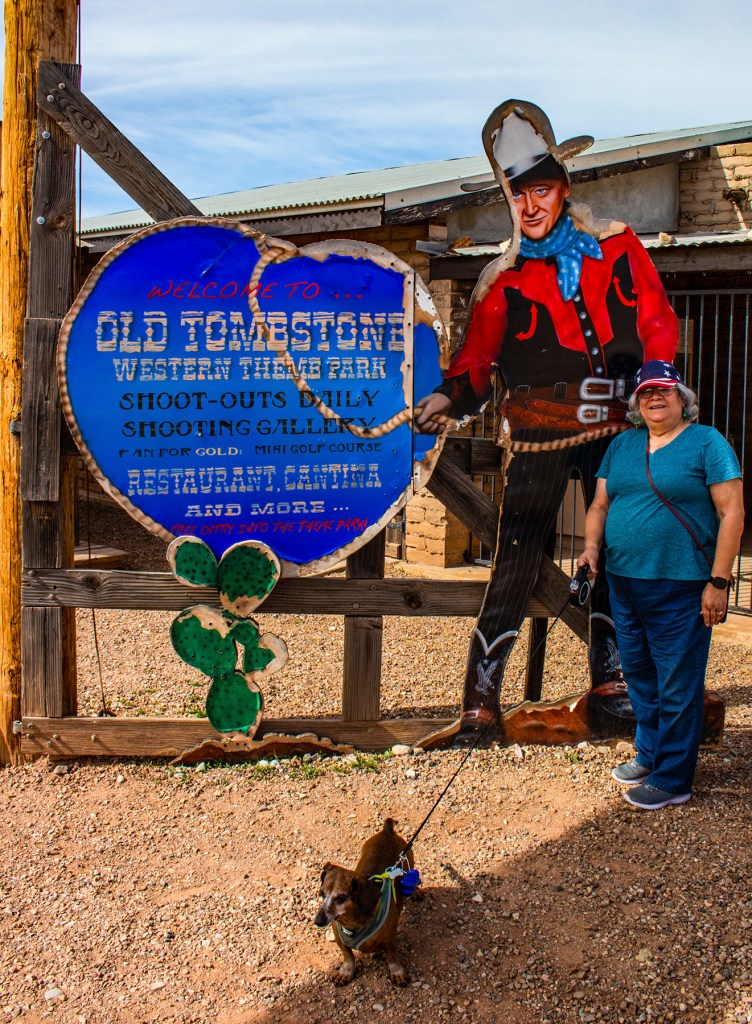
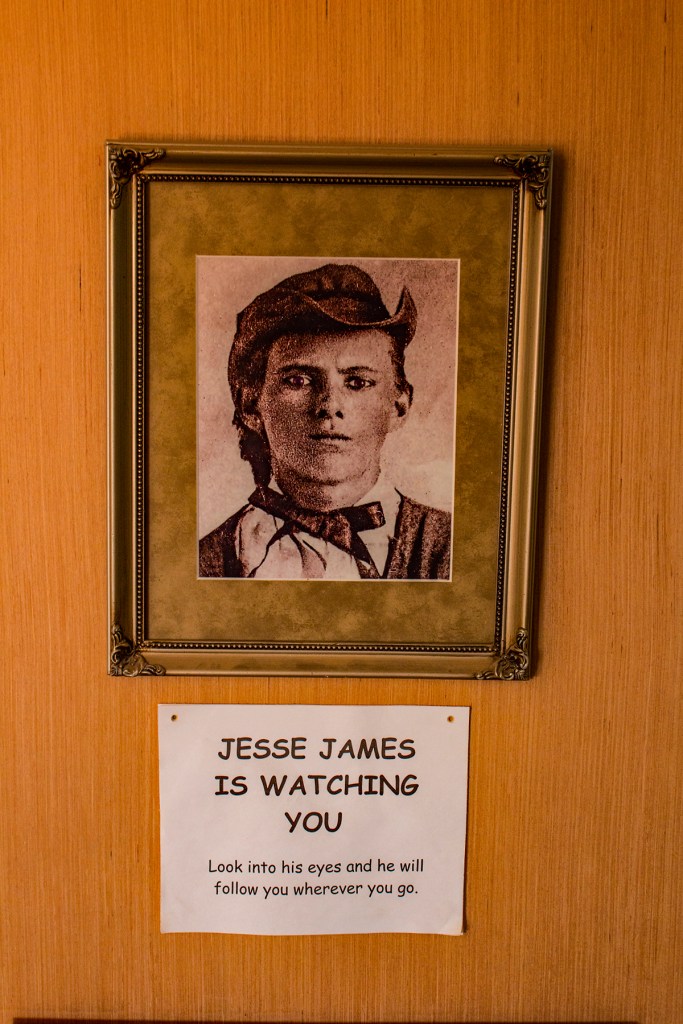
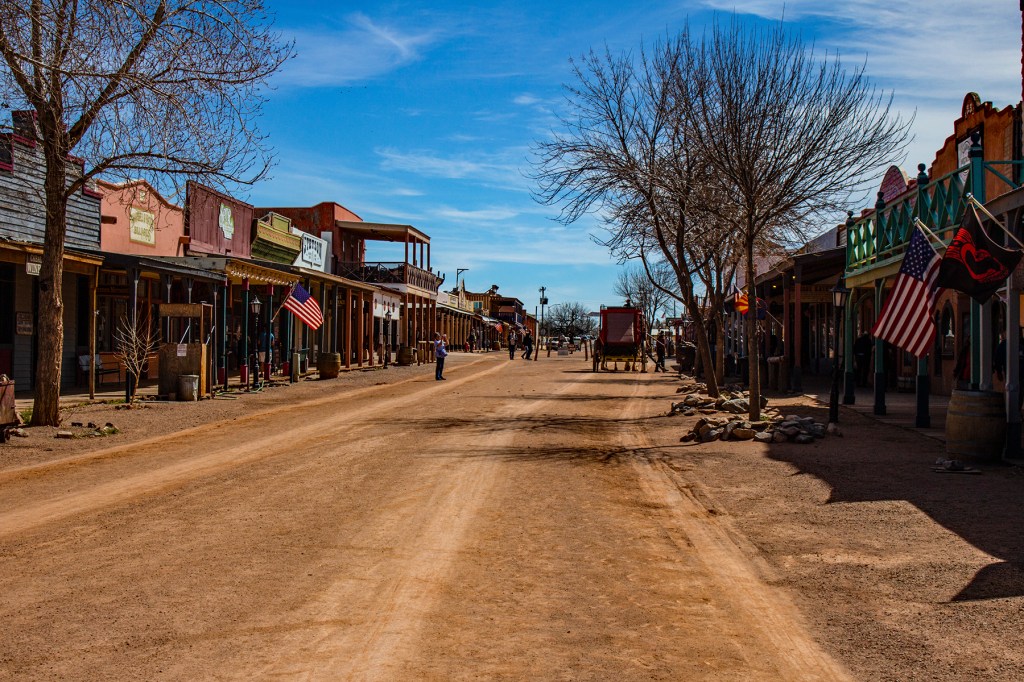
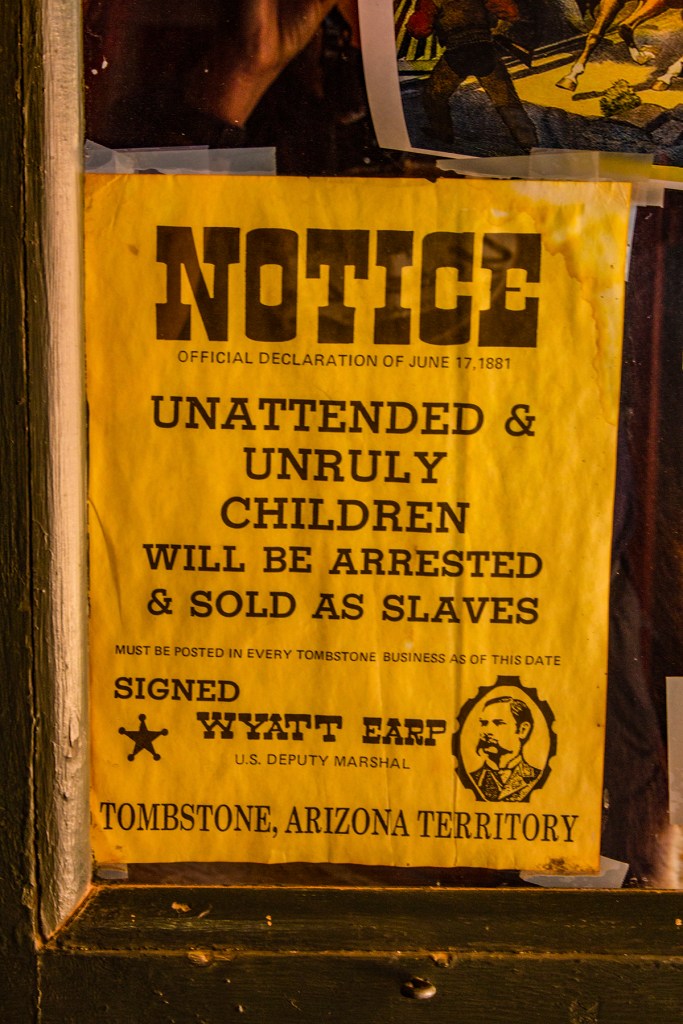
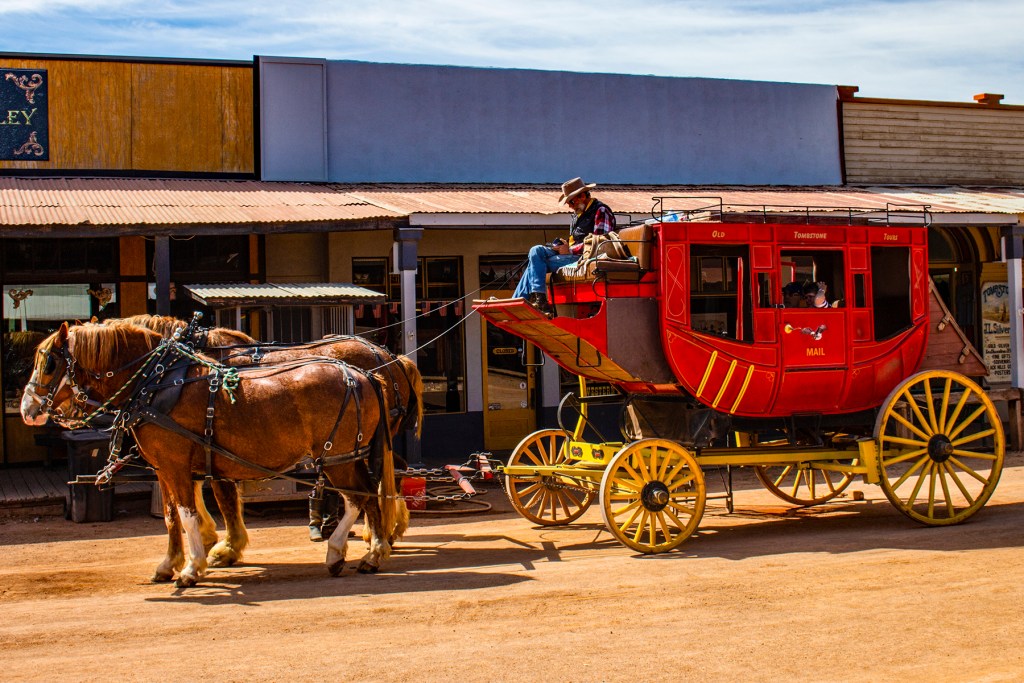
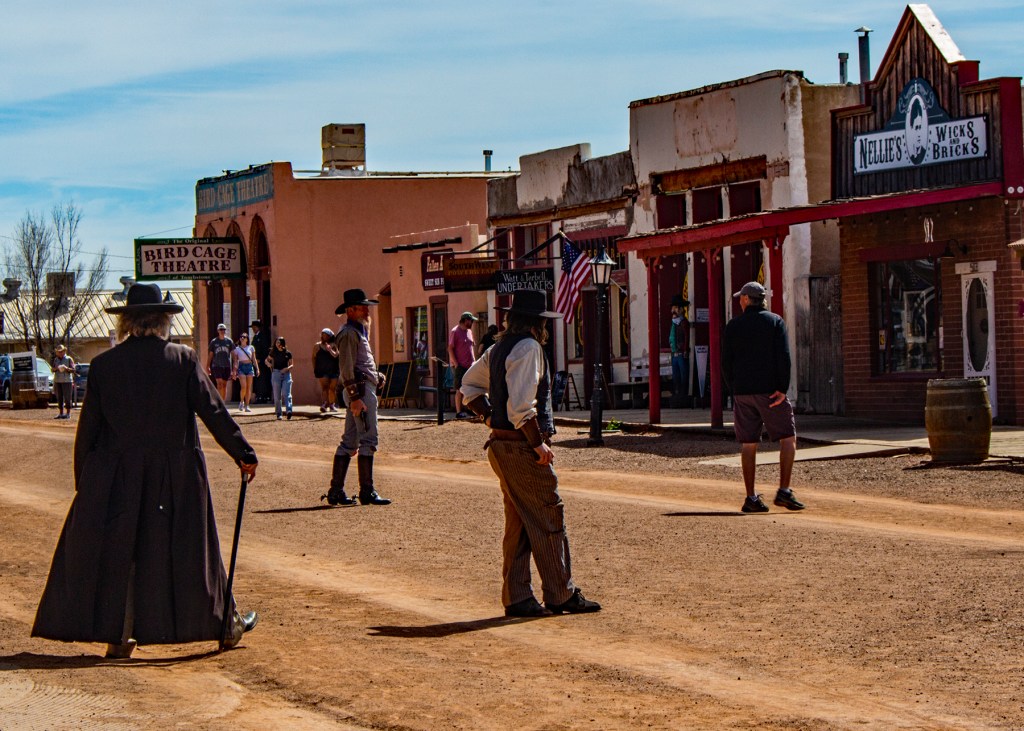
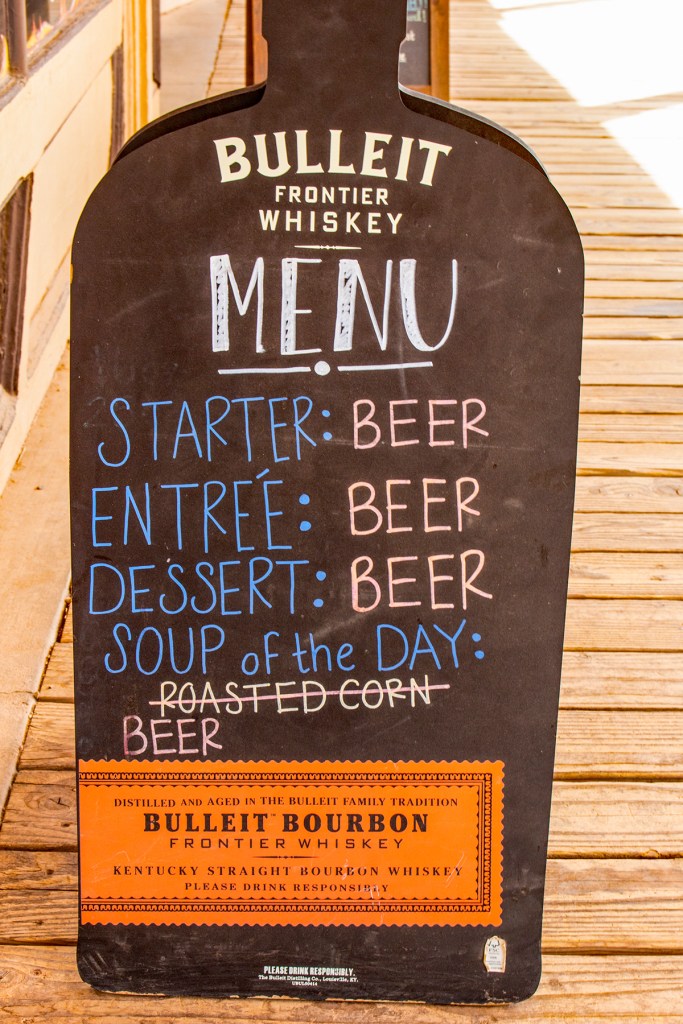
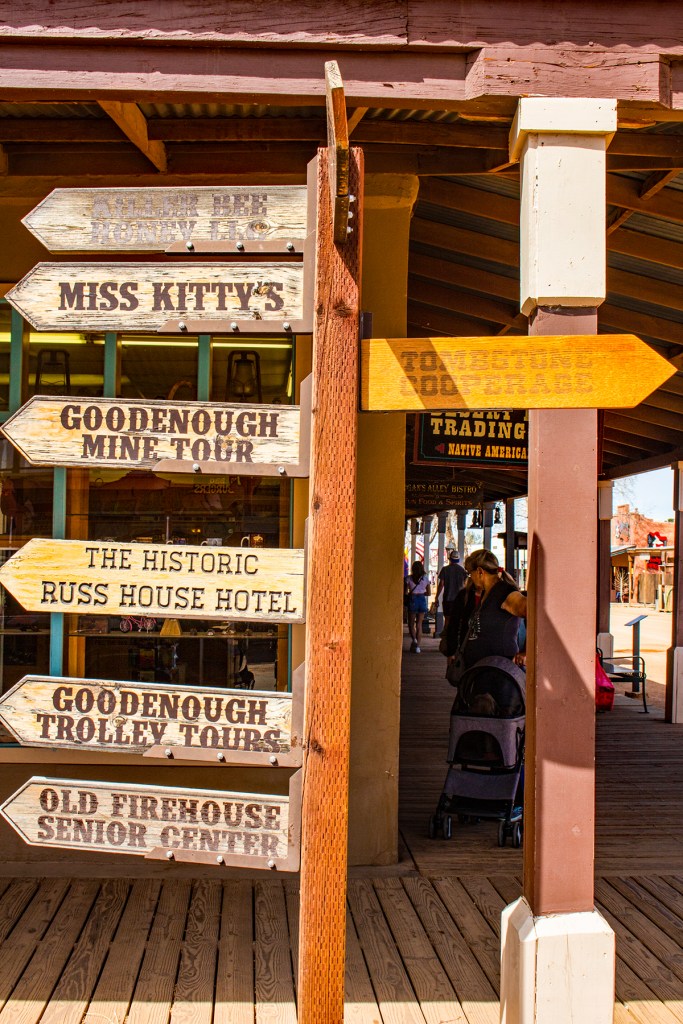
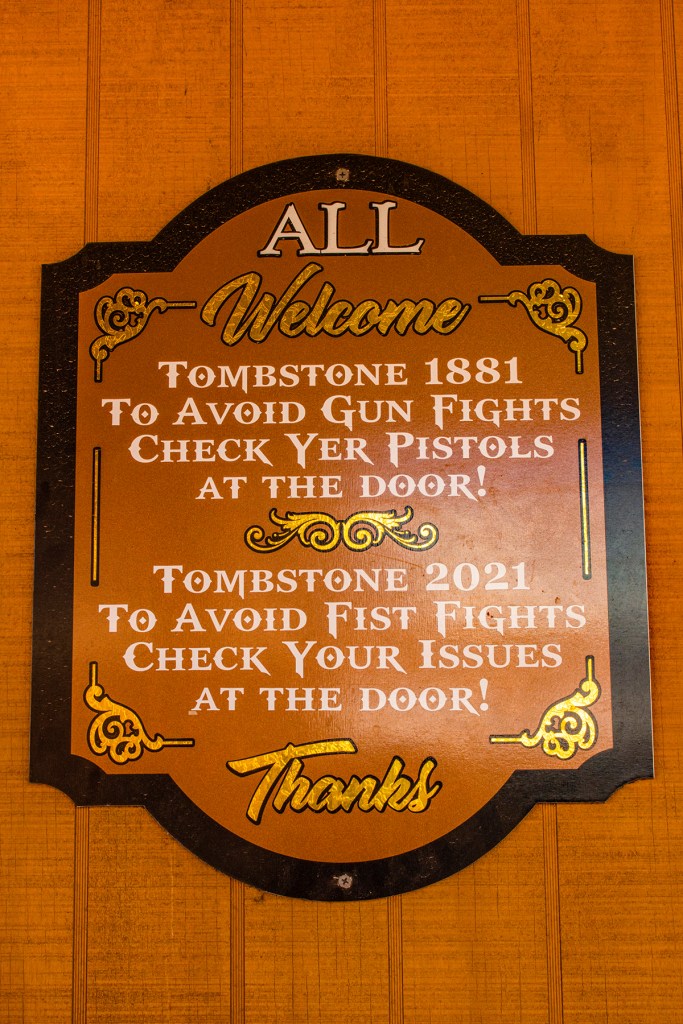
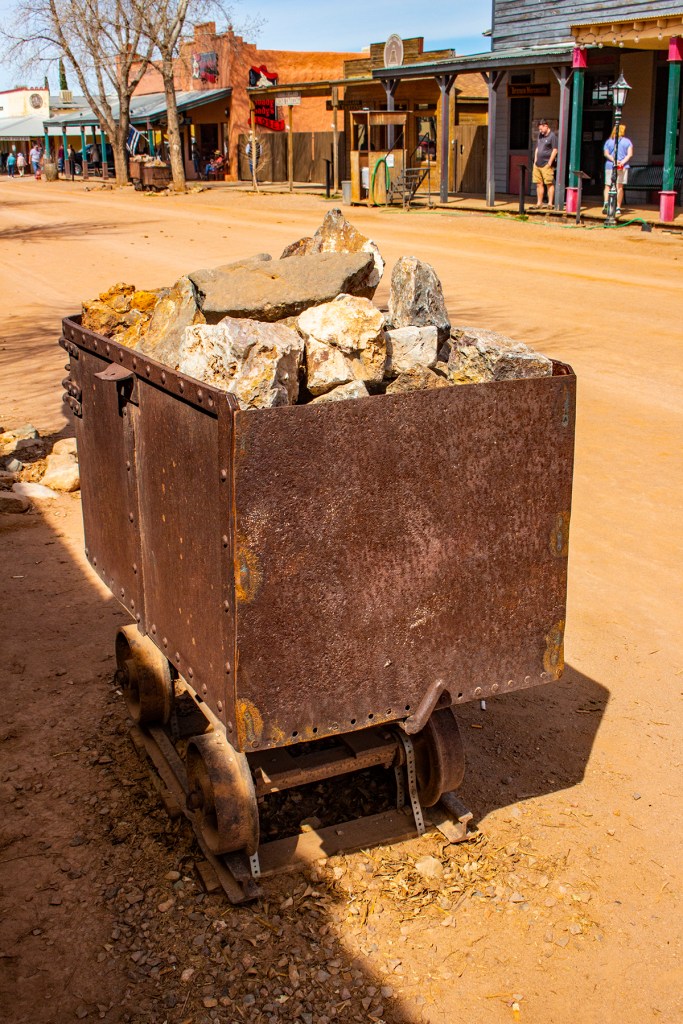
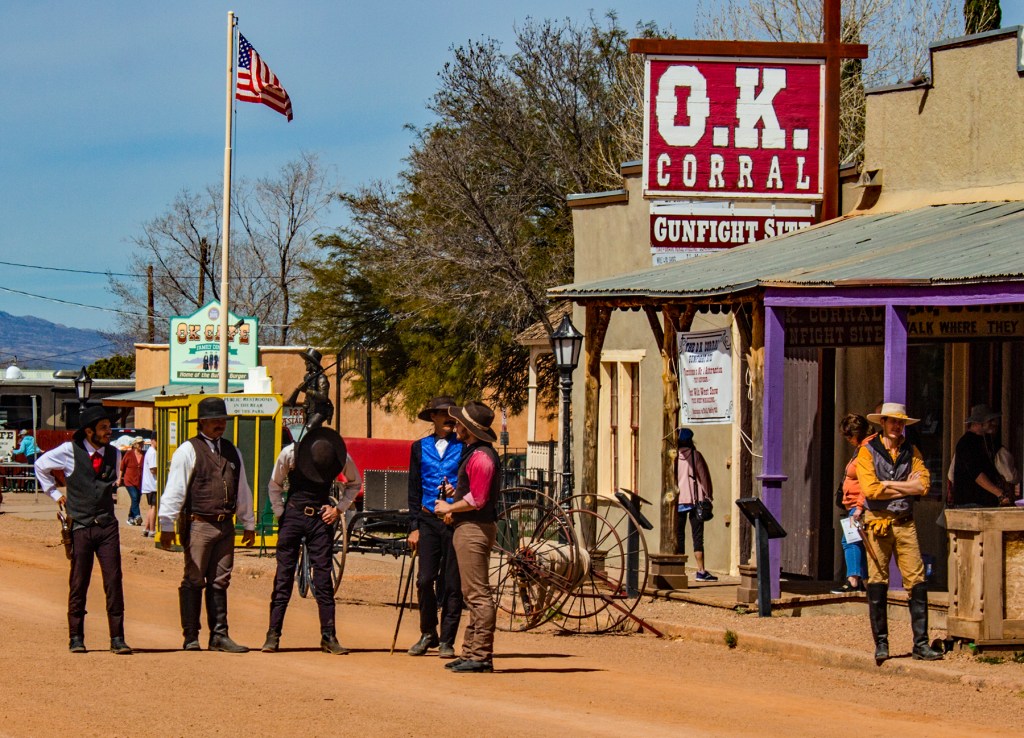
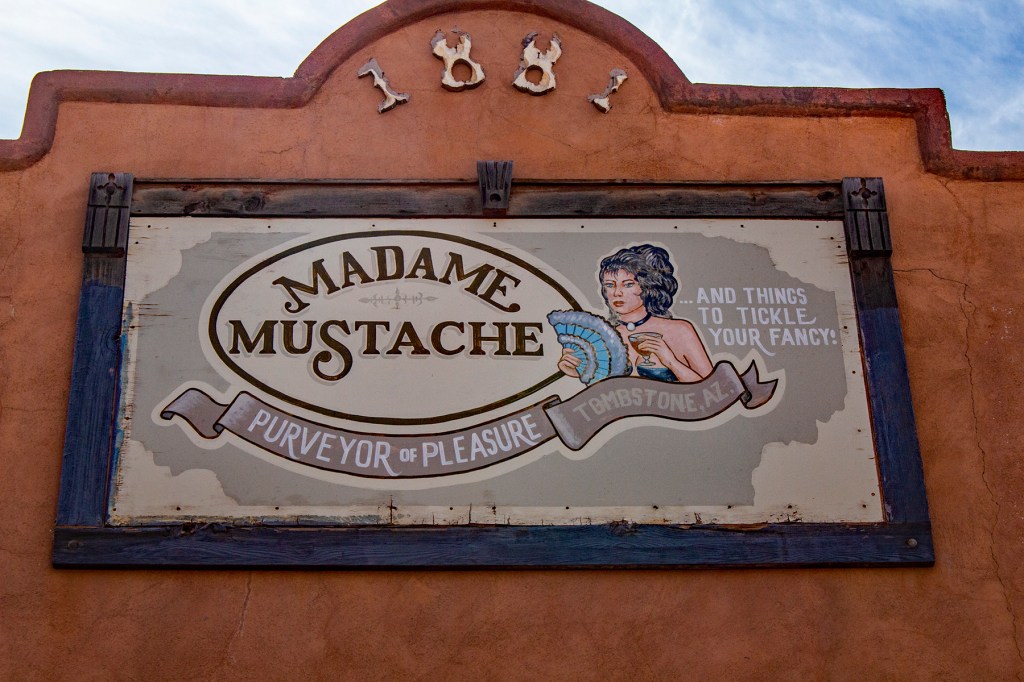
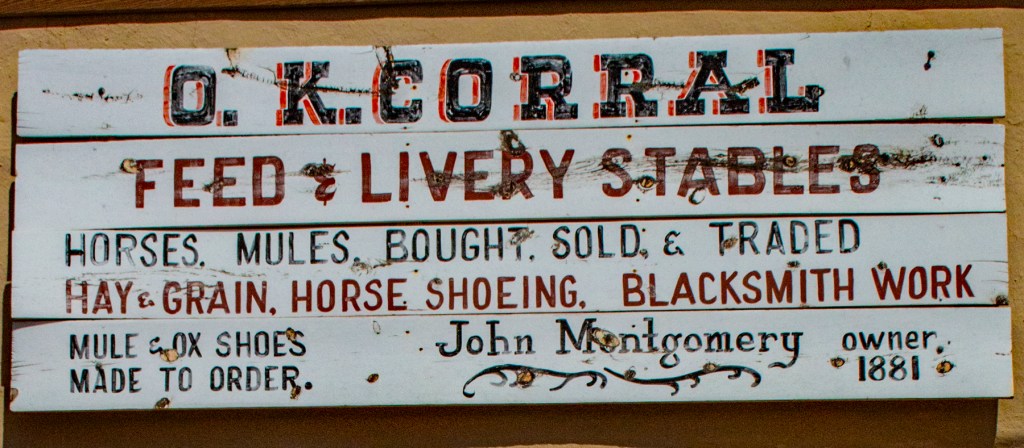
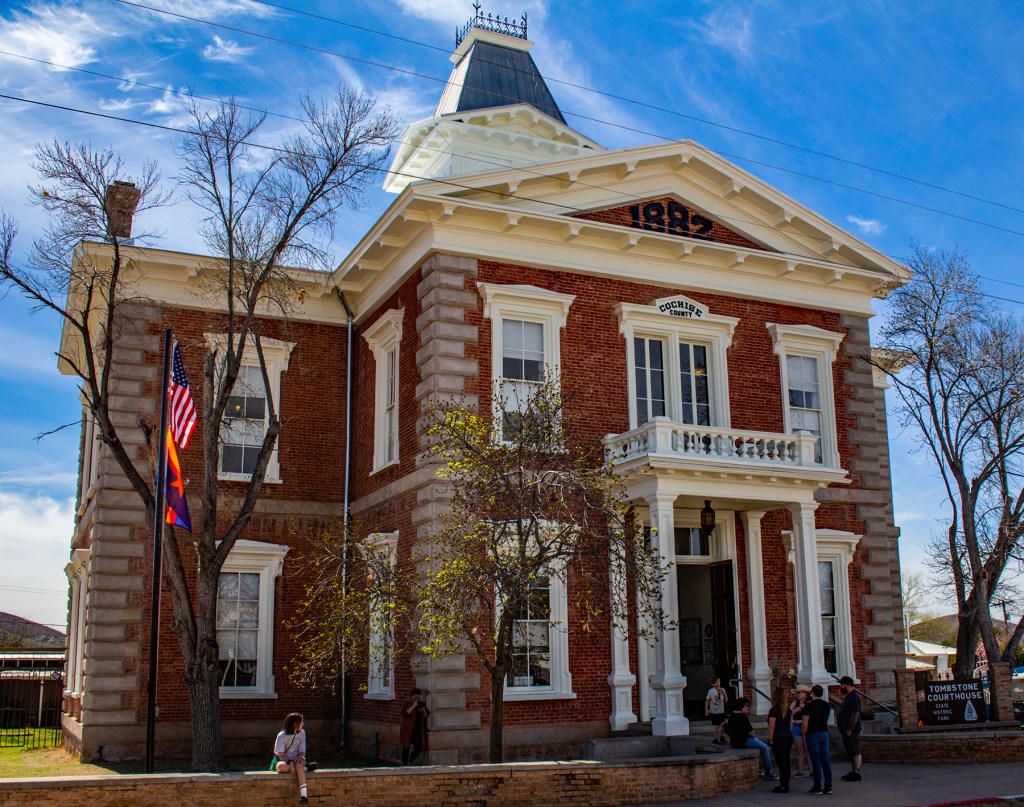
On Tuesday, Barbara, Toby and I traveled 22 miles south to the town of Tombstone, Arizona. While there we enjoyed a very rough ride on a stagecoach, had a nice lunch at the O.K. Corral Café, the Gunfighter Hall of Fame and the western atmosphere. Today, Tombstone is a very dog friendly town. They have water dishes along the sidewalks for dogs to enjoy. Now, most of the shops don’t allow dogs inside, but the O.K. Corral Café allowed us to bring Toby inside and he sat right next to me while I ate lunch. Barbara shared some of her turkey sandwich with Toby, which he thoroughly enjoyed.
Tombstone reminds me of Virginia City, Nevada and like Virginia City, it has a lot of history.
Tombstone was founded by Ed Schieffelin in 1877. At the time Mr. Schieffelin was on a scouting expedition in the area. During this time Mr. Schieffelin would frequently leave the expedition looking for rocks of value on the ground. The rest of his party would tell him not to as this was Apache country and he may end up with his own tombstone. Fortunately, that didn’t happen and Mr. Schieffelin found a rock that contained silver, which started the silver boom in the area. The town of Tombstone rapidly grew as the word of silver in the area grew. This brought people from all over the country to Tombstone, some good and some not so good.
The population of Tombstone grew to 7,500 by the mid 1880’s, but this was made up of only white males over the age of 21 who were registered to vote. When including all of the women, children and people of other ethnicities the population was closer to 20,000.
The town of Tombstone was almost completely destroyed by fire in 1881 and again in 1882, but the most notable event that happened in Tombstone was the gunfight at the O.K. Corral. On the cold afternoon of October 26, 1881, four men in long black coats strode down Fremont Street. Around the corner, in a narrow vacant lot, behind the O.K. Corral, waited six cowboys. In thirty seconds, thirty shots were fired at close range. The gun battle between the Earps, lead by the Marshall, Virgil Earp, his brothers Wyatt and Morgan and their friend, Doc Holliday and the Clanton-McLaury gang left Billy Clayton and the McLaury brothers dead and Virgil, Morgan and Doc wounded.
If you’re ever in southeast Arizona, be sure to visit Tombstone. I have included some photos below for you to enjoy.
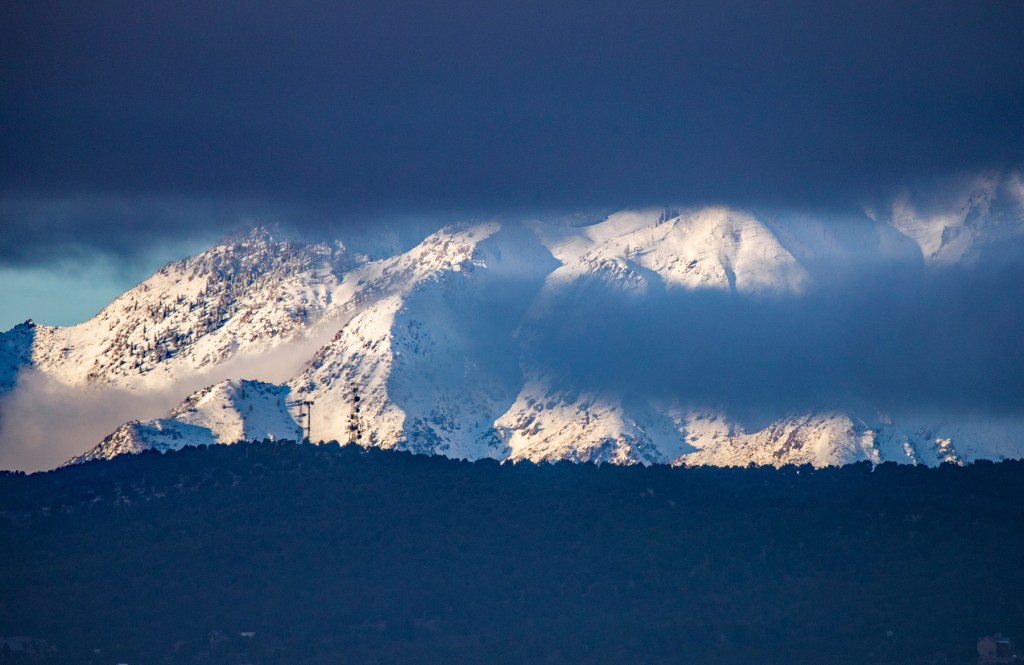
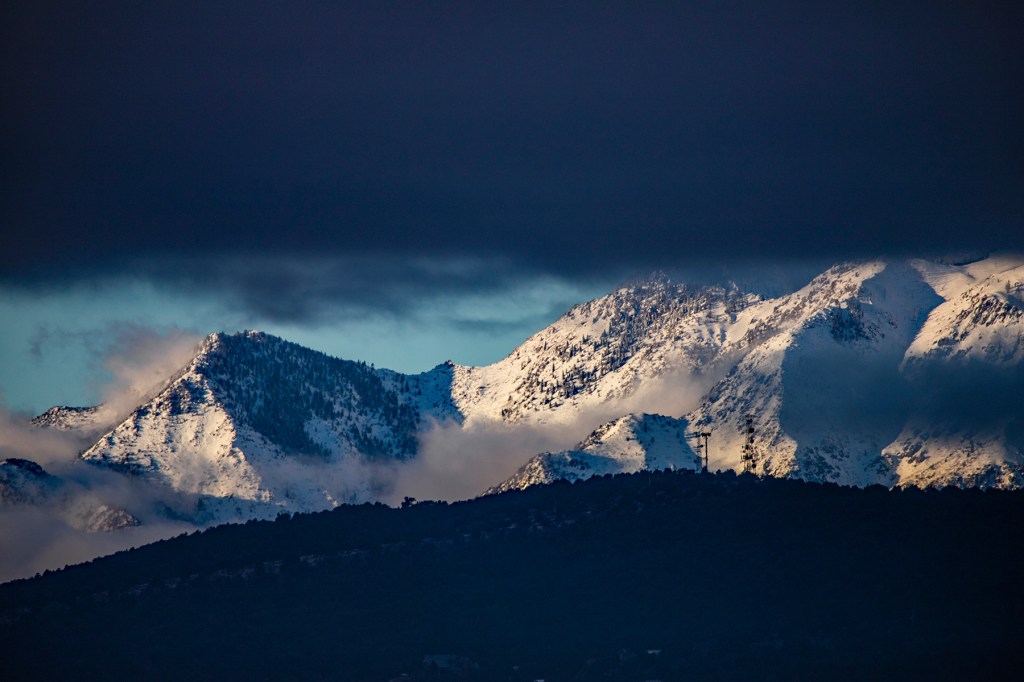
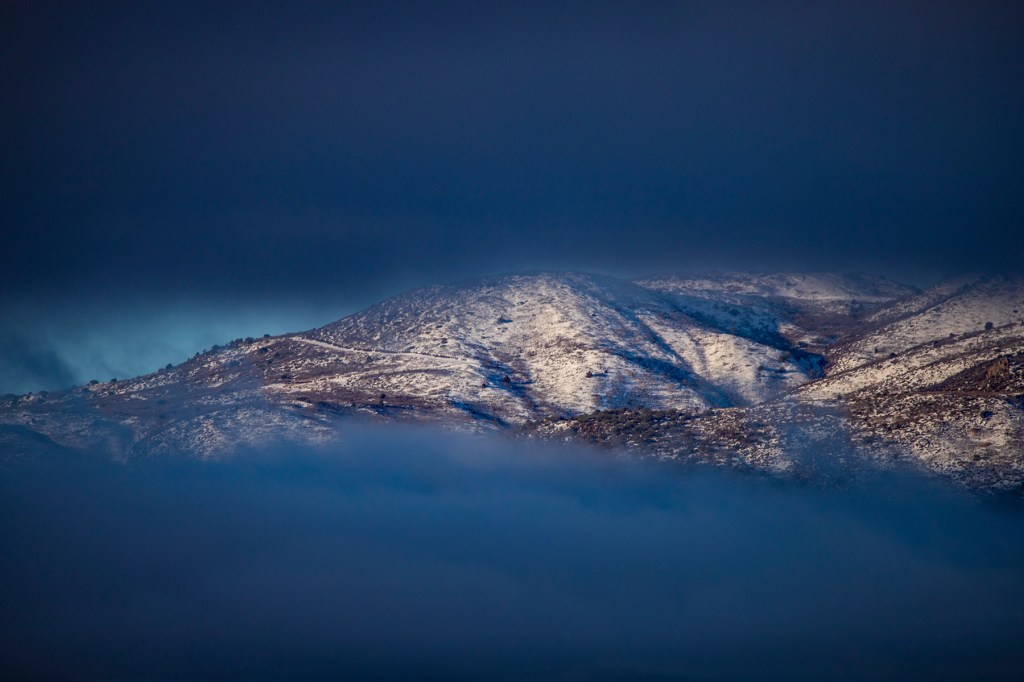
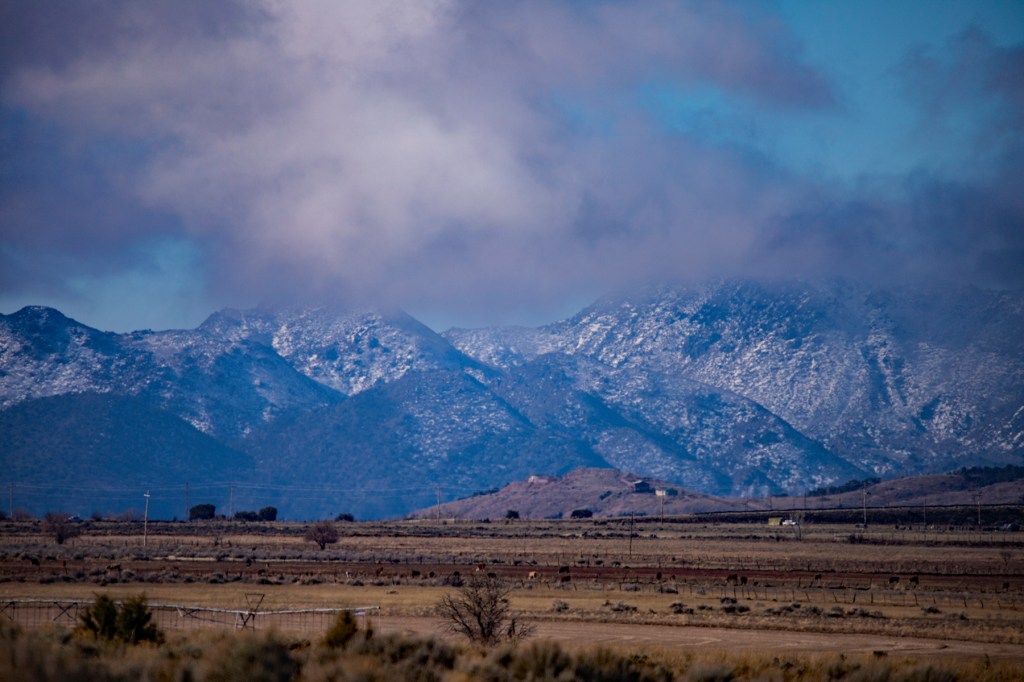
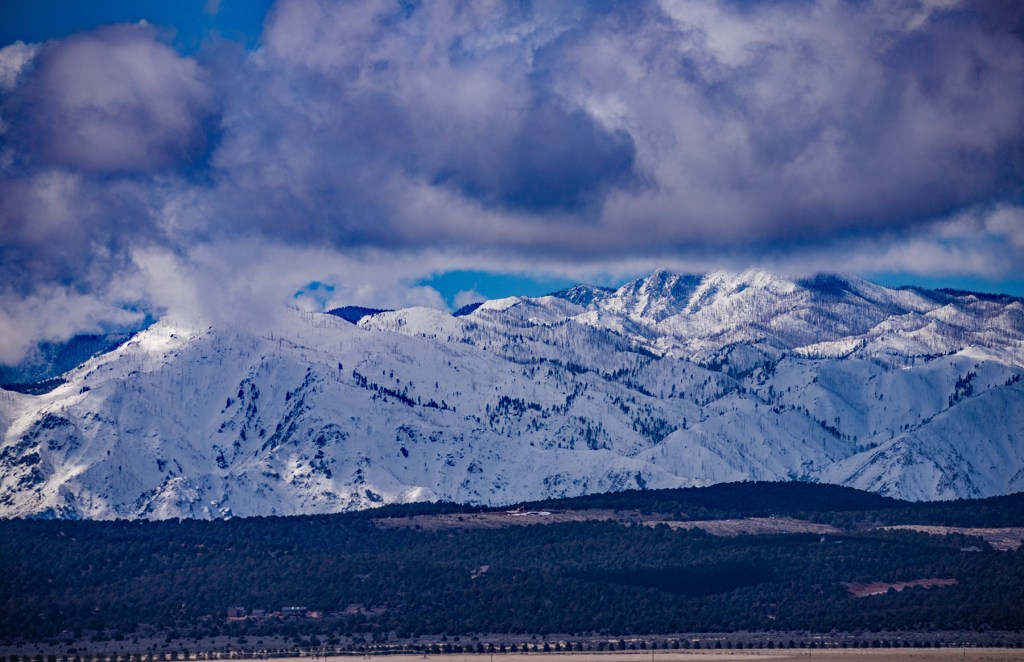
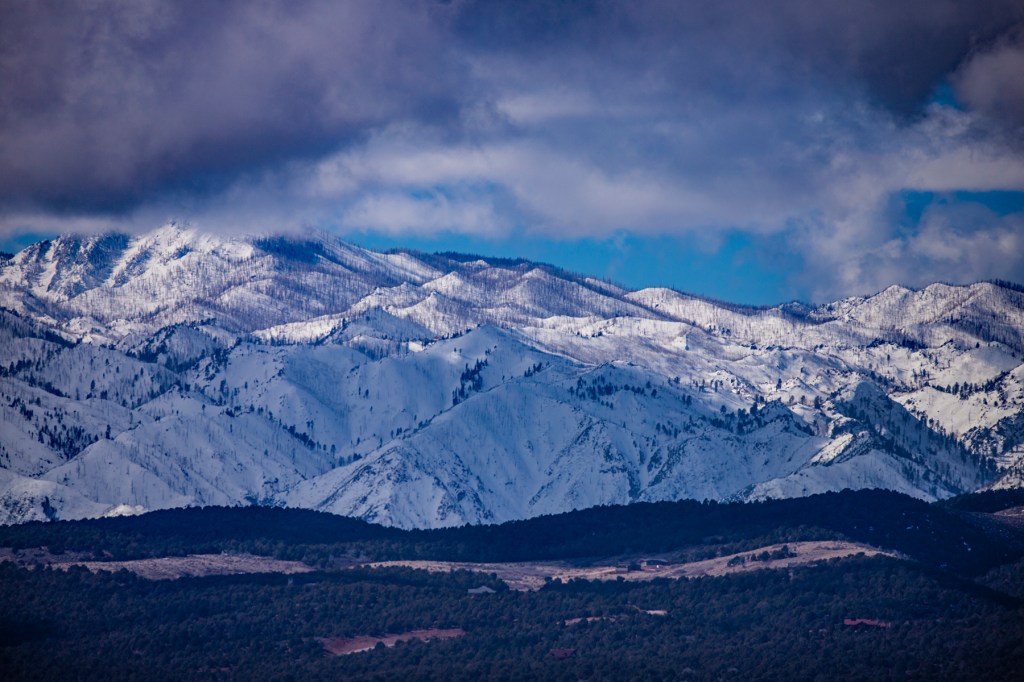
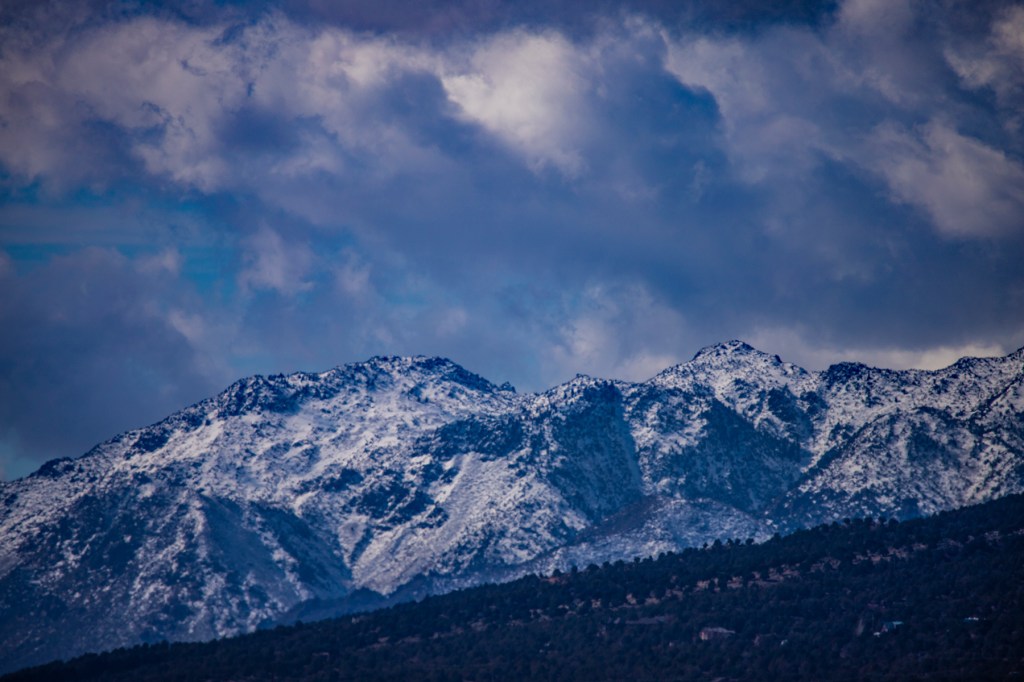
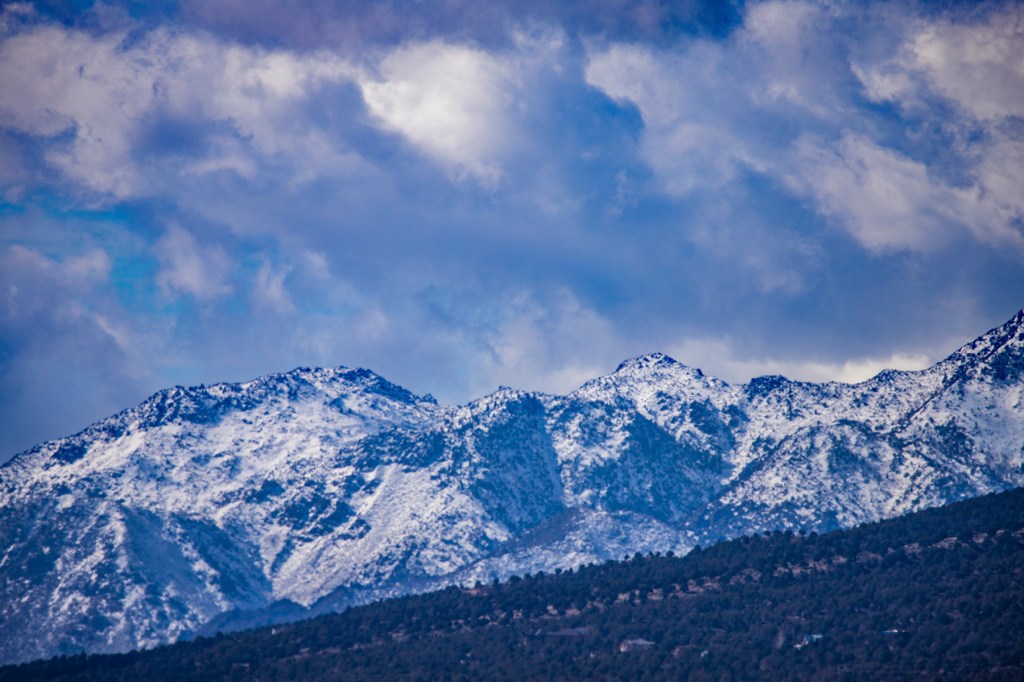
Yesterday Barbara, Toby and I arrived in Cedar City, UT for a week. When we arrived the sky was partly cloudy but shortly after we got the trailer unhooked and set up the skies opened up. I posted photos of what we woke up to this morning below.
The sun shinning on the mountains between cloud layers.
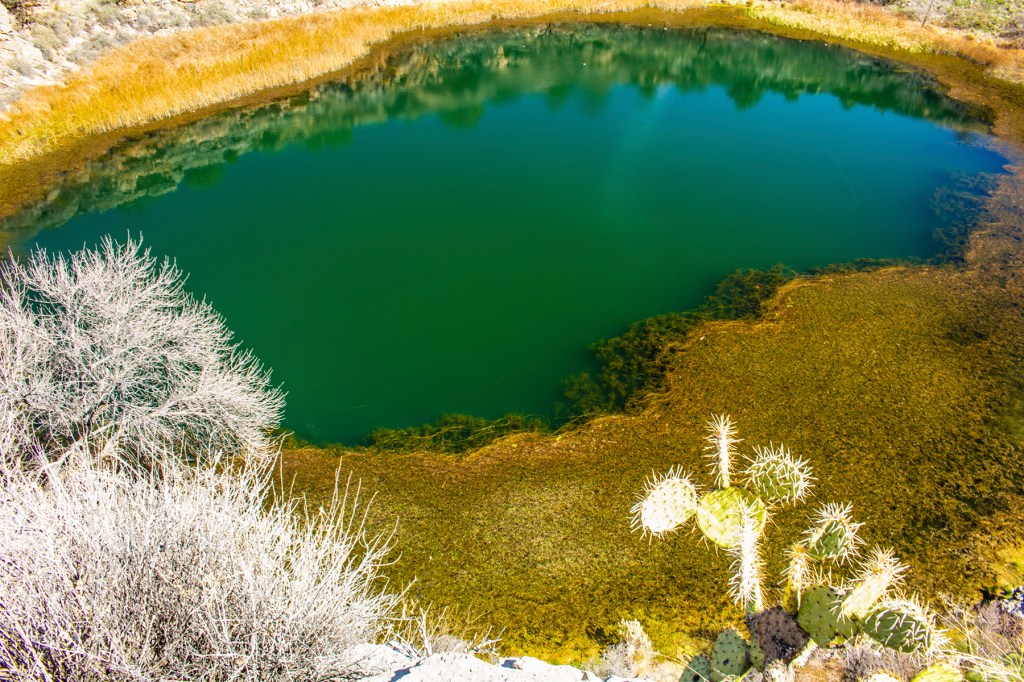
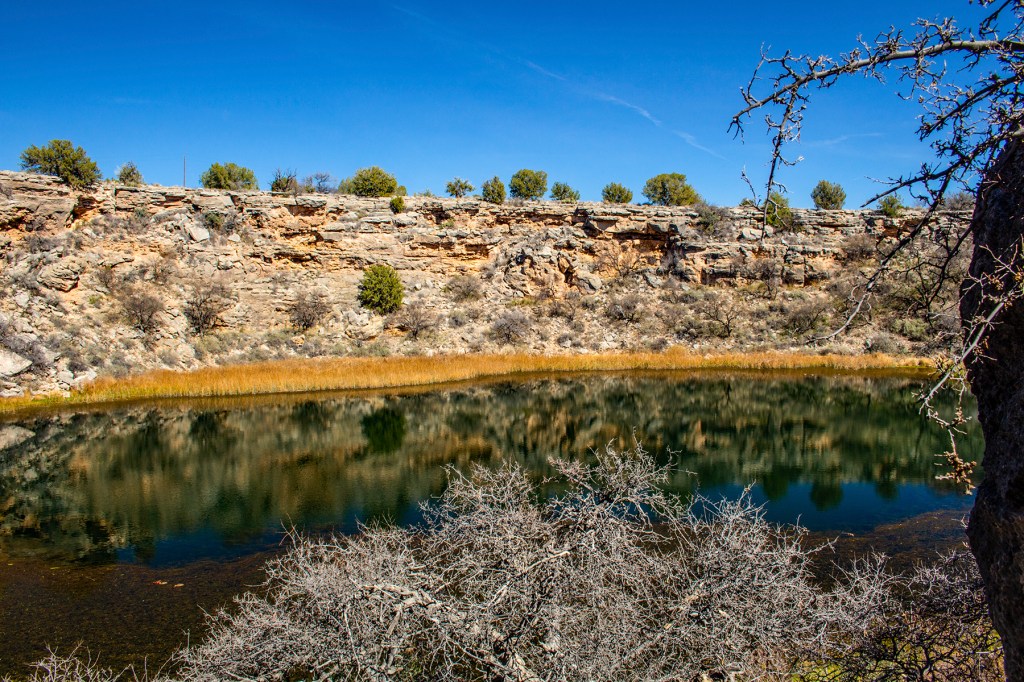
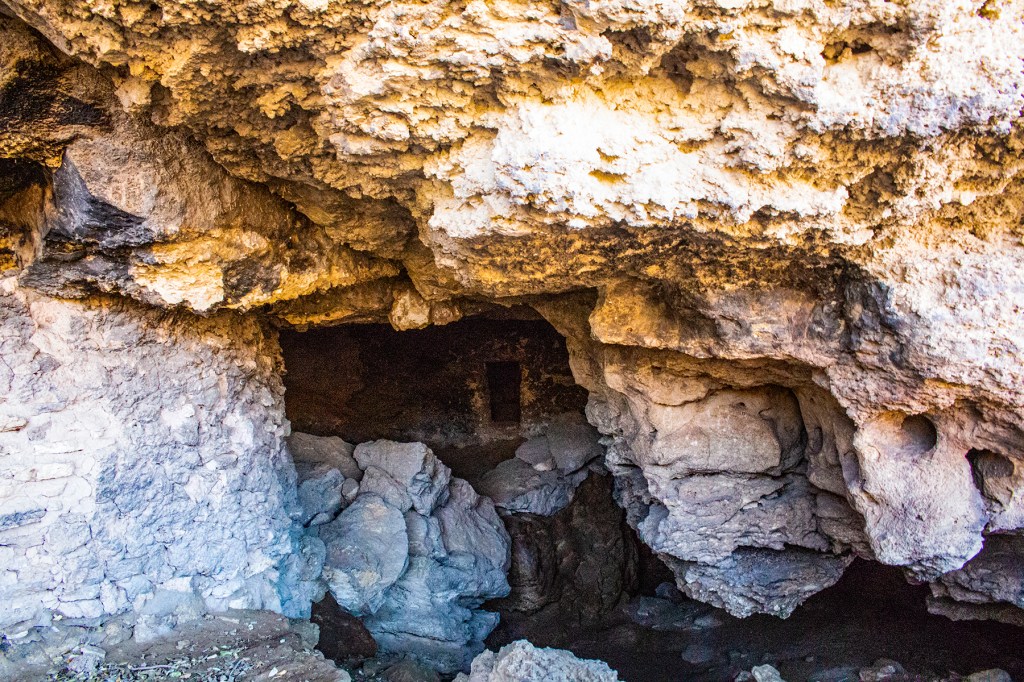
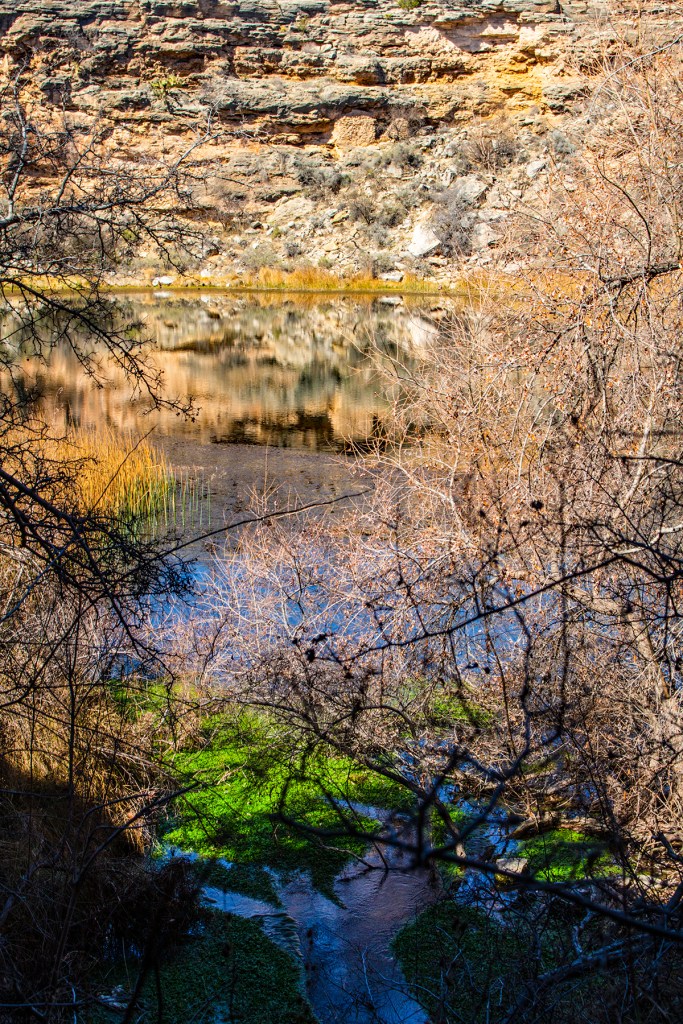
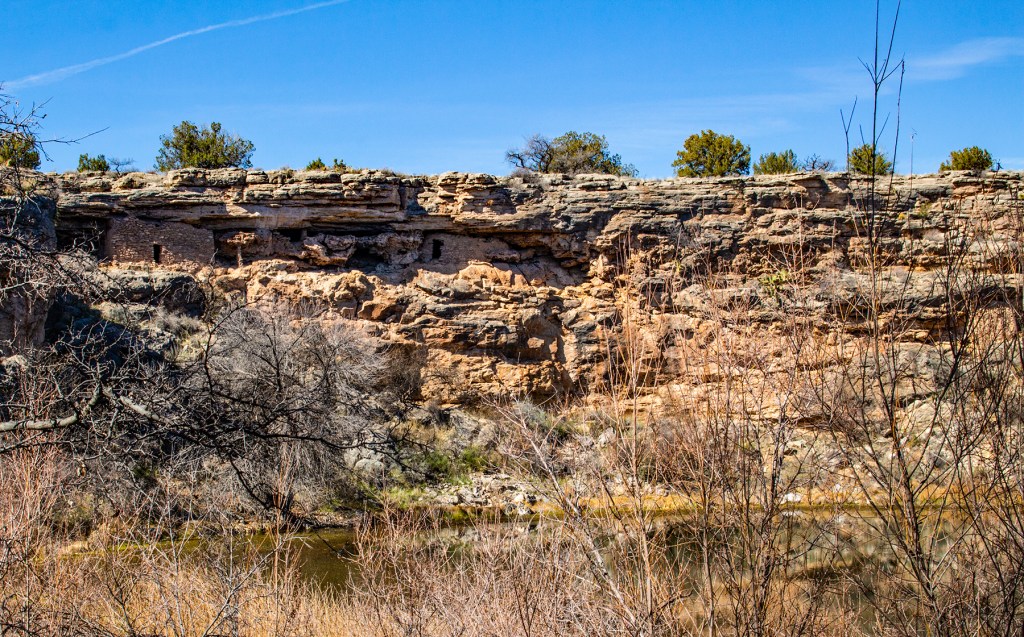
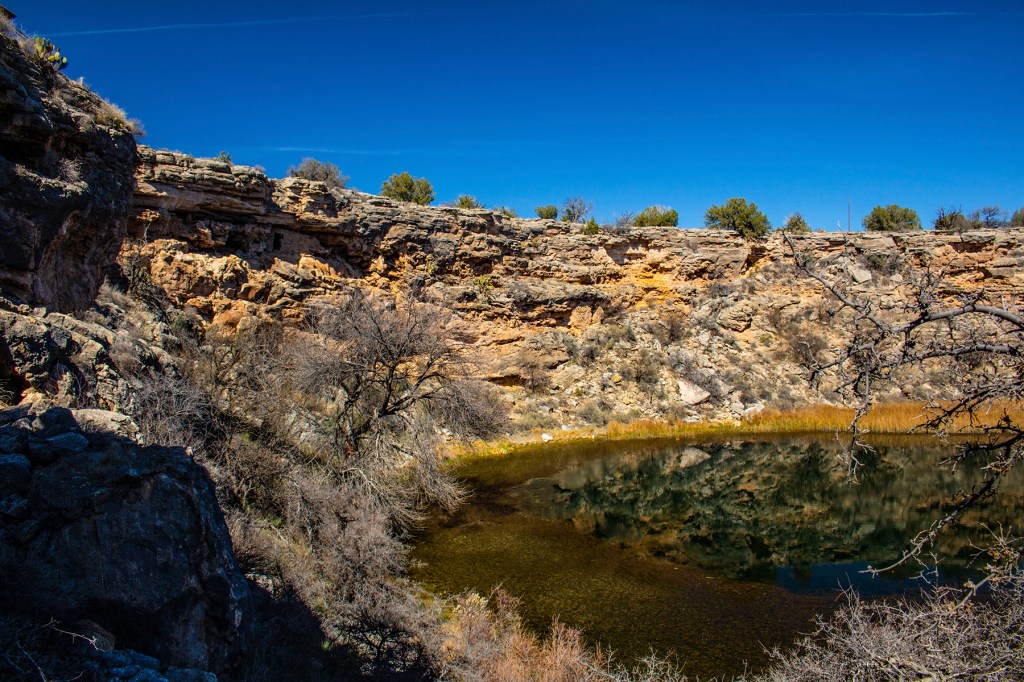
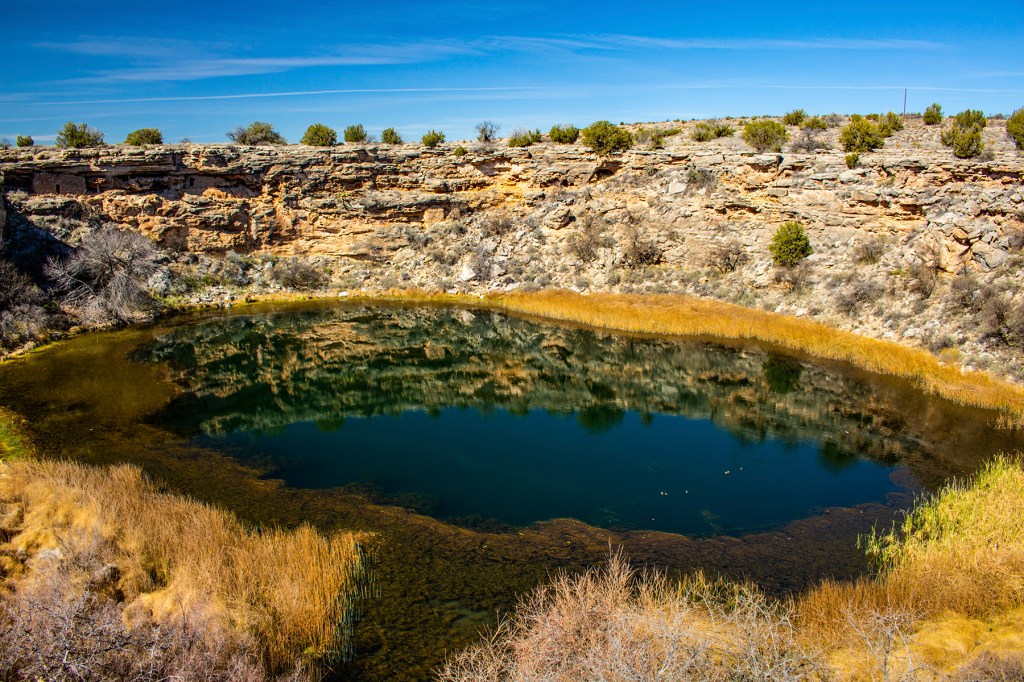
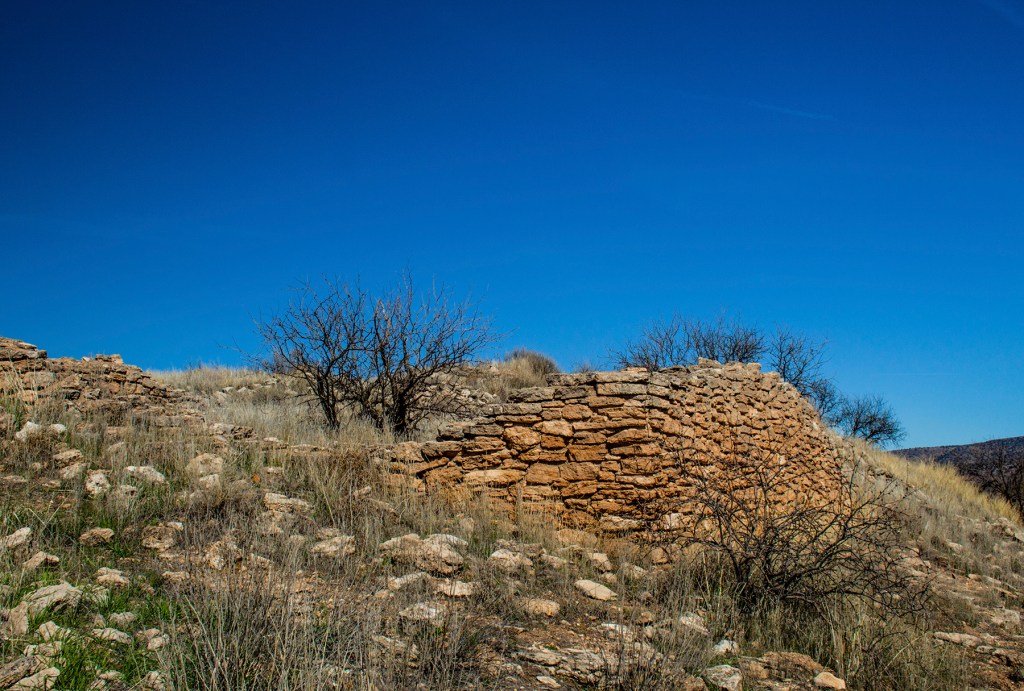
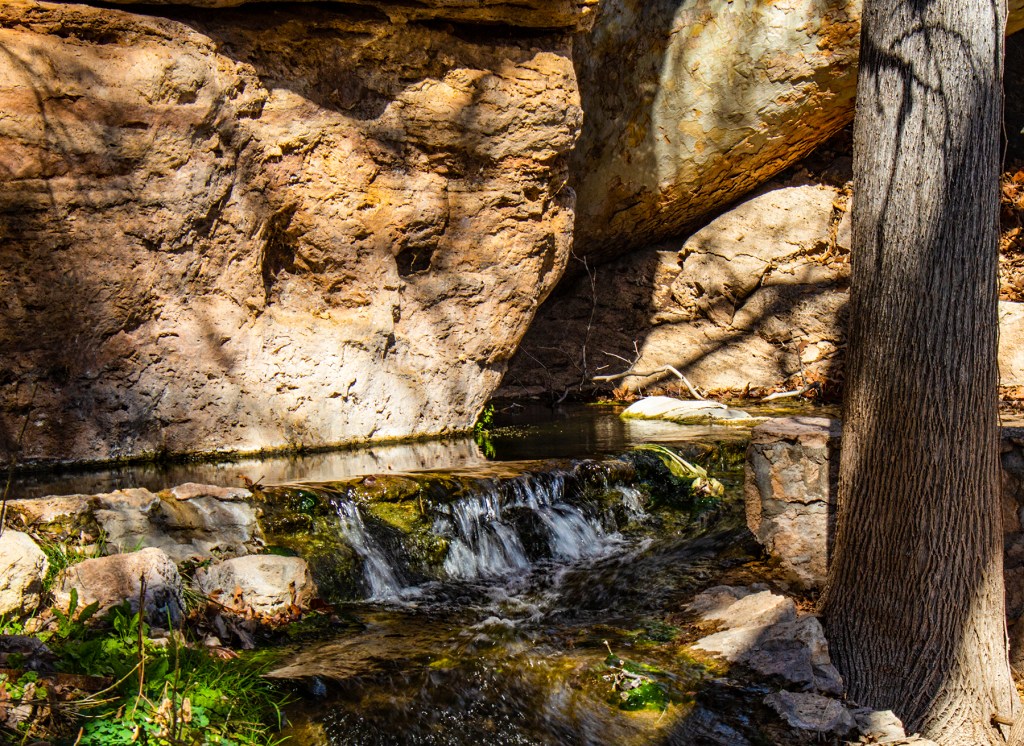
Today Barbara, Toby and I visited nearby Montezuma Well National Monument. Montezuma Well is a sinkhole, in a limestone formation, that is estimated to be between 11,000 and 15,000 years old. The limestone formation is approximately 300 million years old. It was a coral reef formed in a shallow sea. Approximately 1.5 million gallons of water flows up from below, into the sinkhole, out through a spring at the surface and into a nearby creek. The water from the well was used by the Sinagua people for irrigation of their crops and as a source of drinking water. It is believed that this helped these people to thrive but ultimately led to their demise. This water contains elevated levels of CO2 and arsenic. Due to the elevated levels of CO2 fish cannot live in this water.
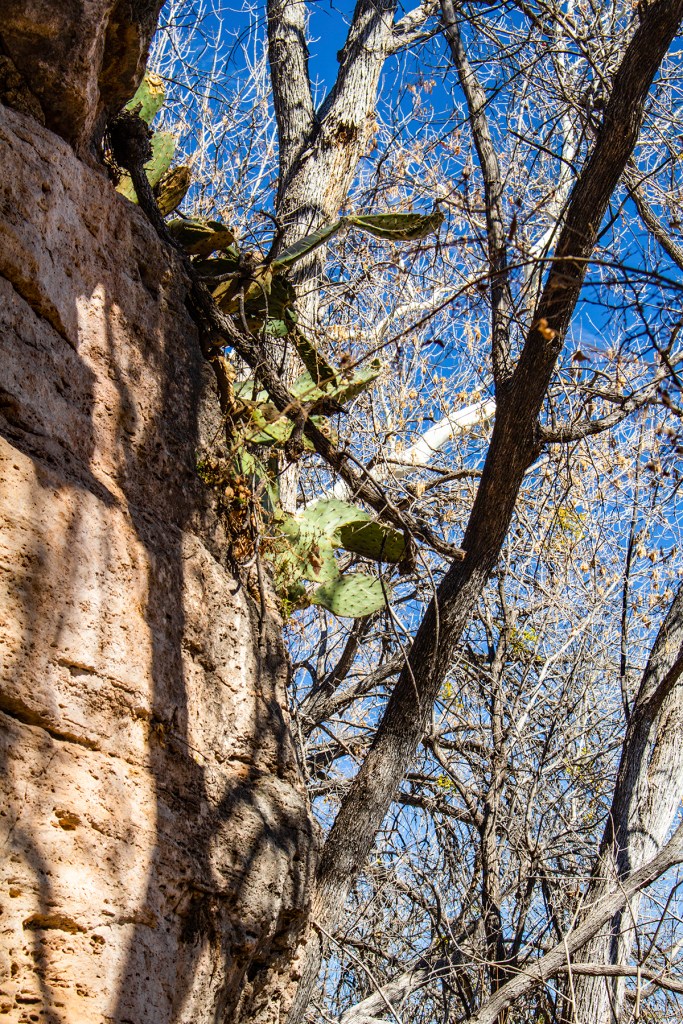
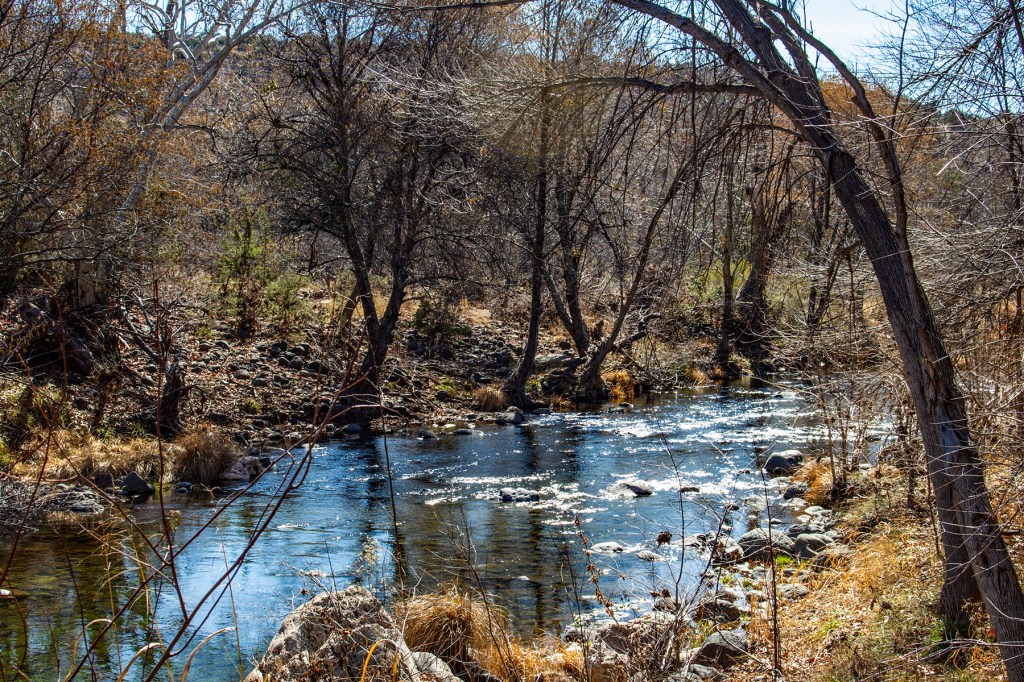
Montezuma WellFormer dwellings in the walls of the sinkhole.Where the water leaves the sinkhole, flows out through a spring and into a nearby creek. More dwellings in the wall of the sinkhole.More dwellings.Cacti growing from limestone rock. This limestone was originally a coral reef in a shallow sea.Here the water emerges from the limestone rock and flows into a nearby creek. The canal seen in the center of the photo was built by the Sinagua people.The creek in which the water from the sinkhole flows.



 RV There Yet?