This past Thursday, Barbara, Ellie, and I along with our good friends Kathy and Shane Flanagan traveled west to the state of Nevada to explore Cathedral Gorge State Park and the surrounding area. Like the rest of Nevada, the area around Cathedral Gorge is home to a lot of mines, some active and others abandoned. I guess this is to be expected as Nevada is known as the Silver State and currently it is the largest producer of gold in the US, outside of Alaska.
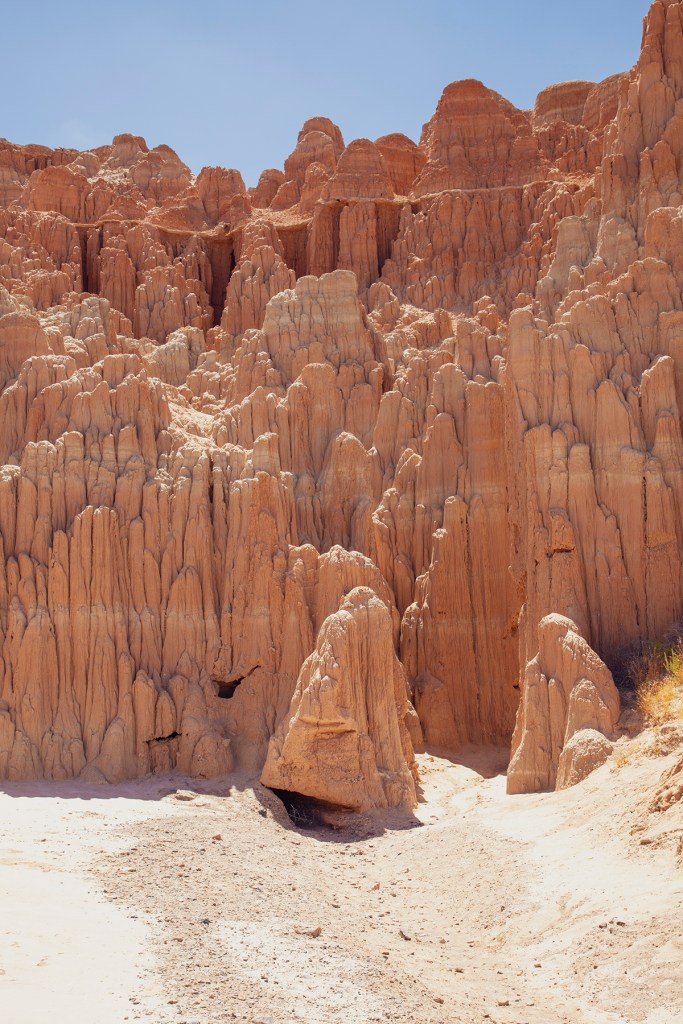
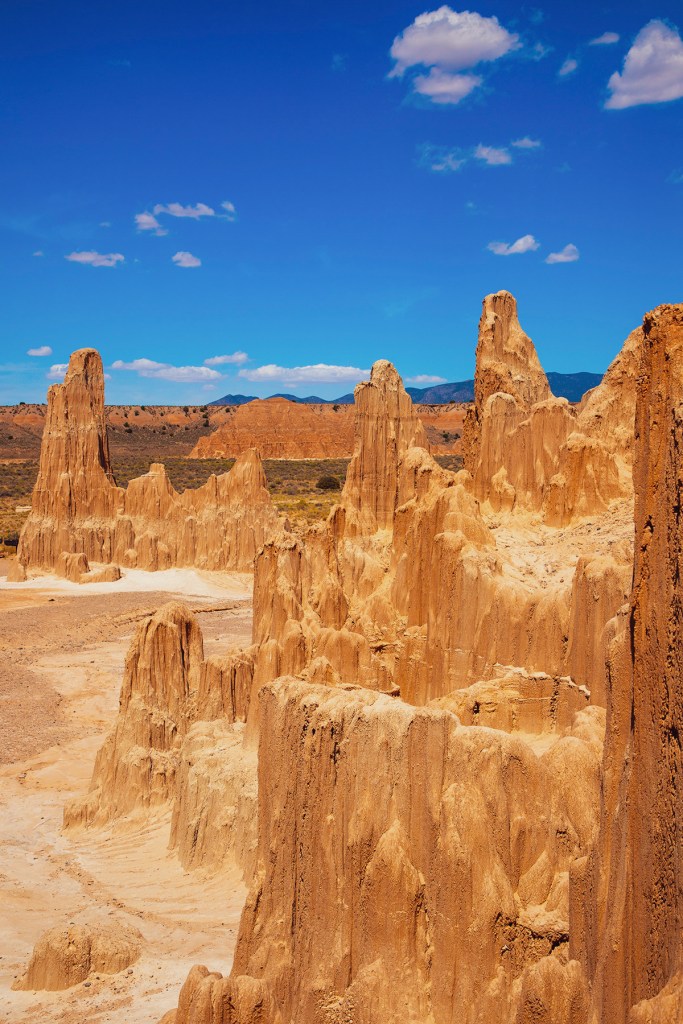
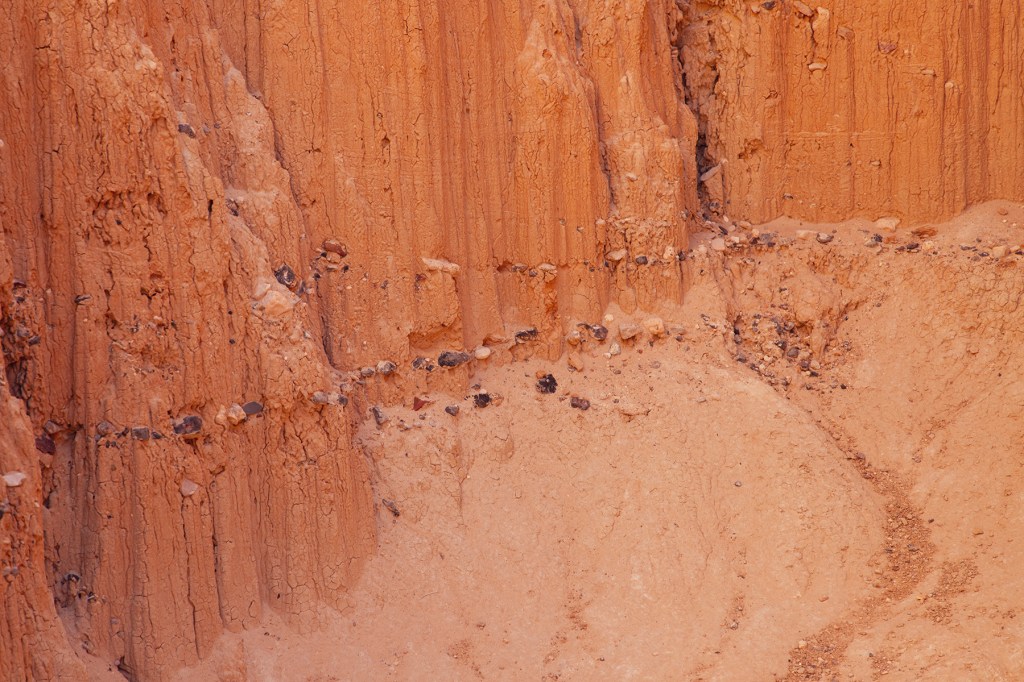
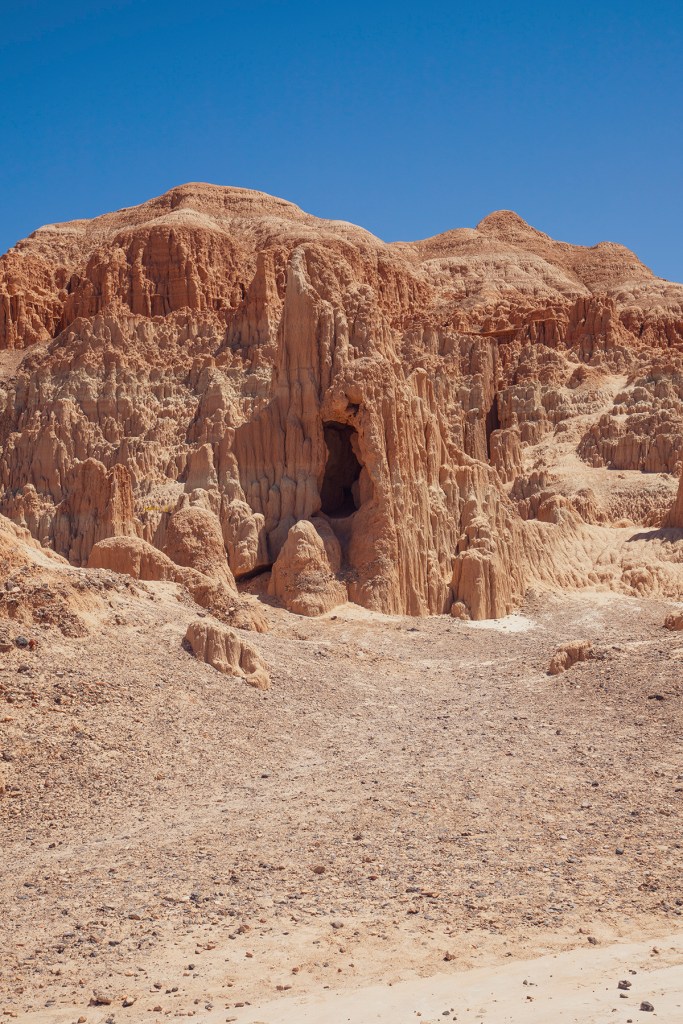
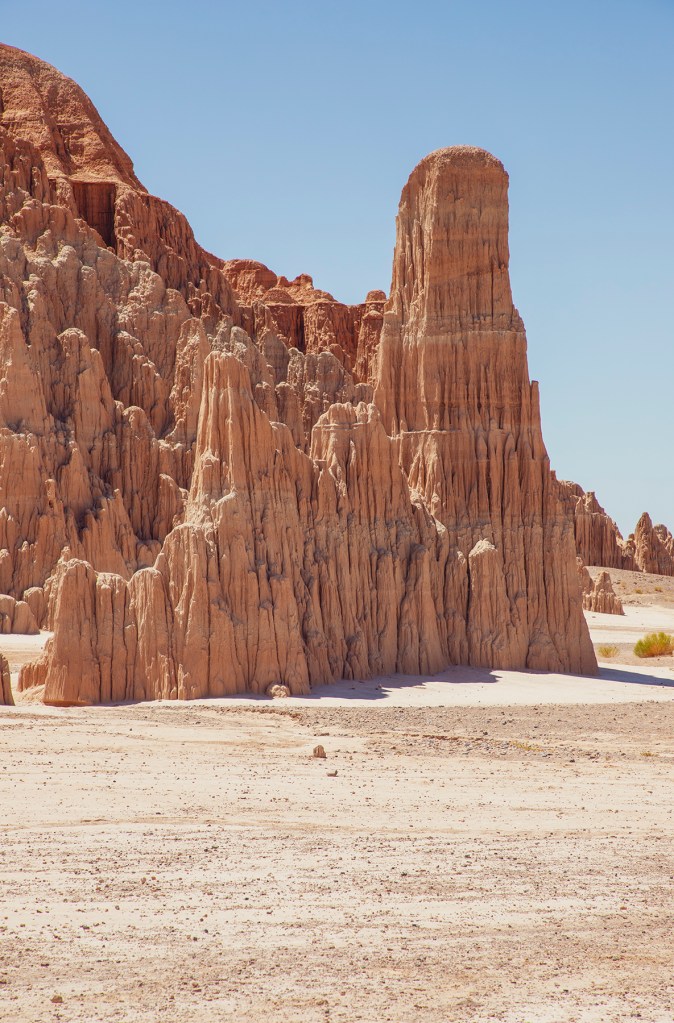
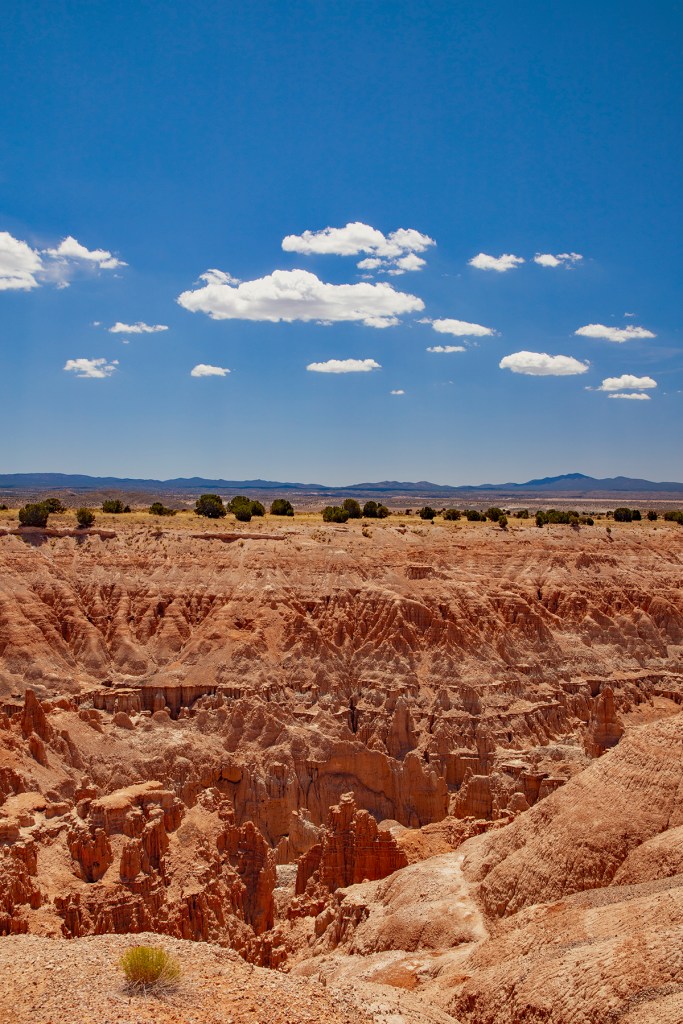
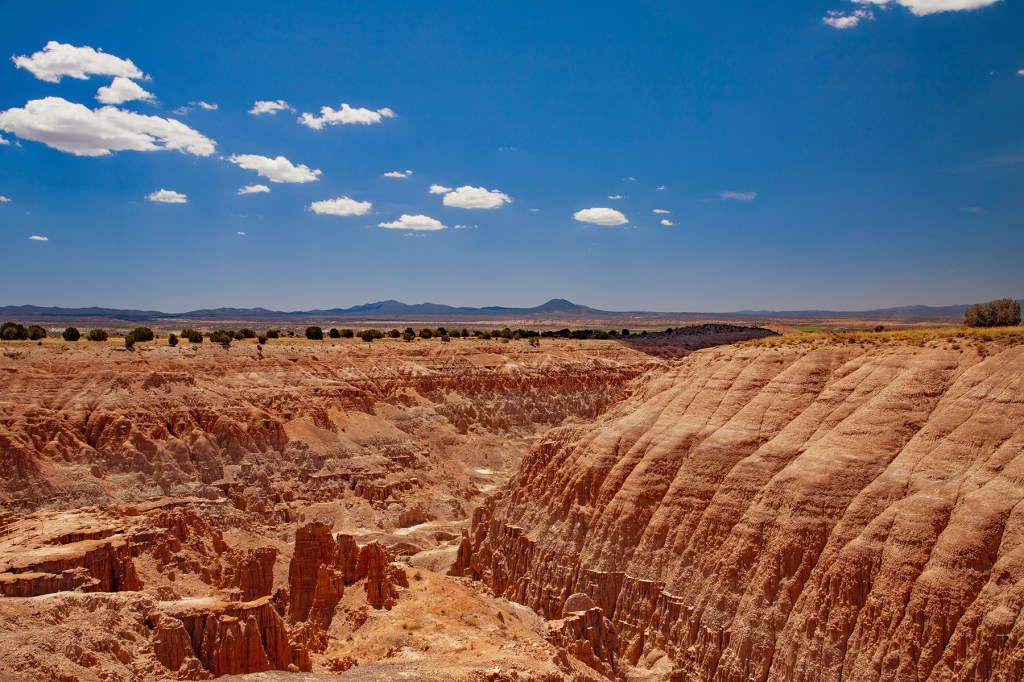
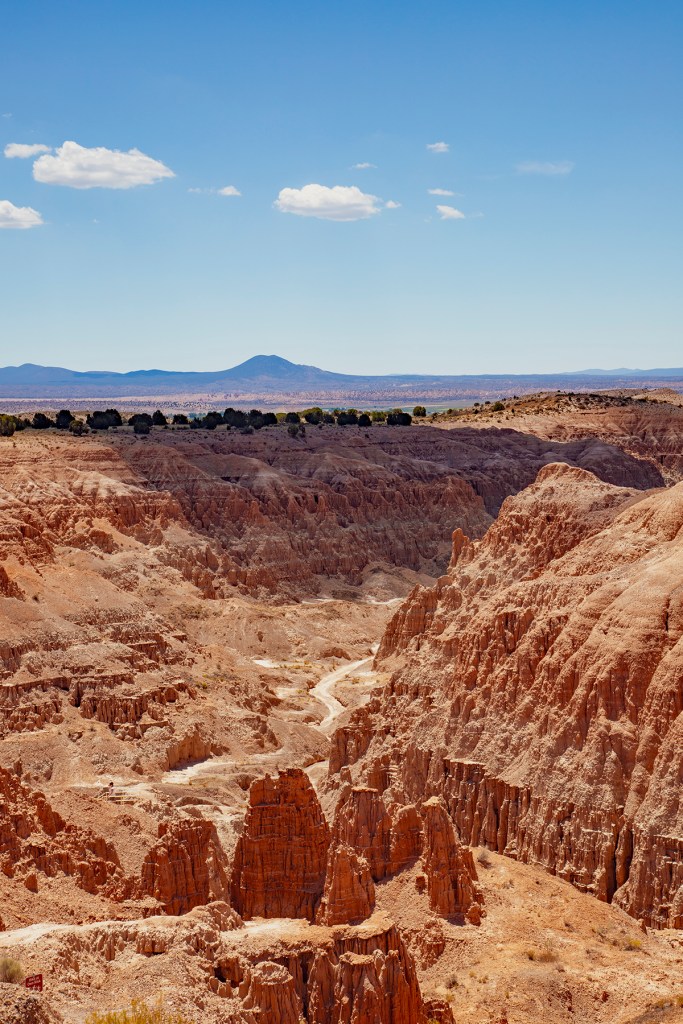
Cathedral Gorge is a small area in eastern Nevada that is made up of spires sculpted by erosion of ancient lakebed sediments. The area’s geology features the Panaca Formation, a thick sequence of bentonite clay, siltstone and volcanic ash deposited by a large freshwater lake during the Pliocene Epoch. Approximately 5 million years ago, faulting created a depression known as Meadow Valley. The basin filled with fresh water, creating a lake, where volcanic ash and fine-grained sediments settled into compressed layers of mostly bentonite clay. As the climate changed, the lake drained, exposing the soft, poorly cemented clay and volcanic ash to rapid wind and water erosion. Rainwater and snow melt have carved the amazing and colorful features we see today. Because the bentonite clay is soft and highly erodible, the landscape is constantly changing.
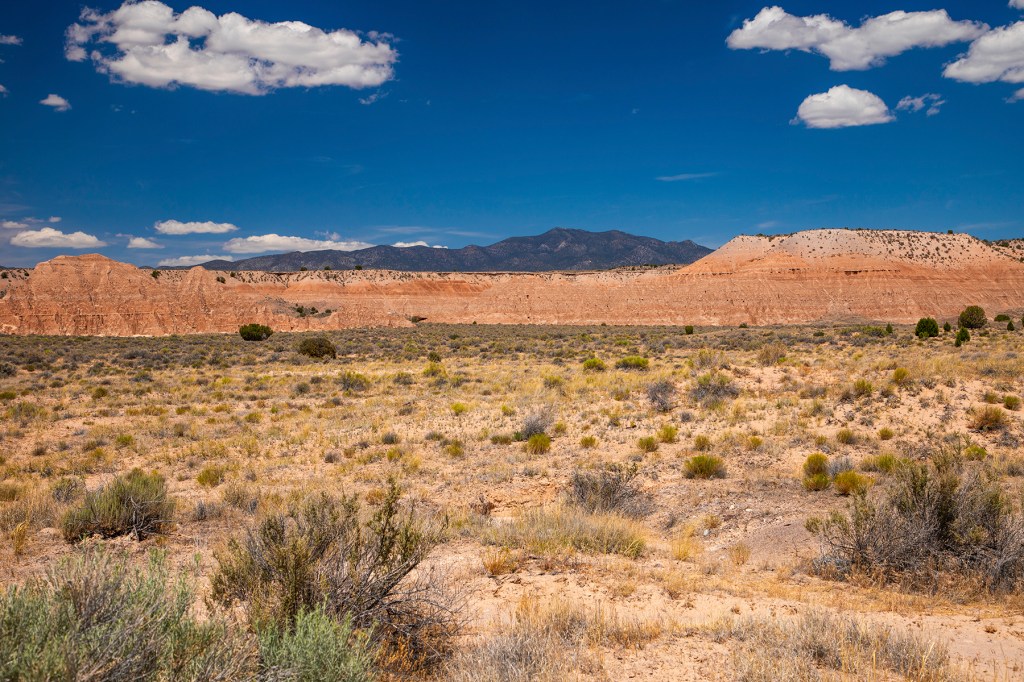
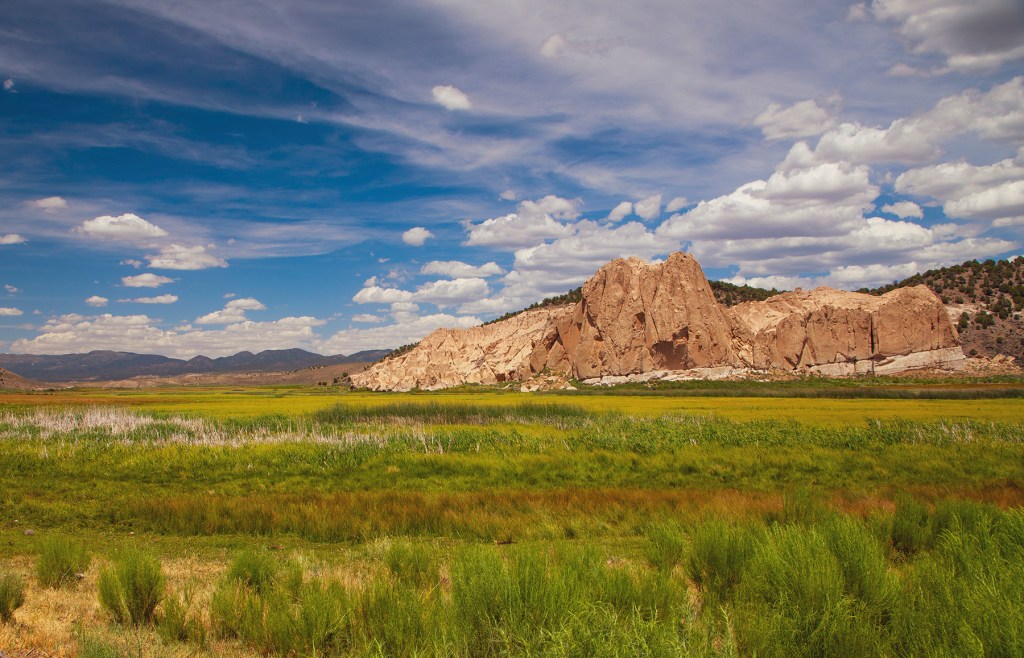
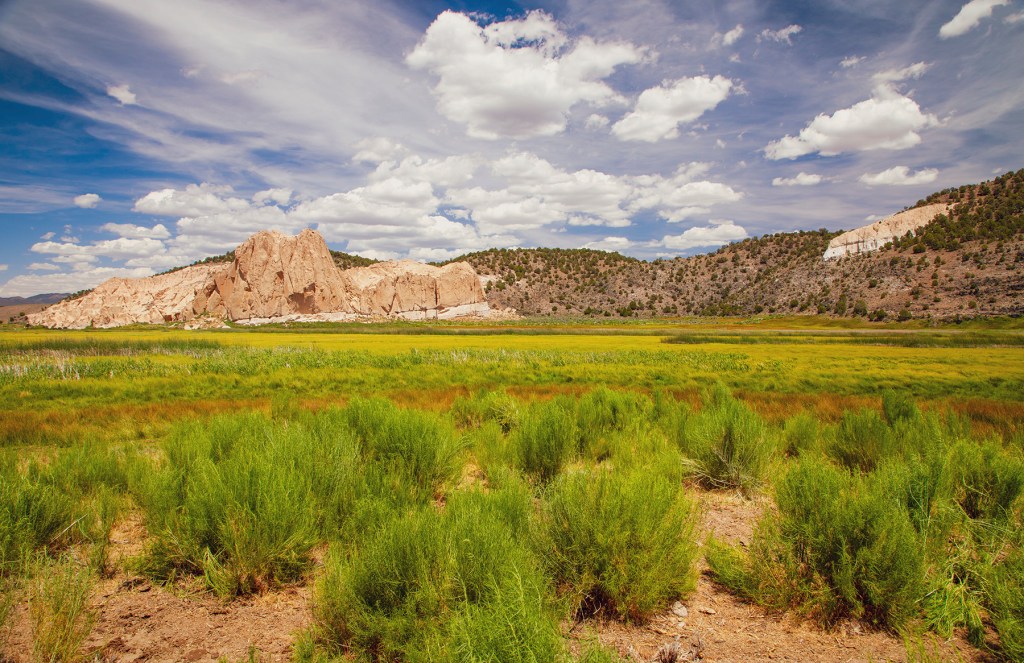
Take a look at my photos below. I believe you will enjoy the colorful formations of Cathedral Gorge and the green grasses of the surrounding valleys. This is one of the greenest places in Nevada I have ever seen.