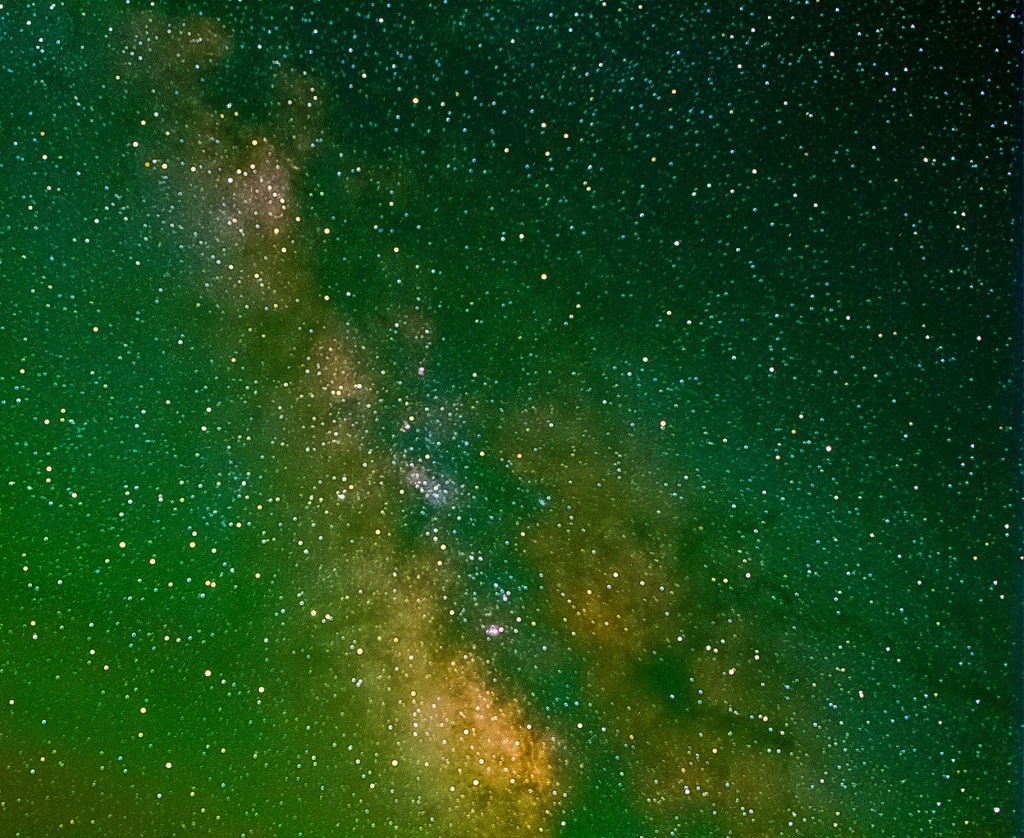
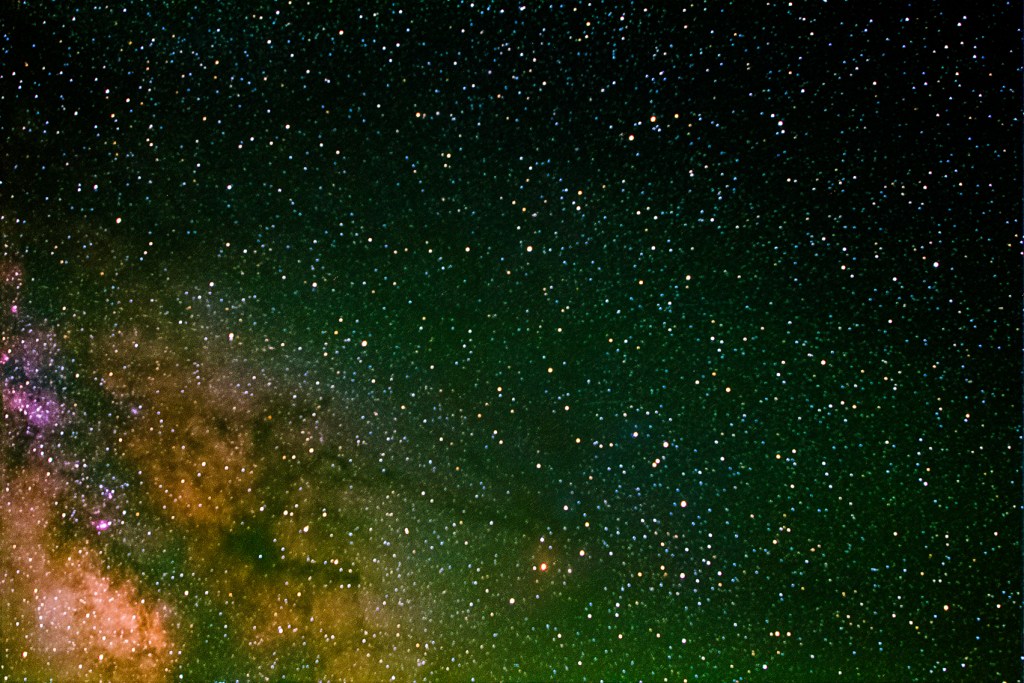
About two months ago I purchase a star tracker that I could attach to my camera tripod so that I could take photos of the night sky. Well everywhere we have been since that time it has been windy, cloudy, a full moon or just too much light pollution. Well last night I got my chance to see if I could get some decent photos of the night sky. At 11:30 last night I took my equipment and headed to the top of a nearby hill and took some photos. I was out shooting for about 1.5 hours and was able to get two photos that I believe came out nice. I really had a great time last night. It was quiet, the air was crisp and clear and there was no one else around. The only company I had were the coyotes howling in the distance. When I arrived back at the trailer I was so excited about the photos I took I had a hard time getting to sleep. I kept thinking about what I want to do next. I was going to try again tonight, but the clouds have moved in and it’s supposed to rain this evening. Take a look at what I did and let me know what you think.
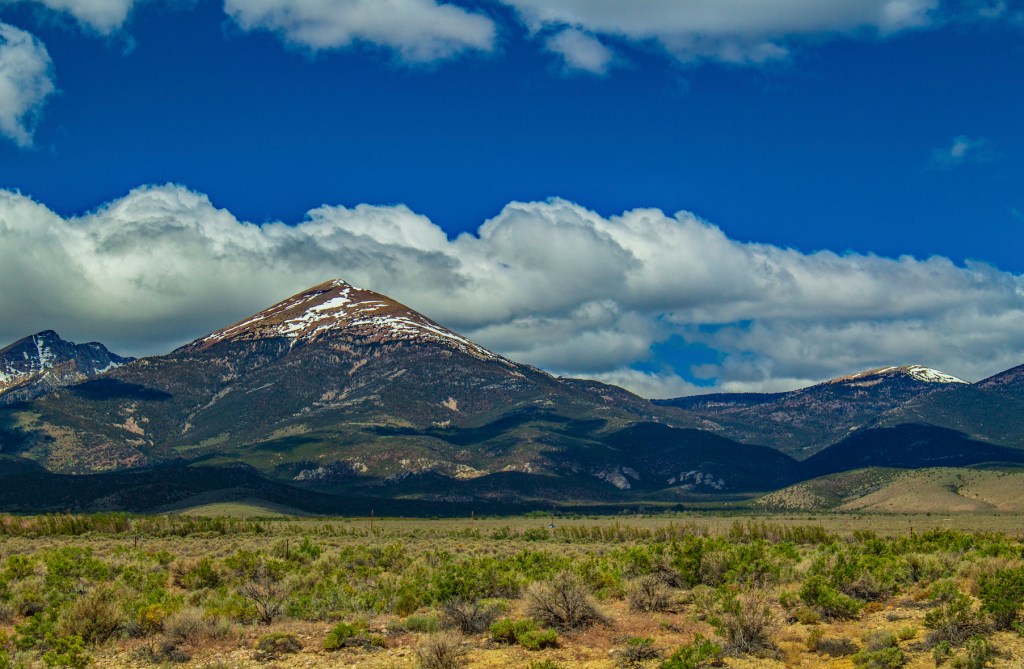
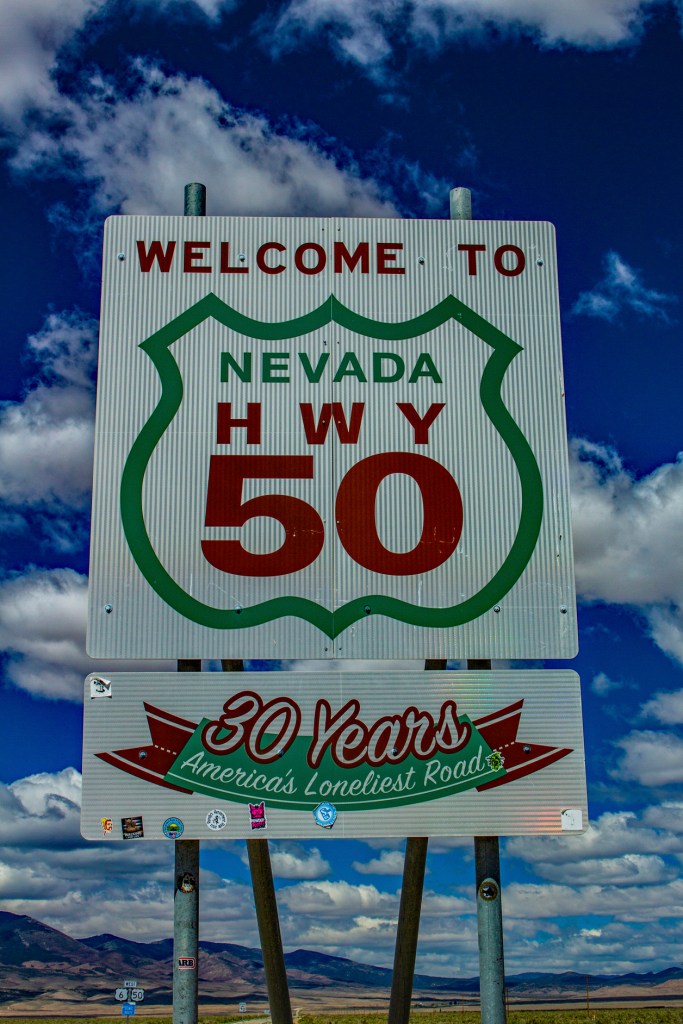
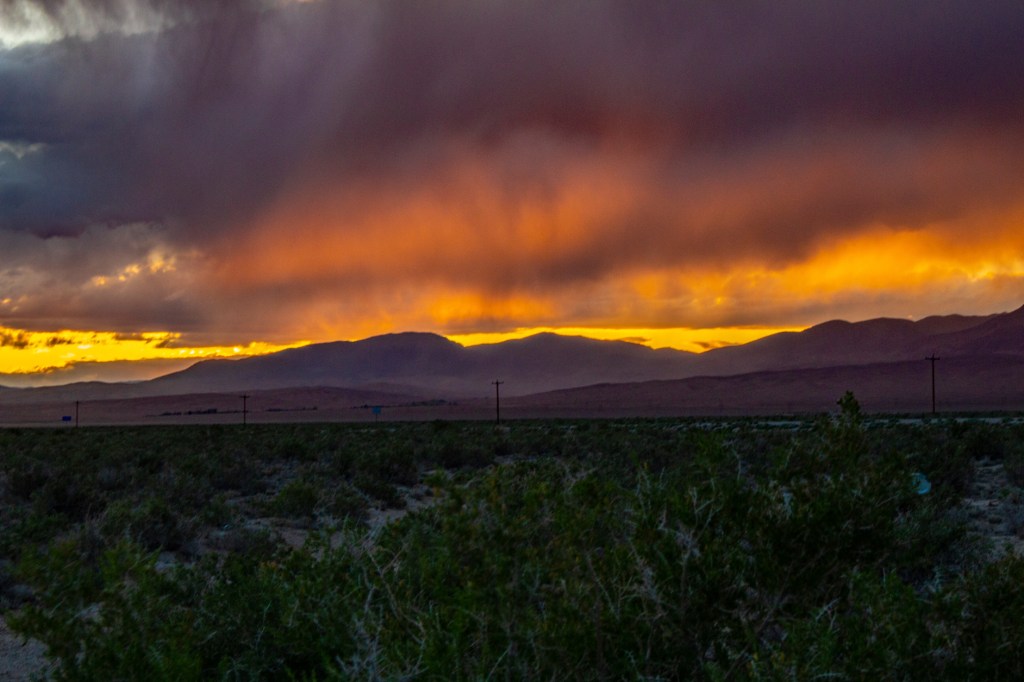
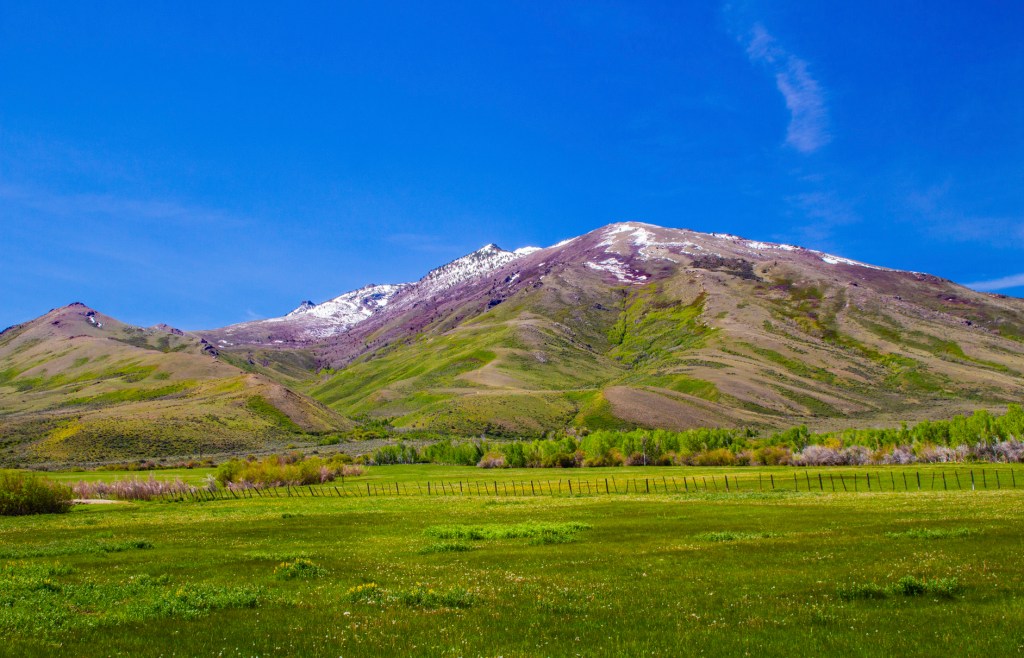
Over the Memorial Day weekend Barbara and I stayed at an RV park on the Utah/Nevada border, near Great Basin National Park (NP). While we were there it was either windy or raining most of the time. On Monday, Memorial Day, the weather was good so we drove over to Great Basin NP to the visitors center, but for whatever reason it was closed. According to their website they are only closed three days a year; Thanksgiving, Christmas and New Years Day. So I guess they just didn’t want to work on Monday. It had snowed on Wheeler Peak the night before so the road and trails were closed, so we headed back to the RV park and I hiked around the area and took some photos. I think the area has a natural beauty, Barbara doesn’t agree. I also took some photos a couple evenings earlier of the sun peaking under the clouds. The last photo is from the RV park where we are currently staying, just outside of Wells, Nevada.
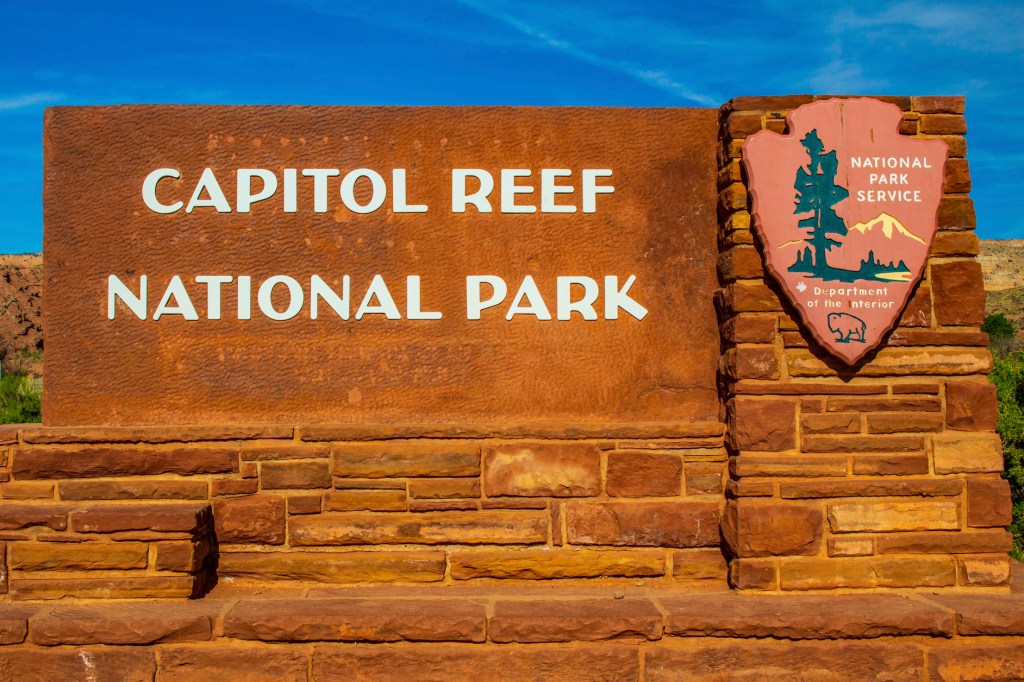
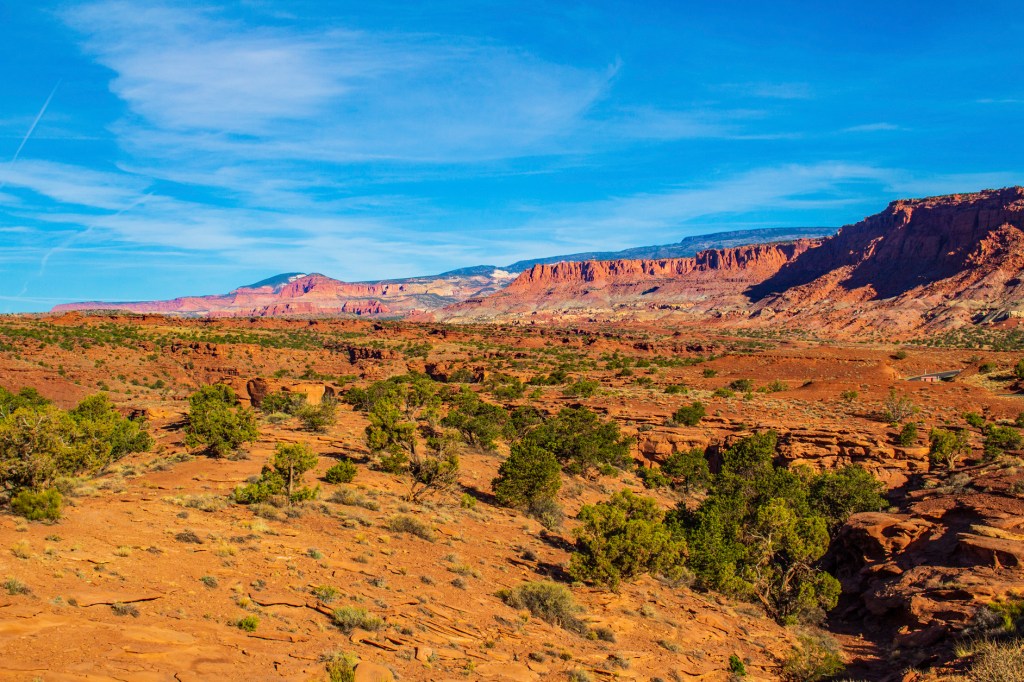
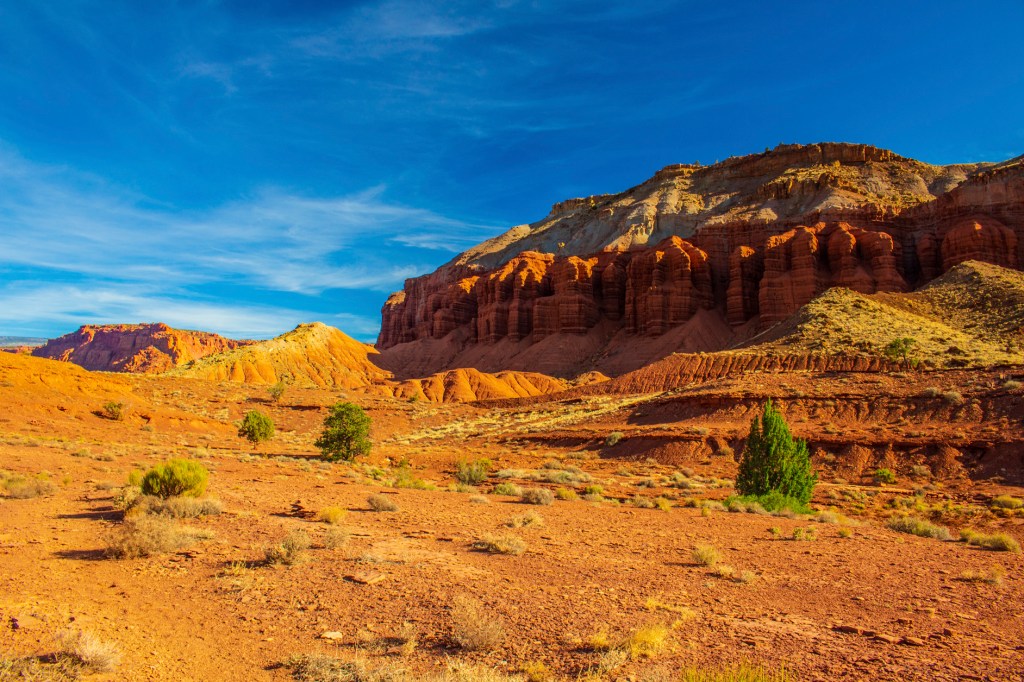
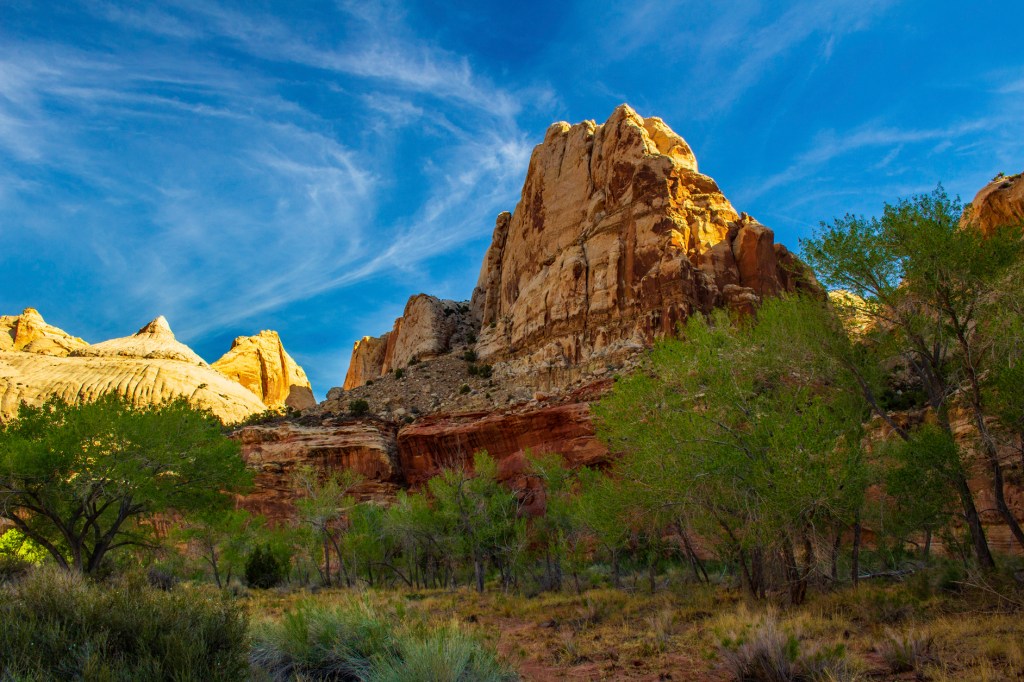
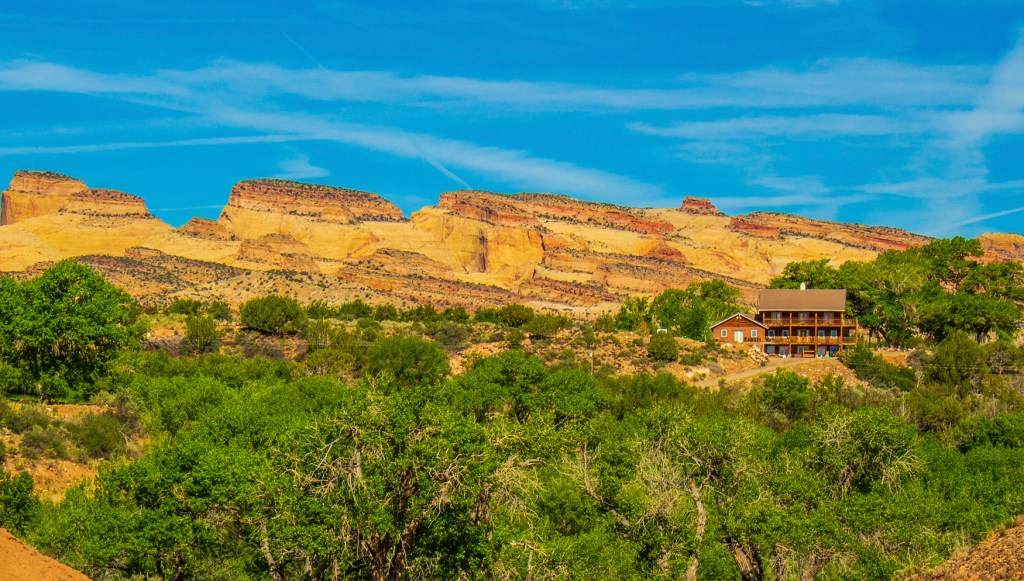
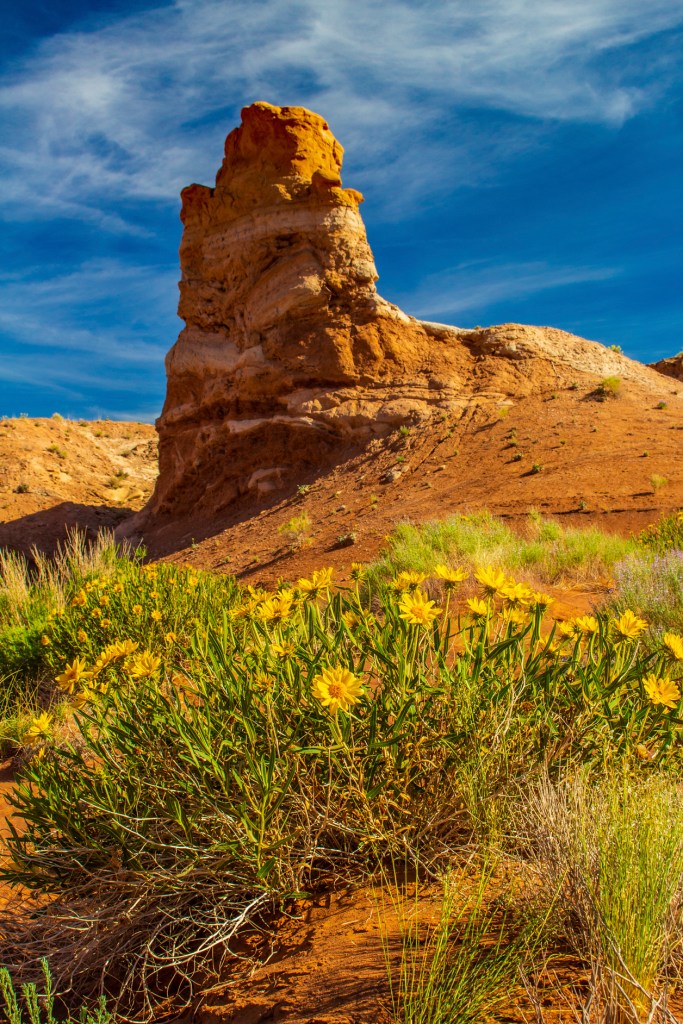
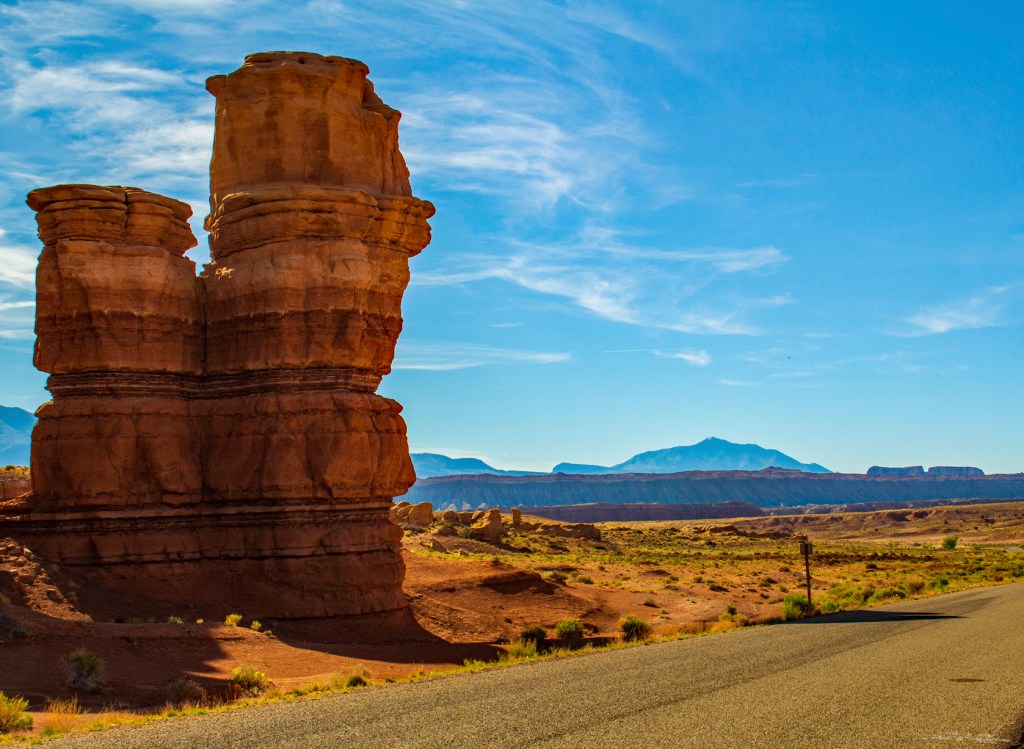
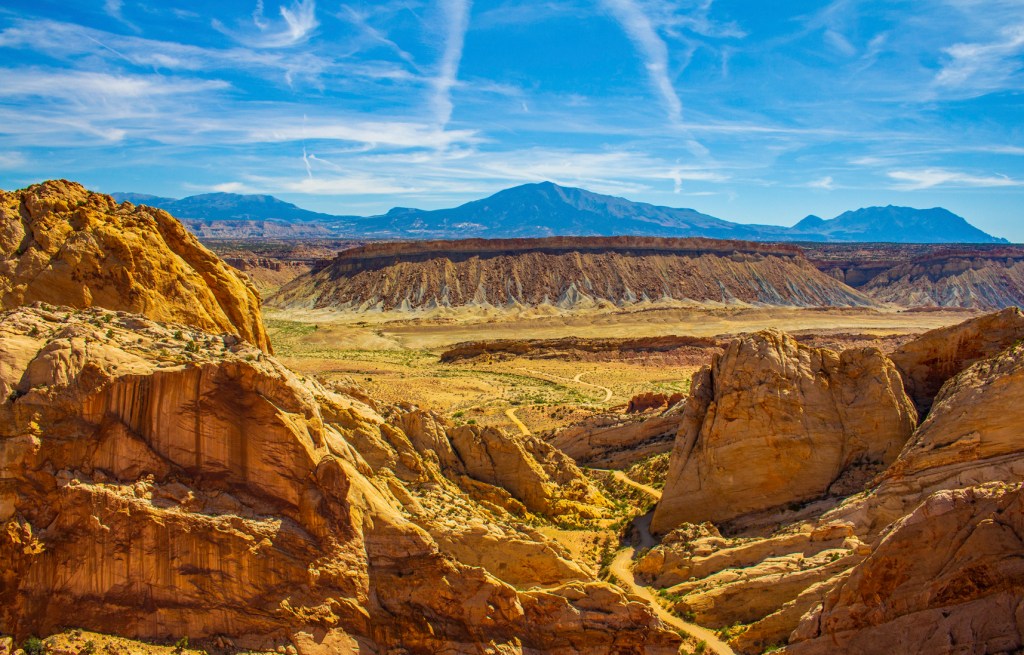
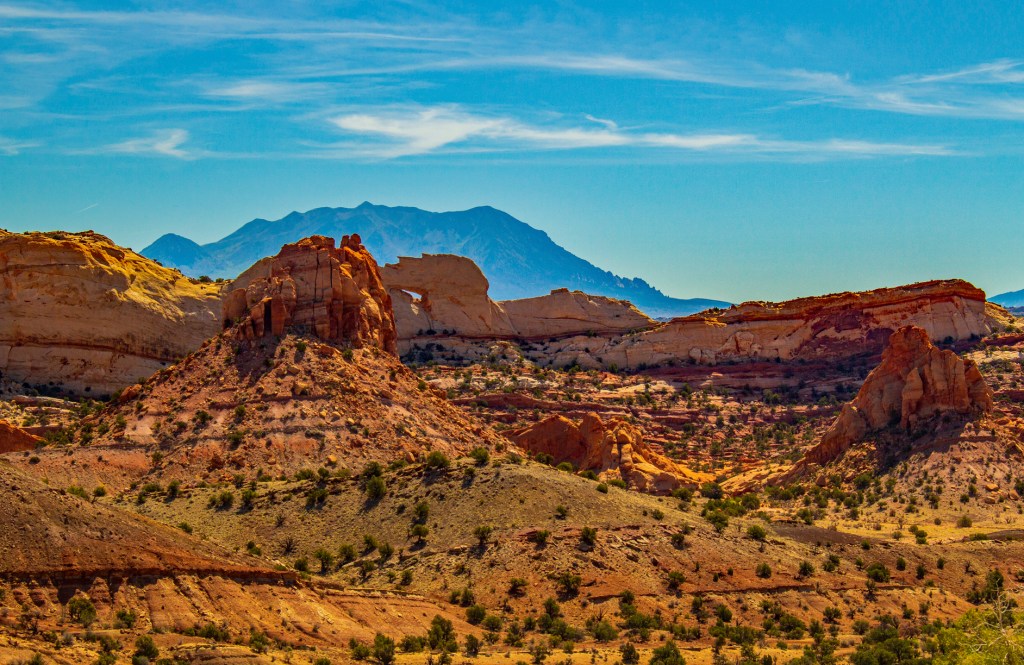
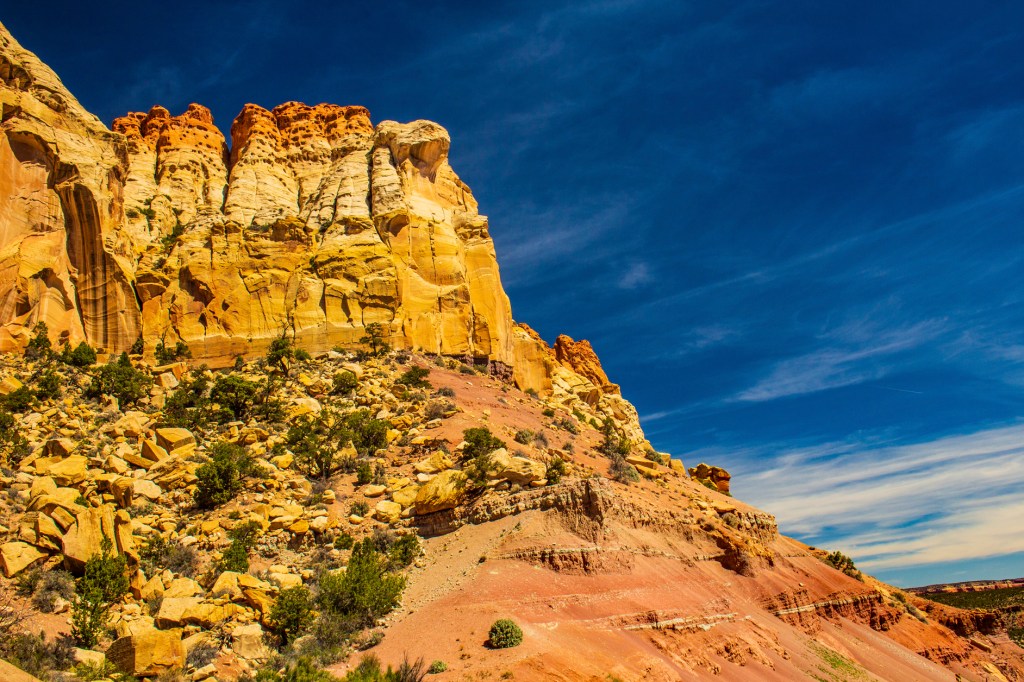
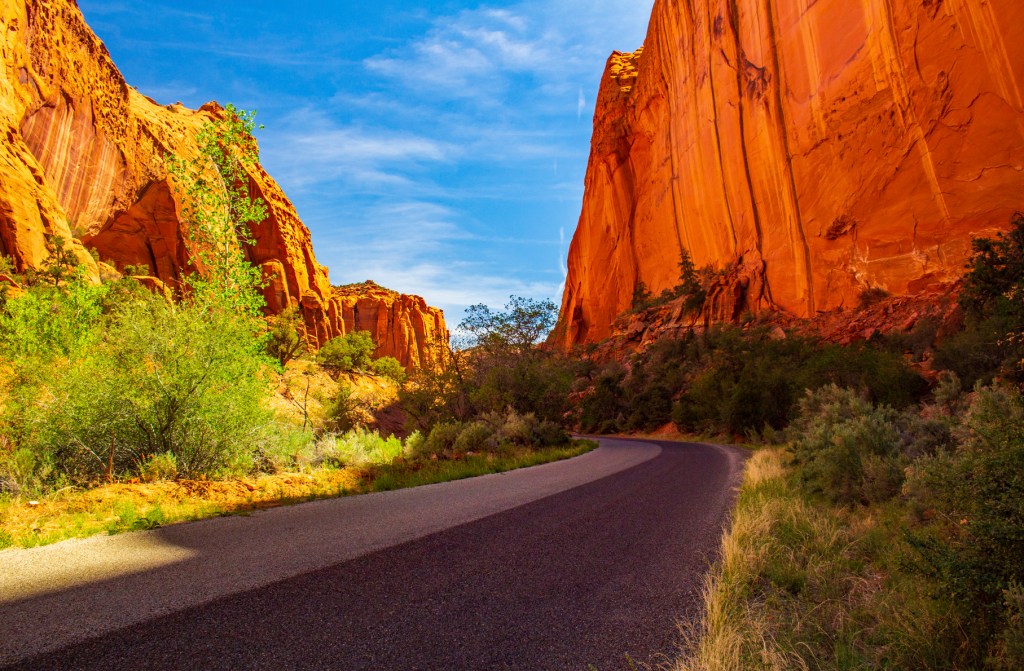
This past Thursday Barbara and I visited Capital Reef National Park (NP). Now Capital Reef NP is not one of those places where you can just drive paved roads to see. If you want to see things here you have to either get off-road or go hiking. Since our truck has four wheel drive we went off-road. Now Barbara didn’t enjoy this part much, but I reminded her that she married a geologist, so it was her own fault. LOL! We ended up driving approximately 124 miles, but only 21 miles of that was off-road, so Barbara didn’t complain too much.
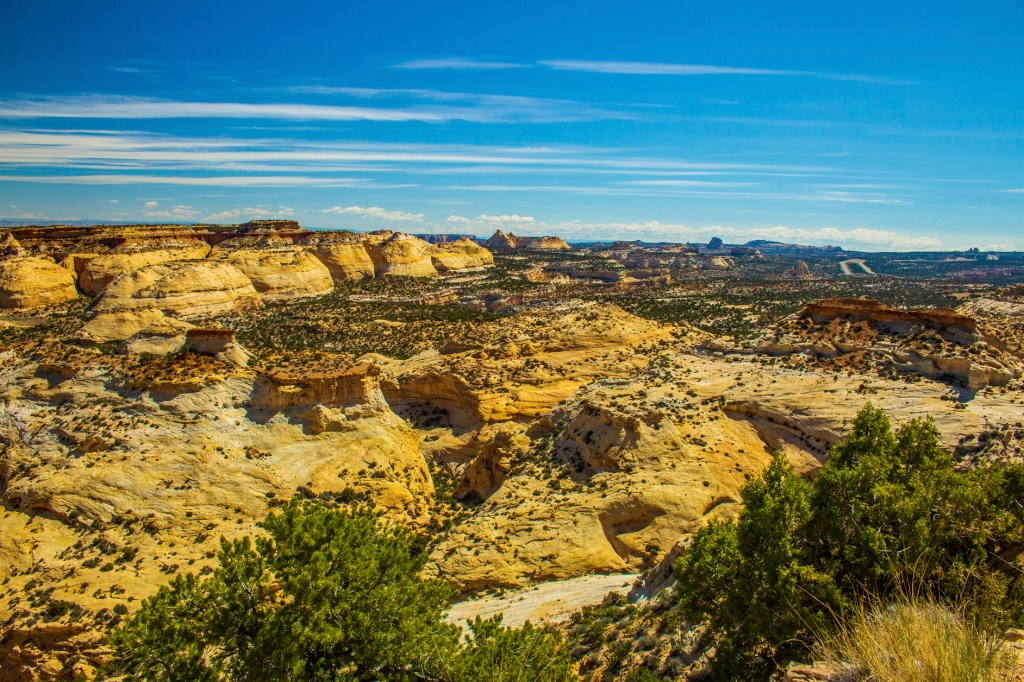
The Waterpocket Fold defines Capitol Reef National Park. A nearly 100-mile long warp in the Earth’s crust, the Waterpocket Fold is a classic monocline: a regional fold with one very steep side in an area of otherwise nearly horizontal layers. A monocline is a “step-up” in the rock layers. The rock layers on the west side of the Waterpocket Fold have been lifted more than 7000 feet higher than the layers on the east. Major folds are almost always associated with underlying faults. The Waterpocket Fold formed between 50 and 70 million years ago when a major mountain building event in western North America, the Laramide Orogeny, reactivated an ancient buried fault. When the fault moved, the overlying rock layers were draped above the fault and formed a monocline. More recent uplift of the entire Colorado Plateau and the resulting erosion has exposed this fold at the surface only within the last 15 to 20 million years. The name Waterpocket Fold reflects this ongoing erosion of the rock layers. “Waterpockets” are basins that form in many of the sandstone layers as they are eroded by water. These basins are common throughout the fold, thus giving it the name “Waterpocket Fold”. Erosion of the tilted rock layers continues today forming colorful cliffs, massive domes, soaring spires, stark monoliths, twisting canyons, and graceful arches.
Capitol Reef The most scenic portion of the Waterpocket Fold, found near the Fremont River, is known as Capitol Reef: “capitol” for the white domes of Navajo Sandstone that resemble capitol building rotundas, and “reef” for the rocky cliffs which are a barrier to travel, like a coral reef.
Nearly 10,000 feet of sedimentary strata are found in the Capitol Reef area. These rocks range in age from Permian (as old as 270 million years old) to Cretaceous (as young as 80 million years old.) The Waterpocket Fold has tilted this geologic layercake down to the east. The older rocks are found in the western part of the park, and the younger rocks are found near the east boundary.
This layer upon layer sequence of sedimentary rock records nearly 200 million years of geologic history. Rock layers in Capitol Reef reveal ancient climates as varied as rivers and swamps (Chinle Formation), Sahara-like deserts (Navajo Sandstone), and shallow ocean (Mancos Shale).
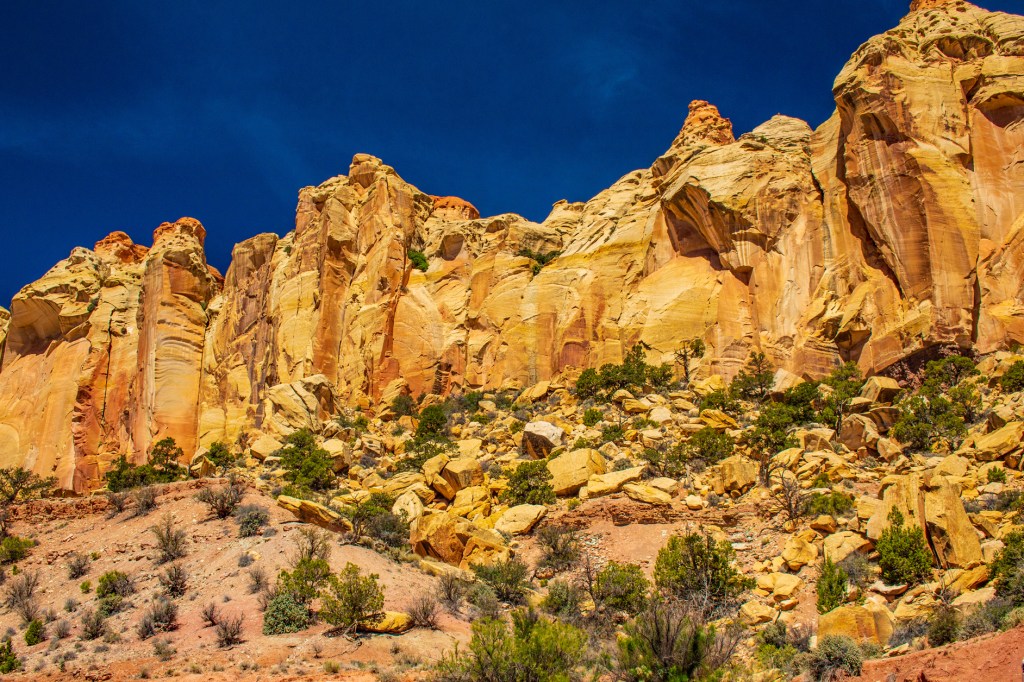
The landforms are a result of different responses of the various rock layers to the forces of erosion. Hard sandstone layers, like the red Wingate and the white Navajo Sandstones, form cliffs. Softer, shale layers, like the Chinle Formation, form slopes and low hills. The barren slopes found in many areas are due in part to the presence of bentonitic clays in the shale which make an inhospitible environment for plants.
The black boulders, found scattered throughout the Fremont River valley and along other drainages, are recent geologic arrivals to Capitol Reef. These volcanic rocks came from the 20 to 30 million year old lava flows which cap Boulder and Thousand Lake Mountains. The boulders made their way to Capitol Reef during the Ice Ages when the High Plateaus supported small mountain glaciers. Landslides, debris flows, and possibly heavy stream outwash from these glaciers carried the boulders to lower elevations in the park.
Capitol Reef National Park was established because of the scenic rock domes and narrow canyons found along the trace of the Waterpocket Fold. Indeed, the park boundaries were drawn to encompass most of the Fold. Capitol Reef is a place to enjoy the scenic majesty formed by geologic processes, and also to appreciate the interrelationships between the Earth and all life found in the varied environments within the park – – from the forested slopes of Thousand Lake Mountain, to the green oasis of Fruita, to the barren Bentonite Hills.
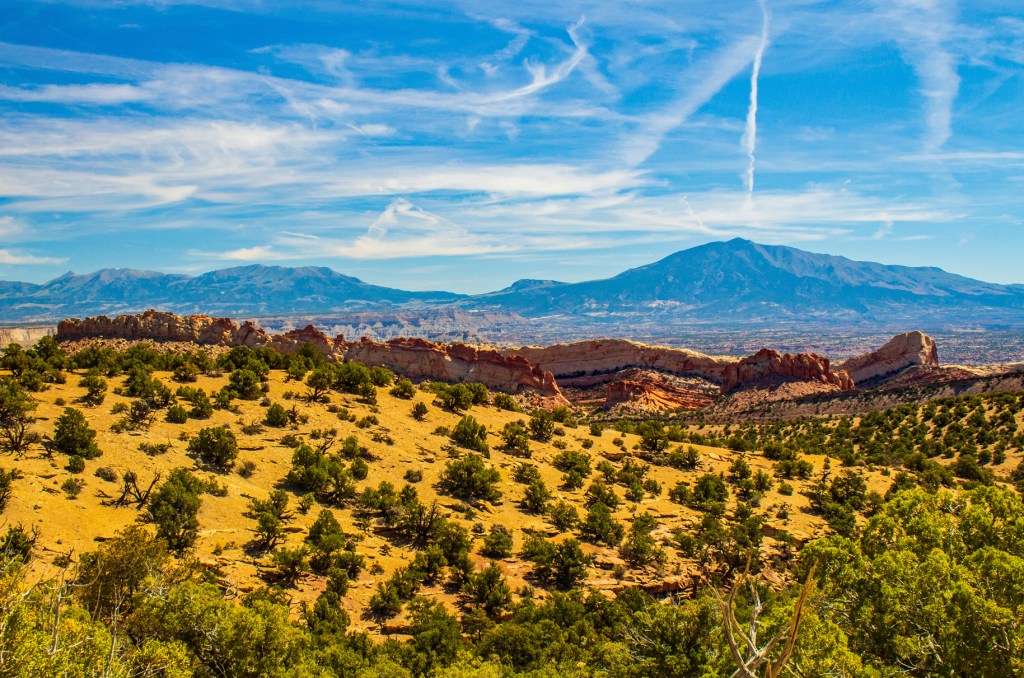
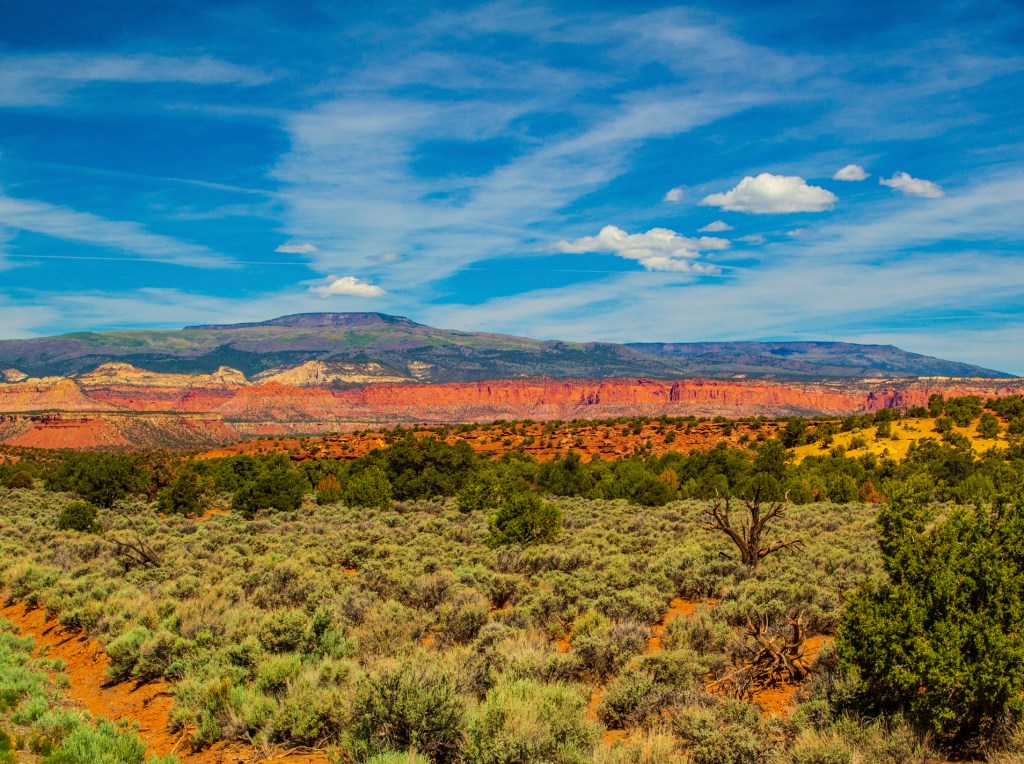
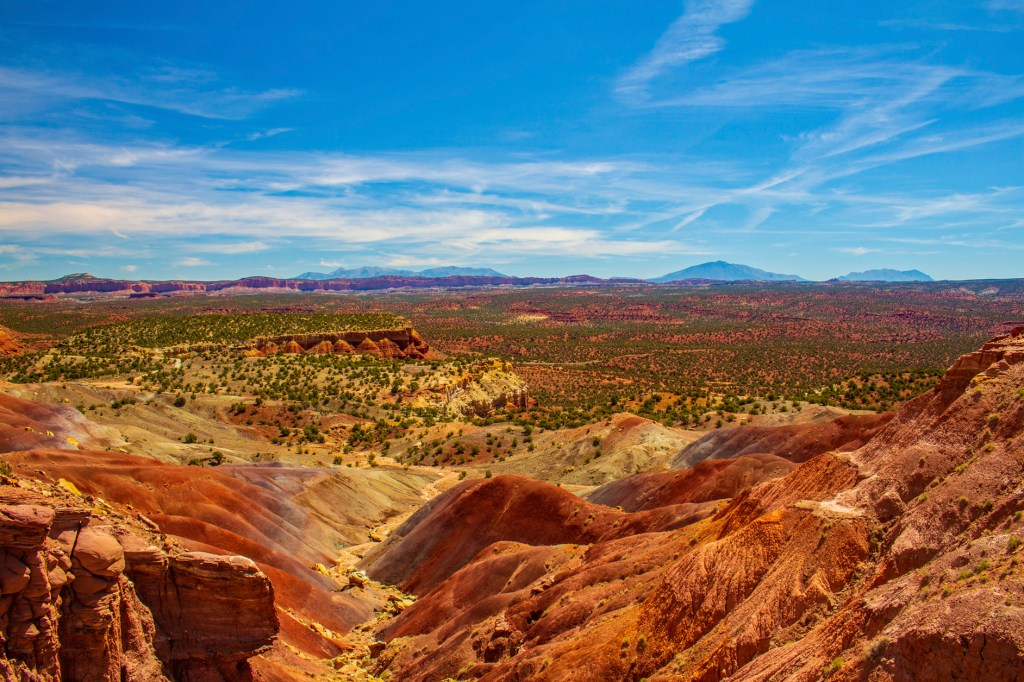
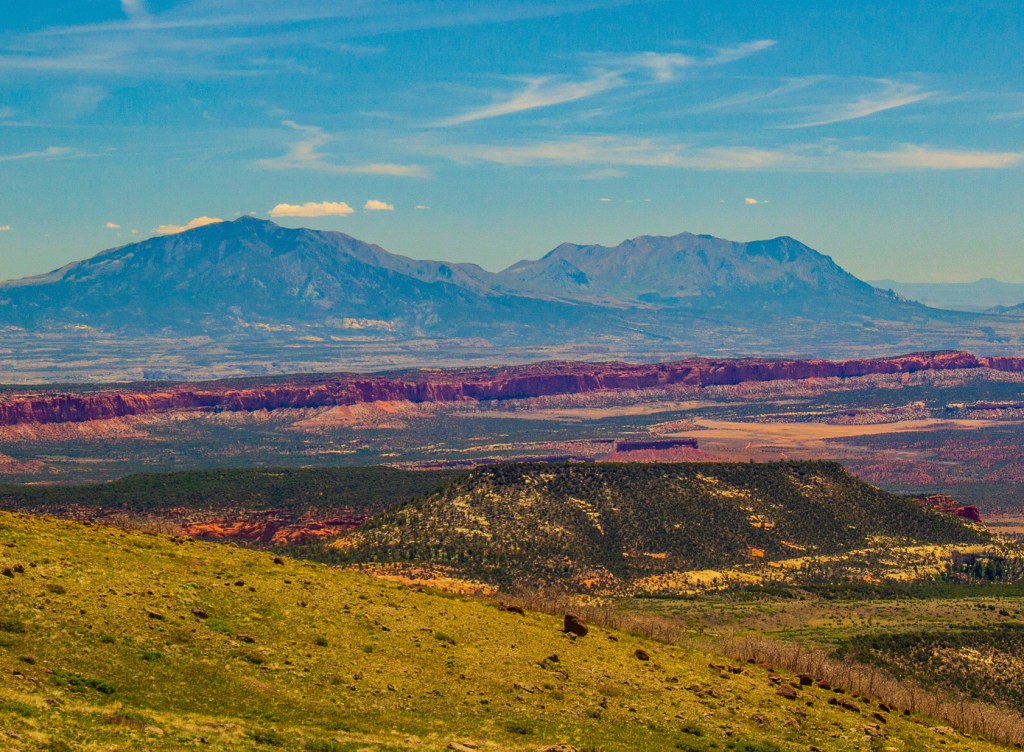
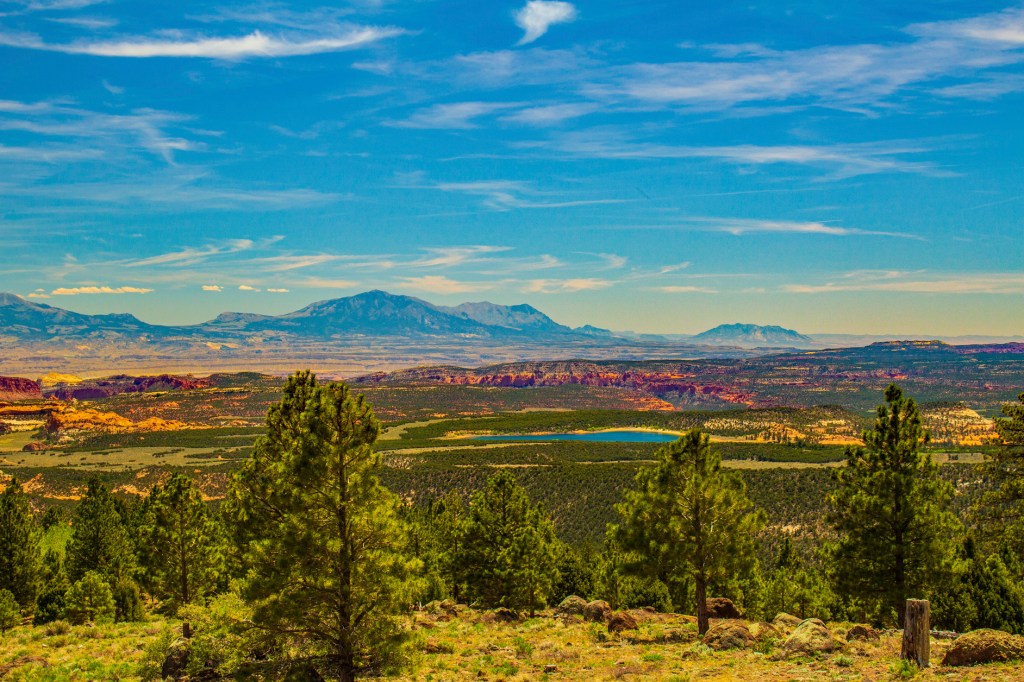
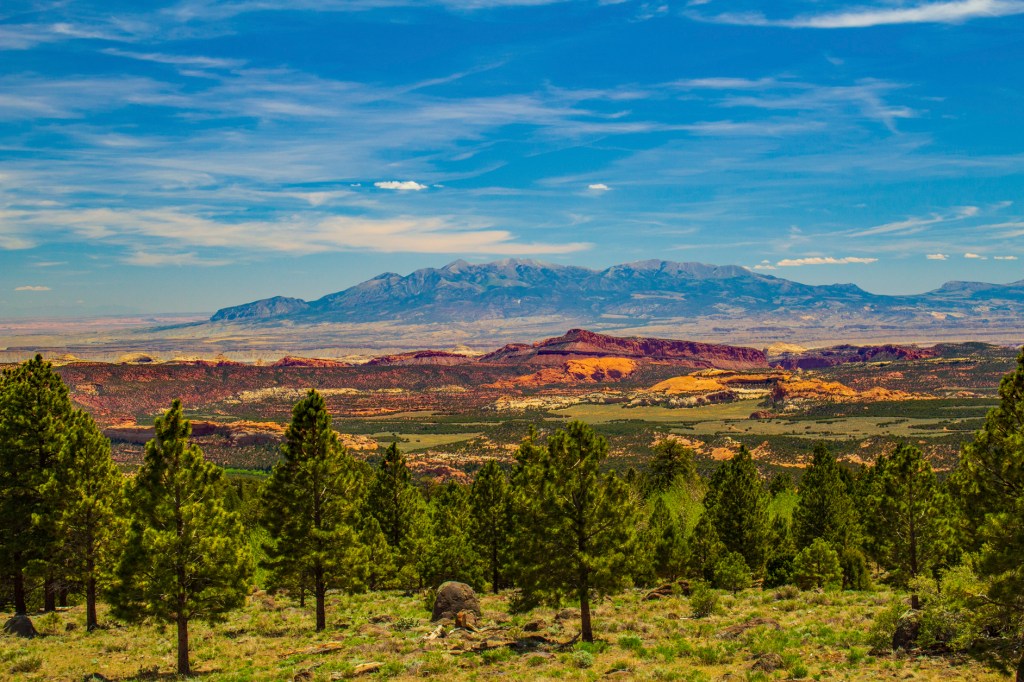
The Waterpocket Fold.Looking southeast across the NP with the Henry Mountains in the distance.
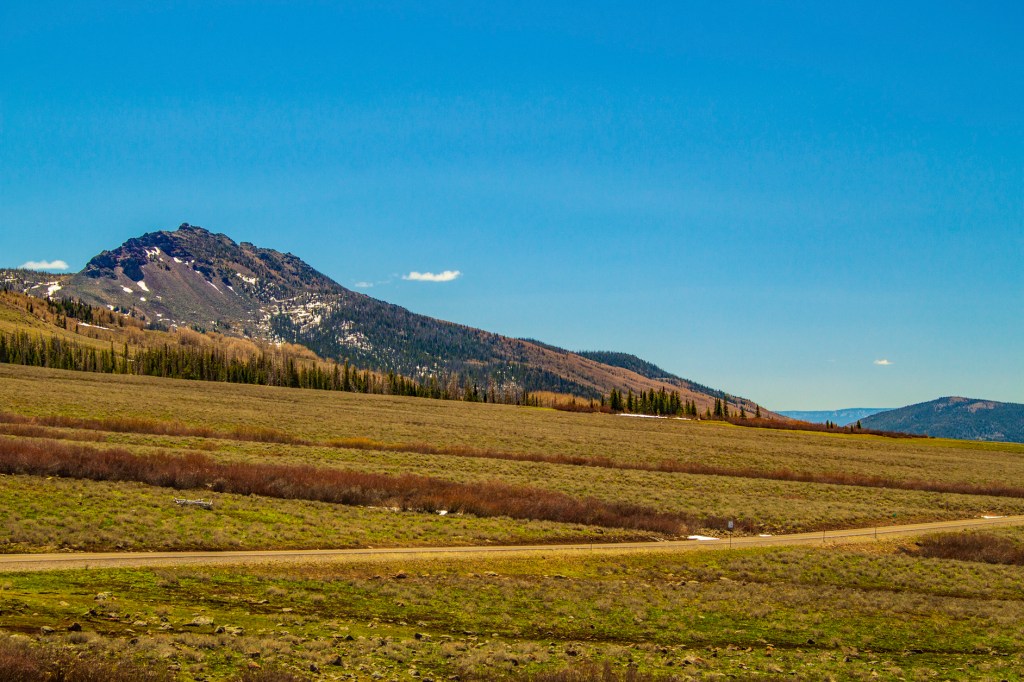
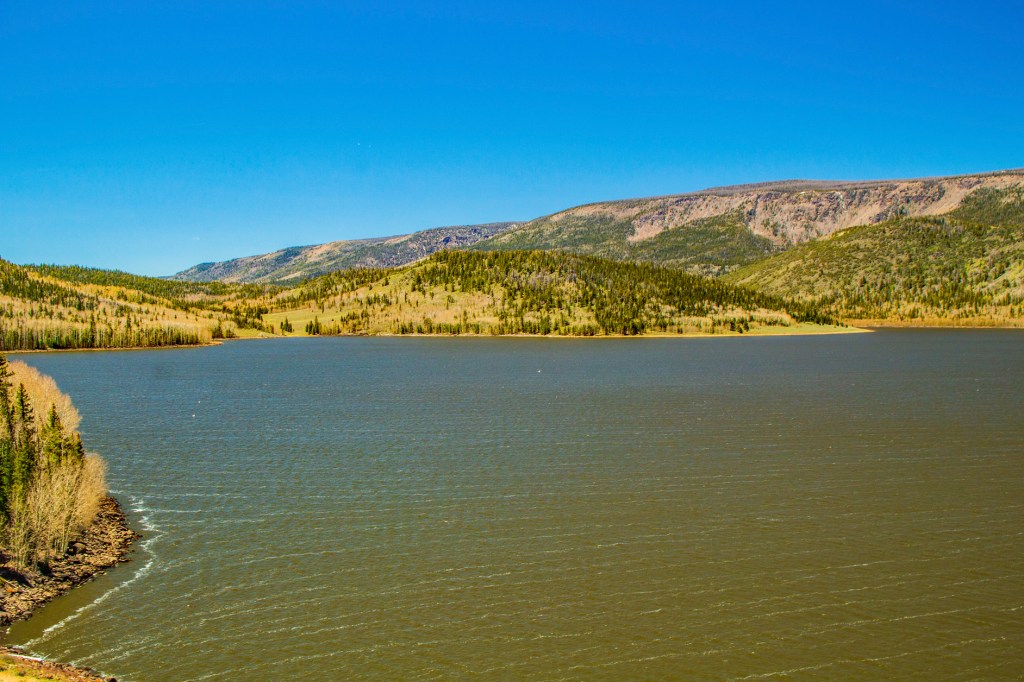
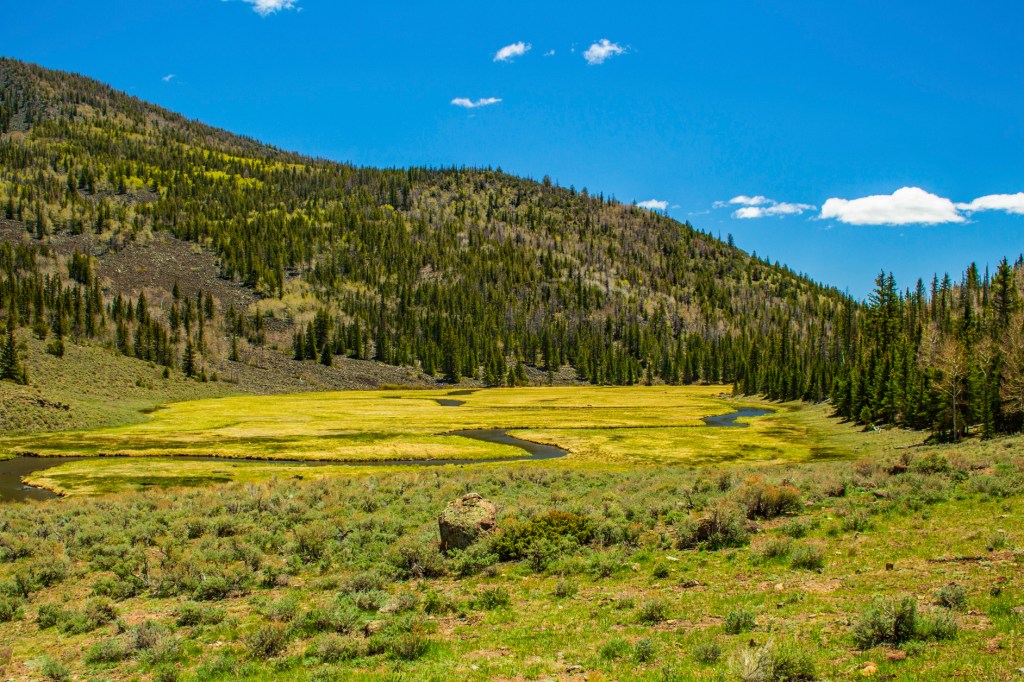
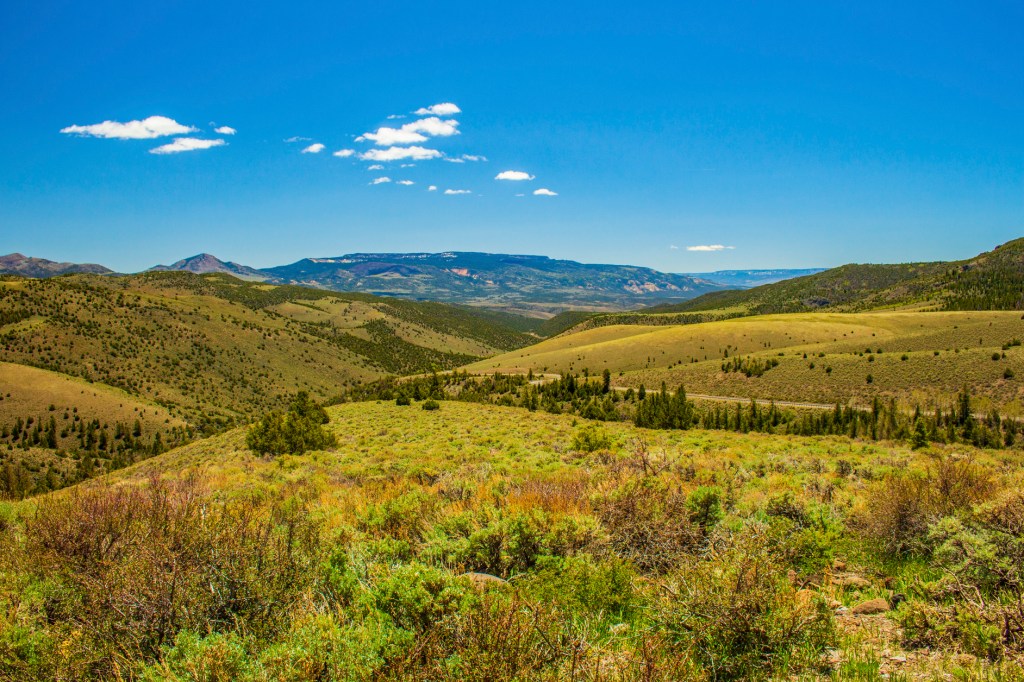
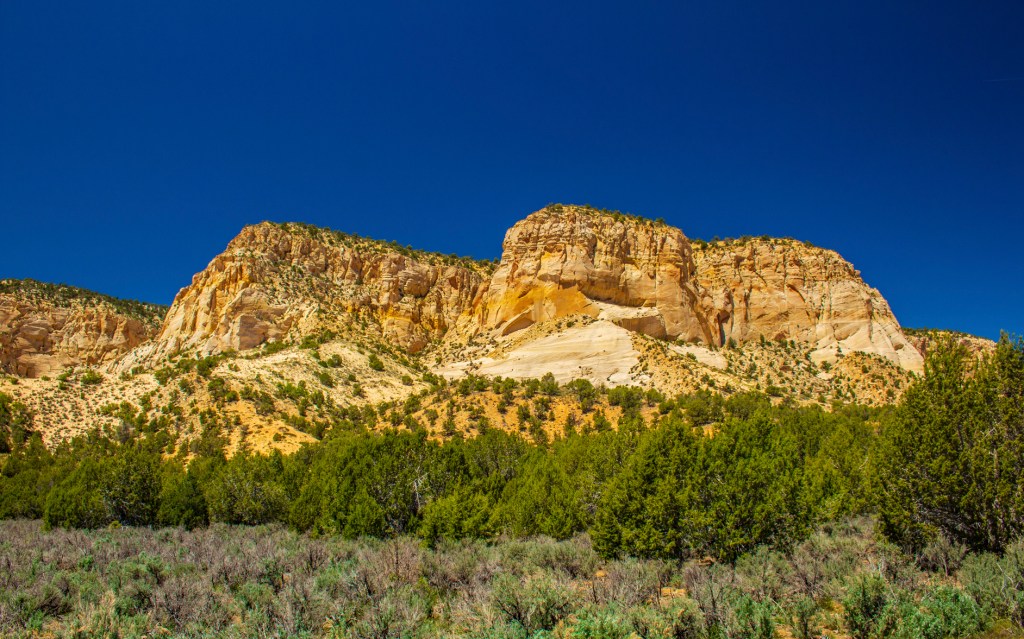
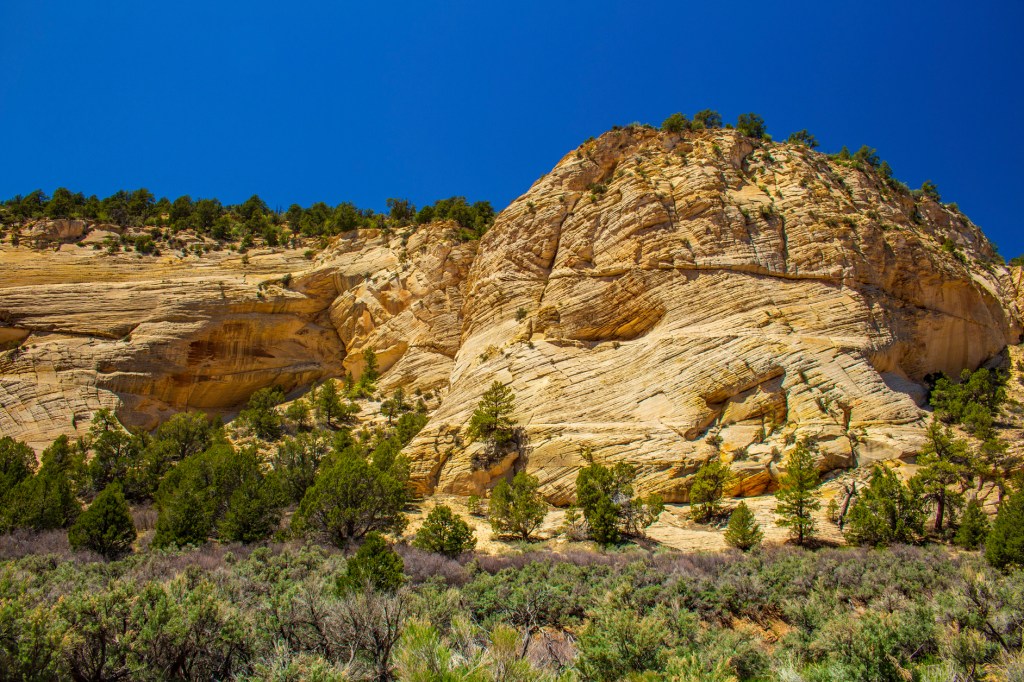
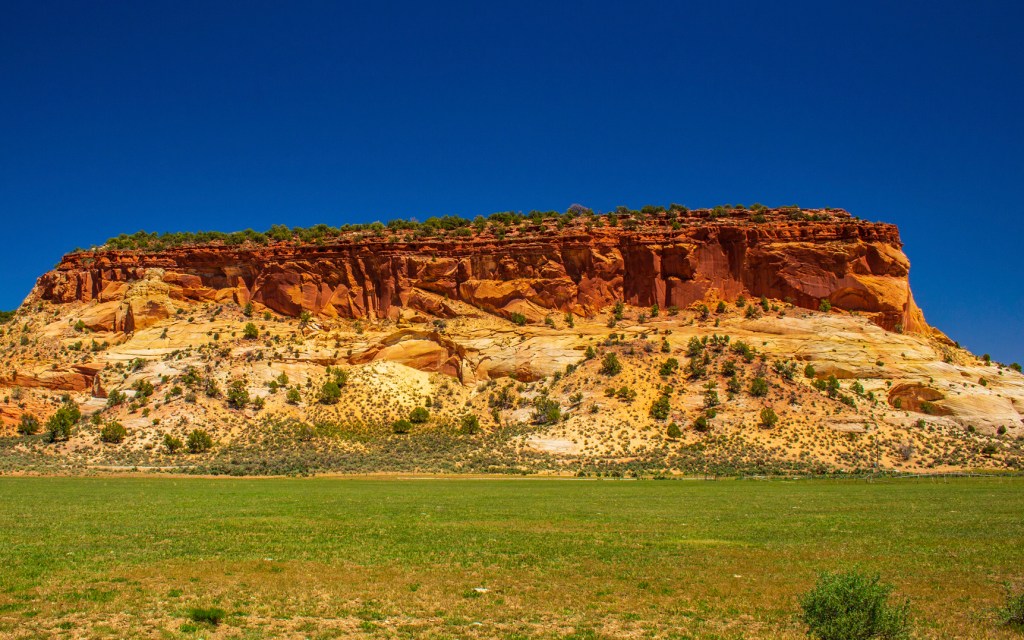
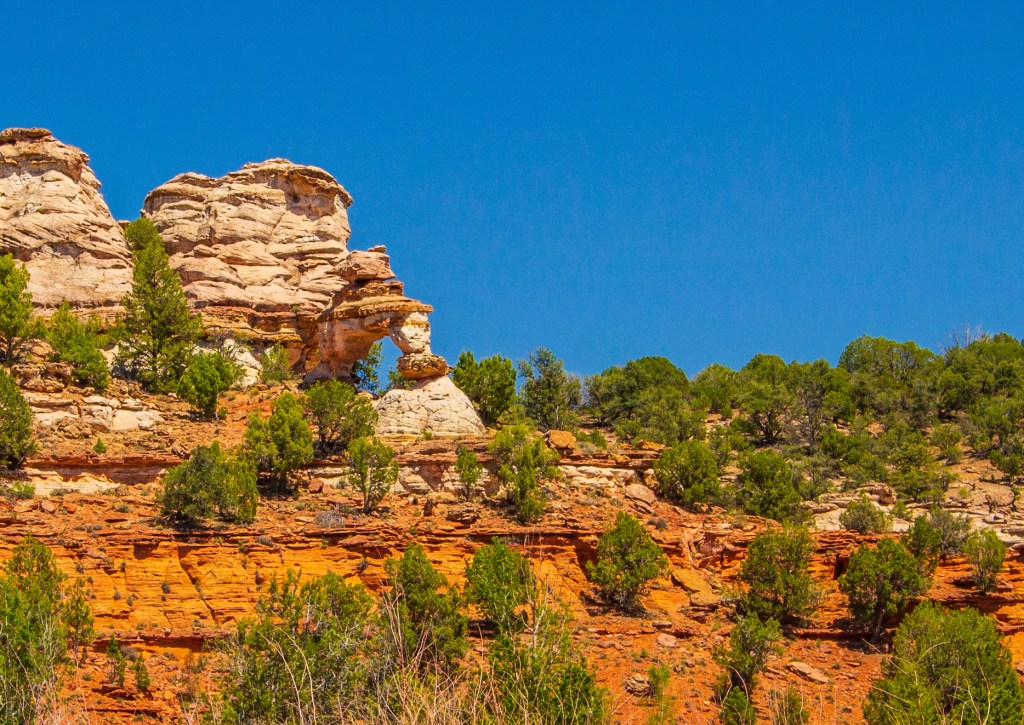
Yesterday Barbara and I traveled west to the town of Loa, Utah. Along the way I took a few photos of the wonderful geology on display along the freeway. Today we took a short drive to check out the Loa countryside. Loa is a small farming town that I could walk from end to end in about 15 minutes. Not a sprawling metropolis by any means. This is a beautiful area covered by mostly volcanic rock that reminds a lot of the Yellowstone Park area.
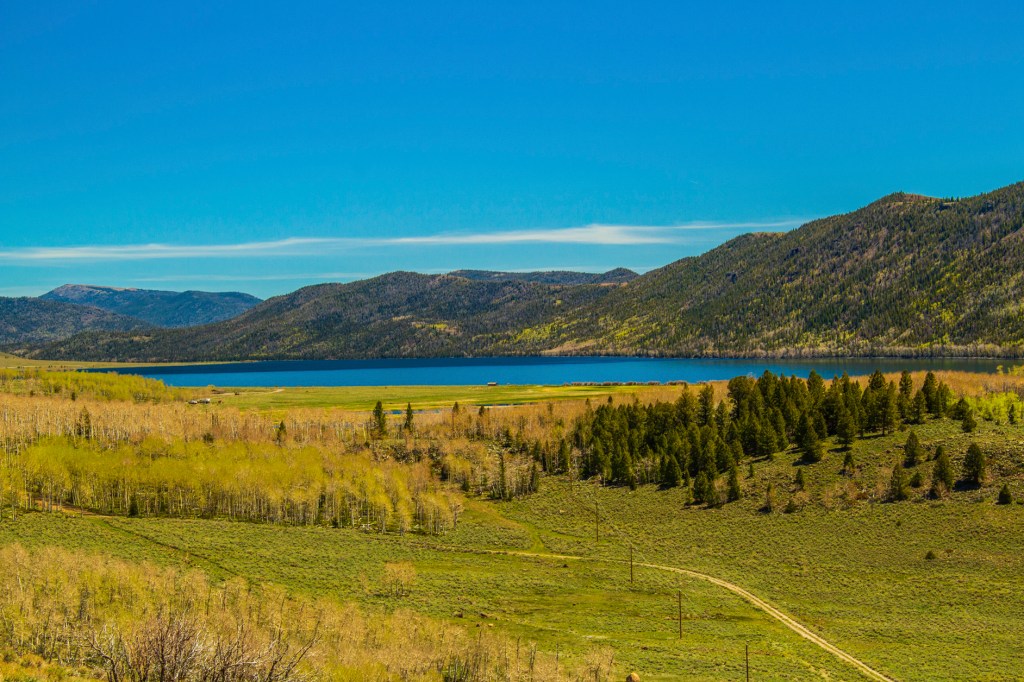
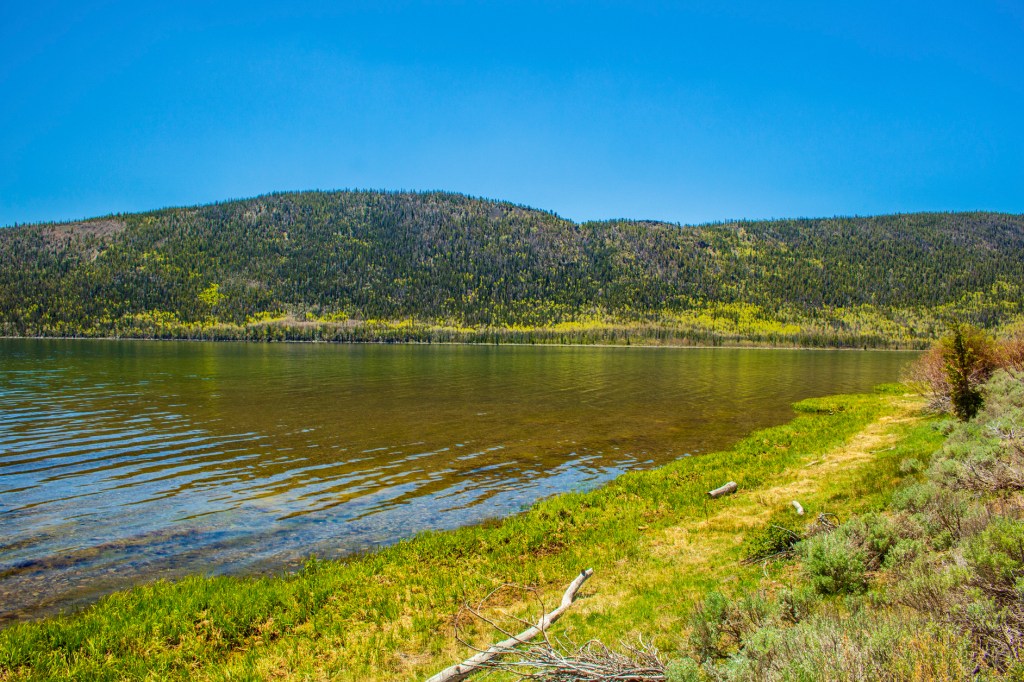
I-70 in the upper right.Fish Lake in the distance.Lost Creek Reservoir. Where I’m standing is 10,007 feet msl.Johnson Valley Reservoir.The Fremont River.The Fremont River Valley.
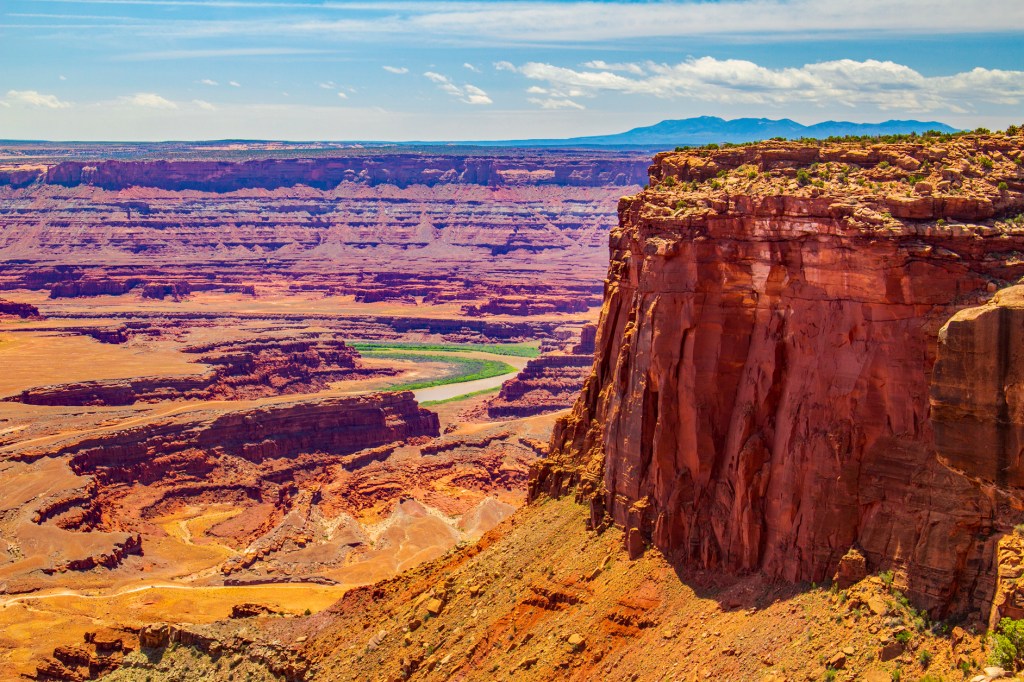
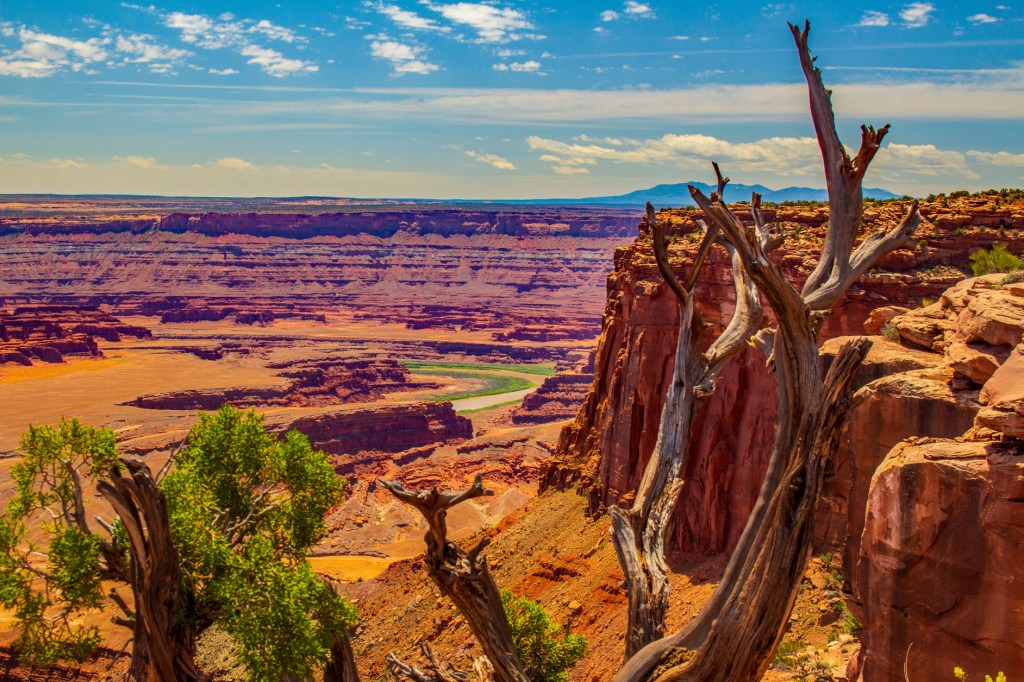
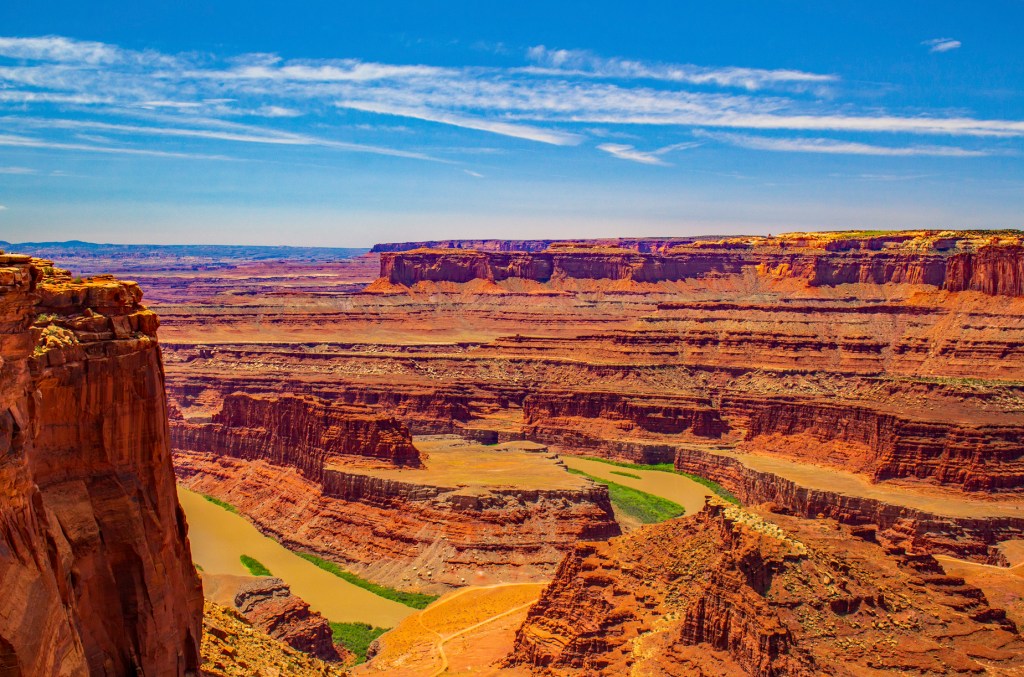
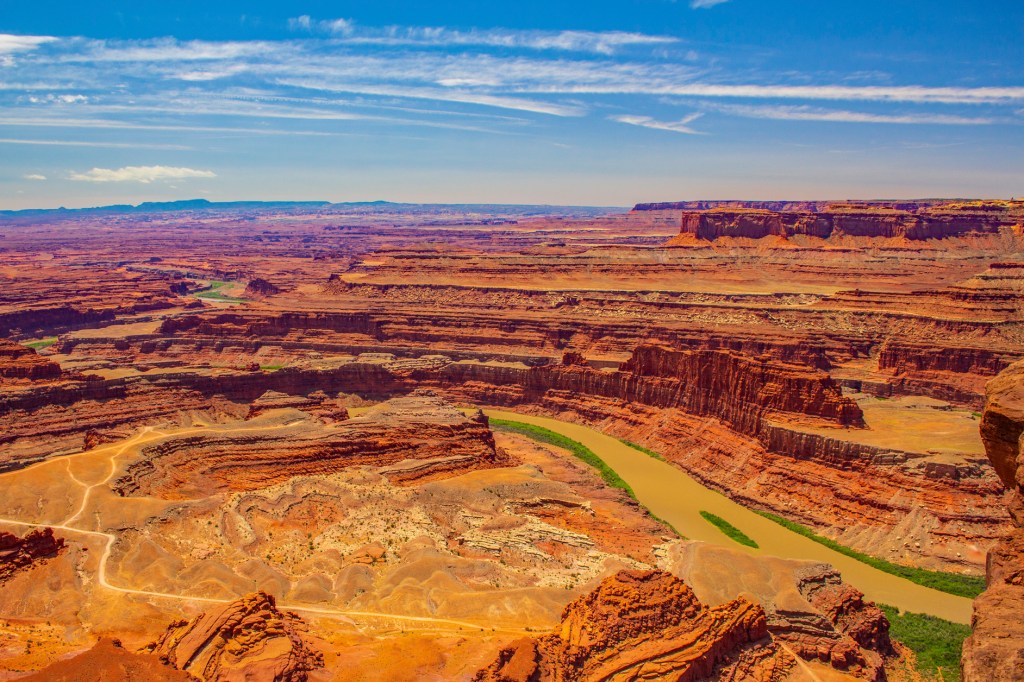
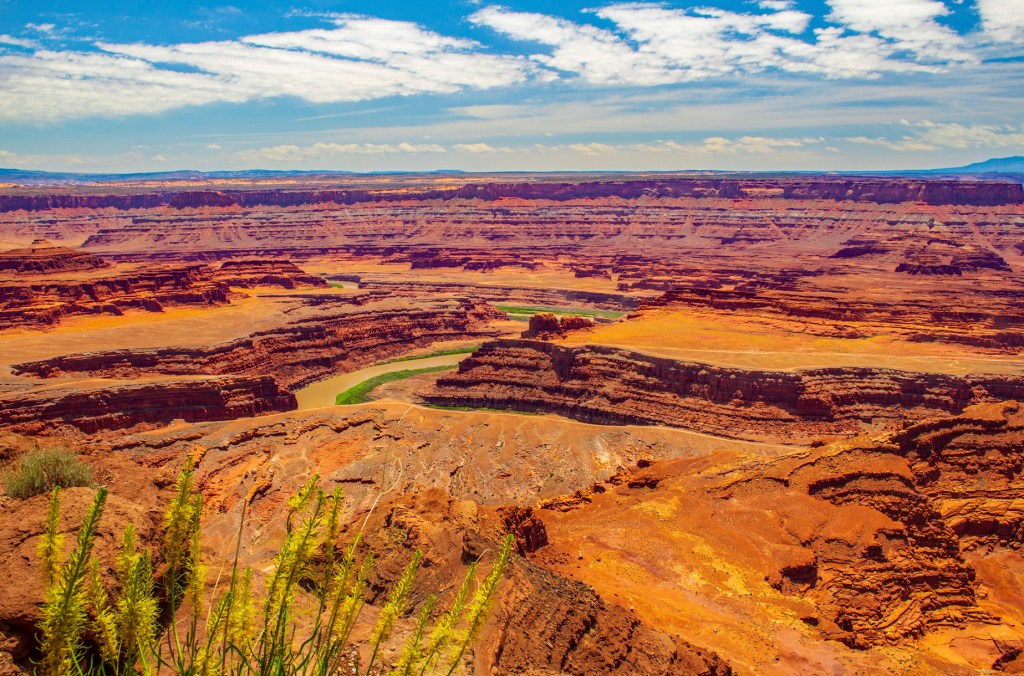
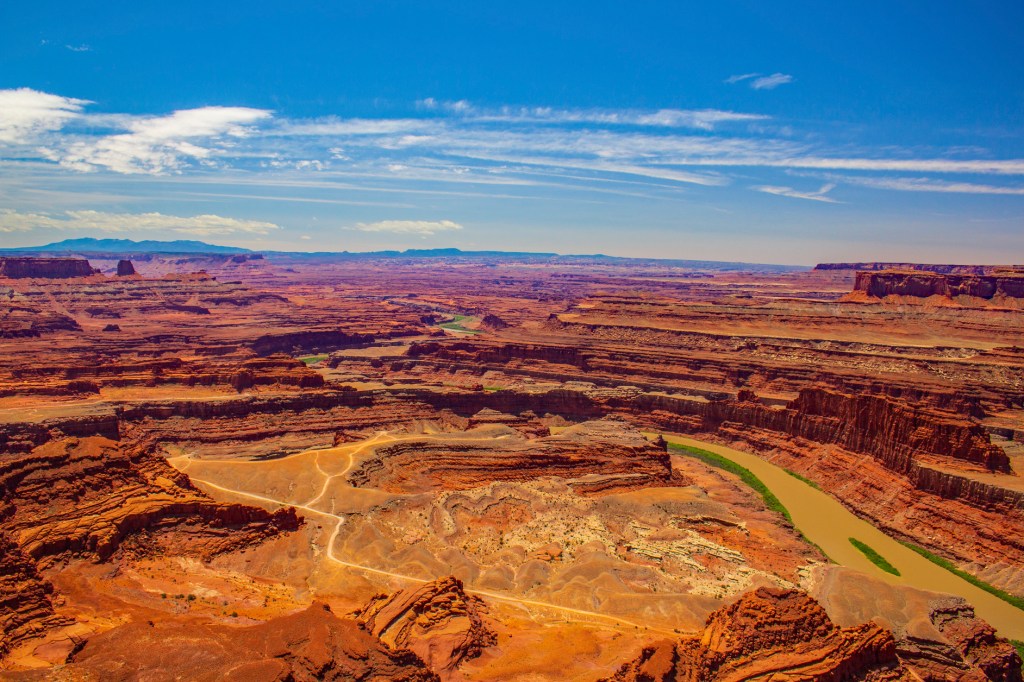
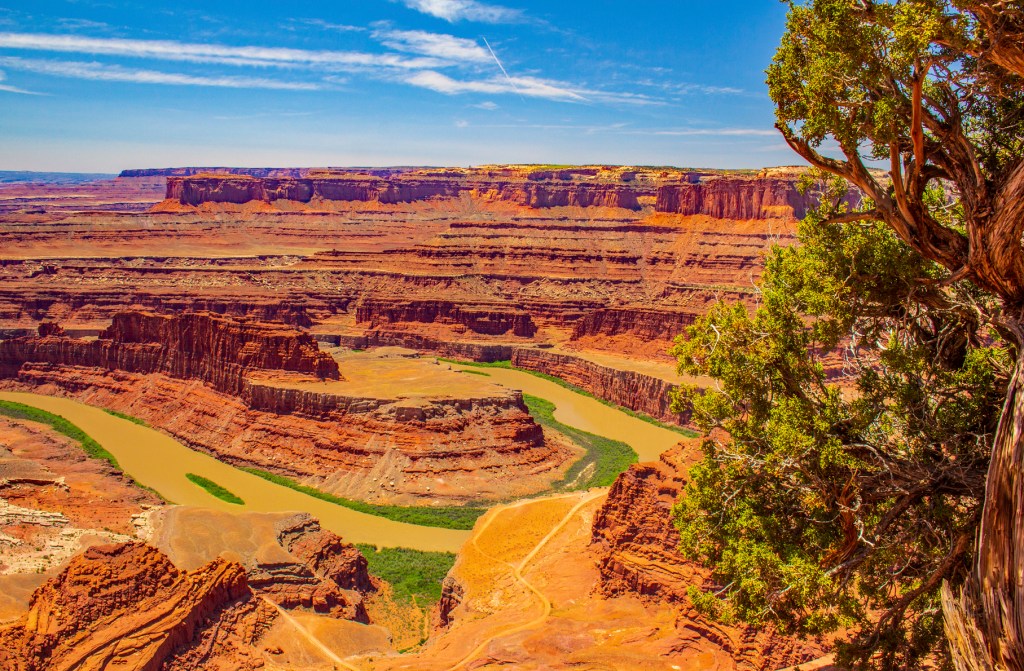
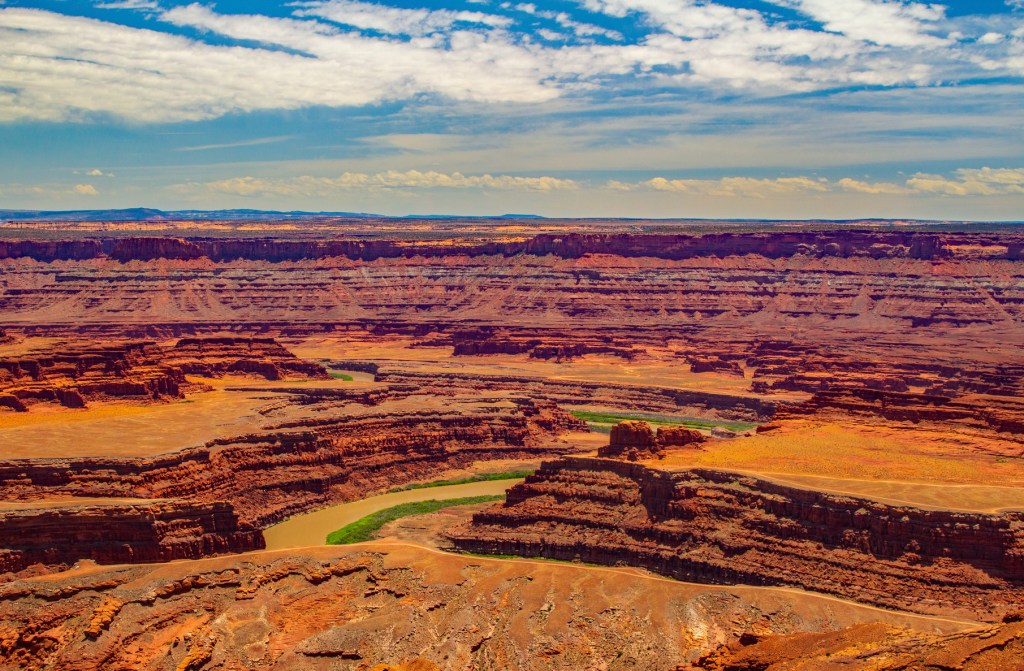
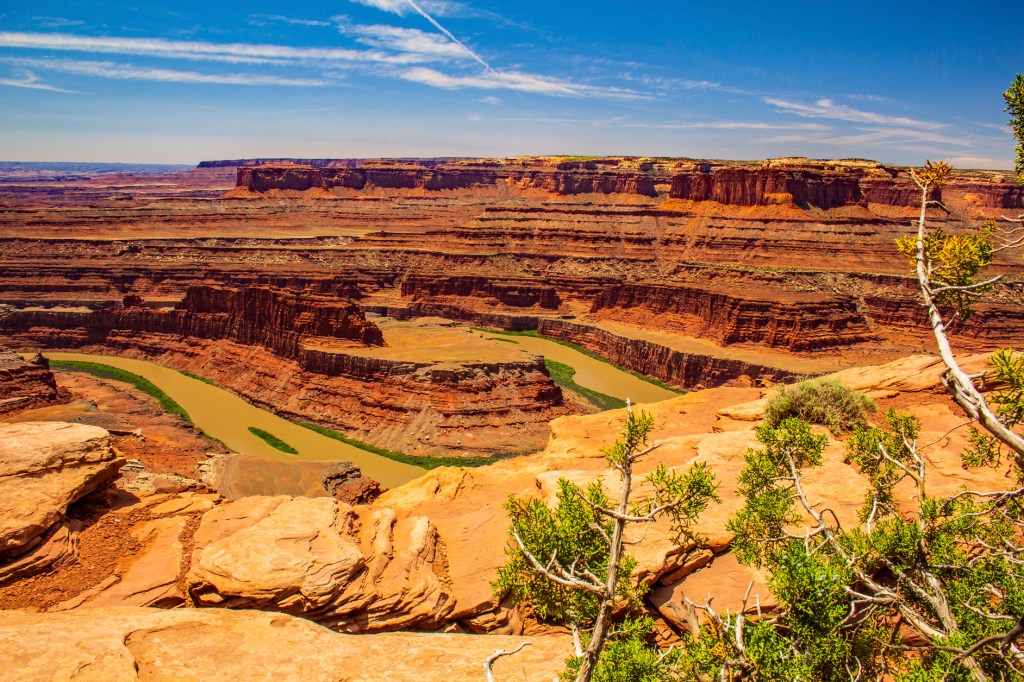
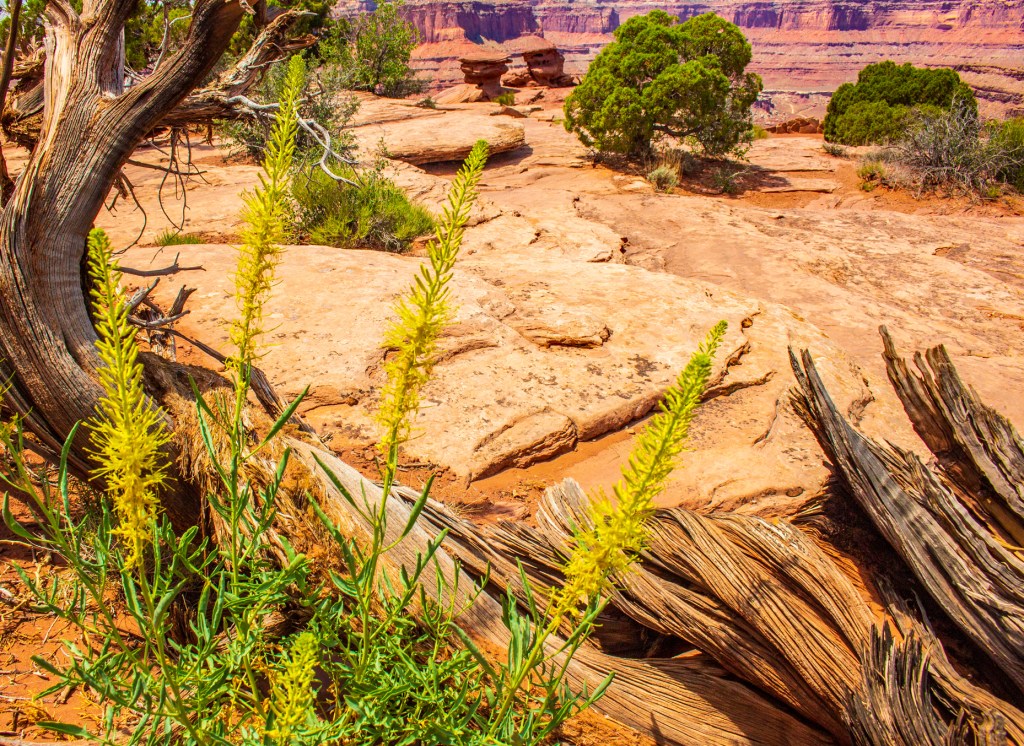
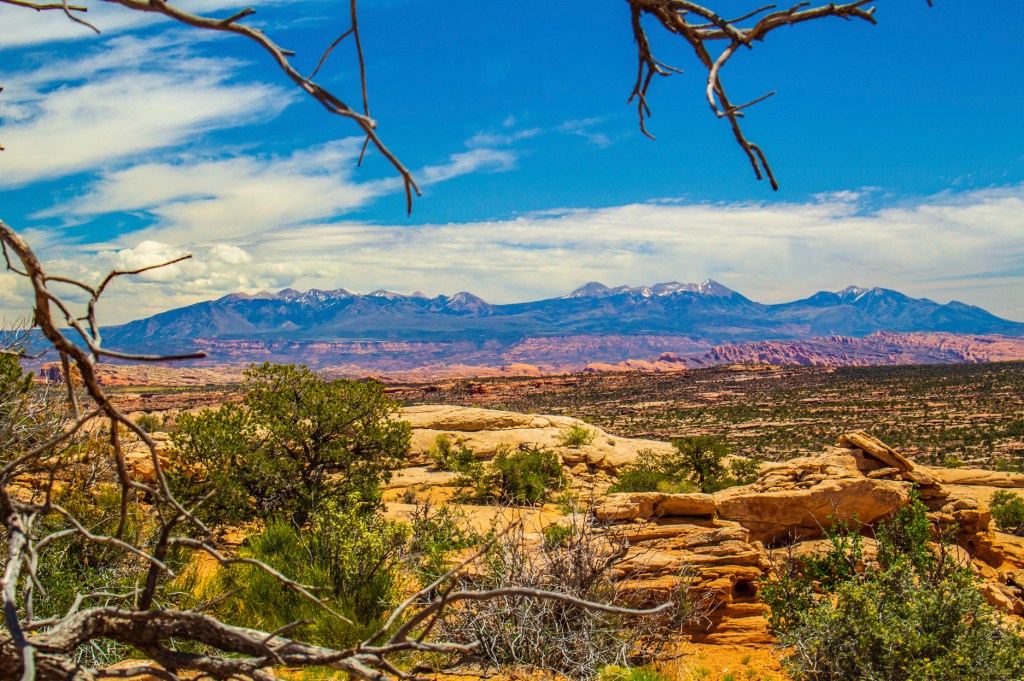
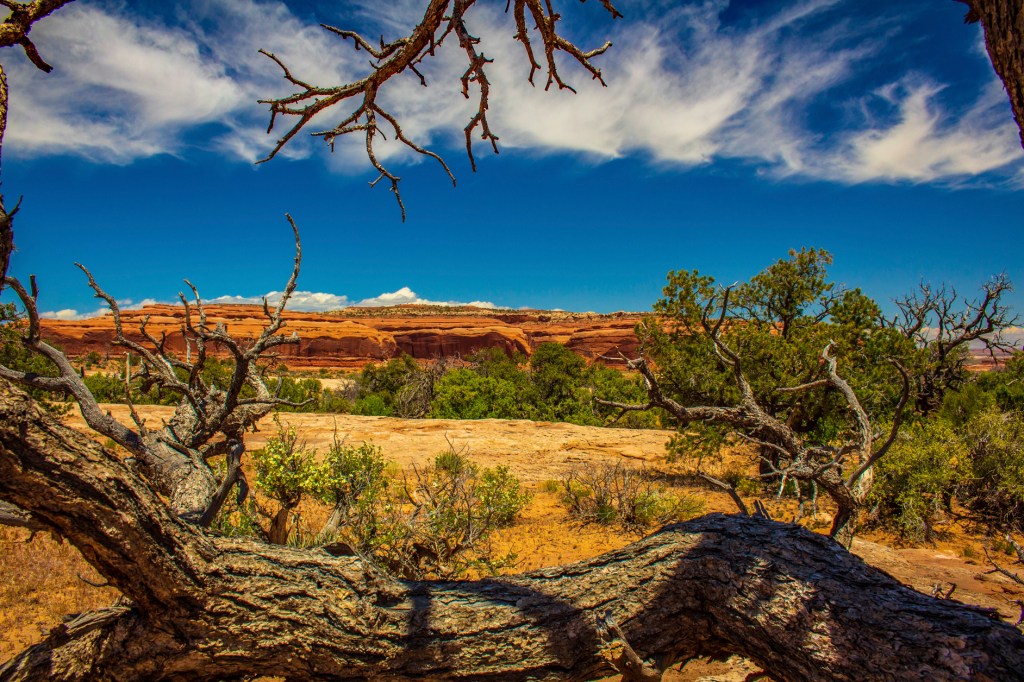
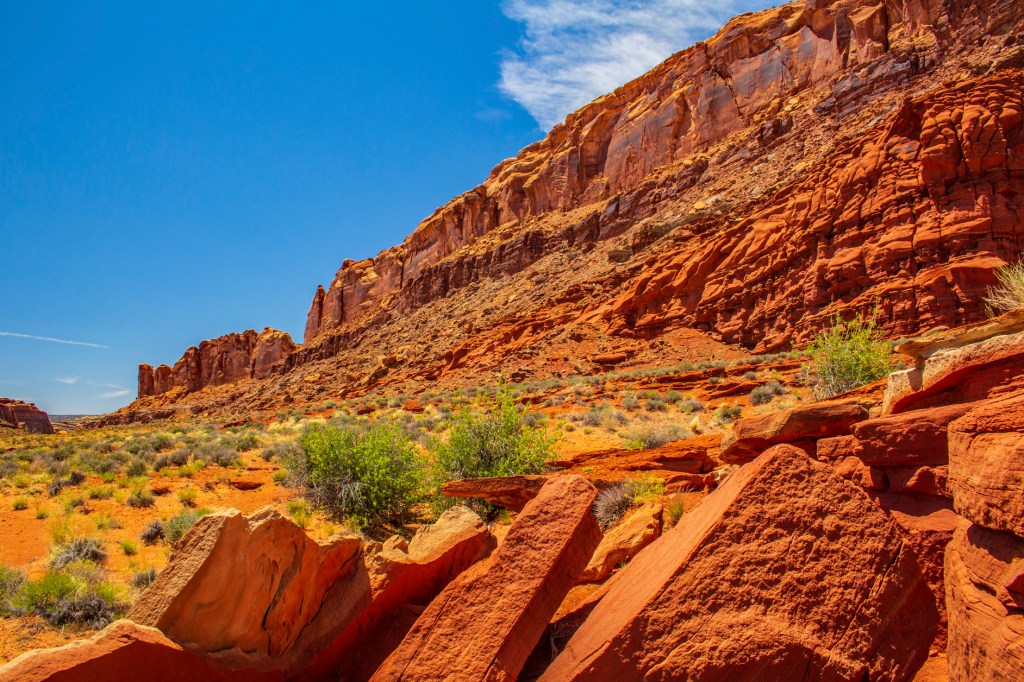
Today Barbara and I headed southeast to the Dead Horse Point State Park on the Colorado River. As the legend goes cowboys use to catch wild mustangs that roamed this area and corral them here on the shore of the river. They would take the horses they wanted and let the rest die of dehydration just feet from the river. This is a beautiful area between Canyon Lands and Arches National Parks. Honestly, I believe it is difficult to take a bad photo here with all of the contrast and color.
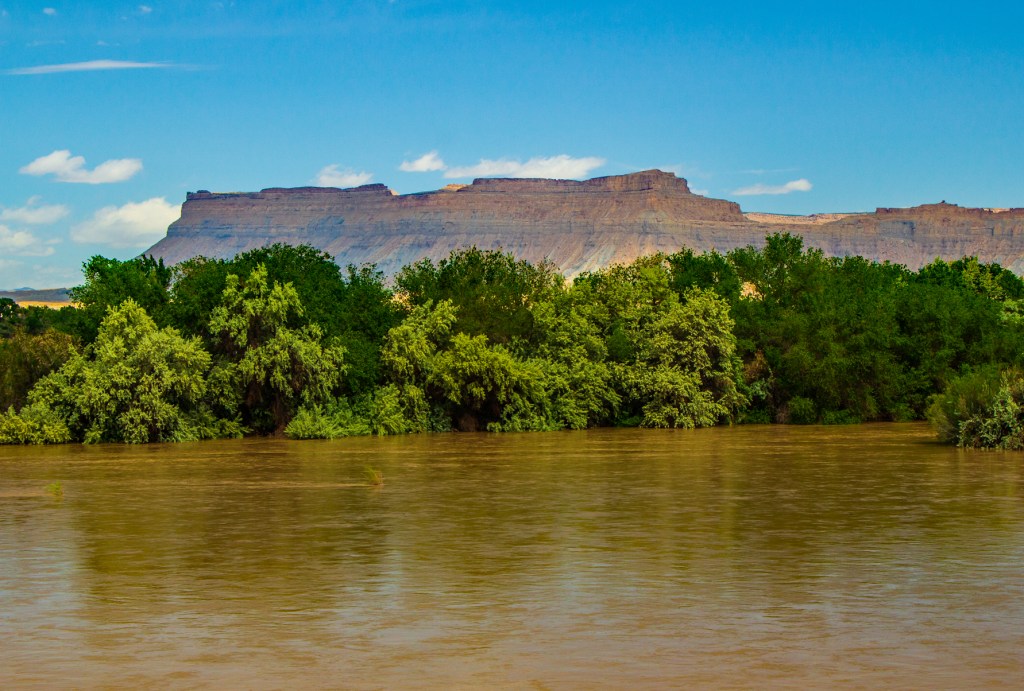
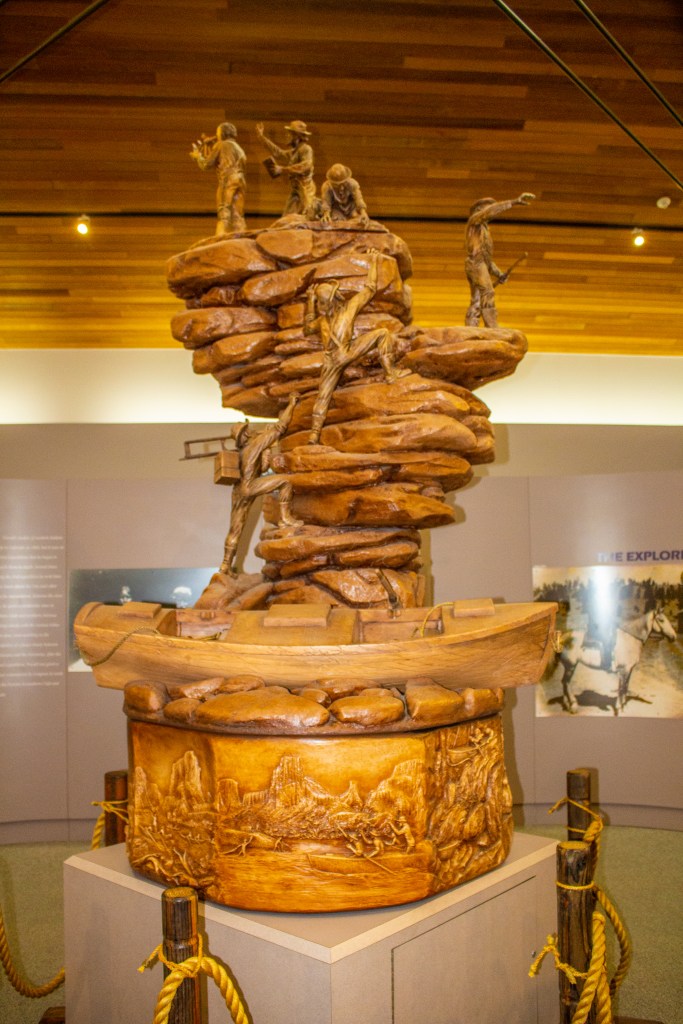
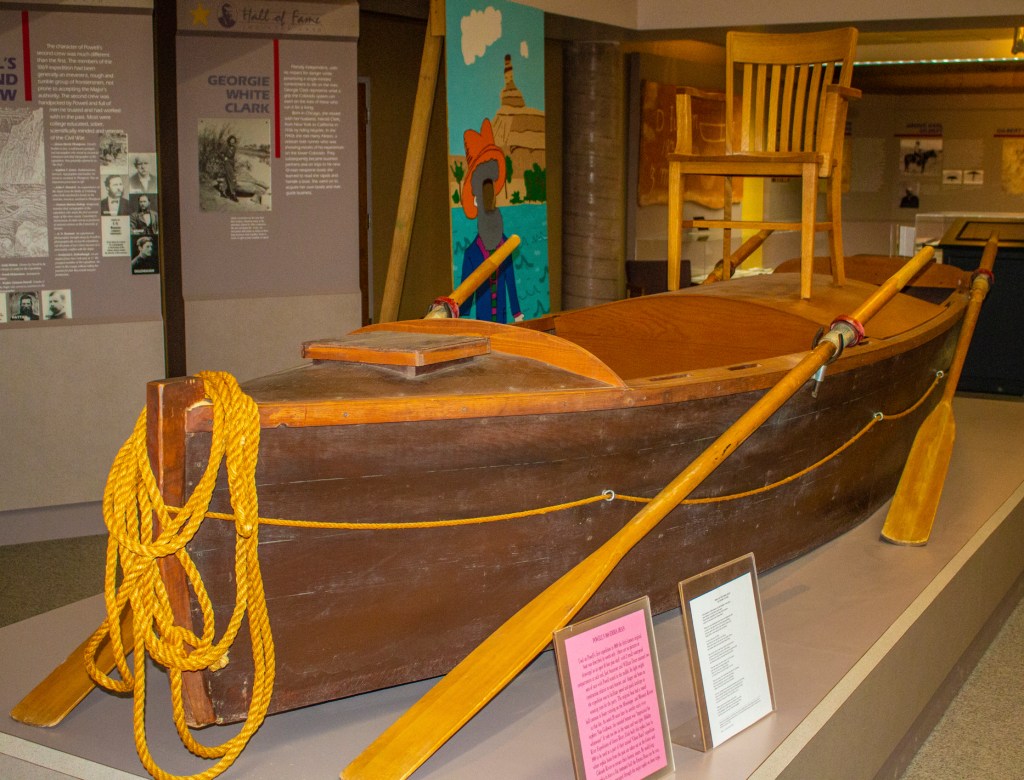
This morning Barbara and I visited the nearby John Wesley Powell Museum in Green River, Utah. For those of you who don’t know who Mr. Powell was, he was the first white explorer to explore the Grand Canyon. During his exploration of the area he named most of the canyons and some of the rapids him and his men encountered. He was also a civil war hero, where he lost his right arm during the battle of Shiloh, the second director of the United States Geological Survey and a professor of geology at Illinois Wesleyan University.
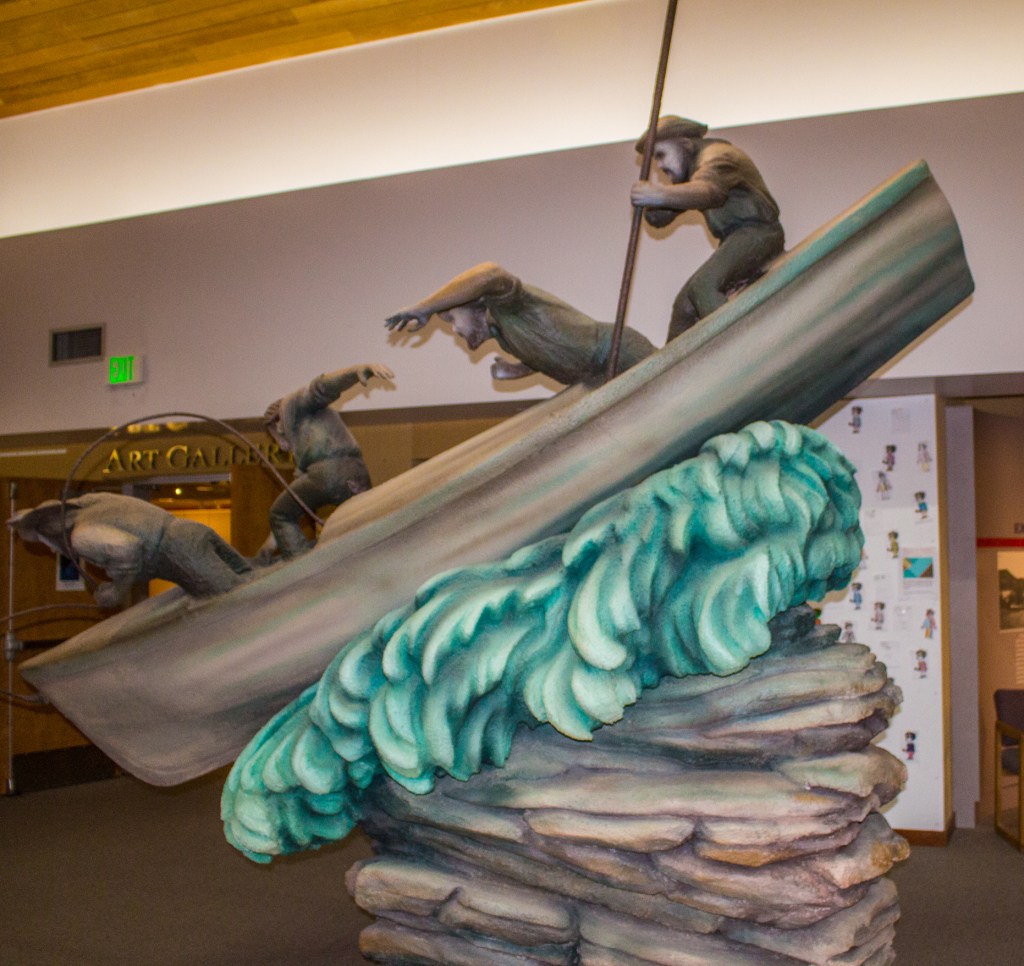
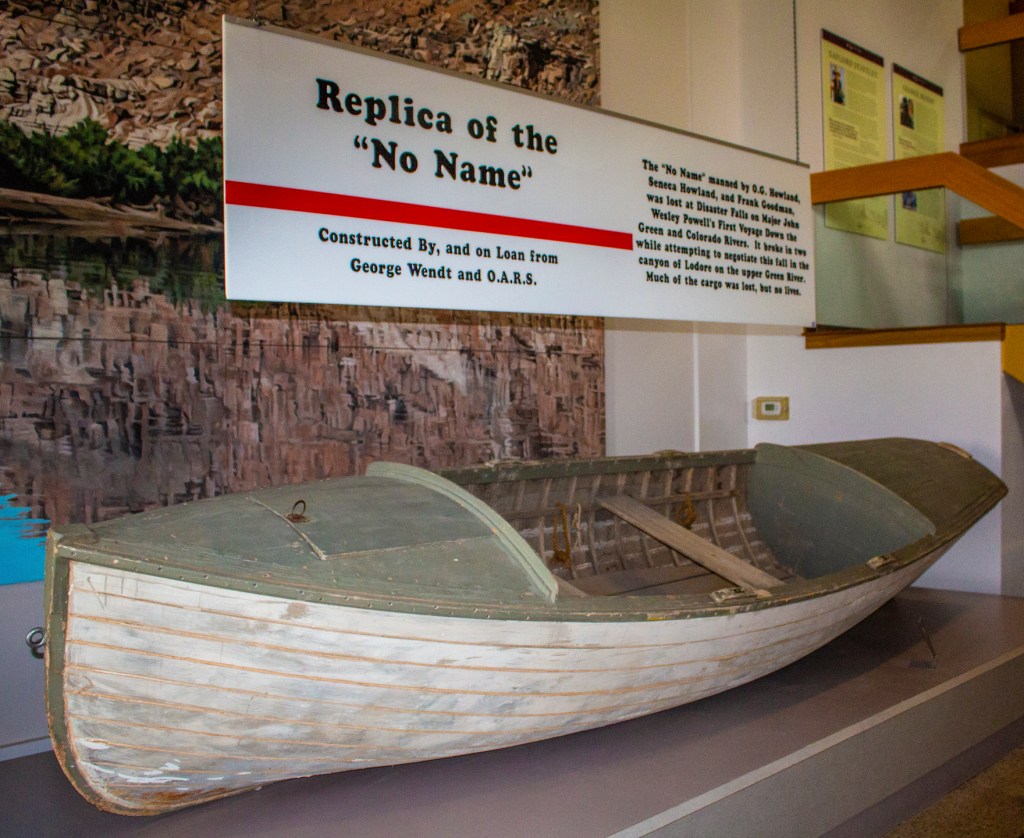
In March 1869, Mr. Powell and nine other men set sail on the Green River at what is known today as Flaming Gorge, Wyoming. He had ordered four wooden boats from a mail order catalogue in Chicago. These boats were delivered to Wyoming by the almost completed transcontinental railroad. Powell and his men travelled south on the Green River to the confluence of the Colorado River and then west, through Marble Canyon and the Grand Canyon to the confluence of the Virgin River. By the time they made it to the Colorado River they had lost two of their boats. One was destroyed trying to traverse a rapid and the other was destroyed by fire. Along the way four of the men left the group as food was scarce and their destination still uncertain. By the time the remaining six men made it to the Grand Canyon the only food they had remaining was some flour, coffee and dried meat. These six men continued on until August 28th when three of the men decided they were going no further. They left the group and the river at what is known today as Separation Canyon. These three men were never seen or heard from again. Three days later, on my birthday, only 89 years earlier, August 31st, 1869, the remining three men arrived at the confluence of the Virgin River. Mr. Powell would return to the river two years later in 1871, but had to leave the group when he received word that his wife was taken ill.
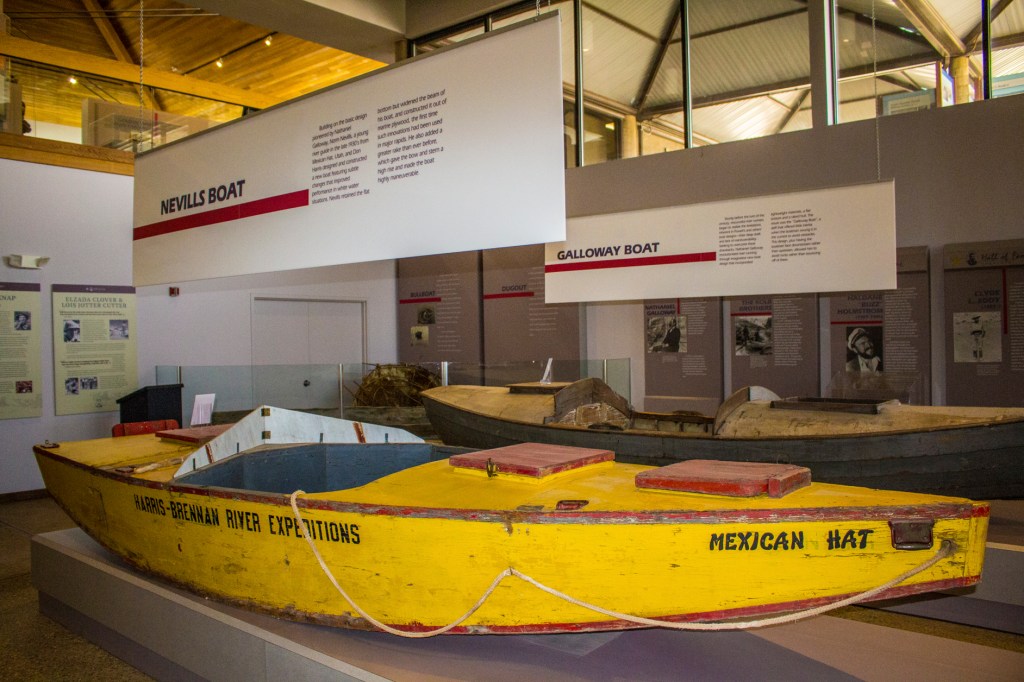
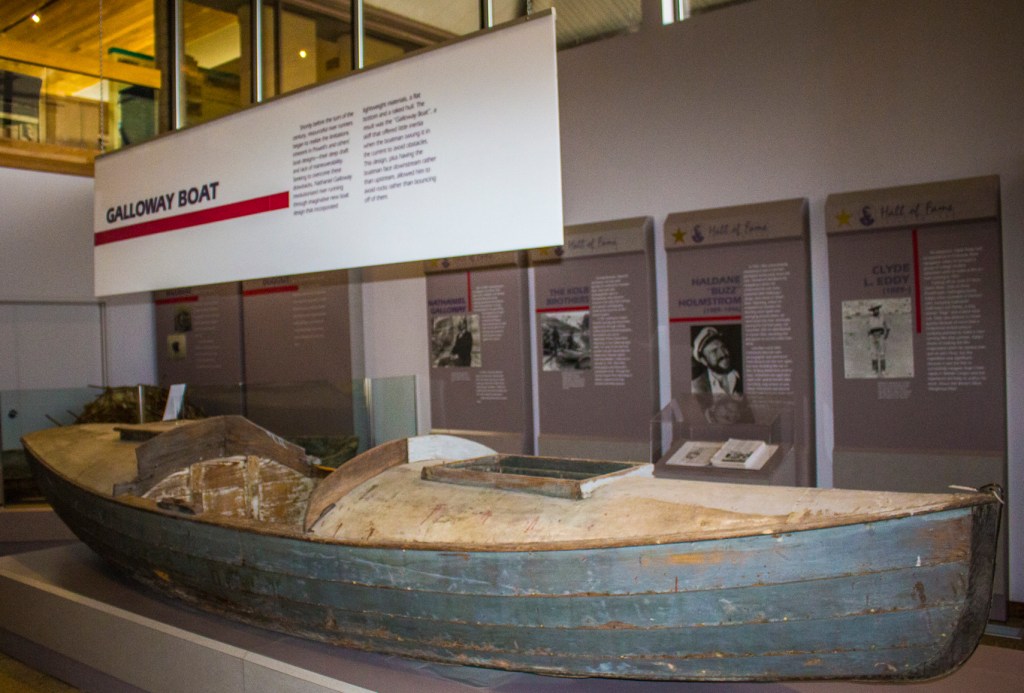
I really enjoyed the museum and it was interesting to me to see the replicas of the boats that Mr. Powell and his men used. At the museum they had a 30 minute movie. After the movie showing the 1869 Powell expedition Barbara indicated that she was impressed that I had done the trip through the canyon. It was a wonderful adventure and the best vacation of my life.
The Green River in Green River, Utah.A replica of the boat that Mr. Powell road in and named after his wife.A replica of the no name boat from Mr. Powell’s 1869 expedition.A boat that later explores of the canyon used. As expected, the boats got better over time.
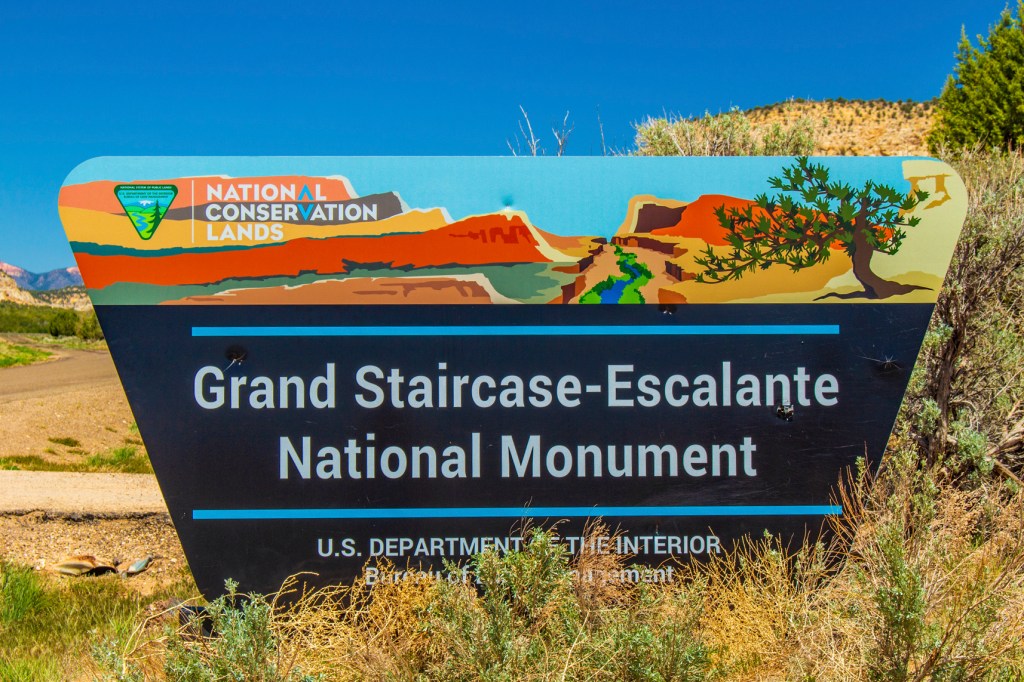
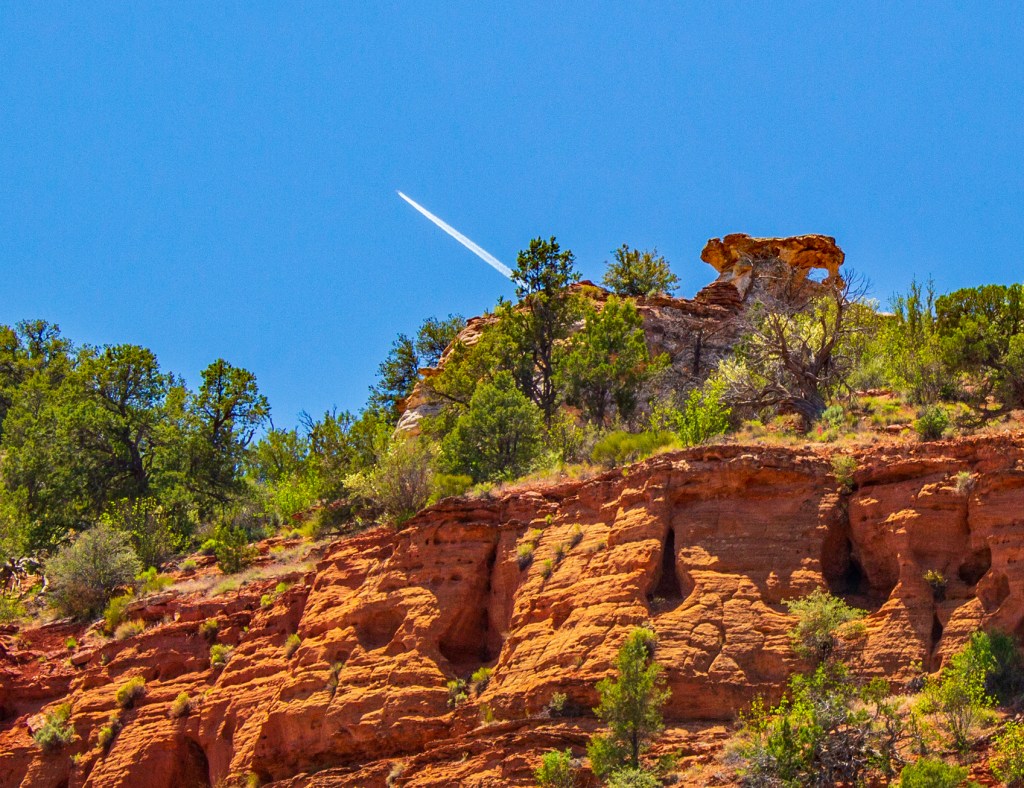
Last week, while staying in Kanab Utah, Barbara and I visited the Grand Staircase – Escalante, National Monument. This park, as far as we could see, is more impressive from a distance. While driving north on highway 89A from the north rim of the Grand Canyon you can see the entire staircase laid out in all its glory in front of you as you drive. There is even a scenic view point where you can stop to enjoy the view.
The Grand Staircase is a series of sedimentary rock layers, one on top of the other that step back like stair steps, and as you can imagine the rocks get younger as they step up. The first step are the Chocolate Cliffs. The next step up are the Vermillion Cliffs. The town of Kanab sits at the base of the Vermillion Cliffs on top of the Chocolate Cliffs. If you have ever seen the Vermillion Cliffs there color is stunning. One look tells you where they got their name. These rocks extend to Marble Canyon to the south. Marble Canyon is the location of Lee’s Ferry where most river trips through the Grand Canyon originate. The next step up are the White Cliffs. The Navajo Sandstone, that is home of Zion National Park, sits on top of the White Cliffs. On top sits the Pink Cliffs the home of Cedar Breaks National Monument and Bryce Canyon National Park.
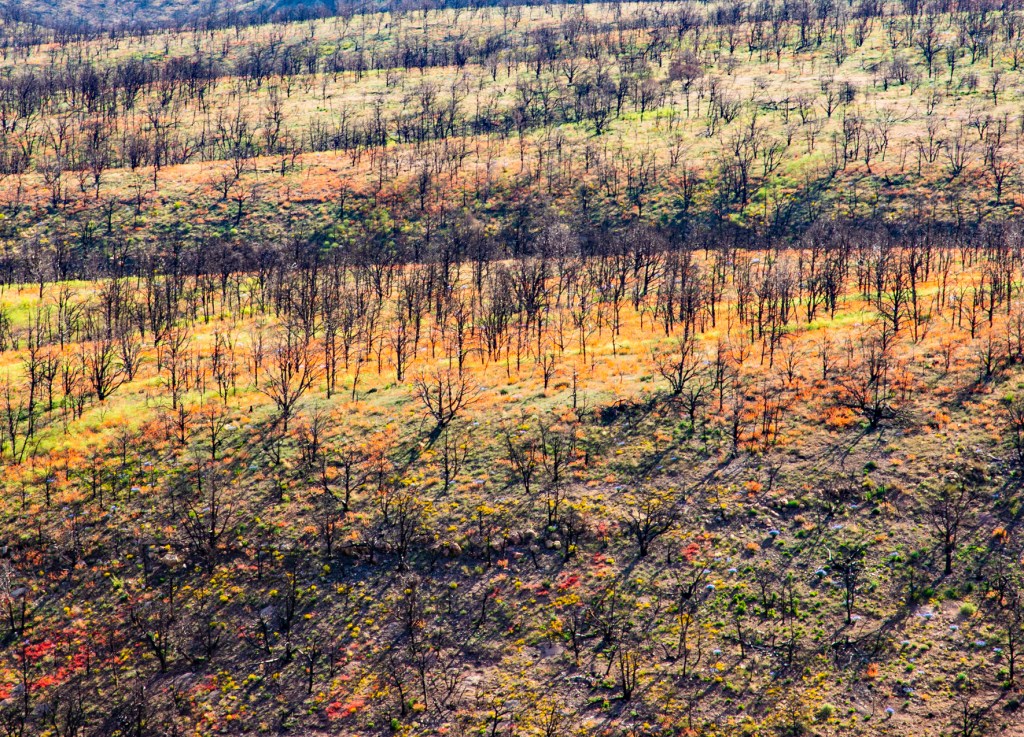
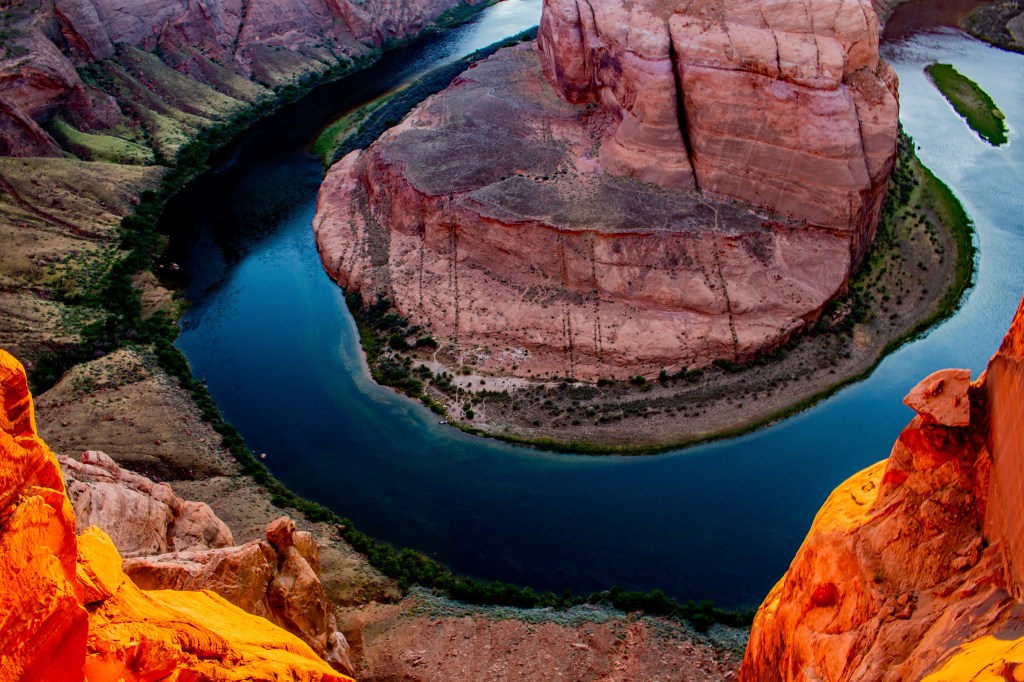
The Vermillion Cliffs in the distance with the White Cliffs on top. The Vermillion Cliffs in the distance. The crack in the ground, left center, is Marble Canyon.On top of the Chocolate Cliffs is this burn scar. Look at the color from the wildflowers between the ghost trees. The White Cliffs.The White Cliffs with Navajo Sandstone on top.See the lions head?Cedar Breaks National Monument.Navajo Sandstone at Horseshoe Bend, Page Arizona.
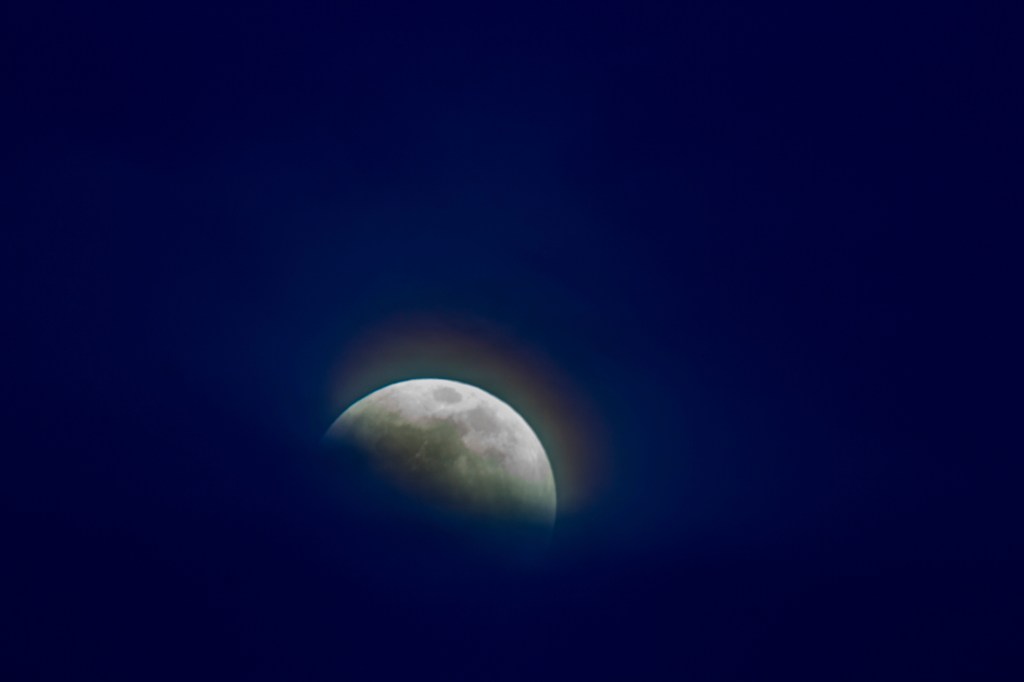
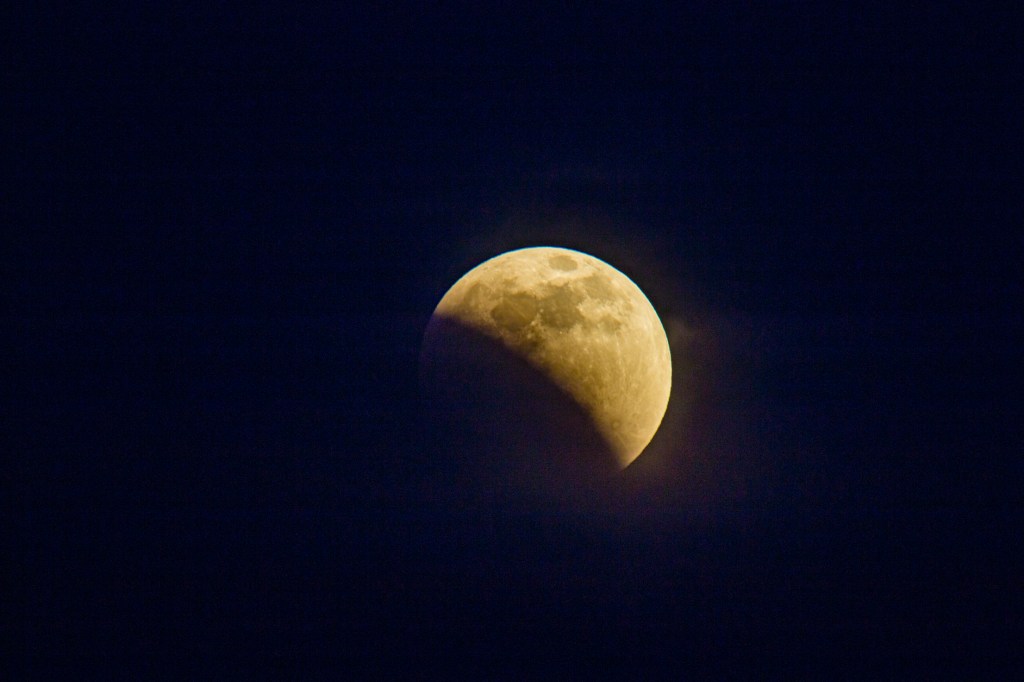
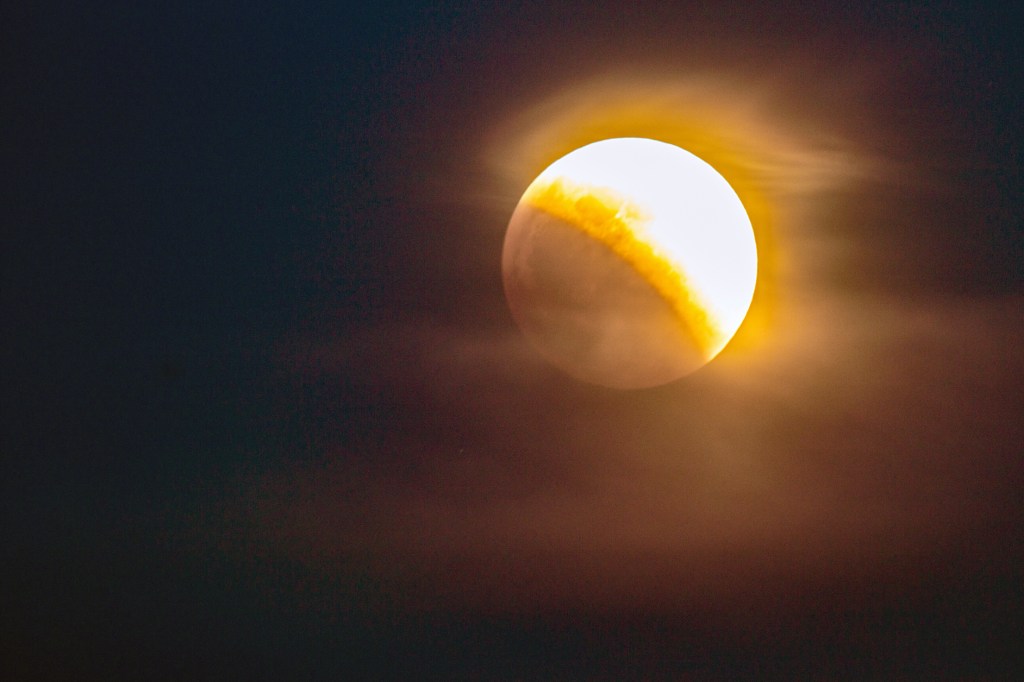
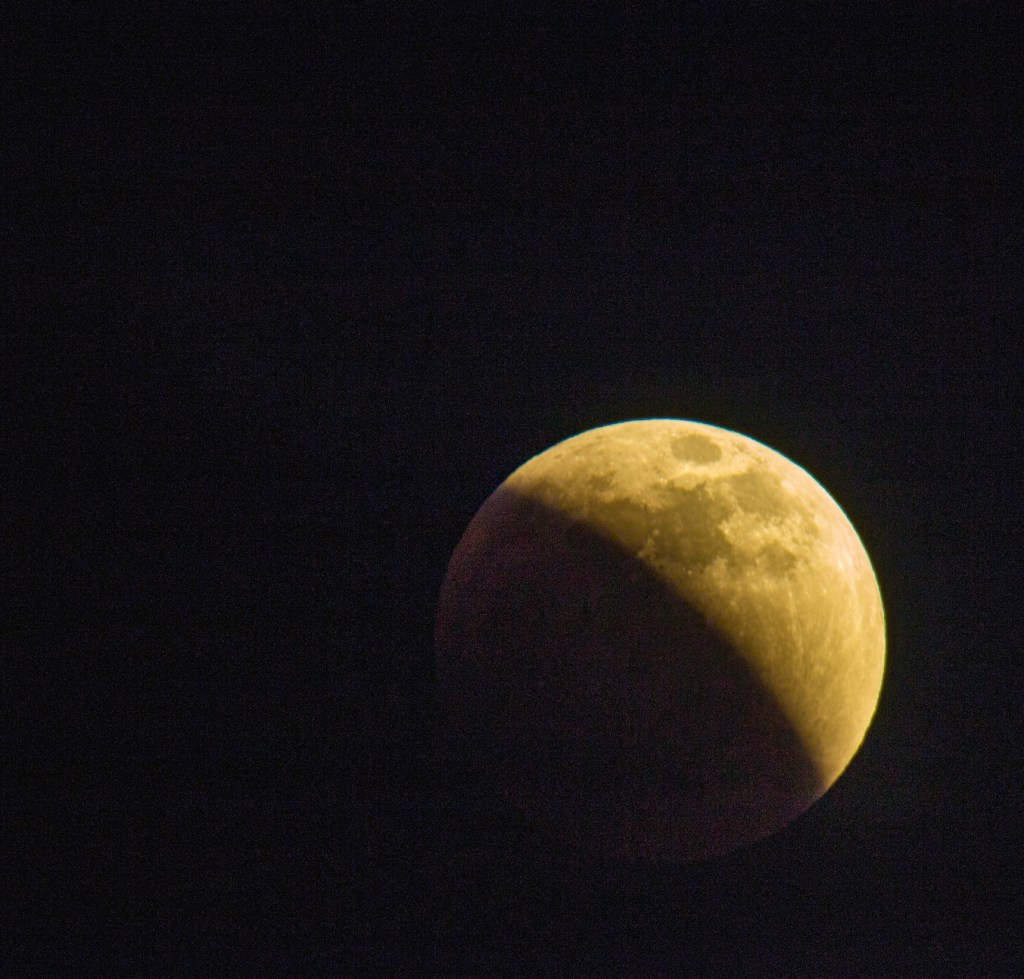
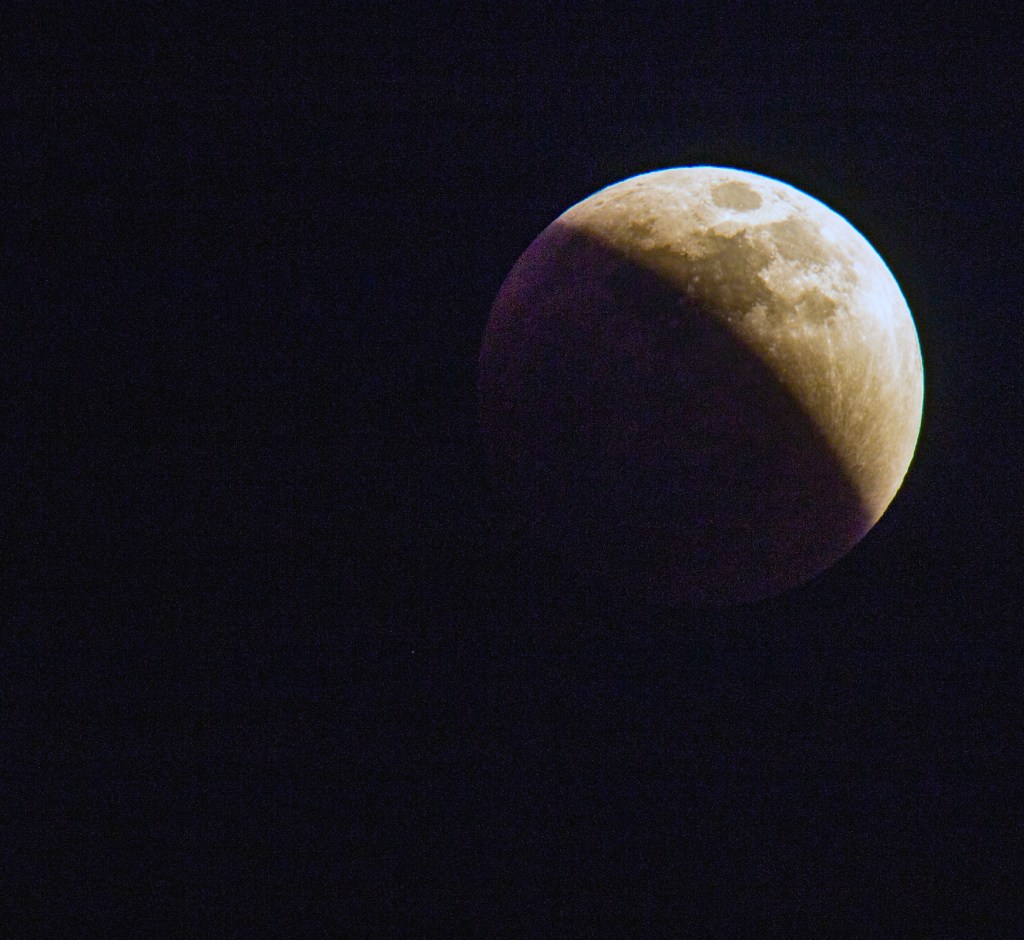
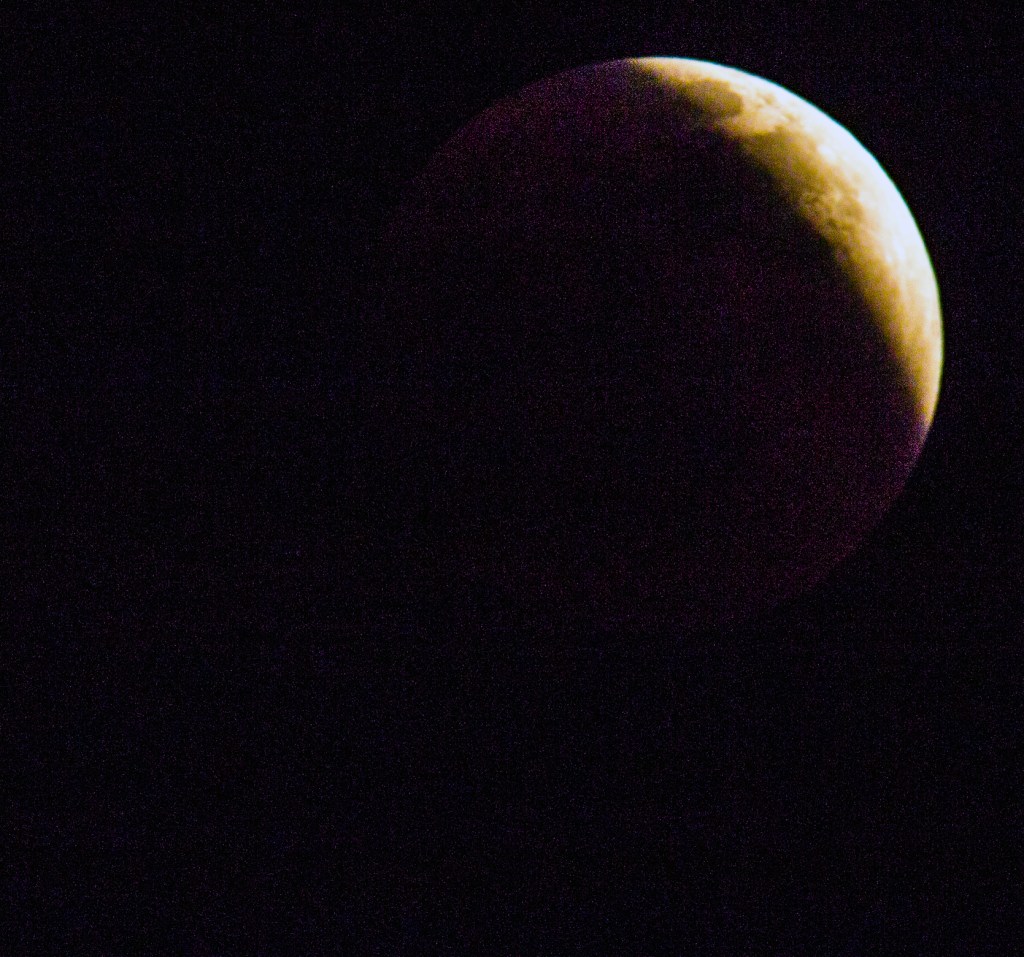
As most of you know, this past Sunday evening there was a lunar eclipse. I set up my camera to take photos, but mother nature had other ideas. I got photos of the eclipse, but just before it was to go full clouds moved in and blocked the moon from my view until I had given up and gone to bed, over an hour later. Here is what I did get.
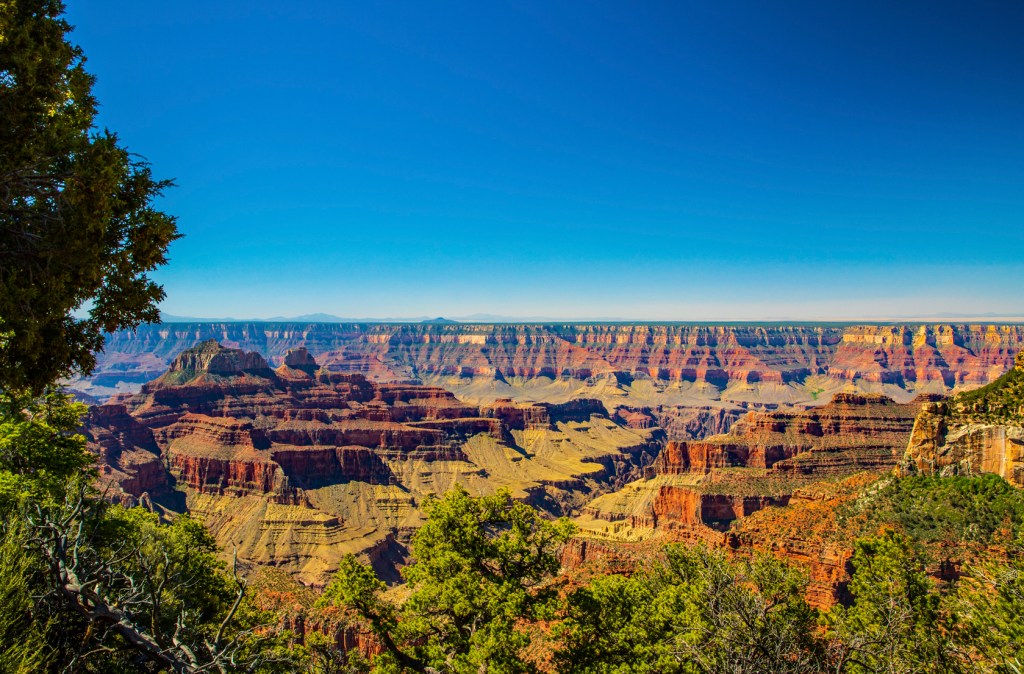
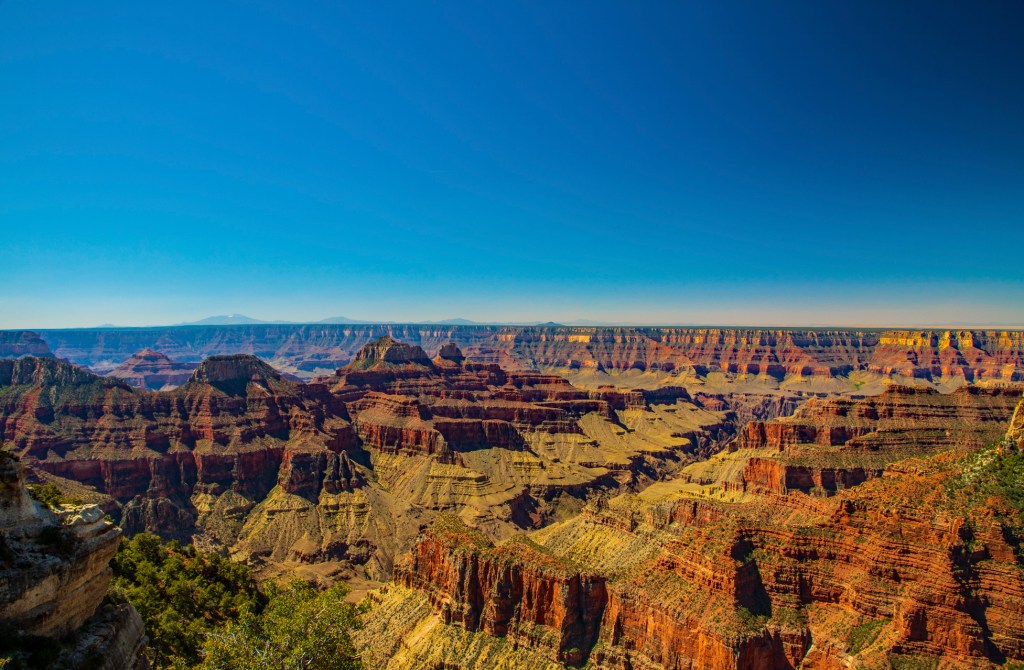
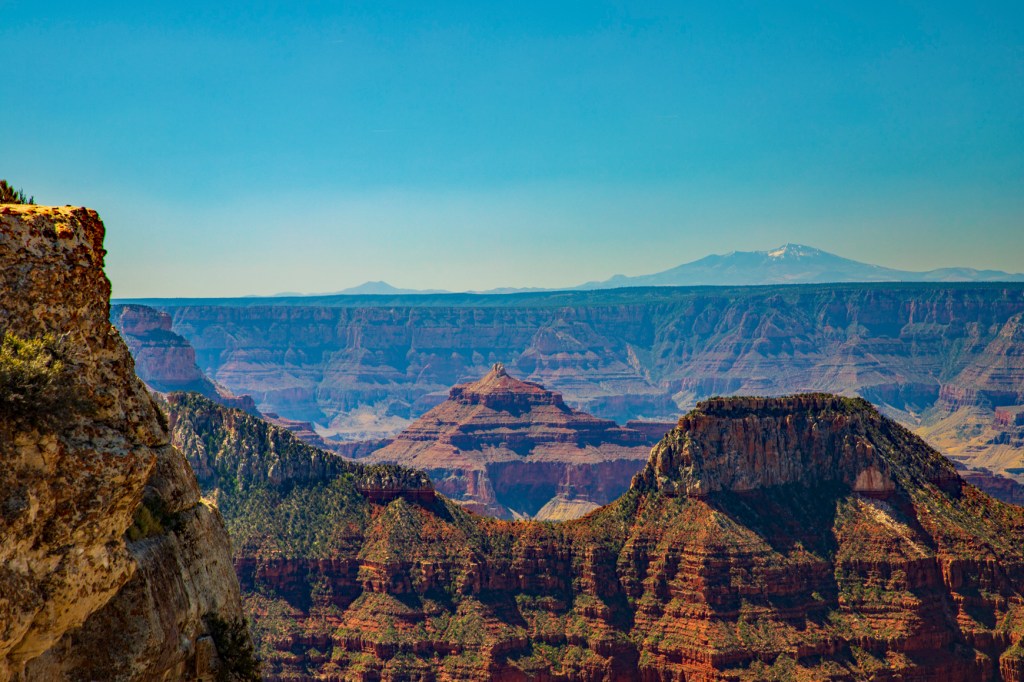
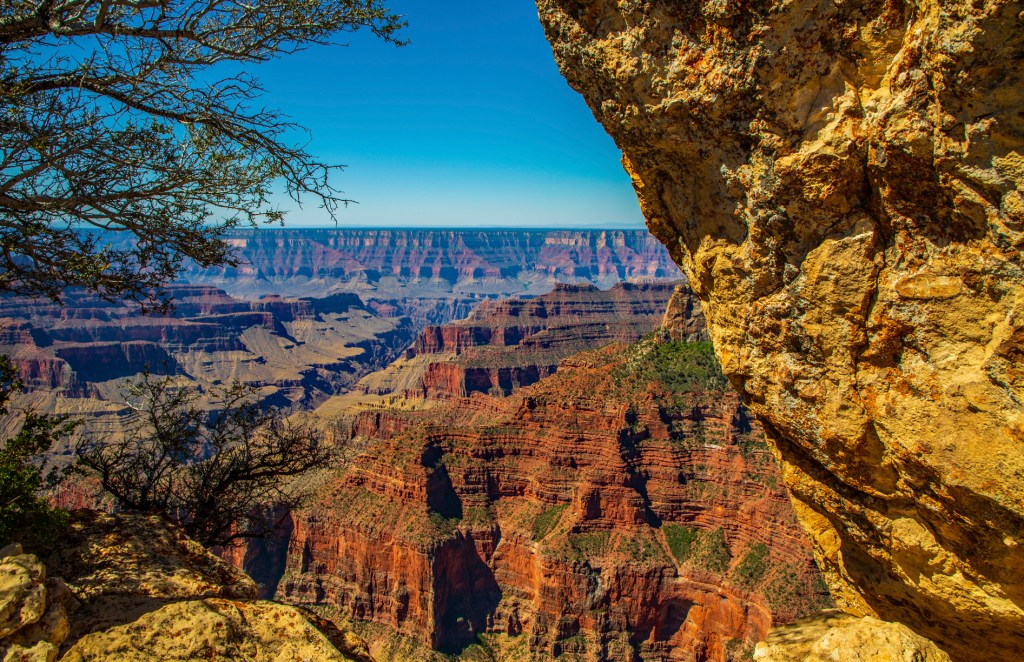
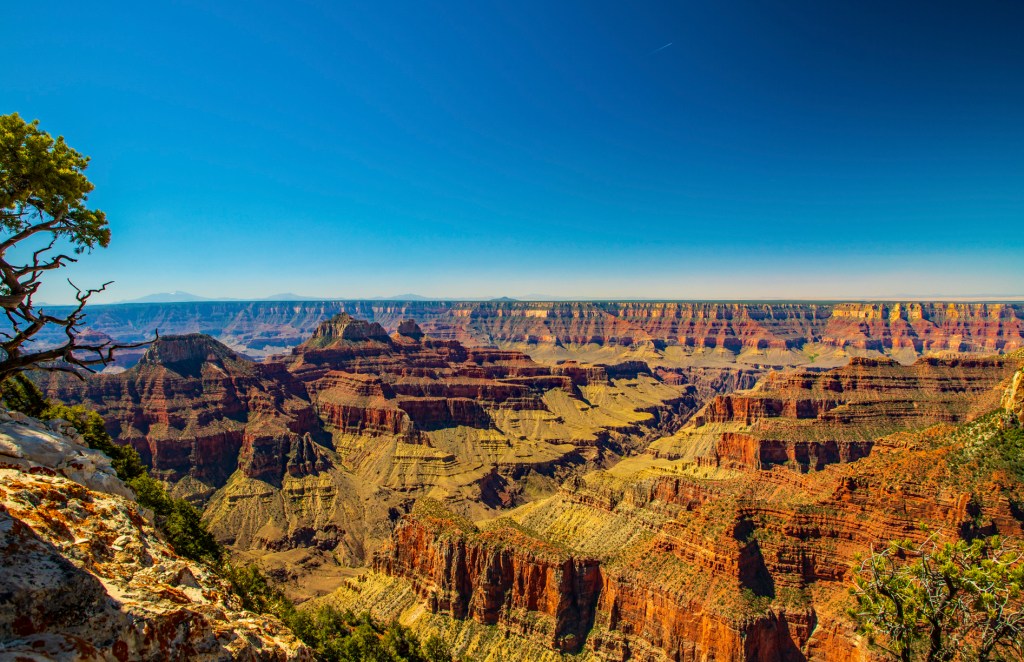
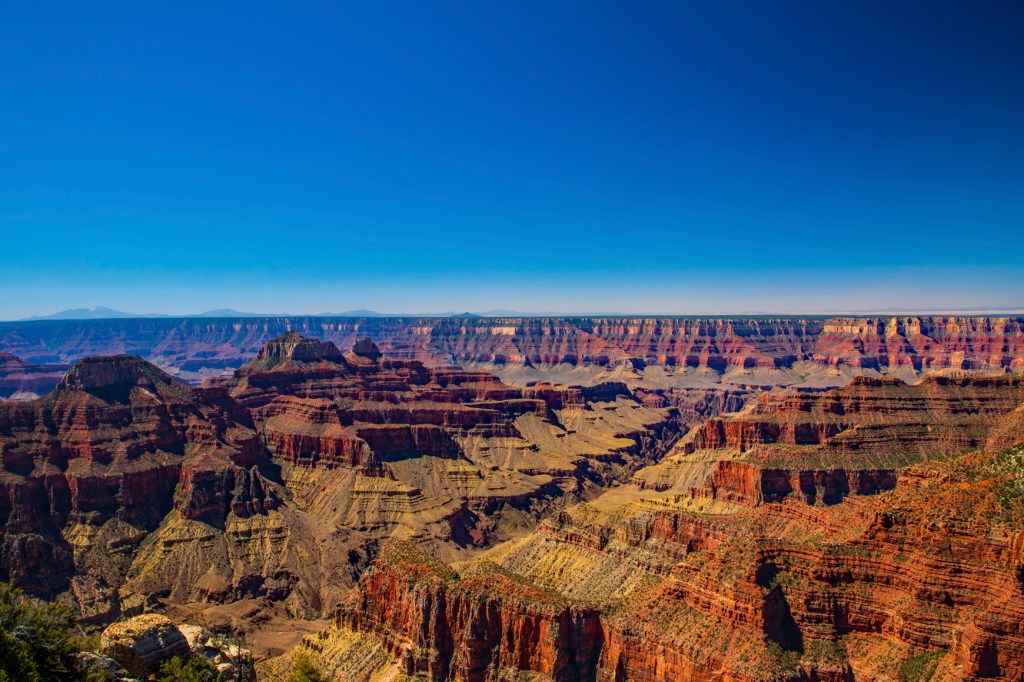
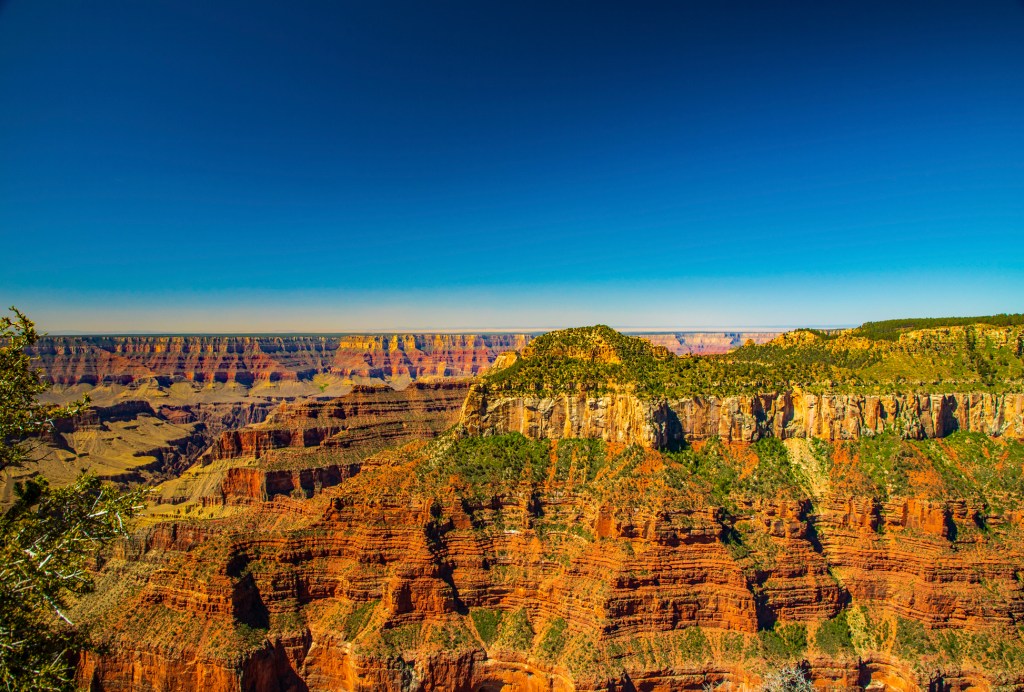
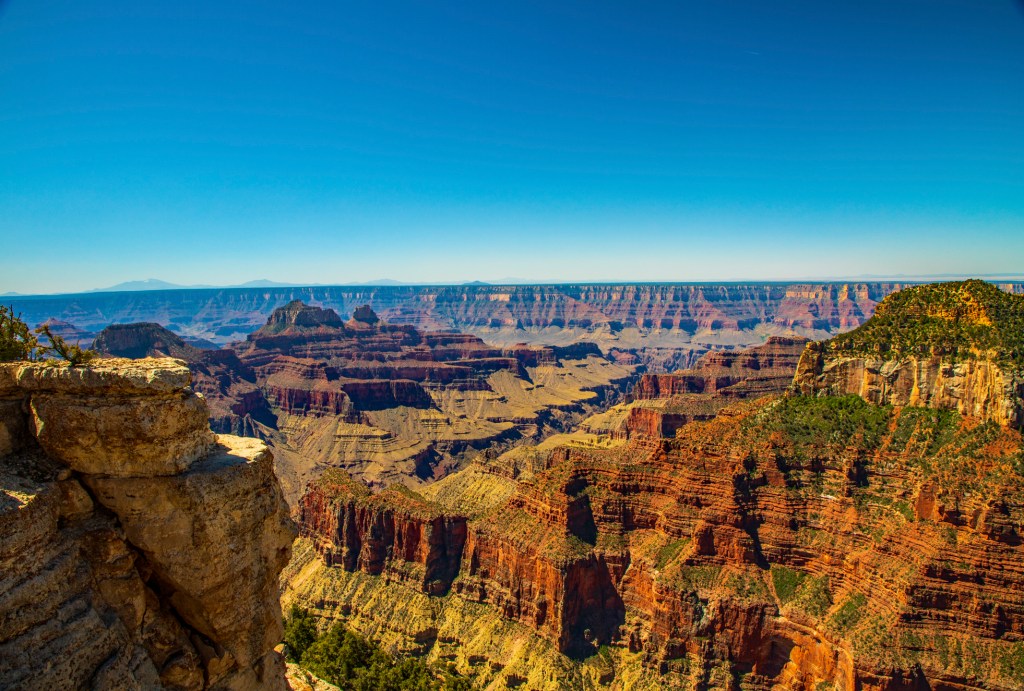
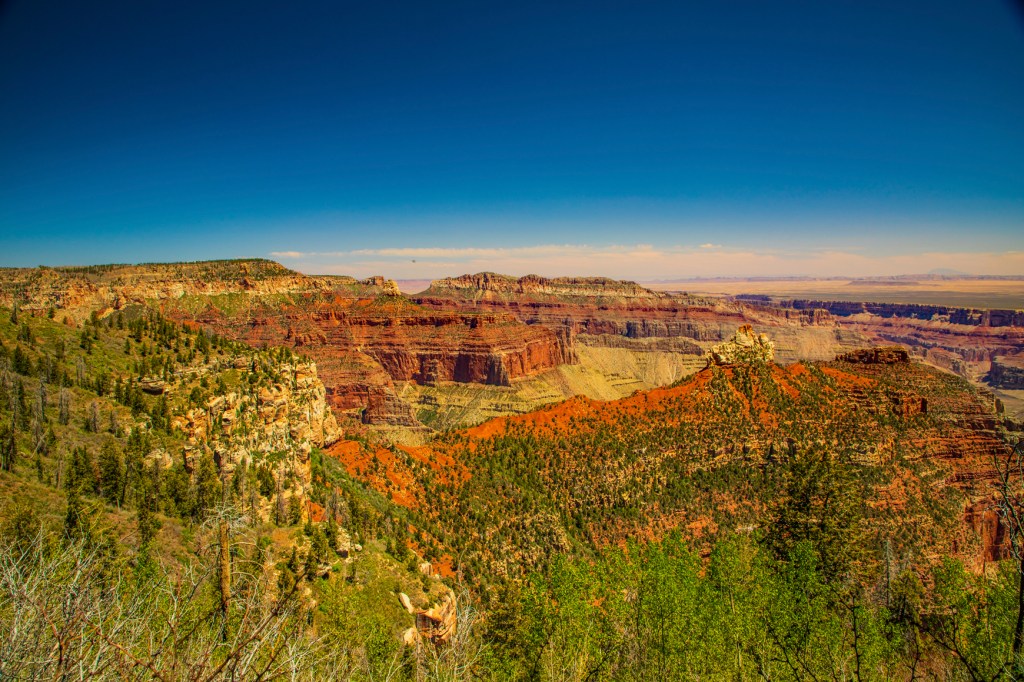
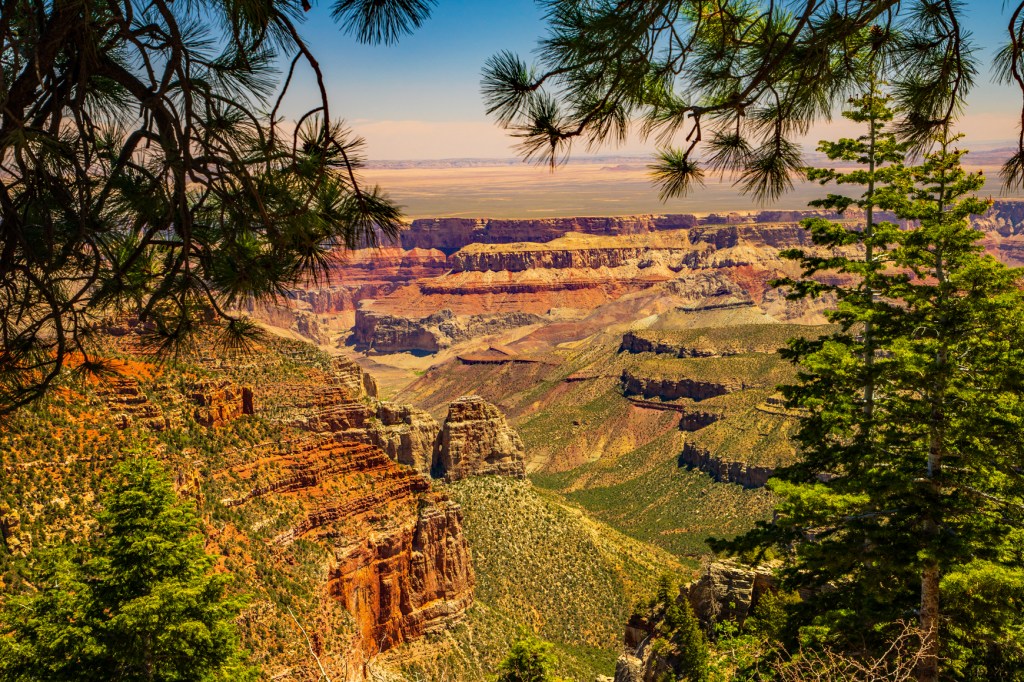
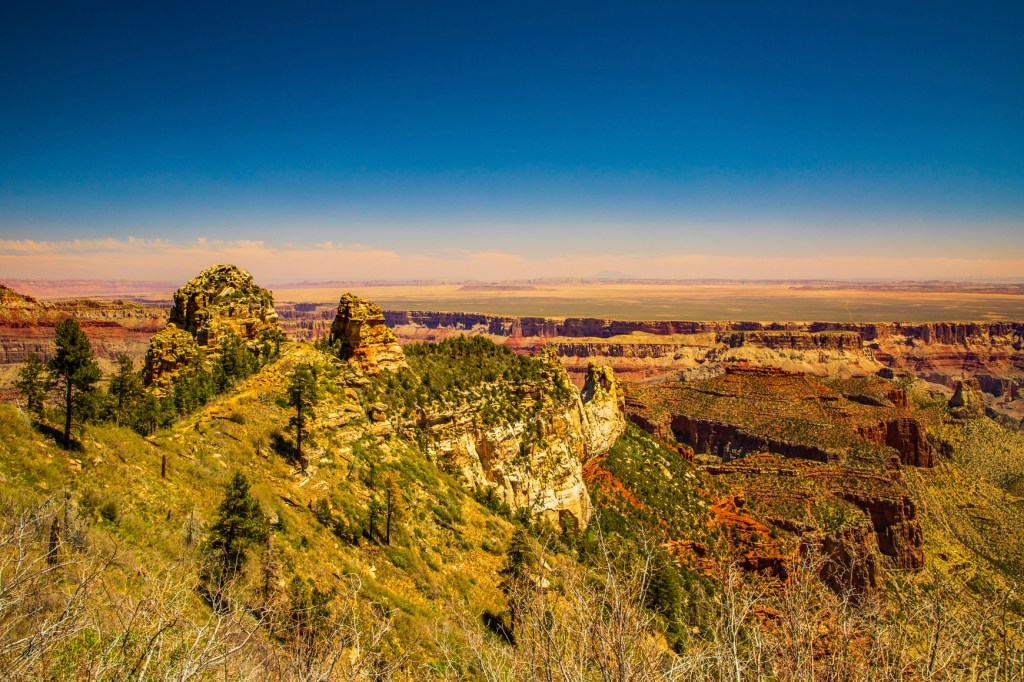
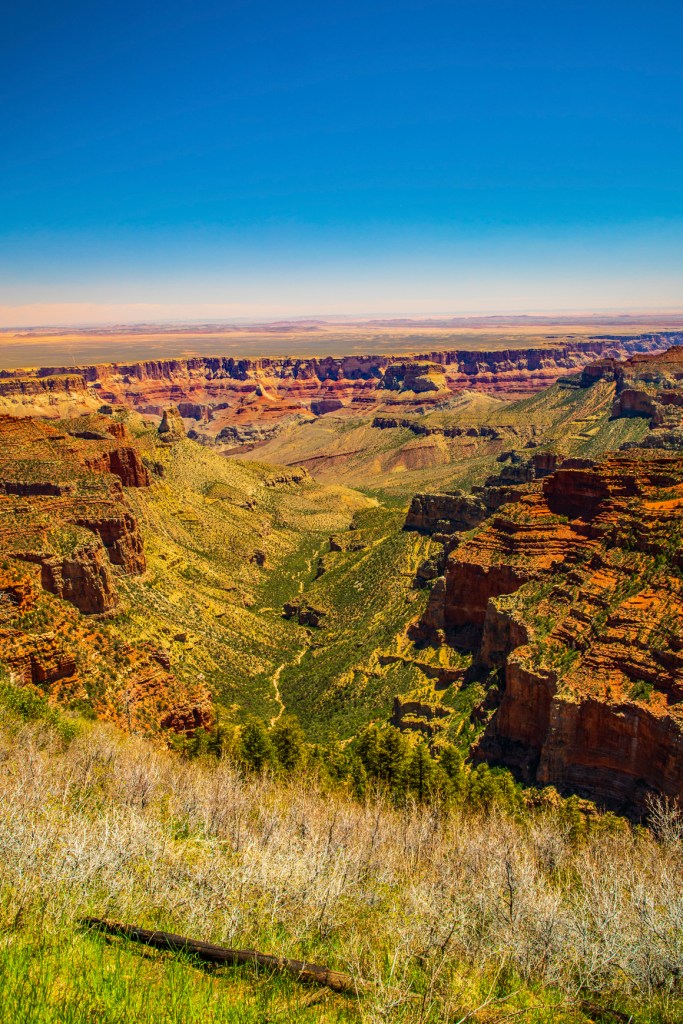
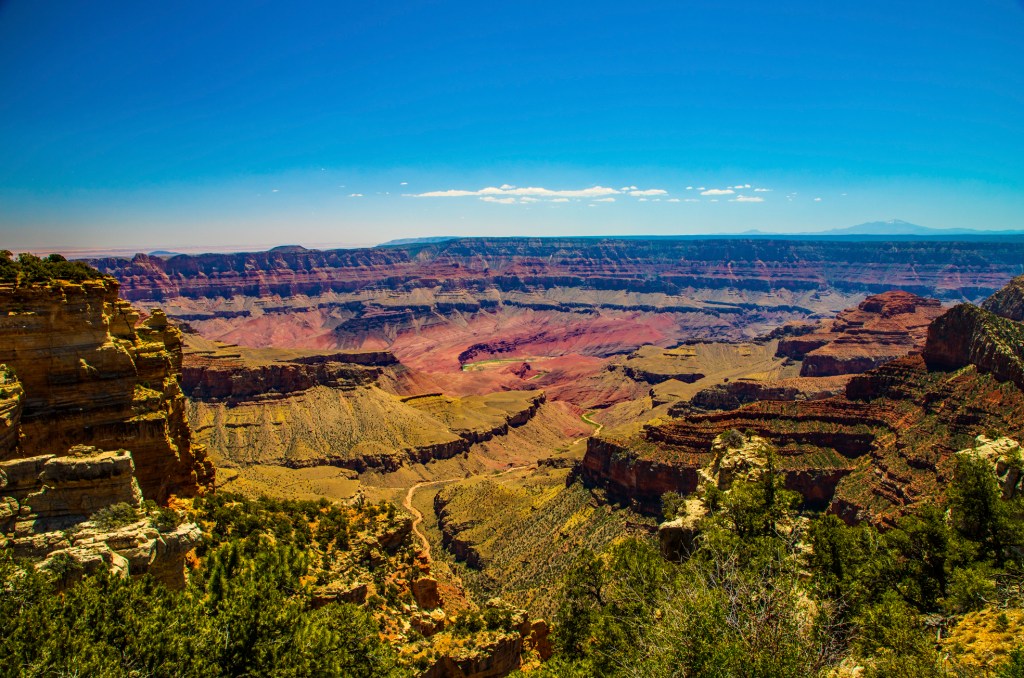
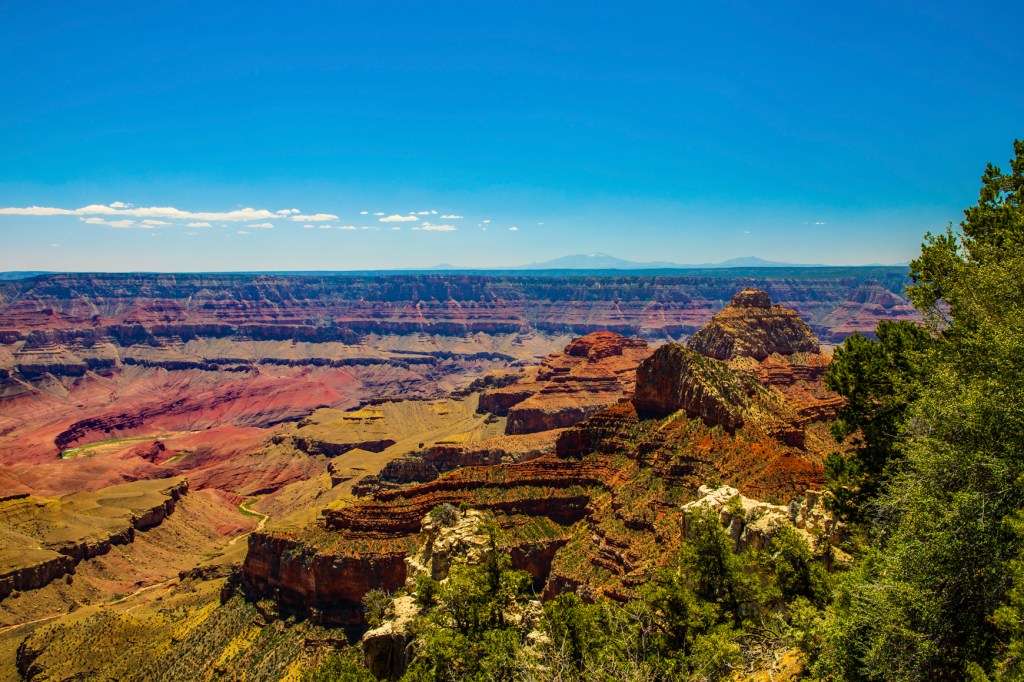
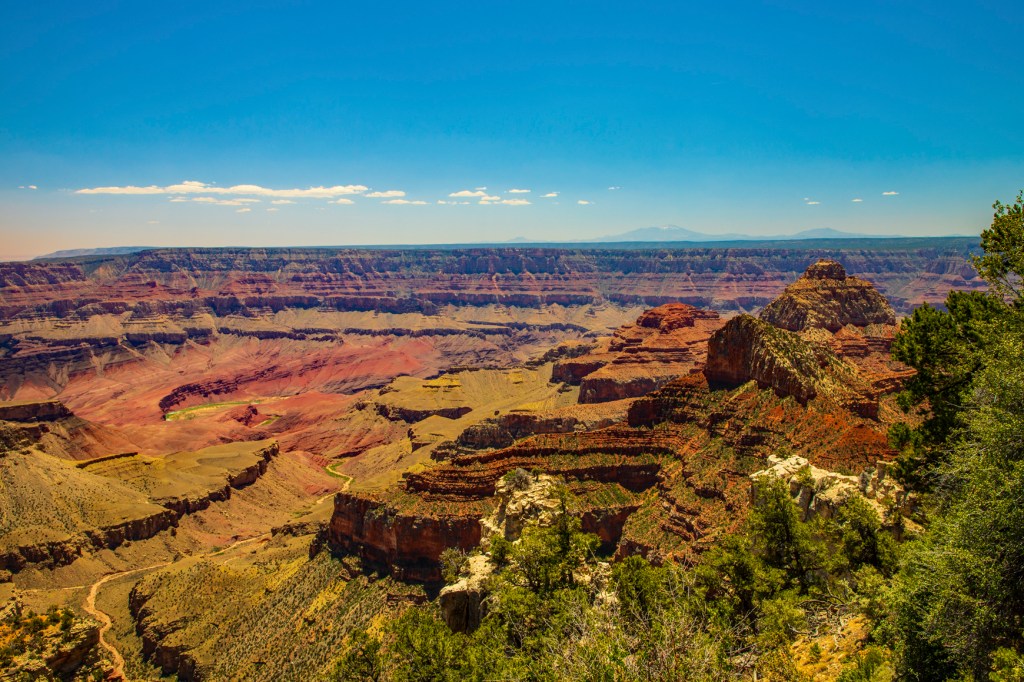
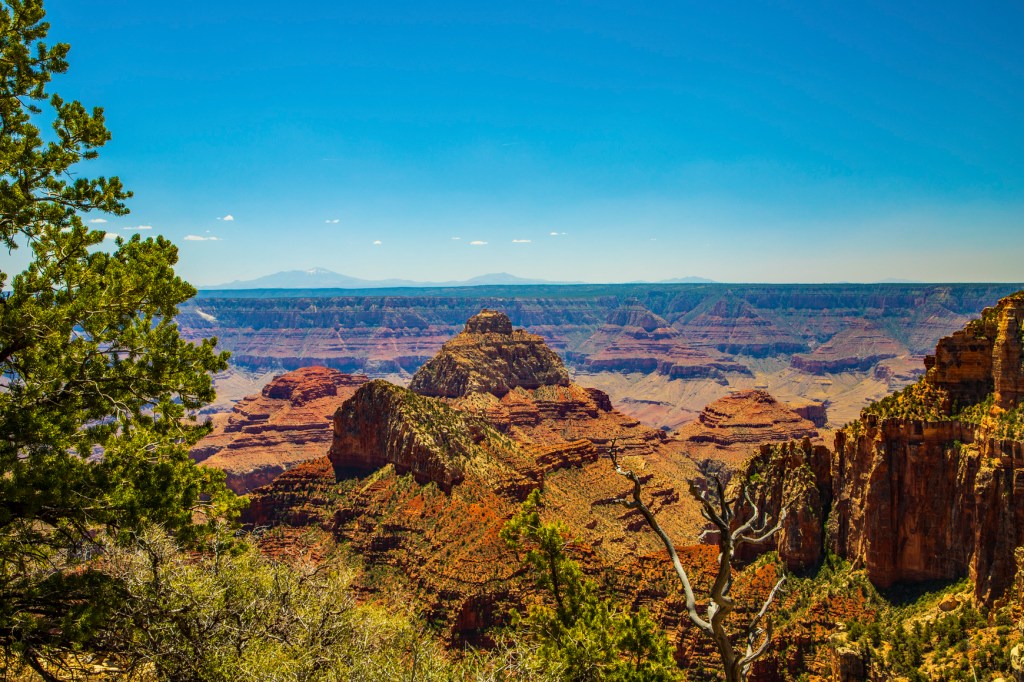
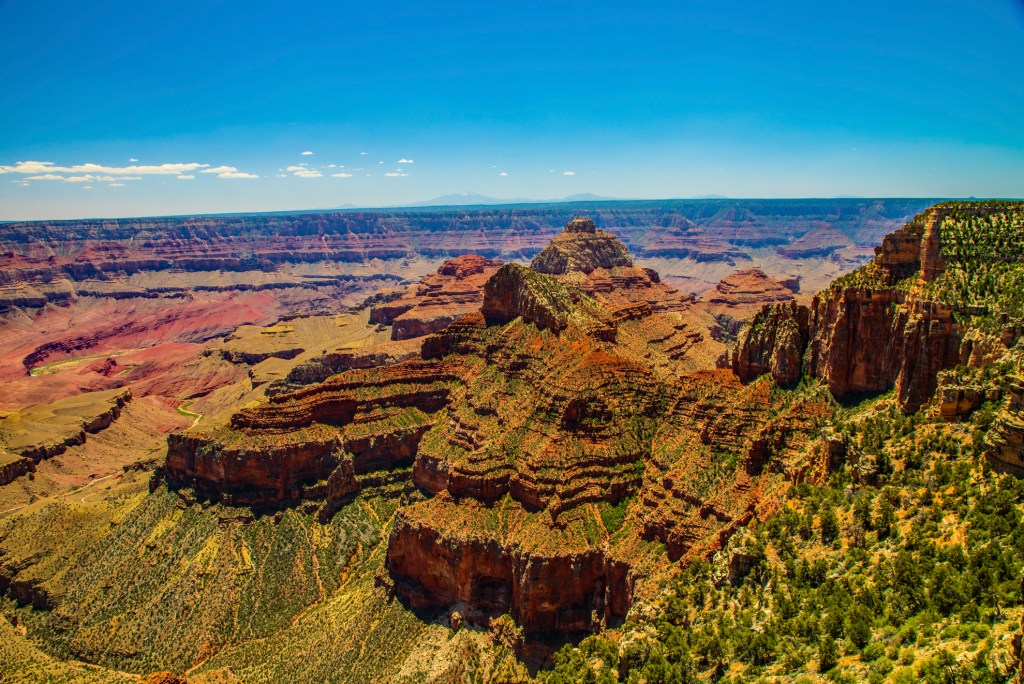
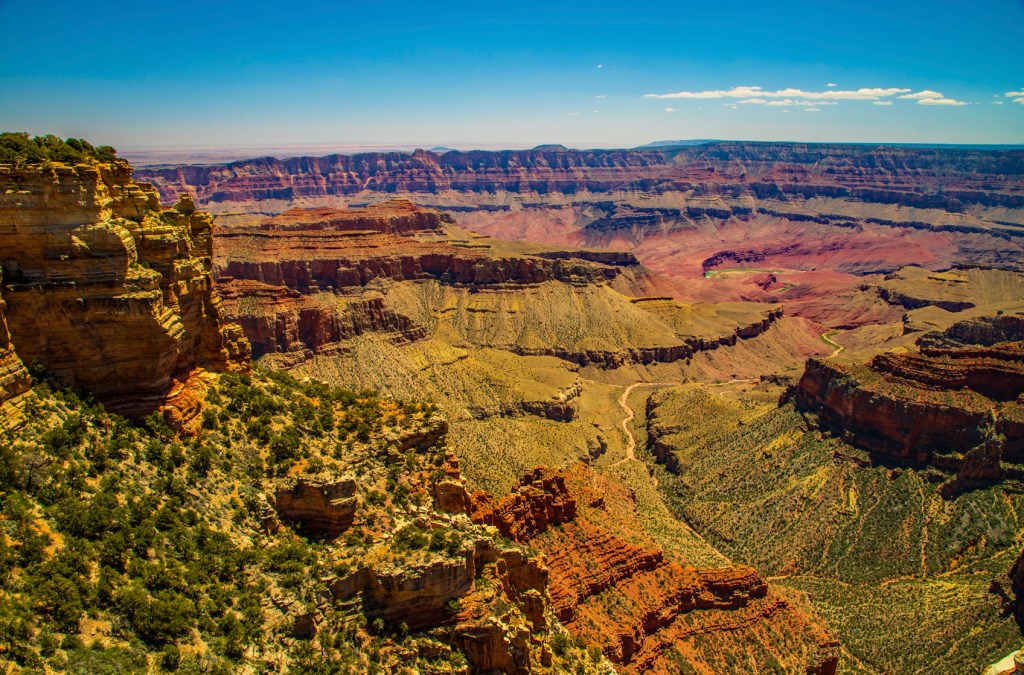
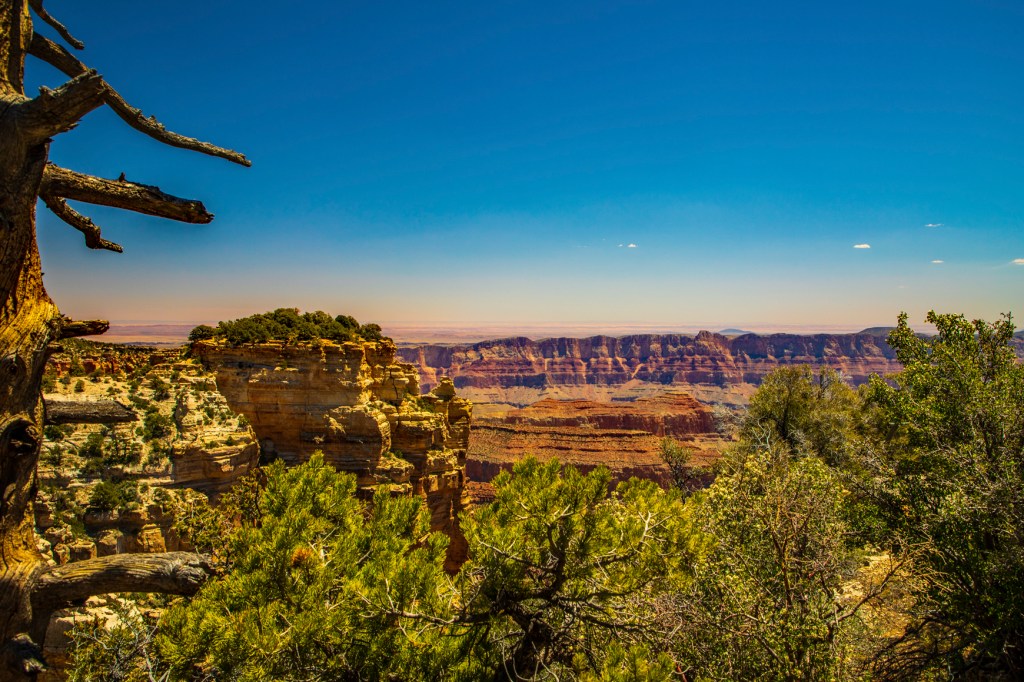
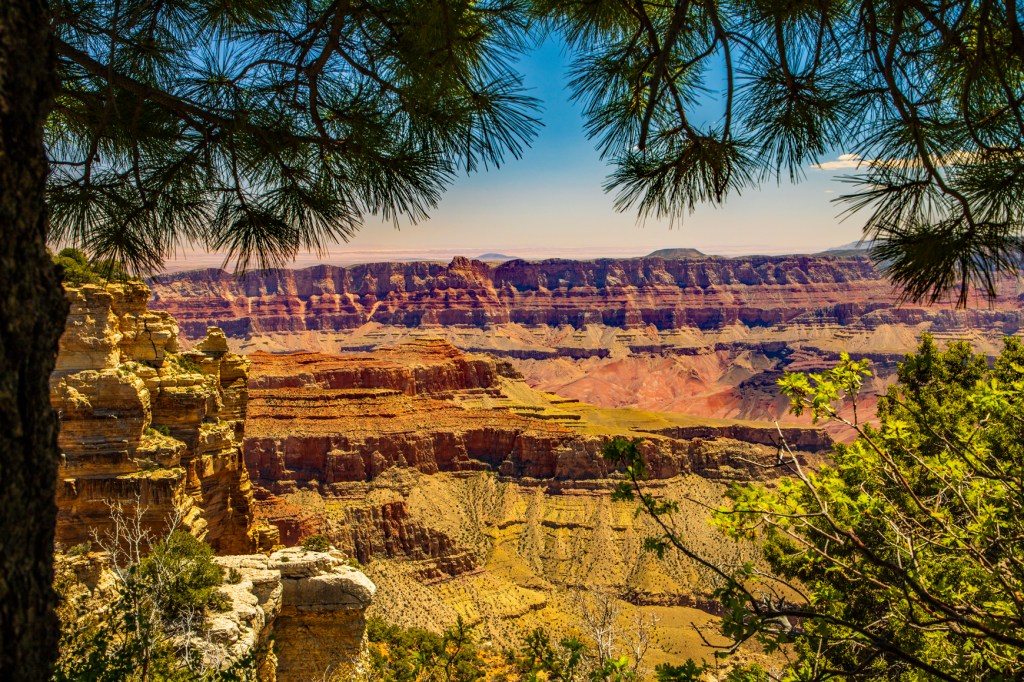
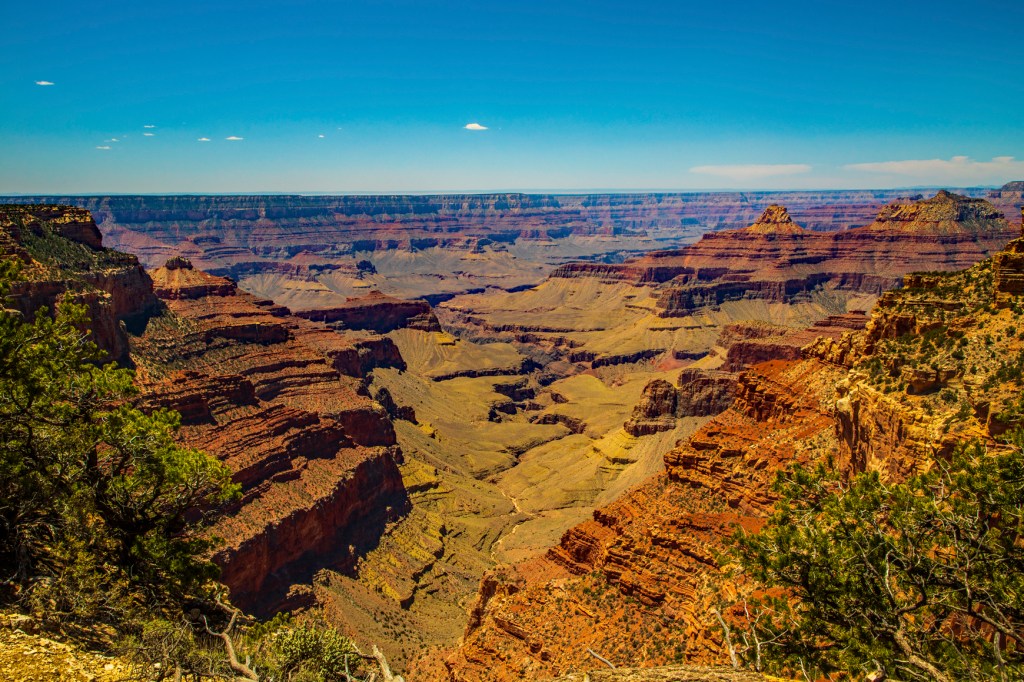
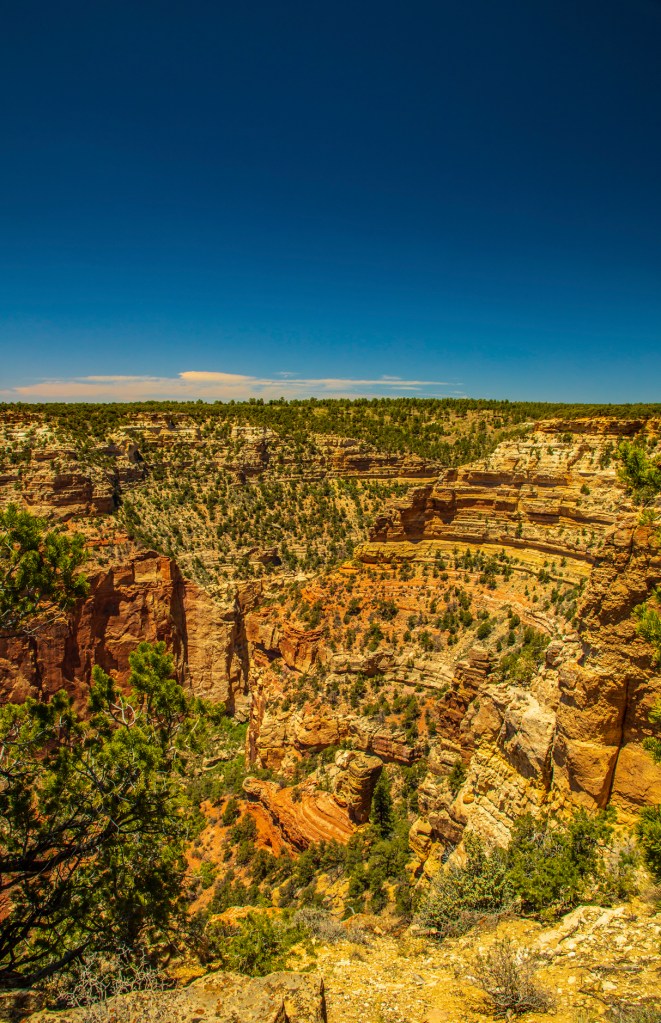
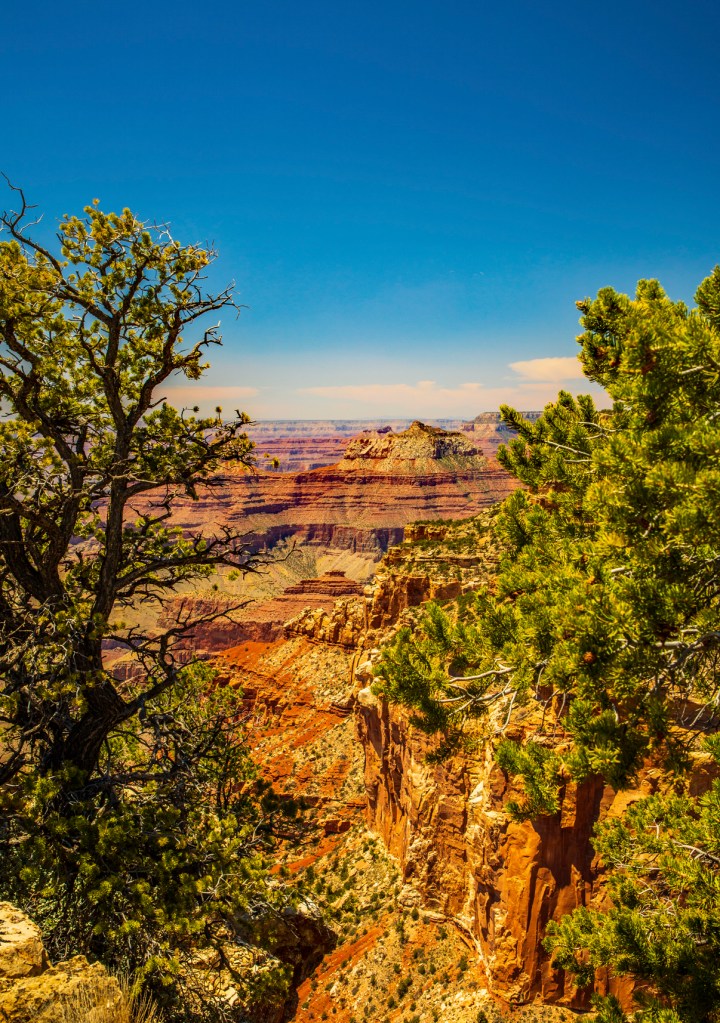
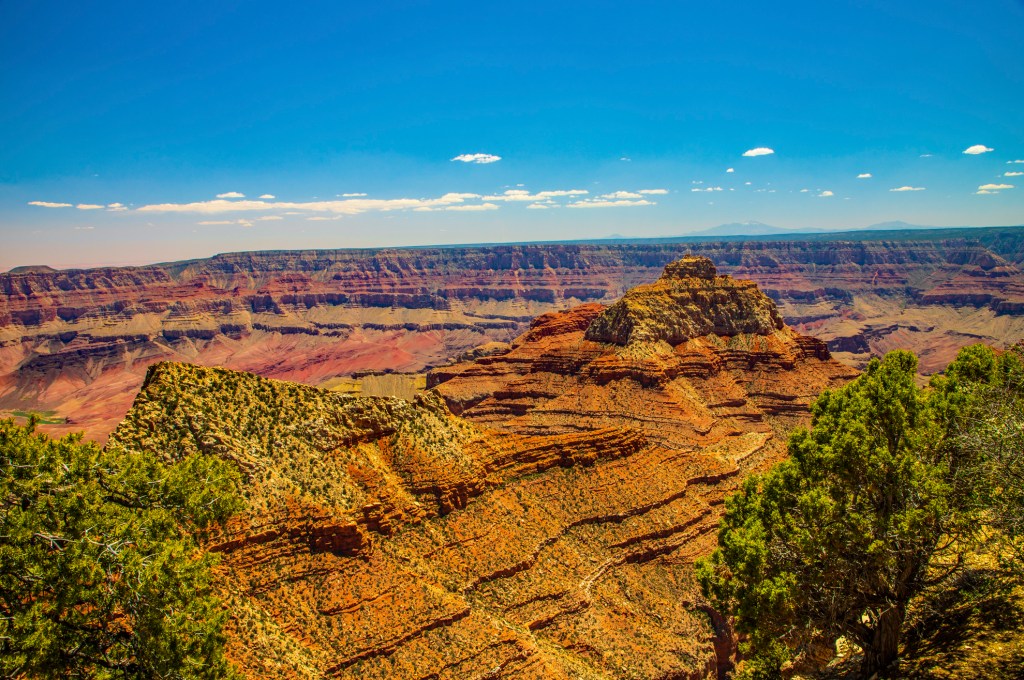
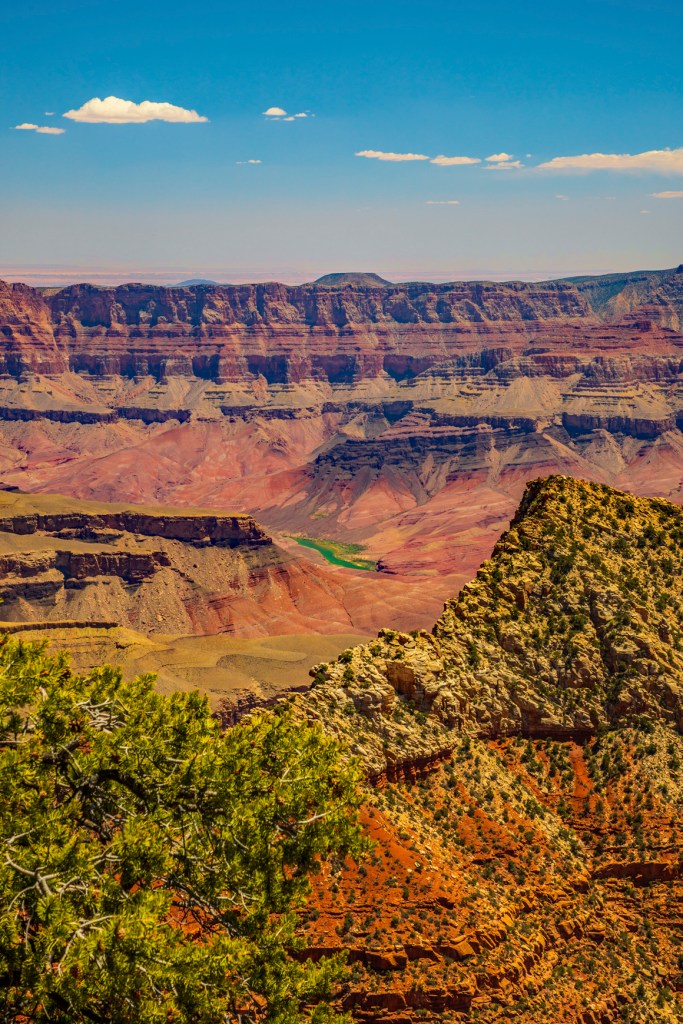
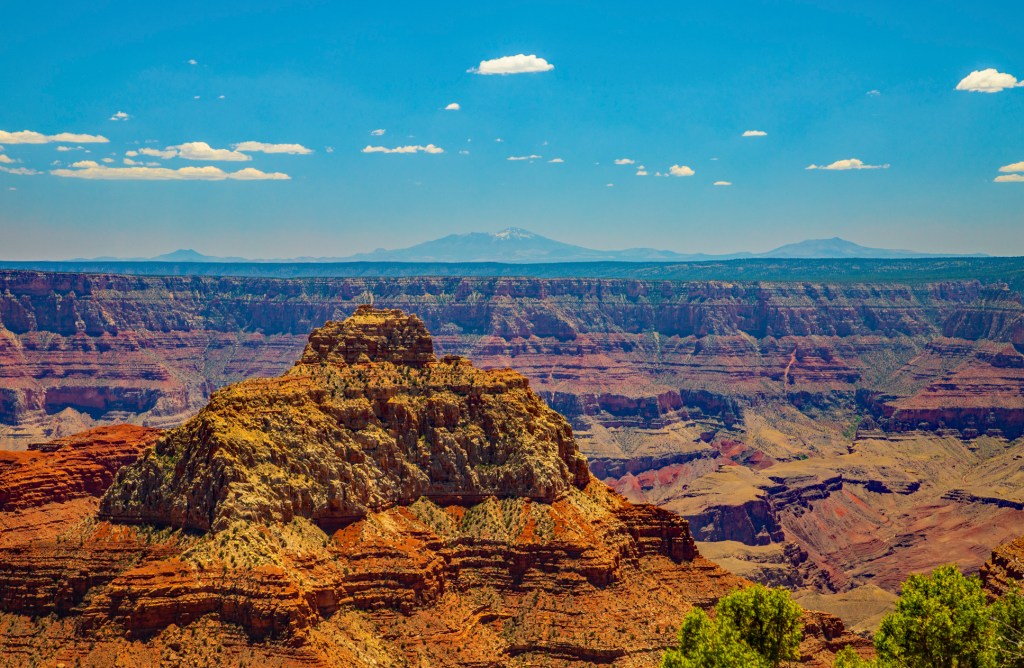
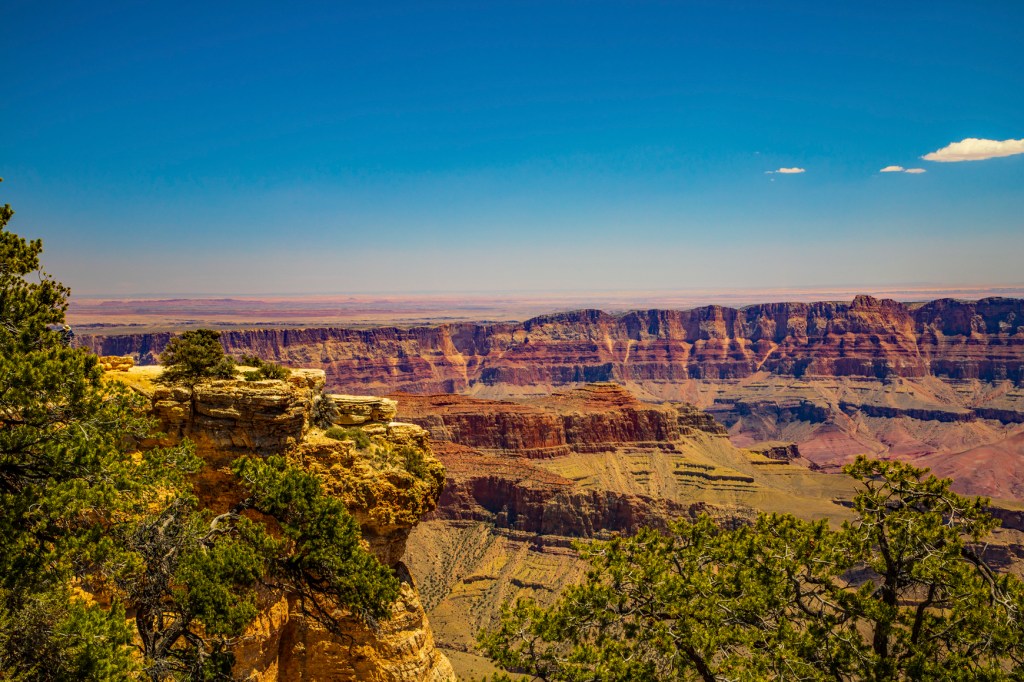
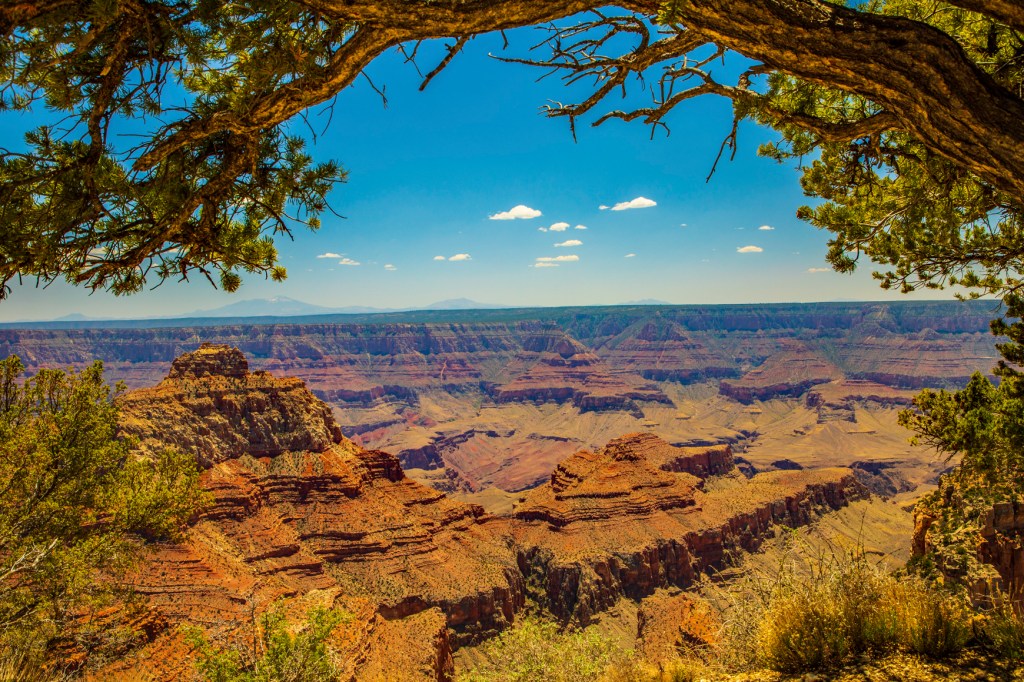
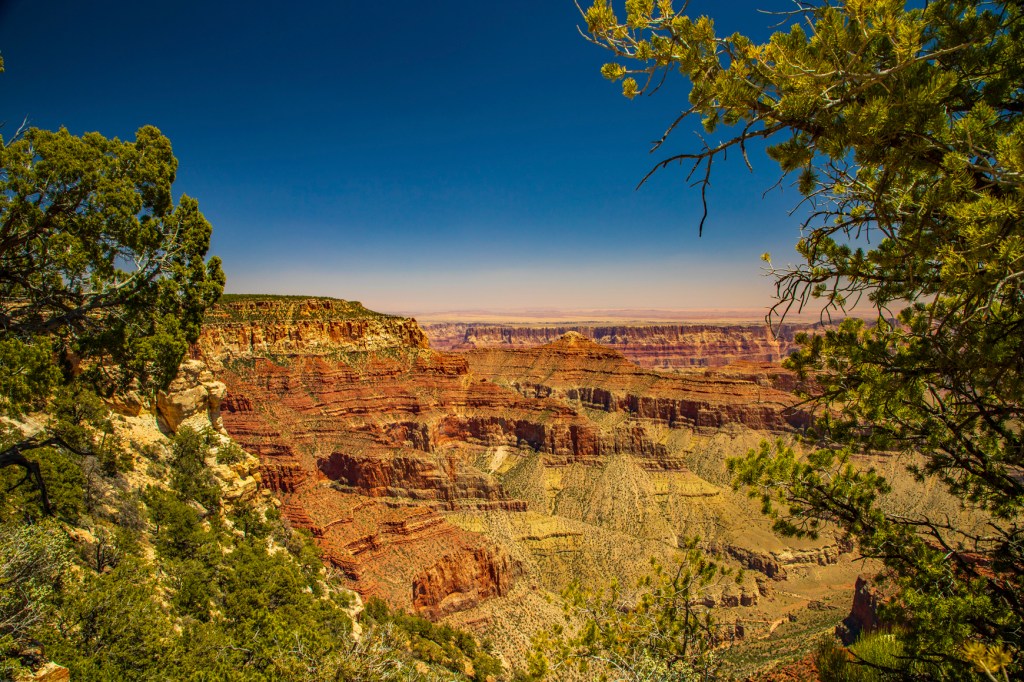
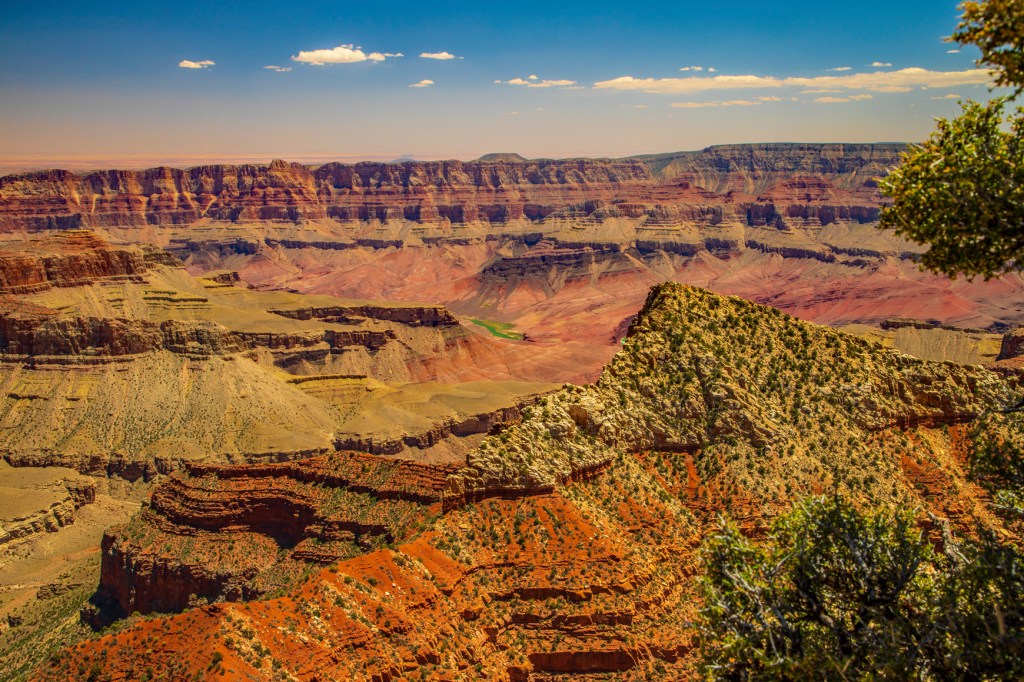
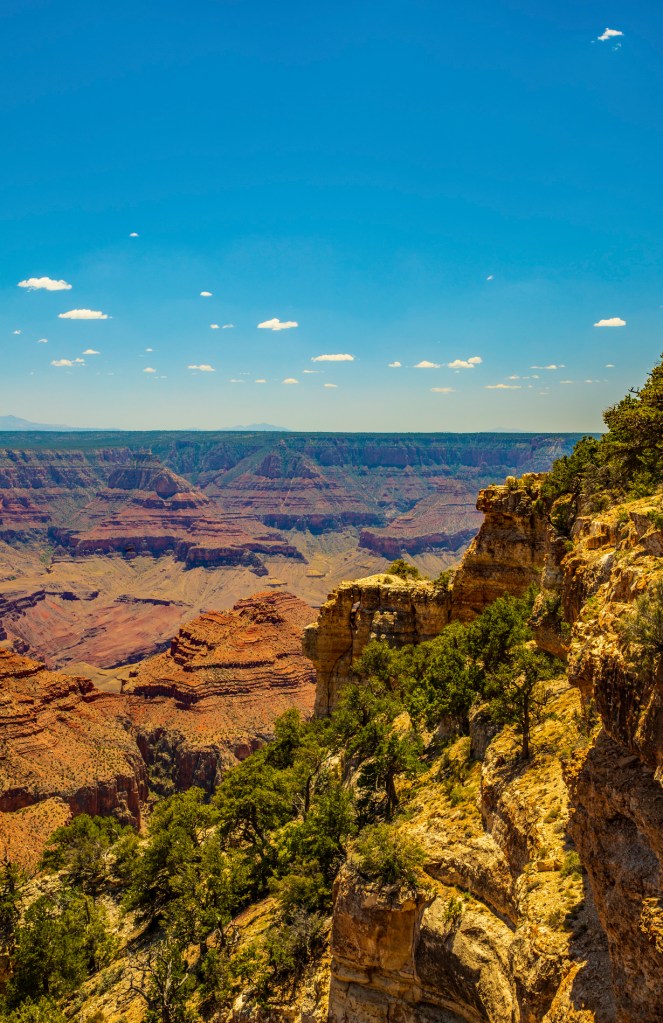
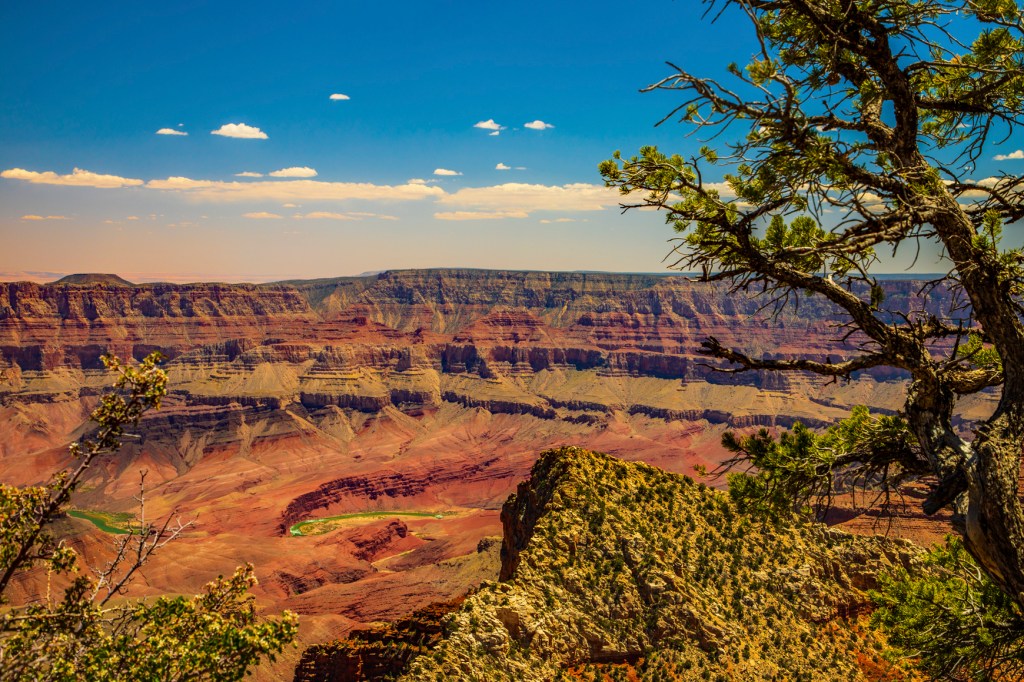
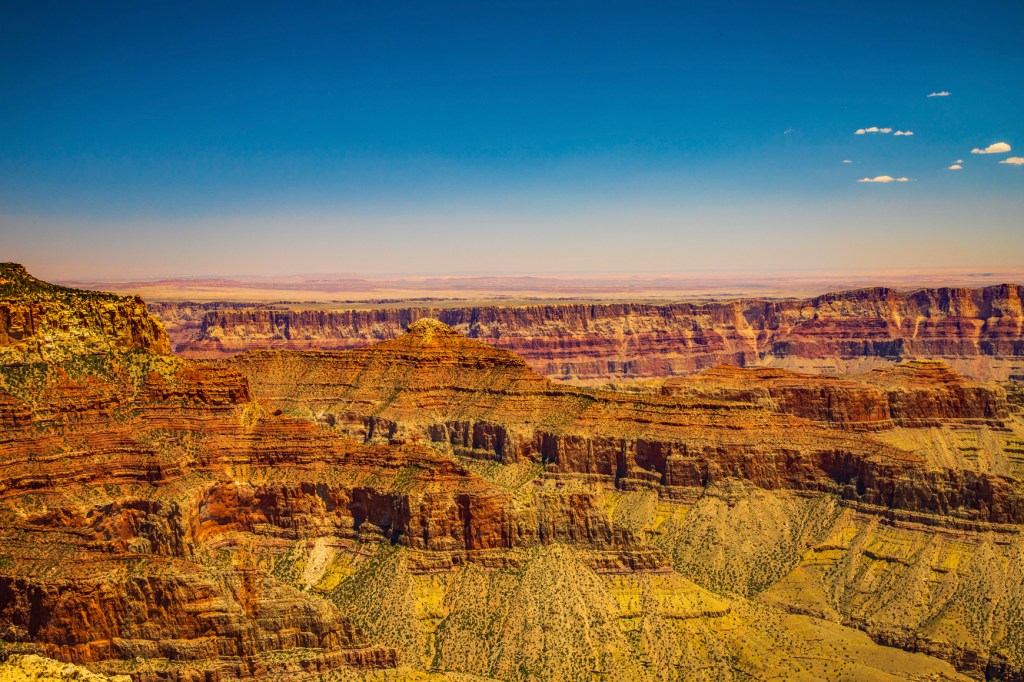
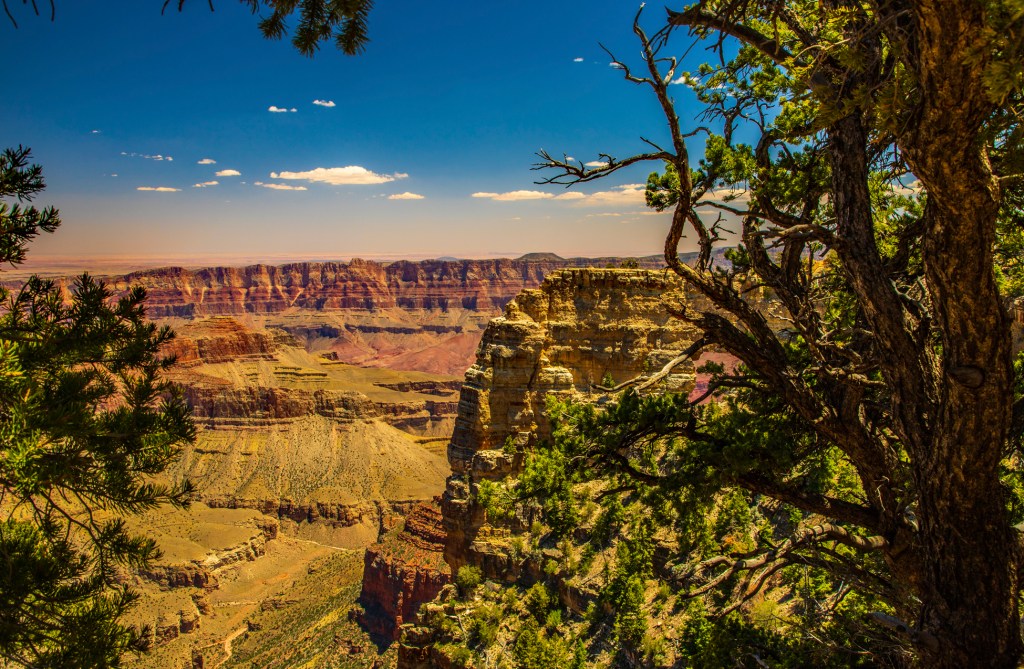
Each year the north rim of the Grand Canyon opens on May 15th, weather permitting. So on the 16th Barbara and I headed there. Neither one of us have ever seen the north rim except for via fire roads to the Deer Creek area. I believe the vistas on the north rim are even more stunning than those of the south rim. There are also fewer people on the north rim. The Grand Canyon holds a special place in our hearts. In fact, when Barbara saw it this time it brought tears to her eyes. We enjoyed it so much that we discussed getting jobs there next summer. Why not, the way things are going our retirement account should be pretty much gone by then. But this is exactly what we expected from “Clueless Joe”. So I have contacted the park to enquire about working on the north rim. After all why not. What better place for a retired geologist to spend his summer. If we get jobs there I will be spending my days off hiking to the river and taking photos. Looking forward to it.
View from Bright Angel Point.The south rim in the distance with the San Francisco volcanic field beyond.The view from Vista Encantada.Roosevelt Point.The view from Cape Royal of Wotans Throne.Vishnu Temple.Vishnu Temple.View from Angels Window.Angels Window behind the tree on the right.
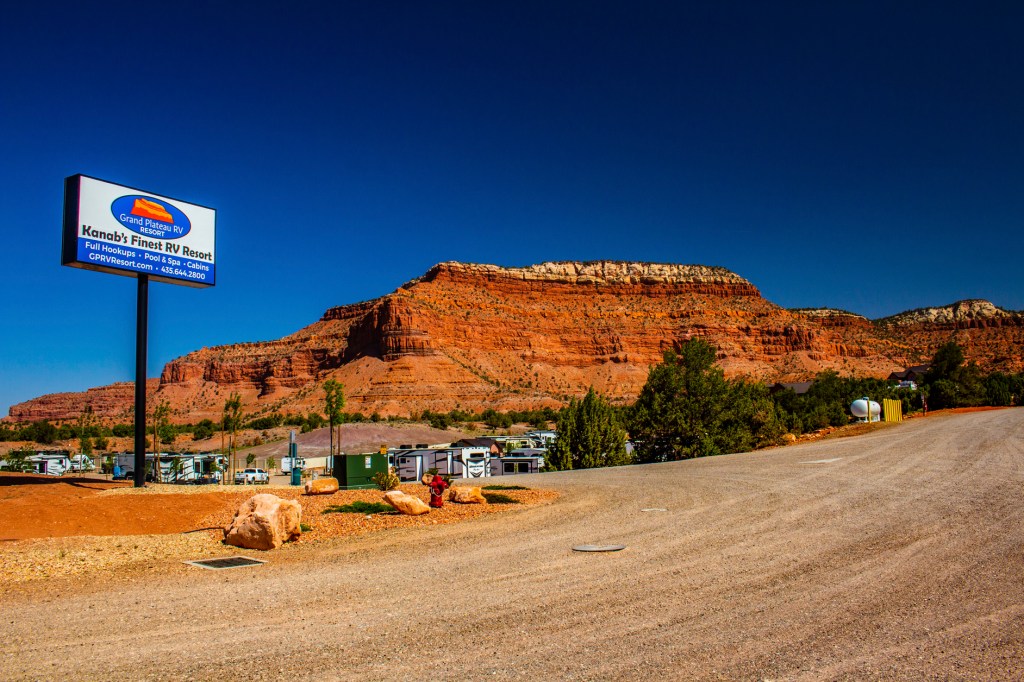
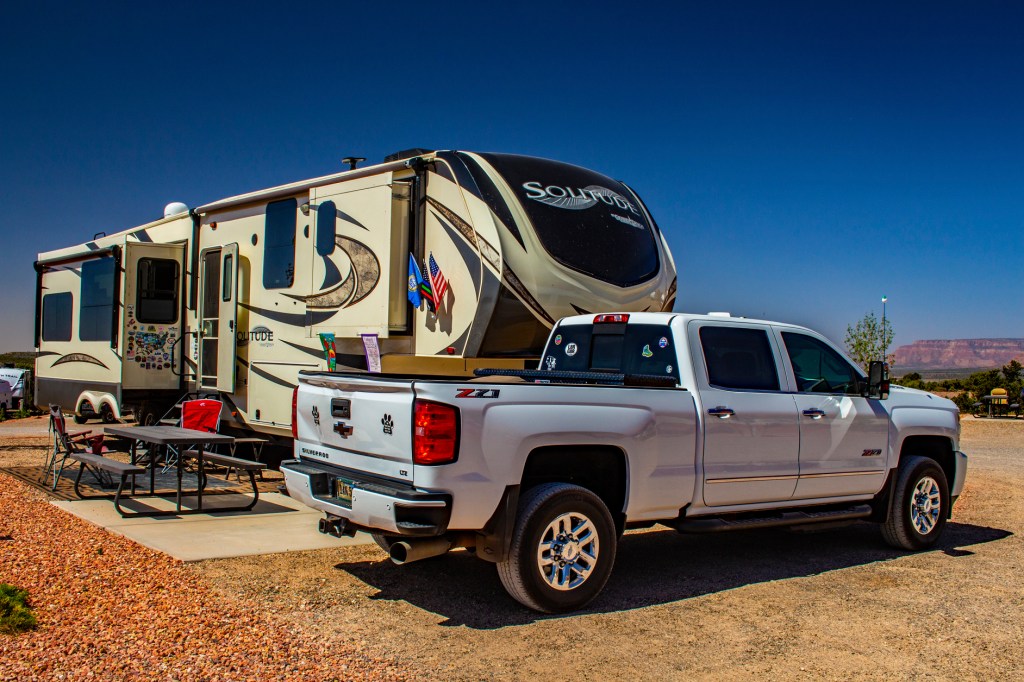
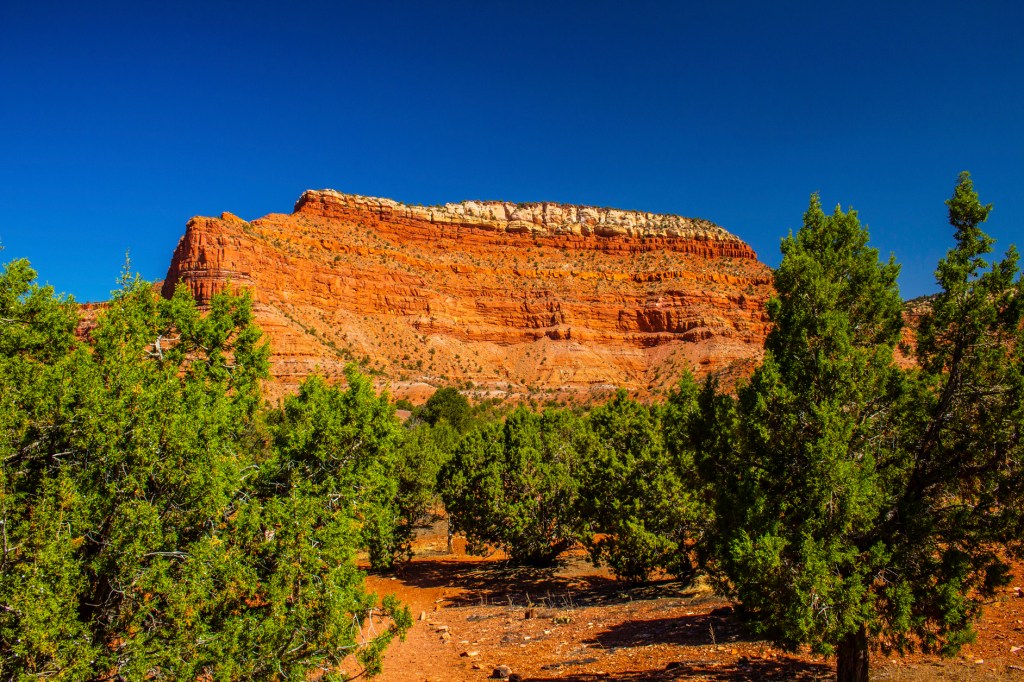
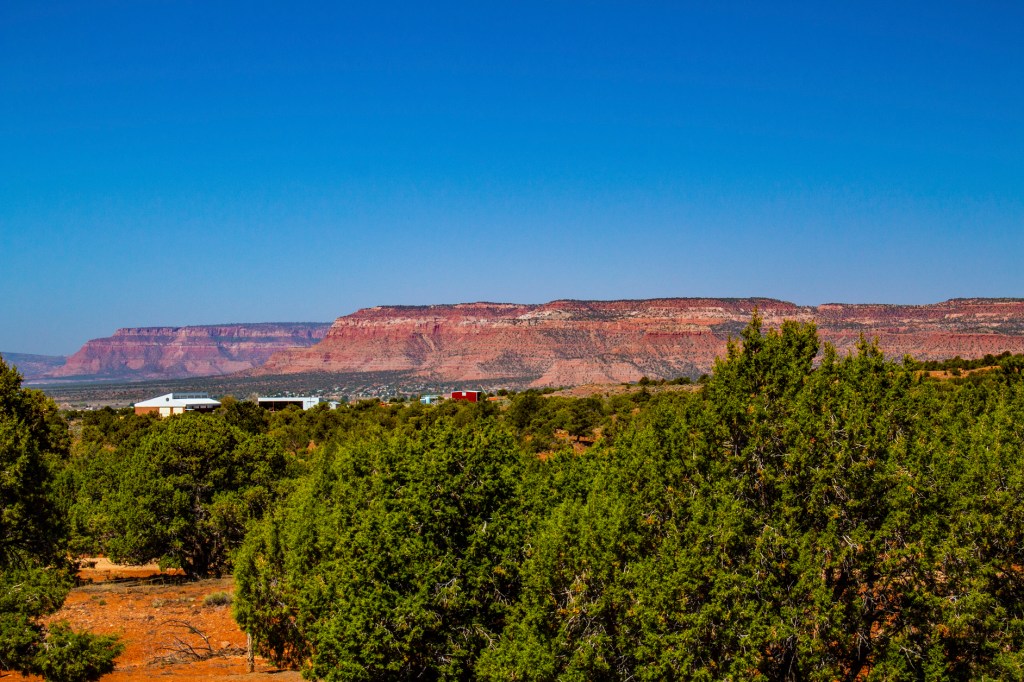
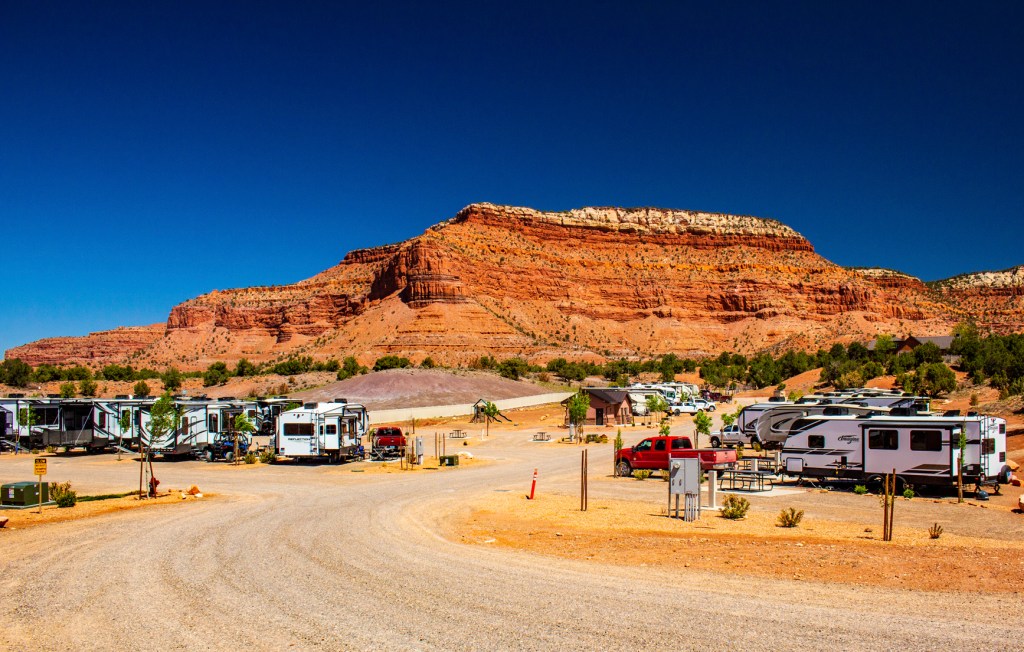
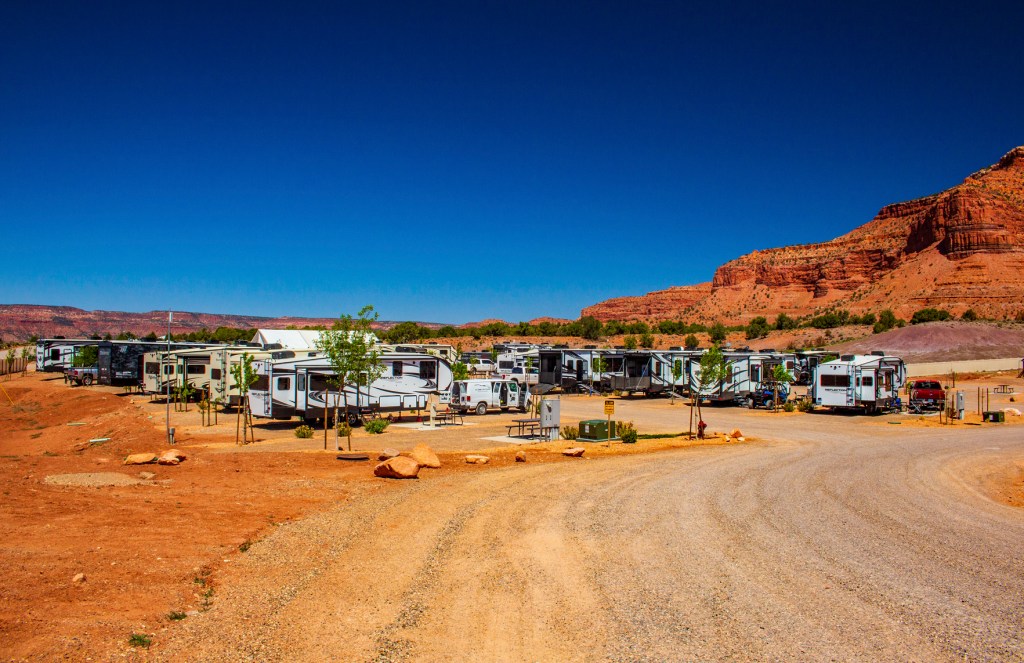
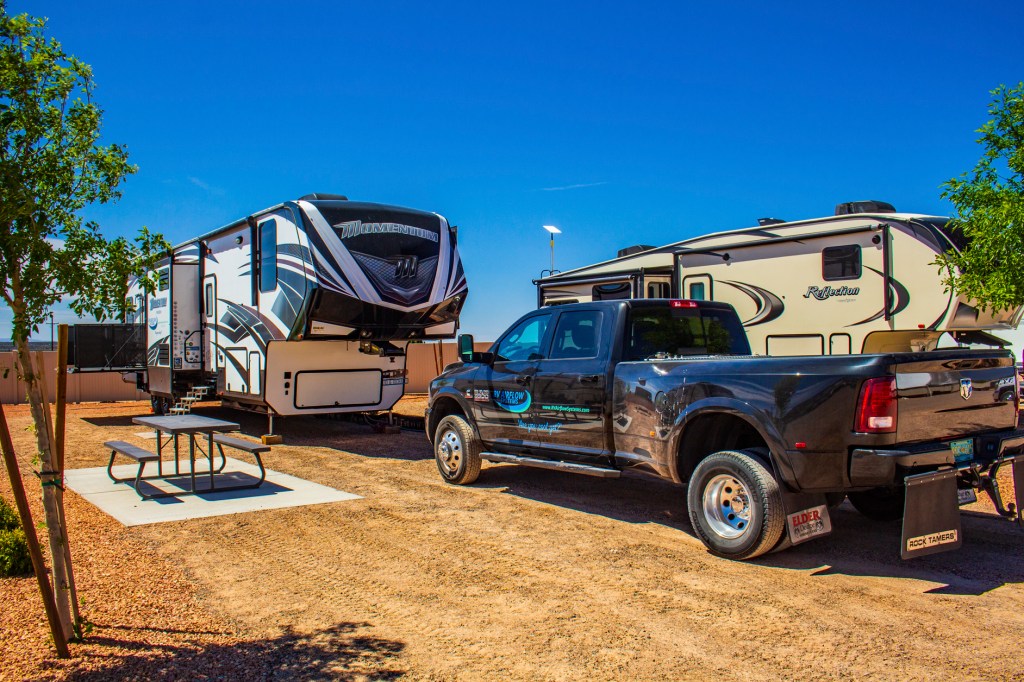
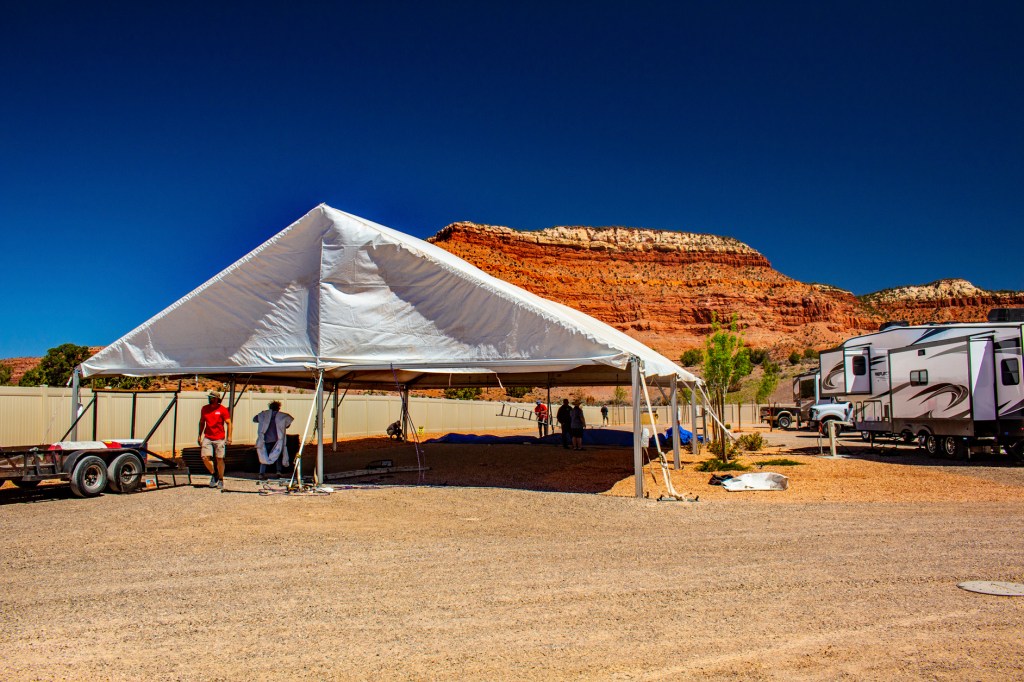
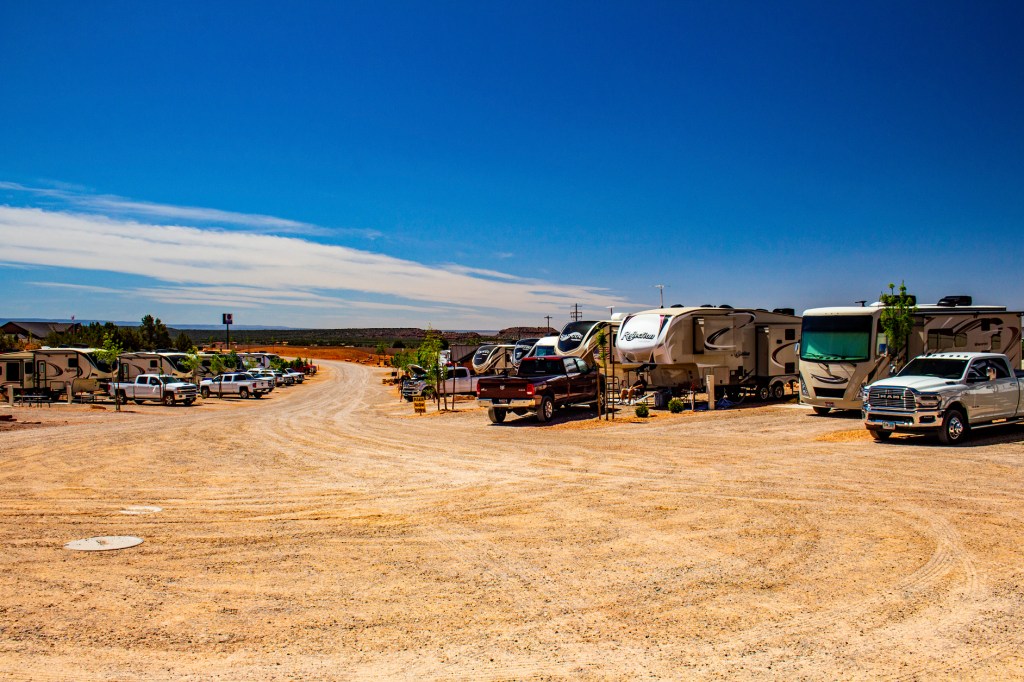
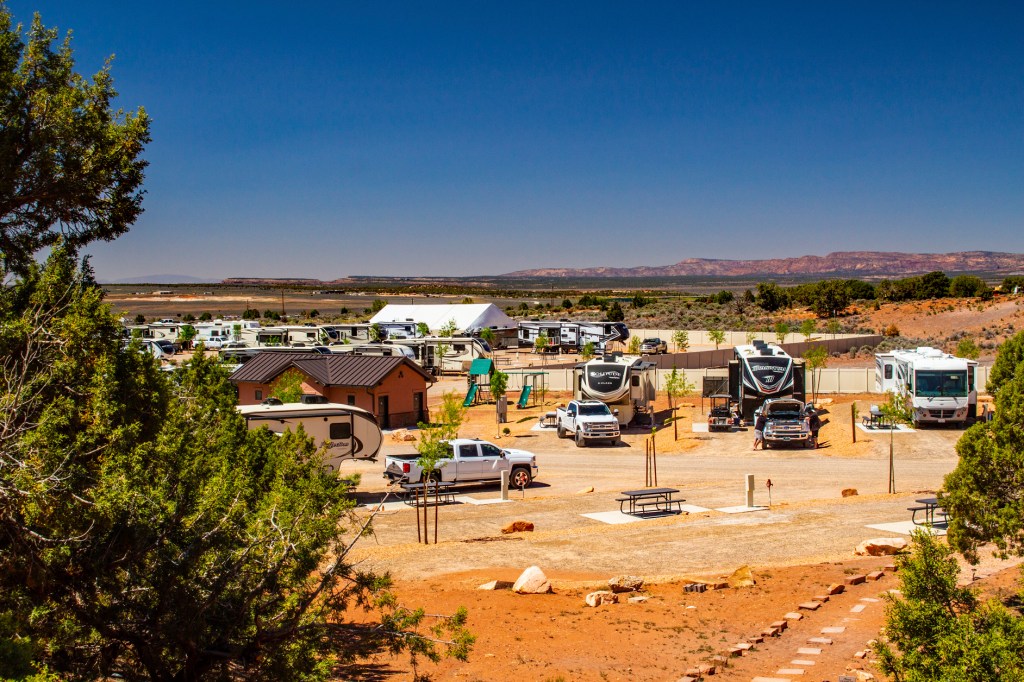
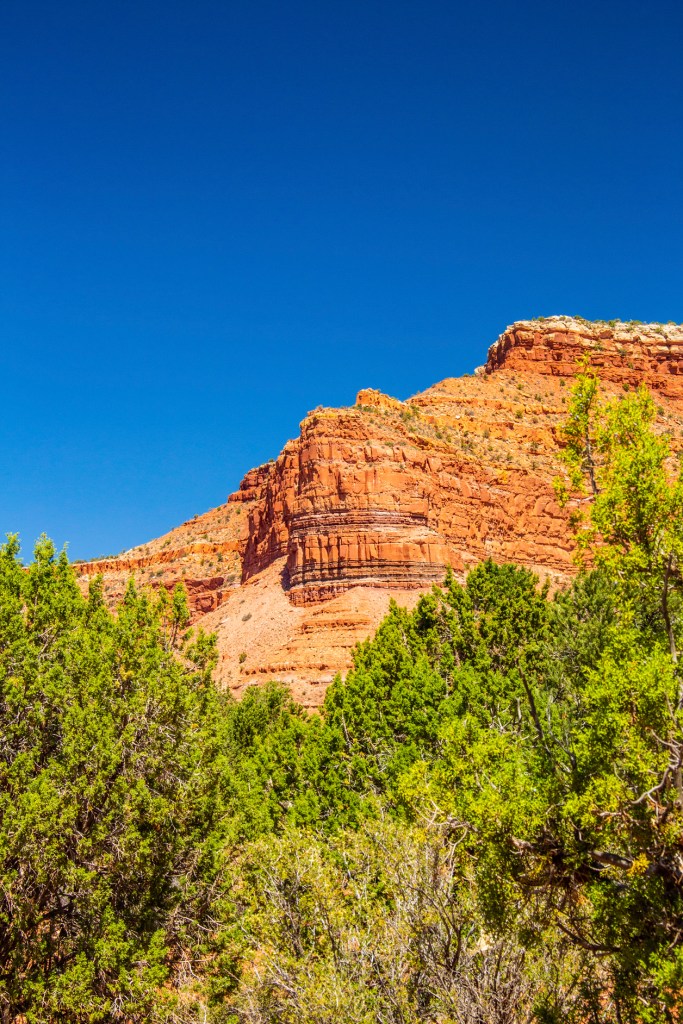
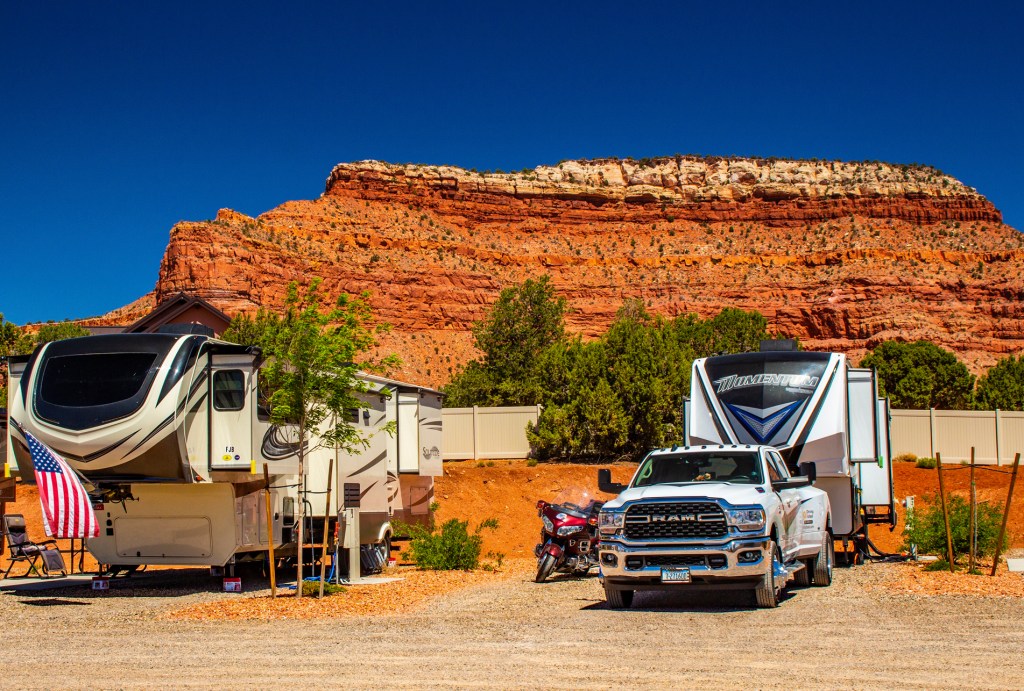
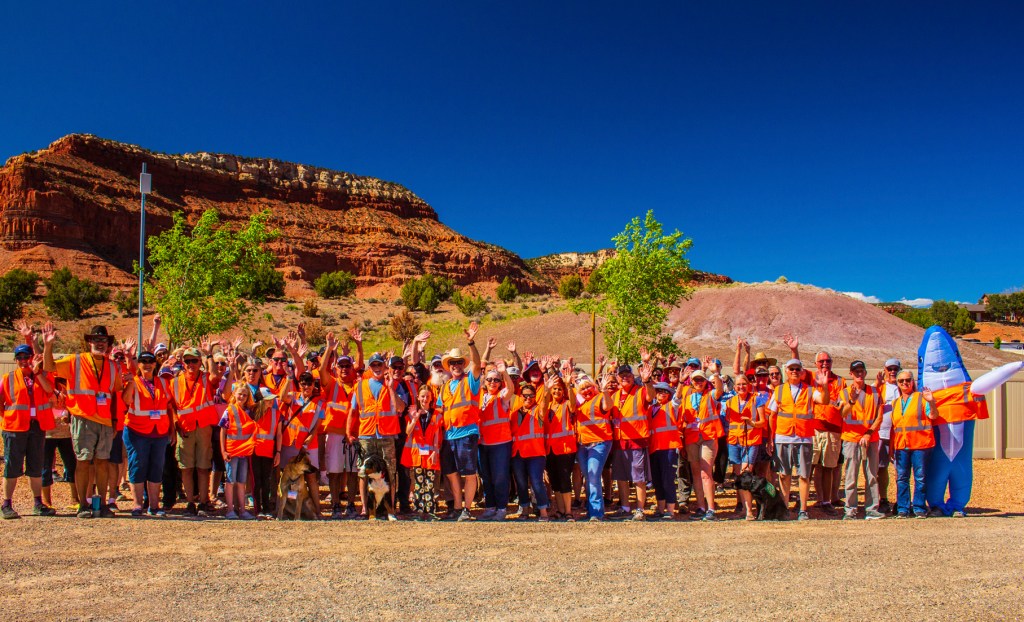
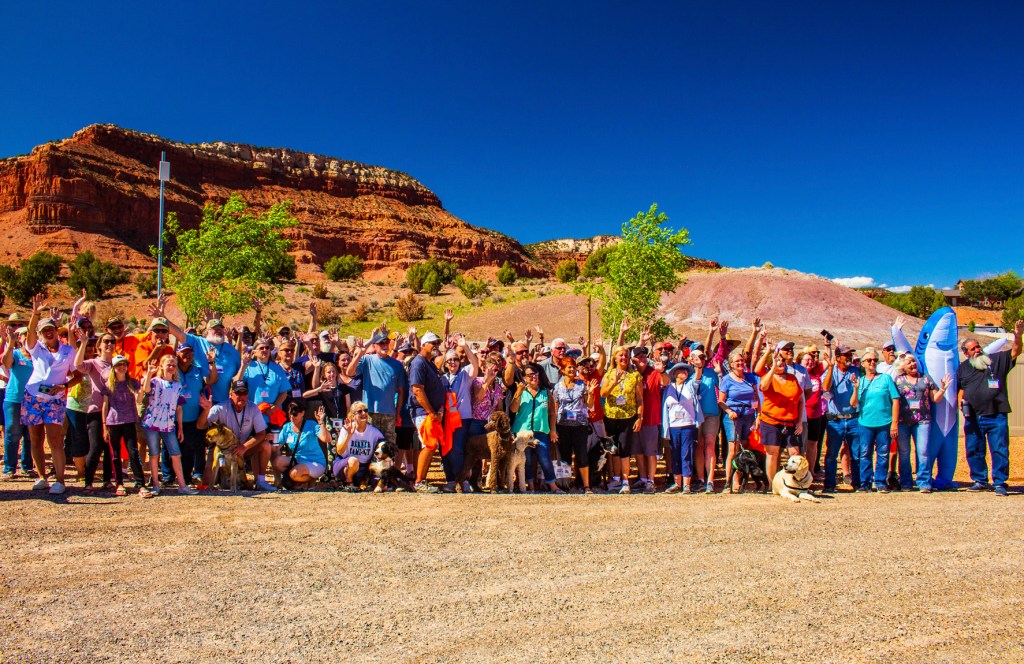
Barbara and I have really enjoyed the last four days at the Grand Design rally in Kanab, Utah. As with the previous rallies we have attended, we have learned a lot and made new friends, which is going to make it hard to say goodbye. If Grand Design has another rally here in the future, we hope to come back.
The Grand Plateau RV Resort.Our home.The scenery.Kanab in the distance.Look at all of the Grand Design rigs.More Grand Design rigs.The Honor Network truck and trailer.The RV Airflow rig.Setting up.Our crazy group in our orange vests. Grand Design says, “Safety Frist”.More crazy Grand Design people. Fun in Utah. Eat your heart out Tennessee.









 RV There Yet?