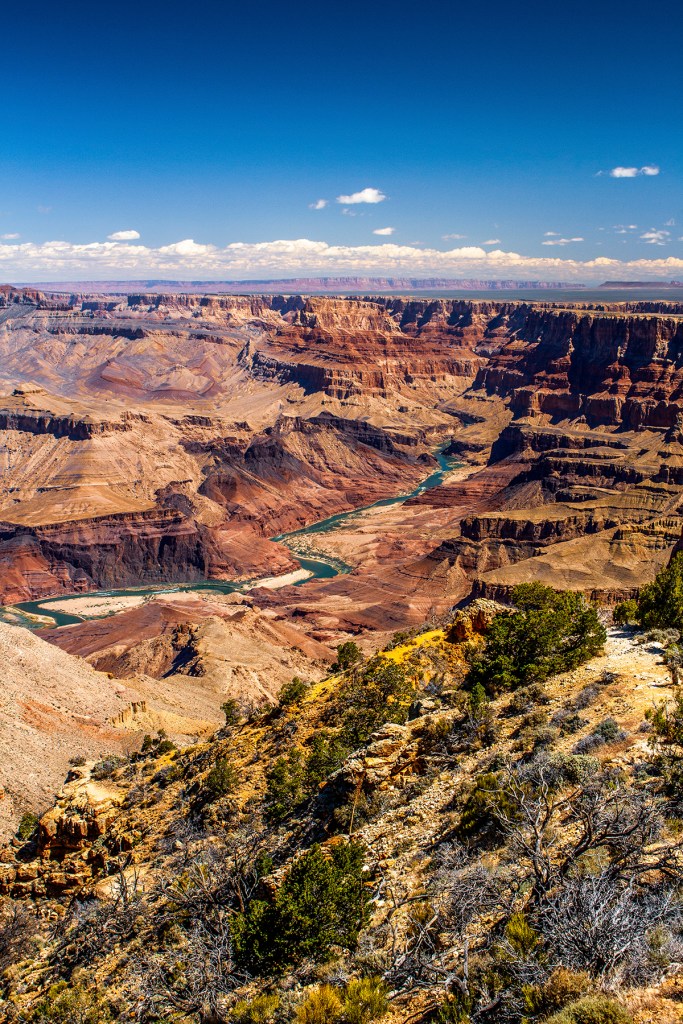
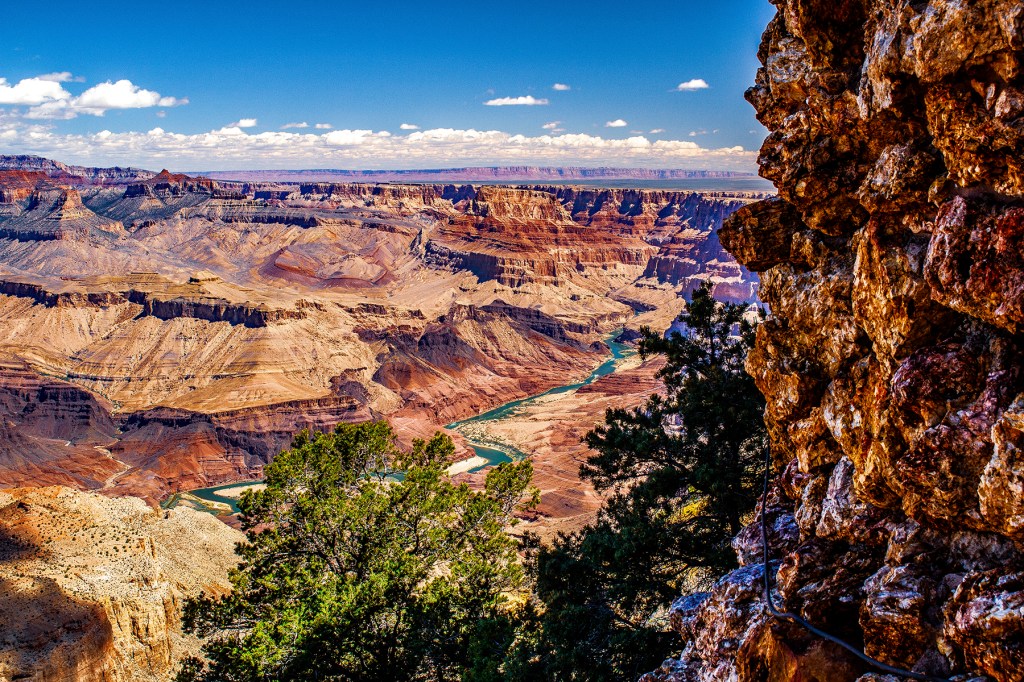
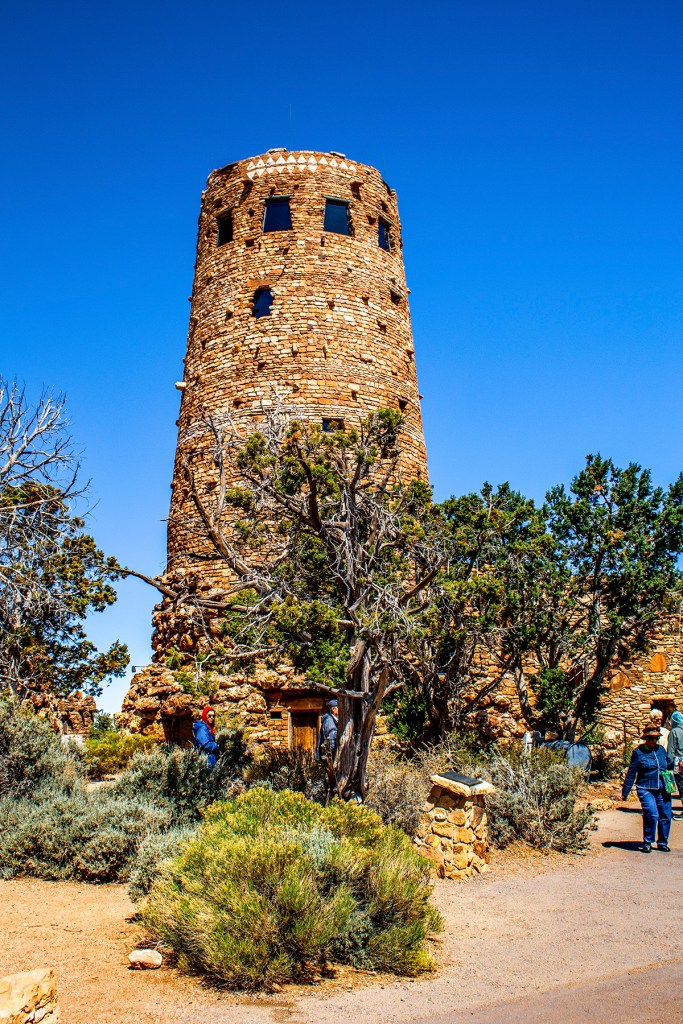
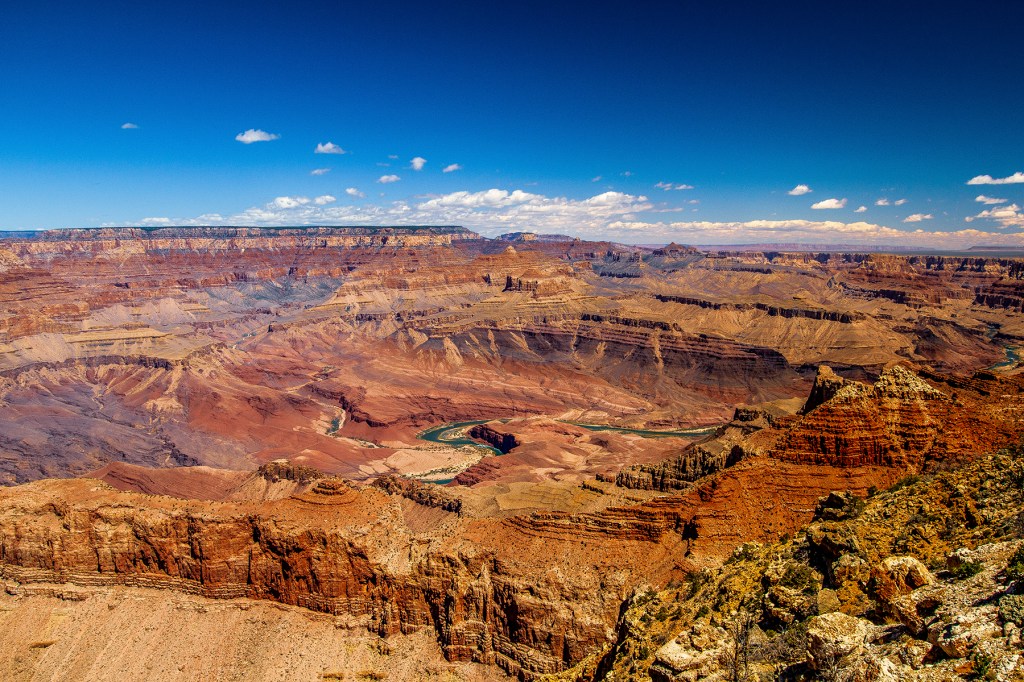
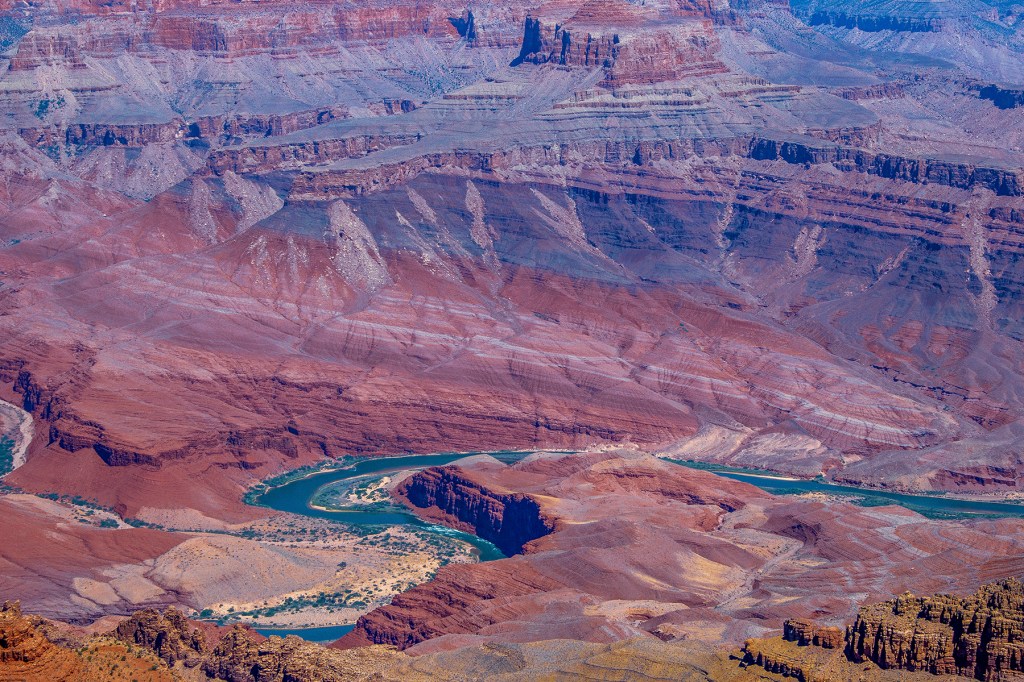
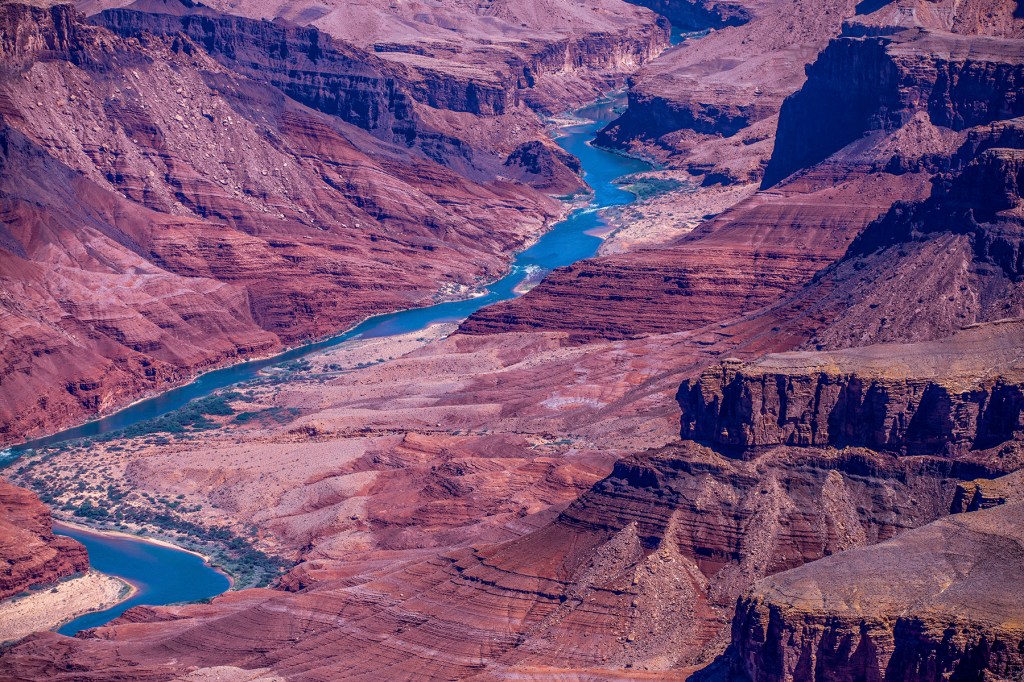
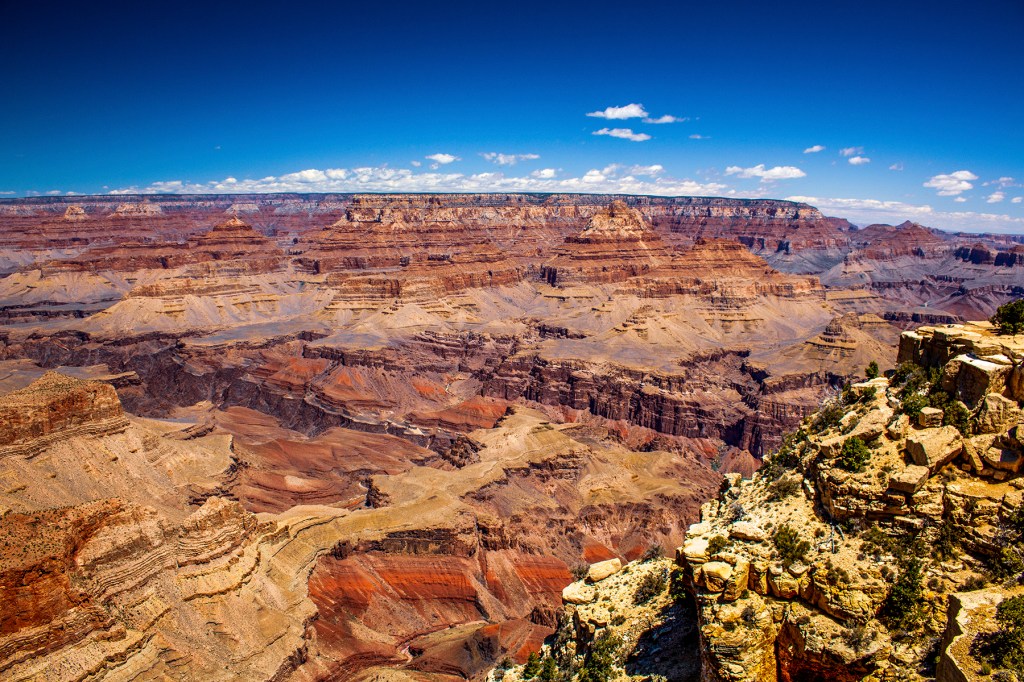
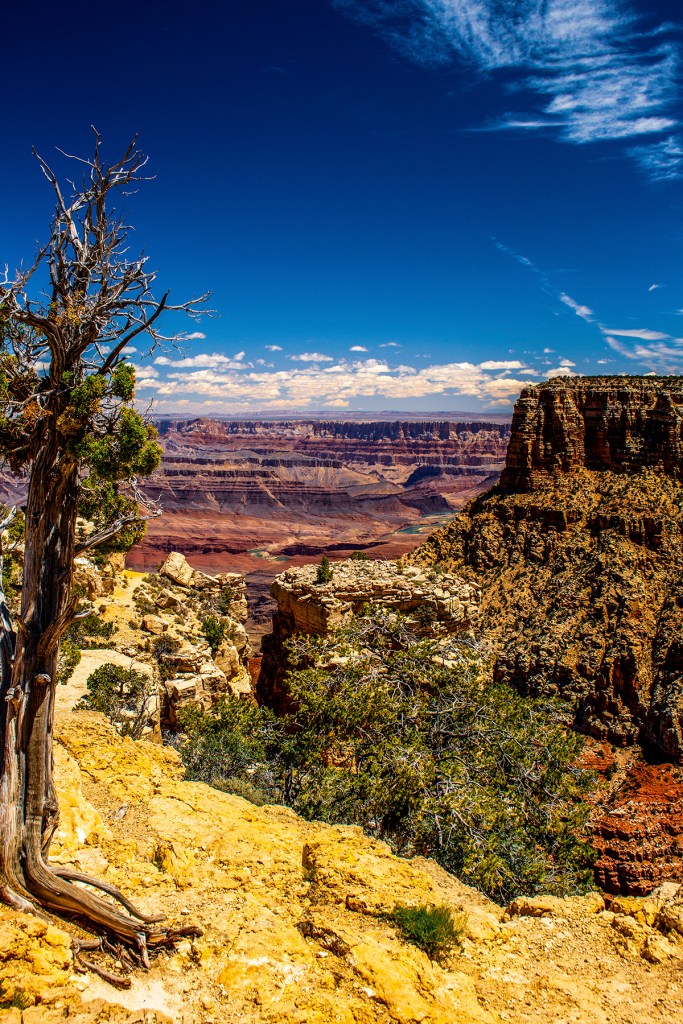
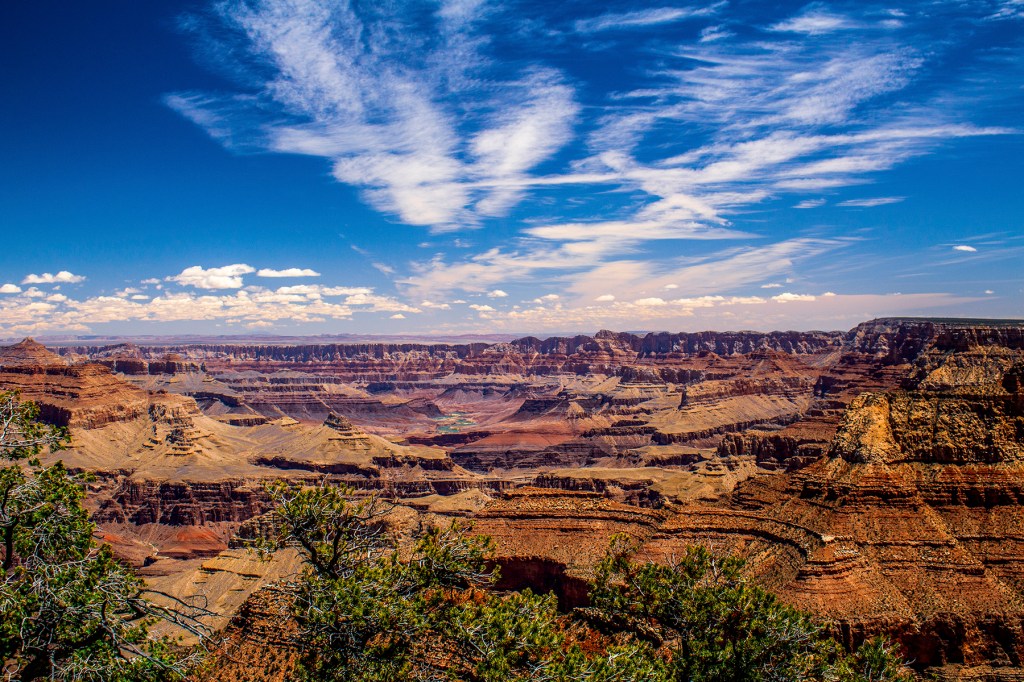
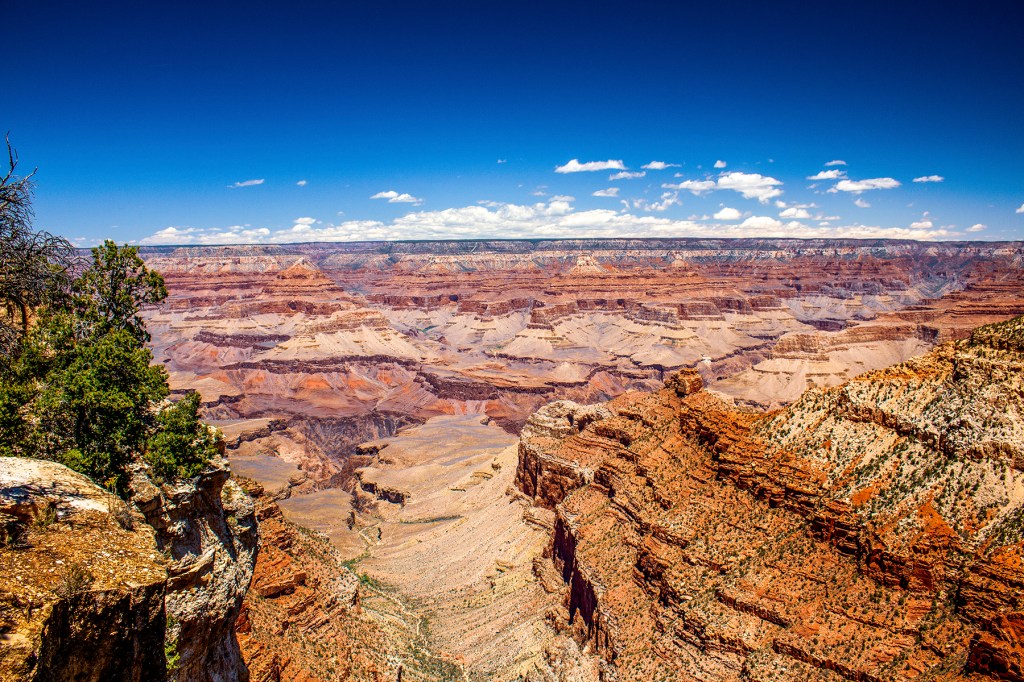
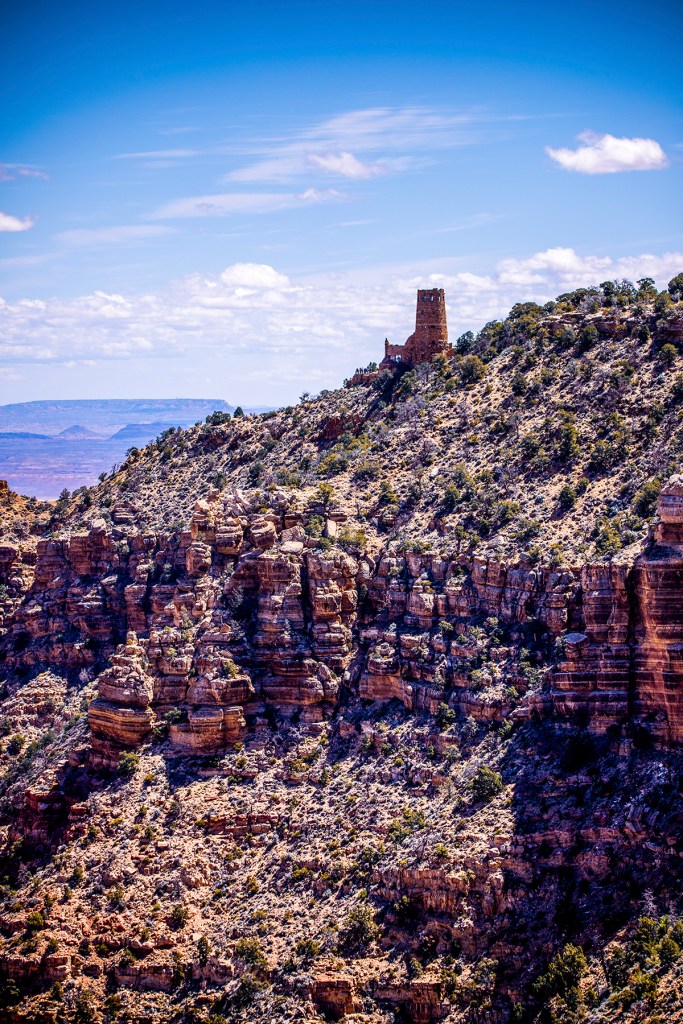
This past Tuesday, Barbara, Ellie, and I travelled north to the Grand Canyon. Even though Barbara and I have been here before, numerous times, we never seem to get tired of it. In fact, I have spent close to 50 days in the Grand Canyon and have studied it a lot. On this trip, we entered through the east gate and visited the south rim. From experience, I have learned, that it is faster and easier to get to the south rim through the east gate because it is usually less crowed and therefore, quicker to get through. The south rim gets a lot more visitors each year than the north rim. This is partially due to the fact that the north rim is only open 6 months out of the year, beginning on May 15th, and the north rim is more remote than the south rim. The south rim is also accessible by train from Williams, AZ. If you haven’t taken the train ride, I highly recommend it.
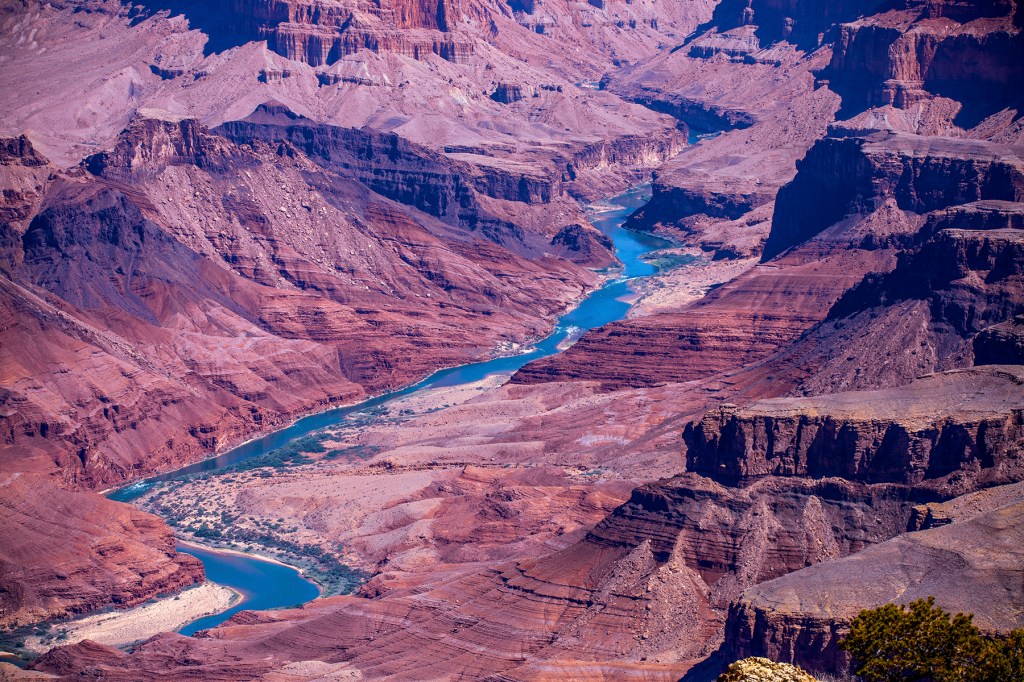
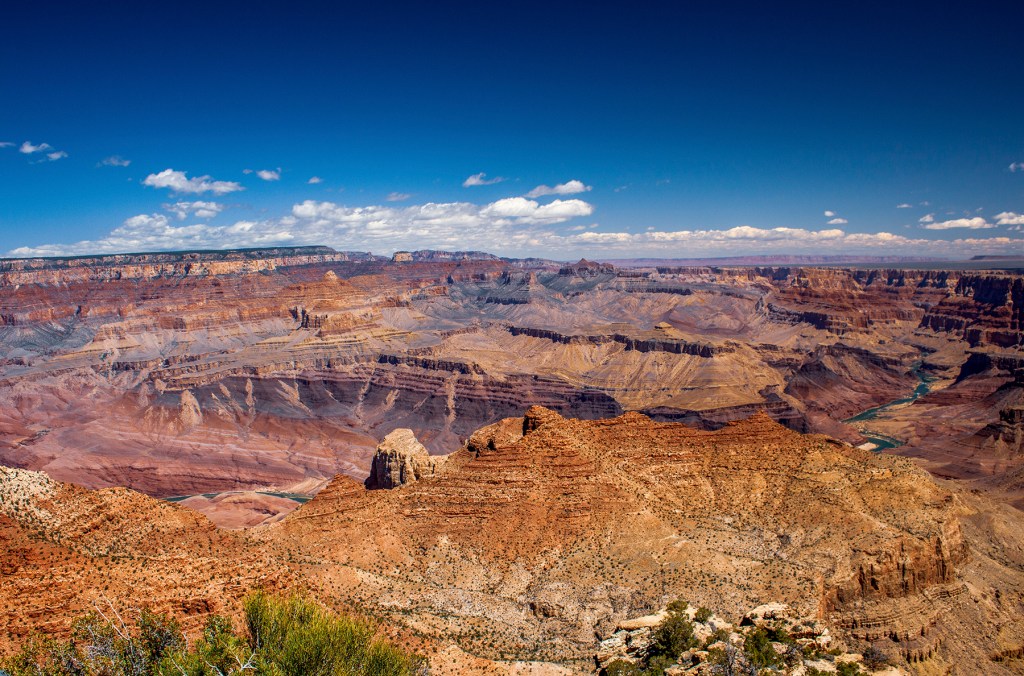
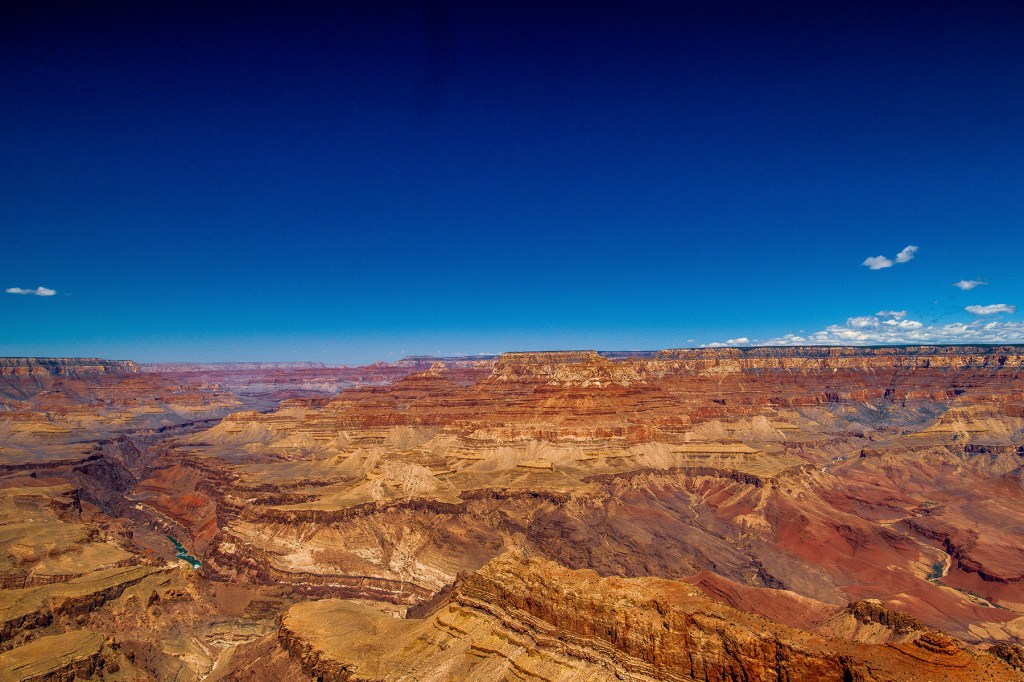
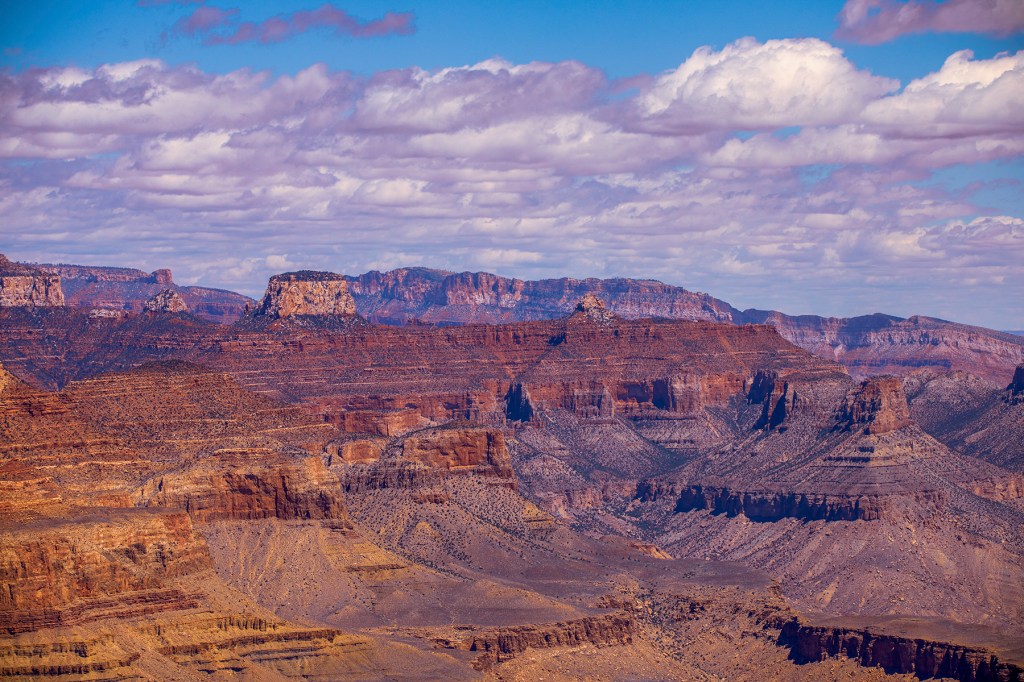
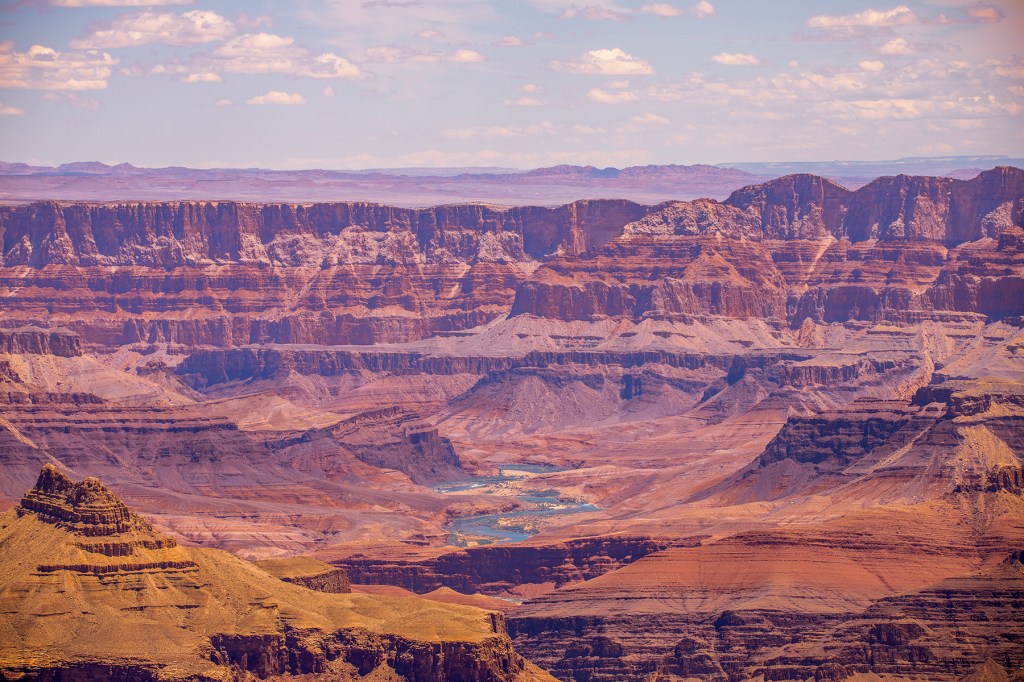
On this day the weather was prefect for taking photos. The air was cool and crisp, there was just a light breeze, there were no fires in the area, and there were just enough cirrus and cumulus clouds to make for a nice contrast in the sky.
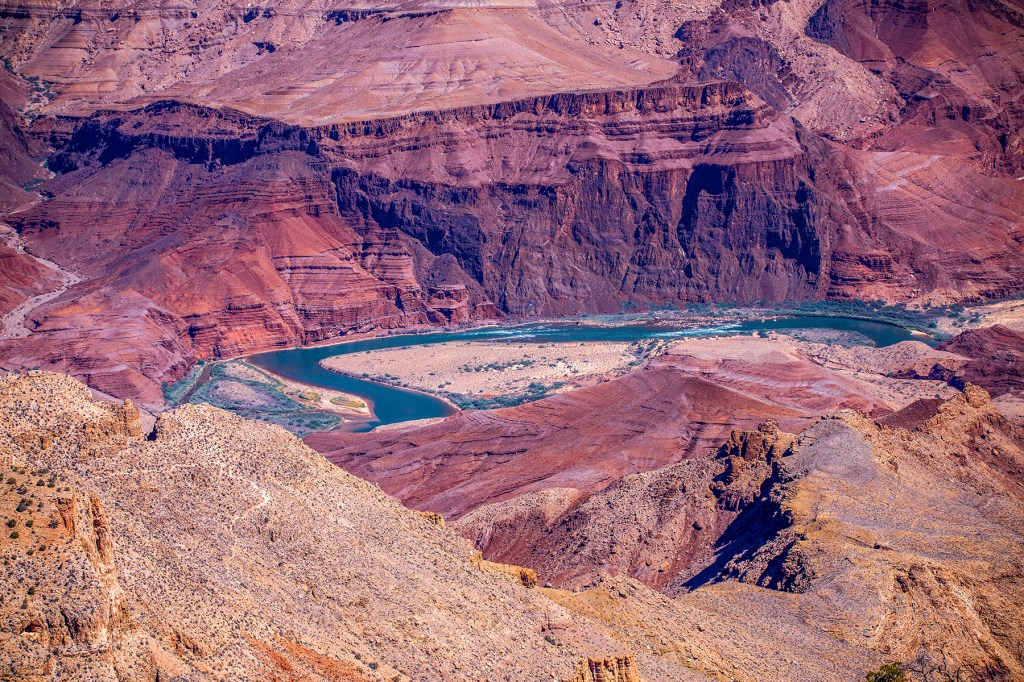
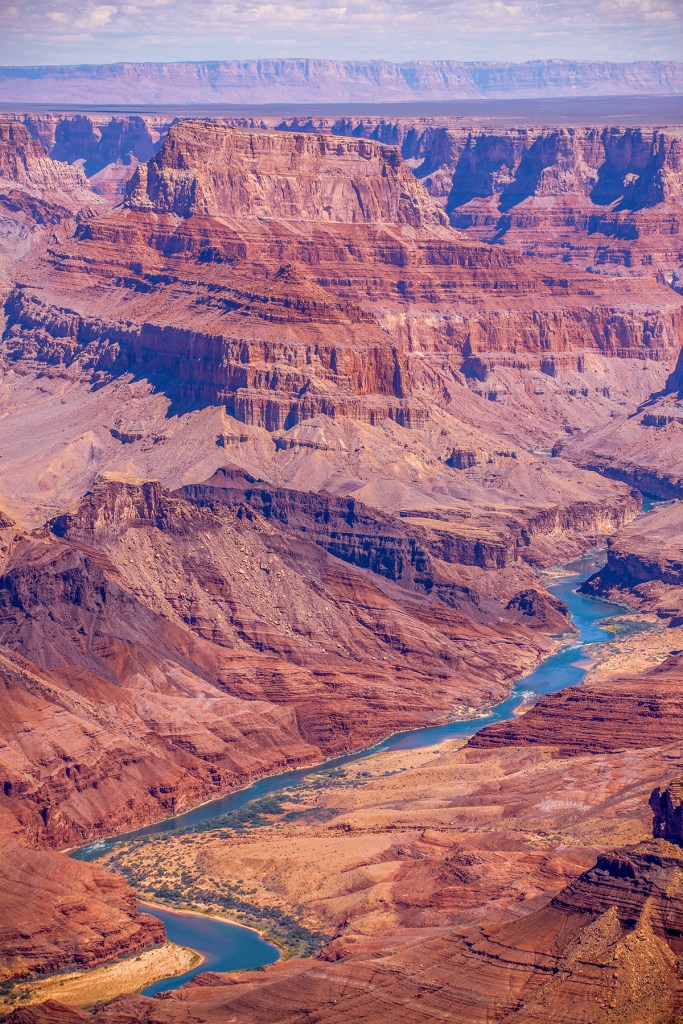
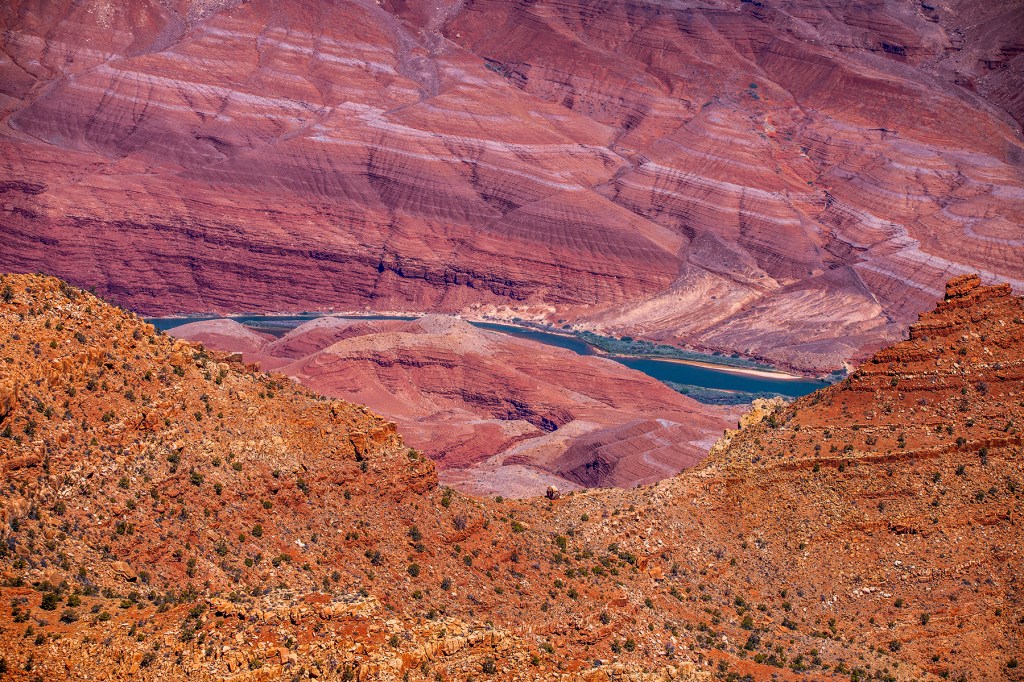
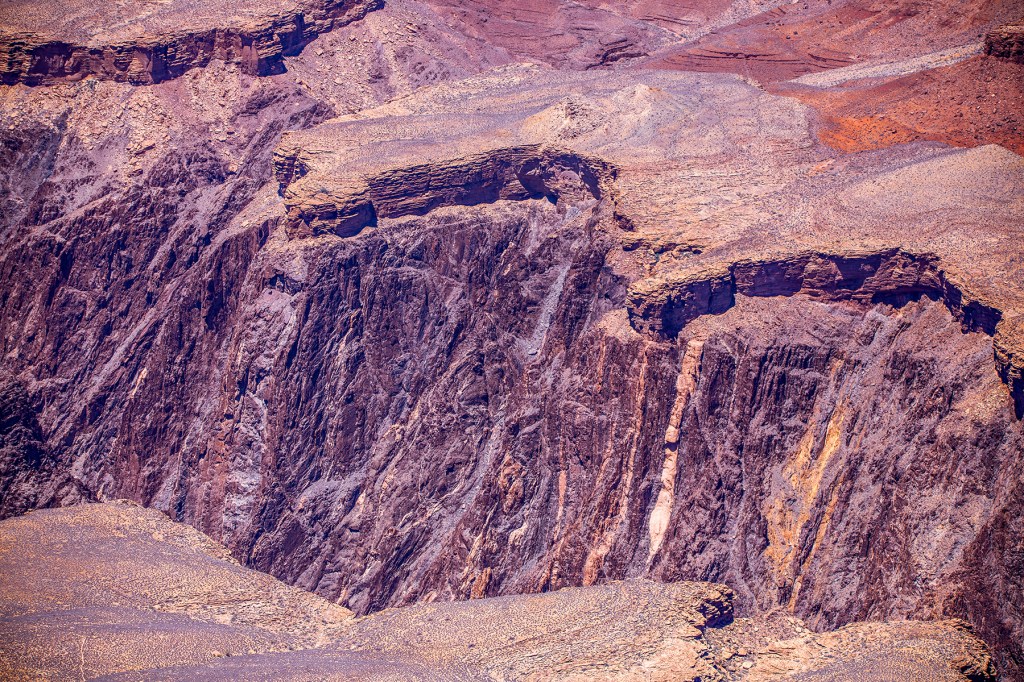
Starting from the top down, the rocks in the Grand Canyon range in age from 250 million years old, the Kaibab Limestone, to the 1.7-billion-year-old, the Vishnu Complex, the inner gorge, at the bottom. The sedimentary rocks, that make up the horizontal layers are visible near the top of the canyon, range in age from 250 million years old to the Tapeats Sandstone, at 500 million years old. The Tapeats Sandstone sits on top of the Great Unconformity. The Great Unconformity, makes up a section of missing time in the rocks. This happens when the rocks are exposed to erosion and over time, they are removed by the forces of nature, wind, water, freeze and thaw, etc. However, in the Grand Canyon, some of these missing sediments survived and are known as the Grand Canyon Super Group. In places these rocks can be seen and make up a small portion of the missing 1.2 billion years of time. Below the Great Unconformity is the Vishnu Complex. It is made up of metamorphic and igneous rocks and are exposed as the black rocks seen in the inner gorge. I have photos of all of these different rocks in my photos below.
It’s likely that most of you have already visited the Grand Canyon, but if you haven’t, I hope my photos encourage you to visit sometime in the near future. After all, the Grand Canyon is listed as one of the Seven Wonders of the World. Enjoy!